





5 spots of Ibaraki recommendation basic sightseeing which goes to Tsuchiura by a stay

Ibaraki-ken where natural charm is much Kasumigaura and Mount Tsukuba. About 60 minutes and Direction are good by car at 45 minutes at the least by train from metropolitan area in Tsuchiura-shi located in the prefecture south, and the highlight with the abundant individuality is also here and there in Ushiku-shi in 2 station (about 12 minutes) and science city Tsukuba-shi by train from Tsuchiura Station. 5 basic tourist attractions where I meet colorful charm Ibaraki are introduced.
1Ushiku chateau
The Japan's first winery where a breath in Meiji Period is felt
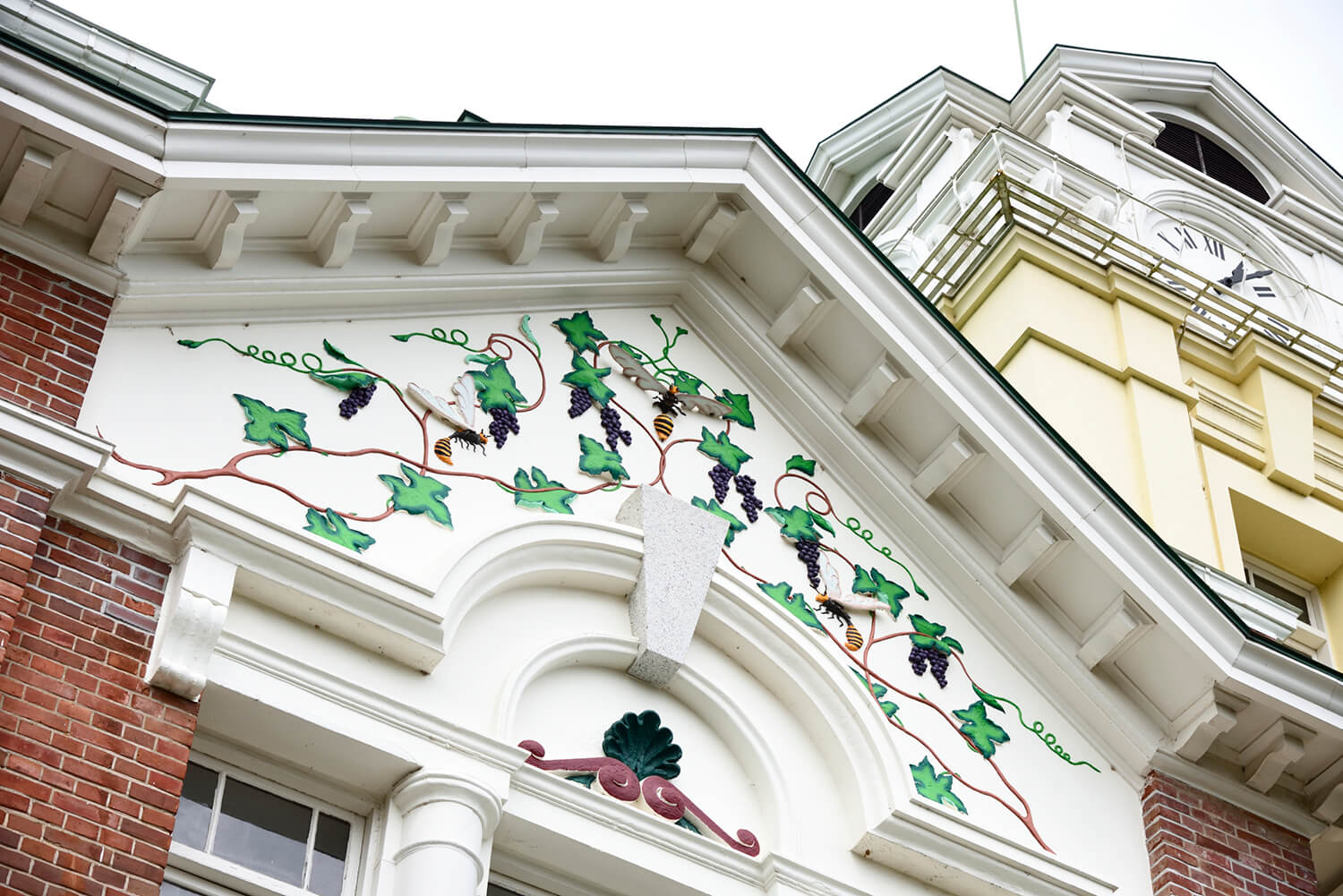
Real wine brew place by the first country a businessman and Kamiya den Hyoe founded. 3 houses of magnificent western architecture built with red brick built for Meiji Period is designated as national important cultural property. A lorry for wine carriage tried to imitate whole process flow until 6000 of cultivation of a grape plant, harvesting, brew of wine and bottling in this real life then, and ran between the Ushiku Station. A valuable building is opened to the public historically at present, and the shop to which tour Property, Restaurant and original "wine cake" are sold is being managed.
Expectation is driven in the footprint "Japanese wine king" followed.
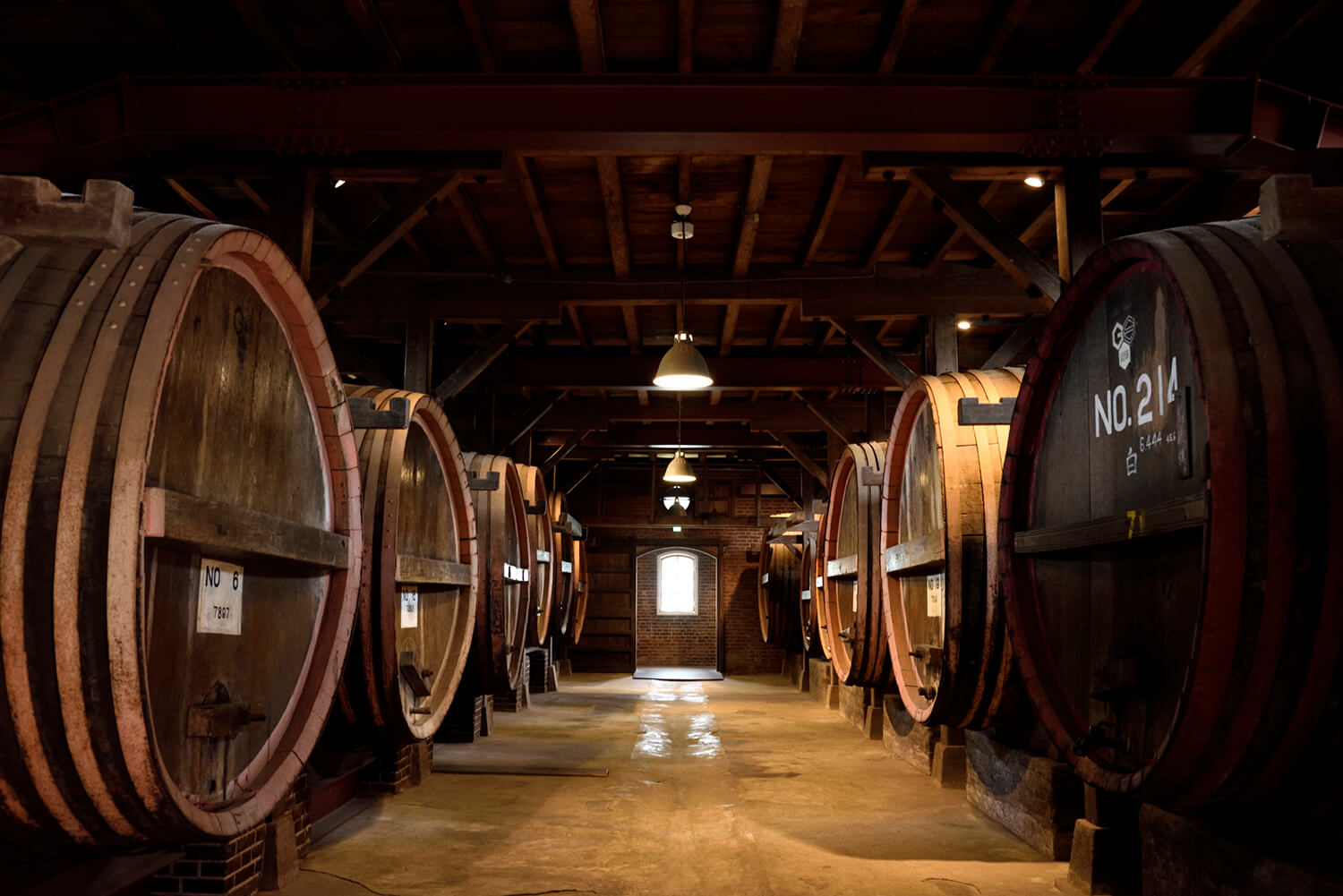
The "Kamiya den Hyoe museum" used as a fermented room over 3 houses is display Property where a tour is possible for free of charge. The form that huge Kitaru lines up both sides in an aisle the 1st floor is highlights. Kitaru who is near the entrance was used approximately 100 years ago, and can see transcription with "built with May, 1903". Valuable material of brew apparatus in at that time is exhibited on the 2nd floor, an impression, much. The pace of Kamiya den Hyoe and passion are told soon. Wine is also loaded by a chilly underground seller onto a remaining old bottle darkly, and it's wrapped in the peculiar fragrance and atmosphere.

This place
Supporter
A grape is growing rapidly in the field in Ushiku Chateau. Again, brew of wine and Local Beers production have started at this place. It's pleasant for the taste of the wine created at a place by Ushiku.
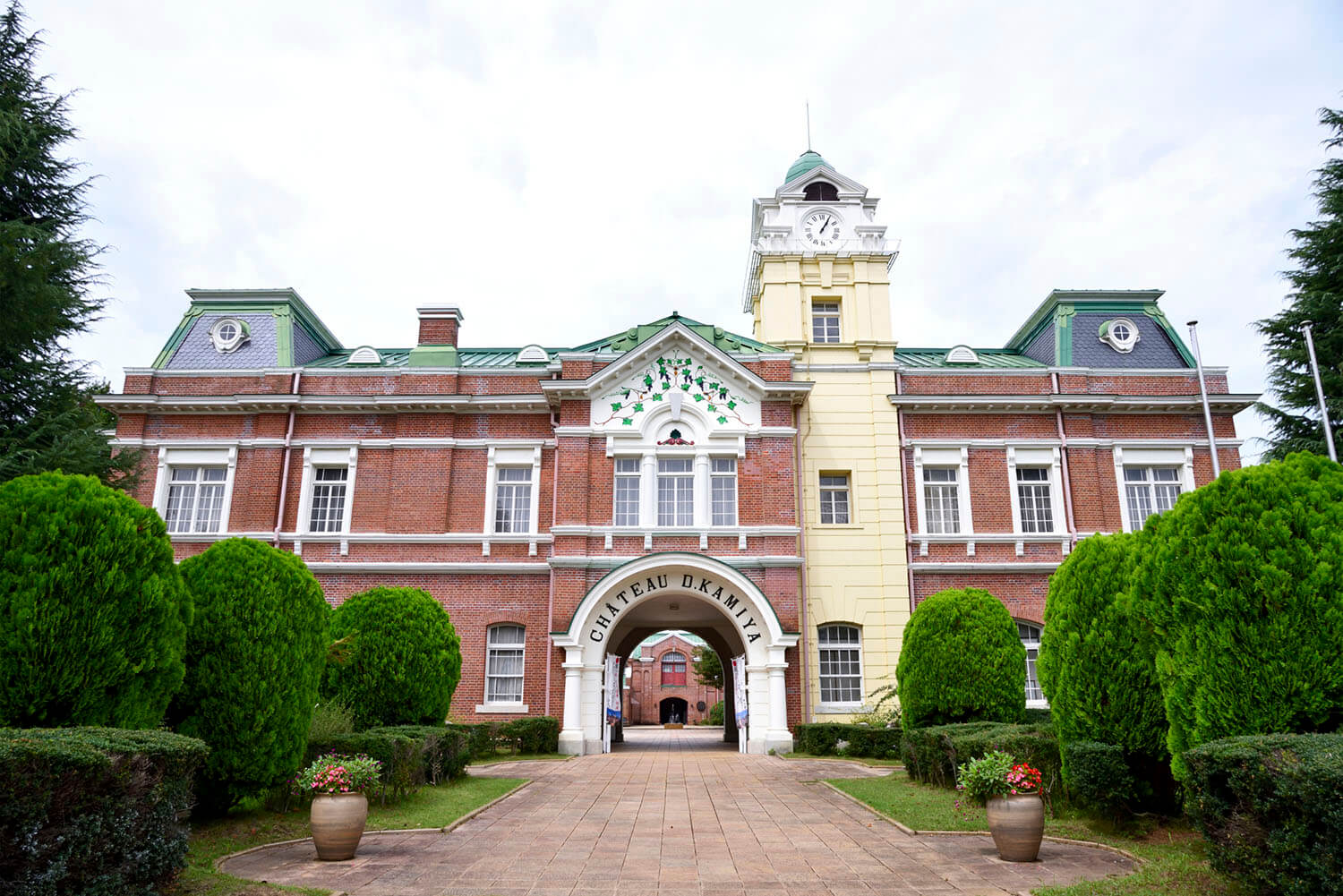
- Ushiku chateau
-
 3-20-1, Chuo, Ushiku-shi, Ibaraki MAP
 It's a car more than JR Tsuchiura Station, about 25 minutes or JR Ushiku Station east exit (the chateau mouth) choice for 8 minutes on foot
 Tour Property10:00-16:00, Restaurant11:30-15:00 (L.O.14:00), 17:30-21:30 (L.O.20:00) and Shop 10:00-18:00
 Year-end and new year holidays (in Restaurant and Shop, Monday)
 Free entrance
 029-873-3151, Restaurant029-896-3612 and shop 029-896-3615
 Payment required (Times Ushiku center across Property is used. Only 60 minutes/100 yen and a weekday, at most 300 yen for 1 day)
2Ushiku Great Buddha
The best in the world bronze big Buddhist statue which watches Kanto-heiya

The big Buddhist statue which stands in Ibaraki-ken which was a base of missionary work at Kanto of a founder of Jodo-Shinshu and Shinran. It's completed in the site of headquarters Higashi Hongan-ji in 1992 and takes pride in the hugeness by which Nara's Great Buddha is to the extent I get on a palm. The traditional pure land system garden based on a landscape document of Kamakura Era "secret shou of hills and rivers" and about 20,000 square meters of alpine flower zone are spread in a footing, and baby's breath, Pot marigold and autumn can enjoy flower gathering of a cosmos in spring. The form of the energetic carp which purchases food by momentum that they seem to land in a bank is doing food doing of carp at a pond of "garden of long cherished desire solemnity", and is a topic.
I go around the Elysian fields at Tainai of big Buddhist statue.
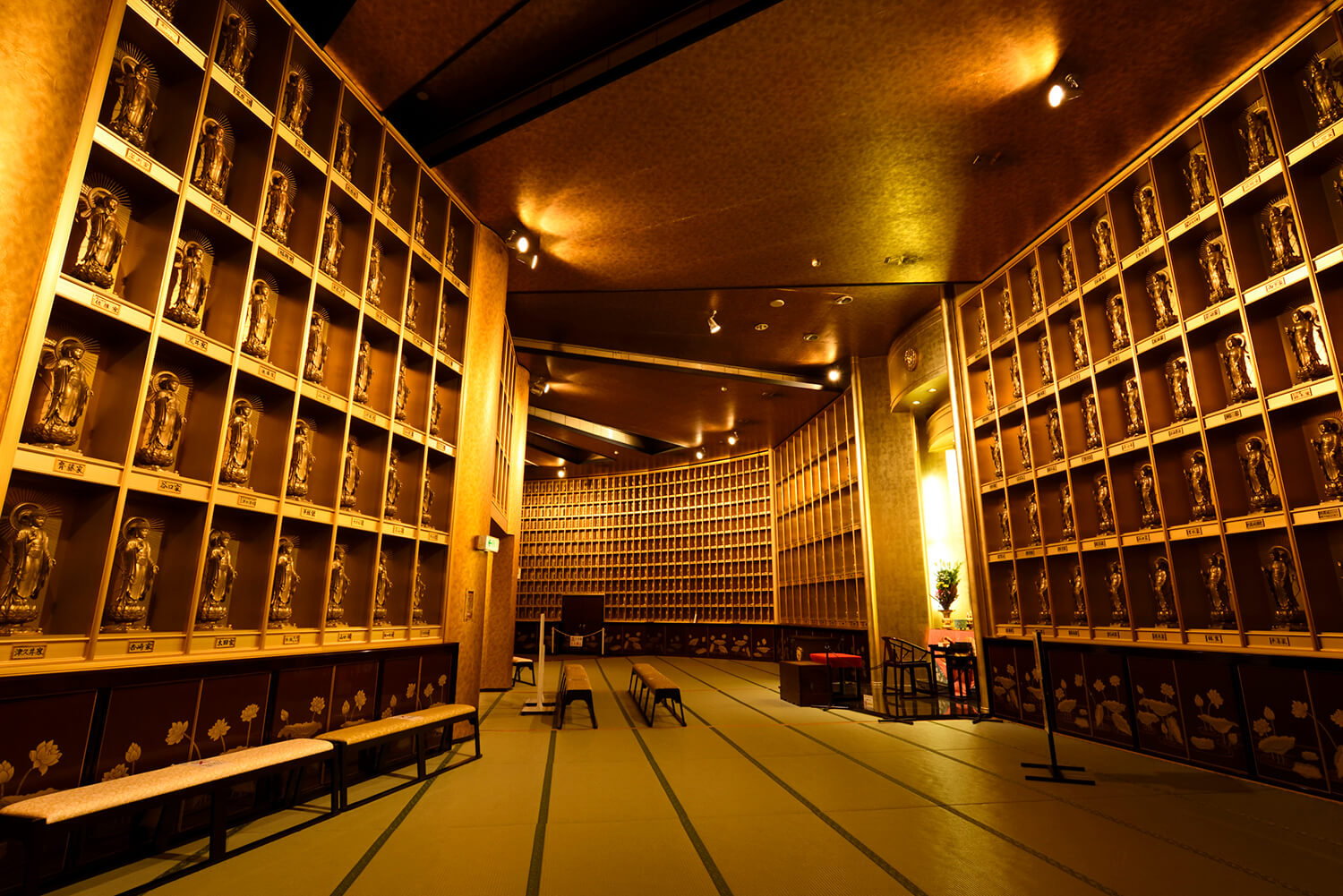
Tainai of big Buddhist statue is divided into 5 layers, and the fantastic pure land world can be inspected. You can have the chance of a superb view due to the top floor of the ground 85m from a view window around the chest and look Mt. Fuji and Tokyo TOKYO SKY TREE around far in the day when air was clear. The 2nd floor of sutras transcribing seat of about 70 equals "the world of chion gratitude", and the other right leg thumbs of introduction for 10 years until Great Buddha building and the size of original sutras transcribing Experience at Tainai can have are also exhibited. The 3rd floor where the "Tainai dead" who emit gold light line up is the solemn space where you recite a sutra in a morning and evening. It's possible to go out of the 2nd floor on the pedestal and stick gold foil on the lotus place by the Great Buddha style.
This place
Supporter
The valuable photo spot which can take two shots with Great Buddha style by the "visit sign's" installed along approach to big Buddhist statue devising the angle. Please try photography by all means.
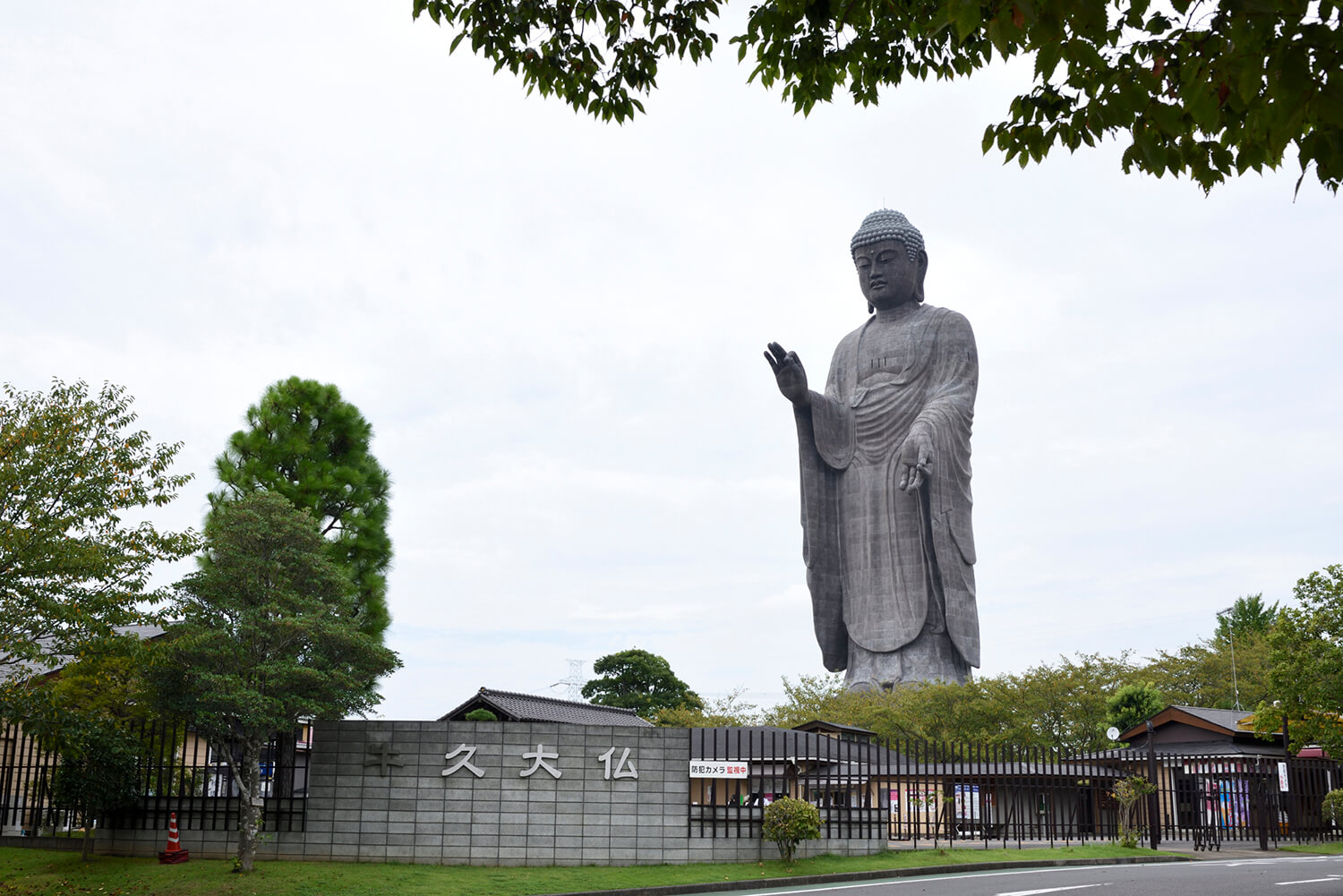
- Ushiku Great Buddha
-
- 2083, Kunocho, Ushiku-shi, Ibaraki MAP
- It's a car more than JR Tsuchiura Station, about 26 minutes
 At about 34 minutes, "Ushiku Osaragi" gets off JR Ushiku Station by Kanto Railway bus "Ushiku jouen" way, immediately.
- 9:30-17:00 (inSaturday . Sunday and a holiday-in 17:30 or 10-February,-16:30)※ reception end is 30 minutes before for each.
- Open everyday
- A Great Buddha Tainai inspection adult of 800 yen and a child of 400 yen (for inspection only in a garden, 500 yen for an adult and 300 yen for a child)
- 029-889-2931
- Free
3Kasumigaura
The lake of relaxation where a pleasant wind blows across
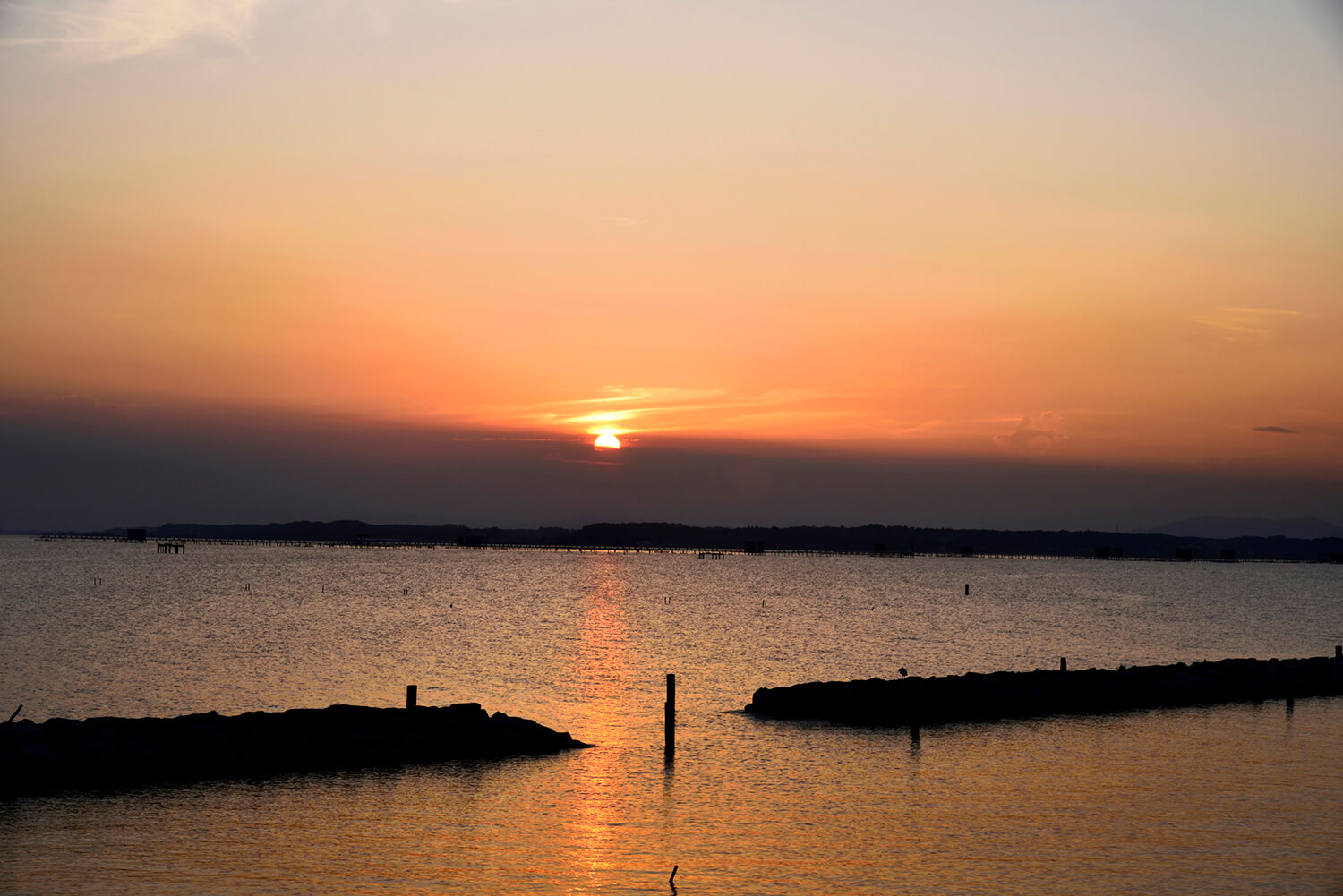
The fresh water lake big in the 2nd in Japan following Lake Biwa. A migratory bird of a swan can come flying and please Bird watchers in the other winter Activity on the water and change can enjoy. The "sightseeing sail tugboat" charming sights from summer to autumn can inflate a big sail, and which navigates a lake. By the one which reproduced traditional fishing in this place, from "Accompaniment ship (Marrow isn't opposite.)", the, the form that it was done expansively can be visited. Sunset which suits a gentle surface of the water is also beauty which is to the extent I hold my breath, and the view from "Tennouzaki park" which also sees Mount Tsukuba is a sunset spot of local person recommendation.
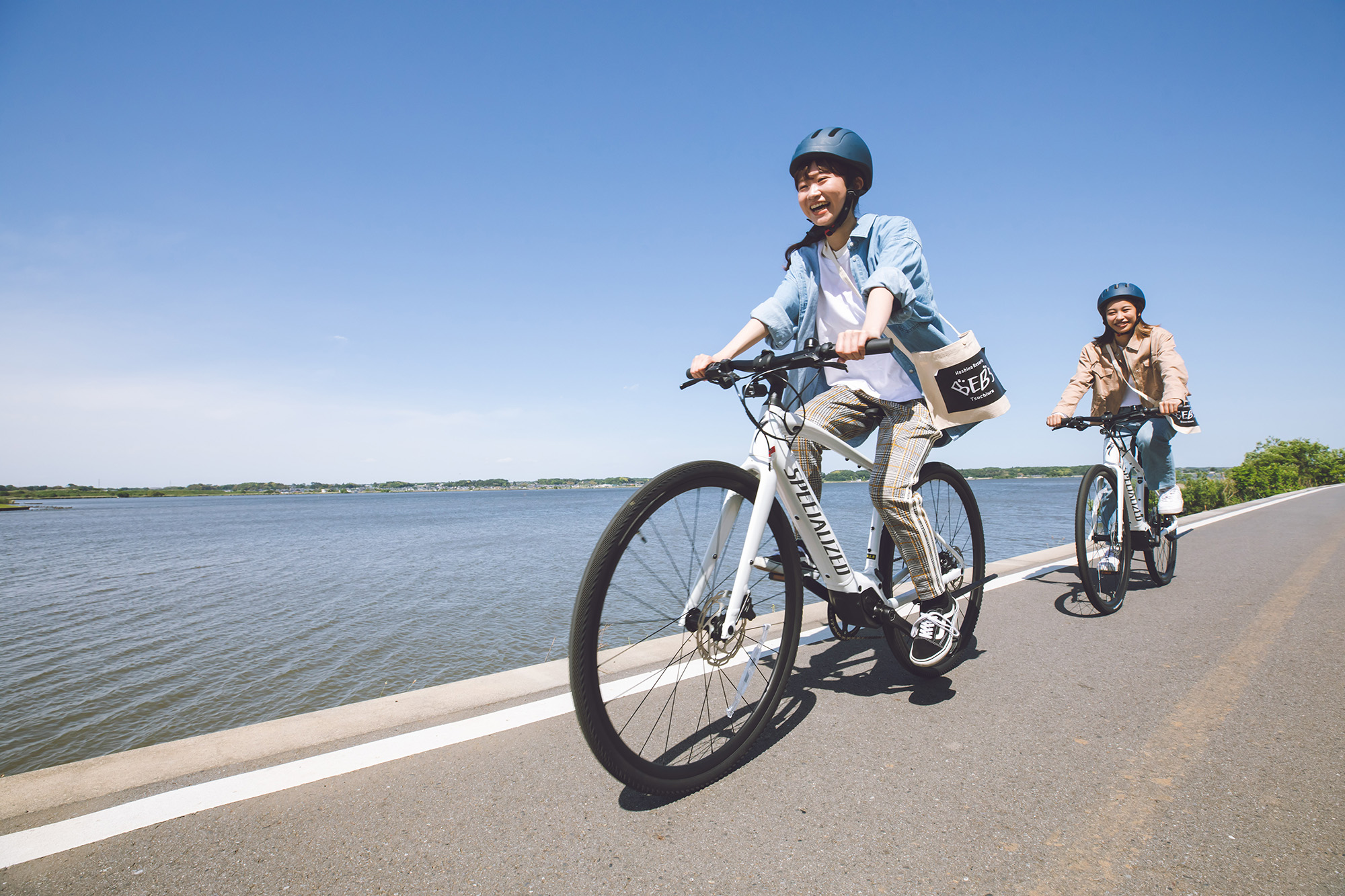
I challenge Kasumigaura going around by a cycling along lakeside.

The form of the cyclist that the cycling load to which you can run refreshingly is maintained, breaks the wind comfortably and runs is judged by safety along lakeside. It's dotted with an interesting place and support Property Restaurant of local production for local consumption, a park and an agricultural produce direct sales place on the course. Rent-a-cycle (Reservation required) is made of "it's square ringingly, Tsuchiura" etc. in Tsuchiura Station premises, so a superb view cycling can be enjoyed even empty-handed. "Kasumigaura wide area rhinoceros cruise" (limitation navigation), the houseboat and the sightseeing boat which can bring a bicycle into a sightseeing boat also enrich the pleasure of the tour of lakes.
This place
Supporter
When saying Kasumigaura, pond smelt and Japanese icefish are famous, but a carp streamer and catfish are cultivated. It's used for topping material of a hamburger at Restaurant along lakeside and a product house, and it's a this place gourmet.
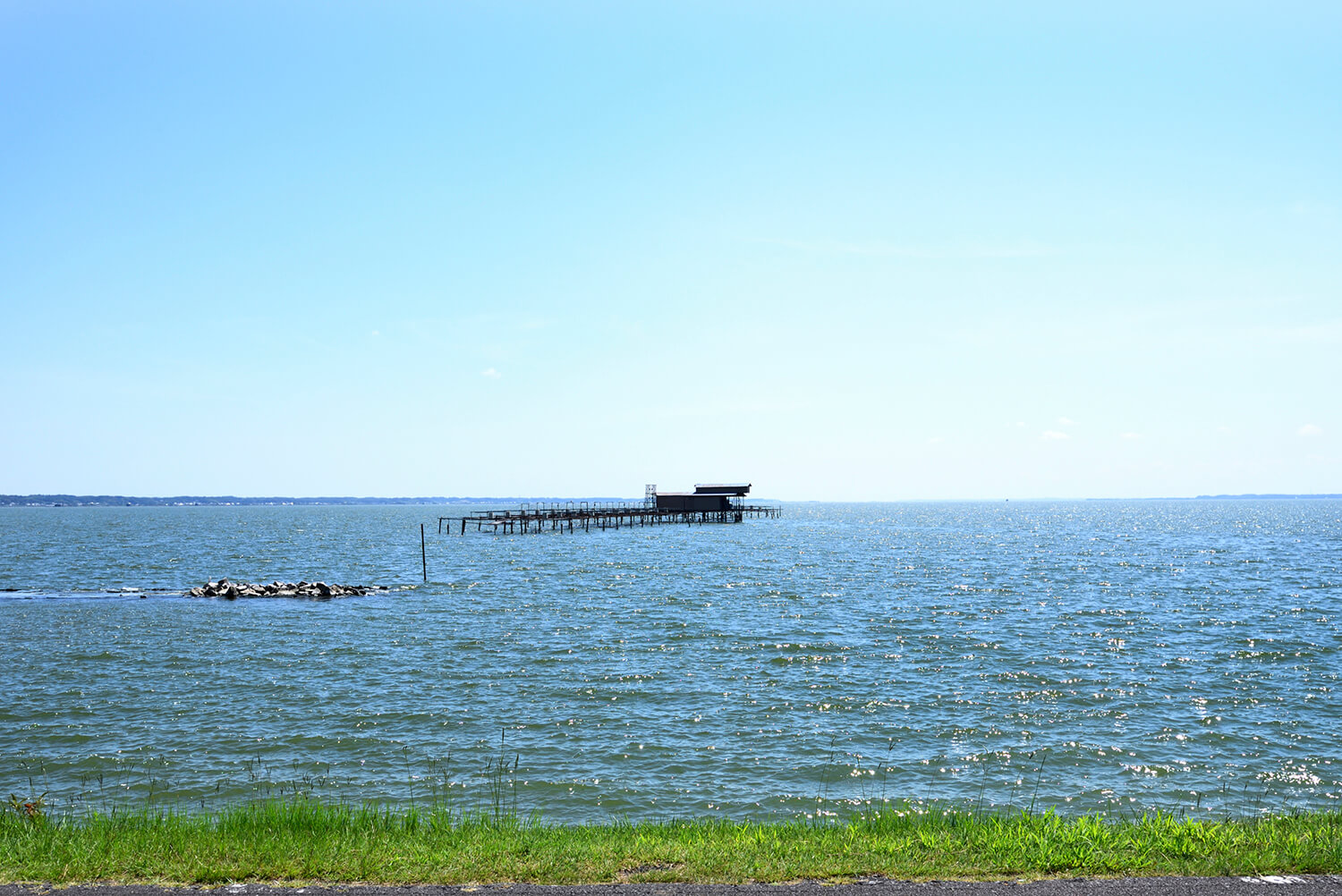
- Kasumigaura
-
- Ibaraki-ken Namegata city Asabu (Tennouzaki park) MAP
- It's a car more than JR Tsuchiura Station, about 50 minutes (Tennouzaki park)
- Tour freedom
4JAXA Tsukuba Space Center
I know the forefront of space development in a science city.

The inspection tour the other tour guides who can sense space technology imminently show is being also performed in JAXA which carries a space study in Japan tip and development. II "rockets of real H-" you meet at the rocket square where a front gate is immediately is very popular as a photo spot. Tension also goes up adult unconsciously in the form that a successive generations rocket (1/20 sizes) equals in the "space Daum" who can visit freely in a row. A space goods of the JAXA authentication "space food" etc. I get at a museum shop can't also be overlooked.
I'll imagine the global future by astronaut feeling.
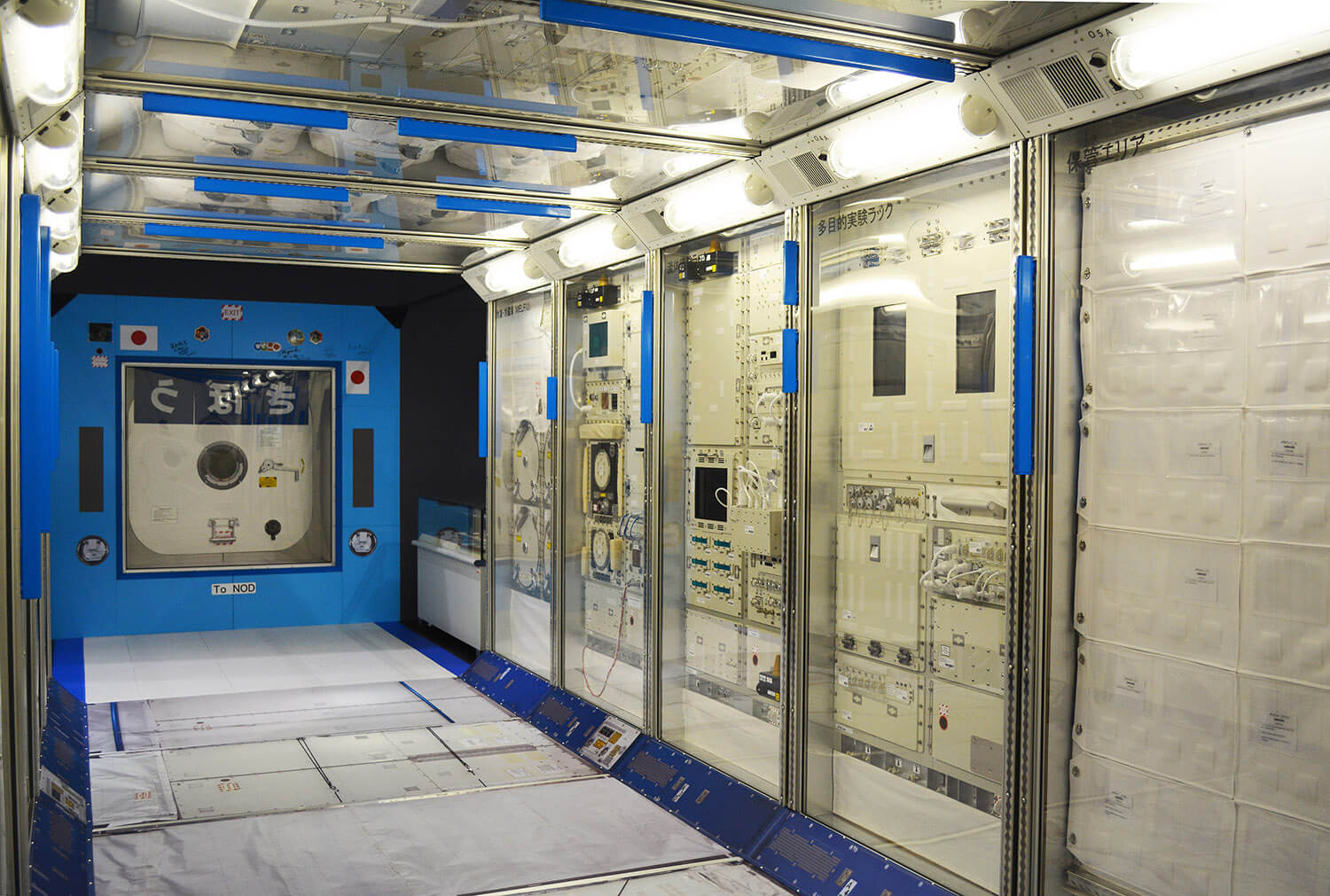
I recommend about 70 minutes, inspection tour (charge and Reservation required). I take a bus and leave, and a practical use control room in a "Kibo" Japan experimental ridge and the education area used for astronaut's selection and drill can be visited with a guide. The sound which watches an introduction picture of JAXA at an information ridge of public relations, and is at the time of rocket launch, Experience. Sound in 3km spot can taste the sense to affect a body like the rumble of the ground from a launching site. The future world should be able to be impressed by something closer by touching a realistic site of space development.
This place
Supporter
Official poster display of the NASA production seen at an information ridge of public relations is the interesting place where I hid. The astronaut's rare form dressed like JEDAI of "Star Wars" is seen.
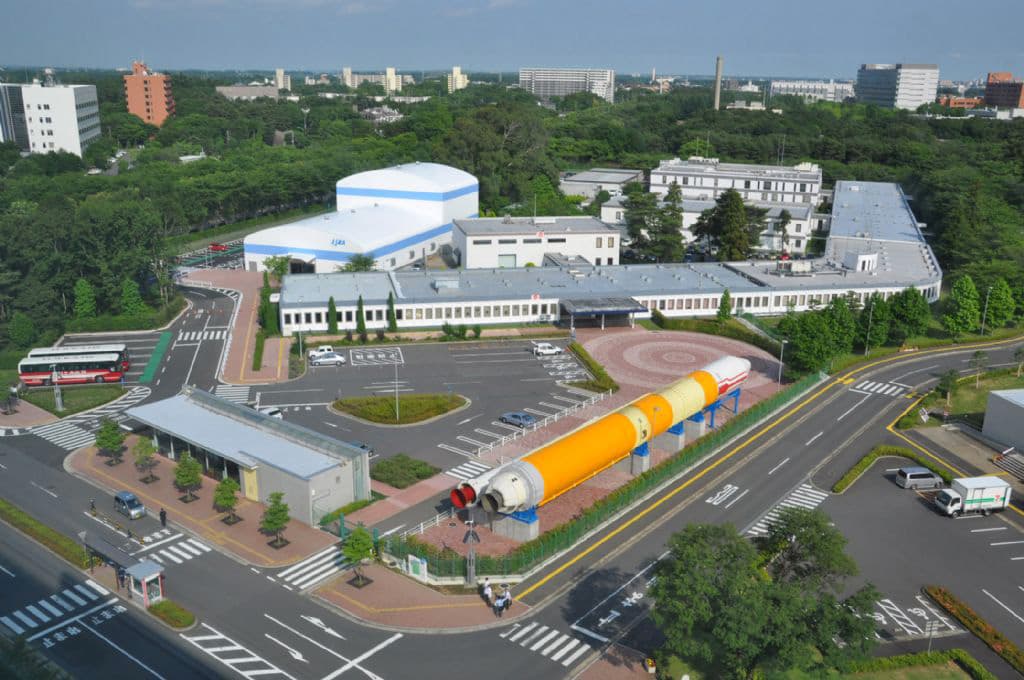
- JAXA Tsukuba Space Center (JAKUSA Tsukuba UCHUU center)
-
- 2-1-1, Sengen, Tsukuba-shi, Ibaraki MAP
- It's a car more than JR Tsuchiura Station, about 18 minutes
- A space dome, a museum shop in 10:00-16:00 and planet Cube is 10:00-16:30.
※ Preliminary reservation by a web is necessary for arrival. - The regular holiday-lessness, New Year's (12/29-1/3) and Property inspection day, etc.
- Free entrance (An inspection tour is 500 yen. It's free less than 18 years old.)
- Free
 An inspection tour is suspended current as of September, 2021. There is a part of the display in case of entering regulation.
There is a diaper switchboard in multipurpose Toilet in a space dome.
※ An inspection tour is suspended current as of November, 2021. There is a part of the display in case of entering regulation.
5Mount Tsukuba
I wish for Kanto-heiya from the top of the mountain which towers beautifully.

Symbol-like existence of Ibaraki which consists of the back of 2, Nantai-san and Nyotaizan. When being shortest in one hundred famous mountains of the altitude 877m and Japan and using a cable car and a ropeway, it's hike feeling, in peak, Direction, possible. I take it from "Miyawaki Station" of Mount Tsukuba shrine side by cable car, and it's to "Tsukuba-sancho Station" just before the Mount Nantai peak. A gift shop and Dining Area can stand in a row and get a bird's-eye view of Kanto-heiya by 360 times of great panorama from free observatory in a "a frame, observatory" roof in the "going out KE field" which spreads outside the station (by Miyuki, HARA).
I'll go and worship at the mountain of worship you enjoy more than ancient times.
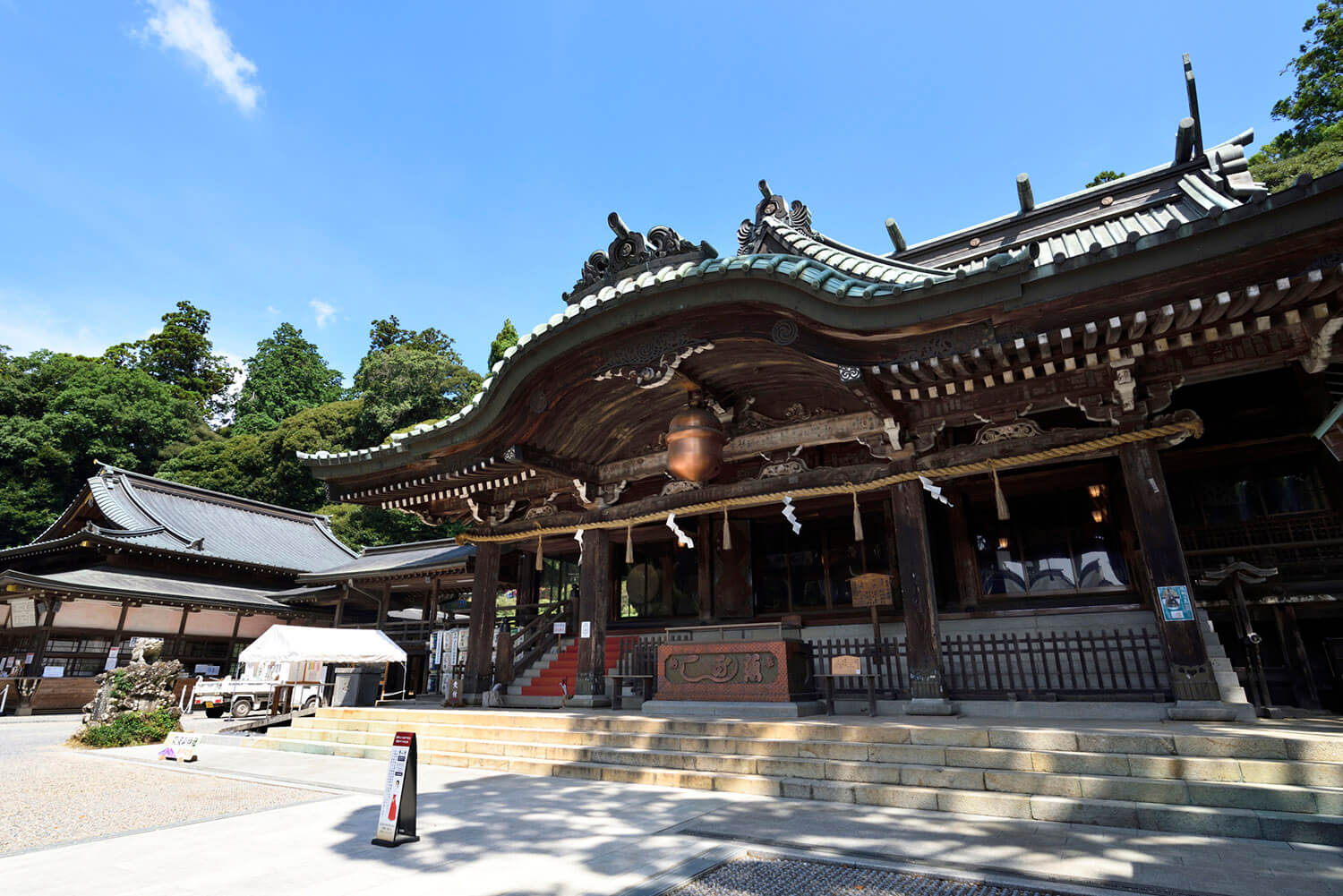
The famous mountain and Mount Tsukuba which equal "Tsukuba in western Fuji and east" in Mt. Fuji from the old days and have been claimed. The whole mountain is made the divine object, and Izanami's conjugal god is being deified with Izanagi. The design of the heart called "Inome (Stay here and drink.)" can think there is divine favor in conjugal harmony, a matchmaking and wife safety in a historical origin, Osuzu in a "Mount Tsukuba, shrine" hall of worship in the side and a pillar. A stately existence sense of a sacred tree of an age of the tree for 800 years and height 36.5m "Osugi" is also highlights. "Sazareishi" sung in a pseudonym opening of "Kimigayo" and "the Collection of Old and New Japanese Poetry" is offered up to a precinct.
This place
Supporter
When using a "by an azalea, hill" empty ropeway in the foot of a mountain at 15 minutes on foot from a cable car "Tsukuba-sancho Station" if I aim at Nyotaizan peak in Mount Tsukuba best place, you can reach the summit in about 6 minutes.
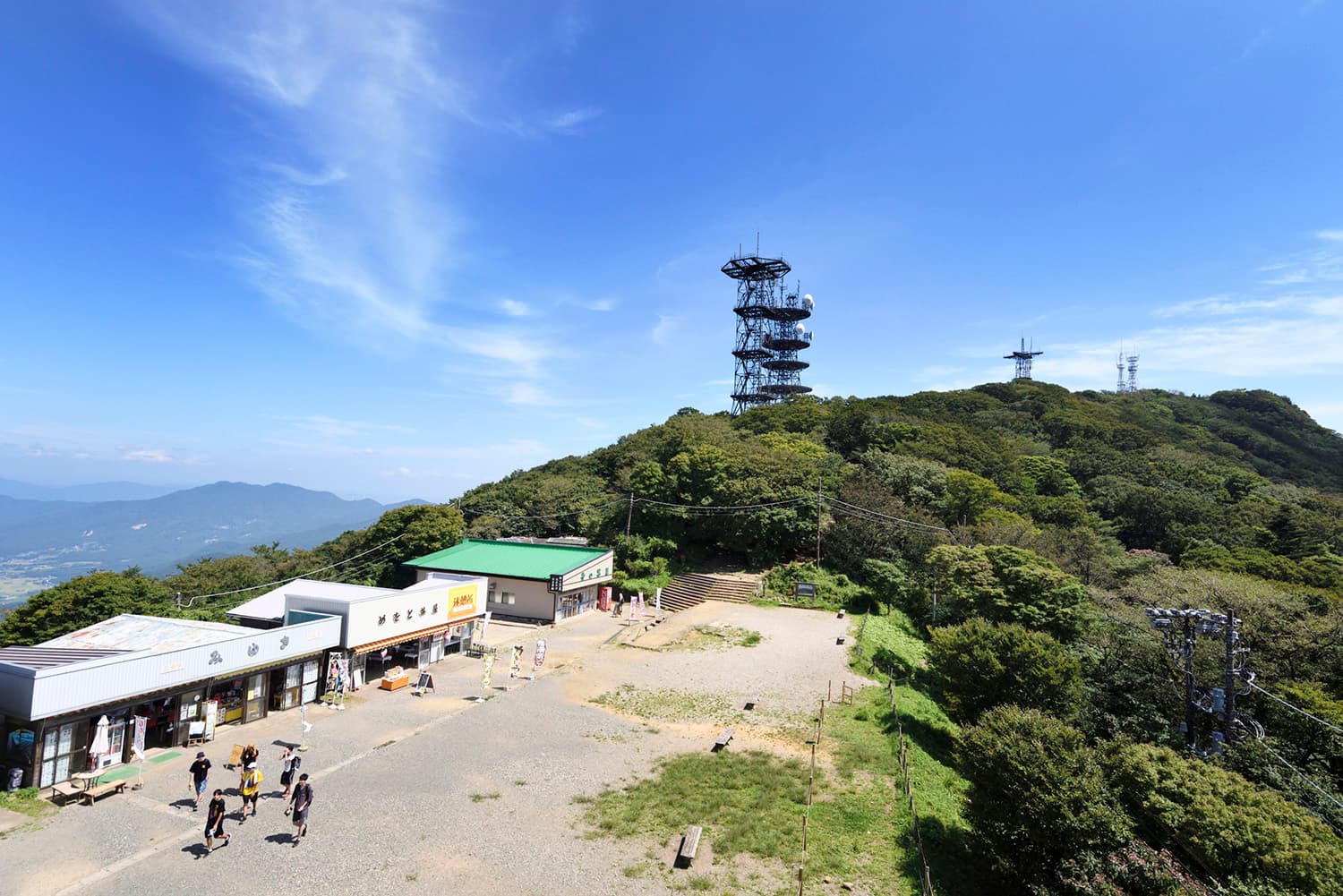
- Mount Tsukuba
-
- 1, Tsukuba, Tsukuba-shi, Ibaraki MAP
- It's a car more than JR Tsuchiura Station, about 43 minutes (around Mount Tsukuba cable car Miyawaki Station)
- Mount Tsukuba cable car 9:00-17:00
※ There is special movement at the time of numerous visitors. - Mount Tsukuba cable car Regular holiday-less (I have that in case of maintenance kyuu in winter.)
- Mount Tsukuba cable car Adult/one way of 590 yen and a round trip ticket of 1070 yen
Child/one way of 300 yen and a round trip ticket of 540 yen (Less than 6 years old are free.) - 029-866-0611 (Tsukuba Kanko Railway corporation)
- Payment required
- Mount Tsukuba shrinehttps://www.tsukubasanjinja.jp/
Mount Tsukuba cable car https://www.mt-tsukuba.com/
MAP
- Hoshino ResortsProperty around here

Local Guide which took charge of this article
- Saito momonoCuriosity ousei challenge girl
BEB5 Tsuchiura by Hoshino Resorts
Ibaraki-ken and Tsuchiura
Convenient location of the JR Tsuchiura Station direct connection. The cycling hotel where you can stay as well as bicycle.
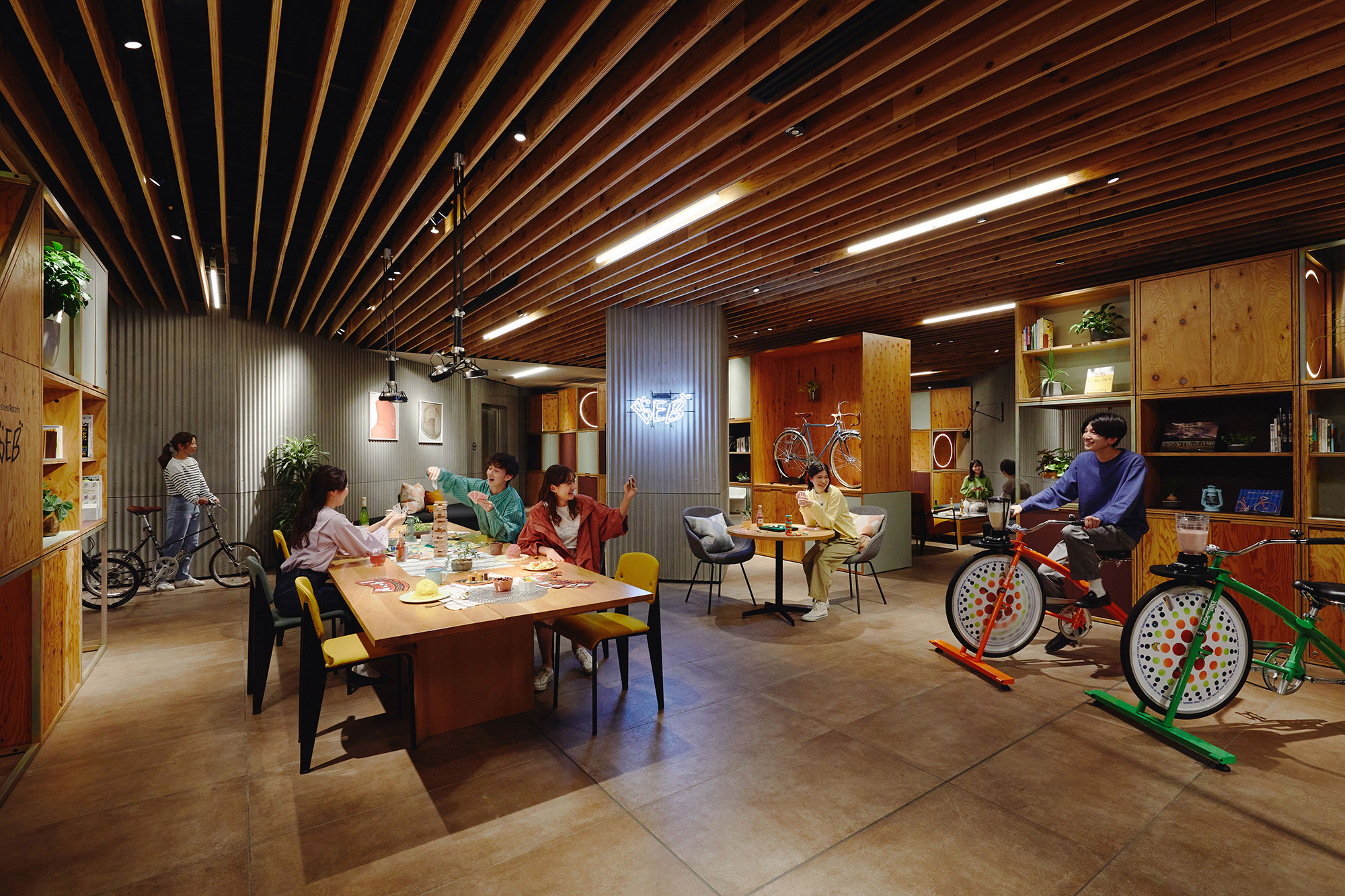
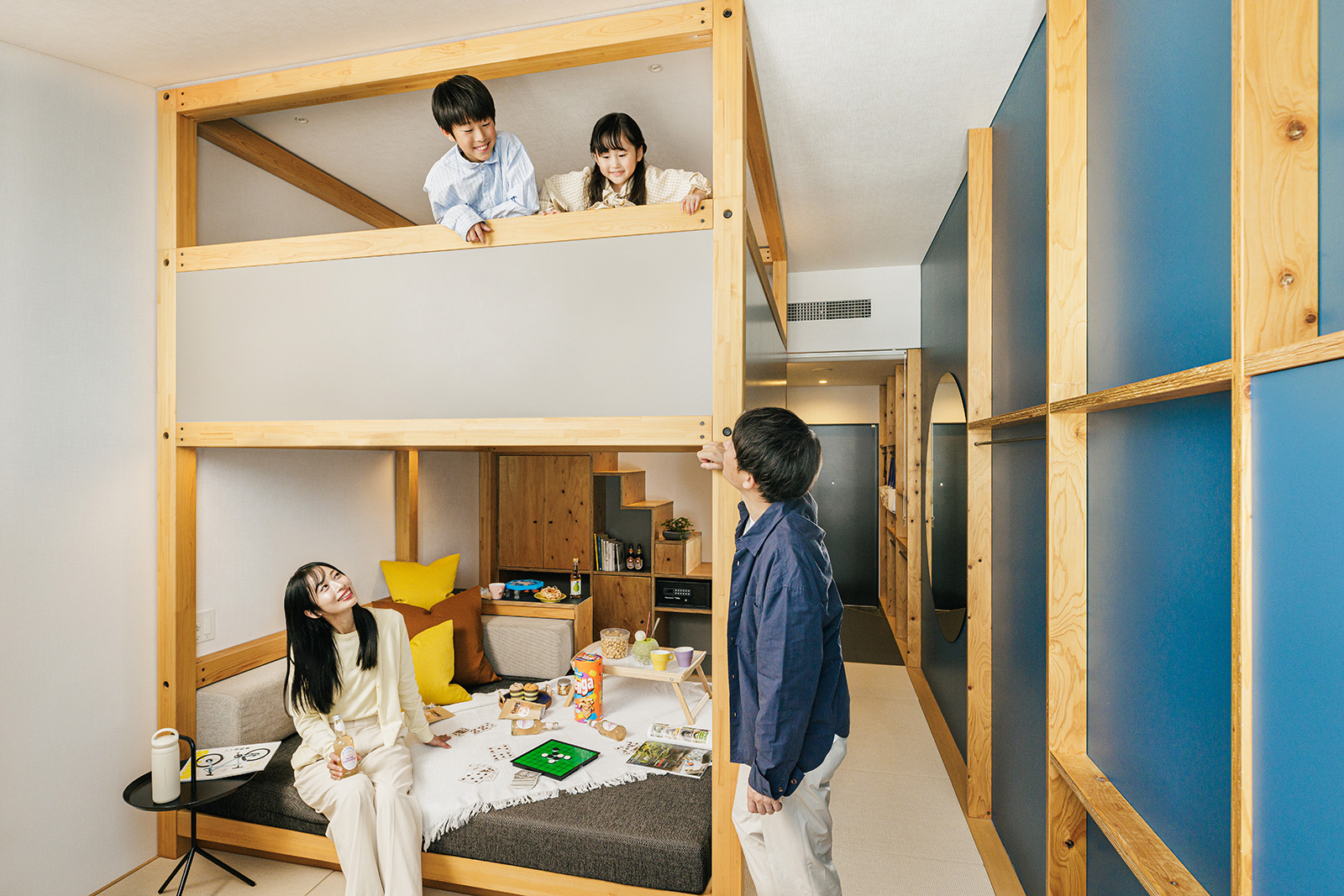
Direction JR Tsuchiura Station Direct connection
- A room charge example
- 1 night, 1 person \4,757-