





[2025 year edition] "Iroha-zaka" a highlight of sightseeing (drive colored leaves), recommended time and Direction?
![[2025 year edition] "Iroha-zaka" a highlight of sightseeing (drive colored leaves), recommended time and Direction?](https://hoshinoresorts.com/guide/wp-content/uploads/2017/09/いろは坂イメージ画像-1024x682.jpg)
When I say a famous place in Nikko, "Iroha-zaka", aren't there a lot of people who remember, either?
Beauty of the colored leaves I see from "Iroha-zaka" especially also is famous and is a scenic route in a superb view nationwide. Time of such interesting place in Iroha-zaka and autumnal tints, I'll introduce Direction.
< interesting place in Iroha-zaka and Direction>
1History of "Iroha-zaka" and history
"Iroha-zaka" indicates the part of the national highway where Lake Chuzen-ji is formed with a Nikko town.
I go up and there is "first Iroha-zaka" of exclusive "second Iroha-zaka" and descent exclusive use, and it's a one-way traffic respectively.
There are 48 turns in "first* second Iroha-zaka", and because every turning 48 phones of "ABC" are being put it's called "Iroha-zaka". "There is" second Iroha-zaka in an up train line-, "", first Iroha-zaka of 20 characters and descent, ""-, a sign stands in a turn by 28 character of "Oh."
History of "Iroha-zaka" is in the mountain worship which makes the Mount Nantai the divine object from Nara era.
It was the climbed holy way for Mount Nantai worship, so entering of a beast was prohibited with a lady until early years of Meiji era. Development is maintained, and the road where a Nikko town is formed with Mount Nantai goes after it'll be Showa, and it's present Iroha-zaka.
2Interesting place in Iroha-zaka of colored leaves
When I say the best season in Iroha-zaka, colored leaves season.
The autumnal tints of the inside Nikko start around "fall of a winder (1,350m)" at the end of ordinary year September, and I'm calling and am coming down to a Nikko town for about 2 months.
The best seasons when the vivid autumnal tints of "Iroha-zaka" located in the way are enjoyed are the last ten days from the middle of ordinary year October.
The autumnal tints of Iroha-zaka where I show my different face by a vertical drop
For about 800 m of altitude and Lake Chuzen-ji to have about 1260 m of altitude and a vertical drop, Umagaeshi in the base (I change the horses.) is different from "Iroha-zaka" in time of the colored leaves depending on altitudes.
Colored leaves color beautifully by the temperature remainder of the day and night and the temperature difference by the altitude, and the shade of the colored leaves is also different, so every time I come even if it's visited, how many times is it able to enjoy various expressions during colored leaves season?
The autumnal tints from Akechidaira are a superb view.
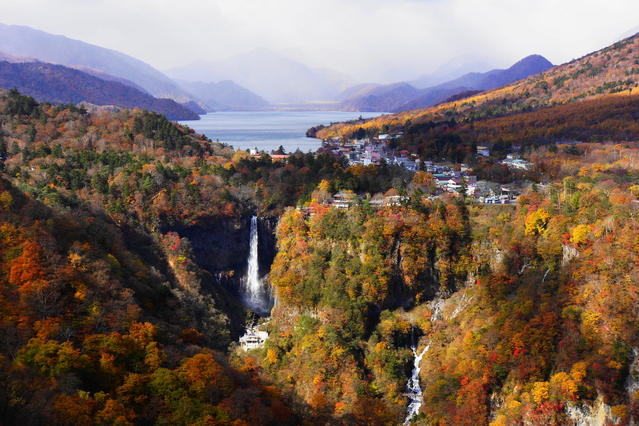
There is Waiting Room in Akechidaira near the last stop of "second Iroha-zaka", and more ropeways which go to Akechidaira observatory have departed.
The point of colored leaves which can get a bird's-eye view of Chuzenji-ko Lake and Kegon Fall from Akechidaira observatory, and it's a superb view surely.
You go from only "second Iroha-zaka" in an up train line to Akechidaira, so I'll pay attention as an entrance won't be overlooked if I pass a turn.
The kind of colored leaves which can be enjoyed at Iroha-zaka
Mainly, it's possible to enjoy the autumnal tints of the maple mountain ash Azalea wig at Iroha-zaka.
Maple
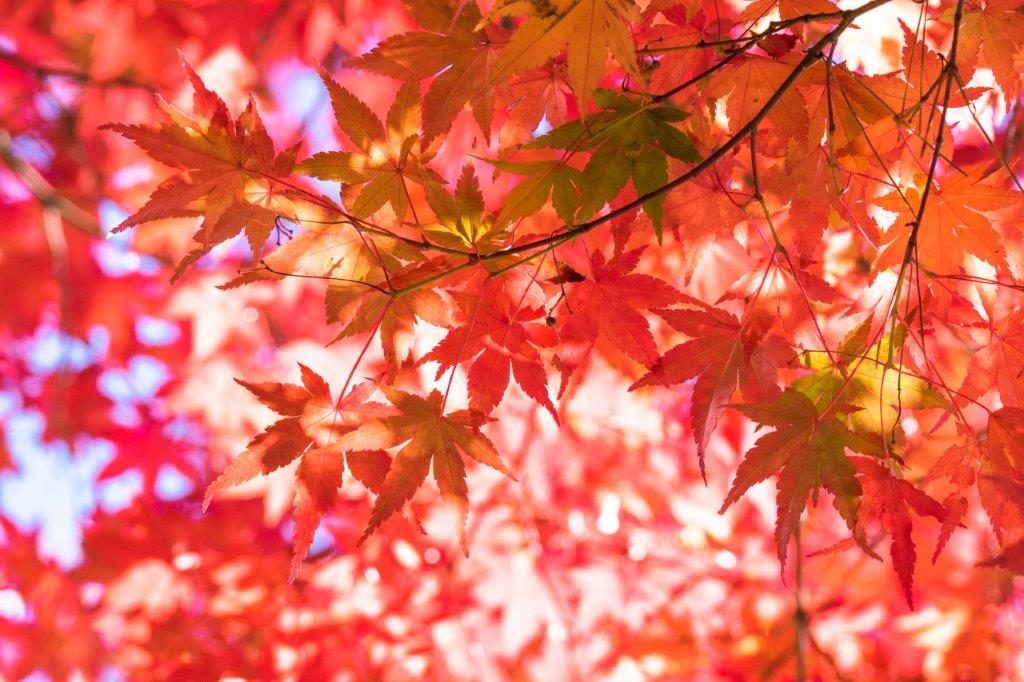
Beautifully, Midori of fresh green also ranges to "Iroha-zaka" much by the familiar tree which represents the colored leaves which color in red and yellow.
Mountain ash
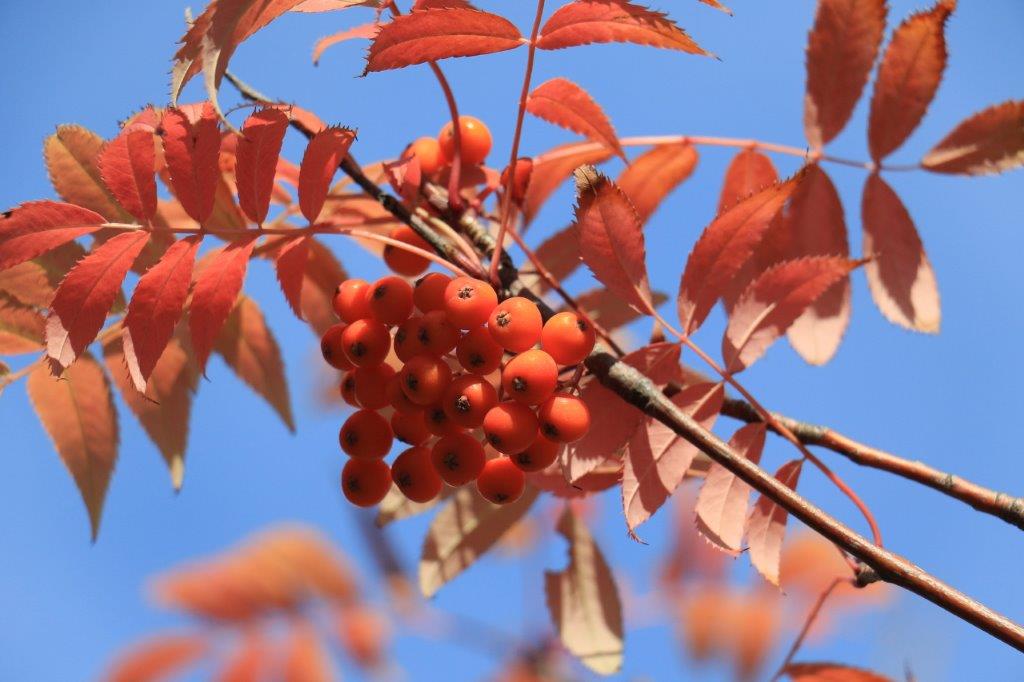
A leaf will be "the deep red which burns" at time of the colored leaves for the mountain ash on which a red small fruit is put, and a contrast with the blue sky of the autumn is vivid.
Azalea
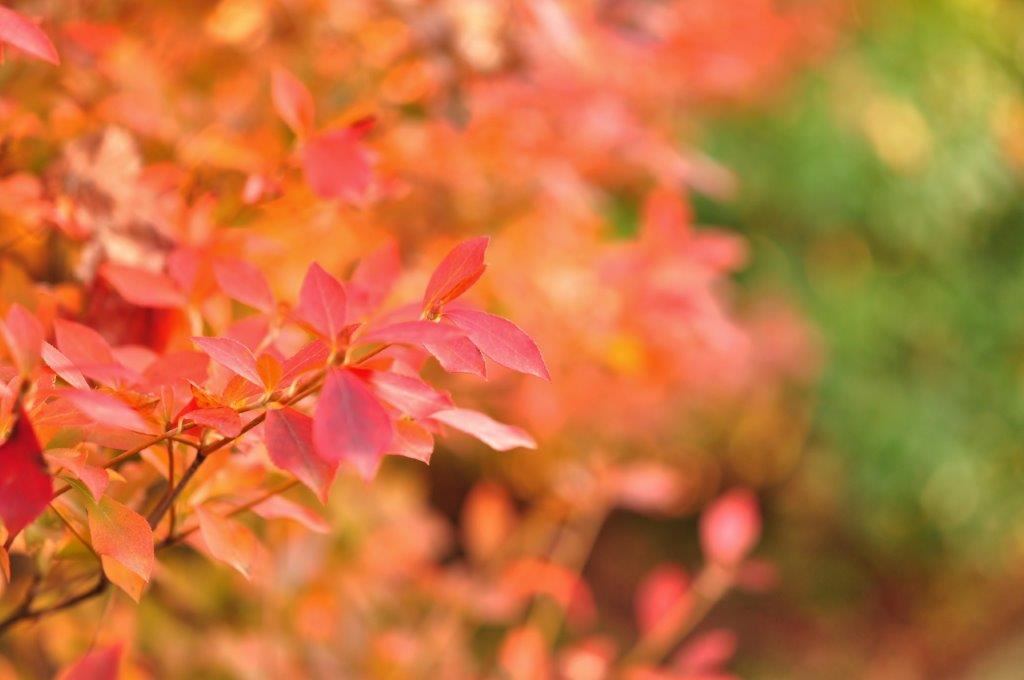
A gradation with a deep red mountain ash will turn red in red near an orange and is the beautiful scenery.
Wig

It'll become yellow in colored leaves season in "turning" which colors.
The shade with the maple, the mountain ash and the azalea will be natural exquisite beauty for mixture ZA, and yellow and a green leaf still delight an eye by time.
The typical kind of trees which turn red was introduced, but then "Iroha-zaka" is doing the preparations into which many trees which color a superb view of colored leaves in the vertical drop receive coloring.
3Direction by car and congested information
When a car is used to "Iroha-zaka", it's usually about 2.5 hours from downtown, Direction, can, it's the distance between about 15 minutes by car from Kiyotaki IC on the Nikko Utsunomiya road.
The distance of the 9.5km which can usually run "second Iroha-zaka" in an up train line in 20 minutes, one during colored leaves season, 2-, to take 3 hours, I'll check congested information briskly.
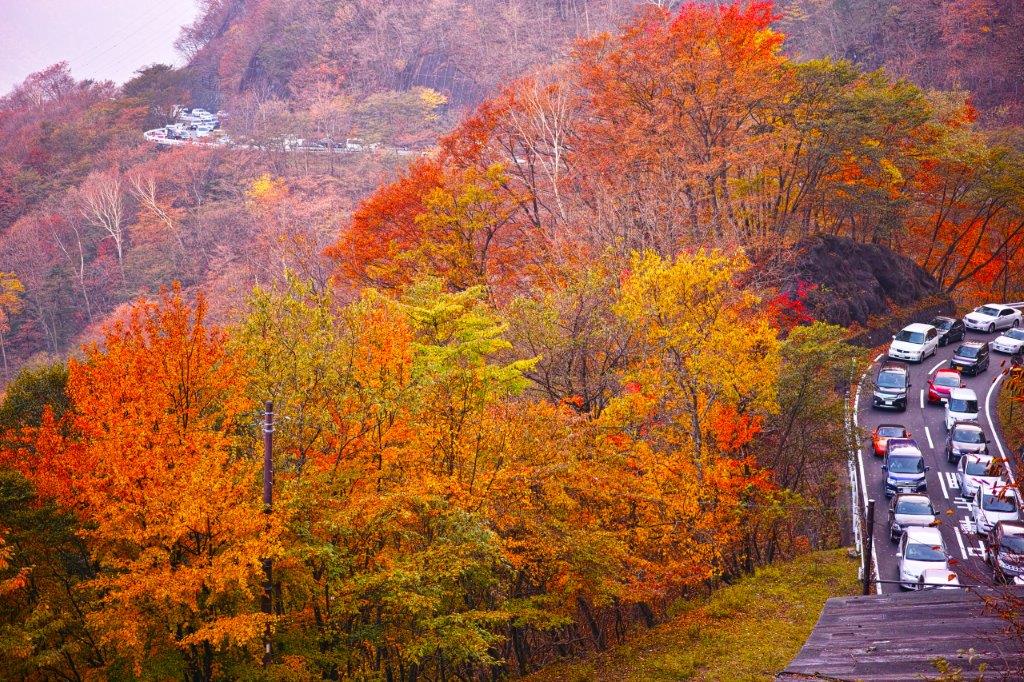
The avoidance method of "Iroha-zaka" as which a heavy traffic jam is also expected in a weekday
Even a weekday is crowded with tour bus of colored leaves, so movement from early morning is recommended to avoid a traffic jam.
I'll calculate time to plan and leave the house in order to begin to go up "Iroha-zaka" at 7:00 in the morning when it's a weekday.
I'd hope that you retire from "Iroha-zaka" by 15:00 at the latest so as not to be involved in a traffic jam on the way back.
It's further heavily congested resolution in the weekend and consecutive holidays.
The congested expectation hour of the weekend during colored leaves season is ascent of "Iroha-zaka" according to congested prediction information, and descent is expected with 19:00 from 15:00 at 7:00-at 8:00 in the morning.
Even if I say "It doesn't move." when it fits into a traffic jam, it isn't exaggerated.
I go up "Iroha-zaka" at 6:00 in the morning to avoid a traffic jam, and it's recommended to decide to go down before 14 o'clock.
A further traffic jam is expected that there is an event at the Nikko city, so I'll make a movement plan after it's checked and often checked all together.
4Direction by a public transportation
When I take the bus for Lake Chuzen-ji hot spring or Yumoto hot spring which departs from JRNikko station and the Tobu Railway Tobu Nikko station, time usually arrives at Akechidaira in about 40 minutes.
The room where colored leaves are enjoyed disappears for the person when taking a drive, who will be attentive in a traffic jam and Parking securement, and drives "Iroha-zaka" during colored leaves season.
Please consider to use a public transportation as the way to enjoy colored leaves by comfortable feeling.
The autumnal tints of "Iroha-zaka" which were also chosen as "100 elections of Japanese way" are a superb view. Please collect information and prepare.
I'll enjoy the wonderful scenery.

This place
Supporter
The whole course is colored vividly during the season, and it's possible to enjoy the colored leaves even spread in the base of a mountain from whole car.

Local Guide which took charge of this article
Hoshino Resorts KAI Kinugawa
Tochigi and Kinugawahot spring
Yunoshuku of sunlight through the leaves of trees where TOCHIGI mingei which pauses in the forest along a Kinugawa valley stream flashes
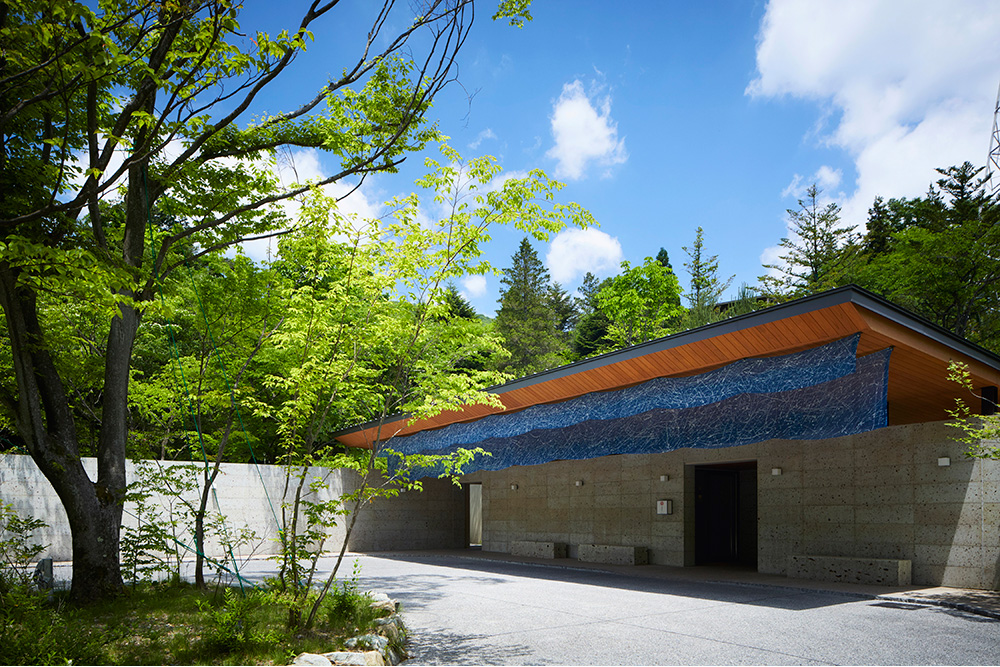
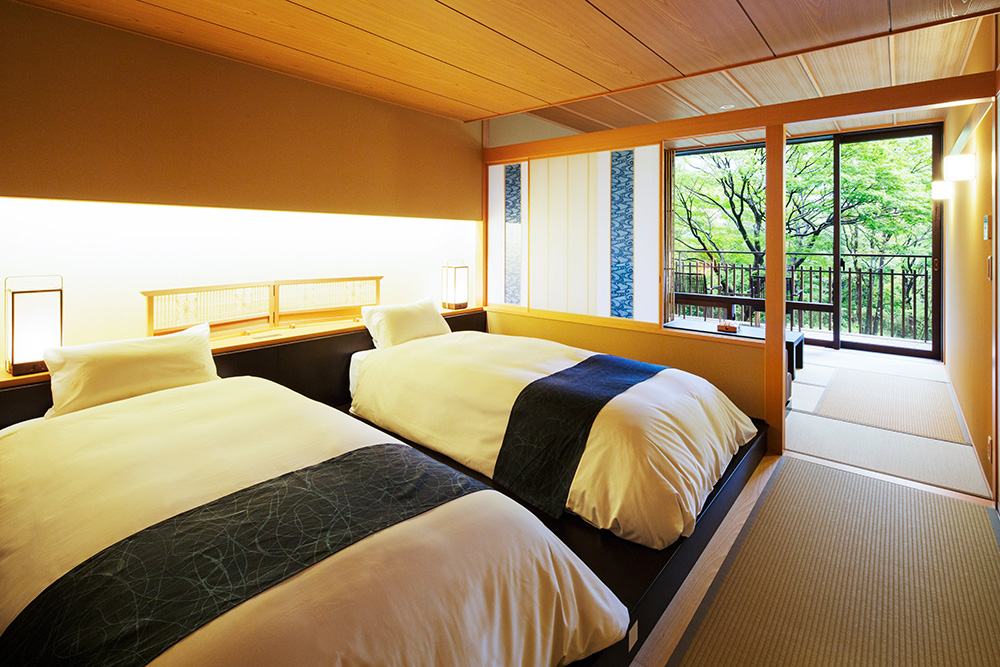
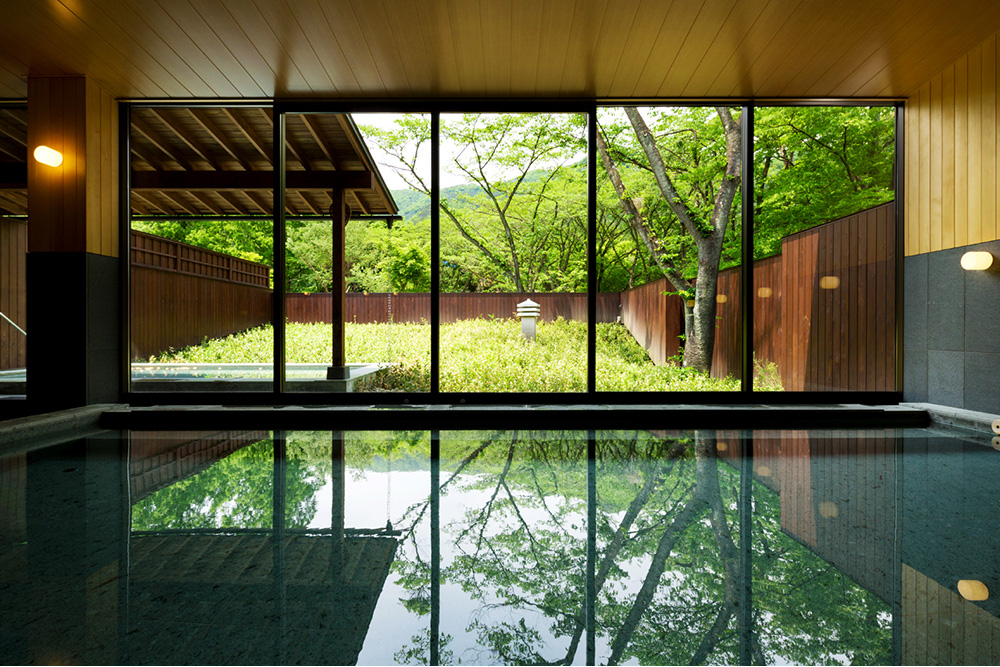
It's a taxi from the Direction Tobu Railway Kinugawahot spring station, about 5 minutes
- A room charge example
- 1 night, 1 person \30,000-