





[2025 year edition] highlight of "the Gion Festival" and how to enjoy oneself
![[2025 year edition] highlight of "the Gion Festival" and how to enjoy oneself](https://hoshinoresorts.com/guide/wp-content/uploads/2022/06/kytgon-main-1024x724.jpg)
Condition Conti chitin and Conti chitin. The Gion Festival familiar by elegant Gion festival ensemble (GION, when, coconut palm) is the festival which represents summer of Kyoto. In July, a downtown continues for 1 month and is wrapped in heat and uplift feeling. "Yamaboko tour (And, oh, pike Jun misses.)" and "Mikoshi Shrine going out (portable shrine and GYO)" which are also performed on July 17 and the 24th at the inside are highlights of a festival and rise greatly. I'll introduce the highlight and trivia.
The "Gion Festival" which has history in 1000 and wishes for a plague dispersal
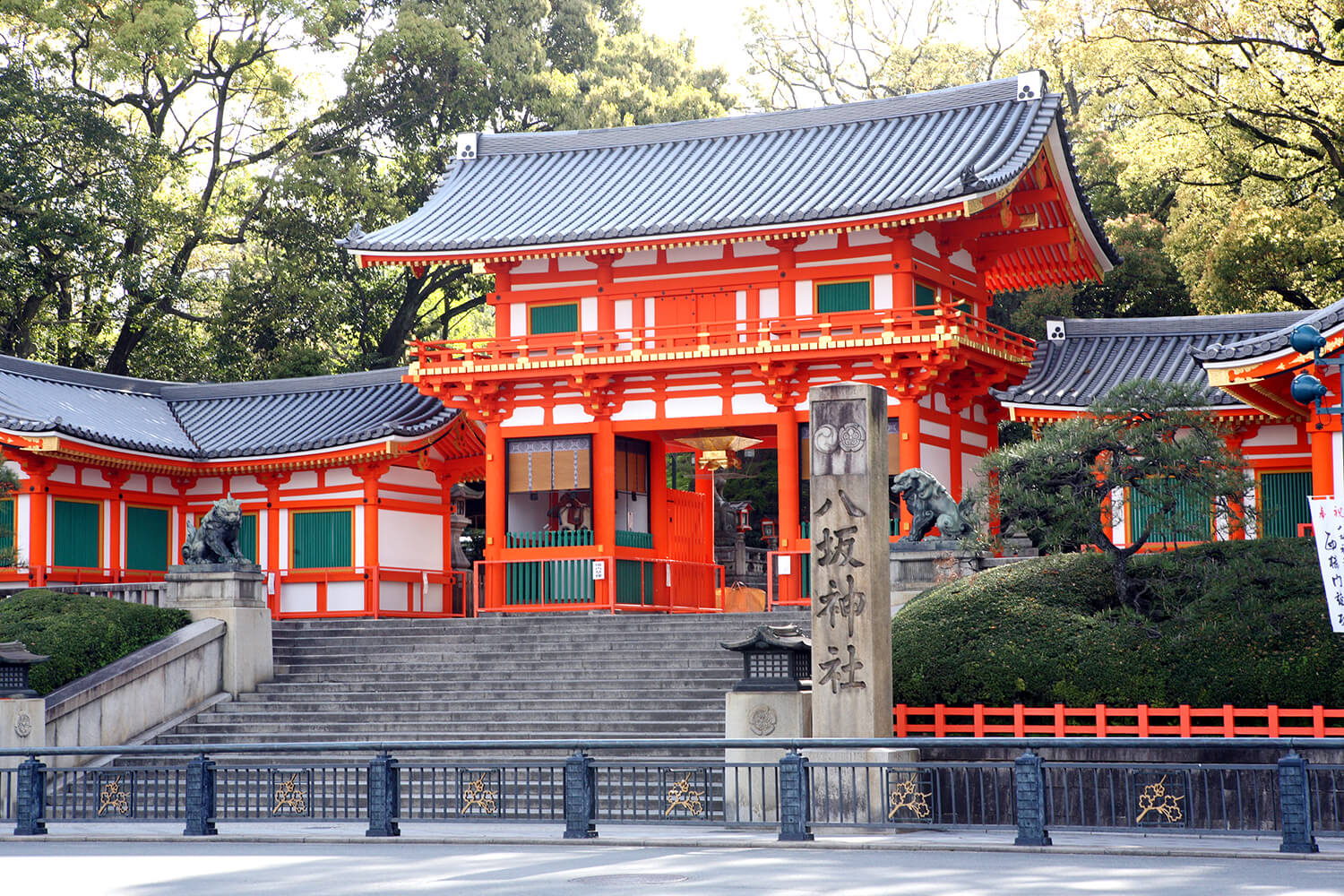
One of a Japanese three grand festival "the Gion Festival" is a galay in Yasaka-jinja in Kyoto and Gion. 869 when starting is an early stage in the Heian Period (869). To calm the plague which spread in the whole country down, it's said to be origin that I made 66 pikes which are a national number in at that time (pike), sent Mikoshi Shrine to Shinsenen which was a garden in the Heian castle town and hoped. "Yamaboko tour" and "Mikoshi Shrine going out" by which a festival is highlighted on July 17 and July 24. The yamaboko event which is splendid grave pageant is also registered with a UNESCO intangible cultural heritage.
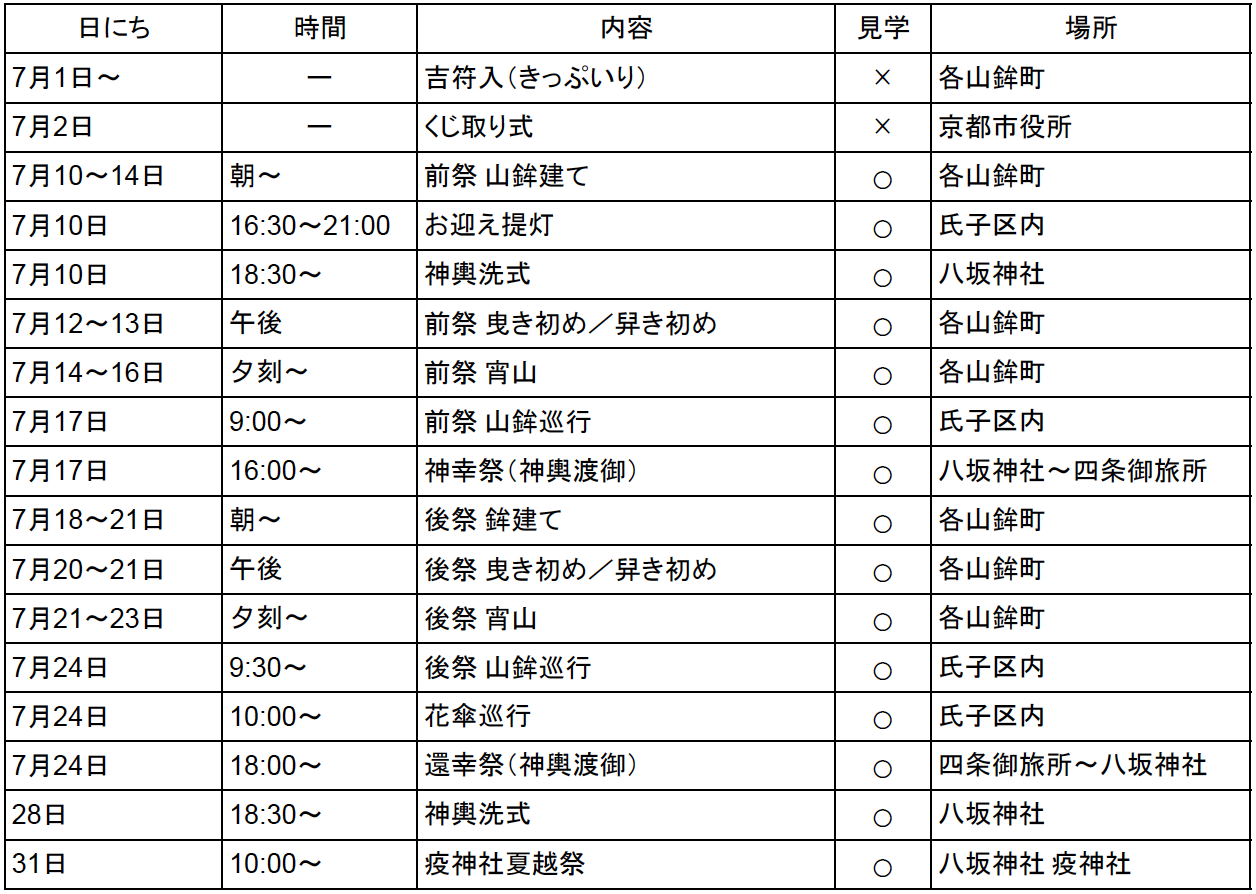
"The Gion Festival" calendar
Typical Shinto ritual and event schedule of the Gion Festival performed through July are introduced. Because a schedule of an ordinary year is carried, but there is also a possibility of the change of contents.Yasaka-jinja*Yamaboko joint association*Kyoto sightseeing official siteAfter the details are confirmed in NADO, going, please.
For details.Here
Magnificent! Yamaboko tour with a name of "moving museum"

The leading role of the Gion Festival, "Mikoshi Shrine going out". On the other hand, before the "yamaboko tour" which is another leading role meets Mikoshi Shrine with gods in Yasaka-jinja, it's said that there is a role of conducting traditional ceremonies to expel evil spirits and purifying a main street. Luxury of the yamaboko which has been completed as an inhabitant of town of successive generations is provided with every possible luxury, and the charm may compete each other. A goldsmith embroiders the lacquer coating of the transcendent art, and a masterpiece of fabric in all ages and countries colors it. Beauty which is to the extent I take part in a shout of "ENYARAYA" and music of Gion festival ensemble, and holds the breath in the form that a yamaboko advances a main street gracefully. I have here for the reason called "moving museum".
Master of MICHIKU SA
There are 2 kinds, "halberd (pike)" and "Mountain (And, oh.)" in a yamaboko, altogether, 34 sets. It's a fundamental form about 25 m of height and the weight are at most 12 tons for a halberd, and that Sanaki (SHIN GI) towers over the center. There are a hikiyama (A pull and, oh.) and yoyama (Oysters and, oh.) in a mountain.
The chance to see a yamaboko tour, on July 17 of "the previous festival (the previous festival)", ", with festival (after festival)" of twice of 24 days. By the previous festival, for 23 sets, with 11 sets are a festival and appear. Of a god, usage, chigo (child of festivity) takes it and the history of each yamaboko and designing with the abundant individuality are also must-see the "Mt. mantis" from which a mantis moves by "ship halberd (bran, pike)" and a mechanism shaped like "long sword halberd (partisan pike)" and the ship which are the first of the previous festival (And, I'll sell it, oh.) Oike expert can establish a pay seat.
Master of MICHIKU SA
"Street turning" from which a tour turns to the biggest highlights at a corner. The form a yamaboko pulls a rope by pace maker's sign, and that revolves while making a big noise with GISHIGISHI is highlights! But, rather early local arrival recommends because congestion is inevitable.
Please be intoxicated with taste of "Mt. evening".

The "Mt. evening" performed 1 of the yamaboko tour-before the 3rd (It's good, oh.) is also necessary to the Gion Festival, you're enjoying yourself. A showy yamaboko is announced beautifully at each halberd town by the event bruised in an eve. There are also opening to the public of kensouhin and the divine object doll and giving of Rice Cake Wrapped in Bamboo Leaves of an amulet (the charm made with bamboo grass) and a red seal. It's also fun that SOZORO walks a yamaboko town from here and there to depend on music of the Gion festival ensemble which is being heard and children's Warabe song. The Komagata paper lantern surfaced in the evening is also fantastic. Karasuma and Toru Shijo stretch are in a pedestrian mall in July of an ordinary year for 15 and 16 days. A street stall also lines up and notifies a climax of a crowd.
Master of MICHIKU SA
There are also a lot of yamaboko you can board actually, so by right or wrong imminentness, enjoyment, (500-about 1000 yen). With it's a festival Mt. evening is the quiet atmosphere wetly because there are few visitors relatively.
Full-fledged master of story-telling of a festival and dynamic "Mikoshi Shrine going out"

To change completely with an elegant yamaboko tour and show the heroic violence, "Mikoshi Shrine going out". 3 sets of Mikoshi Shrine with deities in Yasaka-jinja is purified Shinto Ceremony the evening of the tour day concerning a town. Though parishioners quiver about 2 tons of some Mikoshi Shrine according to the shout as "HOITTOHOITTO", the yo (?) KU form is force perfection. The Mikoshi Shrine which gives a glaring blaze off is also divine. The audience of heated atmosphere, bearing means and a route who rises gradually, the uplift sense born in a body is one and only Experience. It's wasteful to see only a yamaboko and return. Please visit all together by all means.
Master of MICHIKU SA
The day Mikoshi Shrine going out on July 17 is called "Shinko Festival (When pith is asked.)", and when God in Yasaka-jinja migrates to a town. You're enshrined in otabisho in Shijo Teramachi (OTABISHO) for 7 days and return to Yasaka-jinja by emperor's return festival" on the 24th (When a can is asked.)
The "musical accompaniment ship in" a capital enjoyed in HOSHINOYA Kyoto
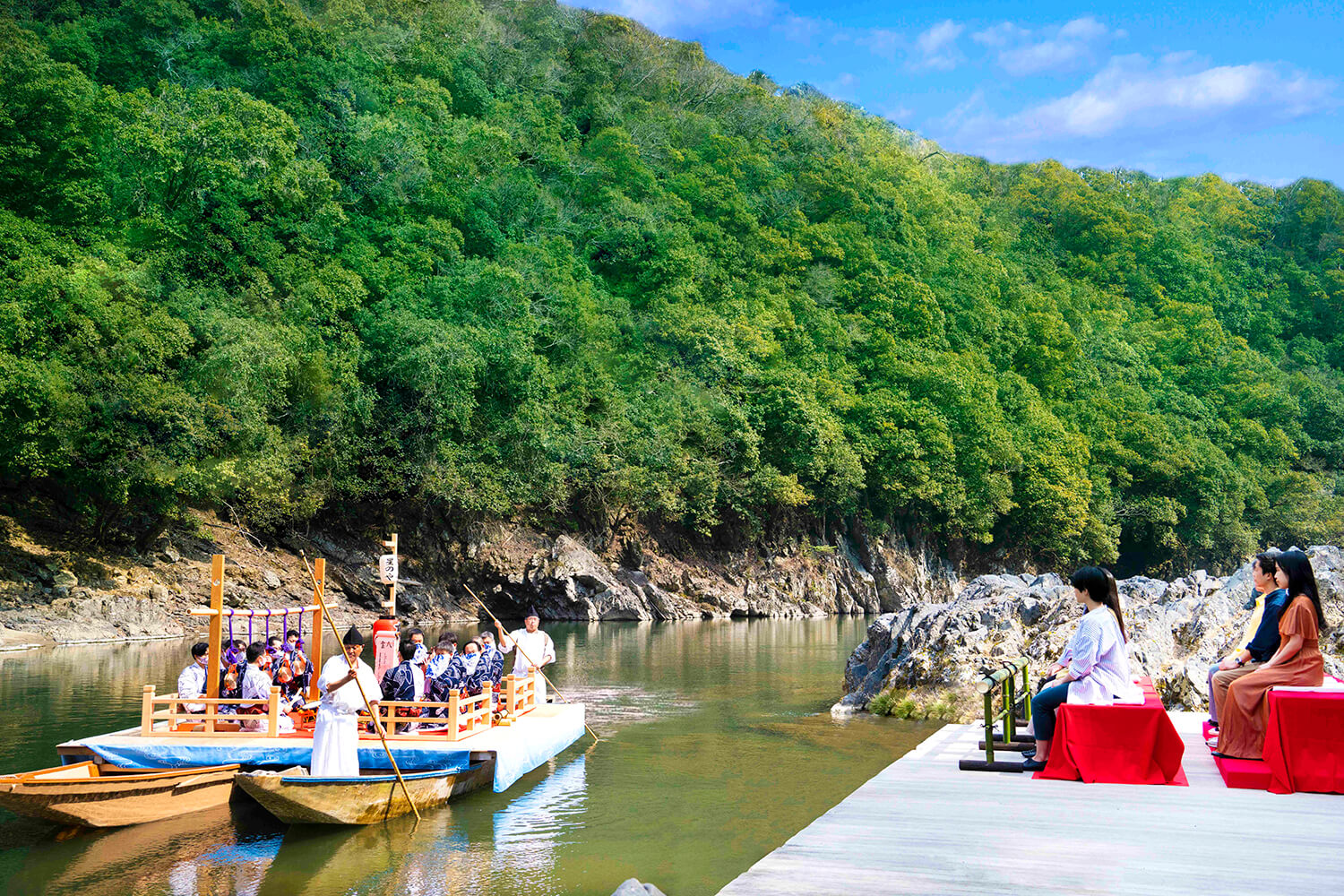
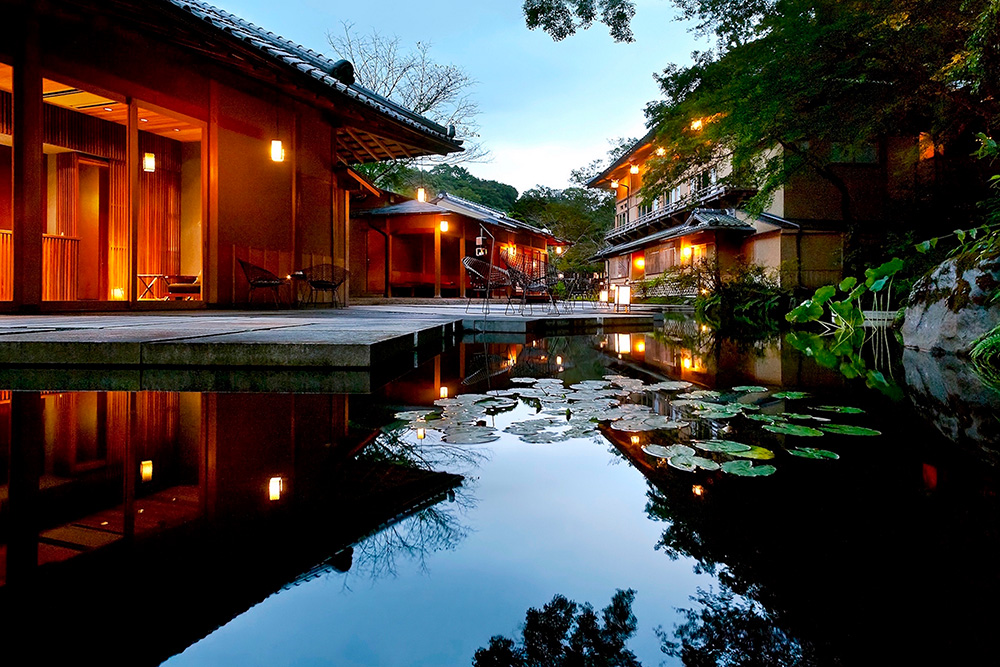
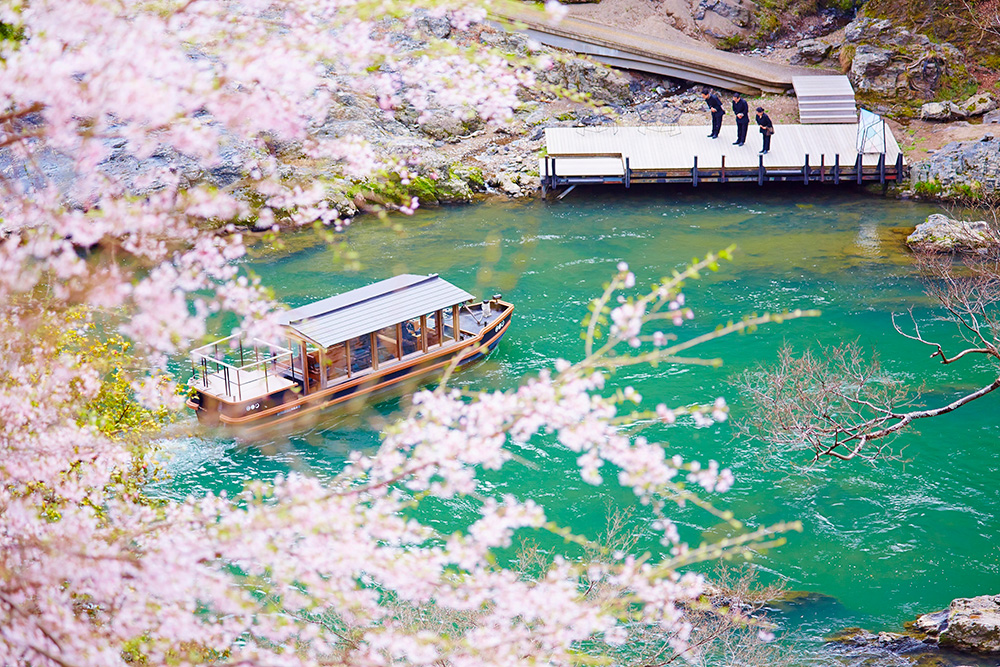
"HOSHINOYA" to which each Property offers overwhelming extraordinariness by a creative theme. A Japanese-style hotel of River view of all the rooms in the Kyoto center and Ranzan "HOSHINOYA Kyoto" holds 4 days and the event which enjoys summer of Kyoto gracefully on June the 21st and 22nd, the 28th and the 29th, 2025 "musical accompaniment ship in a capital". The Gion festival ensemble heard at downtown is the events which can enjoy the sound of the Conti chitin which is different taste and rings in Rankyou gracefully. Takayama moves a stage from a yamaboko to a mansion ship and plays Gion festival ensemble by Ooi-gawa river which flows right in front of HOSHINOYA Kyoto (It's a lot.) After appreciating Gion festival ensemble, it's possible to play a concert with a musician of the band by participant limitation and do valuable Experience. The Heian aristocracy who was doing boating at Ooi-gawa river formerly, just like, the events which can enjoy a visit in summer of Kyoto gracefully.
-> "Musical accompaniment ship in a capital" details are this.

The master of MICHIKU SA who took charge of this article
-
Noriko Yamaguchi.
Edit and lighter. An article of travel, history, traditional culture and arts and crafts is written with a magazine and a web using Kyoto as a foothold. To deal with edit of a book. I like a festival, sake and a container very much. Interpretation information man (English) and international ri Sakashi. Kyoto official approval second kyuu.
Of MICHIKU SA.
Master
HOSHINOYA Kyoto
The Kyoto center and Ranzan
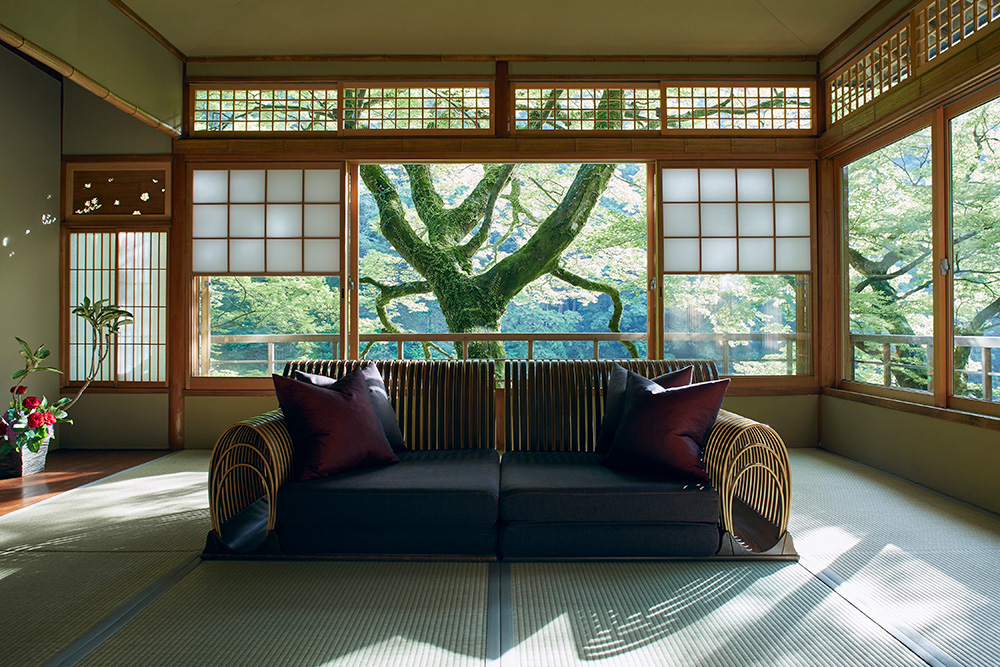
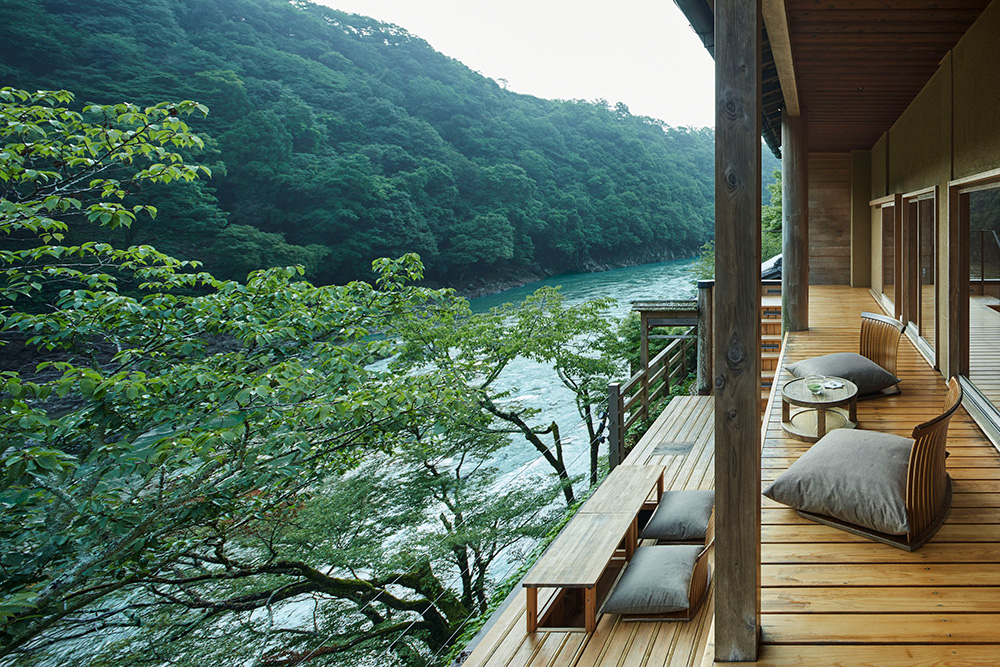
A Japanese-style hotel of River view of all the rooms located in Ranzan. Beautiful cityscape in four seasons and the quiet extraordinary world can be enjoyed.
It's a taxi from Direction JRKyoto station, about 30 minutes
- A room charge example
- 1 night, 1 person \33,330-
OMO5 Kyoto Gion by Hoshino Resorts
The Kyoto center and Kyoto city
Yasaka-jinja which is here along the downtown area which represents Kyoto "Toru Shijo" and is famous for Gion Matsuri is immediateness. Everyone is convenient for sightseeing in visited Yasaka and clear water area sometime.

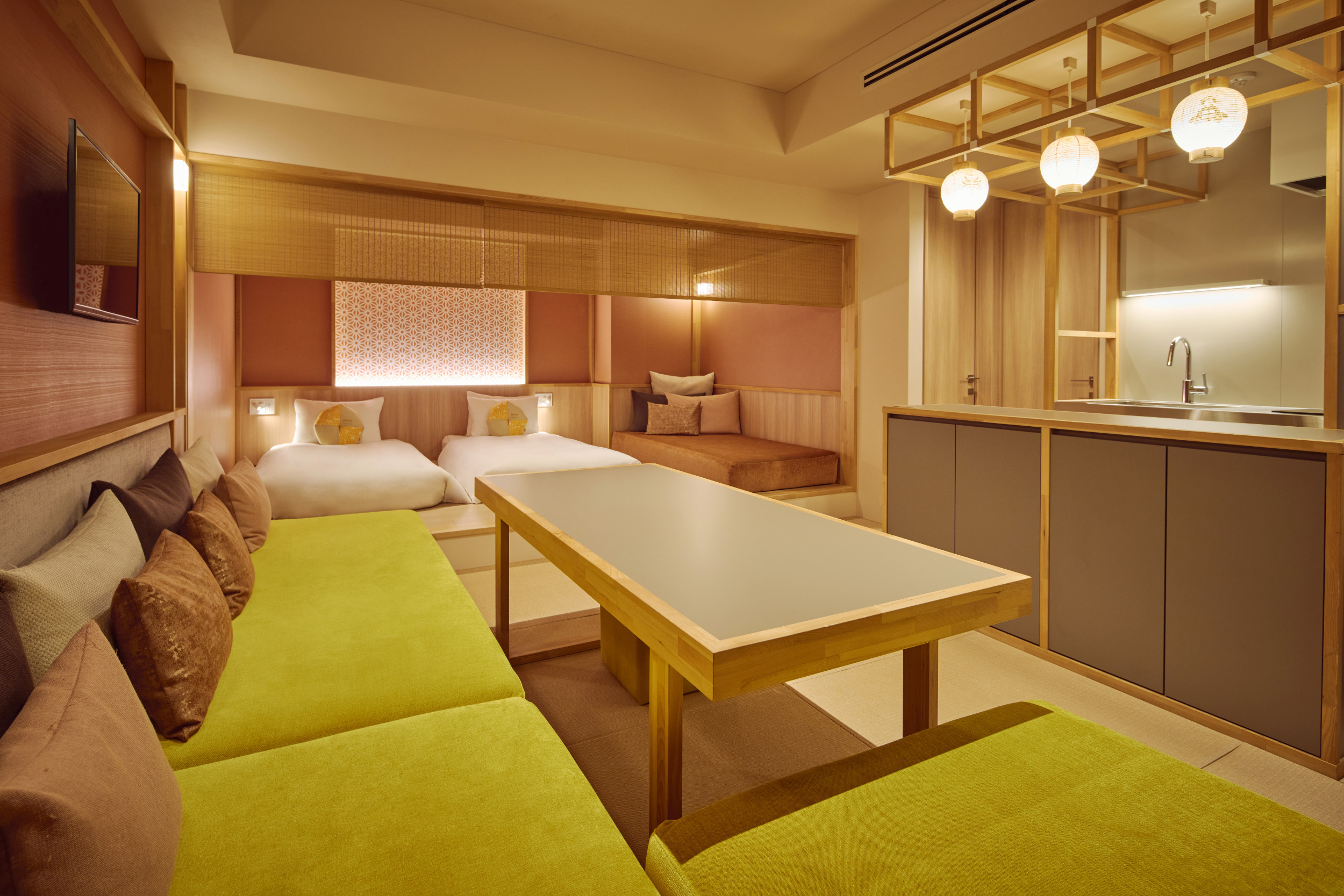
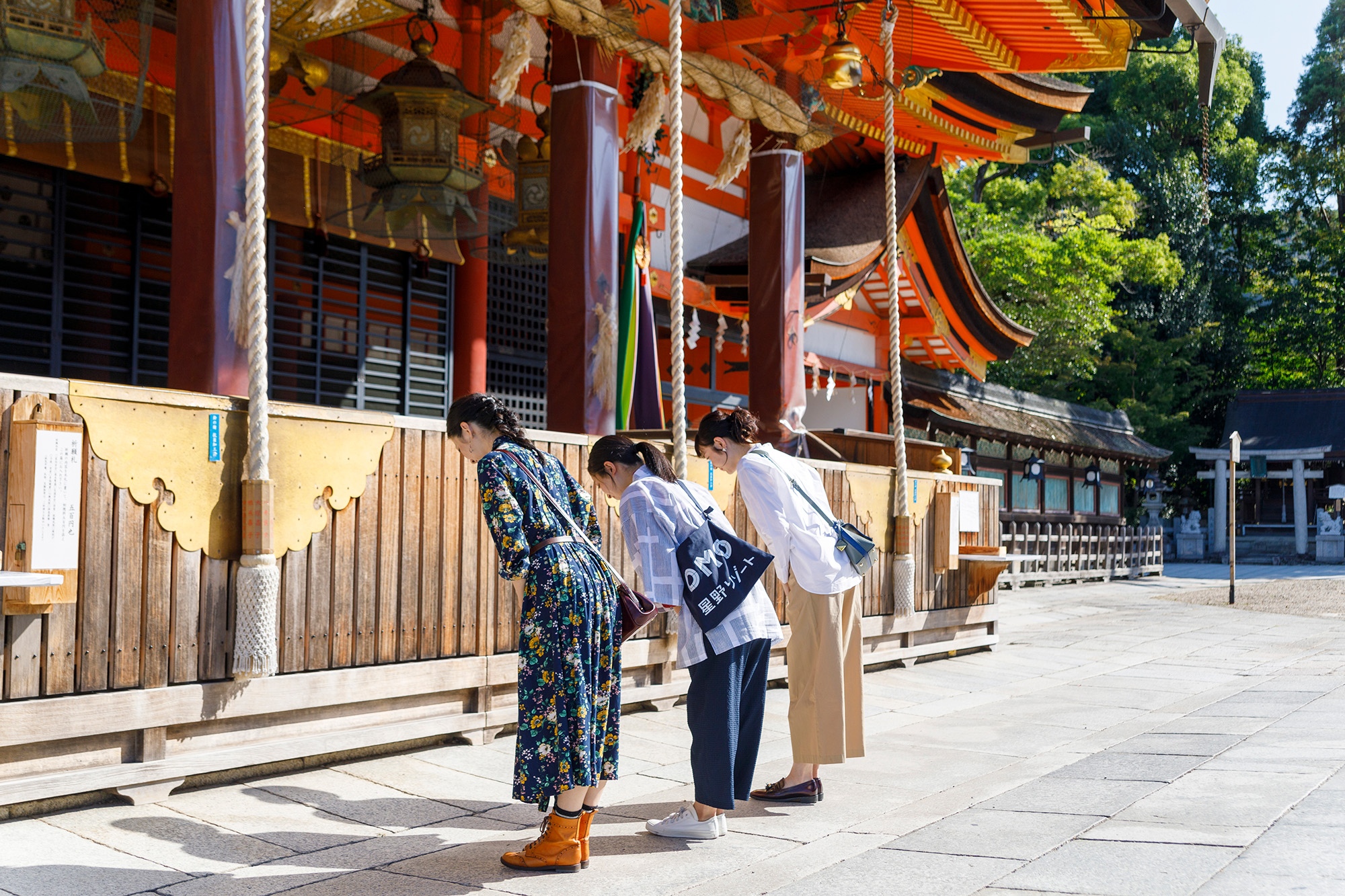

Direction Keihan Main Line Number 7 of Gion-shijo Station, from an exit, about 5 minutes on foot
- A room charge example
- 1 night, 1 person \9,500-