





The temperature of the four seasons of Kyoto and recommended clothes are introduced.

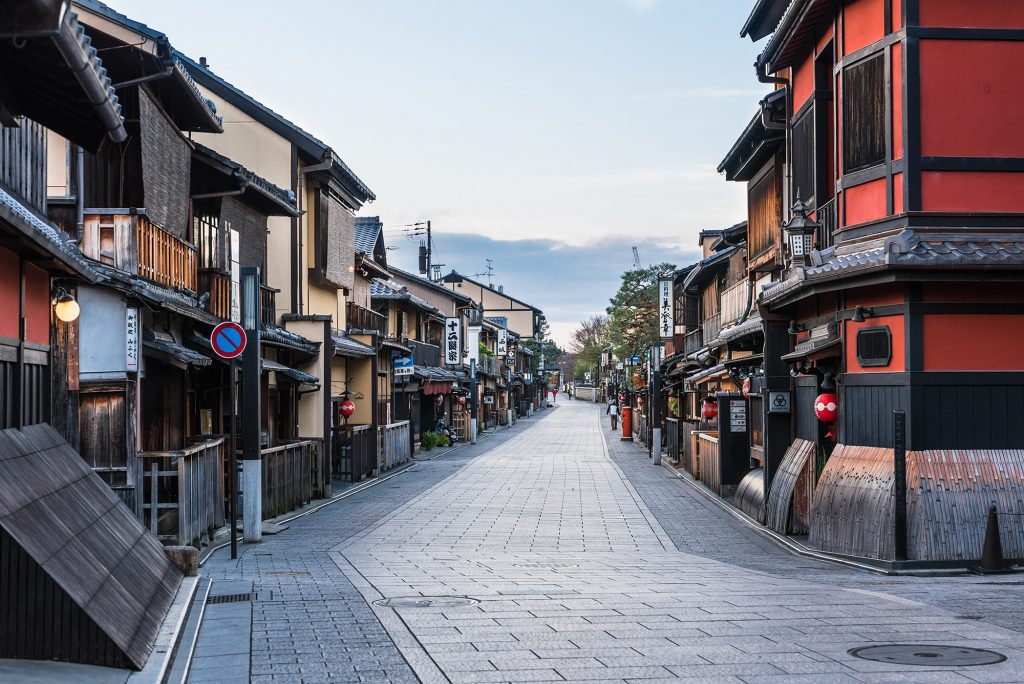
Ancient capital Kyoto which writes history in more than 1200. The number of structures of the important cultural property in the city is the 1st place of whole country. A tourist of about 53,000,000 people a year also visits national asset's property in the town where the image in a domestic capital of about 20 % and each time is left deeply. The charm in this tourist town which represents Japan is colorful, and an ancient rite is admirable, a highlight won't also thrust at a service and a traditional event with whether each season cityscape will be often also Yutaka of feelings later.
Lengthily, Sea of Japan type climate and the south can know the shape of the Kyoto center in the inland type climate in the north on reaching Tabayama place in the center mostly in north and south. Three sides is circled by Kyoto city in the Kyoto basin in a mountain, the inland where the difference in the temperature is great in a season and day and night type climate. To the extent the spring and the autumn are easy to spend relatively, but for a wind to be interrupted at a mountain, the sun is also strong sultrily, and a word as "sultry weather of Kyoto" has summer from the special climate on which I blaze down. The coldness by which winter also feels chilled to the bone continues.
It's the clothes which prepared for temperature gap in a sightseeing tour of the city. Heat exhaustion and winter will do cold protection in summer.

< the temperature of the four seasons and clothes of Kyoto>
About the spring (3-May) temperature Kyoto and clothes.
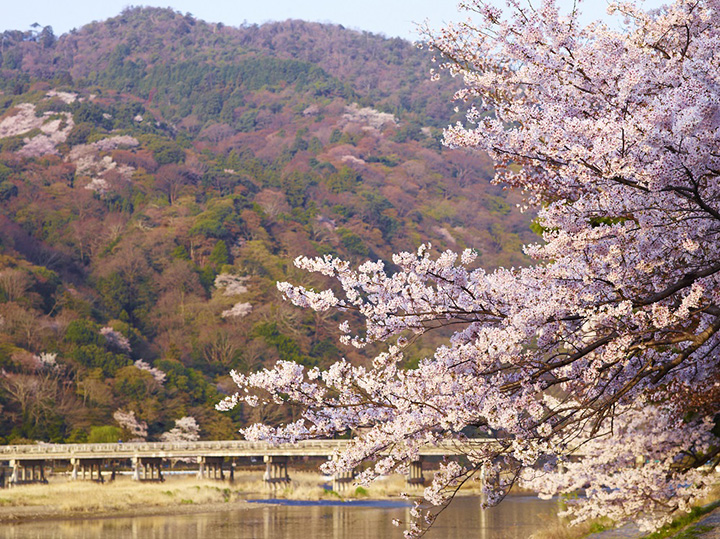
The beginning of March when plum and early cherry tree color the city is the midst of the three cold days followed by four warm ones. The lowest temperature also has 1 ℃ of day and the day when the highest temperature goes up to 20 ℃, and rapid fluctuation continues. The difference in the temperature also loosens and is in the season which seems to be spring around the end of March. Famous place for beautiful cherry blossom such as "Nezame cherry tree (NEZAMEZAKURA)" and "Omuro Ariake" of Ninna-ji (Be Omuro and open.) in Kitano-jinja can also meet best time and enjoy itself until the beginning of April. The morning and evening is cold, so when going out to see cherry blossoms by night, I'll prepare a coat and stoles. When I pass the middle of April, the temperature rises quickly. The best average temperature of May goes up to 25 ℃, and a riverbed is opened by Kamogawa. One around the middle of May when the elegant festival by which 500 people parade "Aoi Festival" is held wears Heian attire and the daytime is short sleeves and is comfortable. Ultraviolet rays also become strong, so when there are a sunshade and sunblock, it's convenient.
About the summer (6-August) temperature Kyoto and clothes.
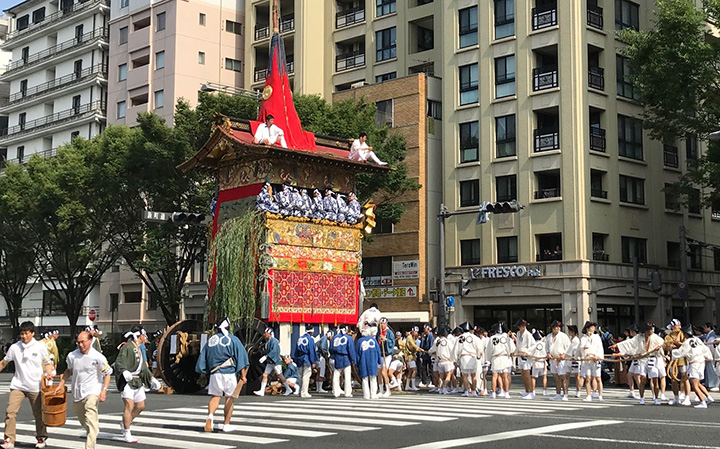
An ordinary year and the highest temperature at the beginning of June when I enter the rainy season are about 30 ℃. When there is a little cold but thin cardigan when the sun also sets sultrily in the day when it rains, it's enough. At the beginning of June with a lot of days when it's still fine to be easy to plan of going out. It's until the end of the rainy season around the middle of July to become rainy from the after a while middle ten days. "Heian-jingu Shrine" then, Iris can be satisfied with the beautiful form then a hydrangea meets best time, and that "Yoshimine-dera" blooms wetly. "The Gion Festival" but the heat will be also real in July which starts. The highest temperature at the middle of July when "Mt. evening" and "mountain halberd tour" are performed is more than 35 ℃. Sultriness by which sweat is to the extent it doesn't stop, indeed, "sultry weather in a capital", itself. Even if the "bonfire of" a capital letter which is at the middle of August passes, this heat continues. Such as the water supplement is indispensable and getting rest at the cool place to which I go out by the well ventilated clothes which put on a hat, I'll carry heat exhaustion prevention without exception.
About the autumn (9-November) temperature Kyoto and clothes.

September with severe late summer heat. You also have a lot of highest temperature on a day beyond 30 ℃ until the middle ten days when the moon-viewing festival" which loves a harvest moon in the harvest moon is held and still need a heat measure. There is also a day when the coolness is felt in the evening, so if a harvest moon is enjoyed elegantly, when there is a thin cardigan in which night air is surpassed, I'm relieved. It's after the Autumnal Equinox Day that the sign of the autumn is felt. A morning and evening will be coolly and the day when the temperature difference in the day and night will be more than 10 ℃ is also increasing. An ordinary year and the average temperature are most suitable for the day when it rains to enjoy Kyoto walk little in about 20 ℃ of October. Clothes can also spend a jacket by light dress in a long-sleeved shirt. The beginning of November-beginning of December is in best time for colored leaves. For the average lowest temperature of November to become the coldness which falls below 5 ℃ less than 10 ℃ at the last ten days, a coat and stoles will go out to an excursion for viewing scarlet maple leaves by possible clothes against the cold.
About the winter (12-February) temperature Kyoto and clothes.

December is the day when January is lower about 1 ℃ than 5.4 ℃ and the average temperature Tokyo in February and coldest 4.1 ℃ 6.7 ℃ for the average temperature, temperature, um, about 2 ℃. In the severe coldness by which three sides is to the extent a chill tends to collect on the ground and the Kyoto basin circled in a mountain is also called "penetrating cold in a capital". For a chill of a foot to cool a body from a core in particular, such as putting on boots and using a body warmer for feet, I'll recommend you the enough prevention cold season. There are also a lot of fine days winter, and semiarid Kyoto is also most suitable for going out at the whole country. The Kyoto floral light way" where a famous place in Ranzan such as "Togetsu-kyo Bridge" and "the way to the bamboo plantation" is lit up in December. Such as a landmark of plum of "Kitano-tenmangu Shrine" etc. receives best time into new year's visit to a shrine by a famous temple and February in January, a highlight is also filling winter.

Local Guide which took charge of this article
HOSHINOYA Kyoto
The Kyoto center and Ranzan
A Japanese-style hotel of River view of all the rooms located in Ranzan. Beautiful cityscape in four seasons and the quiet extraordinary world can be enjoyed.
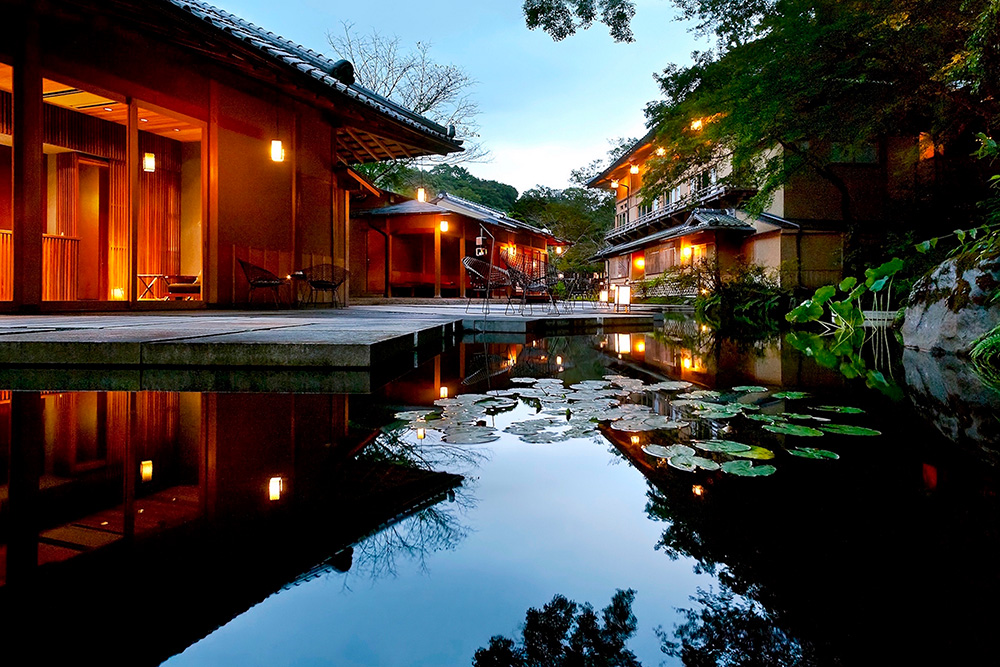
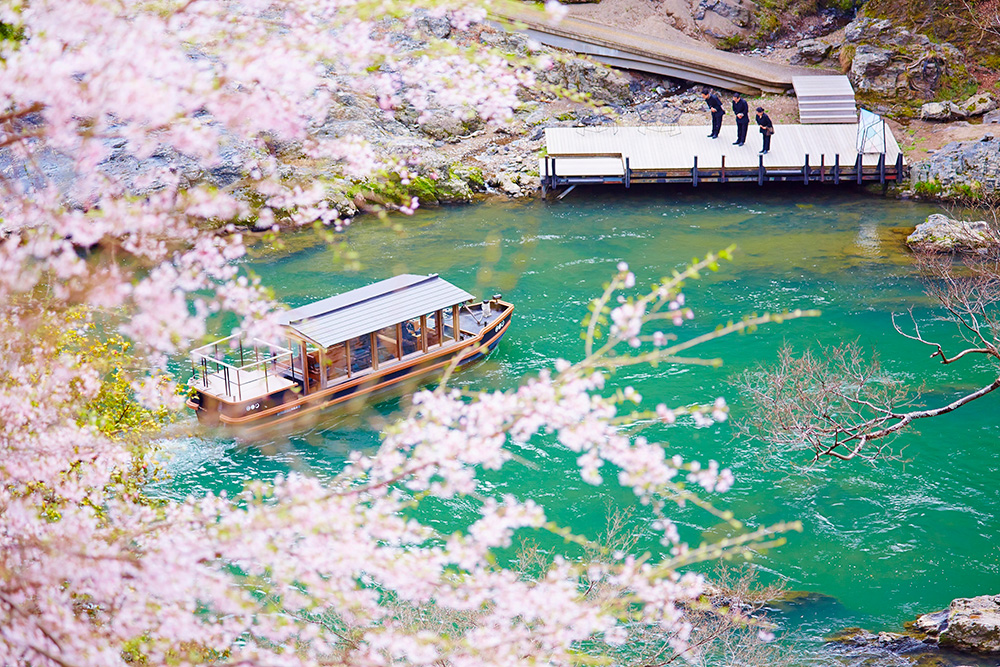
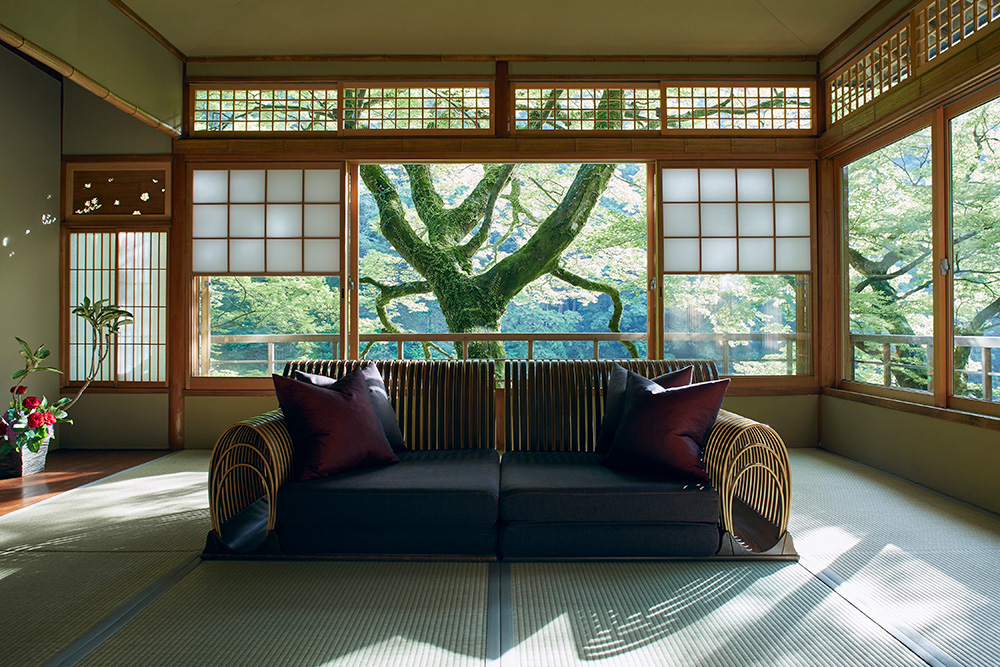
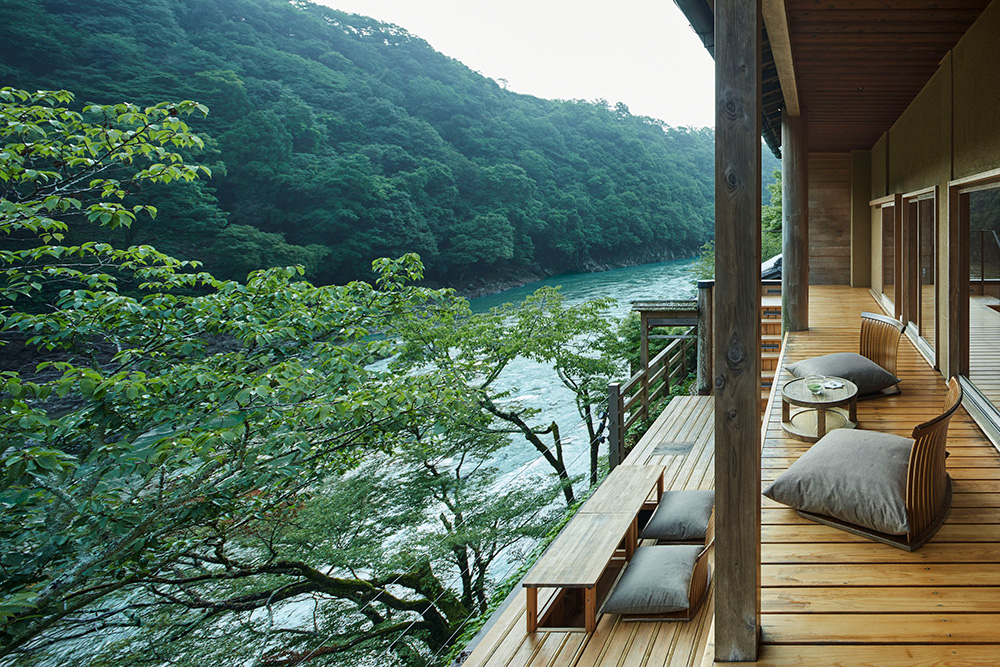
It's a taxi from Direction JRKyoto station, about 30 minutes
- A room charge example
- 1 night, 1 person \33,330-
OMO3 Kyoto Toji by Hoshino Resorts
The Kyoto center and Kyoto city
The hotel where I pause in the Toji Temple area which is recommended to 1 and the repeater accustomed to within 1 hour and Kyoto travel by train to Osaka and Nara by bus to a popular tourist spot in Kyoto.


From Direction JRKyoto station Hachijo mouth, about 13 minutes on foot
- A room charge example
- 1 night, 1 person \4,500-
OMO5 Kyoto Gion by Hoshino Resorts
The Kyoto center and Kyoto city
Yasaka-jinja which is here along the downtown area which represents Kyoto "Toru Shijo" and is famous for Gion Matsuri is immediateness. Everyone is convenient for sightseeing in visited Yasaka and clear water area sometime.

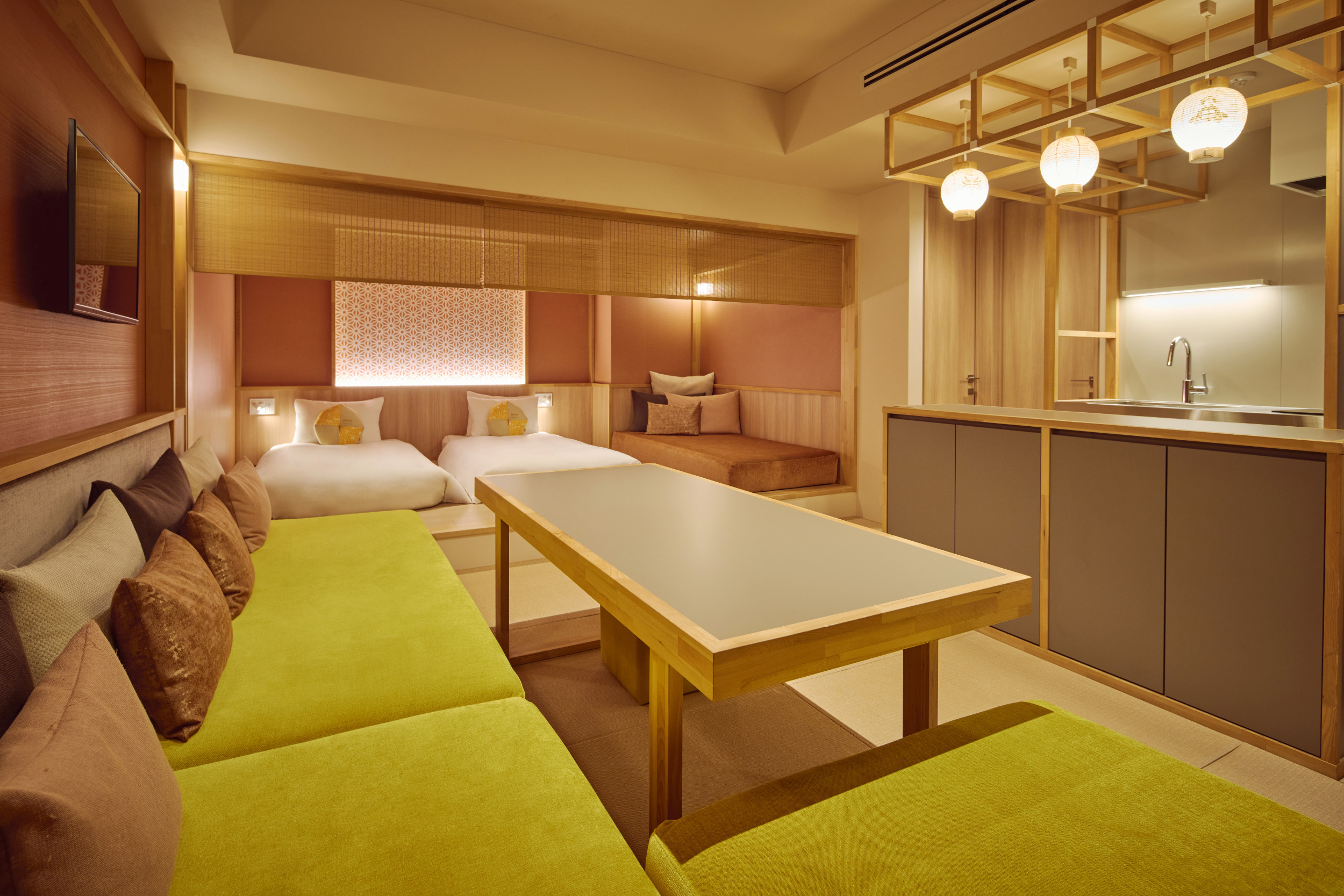
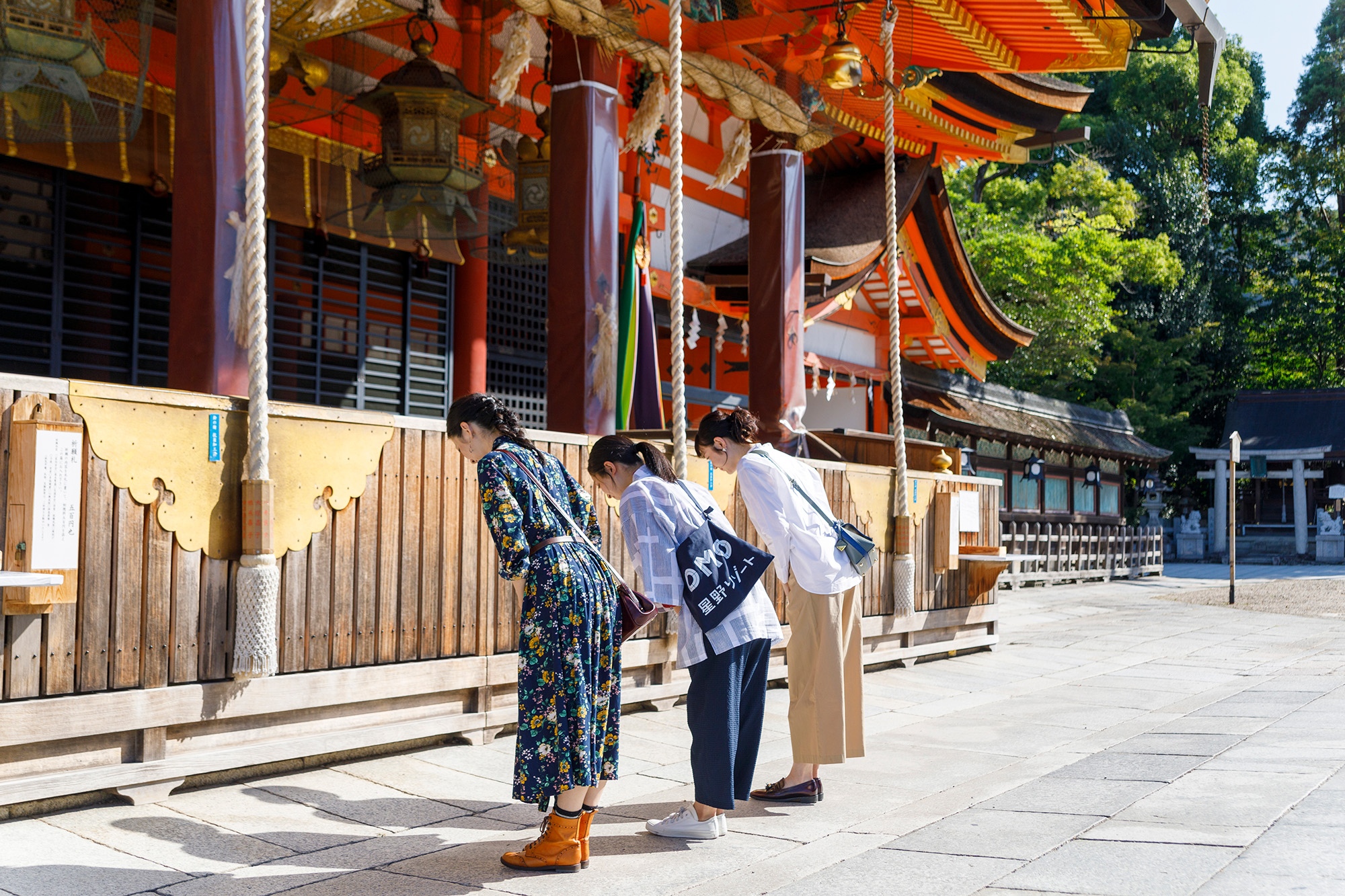

Direction Keihan Main Line Number 7 of Gion-shijo Station, from an exit, about 5 minutes on foot
- A room charge example
- 1 night, 1 person \9,500-
OMO5 Kyoto Sanjo by Hoshino Resorts
The Kyoto center and Kyoto city
Even the streets where Pontocho and Sanjo big bridge seem to be Kyoto are within the walking range. The past and present are the area which intersects from the latest store to the speciality store in a long-established store.


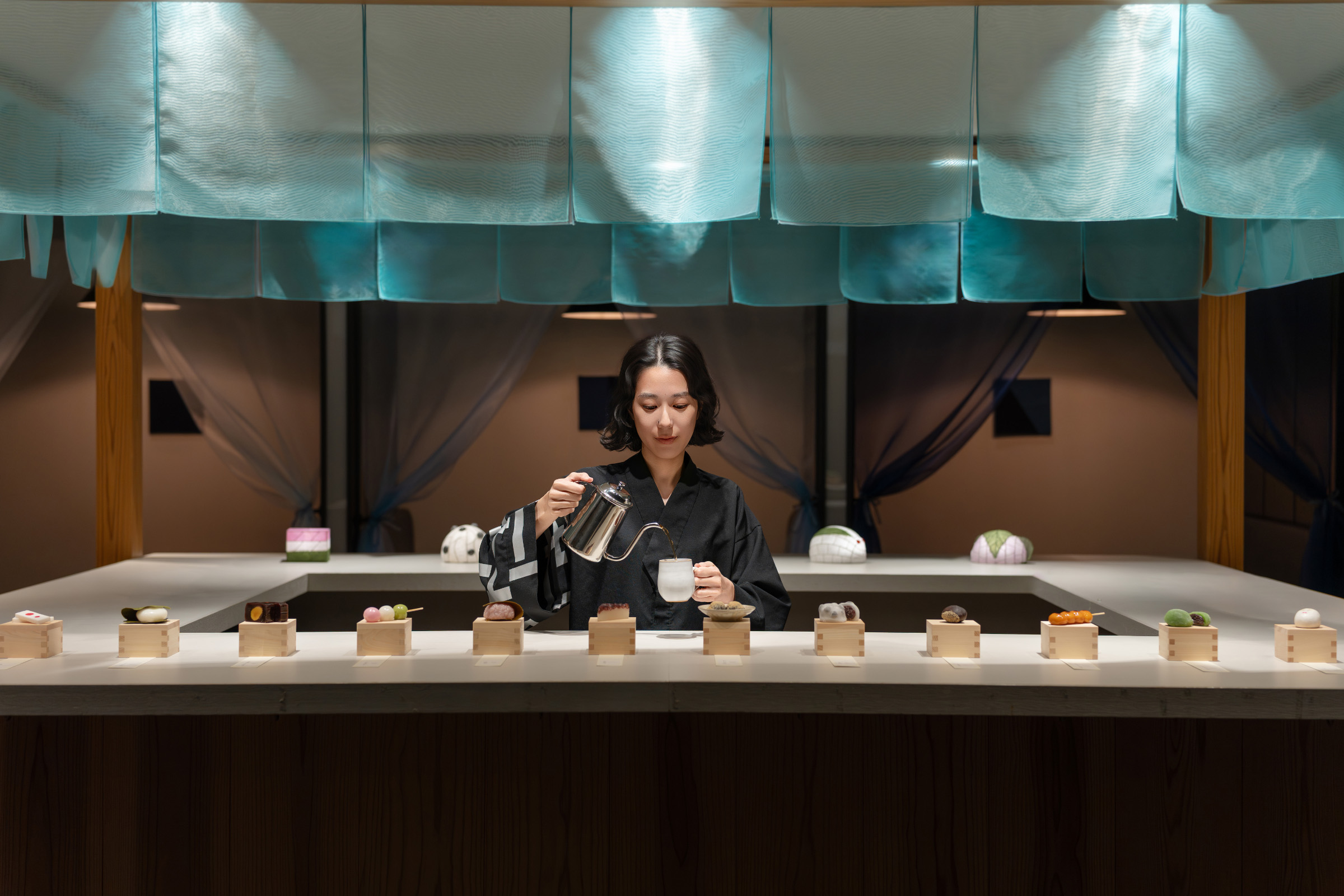
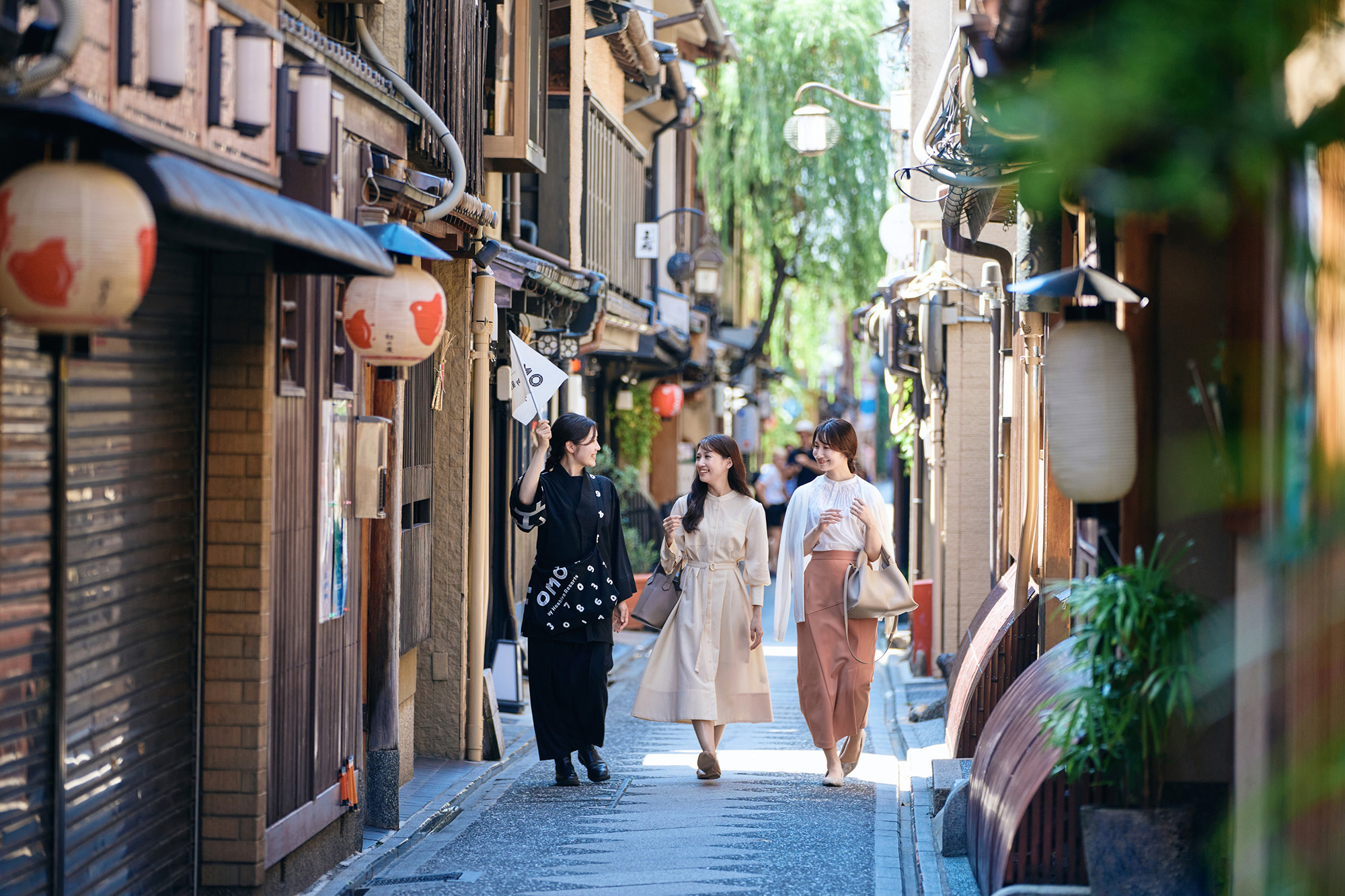
The Direction Kyoto municipal subway Number 3 of Kyoto Shiyakusho-mae Station, from an exit, about 2 minutes on foot
- A room charge example
- 1 night, 1 person \4,000-