





[2025 year edition] Kyoto The basic recommended at To-ji, Sanjo and Gion area and 6 elections of happy hunting ground spot of colored leaves.
![[2025 year edition] Kyoto The basic recommended at To-ji, Sanjo and Gion area and 6 elections of happy hunting ground spot of colored leaves.](https://hoshinoresorts.com/guide/wp-content/uploads/2025/11/通天橋 紅葉 001-1024x681.jpg)
Famous Buddhist temple of temples and shrines, garden, ancient capital where each place is dotted with cultural assets and Kyoto. The country many tourists visit through one year is an outstanding city, and the late fall when the mountains and the trees in a garden color is popular in particular.
6 points of Sanjo dotted with tourist attraction and famous place of colored leaves in Gion area are chosen from a basic to the happy hunting ground including To-ji with the Five-storied pagoda which is also seen from Kyoto station by our article. I'll introduce together with event information on a special light up in time of the best time and night.
Toji Temple area
1To-ji (Kyoogokoku-ji)
It's lit up fascinatingly in the evening. Contest of national treasure, Five-storied pagoda and colored leaves is highlights.

Temple with the five-storied pagoda where you can be proud of the best of Japan height as wooden pagoda and also say a symbol of Kyoto (national treasure). I say good location within the walking range from Kyoto station, and it's tourist attraction where it takes pride in its outstanding popularity at the city.
The cultural value as the remains in the Heian castle town to stay only in Kyoto is estimated, and it's registered by World heritage as "cultural assets of ancient city Kyoto" in 1994 (1994).
About 250 maples are planted in a wide precinct, and it's possible to see collaboration of a historic landmark and colored leaves in a late fall. In particular, the contest of colored leaves around the gourd (gourd) pond in the center of the Izumi Ike tour garden and Five-storied pagoda is must-see.
A light up of colored leaves, Golden Hall and lecture hall night special inspection are being held from ordinary year November to the middle of December. The form that Five-storied pagoda is fanned into shine and floats on darkness in the evening is very fascinating. The colored leaves lit up are to be reflective in a surface of the water in a pond, and fantastic one can be put in photograph.
[Start of coloring] at the middle of ordinary year November.
[Best time] at the end ofordinary year November-at the beginning of December.
[The kind of colored leaves] Japanese maple, maple, gingko and cherry tree
▼ Light up of colored leaves and Kondo lecture hall night special inspection
Time frame: Saturday, November 1, 2025-Sunday, December 14
Time :18:00-21:30 (last reception 21:00)
Admission: Adult and below the high school student of 1000 yen and the junior high school student of 500 yen
A place: Toji Temple precinct

This place
Supporter
A tour with a night special inspection guide is being held by guest limitation of "OMO3 Kyoto Toji by Hoshino Resorts" to (Sun) on December 14, 2025. It can be satisfied with the autumnal tints lit up and the form that a Buddhist statue crowd is good-looking while avoiding comment by Staff/staff member, the other ones which can enter a precinct smoothly and crowding.

- To-ji (Kyoogokoku-ji)
-
 Kyoto center Kyoto city 1, Kujocho, Minami-ku MAP
 From Kintetsu Kyoto line Toji Station, about 10 minutes on foot
From JRKyoto station, about 15 minutes on foot 5:00-17:00 (Kondo and lecture hall 8:00-16:30 reception desk end)
 Free (There is a charge for Kondo and lecture hall.)
 075-691-3325
 I have that (600 yen per 2 hours).
 "OMO3 Kyoto Toji by Hoshino Resorts" about World heritage "To-ji" light up Sanpo of colored leaves, here
2Tofuku-ji
I peep into about 2000 of colored leaves three people dye a ravine from a bridge.

The temple where a Rinzai Sect Tofuku-ji party with minor Zen temple temples of 25 embraces maximum Shichido-garan as the Zen sect temple at headquarters within the region. There are many highlights the Zen meditation hall and the rest room where medieval Zen sect construction is told soon (I care, with the selling point of), and biggest Mikado does in the Japanese oldest, and is designated as national treasure.
The ravine where to charm many tourists occurs to a precinct in east and west "sentamakan (GYOKU which isn't done or, oh.)" About 2000 maples such as "leading to the sky colored leaves" founder's enji (maroon) brought home from Sou color simultaneously in the golden age of colored leaves.
The view from "Fusekumo Hashi (but, yes, today)" "Tsuten-bashi" "en Tsukihashi (GETSU today I don't get)" by which a popular one is called a Tofuku-ji three person bridge in particular. A view in Tsuten-bashi I also desire over crimson sentamakan from Fusekumo Hashi (but, yes, today) at the inside is a superb view.
Night reserved special inspection is put into effect from the end of ordinary year November to the beginning of December. It's possible to look at a light up of colored leaves so that I may look down from Tsuten-bashi.
[Start of coloring] at the beginning of ordinary year November.
[Best time] at the middle ofordinary year November-at the end of November.
[The kind of colored leaves] Japanese maple and big maple and others
▼ Fiscal year 2025 Tofuku-ji Night reserved special inspection.
Time frame: Wednesday, November 19, 2025-Sunday, December 7, 2025
Time :17:30-19:30 (last reception 19:00)
The charge: 2800 yen (JR Central "EX travel previous reservation" empty perfect reservation system)
A place: Tofukuji Tsuten-bashi Elijah Hodo
This place
Supporter
en Tsukihashi which spans the upper reaches in Tsuten-bashi is uncrowded relatively, so it's recommended to the person who would like to enjoy an excursion for viewing scarlet maple leaves in the quiet atmosphere.

- Tofuku-ji
-
- Kyoto central Kyoto city 15-778, Honmachi, Higashiyama-ku MAP
- From Keihan Line Tofukuji Station, about 10 minutes on foot
From JR Tofukuji Station, about 10 minutes on foot  From JRKyoto station, city bus ride, "Tofuku-ji" bus stop getting off and about 4 minutes on foot
- 9:00-16:00 (gate closing, 16:30)※ December 8-March 31,-15:30 (gate closing 16:00)
- Tofuku-ji head temple garden (Hojo): An adult of 500 yen and elementary and junior high schoolers of 300 yen
Tsuten-bashi Kaisan-do Hall : An adult of 600 yen and elementary and junior high schoolers of 300 yen (on November 15-on December 7, an adult of 1000 yen and elementary and junior high schoolers of 500 yen)
Common inspection ticket: An adult of 1000 yen and elementary and junior high schoolers of 500 yen (on November 15-on December 7, without sale) - 075-561-0087
- I have that (Parking on the Zen meditation hall south side or Tofuku-ji north Parking in a Tofuku-ji precinct).
Sanjo area
3Eikando (Zenrin-ji)
The famous place of colored leaves where Kyoto called "Eikan temple where autumn is colored leaves" more than antiquity is outstanding
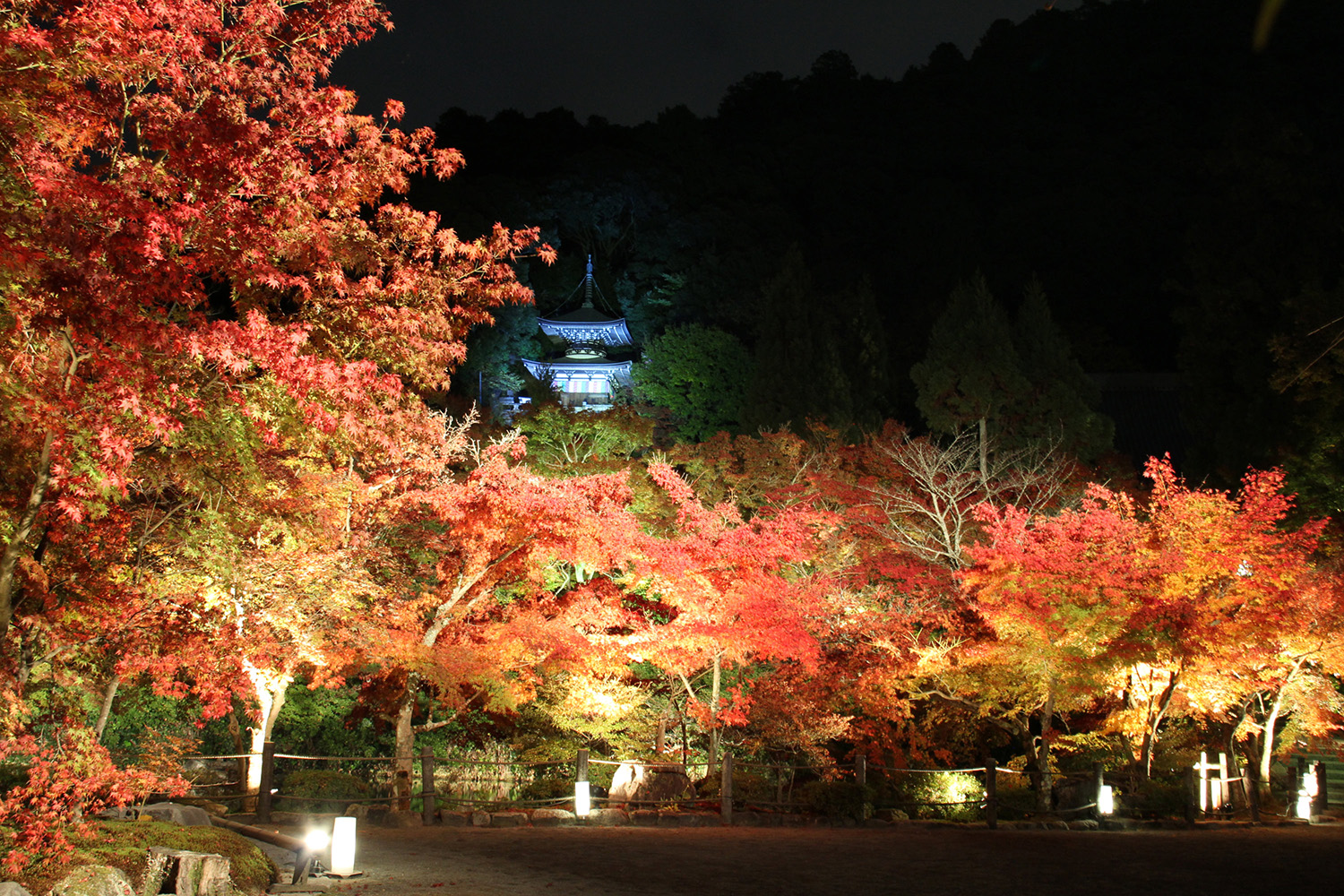
Temple where Toyama who participates in the east side in the Kyoto city is enshrined in one of thirty-six peaks and young Oshizen Rei. A tree of colored leaves as much as about 3000 is planted in a precinct focusing on a Japanese maple, and it's the a place famous for beautiful colored autumnal leaves which represents Kyoto called by celebrities more "Eikan temple where autumn is colored leaves".
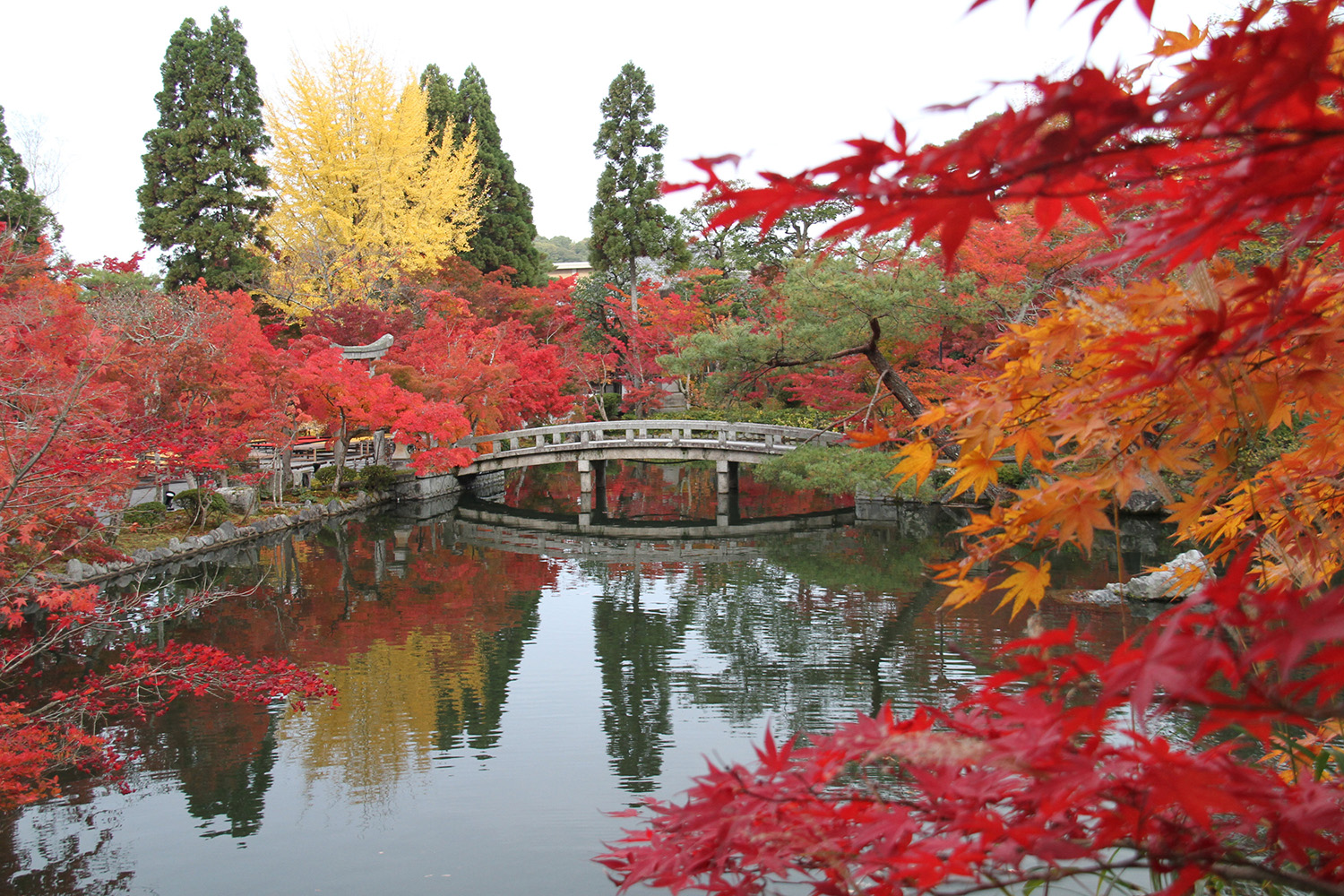
The maple planted in the inclination of the east side of Mikagedo in particular is called "Iwagaki colored leaves" from the old days, and you're enjoying.
The landscape by which the state in which the Taho Pagota which stands in the highest location at a precinct is wrapped in flamboyant autumn seems to be Kyoto really. It's possible to view a town in Kyoto colored by colored leaves from Taho Pagota.
A night light up of colored leaves is also put into effect from the middle of ordinary year November to the beginning of December. It's illuminated by light, and the fantastic landscape surfaced can be enjoyed.
[Start of coloring] at the middle of ordinary year November.
[Best time] at the middle ofordinary year November-at the beginning of December.
[The kind of colored leaves] Japanese maple, big maple, calamus maple and gingko and others
▼ Eikando Night light up of colored leaves.
Time frame: 2025 year November 15 (Sat)-December 10 (Wed)
Time :17:30-21:00 (20:30 reception desk end)
An admission charge: Students over junior high school of 700 yen
A place: Around the garden, the Amidado and the Taho Pagota
Remarks: A special temple treasure exhibition is held in the daytime to (Tue)-December 10 (Wed) on November 11, 2025, and the replacement system is day and night, entrance saves through and is bad.
※ The admission charge of 1
This place
Supporter
When a garden species is included at a precinct, various plants turns red. The person who would like to enjoy a red yellow green gradation recommends start of coloring.
- Eikando (Zenrin-ji)
-
- Kyoto center Kyoto city 48, Eikandocho, Sakyo-ku MAP
- From the Kyoto municipal subway Keage (KEAGE) station, about 15 minutes on foot
- 9:00-17:00 (last reception 16:00)
- The public of 600 yen and small junior and senior high school students of 400 yen
- 075-761-0007
4Old Mitsui family Shimogamo villa
I get a bird's-eye view of Toyama dyed in flamboyant autumn from a main house 3rd floor watchtower.
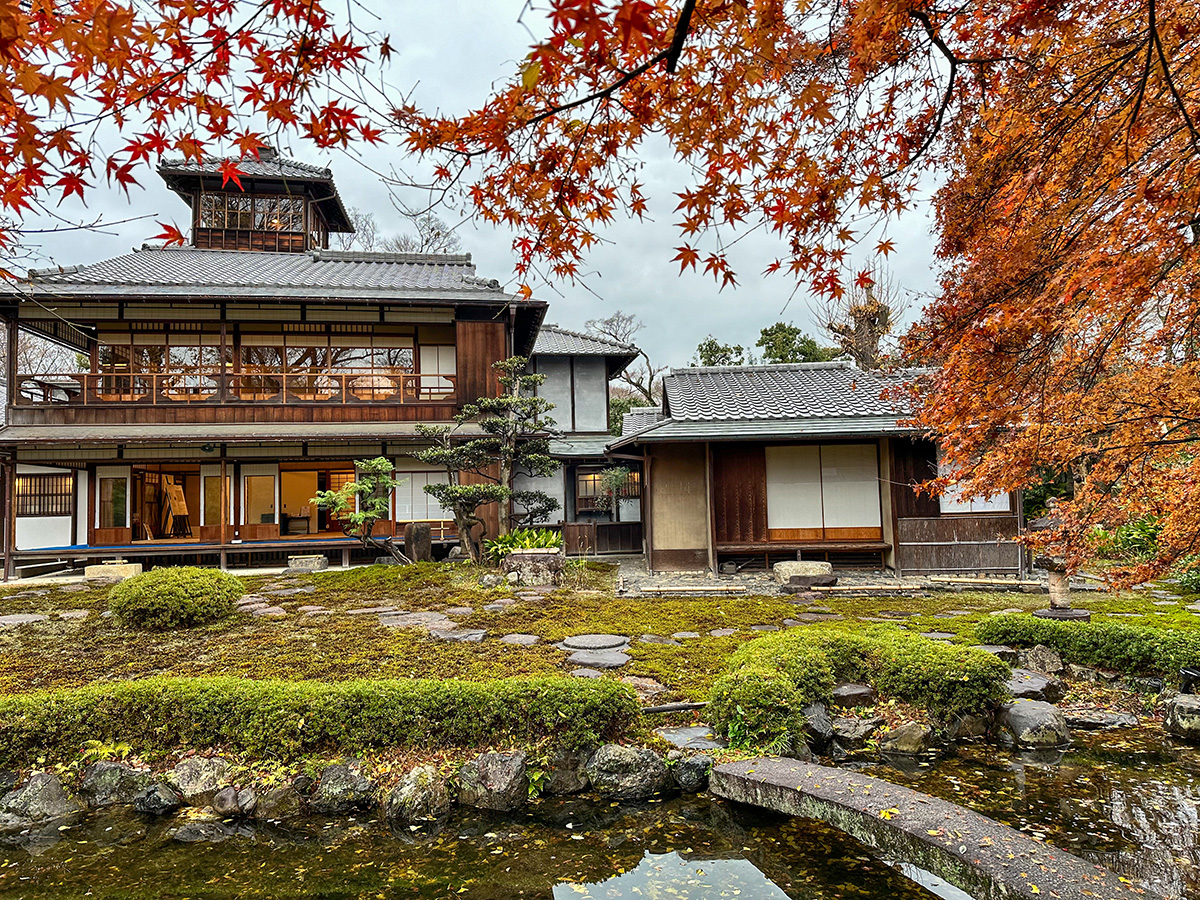
Old villa of a wealthy merchant and Mitsui person located in the south of the World heritage "Shimogamo-jinja". Property which was used as worship Waiting Room to the Akina soul company" which deified an ancestor of Mitsui family (REI SHA which is a space). The residence stance of the large-scale villa arranged by the Taisyo period is preserved well, and it's designated as national important cultural property in 2011.
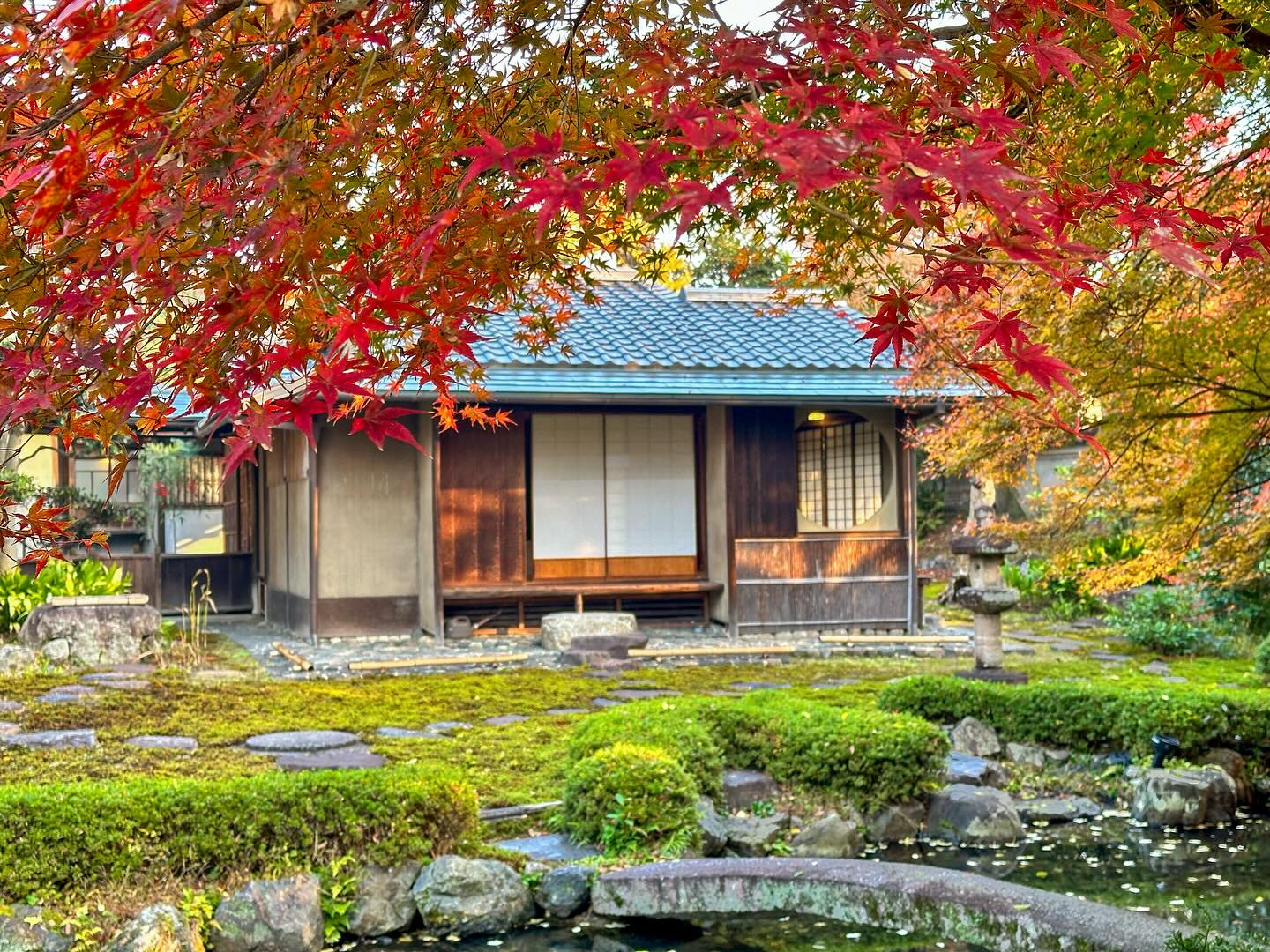
It's opened to the public from 2016 and it's possible to see the 1st floor of built main house, a front door ridge in the Taisyo period and a garden and go around in the Meiji period. The tearoom menu of the rice-flour dumpling thick bean-meal soup, the seasonal soft fresh Japanese sweet and the powdered green tea can also be enjoyed while looking at a garden at premises.
The popular season when a late fall can love the beautiful scenery moss and a pond interweave with colored leaves. Special open house in autumn is being put into effect in the beginning of December from the end of ordinary year November and the closed 2nd floor of main house and watchtower on the 3rd floor are usually exhibited. It's possible to look down upon the garden colored by colored leaves from the 2nd floor of main house, and when going up to a main house 3rd floor watchtower, it's possible to look Toyama dyed in autumn scenery around.
[Start of coloring] at the end of ordinary year November.
[Best time] the colored leaves which are a※ maple at the end ofordinary year November-at the middle of December, the beginning of December-
[The kind of colored leaves] maple, MUKU, gingko, zelkova serrata and hackberry
▼ Old Mitsui family Shimogamo villa Special open house in autumn
Time frame: Thursday, November 20, 2025-※ Wed., Sunday, December 7 is removed.
Time :9:15-16:30 (17:00)※ preliminary reservation priority
The charge: An adult of 1100 yen, junior and senior high school students of 800 yen and a schoolchild of 600 yen
A place: The 1st floor of main house, the 2nd floor of main house, a main house 3rd floor watchtower, front door ridge and garden
Remarks: Preliminary reservation priority (I also have today's ticket.) It's possible to make a reservation from a Kyoto sightseeing official site "Kyoto sightseeing NAVI". Tearoom business closes down for visitor line of flow securement during a period.
This place
Supporter
There is a tourist attraction such as Shimogamo-jinja and Kamo-gawa Delta in the neighborhood, and it's also recommended as a walk course including an old Mitsui family Shimogamo villa.
- Old Mitsui family Shimogamo villa
-
- Kyoto city 58-2, Shimogamomiyakawacho, Sakyo-ku MAP
- From Keihan Line or Eizan Electric Railway Demachiyanagi Station, about 5 minutes on foot
- Or a city bus ride and "Kawahara-cho Imade-gawa" "are crammed with mallow Kyosei" from JRKyoto station, bus stop getting off and about 5 minutes on foot
- 9:00-17:00 (16:30 reception desk end)
 Wednesday (Wednesday opens one in case of shuku holiday, and it closes on the next day.) and December 29-December 31
- The public of 500 yen (Saturday . Sunday and holiday of 600 yen), junior and senior high school students of 300 yen and a schoolchild of 200 yen
- 075-366-4321
5MURIN-AN (impossible, oh, bean jam)
The landscape of colored leaves Yamagata Aritomo saw is in immediateness.
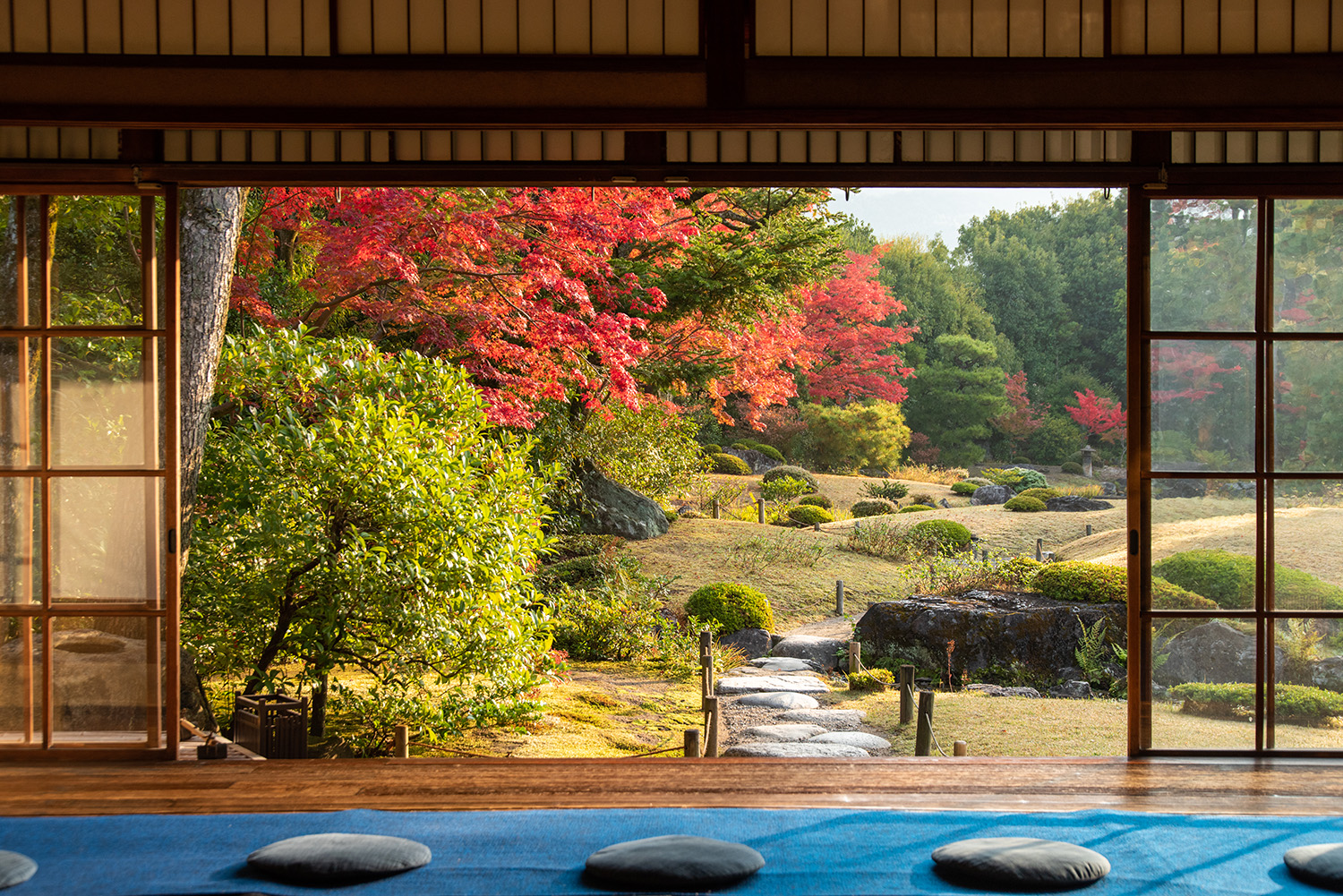
The villa the politician who played an active part and Yamagata Aritomo (with YAMAGATAARI) built in 1896 (1896) in Meiji and the Taisho Era.
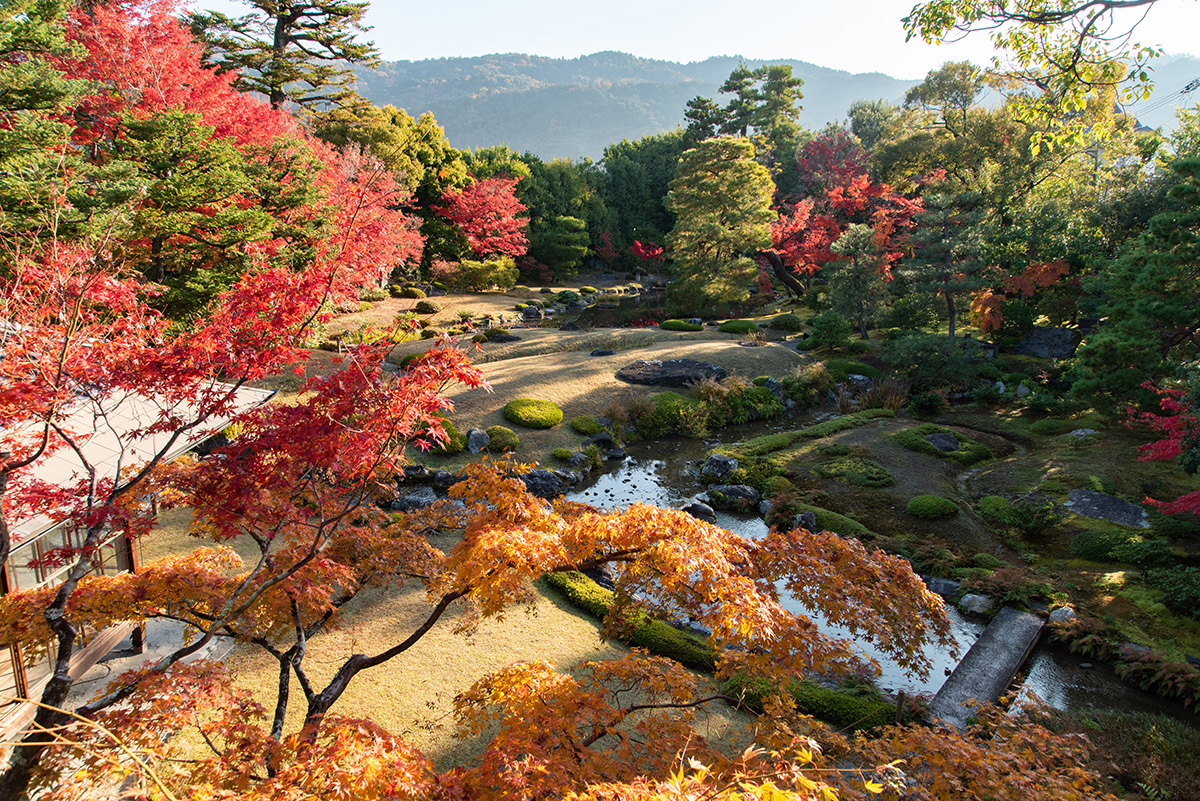
You can judge a main building and a Western-style house as a garden and go around in Property of few year-round opening to the public as a villa group in a Nanzen-ji Temple neighborhood. The naturalism-like garden where Toyama was made shakkei is made a landscape architect in a Meiji-Showa period and a masterpiece of seven generation eye and a modern Japanese garden by Jihee Ogawa, and it's designated as national place of scenic beauty in 1951 (1951). The state down which the flow into which the center of the garden was dragged from Lake Biwa canal floats with chintz and others is very elegant.
When the trees in a garden are dyed ginger and are beautiful in particular at the time when deepening in autumn is felt, it's famous. Without also changing Nishiki in the garden Yamagata Aritomo of alive loved now while receiving powdered green tea, coffee and sparkling wine at the garden cafe in the main building, it's possible to look.
The special night opening to the public designed as "twilight garden party" is put into effect on a weekend at the middle of ordinary year November-last ten days. Comment and the cafe menu by the other garden concierges who can do the garden walk lit up can be enjoyed.
[Start of coloring] at the end of ordinary year October.
[Best time] at the middle ofordinary year November-at the beginning of December.
[The kind of colored leaves] Japanese maple, big maple and UMEMODOKI
▼ Special night opening to the public of colored leaves in autumn Twilight garden party 2025
A date: Saturday, November 15, 2025, Sunday on the 16th, Saturday on the 22nd, the 23rd (holiday) and the 24th (Monday . substitute holidays)
Time:(1) 17: 30-19:30 (2) 19: 30-21:30 A※ 2 copy system and a perfect replacement system, every part, 30 people of quota (by reservation only in the order of arrival).
The charge: 4500 yen (with cafe menu of the powdered green tea and the sparkling wine and guide)
A place: Garden, the 1st floor of main building, the 2nd floor and Western house
URL:https://murin-an.jp/events/event-20251115-24/
This place
Supporter
There is a number in the garden where the pond was made the center, but the garden where a stream flows is also rare at the whole country. The sense of Yamagata Aritomo, everywhere, it's felt.
- MURIN-AN
-
- Kyoto center Kyoto city 31, Nanzenjikusagawacho, Sakyo-ku MAP
- From Kyoto municipal subway Keage Station, about 7 minutes on foot
- From JRKyoto station, city bus ride, "the shrine way", "in front of Okazaki park art museum Heian Shrine" getting off and about 10 minutes on foot
- 4-September 9:00-18:00 (17:30 closure)
10-March 9:00-17:00 (16:30 closure)
※ Reservation priority. Every 1 hour, the entrance is subject to the number of people restrictions. - December 29-December 31
- Usually Adult of 600 yen and busy days 900 yenfor an adult-1500 yen of※ details are subject to confirmation in HP The※ elementary students sheep rise is free.
- 075-771-3909
- As every month for 28 days "day in a garden", less than 35 years old are a free entrance.
Gion area
6Kodai-ji
The autumn light up and the projection mapping in a karesansui garden are must-see.
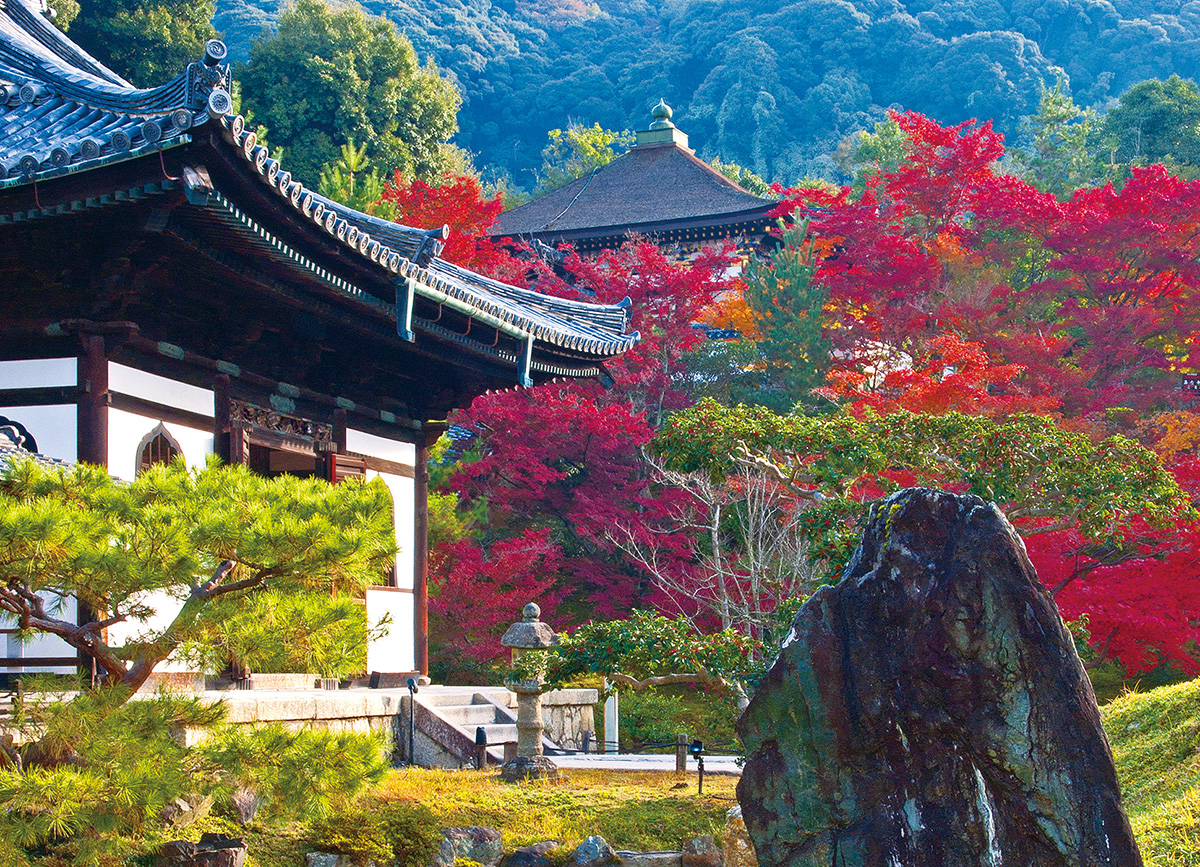
The Zen temple which was built for the Kita no Mandokoro which is Toyotomi Hideyoshi's lawful wife () to condole on Hideyoshi's Buddhahood. A precinct is dotted with national important cultural property "moon-viewing stand", "Kaisan-do Hall " and 2 tea-ceremony rooms "umbrella bower" "late autumn shower bower".
The one by which Kobori Enshu work and transmitted Izumi Ike tour garden "Kodai-ji garden" (historic site place of scenic beauty) are also a highlight. About 1000 are planted in a Japanese maple and a mountain maple in the garden where Toyama is made shakkei, and the whole garden wears ginger at time of colored leaves.
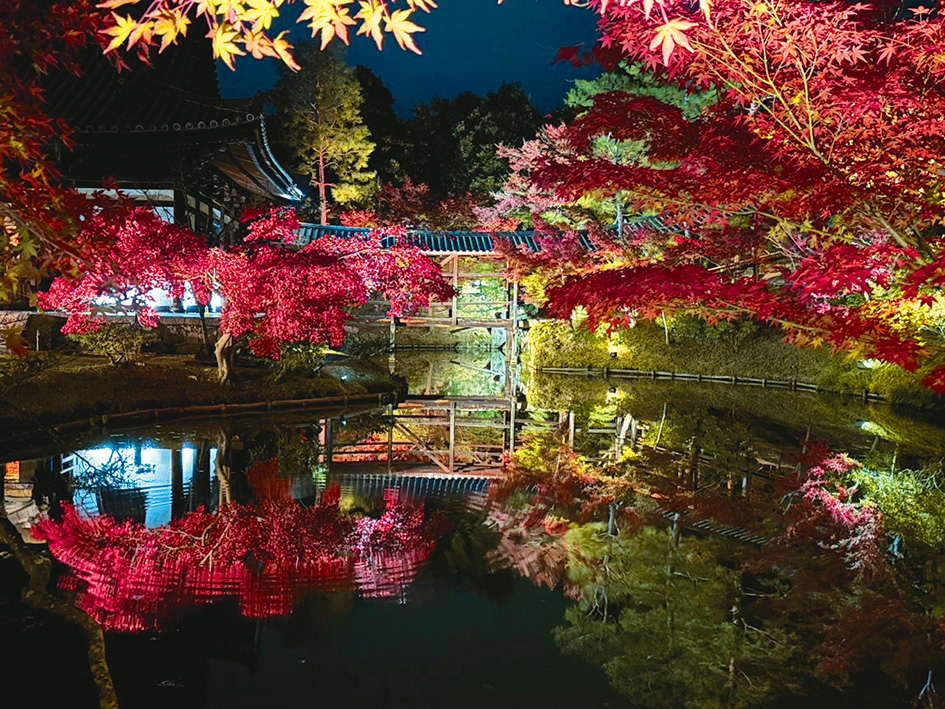
Many tourists are inspecting autumn especially from the end of ordinary year October to the middle of December, and visit in order to glimpse the state of the garden dyed in brocade. When it's beautiful in particular, the state of the colored leaves which suit the water level of Garyuu Ike who takes Garyuu rou and are crowded is famous. A simultaneous period extends gate closing time until night. The state which produces a Hojo vestibule of a karesansui "wave heart garden (for, pith Tei)" splendidly by a projection mapping as well as the autumnal tints illuminated by gentle shine are must-see.
[Start of coloring] at the beginning of ordinary year November.
[Best time] at the middle ofordinary year November-at the beginning of December.
[The kind of colored leaves] Japanese maple, mountain maple, white gum, maple and Japanese enkianthus and others
▼ Kodaiji Temple Special inspection in autumn.
Time frame: Friday, October 24, 2025-Sunday, December 14
Time :9:00-22:00 (from 21:30 reception desk end and lighting up 17:00)
An admission charge: It isn't same※ day and night nyuusei as the usual admission charge, but when I leave from an exit once, the re-entry with the same ticket is bad.
A place: Each precinct place
This place
Supporter
The Kodai-ji by which deep affection of NENE to my dead husband is felt everywhere. The "Kodaiji Temple lacquer work" which was given to the memorial altar sanctuary where Hideyoshi's statue of sitting man is enshrined is also must-see.
- Kodai-ji
-
- Kyoto center Kyoto city Higashiyama-ku Kodaiji Temple Shimogawaracho 526 MAP
- From Keihan Line Gion-shijo Station, about 10 minutes on foot
- From JRKyoto station, city bus ride, "Higashiyama, Yasui" bus stop getting off and about 7 minutes on foot
- 9:00-17:30 (17:00 reception desk end)
- It's exempted until 5 people of accompanying about 1 adult guardian below the junior and senior high school students 250 yen※ elementary students (The inspection only below the elementary students is bad.)
- 075-561-9966
- Payment required
MAP
- Toji Temple area
- Sanjo area
- Gion area
- Hoshino ResortsProperty around here

Local Guide which took charge of this article
OMO3 Kyoto Toji by Hoshino Resorts
The Kyoto center and Kyoto city
The hotel where I pause in the Toji Temple area which is recommended to 1 and the repeater accustomed to within 1 hour and Kyoto travel by train to Osaka and Nara by bus to a popular tourist spot in Kyoto.


From Direction JRKyoto station Hachijo mouth, about 13 minutes on foot
- A room charge example
- 1 night, 1 person \4,500-
OMO5 Kyoto Sanjo by Hoshino Resorts
The Kyoto center and Kyoto city
Even the streets where Pontocho and Sanjo big bridge seem to be Kyoto are within the walking range. The past and present are the area which intersects from the latest store to the speciality store in a long-established store.


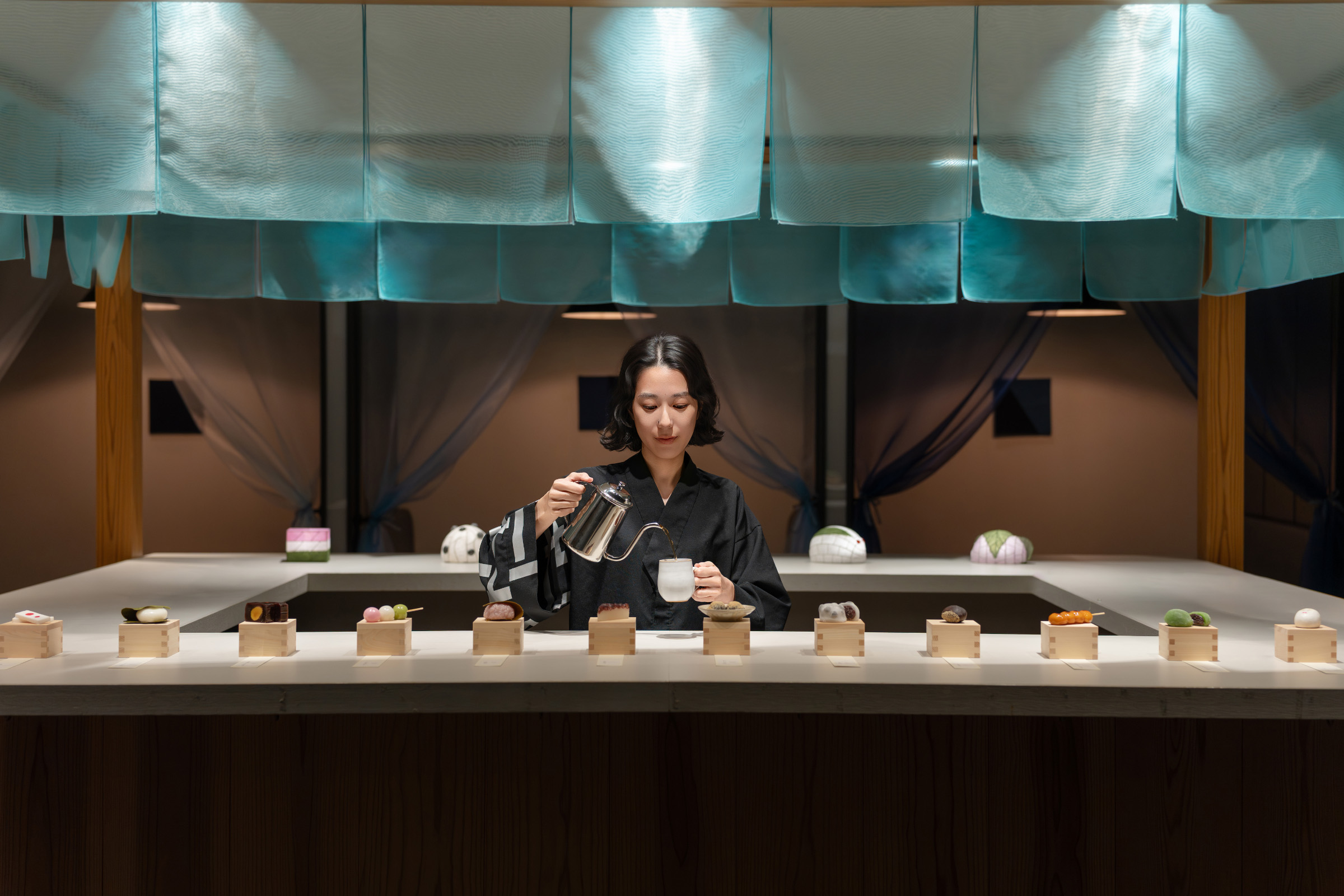
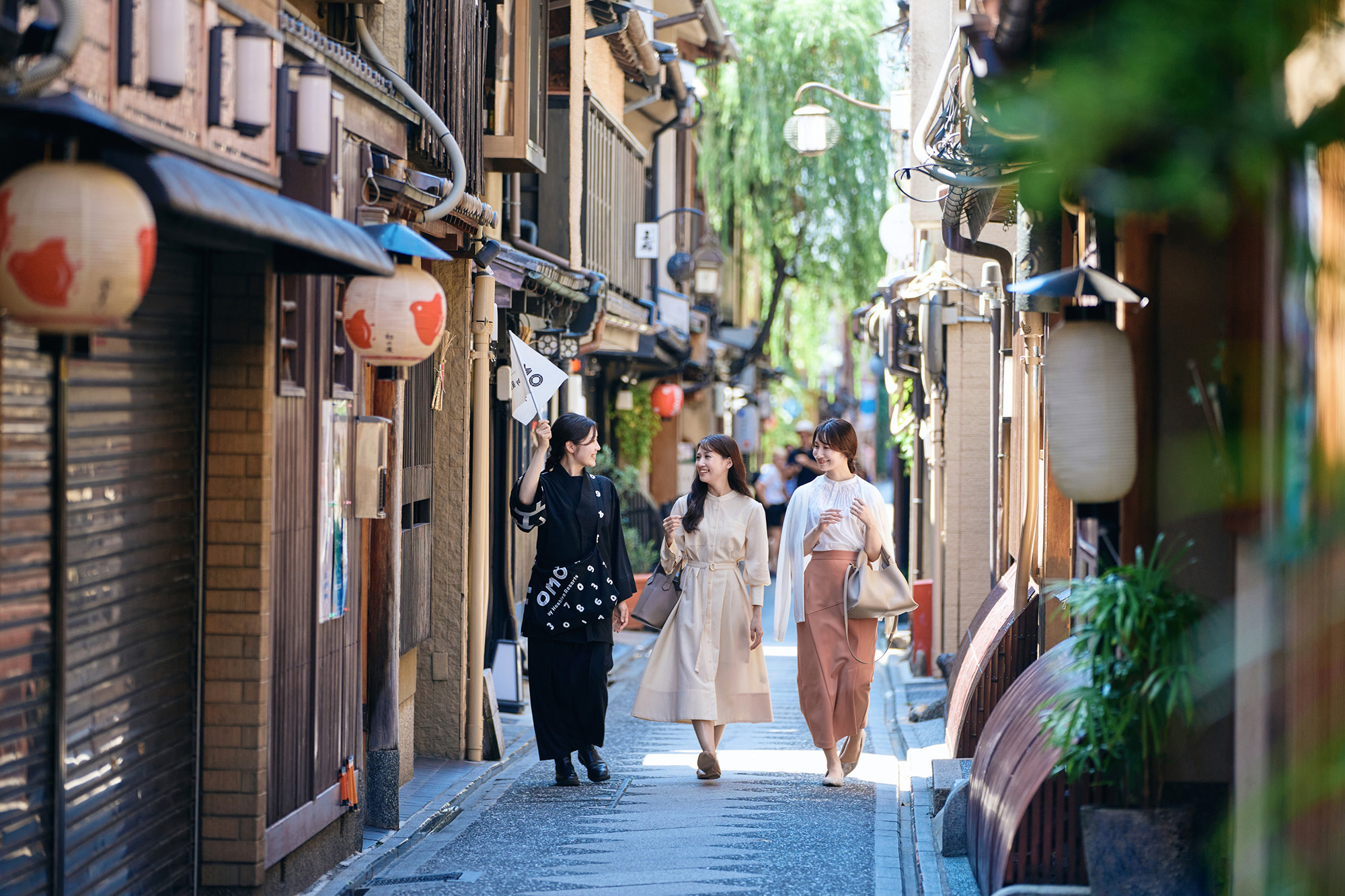
The Direction Kyoto municipal subway Number 3 of Kyoto Shiyakusho-mae Station, from an exit, about 2 minutes on foot
- A room charge example
- 1 night, 1 person \4,000-
OMO5 Kyoto Gion by Hoshino Resorts
The Kyoto center and Kyoto city
Yasaka-jinja which is here along the downtown area which represents Kyoto "Toru Shijo" and is famous for Gion Matsuri is immediateness. Everyone is convenient for sightseeing in visited Yasaka and clear water area sometime.

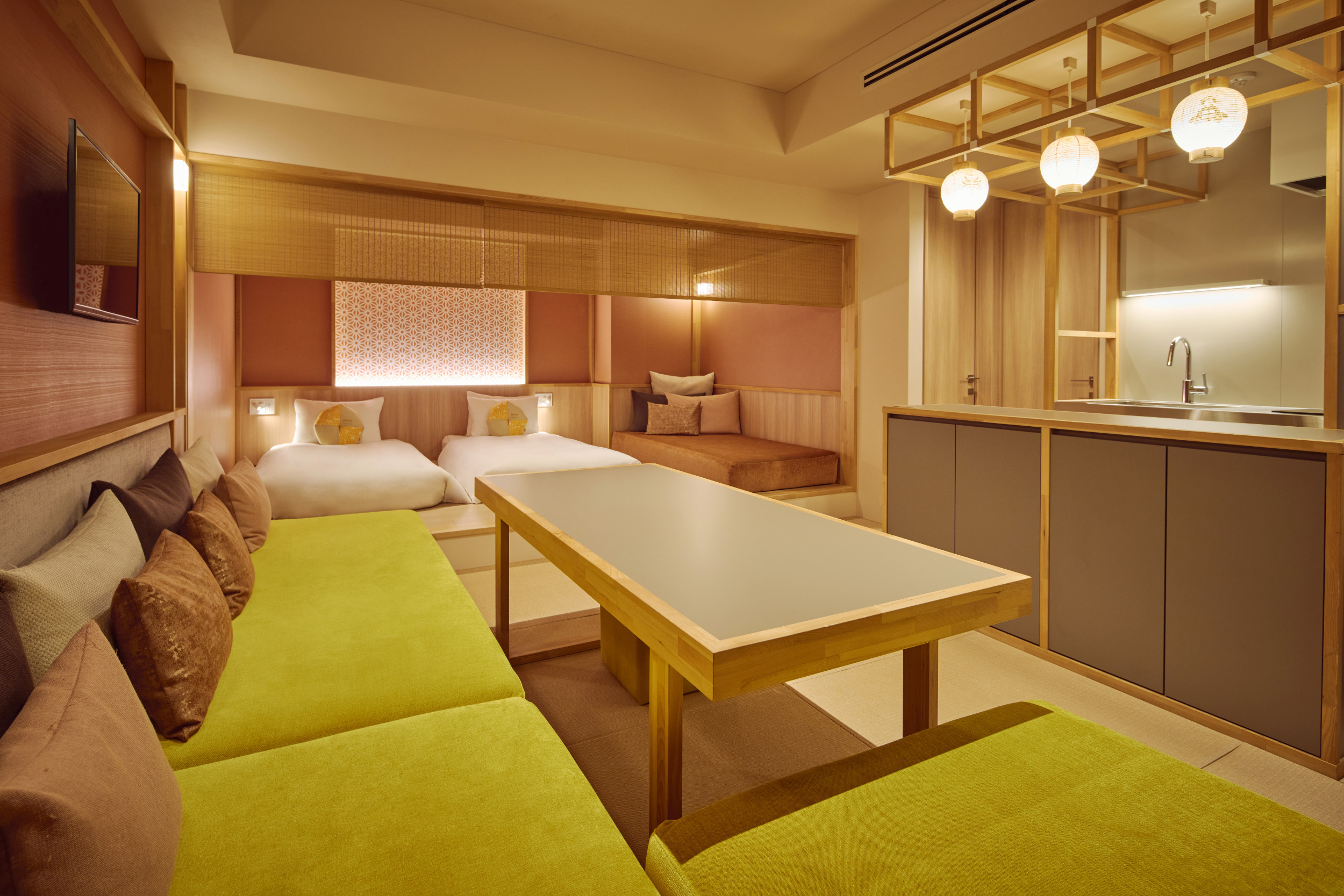
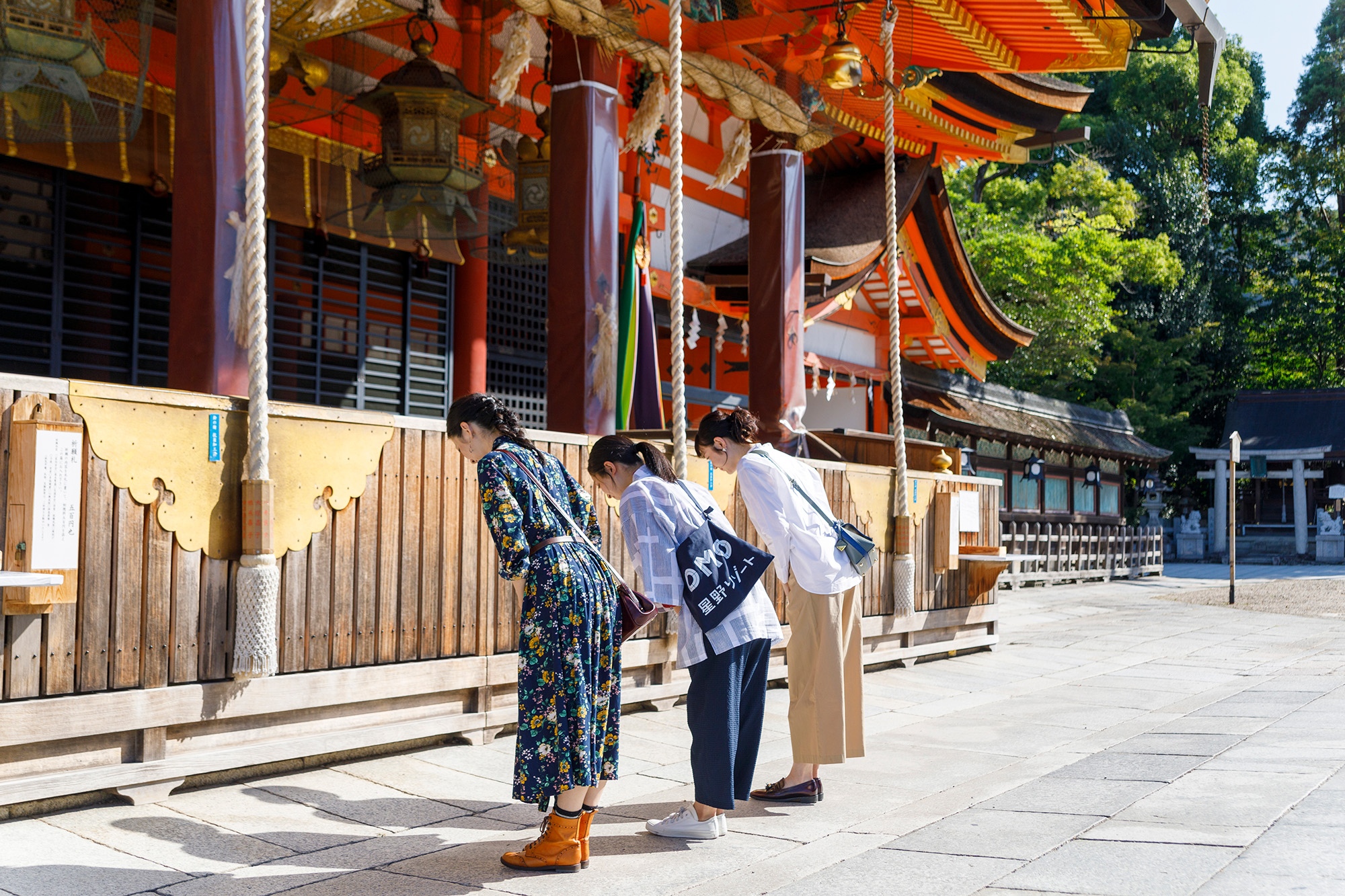

Direction Keihan Main Line Number 7 of Gion-shijo Station, from an exit, about 5 minutes on foot
- A room charge example
- 1 night, 1 person \9,500-