





Osaka Expo 2010 - Asia Edition] Tastes and aromas lure you in! Get a taste of the real thing at the restaurants in the overseas pavilions! Middle East
![Osaka Expo 2010 - Asia Edition] Tastes and aromas lure you in! Get a taste of the real thing at the restaurants in the overseas pavilions! Middle East](https://hoshinoresorts.com/guide/wp-content/uploads/2025/07/DSC09435-1024x683.jpg)
This is BUBBLE-B, a writer who loves Expo '70.
The Osaka/Kansai Expo is getting more and more exciting. As a regular pass user, I have already visited the Expo nearly 15 times since it opened on April 13. But I still have a long way to go to conquer all of them! I feel that the Expo mountain is very high. Especially reservations...(tears)
No one day is the same at the Expo because of the daily events, national days, and the pavilions that change little by little. It is like a large organism. There are many different ways to enjoy the Expo. Visiting the pavilions is not the only way to enjoy the Expo.
I enjoy eating my way through the restaurants in overseas pavilions and have written a "Expo Gourmet Guide ~ An Original Japan Travel Guide by Hoshino Resorts' Local Staff" for MICHIKUSA Guide ~ An Original Japan Travel Guide by Hoshino Resorts' Local Staff. This is the second installment, "The Middle East. It is hard to imagine what Middle Eastern cuisine is like, but the Expo is the perfect opportunity to discover new tastes. This time, we will introduce fascinating Middle Eastern cuisine, with a focus on the Kingdom of Saudi Arabia Pavilion!
Michikusa experts who wrote this article
-
Restaurant Chain Traveler
BUBBLE-B
I am a traveler writer who tours local restaurant chains throughout Japan. From conveyor belt sushi chain restaurants in Hokkaido to hamburger chain restaurants in Okinawa, in recent years I have also started visiting local chain restaurants overseas.
https://www.bubble-b.com/profile/ Michikusa's
guru
The Kingdom of Saudi Arabia Pavilion] The most difficult Expo Restaurant! Intoxicating exotic flavors!
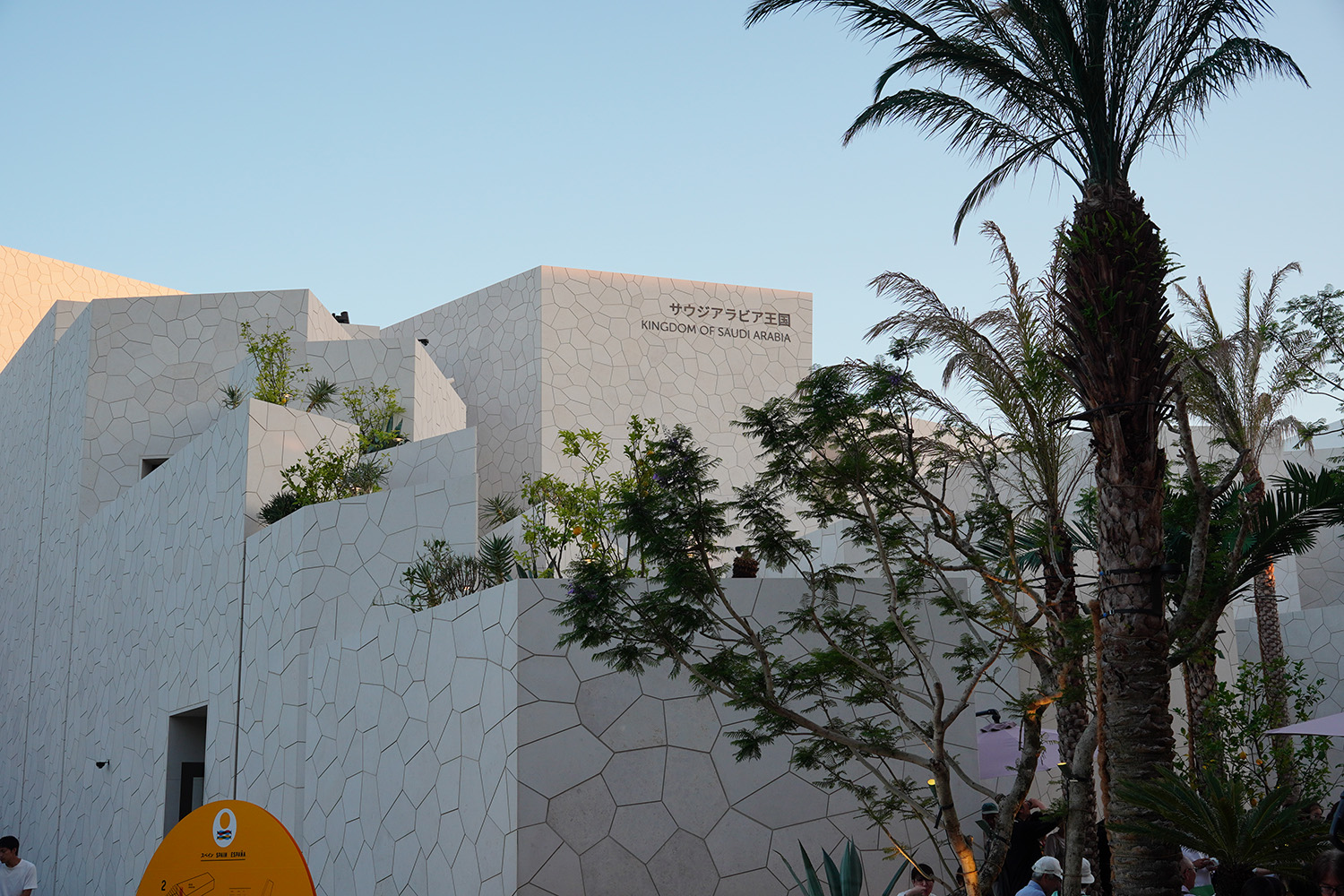
Few Japanese have ever been to Saudi Arabia. Of course, I have never been there myself. That's no wonder. Until 2019, only a limited number of people were allowed to enter the country. But in the same year, the government changed course and announced a policy of focusing on tourism from now on. It was at that time that tourist visas began to be issued.
The Osaka Expo is a great opportunity to showcase Saudi Arabia today, and the pavilions are very enthusiastic about it.
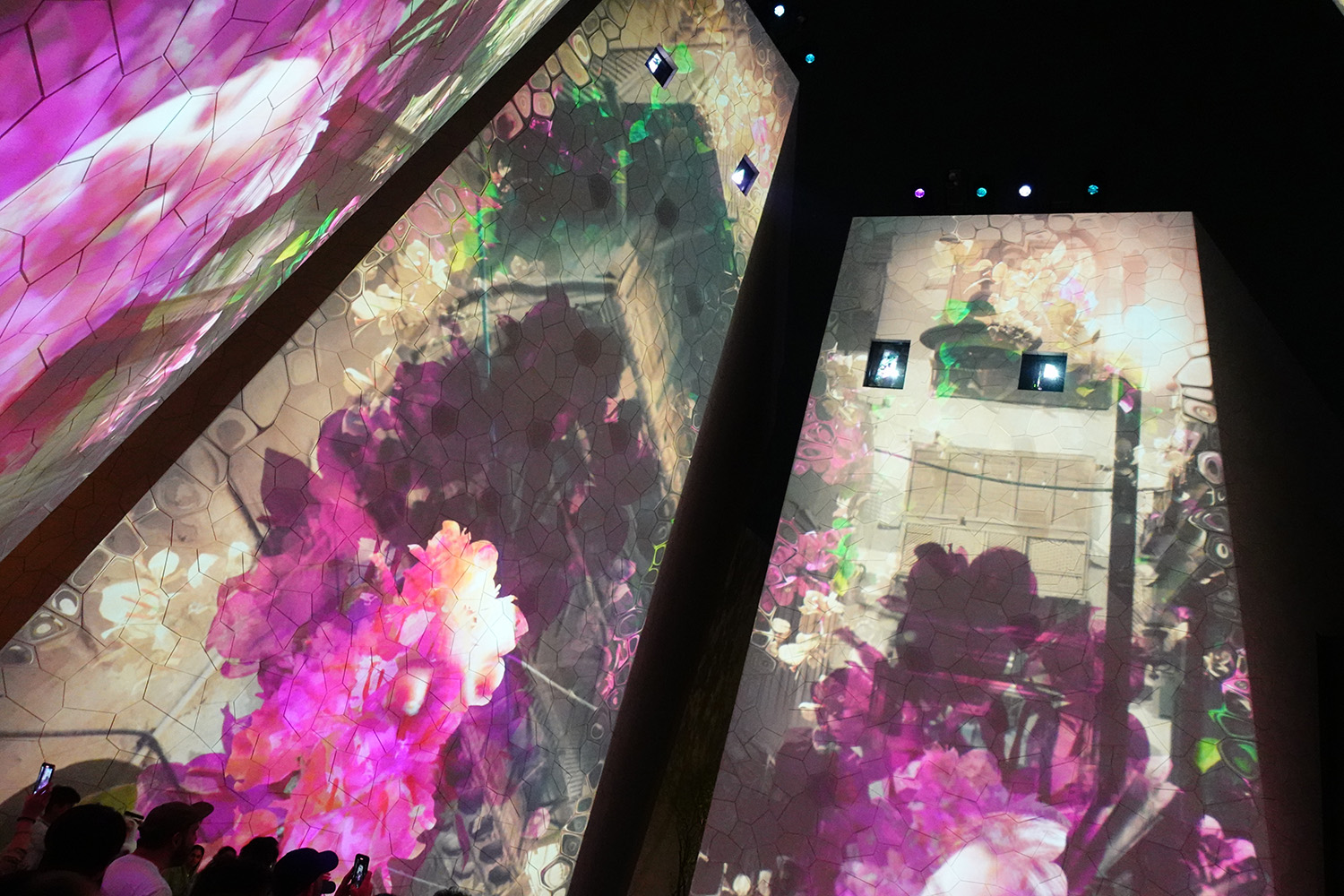
If you visit the Kingdom of Saudi Arabia Pavilion in the evening or at night, you can enjoy a large-scale projection mapping at the entrance. The tiles on the walls (all brought in from Saudi Arabia!) ) are all different in shape, and you will be astonished by the beauty of the images that are precisely mapped onto each shape.
The pavilion is mainly a visual introduction to Saudi Arabia, but there is also a live space where Saudi Arabian music is performed.
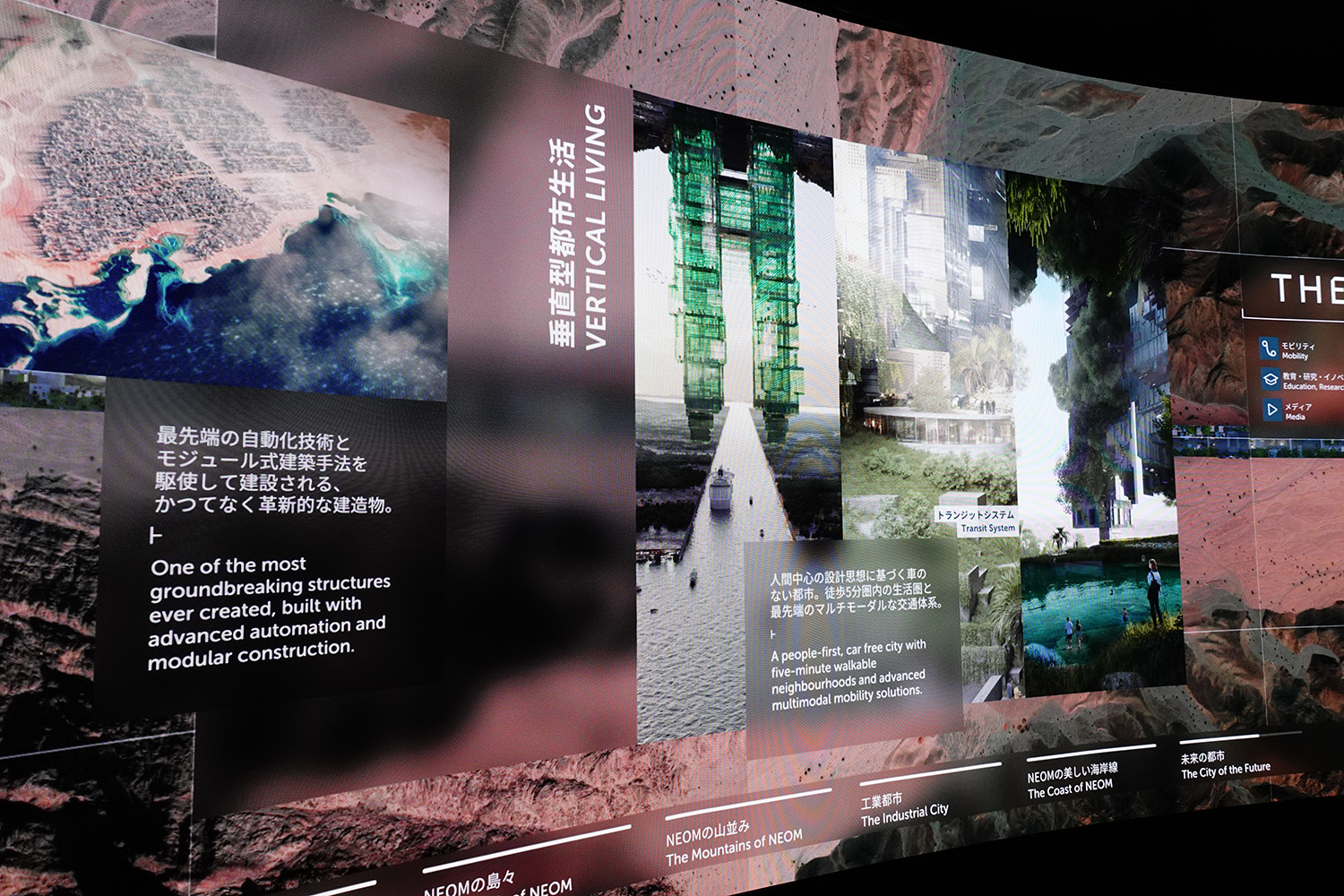
My favorite part of the pavilion is the image video of the futuristic city project "NEOM" shown at the end of the pavilion. The grand plan to create an artificial city of overwhelming scale in the desert is guaranteed to make your mouth drop open and not close. This image may be the most concrete expression of the Expo's theme, "Designing the Future Society.
The restaurant in the Kingdom of Saudi Arabia Pavilion is said to be the most difficult restaurant to enter at the Expo. I was rejected three times (in tears), and finally managed to get in on my fourth visit.
First of all, reservations are not accepted, so you must wait in line. Many people line up from 9:00 a.m. to get in during lunch time, but it is very difficult to get into the Expo site at 9:00 a.m. to begin with. On the other hand, if you go at 11:00 a.m., you may be told, "We are closed for today. But on this particular day, I was told "Lunch is closed, but please line up again at 3:00 p.m.". This was lucky.
When I arrived at 15:00, there was already a long line. I thought I was too late...but I got in line first. Two hours later, we were allowed to sit on the terrace. We climbed the stairs to the Restaurant and finally entered.
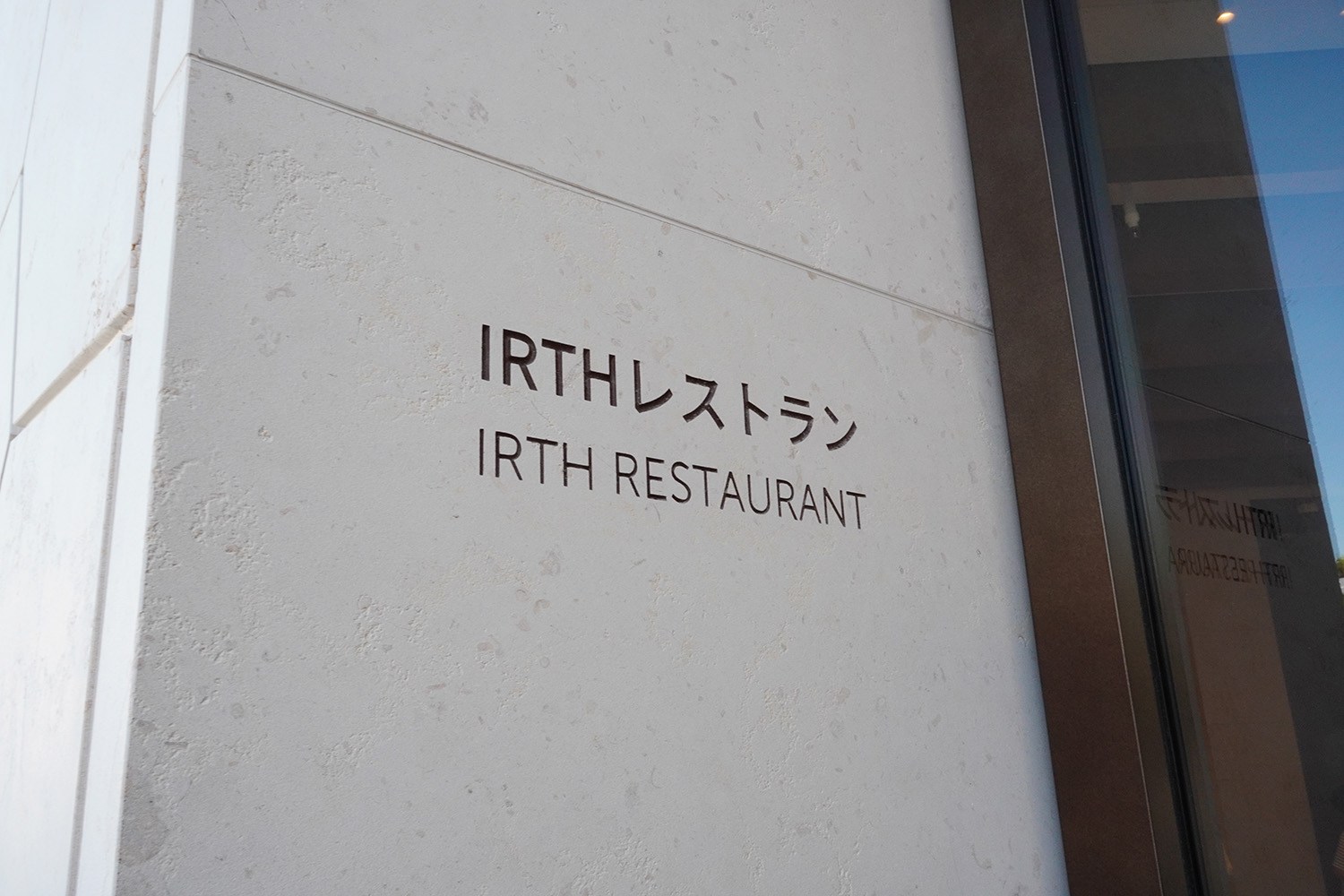
The name of the Restaurant at the Kingdom of Saudi Arabia Pavilion is "IRTH Restaurant," IRTH meaning "heritage" in Arabic.
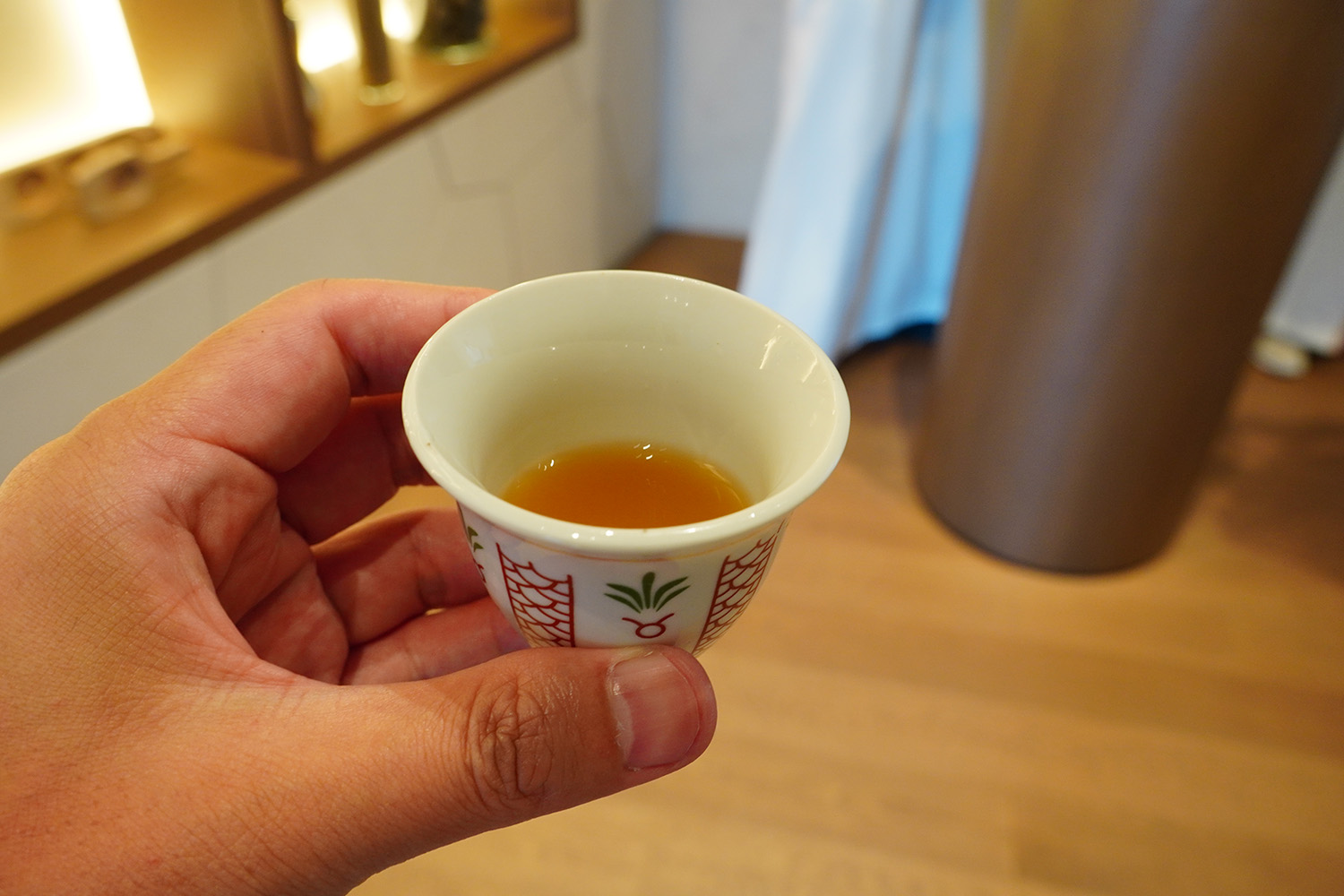
Upon entering the restaurant, you will be offered a cup of Saudi coffee as a welcome drink. Middle Eastern coffee has a unique taste with cardamom and other herbs. In Saudi Arabia, coffee is served to welcome guests as a form of hospitality, and I was thrilled to experience this in the Expo pavilion.
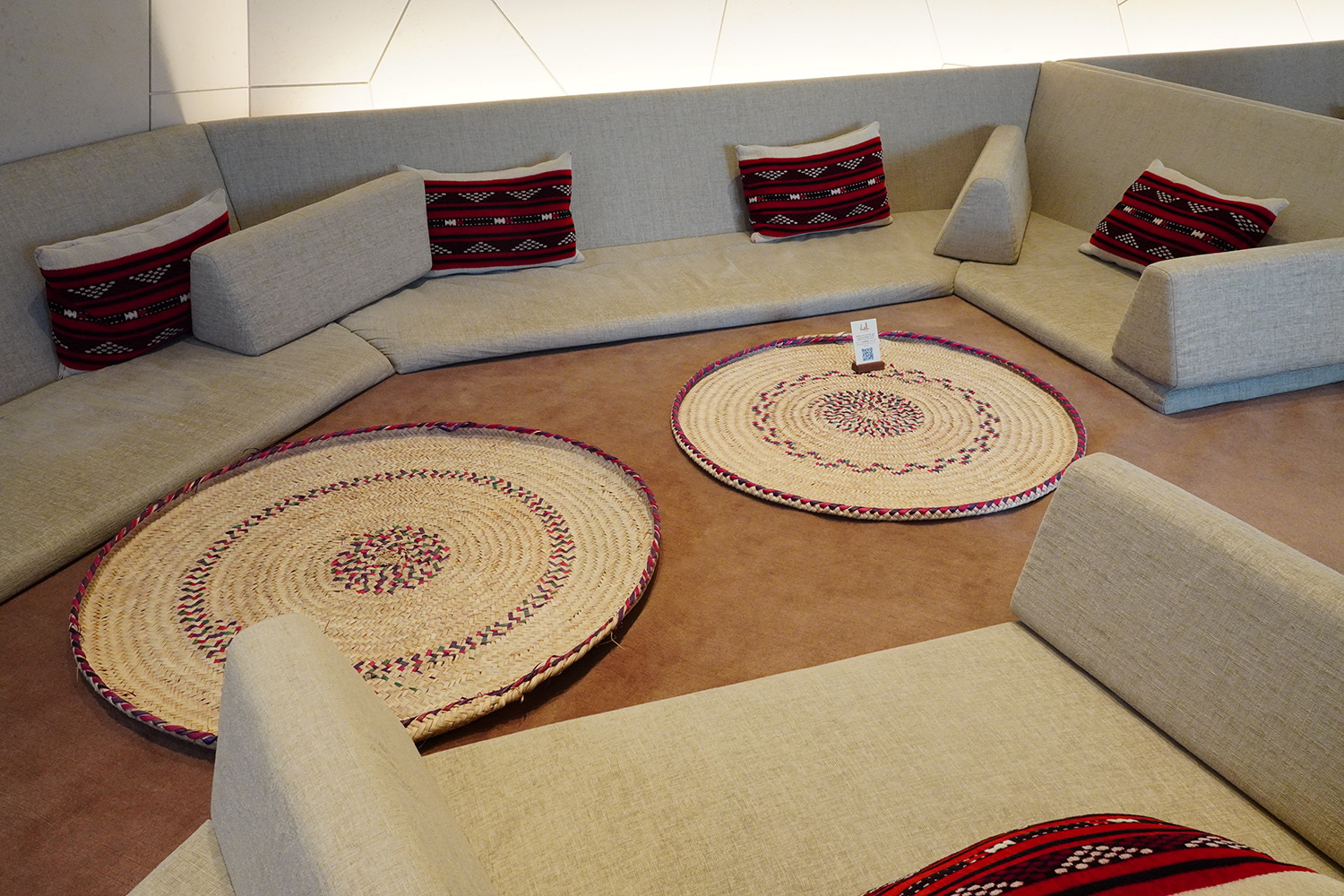
The inside of the Restaurant has an exotic and high quality mood. It is hard to believe that this Restaurant was only open for the six months of the Expo. In Saudi Arabia, there is a culture of sitting on the ground and eating together (with bare hands), and even today there are many restaurants that serve this style of food.
IRTH Restaurant also has seats on the ground level so that you can experience the Saudi culture. This is group seating, so the wait time seems to be long.
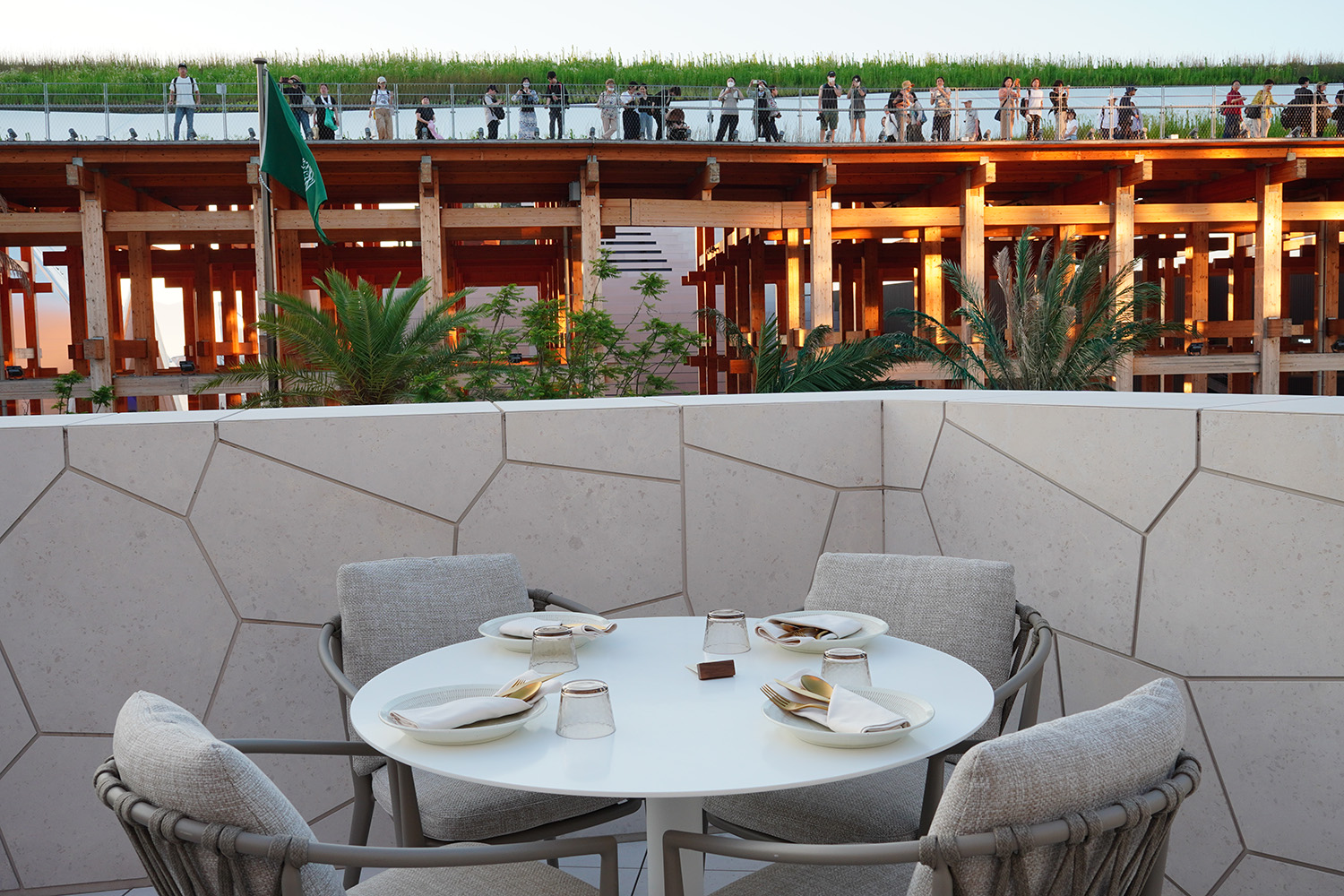
When you go out to the terrace, table seating is arranged. The view from the terrace is spectacular with a close up view of the Ooyaburi Ring, and when I waved my hand, people walking on the Ooyaburi Ring looked back at me. I waved to them and they waved back. had also seen the Kingdom of Saudi Arabia Pavilion from the roof ring and thought, "I would like to have dinner on that terrace someday," and I am happy to say that it has come true.
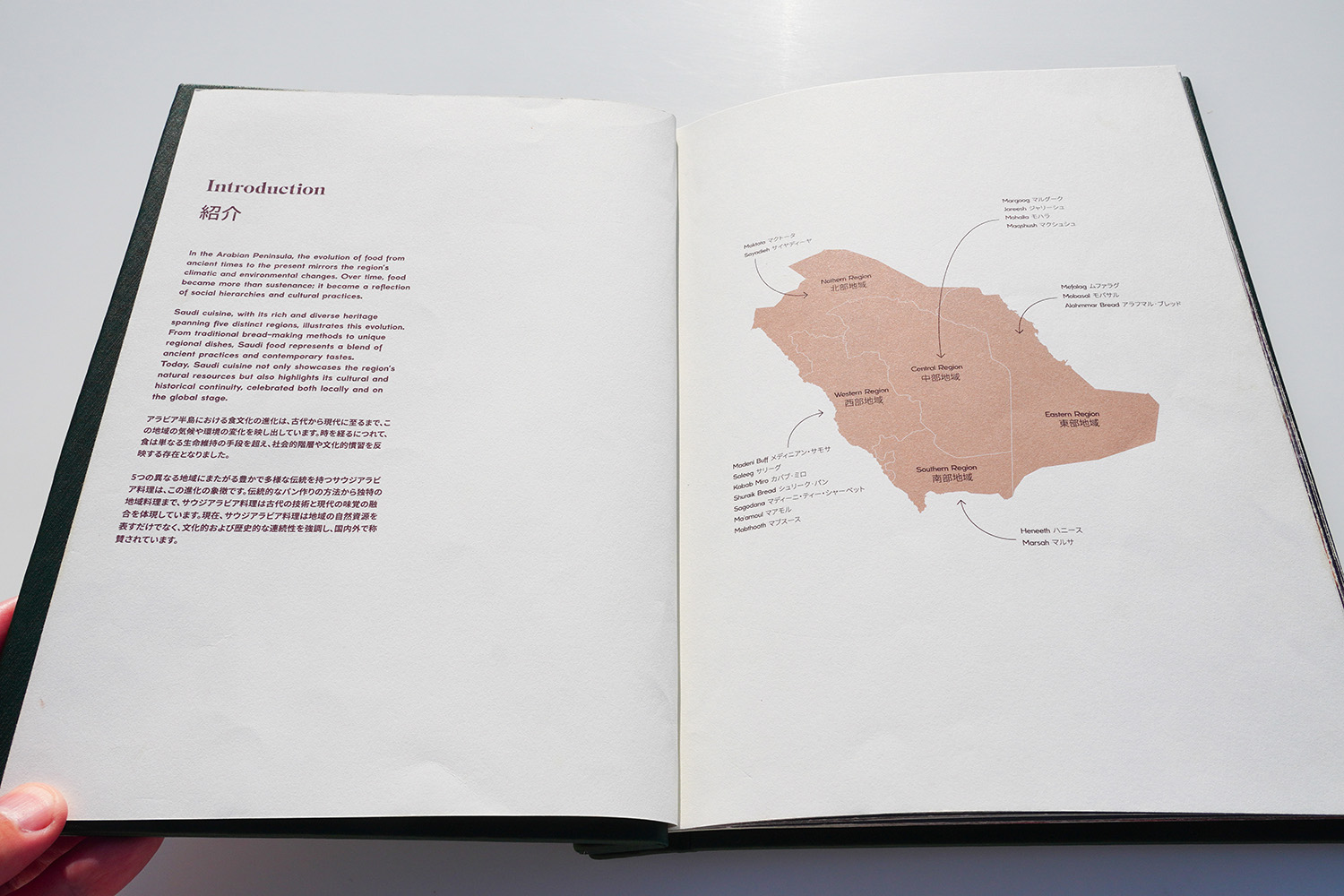
The menu book on the table is a true "book". It started with an introduction to Saudi Arabian food culture, followed by an explanation of the concept and contents of the course meals and the a la carte menu, which was well written in English and Japanese so that even those new to Saudi Arabian cuisine could understand.
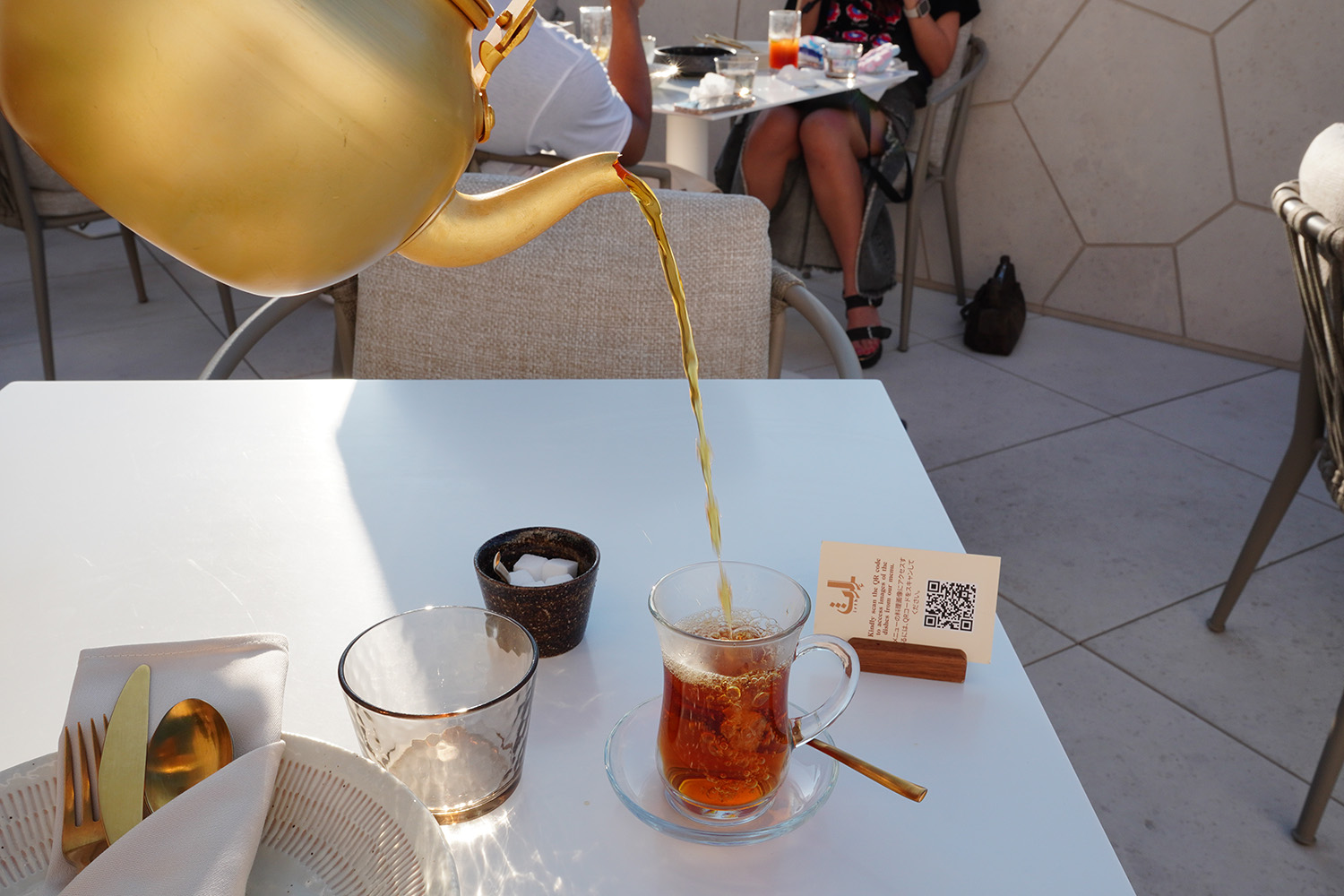
Alcohol is not served in Middle Eastern Restaurants. Instead, coffee, tea, and non-alcoholic mocktails are available.
This time, I ordered "saffron tea. It was poured from a high position. The saffron tea comes with some sugar cubes, but it has a subtle sweetness even straight.
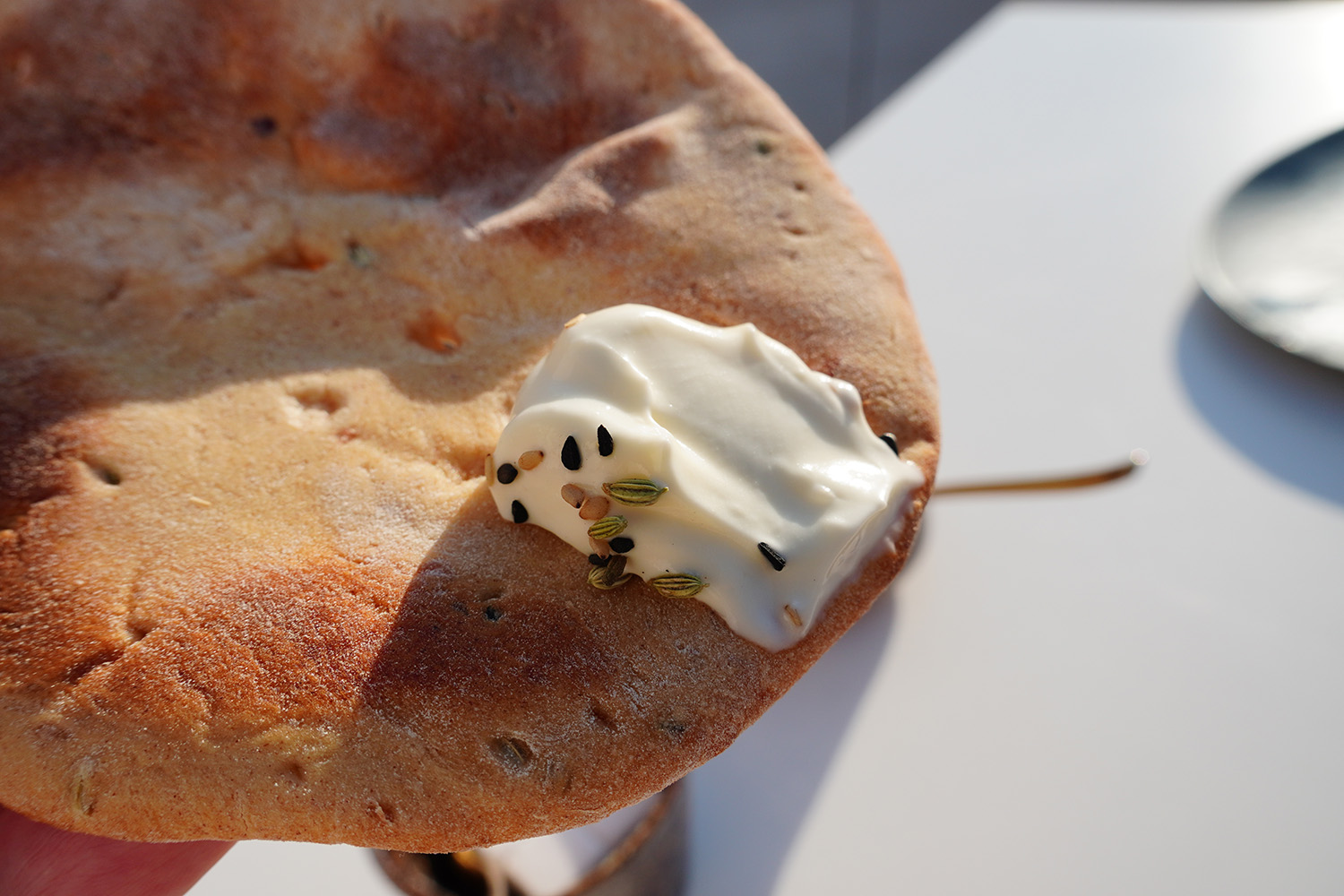
We ordered bread first.
Saudi bread has an ancient tradition. This "Alamahul Bread" is made of whole wheat dough, with dates and other ingredients woven into the dough. Here, it is topped with goat cheese, which is carried along with it. The bread is chewy and has a subtle sweetness from the dates. It is exquisite when eaten with the goat's cream cheese, and the taste is instantly rich and elegant.
Surprisingly, it was only 300 yen!The overall affordability of the IRTH Restaurant at the Kingdom of Saudi Arabia Pavilion is another reason for its popularity.
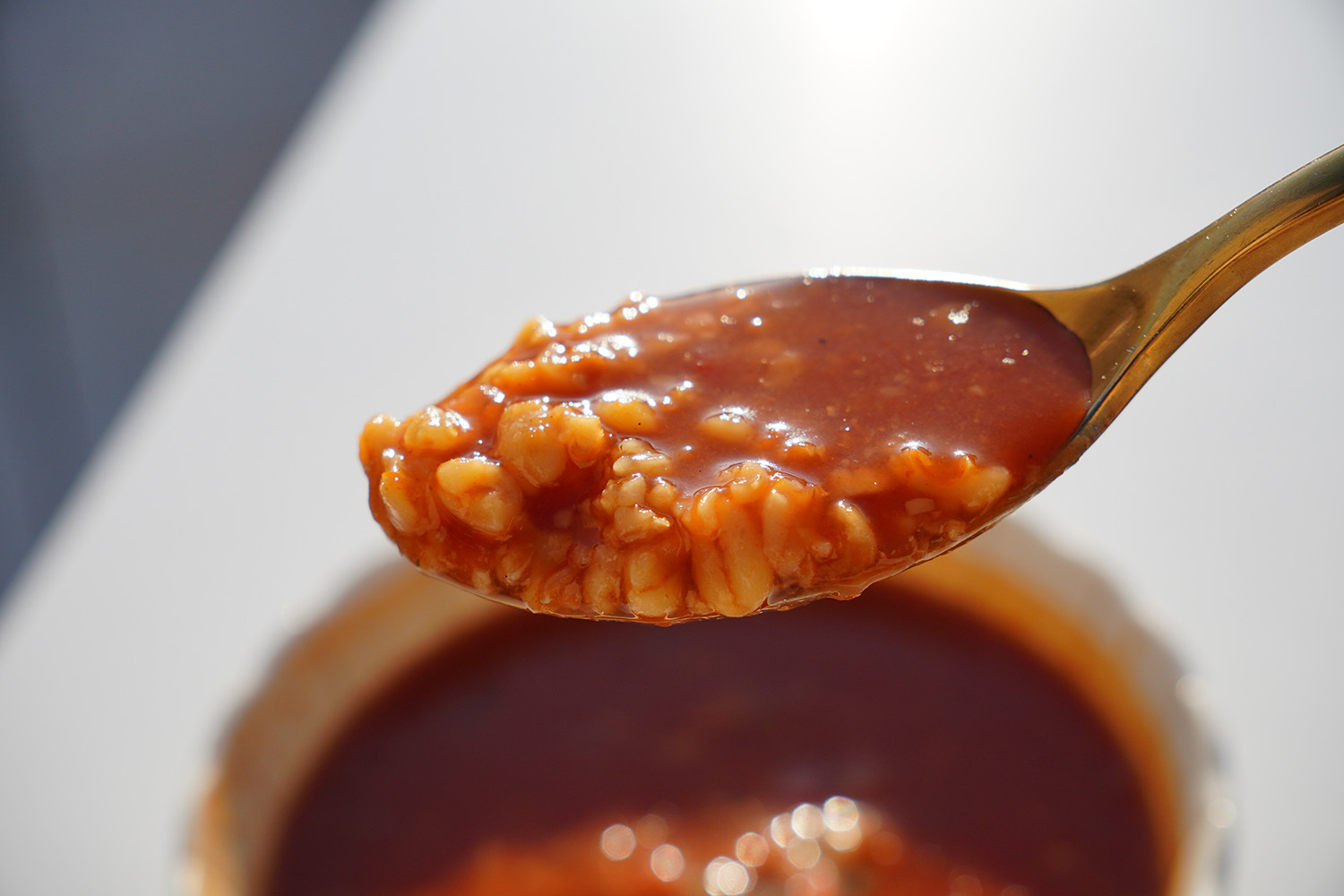
Next, we ordered soup. This red soup is called "Habib Soup," which is a traditional dish of the Mecca region and has been made at home for a long time.
What is Mecca like? It is the largest holy city in Islam and has a long history, but of course I have never been there. Let's have a taste of such Mecca soup.
The first sip of the Habib soup was a tart tomato taste. When I scooped out the bottom half of the soup, I found it filled with grains of barley. The sourness of the barley and tomatoes seems to be the basis of the hubb soup. As I ate it, I became addicted to it, and the spoon kept going.And the interesting thing is the Roasted Bone Marrow, or roasted beef marrow in the broth, which gives the soup its richness.
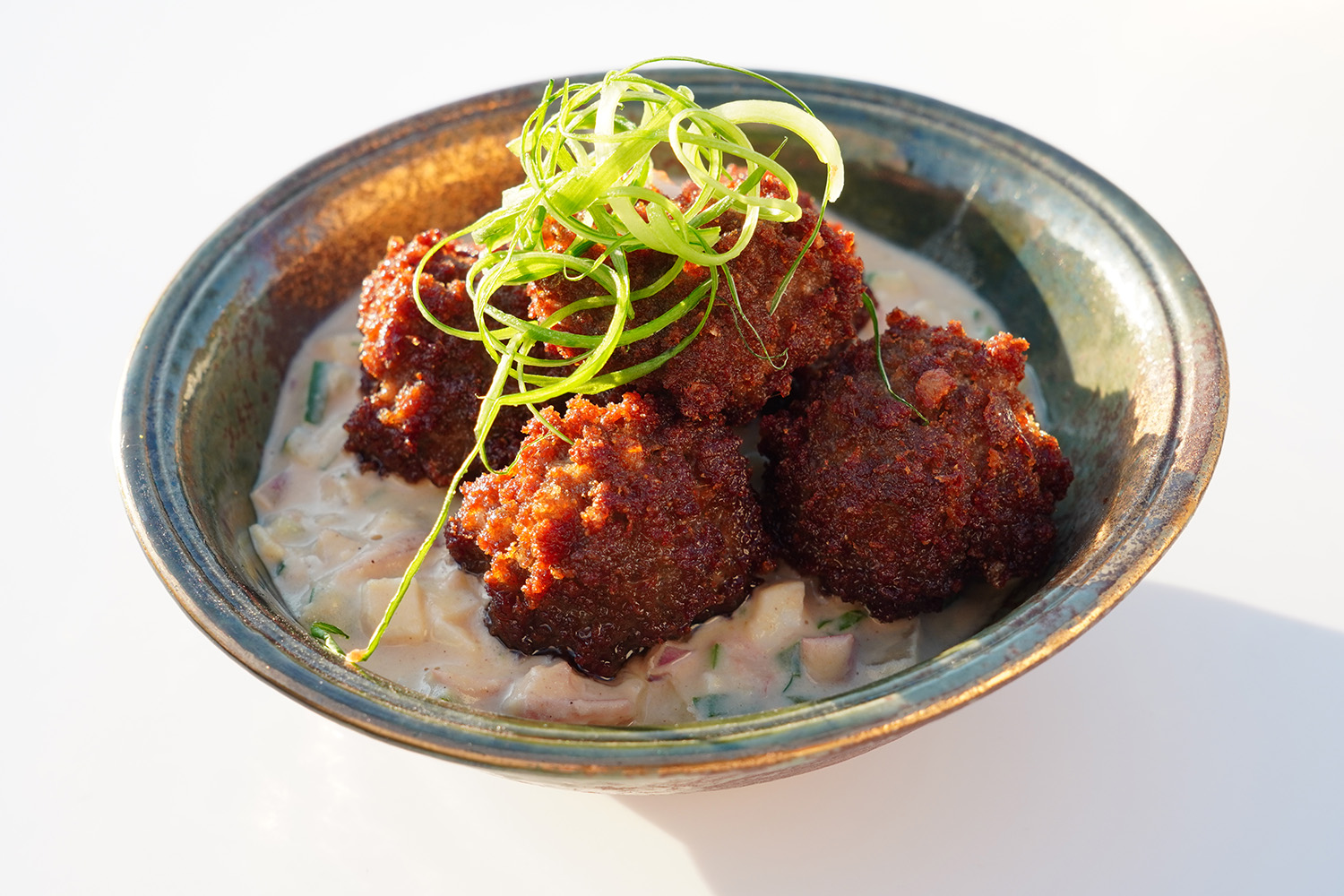
Next I ordered this, Kabab Milo. I asked for meatballs because it said "meatballs," but they were battered and looked like small croquettes.
I was told that the meat inside was ribeye steak, and when I tried it, it tasted quite meaty, and while it crumbled in my mouth, I enjoyed its punchy flavor. Underneath was a sort of tartar sauce, but it was mild and not sour, and it was there to wrap around the strong flavor of the meatballs.
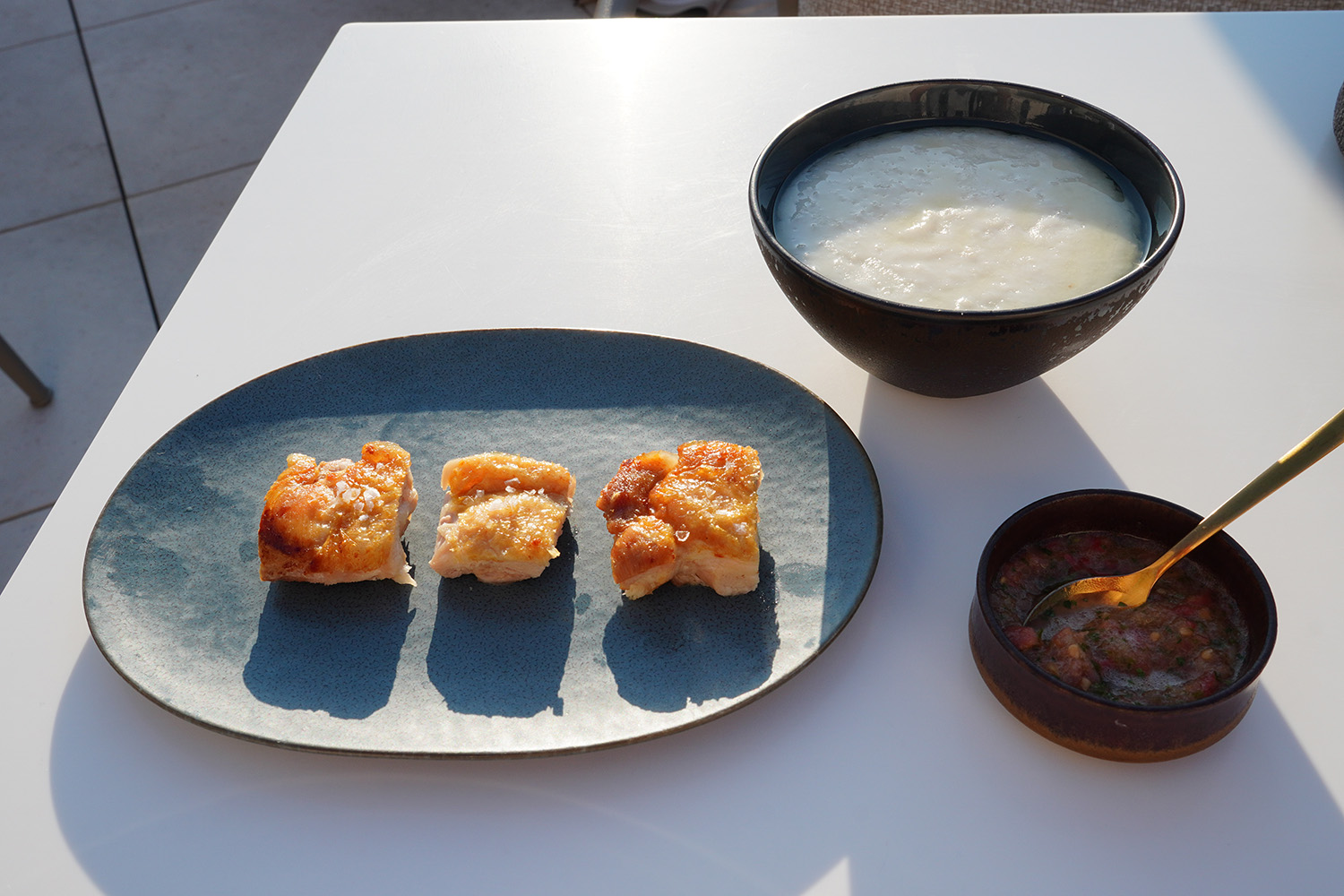
After agonizing over what to order for our main course, we ordered this dish called "Chicken Saligue". It is a set of chicken and porridge, and is also a traditional Mecca dish. It is a simple dish, but it is full of exoticism. The chicken is served hot, with the surface of the chicken thigh grilled to a crisp. I topped it with a small bowl of "ghee" sauce, which had a deep, botanical flavor along with a mildly sour taste.
Then there was the congee, described on the menu as a "creamy, flavorful rice dish. I had imagined Japanese or Chinese porridge, but was surprised to find that it was something completely different. The rice was tender and creamy, and it was soaked in oil. I had never had congee like this before, but it was well seasoned and I was able to finish it.
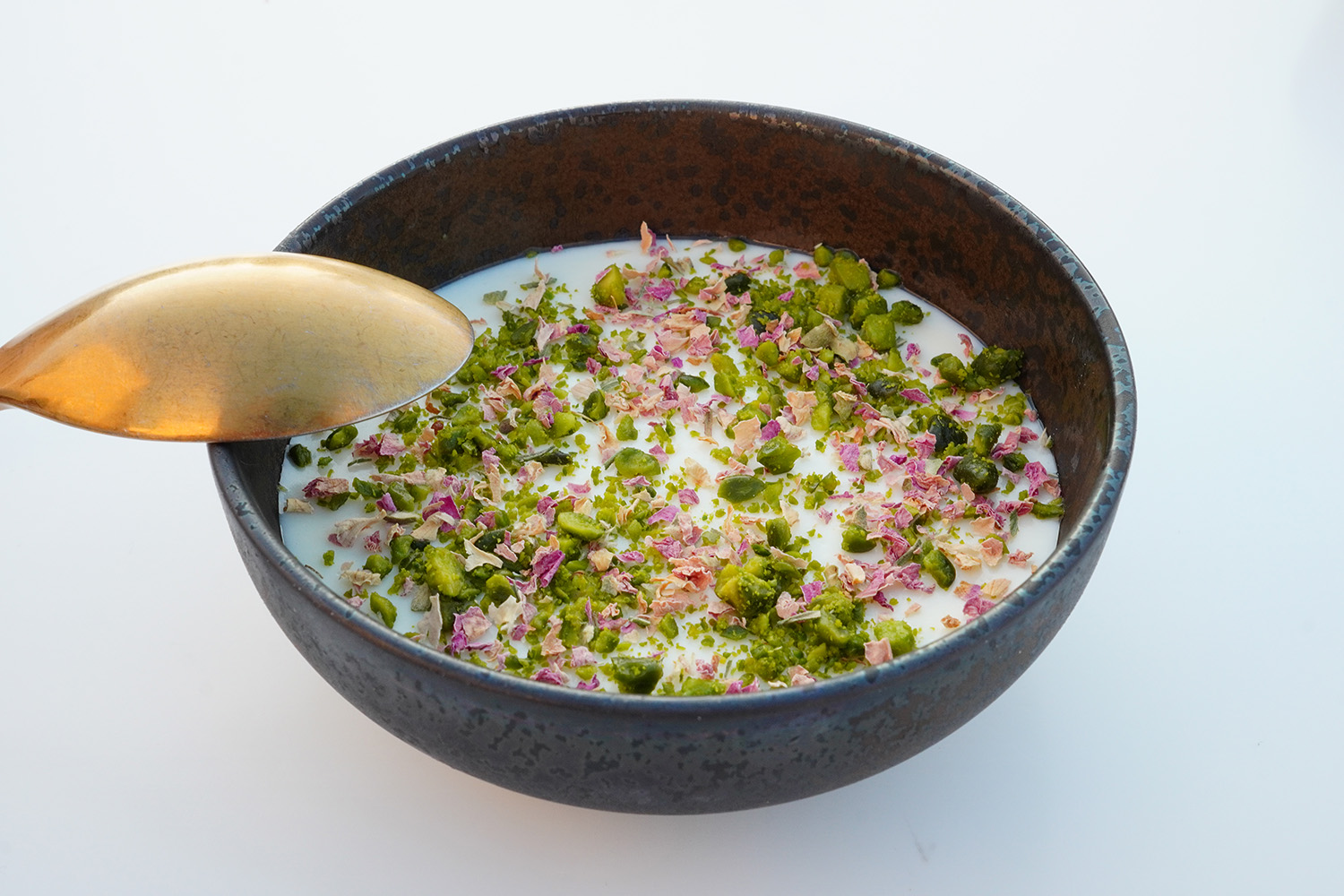
The milk pudding is topped with a generous amount of pistachios. According to the menu list, this is the most famous traditional dessert on the table during Ramadan.
The pudding was thick and gassy, with a strong milk presence. The crunchy texture and flavor of the pistachios topped with it was exotic and delicious.
The IRTH Restaurant in the Saudi Arabian Kingdom Pavilion, one of the Expo's top-ranked restaurants. I enjoyed the authentic cuisine and its storytelling, while enjoying the gracious hospitality and laconic coziness of the restaurant. And yet the prices are reasonable, which explains why it has become so popular. If you want to get in, please line up with great enthusiasm! You will be satisfied.
Michikusa Gurus
Saudi Arabia is serious in all directions. Starting with the building made from locally procured materials, the contents of the pavilion, and the restaurant. I have never been so taken by Saudi Arabia in my life.
UAE Pavilion: Healthy and authentic Emirati cuisine in a bento style!
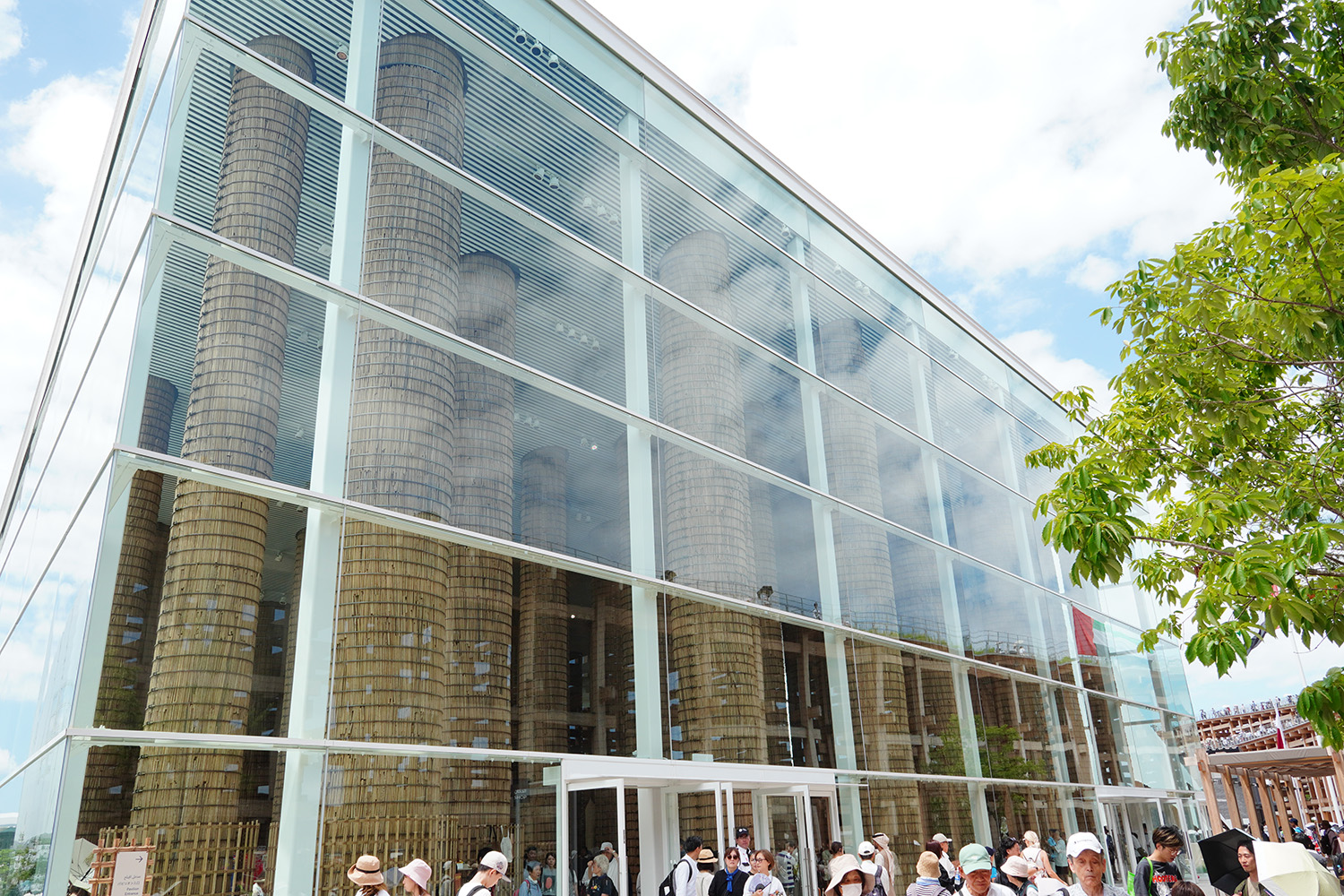
The United Arab Emirates (UAE) is a nation consisting of seven emirates, including the famous city of Dubai. Dubai is a city that attracts celebrities from all over the world, and many of you may have stopped by the city while in transit on a flight to Europe.
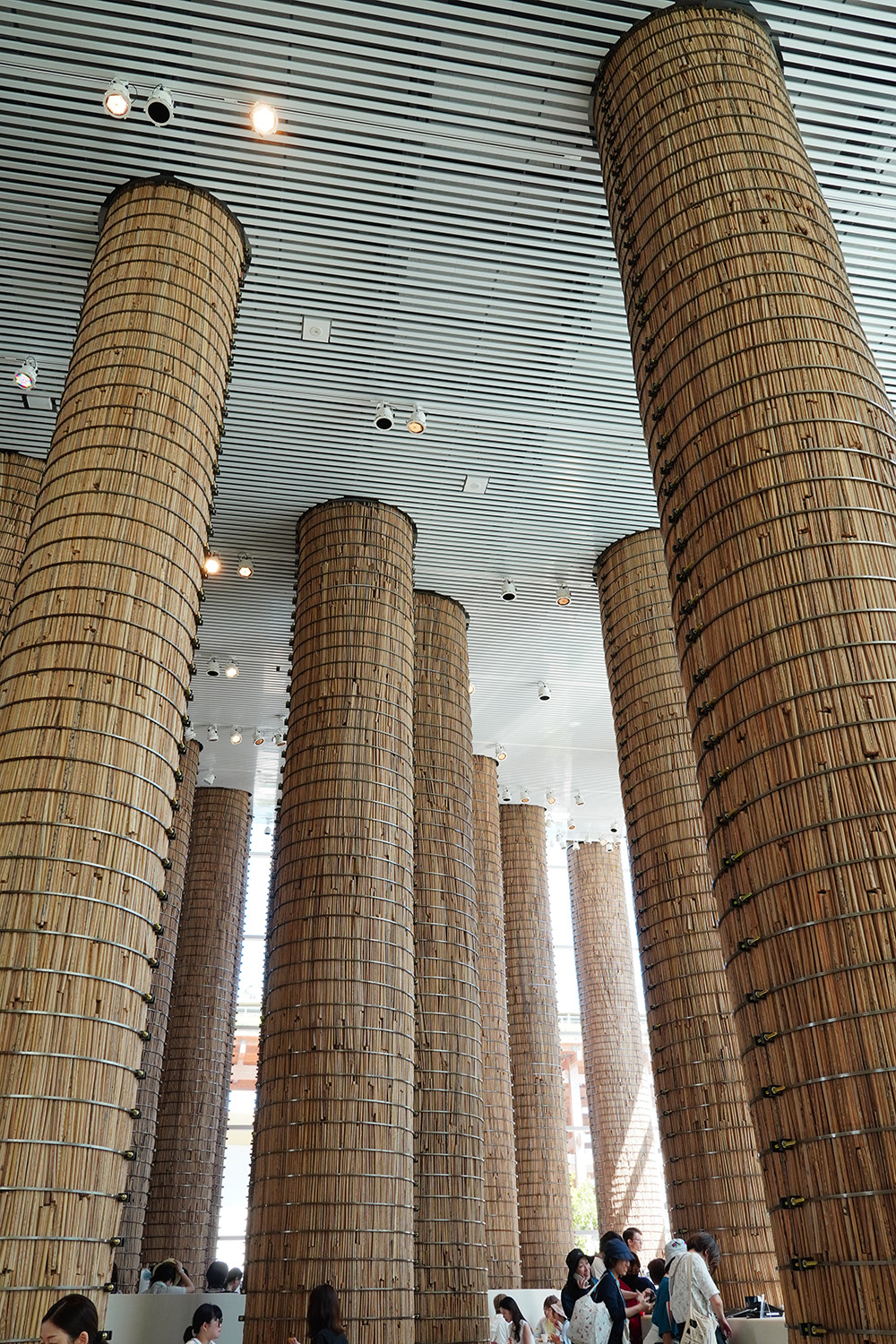
Upon entering the UAE Pavilion, you will be overwhelmed by the huge columns stretching up to the high ceiling. This is a reinterpretation of the traditional Emirati (UAE) architectural style called "Arish," which was inspired by the date palm tree, the symbol of the UAE, and the concept is to create an oasis in the desert.
Visitors can enjoy a wide range of exhibits ranging from UAE traditions and culture to UAE innovations in the fields of space exploration, medicine, and sustainability without reservations. I entered the Restaurant in the UAE Pavilion.
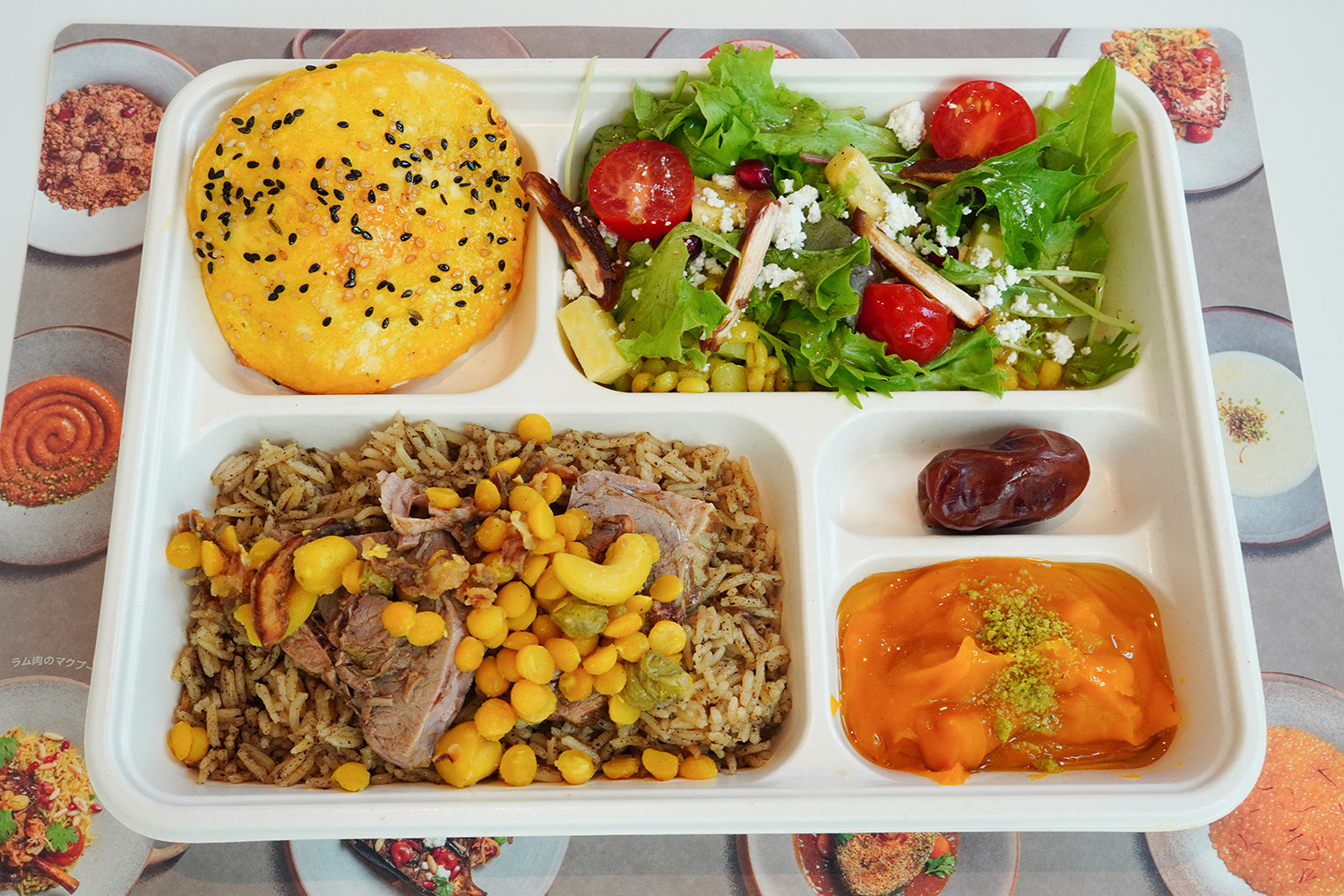
The Restaurant in the UAE pavilion is a simple course meal common to both take-out and eat-in, and is served in the form of a "Bento Box" boxed meal.
Here is the Bento Box I ordered this time. Even though it is called a course meal, you can choose from three or four main dishes, salads, and desserts, and you can combine them as you like.
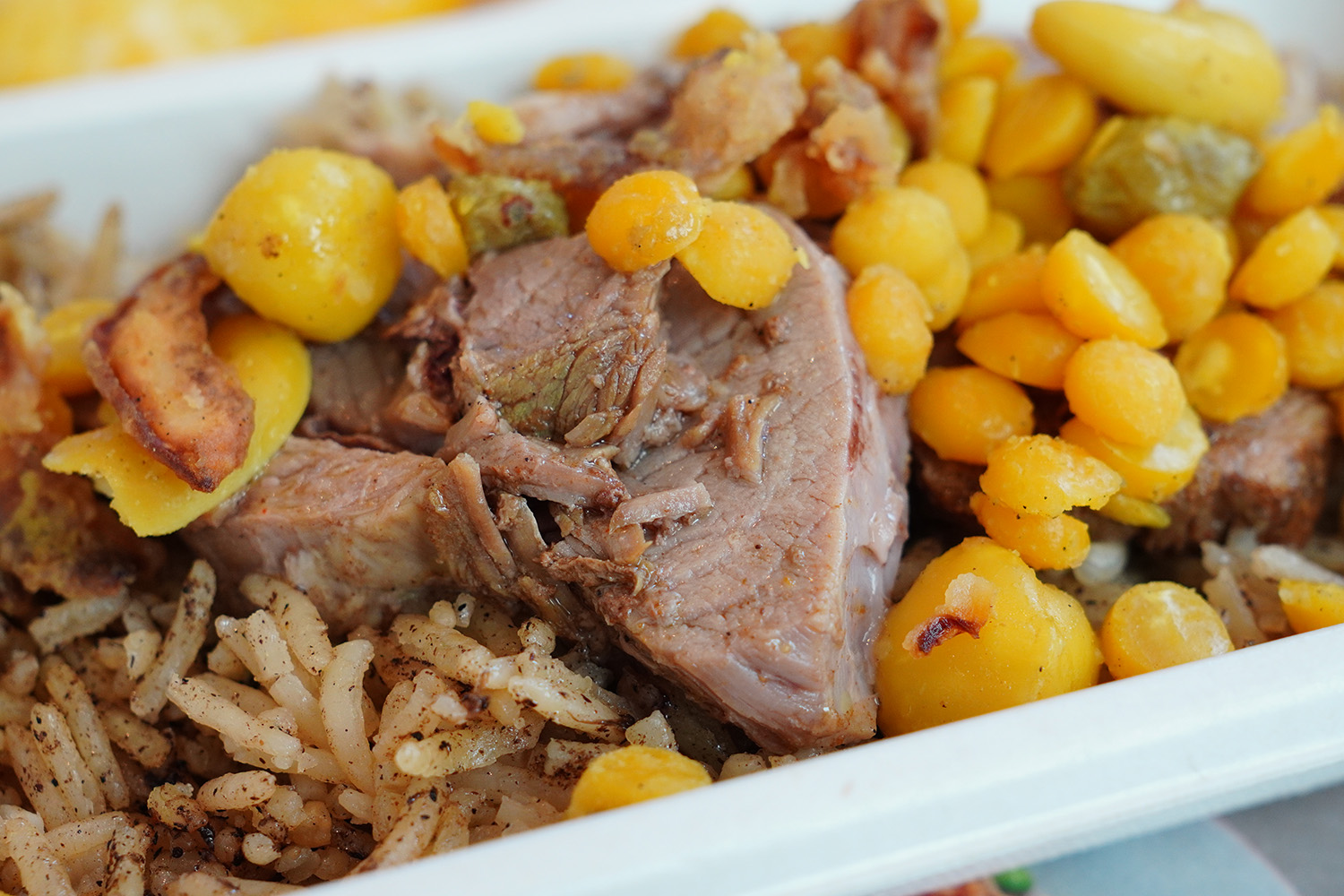
We started with the Lamb Ouzi. The sour flavored rice is called "Emirati Spiced Rice". Generally, spices are associated with "hot" or "numbing," but Emirati spice is characterized not by spiciness, but by its aroma and unique flavor.
The rice is then topped with chickpeas, cashew nuts, and lamb. The lamb is so tender that it falls apart in your mouth.
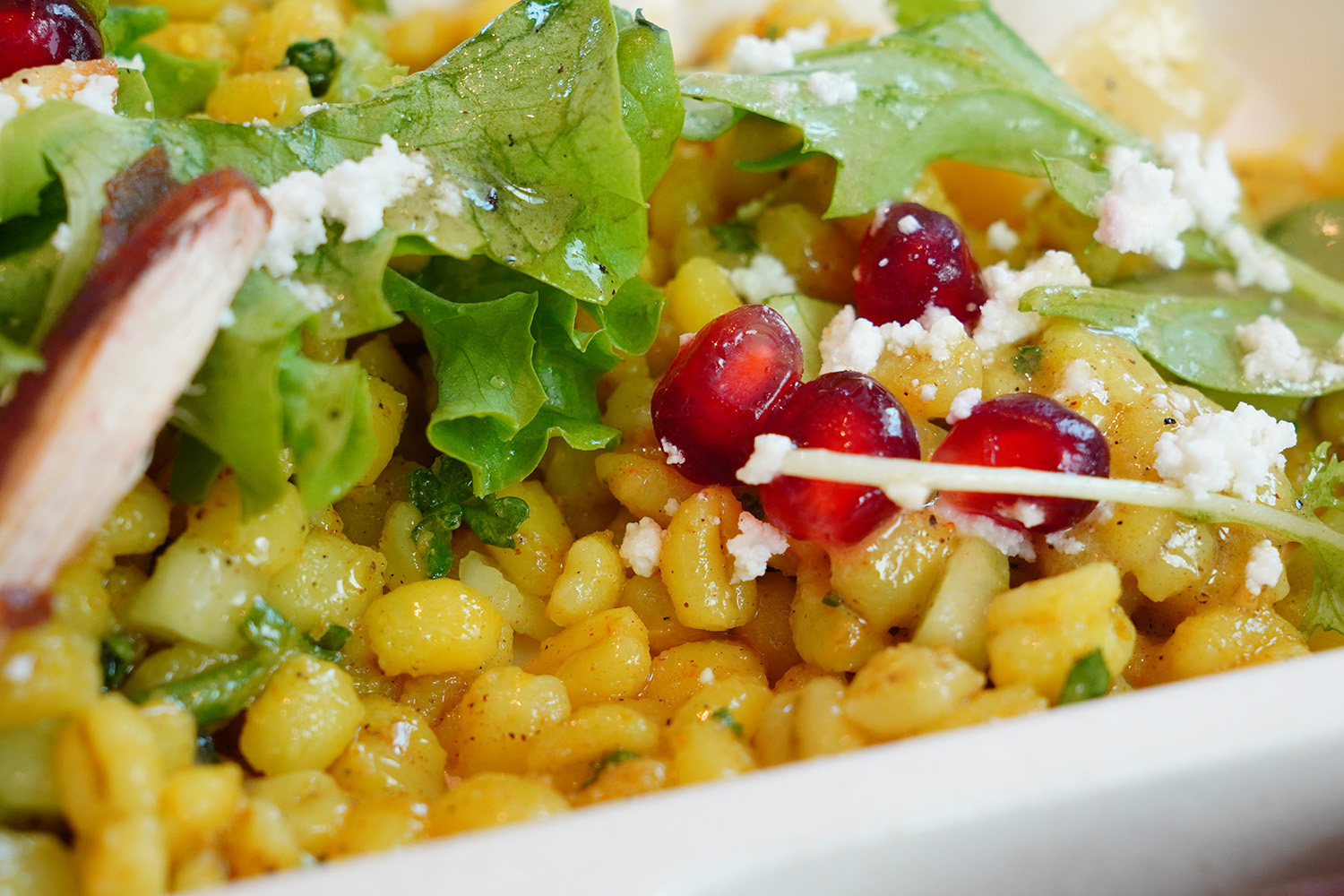
For the salad, I chose the "Halley's Salad". It is a mix of a variety of flavors, including mint, pomegranate, and mini tomatoes, all centered around a generous portion of barley (halisu in Arabic). The barley is yellowish and cooked with saffron.
It is then seasoned with olive oil dressing and topped with a cheese called Charmy Cheese. Charmy cheese is a traditional emirati cheese made from buttermilk and has a sour taste like yogurt.
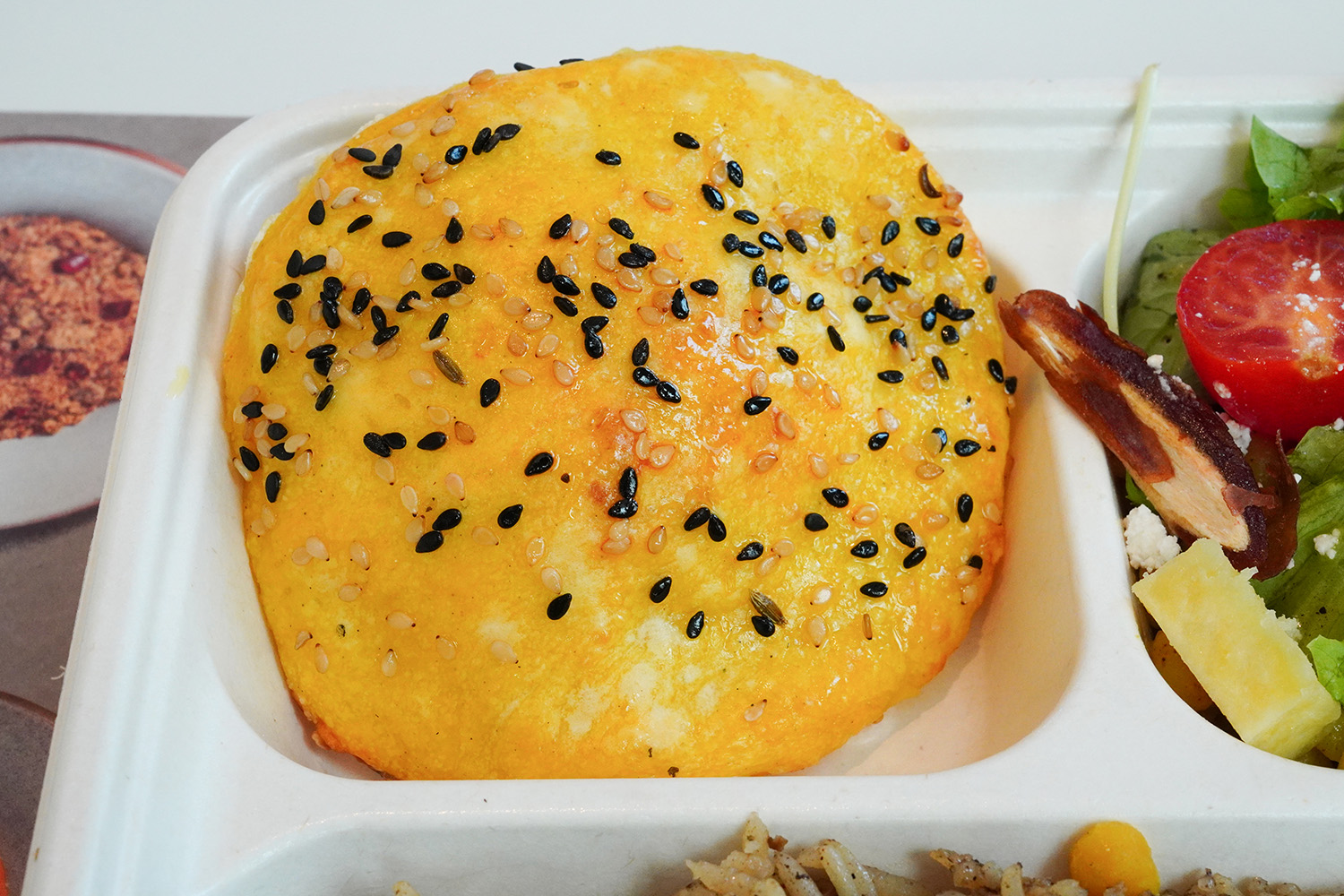
The Bento Box also comes with bread. The bread changes daily, and this day's bread was called "Camille Bread. It had a hard, crusty texture and was hollow inside. It looks more like a rice cake than bread.
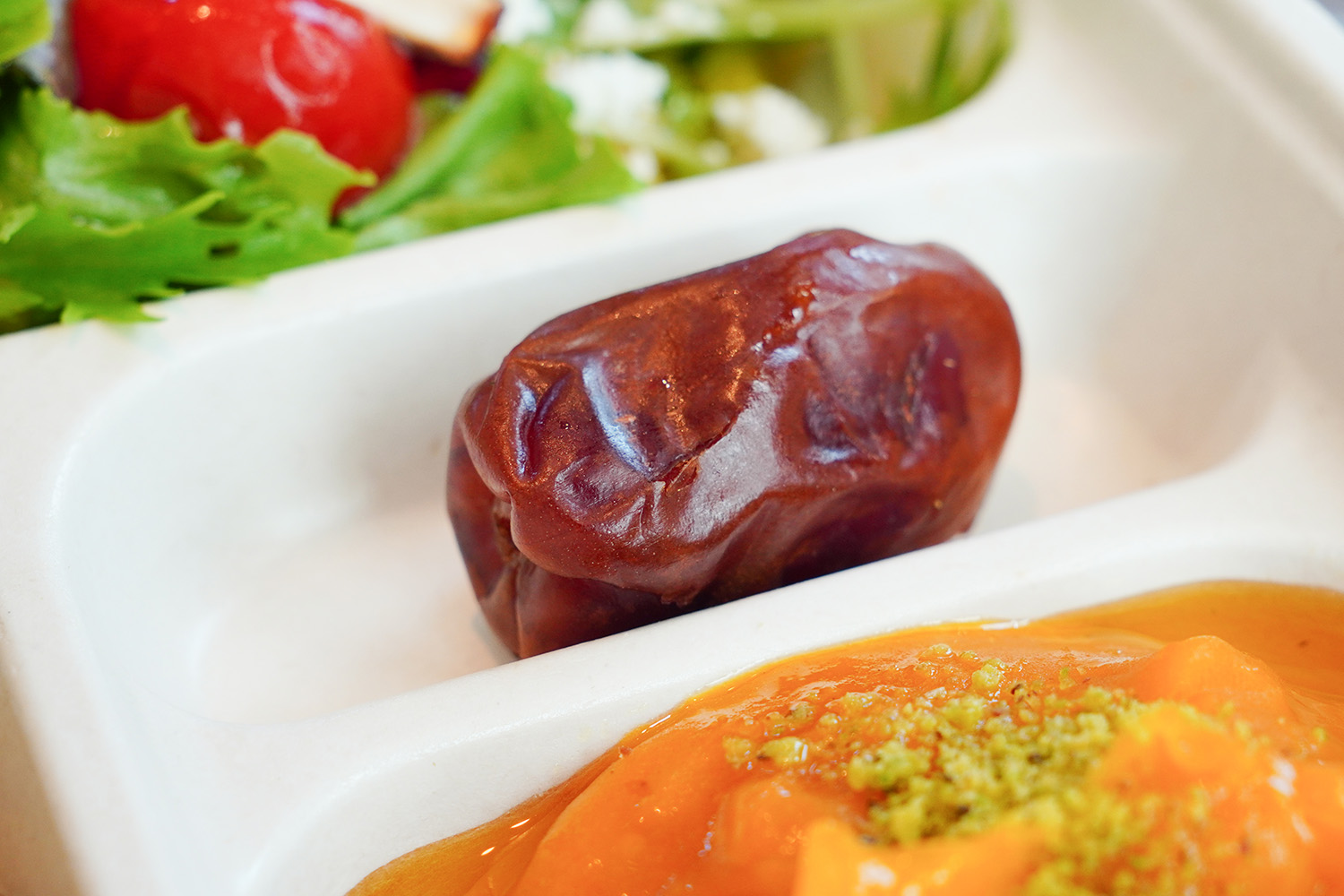
In the Middle Eastern pavilion, you will always encounter dates in the Restaurant and Café. They are a sweet fruit like azuki beans. In the Bento Box, dates are served as a palate freshener.
Both eat-in and take-out restaurants are lined up outside the restaurant entrance, but if you want to eat quickly, take-out is recommended. The UAE Pavilion is one of the foreign pavilions that can be entered without a reservation, and is marked by its large, open space and towering 90 pillars. And with a good display of the UAE's national roots, it is well worth a visit.
The pavilion is also home to Another attraction of the UAE Pavilion is the opportunity to interact with the youth ambassadors who serve as storytellers for the pavilion. Many visitors visit the pavilion several times to meet them. It is a warm space where you can take a breather!
Michikusa Gurus
The UAE Pavilion offers authentic Emirati cuisine in a convenient Bento Box style. Emirati cuisine is not something I am familiar with, but I was impressed by its healthy taste with a focus on acidity.
Kuwait Pavilion] The fascinating aroma of spices! Kuwait Pavilion] Kuwaiti cuisine at your fingertips!
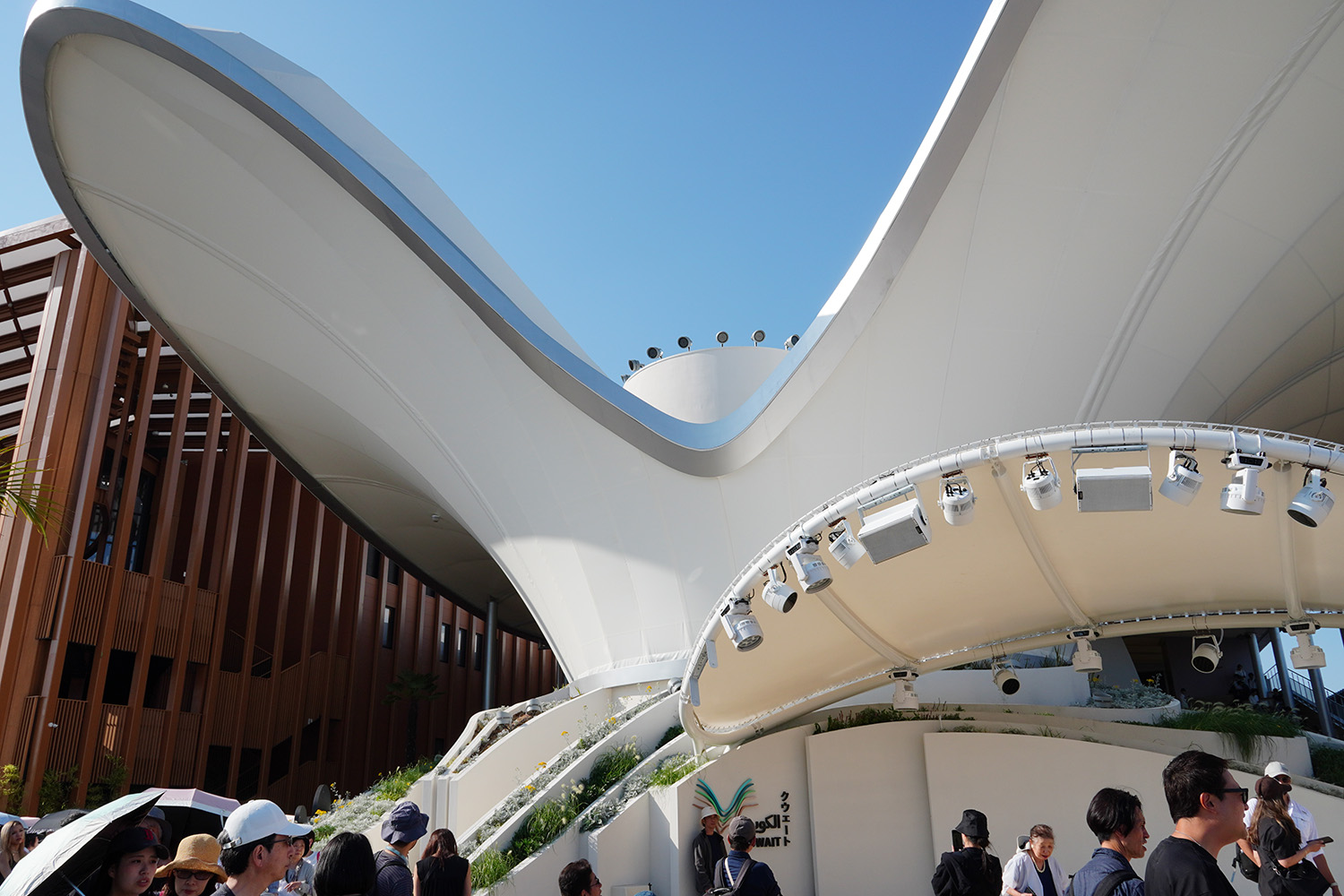
Kuwait is a country facing the Persian Gulf, and those who are in their 40s or older may remember the Gulf War of 1990. The relationship between Japan and Kuwait is very good, and Kuwait provided a large amount of aid to Japan after the Great East Japan Earthquake and Tsunami. The Kuwait Pavilion attracts a lot of attention and there is a long line of visitors every day. Let's enter the pavilion.
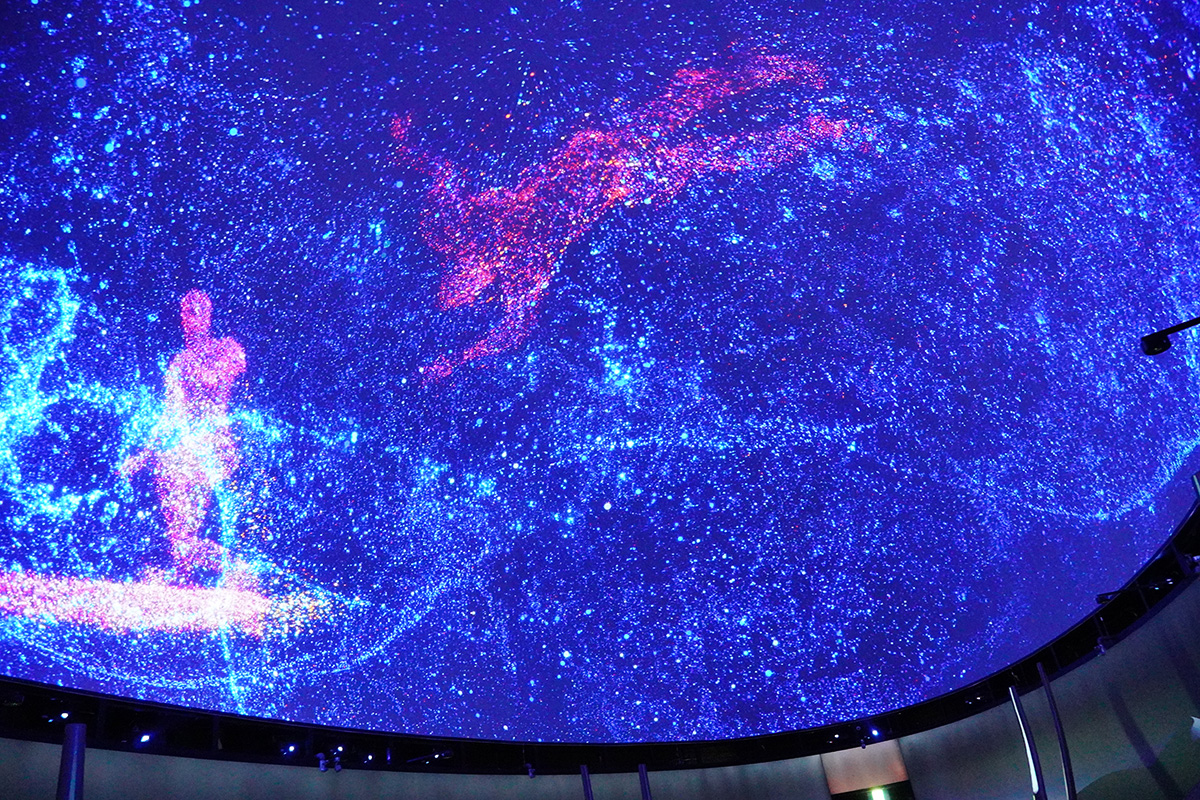
The Kuwait Pavilion is designed in a service-oriented manner. From the introduction of Kuwait's history to the present image of Kuwait and its future, the museum is well displayed. There is also a corner where visitors can touch desert sand brought from Kuwait and a rest area with a luxurious atmosphere.
The highlight is the main theater, where visitors sit on comfortable sofas as if they were sleeping and watch fantastic, high-definition images projected on a giant oval ceiling screen.
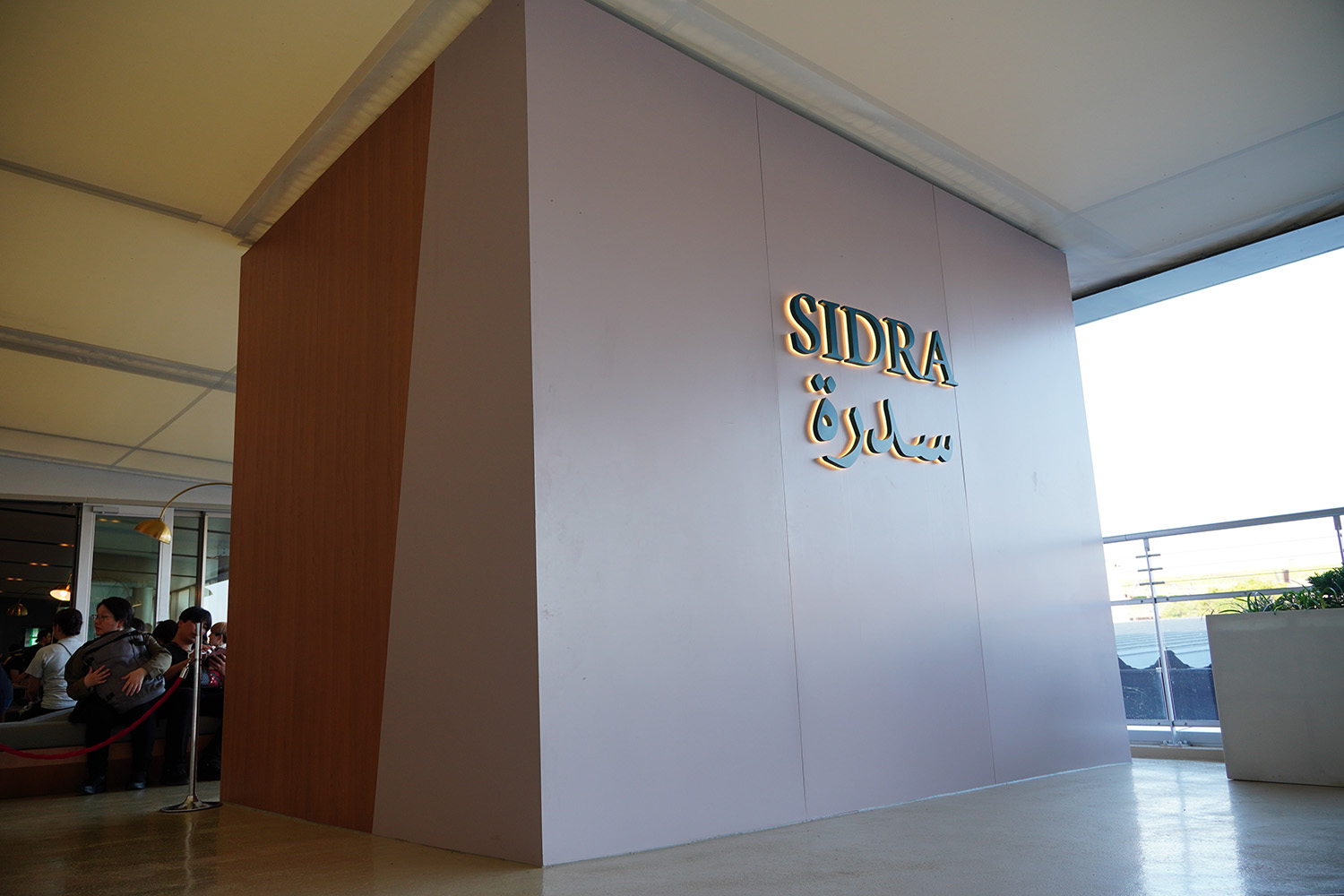
The Kuwait Pavilion also has a Restaurant. It is located on the second floor, up a separate staircase from the pavilion entrance. When I went there, I was able to enter the restaurant with a wait time of about 10 minutes.
Let's start with drinks. Like other Middle Eastern pavilions, there is no alcohol, but there was a full drink menu including mocktails (non-alcoholic cocktails), "Kuwait Lemonade" and "Yuzu Date Cooler". This time, I ordered the "Kuwait Lemonade!
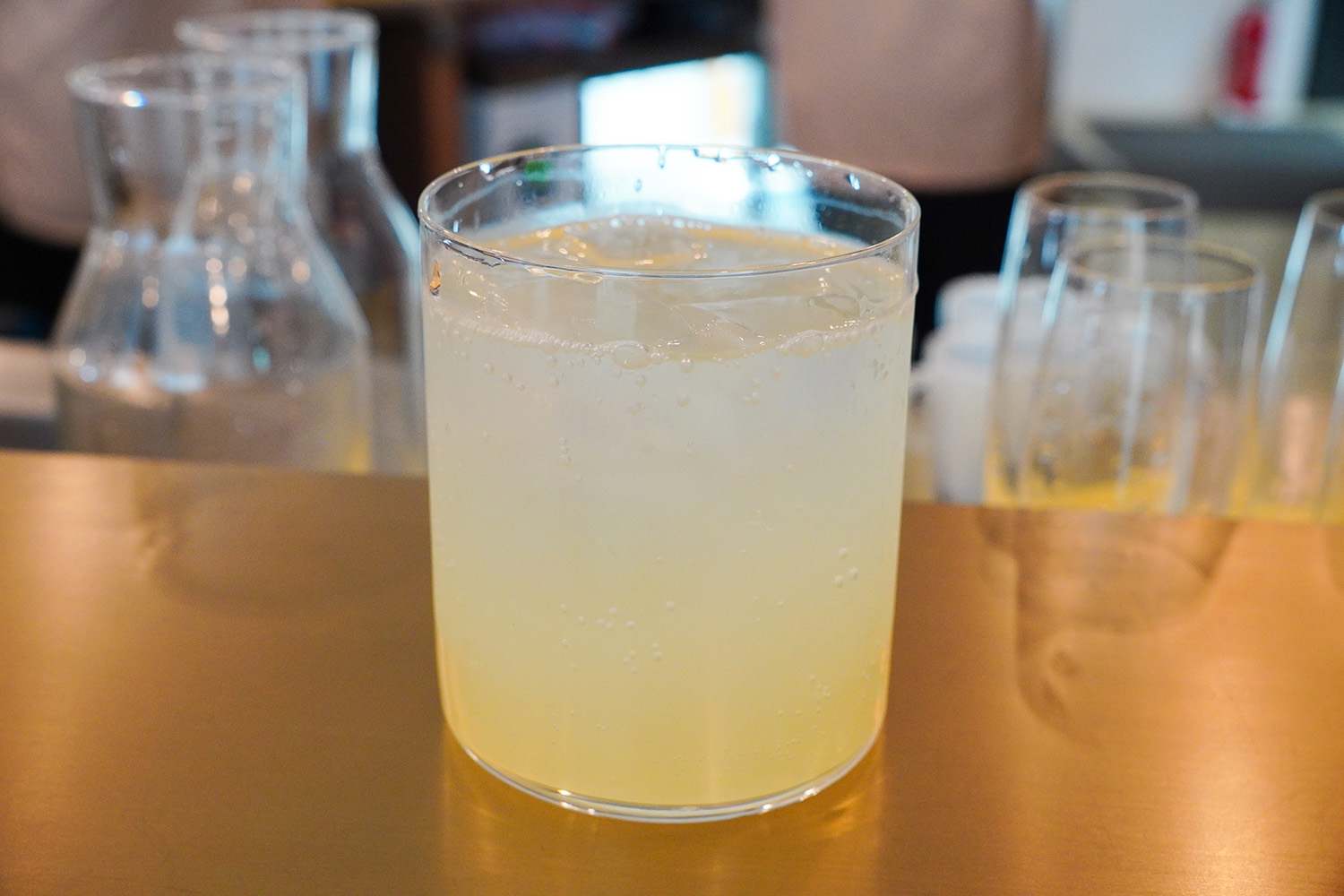
Kuwait Lemonade has a refreshing mint flavor. It is like an adult lemonade with a moderate sweetness, and it envelops you in a cool, refreshing feeling in your mouth. It must be a favorite drink in the Kuwaiti heat. SIDRA is an a la carte restaurant where you can order food and drinks. The menu is not very extensive, but it is a little difficult to understand which menu items are what, since they are only written in plain English.
This time, I ordered the "Chicken McBoost"!
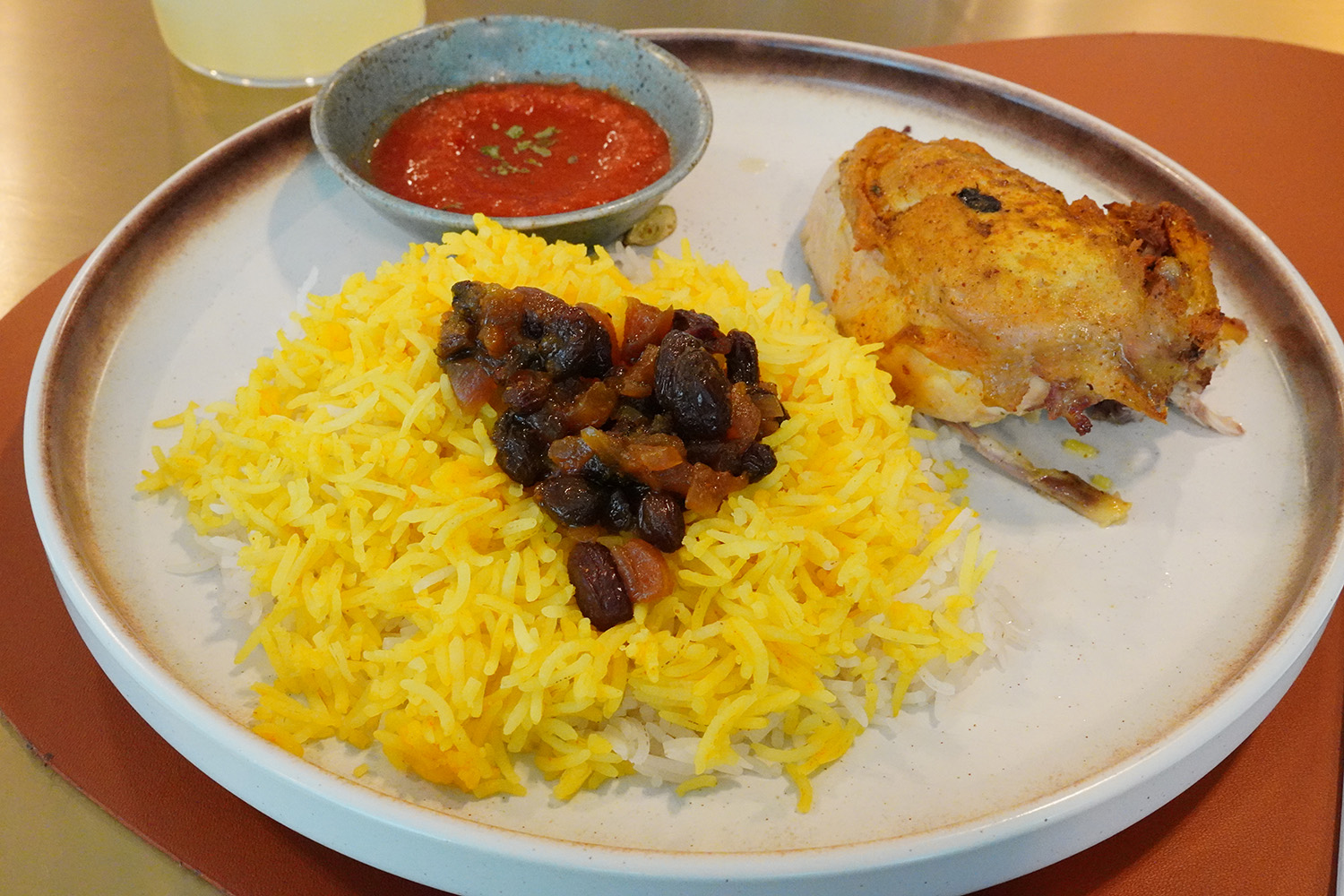
The plate that arrived a short time later was the "Chicken Makboush. Makboush is a dish of spiced rice topped with meat or fish, and is said to be a traditional home-style dish in Arab countries.
On the plate is saffron rice and fried chicken. The good aroma of spices is wafting in the air. The red sauce is called "dakous" and is made from tomatoes and garlic with a sour taste. It is served with chicken and rice. The chicken is bone-in, orthodox fried chicken. It is not a particularly unusual flavor, so anyone can enjoy it. The saffron rice has an exotic flavor when eaten with raisins on top. It is also delicious here with dacquoise.
I am not familiar with Kuwaiti cuisine. I dared to go to the Restaurant without doing any preliminary research at all, but it was a rare experience as if I went to a local Kuwaiti restaurant, because not only was there little information on the menu list, but also there was no Staff/staff member who could explain the dishes in Japanese.
Michikusa Gurus
The dishes served in the Restaurant at the Kuwait Pavilion are all simple, and are probably home-style dishes that Kuwaitis eat on a daily basis. The seasoning is mild, so you should definitely try it.
~Coffee in the Middle East
Now, let us introduce you to two pavilions where you can enjoy Middle Eastern coffee. Let's start with the Jordan Pavilion.
Jordan Pavilion] Enjoy Jordanian coffee at one of the most popular pavilions at Expo 2010!
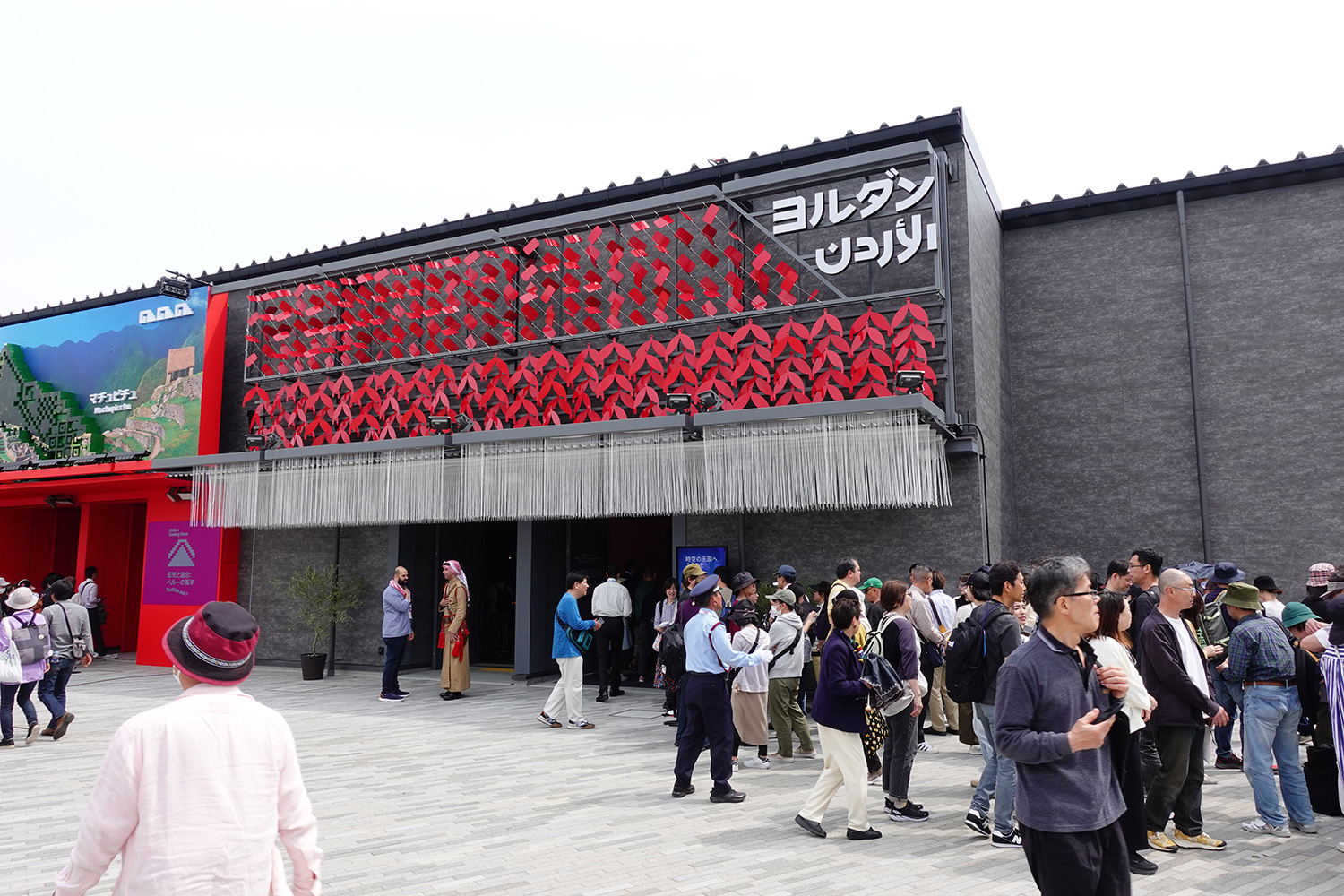
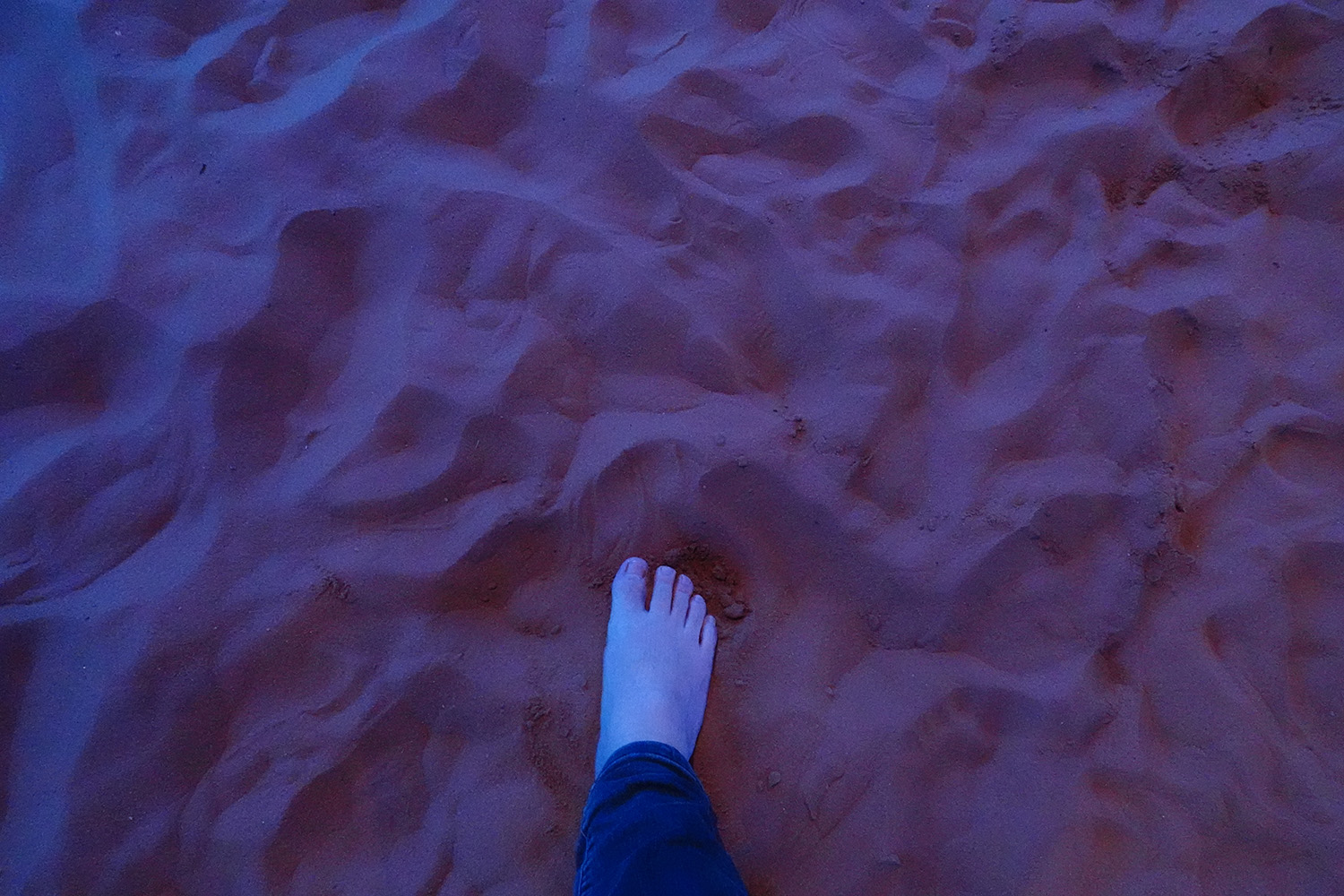
My favorite pavilion at the Expo was the Jordan Pavilion. Twenty-two tons of desert sand was brought from Jordan to the Expo site to recreate the desert inside the pavilion. Combined with the 360-degree dome screen, the desert experience was incredibly realistic.
If you like, you can take off your shoes and socks and go barefoot.
The only place to go barefoot at the Expo site is here and at the Expo sauna "Sun Buds". The sand was cool and very pleasant to the touch.
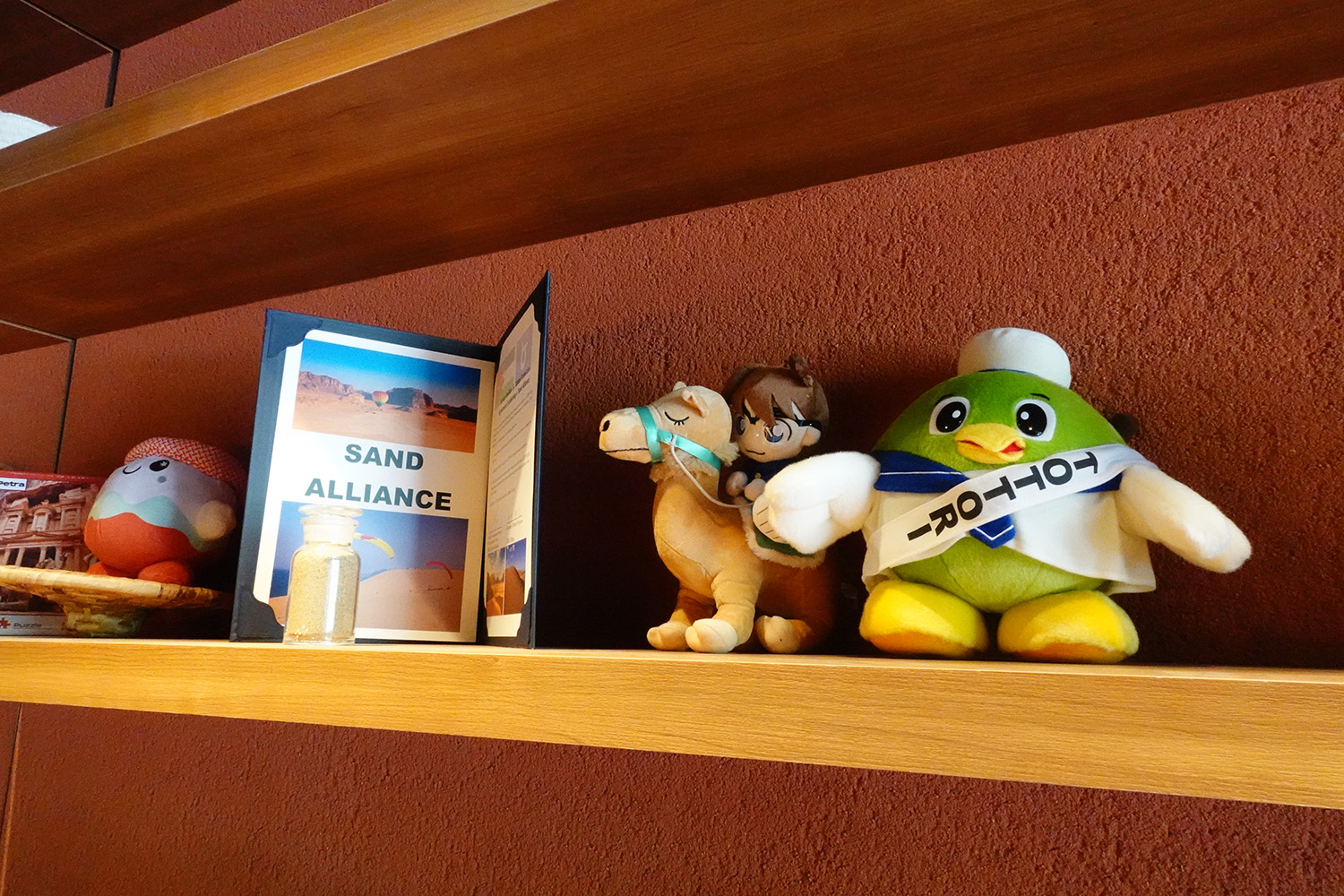
Speaking of sand, there was one more thing. The Tottori Pavilion in the Kansai Pavilion brought in 7 tons of sand from the Tottori Sand Dunes. The Tottori Pavilion is very popular among visitors to the Kansai Pavilion, who want to experience sand from the dunes once. Because of this "sand connection," the Jordan Pavilion and the Tottori Pavilion have concluded a "Sand Alliance. It is very dusty.
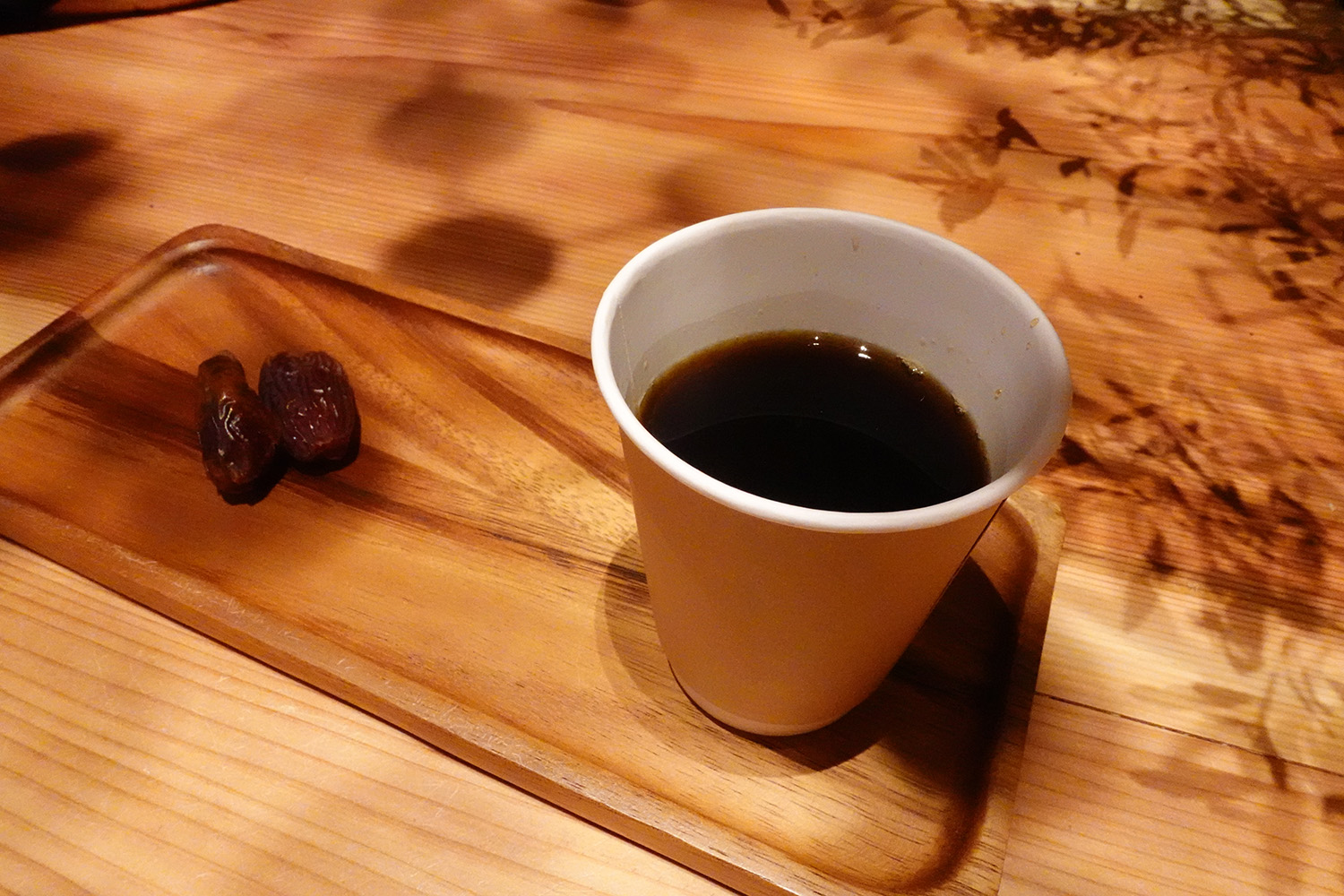
The Jordan Pavilion has a café. Here, you can order "Jordan coffee"!
Jordanian coffee is "traditional Arabic coffee with cardamom aroma. When you drink it as if it were an ordinary black coffee, you will taste not only the coffee bean flavor, but also a unique astringent and bitter taste that comes afterwards. This is the flavor of cardamom. It is quite a rich black coffee, but the dates served with it are sweet and neutralize the bitterness of the black coffee.
There are many cafes and coffee stands at the Expo, but the café at the Jordan Pavilion is my top choice.
Michikusa Gurus
There is a stairway seat in the café where you can eat in, but it was completely Jordanian as I sipped my Jordanian café while listening to the background music of the Jordan Pavilion and watching the cool Staff/staff members in formal Jordanian attire.
Oman Pavilion] Coffee time on the terrace after visiting the pavilions!
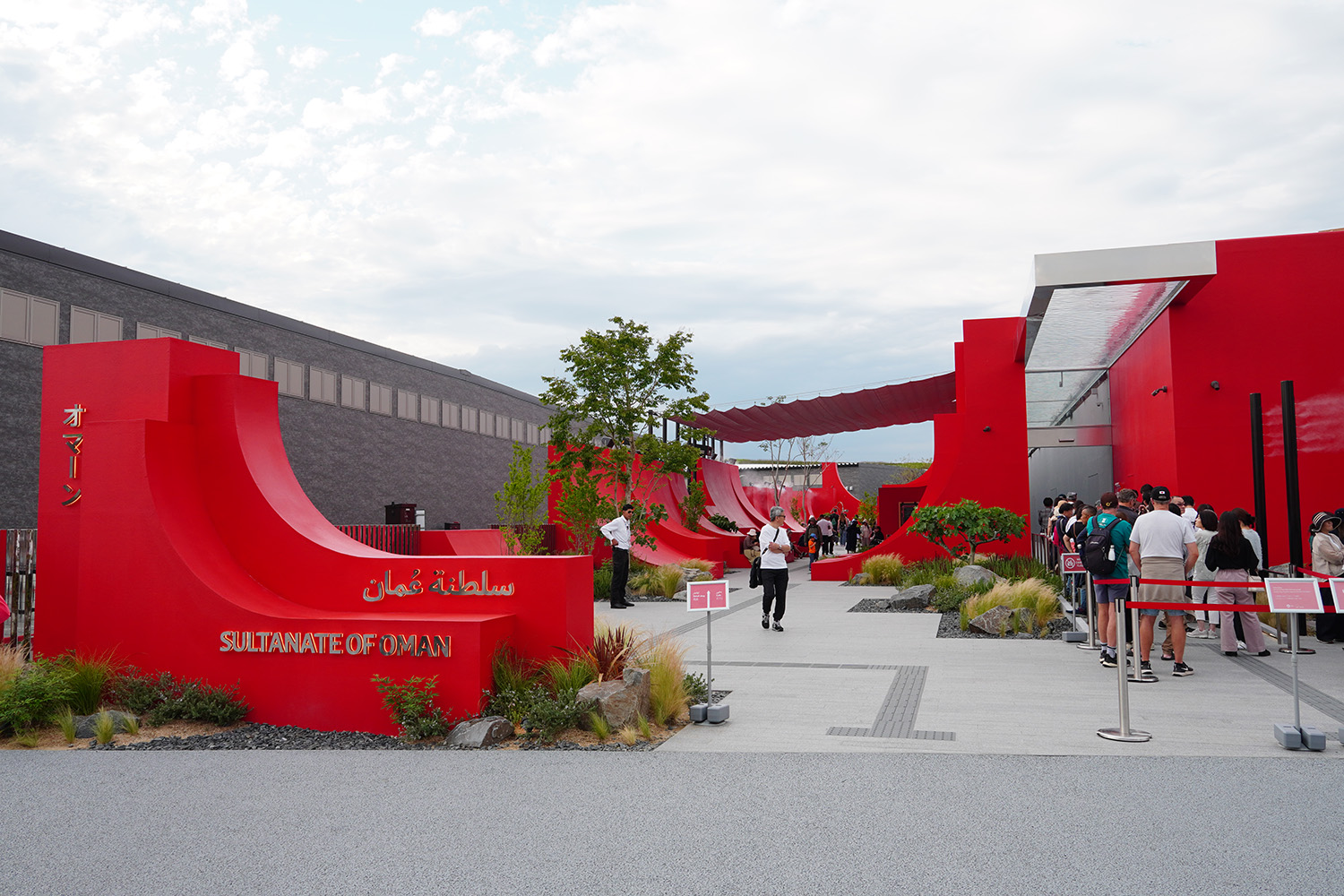
Last but not least is the Oman Pavilion. It's a country in the south of the Arabian Peninsula, along with Yemen.
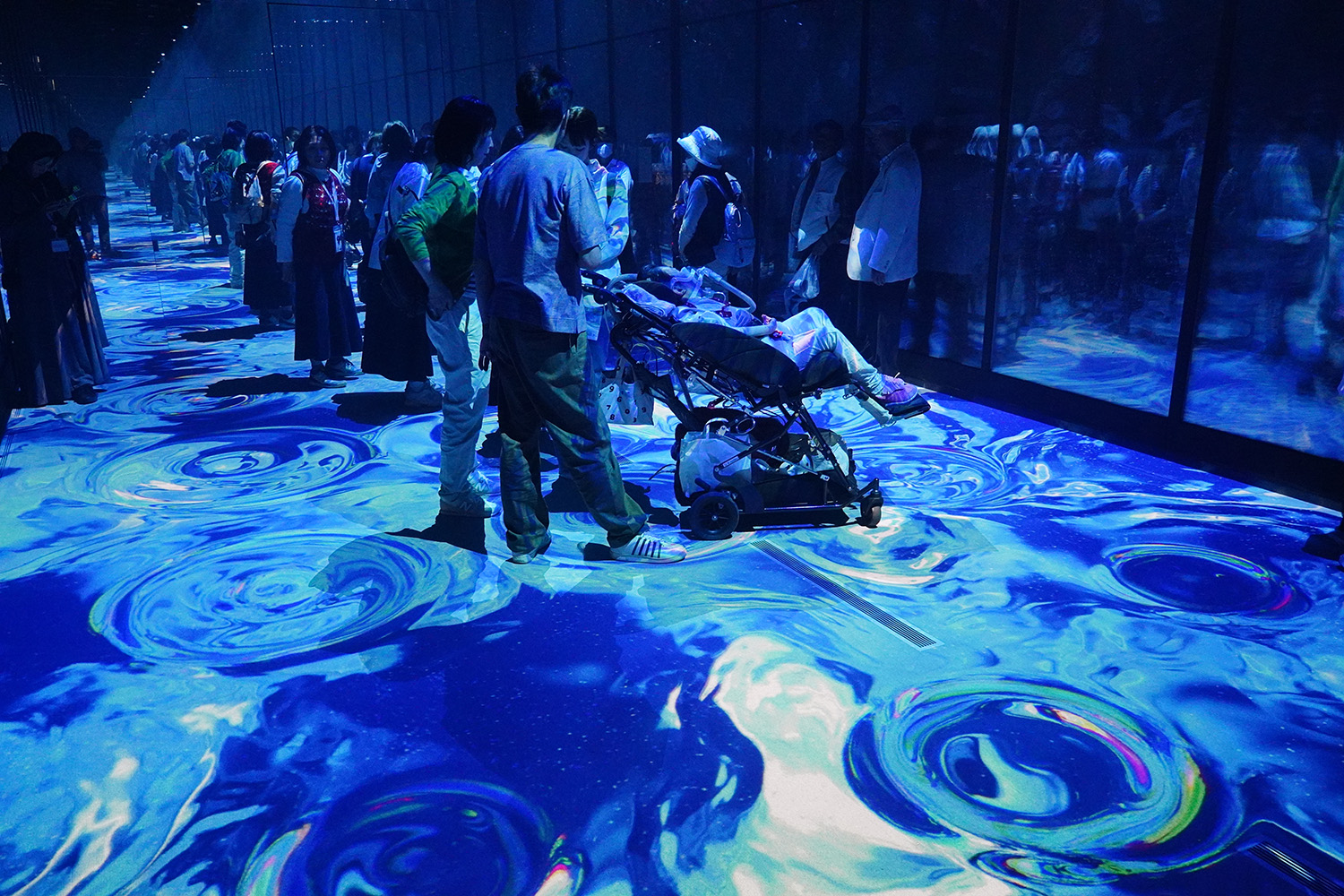
In Oman, where water is precious, visitors will see a video showing how water is used in people's daily lives and how water has nurtured the culture of the people. The images are very fantastic and beautiful and well worth seeing.
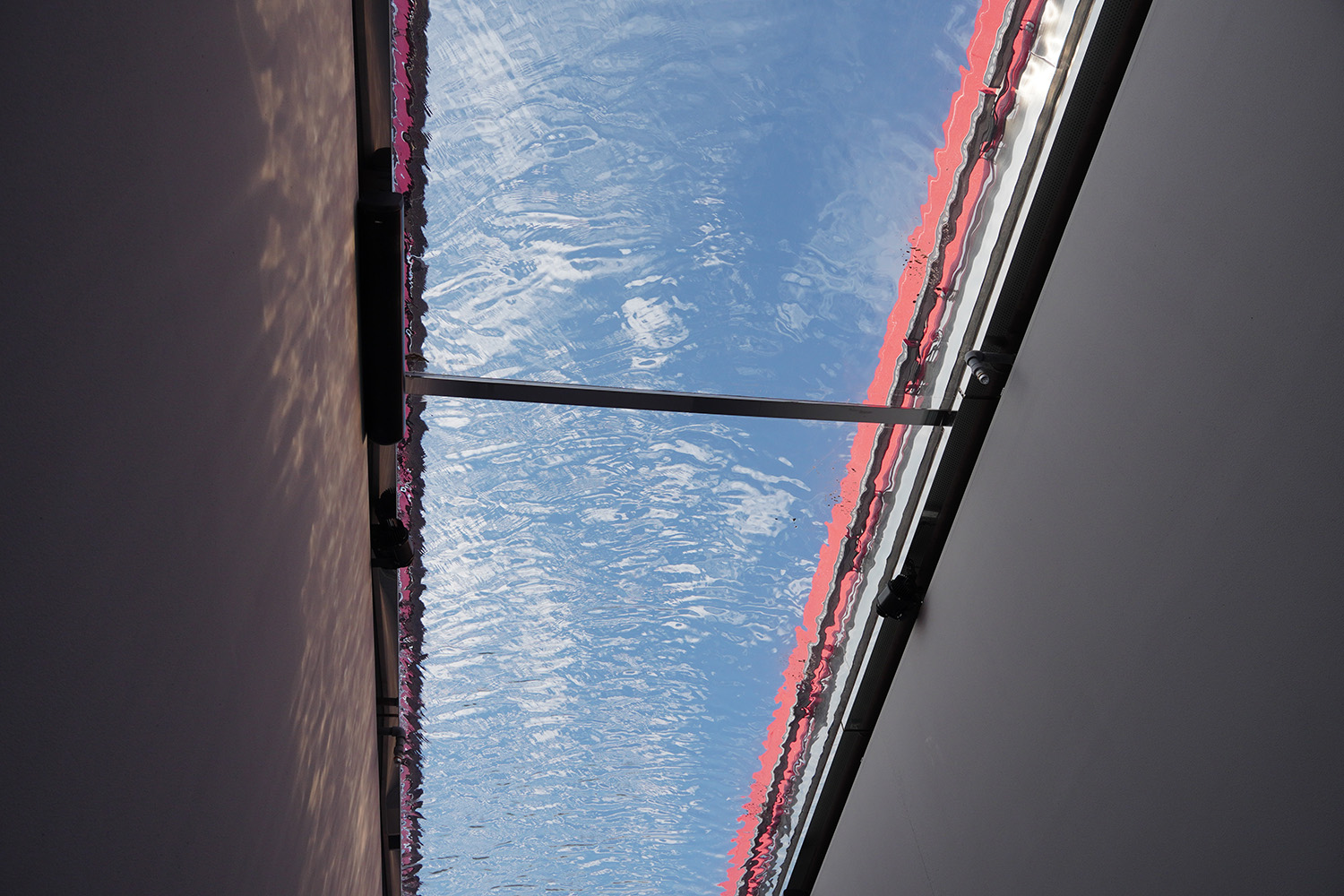
The pavilion's passageway also features a glass ceiling with water flowing through it, and the outside terrace has a waterfall-like section.
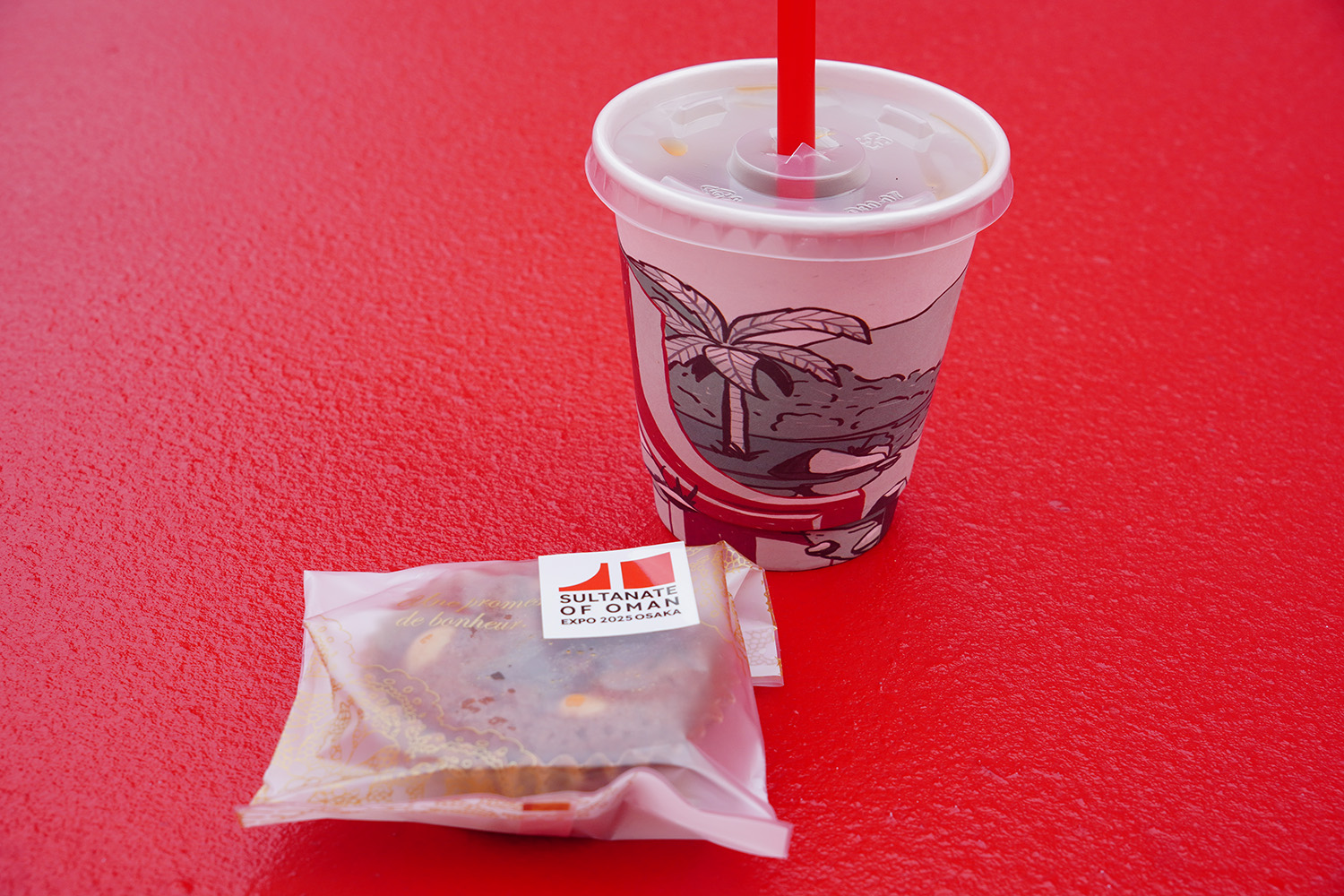
The Oman Pavilion has a café where visitors can purchase coffee and simple sweets.
The coffee is called "Kahwa (Omani coffee)," which is Oman's Arabic coffee. This time I ordered it iced. And I also order the date cake "Raziz Rub Tamar" with it.
Like the Jordanian, it is a Middle Eastern Arabic coffee, black coffee with spices such as cardamom. As for the taste of the coffee, it is not as rich as that of the Jordanian pavilion, so it is easy to drink there. And the date cake "Razzies Rub Tamar" that I bought as a sweet matched the coffee best. It was just the right snack.
Michikusa Gurus
Comparing Arabic coffee in the two pavilions, I could tell a little difference in taste between them. I believe that if we can learn that the same menu item has different flavors in different countries, we will eventually learn more about the culture of those countries.
What did you think of the Middle East section of the Restaurant at the Osaka/Kansai Expo? The use of date fruits and the extensive use of spices are the two main impressions I had.
I also knew that coffee had developed independently in the Muslim world, where drinking alcohol is not allowed, but this was the first time I actually drank it, so I was somewhat impressed.Restaurants, of course, are a great place to try Arabic coffee, which is readily available, and I hope you will try it at the Expo.
Next time, I will introduce the Restaurants in the Asian Pavilion!
OMO7 Osaka by Hoshino Resorts, a hotel where you can fully enjoy the Expo
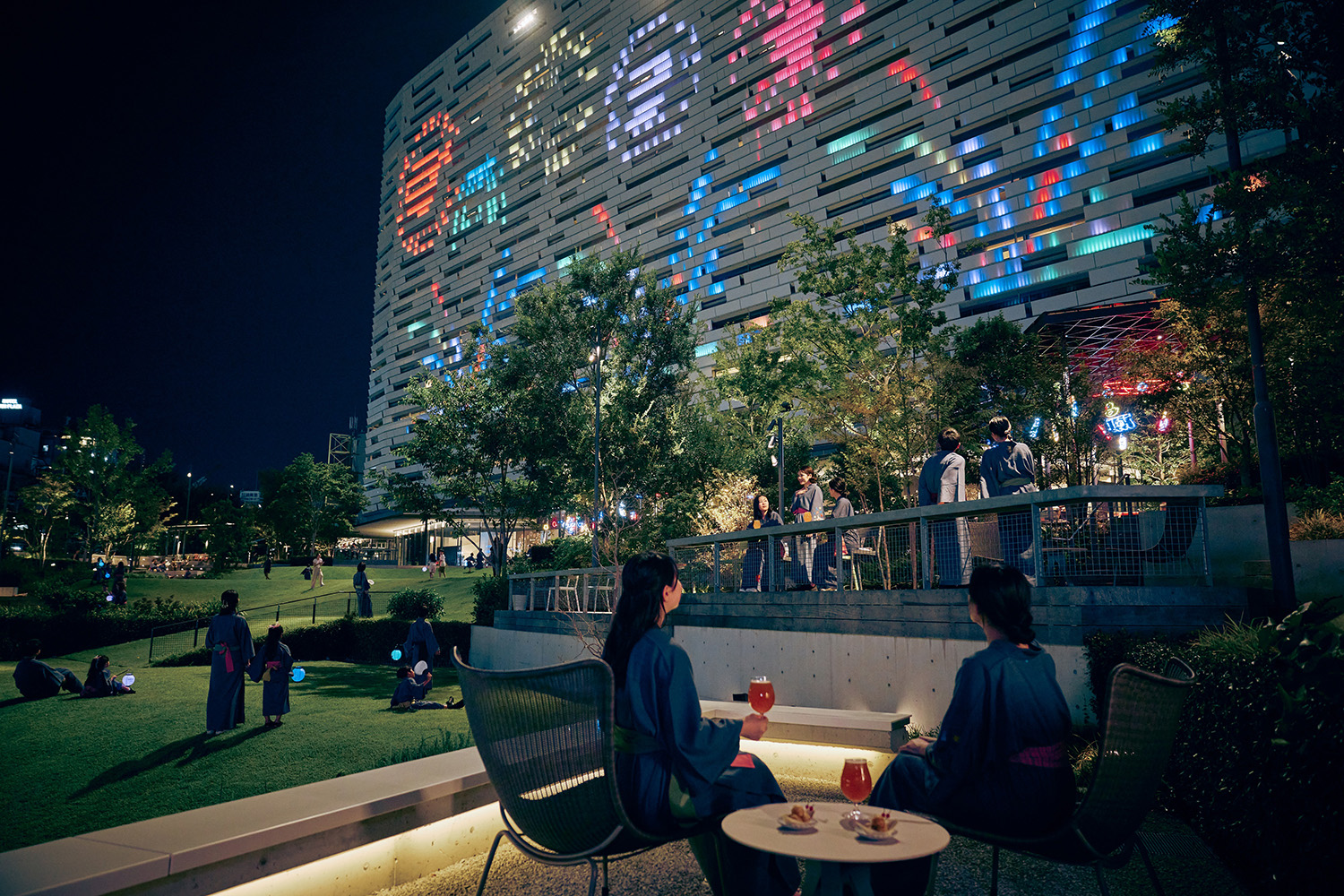
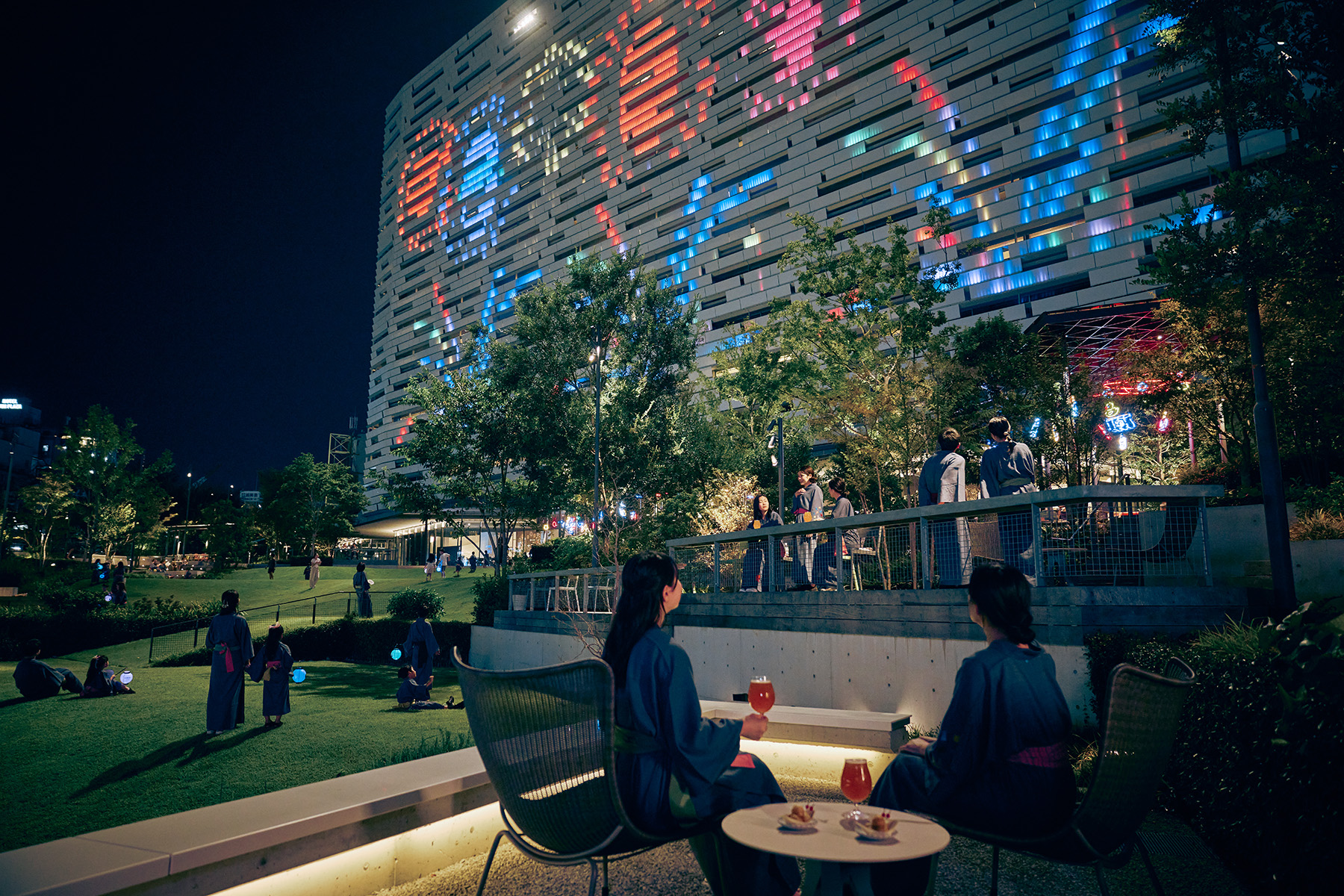
OMO7 Osaka by Hoshino Resorts has prepared special contents to help you enjoy the Expo even more. You will surely be able to enjoy the Expo to the fullest before and after you go, of course.
▶OMO7 Osaka by Hoshino Resorts|5 points to enjoy the Expo to the fullest

OMO7 Osaka by Hoshino Resorts
Osaka, Osaka
Conveniently located near major sightseeing spots. From guided tours to experience Naniwa culture to unique events, we offer a full range of experiences that will blow your mind.


.jpg)
Access by bus Short walk from JR/Nankai Railway Shin-Imamiya Station
- Example of Accommodation Rates
- 1 person per night From 12,000 yen
Hoshino Resorts RISONARE Osaka
Osaka, Osaka
A family resort hotel in Nanko overlooking Osaka Bay. The atelier that fosters creativity makes for a stay that the whole family can enjoy.

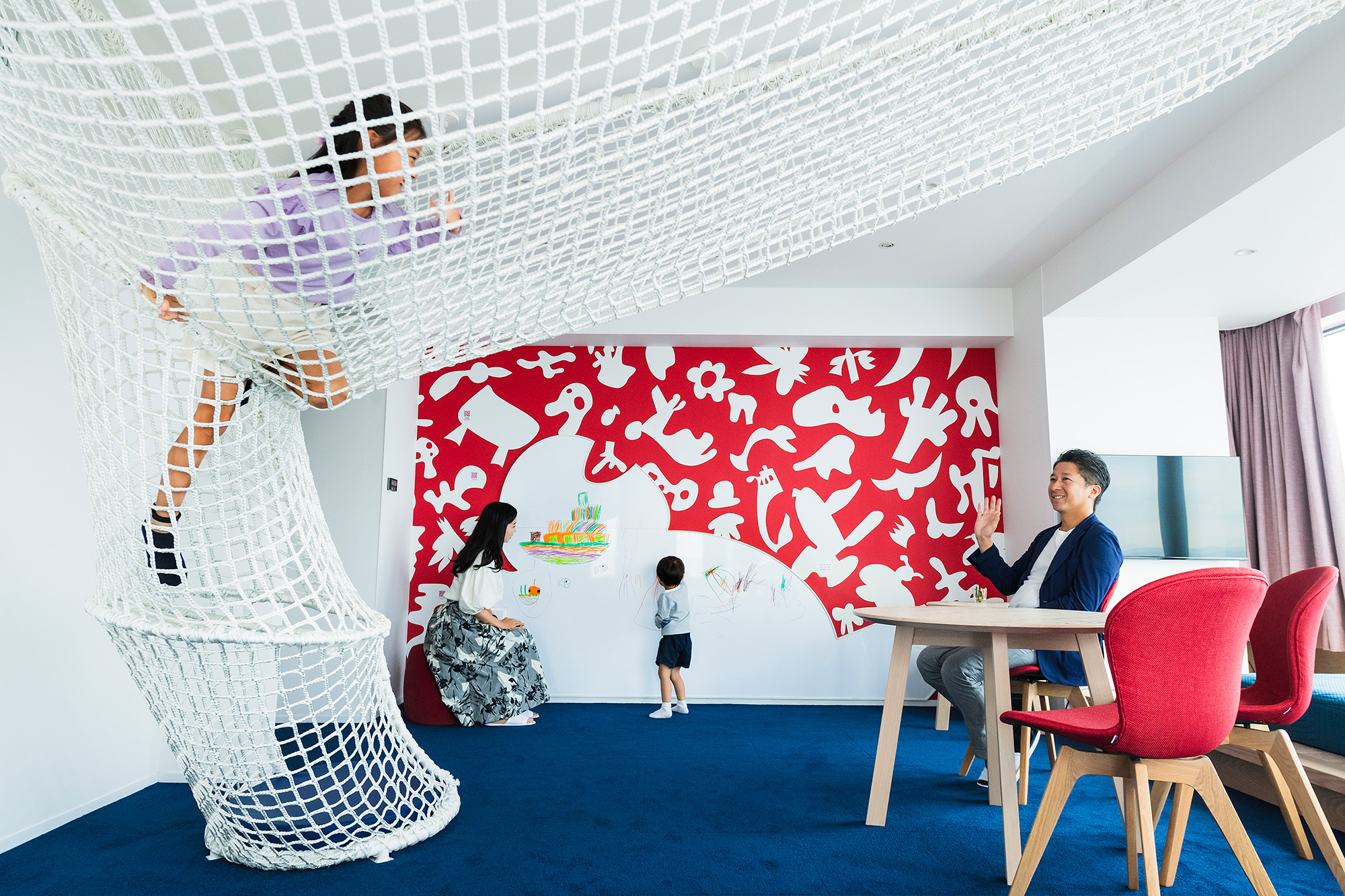

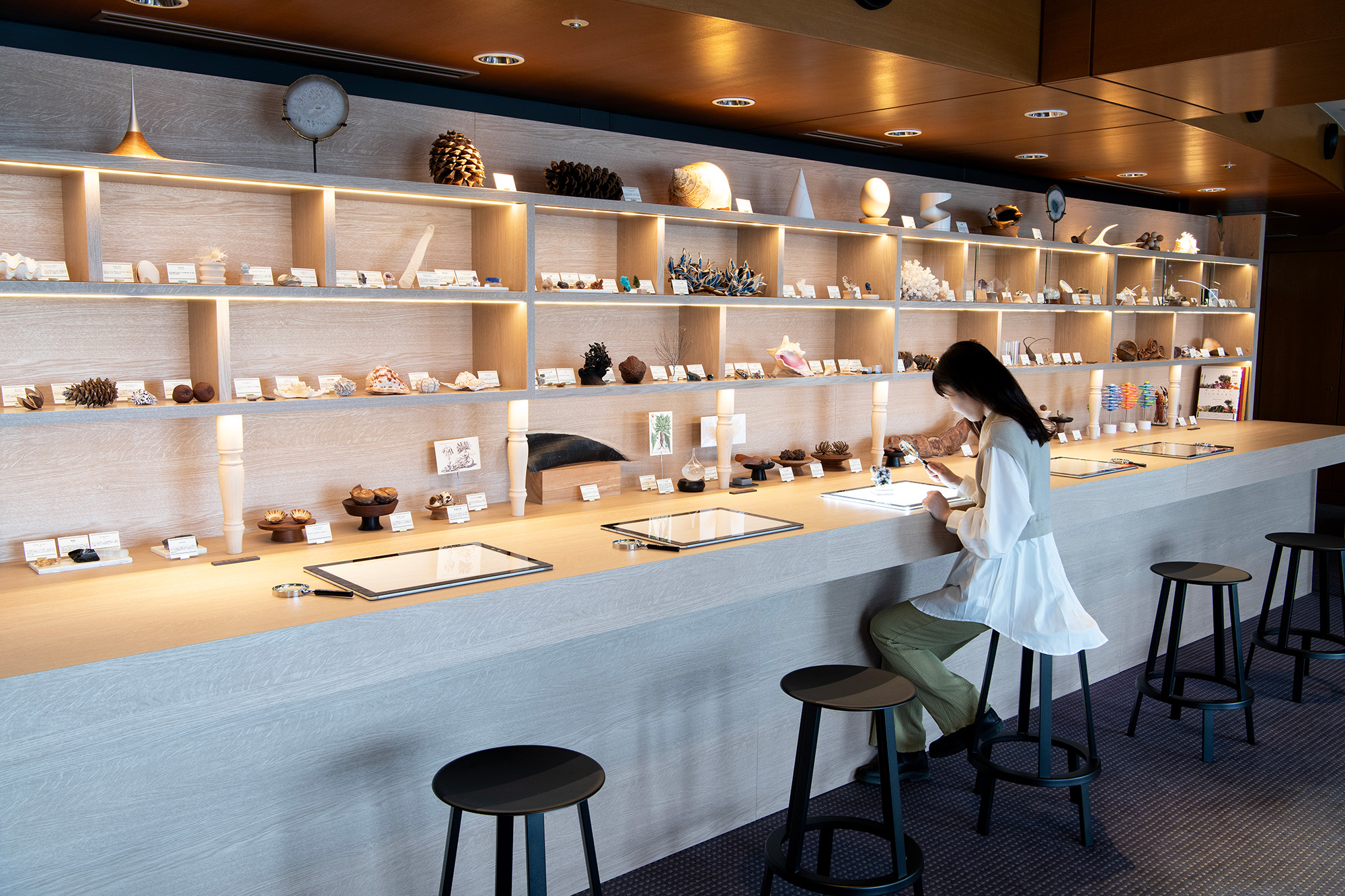
Access by bus Approx. 25 min. by shuttle bus from JR Osaka Sta.
- Example of Accommodation Rates
- 1 person per night From 9,000 yen
OMO Kansai Airport by Hoshino Resorts
Izumisano City, Osaka
The first airport hotel under the OMO brand, standing at Rinku Town Station, one stop from Kansai International Airport. You can enjoy spending time between trips.

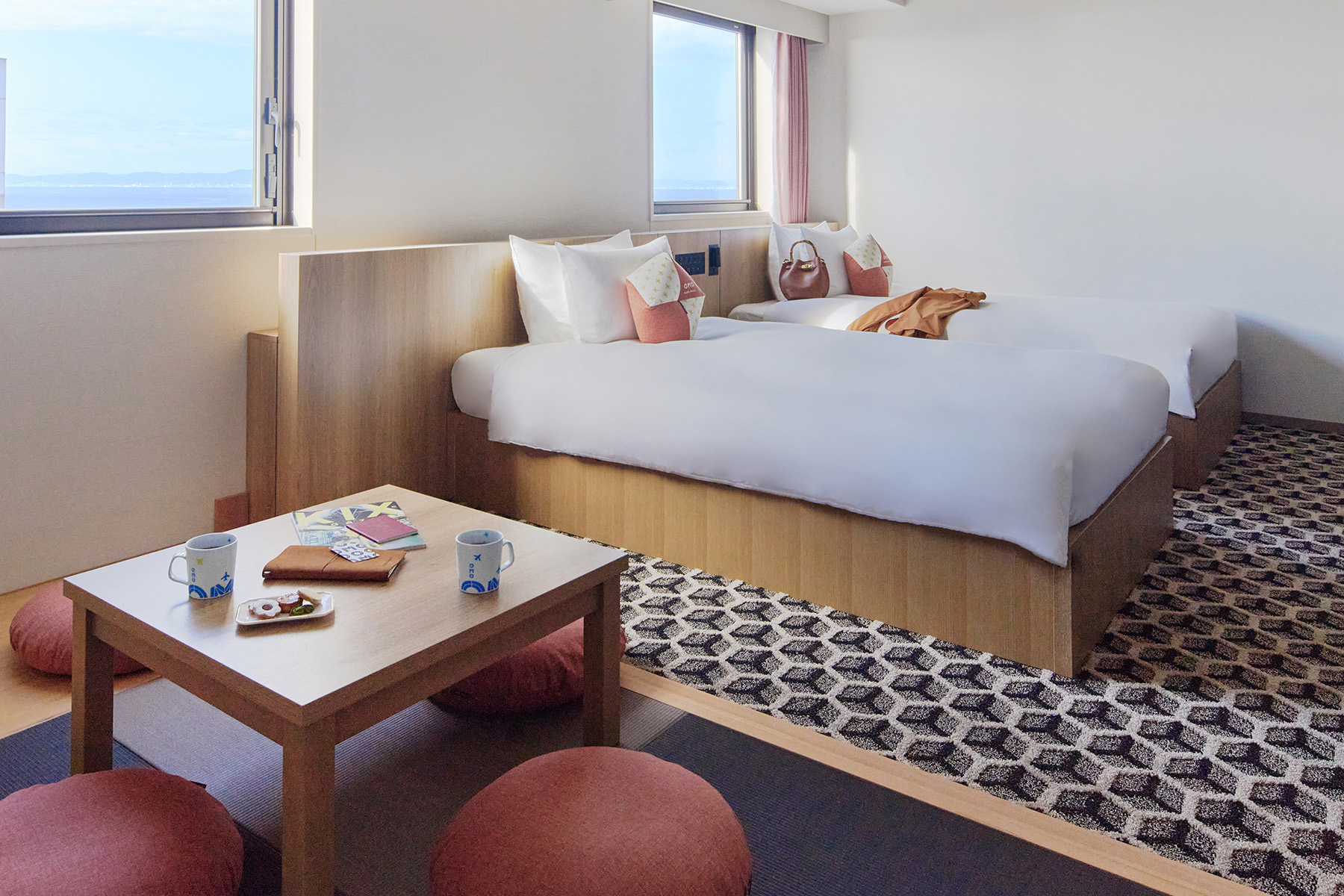
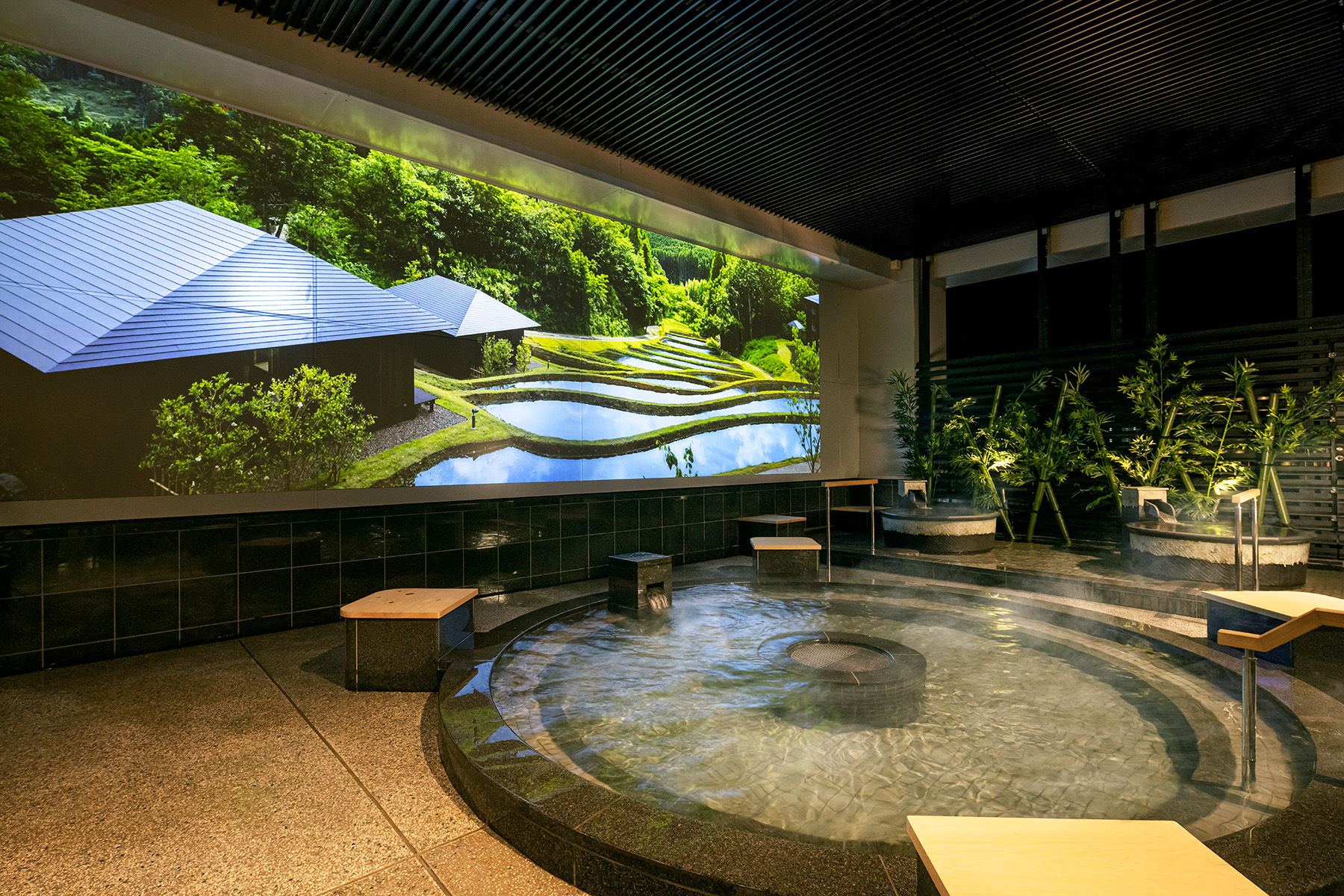
.jpg)
Access by bus Approx. 1 min. walk from Exit 5 of JR/Nankai Railway Rinku Town Station
- Example of Accommodation Rates
- 1 person per night From 4,500 yen