





Must-visit spots for Kanazawa sightseeing. 8 classic locations you have to see at least once

Kanazawa, the castle town of the Kaga Million Koku, is filled with sightseeing spots where you can feel the atmosphere of an ancient capital and art. Another appealing point is that you can easily visit each spot using the loop bus.
We will guide you through classic spots you should visit at least once when in Kanazawa, including three teahouse districts that retain the traces of the Edo to Meiji periods, a daimyo garden loved by successive feudal lords, and a contemporary art museum.
121st Century Museum of Contemporary Art, Kanazawa
Immerse yourself in art at a park-like museum

An art museum that feels like a park, located in the heart of Kanazawa City. The circular, glass-walled building can be freely accessed from four different entrances. Within the paid exhibition zone, the most popular attraction is the "Swimming Pool," which looks as if it is filled with water. It creates a mysterious space where you can look at each other from above and below the water's surface, becoming more intriguing the longer you look. You can also enjoy many other contemporary art pieces that stimulate the senses.
A treasure trove of contemporary art you won't get tired of even after a full day

The lawn plaza surrounding the building is a free-to-access public zone where you can also encounter various artworks. "Wrapping," with its many protrusions sticking out in multiple directions, is a pavilion that children can enter and play in. Looking up from the plaza, you can see the bronze sculpture "Measuring the Cloud" on the roof, inspired by the ornithologist stripped of his academic freedom in the film "Birdman of Alcatraz." There are two museum shops inside, perfect for finding souvenirs related to the museum or Kanazawa. There is also a cafe-restaurant featuring local ingredients, allowing you to enjoy a full day here.

Local
Supporter
Contemporary art is scattered throughout the interaction zones both inside and outside the building, and there are many wonderful exhibitions as well.

- 21st Century Museum of Contemporary Art, Kanazawa
-
 1-2-1 Hirosaka, Kanazawa City, Ishikawa Prefecture MAP
 Approx. 20 minutes on the Hokutetsu Bus "Kanazawa Loop Bus" (Right/Left Loop Route) from JR Kanazawa Station, get off at "Hirosaka / 21st Century Museum" and walk immediately.
 Exhibition Zone 10:00–18:00 (until 20:00 on Fridays and Saturdays)
Exchange Zone 9:00–22:00 Mondays (or the following weekday if Monday is a holiday); the entire facility will be closed for major renovations from May 2027 to March 2028.
 Exhibition Zone: Paid (varies by exhibition); Exchange Zone: Free
 076-220-2800
 Paid (first 30 minutes free)
2Kanazawa Castle Park
Tour the castle ruins of the Kaga Hyakumangoku
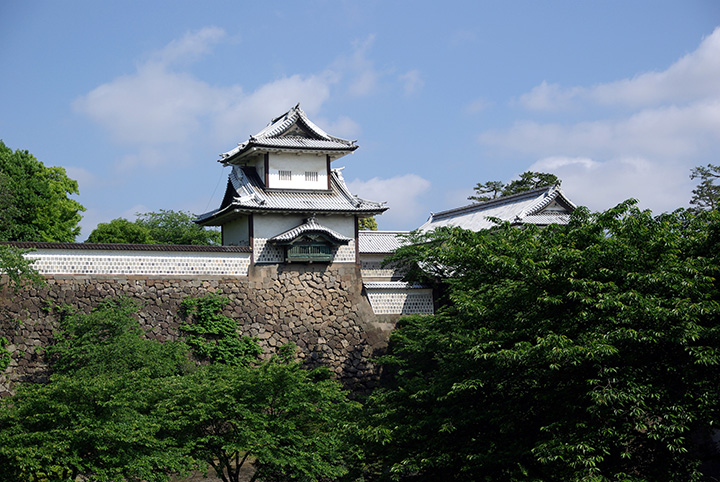
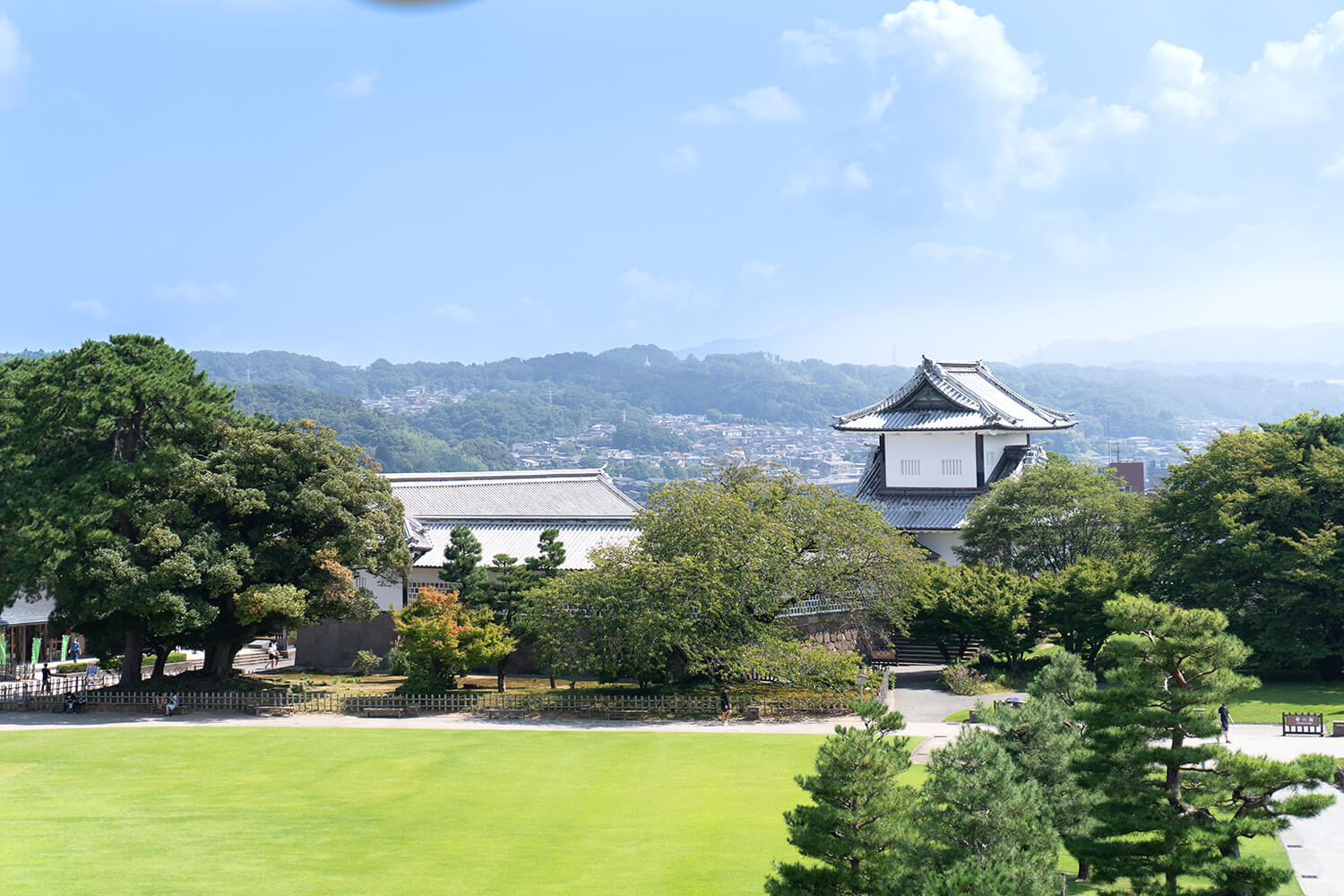
Kanazawa Castle Park is an urban park developed on the site of the former residence of the Maeda clan, lords of the Kaga Domain. In 1583, Toshiie Maeda, the first lord of the Kaga Domain, entered the castle from Noto and began full-scale castle construction. After the castle tower was destroyed by fire caused by a lightning strike, it was not rebuilt out of consideration for the Edo Shogunate. The Ishikawa-mon Gate, currently designated as an Important Cultural Property, was rebuilt in 1788. Once you pass through the magnificent stone-walled Ishikawa-mon Gate, you will find structures such as the Hishi-yagura (Diamond Turret) and the Gojukken Nagaya (50-ken Longhouse), which have been restored in recent years based on old maps and documents; the beautiful contrast between the lead roof tiles and the namako walls is a must-see.
Recreating the daimyo garden cherished by successive feudal lords
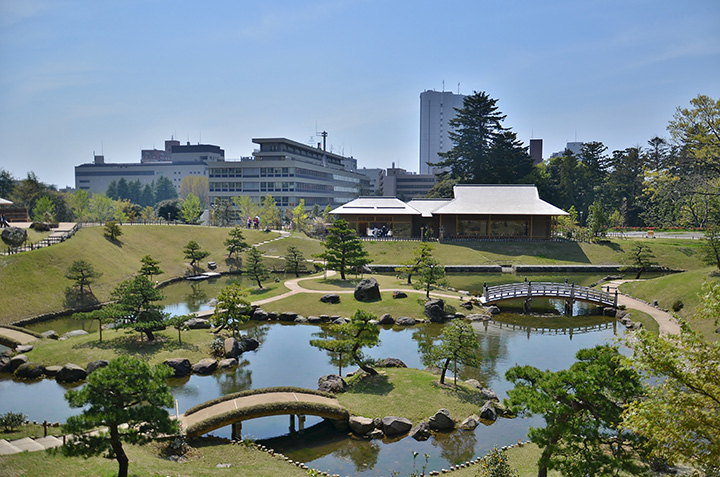
Within the grounds of Kanazawa Castle, there once existed the Gyokusen-inmaru Garden, a beautiful garden enjoyed by successive generations of lords. Although it was lost during the Meiji period, it has been revived in recent years. This strolling-style daimyo garden, which uses the Tatsumi Waterway—drawn into the castle about 380 years ago and still in use today—as its water source, faithfully reproduces the original ponds, islands, and bridges. You can enjoy the same elegant garden as in the Edo period while strolling along the paths or taking a break at the Gyokusen-an rest house. On Saturdays and designated days, you can also enjoy a magical light-up display.
Due to damage from the Noto Peninsula Earthquake, some areas are off-limits. Please check the website for details.
Local
Supporter
The park grounds themselves are spacious, and the green lawn is a very pleasant place. Listening to stories from volunteer guides is also enjoyable.
- Kanazawa Castle Park
-
- 1-1 Marunouchi, Kanazawa City, Ishikawa Prefecture MAP
 Approx. 7 minutes by car from JR Kanazawa Station
- Take a bus from JR Kanazawa Station and get off at "Kenrokuen-shita/Kanazawa-jo," then walk for about 3 minutes.
- March 1 – October 15: 7:00–18:00, October 16 – end of February: 8:00–17:00
- Open every day
- Regarding the Hishi-yagura, Gojukken Nagaya, Hashizume-mon Tsuzuki-yagura, and Hashizume-mon (Admission fee)
Adults (18 and older): 320 yen, Children (6 to under 18): 100 yen - 076-234-3800 (Ishikawa Prefecture Kanazawa Castle & Kenrokuen Management Office)
- None
3Kenrokuen Garden
A scenic garden counted among the three great gardens of Japan
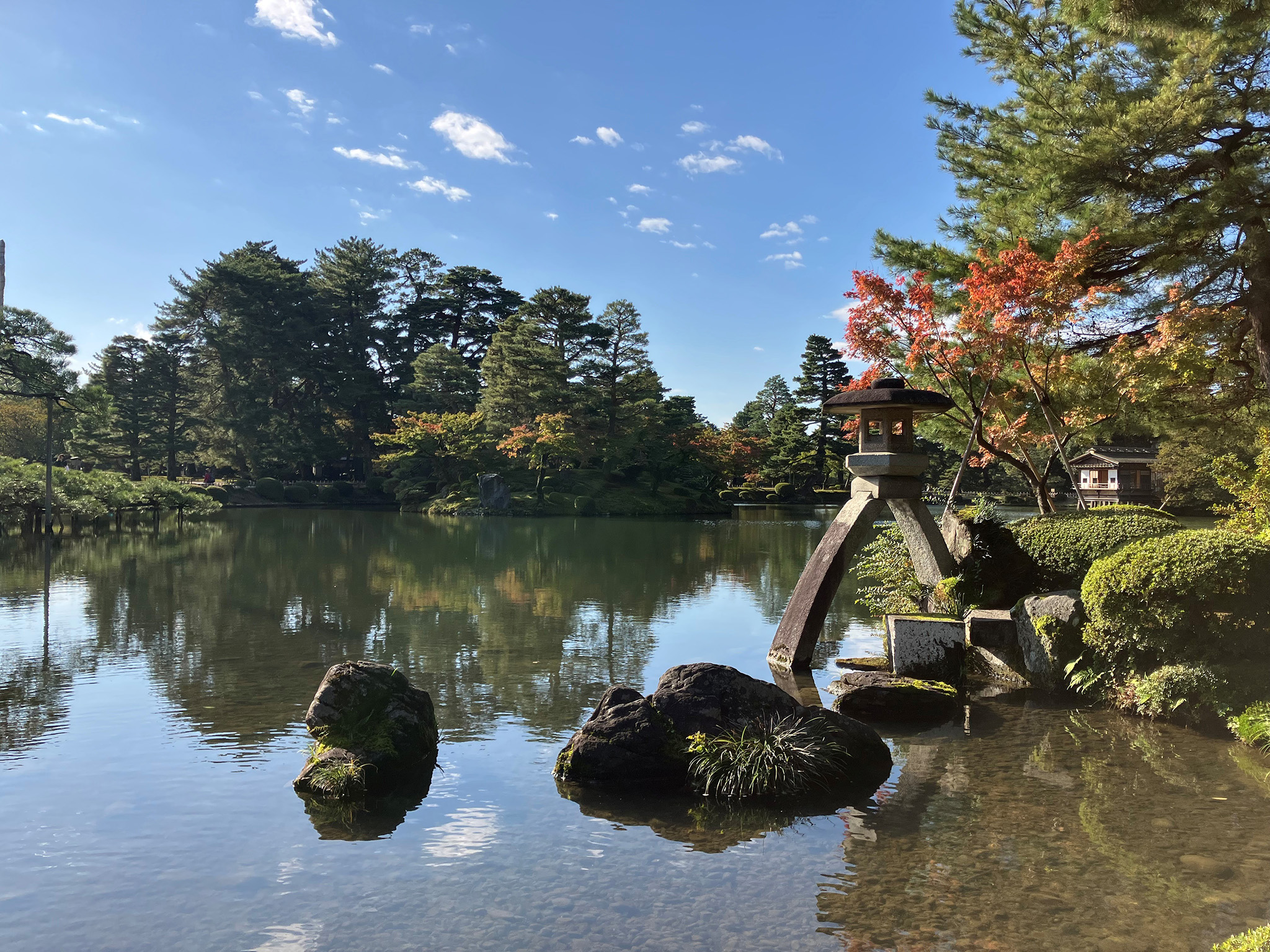
Along with Kairakuen in Mito and Korakuen in Okayama, this is one of the Three Great Gardens of Japan and a representative daimyo garden of the country. It is said to have begun when Tsunanori Maeda, the fifth lord of the Kaga Domain, created a garden around his villa, and over many years, successive lords completed the grand garden as it stands today. The symbol of Kenrokuen is the Kotoji-toro, a two-legged stone lantern located at Kasumigaike Pond. Kasumigaike Pond, where the turtle-shaped Horai Island floats, changes its appearance depending on where you view it from, and the sight of ducks and herons playing in the pond is also soothing. It takes at least 40 minutes to walk around the vast grounds, so it is recommended to visit with plenty of time.
Enjoy the scenery of each season, from cherry blossoms and autumn leaves to yukitsuri
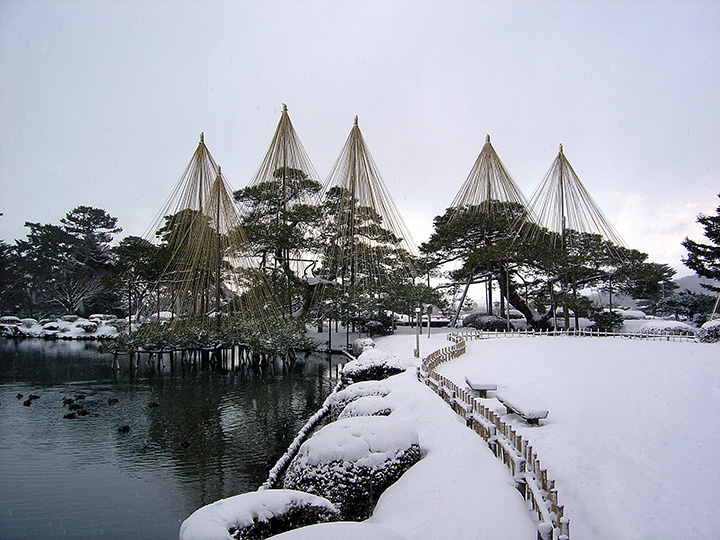
In spring, Kenrokuen Garden becomes a bustling cherry blossom viewing spot, beautiful with about 200 plum trees in full bloom in the plum grove, and over 400 cherry trees lining the path from the Katsurazaka Gate. Among them is a rare variety of cherry tree called the Kenrokuen Kikuzakura. In early summer, irises and azaleas bloom in vibrant colors, and in autumn, the garden is dyed in colorful fall foliage. From November, yukitsuri (snow hanging) begins to protect the branches from breaking under the heavy snow typical of the Hokuriku region. The yukitsuri of the Karasaki Pine, which boasts the finest branches in the garden, is particularly noteworthy.
Local
Supporter
Every scene is picture-perfect! You can enjoy the beautiful atmosphere of Kaga in every season.
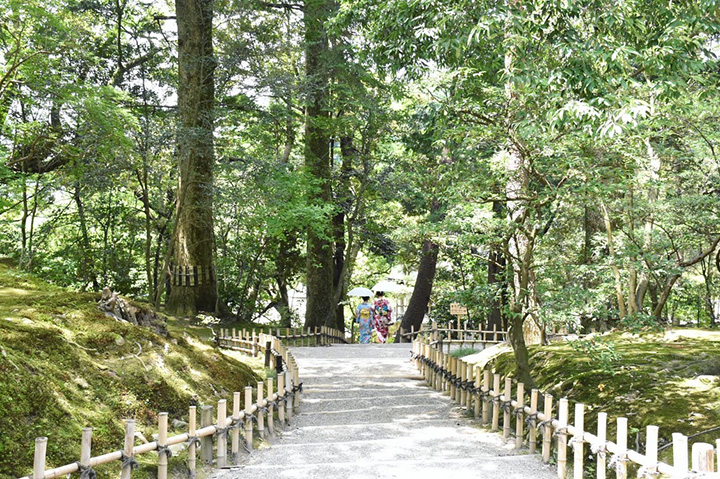
- Kenrokuen Garden
-
- 1 Kenrokumachi, Kanazawa City, Ishikawa Prefecture MAP
- Approx. 15 minutes on the Hokutetsu Bus "Kanazawa Loop Bus" (Right Loop) from JR Kanazawa Station, then a 2-minute walk from the "Kenrokuen-shita/Kanazawa-jo" stop.
- 7:00–18:00 (last admission 17:30); from October 16 to the end of February, 8:00–17:00 (last admission 16:30)
- Open every day
- 320 yen, children (6-17 years old) 100 yen
- 076-234-3800 (Kanazawa Castle & Kenrokuen Garden Management Office)
4Nomura Clan Samurai Home
View residences and gardens that convey samurai culture
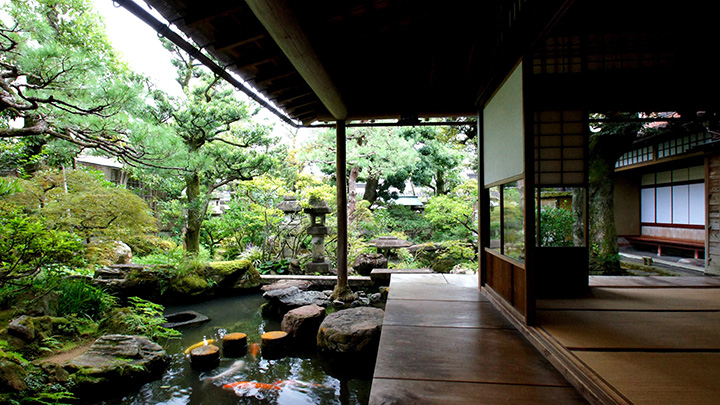
Nagamachi, where the ruins of samurai residences once inhabited by middle-ranking samurai of the Kaga Domain are located, is full of charm with its long earthen walls and cobblestone paths. The only one open to the public is the Nomura Clan Samurai Home. The Nomura family was a prestigious lineage that lasted until the abolition of the feudal domains in 1871. The current residence was created by relocating parts of a wealthy merchant's mansion from the Kitamaebune trade era, while retaining some original features like the earthen walls and old trees. A highlight is the 'Jodan-no-ma' (upper room), which welcomes visitors with its coffered ceiling made entirely of cypress. You can see magnificent designs such as shoji screens with glass inserts and sliding doors (fusuma) painted with landscape paintings.
A space that feels like stepping back in time to the Edo period
Sitting on the veranda and gazing at the garden is also an elegant way to spend time. The pond is home to leisurely swimming koi, and the garden scenery is full of atmosphere, featuring 400-year-old bayberry and chinquapin trees, stone lanterns, a large bridge made of Sakura granite, and a winding stream that comes right up to the veranda.
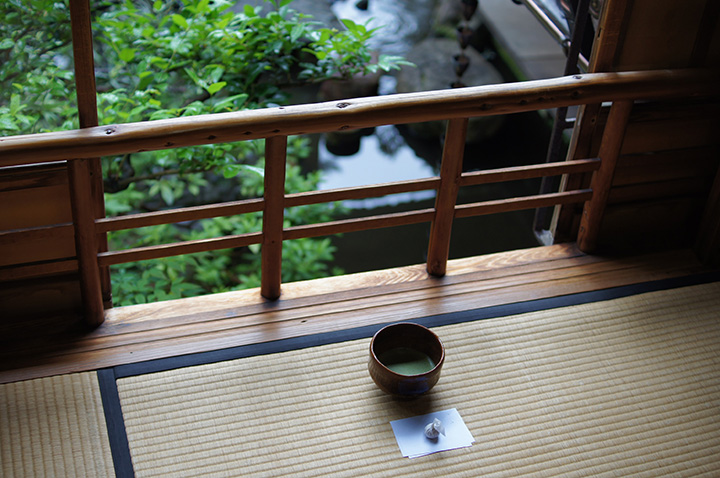
You should also definitely visit the 'Fubakuan' tea room on the second floor after climbing the stone steps. You can enjoy matcha and dried sweets in a relaxed atmosphere while looking out over the garden and letting the sound of the water soothe your heart.
Local
Supporter
The sliding door paintings, transoms, and ceilings are magnificently crafted. The "Nomura Clan Bunko" exhibits various materials, including swords handed down in the Nomura family and letters from the Maeda family.
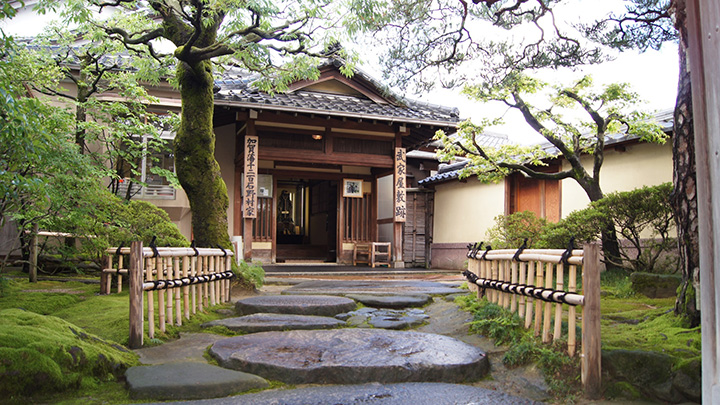
- Nomura Clan Samurai Home
-
- 1-3-32 Nagamachi, Kanazawa City, Ishikawa Prefecture MAP
- Approx. 10 min. ride on the Hokutetsu Bus "Kanazawa Loop Bus (Left Loop)" from JR Kanazawa Station, get off at "Korinbo" and walk approx. 5 min.
- 8:30–17:30 (last admission 17:00); Oct–Mar 8:30–16:30 (last admission 16:00)
- December 26–27, January 1–2
- 550 yen, high school students 400 yen, elementary/junior high school students 250 yen
- 076-221-3553
- Free
5Omicho Market
To the lively "Kitchen of Kanazawa"
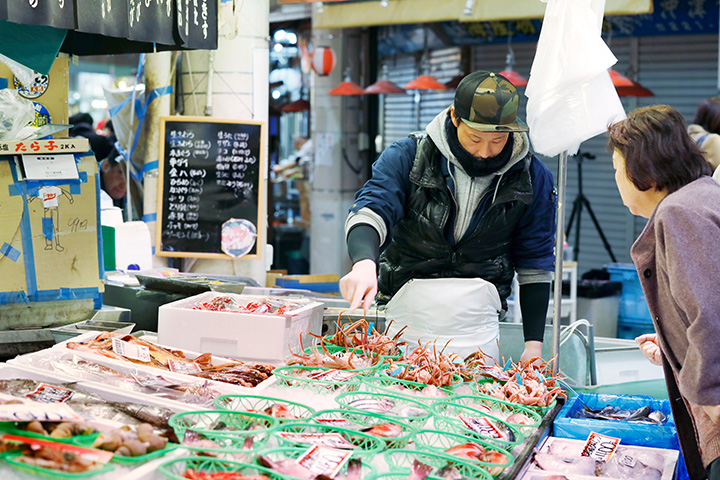
With a history of about 300 years, the Omicho Market is the kitchen of Kanazawa citizens, where about 170 shops are crowded together, including fresh fish stores selling seafood, greengrocers handling Kaga vegetables and seasonal fruits, and butcher shops, all frequented by locals and restaurant chefs alike. Not only can you buy fresh seafood unique to the Hokuriku region, such as crab, blackthroat seaperch, and oysters, as souvenirs, but there are also plenty of restaurants serving seafood bowls and conveyor-belt sushi. Since many shops close in the evening, it is recommended to enjoy breakfast or lunch there.
There are also delicious things you can eat at the storefronts
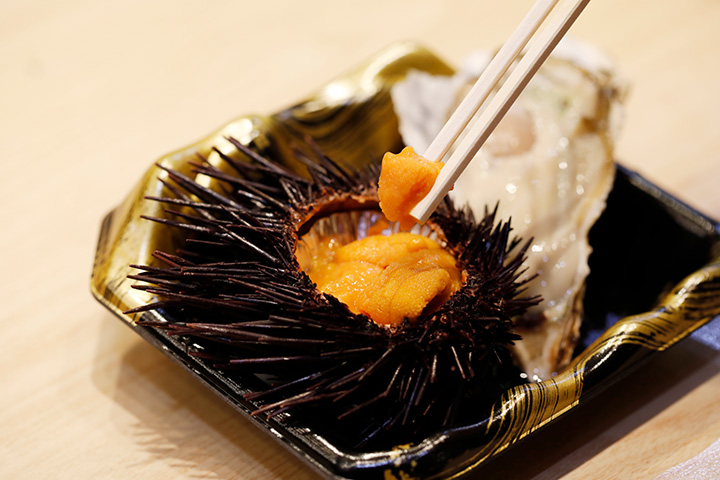
At Omicho Market, you can not only buy souvenirs but also enjoy a wide variety of shops where you can taste products displayed at the storefront on the spot. You can savor the superb, fresh taste of sea urchin and oysters, hand-selected by experts, served raw. Some shops offer savory grilled seafood skewers cooked right in front of the store, with aromas that are sure to whet your appetite. "Loach skewers," a local specialty so famous that in Kanazawa, kabayaki (grilled with sauce) is synonymous with loach, are a must-try snack. For dessert, you can enjoy seasonal cut fruit or soft-serve ice cream topped with gold leaf, a Kanazawa specialty; simply strolling through the market is guaranteed to be an exciting experience.
Local
Supporter
It is within walking distance of tourist attractions. A real pleasure is enjoying local cuisine made with local ingredients while chatting with the shop staff.
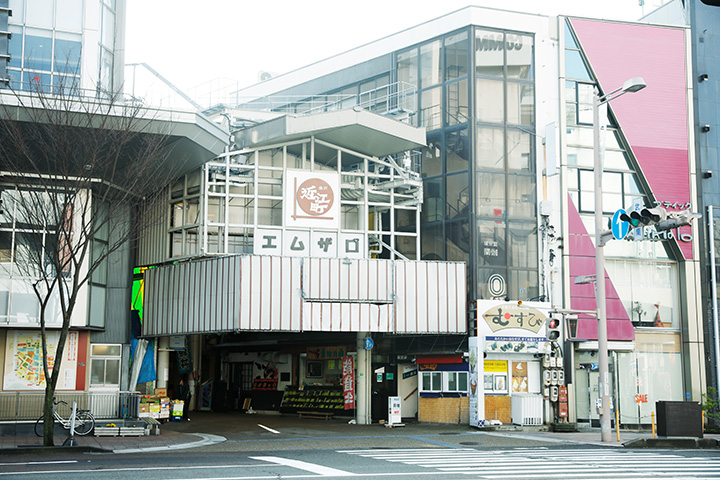
- Omicho Market
-
- 50 Kami-Omicho, Kanazawa City, Ishikawa Prefecture MAP
- Approx. 15-minute walk from JR Kanazawa Station
- Approx. 5 min. ride on the "Kanazawa Loop Bus (Left Loop)" from Kanazawa Station, get off at "Musashigatsuji/Omicho Market" and walk immediately
- 9:00–17:00 (varies by store)
- January 1–4 (varies by store)
- 076-231-1462
- Paid
6Higashi Chaya District
A historic teahouse district representing Kanazawa

Of the three chaya districts in Kanazawa, the Higashi Chaya District, which spreads out to the east of the Asanogawa River, is one of two chaya districts built around 1820 (the third year of the Bunsei era), one on the east side and one on the west. Having escaped the ravages of World War II, the district retains its elegant buildings with vermilion-lacquered lattice windows just as they were back then. The main cobblestone street is dotted with chaya buildings where traditional banquet entertainment takes place. In the side alleys, you can find hair salons frequented by geisha, as well as dance and shamisen practice studios, allowing you to enjoy a leisurely stroll while taking in the atmospheric Japanese townscape.
Fun discoveries await as you walk through the alleys
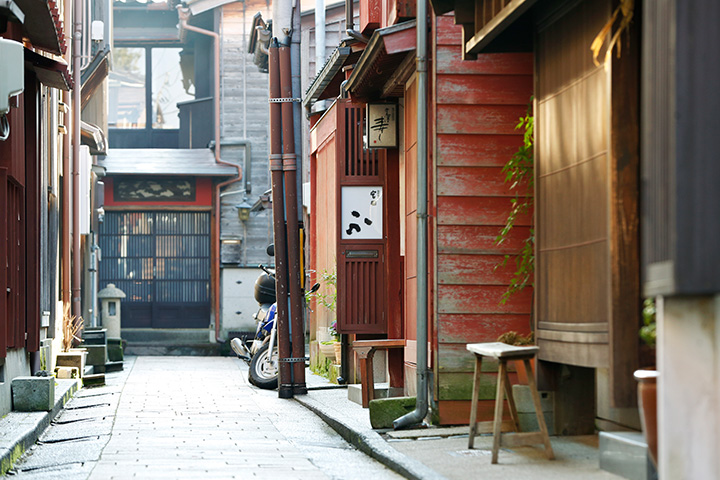
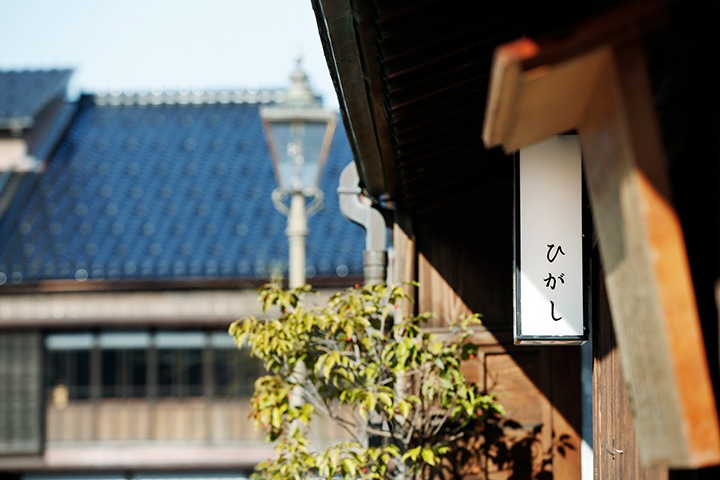
The Higashi Chaya District is home to cafes, restaurants, art galleries, and Japanese craft shops that make use of traditional machiya townhouses. There are many stylish shops tucked away in the maze-like alleys as well. If you follow the retro signs and peek inside, you will find wonderful spaces waiting for you. Also, if you stop by the Higashi Chaya Rest House, a restored late-Edo period townhouse near the bus stop, resident tourist volunteer guides known as "Maidosan" can provide you with a tour of the surrounding area.
Local
Supporter
There are plenty of shops and cafes selling Japanese sweets, traditional crafts, and miscellaneous goods, allowing you to enjoy shopping and dining amidst the charming townscape. It is also wonderful to rent a kimono and enjoy a stroll through the town.
- Higashi Chaya District
-
- Higashiyama, Kanazawa City, Ishikawa Prefecture MAP
- Approx. 12 min. ride on the Hokutetsu Bus "Kanazawa Loop Bus" (Right Loop) from JR Kanazawa Station, then a 3-min. walk from "Hashiba-cho" stop
- 076-232-5555 (Kanazawa City Tourism Association)
- Paid
7Kazuemachi Chaya District
A riverside teahouse district where walking the alleys is a delight
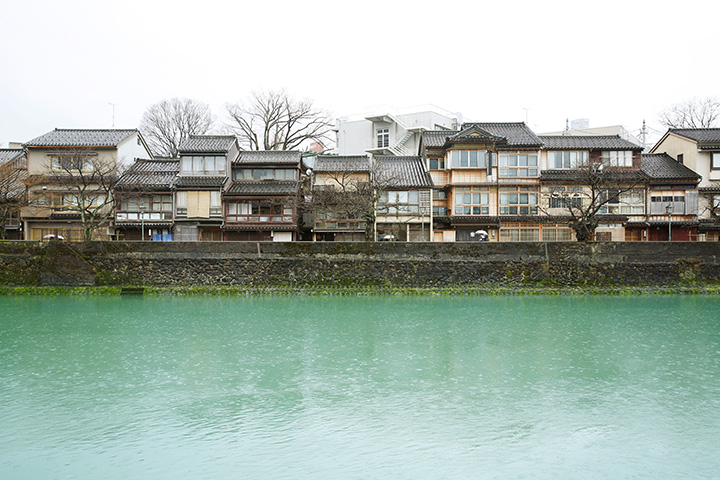
The Asanogawa River is also known as the "Women's River," and the surrounding area exudes a charm typical of Kanazawa. Located to the west of the Asanogawa River is the Kazue-machi Chaya District. In 1999, it became the first place in Japan to have its old town name restored, officially becoming Kazue-machi. It is a place associated with writers such as Kyoka Izumi, and if you look at the town from the Asanogawa Ohashi Bridge or the Naka-no-hashi Bridge, you can still feel the atmospheric worldview of his novels. In the summer, decking seats are set up along the river, where guests are treated to Kaga cuisine and more.
Walk the stone-paved slope that connects the teahouse district to the residential area
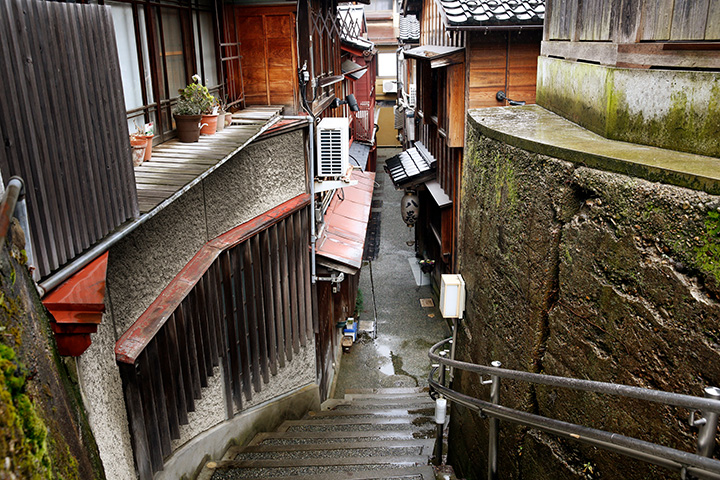
When you enter the narrow alleys, you will encounter a moist and atmospheric landscape. There are two slopes in the neighborhood; "Kuragari-zaka" (Dark Slope), a stone-stepped path connecting the Kazue-machi Chaya District to the shrine above, is said to have been used by wealthy patrons in the past to visit geisha in secret, as it receives little sunlight even during the day. On the other hand, "Akari-zaka" (Light Slope) was named in recent years in memory of Kyoka Izumi, who wrote beautiful works that lit up the dark night. After a leisurely stroll through the alleys, it is also recommended to take a break at a cafe, restaurant, or bar renovated from a traditional townhouse.
Local
Supporter
At dusk, the sounds of shamisen and drums can be heard, enveloping the area in an atmospheric mood. The elegant buildings, townscape, and the quiet spaces found when stepping into the back alleys are wonderful.
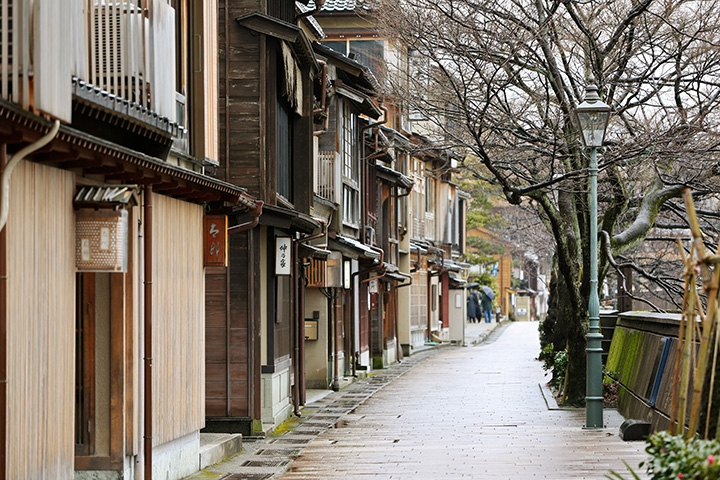
- Kazuemachi Chaya District
-
- Kazue-machi, Kanazawa City, Ishikawa Prefecture MAP
- Approx. 12 min. ride on the Hokutetsu Bus "Kanazawa Loop Bus" (Right Loop) from JR Kanazawa Station, then a 3-min. walk from "Hashiba-cho" stop
- 076-232-5555 (Kanazawa City Tourism Association)
- Paid
8Nishi Chaya District
A quiet teahouse district where many active geisha still work

Located in the Teramachi area across the Sai-gawa River, known as the "Men's River," the "Nishi Chaya District" was built around 1820 (the 3rd year of Bunsei), just like the "Higashi Chaya District." The street of teahouse architecture with beautiful wooden lattice windows is full of charm. Although compact in scale, the Nishi Chaya District has the highest number of active geisha. The teahouses, which still maintain a policy of not accepting first-time customers without an introduction, continue to pass down the traditions of Kanazawa geisha. To get a feel for the atmosphere of traditional banquet entertainment, visit the "Kanazawa City Nishi Chaya Shiryokan Museum." The tatami room of a teahouse with vermilion walls has been recreated and can be viewed for free.
Japanese and Western-style sweet shops are scattered about. The Ninja Temple is also nearby
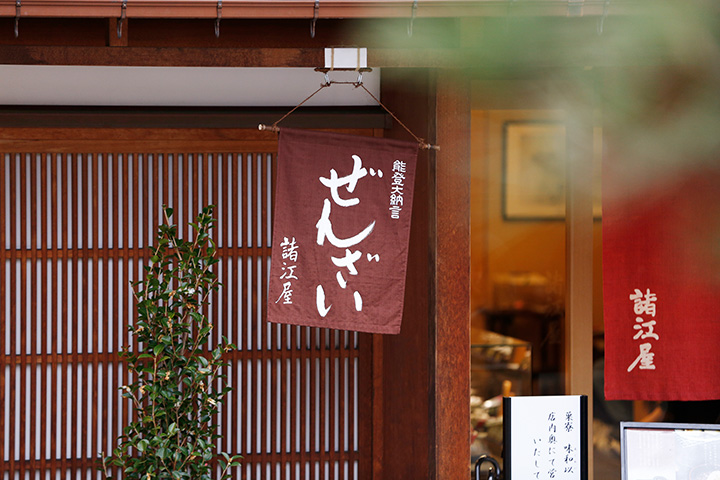
The Nishi Chaya District is also unique for its small streets lined with Japanese and Western sweet shops, including long-established rakugan (dry confection) stores and famous amanatto (sweetened adzuki bean) shops. After buying souvenirs, be sure to visit the attached tea rooms or cafes. It is also recommended to enjoy soft-serve ice cream, parfaits, or zenzai (sweet red bean soup) in a space overflowing with Japanese charm.
Also, nearby is "Myoryuji Temple," known as the Ninja Temple (reservations required for visits). It is packed with fascinating mechanisms, such as trapdoors, hidden stairs, and a well said to have served as an escape route to Kanazawa Castle.
Local
Supporter
Among the three teahouse districts, this one has relatively less foot traffic, so it is highly recommended for a leisurely stroll while taking photos. There are many sweet shops, making it perfect for souvenirs!
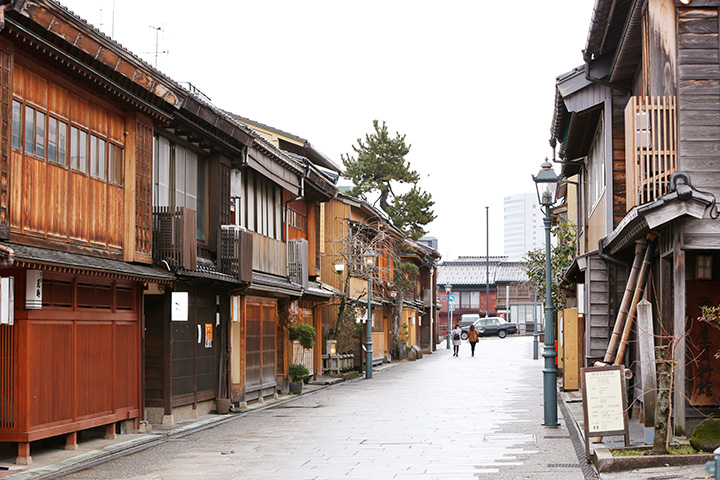
- Nishi Chaya District
-
- Nomachi, Kanazawa City, Ishikawa Prefecture MAP
- Approx. 15 min. ride on the Hokutetsu Bus "Kanazawa Loop Bus" (Left Loop) from JR Kanazawa Station, then a 5-min. walk from "Hirokoji" stop
- 076-232-5555 (Kanazawa City Tourism Association)
- None

Local supporter in charge of this article
- Miho KataokaA Kanazawa-born local who loves their hometown!
OMO5 Kanazawa Katamachi
Kanazawa City, Ishikawa Prefecture
Katamachi, Kanazawa's number one gourmet town. It is conveniently located for accessing Kanazawa's representative tourist attractions.
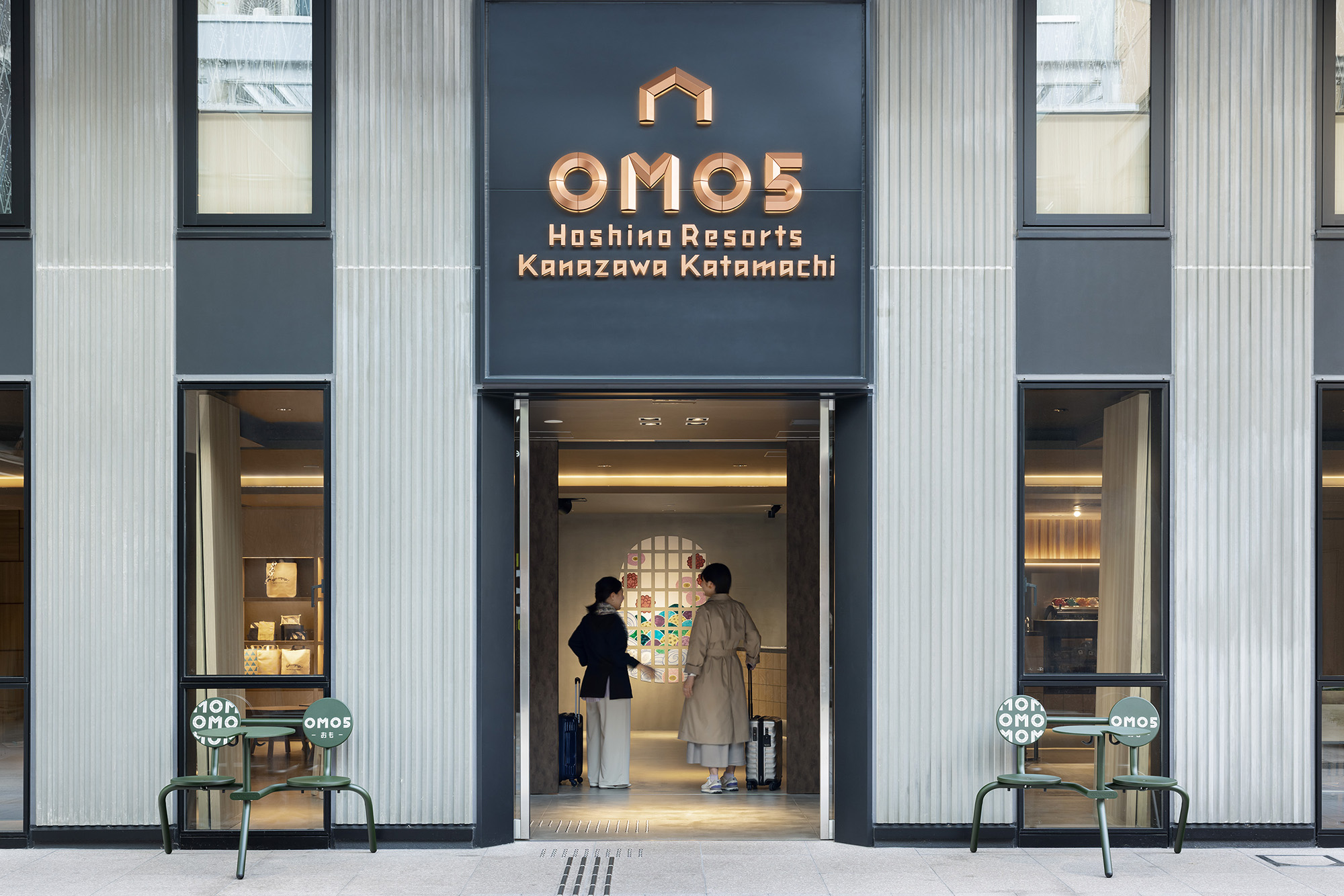
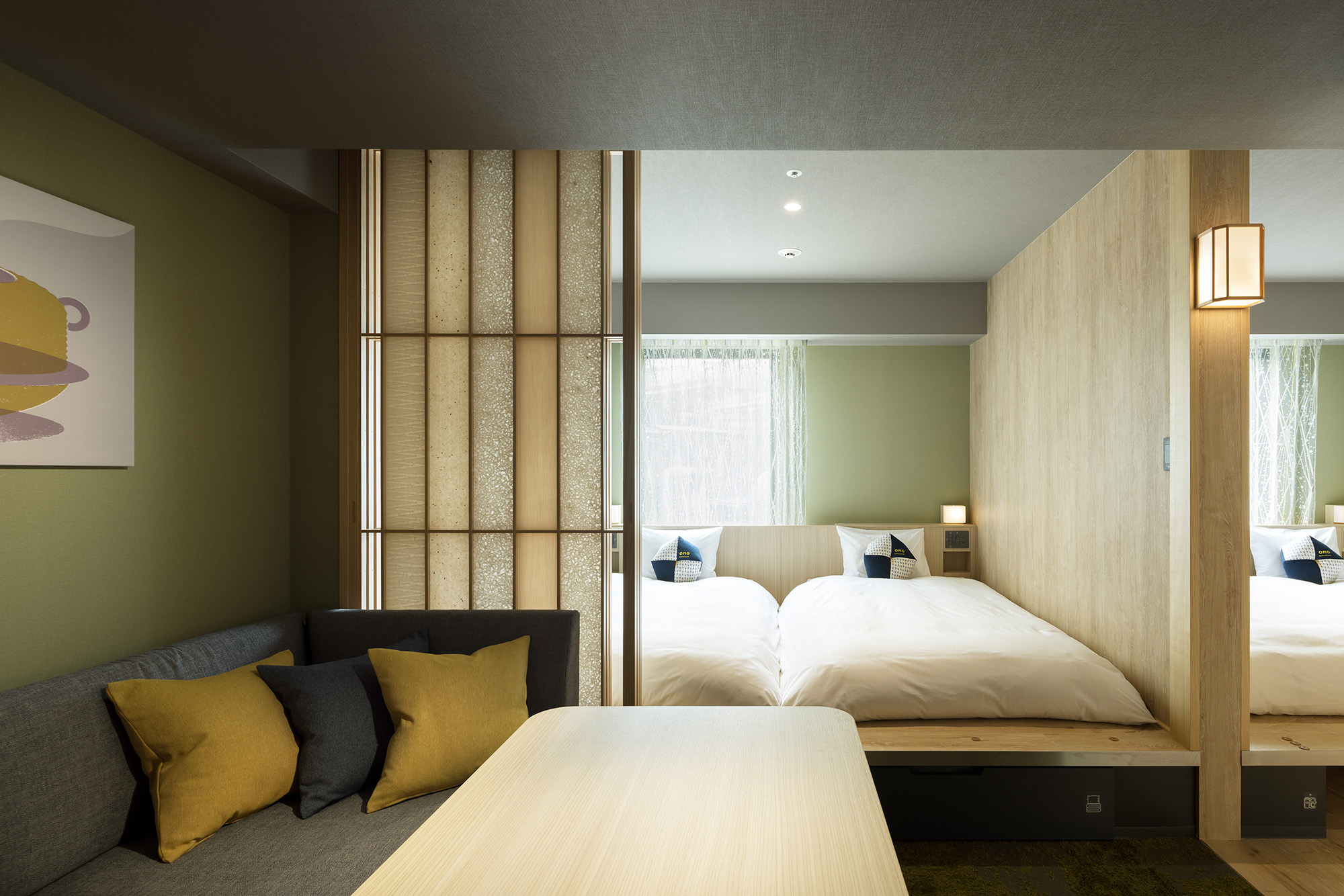
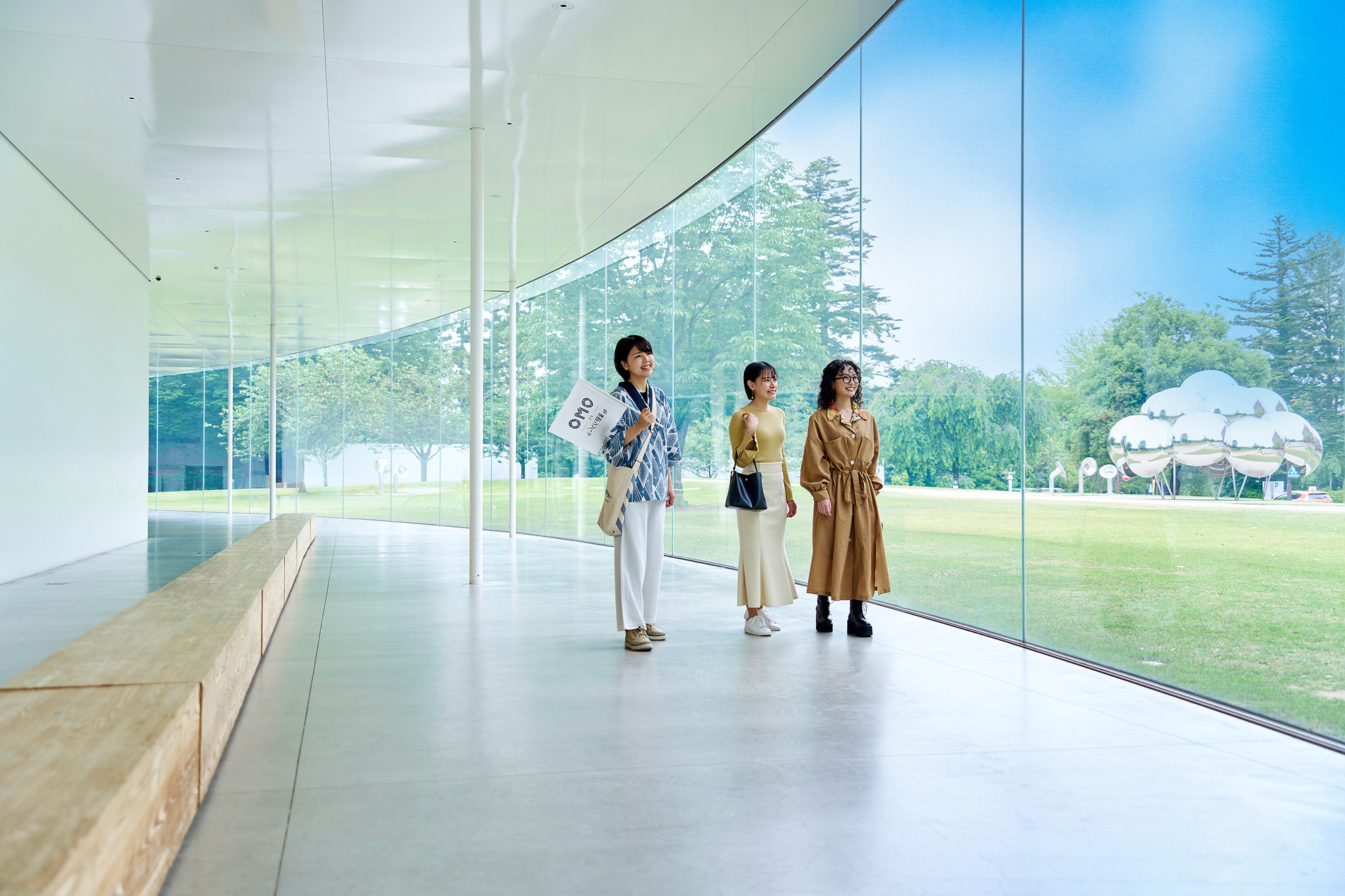
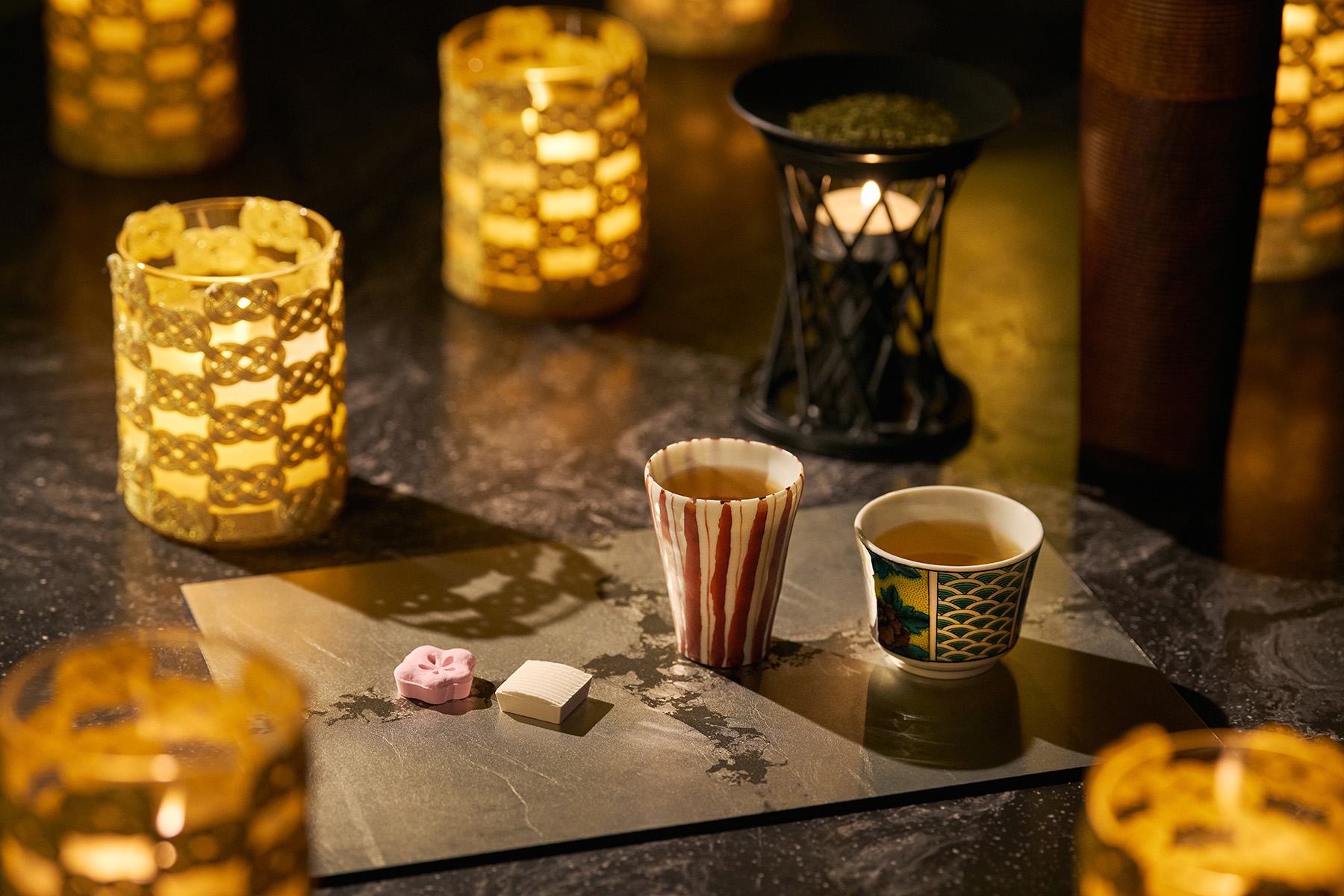
Access About a 4-minute walk from the "Korinbo" bus stop
- Accommodation rate example
- Per person per night From ¥5,200
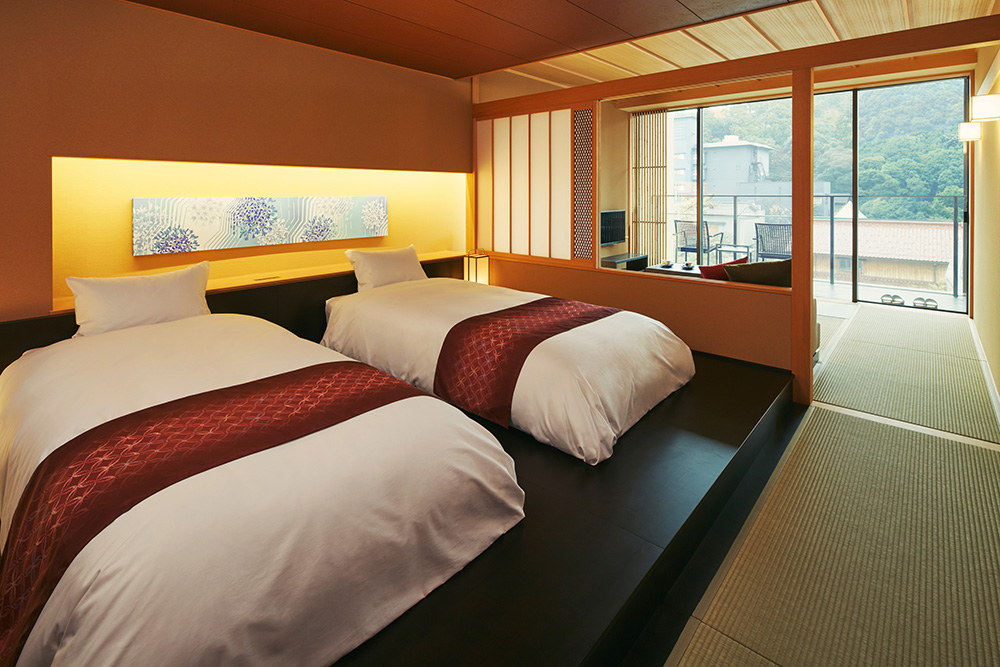
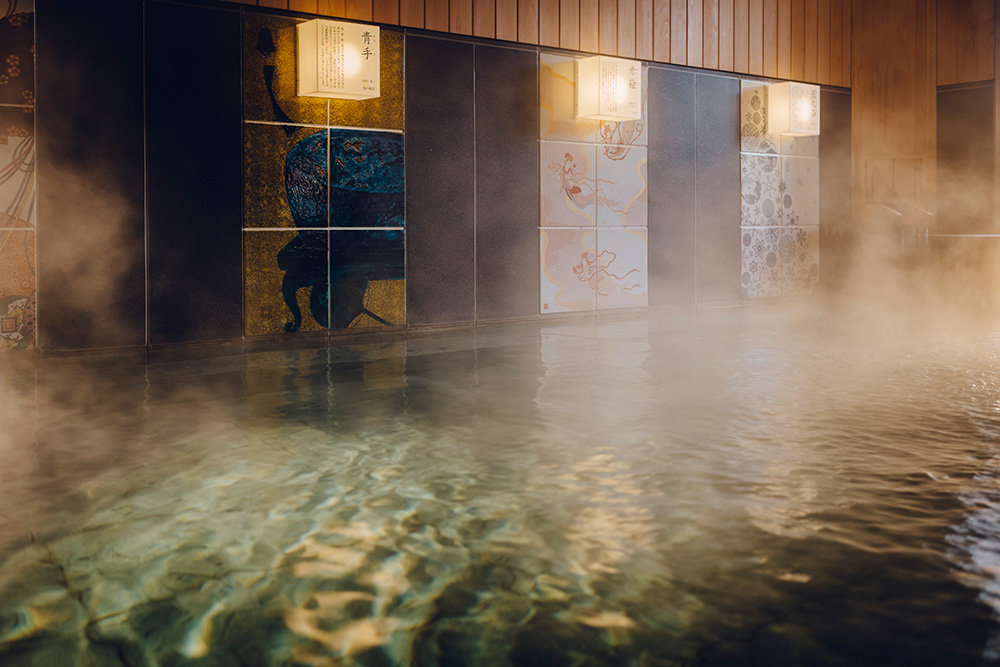
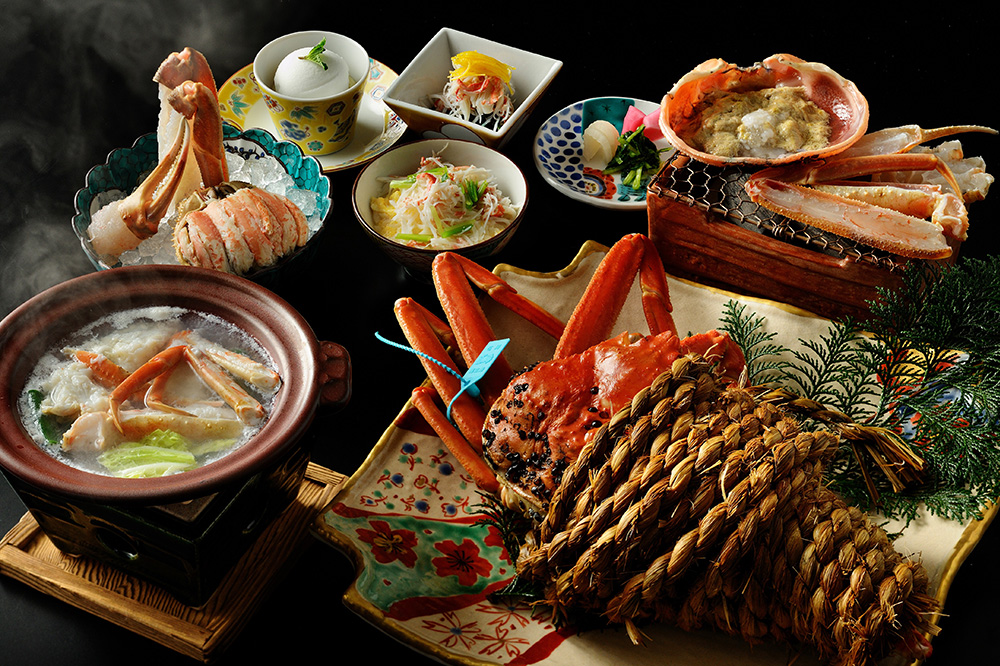
KAI Kaga
Yamashiro Onsen, Ishikawa Prefecture
A traditional Kaga hot spring inn where new sensibilities breathe. The traditional architecture building with its impressive red-patterned lattice is a registered tangible cultural property of Japan.
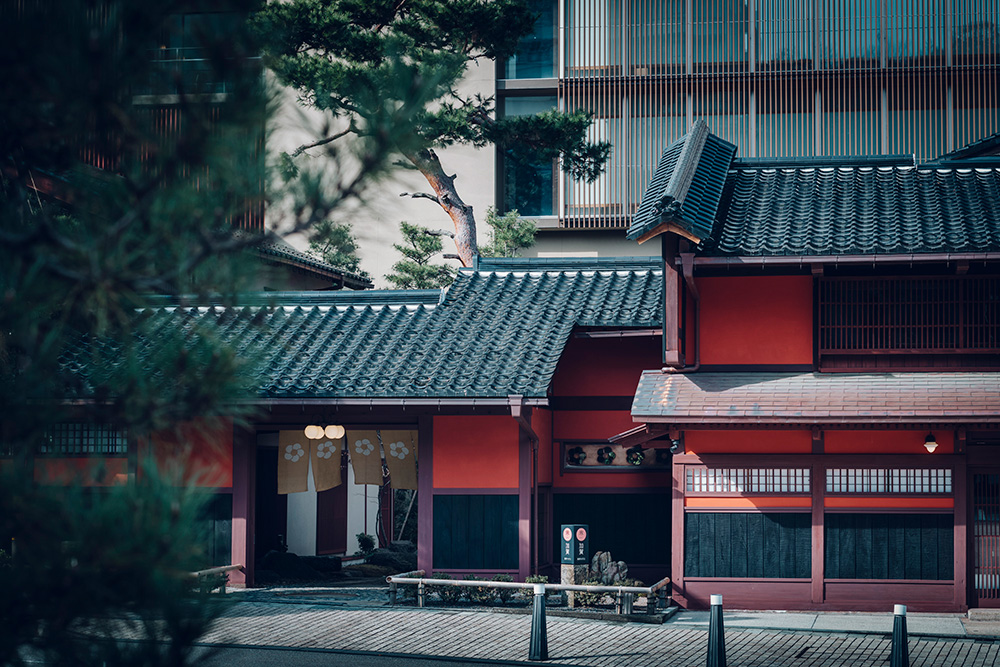
Access About 10 minutes by taxi from Kagaonsen Station on the IR Ishikawa Railway
- Accommodation rate example
- Per person per night From ¥19,000