





Perfect for souvenirs. 6 elegant Japanese sweets loved in Matsue, one of Japan's three great confectionery hubs

Matsue City in Shimane Prefecture is counted among the "three great confectionery hubs of Japan," alongside Kyoto and Kanazawa. Matsudaira Harusato, the seventh lord of the Matsue Domain during the Edo period, was also known as a tea master under the name "Fumai" and is considered the leading figure who spread the tea ceremony culture in Matsue. When visiting the area, you should definitely taste the many famous confections that still live on in this castle town. Here, we have carefully selected famous sweets from long-established Japanese confectionery shops that represent Matsue. It is recommended not only for Matsue souvenirs but also for enjoying Japanese sweets during a break in your travels and experiencing Matsue's tea ceremony culture.
1Saiundo "Wakakusa"
The texture of the gyuhi is addictive. A signature confection representing Matsue.

When it comes to famous sweets that represent the tea ceremony culture of Matsue City, the tea cakes crafted by a long-established shop founded in 1874 are a must. "Wakakusa," the signature confection of Saiundo, is counted among the "three great confections of Lord Fumai," alongside "Yamakawa" and "Natane no Sato," and is sold at many confectionery shops throughout the city. High-quality glutinous rice from Okuizumo Town, Shimane Prefecture, is used for the gyuhi (a soft mochi). It has just the right amount of elasticity and a clean bite, and its vivid color, reminiscent of new sprouts, is impressive. The process of coating the cut gyuhi with kanbaiko (fine rice flour) is done by hand, one by one.
The display cases in the shop are lined with colorful fresh sweets, all with simple designs that feel close to everyday life rather than being overly formal. Some products are rotated approximately every two weeks, allowing you to enjoy colorful fresh sweets that are always a little ahead of the season.

Local
Supporter
Wakakusa is one of the so-called "Fumai-ko Gonomi" (favored by Lord Fumai) tea sweets, devised by Lord Matsudaira Harusato (tea name: Fumai). It is said to have been named "Wakakusa" (young grass) after Harusato's poem: "It will cloud over, so pick them before the rain falls, the young grass of the Toganoo mountains."
[Product Name/Price] Wakakusa (3 pieces) 756 yen
[Shelf Life] 15 days including the shipping date
[Retail Locations] Main store, Izumo store, Shinmon-dori Ael store, and others

- Saiundo Main Store
-
 124 Tenjin-cho, Matsue City, Shimane Prefecture MAP
 Approx. 8-minute walk from JR Matsue Station
 9:00–18:00
 Thursdays
 0852-21-2727
 Free
2Furyudo "Yamakawa"
A revived flavor resembling autumn-colored mountains and babbling brooks.

This is a dry sweet that was revived in the Taisho era by the second-generation owner of a long-established shop founded in the Meiji era, which also has many local fans. It is said that "Yamakawa" was named after a poem composed by Matsudaira Harusato: "Chiru wa uki, chiranu wa shizumu, momijiba no, kage wa Takao no, yamakawa no mizu." It is counted as one of the "Three Great Sweets of Matsue" as well as one of the "Three Great Sweets of Japan."
The name of the confection is said to have been inspired by the uneven surface of the broken sides, which resemble mountains and rivers; the red represents the autumn-colored mountains, while the white represents the river. When you put it in your mouth, it melts instantly, spreading a gentle sweetness that does not linger, making it a masterpiece that is easy to enjoy even for those who are not accustomed to Japanese sweets. It greatly enhances the flavor of tea, so be sure to enjoy it with matcha.
Local
Supporter
A secret favorite among locals is "Michishiba," a dried sweet made with layers of gyuhi (rice cake) and white bean paste. It is also served at tea ceremonies at Gessho-ji Temple, which has ties to Lord Matsudaira Harusato (tea name: Fumai), and pairs well with alcoholic beverages like whiskey.
[Product Name/Price] Yamakawa (1 piece) 1,058 yen
[Shelf Life] Approx. 10 days from the date of manufacture if unopened
[Retail Locations] Teramachi Main Store, Kyobashi Store, Shamine Matsue (Matsue Specialty Sweets), and others

- Furyudo Teramachi Main Store
-
- 151 Teramachi, Matsue City, Shimane Prefecture MAP
- Approx. 8-minute walk from JR Matsue Station
- 9:00–18:00 *Hours may change depending on the season
- Wednesdays, New Year's Day
- 0852-21-3241
- Free
3Saneido "Natane no Sato"
A flavorful Matsue confection that evokes a spring vegetable field.

The Teramachi area, located near JR Matsue Station, is home to many historic Japanese confectionery shops. Saneido, with its impressive old-fashioned storefront featuring tiled roofs, is located in one corner of this area and has been passing down traditional Matsue sweets since its founding in the early Showa period. Its signature work is "Natane no Sato," one of the "Three Great Confections of Lord Fumai."
This is a Japanese sweet made of yellow rakugan (pressed sugar candy) colored with gardenia, containing white roasted rice. It is a masterpiece that crumbles in your mouth the moment you eat it, spreading a gentle sweetness and flavor. In addition to individual items, the "Matsue Three Great Confections" set, which includes "Wakakusa" and "Yamakawa," is also recommended. While Saneido creates a wide variety of Japanese sweets without being bound by formality or tradition, they are still carefully finished by hand using traditional methods.
Local
Supporter
Another signature creation of the shop is "Hinodemae," a traditional specialty unique to the store that uses peeled bean paste. It is served as a tea ceremony sweet at the Adachi Museum of Art, known for having one of Japan's leading gardens, and is a masterpiece named by the potter Kanjiro Kawai.
[Product Name/Price] Natane no Sato Gashu (16 pieces) 810 yen
[Shelf Life] Approx. 15 days from the date of manufacture if unopened
[Retail Locations] Teramachi Main Store, Gakuen Store, Lapita Store, and others

- Saneido Teramachi Main Store
-
- 47 Teramachi, Matsue City, Shimane Prefecture MAP
- Approx. 8-minute walk from JR Matsue Station
- 9:00 AM - 5:30 PM
- Irregular holidays
- 0852-31-0122
- Free
4Ichirikido "Himekosode"
A pressed confection finished with Wasanbon sugar that crumbles delicately.

Founded during the Horeki era of the Edo period (1751–1764). The first generation is said to have served as a purveyor to the Matsue Domain, and this is the signature confection of one of Matsue's leading long-established confectionery shops with a history of approximately 270 years. "Himekosode," passed down through generations since the Edo period, is a small, pressed sweet made with a light, elegant-tasting peeled bean paste finished with uniquely processed wasanbon sugar.
This masterpiece is so soft that it crumbles the moment you put it in your mouth, spreading a gentle sweetness. The main store is located right near the Kyomise Shopping Street, a popular tourist area lined with various restaurants. There is also a space inside the store where you can enjoy Japanese sweets and take a break, so we recommend stopping by while strolling through the shopping street.
Local
Supporter
The "Jidenshu Dorayaki," which uses "Jidenshu" (a cooking sake long traditional to Matsue) in its castella sponge, is a specialty of the shop that has been loved for many years. It is moist and soft, allowing you to enjoy a subtle aroma of sake.
[Product Name/Price] Hime-Kosode (6 pieces) 1,426 yen
[Shelf Life] Approx. 15 days from the date of manufacture if unopened
[Retail Locations] Main store, Rakuzan branch, Shamine Matsue (Matsue specialty sweets), and others

- Ichirikido Main Store
-
- 53 Suetsugu-honmachi, Matsue City, Shimane Prefecture MAP
- Approx. 15-minute walk from Matsue Shinjiko Onsen Station on the Ichibata Electric Railway
 Take a bus from JR Matsue Station and get off at "Ohashi Kitazume," then walk for about 1 minute.
- 10:00–18:00 (10:00–17:00 on Sundays)
- Thursdays
- 0852-28-5300
- Please use the Kyomise Shopping Street parking lot (paid).
5Keigetsudo "Usuogura"
A traditional crunchy confection that pairs well with both Japanese tea and coffee.

This is the signature product of a confectionery shop with over 200 years of history, offering a wide variety of products ranging from traditional Matsue sweets to highly creative Japanese confections. 'Usu-Ogura' is made by filling a mold with adzuki beans, pouring in kingyoku (a mixture of agar and sugar boiled down), and letting it dry. It is a masterpiece made with Hokkaido-grown 'Dainagon adzuki beans' that have been soaked in a secret syrup for three days, cooked, and then carefully dried in a kiln for 14 hours.
Applying heat over a long period creates a unique, crispy texture. The adzuki beans inside are meticulously hand-sorted to ensure uniform size, maximizing the quality of the Dainagon adzuki beans. With a light yet deep sweetness, it pairs perfectly not only with Japanese tea but also with coffee. As these are individually wrapped Japanese sweets, they are also recommended as a souvenir from Matsue.
Local
Supporter
Seasonal specialties crafted with ingenuity are also popular, such as "Beni Moyuru," which features Beni Haruka sweet potato paste wrapped in a moist dough, and "Kakisansui," which consists of a perfectly ripe persimmon filled with white bean paste and chopped chestnuts.
[Product Name/Price] Usu-Ogura (6 pieces) 1,037 yen
[Shelf Life] Approx. 14 days from the date of manufacture if unopened
[Retail Locations] Tenjin-cho main store, Izumo Enmusubi Airport shop, Shamine Matsue (Matsue specialty sweets), and others

- Keigetsudo Tenjin-cho Main Store
-
- 97 Tenjin-cho, Matsue City, Shimane Prefecture MAP
- About a 10-minute walk from JR Matsue Station
- 9:00–18:00
- Closed: Irregular holidays (mainly Wednesdays)
- 0852-21-2622
- Free
6Meika Yubeshi Honpo Fukudaya "Yubeshi"
A chewy, bite-sized confection with a refreshing yuzu aroma.

This is the signature product of a confectionery shop located within walking distance of Matsue Shinjiko-Onsen Station, which provides easy access to Izumo Taisha Grand Shrine. The traditional sweet 'Yubeshi,' which has been passed down since the Edo period, originated when the second-generation owner of Fukudaya inherited the recipe from the long-established 'Seidaido' that once existed in Matsue City. It is a mochi sweet made by grating Shimane-grown yuzu and kneading it into gyuhi. The gyuhi, made from domestic glutinous rice, has just the right amount of elasticity, and its soft texture and rich yuzu aroma are addictive.
Fukudaya sells a wide variety of sweets, including iconic Matsue confections, dorayaki containing a "good luck fortune" blessed at Izumo Taisha Grand Shrine, and "Matsue Fuwari," baked with Hokkaido adzuki bean paste and cream cheese inside, as well as a rich assortment of gift boxes perfect for souvenirs.
Local
Supporter
It is about an 18-minute walk to the National Treasure Matsue Castle. You can also reach Izumo Taisha Grand Shrine by a single train ride from Matsue Shinjiko-Onsen Station, so be sure to stop by on your way to or from sightseeing.
[Product Name/Price] Yubeshi (6 pieces) 1,188 yen
[Shelf Life] Approx. 20 days from the date of manufacture if unopened
[Retail Locations] Nakahara Main Store, Shimane Prefecture Products and Tourism Center, Izumo Enmusubi Airport, etc.

- Meika Yubeshi Honpo Fukudaya Nakahara Store
-
- 159 Nakahara-cho, Matsue City, Shimane Prefecture MAP
- Approx. 3-minute walk from Ichibata Electric Railway Matsue Shinjiko Onsen Station
- 9:00–18:00
- Open every day
- 0852-27-4888
- 2 spaces (free)

Local supporter in charge of this article
- Misa KishiokaThe Trusted Leader of Tamatsukuri
KAI Tamatsukuri
Tamatsukuri Onsen, Shimane Prefecture
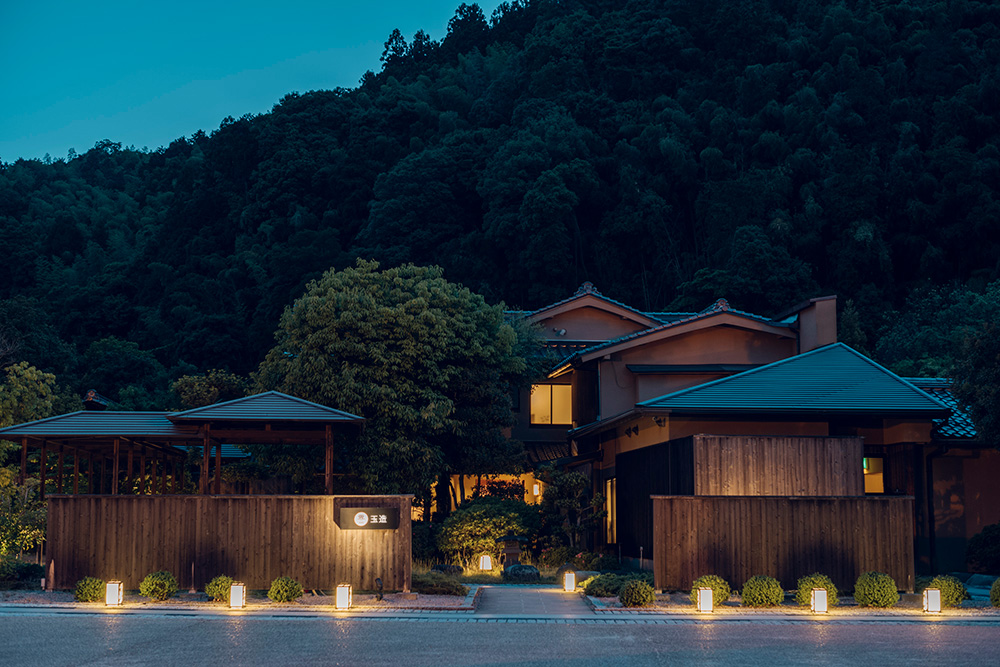
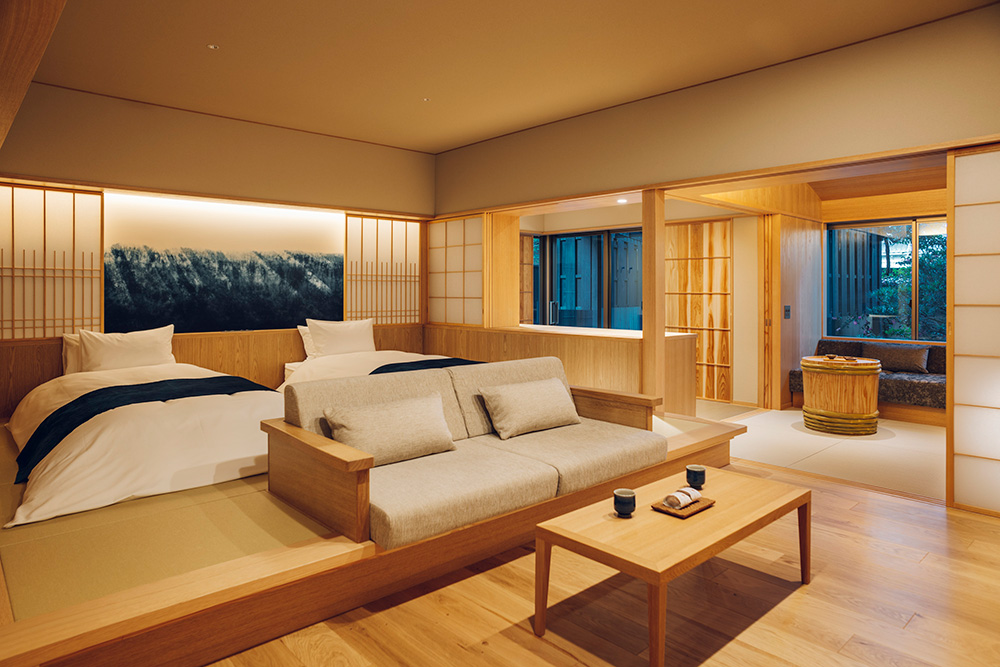
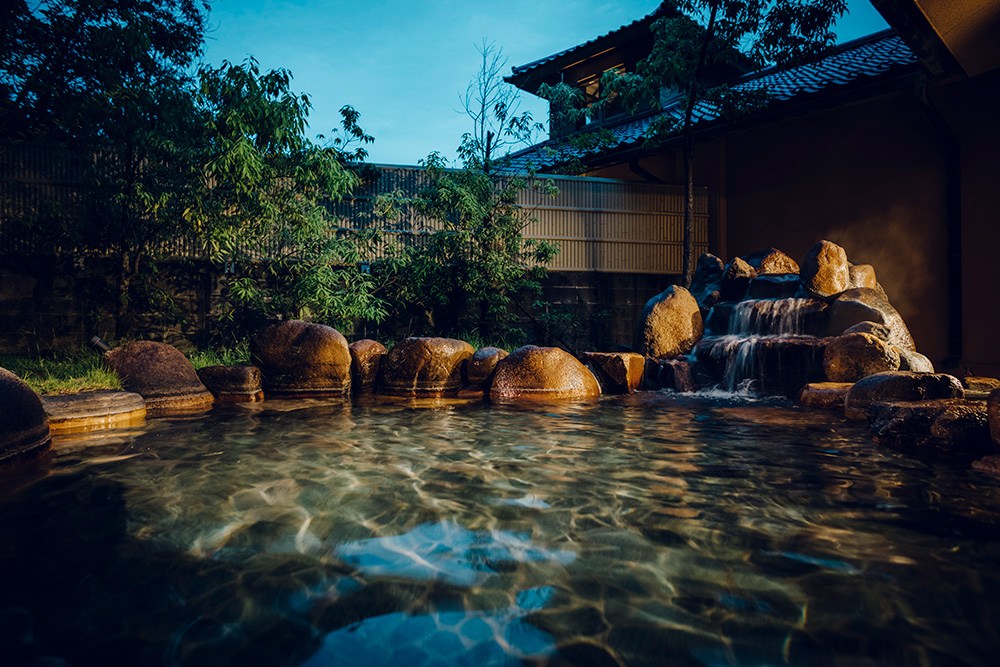
An inn where all guest rooms come with open-air baths, allowing you to enjoy "skin-beautifying" hot spring water. You can also enjoy Kagura performances and sake, which is said to have originated in Shimane.
Access About a 5-minute taxi ride from JR Tamatsukuri-Onsen Station
- Accommodation rate example
- Per person per night From ¥38,000
KAI Izumo
Izumo Hinomisaki Onsen, Shimane Prefecture
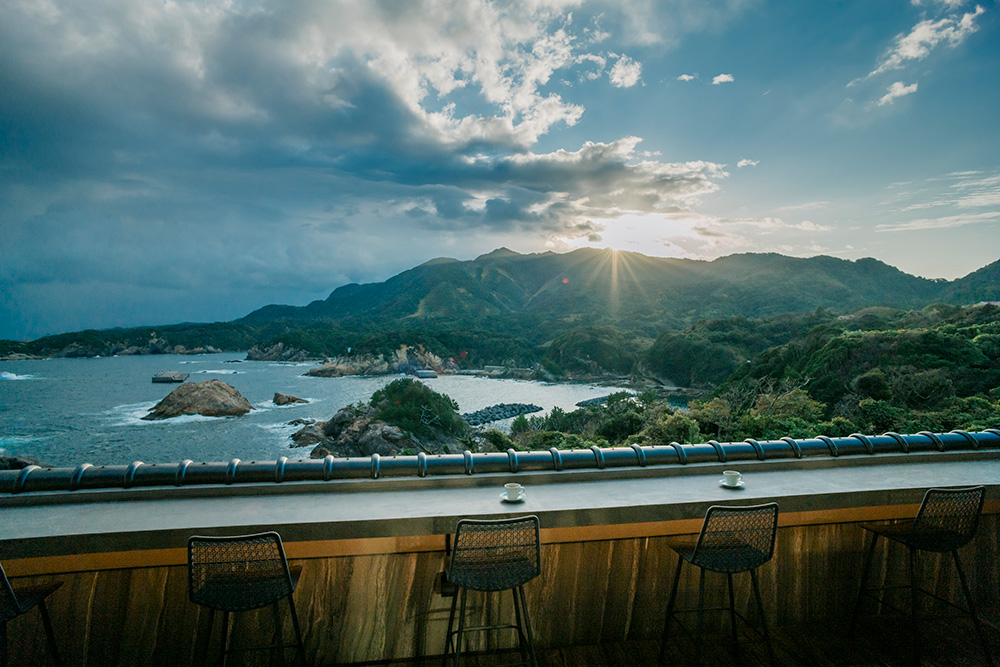
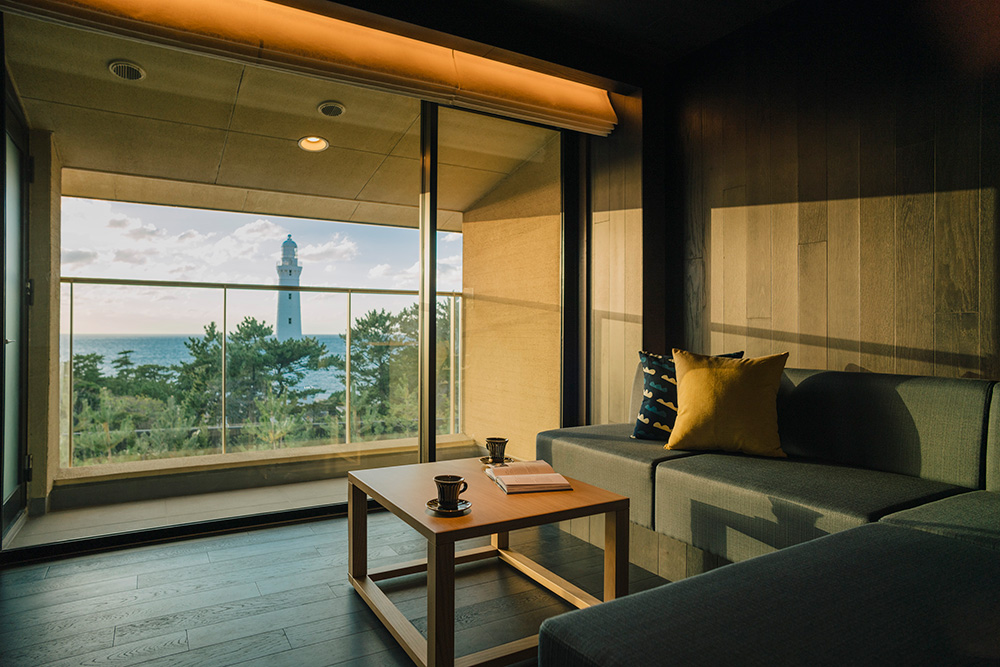
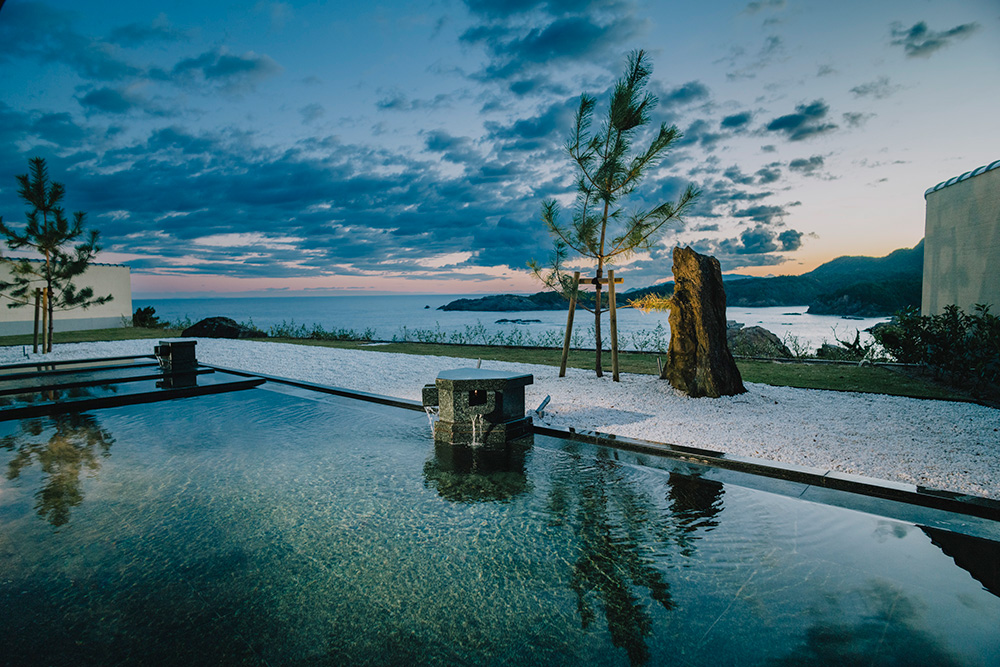
A hot spring inn located in Hinomisaki, where Izumo myths are deeply rooted. It is also conveniently located for visiting Izumo Taisha Shrine.
Access Take the Ichibata Bus from JR Izumoshi Station and get off at "Hinomisaki Todai," then walk for 1 minute
- Accommodation rate example
- Per person per night From ¥19,000