





[Shimonoseki] 6 Recommended Sightseeing Spots to Visit by Bus (No Car Required)
![[Shimonoseki] 6 Recommended Sightseeing Spots to Visit by Bus (No Car Required)](https://hoshinoresorts.com/guide/wp-content/uploads/2026/06/shimonoseki_kanko_main-1024x684.jpg)
Located at the westernmost tip of Yamaguchi Prefecture, Shimonoseki City has flourished as a port town since ancient times. It is also the site of the “Battle of Dan-no-Ura,” where the Genji clan defeated the Heishi clan, and the city is dotted with numerous landmarks and historic sites that convey this history.In addition, there are spots where you can experience and learn about Shimonoseki’s geography and history firsthand, such as the “Kanmon Tunnel,” which connects Honshu and Kyushu, and the “Karato Market,” known as one of Japan’s largest fugu (pufferfish) wholesale markets.
Since these attractions are concentrated in a compact area, one of the city’s major appeals is that you can comfortably explore them even without a car. In this article, we’ll introduce Shimonoseki’s tourist spots that have easy public transportation directions.
1Kanmon Tunnel Pedestrian Walkway
An undersea tunnel that allows you to walk from Shimonoseki to Moji Port
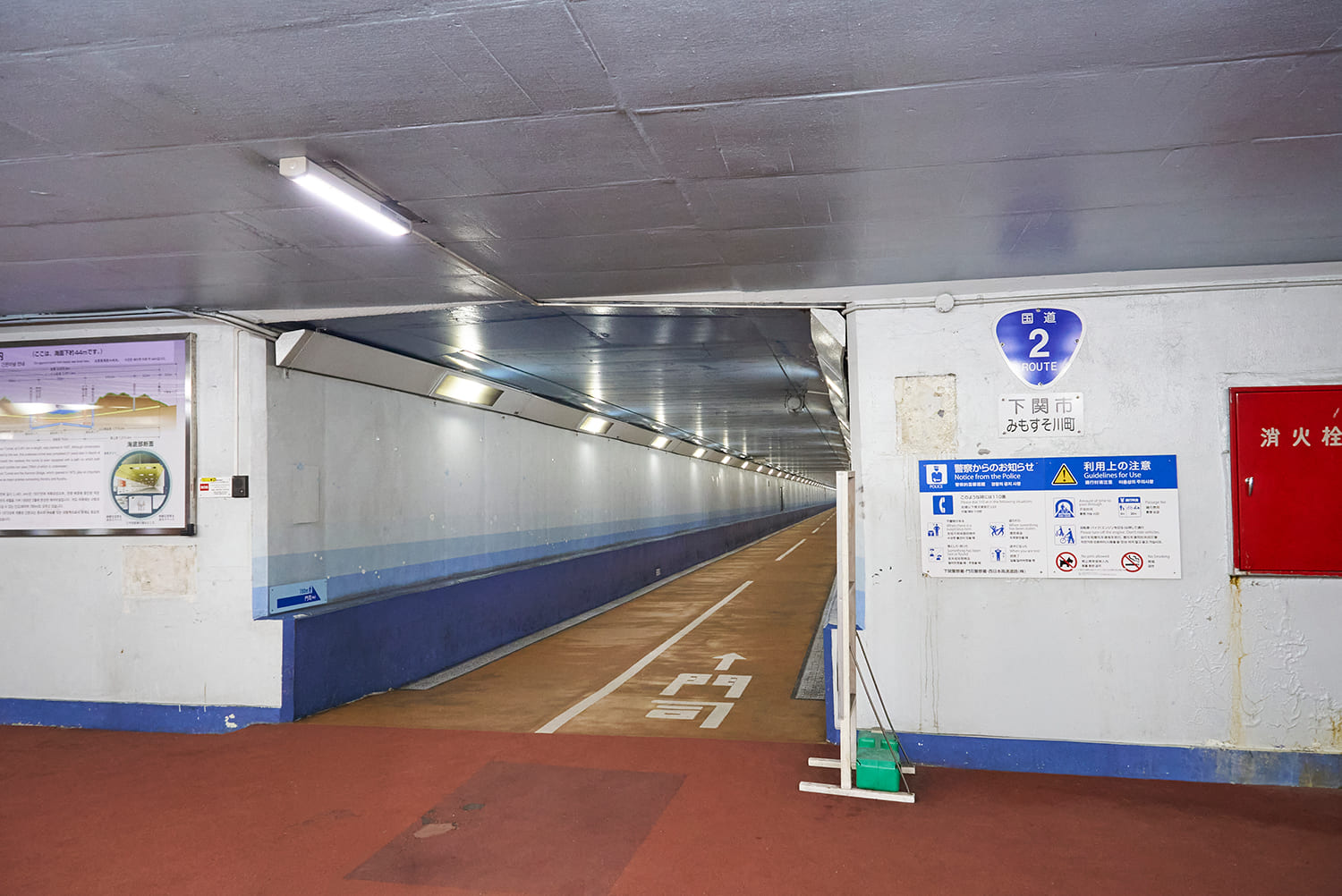
The Kanmon Tunnel, which connects Shimonoseki City in Yamaguchi Prefecture and Kitakyushu City in Fukuoka Prefecture, features a pedestrian tunnel that allows visitors to walk across the seabed of the Kanmon Strait. This tunnel, which is rare even on a global scale, is approximately 780 meters long and can be crossed on foot in just about 15 minutes.Bicycles and mopeds are also permitted, but riders must walk and push their vehicles while inside the tunnel.
In addition, the site features exhibits on the Kanmon Tunnel, attracting many travelers as a spot where they can experience the history of the Kanmon Strait firsthand.
A rare experience to cross a prefectural border in a single stride
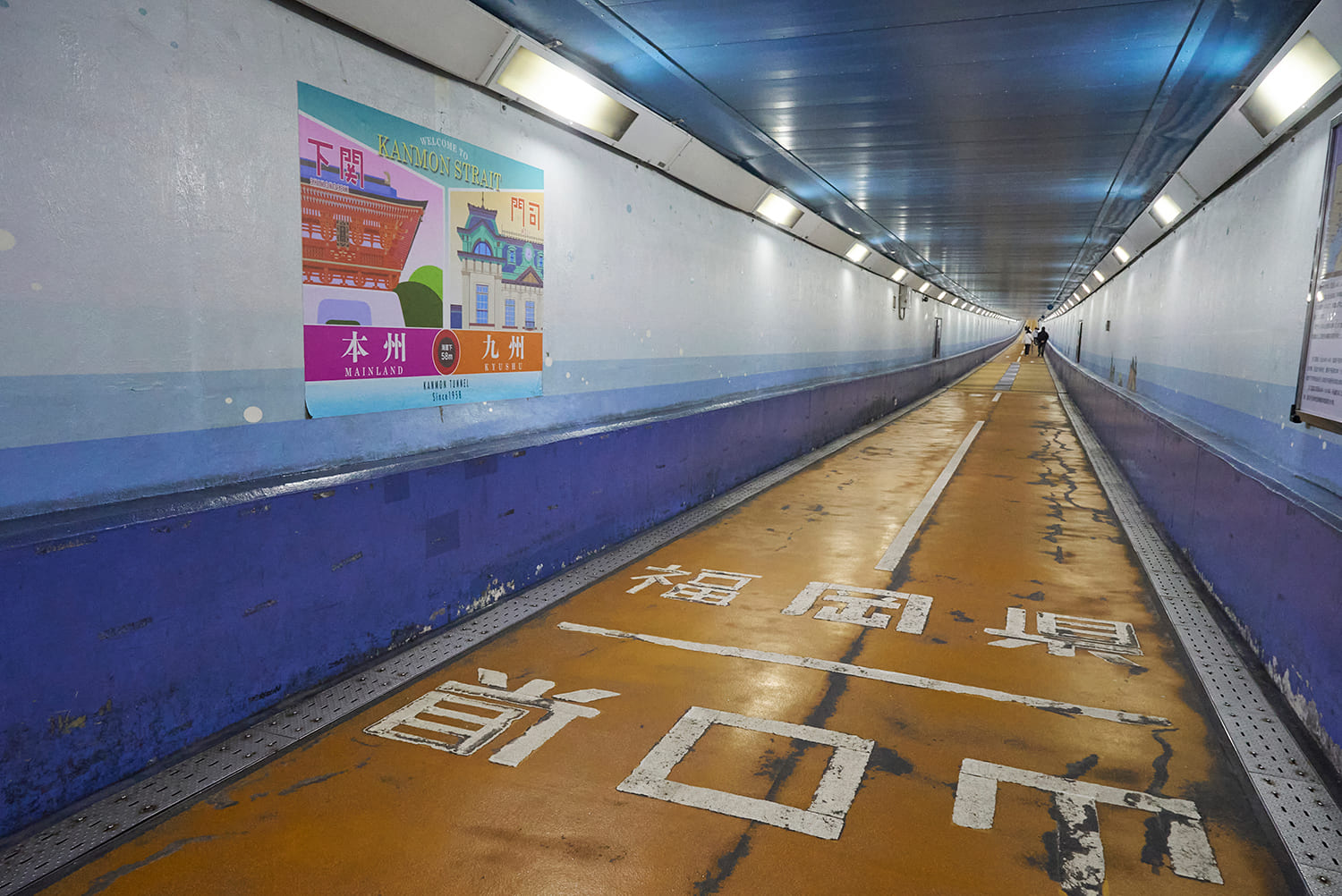
When you take the elevator down underground, the tunnel stretches out about 60 meters below sea level, allowing you to stroll through a quiet underwater space. The prefectural border between Yamaguchi and Fukuoka Prefectures lies near the center of the tunnel, offering the unique experience of straddling Honshu and Kyushu on foot. Since a prefectural border marker is installed there, it’s a great spot to take a commemorative photo.
In addition, commemorative stamps are available in the elevator lobbies on both the Shimonoseki and Moji sides. If you collect both stamps and bring them to the designated redemption location, you’ll receive a “Kanmon TOPPA! Commemorative Certificate.”

Local Guide
Supporters
Inside the tunnel, the humidity is high and there’s little airflow, so depending on the season, you might break a sweat while walking. It’s a good idea to bring a drink and a handkerchief to wipe away sweat.
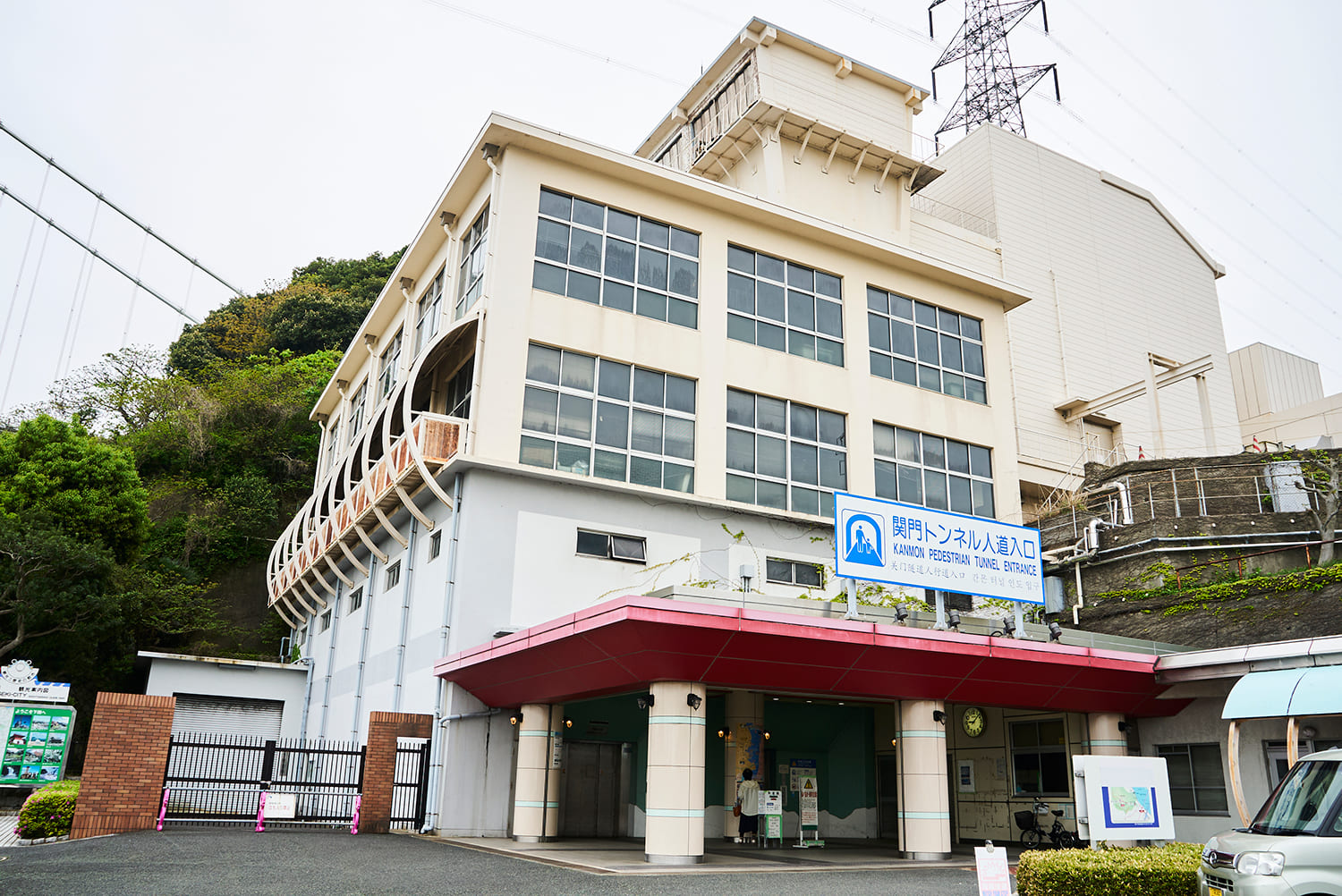
- Kanmon Tunnel Pedestrian Passage (Shimonoseki Entrance)
-
 22-34 Mimosugawa-cho, Shimonoseki City MAP
 Take a bus from JR Shimonoseki Station and get off at “Misogawa”; the site is right there
 6:00 a.m.–10:00 p.m.
 No holidays
 Free for pedestrians; 20 yen for bicycles and mopeds (50cc or less)
*Light vehicles must be pushed by hand 093-618-3141
 Free of charge
2Karato Market
“Shimonoseki’s Kitchen,” where you can savor exceptionally fresh, seasonal seafood
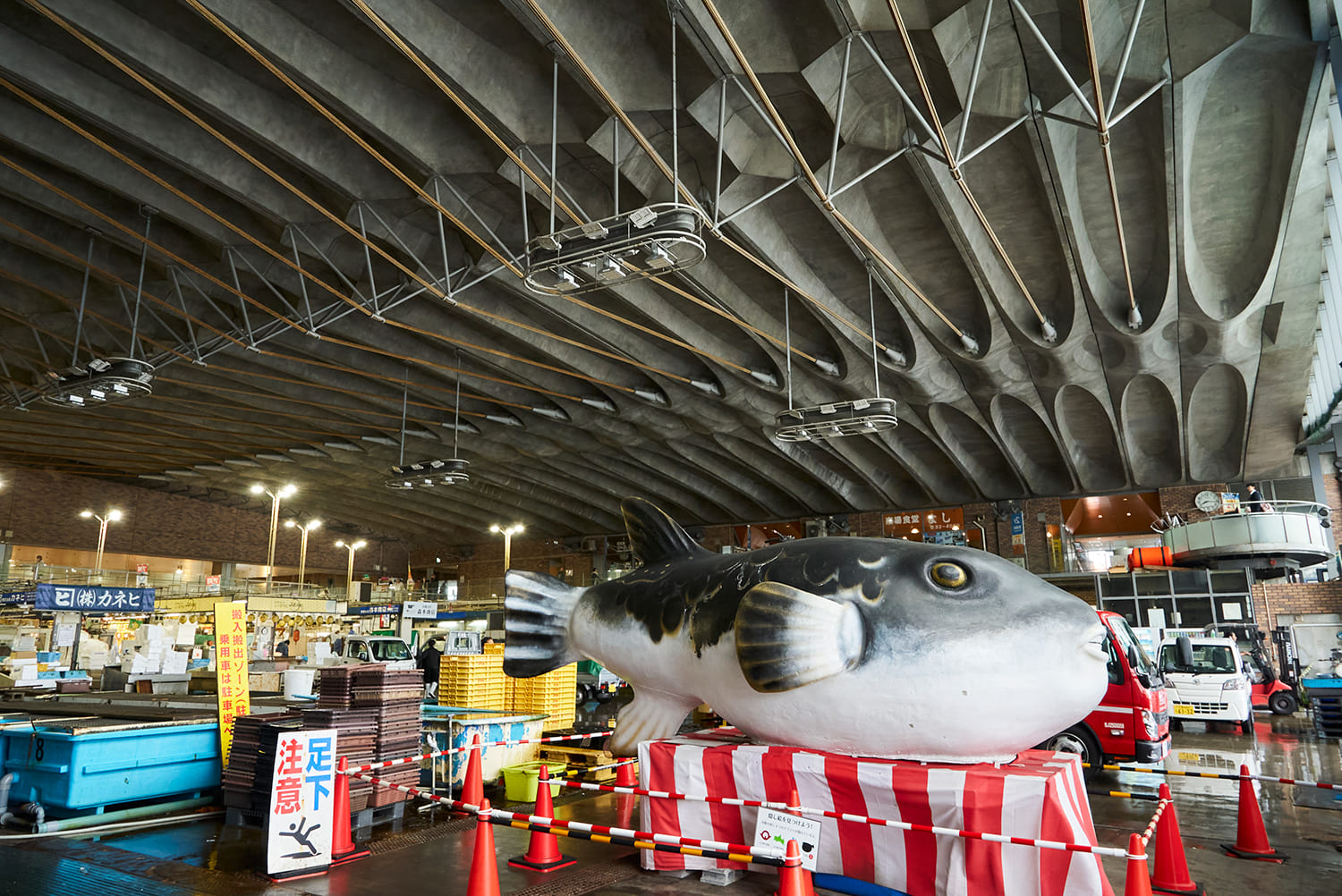
Taking advantage of Shimonoseki’s location—surrounded by the sea on three sides—this market features seafood landed at local fishing ports, including fugu (pufferfish), as well as seafood gathered from all over Japan. Seafood raised in the strong currents of the Kanmon Strait is characterized by its firm texture and exceptional freshness.
While the market primarily serves as a wholesale market for businesses from Monday through Thursday, the general public is also welcome to enter freely. Inside the market, you’ll find shops selling processed seafood products like kamaboko and local specialties from Yamaguchi, making it an ideal spot to pick up souvenirs. On the second floor, you’ll find eateries and sushi restaurants serving dishes made with fresh seafood.
On weekends and holidays, restaurants hold food events where each shop sells sushi
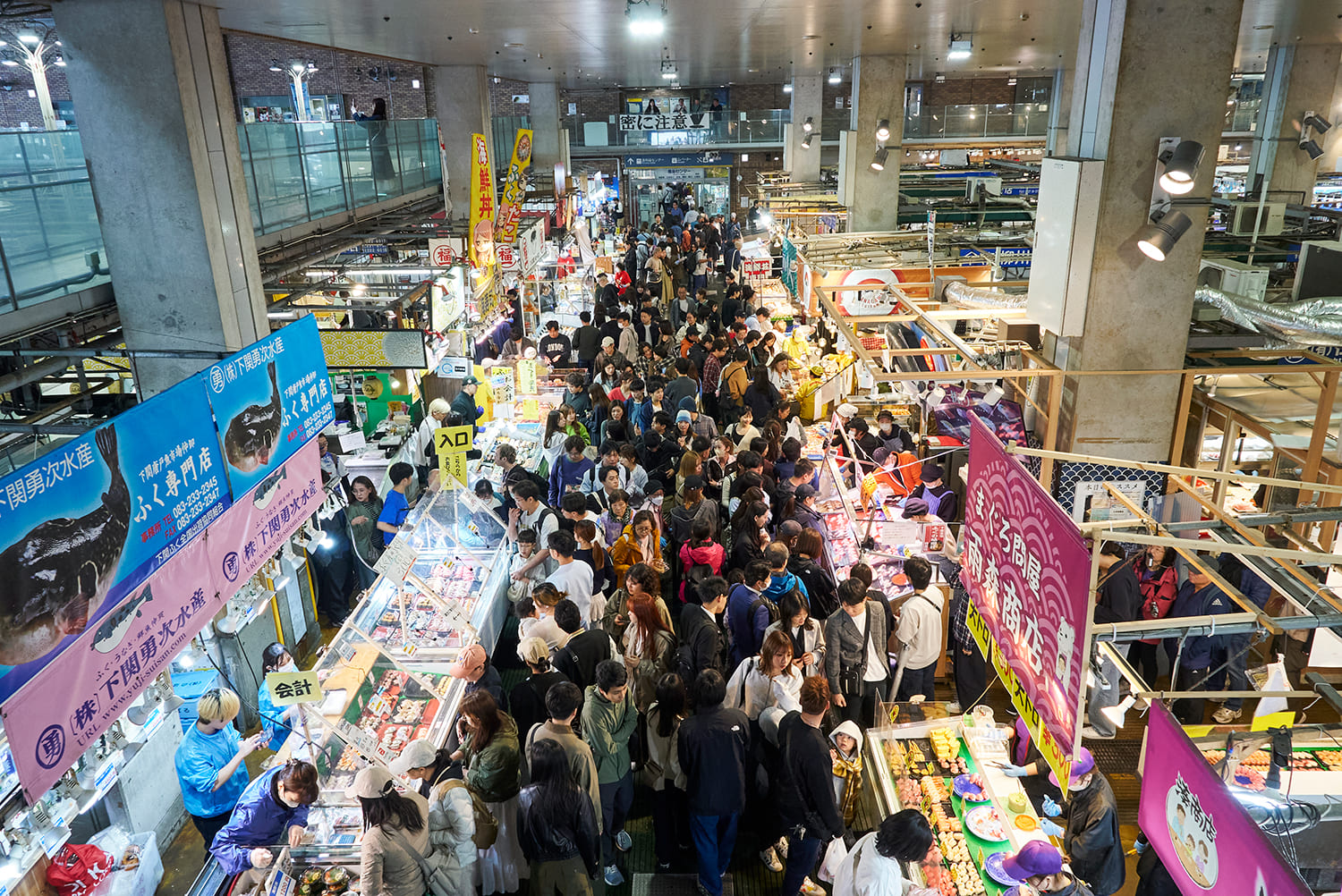
On weekends and holidays, the market hosts the “Iki-Iki Bakkan Street” food festival, where participating shops offer nigiri sushi, deep-fried fish, and other delicacies. It’s a great place to enjoy casual street food. Outside the market, there’s a wooden deck and a grassy plaza, so we recommend taking your time to enjoy a meal while gazing out at the Kanmon Strait.
On weekdays, many shops close by mid-morning. On weekends and holidays, lines can form before opening at some shops, so it’s a good idea to check the business hours of the shops you want to visit in advance.
Local Guide
Supporters
At “Iki-Iki Bakkan Street,” you can enjoy rare seafood unique to Shimonoseki—such as pufferfish, whale, and monkfish—at reasonable prices. Since the area is bustling with tourists, it’s best to visit in light, comfortable clothing.
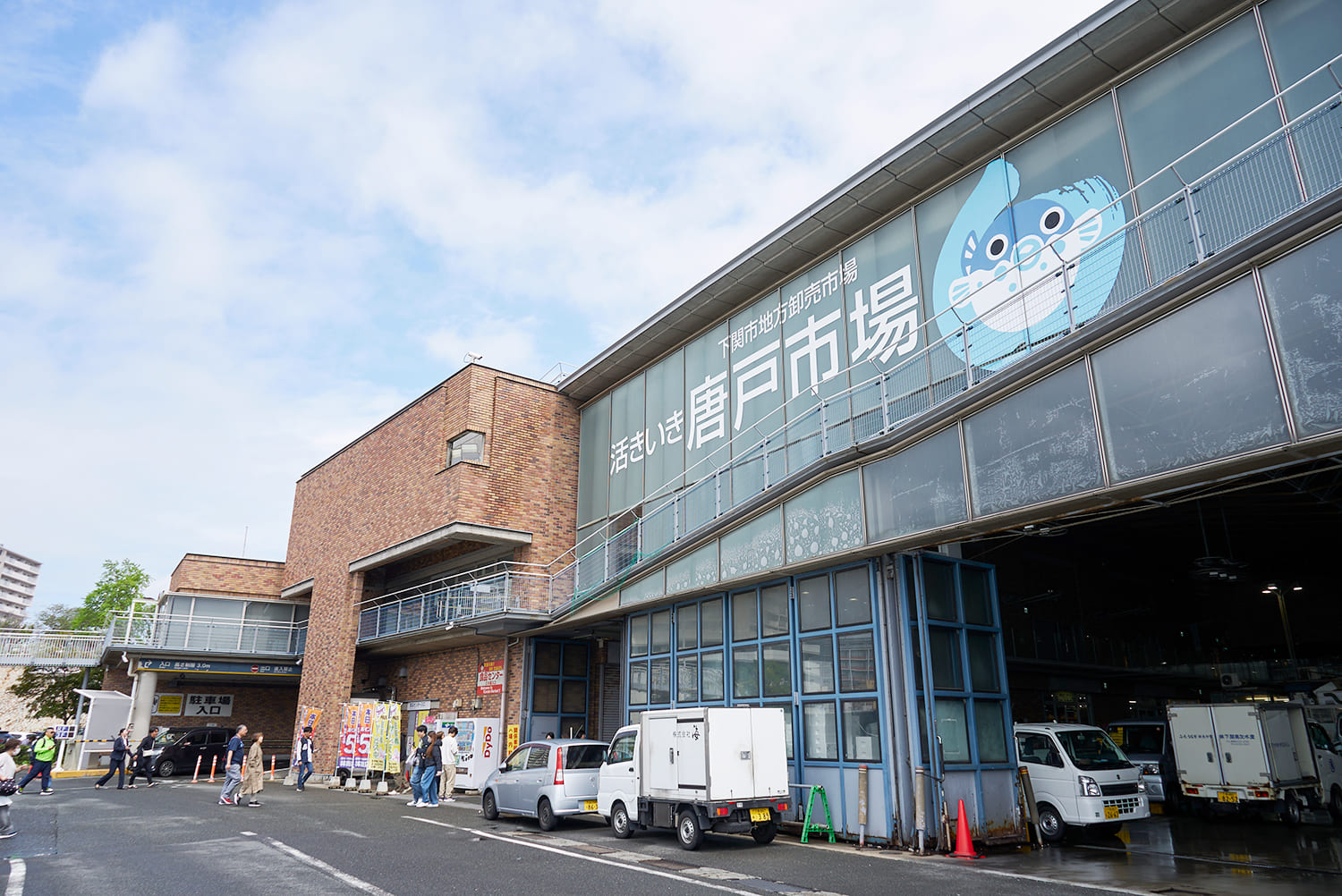
- Karato Market
-
- 5-50 Karato-cho, Shimonoseki City, Yamaguchi Prefecture MAP
- Take the bus from JR Shimonoseki Station and get off at the “Karato” stop—it’s right there
- Monday–Saturday 5:00 AM–3:00 PM; Sundays and holidays 8:00 AM–3:00 PM
*“Iki-Iki Bakkan-gai” (sushi event) is held Fridays and Saturdays from 9:00 AM to 3:00 PM, and Sundays and holidays from 8:00 AM to 3:00 PM - Irregular schedule (please check the Karato Market website)
- 083-231-0001
- Charged
3Akama Shrine
A shrine symbolized by its vivid vermilion Suitenmon Gate
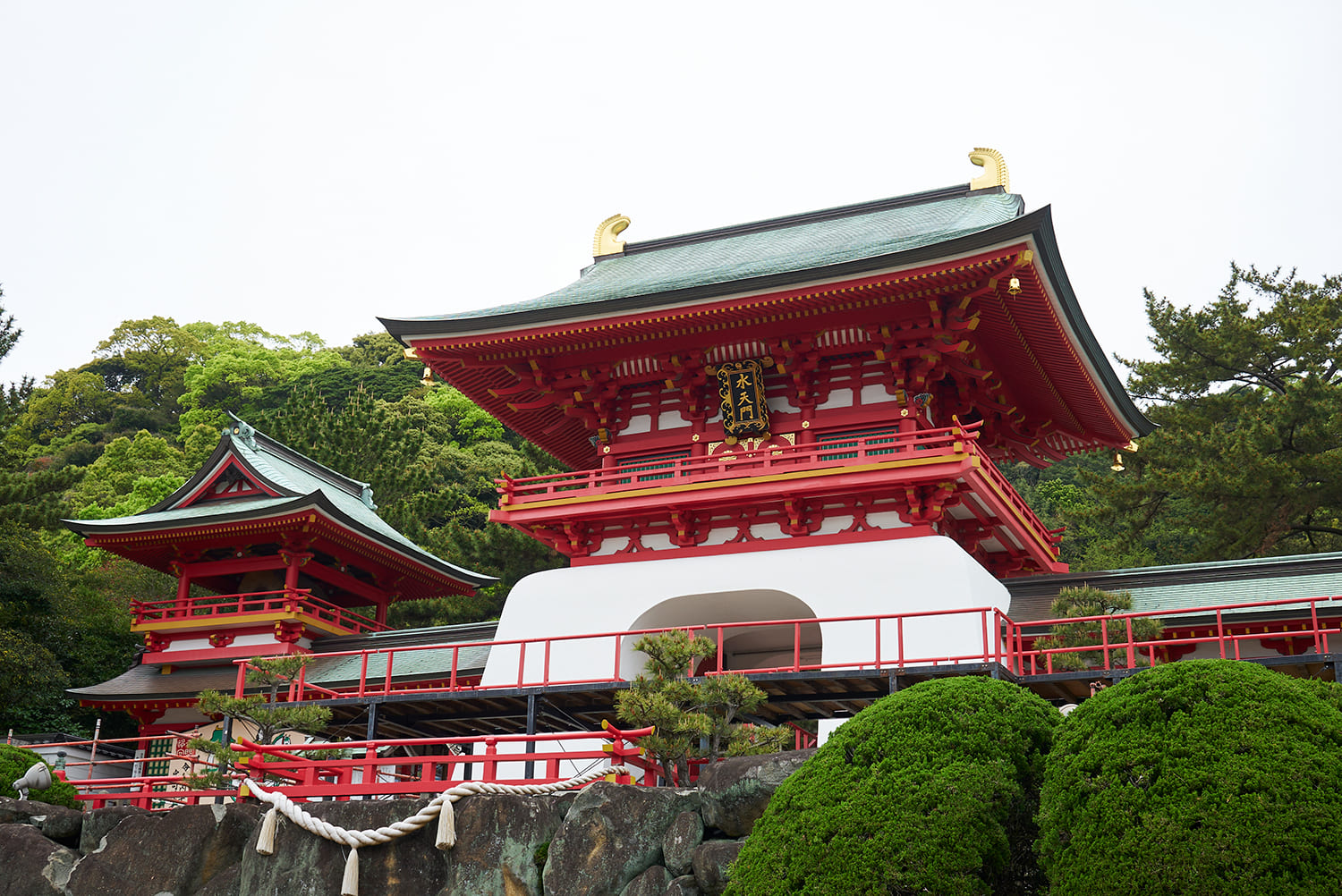
This shrine enshrines Emperor Antoku, who ascended to the throne at the age of one and died at the Battle of Dan-no-Ura in 1185 (the first year of the Bunji era) at the age of just eight—making him the youngest emperor in Japanese history to pass away.Because of its deep connection to water—reflecting Emperor Antoku’s suicide by drowning at Dan-no-Ura—the shrine is believed to offer blessings for maritime safety and protection from water-related disasters, and it has gained attention as a “power spot.”
The “Suitenmon” gate, characterized by its vermilion lacquer and Ryūgū-style architecture, is illuminated every day from sunset until midnight. The fantastical sight of the vermilion color glowing against the darkness captivates visitors.
A site associated with *The Tale of the Heike*. The spirits of the Heike clan rest within the shrine grounds
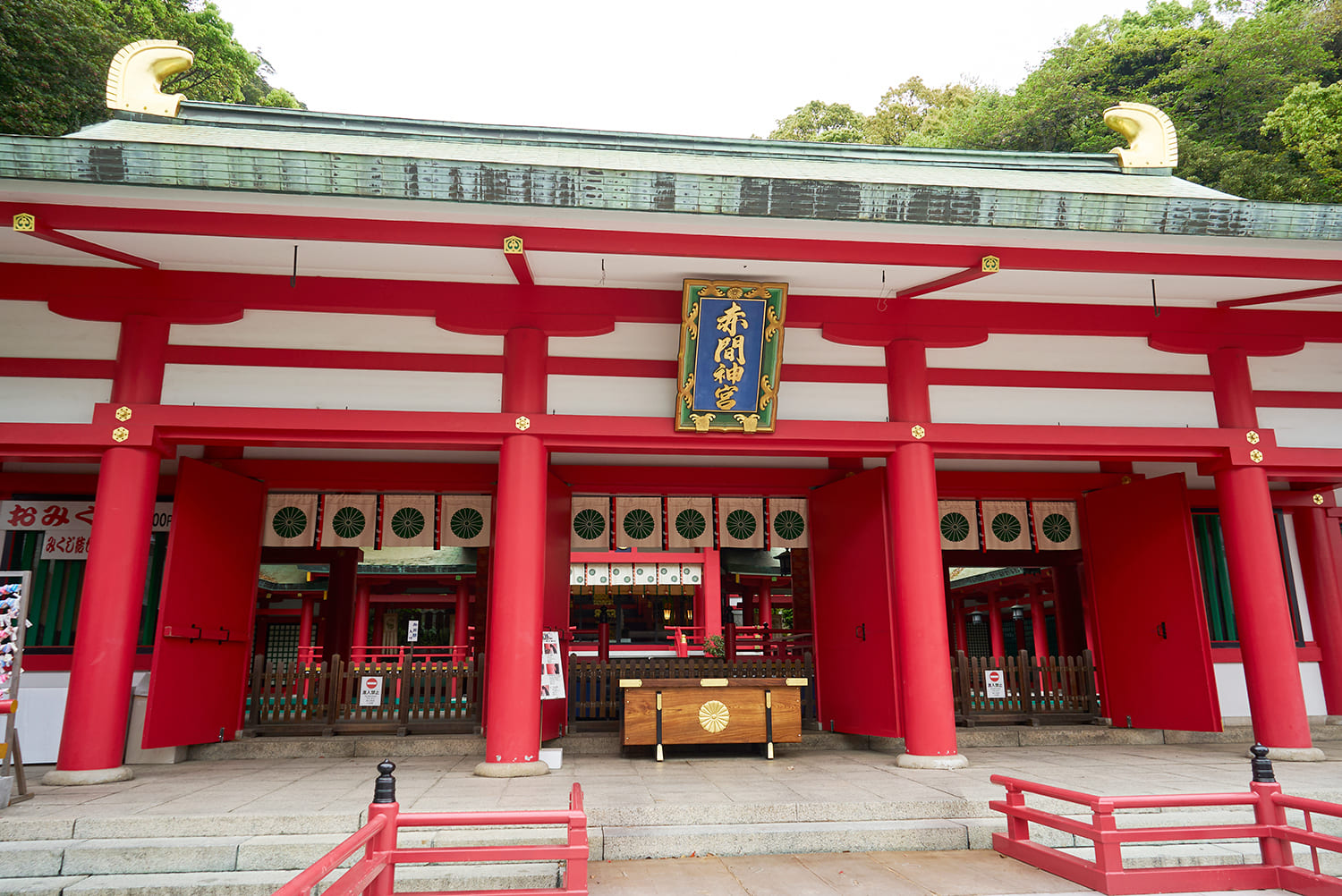
Within the shrine grounds are the “Nanamorizuka” mounds, which enshrine Taira no Tomomori and other Taira clan warriors, as well as the “Miminashi Hoichi Hall,” which houses a wooden statue of Miminashi Hoichi, the biwa minstrel who recounted the Battle of Dan-no-ura.Every year on July 15, the “Miminashi Hōichi Festival” is held. In addition to Shinto rituals performed in front of the Miminashi Hōichi Hall and the “Nanamorizuka” (the graves of the Taira clan), biwa musicians offer dedicatory performances.
Furthermore, every May, the “Sentei Festival” is held over three days to mark the anniversary of Emperor Antoku’s death. The “Jōro Dōchū,” in which courtesans dressed in lavish kimonos pay their respects, is a particularly notable event within the festival.
Local Guide
Supporters
This is a beautiful shrine painted in a vivid vermilion color. You can pay your respects while reflecting on the history surrounding Emperor Antoku and the Taira clan, who were defeated in the Battle of Dan-no-ura.
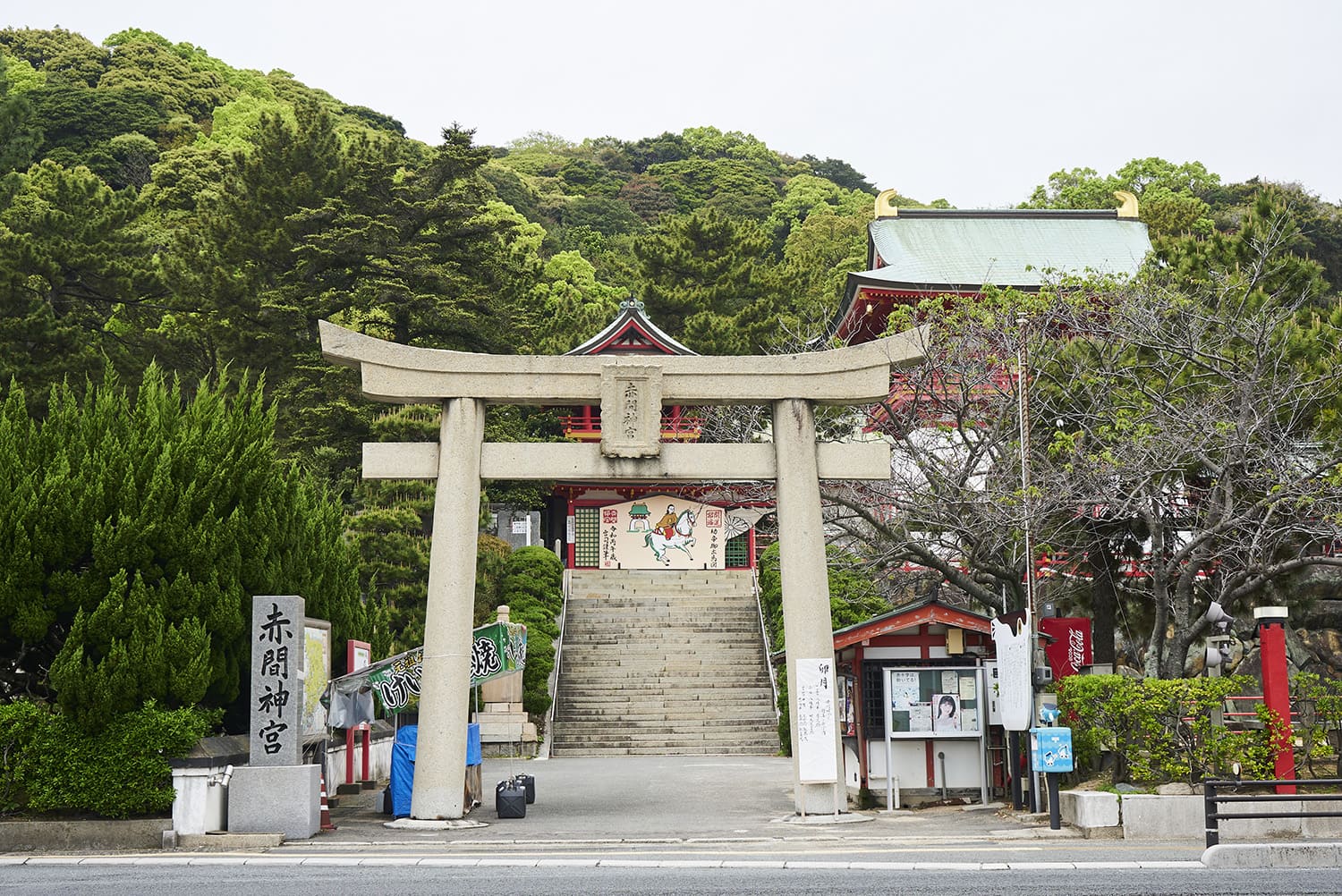
- Akama Shrine
-
- 4-1 Amida-ji-cho, Shimonoseki City, Yamaguchi Prefecture MAP
- Take a bus from JR Shimonoseki Station and get off at “Akama Jingu-mae”; the venue is right there
- 9:00-17:00
- No holidays
- 083-231-4138
- Free of charge
4Former British Consulate in Shimonoseki
A red-brick Western-style building standing in this seaside town. It is the oldest surviving consulate building in Shimonoseki
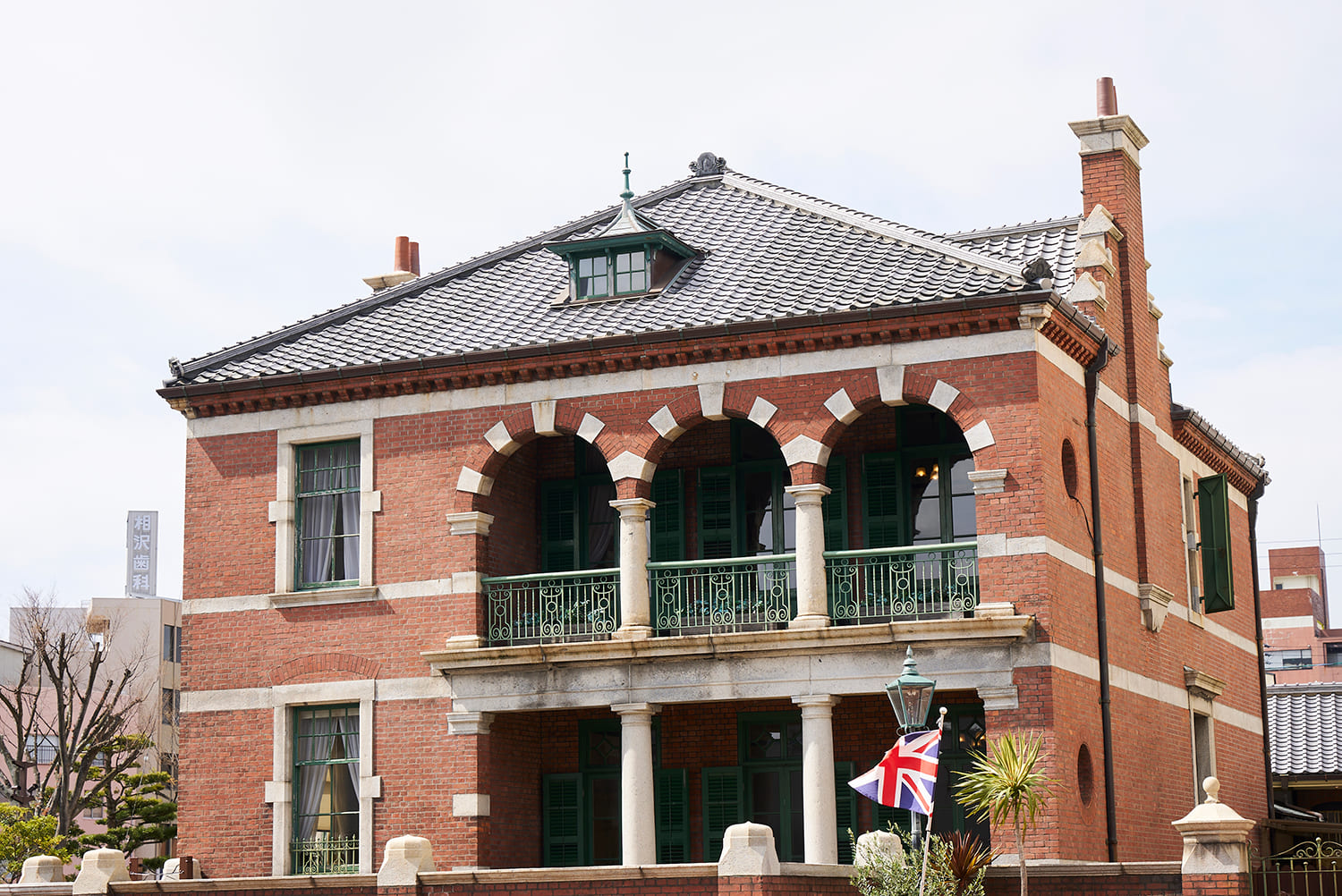
In the latter half of the Meiji era, following a proposal by Ernest Satō, the British Ambassador to Japan, to his home country, a British consulate was established in Shimonoseki, which served as a hub for diplomacy, economy, and transportation in western Japan.Initially, a traditional Japanese house was used, but as consular duties expanded, the current Western-style building was constructed in 1906 (Meiji 39).
Designated as an Important Cultural Property, this building is the oldest surviving consulate building in Japan. The layout and structure of the building reflect characteristics unique to consulates, and it is highly regarded as a valuable architectural example representative of diplomatic properties from the Meiji period.
In addition to an exhibition of historical artifacts, the main building also features a café and a gift shop
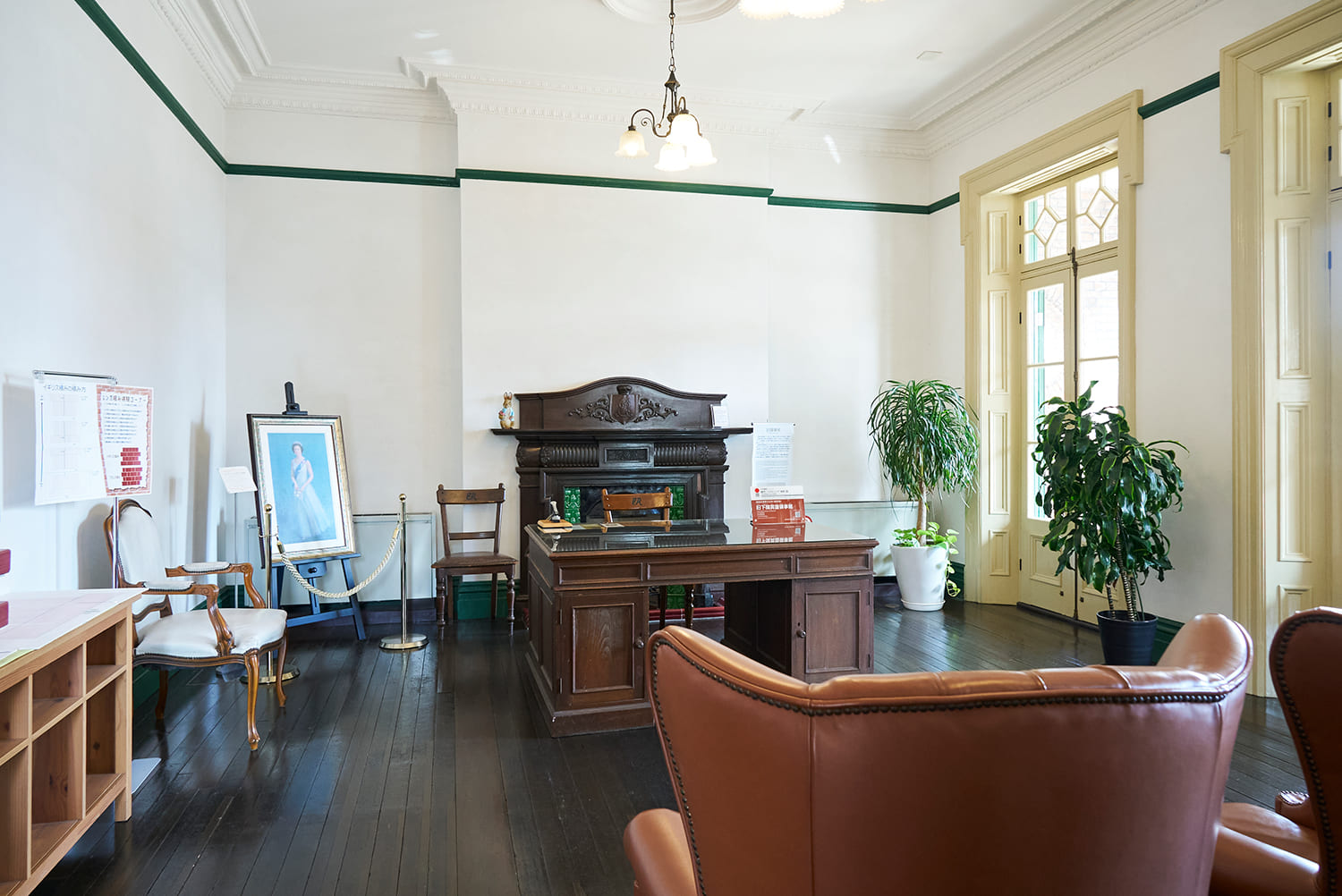
On the first floor of the main building, visitors can take commemorative photos in the former Consul’s Office and view exhibits in the former Maritime Superintendent’s Office. There is also a shop on-site that sells merchandise featuring the official mascot, “Peter Rabbit™,” as well as original products available exclusively here.
The bedrooms and living room on the second floor are currently used as the “tearoom Liz,” where visitors can enjoy the original Peter Rabbit™ afternoon tea paired with black tea made from carefully selected tea leaves. Why not spend an elegant tea time in this space brimming with British charm?
Local Guide
Supporters
The annex located north of the main building was once used as a kitchen, servants’ quarters, a coal storage room, and a restroom. Today, it serves as a gallery hosting various exhibitions and events.
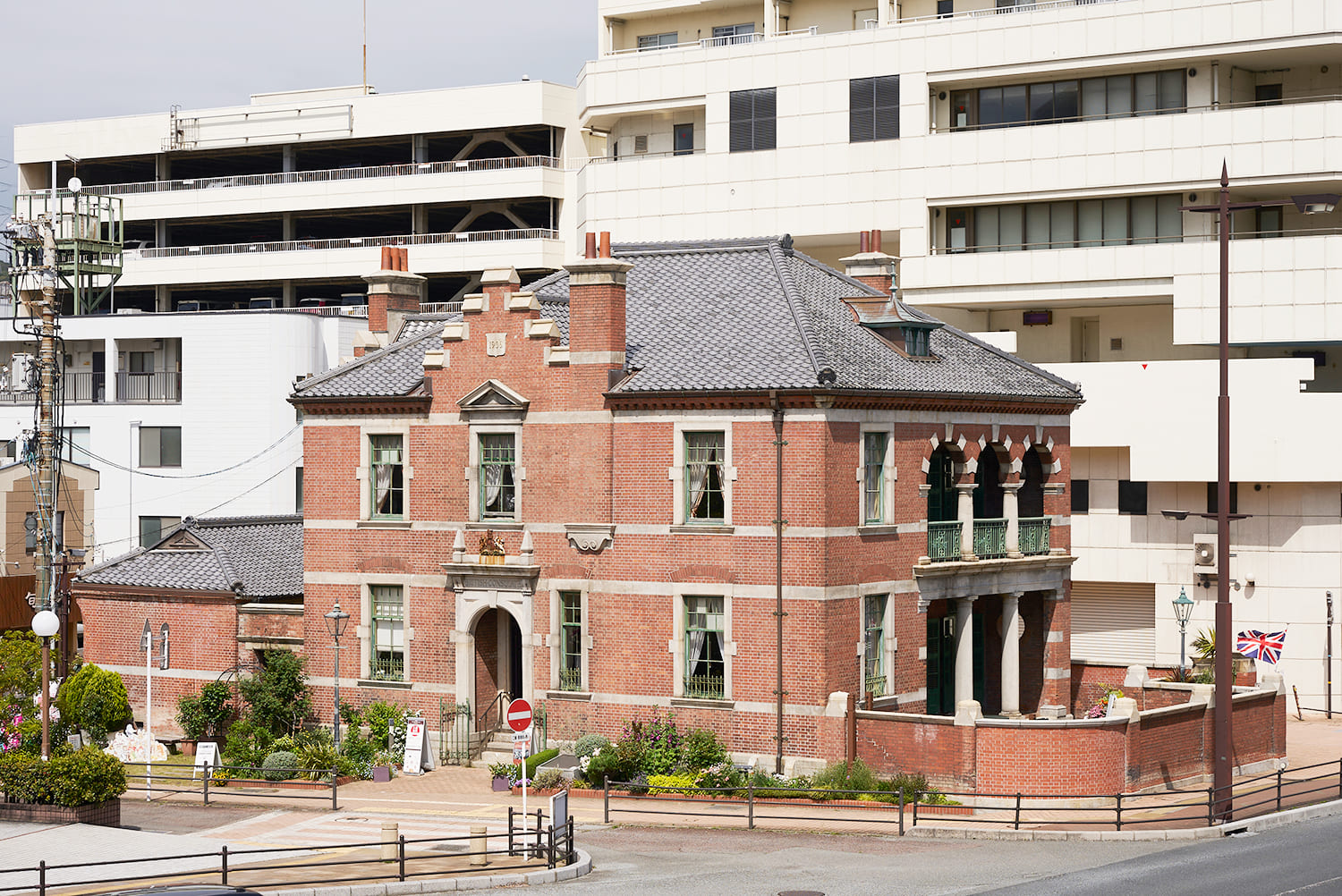
- Former British Consulate in Shimonoseki
-
- 4-11 Karato-cho, Shimonoseki City, Yamaguchi Prefecture MAP
- Take the bus from JR Shimonoseki Station and get off at “Karato”; it’s right there
- 9:00 AM–5:00 PM (Tea Room Liz: 10:00 AM–5:00 PM)
- Tuesdays, Year-end and New Year holidays
- Free of charge
- 083-235-1906
- None (1 space for people with disabilities)
5Kameyama Hachiman Shrine
A historic shrine beloved as the “guardian deity of Shimonoseki”
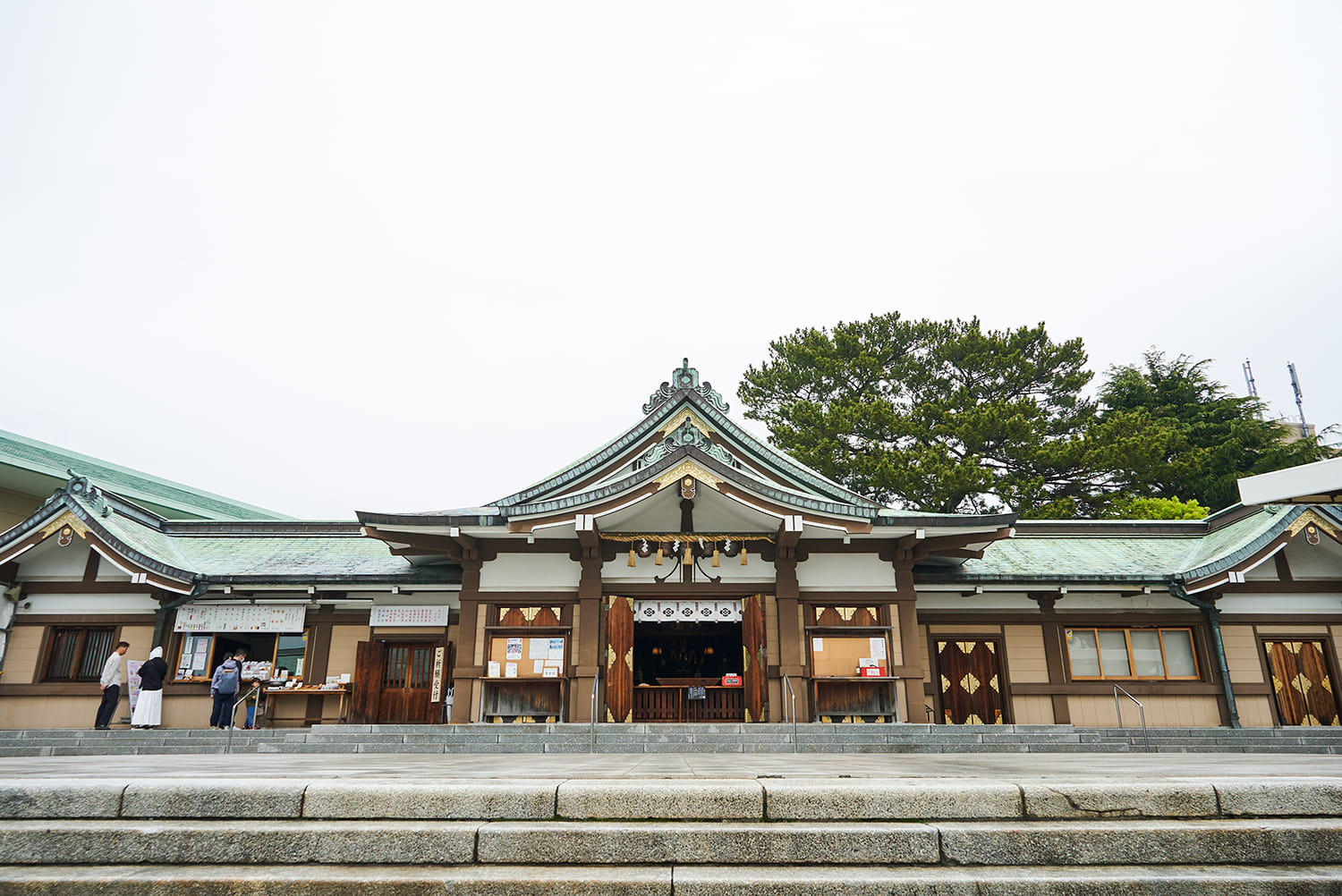
This shrine is affectionately known by locals as the “guardian deity of Seki.” Its origins date back to 859 (the first year of the Jōgan era) during the Heian period, when a deity was enshrined here from Usa Jingu in Oita Prefecture.
There are several theories regarding the origin of the name “Kameyama.” One suggests that the land where Hachiman Shrine stands was once an island shaped like a turtle, while another notes that the mountain where the Hachiman deity of Usa was enshrined was called Kameyama.
The enshrined deities are four: Emperor Ōjin, Emperor Chūai, Empress Jingū, and Emperor Nintoku. Among them, Emperor Ōjin is known as the god of military fortune and is believed to grant blessings for career advancement and certain victory.
Don’t miss the various historical highlights and the “Fuku” good-luck charms
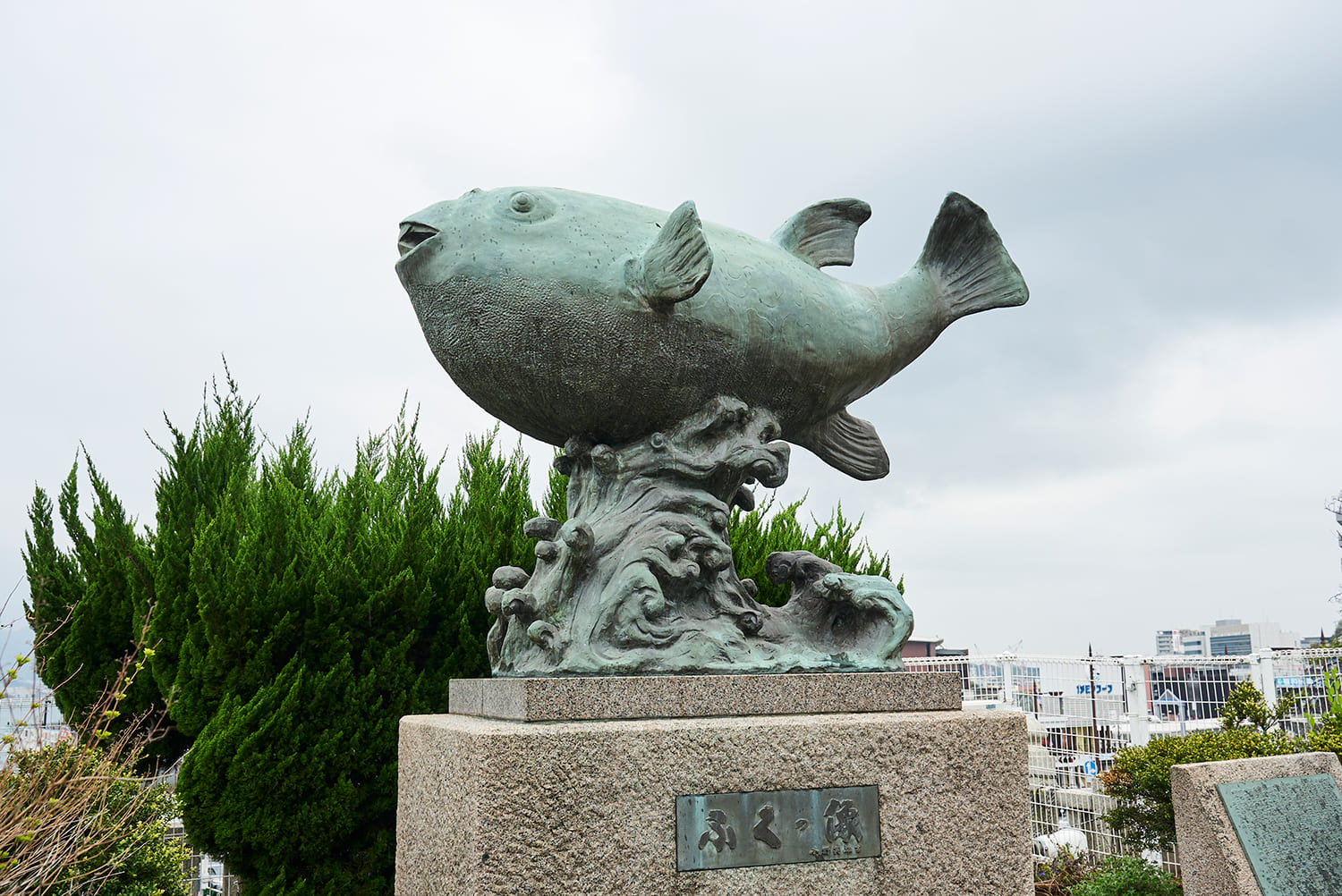
The shrine grounds offer many attractions, including views of the Kanmon Strait from a hilltop and the “Fuku Statue,” which is so lifelike it looks as if it might dive into the sea at any moment. The area is also dotted with historical sites, such as a monument to Fumiko Hayashi, a novelist from Shimonoseki, and the ruins of the Kameyama Battery.
Popular souvenirs include “Fuku”-themed amulets, fortune slips, and ema (votive tablets). Each item features a charming design, and if you take one home as a memento of your trip, it’s sure to bring you happiness.
Local Guide
Supporters
Be sure to look for the unique monuments on the grounds, such as the “Birthplace of the Barber’s Trade Monument” and the “Sea Urchin Monument,” which preserves the culture of Shimonoseki’s famous sea urchin specialty.
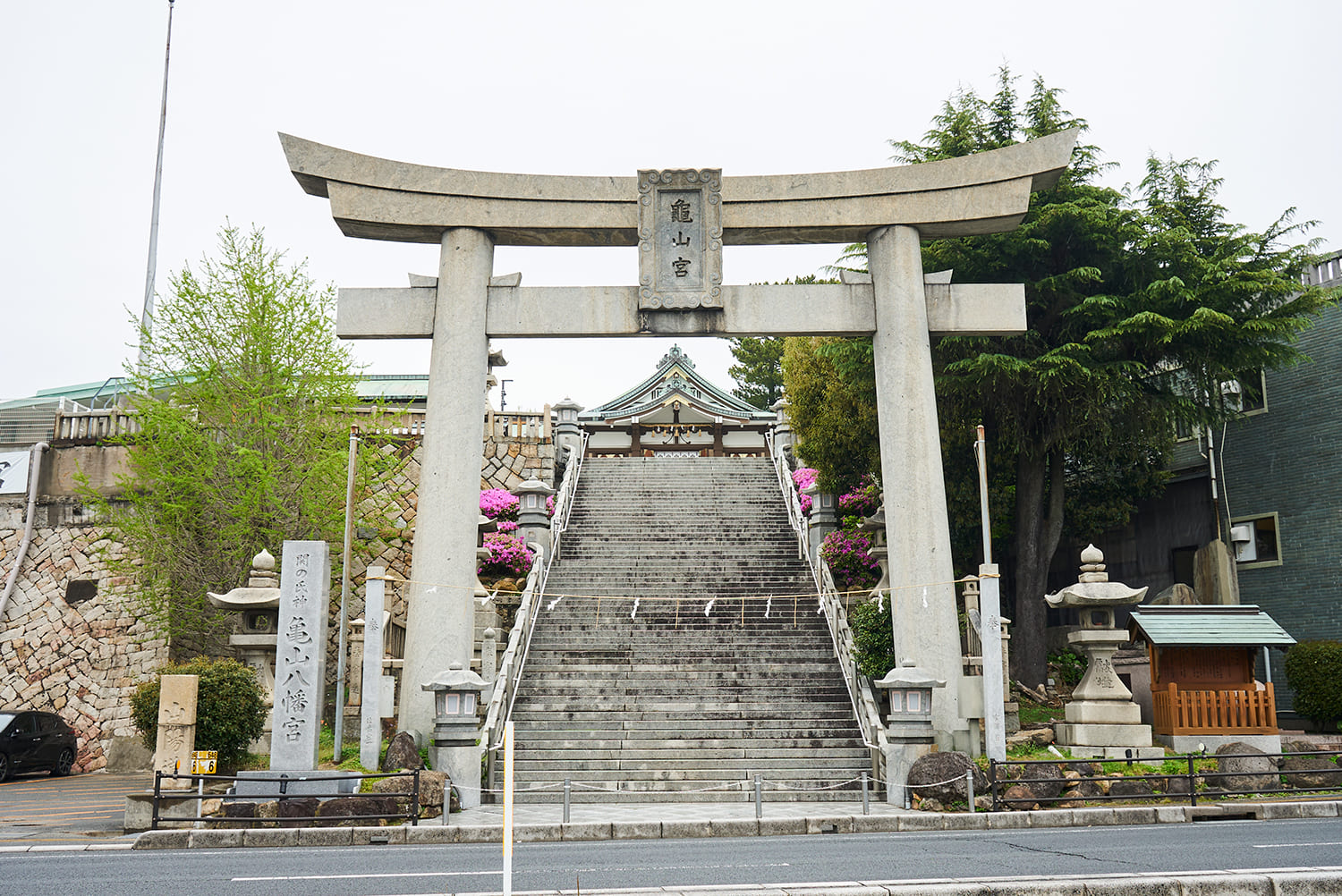
- Kameyama Hachiman Shrine
-
- 1-1 Nakanomachi, Shimonoseki City, Yamaguchi Prefecture MAP
- Take the bus from JR Shimonoseki Station and get off at “Karato”; it’s about a 4-minute walk from there
- 9:00-18:00
- No holidays
- 083-231-1323
- Free of charge
6Chofu Castle Town
A castle town brimming with the historical atmosphere of the Edo period through the end of the shogunate
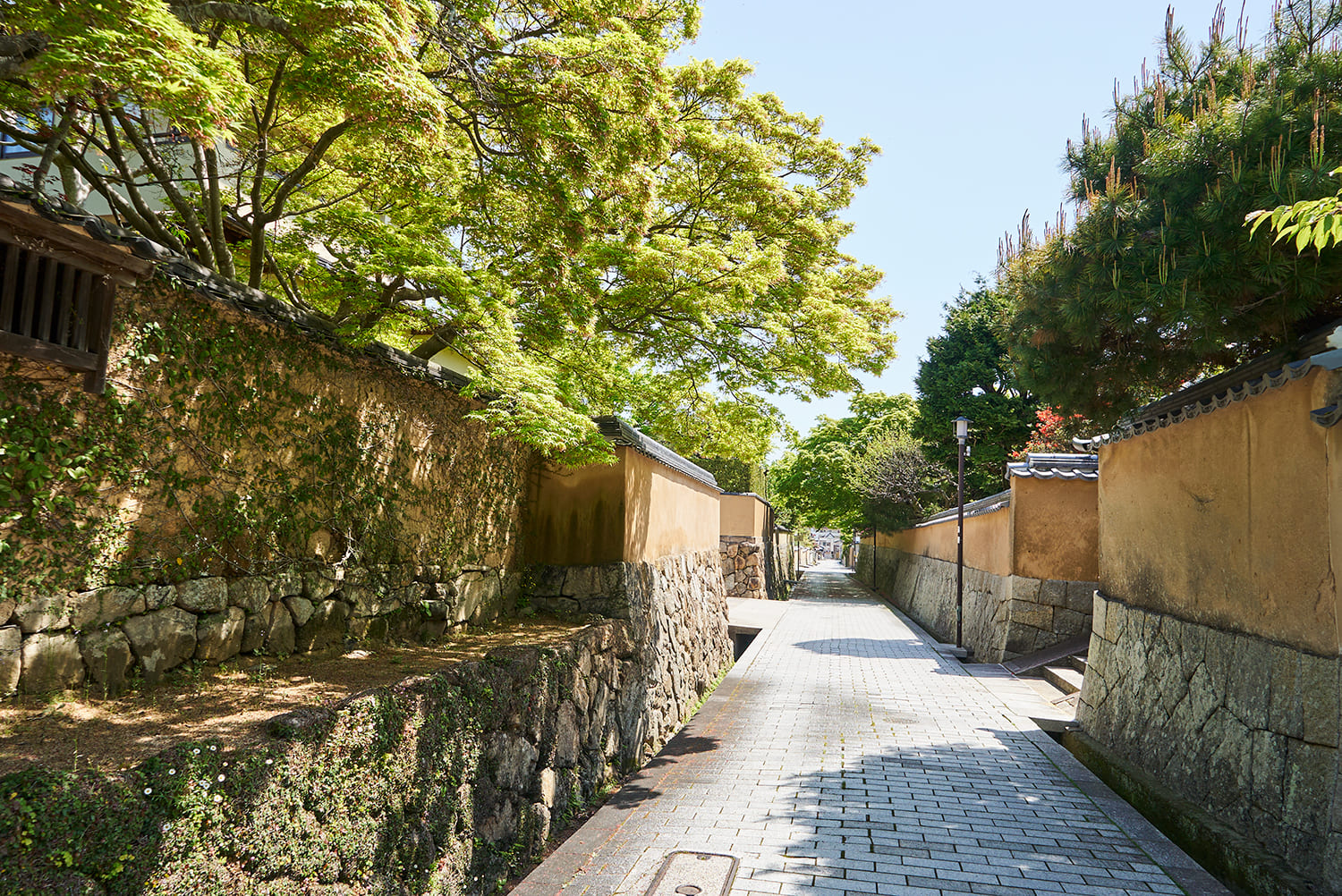
Located about a 20-minute bus ride from Shimonoseki Station, Chofu features a quiet townscape steeped in history.A samurai town that served as the base for the Chōfu Domain—a branch of the Chōshū Domain—after the Battle of Sekigahara, it is dotted with spots that history buffs will find irresistible, such as the “Chōfu Mōri Residence,” which features a traditional Japanese garden, and “Kōzan-ji Temple,” known as the site where Shinsaku Takasugi raised his army and launched his uprising against the shogunate.
A stroll down “Furué Shōji,” lined with Edo-period earthen walls and stone retaining walls, lets you sense the atmosphere of the town’s heyday as a castle town and experience a feeling as if you’ve slipped back in time.
Stylish cafes and antique shops are dotted throughout the area
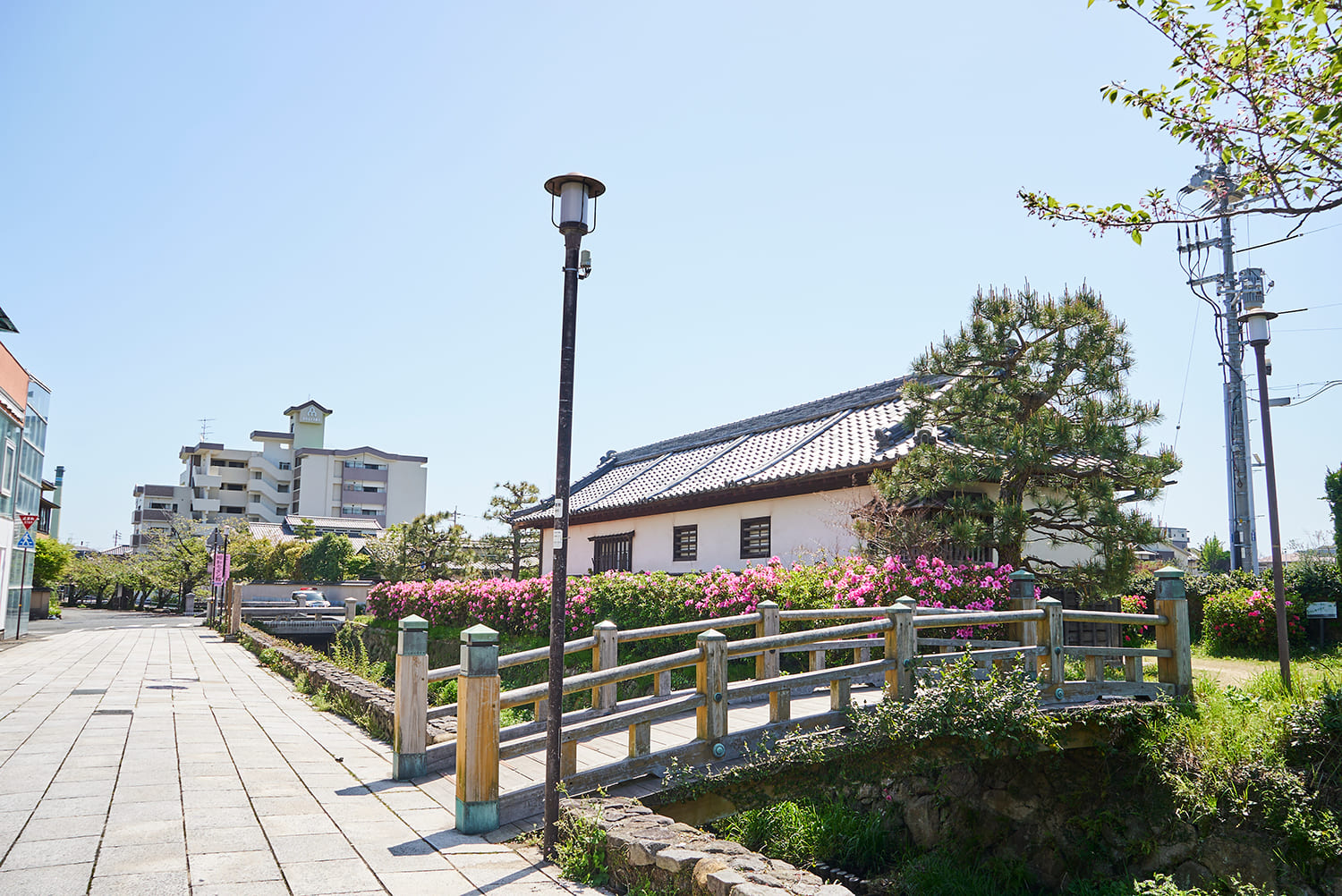
Near the Dangu River, where ducks and carp swim leisurely, you’ll find the “Chōfu Domain Samurai Residences.” Currently open to the public free of charge as a rest area, the lattice windows in the communal rooms offer a glimpse into the lives of high-ranking domain samurai from that era.
In addition to these valuable historical sites, there are also stylish shops such as cafes housed in traditional Japanese homes and antique shops, so you can enjoy shopping while strolling through the town. Near the bus stop, you’ll find the “Chōfu Tourism Hall Store,” which offers a wide selection of souvenirs from Yamaguchi Prefecture, as well as a select shop, making it convenient to pick up souvenirs on your way home.
Local Guide
Supporters
If you’d like to learn more about Shimonoseki’s history, you might also want to visit the “Shimonoseki City Museum of History,” which houses and displays a collection centered on artifacts from the Chōfu Mōri clan and materials from the Bakumatsu and Meiji Restoration periods.
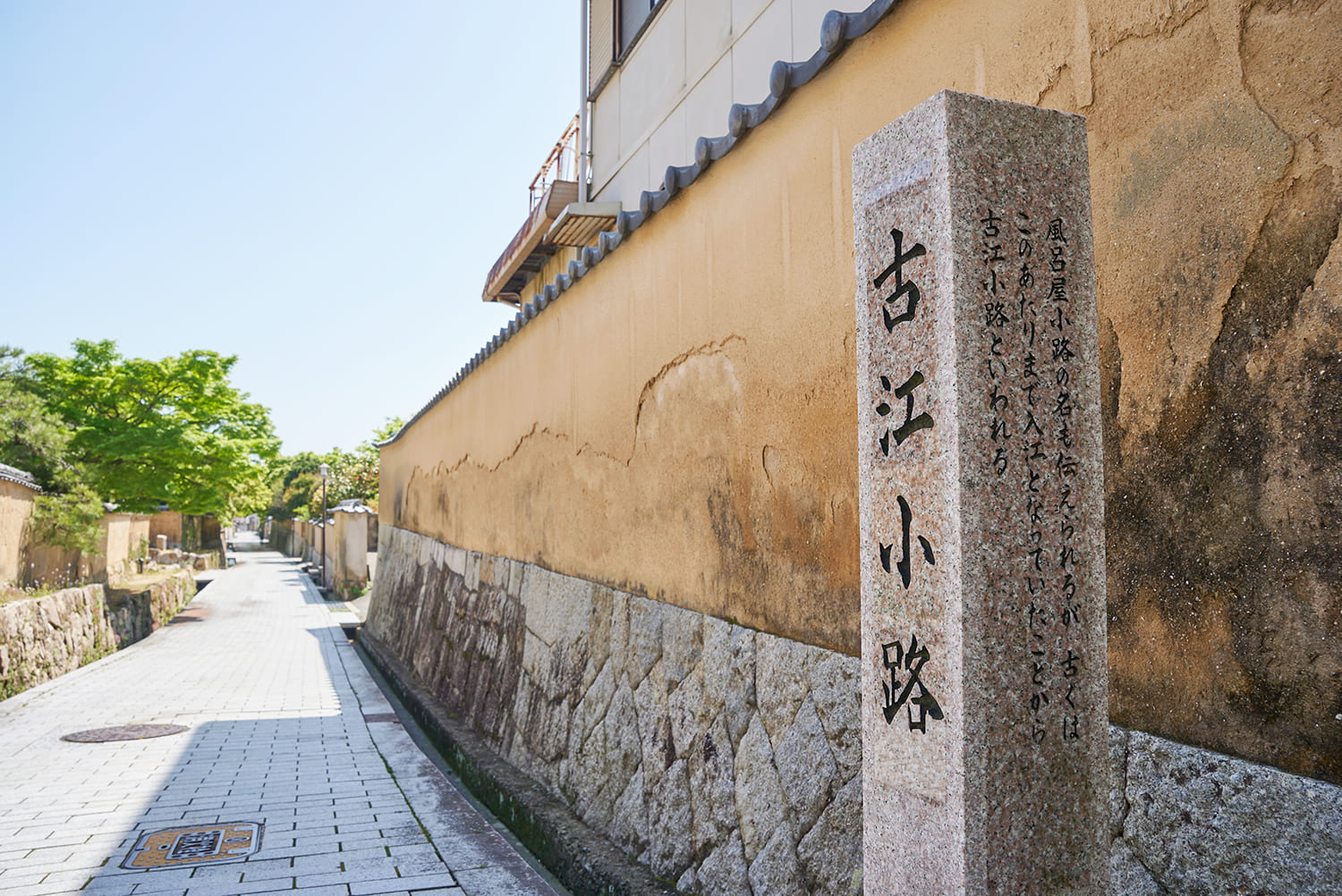
- Chōfu Castle Town
-
- Chōfu, Shimonoseki City, Yamaguchi Prefecture MAP
- Take the bus from JR Shimonoseki Station and get off at “Jōkamachi Chōfu”; the venue is right there
- 083-241-0595 (Chōfu Tourism Association)
- None

Local Guide who was in charge of this article
- Mayumi Fujita Leave your Yamaguchi Prefecture travel information to us!
RISONARE Shimonoseki
Shimonoseki, Yamaguchi Prefecture
A hotel with a perfect location overlooking the Kanmon Straits, where you can fully enjoy your stay.
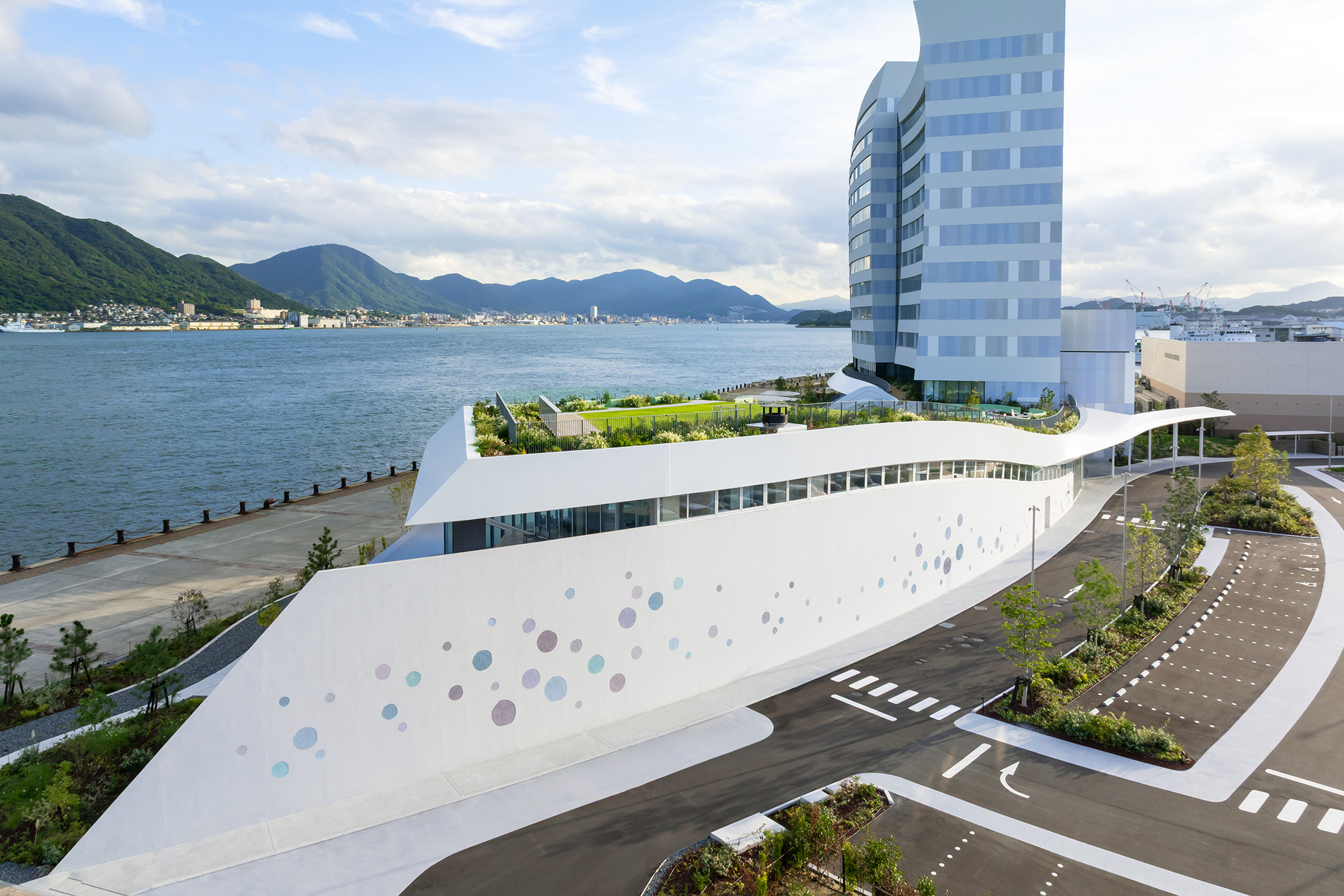
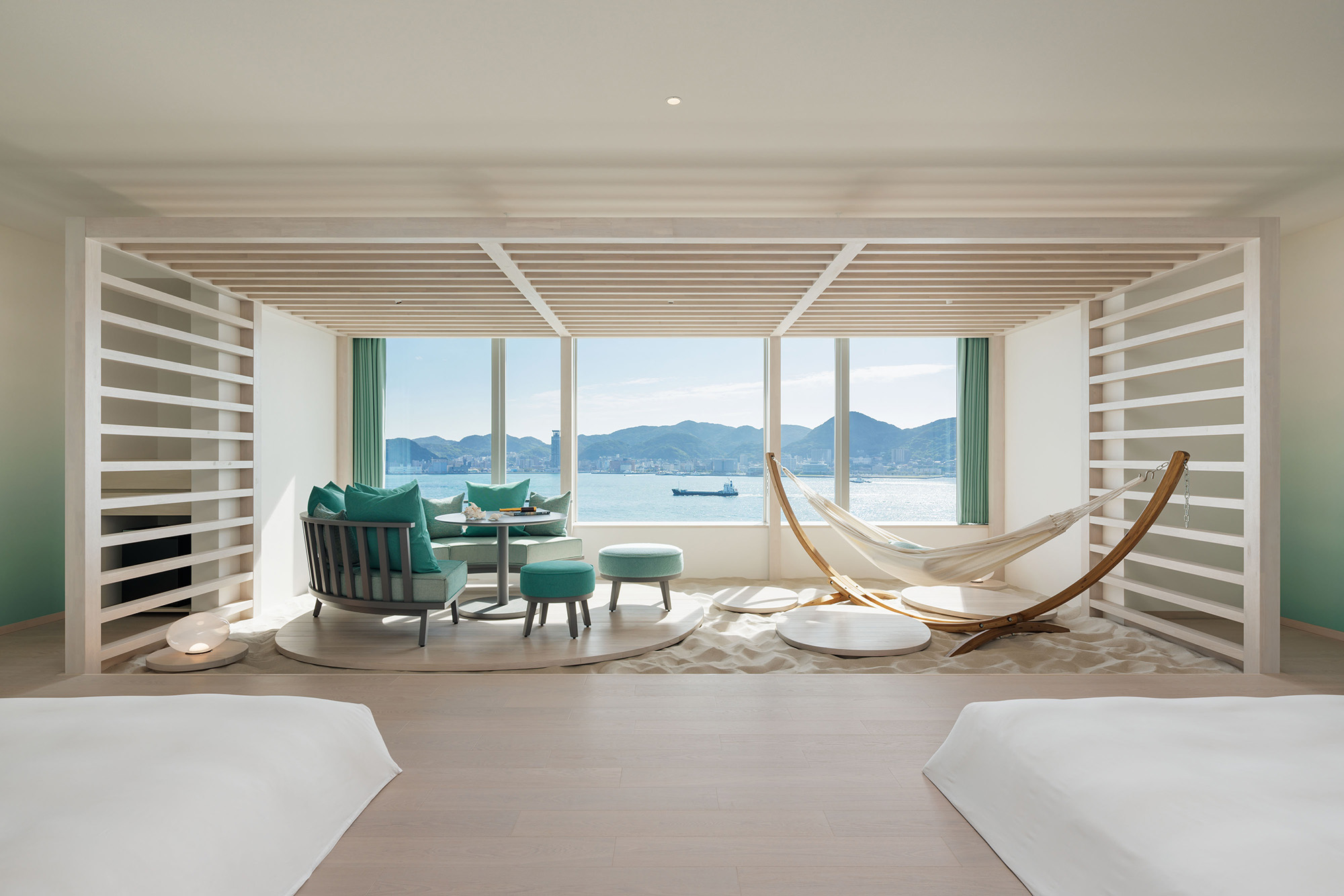
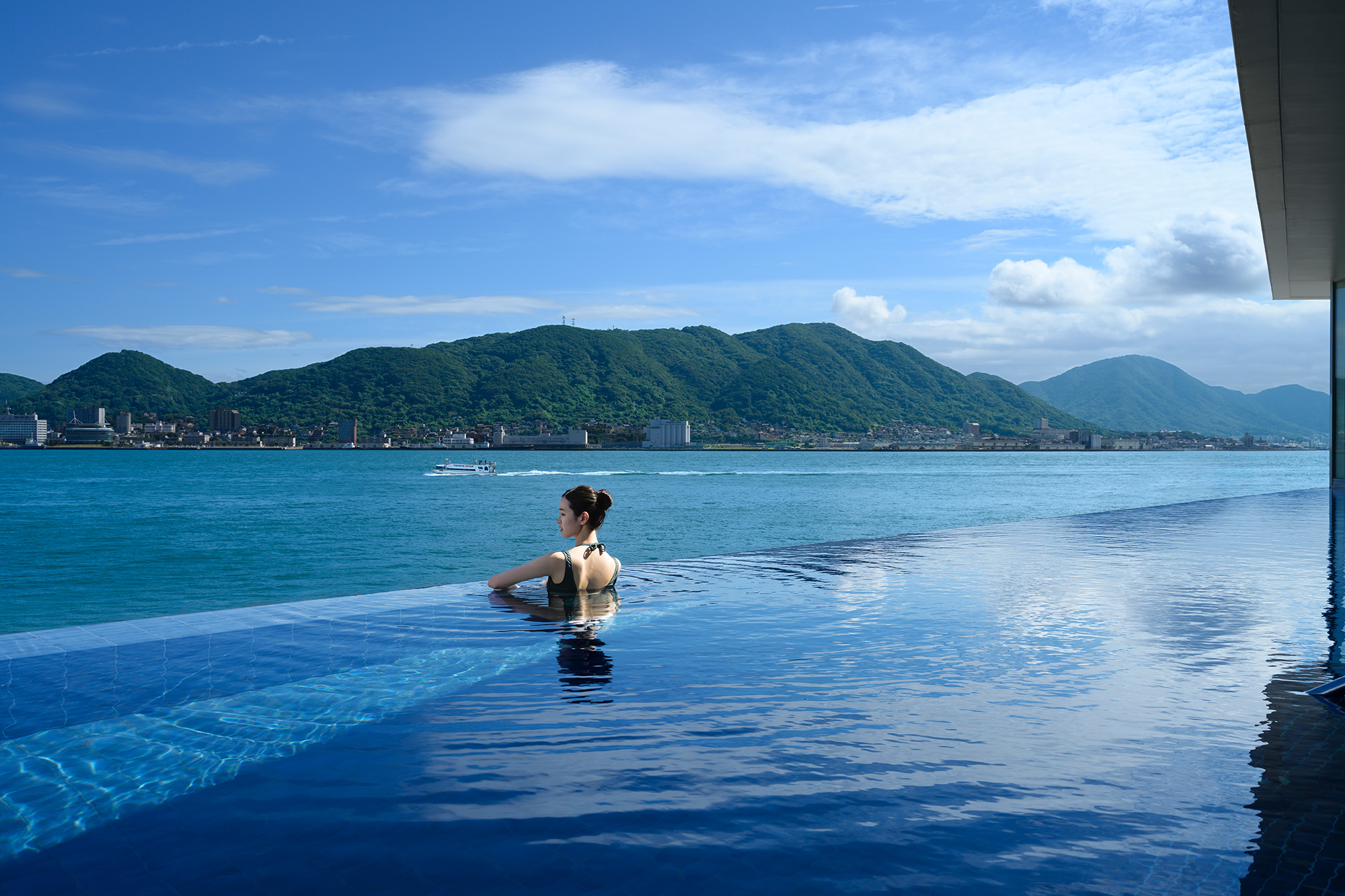
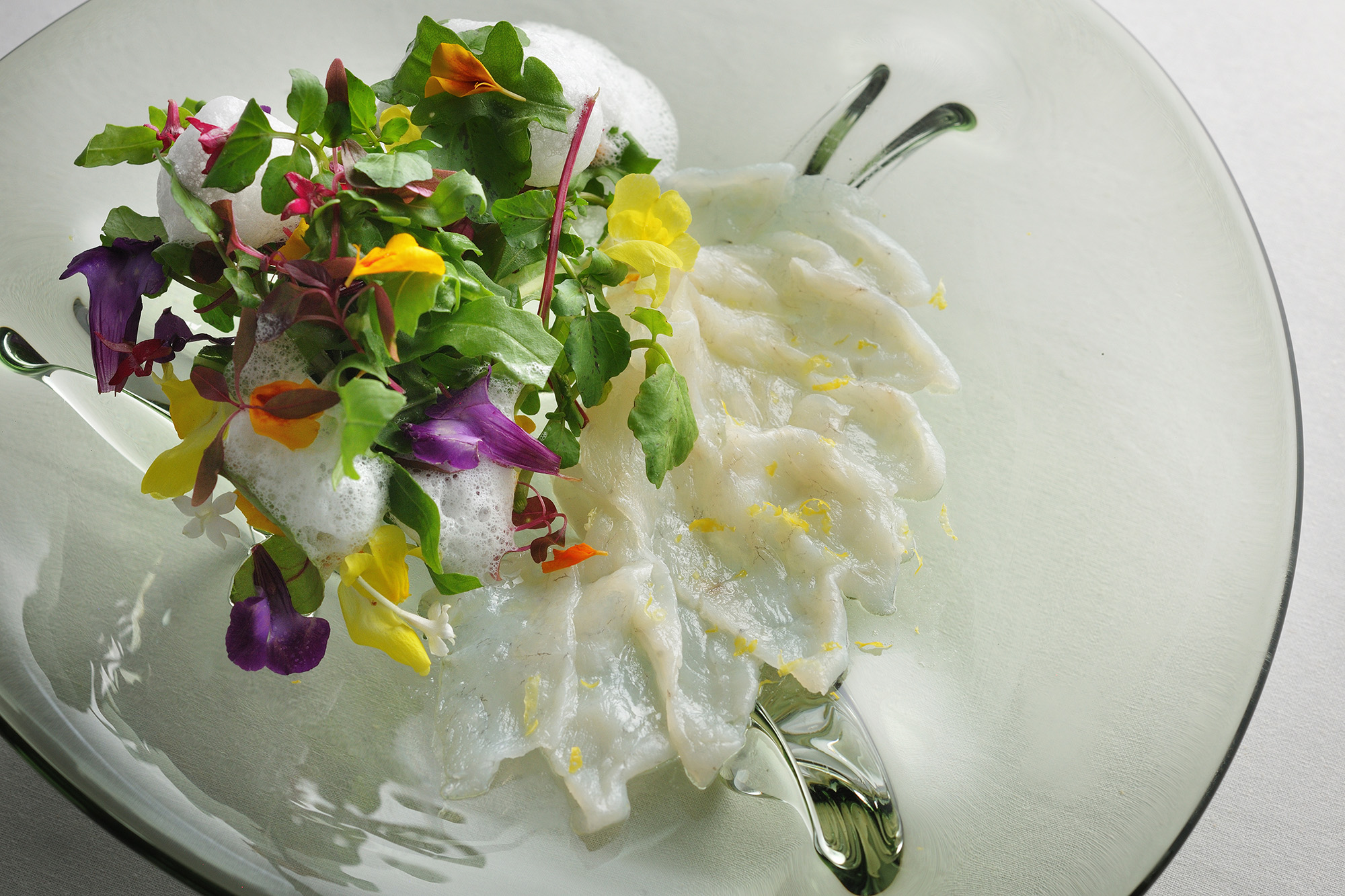
Access by bus About 10 minutes by bus from JR Shimonoseki Station.
- Example of Accommodation Rates
- 1 person per night From 12,000 yen