





A spot where visitors can Experience making folk crafts of Aomori and Tsugaru, such as kokeshi dolls and kogin stitching.
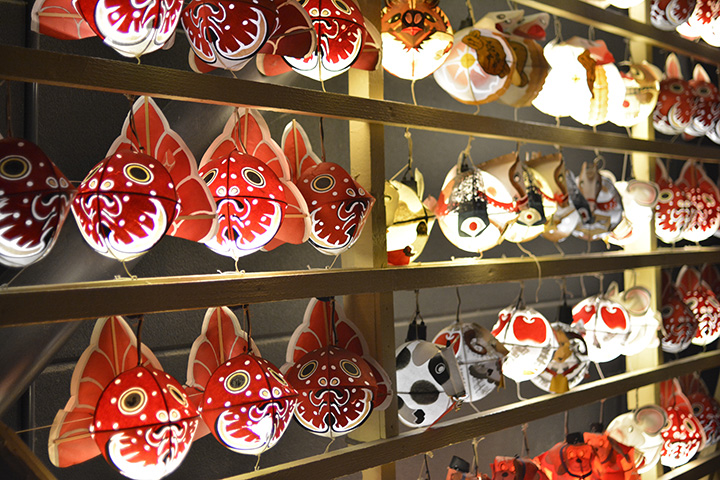
Folk crafts unique to a particular area can expand the enjoyment of your trip.
Hirosaki City and its suburbs are famous for its goldfish neputa, kokeshi dolls, kogin sashimi, etc. There are many Properties where you can experience making these handicrafts, so feel free to join us.
<Experience spots for making folk crafts in Aomori and Tsugaru>.
1Tsugaru-han Neputa-mura
Try your hand at making rice in a historic rice warehouse!

At “Tsugaru Domain Neputa Village,” located near Hirosaki Castle and Hirosaki Park, a rice storehouse dating back to the feudal era is now used as a workshop for producing folk art and handicrafts. Inside the building, visitors can observe artisans creating Tsugaru-nuri lacquerware,kokeshi dolls, spinning tops, and Tsugaru Nishiki-e (Neputa paintings and kite designs). You can also experience painting goldfish Neputa, apple-shaped clay bells (dorei), and Shimokawara-yaki pigeon whistles.
To create a goldfish neputa, first draw the face with ink on a neputa that has already been covered with paper. Next, use melted wax to outline the face, tail fin, and scales, and finally, apply color with dye. While you can apply color boldly to the tail fin and body, be sure to pay close attention to the details when finishing the face.
Cute folk crafts make great souvenirs!

The goldfish neputa originated as lanterns for children to carry during the Hirosaki Neputa Festival. Unlike large neputas with heroic paintings, the goldfish neputa is smaller and prettier. Painting a goldfish neputa takes about one hour to one and a half hours, and painting an apple clay bell and a pigeon flute takes about 30 minutes to one hour.
There are many other experiences available, so if there is something you are interested in, go ahead and try it. With the exception of ceramics and Tsugaru lacquerware, you can take home your finished work as it is, making it a perfect souvenir of your trip. In addition to the handcrafting experience, visitors can also try their hand at playing the Tsugaru shamisen (reservations required).

Local Guide
Supporters
I also had the opportunity to experience playing the drums used in the Neputa Festival. Souvenirs are also available.
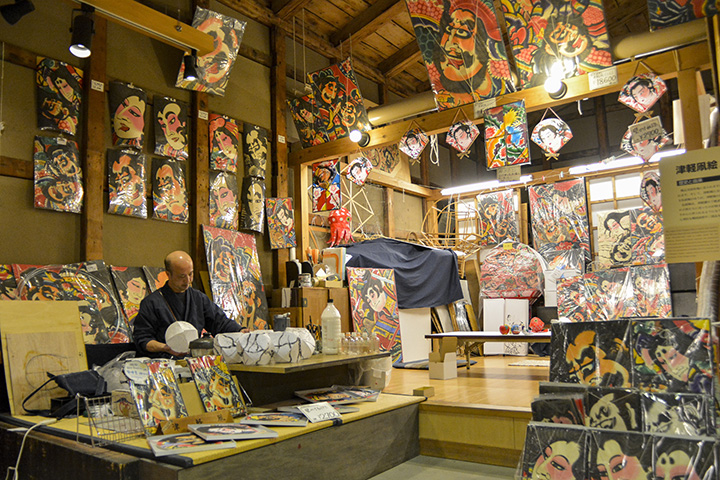
- Tsugaru Han Neputa Village
-
 61 Kameko-cho, Hirosaki-shi, Aomori MAP
 From JR Hirosaki Station, take the Konan Bus on the Hamano-machi/Ishiwata Line for about 15 minutes, get off at “Kame-ko-machi Kado,” and walk for about 1 minute.
 9:00-17:30 (last admission at 17:00)
 No holidays
 Admission: Adults 600 yen, high school and middle school students 400 yen, elementary school students 300 yen, preschoolers (ages 3 and up) 100 yen
Experience Fee: Goldfish Neputa painting, apple clay bell painting, or dove whistle painting: 2,000 yen 0172-39-1511
 Fee required (1–2 hours free depending on property occupancy). *Note: A different fee structure may apply when events are held at Hirosaki Park.
2Kanayama-yaki Pottery Workshop Chubachi
The careful instruction is well-reputed! Experience pottery making by reservation only!

Kanayama Pottery Ceramic Workshop Chubachi is located on the outskirts of Goshogawara City, near the Kanayama Grand Reservoir. Here, visitors can experience pottery making using a potter's wheel and hand-bi neri while enjoying the waterside scenery. When spinning the rokuro, you can try your hand at making any kind of bowl, teacup, or plate you like. There are many things to take care of, such as keeping the clay wet at all times, the angle of your wrist, how to place your fingers, and where to apply pressure, but the instructor is always there to assist you, so even beginners can feel comfortable. It is interesting to see how the shape of the clay changes rapidly with the movement of your hands, and you can feel a sense of fulfillment.
The finished product is unpredictable and interesting!

Kanayama-yaki is pottery made from clay sourced from the Kanayama O-tameike Reservoir. It is characterized by being fired at high temperatures without any glaze; the clay, rich in iron, changes color depending on how the fire hits it and how the ash settles on it, creating a unique texture.
During the pottery wheel experience, you’re free to use 1.5 kg of clay as you like. You can make two identical pieces or one of each type.The time required varies depending on the type of piece, but generally ranges from 30 minutes to about 1 hour and 30 minutes. After you remove your piece from the wheel, the instructor will trim and finish it, let it dry, and then fire it in the kiln. It takes about half a year for the piece to be fired and ready.
Local Guide
Supporters
The kokeshi are not flashy, but they fit well in your hand, and the more you use them, the more they will become more beautiful.

- Chubachi Ceramic Art Class, Kanayama Pottery
-
- 107-4 Chiyotsuru, Kanayama, Goshogawara, Aomori MAP
- 13 min. drive from JR Goshogawara Station
- Consultation required. Reservations required.
- Closed on weekends and holidays
- Pottery Wheel Experience Fee: 6,050 yen (includes 1.5 kg of clay, instruction, firing costs, and consumption tax). *Hand-building experience: 2,500 yen (includes 500 g of clay). Shipping costs are separate for both options.
- 080-8488-2485
- Free of charge
3Tsugaru Folklore Crafts Museum & Tsugaru Kokeshi Doll Museum
Let's make the one and only kokeshi doll in the world!

The “Tsugaru Traditional Crafts Museum” in Kuroishi City is a tourist property where visitors can enjoy Tsugaru’s cuisine, traditional crafts, and hot spring culture all in one place.
At “Restaurant Momiji” inside the museum, a buffet featuring Tsugaru’s local cuisine is served. You can enjoy as much of the region’s unique dishes as you like. The snack corner offers a selection of light meals perfect for a quick bite between sightseeing, including 39 varieties of milkshakes.
In the workshops throughout the museum, you can get a close-up look at artisans at work. Highlights include hands-on experiences with “Tsugaru-nuri,” a traditional craft representative of the Tsugaru region, and classes in “Saki-ori,” a weaving technique that reuses old fabrics.The workshops and gift shops sell crafts and handmade items created by artisans, making them ideal for selecting souvenirs or mementos of your trip.
There is also a foot bath on the premises where you can stop by for a quick soak to relieve the fatigue of travel. This is a property where everyone from children to adults can enjoy a relaxing day—savoring the flavors of Tsugaru, experiencing traditional techniques, and experiencing the joy of crafting.
Estimated time: About 40 minutes to 1 hour
Local Guide
Supporters
You can make your own original kokeshi doll. You may even get to meet the "kokeshikeko-chan," a character with a relaxed personality.
Tsugaru Kokeshi Museum attracts kokeshi doll lovers from all over Japan.
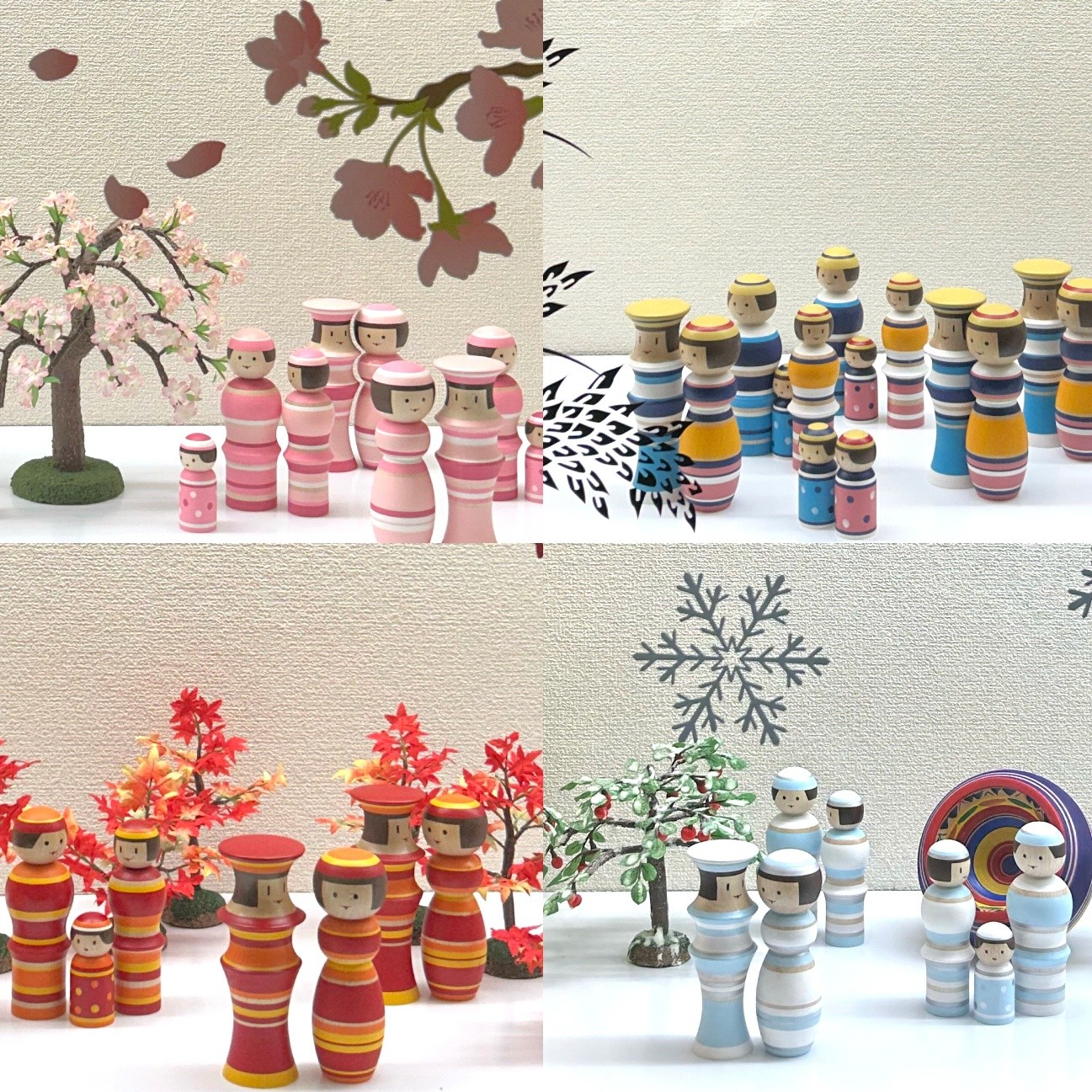
At the “Tsugaru Kokeshi Museum,” visitors can watch Tsugaru kokeshi artisans demonstrate their craft up close. One popular experience is the painting workshop, where, under the careful guidance of an artisan, you can create your very own kokeshi using five colors of paint.
Inside the museum, you can enjoy a wide variety of kokeshi, ranging from traditional Tsugaru kokeshi to contemporary works by young artists. Among them, the “Rubin Kokeshi”—born from a regional collaboration project between Kuroishi City and Matsuya Ginza—is attracting particular attention.
It was named “Rubin’s Kokeshi” because, when multiple kokeshi are arranged together, their appearance resembles “Rubin’s Vase”—in which two profiles facing each other appear to form a single vase.Characterized by figures that evoke the image of a couple or family standing close together—and the bonds between people—these works blend the tradition of Tsugaru kokeshi with a contemporary sensibility.
The paid exhibition room on the second floor displays approximately 4,000 traditional kokeshi from 12 styles across Japan, with a focus on the Tsugaru style. It is a captivating space where visitors can thoroughly enjoy the history of kokeshi, the characteristics of each region, and their diverse expressions.
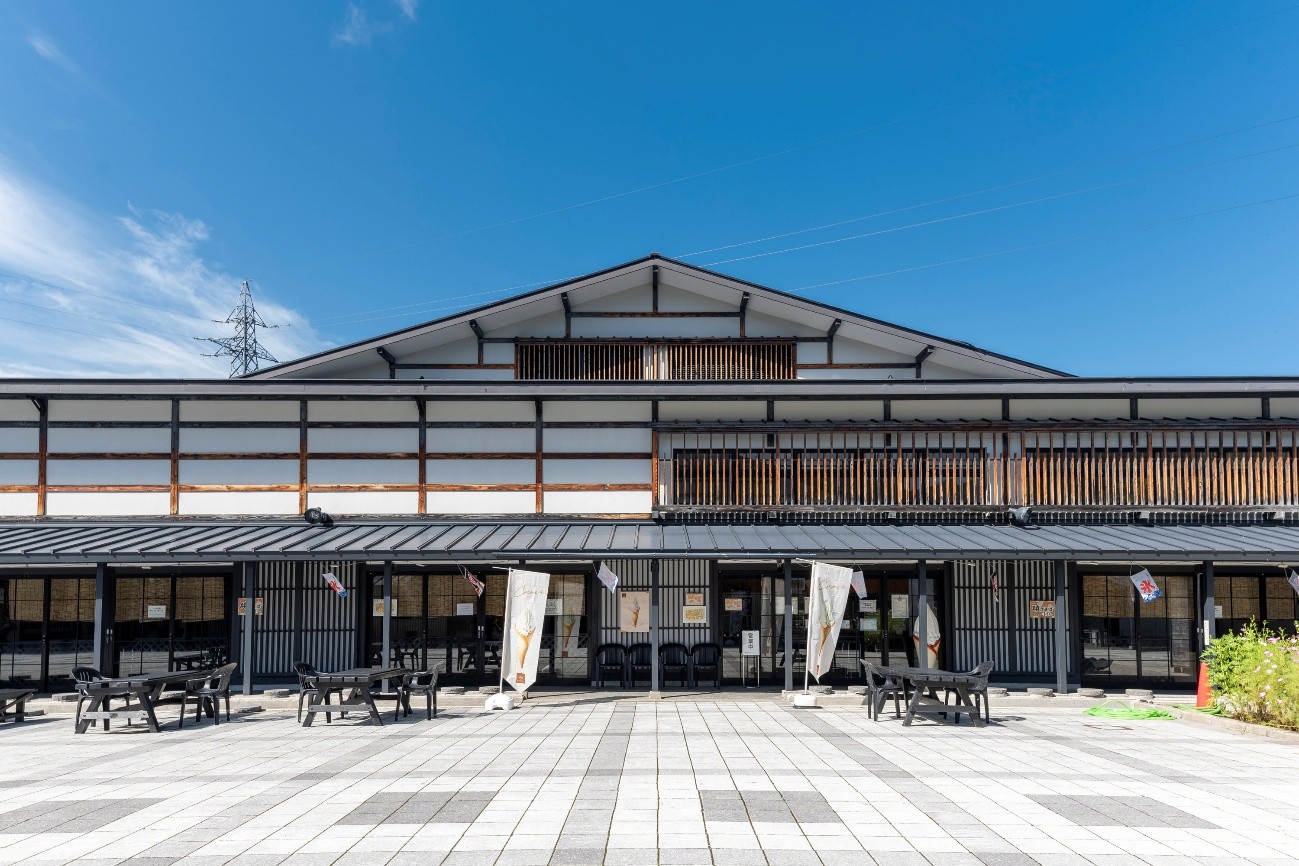
- Tsugaru Folk Crafts Museum, Tsugaru Kokeshi Doll Museum
-
- Tsugaru Traditional Crafts Museum · 65-1 Fukuro-Tomiyama, Kuroishi City, Aomori Prefecture
Tsugaru Kokeshi Museum · 72-1 Oaza Fukuro Aza Tomiyama, Kuroishi City, Aomori Prefecture MAP - Approx. 25 min. by car from JR Hirosaki Stn.
- Tsugaru Traditional Crafts Museum: 9:00 a.m.–5:00 p.m.
Tsugaru Kokeshi Museum: 9:00 a.m.–5:00 p.m. - Tsugaru Traditional Crafts Museum
・Year-end and New Year holidays (Dec. 29–Jan. 3)
・Mondays from December through March *If Monday is a national holiday, the museum will be closed the following day
・Workshops have their own regular closing days depending on the location
Tsugaru Kokeshi Museum
Year-end and New Year holidays only (Dec. 29–Jan. 3) - Tsugaru Kokeshi Museum
1st Floor: Free
2nd Floor: Admission required—Adults 330 yen, High School Students 270 yen, Elementary/Middle School Students 160 yen - Tsugaru Traditional Crafts Museum · 0172-59-5300
Tsugaru Kokeshi Museum · 0172-54-8181 - Free of charge
4Kawasaki Dyeing Factory
Experience indigo dyeing in a traditional space

Kawasaki Dyeing Factory, located near Hirosaki Castle Park, offers an indigo-dyeing experience. First, decide on an item, such as a handkerchief or bandana, and choose your favorite pattern. There are two methods of dyeing: one is to draw a circle by pinching the cloth and fastening it with a rubber band, and the other is to dye the twisted and pinched cloth in a basket, but both methods are simple. The finished product is unpredictable for beginners, but that is part of the fun. When the cloth is ready, it is soaked in a jar filled with dye solution for two minutes. When the jar is pulled up and exposed to air, the dye oxidizes and changes color. After repeating the process two or three times, the dye is rinsed and dried to complete the process. The process takes about 30 minutes.
You will be impressed by the vivid indigo color.

The Kawasaki Dyeing Factory developed as an official merchant of the Tsugaru domain. The factory was built in the late Edo period (1603-1868), and visitors learn about the history of indigo dyeing and the wisdom of people's daily lives preserved in the building before experiencing the indigo dyeing process. You will also receive a detailed explanation of the indigo dyeing process. The dye solution used to dye the cloth is a mixture of fermented indigo leaves and wood ashes, which are then fermented further. The more active the microorganisms, the better the dyeing, so the artisans are constantly adjusting the temperature and alkalinity of the dye solution and pouring sake into the solution to feed the microorganisms. The depth of traditional dyeing created with only natural materials is astonishing.
Local Guide
Supporters
Each indigo bottle contains dye prepared at different times of the year, and the color of the dye changes slightly depending on the time of year.

- Kawasaki Dyeing Factory
-
- 69-1 Kame-ko-cho, Hirosaki City, Aomori Prefecture MAP
 15 min. ride on Konan Bus from JR Hirosaki Stn. on the Hamanomachi/Ishiwatari Line, a short walk from the Kamego-cho Kakari stop.
- 9:00-17:00 (winter - 16:00)
- Thursdays
- Handkerchiefs: 2,000 yen / Bandanas: 2,600 yen / Silk scarves: 4,000 yen and up, etc.
- 0172-35-6552
- Free of charge
5Shimaya
Beautiful geometric patterns appear with each stitch.

At “Shimaya,” a craft store in Hirosaki City, workshops on “Kogin-zashi”—a traditional Tsugaru sashiko embroidery technique—are gaining popularity. First, you choose a combination of fabric and thread colors and select your favorite pattern.Once you’ve decided where to start stitching, count the fabric’s weave, and—while checking the sample to see how many stitches to skip and how many to pull the thread through—stitch horizontally, one row at a time.At first, counting the fabric stitches can be difficult, but as the pattern begins to emerge, it becomes easier to count, allowing you to become fully absorbed in the work. Once you’ve finished stitching, the piece is machine-pressed and turned into a walnut button, then fitted with elastic to complete it. The process takes 60 to 90 minutes.
Kogin Sashimi is the fruit of wisdom and sense of life

During the workshop, you will also learn about the background of "Kogin Sashi" and its characteristics. It is said that "kogin-sashi" was born among the farmers of the Tsugaru domain in the Edo period (1603-1867), and its purpose was to embroider on hand-made clothes to make the fabric thicker to protect them from the cold and to reinforce the parts that were easily frayed. Of course, it also served the purpose of being fashionable, and hundreds of geometric patterns were created, many of which have names in the Tsugaru dialect. White threads on a navy blue background is the traditional style, but depending on the color combination, the patterns can look Scandinavian. Shimaya also sells colorful kogin stitch production kits.
Local Guide
Supporters
It was difficult until I got used to it, but once I got the hang of it, it became fun!

MAP
- <Experience spots for making folk crafts in Aomori and Tsugaru>.
- Hoshino Resorts facilities nearby

Local Guide who was in charge of this article
- Miyuki Saito Tsugaru Fashionable Girls
Aomoriya by Hoshino Resorts
Misawa, Aomori Prefecture
Hot spring ryokan where you can fully experience Aomori culture such as festivals, hot springs, and local performing arts.


Access by bus 3 minutes from Aoimori Railway Misawa Station by shuttle bus / 20 minutes from Misawa Airport by shuttle bus
- Example of Accommodation Rates
- 1 person per night From 14,000 yen
Oirase Keiryu Hotel by Hoshino Resorts
Towada, Aomori Prefecture
The only resort hotel built on the banks of the Oirase mountain stream. You can enjoy the nature of the national park throughout the year.

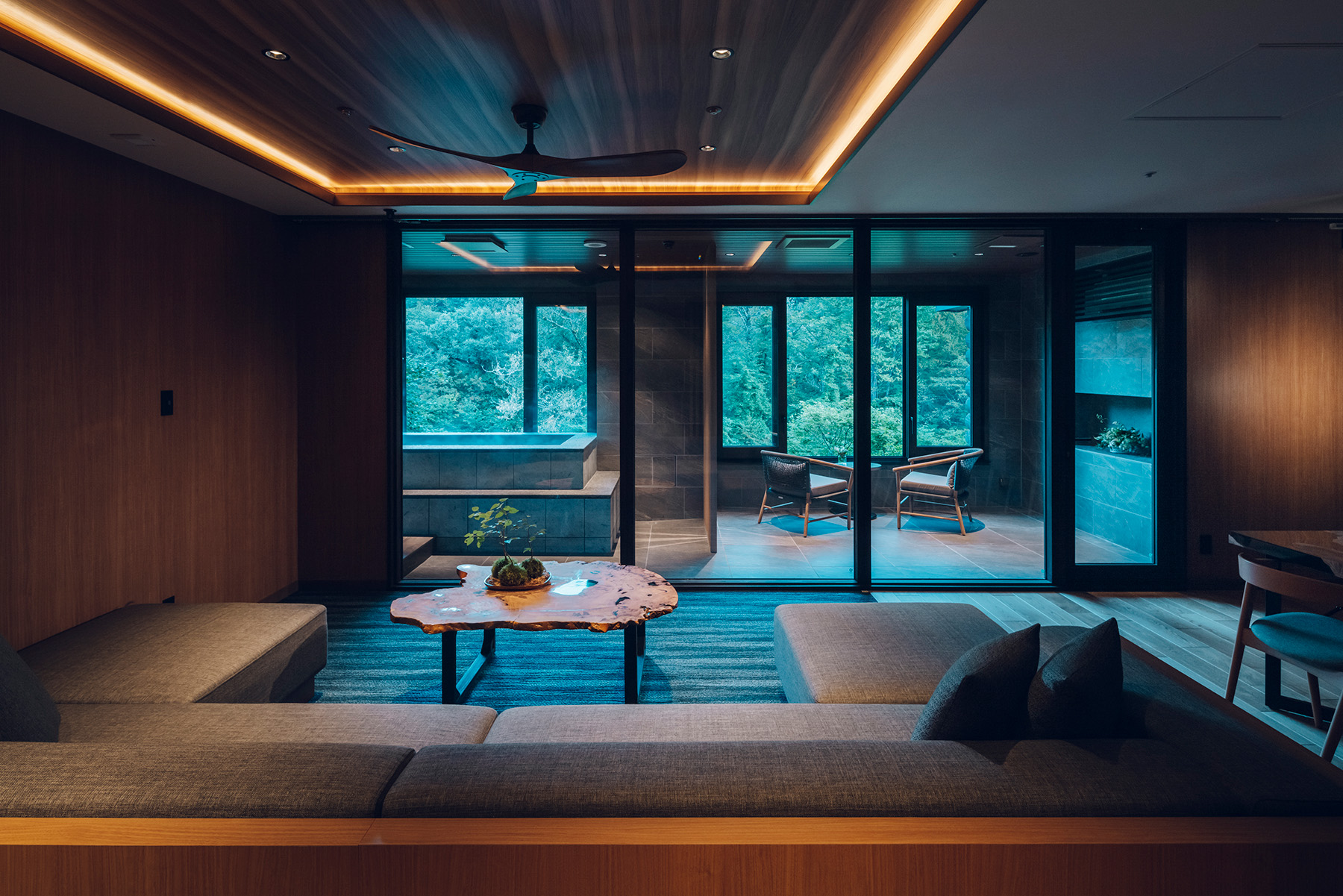
.jpg)
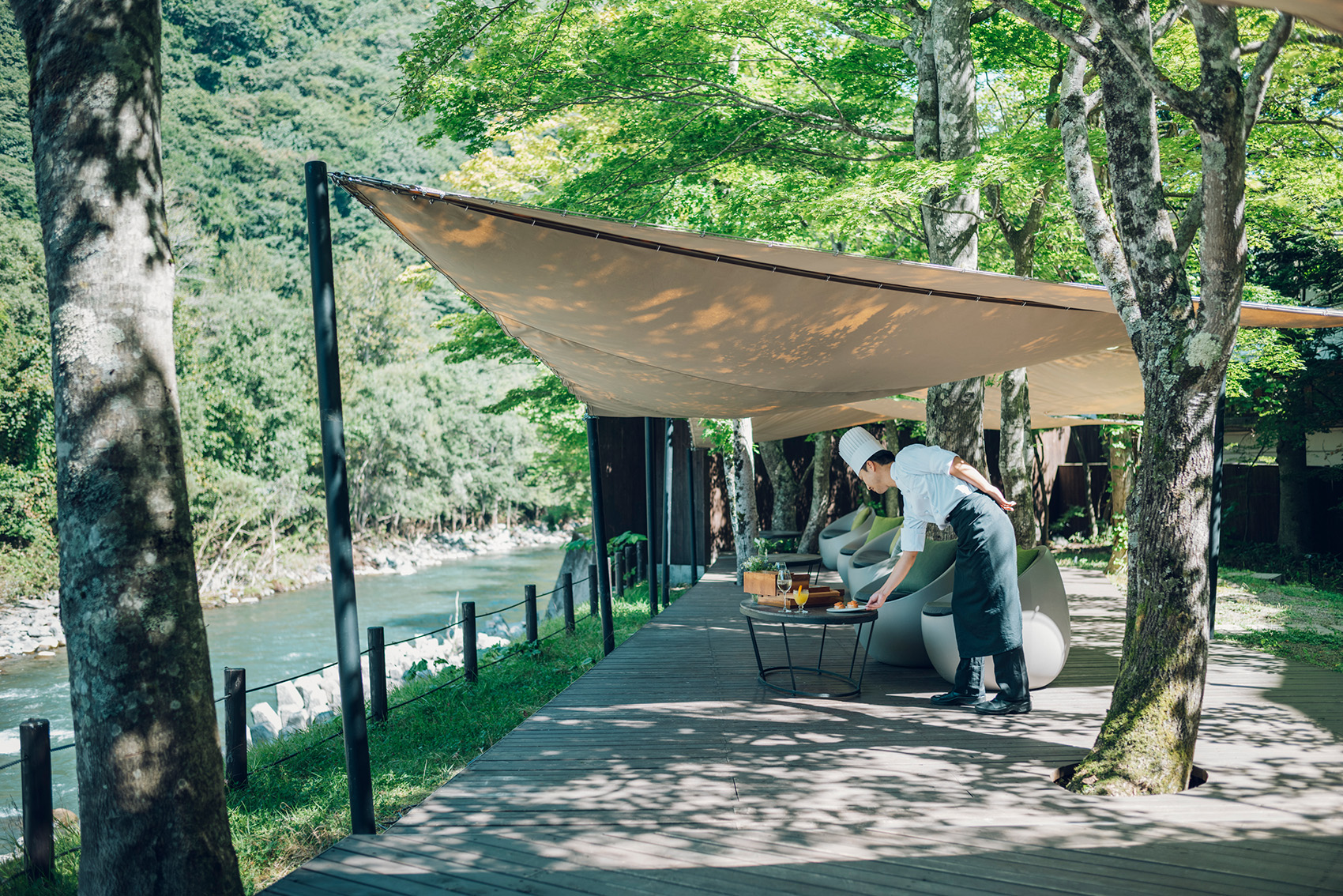
Access by bus 70 min. by shuttle bus from JR Hachinohe Station
- Example of Accommodation Rates
- 1 person per night From 20,080 yen
Hoshino Resorts KAI Tsugaru
Owani Onsen, Aomori Prefecture
Hot spring ryokan to enjoy the culture of Tsugaru and its four seasons. You can also enjoy the water garden of Tsugaru's four seasons, which changes its expression with each season.
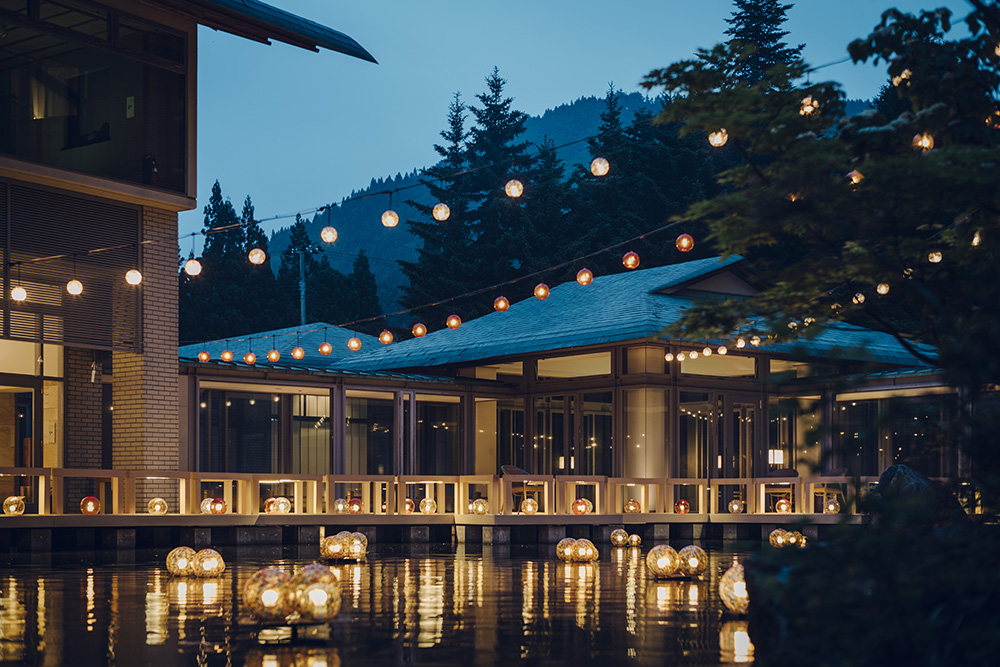

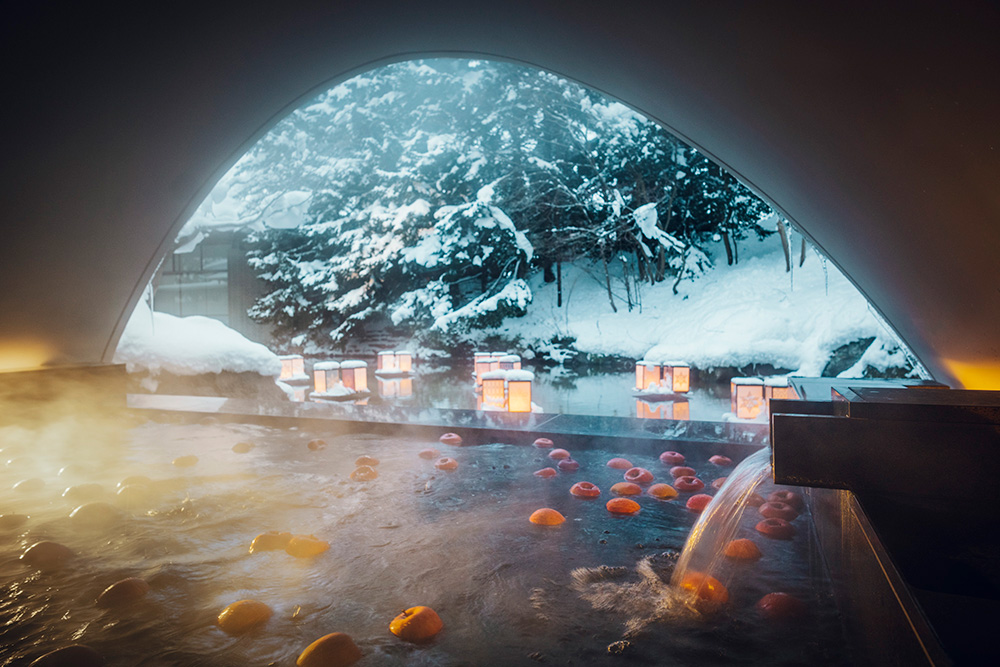
Access by bus 5 min. by shuttle bus from JR Owani Onsen Station
- Example of Accommodation Rates
- 1 person per night From ¥19,000