





I'll know the temperature of Aizu rural areas (Aizu-wakamatsu, Bandai and Inawashiro-ko Lake) and clothes.

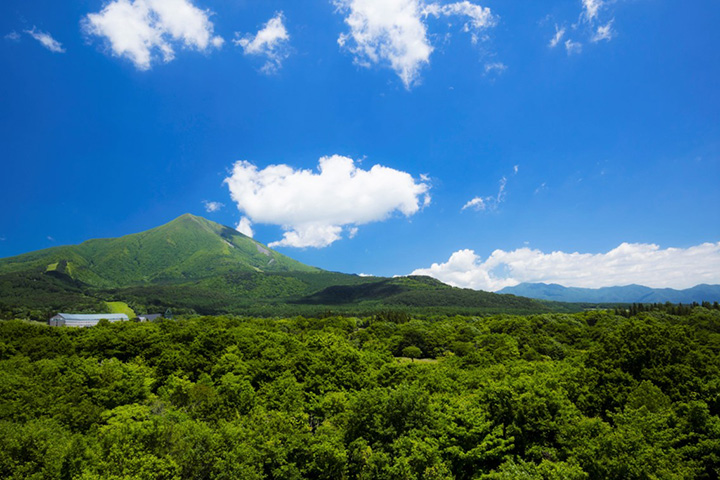
Fukushima with the vast area of the 3rd place of whole country. The area is made the Pacific Ocean side coastal beach street, Nakadori in the Pacific Ocean side inland and Aizu area in the Sea of Japan side inland for three minutes, and it's different in the climate. Aizu rural areas is the heavy snowfall area which is all national numbers by the Sea of Japan side climate. In particular, you also know around the Inawashiro lake with the size of number 4 as the grave resort area where great outdoors can be enjoyed including winter sports at Bandai-san (altitude 1,819m) and Japan.
The average temperature of one year is 11.9 ℃. They become short 4.5 ℃ compared with 16.4 ℃ of average temperature Tokyo. Inawashiro-ko Lake and Bandai neighbor Aizuwakamatsu-shi of the basin climate, and an altitude spreads, and rises to Bandai-san. An altitude will be about 800 m at hot spring place, the Bandai-san side with a ski area and Ura-bandai area. Equipment of clothes is also turning big for the vertical drop at all part every season the severe coldness in the expensive area of peculiar heat and altitude at a basin.
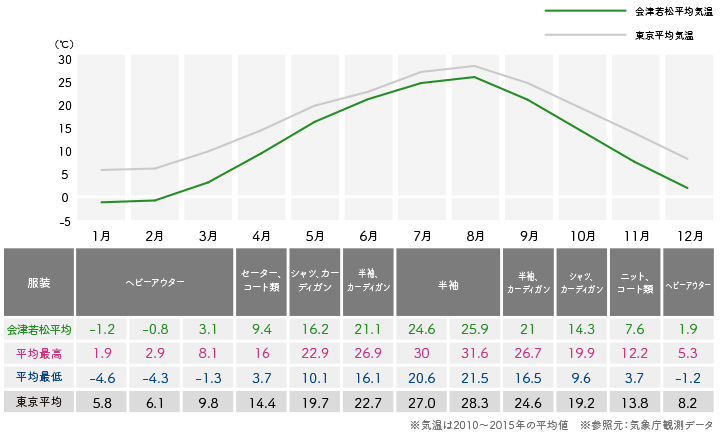
< the climate of Aizu rural areas>
About the temperature of the spring (3-May) and clothes of Aizu rural areas (Aizu-wakamatsu, Bandai and Inawashiro-ko Lake).

The Aizu area where spring is latest in 3 areas in the Fukushima . 3.1 ℃ and cold winter still follow the average temperature of March. When even G.W. goes out to Inawashiro-ko Lake and Bandai where winter sports is popular, a down coat and snow boots become indispensable.
It's at the middle of April that the "crane KE castle" in Aizuwakamatsu-shi is dyed at 1000 of Sakura. The average temperature can rise and feel now warmly gradually even 9.4 ℃, but low air pressure and high air pressure project alternately these days, and the weather tends to do a disorder, so I need mobile of rainwear. Night is radioactive cooling, minus, it'll be, so I'll prepare thick coat and muffler.
The season will be also good in May, and the average temperature is in 16.2 ℃. It's also a lot on a day of a clear sky and going out weather continues.
About the temperature of the summer (6-August) and clothes of Aizu rural areas (Aizu-wakamatsu, Bandai and Inawashiro-ko Lake).

The average temperature of June of Aizu rural areas is 21.1 ℃. They become shorter about 1.5 ℃ than the average temperature Tokyo. The rainy season starts from the middle of June, and the amount of rainfall will tend to become high in July a seasonal rain front tends to delay when. The average temperature is lower about 5 ℃ in Aizuwakamatsu-shi by high Bandai and Inawashiro lake above the sea level, and when it rains, moreover the temperature falls quickly. When going out, I'll prepare an excellent windbreaker for wind protection and waterproofing.
When the rainy season ends, the temperature also rises. A sultry day leads to a basin in particular, and a T-shirt and sleeveless clothes will be comfortable clothes. The average temperature Inawashiro-ko Lake and Bandai where great outdoors can be enjoyed fully such as Lake Activity and the hike is about 23 ℃. But, the temperature goes down to a stand 10 ℃ in the evening, so something Parker can put on is needed.
About the temperature of the autumn (9-November) and clothes of Aizu rural areas (Aizu-wakamatsu, Bandai and Inawashiro-ko Lake).

The Aizu area where the average temperature is low about 3.5 ℃ compared with 24.6 ℃ of average temperature of September of Tokyo. A pair early of colored leaves also start with an arrival in autumn from the middle of September at Bandai and Inawashiro-ko Lake. The day when it rains also becomes a lot by an autumnal rain front and influence of a typhoon these days, so stoles is against the cold according to the rainwear, for of when an attachment is carried, it's convenient.
The average lowest temperature will be also in less than 10 ℃ the center in Aizuwakamatsu-shi at the end of October when Aizu Akita Komaga take, Iidesan and Bandai-san observe first snowcap . Chill in the morning and evening will be so severely that a morning mist generates Aizu-bonchi in this time, and a muffler and a thick jacket become indispensable.
Clothes around the end of November when the first snow of the season is observed at the city, cold protection, tightly. When going out by car, I'll prepare a chain and a studless snow tire.
About the temperature of the winter (12-February) and clothes of Aizu rural areas (Aizu-wakamatsu, Bandai and Inawashiro-ko Lake).

Siberian anticyclone becomes predominant and the aspect changes in a silvery snowscape for Aizu rural areas in December a seasonal wind plays. About half of the annual amount of rainfall is learned about at a heavy snowfall area as snow, and Yuki estimates more than 1 m by a night at Oku-aizu in particular. The coldness on which December is severe by January- by 1.2 ℃ and February- with 0.8 ℃ 1.9 ℃ also follows the average temperature.
When going out around the Bandai Inawashiro lake which prospers in snow Activity, a sweater, a down coat and a foot are wear of snow boots in a thick inner. Additionally gloves, a knit cap and a body warmer will do cold protection from a foot to a head.
Winter is long and hot spring is also snowy in a deep Aizu area, and the backlash the winter such as a ski area and pond smelt fishing is also fully loaded. I'll arrange the prevention cold season and enjoy play with snow.
< the high plain resort hotel which wishes for Bandai-san>
After enjoying sightseeing, how about some time of the relaxation by a resort hotel in which the base in Bandai-san is located? It's possible to feel history in Aizu and culture in the stay in the hotel.
Hoshino Resorts Bandaisan Onsen Hotel by Hoshino Resorts
The inn where you can enjoy Aizu culture fully and have time actively at any time of the year around

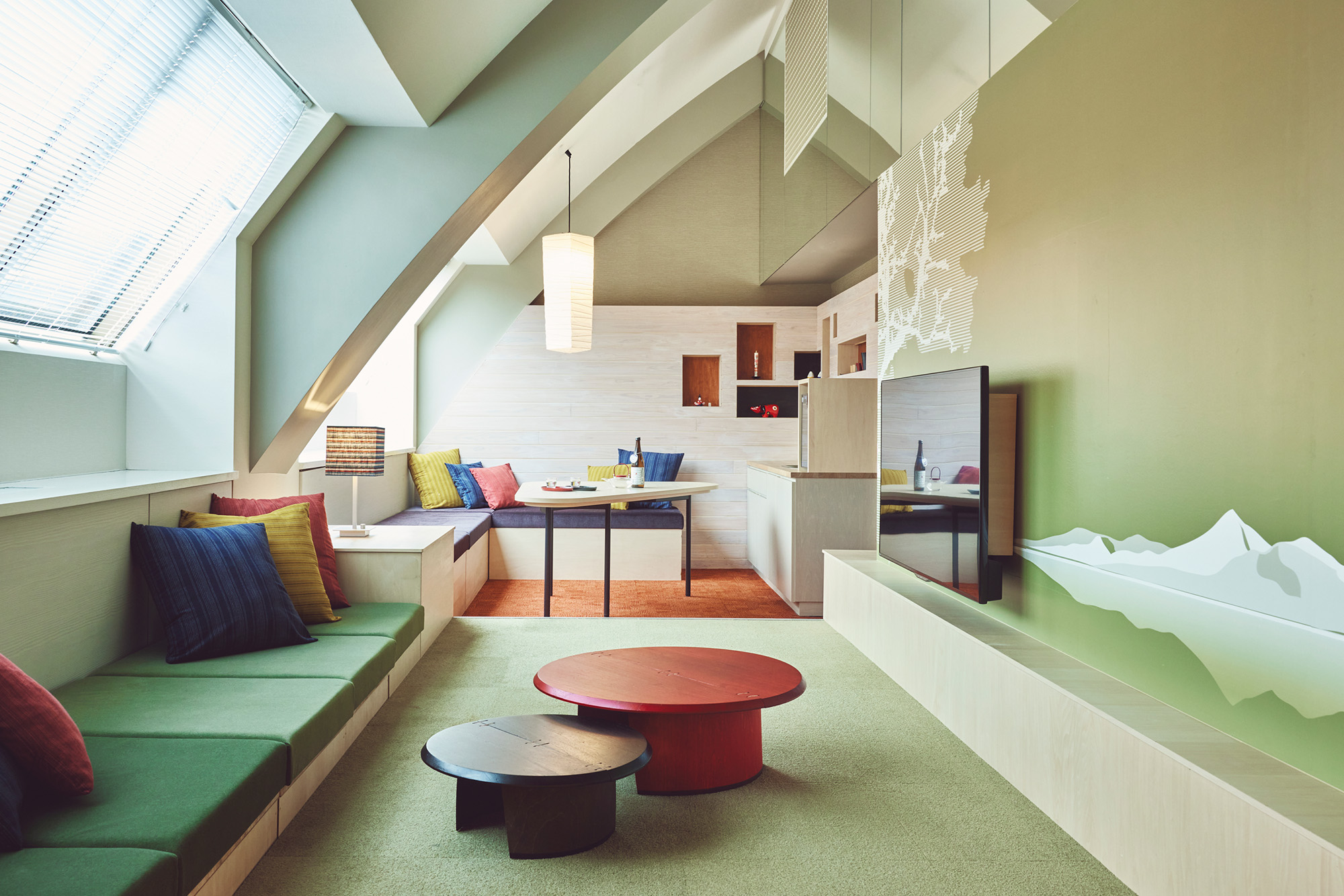
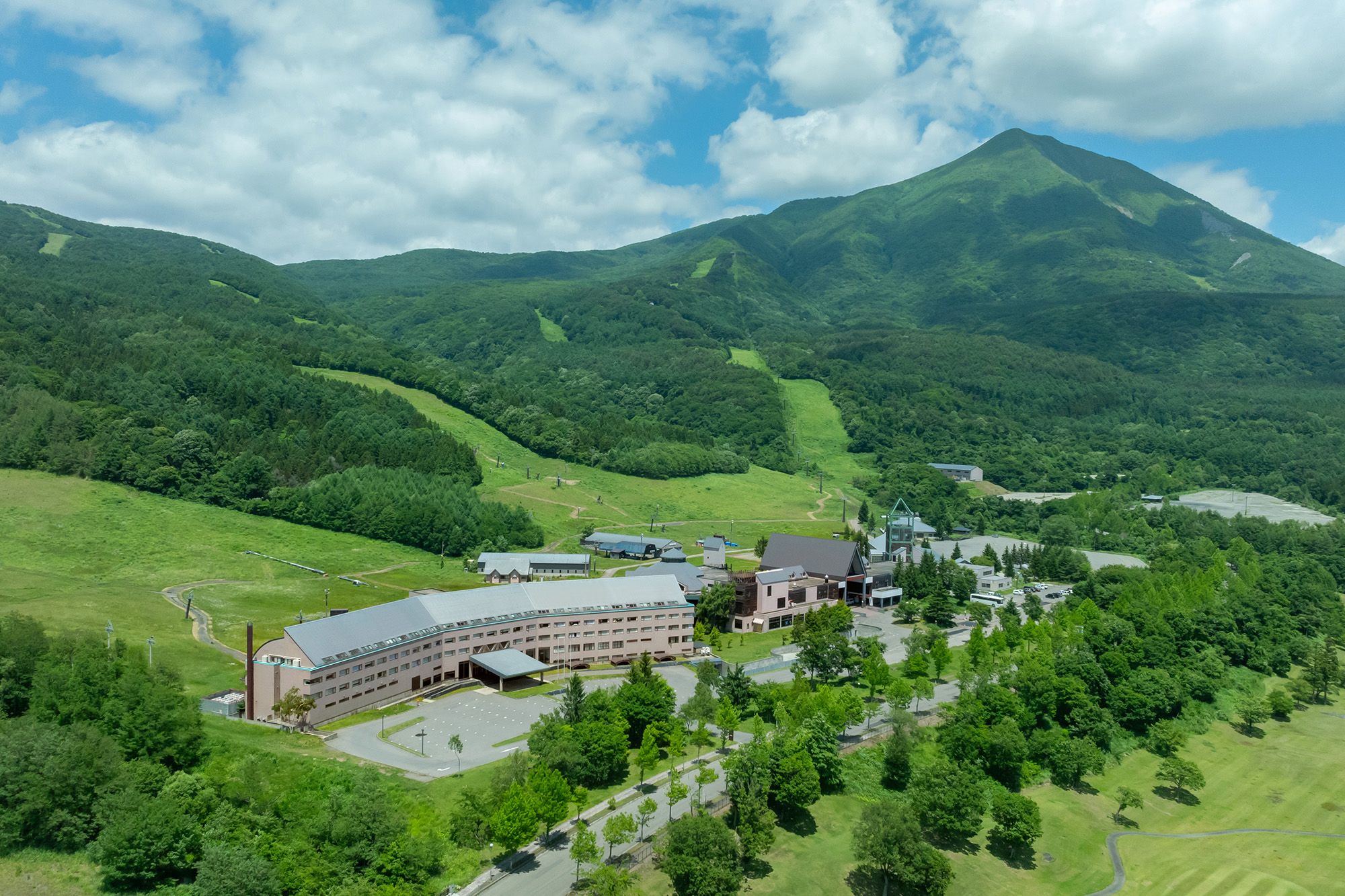
"Hoshino Resorts Bandaisan Onsen Hotel by Hoshino Resorts" where "Bandai-san" where Japan one hundred famous mountain is one is located in the place where I dominate immediateness and wish for the "Inawashiro lake" brilliant like Kagami under the eyes. You can enjoy the stay which has complete set of heated pool, spa and hot spring and touches the Aizu culture which isn't learned about. You can burn with colored leaves from fresh green and have time actively until the season wrapped in Miyuki. Please enjoy a high plain resort stay in the grand nature and the change in four seasons.
▼ Corona measure declaration of the highest level
A measure axis of 2, "health management" and "three Cs avoidance" is put up and the Corona measure which made conventional service evolve in whole Property is being put into effect in order to have everybody have time surely in Hoshino Resorts.

- Hoshino Resorts Bandaisan Onsen Hotel by Hoshino Resorts
-
 Bandai-machi, Yama-gun, Fukushima large section of a town Sarashina letter Shimizuhira 6838-68 MAP
 It's curtesy transportation bus from JR Bandaimachi Station, about 15 minutes
 0570-073-022 (hotel reservation)
 I have that.
 Your reservation is this.
Hoshino Resorts Bandaisan Onsen Hotel by Hoshino Resorts Reservation site.

Local Guide which took charge of this article
Bandaisan Onsen Hotel by Hoshino Resorts
Fukushima-ken and Yama-gun
The base in Aizu-bandai-san and the hotel where I wish for Inawashiro lake under the eyes. Abundant nature and Aizu culture can be enjoyed fully.

It's a taxi from Direction JR Bandaimachi Station, about 15 minutes
- A room charge example
- 1 night, 1 person \12,000-