





Roadside Station Traveler’s Journey! Exploring the Scenic Bandai-Azuma Skyline and Roadside Stations in Aizu
Nice to meet you. I’m Yukiko Hiraga, a “Roadside Station Traveler” who crisscrosses the country with a “Touring × Roadside Stations” style. Motorcycle touring and roadside stations—where you can rest, eat, and shop—are the perfect combination, so I travel all over Japan with roadside stations as my destinations.So far, I’ve visited 1,227 of the 1,231 Roadside Stations across the country. ( As of June 2026 )
In this post, I’ll introduce a two-day, one-night trip to the Aizu region of Fukushima Prefecture—one of my favorite spots—where you can enjoy the roadside stations and scenic roads.
Michikusa experts who wrote this article
-
Roadside Station Traveler
Yukiko Hiraga
After obtaining her large-displacement motorcycle license in 2007, she began visiting roadside stations and spent five years touring the entire country. Adopting a “Roadside Stations × Touring” style, she enjoys the scenery while touring and savors local cuisine at roadside stations. Her routine at roadside stations includes eating local soft-serve ice cream and collecting commemorative stamps.
 Michikusa's
guru
Take a scenic drive along the Bandai-Azuma Skyline
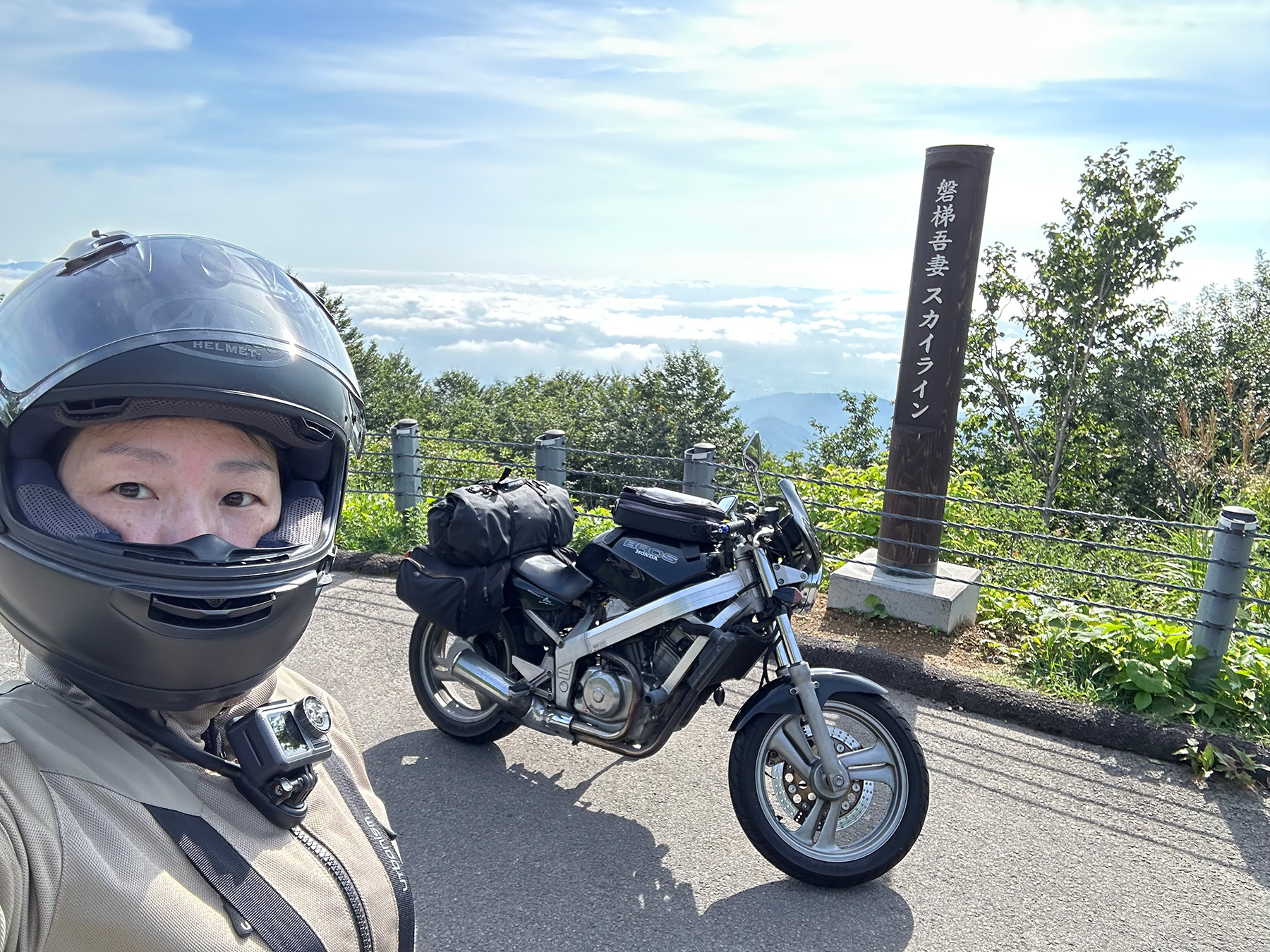
I started visiting roadside stations because of a stamp rally, but as I began going to each one to collect stamps, I realized that every roadside station has its own unique character and is a place brimming with the charm of its region. You could even say that visiting a roadside station is the best way to learn about a region—through its food, culture, and local specialties.
I always use long weekends to visit roadside stations across the country. When I do, I plan my route so that I don’t just visit the stations themselves, but also stop by nearby attractions, hot springs, and scenic drives if they’re available.
The route for this trip follows the “Bandai-Azuma Skyline” and then the “Mt. Bandai Gold Line”
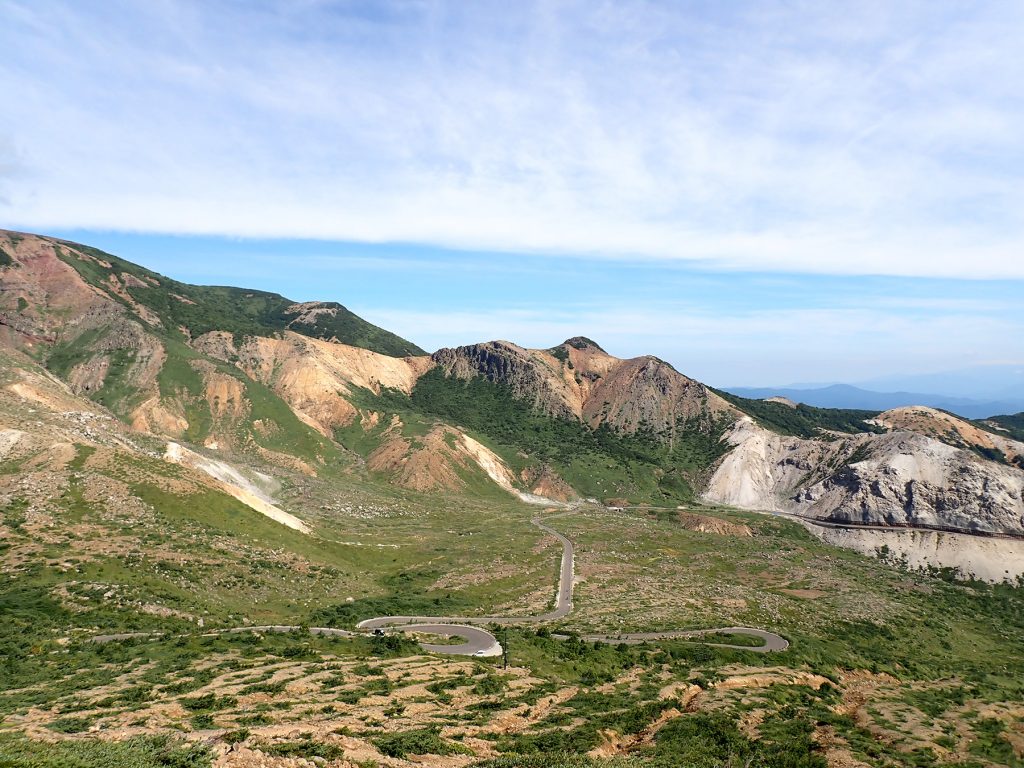
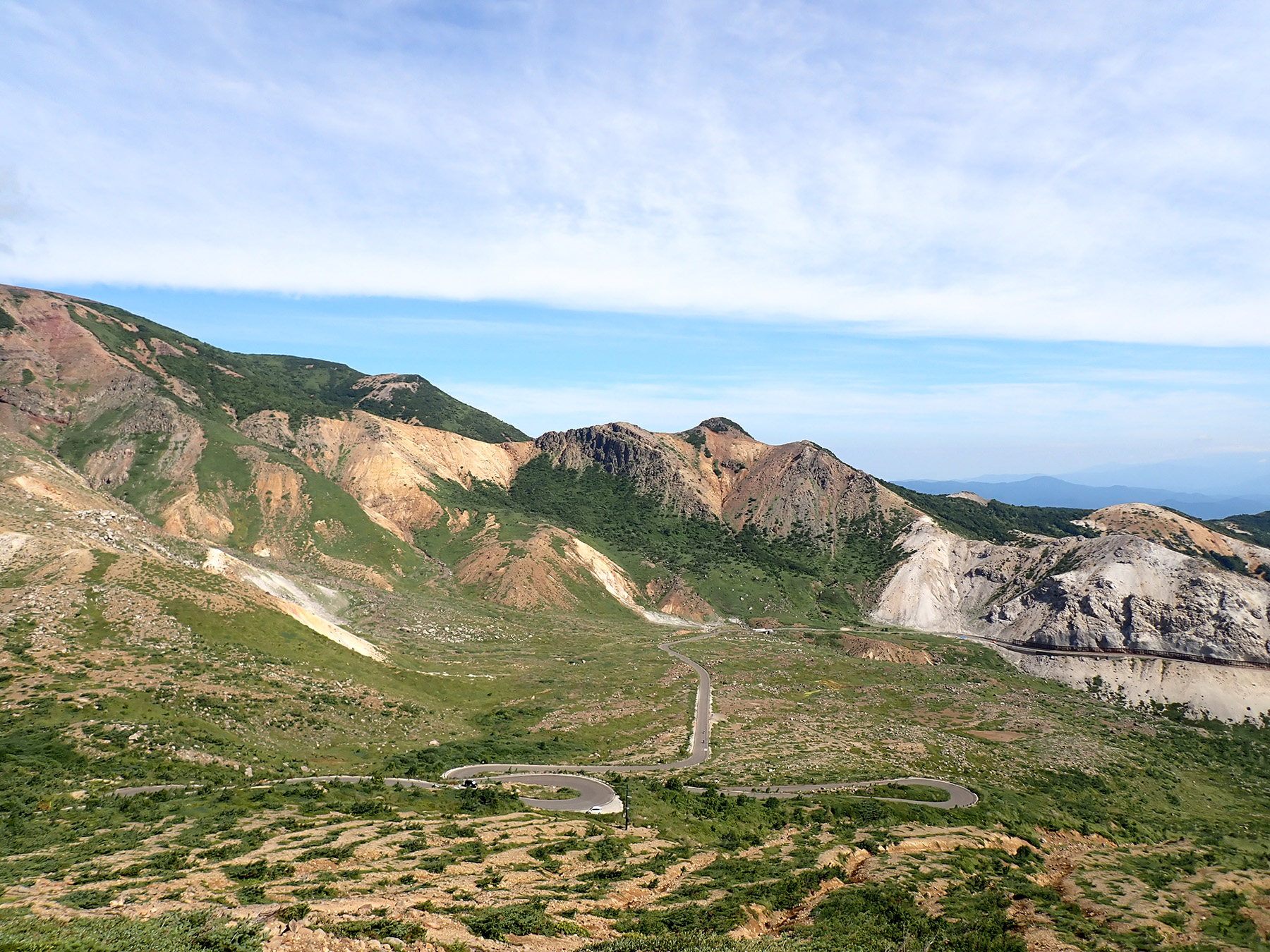
The first day of my trip begins with enjoying the Bandai-Azuma Skyline. The Bandai-Azuma Skyline is a 28.7-kilometer-long mountain scenic road connecting Takayu Hot Spring to Tsuchiyu Pass; it’s a route offering breathtaking views as it winds through the Azuma Mountain Range at an average elevation of 1,350 meters.You can drive while taking in a richly varied landscape—from forested areas to desolate scenery where volcanic gases rise—and there are numerous scenic spots along the way. The seasonal scenery—the snow corridors of spring, the fresh greenery of early summer, and the autumn foliage—is another attraction of this road, and I’ve driven it many times myself.
Michikusa Gurus
Traffic jams often occur during peak season and the fall foliage season, so we recommend taking an early morning drive between 7:00 and 8:00 a.m. when the roads are less crowded.
My usual route is to exit at the “Fukushima-Nishi” Interchange on the Tohoku Expressway and start from Takayu Hot Spring, which is the northern entrance to the Skyline. The first scenic spot is Tsubakuro Valley.
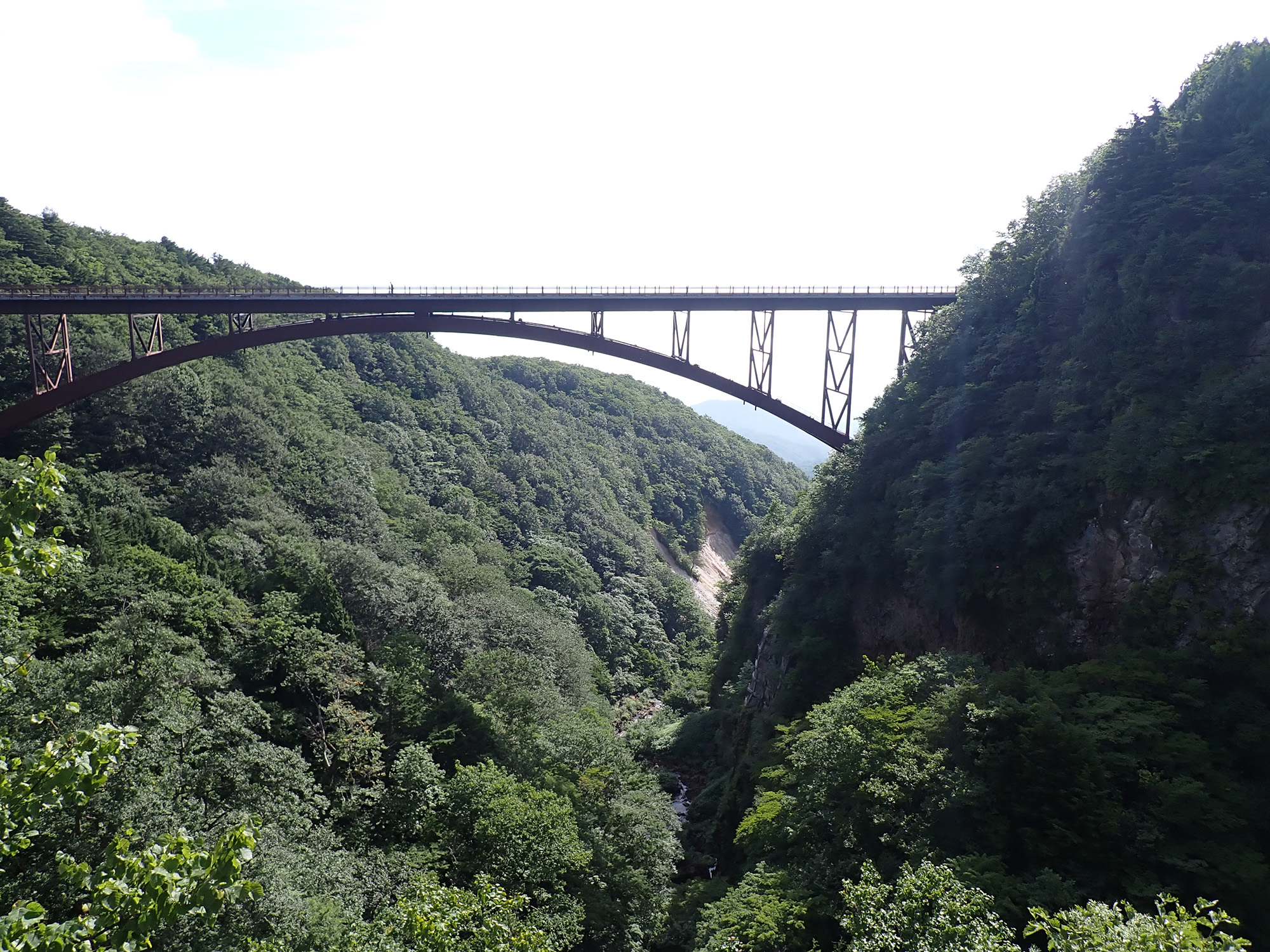
From the parking area, you can see the “Fudōzawa Bridge” spanning Tsubakuro Valley and the Fukushima Basin. I was surprised by how deep the valley floor was when I looked down.Apparently, the valley was named Tsubakuro Valley because rock swallows (tsubakuro) are often seen flying around there. It’s also known as a famous spot for autumn foliage and is a popular location for photography. Free parking is available.
As you drive through a desolate area where volcanic gases emanate, you’ll reach “Jododaira.” Located about 40 minutes from Takayu Hot Spring, it sits at the midpoint of the Bandai-Azuma Skyline and features a spacious paid parking lot.It features a rest house and the “Jododaira Visitor Center,” serving as both a rest stop along the Bandai-Azuma Skyline and a starting point for hikes. Whenever I travel along the Bandai-Azuma Skyline, I always make sure to stop here. The surrounding area is rich in natural attractions, and Azuma-Kofuji and the marshland are spots you definitely won’t want to miss.
Recommended Spot on the Bandai-Azuma Skyline: “Azuma-Fuji”
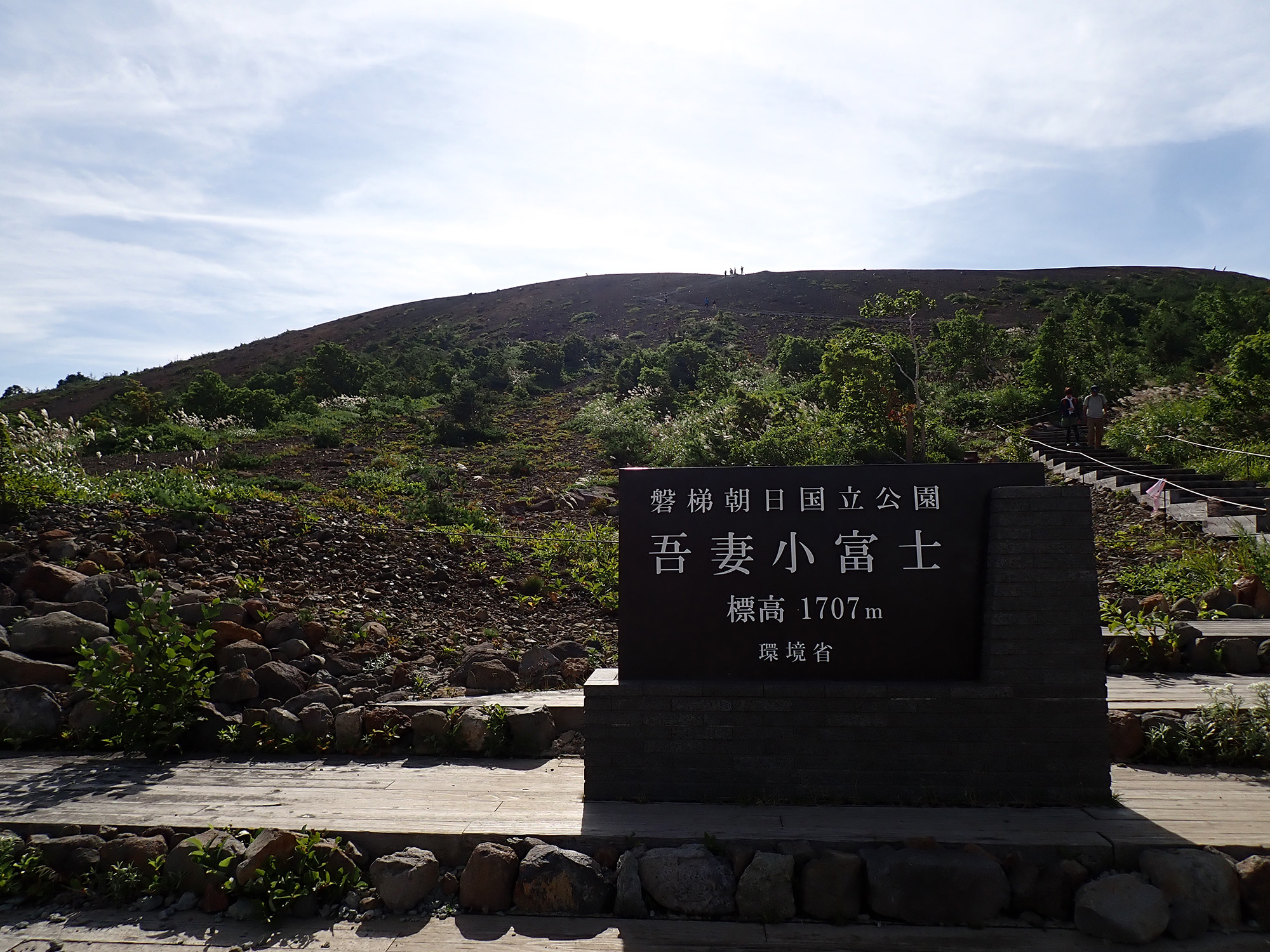
Azuma-Kofuji, at an elevation of 1,707 meters, has well-maintained stairs, and it takes about 10 minutes to climb to the volcanic wall. Once at the top, I was overwhelmed by the sheer scale of the massive, bowl-shaped crater—approximately 500 meters in diameter and about 70 meters deep to the crater floor.
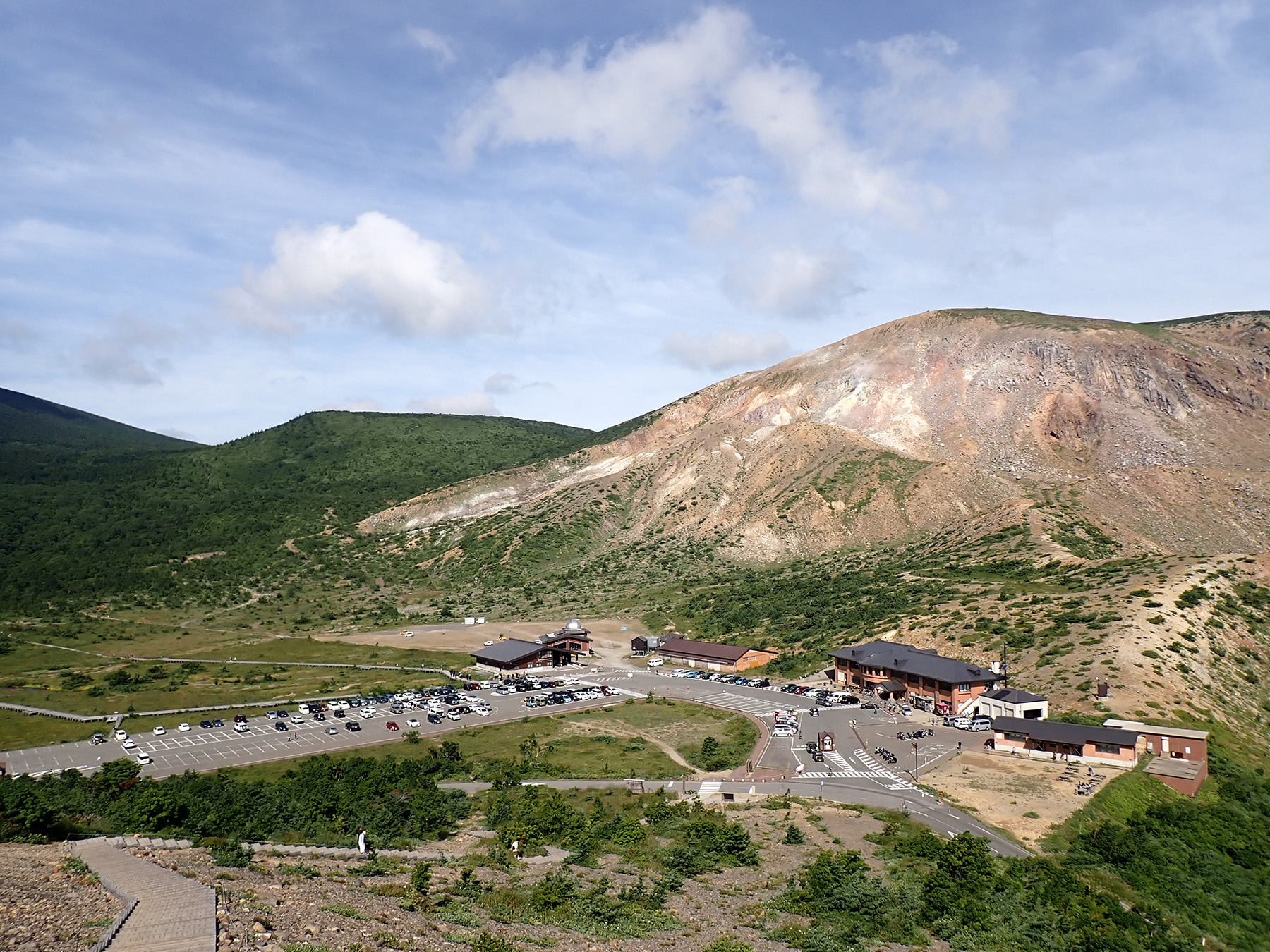
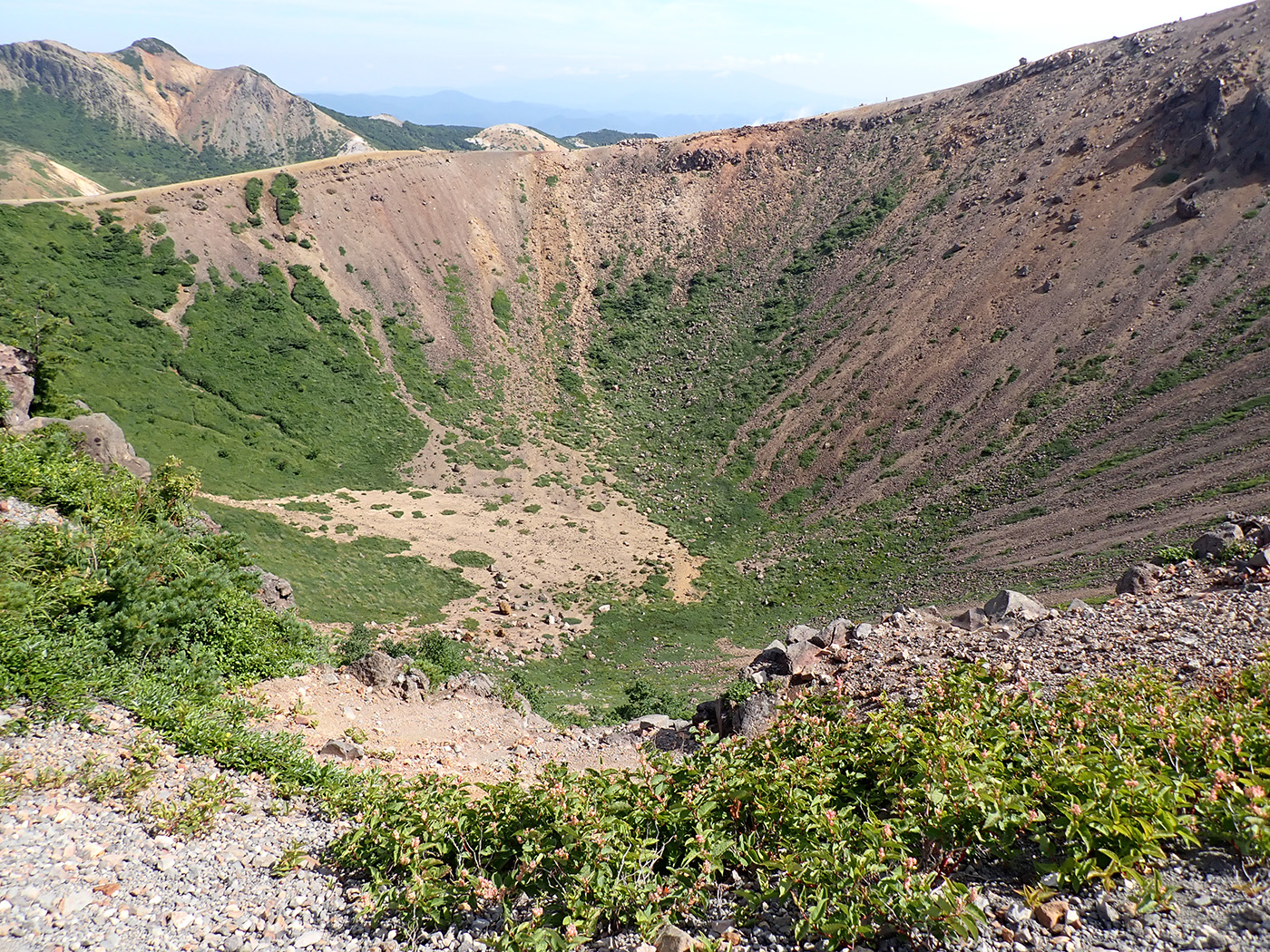
I also recommend the “O-kama Meguri” trail, which circles the crater. The walk takes about 40 minutes and offers a 360-degree panoramic view of the Fukushima Basin, Jododaira, and other sights.Since the gravel trail can be slippery and there are areas with loose rocks, hiking boots or sneakers—any comfortable walking shoes—are best. When I climbed, the wind was quite strong, making it difficult to move forward.
Recommended Spot on the Bandai-Azuma Skyline: “Jododaira Marsh”
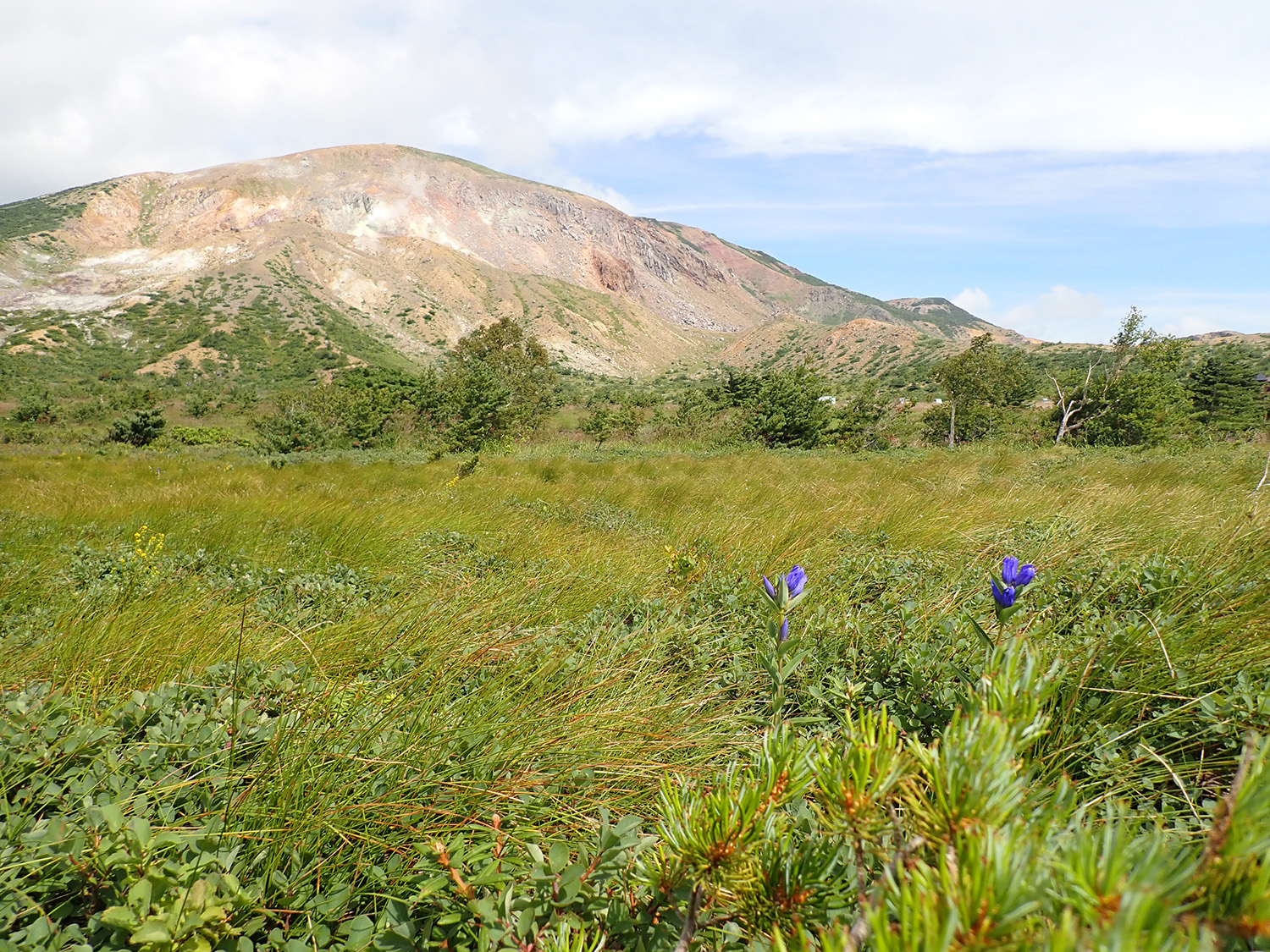
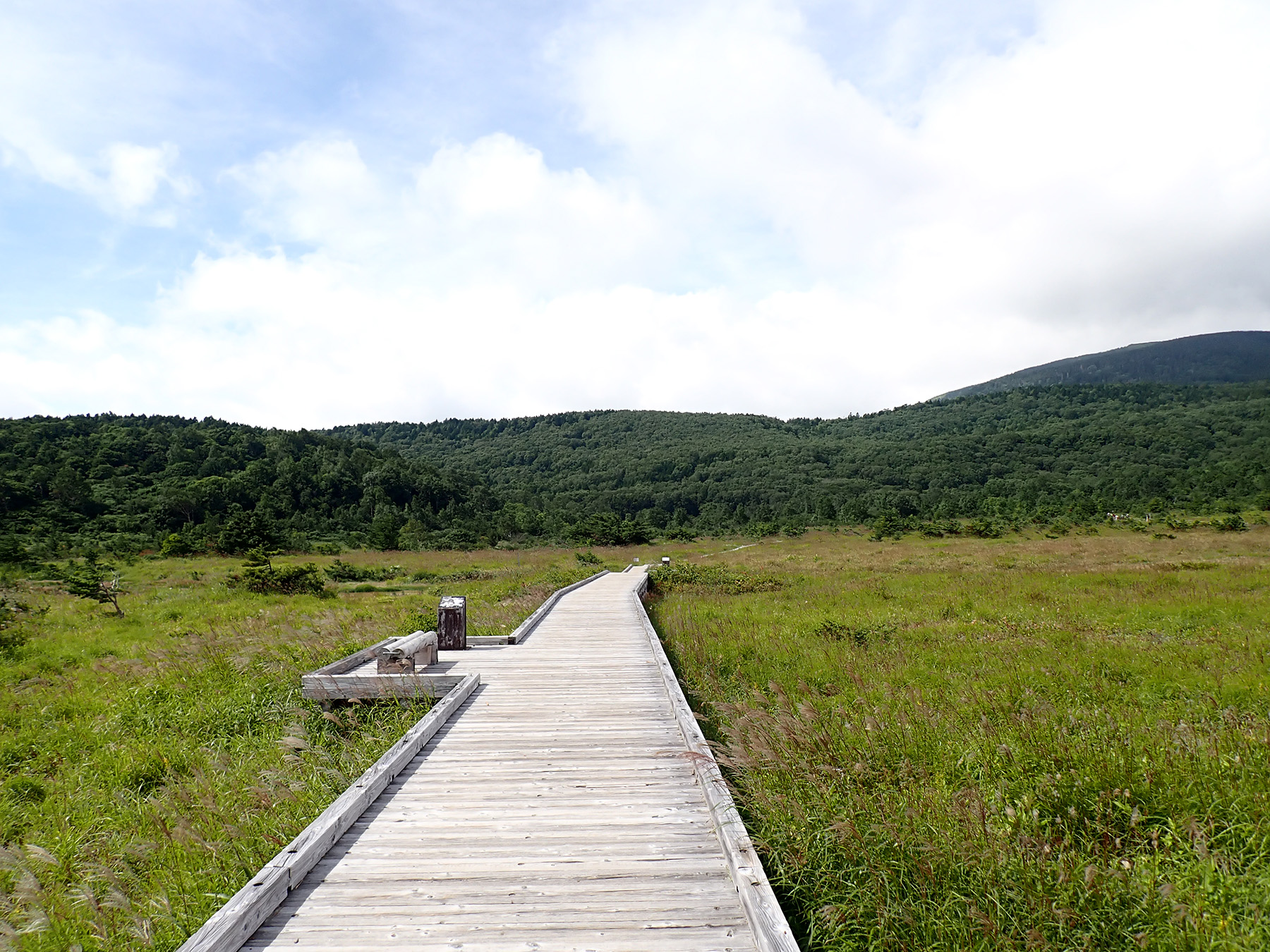
The Jododaira Marsh is adjacent to the Parking, and from May to September, you can enjoy a stroll while viewing alpine plants such as Iso-tsutsuji and Ezo-rindou. A boardwalk trail runs alongside the Visitor Center, forming a loop that takes about 20 minutes to complete.
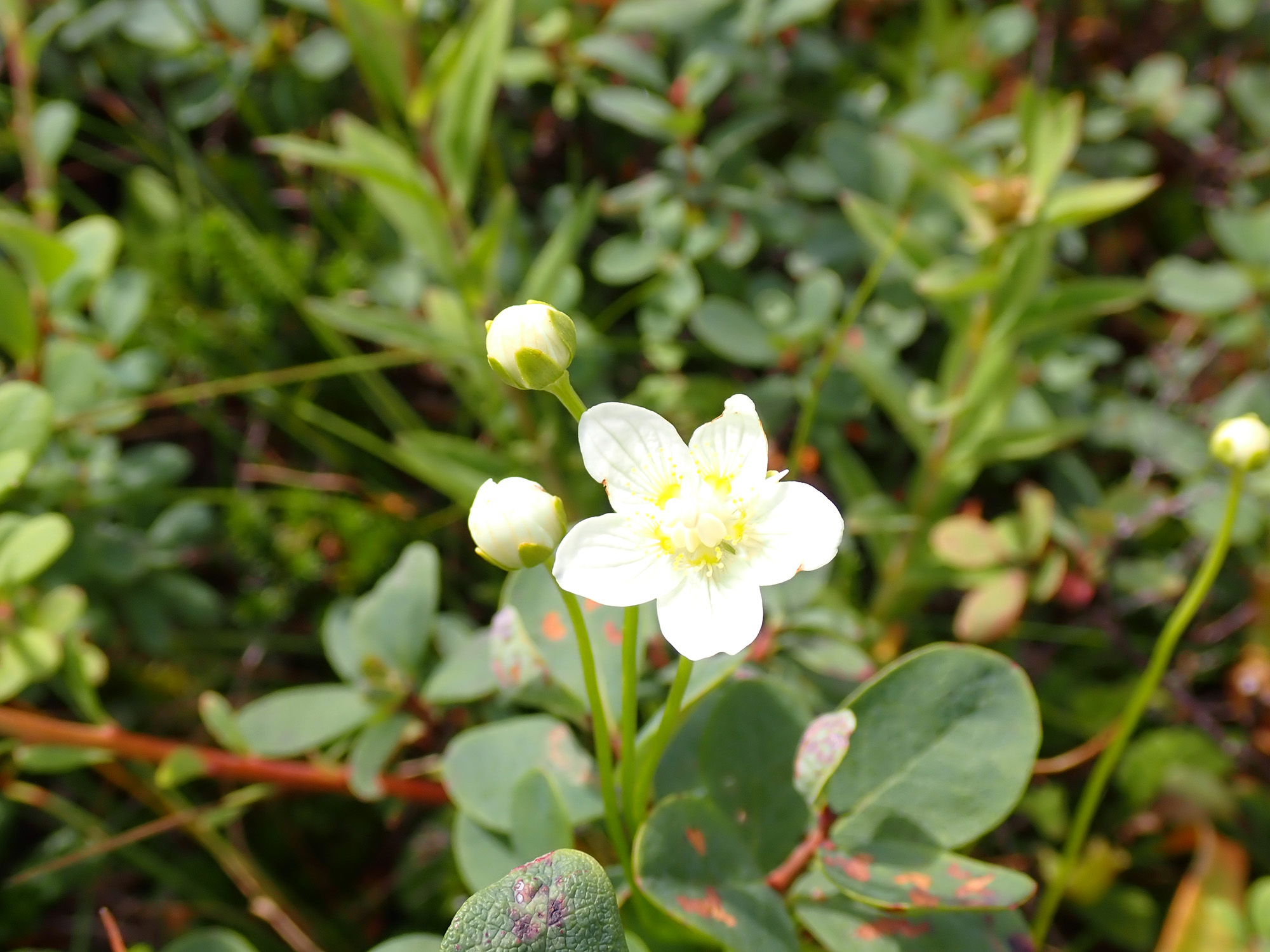
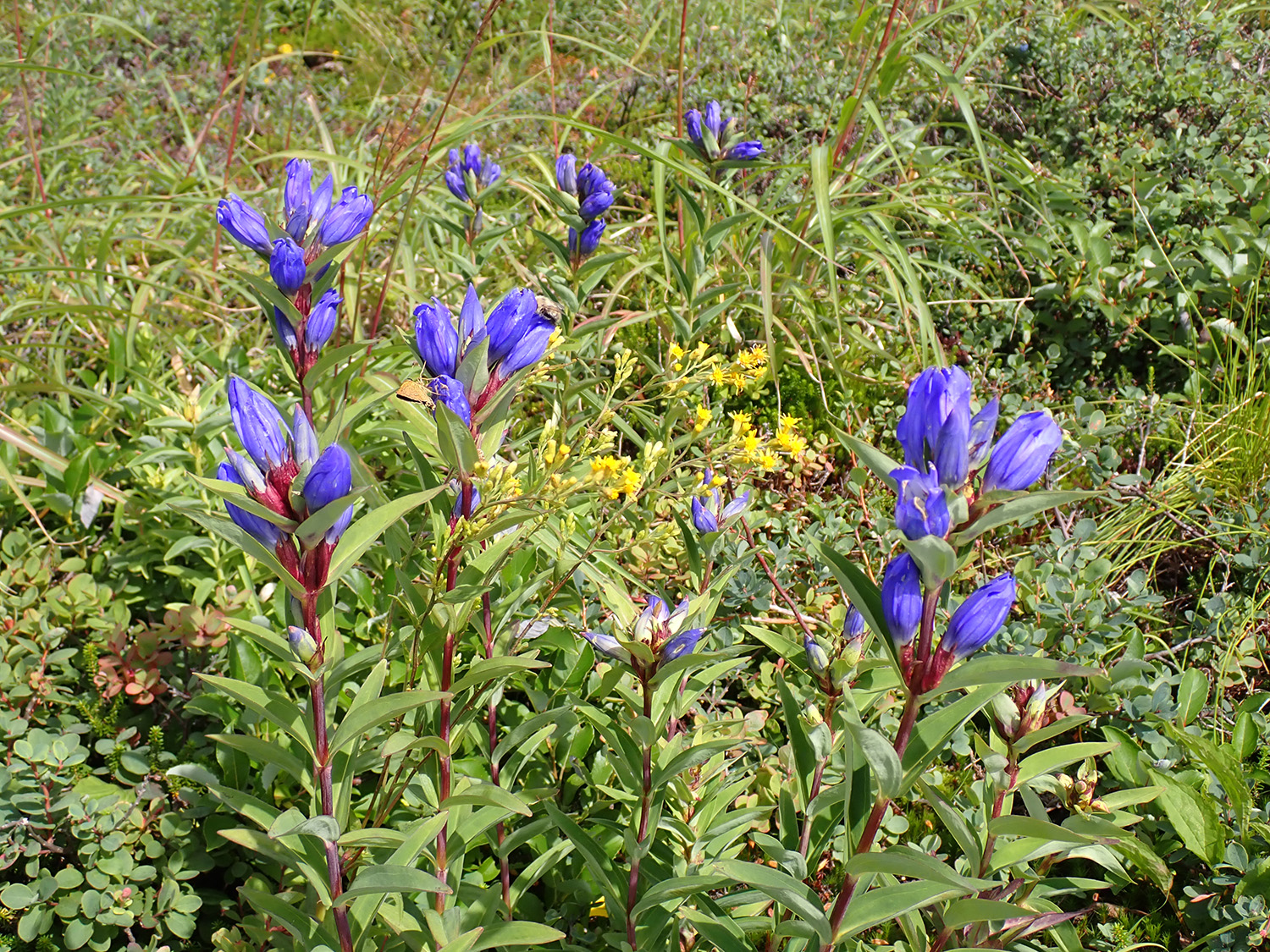
At the Visitor Center, you can gather information on seasonal flowers and safety precautions for your walk. I picked up a guide listing the types of flowers that bloom at Jododaira and enjoyed my walk while observing and photographing the blooms.
After passing Jododaira, you’ll drive down the mountain toward Tsuchiyu at the south entrance. The entire Bandai-Azuma Skyline takes about 60 minutes to drive nonstop.
Michikusa Gurus
After driving the Bandai-Azuma Skyline, we recommend combining it with a drive along the “Bandai-Azuma Lake Line.” It’s an exhilarating route that winds through a larch forest, featuring scenic overlooks offering views of Lake Akimoto, Lake Matsubara, and Lake Hibara, as well as the Nakatsugawa Gorge.
On the first day, I enjoyed a scenic drive and a nature walk, then stayed overnight in the Bandai area.
Although I wasn’t able to visit this time, I highly recommend stopping at “Roadside Station Urabandai” after your scenic drive.It features a gift shop, a restaurant, a dango shop, and a gelato shop, where you can sample “Aizu Mountain Salt Ramen” and “Mountain Salt Gelato” made with the region’s specialty mountain salt. The second floor of the building serves as an observation deck, offering a panoramic view of Lake Hibara and Urabandai.
[Roadside Station Bandai] From a wide variety of gourmet food to sake gacha—you’re sure to be satisfied
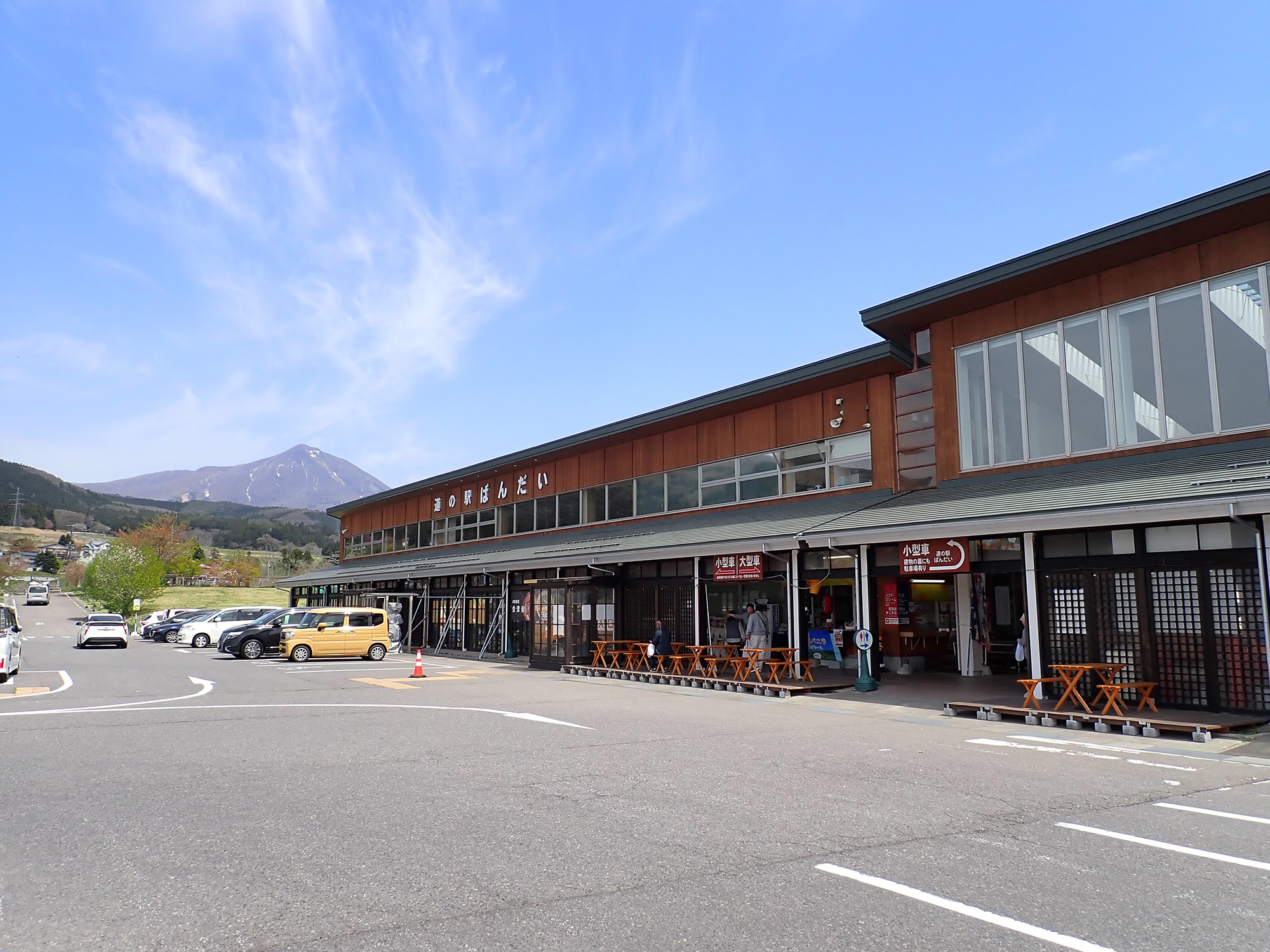
On the second day, we’ll enjoy visiting roadside stations. After checking out of the hotel, the first roadside station we headed to was “Roadside Station Bandai.”
Located along Prefectural Route 7 at the foot of Mount Bandai, this roadside station features a local products hall, the Restaurant “Aizu Mine,” “Rahotsu BANDAI” (which sells light meals), and “Gelapan,” which reopened after renovations in March 2026.
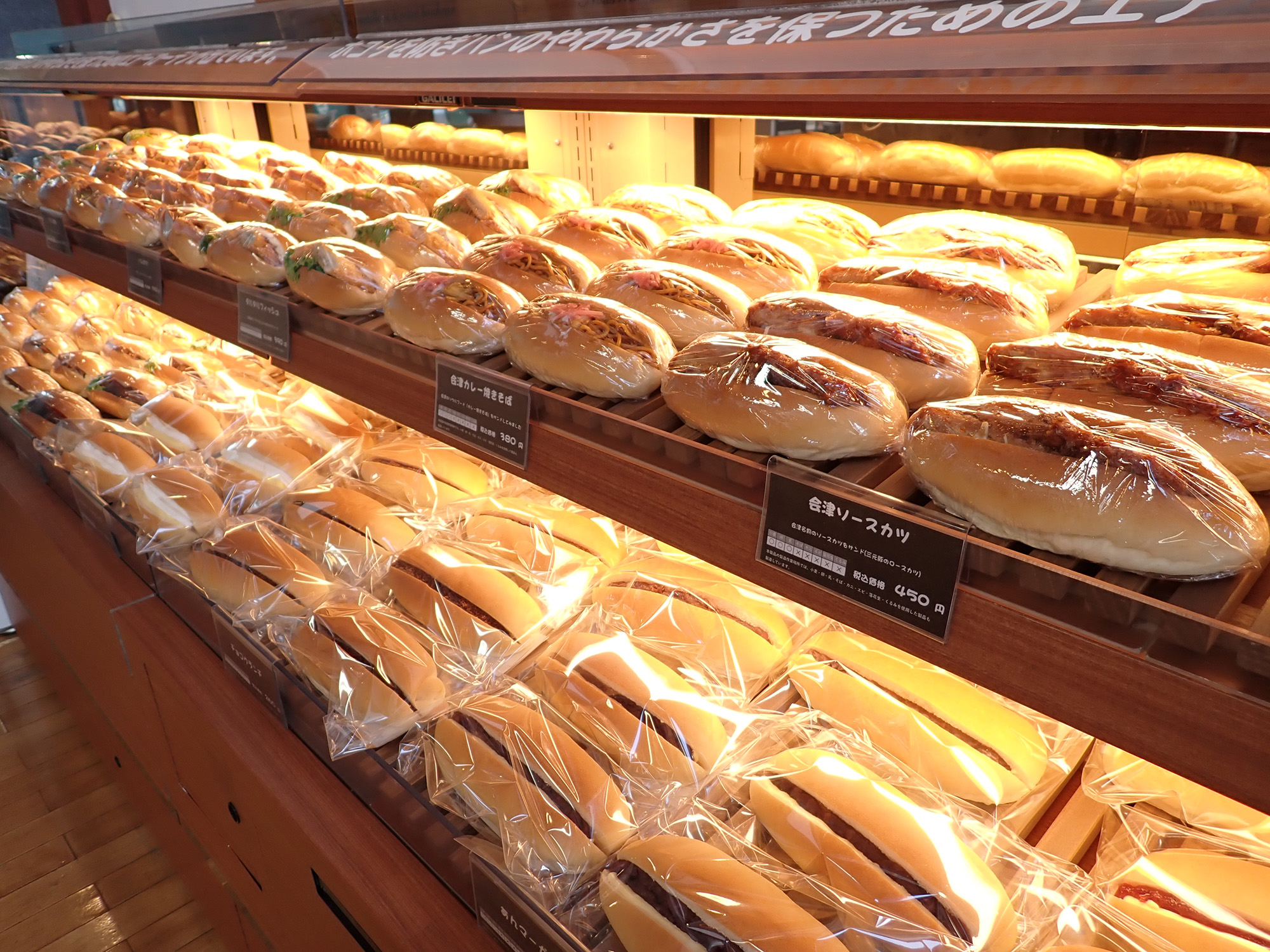
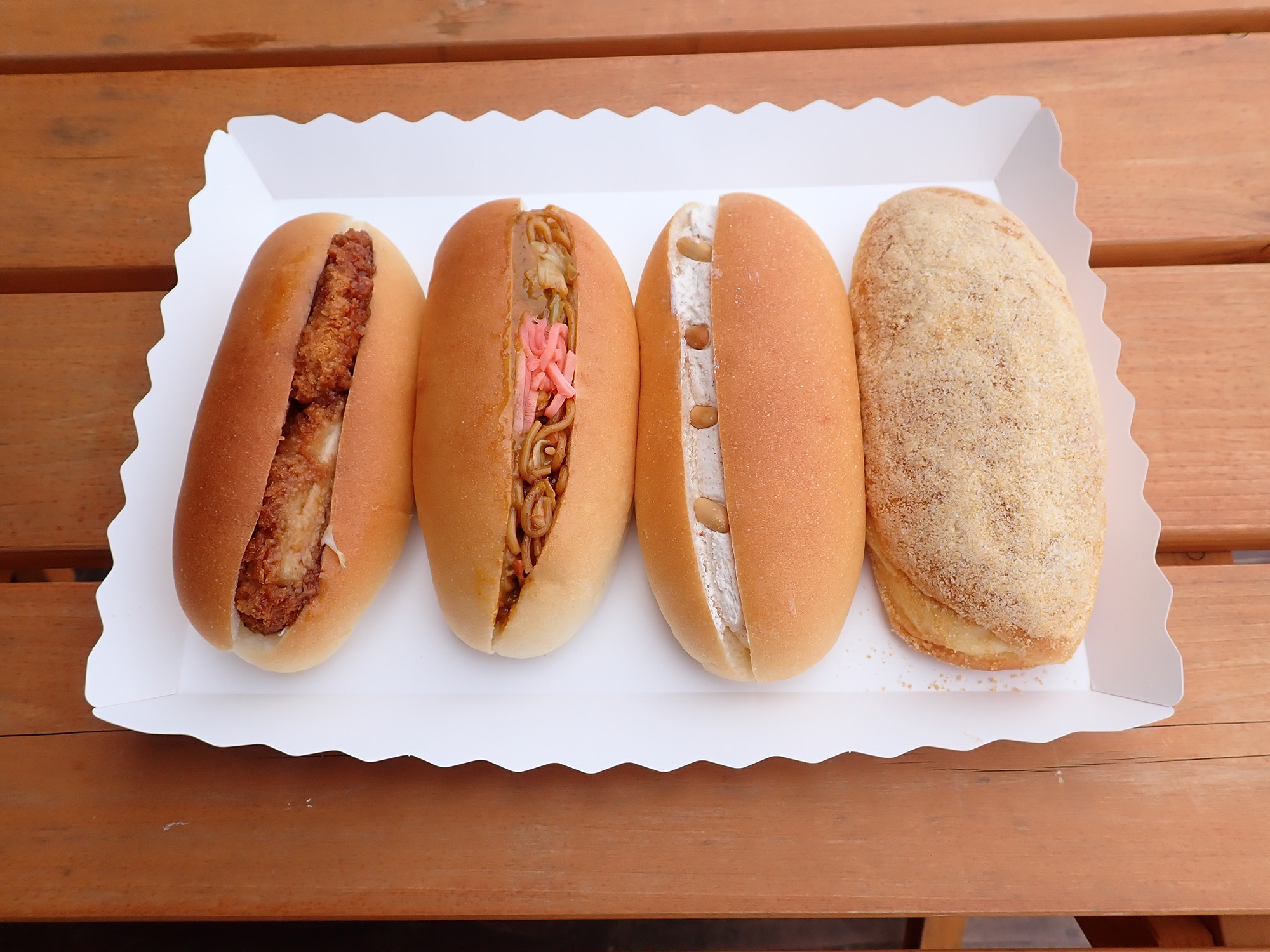
“Gelapan,” formerly a bakery, has been renovated into a specialty shop for koppepan and waffles. A wide variety of original koppepan sandwiches are lined up, making it hard to decide which one to choose.
The fluffy koppepan has a slight sweetness and pairs perfectly with both savory and sweet fillings.
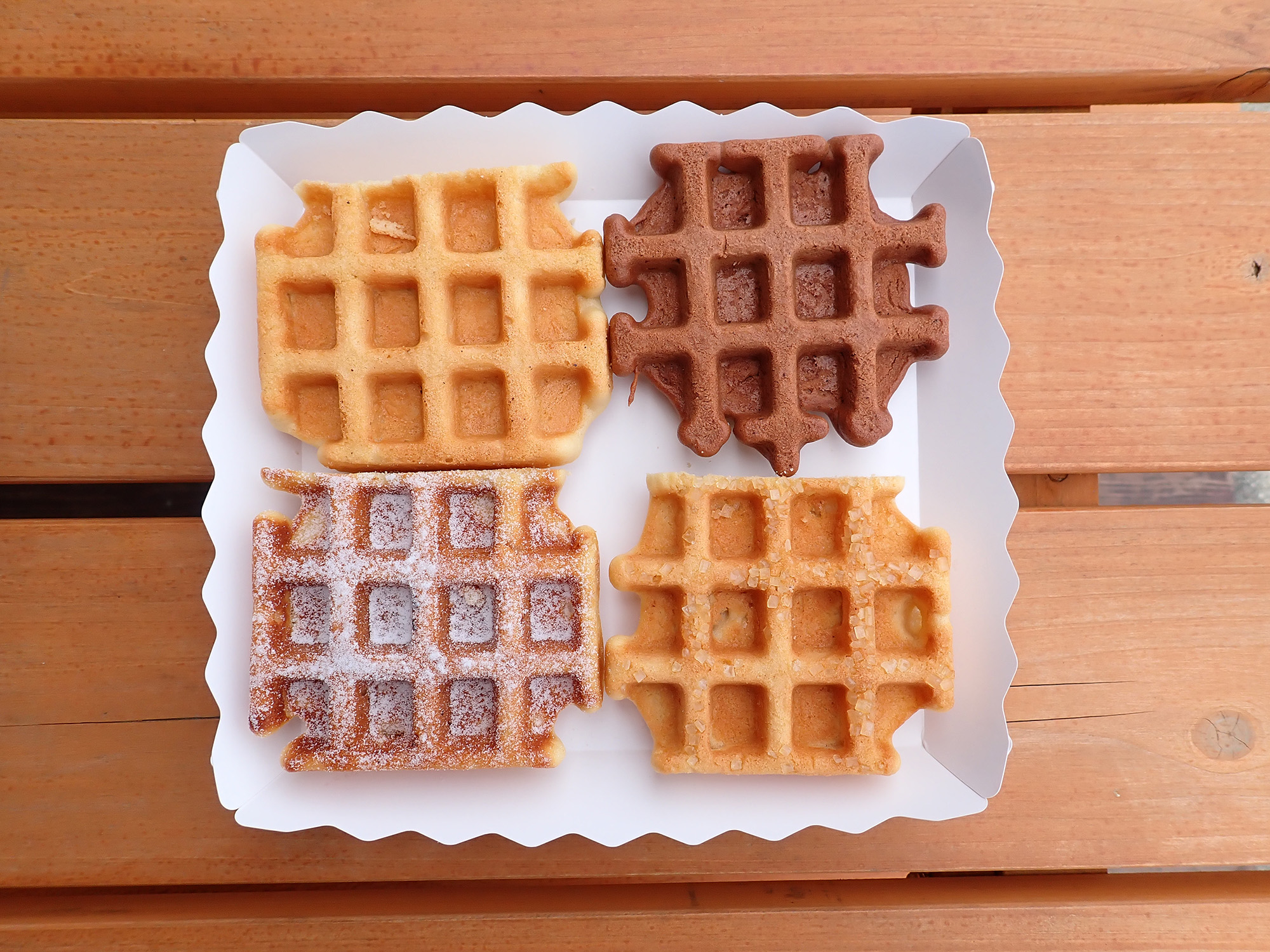
The original “Rice Flour Waffles” are made using rice flour from Bandai Town, raw cane sugar, and rice oil. They are subtly sweet and have a crisp texture.
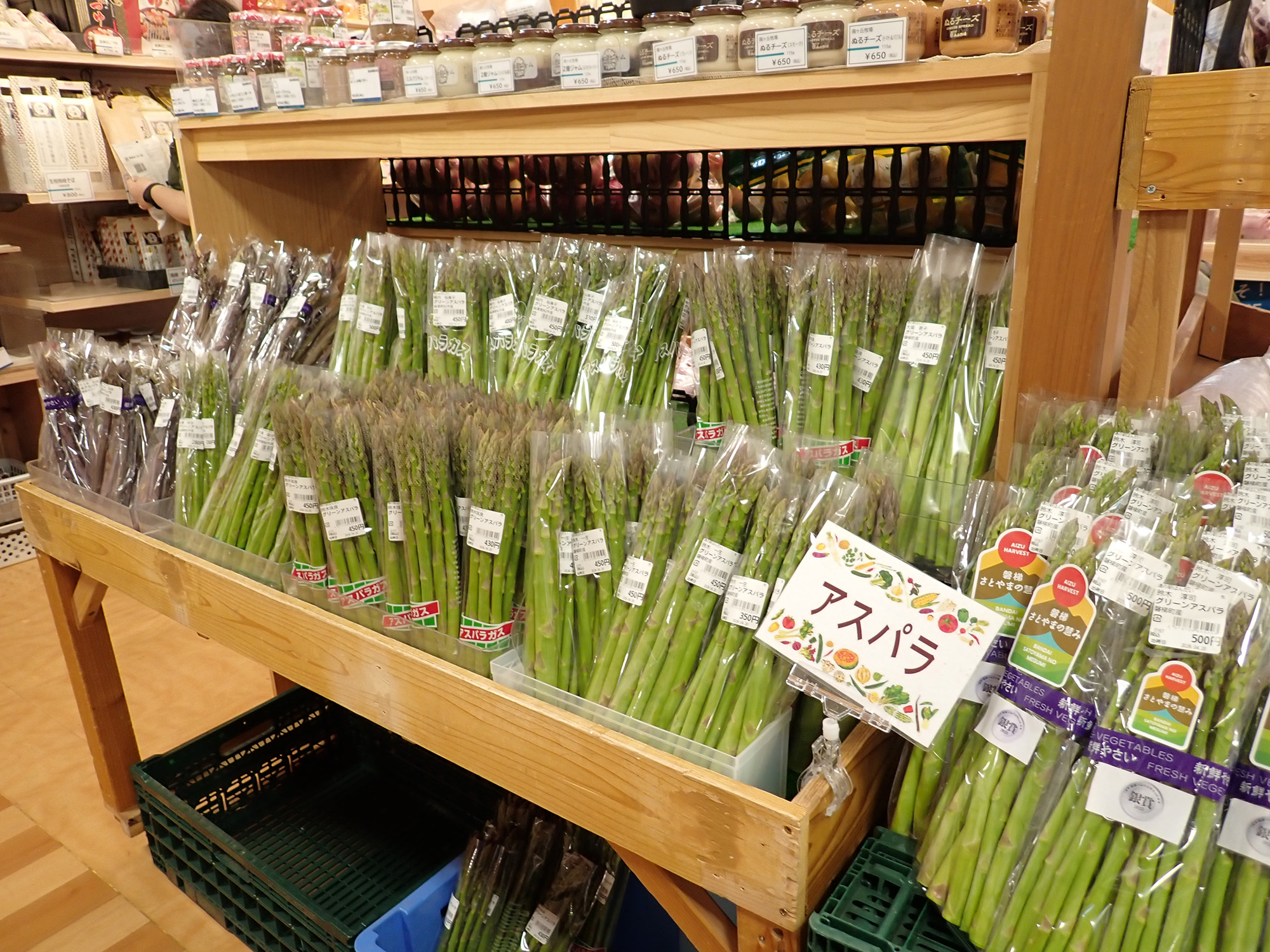
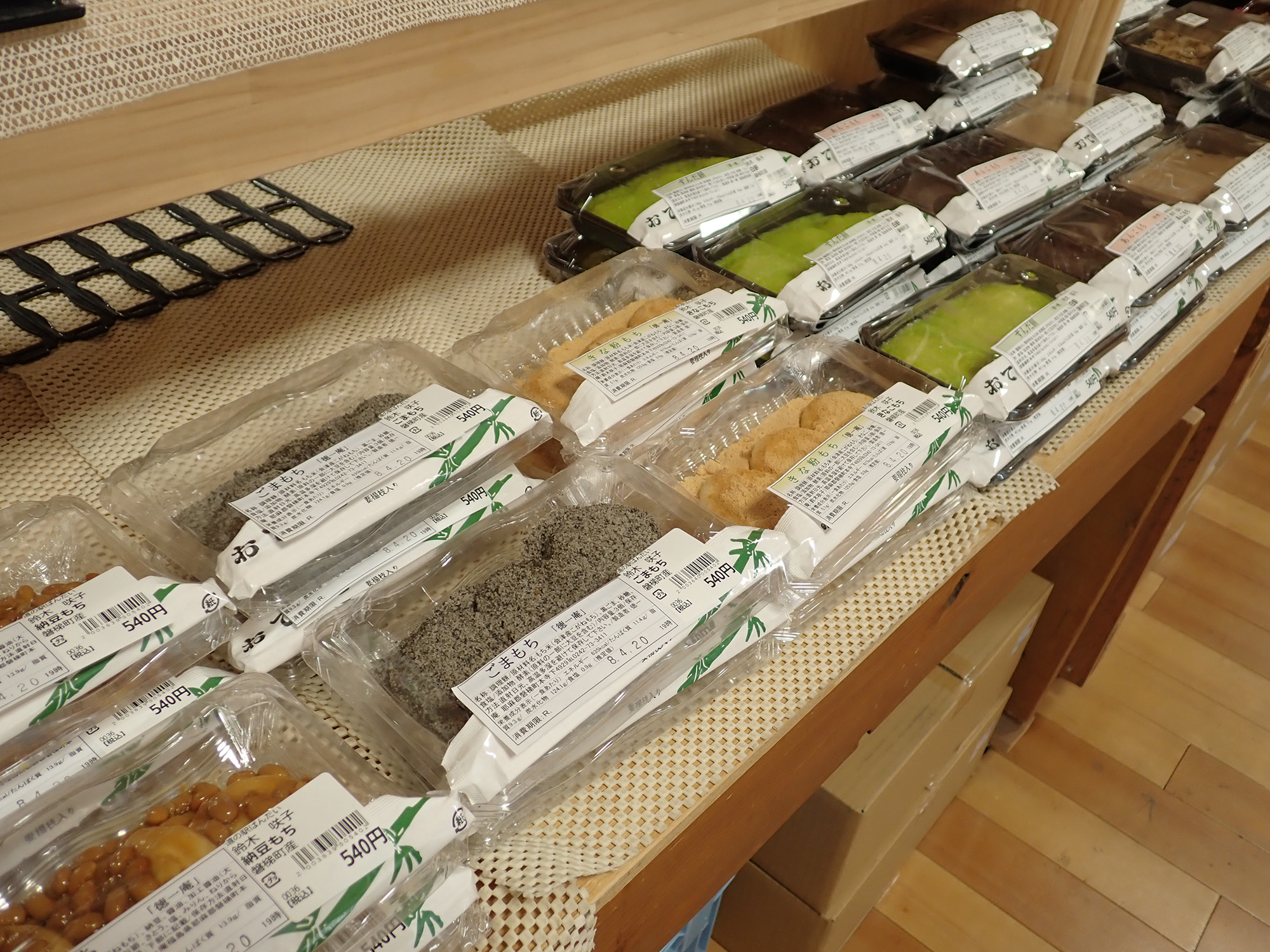
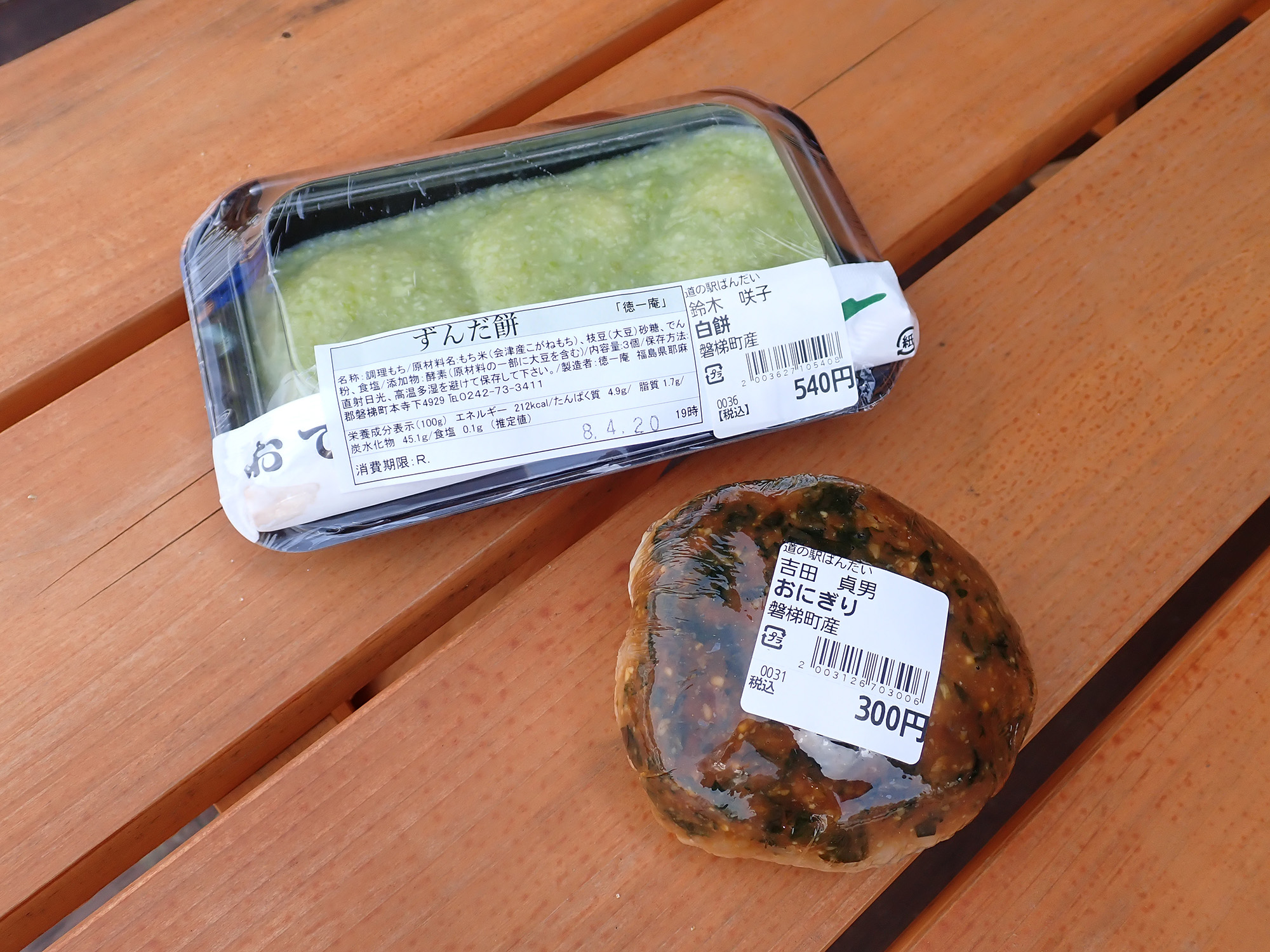
The local products hall is stocked with agricultural produce, specialties, and souvenirs from Bandai Town. Handmade rice balls and mochi are also said to be popular.
Michikusa Gurus
When I bought them in the morning, they were still slightly warm. I recommend enjoying them as soon as possible while they’re still soft and fresh. The mochi, made with glutinous rice from Aizu, had a strong natural sweetness and was delicious.
In particular, there is a wide variety of sake available. The Aizu region boasts ideal conditions for sake brewing—a cold climate, delicious water, and high-quality rice—making it one of Japan’s leading sake-producing areas with numerous breweries. The selection ranges from classic varieties to premium sakes.
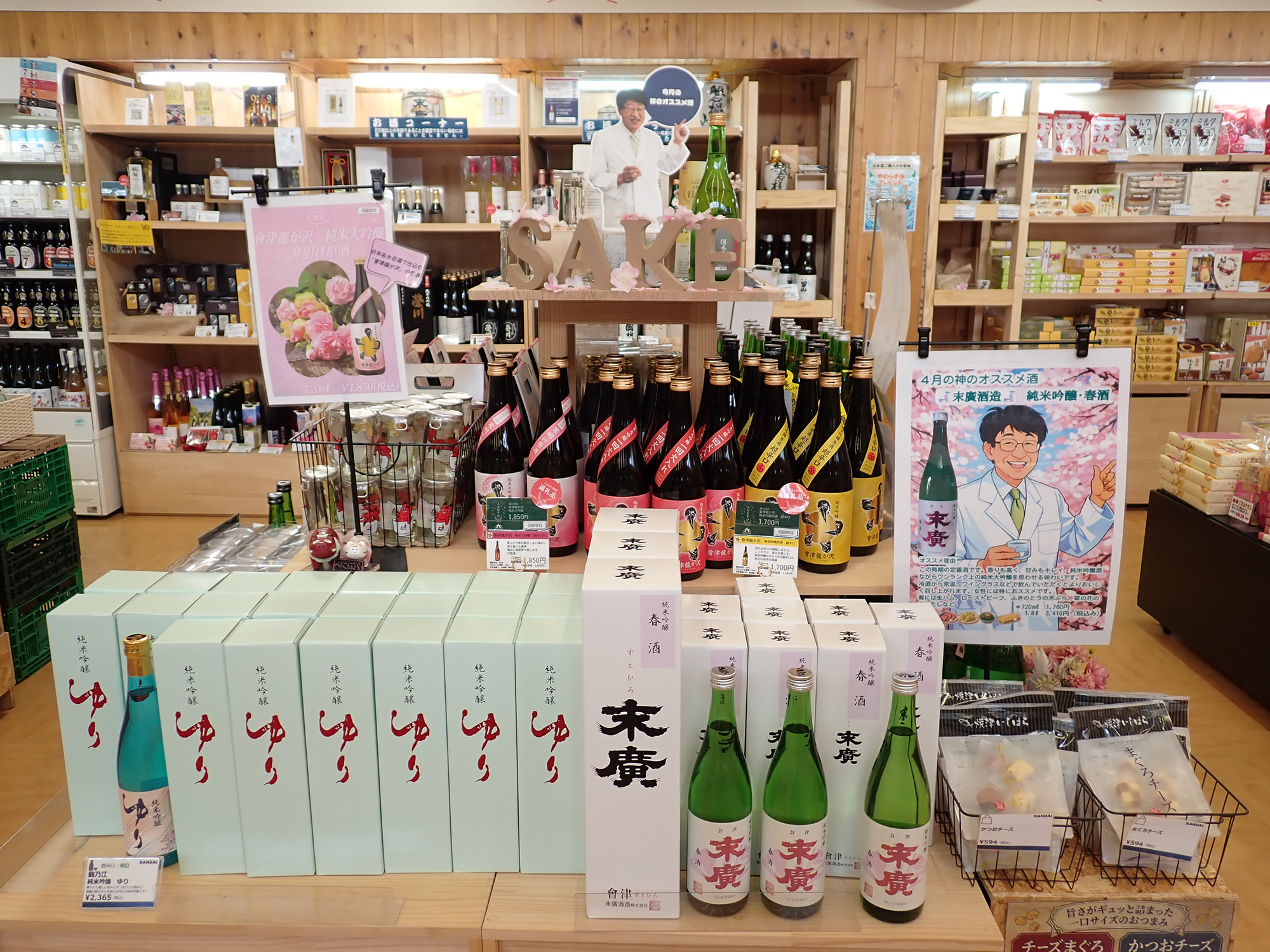
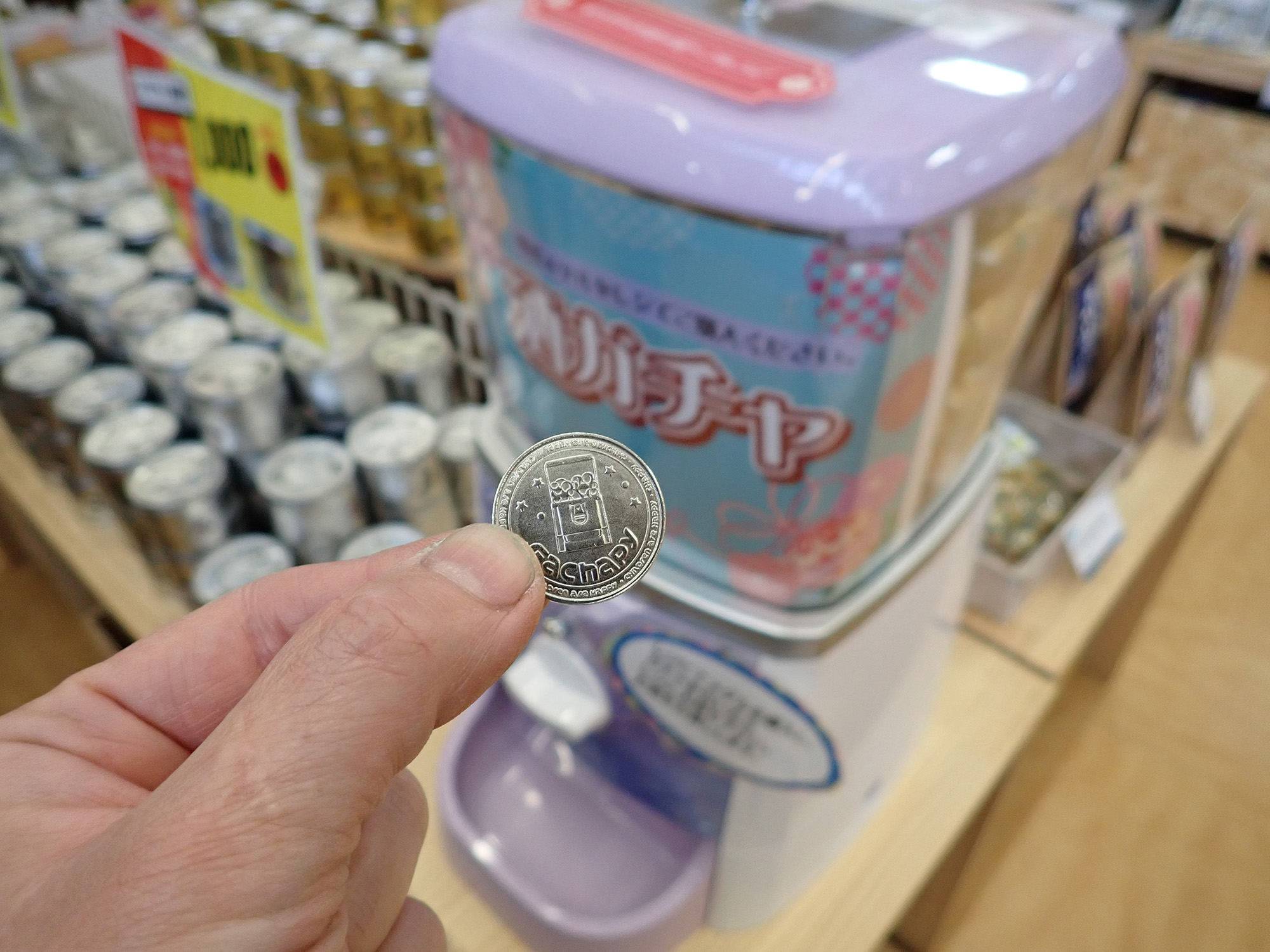
You can also purchase a monthly rotating selection of sake chosen by Kenji Suzuki, a sake researcher known as the “God of Sake.” Thanks to his connection as a resident of Bandai Town, Mr. Suzuki serves as a special advisor to Roadside Station Bandai, helping to curate the sake selection. Additionally, a “Sake Gacha” event is held exclusively on weekends.For 1,000 yen per play, you’re guaranteed to win a bottle of sake worth at least 1,000 yen—a truly generous promotion!
Michikusa Gurus
Prizes include monthly rotating sake selections for 1st through 4th place, as well as a “Lucky Prize” consisting of a set of two mini bottles. Why not try your luck? I won 4th place.
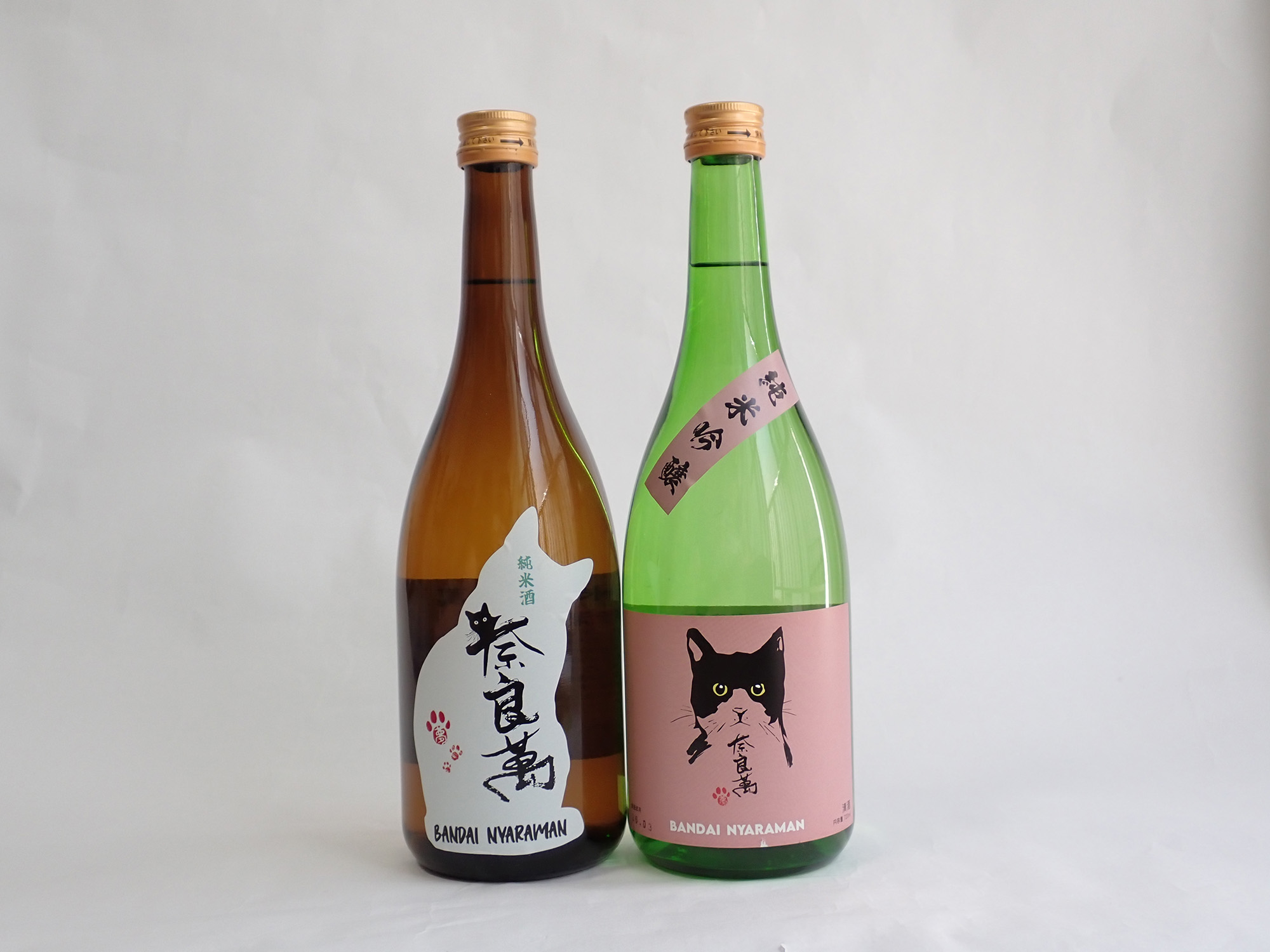
There are also many original products, offering a selection of souvenirs unique to Roadside Station Bandai.
“Nyara-man,” a limited-edition sake featuring an original Roadside Station label created in collaboration with Kitakata’s famous “Nara-man” sake, has an incredibly cute cat label. Whenever I find a regional sake exclusive to that area, I can’t help but buy it as a souvenir.
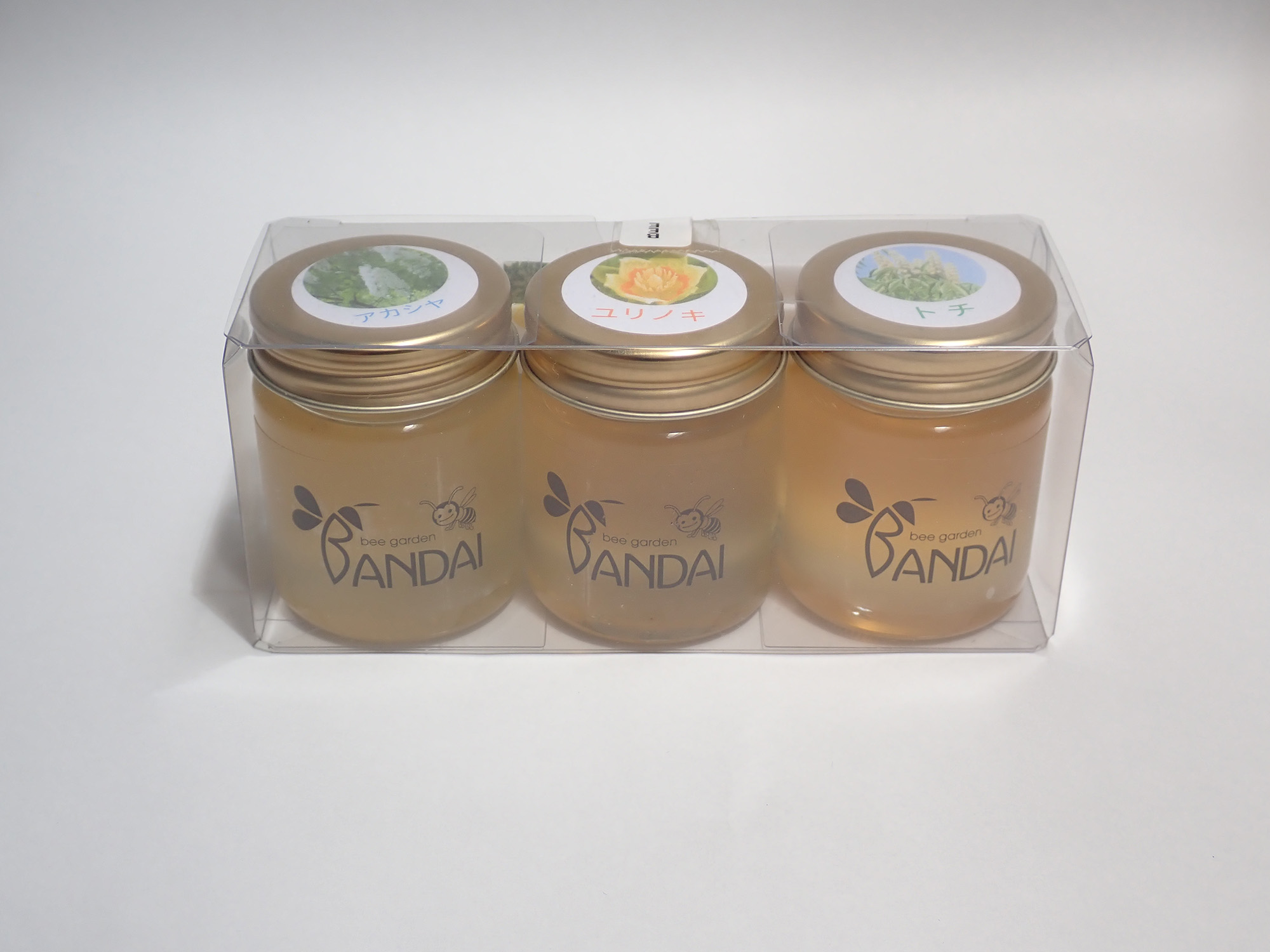
Honey produced in Bandai Town is also reportedly popular, and they had various sizes available, including acacia, horse chestnut, and buckwheat varieties. I also recommend the set of three varieties so you can compare them.
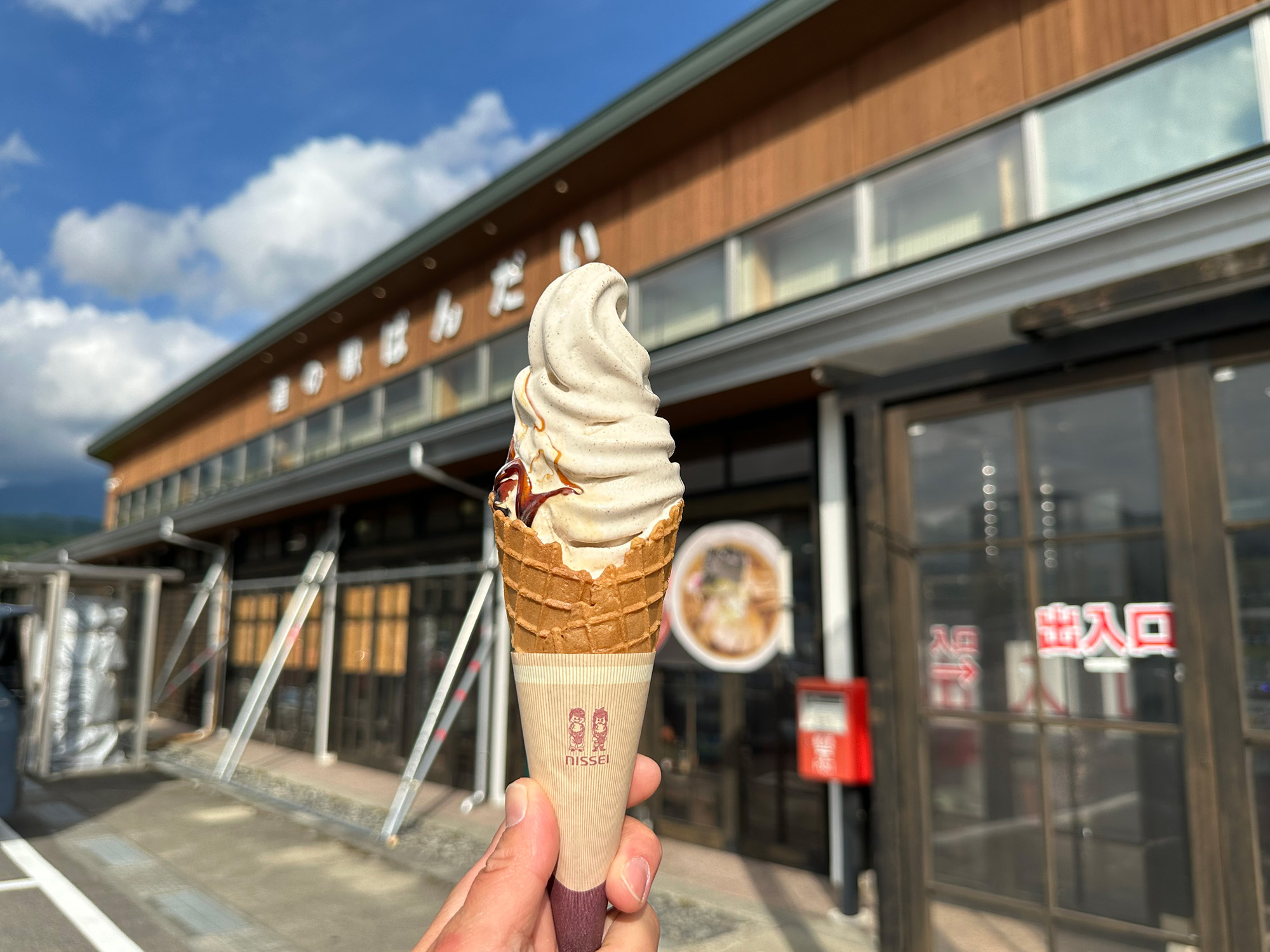
At “Rahotsu BANDAI,” located outdoors, you can enjoy buckwheat soft-serve made with buckwheat flour from Bandai Town. You can also add honey as a topping. The dark brown buckwheat honey had a distinctive flavor compared to other types of honey.
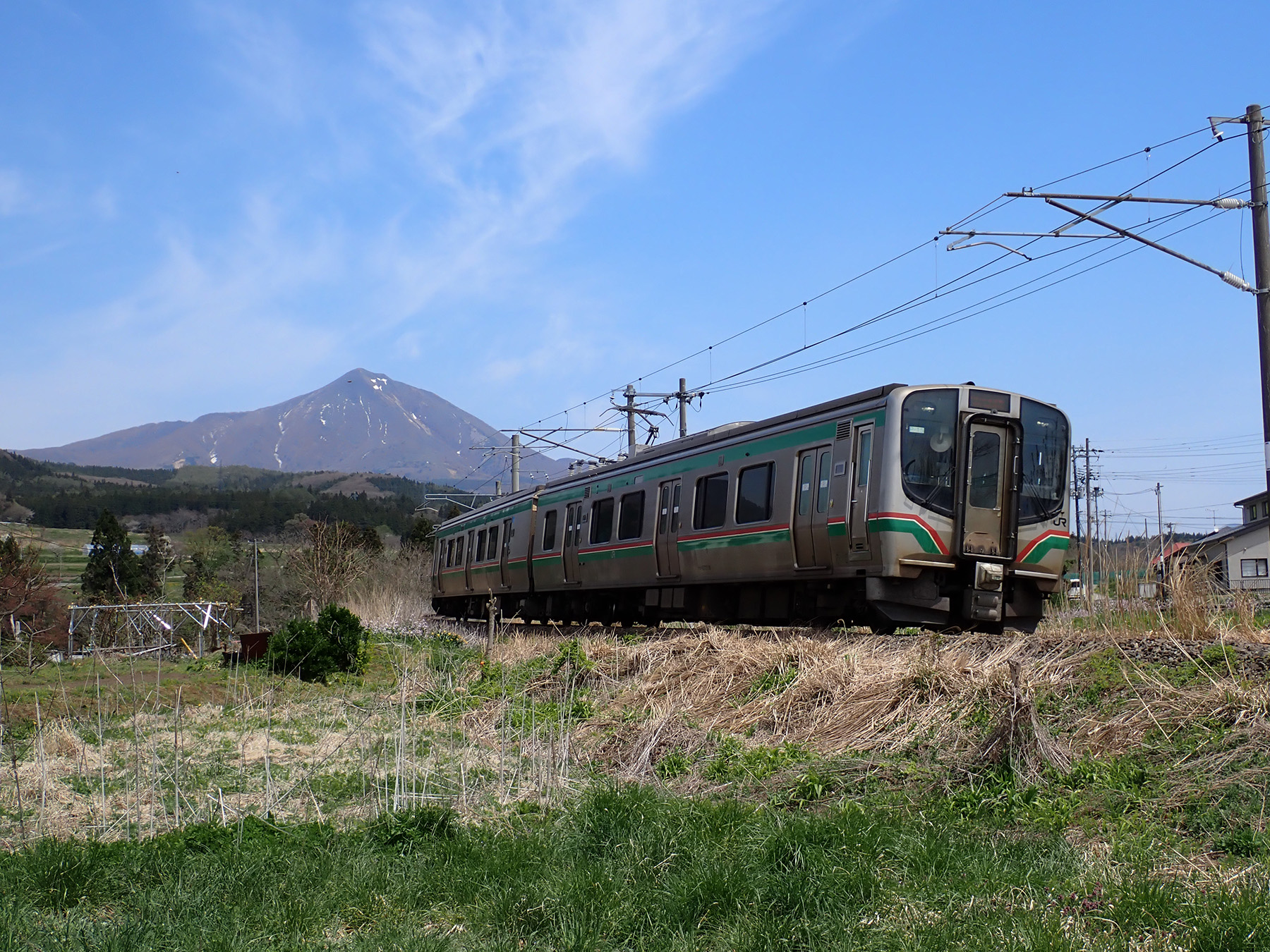
The Ban'etsu West Line runs behind the roadside station, so you can watch trains pass right in front of you. It’s the best spot to take photos of trains with Mount Bandai in the background.
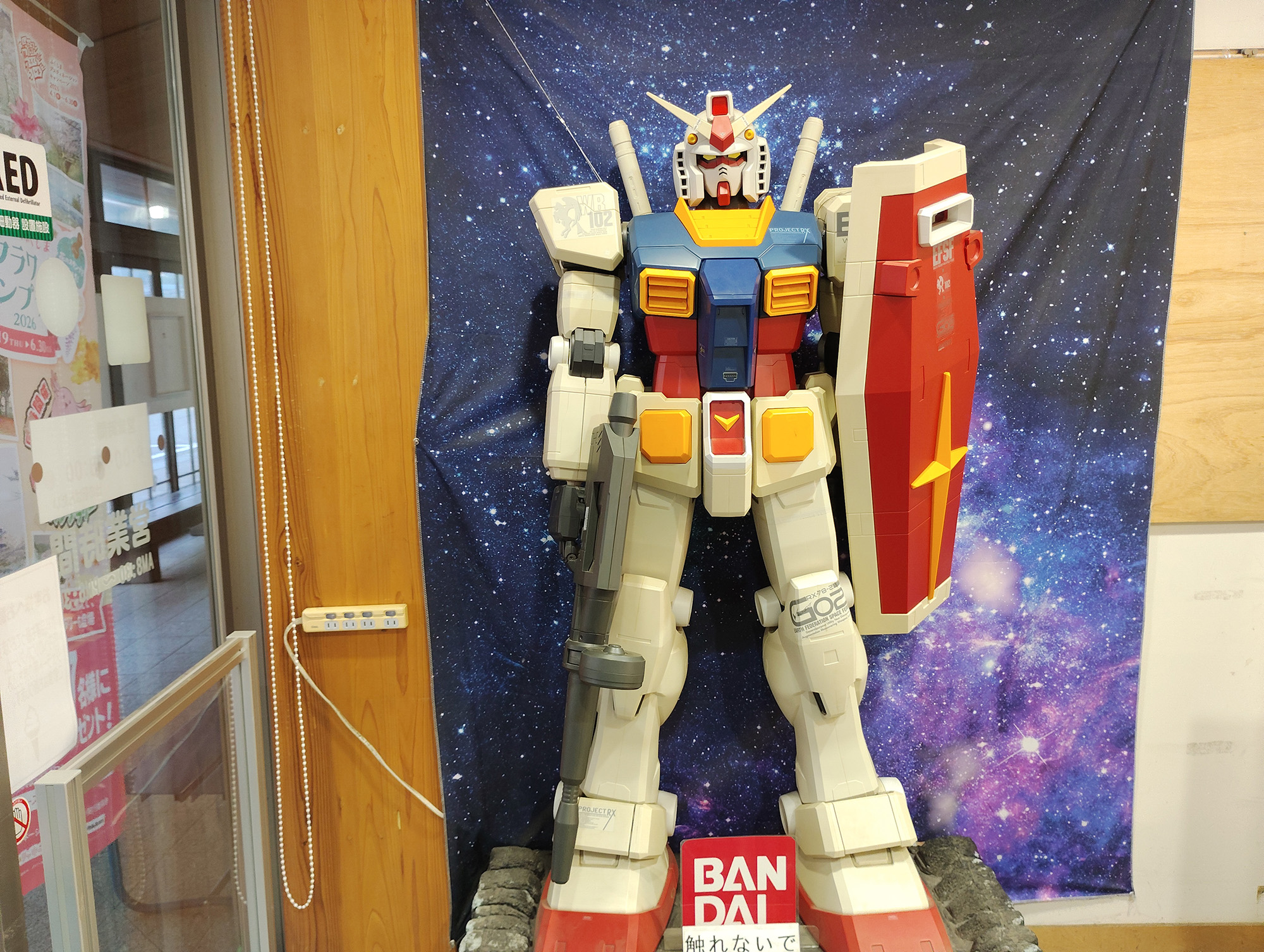
Inside the property, there’s a “Gundam” model on display, chosen because of the connection between the name “Bandai” (the roadside station) and the toy company “Bandai.” Be sure to check that out, too.
Michikusa Gurus
There are plenty of tables for resting at the roadside station, so you can eat the rice balls or koppepan you bought right there. You could also take them home and enjoy them by the shores of Lake Inawashiro.
- Roadside Station Bandai
-
 38 Bandai Jūōdō, Bandai-machi, Yama District, Fukushima Prefecture MAP
 Local Products Hall: 9:00 AM–6:00 PM
Gelapan: 11:00 AM–3:00 PM
Rahotsu BANDAI: 10:00 AM–4:30 PM (Dec. 1–Mar. 31: 11:00 AM–3:00 PM)
Restaurant Aizu Mine: 11:00 a.m.–5:00 p.m. (Dec. 1–Feb. 28: 11:00 a.m.–4:00 p.m. (last order at 3:50 p.m.)) January 1
 0242-74-1091
[Roadside Station Inawashiro] A gourmet and shopping spot you’ll want to visit before heading home
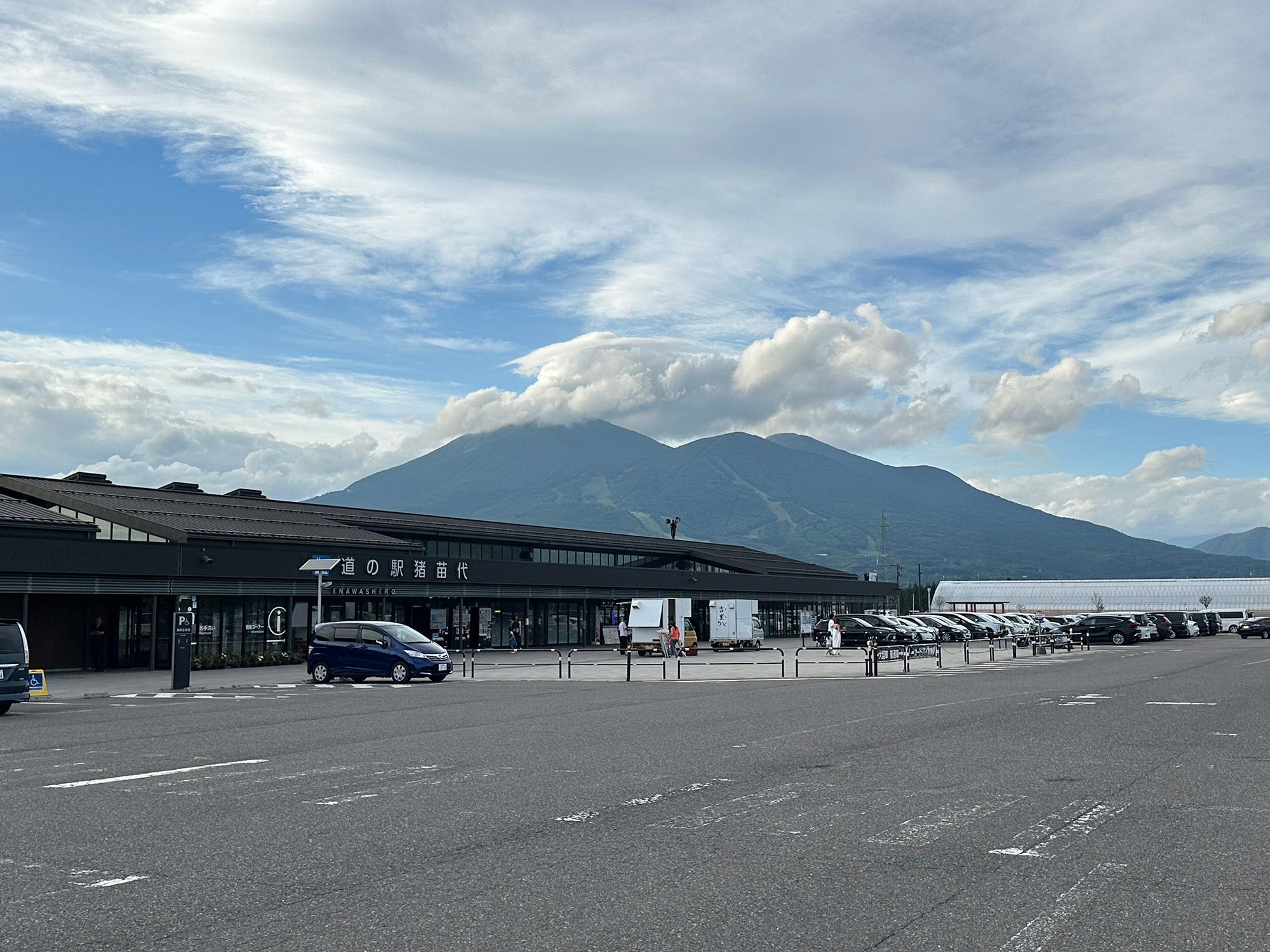
After visiting Roadside Station Bandai, enjoy sightseeing around Lake Inawashiro, such as strolling along the lakeshore, taking a sightseeing cruise, or visiting the “Hideyo Noguchi Memorial Museum” and the “Inawashiro Herb Garden.”
After enjoying sightseeing in Inawashiro, a place you’ll want to stop by before heading home is “Roadside Station Inawashiro.” It’s located about one minute from the “Inawashiro Bandai Kogen” interchange on the Ban-Etsu Expressway. Before heading home, be sure to indulge in some local cuisine and do some shopping.
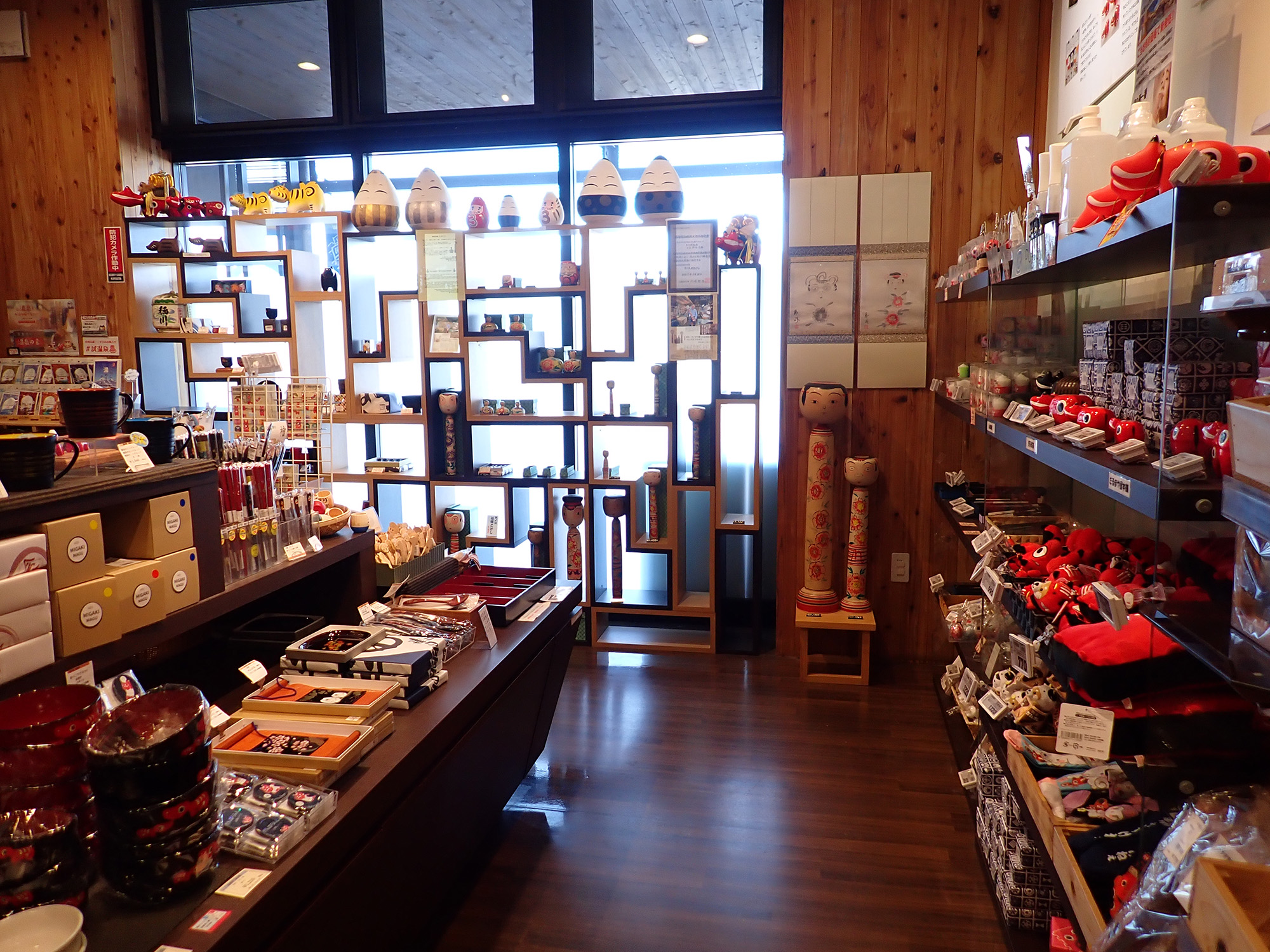
The spacious local products hall is packed with souvenirs and traditional crafts from the Inawashiro and Aizu regions. With such a wide variety of items, it’s the perfect place to shop for Aizu souvenirs.
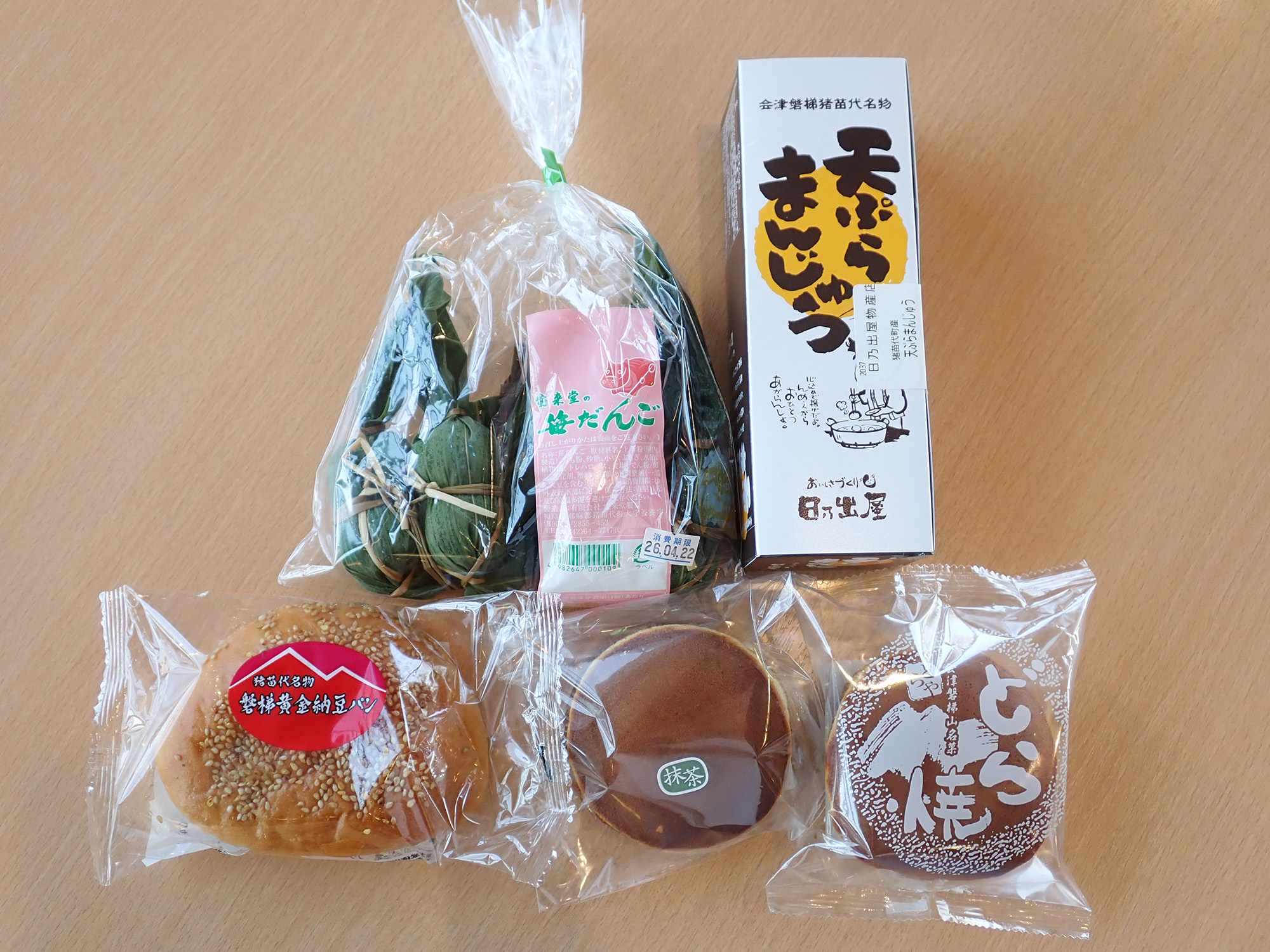
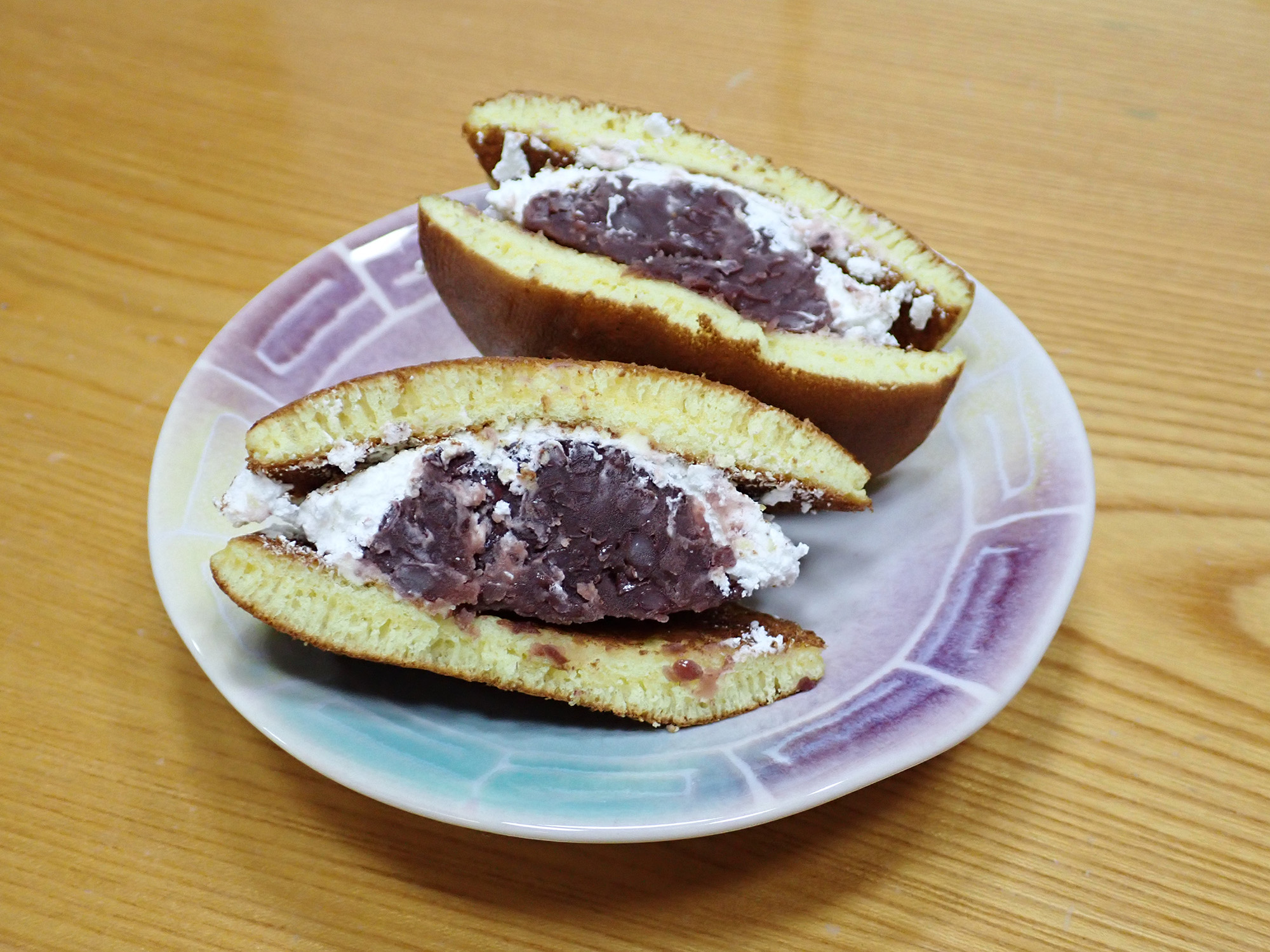
The most popular item is the “Nama Dorayaki” from “Dorayaki no Doraya,” a dorayaki specialty shop in Aizu-Wakamatsu City. Many people buy them in bulk, and they sell out in the blink of an eye as soon as they’re placed in the display case.
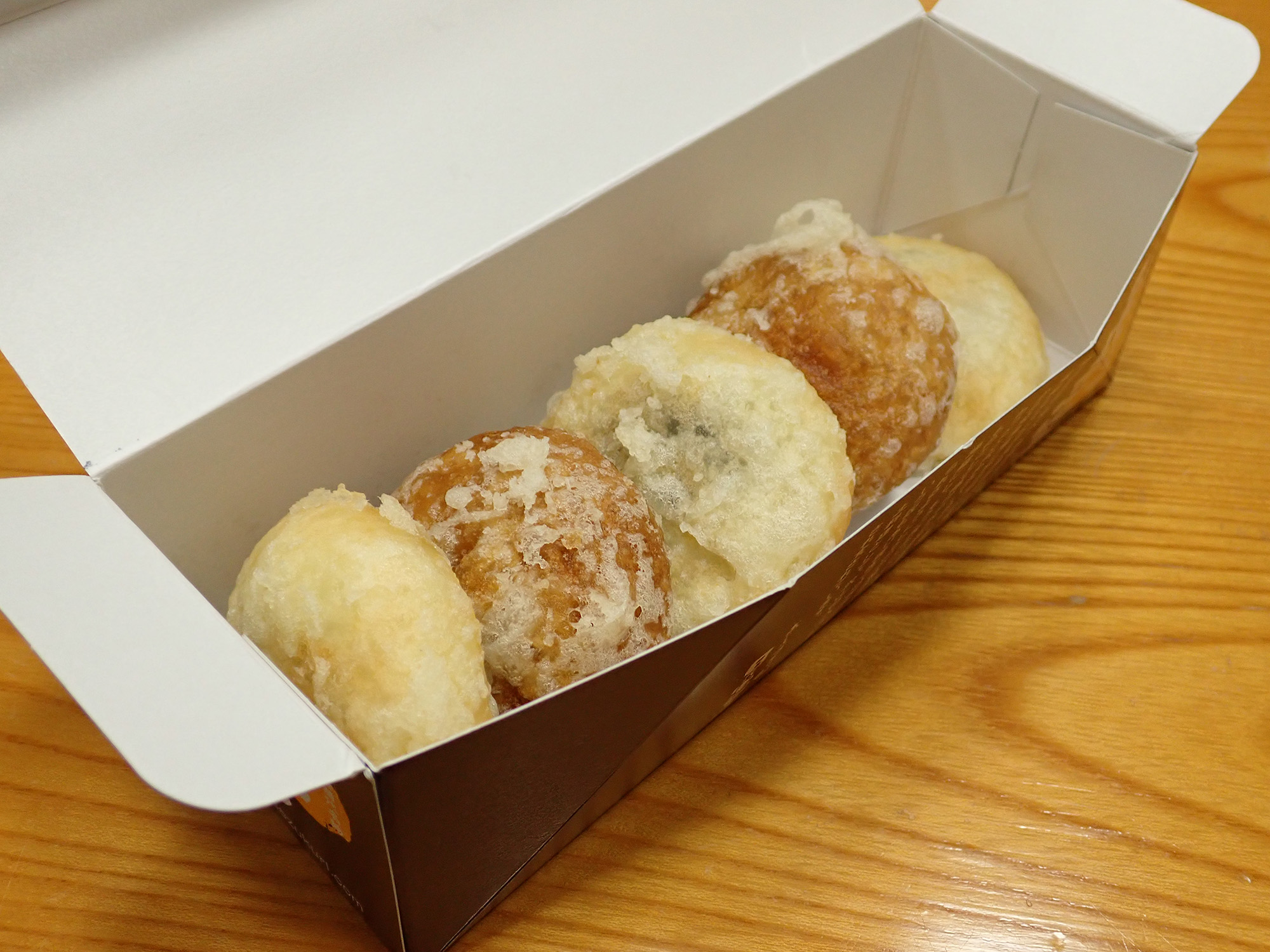
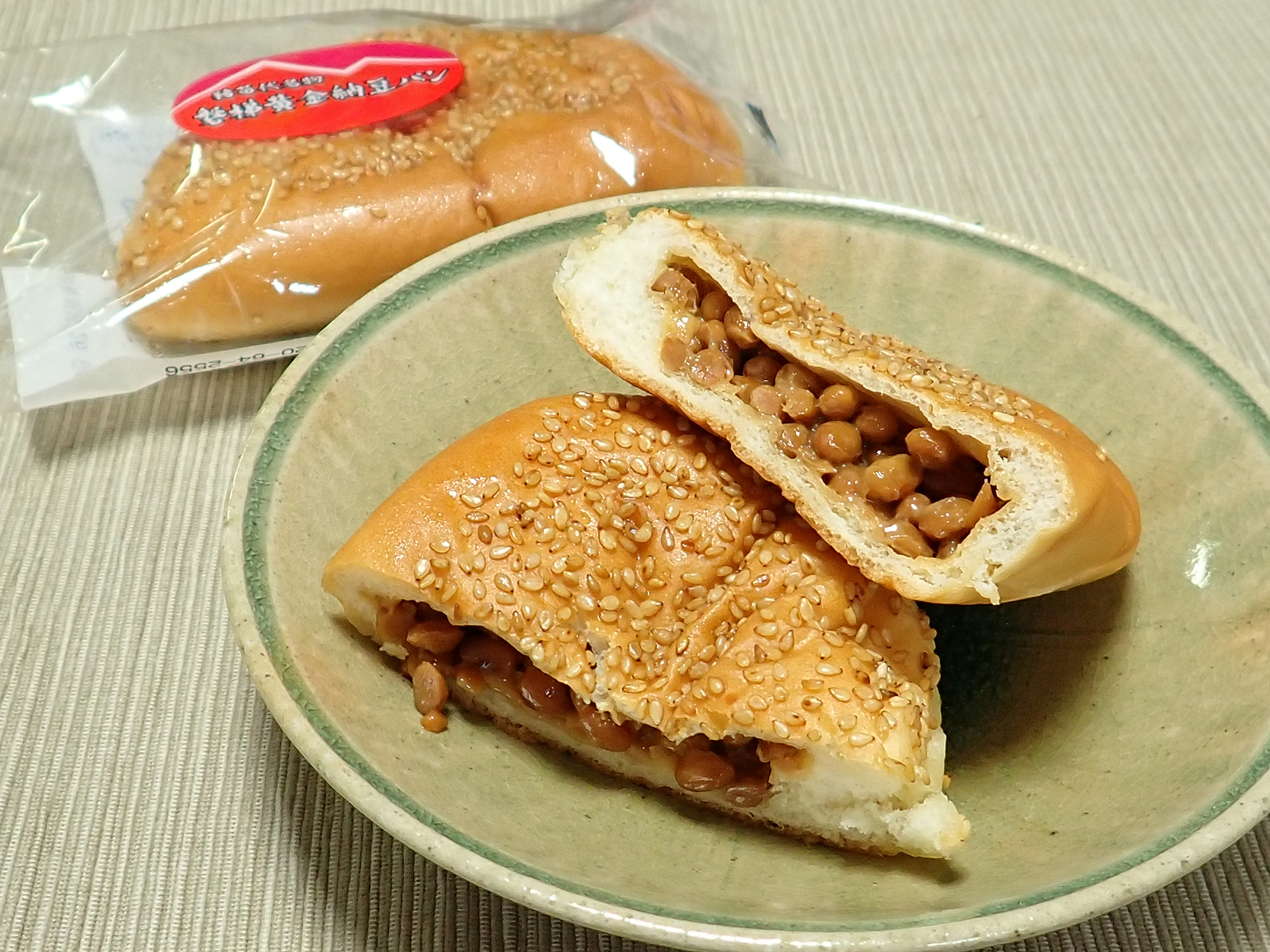
You’ll also find traditional Japanese sweets from local confectioneries, such as “tempura manju” and “sasa dango,” which are regional specialties of the Aizu area. There’s even local bread filled with Inawashiro’s famous “Golden Natto,” and you’ll find yourself drawn to buying these unique regional products.
Michikusa Gurus
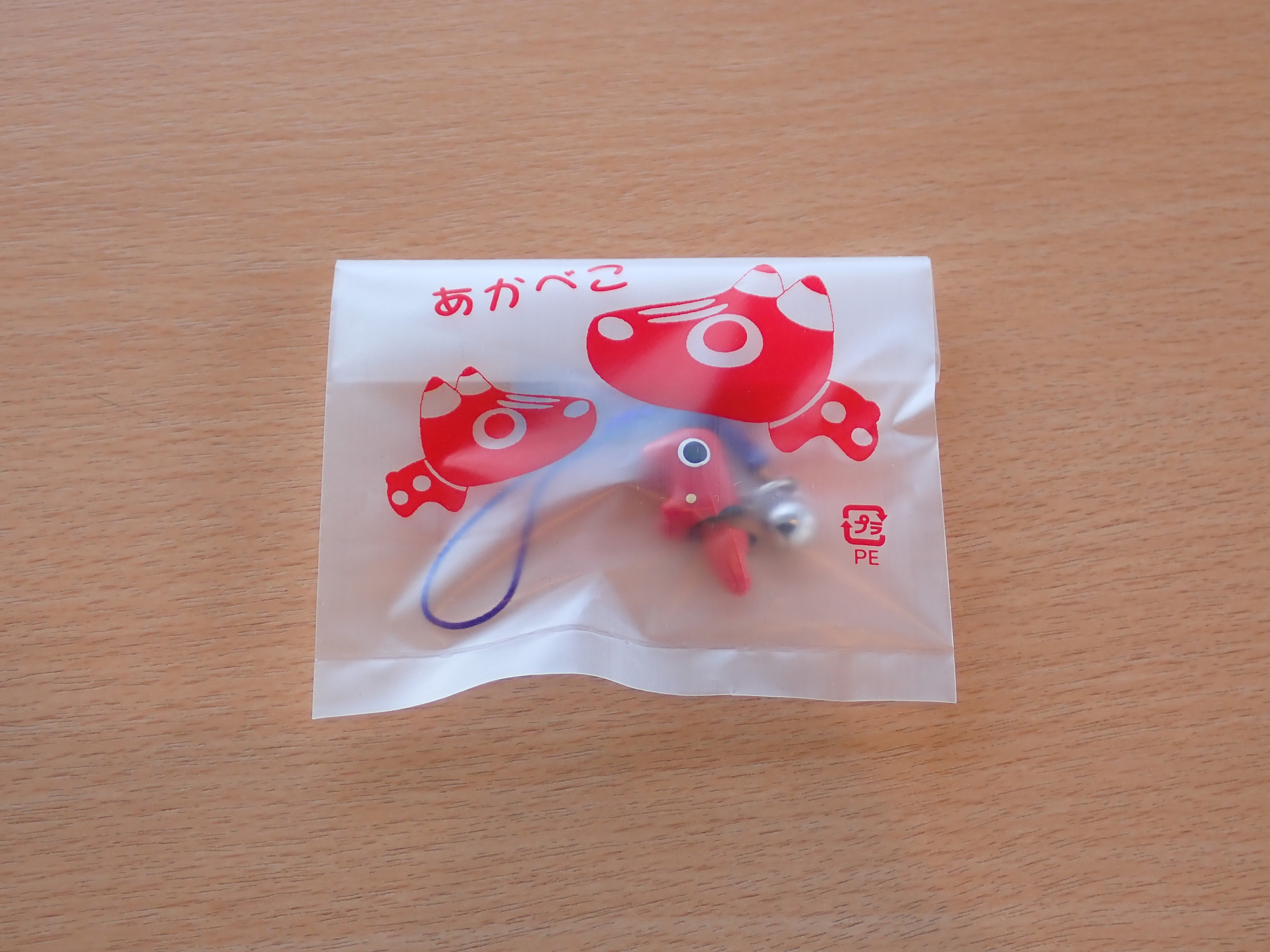
When shopping, if you show your “mont-bel” membership card at the local products hall register, you’ll receive a mini Akabeko keychain as a Montbell Club member benefit. If you’re a member, be sure to take advantage of this!
The food selection is also impressive, with plenty of items you can only find here. One dish you can enjoy at the Restaurant is the “Handmade Soba and Sauce Katsu Don Set.”
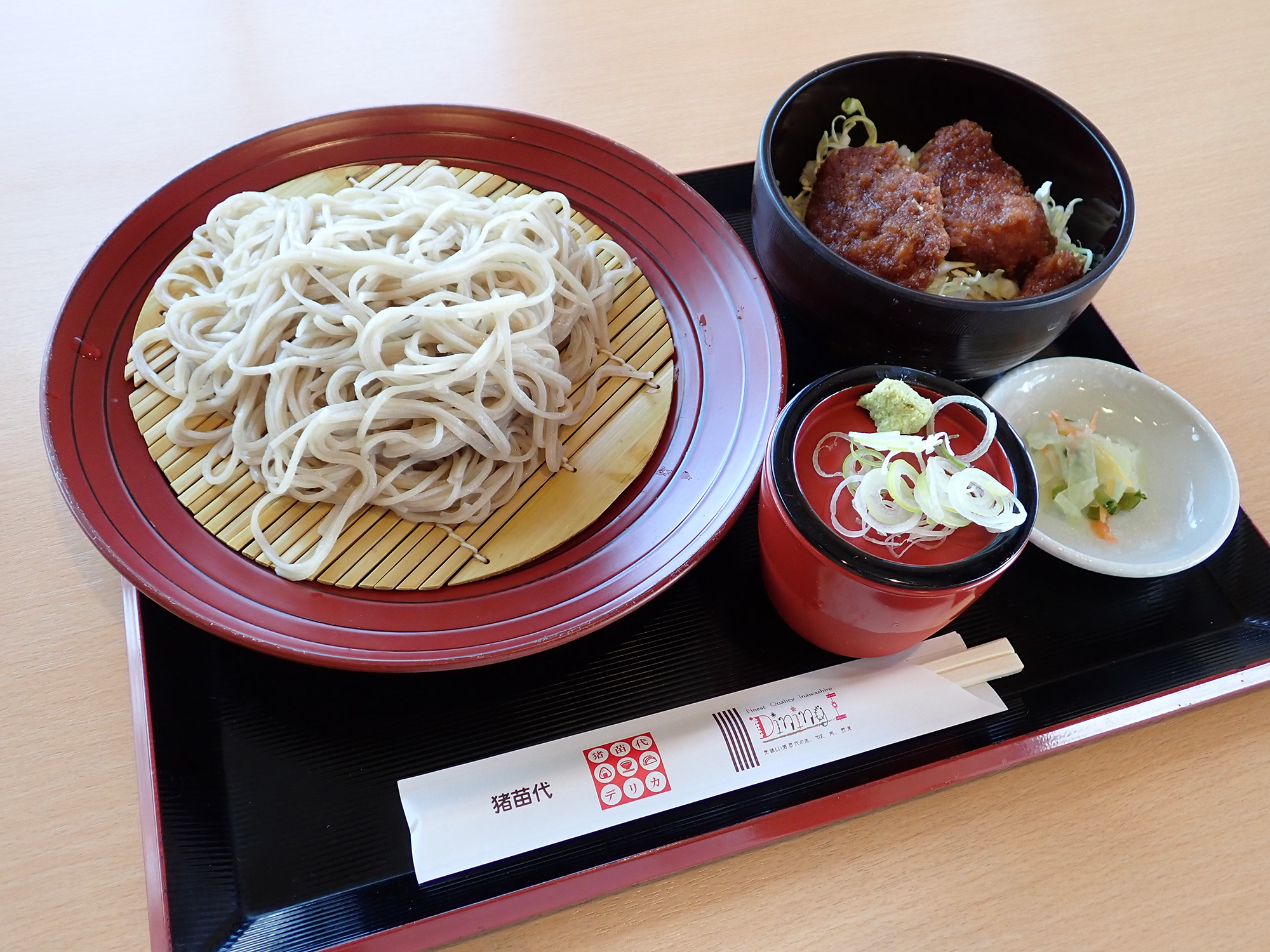
The handmade soba is prepared fresh every morning in the station’s on-site soba-making room, resulting in noodles that slide smoothly down your throat. The sauce katsu don made with Rokuzan Kogen pork was substantial even in the half-size portion. The rice, made with Inawashiro-grown rice, was fluffy, sweet, and absolutely delicious.
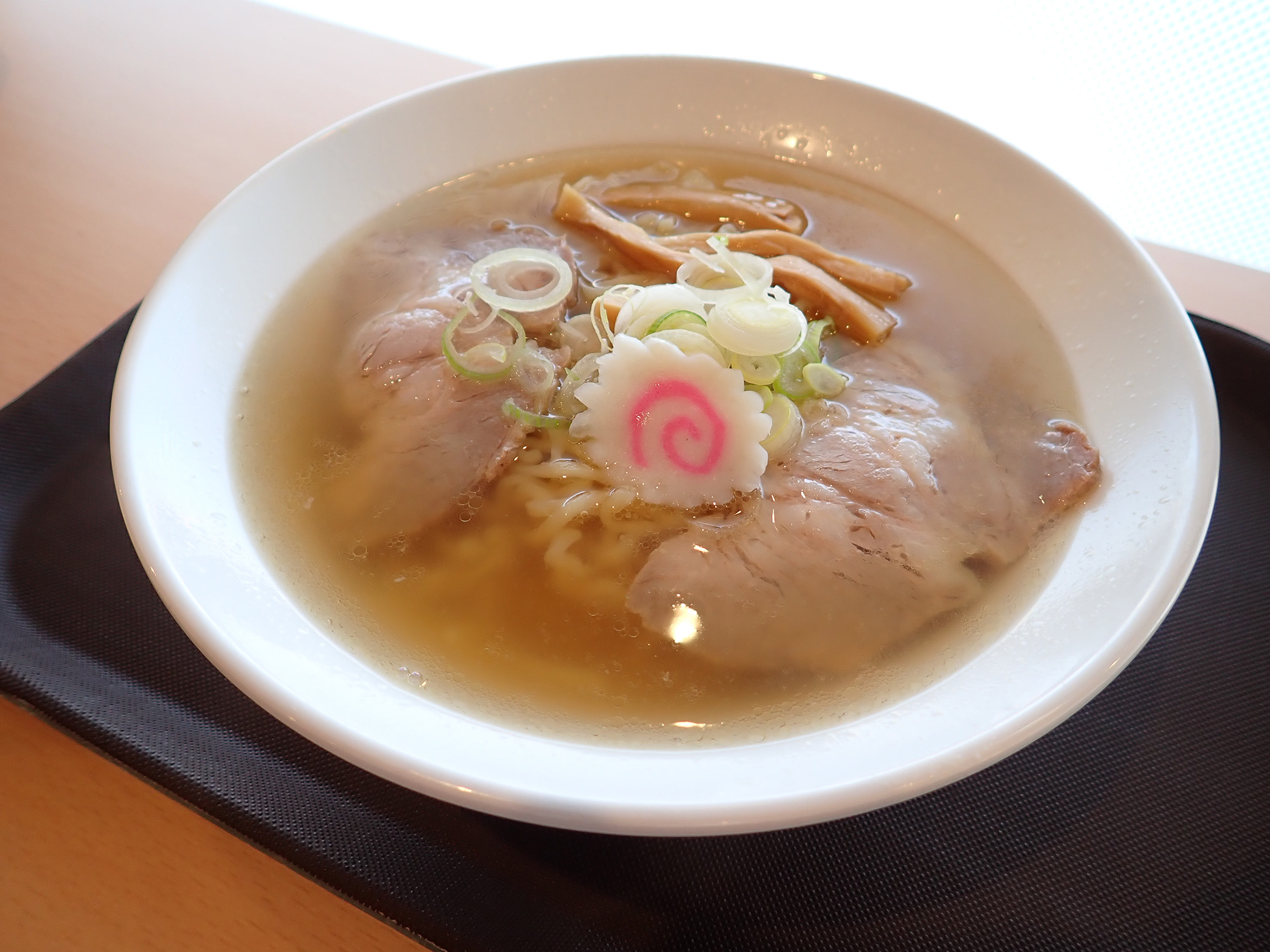
At “Iya” in the food court, you can enjoy a Roadside Station original ramen supervised by “Kiichi,” a famous restaurant in Kitakata. The amber-colored broth has a light yet rich and savory flavor that pairs perfectly with the medium-thick, curly noodles. The pork loin chashu was tender and delicious as well.I was truly impressed that I could enjoy such delicious ramen at a roadside station.
Michikusa Gurus
Another nice feature is that last orders are a bit later than usual—2:30 PM at the Restaurant and 5:30 PM at the food court. One of the best parts of traveling is enjoying local cuisine, and here you can make the most of your meal right up until you head home.
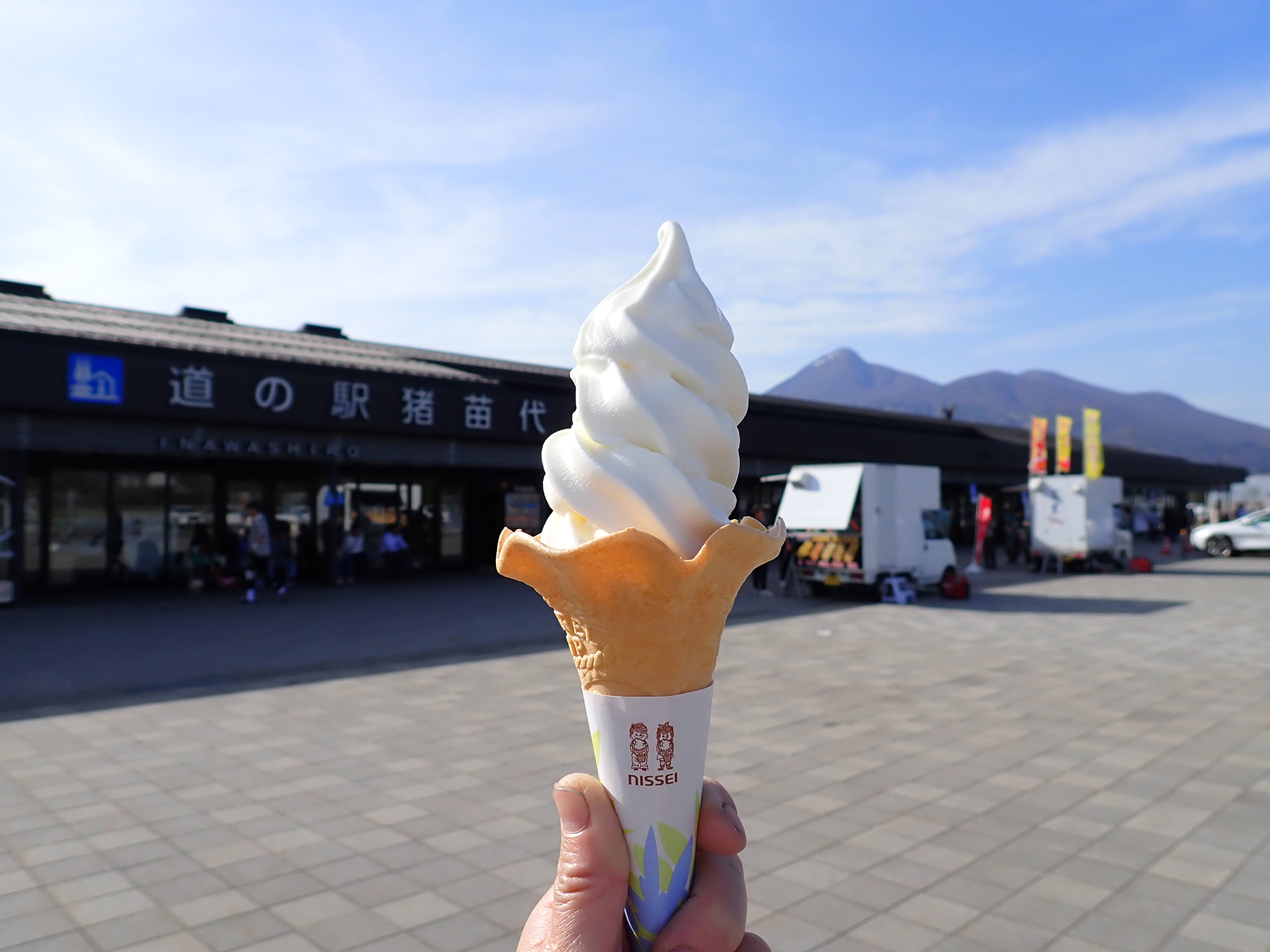
At Roadside Station Inawashiro, you can enjoy soft-serve ice cream made with “Bekono-no-Chichi,” a milk from the Aizu region. It was a rich soft-serve with a distinct milky flavor.
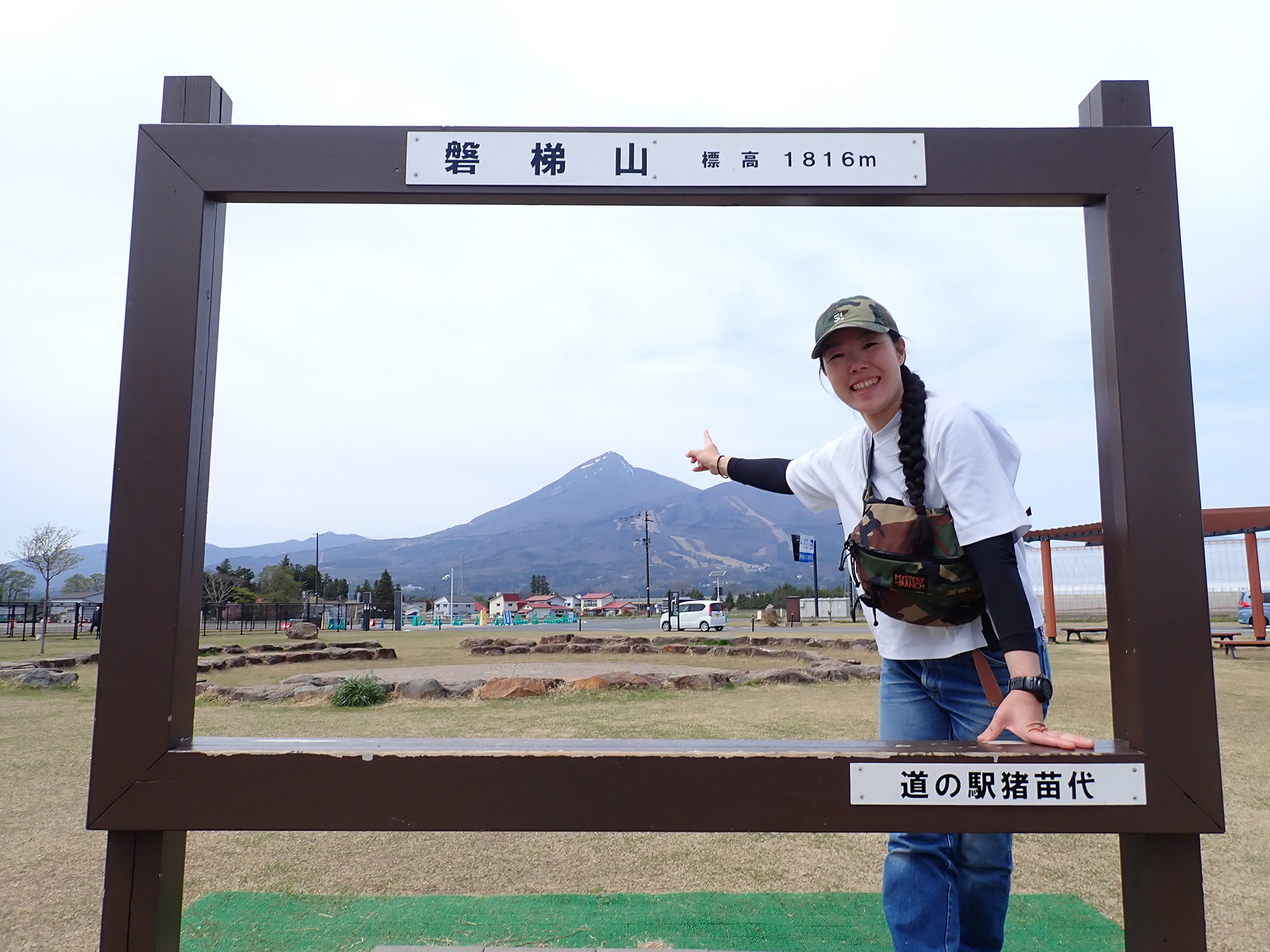
Outside, there’s a large photo frame set up where you can take commemorative photos with Mount Bandai in the background. Inside the property, there are also cutout panels for photos—why not snap a picture as a memento of your trip?
- Roadside Station Inawashiro
-
- 1 Go-ikari, Katata, Inawashiro-machi, Yama District, Fukushima Prefecture MAP
- 9:00 AM–6:00 PM
Light Meals: 9:00 AM–6:00 PM (Last Order 5:30 PM)
Restaurant: 10:30 AM–4:00 PM (Last Order 3:30 PM) - No holidays
- 0242-36-7676
Roadside stations are not just places to rest; they’re also places where you can rediscover the charm of the region. I think the real appeal of roadside stations lies in the opportunity to learn about local food, culture, and history. Why not visit a few roadside stations and find your own favorite?
“Bandaisan Onsen Hotel by Hoshino Resorts”—Recommended for a Roadside Station Tour in Aizu
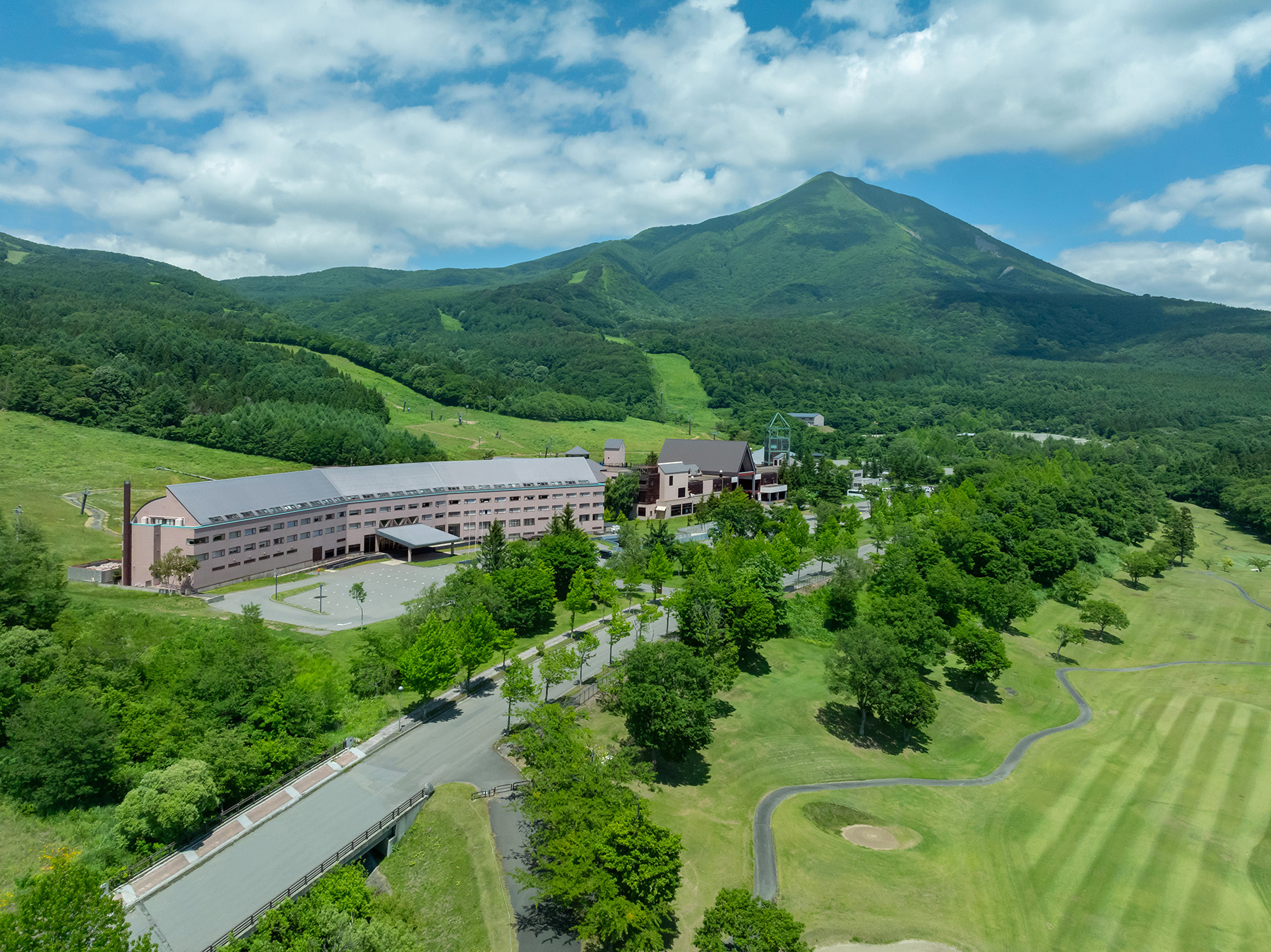
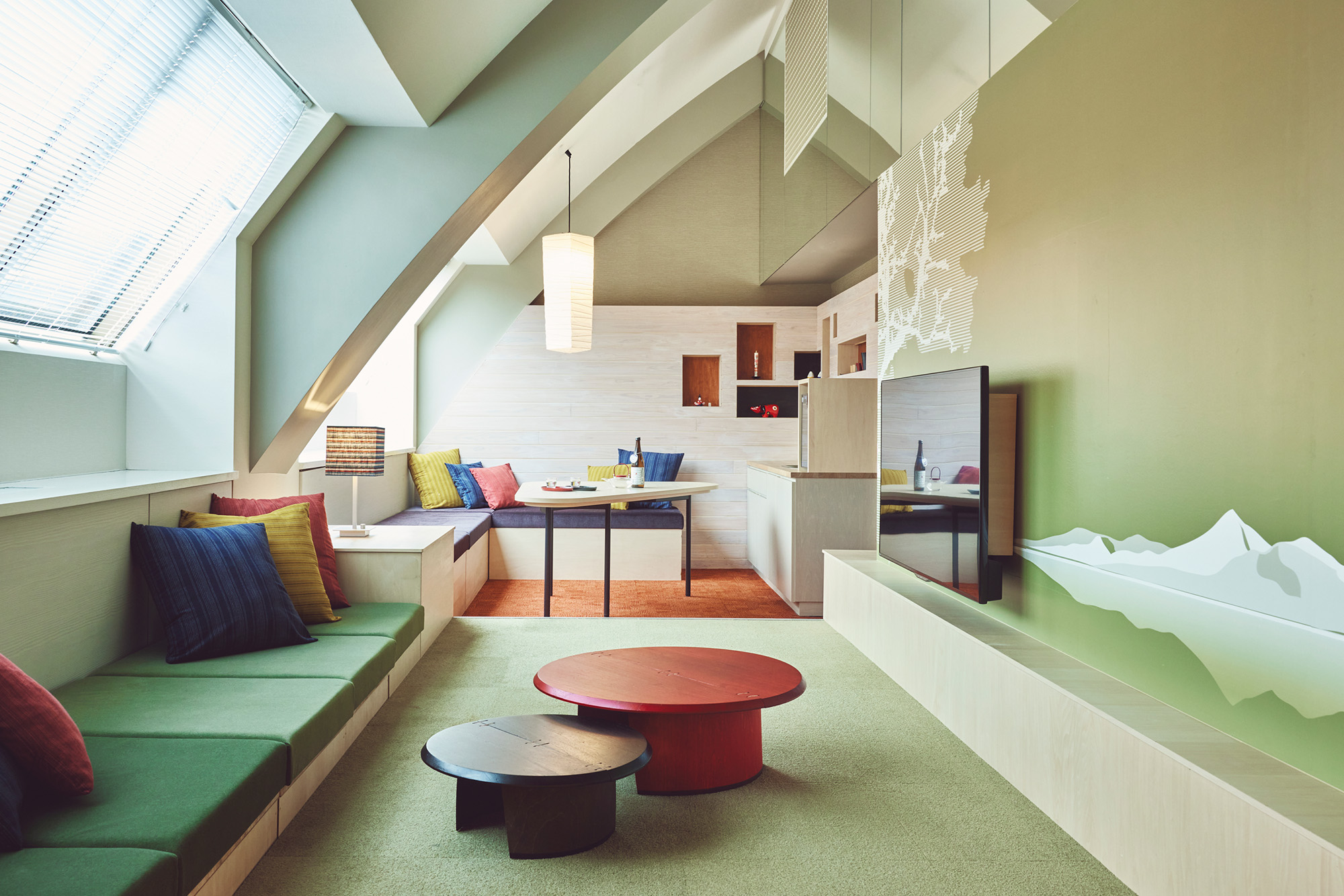
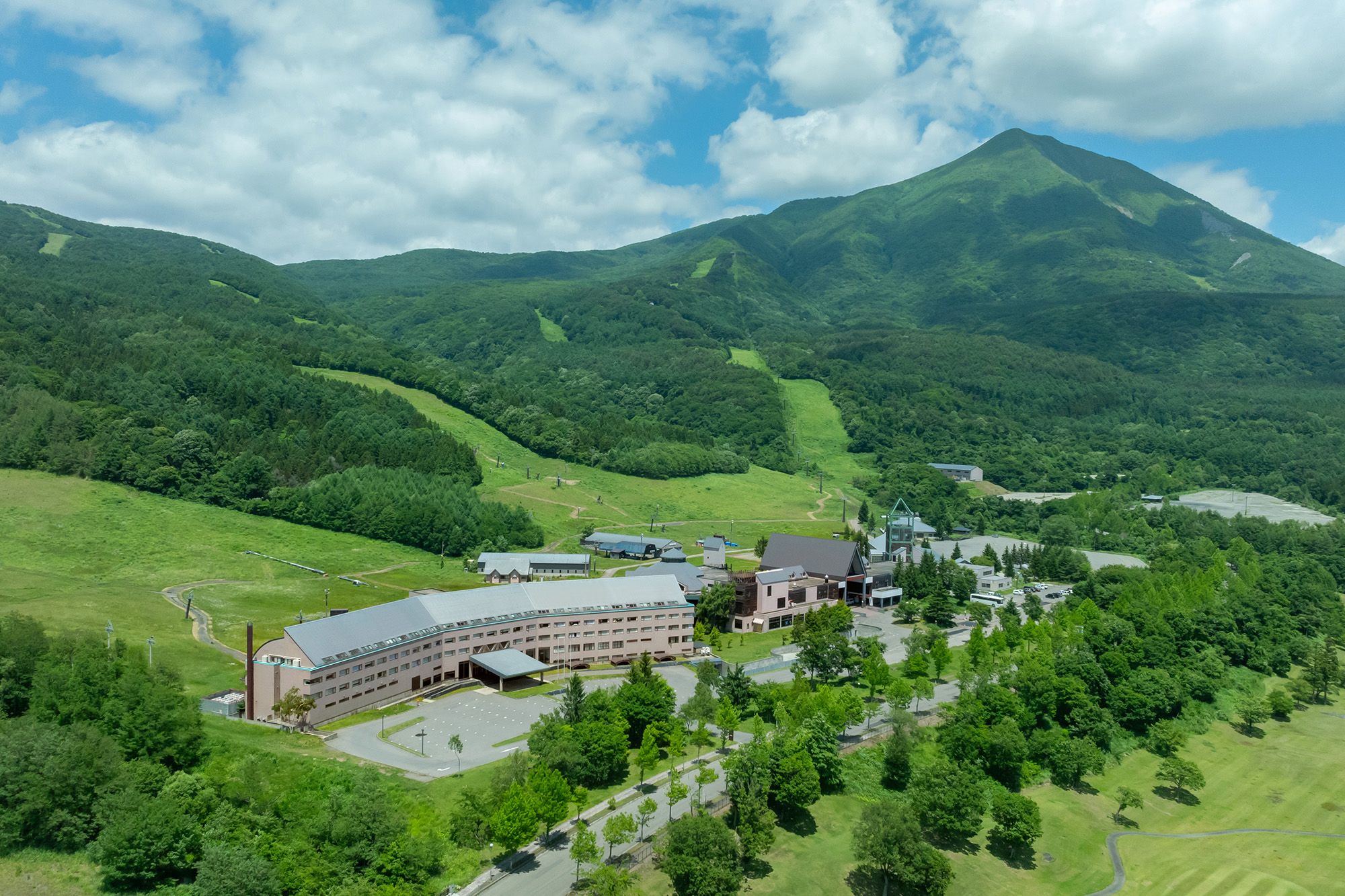
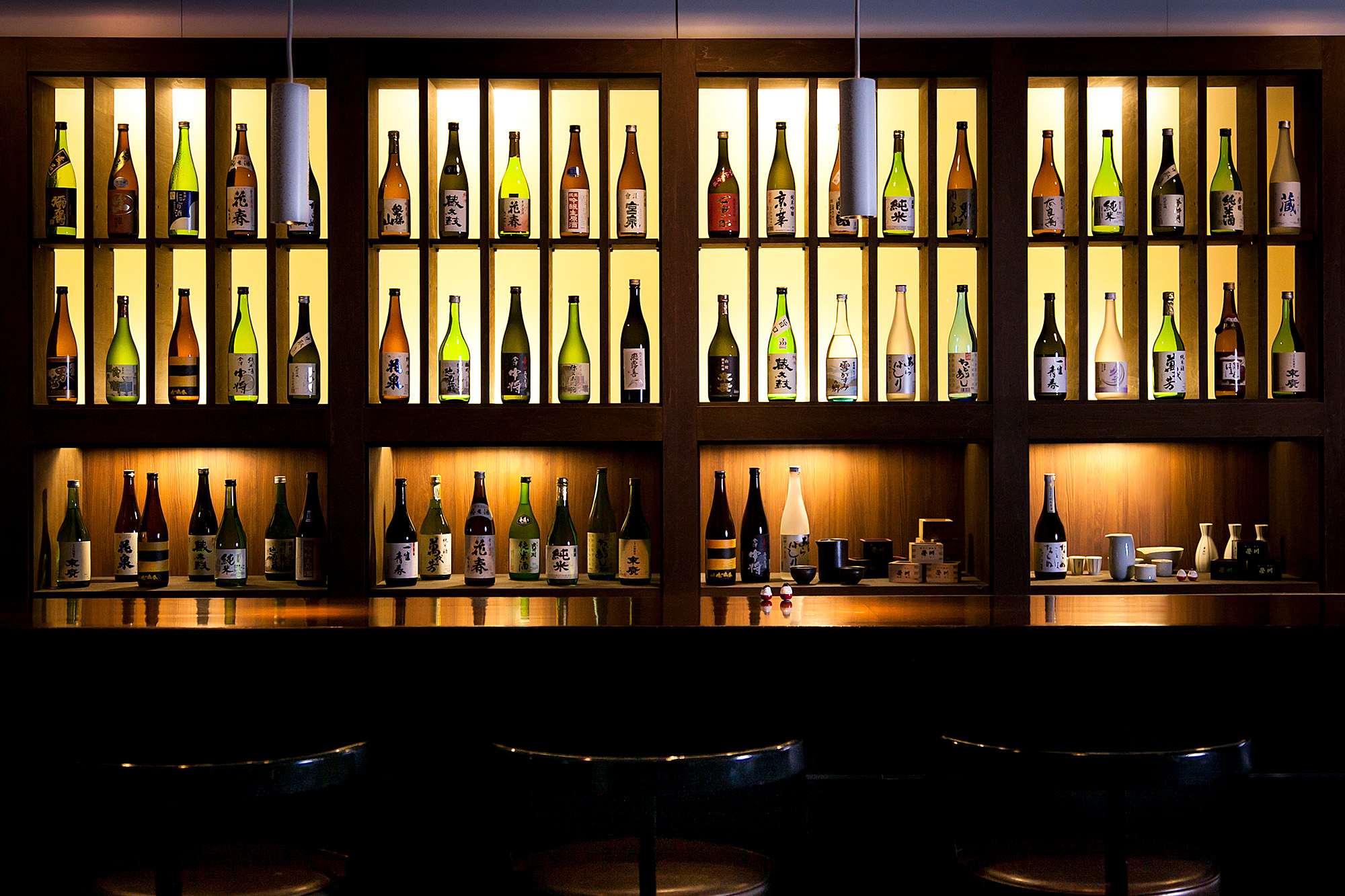
Perched in a prime location overlooking Mount Bandai and Lake Inawashiro, the Bandaisan Onsen Hotel by Hoshino Resorts lets you fully immerse yourself in Aizu culture. Its modern guest rooms a buffet featuring local cuisine and morning ramen, and soothing hot springs. With a wide range of activities—including Akabeko cow figurine painting, Aizu folk songs, a sake bar, and nighttime stargazing walks—you can fully experience Aizu throughout your stay.
With excellent directions—just a 30-minute drive from both Roadside Station Bandai and Roadside Station Inawashiro—why not set out on a journey through Aizu while enjoying a drive or a motorcycle tour?

Bandaisan Onsen Hotel by Hoshino Resorts
Yama-gun, Fukushima Prefecture
The hotel overlooks Lake Inawashiro below at the foot of Mount Bandai in Aizu. You can enjoy the rich nature and the culture of Aizu to the fullest.

Access by bus Approx. 15 minutes by cab from JR Bandai-cho Station
- Example of Accommodation Rates
- 1 person per night From 12,000 yen