





A Shumai Researcher Teaches! A Course on Sakiyoken and Shumai to Make Your Yokohama Trip Even More Delicious and Fun
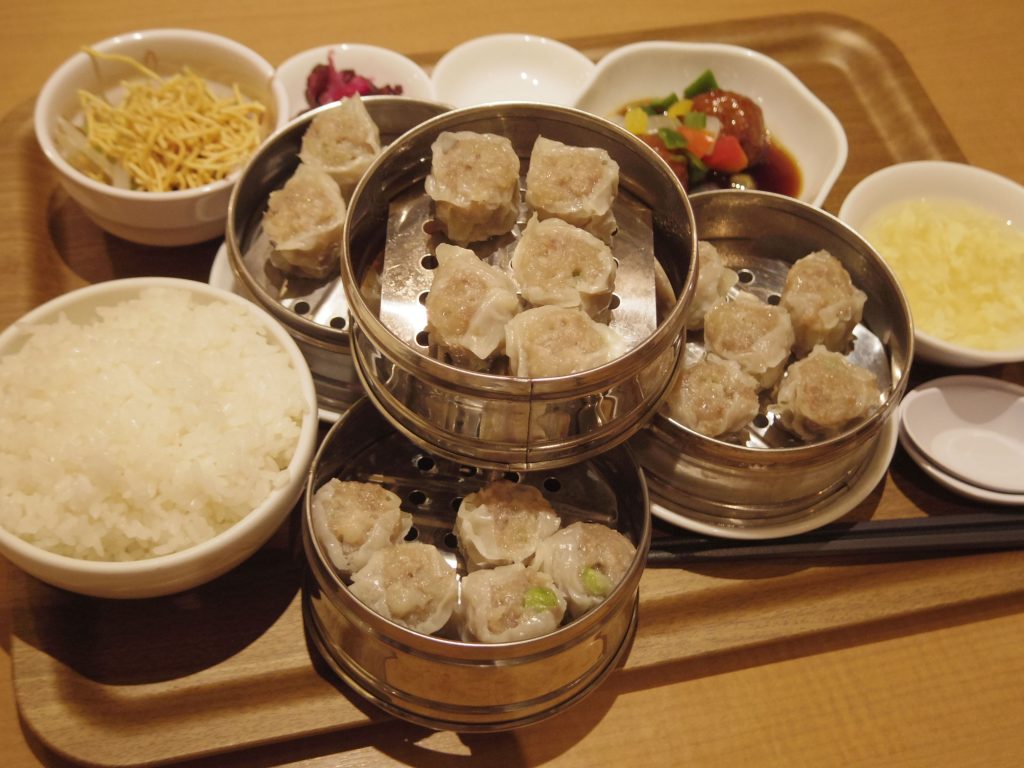
When it comes to food in Yokohama—the heart of Kanagawa—Sakioka-ken’s “siu mai” is a must-try. In fact, siu mai itself is believed to have originated in Yokohama, and learning about its history and charm is sure to make your trip to Yokohama even more delicious and enjoyable.I, Shumai Jun—a shumai researcher who not only studies Sakiyoken but also travels nationwide tasting and researching shumai—will be hosting a special workshop on Sakiyoken and “shumai”!
(In cooperation with Sakiyoken)
Michikusa experts who wrote this article
-
Shumai Researcher
Jun Shumai
Born in Kanagawa Prefecture. Began researching shumai around 2015 and shares information primarily through the Instagram account “Shumai Life.” As of September 2026, has eaten approximately 2,500 varieties and over 13,000 pieces of shumai.He discusses shumai on various media platforms, including television (such as TBS’s “Matsuko’s Unknown World”), radio, magazines, newspapers, and the web. On June 22, 2022, he established the Japan Shumai Association, a general incorporated association. His published works include “The Book of Shumai” (San’yo Editorial Center).
Instagram: “Shumai Life”
https://www.instagram.com/syumai.life/ Michikusa's
guru
Introductory Course: Three Reasons Why Sakiyoken Has Become the Face of Yokohama and Shumai
Why is Sakiyoken such an iconic symbol of Yokohama? There are so many reasons I could go on forever, but for this introductory session, I’ve narrowed it down to three main points.
1. Shumai actually originated in Yokohama
I’ve traveled all over Japan researching food history and origins, and it’s highly likely that Yokohama was the first place in Japan where shumai became widely eaten.
Yokohama, which served as the center of Japan’s opening to the world during the Edo period, saw the establishment of a foreign settlement, and within it, a Chinese residential area where people conducted business. It is believed that Chinese restaurants, primarily catering to the Chinese community, began to open there, and that shumai was served in those establishments.
2. Founded as a kiosk at Yokohama Station
Meanwhile, Sakiyoken was founded in 1908 (Meiji 41) as a kiosk inside Yokohama Station.At the time of its opening, Yokohama Station itself was located in the area that is now Sakuragicho, and the Sakiyoken shop made its debut there. Incidentally, the famous “shumai” was not sold from the very beginning; instead, the shop reportedly sold beverages such as milk and soda, as well as mochi and sushi.
3. Turning a Chinatown Staple into a Signature Dish
“Shumai” was born when the first president, Shigekichi Nonami, took notice of the shumai that was becoming a staple as a souvenir or appetizer at Chinese restaurants in Yokohama.To create a “shumai” that would still taste good even when cold—one that customers could buy at Yokohama Station and eat on the train—he recruited Wu Yusun, who was a chef in Nankin-machi at the time, to develop the product. In 1928 (Showa 3), the flagship product “Traditional Shumai,” which remains popular to this day, was completed.It is said that the decision to spell it “Shiumai” was based on the first president’s pronunciation (or accent?) and Chinese intonation.
Michikusa Gurus
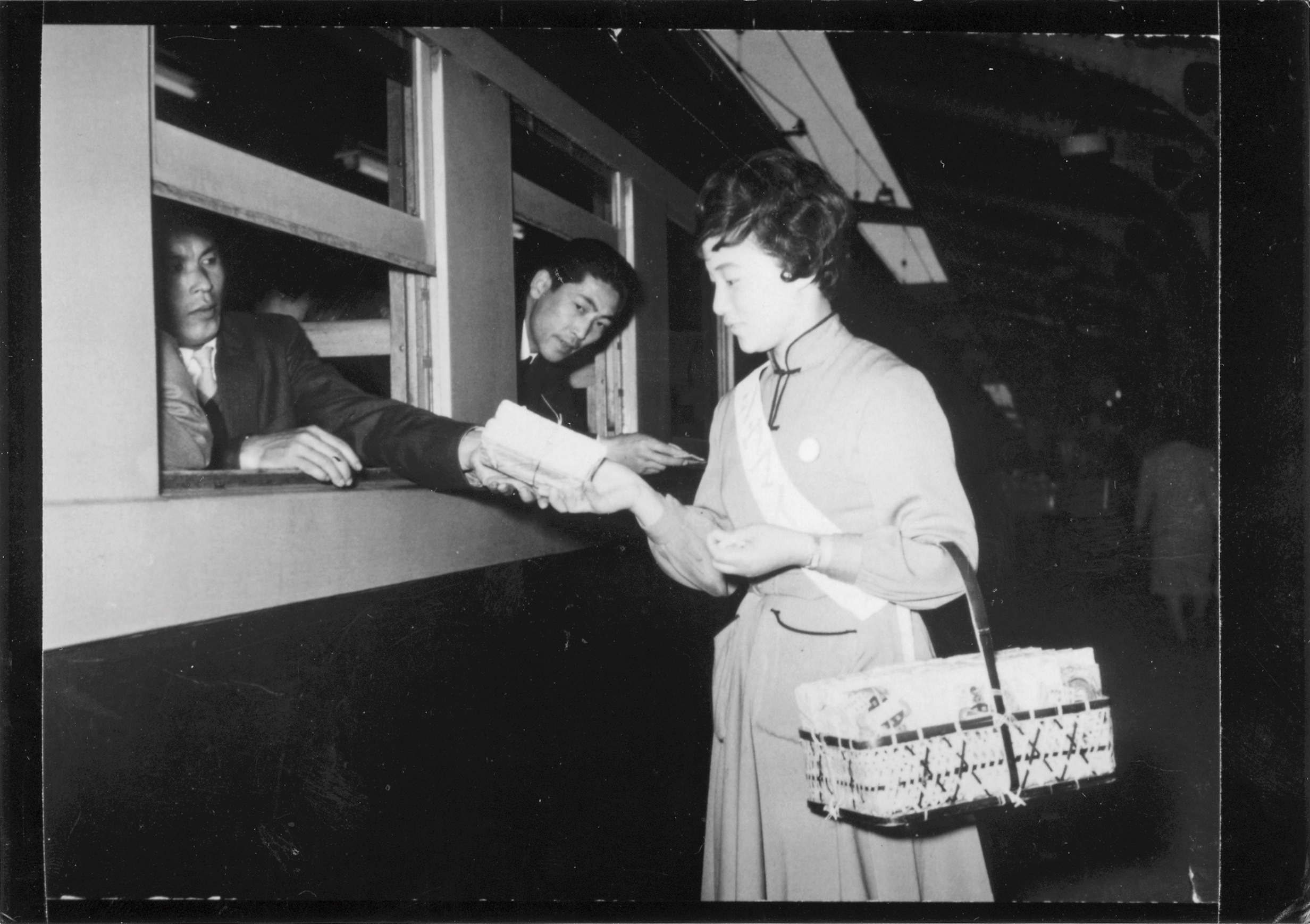
Sakiyoken’s “Shumai” will celebrate its 100th anniversary in 2028! Over the years, the “Shumai Girls”—the vendors at train stations—have appeared in novels and movies, and the original soy sauce dispenser “Hyō-chan” has become a collector’s item, generating buzz that has helped fuel the popularity of “Shumai.”
Beginner’s Guide: The Reasons Behind the Popularity of “Traditional Shumai”
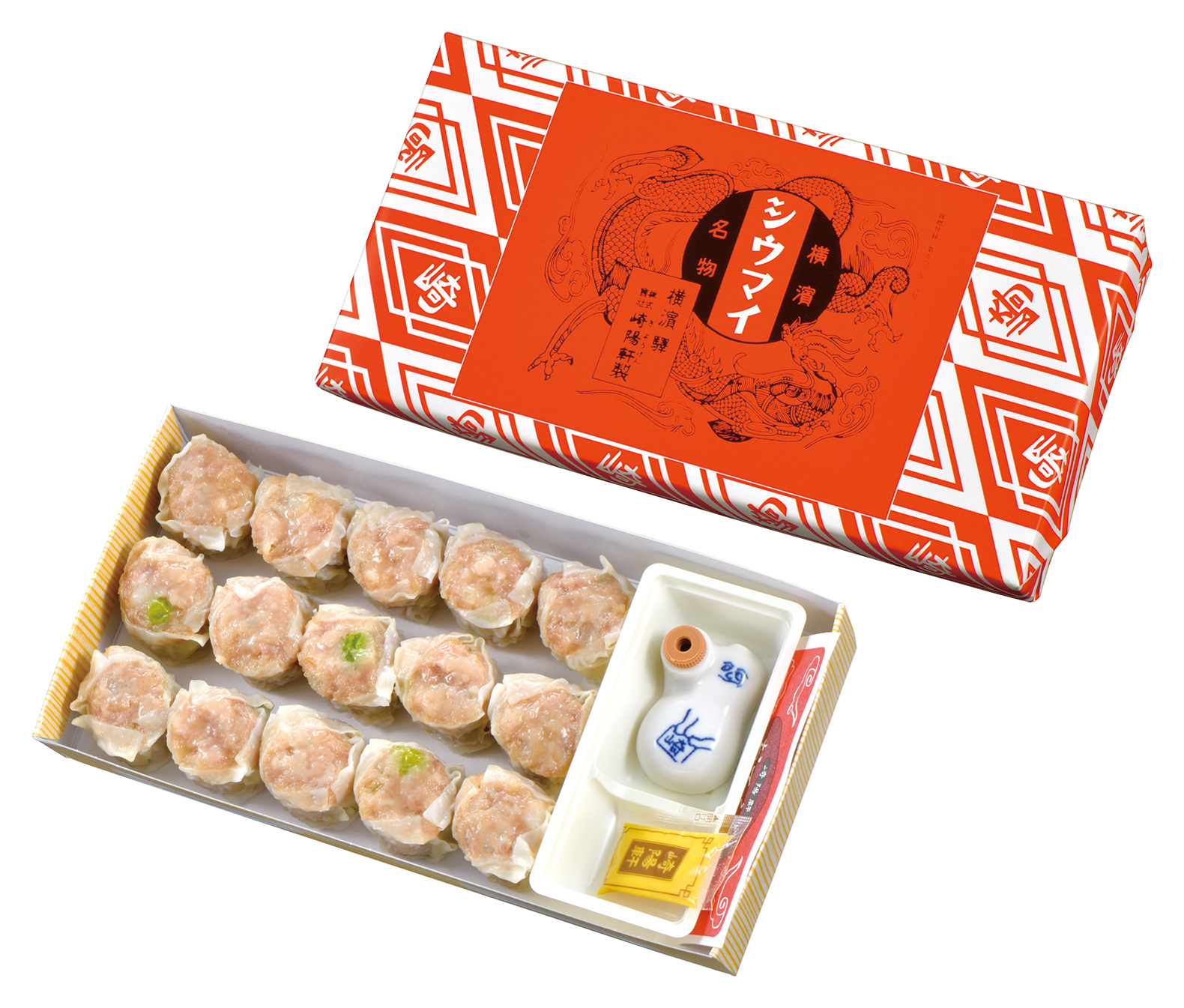
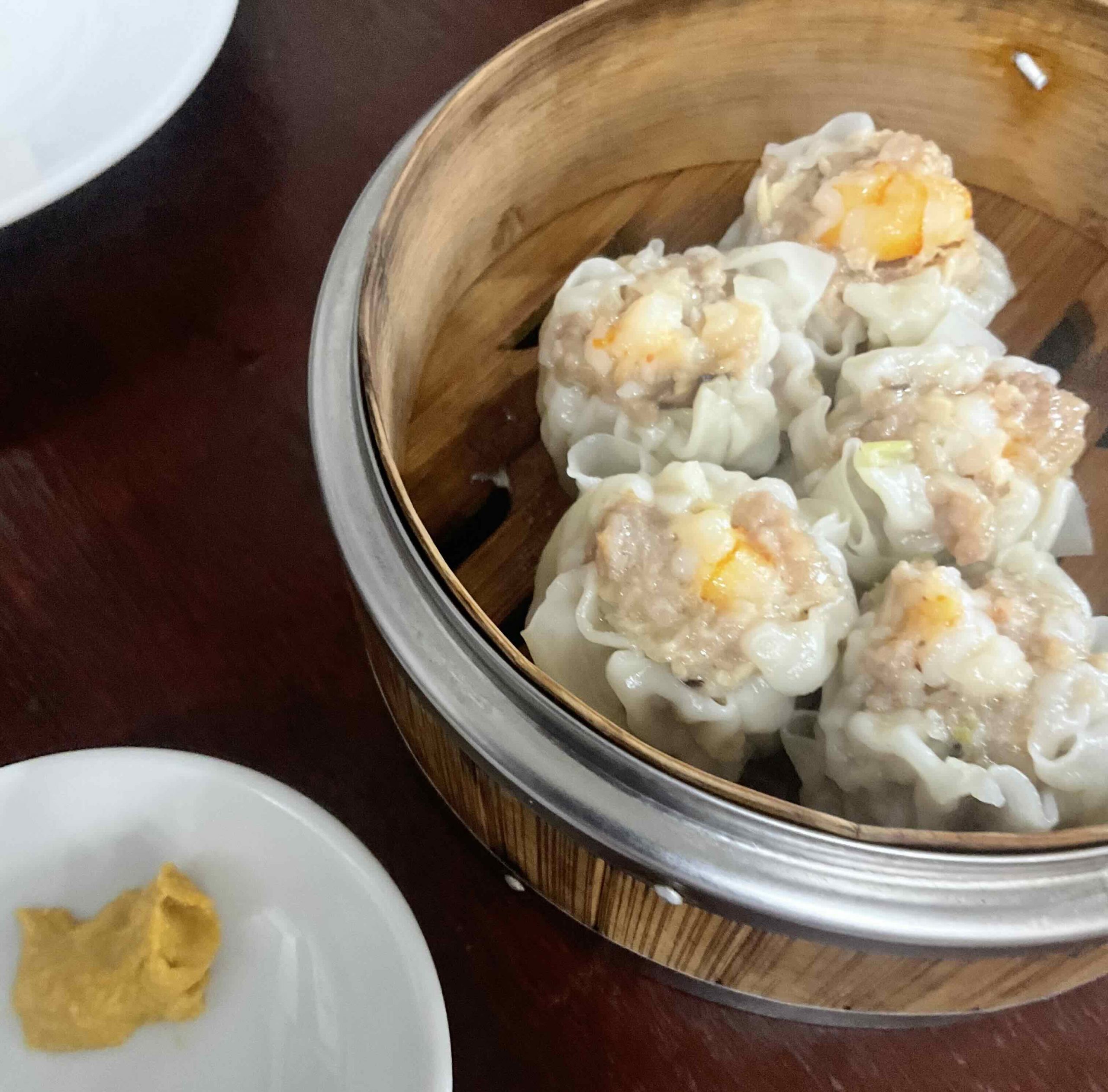
“Traditional Shumai” is still sold at Sakiyoken stores today. The ingredients have remained unchanged since the product’s inception, meaning the original flavor from the company’s founding continues to be popular to this day.
Pork, onions, green peas, dried scallop meat, salt, pepper, sugar, starch, and wheat flour for the wrappers—that’s all. Surprisingly, few people know that it contains no added preservatives.
A key characteristic of the flavor is that the combination of pork and dried scallops makes them “delicious even when cold.” The reason for this is that, back then, Sakiyoken could only offer pre-cooked shumai for customers to eat on trains; however, the shumai served in Nankinmachi were typically piping hot, and their flavor was significantly diminished once they cooled.It is said that it took a year of development to perfect the recipe and preserve that deliciousness.
Another key feature is its size, which allows even women and children to eat it in a single bite. At the time of its development, shumai at Chinese restaurants—including those in Nankinmachi—were typically about twice as large, but the size was reduced to ensure passengers could eat them without spilling them inside the swaying train cars.
Michikusa Gurus
In my analysis, the pursuit of a product that “tastes good even when cold” led to the use of dried scallop meat; this umami flavor, so familiar to Japanese people, has become a nostalgic taste that makes people “want to eat it again,” and is a key factor underpinning its popularity today.
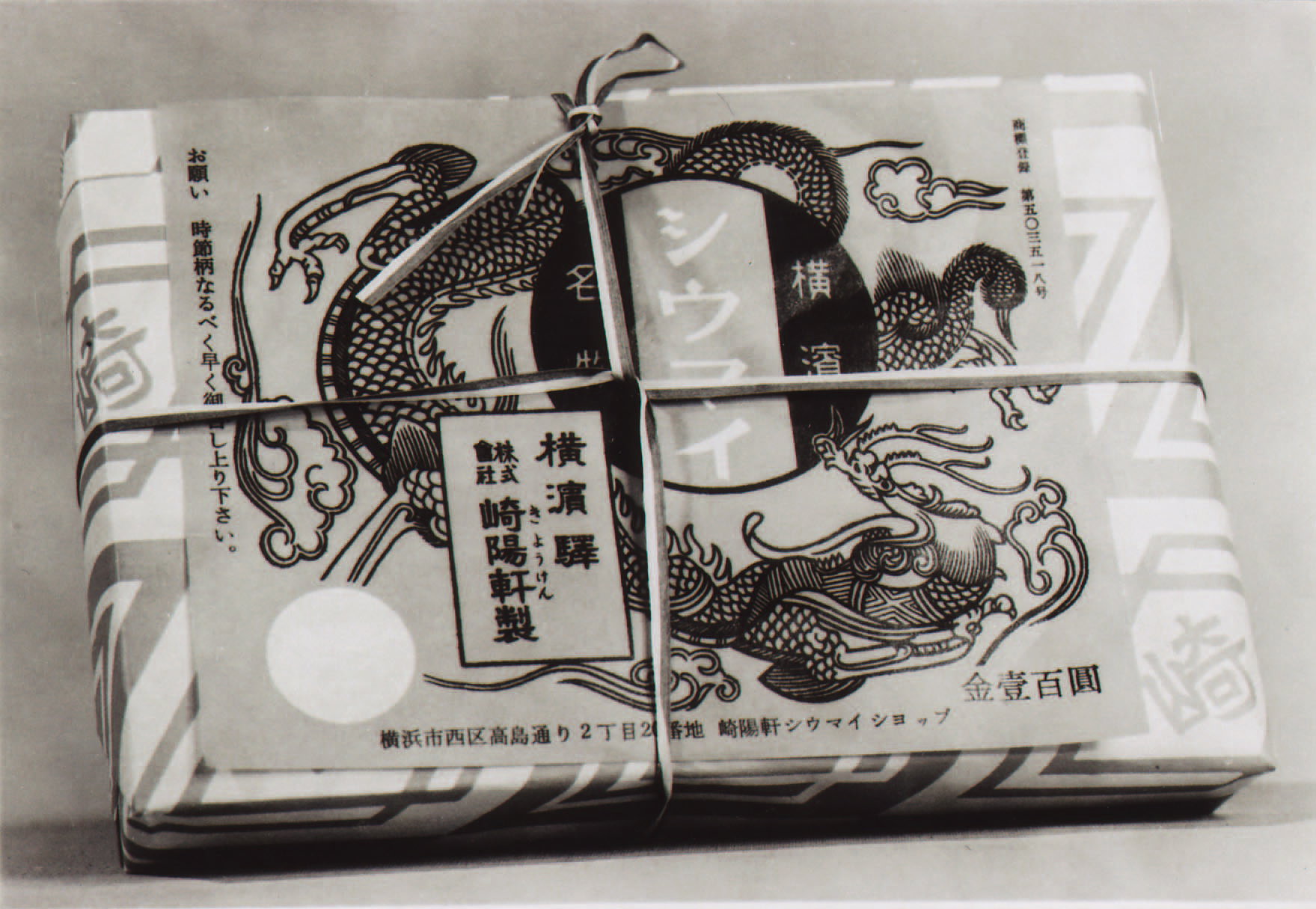
Intermediate Level: The “Shumai Bento”—The Undisputed King of Station Bento
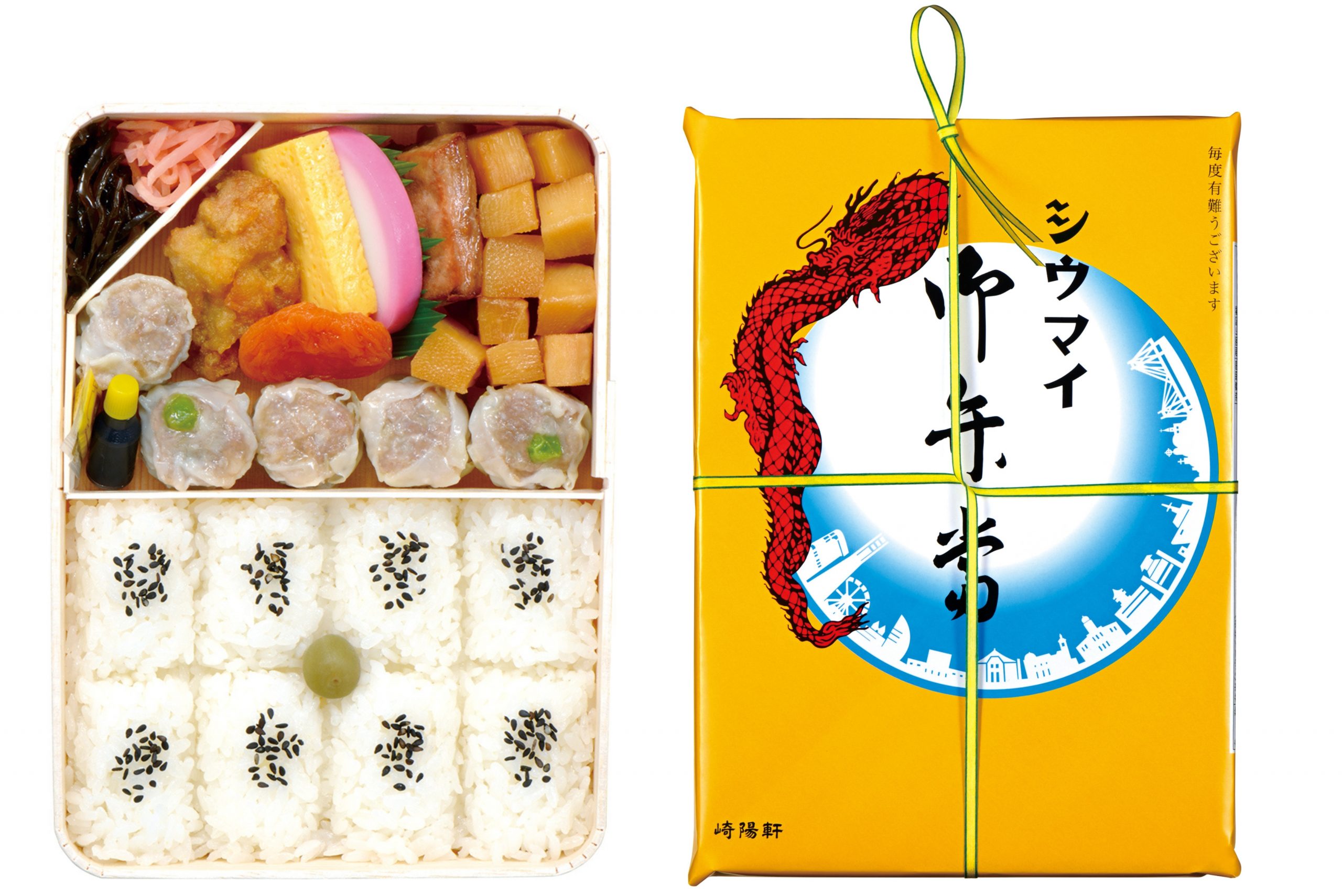
Alongside “Traditional Shumai,” another iconic and popular product that symbolizes Sakiyoken is the “Shumai Bento.” Sales reach approximately 30,000 meals per day, peaking at 40,000 on busy days—a figure that ranks it overwhelmingly at the top among ekiben nationwide. It is truly the undisputed champion of the ekiben world.
Inside the bento box, housed in a cypress wood case, five “Traditional Shumai” dumplings are arranged side by side in the center. Piled on top of them, from left to right, are shredded ginger, sliced kelp,deep-fried chicken, rolled omelet, apricots, kamaboko, marinated and grilled tuna, and diced simmered bamboo shoots. Beneath the shumai, eight rice balls shaped like rice bales are arranged, accompanied by black sesame seeds and green plums.
There are various reasons for its popularity, but personally, I think it all comes down to the fact that it embodies the concept of “learning from the past to innovate for the future” in the world of ekiben. Since its debut in 1954 (Showa 29), its main composition has remained unchanged despite minor adjustments. Each ingredient is an extremely classic Japanese side dish;and—depending on your perspective—some might consider them rather plain (generally speaking, including the shumai themselves). However, these are all flavors that have long been cherished by the Japanese people; their deliciousness has not faded with the passage of time. In fact, even younger generations never tire of them, and like “traditional shumai,” this bento is the kind that leaves you wanting more.With that in mind, buying one on your way home as a “Yokohama souvenir” is another delightful way to enjoy Sakiyoken.
Michikusa Gurus
In fact, before the “Shumai Bento,” Sakiyoken sold “Yaki Meshi” as a station bento. This product can be considered the predecessor to their current other signature bento, the “Yokohama Fried Rice.” It is said that Sakiyoken later returned to the roots of the station bento business, taking the makunouchi bento as a motif, which led to the creation of the “Shumai Bento.”
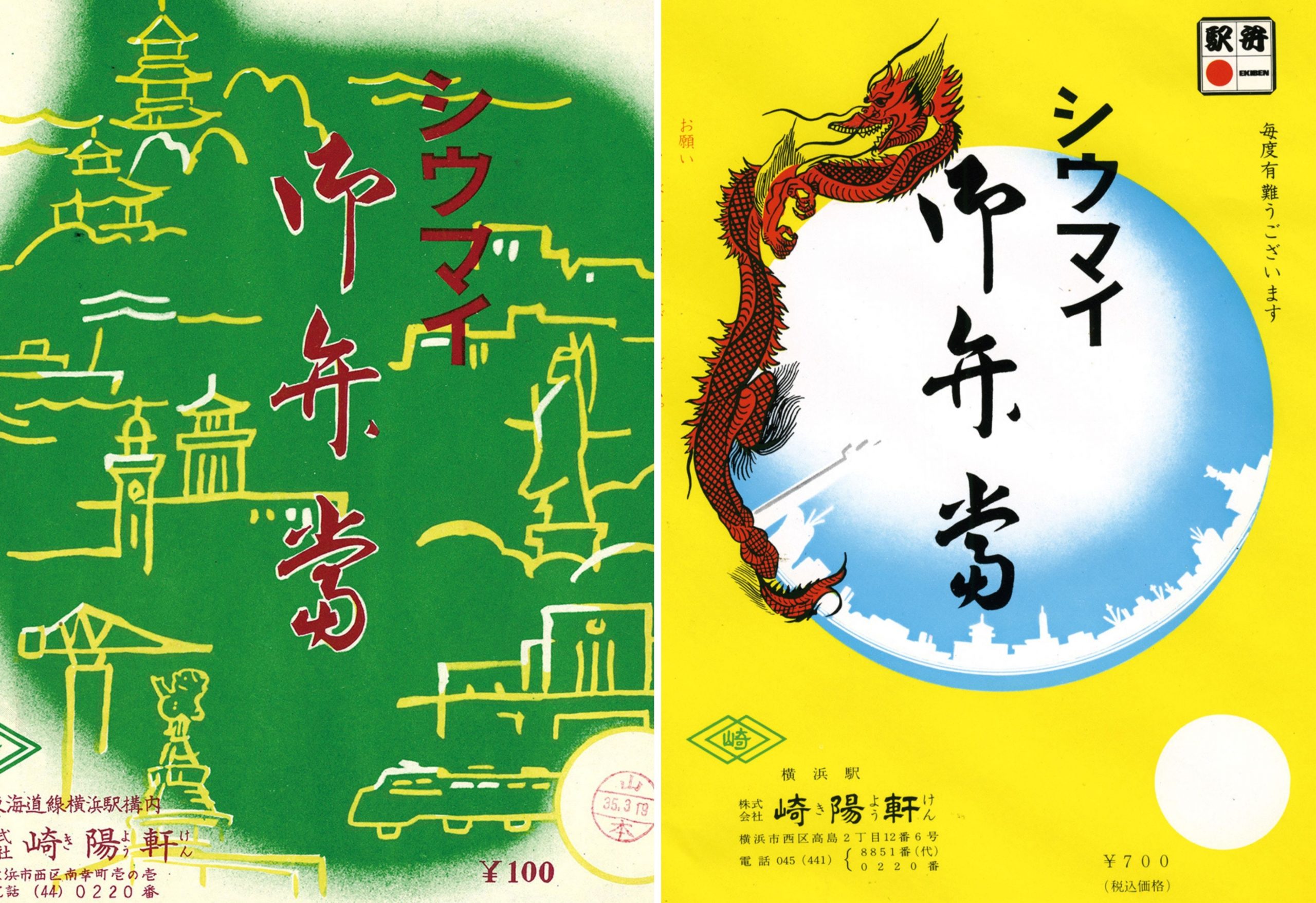
Advanced Level: Sakiyoken Flavors You Can Only Enjoy in Yokohama
In Japan, Sakiyoken products are available primarily in Yokohama and throughout Kanagawa Prefecture, as well as in Tokyo, Saitama, Chiba, and Shizuoka—one metropolitan area and four prefectures (they are also available overseas in Taiwan).They also offer mail-order sales, but these are primarily frozen or chilled items. Ideally, you should try their room-temperature products—which are meant to be eaten the same day.
Among these, there are certain Sakiyoken flavors that can only be enjoyed in Yokohama. To gain a deeper appreciation of Sakiyoken, be sure to include them in your Yokohama itinerary.
Michikusa Gurus
The Sakiyoken shops in the Yokohama area are also not to be overlooked. In particular, the “Yokohama Station Central Store” and the “Shin-Yokohama Station Cubic Plaza Shinkansen West Exit Ticket Gate Store” offer an extensive selection of products unavailable in other prefectures. I especially recommend the “Seasonal Shumai,” which features ingredients that change with the seasons. It’s also a great Yokohama souvenir that lets you savor the flavors of the season.
1Sakiyoken Main Store
Enjoy ultra-luxurious shumai and buffet-style shumai
The “Sakiyoken Main Store,” located at the East Exit of Yokohama Station with eight floors above ground and two below, is one of the landmarks of the area surrounding Yokohama Station.
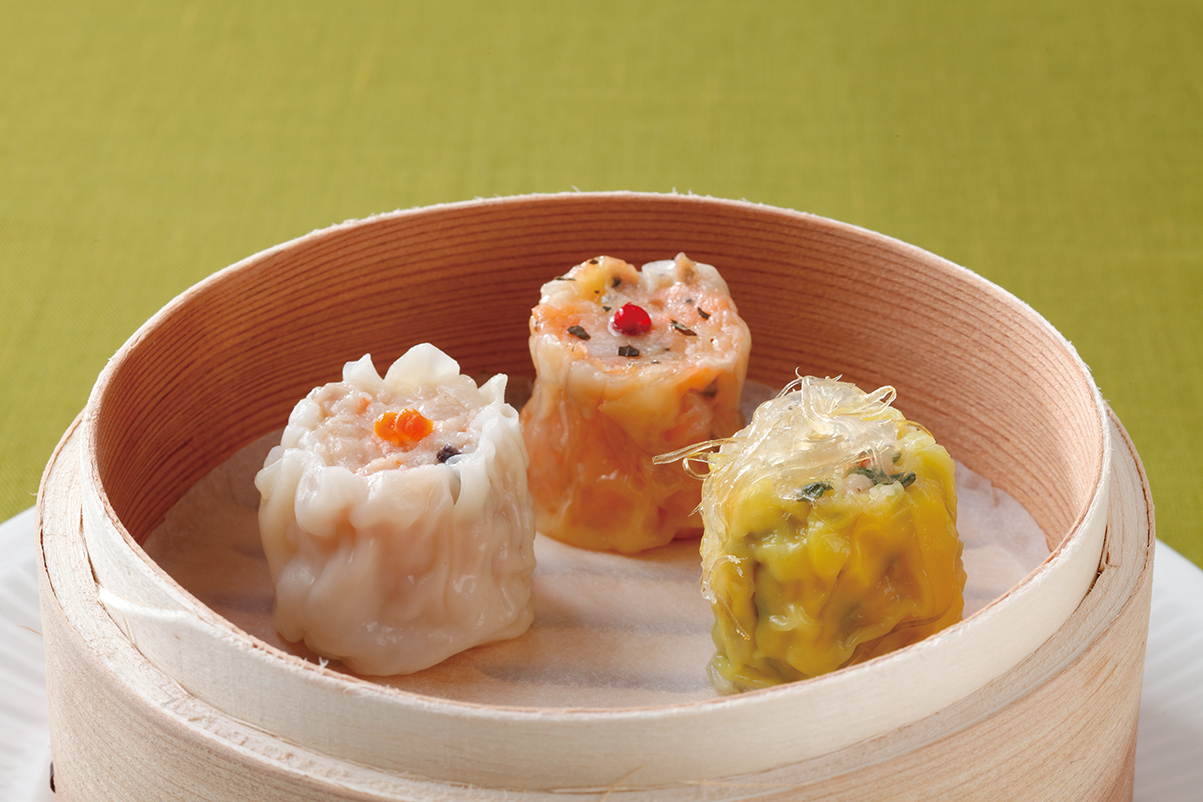
The first floor features the main store as well as a tea salon. The second floor houses restaurants, including the high-end Chinese restaurant “Kamiya.” At “Kamiya,” you can enjoy the “Original Three-Variety Shumai Platter” (shark fin, water caltrop, and salmon cheese), available exclusively here.Crafted with premium ingredients and expert technique, these dishes offer a luxurious taste rarely found even nationwide.
The basement level is home to “Beer Restaurant Alibaba ‘Ba’,” which is directly connected to the Yokohama Station underground shopping arcade, Porta.Lunch is served buffet-style, and the all-you-can-eat “Traditional Shumai” is a specialty. In the evening, along with a variety of Kirin beers and craft beers, you can enjoy not only the “Traditional Shumai” but also special, crab, shrimp, and cheese shumai, all served piping hot.
- Sakiyoken Main Store
-
 2-13-12 Takashima, Nishi-ku, Yokohama, Kanagawa Prefecture MAP
 9:00 AM–11:00 PM (Details vary by location)
 Closed on January 1 and on irregular holidays
2Chinese Restaurant
The origins of Sakiyoken’s dining hall lie here
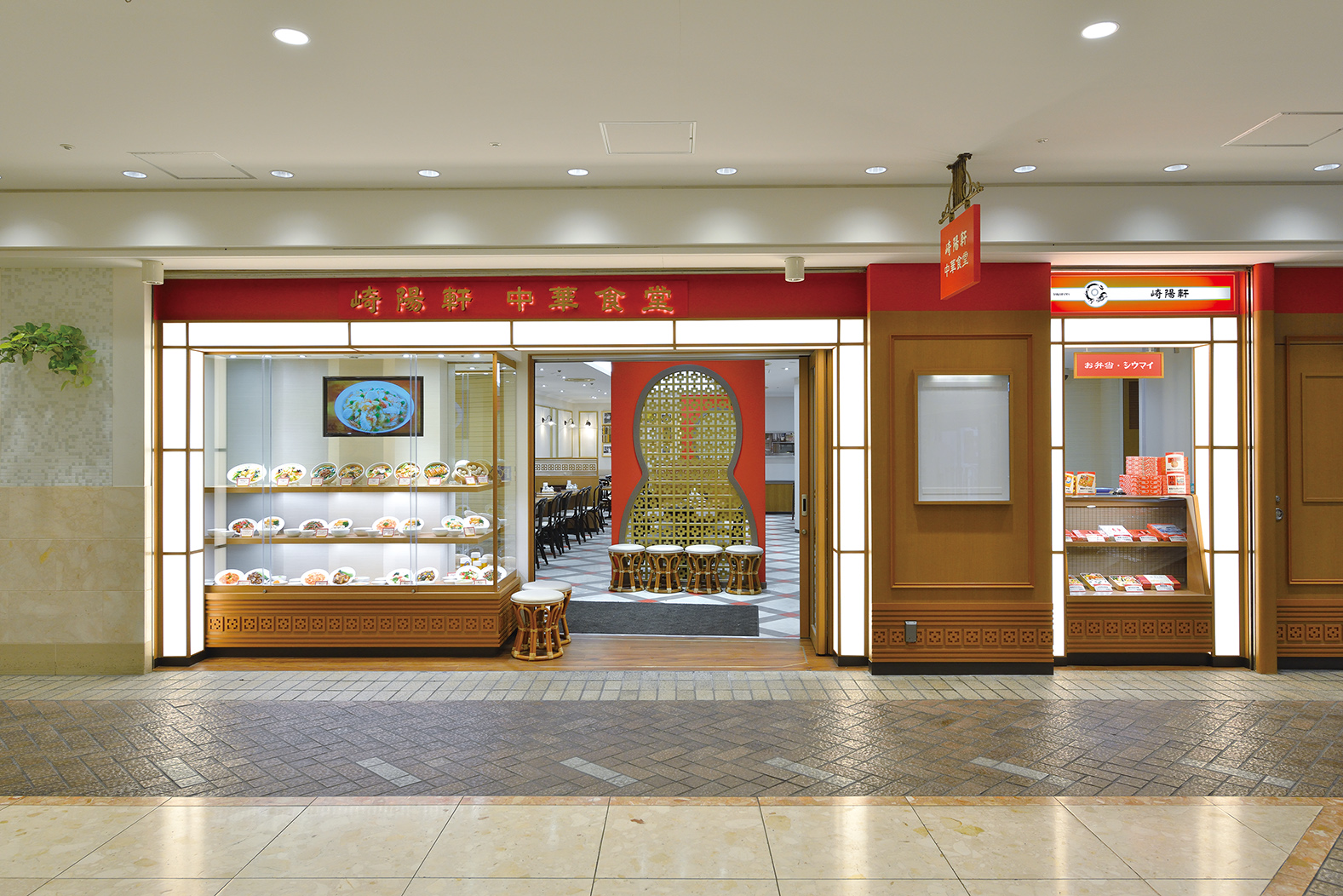
It is located within the Yokohama Station Underground Shopping Arcade “Porta,” adjacent to the Sakiyoken Main Store.The Chinese Restaurant marked the beginning of Sakiyoken’s food and beverage business, and this is the only location where you can enjoy “Traditional Siu Mai” and other classics as part of a set meal. A particularly Yokohama-style menu item is the “Light Drinking Set,” which combines Yokohama’s famous “Sanma Noodles” with five “Traditional Siu Mai,” pickles, and a drink.If you want to eat your fill of shumai, we recommend the “Sakiyoken Shumai Ultimate Satisfaction Set Meal,” a special menu item celebrating the renovation on July 31, 2026, featuring 20 (!) pieces of “Traditional Shumai.”
- Chinese Restaurant
-
- 2-16-B1 Takashima, Nishi Ward, Yokohama City, Kanagawa Prefecture; Porta Underground Shopping Arcade, Yokohama Station East Exit MAP
- 11:00 AM–11:00 PM
- No holidays
3: Junkaikaku Main Building
The authentic taste that is the root of Sakiyoken’s shumai
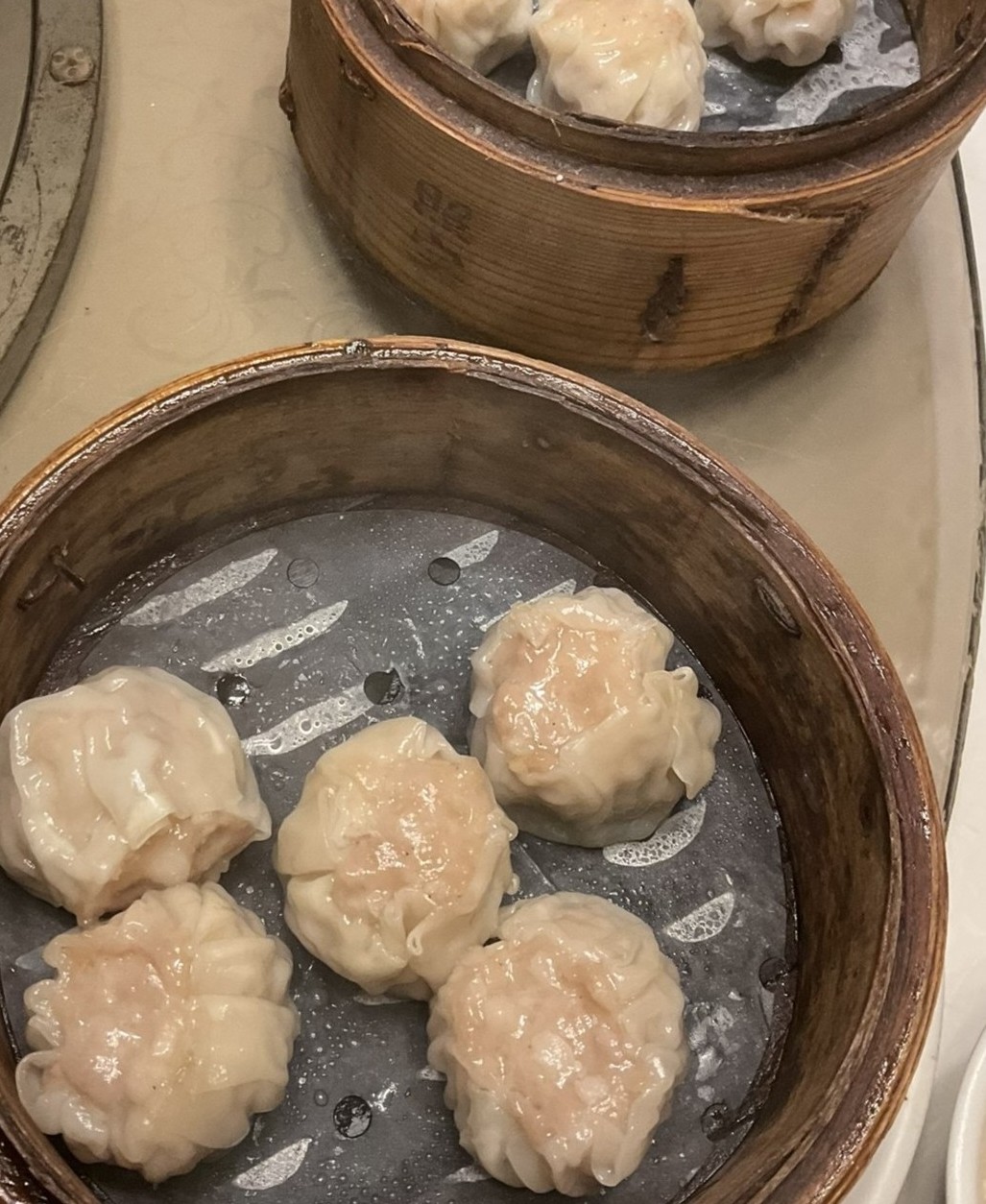
The eldest son of Wu Yusun, who developed the “Traditional Shumai,” later opened a Chinese restaurant called “Shunkaikaku.” It is currently in operation in Yokohama’s Chinatown. There, you can savor the restaurant’s original shumai—packed with the rich umami flavor of scallops—that offers a glimpse into the roots of Sakioken.
- Junkaikaku Main Building
-
- 147 Yamashita-cho, Naka Ward, Yokohama City, Kanagawa Prefecture
- 11:00 a.m. – 10:00 p.m.
- No holidays
4: Sakiyoken Yokohama Factory
Learn everything about shumai and shumai bento production!
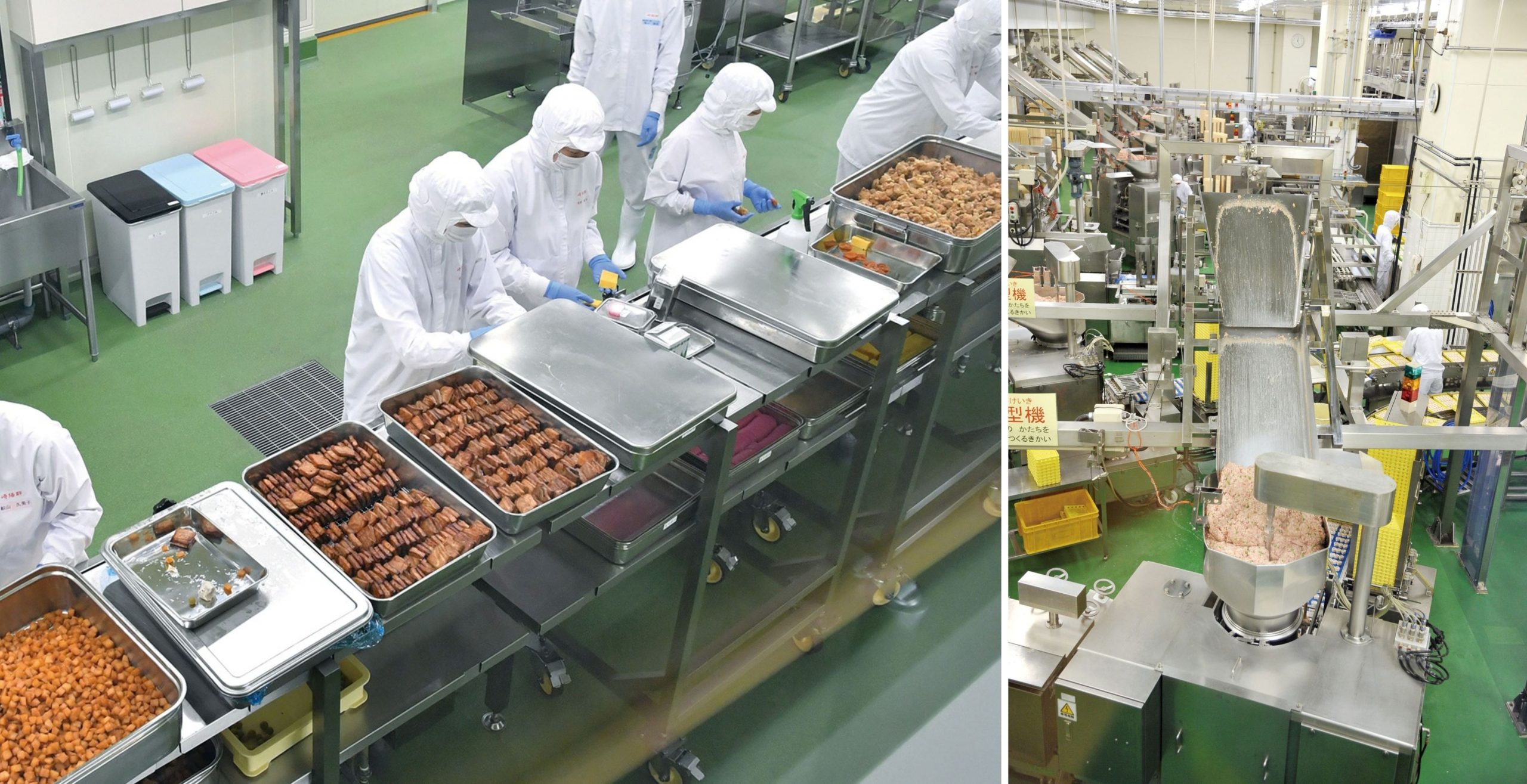
Sakiyoken operates two factories in Yokohama and one in Tokyo; its main facility is the “Yokohama Factory” in Shin-Yokohama. Here, they produce various types of shumai—including the “Traditional Shumai”—as well as products like the “Shumai Bento.” Factory tours are available by advance reservation.
The highlight is the shumai production line. Watching them produce about 800,000 pieces a day is a spectacular sight—especially the sight of the meat filling cascading down in massive quantities as it’s replenished is truly impressive! You can also sample freshly made shumai.There’s also an exhibit on Sakiyoken’s history and the “Hyō-chan Collection,” and you can even take a commemorative photo wearing the “Shumai Girl” uniform mentioned earlier!
- Sakiyoken Yokohama Factory
-
- 675-1 Kawamukai-cho, Tsuzuki-ku, Yokohama City, Kanagawa Prefecture MAP
- 9:00 a.m.–, 10:30 a.m.–, 12:30 p.m.–, 2:00 p.m.–
- Closed on Mondays, Thursdays, and Sundays, as well as at the end of the month and during the year-end and New Year holidays
 Free of charge
 Reservation Site Advance reservations required via the website
In Closing: Yokohama’s Shumai Isn’t Just About Sakiyoken
I’ve given a quick overview of the connection between Yokohama, Sakioka, and food culture, as well as how to enjoy Sakioka in Yokohama. But as a shumai expert, the one thing I want to say in closing is: “Yokohama’s shumai isn’t limited to Sakioka.”
As mentioned earlier, Yokohama is the birthplace of Japan’s shumai culture, and shumai has long been a beloved dish in Nankinmachi and the surrounding areas—even before Sakioka-ken began serving it.Restaurants that served shumai even before Sakiyoken’s version still exist today, and if you’re looking to take your trip to Yokohama to the next level, I highly recommend making them one of your destinations.
At the same time, tasting shumai from places other than Sakiyoken allows you to gain a deeper appreciation for Sakiyoken’s value. It is an institution that has preserved its classic flavor for over 100 years while continuing to promote shumai culture even today, both in Yokohama and beyond. As I wrap up this article, I find myself once again reflecting on just how remarkable that is.
That concludes this Sakiyoken lecture by a shumai expert. However, since there’s still so much more to share, there may be another opportunity for a follow-up lecture. Until then, please be sure to visit Yokohama at least once to deepen your knowledge and love of Sakiyoken and shumai.
Your Base for a Shumai Journey! Two “OMO by Hoshino Resorts” Properties to Help You Enjoy Yokohama to the Fullest
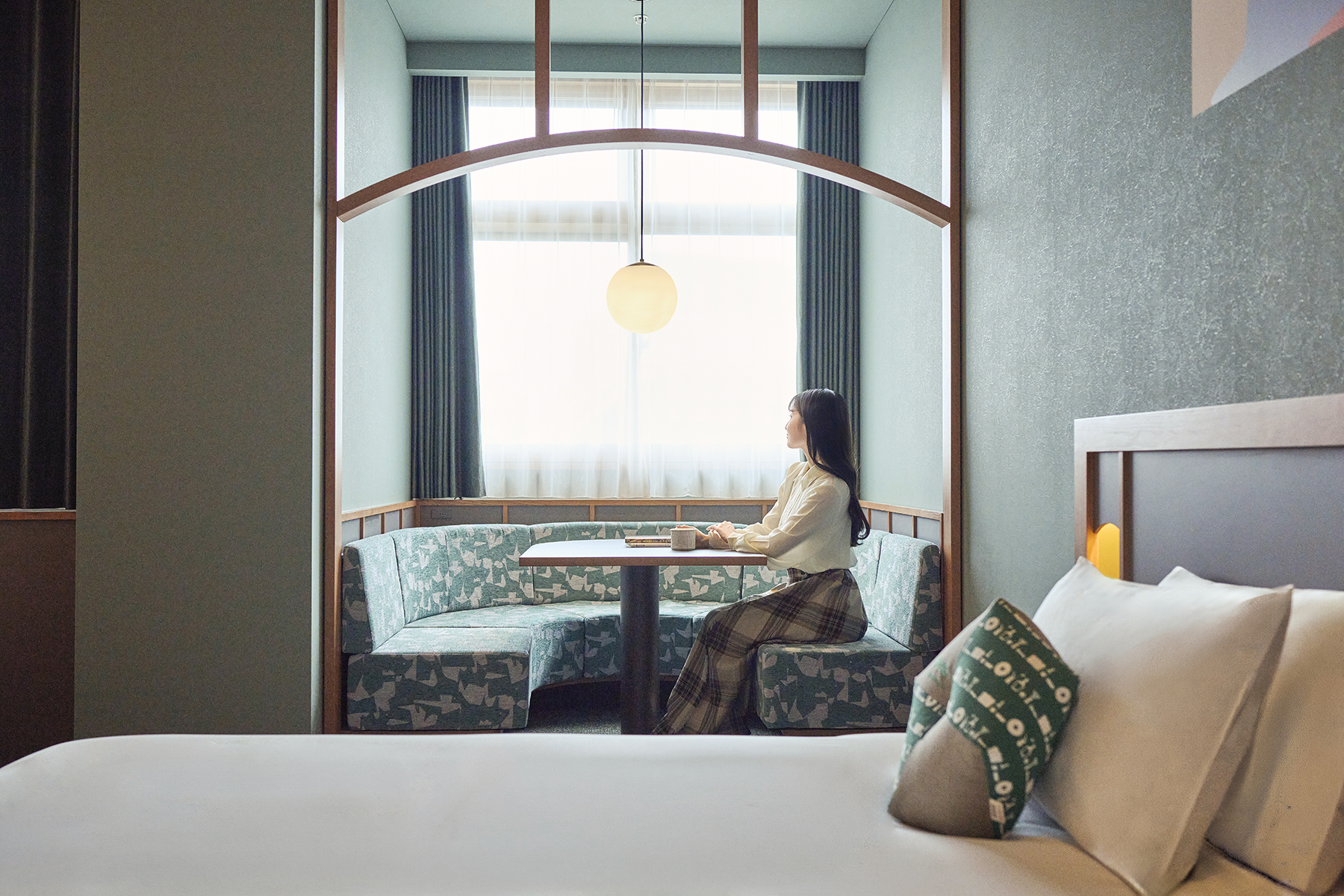
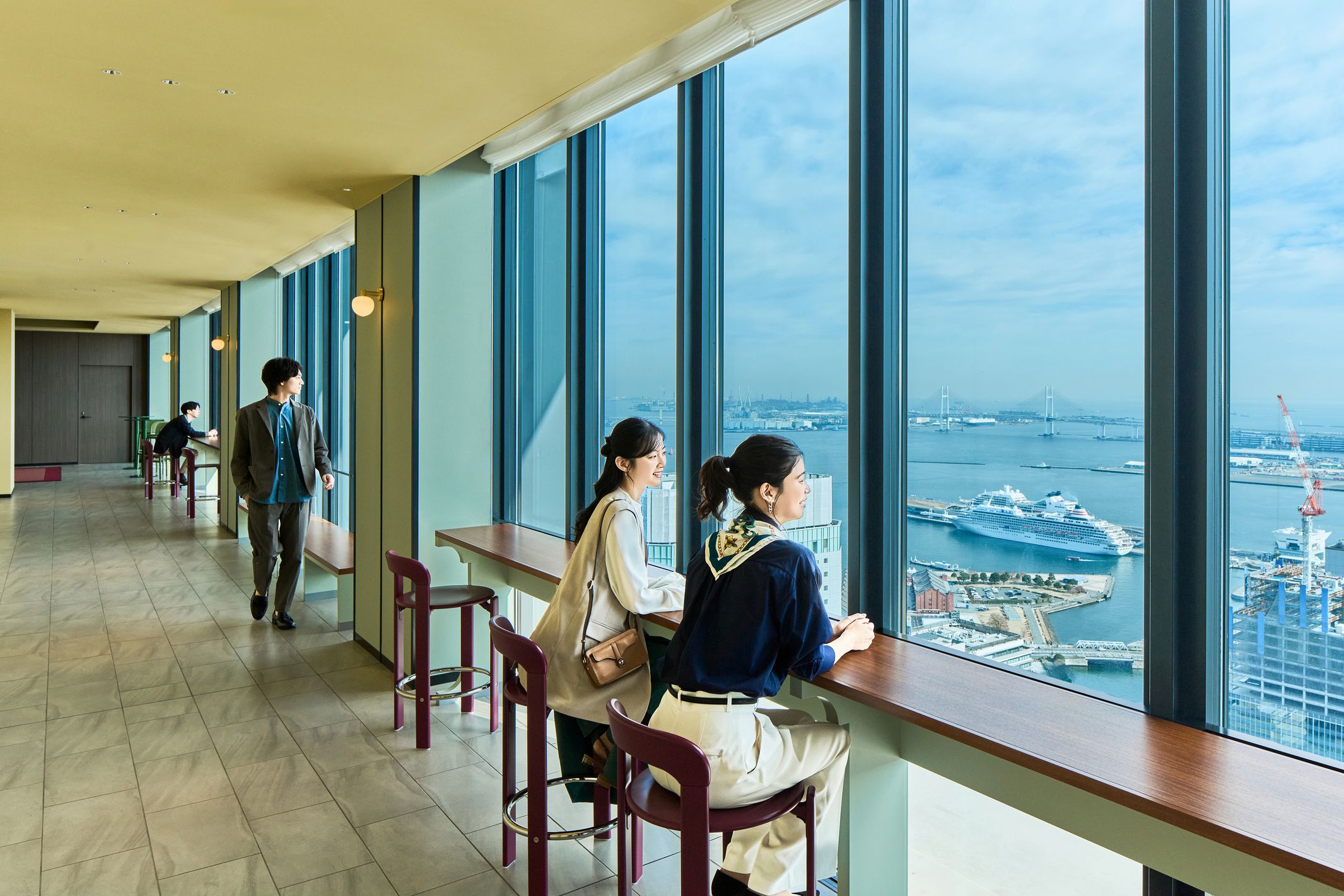
Here are some exciting “downtown” hotels that serve as the perfect base for your “Yokohama Shumai Trip,” taking you to Sakiyoken’s main store and Chinatown.
[For an Active City Walking Tour, Try “OMO7 Yokohama by Hoshino Resorts”]
Right in front of JR Kannai Station. Chinatown and the Noge area are within walking distance, making it the perfect base for comparing shumai at “Junkaikaku” or hopping from bar to bar.
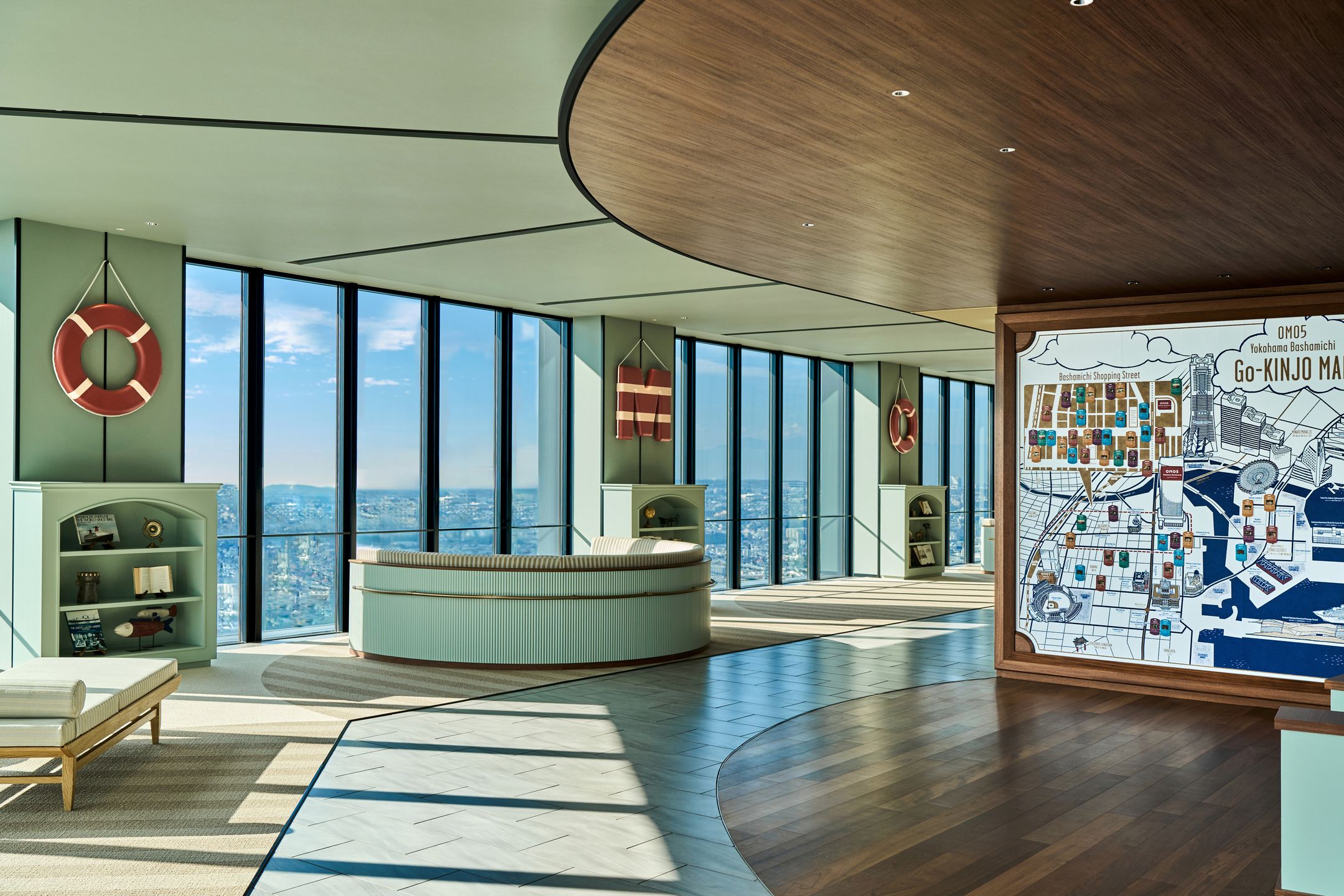
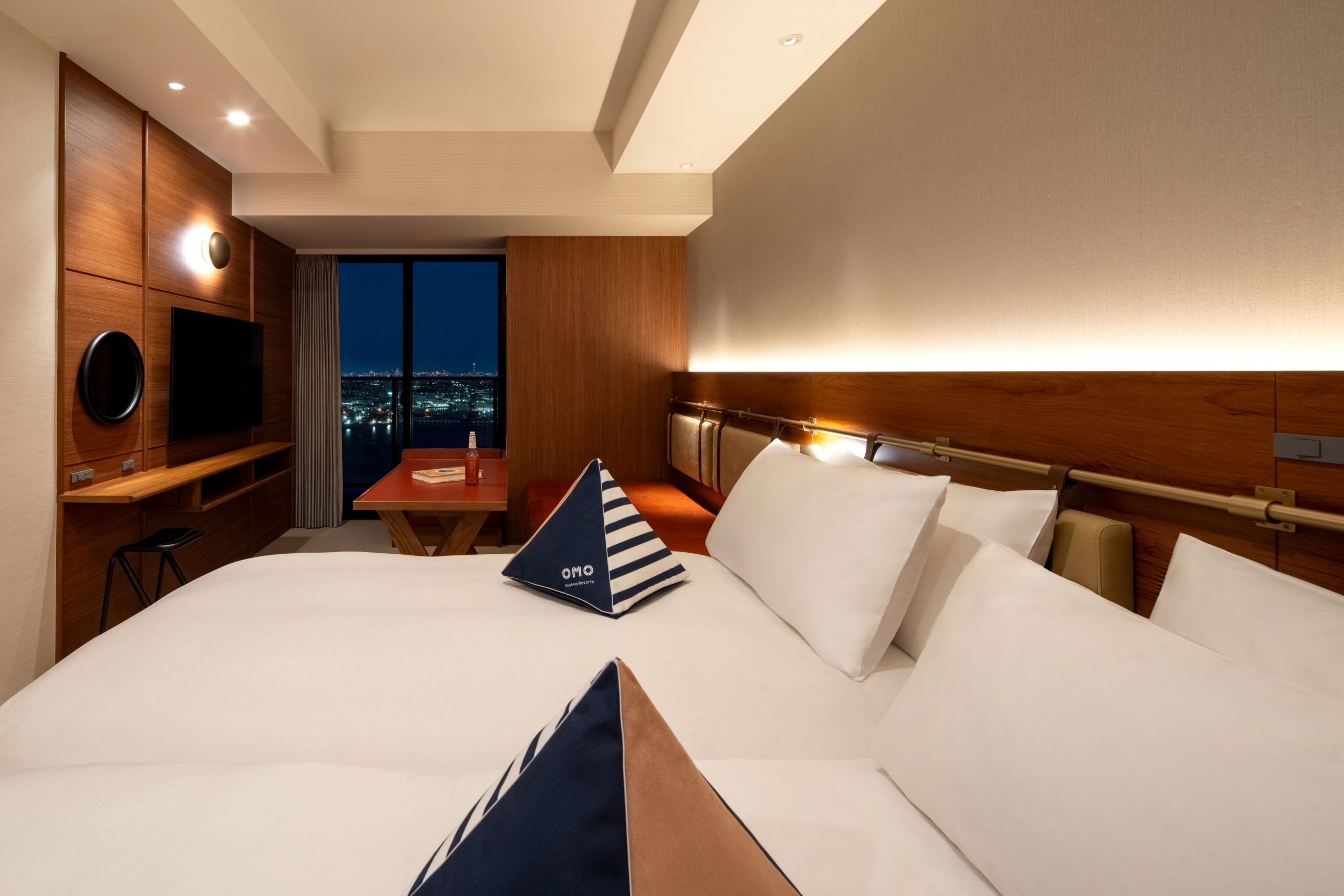
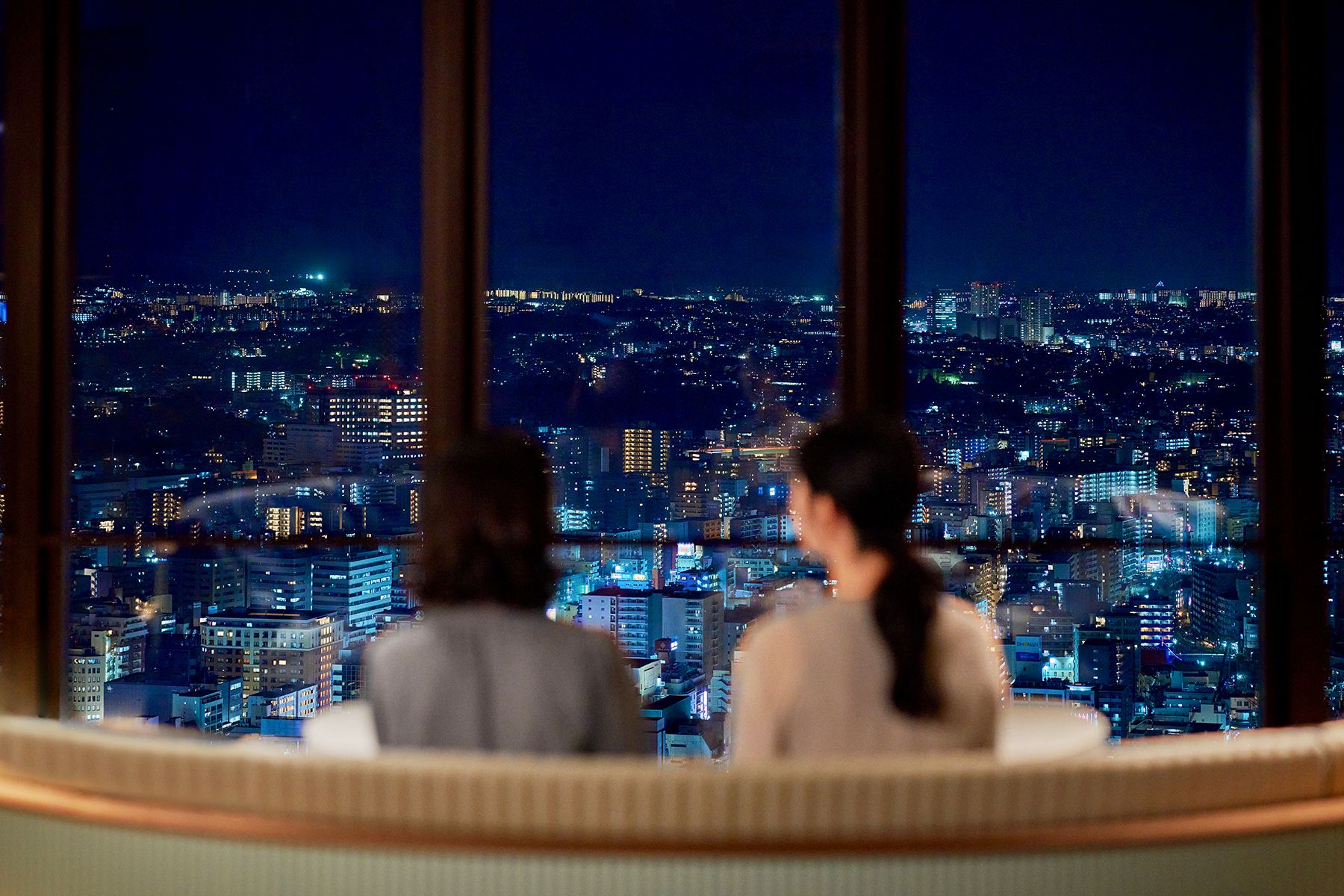
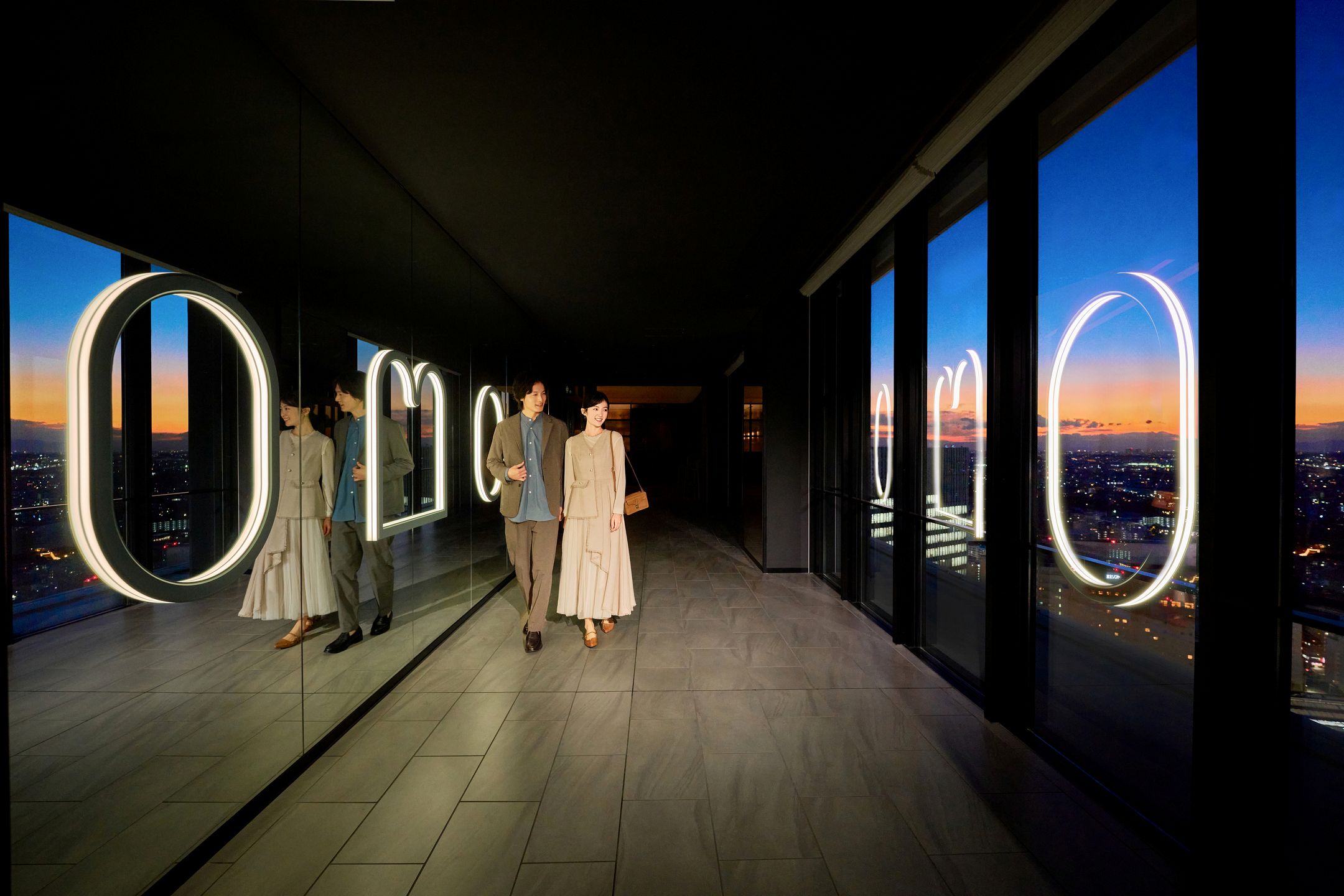
[For a trip focused on night views and relaxing in your room: “OMO5 Yokohama Bashamichi”]
Located on a high floor with panoramic views of Minato Mirai. It’s perfect for a luxurious night in your room, enjoying takeout shumai or bento boxes while gazing at the harbor town’s night views.
Why not enjoy a siu mai tour at these two “OMO by Hoshino Resorts” properties?

OMO7 Yokohama by Hoshino Resorts
1-1-1 Minatomachi, Naka Ward, Yokohama City, Kanagawa Prefecture
A heritage hotel where you can experience the true essence of Yokohama

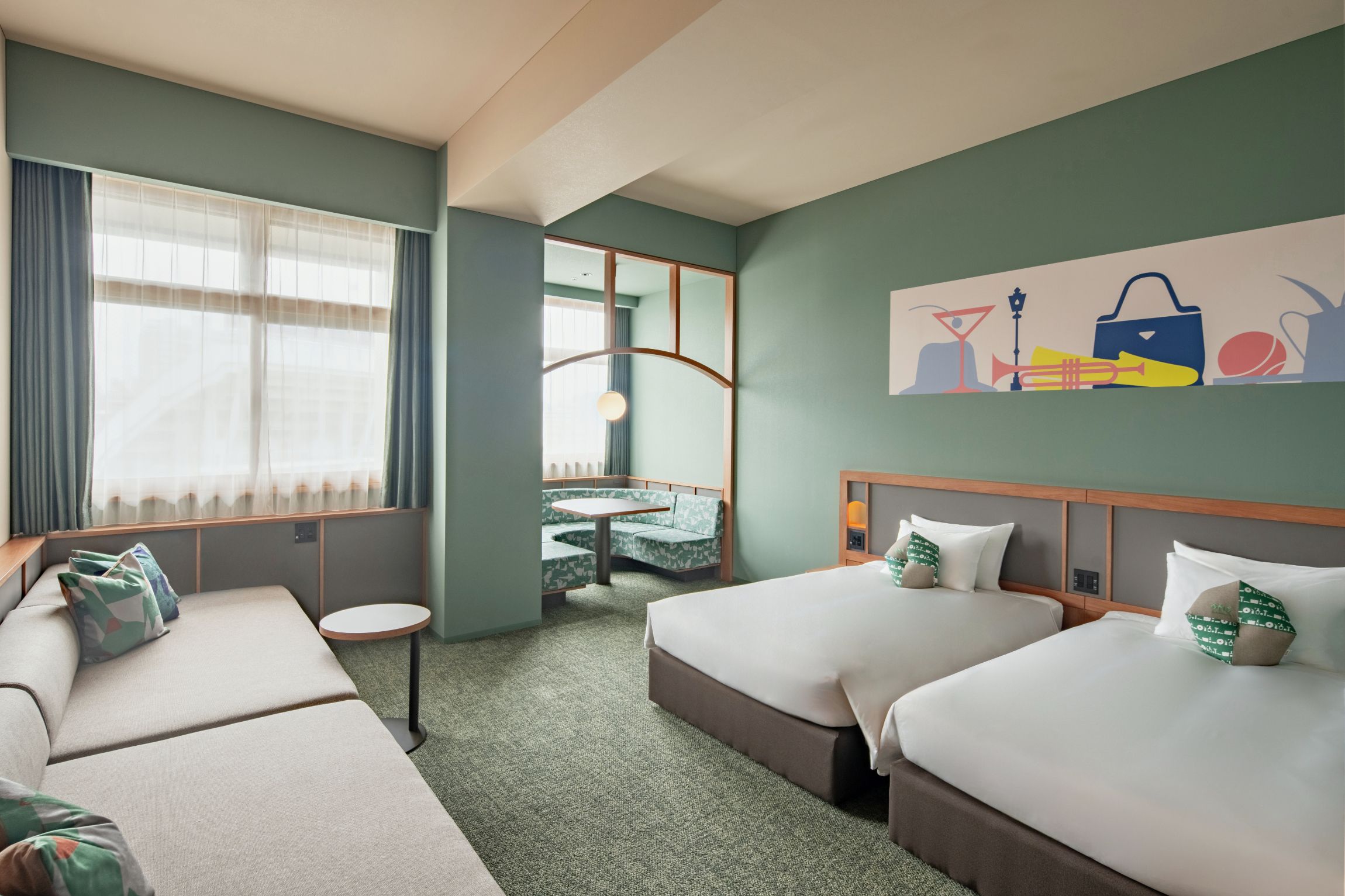
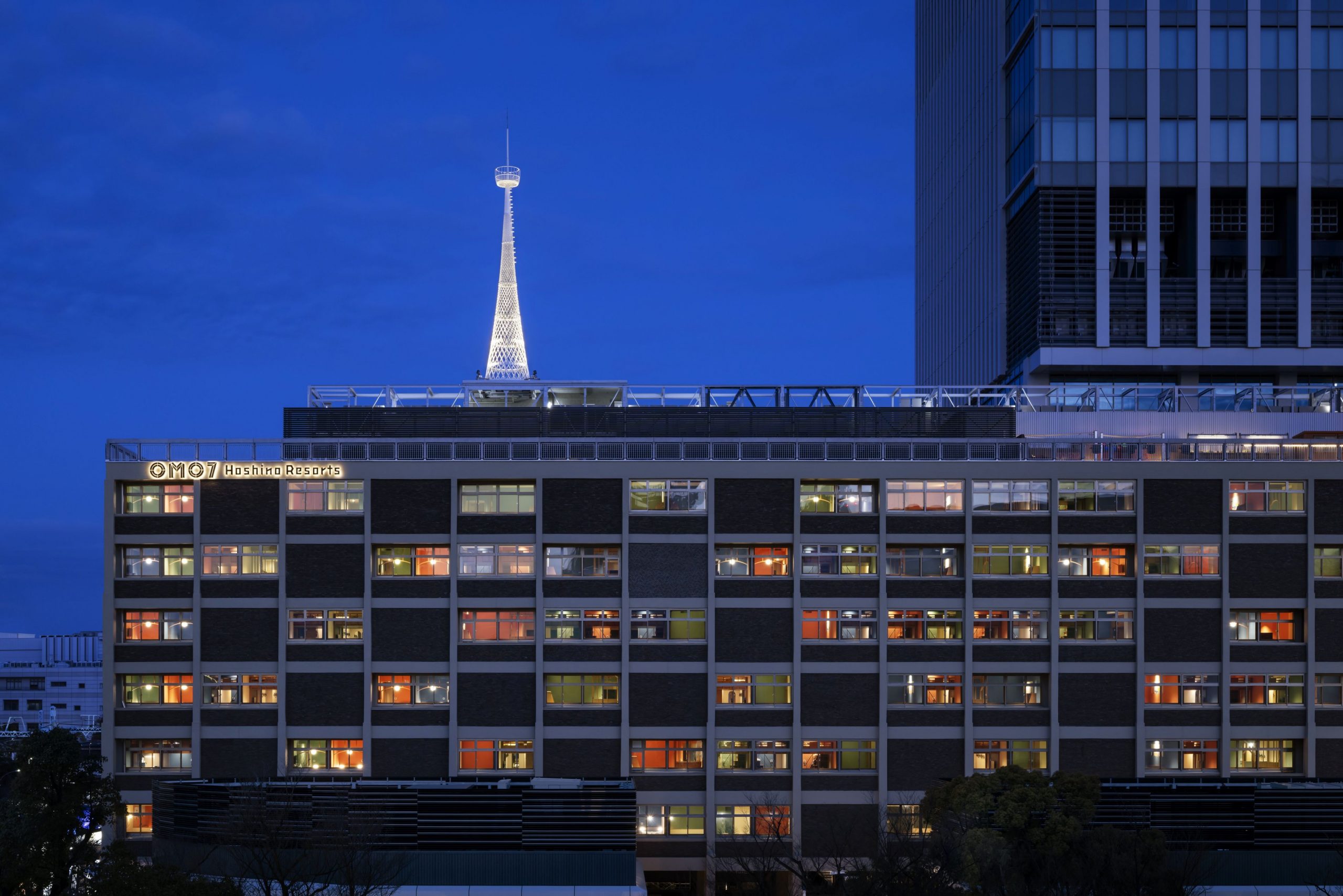
Access by bus Right in front of the South Exit of JR “Kannai” Station
- Example of Accommodation Rates
- 1 person per night From 10,000 yen
OMO5 Yokohama Bashamichi
5-57-2 Kita-Naka-dori, Naka Ward, Yokohama City, Kanagawa Prefecture
An apartment hotel offering spectacular views from its upper floors
Access by bus Directly connected to Exit 2 of the Minatomirai Line’s “Bashamichi” Station
- Example of Accommodation Rates
- 1 person per night From 11,000 yen