





Michikusa Gurus
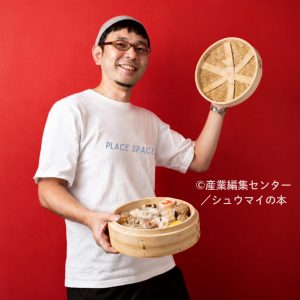
Michikusa no Tatsujin FAQ
- Please tell us what got you hooked on shumai
It all started when I felt sorry for shumai. Kanagawa Prefecture is a region where people are familiar with shumai, particularly the shumai from Sakiyoken. I, too, ate shumai as a matter of course since childhood, but after I entered the workforce and moved to Tokyo, I realized I no longer had opportunities to eat shumai nearby. As I looked into it further, I truly came to realize just how obscure shumai is.I thought, “I’ll support them even if I’m the only one!” and that’s what led me to start traveling around the country to try different types of shumai.

- What are some interesting aspects of “shumai” that most people don’t notice?
It’s all about the freedom of shumai. Gyoza, which is often compared to shumai, has clear rules: pork, chives, andgarlic, wrapped in a wheat flour wrapper—but while shumai is fundamentally based on a wheat flour wrapper and meat filling, it comes in many forms: the wrapper can be glutinous rice or rolled omelet, the filling can include fish, game meat, or even fruit, and it can be baked or deep-fried as well as steamed.There’s a certain fun in discovering shumai through that sense of freedom, and there’s also the joy of being able to choose your own ingredients and cooking methods when making them yourself.

- Actually, I'm also a "XXX" fanatic!
I’ve had my fair share of experience eating regional cuisine and drinking sake. Through my work covering the “Top 100 Regional Dishes,” I’ve come to understand the history and connections between local ingredients and dishes, and the joy of savoring them with that knowledge is the true essence of regional cuisine.Through my work, I’ve also been able to build individual connections with several sake breweries, and through a fortunate turn of events, I’ve even been involved in the process from rice cultivation to brewing. Also, since I was born in Kanagawa, I’m fond of Hakone’s yosegi-zaiku wood inlay craft and secretly collect pieces of it.

- What is your "unforgettable destination" and why?
Osaka was the destination for my very first shumai journey. While Osaka is famous for the shumai at “551 Horai,” I remember discovering the shumai at the long-established shop “Ichihotei.” I was moved not only by the historic flavor but also by the sight of locals inside the shop enjoying their shumai.Also, the joy I felt upon discovering fried shumai at a hidden izakaya in the Nishinari area became the starting point for my current shumai explorations. Every time I visit since then, I’ve encountered new varieties of shumai, and I’m constantly amazed by the depth and richness of Osaka.

- Is there anything you always take with you on a trip?
I always post the dishes I eat on my shumai journeys to Instagram, so an iPad for updating my feed is a must. I also bring my “Pentax Q10” mirrorless camera with a prime lens for stock photos.Also, when visiting a place for the first time, I check which restaurants serve shumai and add them to My Maps on Google Maps so I can refer to them anytime. And of course, I need a stomach big enough to handle eating shumai at several different spots.

Articles
There are no articles.