





Jersey milk from "Shinrinno Bokujo," where you can taste the four seasons of Nasu
 Nearby facilities
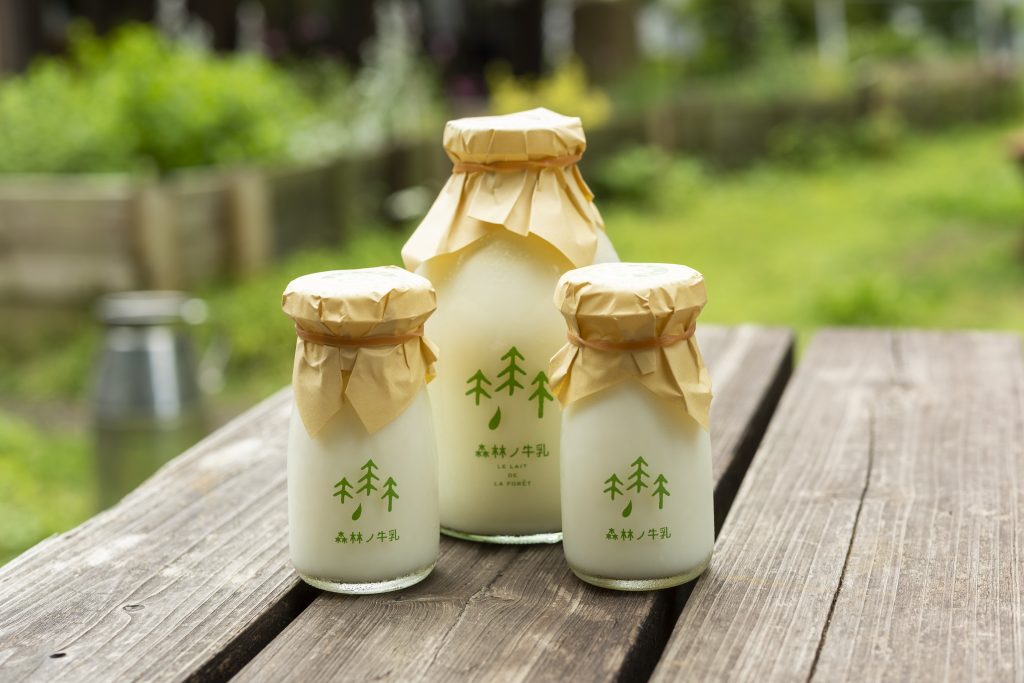
Take one sip, and you'll find yourself closing your eyes at its sweet, rich flavor; swallow, and it leaves behind a surprisingly crisp and refreshing finish. I never knew milk could be this delicious. The way it comes in a cute bottle, along with the understated illustration, is also wonderful.
The ones who make this milk, which captivates everyone who drinks it, are at "Shinrin no Bokujo" in Nasu Town, Tochigi Prefecture. In the pasture nestled in the mountain forest, you can see Jersey cows busily climbing the slopes and grazing among the trees up close. It is surprising to learn that the milk squeezed from these cows is not only delicious but also changes in flavor with the seasons. We will introduce this dedicated farm, which carefully bottles the taste of raw milk and also develops dairy products such as butter and sweets.
What is this forest-born milk that you can't forget once you've tasted it?
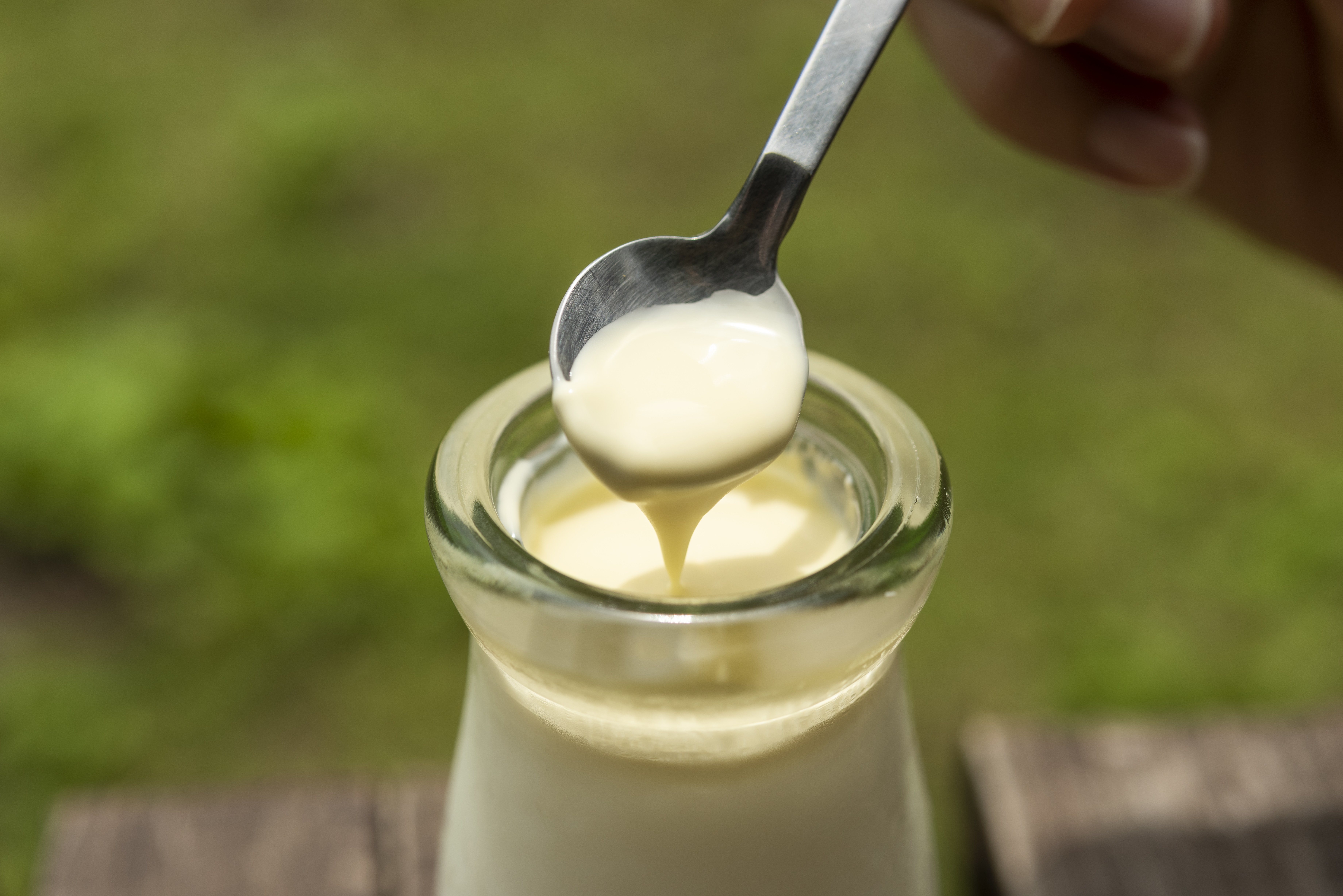
When you open the paper lid of the milk bottle, you can see a layer of cream floating on top, and when you take a sip, it has a rich, creamy texture. Drinking the milk along with that cream fills your mouth with a sweet and rich flavor. You might expect that taste to linger, but the aftertaste is surprisingly refreshing. It goes down smoothly, so you feel like you can just gulp it down. You can clearly tell that the taste is completely different from the milk you usually buy in cartons at the store.
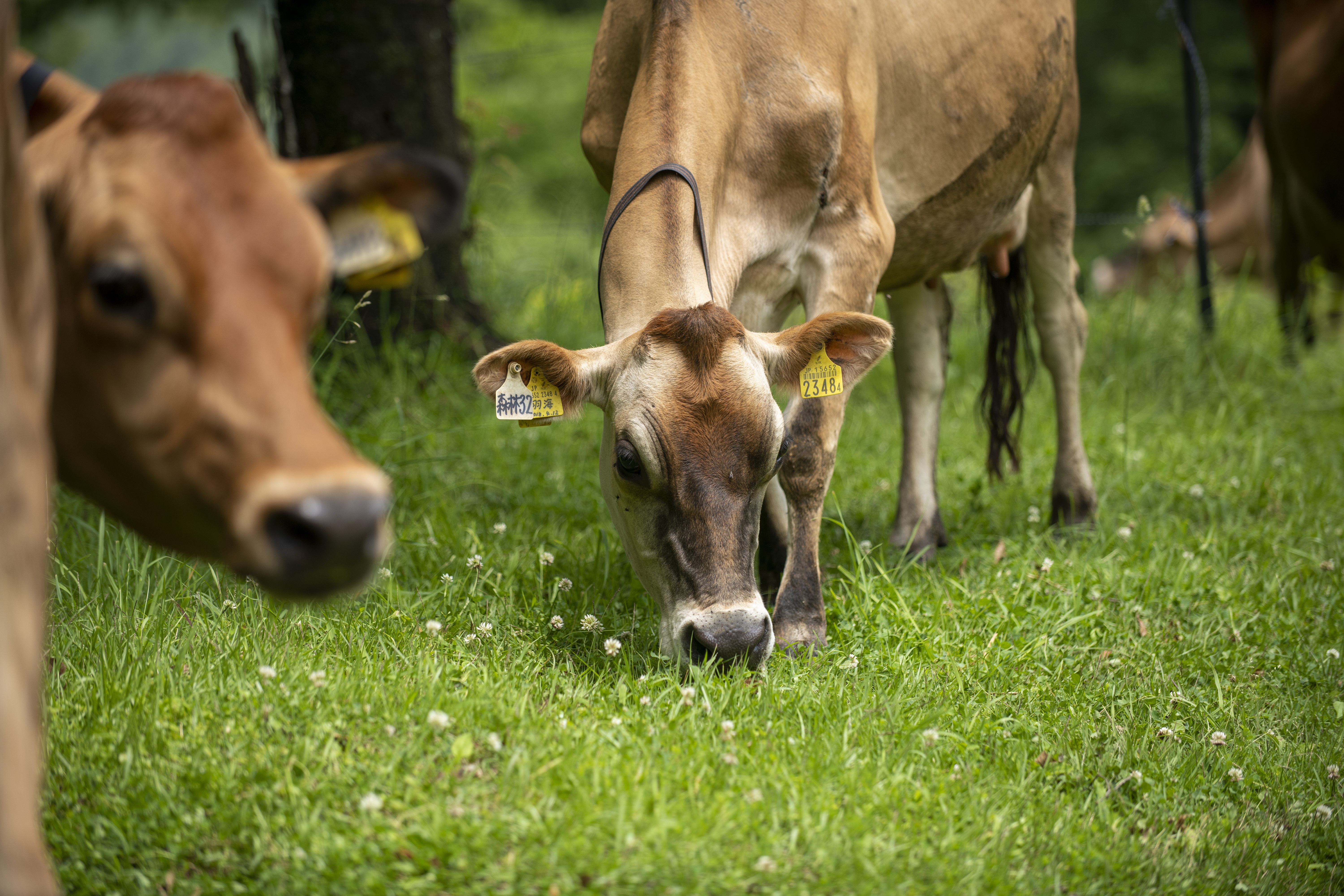
The secret to its deliciousness lies in the fact that they raise rare Jersey cows in Japan by letting them graze freely. Although Jersey cows make up only about 0.6% of dairy cows in Japan due to reasons such as low milk yield, their milk is rich in milk fat and milk protein, making it deep and flavorful. The source of that taste and composition is the grass the cows eat in the forest where they graze.
Spring grass is highly nutritious and rich in vitamins, so the milk from cows that eat it takes on a yellowish hue and a sweet, pleasant aroma. In summer, the cows drink more water, so the milk is lighter. Autumn grass is fibrous, making the milk even richer. In winter, they eat preserved feed like hay, so it has less moisture and becomes whiter with more fat and protein.
Just as if resonating with the components of the grass nurtured by the rich air and water of Nasu, the flavor of the raw milk, which shifts with the four seasons, is bottled just as it is.
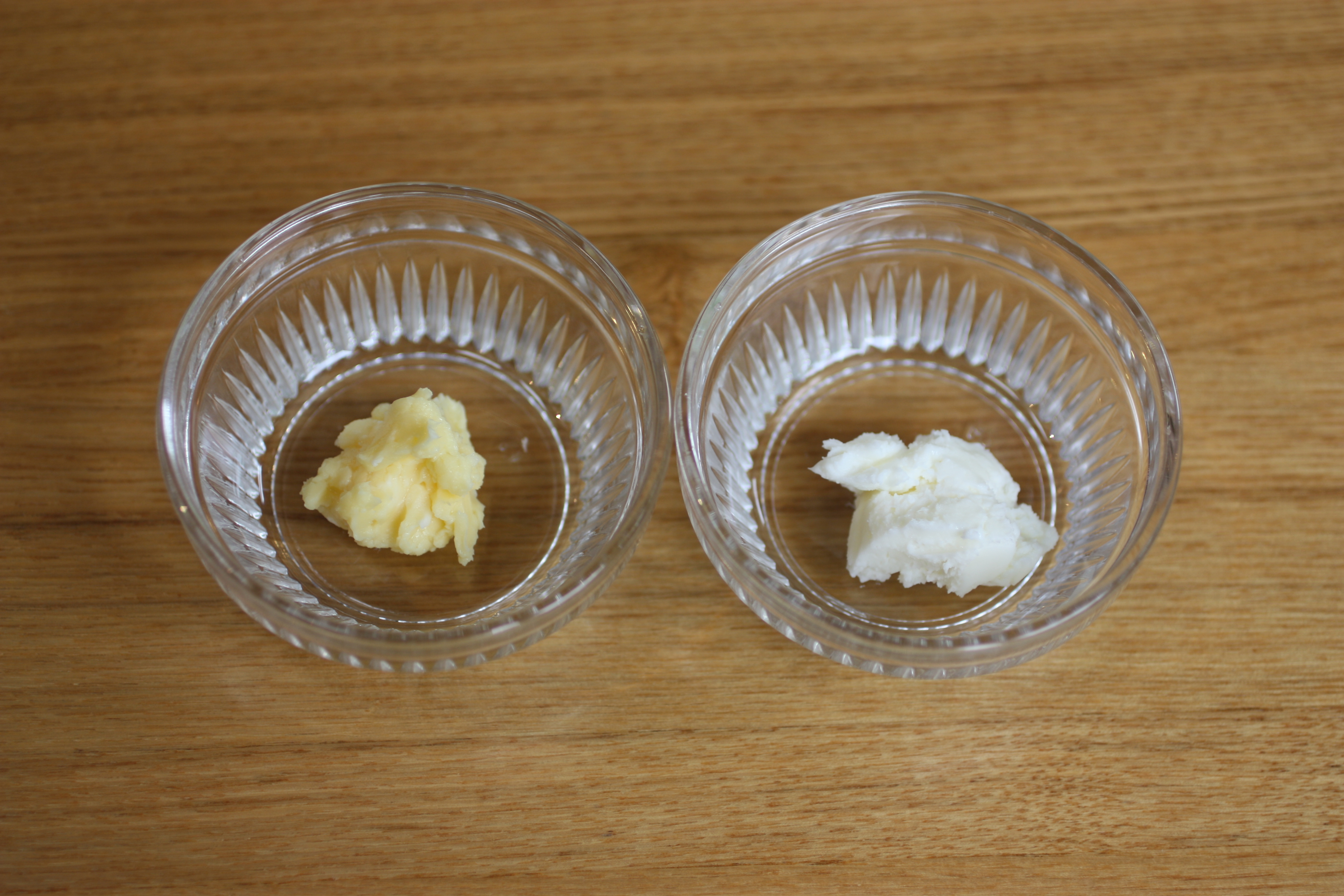
Both photos show butter produced on the farm. The one on the left is made from milk collected from spring to autumn, so it has a much deeper yellow color and a stronger aroma. The one on the right is made from winter milk, which is almost white and has a rich, creamy flavor. When placed side by side, you can see at a glance how different they are depending on the season.
It is only natural when you think about it that the taste and color of milk have a seasonal quality. However, since we never notice things like "a spring-like sweetness has emerged" when drinking store-bought milk, it feels fresh and highly appealing to realize that milk produced from a single pasture-raised farm can offer such significant differences throughout the four seasons.
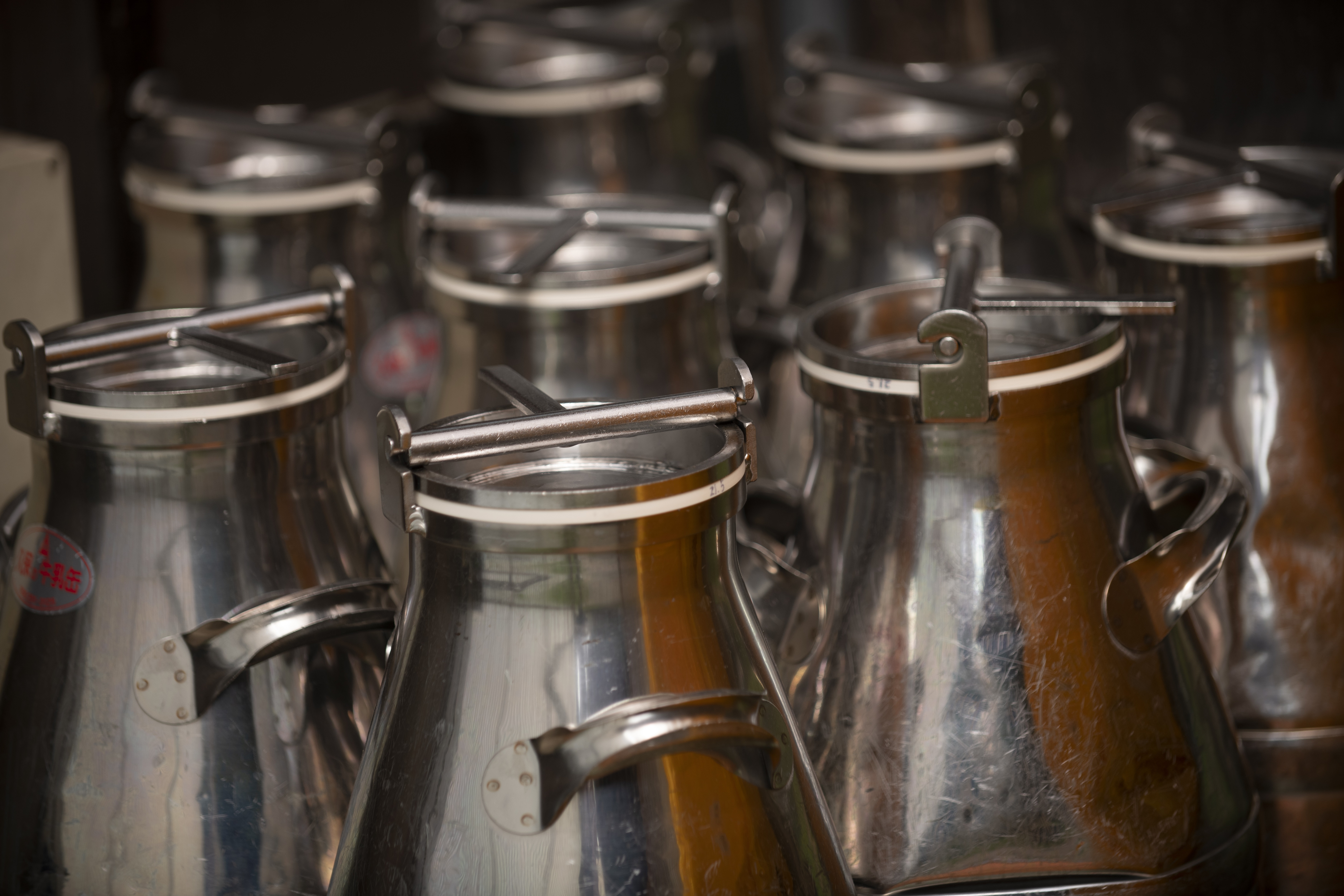
There are other secrets to the deliciousness of the milk from "Shinrin no Bokujo." Another key point is that the raw milk is slowly pasteurized at a low temperature of 63°C for 30 minutes. Although this method takes time and effort, it preserves a taste close to fresh-milked milk without damaging the delicious, seasonal flavor inherent in Jersey milk through high heat.
Also, the cream layer at the top of the milk is proof that it is "non-homogenized." Because the fat globules have not been mechanically broken down and homogenized, the larger fat globules rise to the top over time and clump together, forming a cream layer. A light shake will mix the cream layer back into the milk, returning it to its original state.
Visit the farm to meet the Jersey cows that produce the milk
The farm is located in the northern part of Nasu Town. It is close to the highway exit, making it an easy location to visit.
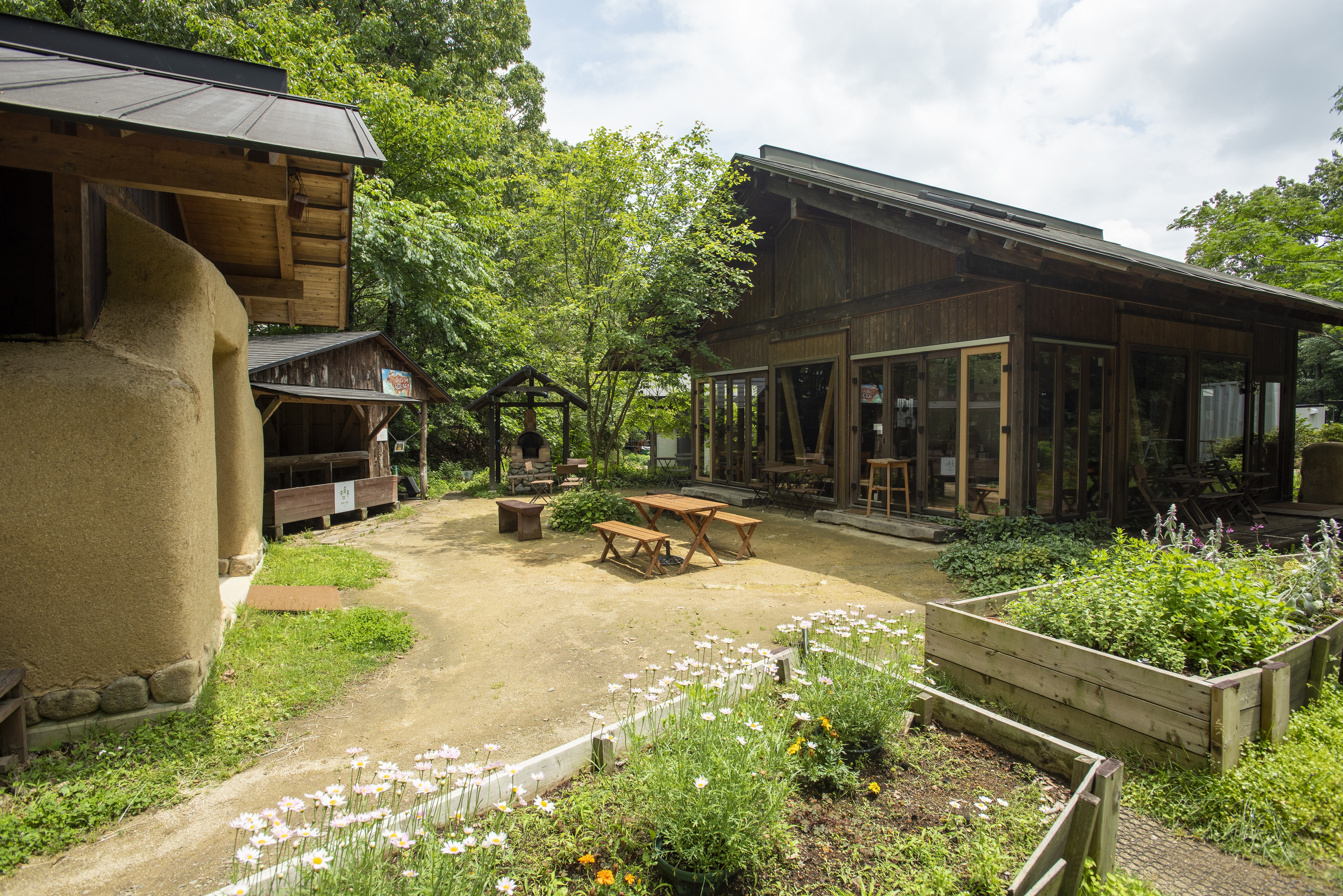
"Prince," the goat near the entrance, is the farm's mascot. To the right, there is a natural wooden cafe, and the rows of earthen-walled workspace huts and pizza ovens blend in with the green landscape.
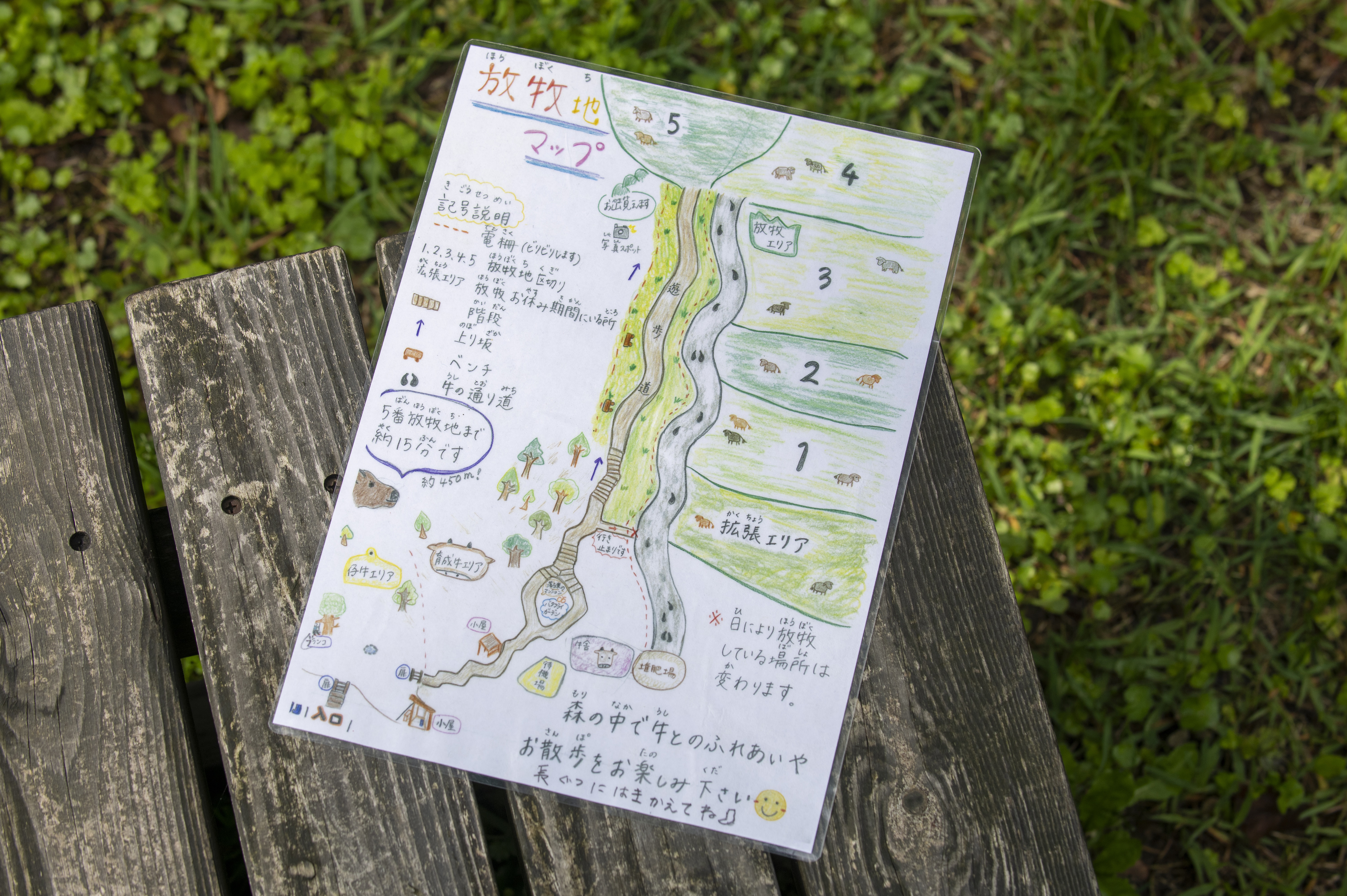
On the cafe shelf, there is a hand-drawn map of the entire farm. If you are going to visit the pasture, it is recommended to take this map with you to check the locations of the walking paths and barns.
After changing into rubber boots, which are available in various sizes at the entrance to the pasture, open the handmade gate and head inside.
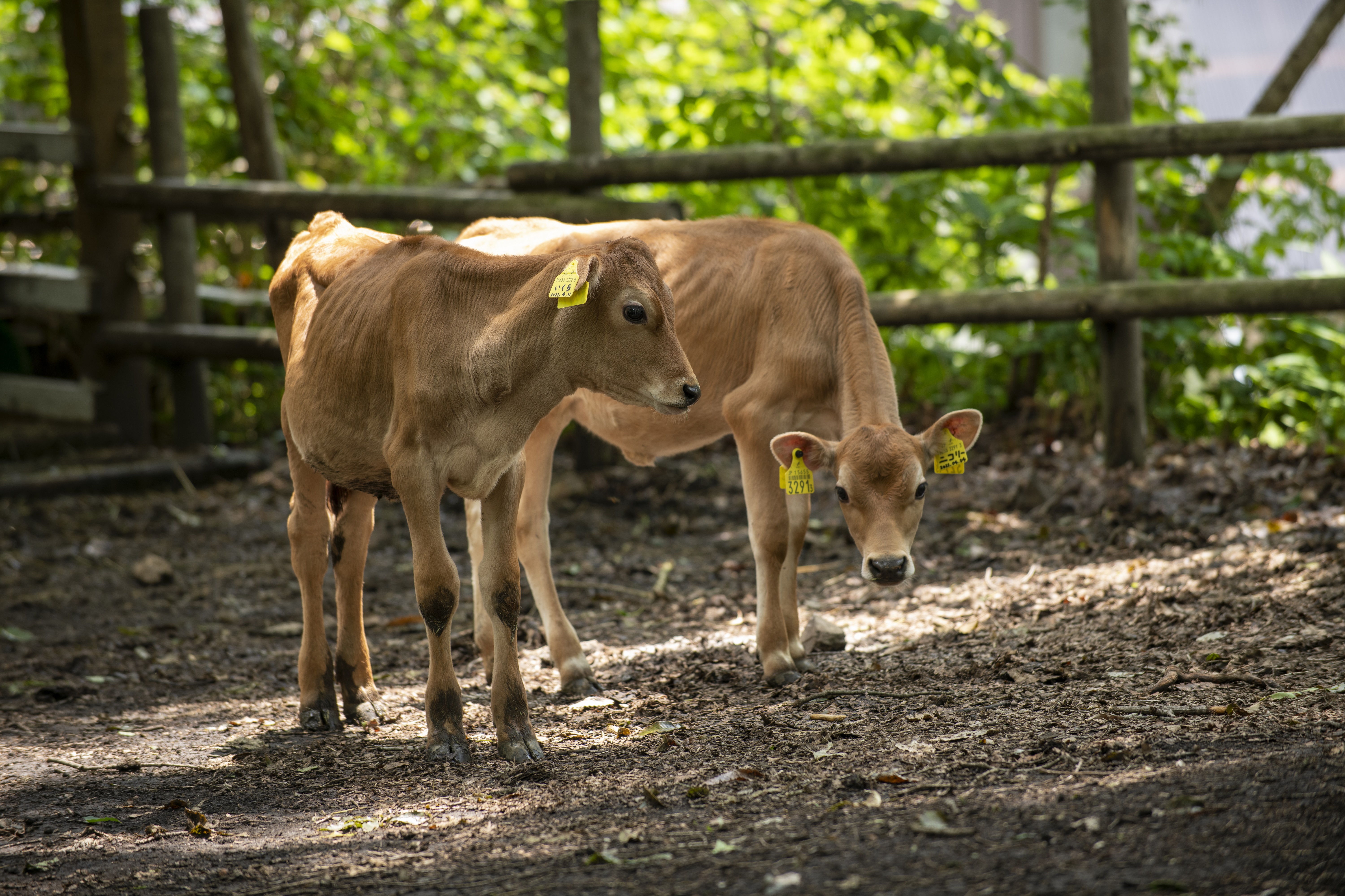
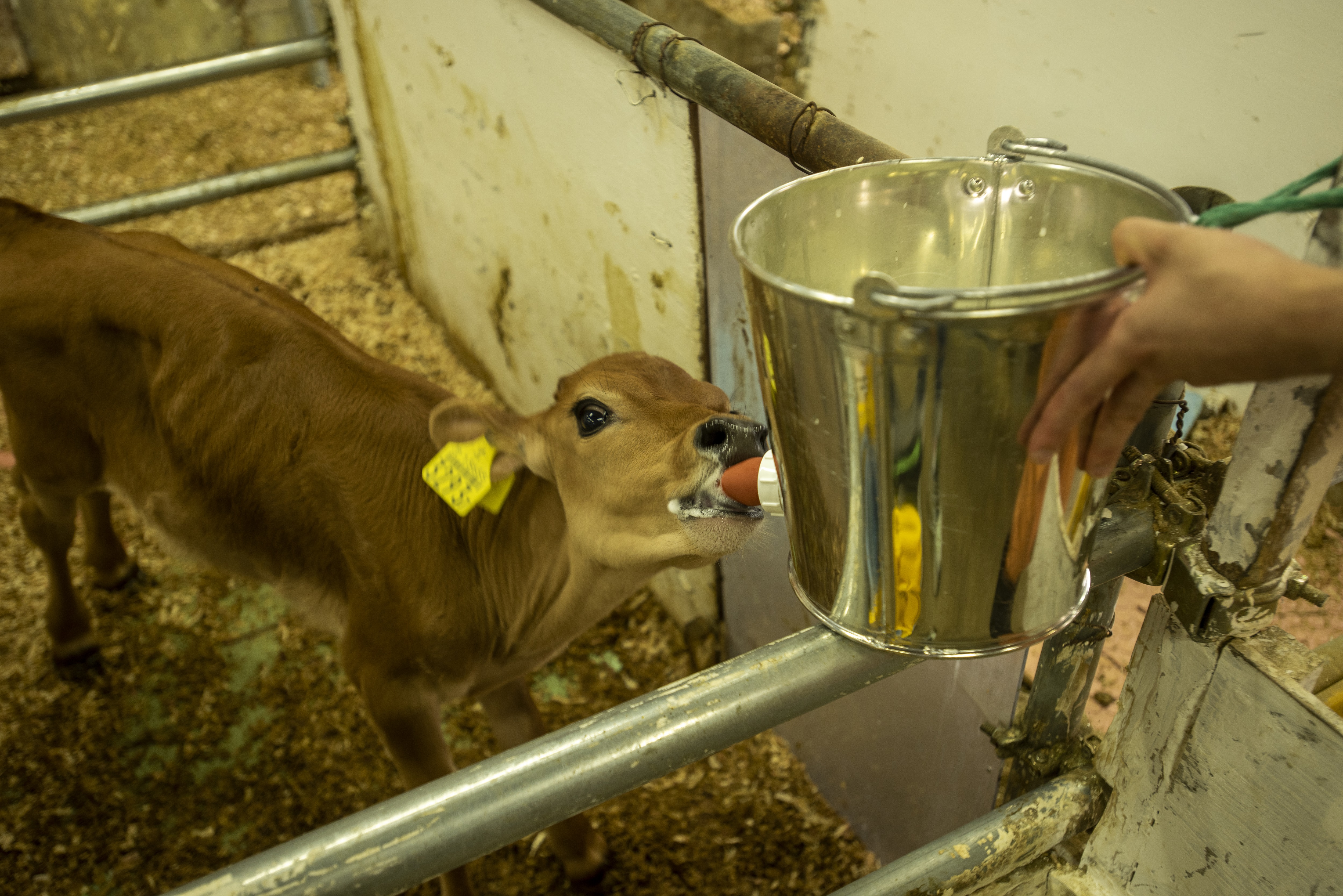
Once inside, calves may come up to you in a friendly manner, and you can see into the barn where milking and other tasks take place. Since this is not a tourist farm, the fences and other structures are made of natural logs, making you feel as if you have stepped into the world of cows living in the forest.
The approximately 8-hectare farm is covered with trees such as konara oak, sawtooth oak, and chestnut, with gentle ups and downs throughout. Walking up the path that runs parallel to the route the cows take between the barn and the pasture, you will reach the furthest pasture in about 15 minutes, covering a distance of approximately 450 meters.
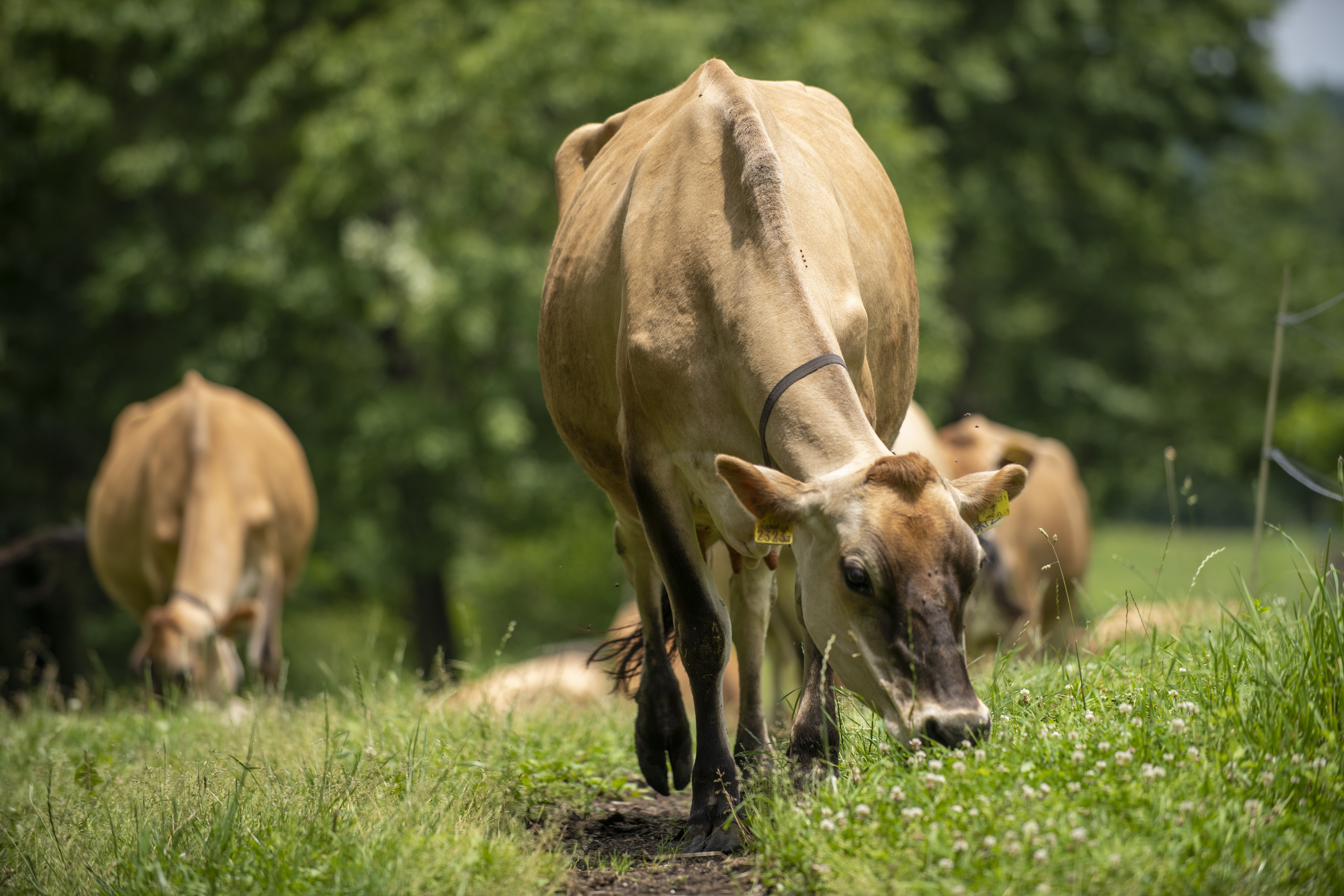
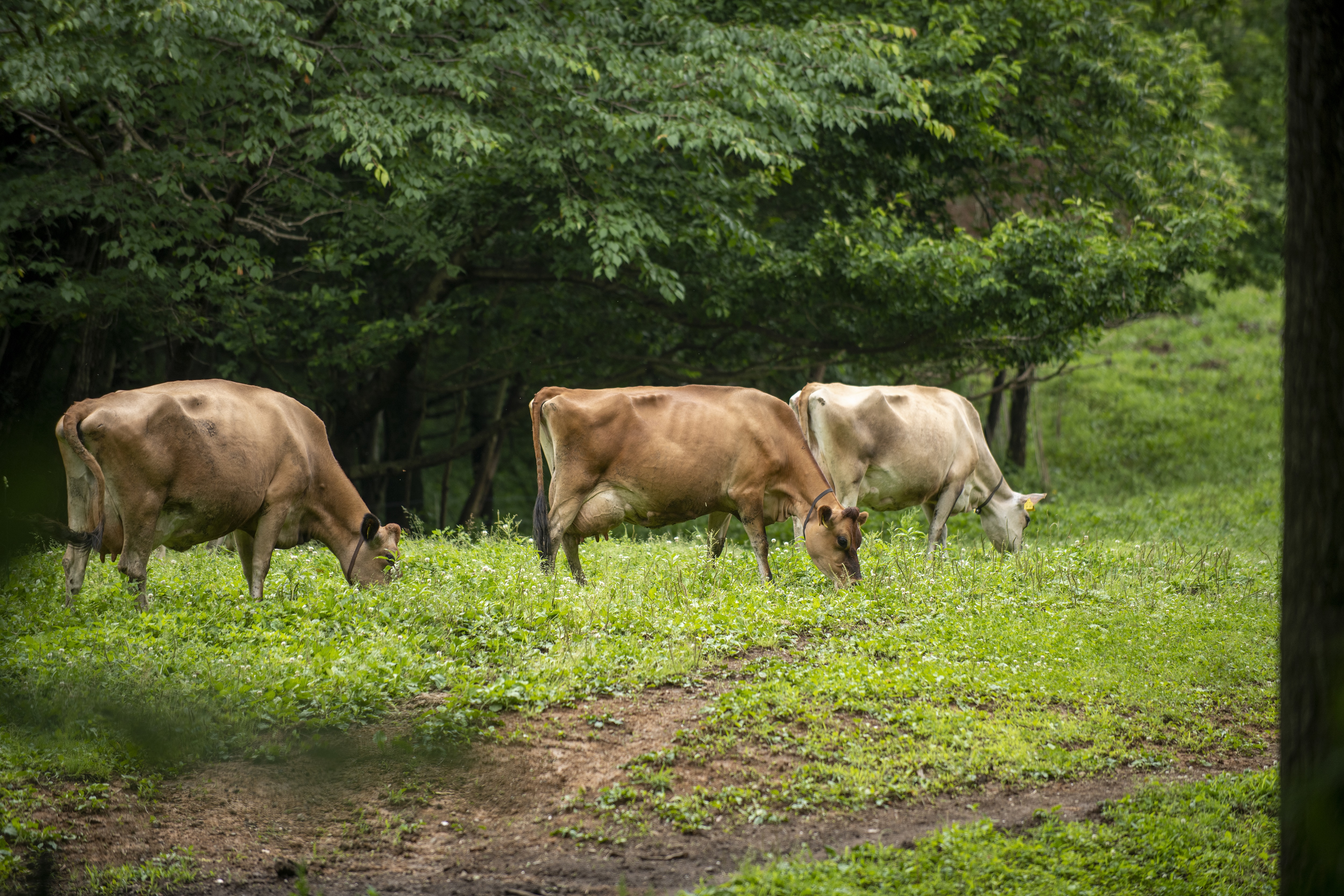
Seeing Jersey cows up close, they are wilder than you might imagine. Rather than just lounging around, they powerfully graze on even tough-looking grass without a care, showing a robust vitality. If you watch them for a while, you might suddenly lock eyes with their large, black pupils. It is an adorable sight that makes you want to smile back instinctively.
Compared to other large dairy breeds, Jersey cows are small, making them perfect for a grazing style that involves eating the undergrowth in the forest. By fearlessly navigating the undulating terrain and neatly eating the overgrown grass, they allow sunlight to reach the ground between the trees, which fosters diversity in the ecosystem of small plants and animals, resulting in a positive outcome for the forest as well. Only cows could achieve such a feat of revitalizing the forest in this way. Furthermore, they provide delicious milk, creating a cycle here that is beneficial in every way.
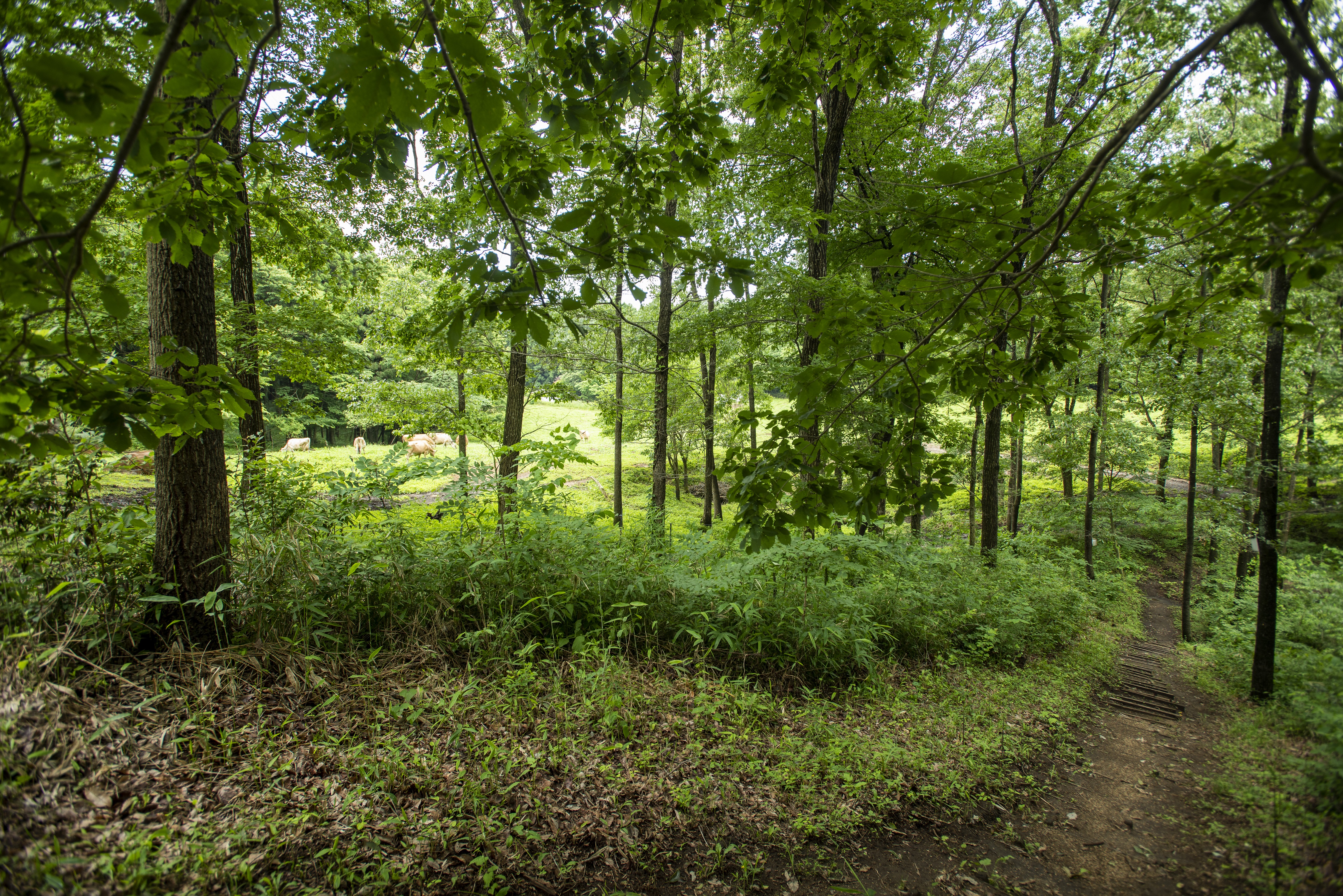
The walking path that winds through the forest is well-ventilated and full of refreshing air. You can enjoy a soothing stroll while taking in the idyllic scenery of gentle brown Jersey cows dotted across the pasture.
It is also fun to return to your childhood by observing small creatures at the small pond along the way or riding the rope swing. You might even hear the calls of wild birds like the varied tit or the Japanese pygmy woodpecker by using a bird call, which makes sound when you twist it open and closed. The farm is filled with features that allow you to get close to the forest and fully enjoy the wonders of nature.
About Masahiro Yamakawa, a farm owner who loves dairy farming and forests
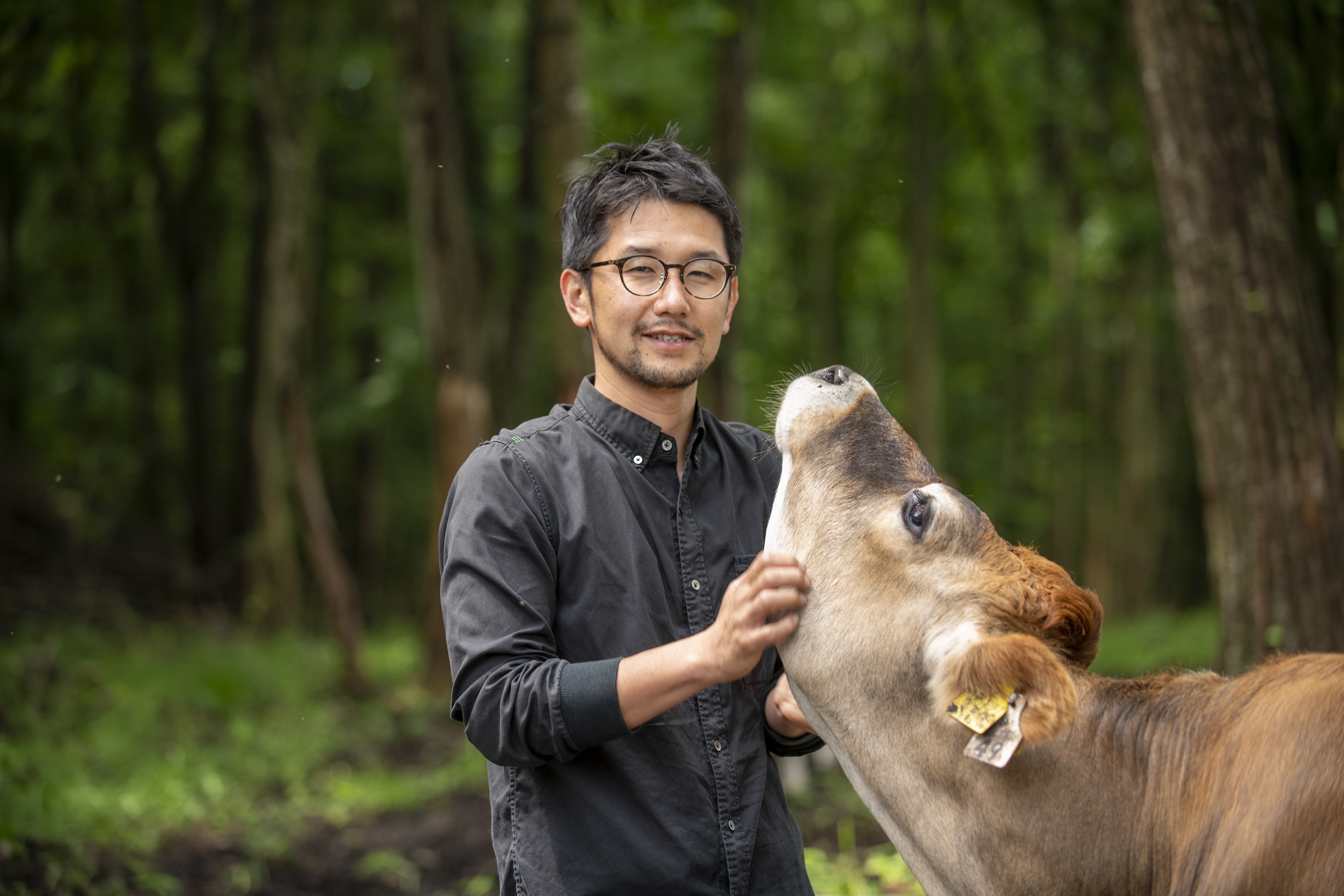
Masahiro Yamakawa, the owner of "Shinrin no Bokujo" (Forest Farm), is originally from Saitama Prefecture. After experiencing milking in Hokkaido during junior high school, he went on to study animal husbandry in university. From that time on, he was committed to "pasture-based dairy farming" and explored ways to realize it, but it was a very difficult path from the perspective of efficiency and management. However, Yamakawa did not change his ambition, and the solution he developed was a method of grazing the cows, caring for them, milking them, making milk and butter, and even selling them at a cafe. Recently, this approach has been attracting attention as the "sixth-sector industry" (because 1x2x3=6) as it involves a multifaceted fusion of primary, secondary, and tertiary industries, but Shinrin no Bokujo has been engaged in this initiative from early on.
Yamakawa says he knows the names and personalities of all 20 of his cows. He shared his thoughts while petting each one with both hands.
"I believe the scenery of cows walking in the pasture is the greatest appeal of our farm. I would be happy if people could come to this farm, which is about two hours from the city center, enjoy the pleasant scenery, be healed by the animals, and return home feeling refreshed."
A rich farm where forests and cows coexist and enhance each other's value. Tourists who are fulfilled by seeing this also find value in the dairy products sold there. This creates jobs for those involved in processing, brings people together, and revitalizes the region... a positive flow. Creating value where there was none and circulating it. This approach of Yamakawa's not only realizes pasture management but also creates a win-win cycle that makes everyone happy, including visitors and workers.
The carefully crafted milk produced by Mr. Yamakawa has gained international recognition. When the world-renowned Danish restaurant "noma" opened a pop-up restaurant in Japan, milk from "Shinrin no Bokujo" was selected as one of their ingredients. It is said that the restaurant's chef aimed to select the finest Japanese ingredients to create original dishes for his visit to Japan. Just imagining how the milk born in Nasu blended mildly into "noma's" Nordic cuisine to elevate it into a special dish is enough to make one's heart leap.
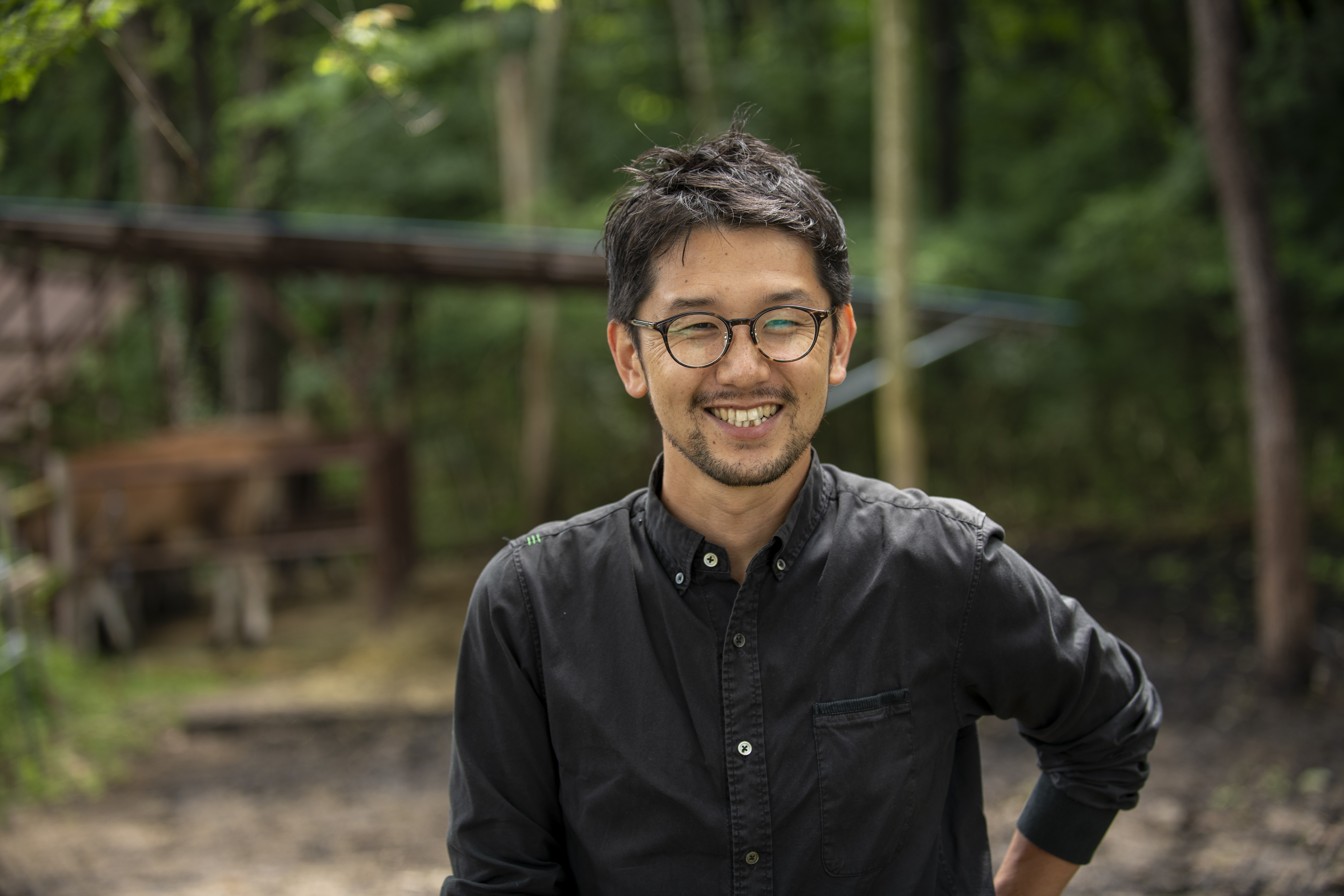
Of course, "Shinrin no Bokujo" dairy products are also highly regarded and popular within Japan. There is no end to their new initiatives, such as sweet collaborations with "Café&Meal MUJI" and the creation of "Butter no Itoko," a new Nasu specialty made to utilize the non-fat milk produced during butter making.
Mr. Yamakawa's vision, not only as a dairy farmer but also regarding resources and regional revitalization, serves as a guide for the next generation, and his range of activities continues to expand, including being invited to give lectures to high school and university students aspiring to work in livestock farming.
Souvenirs of Nasu's bounty: milk and butter dairy products
Dairy products from "Shinrin no Bokujo" are perfect as souvenirs from the dairy kingdom of the Nasu area. Their exceptional taste and simple yet sophisticated packaging make them a delightful gift for anyone, as well as a treat for yourself. All sales are handled at the cafe counter within the farm. Ice packs are also available for purchase.
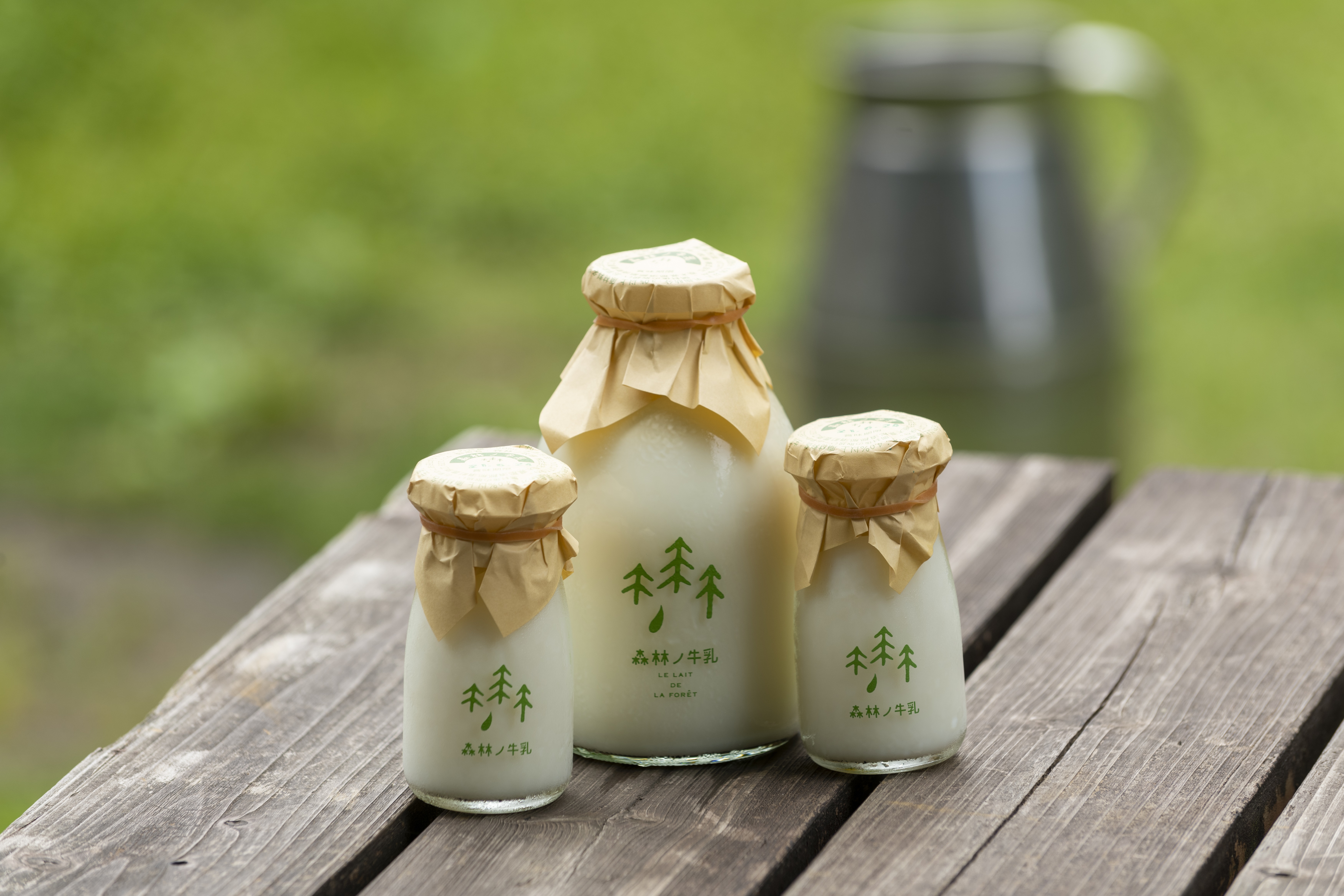
Since the flavor changes with the seasons, you might want to visit throughout the year to compare them. Once you pop open the paper lid, you can enjoy the cream layer on top as is, or shake it to mix everything together—it's up to you. The 500ml bottle has a charming, rounded silhouette. The 90ml size is easy for children to hold and finish. Milk fat content is 4.0% or higher.

This butter is made by a butter artisan using a traditional machine called a "butter churn." Fresh cream separated from Jersey milk is fermented with lactic acid bacteria overnight to bring out a rich aroma and a pleasant acidity. Wrapped in wax paper and placed in a craft case, it has a stylish, retro feel that makes it a delightful gift for food lovers.
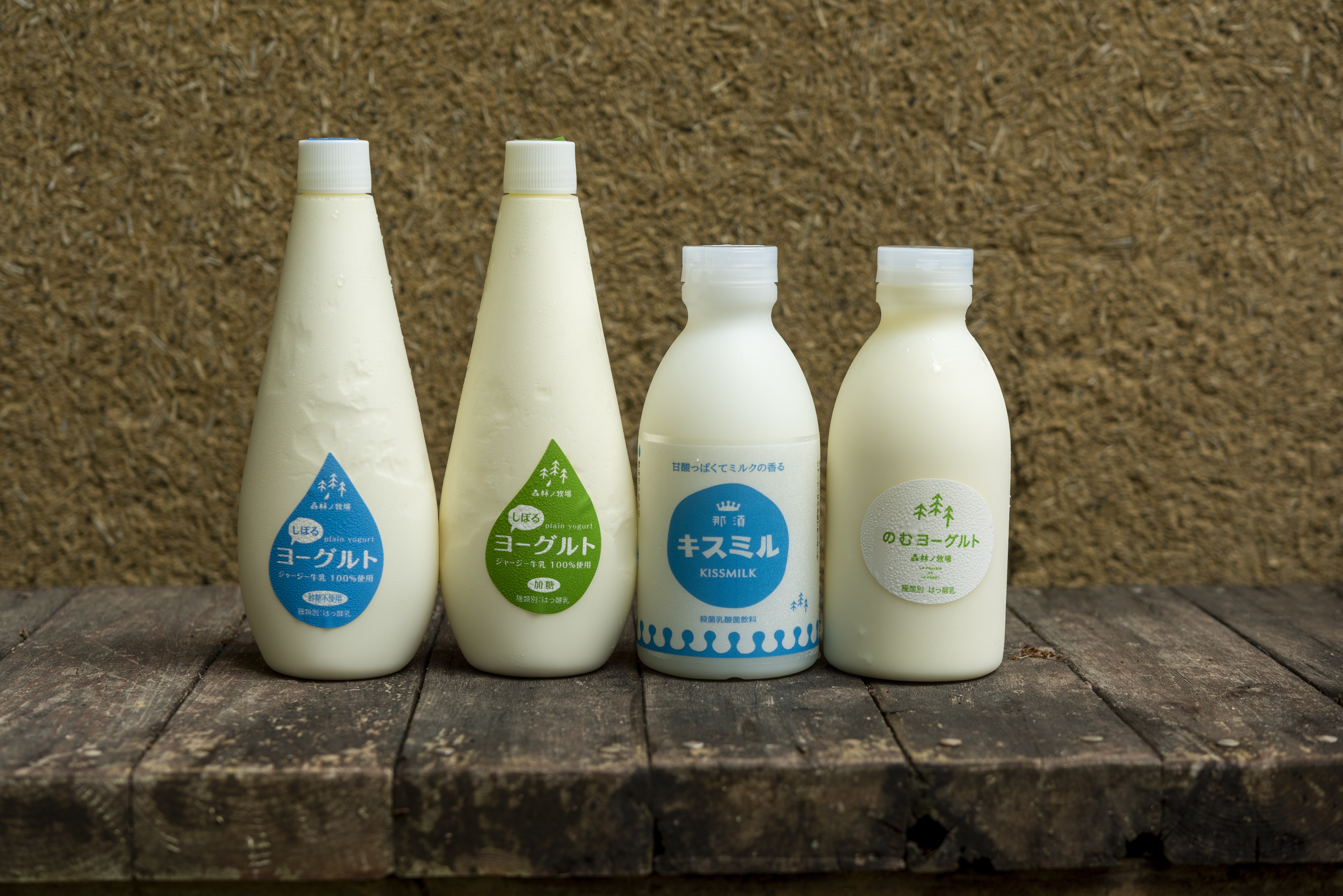
Made with 100% Jersey milk, this "squeeze yogurt" has a mellow and refreshing taste. It comes in a tube, making it convenient to squeeze out just the amount you want to eat. "Kissmil" is a sweet and tangy lactic acid bacteria drink made from raw milk. We recommend diluting it 3 to 5 times with water, soda, or alcohol. The "drinkable yogurt," perfect for busy mornings, is rich yet refreshing.
When you open the box, you won't find eggs on the green hay, but rather round, plump cheeses. Cheese artisans use traditional methods to craft them, adjusting for the milk components and quality that change with the seasons. The texture is moist throughout and the flavor is mild; it is perfect as is or as a snack, but if you cut it a little thick and lightly sear it in a frying pan, you can enjoy a fragrant, melty, and exquisite taste.

Mr. Yamakawa says that milk is not only enjoyable on its own but also excellent as an ingredient. It is turned into ice cream and soft-serve, delighting everyone from small children to adults as a familiar treat. The "Milk Bar" has a rich, deep flavor that feels just like eating milk. It has a natural sweetness that is refreshing even in the middle of summer.

Before or after touring the pasture, take a relaxing break at the cafe, which also has terrace seating. The lunch menu features the "Shinrin-no-Bokujo Plate" with beef stew as the main dish, as well as meat sauce pasta. It is also important to show gratitude by "partaking" in the delicious meat of cows that have finished their roles as dairy cows. The meat sauce is also available for purchase as a souvenir.
A soft-serve ice cream with a white, fine-textured mouthfeel. It is a must-try item when visiting the farm. In fact, Mr. Yamakawa is also a big fan of soft-serve ice cream. In addition to the plain flavor, the seasonal soft-serve ice cream and yogurt shakes are perfect snacks for your journey.
- Shinrin no Bokujo (Forest Farm)
-
 627-114 Toyohara-otsu, Nasu-machi, Nasu-gun, Tochigi Prefecture MAP
 Approx. 13 minutes by car from JR Shin-Shirakawa Station, or approx. 12 minutes from Nasu Kogen Smart I.C.
 10:00–16:00
 Thursdays (Open during Obon and Golden Week; winter closures apply)
 0287-77-1340
 Free
Enjoy the taste of Shinrin no Bokujo at Risonare Nasu
Shinrin no Bokujo and Risonare Nasu are located less than 30 minutes apart by car. We bring a rich and delicious experience to guests visiting Nasu through fresh milk and popular sweets created in collaboration.
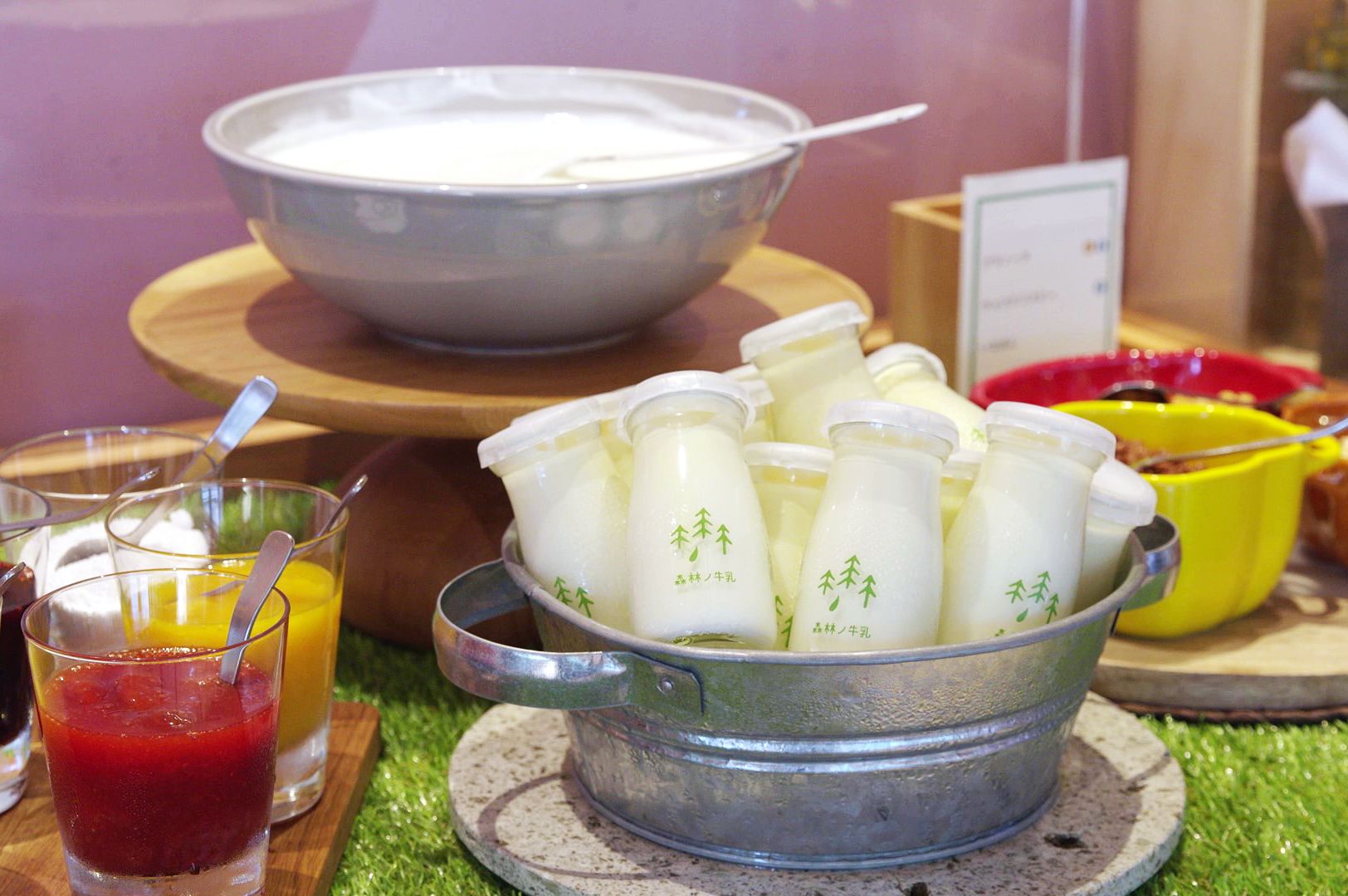
Shinrin no Bokujo milk stands out at the Risonare Nasu breakfast buffet. The display, which evokes the image of a farm with milk bottles nestled in a tin can, is picturesque. The 90ml mini-size is gentle on the body just after waking up, making it easy to pick up and enjoy. It also pairs perfectly with other menu items like cereal and rusks.
*Offerings may change depending on the day.
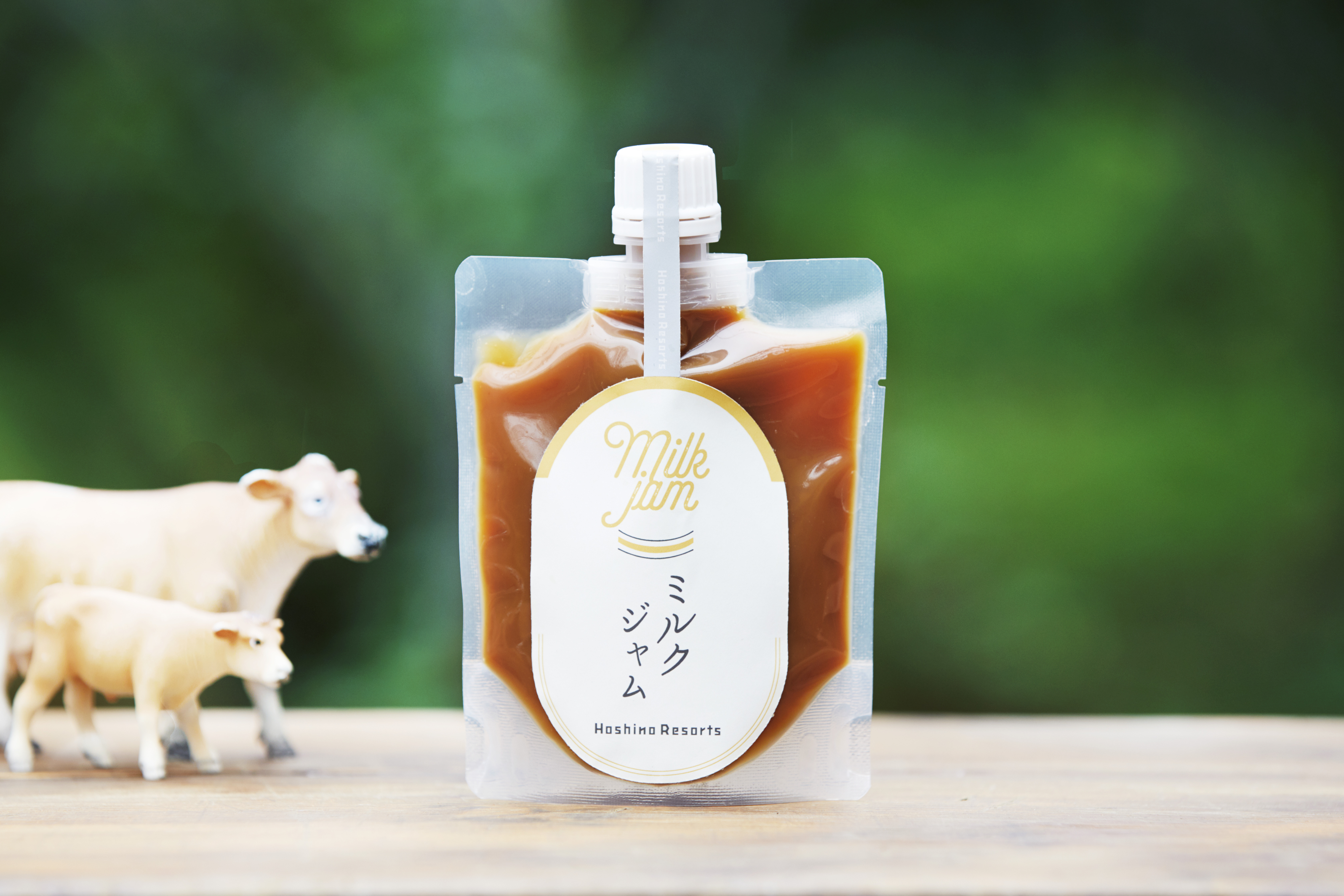
A rich milk jam made from Jersey milk in collaboration with Shinrin no Bokujo. It was born in 2020 during the COVID-19 pandemic as a way to prevent food loss of milk. By slowly simmering the milk until just before it burns, we achieved a sharp, not-too-sweet flavor. Enrich your dining table by adding it to toast, ice cream, fruit, or your favorite treats.

The Michikusa Expert in charge of this article
-
Takako Kawaguchi
Editor & Writer. Became a freelancer after 10 years of editorial experience at a major publisher's women's magazine. Spends days writing articles for magazines and websites, focusing on themes such as travel, interior design, and miscellaneous goods. Her greatest joys are watching sports with her husband and going on hot spring trips.
 Michikusa
Expert
Risonare Nasu
Nasu District, Tochigi Prefecture
About 90 minutes from Tokyo. A highland resort in Nasu, nestled in the forest.


Access About 35 minutes by shuttle bus from JR Nasushiobara Station
- Accommodation rate example
- Per person per night From ¥13,637