





Here are some attractive sightseeing spots that will enhance your trip to Oku-Nikko!

The Oku-Nikko area, full of natural attractions, stretches westward from Nikko Station and up the famous "Iroha-zaka" slope. Lakes, marshes, large and small waterfalls, rivers, and wetlands are scattered between 900 and 2,500 meters above sea level, and mountains with deep connections to the World Heritage Site "Shrines and Temples of Nikko," including Nantai-san, tower above the area.
One of the best ways to enjoy Oku-Nikko is to stroll around the Embassy Villa Memorial Park by Lake Chuzenji, recalling its history as a bustling international summer resort in the Meiji era (1868-1912).
1Nikko Futarasan Shrine Chugu Shrine

The Futaarasan Shrine has long been revered as the center of Nikko's mountain worship. There are three shrines in Nikko: the Head Shrine in the city, the Okumiya Shrine on the 2,486-meter summit of Mt.
Nakamiya-sha Shrine was founded in 784 (the 3rd year of the Enryaku era), and the current shrine buildings were constructed in 1699 (the 12th year of the Genroku era).Within the shrine grounds, two structures—including the main hall—are designated as Important Cultural Properties of Japan. Highlights include “Nakagūshi Inari Shrine,” which attracts many visitors praying for business prosperity; the “Great Serpent Deity Statue of Mount Nantai,” revered as a guardian deity of victory and financial fortune;a sacred yew tree over 1,100 years old, and the Treasure Museum, which displays numerous artifacts such as swords and pottery—there are many highlights to see.The “Tobai-mon” gate, the only trailhead leading to the sacred Mount Futarasan (Mount Nantai), opens during the Mountain Opening Festival on April 25 and closes during the Mountain Closing Festival on November 11.

Local Guide
At the "Fortune Forest" in the precincts of the shrine, you can remove bad luck called "Kawarake-wari". It is a dynamic way of writing the word "yaku" on a plate and throwing the plate to break it! Why don't you give it a try if you want to clear your mind?
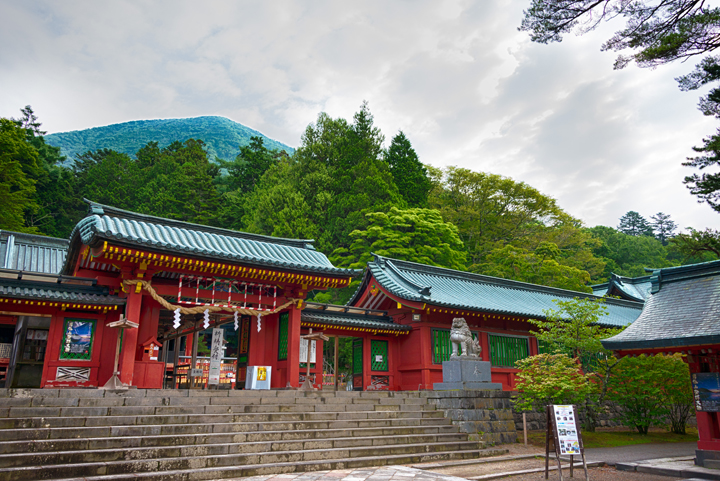
- Nikko Futarasan Shrine, Nakamiya Shrine
-
 2484 Nakaguchishi, Nikko City, Tochigi Prefecture MAP
 Approx. 30 minutes by car from JR Nikko Station or Tobu Railway Tobu Nikko Station
 Take a bus from JR Nikko Station or Tobu Railway Tobu Nikko Station; get off at “Futarasan Shrine Nakaguchishi” and walk about 4 minutes
 April–October: 8:00 a.m.–5:00 p.m. (Last admission at 4:30 p.m.)
November–March: 9:00 a.m.–4:00 p.m. (Last admission at 3:30 p.m.) Free of charge
 Available
2Lake Chuzenji Pleasure Cruise

If you visit Lake Chūzenji, which lies at the entrance to Nikko, we highly recommend taking a sightseeing cruise. While the lake’s circumference is approximately 25 km, only a limited section is accessible by car or bus; the cruise allows you to easily enjoy the unspoiled nature of the western and southern shores—areas that can only be explored on foot.Beyond the vast expanse of the lake, you can gaze upon the majestic peaks of Mount Nantai and Mount Shirane.In addition to the regular round-trip route (Course D, 55 minutes) that stops at three piers to tour the lake’s famous sights, there are also special cruises operated during the season when pink and purple Klintia flowers bloom at Senjuga-hama on the western shore (early to late June) and during the fall foliage season.
Local Guide
The spectacular view from the lake while feeling the wind is liberating and dynamic! Since the lake is located at a high altitude, we recommend that you bring something to wear over your jacket.
- Lake Chuzenji Cruise
-
- 2478 Chugu Shrine, Nikko City, Tochigi Prefecture MAP
- Approx. 30 minutes from the “Kiyotaki” Interchange on the Nikko-Utsunomiya Expressway
- April 17, 2026 (Fri) – November 30, 2026 (Mon)
9:00 AM – 5:00 PM (Please check the website for operating hours and other details)  December 1, 2026 – Mid-April 2027
- Full-Circuit Route: Junior high school students and older: 2,000–2,200 yen; elementary school students: 1,000–1,100 yen; preschoolers: free
*Fares vary depending on the boarding section, seasonal schedules, and special trips. Please check the website for details  0288-55-0360 (Boat Station Chuzenji)
- Available (Prefectural Parking Lots No. 1 and No. 2 *500 yen per visit, 3-minute walk)
3Italian Embassy Villa Memorial Park

Located on the southeast shore of Lake Chuzenji, this memorial park offers visitors a chance to experience the history of this international summer resort while being surrounded by lakeside nature. The lovely retro-style building in the park was built in 1928 by architect Antonin Raymond and used as the "Italian Embassy Villa" until 1997, when it was restored according to the original design drawings. The exterior and interior are lined with cedar bark, and the villa's lakeside appearance, in harmony with the natural forests of Quercus crispula, beech, maple, and Japanese white fir in the garden, is very attractive. A pier in the park is reminiscent of the days when the ambassadors enjoyed sailing on the lake.

The first floor of the main residence is a one-room study, living room, and dining room with an open porch overlooking the lake, while the second floor is lined with bedrooms on the lake side, and a cafe on the first floor offers coffee, cappuccinos, and cookies for casual enjoyment.
The sub-residence in the park is now used as the "International Summer Resort History Museum," displaying photos and panels about the history of the summer resort life along the shores of Lake Chuzenji.
Local Guide
The British Embassy Villa Memorial Park is just a short walk away, so we recommend buying a common ticket to enjoy both.
- Italian Embassy Villa Memorial Park
-
- 2482 Nakamiya-sha, Nikko City, Tochigi Prefecture MAP
- From JR Nikko Station, take the Tobu Bus bound for Chuzenji Onsen/Yumoto Onsen (via Tobu Railway Tobu Nikko Station). 50 minutes, alight at Chuzenji Onsen and walk about 35 minutes.
- April, November 11-30, 9:00-16:00
May 1-Nov. 10, 9:00-17:00 - May–November: Open daily
April: Closed on Mondays (Open if Monday is a national holiday; closed the following day or later) *Closed during the winter season - Adults 300 yen, children from 4 years old to junior high school students 150 yen
(*Shared ticket with the British Embassy is ¥450 for adults, ¥200 for junior high school students from 4 years old to junior high school students. - 0288-55-0880(Nikko Museum of Nature)
- Paid parking (Prefectural Utagahama Parking) *Approx. 15-minute walk from the Prefectural Utagahama Parking
4British Embassy Villa Memorial Park

About a 3-minute walk from the Italian Embassy Villa Memorial Park is the British Embassy Villa Memorial Park, a villa built in 1896 by British diplomat Ernest Satow, who was especially interested in the view of Lake Chuzenji and Mount Shirane in Nikko. It was used as a "British Embassy Villa" until 2008 (Heisei 20). The current building, with its chic colored exterior walls, was restored in 2016. The garden is beautifully shaped and built around a masonry waterfall and its stream, with rhododendrons, azaleas, and other flowers in bloom. The fireplace and other furnishings in the exhibition room retain the atmosphere of the time when the house was used as a villa.

Ernest Satow, who wrote English-language guidebooks on the natural splendor of Oku-Nikko and made it widely known to the world, has created a refreshing view from the second-floor porch that is as pleasing to the eye today as it was then. The British Cultural Exchange Room, also on the second floor, is a space where visitors can experience the history and culture of the lakeside area based on his diary and other materials.
We recommend the scones and tea served in the café, which is supervised by the chef of the British Embassy in Japan. On a rainy day, it is also a great place to enjoy the view of the nature of Oku-Nikko soaked with dew from the quiet and tranquil interior of the museum.
Local Guide
It is one of the most popular places among Staff/staff members. On a sunny day, it is pleasant to take a walk or just relax on a bench while enjoying the view of Lake Chuzenji.

- British Embassy Villa Memorial Park
-
- 2482 Nakamiya-sha, Nikko City, Tochigi Prefecture MAP
- Approx. 35 min. by car from JR Nikko Station or Tobu Railway Tobu Nikko Station.
- From JR Nikko Station, take the Tobu Bus bound for Chuzenji Onsen/Yumoto Onsen (via Tobu Railway Tobu Nikko Station). 50 minutes, alight at Chuzenji Onsen and walk about 35 minutes.
- April, November 11-30, 9:00-16:00
May 1-Nov. 10, 9:00-17:00 - May–November: Open daily
April: Closed on Mondays (Open if Monday is a national holiday; closed the following day or later) *Closed during the winter season - Adults 300 yen, children from 4 years old to junior high school students 150 yen
(*Shared ticket with the British Embassy is ¥450 for adults, ¥200 for junior high school students from 4 years old to junior high school students. - 0288-55-0880
- Paid parking (Prefectural Utagahama Parking) *Approx. 15-minute walk from the Prefectural Utagahama Parking
5Chuzenji Tachiki-Kannon (Goddess of Mercy)

Chuzenji Temple, located on the eastern shore of Lake Chuzenji, is a branch temple of the World Heritage Site Rinnoji Temple on Mt. The principal image of the temple is the "Eleven-faced Thousand-armed Avalokitesvara Bodhisattva," a nationally important cultural property. It is called "Tachiki Kannon" (meaning "Thousand-armed Avalokitesvara Bodhisattva" in Japanese), because it is said that Shonin carved the image of the golden Thousand-armed Avalokitesvara appearing on Lake Chuzenji on a standing tree of the Japanese cinnamon tree. The Kannon was then washed to Utagahama on the opposite shore and enshrined on the present hill. Even though the location has changed, the standing tree is still rooted in the ground.

From Godaido, located about 100 steps up from the main hall, visitors can enjoy a spectacular view of the lake. Chuzenji Temple is also the 18th temple of the Bando Sanjusan Kannon Sacred Shrine, and is visited by many worshippers throughout the year.
Local Guide
The temple staff will be happy to give you detailed explanations so that you can better understand the temple. The view of Lake Chuzenji and Mt.
- Chuzenji Temple Tachiki Kannon
-
- 2578 Chugu Shrine, Nikko City, Tochigi Prefecture MAP
- From JR or Tobu Nikko Station, take the Tobu Bus bound for Chuzenji Onsen (Chuzenji Hot Spring). 50 minutes from the bus stop, get off at Chuzenji Onsen and walk about 25 minutes.
- April-October 8:00-17:00
March and November: 8:00 a.m. to 4:00 p.m.
December - February: 8:00 - 15:30 - Adults: 500 yen, Elementary/junior high school students: 200 yen
- 0288-55-0013
- Free
6Kegon Falls

Nikko is known for its many waterfalls, and exploring them is one of the highlights of any trip here. The three waterfalls renowned as the “Three Famous Waterfalls of Oku-Nikko” are “Kegon Falls,” “Ryuzu Falls,” and “Yutaki Falls.” Let’s start by introducing “Kegon Falls.”
“Kegon Falls” is a massive waterfall where water flowing from the eastern end of Lake Chūzenji plunges straight down a 97-meter cliff. The sheer volume of water is impressive, and the area around the pool at the base is enveloped in a white mist-like spray.The “Twelve Waterfalls”—a series of numerous small cascades flowing from the middle section of the main stream—also contribute to the beautiful scenery.

Kegon Falls features an elevator that takes visitors down to a viewing platform near the pool at the base of the falls. After descending approximately 100 meters through the bedrock and walking along a cool underground passage, you’ll arrive at the viewing platform. From there, you can look straight up at the falls and gaze down at the pool—which is about 4.5 meters deep—up close.
Local Guide
The waterfall basin seen up close from the viewing platform is very powerful, and the sound of the explosion and the splash of the water is mesmerizing. Around the entrance of the waterfall, there are stores and other facilities to be enjoyed as well.
- Kegon Falls
-
- Nakamiya-sha, Nikko City, Tochigi Prefecture MAP
- From JR Nikko Station or Tobu Railway Tobu Nikko Station, take the Tobu Bus bound for Chuzenji Onsen (Chuzenji Hot Spring). 40 minutes from the bus stop, get off at Chuzenji Onsen and walk about 5 minutes.
- March-November: 8:00-17:00
December - February: 9:00 - 16:30
Hours are subject to change depending on the season and weather conditions. - Elevator fare (round trip): Adults (junior high school students and older): 600 yen, elementary school students: 400 yen, children under elementary school age: free
- 0288-55-0030(Kagon Falls Elevator)
- Admission Fee
7Ryuzu Falls

Ryuzu-no-taki Falls is located in the northern part of the Oku-Nikko area, just before the "Yugawa River" flows from "Lake Yunoko" through "Senjogahara" and empties into "Lake Chuzenji. The waterfall is about 210 meters long and flows down over lava from the eruption of Mt. It is said that the name "Ryuzu no Taki" comes from the fact that the area near the basin is bisected by a large rock, resembling the horns of a dragon's head.
A promenade has been built next to the waterfall, and visitors can easily stroll along the promenade while admiring the beauty of the abundant and varied mountain stream, which can be compared to the scales of a dragon.
Local Guide
The hiking course from the Ryuzu Falls to Senjo-ga-hara is highly recommended, as you can enjoy the changes in the flow of the river.
- Ryuzu Waterfall
-
- Chugu Shrine, Nikko City, Tochigi Prefecture MAP
- Approximately 36 minutes by car from JR Nikko Station or Tobu Railway Tobu Nikko Station
- Approximately 1 hour and 5 minutes by bus from JR Nikko Station or Tobu Railway Tobu Nikko Station to Yumoto Hot Spring, and a 2-minute walk from Ryuzu-no-taki Waterfall stop.
- 0288-22-1525(Nikko Tourist Association)
- Free
8Yudaki Falls

Yudaki is the northernmost of the three most famous waterfalls in Oku-Nikko. Water from the southern end of Lake Yunoko flows down from a height of 70 meters and is up to 25 meters wide. The entire surface of the waterfall is beautifully illuminated from 11:00 to 13:00, so if your travel schedule allows, it is recommended to visit during this time. Rhododendrons, which turn pink in mid-May, are usually at their best around the area. This spot is also the end of the Senjogahara hiking trail, and there is a rest house where you can have a meal.
Local Guide
The distance between the viewing platform and the falls is close, allowing visitors to feel the power of the falls. The stream of water flowing down from the lake of hot water at once is breathtaking.
- Yutaki Waterfall
-
- Yumoto, Nikko City, Tochigi Prefecture MAP
- From JR/Tobu Nikko Station, take the Tobu Bus bound for Yumoto Hot Spring (approx. 72 min.), and get off at Yudaki Iriguchi Bus Stop (5 min. walk).
- 0288-62-8611 (Yudaki Rest House *Closed during winter)
- 500 yen (Yutaki Parking *Closed during winter)
9Yunoko

Lake Yunoko was formed when the Yugawa River was dammed by the Mitake lava flow during the eruption of Mitake (Mt. Mitake), which rises to the north of Senjogahara. Located at an elevation of 1,478 meters above sea level, the lake is surrounded by virgin forests of white cherry, white birch, and asunaro, allowing visitors to enjoy the rich and untouched nature of the area. The hiking course around Lake Yunoko (approx. 3 km / approx. 1 hr. 10 min.) is easy and enjoyable as if you were taking a walk, with Azuma rhododendron and Rhododendron metternichii in bloom from May to June, and in autumn, visitors can enjoy the magnificent view of the vivid autumn leaves reflected on the surface of the lake. In winter, waterfowl such as mallard ducks and white-fronted teal can be seen.
Local Guide
The promenade makes it easy to take a walk and enjoy the scenery to the fullest. The area is also a popular spot for trout fishing, and is crowded with many people during the open season from May to September.
- Lake Yunoko
-
- Yumoto, Nikko City, Tochigi Prefecture MAP
- From JR or Tobu Nikko Station, take the Tobu Bus bound for Yumoto Onsen (hot spring). 75 minutes and alight at Kohan-mae Bus Stop.
- 0288-62-2321 (Nikko Yumoto Visitor Center)
- Free
10Senjogahara

Senjogahara is a marsh spreading out between Lake Yunoko and Lake Chuzenji at an elevation of approximately 1,400 meters. The area is registered as a Ramsar Convention wetland along with Lake Yunoko, Yukawa River, and Odashirogahara, and is recognized as an internationally important wetland, especially as a habitat for waterfowl. Originally a dammed lake created by the eruption of Mt. Nantai, it eventually became a marshland, and its current size is about 400 hectares.
A wooden nature trail has been developed along the western side of the marsh, and it is a popular spot for hikers. In spring and summer, wild birds chirping and many wetland and alpine plants delight hikers, and in autumn, autumn leaves fill the field of view.
The name "Senjogahara" is said to derive from a legend that the gods of Nantaiyama and Akagiyama in Gunma Prefecture fought a battle for territory here in ancient times.
Local Guide
Visitors can enjoy a variety of scenery from the grandeur of Mt.
- Senjogahara
-
- Chugu Shrine, Nikko City, Tochigi Prefecture MAP
- From JR Nikko Station or Tobu Nikko Station, take the Tobu Bus bound for Yumoto Hot Spring (approx. 65 min.). 1 min. walk from Sanbonmatsu Bus Stop.
- 0288-22-1525(Nikko Tourist Association)
- Free: Yumoto Hot Spring, Sanbonmatsu (near the observation deck)
*Yutaki and Akanuma, which are the starting points of the hiking trails, require a fee
MAP
- Nearby Hoshino Resorts Properties

Local Guide in Charge of This Article
- Ryu Isobe I love artisans!
Hoshino Resorts KAI Kinugawa
Kinugawa hot spring, Tochigi
A hot-spring hotel in the forest along the Kinugawa River, where Tochigi folk art shines through the trees
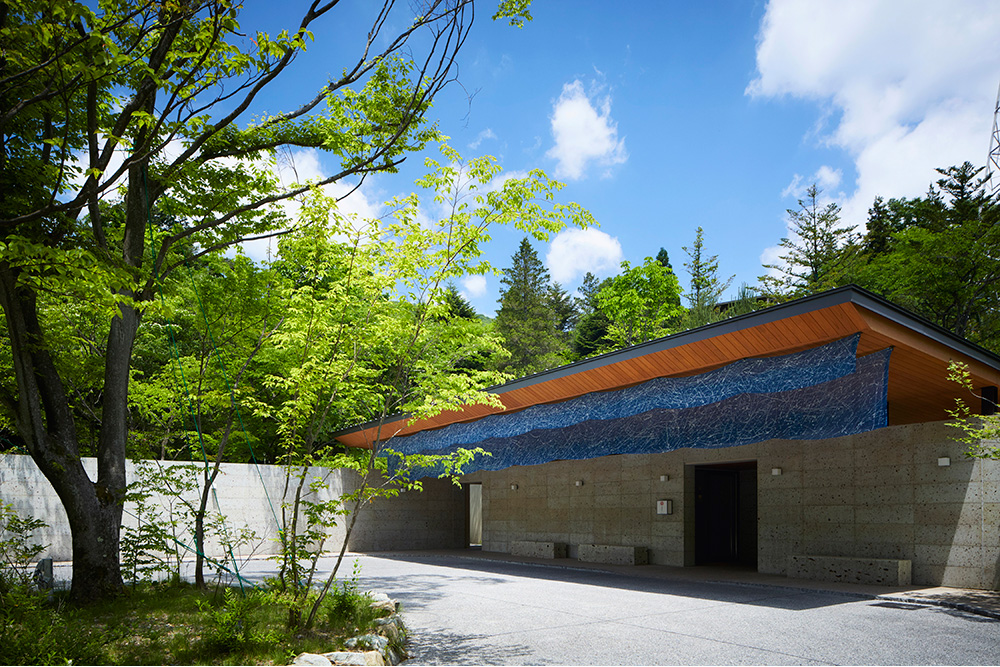
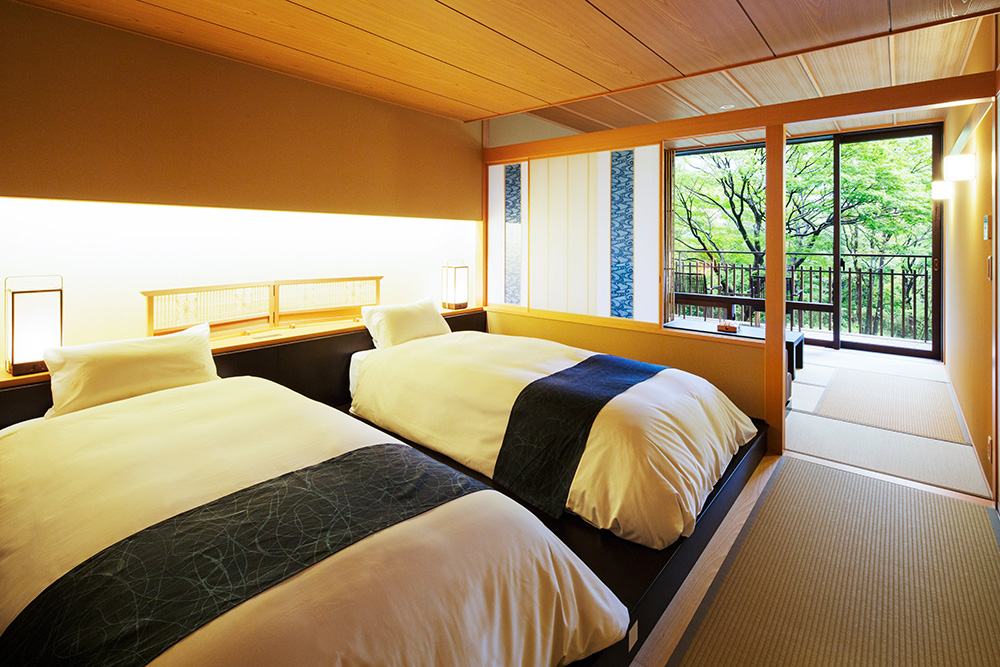
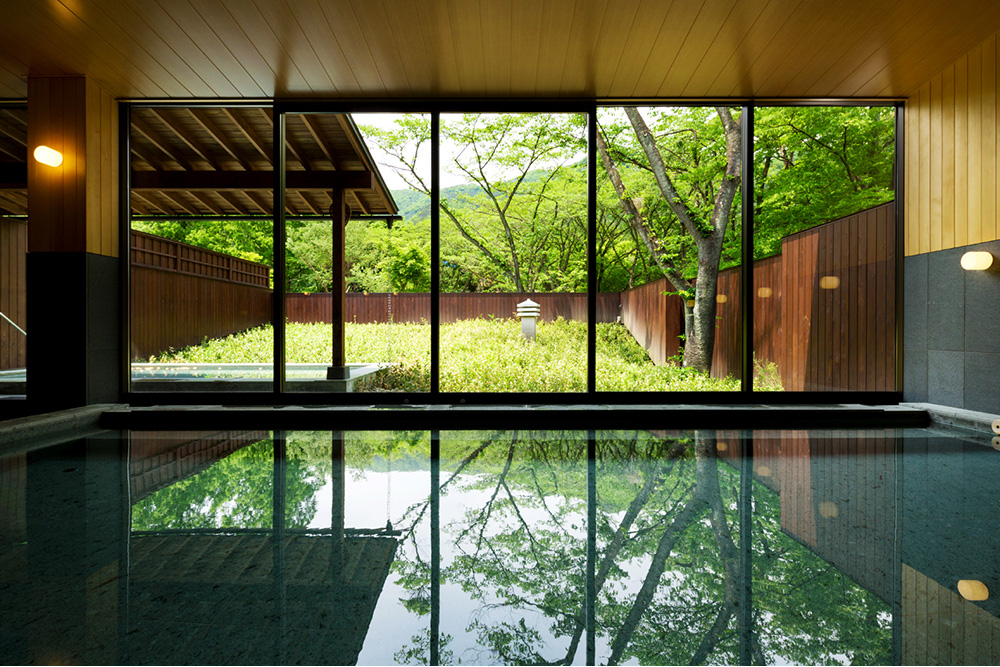
Direction 5 minutes by cab from Kinugawa Onsen Station on the Tobu Railway
- Sample Room Rates
- Per person, per night From 30,000 yen