





7 Recommended Sightseeing Spots to Experience the History, Culture, and Streetscape of Moji Port
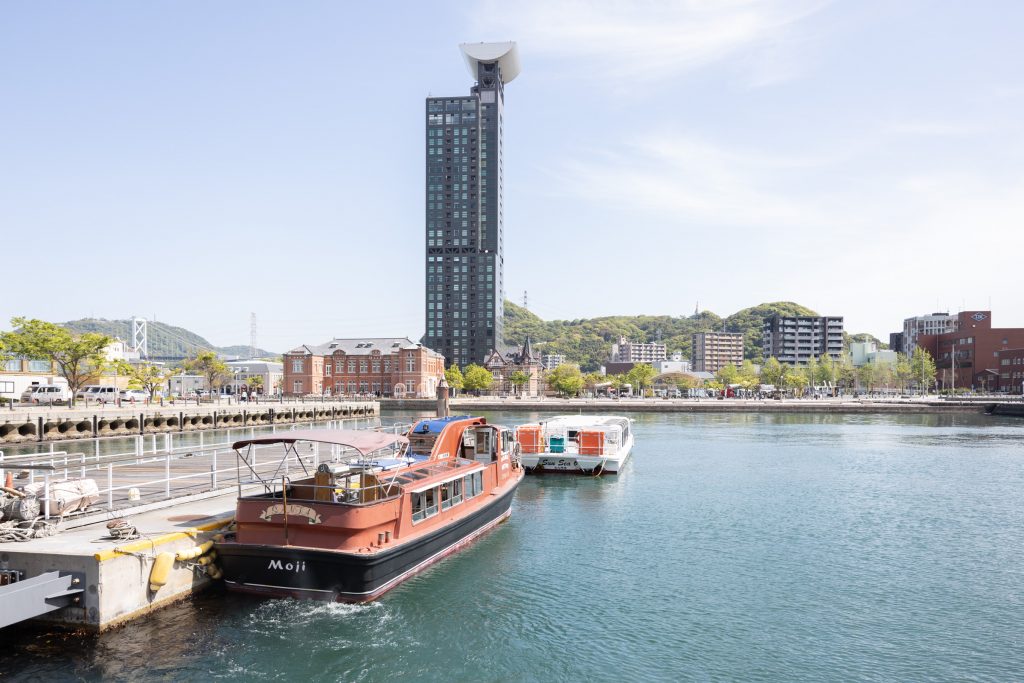
Moji Port offers a glimpse into its past as a thriving port town. While “Moji Port Retro,” known for its popular retro streetscape, is a must-see attraction, you’ll also want to stop by spots where you can learn about Moji Port’s history and culture—not just wander the streets.In this article, we’ll introduce recommended tourist spots you’ll definitely want to visit alongside Moji Port Retro—including museums that even adults will find captivating and activities where you can experience breathtaking views of Moji Port and the Kanmon Strait.
1Kanmon Tunnel Pedestrian Walkway
An undersea tunnel connecting Moji Port and Shimonoseki that you can walk through
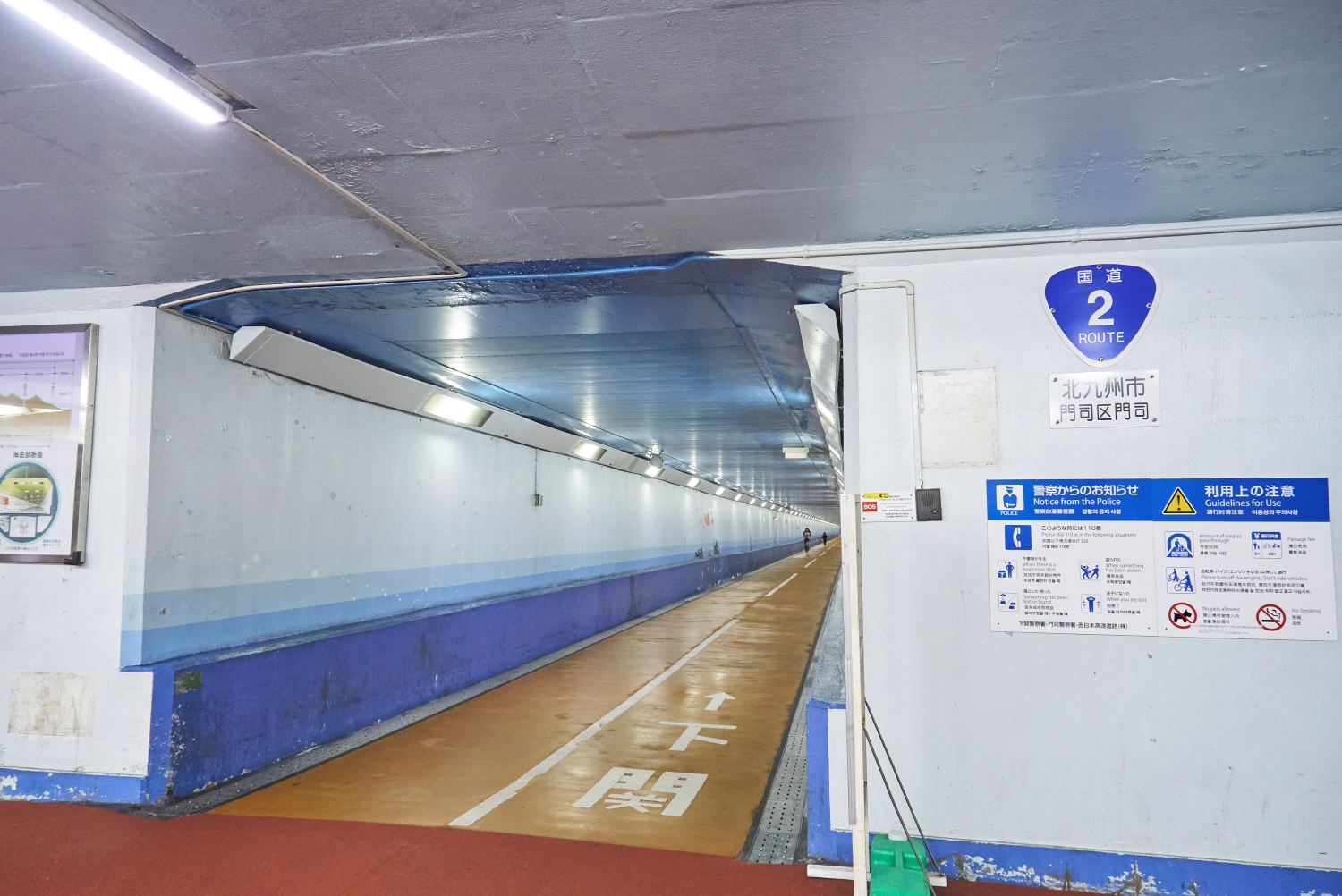
The Kanmon Tunnel connects Kitakyushu City in Fukuoka Prefecture and Shimonoseki City in Yamaguchi Prefecture. The undersea section features a pedestrian walkway—a rarity in Japan—allowing visitors to enjoy a unique experience: walking through the sea to cross the Kanmon Strait.The distance is approximately 780 meters, taking about 15 minutes to walk. Bicycles and mopeds are also permitted, provided they are pushed by hand.
In the elevator lobby on the Shimonoseki side, there is an exhibition showcasing materials related to the Kanmon Tunnel, where you can learn about its construction history and the Kanmon Strait.
The only spot where you can cross between Honshu and Kyushu
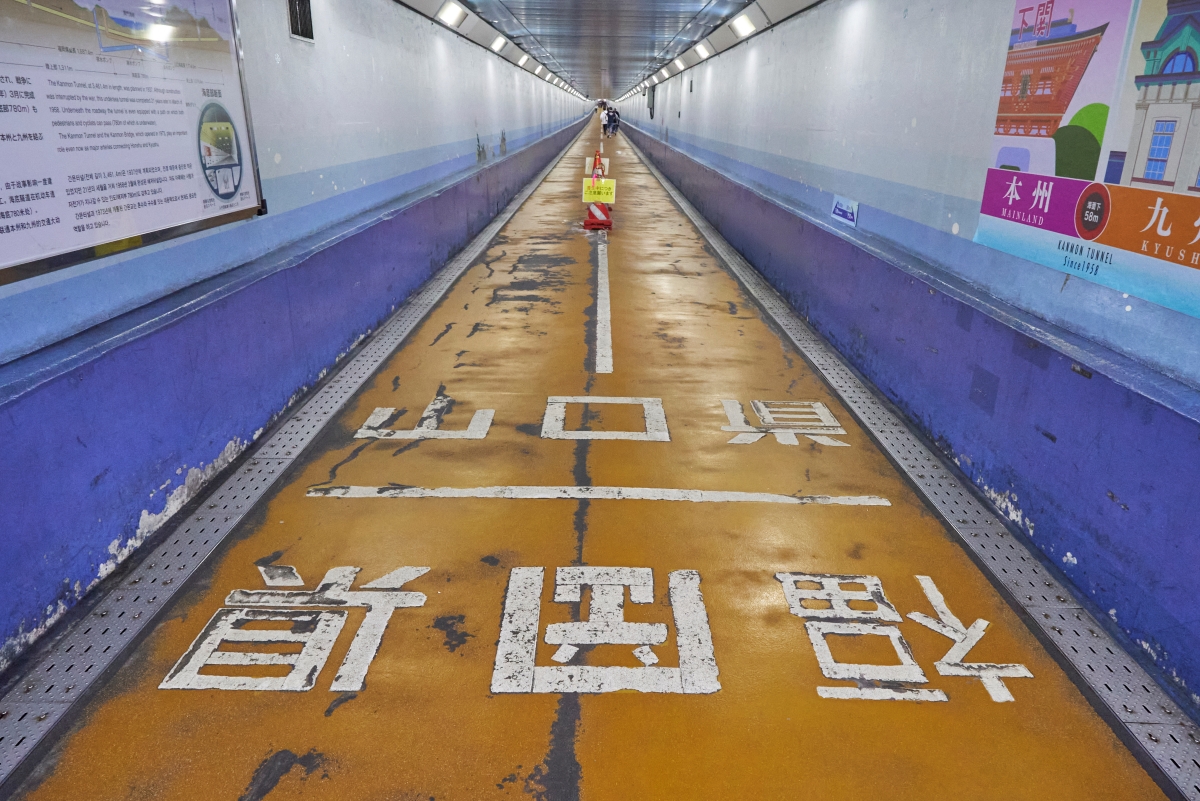
Take the elevator down to the undersea tunnel, located about 60 meters below ground. Inside the cool tunnel, it is so quiet that you’ll forget you’re amidst fierce tidal currents, and you’ll be enveloped in a unique atmosphere unlike anything on the surface. The prefectural border between Fukuoka and Yamaguchi Prefectures runs through the middle of the tunnel, and being able to cross this border on foot is a unique attraction of this location.
In addition, commemorative stamps are available in the elevator lobbies on both the Moji and Shimonoseki sides; when you connect the two stamps, they form a single picture. If you bring them to the designated presentation location, you can receive the “Kanmon TOPPA! Commemorative Certificate.”

Local Guide
Since the tunnel is deep underground and largely unaffected by outside temperatures, it’s warm in winter and pleasantly cool in summer. There are no restrooms inside the tunnel, so be sure to use the restroom near the entrance beforehand.
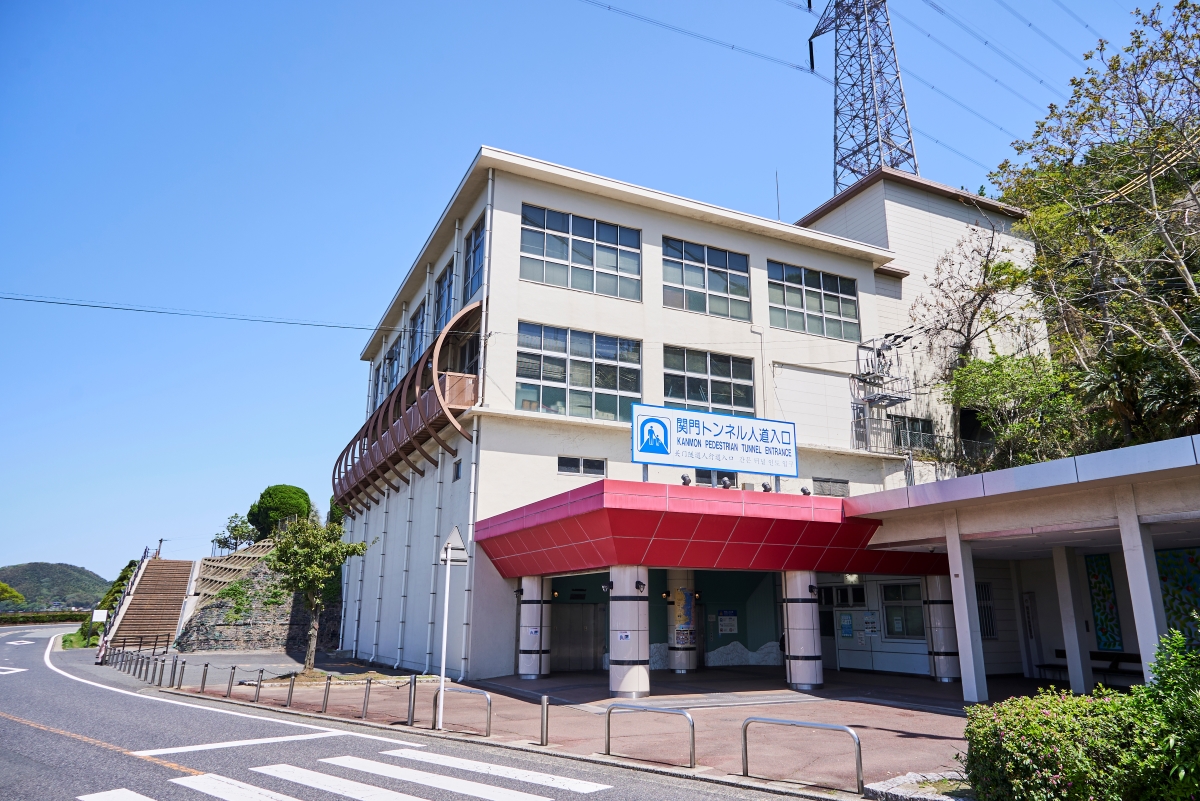
- Kanmon Tunnel Pedestrian Walkway (Moji Port Entrance)
-
 Oaza Moji, Moji Ward, Kitakyushu City MAP
 Take a bus from JR Moji-ko Station and get off at “Kanmon Tunnel Pedestrian Entrance”—it’s right there
 6:00 a.m.–10:00 p.m.
 Free for pedestrians; 20 yen for bicycles and mopeds (50cc or less)
*Light vehicles must be pushed by hand 093-618-3141
 Free
2Kyushu Railway Museum
A railway museum featuring exhibits such as steam locomotives that were actually in service
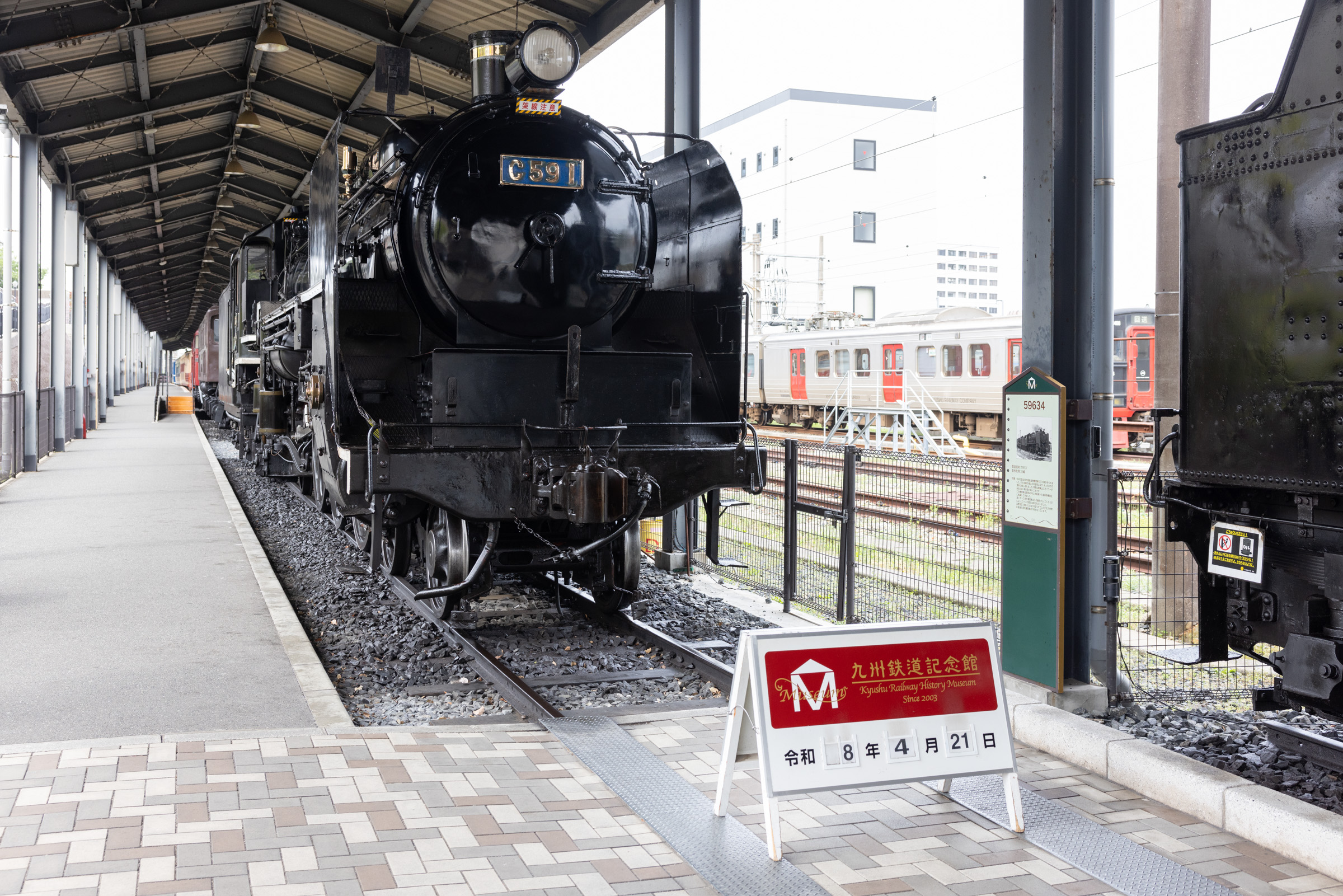
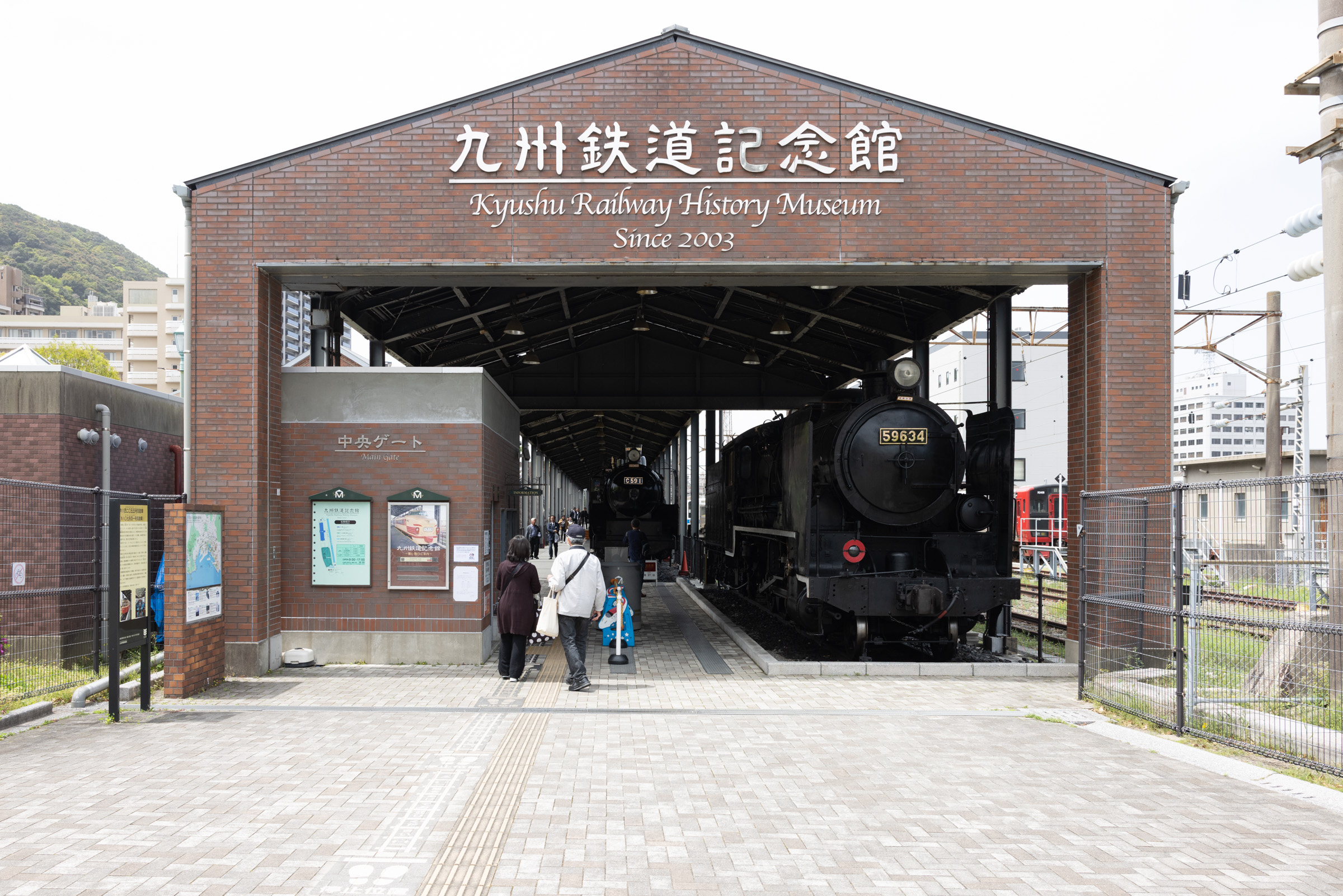
This property features exhibits related to Kyushu’s railways. Immediately upon entering, your attention will be drawn to the steam locomotives “59634” and “C59 1,” which once operated in Kitakyushu. The car bodies—which the deputy director himself carefully polishes—shine jet-black and exude an overwhelming presence.During events, the driver’s cab is opened to the public, allowing visitors to examine every detail, from the steering wheel to the brakes.
In addition to the steam locomotives, diesel trains and electric trains that ran during the Showa era are also on display. Among them is the “KiHa 07 41,” designated as an Important Cultural Property. With its rounded form and charming cream-and-orange color scheme, it’s a truly endearing vehicle.
Experience operating a train with the railway panorama and driving simulator
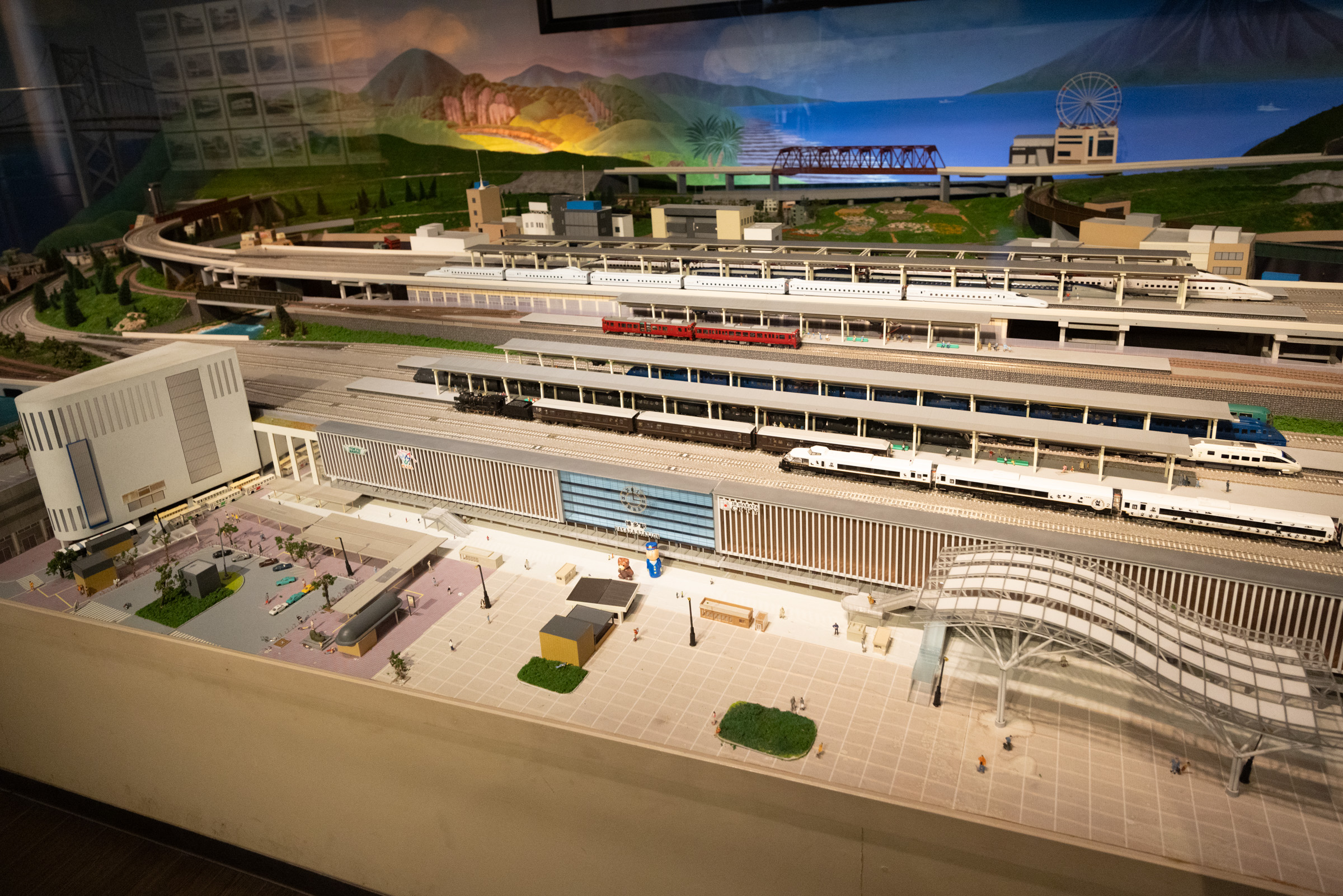
After touring the vehicle exhibition area, head to the main building, which is designated as a Tangible Cultural Property. It is housed in the former Kyushu Railway Headquarters building, a red-brick structure built in 1891 (Meiji 24), and is said to be the oldest building among the architectural complex of Moji Port Retro.The first floor features interactive exhibits, such as a large panoramic display of Kyushu’s railways and a driving simulator, while the second floor houses a permanent exhibition area filled with railway-related materials.
In the driving simulator, you can sit in a real driver’s cab and experience driving the route between Moji Port and Orio. Since this is a popular attraction, it’s recommended that you check in at the reception desk first before exploring the museum.
Local Guide
At the Mini Railway Park adjacent to the main building, cute miniature trains modeled after the “Kamome” and “Yufuin no Mori” run on the tracks. For a fee, you can experience a ride on the 130-meter loop.
- Kyushu Railway Museum
-
- 2-3-29 Kiyotaki, Moji Ward, Kitakyushu City, Fukuoka Prefecture MAP
- Approx. 7-minute walk from JR Moji-ko Station
- 9:00-17:00
 Closed on weekends and holidays
- Adults: 500 yen; Junior high school students and younger: 250 yen *Free for children under 4 years old; Mini Train: 300 yen per vehicle per ride
- 093-322-1006
- None
3Mekari Shrine
An ancient shrine overlooking the Kanmon Strait, boasting a history of approximately 1,800 years
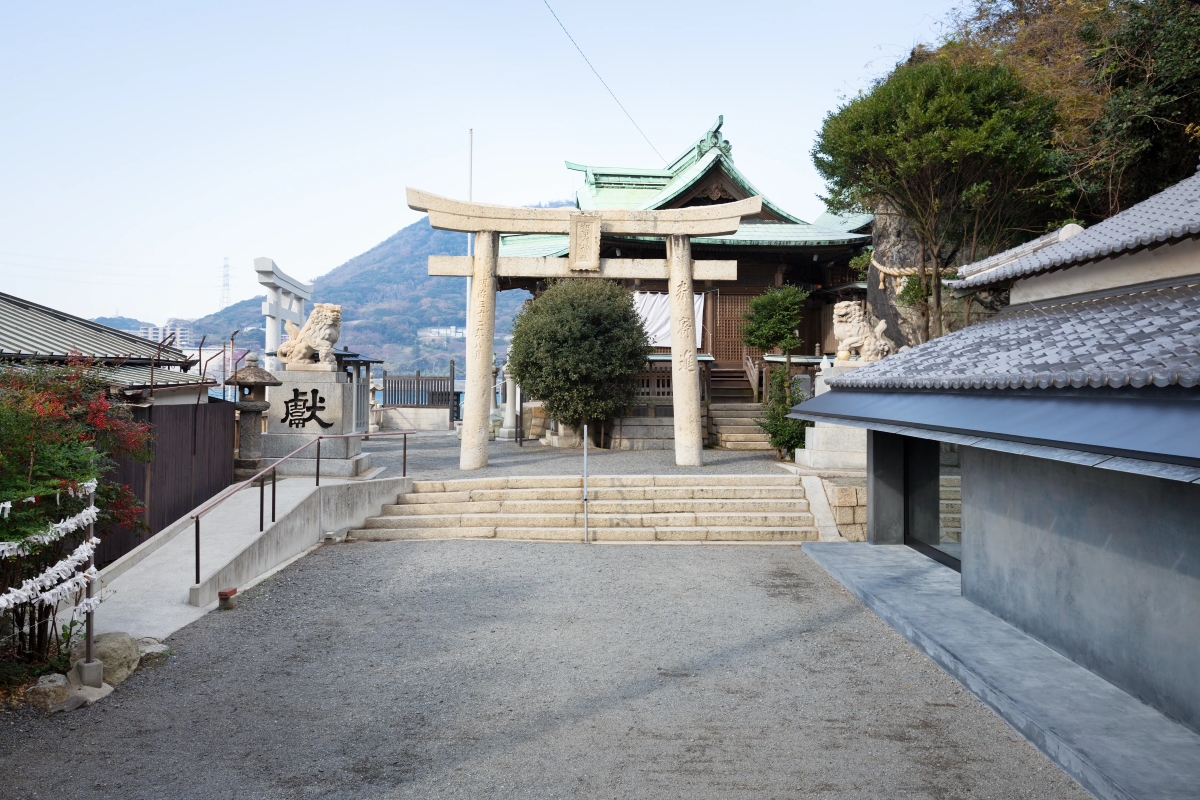
This historic shrine is situated overlooking the Kanmon Strait. It is said to have been founded in the 9th year of Emperor Chuai’s reign (around 200 AD) by Empress Jingu, who built it to give thanks for divine blessings after her victory in the Campaigns against the Three Han.
The name “Mekari” derives from the phrase “harvesting wakame seaweed.” Every year on the first day of the lunar new year, the “Mekari Ritual” is performed, during which a Shinto priest enters the frigid waters of the Kanmon Strait to harvest wakame seaweed and offer it at the shrine altar. The enshrined deity is Seoritsu-hime, the moon goddess who governs the tides. She is revered as a deity who clears the path of life and guides people toward a better future.
Unique souvenirs, such as adorable pufferfish fortune slips
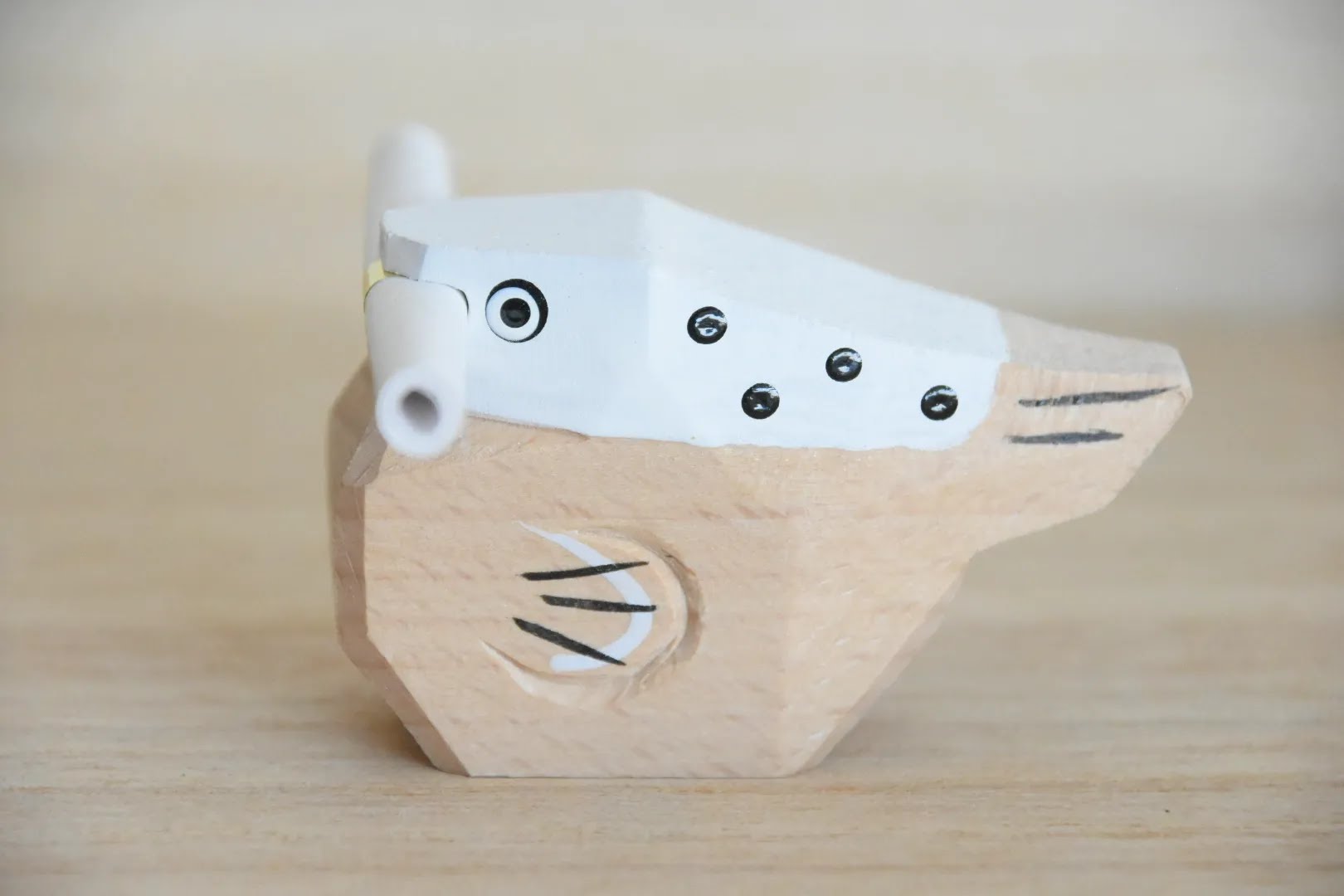
The shrine also offers a selection of unique souvenirs found nowhere else. Among them, the “Wooden Carved Pufferfish Fortune Slip” is particularly popular for its charming design: a wooden pufferfish, carefully carved by artisans one by one, holding a fortune slip in its mouth.There are also amulets featuring designs of the “Manju” and “Kanju”—sacred treasures said to have been bestowed upon Empress Jingū by the god of the sea on her return journey from the Conquest of the Three Han.
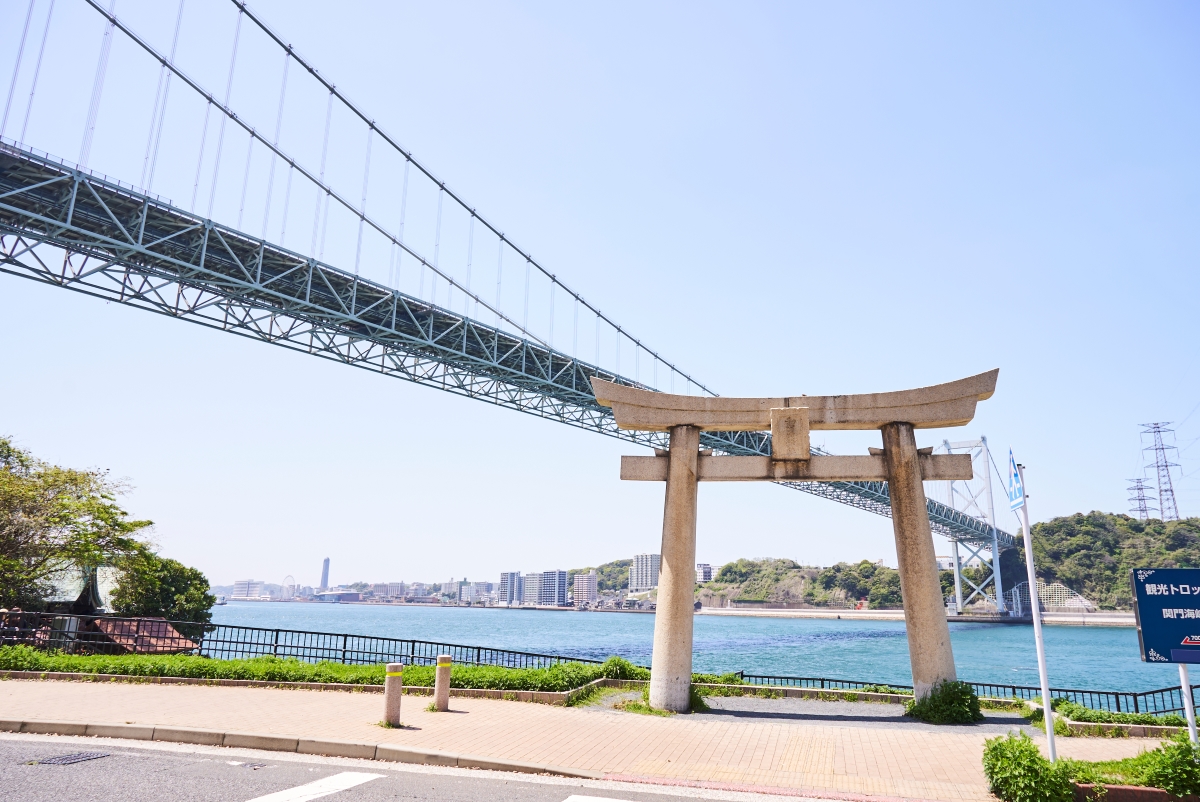
Furthermore, from the shrine grounds, you can enjoy the dynamic view of the Kanmon Bridge passing directly overhead, as well as the majestic scenery of the Kanmon Strait stretching out beyond the torii gate.
Local Guide
While the shrine grounds are enveloped in a solemn atmosphere, the gift shop—with its black-themed interior—and the souvenirs, all featuring a unified, simple design, also offer a stylish and serene ambiance.
- Wabukari Shrine
-
- 3492 Moji, Moji Ward, Kitakyushu City, Fukuoka Prefecture MAP
- Approx. 25-minute walk from JR Mojiko Station
 Take the bus from JR Moji-ko Station and get off at “Wabukari Shrine-mae”; the shrine is right there
- Gift Shop: 9:30 AM–5:00 PM
- Open daily
- 093-321-0749
- Free
4Kanmon Strait Museum
A museum perfect for learning about the Kanmon area
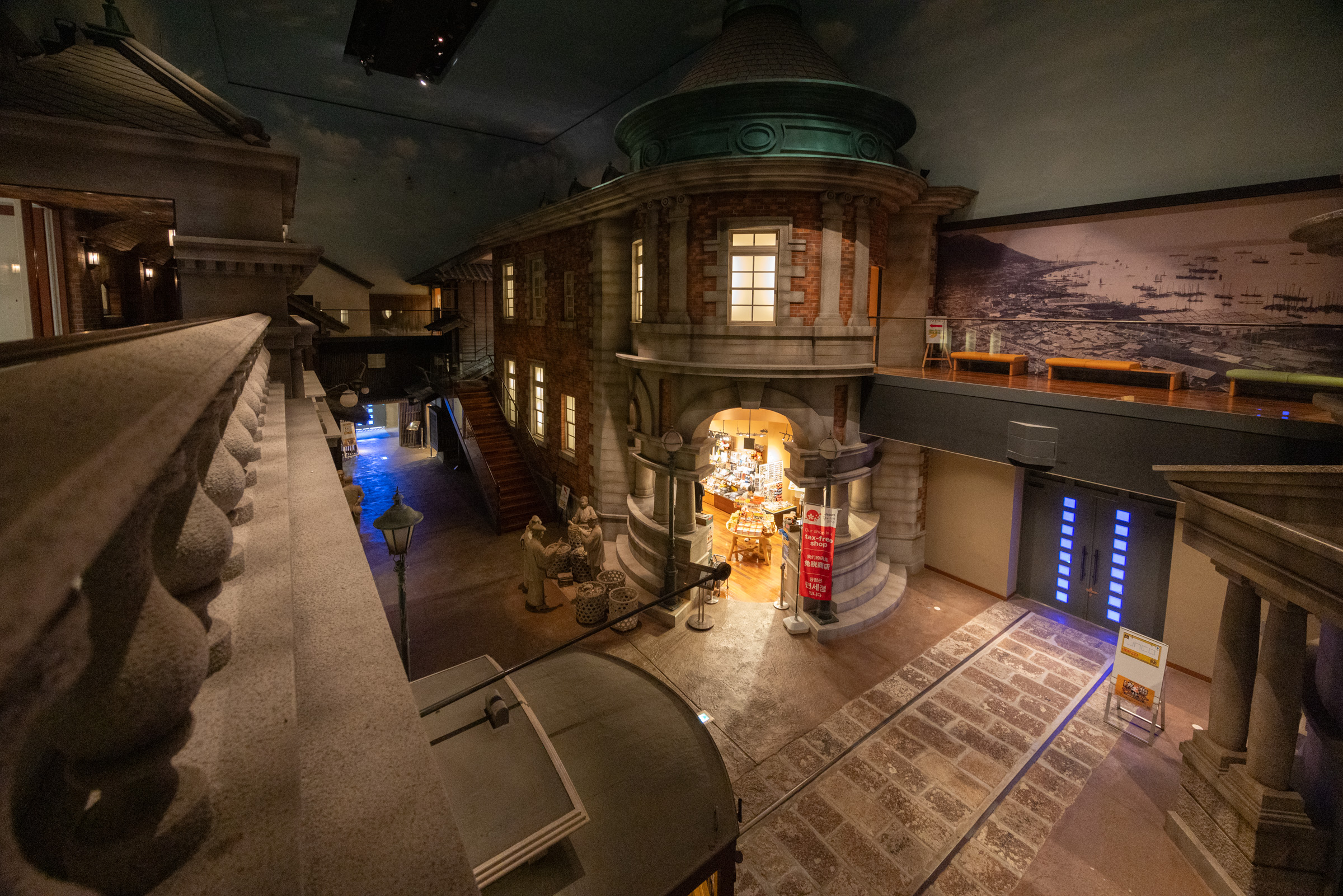
A museum featuring exhibits related to the Kanmon Strait. It also has areas with free admission, such as the observation deck and the Retro Street along the strait, making it a great spot for a casual visit. First, let’s head to the museum’s signature observation deck.It offers a panoramic view of the Kanmon Strait, including the Kanmon Bridge and the uninhabited Ganryū Island—the scenery is so beautiful that some people even take their wedding photos against this backdrop.
On the Kanmon Retro Street, which recreates the streetscape of Moji Port during the Taisho era, you can experience the culture of that time, including streetcars and the traditional “banana hawking” said to have originated in Moji Port. There’s also a souvenir shop on-site, so be sure to pick up some mementos of your visit to Moji Port.
To gain a deeper understanding of the Kanmon Strait’s charm, visit the paid area
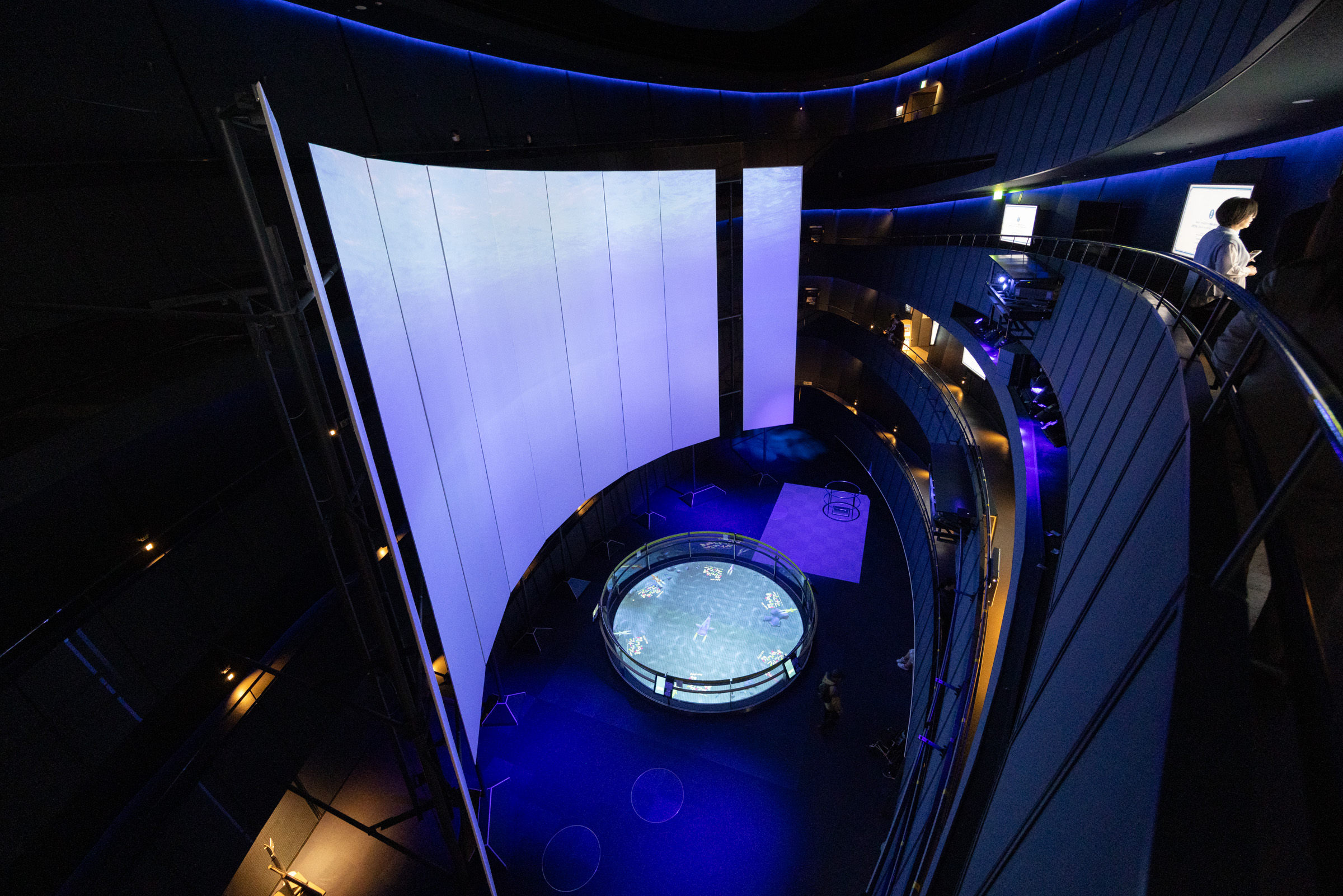
The paid area offers a variety of experiences packed with highlights. At the Straits Atrium, which features one of the largest screens in Japan, an 8-minute video themed around the Kanmon Strait and the surrounding area is screened every 30 minutes. Between screenings, you can try your hand at interactive experiences like quizzes and games synchronized with the images on the screen.
There is also the Strait History Corridor, where puppet artists have recreated important historical events using puppets, and the Strait Experience Zone, where you can try your hand at operating a ship. Among these, the “Ship Handling Simulation” is particularly popular. It allows you to experience firsthand the difficulty of safely crossing the Kanmon Strait, known for its strong currents.
Local Guide
The Promenade Deck on the 4th floor is indoors, so you can enjoy the view of the Kanmon Strait regardless of the weather. Buy a cup of coffee at the attached café and spend a leisurely moment gazing out at the sea.
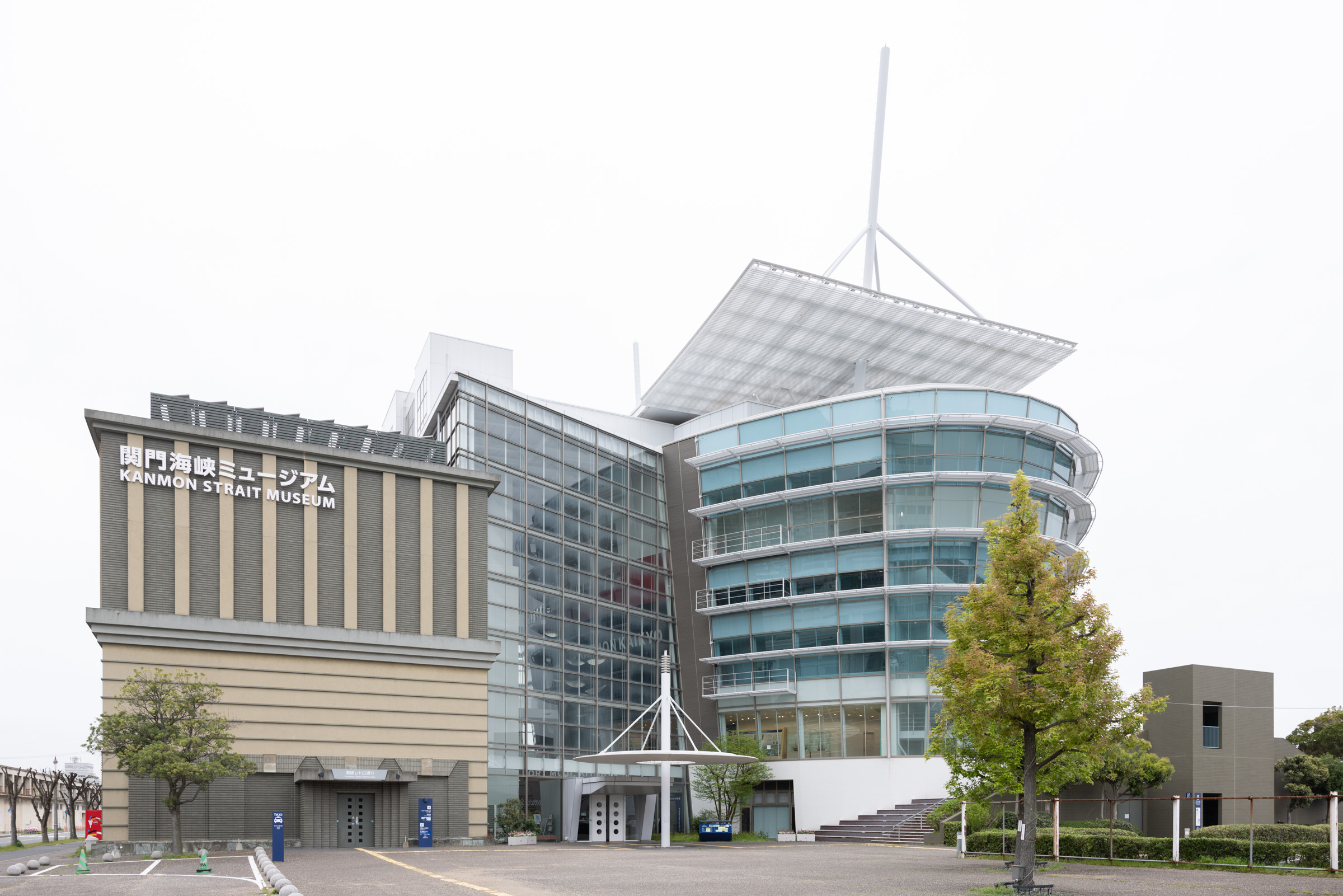
- Kanmon Strait Museum
-
- 1-3-3 Nishikaigan, Moji Ward, Kitakyushu City, Fukuoka Prefecture MAP
- Approx. 9-minute walk from JR Moji-ko Station
- 9:00-17:00 (last admission at 16:30)
- Closed five times a year (dates vary)
- Adults: 500 yen; Elementary and junior high school students: 200 yen; Kaikyo Children’s Plaza: 100 yen (ages 1 and up) *The Promenade Deck, Café, Observation Deck, and Kaikyo Retro Street are free
- 093-321-4151 (Moji Port Retro General Information)
- Admission Fee
5Moji Telecommunications Retro Museum
A retro museum where you can see old telephones and communication equipment
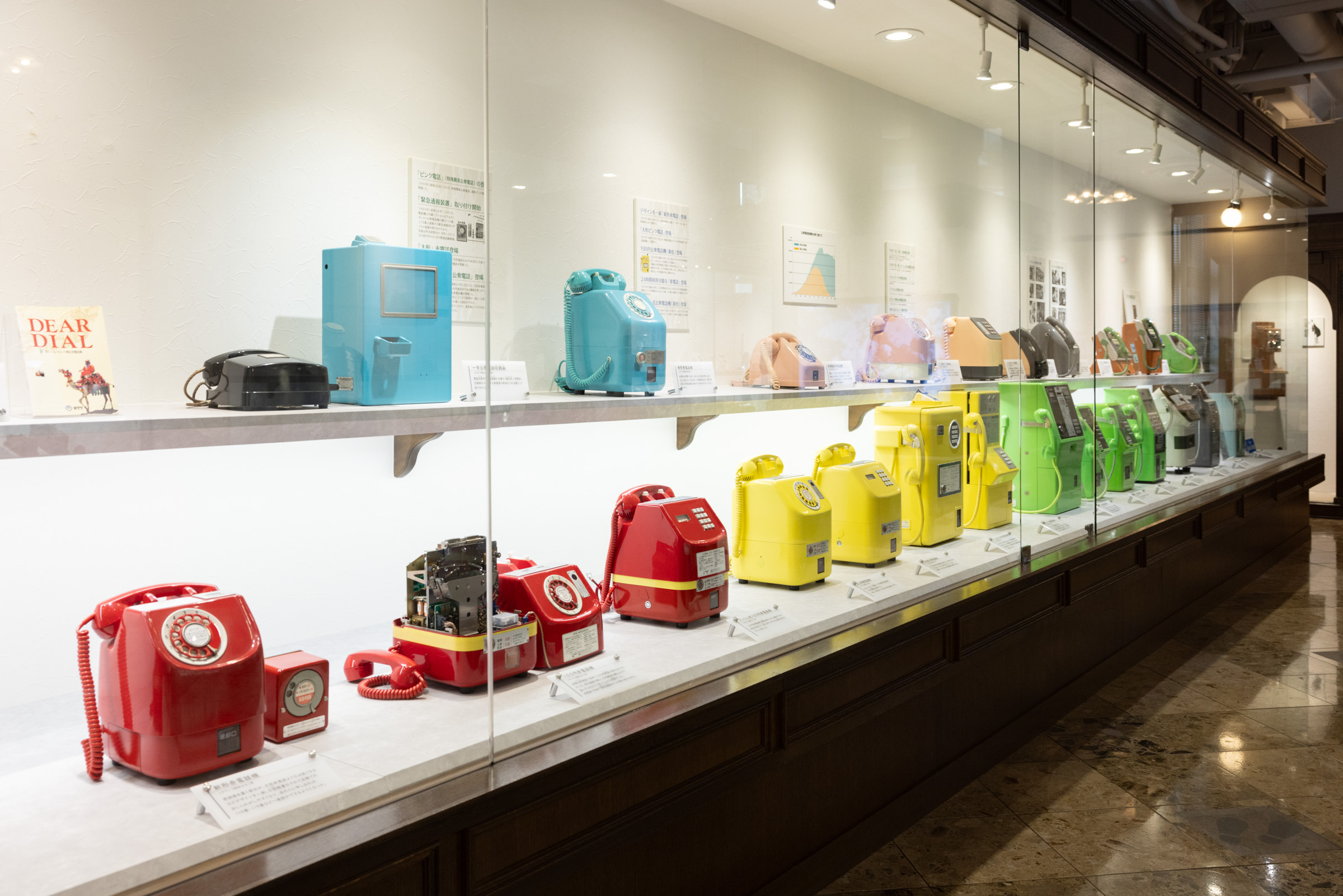
This property, operated by NTT West, focuses on the theme of “communications.” The first-floor exhibition area features a lineup of historical telephones used from Meiji 11 (1878) through the Heisei era, as well as public pay phones and cell phones. Among these, the colorful public pay phones are particularly eye-catching.Equipment and specifications evolved to meet the needs of each era, and the color schemes were adjusted accordingly.
In the public payphone corner, you can also learn how to use the “Disaster Message Dial (171).” Now that opportunities to use public payphones have become rare, this is sure to be a valuable experience.
Experience using a rotary-dial phone and Morse code
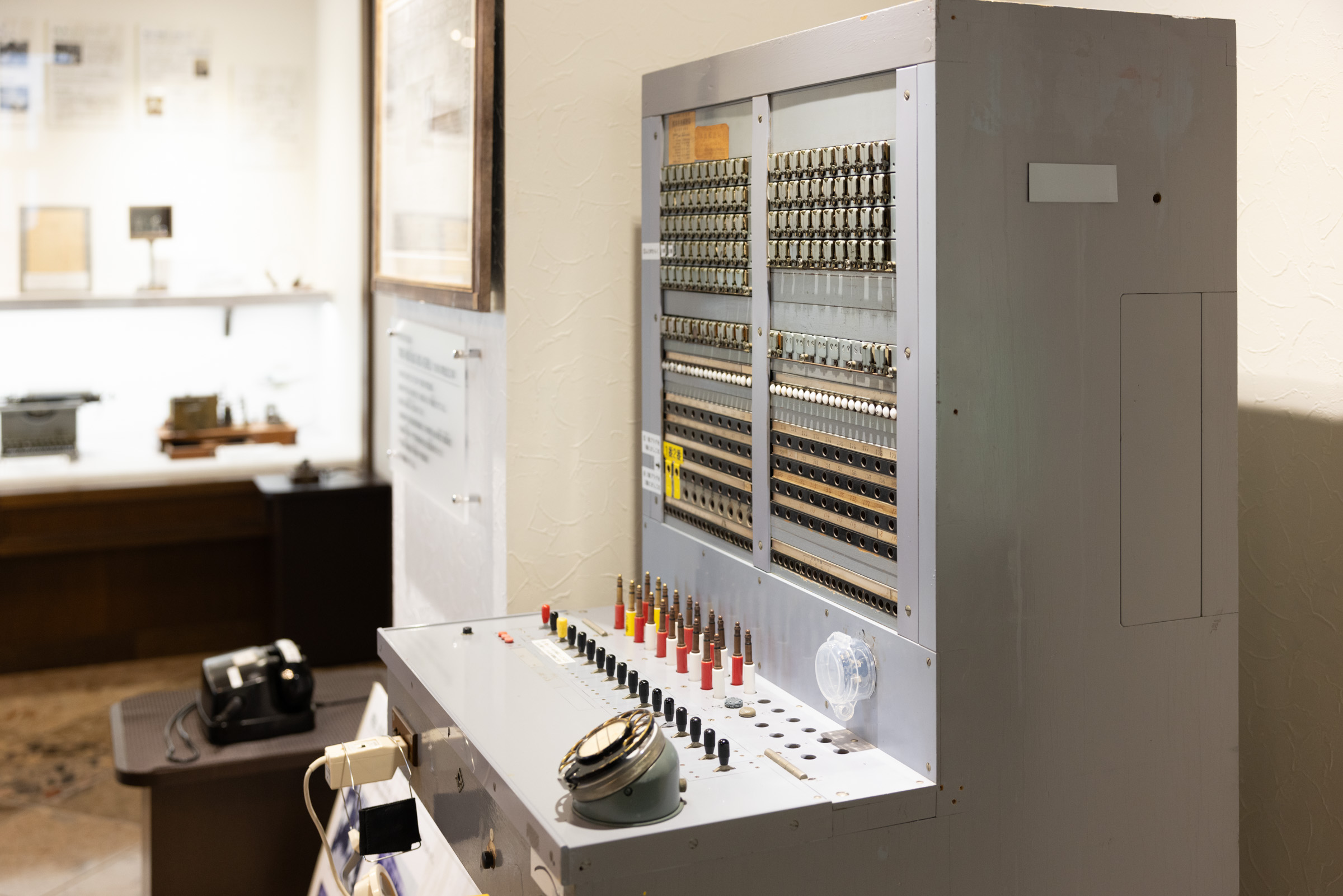
Inside the museum, there are also areas where you can actually operate rotary-dial phones, Morse code machines, and typewriters. The appeal lies in being able to experience the communication methods of the past by actually handling retro communication devices that you’ve likely only seen in TV dramas or movies.
Another highlight is the building itself, which was constructed in 1924 (Taisho 13) as the Moji Post Office Telephone Division building of the Ministry of Communications. It was Moji Port’s first three-story reinforced concrete structure, built to withstand the weight of numerous heavy telephone switchboards.It was designed by Mamoru Yamada, an engineer with the Ministry of Communications. The building is characterized by its rounded, cornerless design.
Local Guide
If you have time, be sure to tour the switch room (Crossbar Switch) on the second floor and the switch operators’ break room on the third floor. If you wish to tour the second or third floors, you must make a reservation by phone at least one day before your visit.
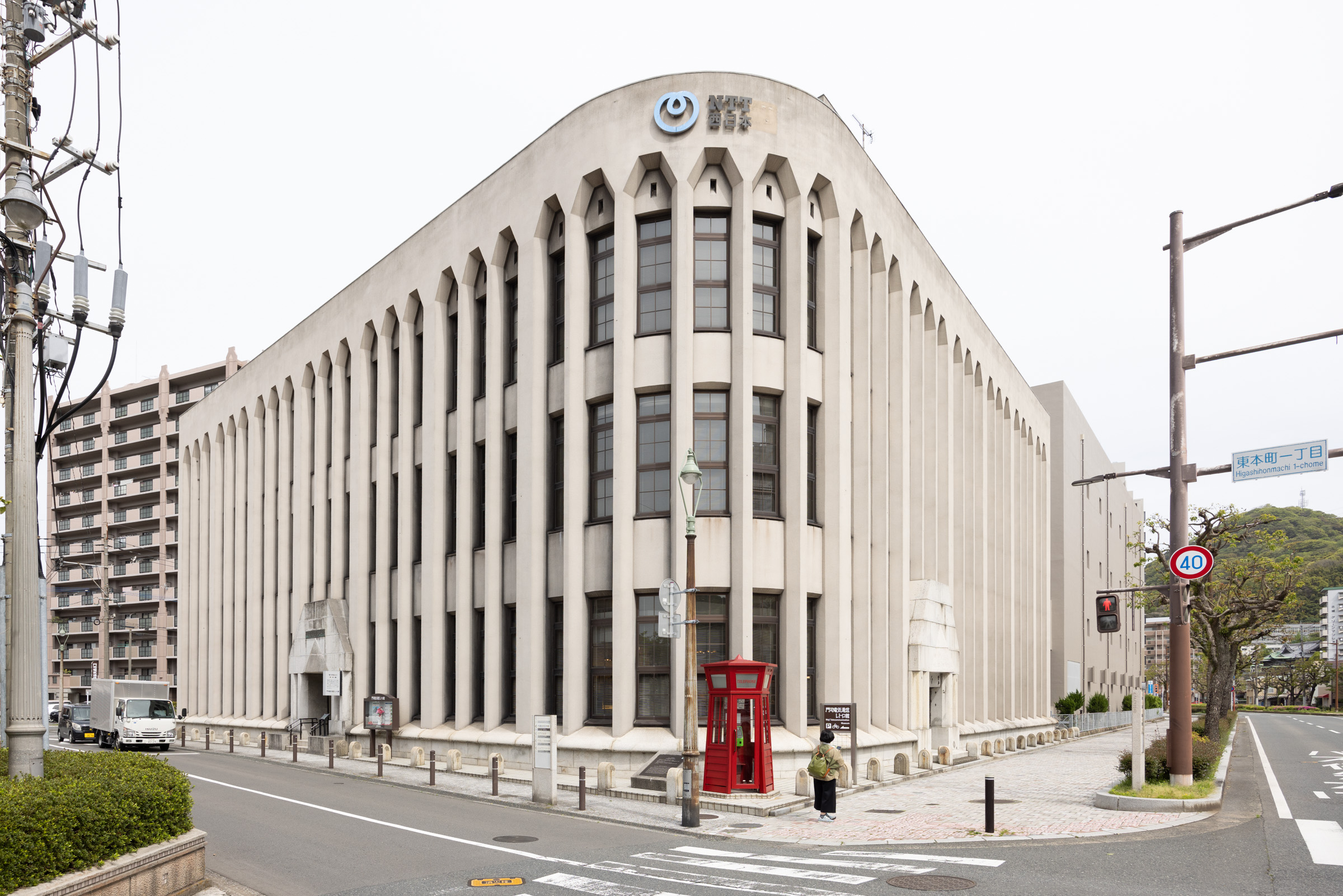
- Moji Telecommunications Retro Museum
-
- 4-1 Hamamachi, Moji-ku, Kitakyushu City, Fukuoka Prefecture MAP
- About a 10-minute walk from JR Moji-ko Station
- 9:00 AM–5:00 PM (Last admission at 4:30 PM)
- Mondays (Open on Mondays that are national holidays; closed the following weekday), Year-end and New Year holidays (December 29–January 3)
- Free of charge
- 093-321-1199
- Yes (free of charge)
6Moji Port Retro Cruise
View the retro streetscape of Moji Port from the water
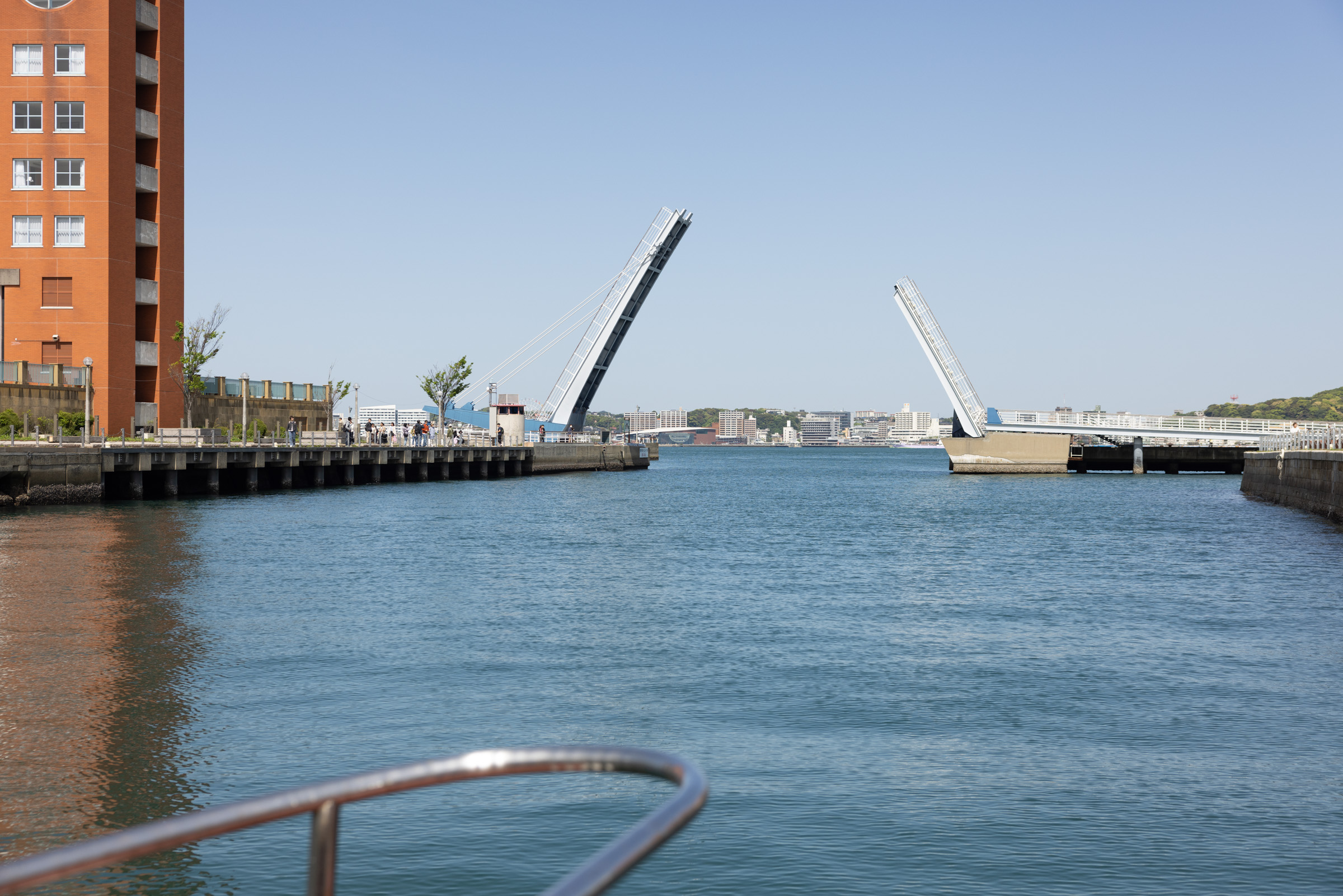
Enjoy a 20-minute cruise experience to take in the views of Moji Port and Shimonoseki from the water. Seating is unassigned, so you can fully enjoy the scenery of the strait from your favorite spot.The seats next to the wheelhouse are highly recommended, as they allow you to gaze out over the strait from the same vantage point as the captain. The sight of this retro cruise ship setting sail from the pier in front of Kaikyo Plaza, its whistle echoing through the air, is like a scene straight out of a movie.
Shortly after departure, you’ll see the “Blueing Moji” bascule bridge. If your departure time coincides with the bridge’s opening schedule, you can witness the impressive sight of the bridge slowly opening.
Cruise around the Kanmon Strait while listening to the captain’s commentary
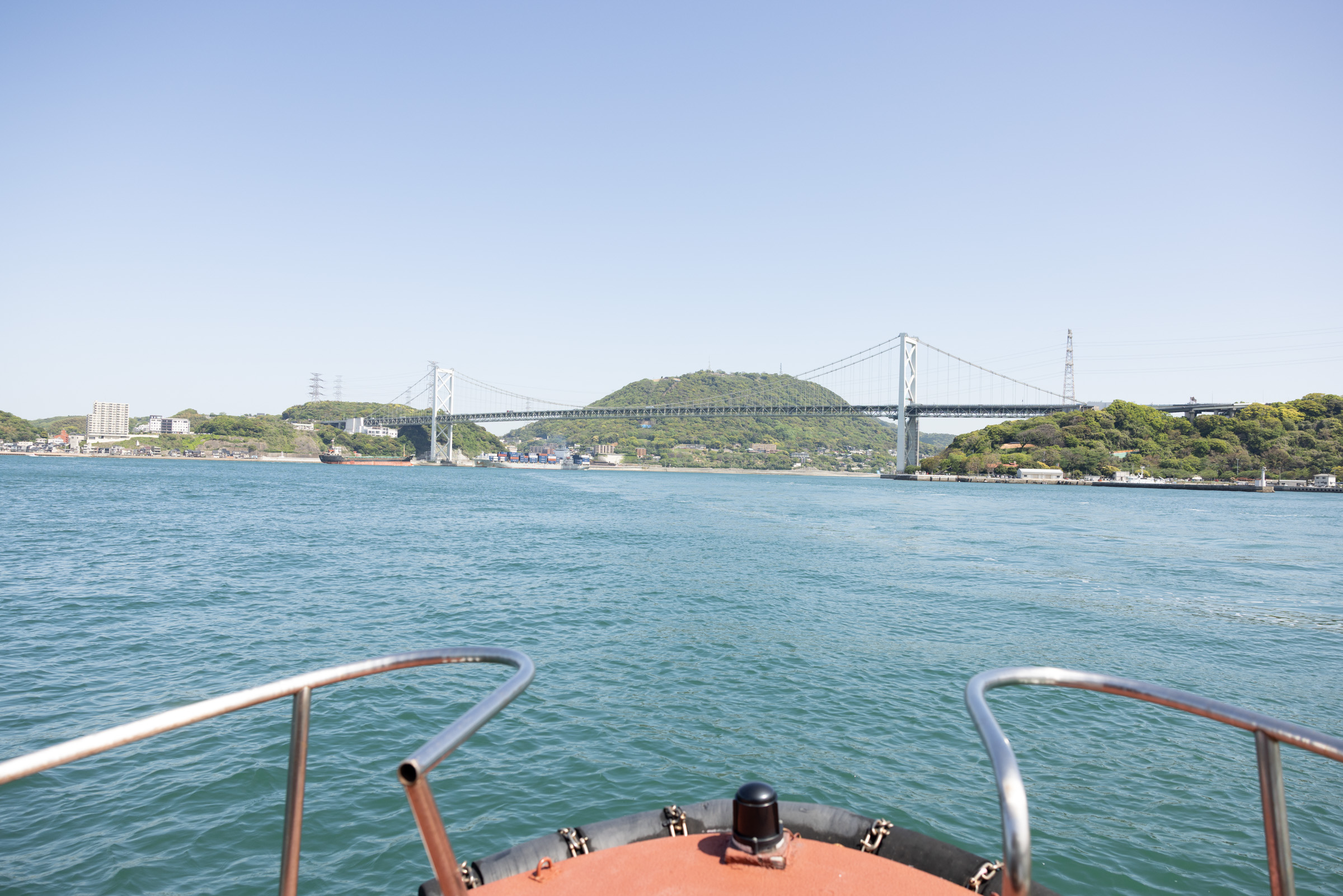
As you pass through Blueingmoji, the Kanmon Bridge—which connects Honshu and Kyushu—comes into view, and a dynamic landscape unfolds before your eyes.In the Kanmon Strait, where more than 500 ships pass through each day, you’ll have the rare experience of crossing paths with a wide variety of vessels, including fishing boats and container ships. As you listen to the captain’s commentary—packed with highlights of the Kanmon area—you can fully enjoy the ever-changing scenery of the strait.
We also highly recommend the sunset cruise at dusk and the night cruise to enjoy the city lights—both offer a magical view that’s quite different from the daytime scenery.
Local Guide
Choosing the right clothing is key to enjoying a comfortable cruise. Due to the sea breeze, it may feel cooler than on land, so warm clothing such as a down jacket is recommended during the winter. Also, since there is no air conditioning on board, be sure to wear light, breathable clothing in the summer and stay hydrated.
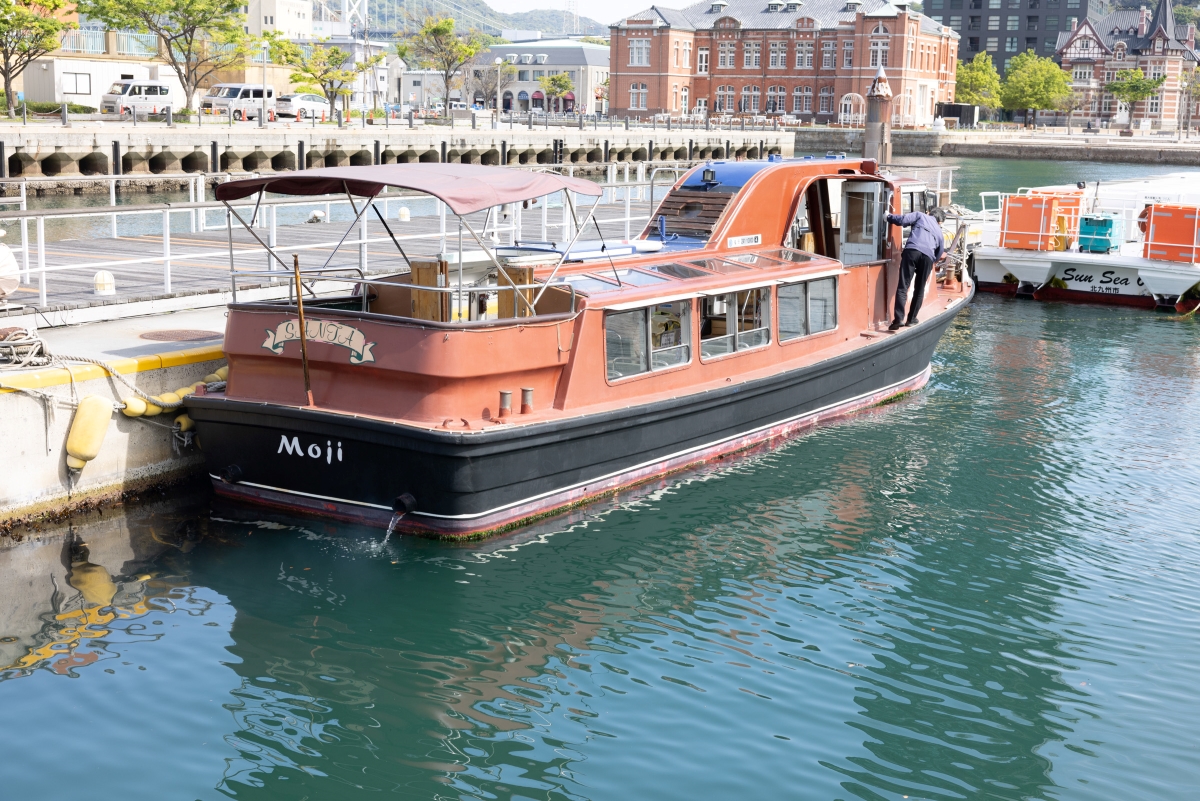
- Moji Port Retro Cruise
-
- 5-1 Minatomachi, Moji Ward, Kitakyushu City, Fukuoka Prefecture (Pier inside Moji Port Retro) *Sales and Boarding Area MAP
- About a 3-minute walk from JR Moji-ko Station
- Day Cruises: 11:00 a.m.– (10:00 a.m.– on Saturdays and Sundays); Night Cruises: After sunset (suspended during high tide)
- Closed on weekends and holidays
- Adults: 1,000 yen; Children (ages 7–12): 500 yen *One child under 6 years old rides free with each paying adult
- 090-9061-8563 (Direct line to the boarding area) *Open from 10:00 until closing
- None
7Shiokaze
Ride the trolley train and fully enjoy the streetscape of Moji Port
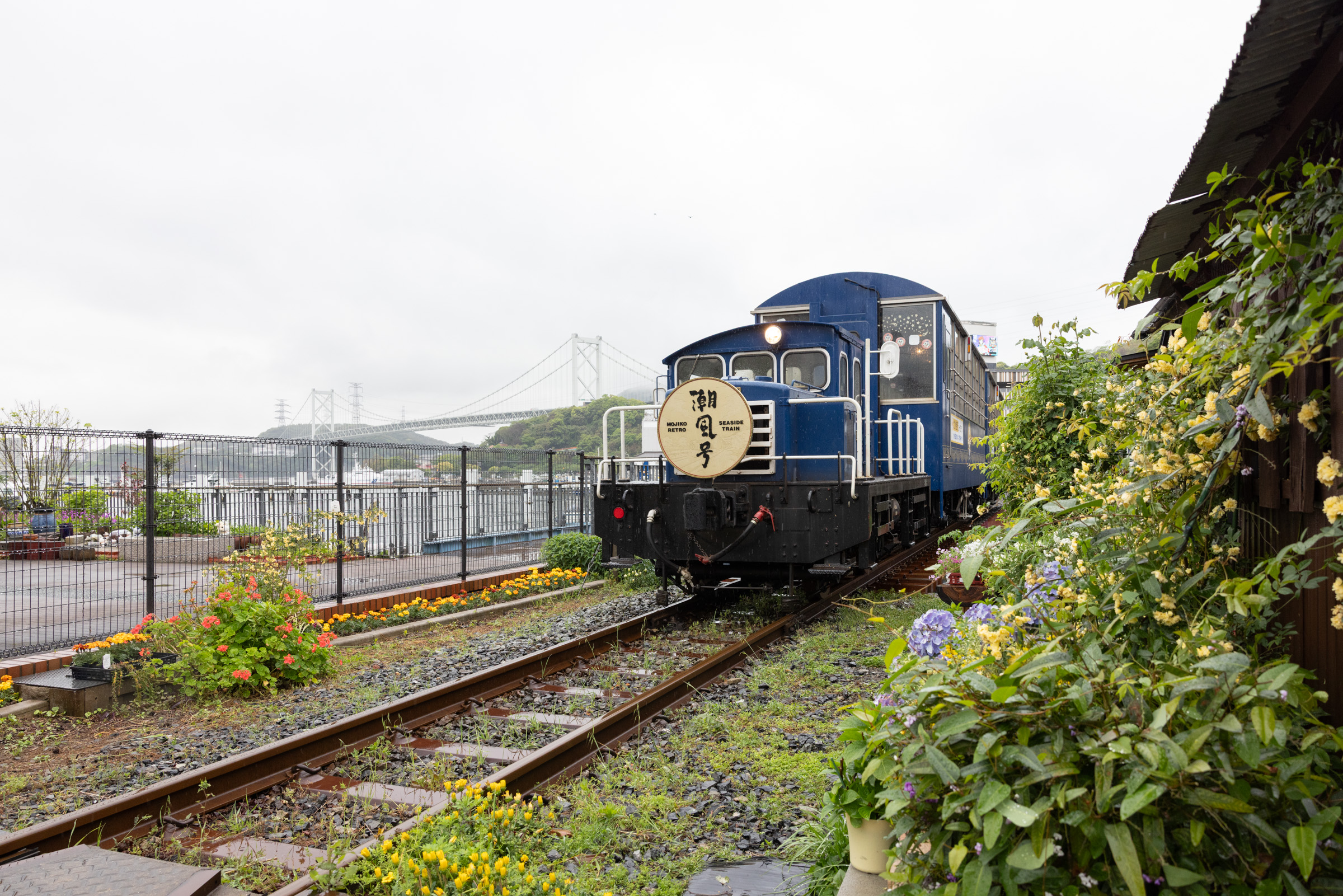
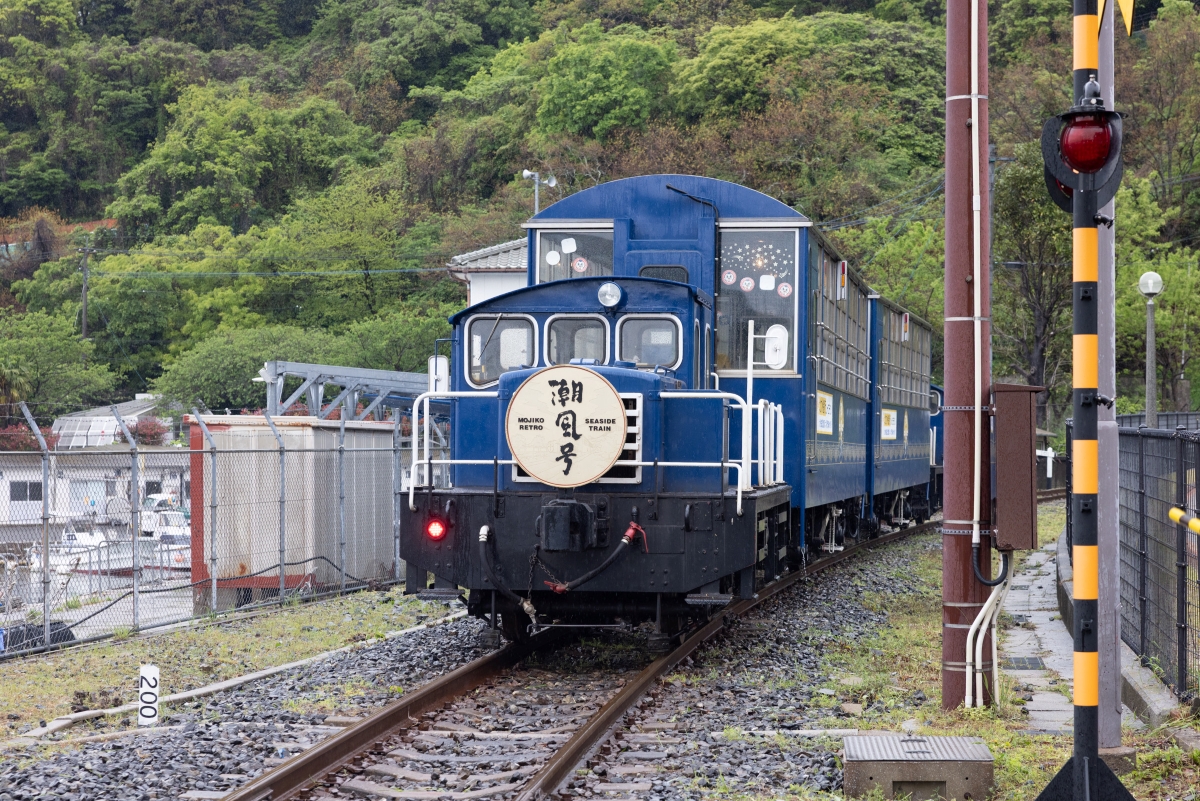
A sightseeing train that runs approximately 2 km, connecting the Moji Port Retro District and the Mekari District.Departing from “Kyushu Railway Museum Station” right next to Mojiko Station, the train travels at a maximum speed of 15 km/h, taking about 10 minutes to reach its terminus, “Kanmon Strait Mekari Station,” at the foot of the Kanmon Bridge, via “Idemitsu Art Museum Station” and “Norfolk Square Station.”From the train windows, you can see the retro streetscape of Moji Port and the Kanmon Bridge; the beautiful interplay of cherry blossoms in spring and autumn foliage is another major attraction.
On sunny days, the windows are fully open during the ride. The sea breeze blowing into the car provides a pleasant experience.
Inside the tunnel, you’ll encounter sparkling marine life
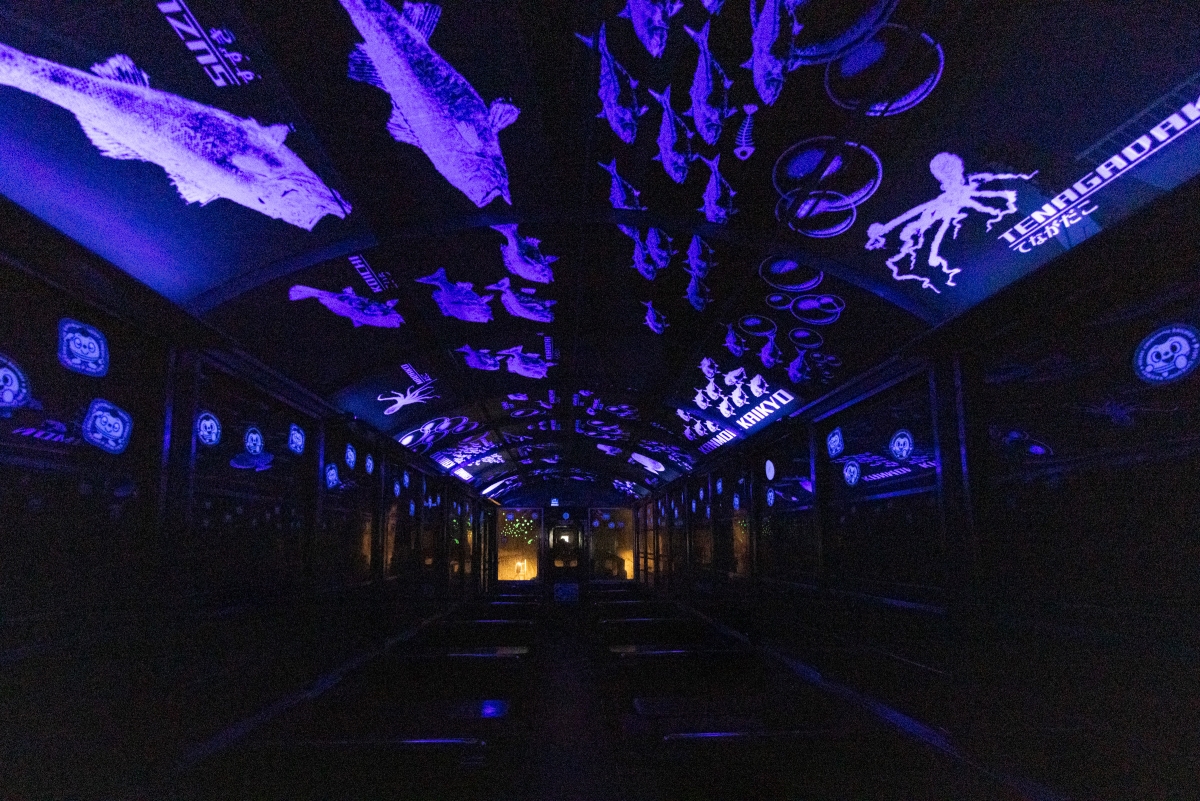
As the train enters the tunnel between Norfolk Square Station and Kanmon Strait Mekari Station, a light show illuminates the ceiling, featuring marine creatures that inhabit the Kanmon Strait—such as pufferfish and long-armed octopuses—bathed in blue light. You can experience a mysterious atmosphere that feels as if you’ve dived into the deep sea.
The Shiokaze runs mainly on Saturdays, Sundays, and holidays, and is always bustling with tourists. Since reservations are not available except for chartered trips and groups, be sure to purchase your ticket in time for your scheduled departure.
Local Guide
If you’re planning to explore Moji Port and Shimonoseki, we recommend the “Kanmon Strait Clover Ticket.”It’s a convenient pass that allows you to take the “Shiokaze” ferry, the “Sanden Bus” (a local bus route running between Mimosu River in Shimonoseki and Karato), and the “Kanmon Kisen” ferry (operating between Moji Port and Shimonoseki) once each.
- Shiokaze
-
- 1-7-1 Nishikaigan, Moji-ku, Kitakyushu City, Fukuoka Prefecture (Moji Port Office *Ticket Office) MAP
- 1-minute walk from JR Moji-ko Station
- Please check the official website for the schedule
- Wednesday and Thursday Fares: Adults 500 yen one-way, Children 250 yen one-way
- 093-331-1065
- None
 Please contact us in advance if you wish to charter a bus

Local Guide in Charge of This Article
- Kanoko Fujinaga A native of Moji and a huge fan of road trips
BEB Mojiko
Fukuoka Prefecture, Kitakyushu
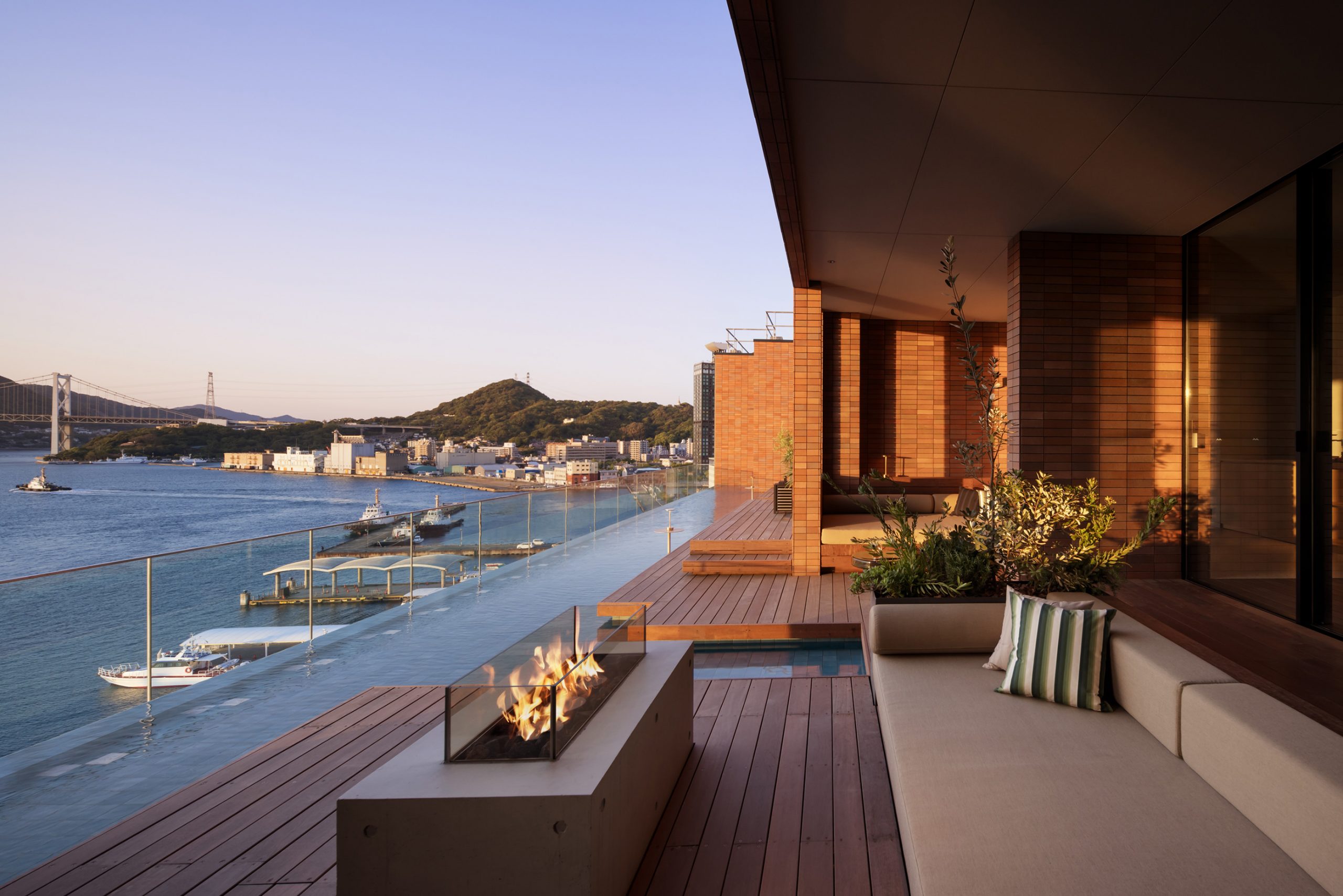
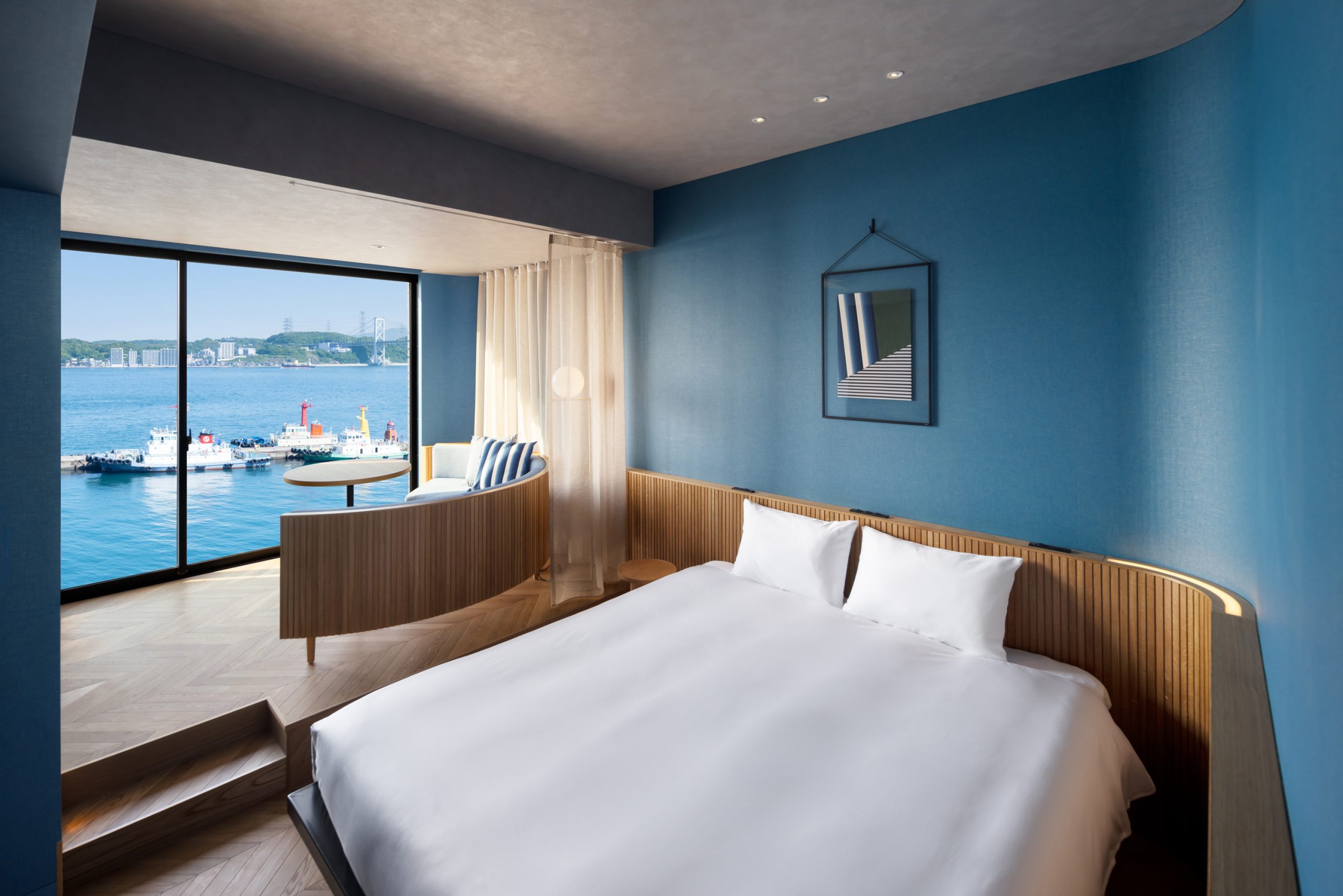
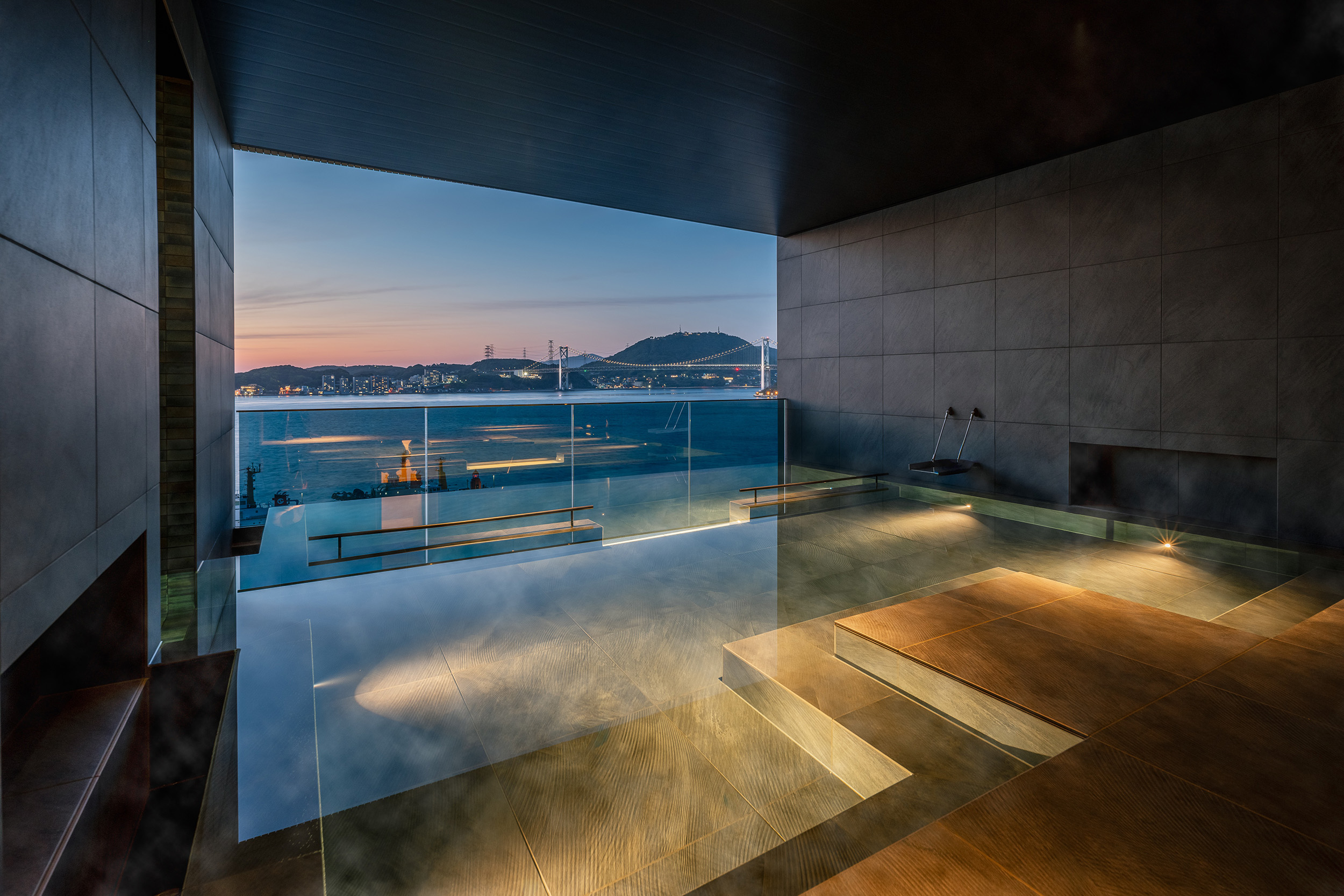
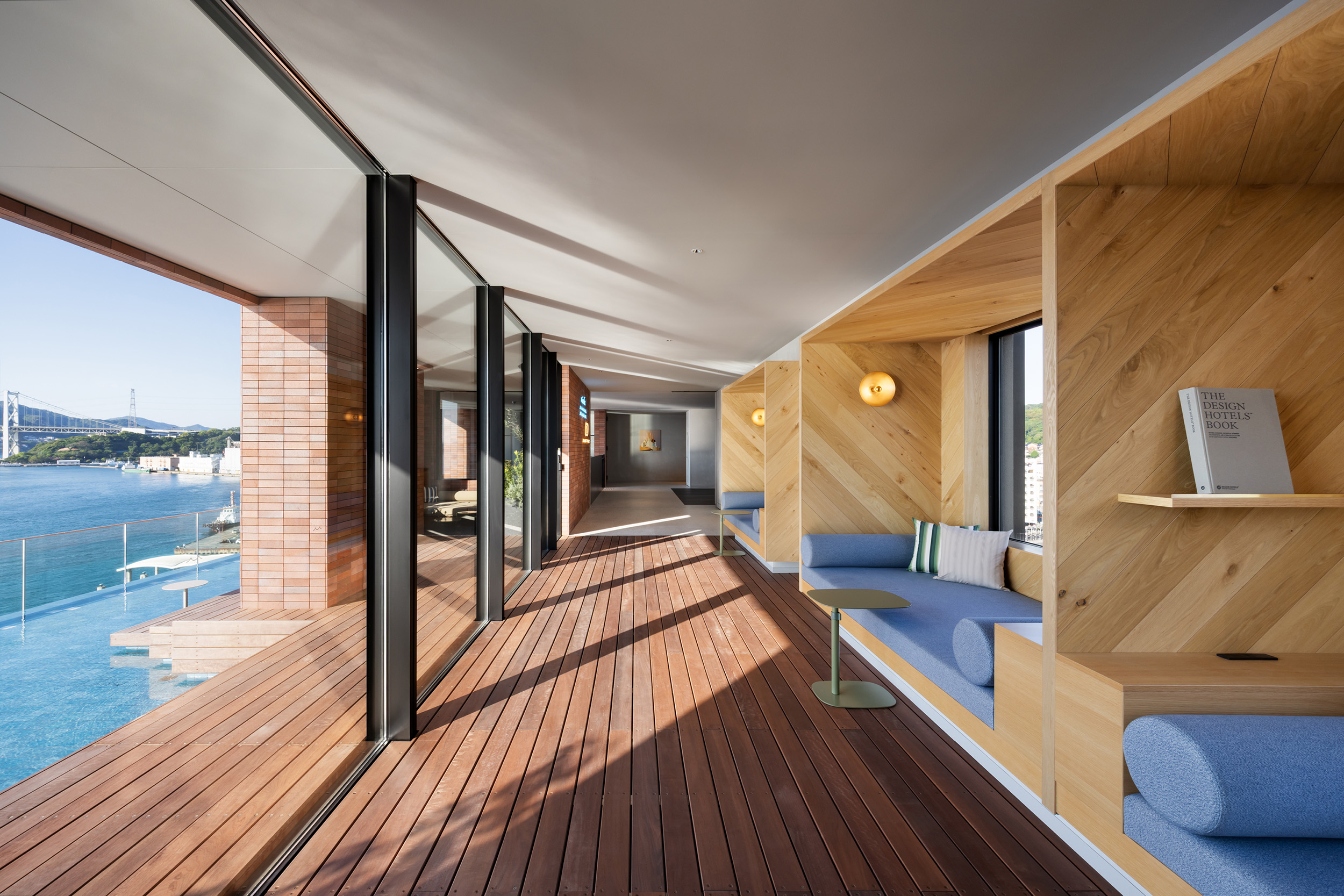
It’s in a prime location as a base for sightseeing in Mojiko Retro. You can enjoy panoramic views of the Kanmon Strait from the guest rooms and the Public hot spring.
Direction 4-minute walk from JR Moji-ko Station
- Sample Room Rates
- Per person, per night Starting at 6,600 yen