





I'd like also to enjoy one besides the happy hunting ground spot 5 election| standard Kanazawa sightseeing. I touch history and handwork, the famous place where I hid

I'd like also to visit by all means at Kanazawa besides the basic tourist spot of "Kenroku-en", "Kanazawa Castle Park" and "by a day, with the selling point of, restaurant district" etc., I'll introduce the popular spot from which I hid. Don't a deified shrine and a long-established store of Kutani chinaware and Kaga Yuzen judge a Kaga founder and Maeda Toshiie by marvellous common name with a device and ninja temple concerning a great spot known to people in the know?
< recommendation happy hunting ground tourist attraction in Kanazawa>
- 1Miyotachi temple (MYOURYUUJI)
- 2Oyama shrine_Kanazawa sightseeing (happy hunting ground)
- 3Tamaizumi inmaru garden (GYOKU, circle Tei who isn't here doesn't get it.)
- 4Kaburagi shouho (HO where I put on turnip and shoulder)
- 5Tasome picture arts and crafts every the Kaga Yuzen (you can't begin to dance, but, GEI which misses)
< recommendation happy hunting ground tourist attraction in Kanazawa>
1Miyotachi temple (MYOURYUUJI)
A device calls filling and a person the complicated structure, and, "ninja temple"
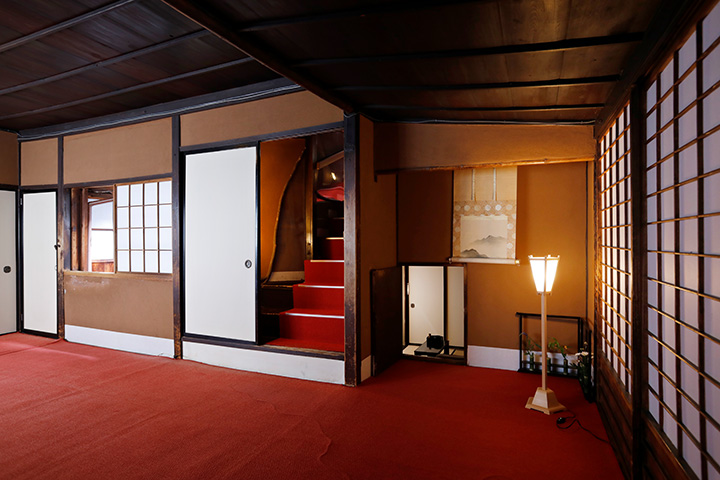
From the downtown area in Kanazawa and Katamachi, about 10 minutes on foot. Removing and reconstruction is a built temple for 1643 years from (1643) and near the Kanazawa castle in Teramachi where temples as much as approximately 70 houses are collected. When I see, it's 2 story because more than 3 story of building was prohibited by an order from shogunate then, well, the interior is 4 story 7 layer structure. A room as much as 23 rooms and stairs as much as 29 points are in the building of the complicated structure, and it seems to be a labyrinth. Because a device in the pitfall where I fool enemy's eyes was made much, there wasn't a ninja, but you're being called a ninja temple and are enjoying.
The clever hiding stairs and pitfall are must-see.
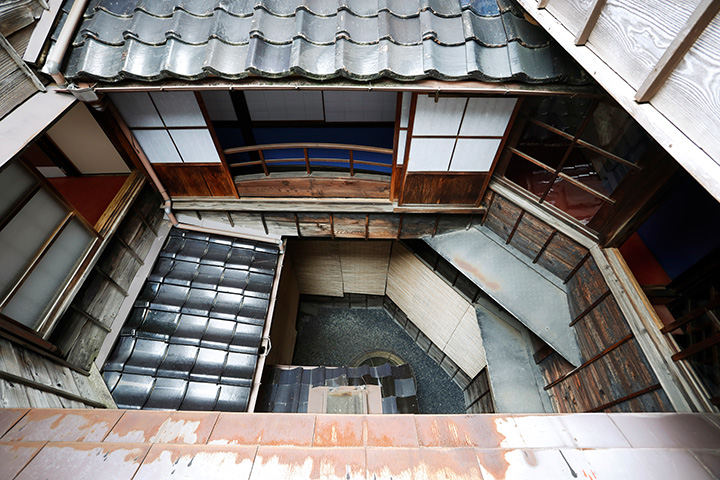
About 1 mat of big pitfall is in front of the main hall, and it's camouflaged as an offertory chest. The mechanism that an enemy falls when the hiding stairs where he feigned in a connecting corridor remove a flooring. The manservant who serves by living, (, maybe, a one ) stairs of a skylight are in front of the room, and it's the structure which can notice an intruder quickly by the shadow which seems. Ido of a legend who says that a way out leads to Kanazawa castle in a courtyard. Additionally the daimyo tea-ceremony room where wife's Uchikake of a Kaga seigneur was displayed is highlight a lot. You can judge worship by a reservation system with a funny tour guide by a guide for about 40 minutes and go around.
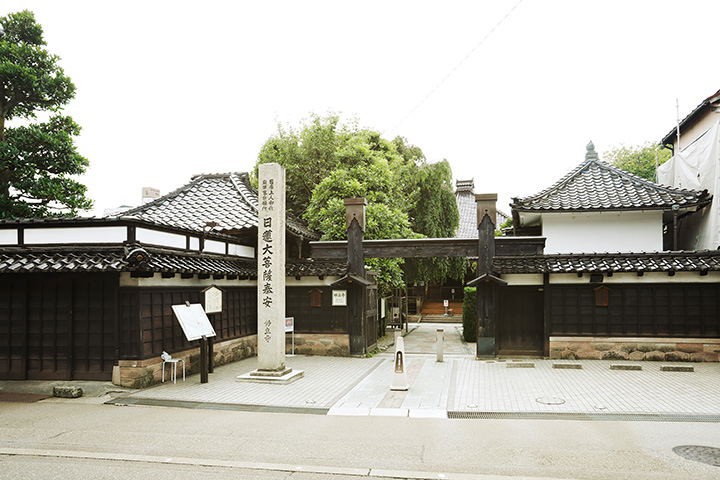
- Miyotachi temple
-
 1-2-12, Nomachi, Kanazawa-shi, Ishikawa MAP
 From JR Kanazawa Station east entrance, a northern iron bus castle downtown Kanazawa tour bus "counterclockwise route" ride for about 15 minutes and "Hirokoji" getting off for about 3 minutes on foot
 9:00-16:00 ※ Reservation required (for the telephone of reservation, 8:30-reception).
 A Hoyo ceremony day and January 1* for 2 days
 ※ preschooler can't inspect 800 yen for a schoolchild for 1200 yen, please bring the health insurance card which can prove the age to the one of elementary students lower grades.
 076-241-0888
2Oyama shrine_Kanazawa sightseeing (happy hunting ground)
The shrine where I have the history which deified Maeda Toshiie and a person of the wife pine
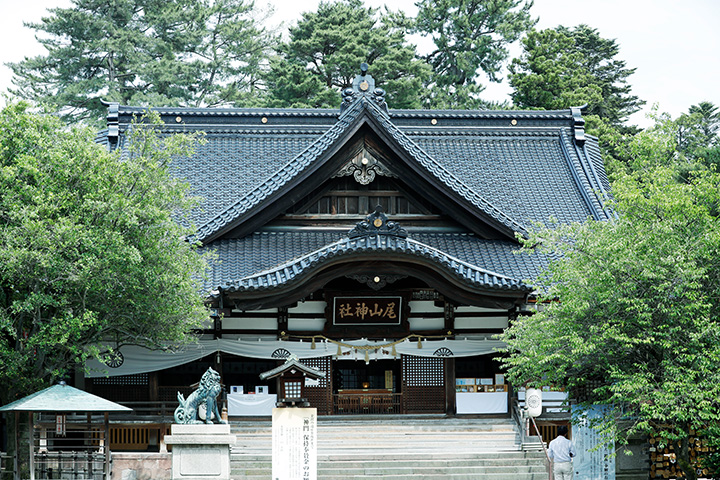
A Kaga founder and Maeda Toshiie publicity are deified at the shrine established immediately near the Kanazawa castle (in 1873) in 1873. You know that there are general's deity reason and divine favor of "both literary an military arts" and "certain victory" as a historical origin and the power spot which brings strong luck at localness. The person of a pine who is a lawful wife was enshrined together in 1998, too. Because relations of husband and wife were good, it's said that there are a lot of people who pray "wife safety", "love accomplishment" and "child easy delivery", too. There is also Kanaya shrine where a head of a family after Maeda family Nidai eye and the wife were deified in the site.
Godo who wanders exoticism is Kanazawa's symbol.
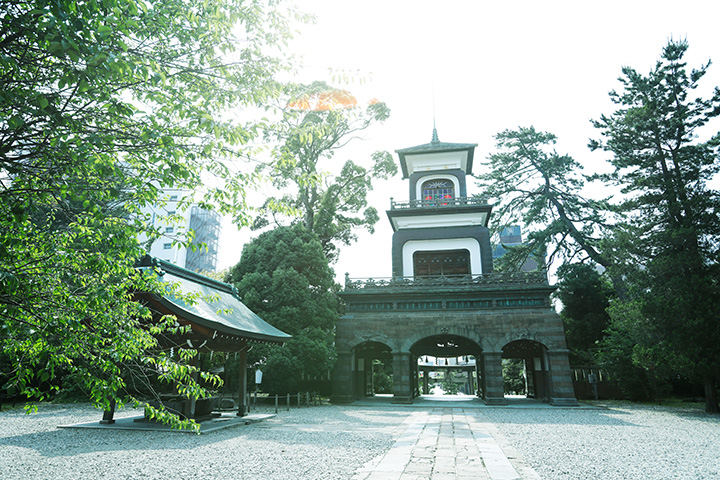
It's built Godo to catch eye in 1875 (1875). It's also Kanazawa symbol of the city at the unique gate using three styles of the West of Japanese and Chinese. The gate made from Muro Toseki where the first layer is solid. Second bed and three beds are the make which covered a wall of white lime plaster with sheet copper, and four color schemes of diamond (colored glass) is stuck on the third layer in all sides in particular, that it's compared with the morning sun and a declining sun and shines, I shine. There are also at a garden of a shrine of Izumi Ike migration way and glazed giving in a precinct. Godo is lit up from sunset to 22:00, and the fantastic scenery is looked at from a main street.
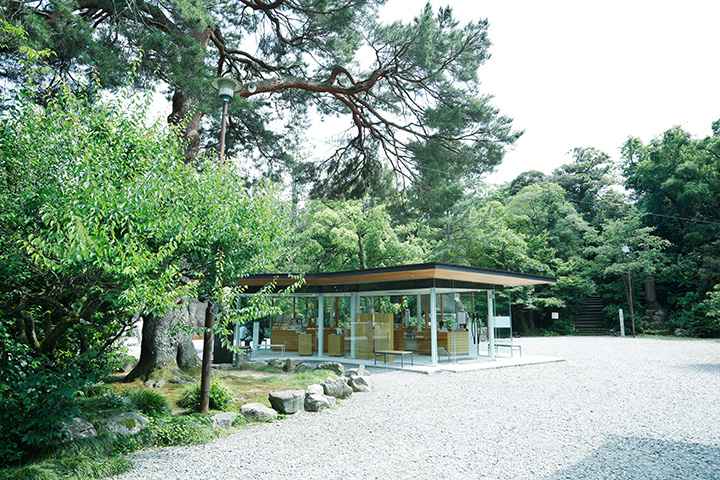
- Oyama shrine
-
- 11-1, Oyamamachi, Kanazawa-shi, Ishikawa MAP
- It's a car from JR Kanazawa Station, about 5 minutes
 I get off a northern iron bus castle downtown Kanazawa tour bus "counterclockwise route" ride for about 7 minutes "Minami-machi and Oyama shrine" from JR Kanazawa Station east entrance, about 3 minutes on foot
- Free※ care (giving place) and red seal 9:00-17:00
- 076-231-7210
 Free
Free
3Tamaizumi inmaru garden (GYOKU, circle Tei who isn't here doesn't get it.)
The beautiful garden a Kaga seigneur loved restores.
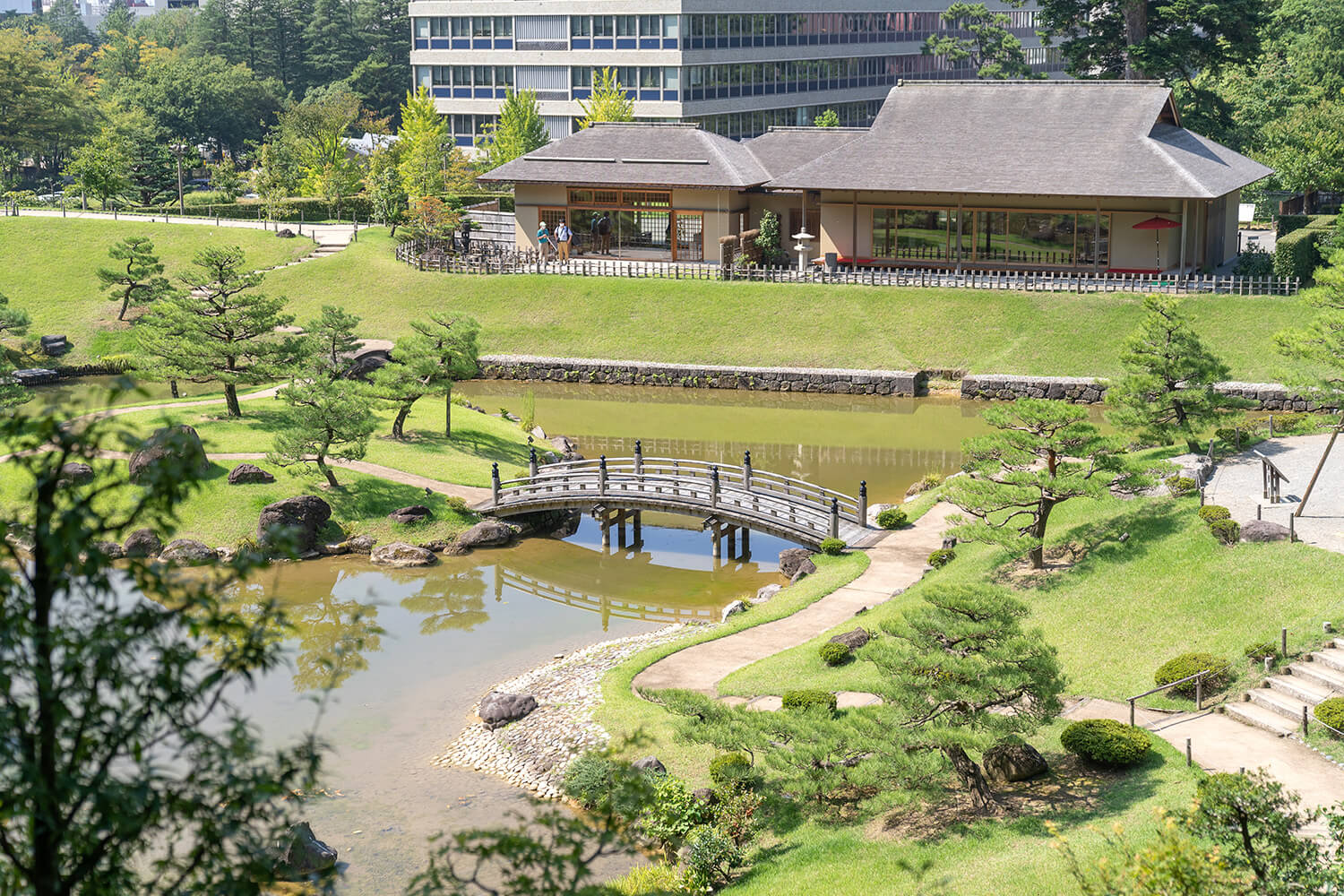
There was a beautiful garden where a Kaga seigneur of successive generations took elaborate pains, looked and enjoyed in former Kanazawa Shiro Tamaizumi inmaru. It was abolished in Meiji Period, but it'll be Heisei, and the time of 7 years is bet and reproduced. The daimyo garden with the admirable Izumi Ike migration system which makes the Tatsumi water for irrigation attracted in the castle in an early stage in the Edo Period the water source was revived. The three-dimensional make by which even the difference of ups and downs by which it was 22 m in addition to the pond, the bridge and the waterfall was reproduced faithfully. A heart is taken by a view in the elegant garden looked around from the top of the slope away. The light up done with the theme of the season is also performed in Saturday, an appointed date and sunset of pre-holiday-21:00 every week.
I rest relievedly at the rest place where I wish for a garden.
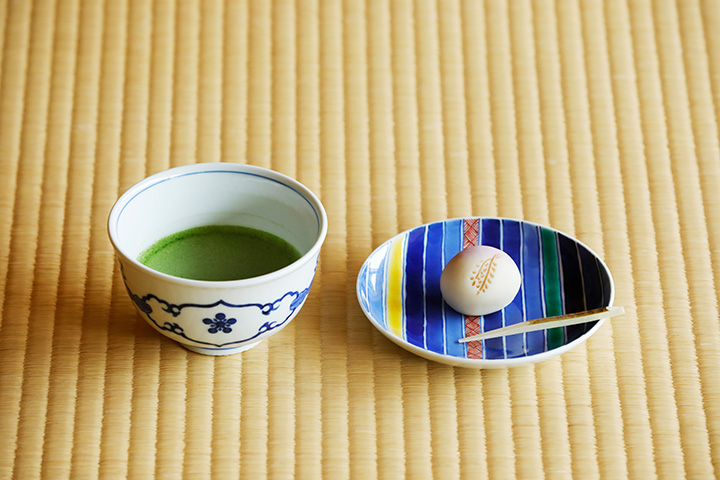
If I'd like to taste of taste in a garden, it's to the "Tamaizumi hermitage" which juxtaposed Information, a rest place and a tea-ceremony room. The open tea-ceremony room where a real tea ceremony is held is the wonderful location by which Ike and Kihashi wish for a solid stone wall group ahead of it at the front. Though green looks at an abundant superb view here, Matcha Green Tea and Japanese Tea Ceremony Sweets, it's possible to feel easy. The original with which a Japanese Sweets seller in Kanazawa-shi makes the Japanese Tea Ceremony Sweets which replaces 2 months old once according to the season. A lord can enjoy some graceful time while being flooded with princess feeling.
.jpg)
- Tamaizumi inmaru garden
-
- 1-1, Marunouchi, Kanazawa-shi, Ishikawa MAP
- It's a car from JR Kanazawa Station, about 7 minutes
- Embussment and "Kenroku-en Shimokanesawa castle" get off JR Kanazawa Station, about 3 minutes on foot
- March 1-October 15 7:00-18:00 and October 16-last day of February 8:00-17:00
- Year-end and new year holidays
- 076-234-3800 (Ishikawa Kanazawa castle and Kenroku-en Administration Office)
4Kaburagi shouho (HO where I put on turnip and shoulder)
I assemble from a handy mini-dish to living national treasure's Kutani chinaware.
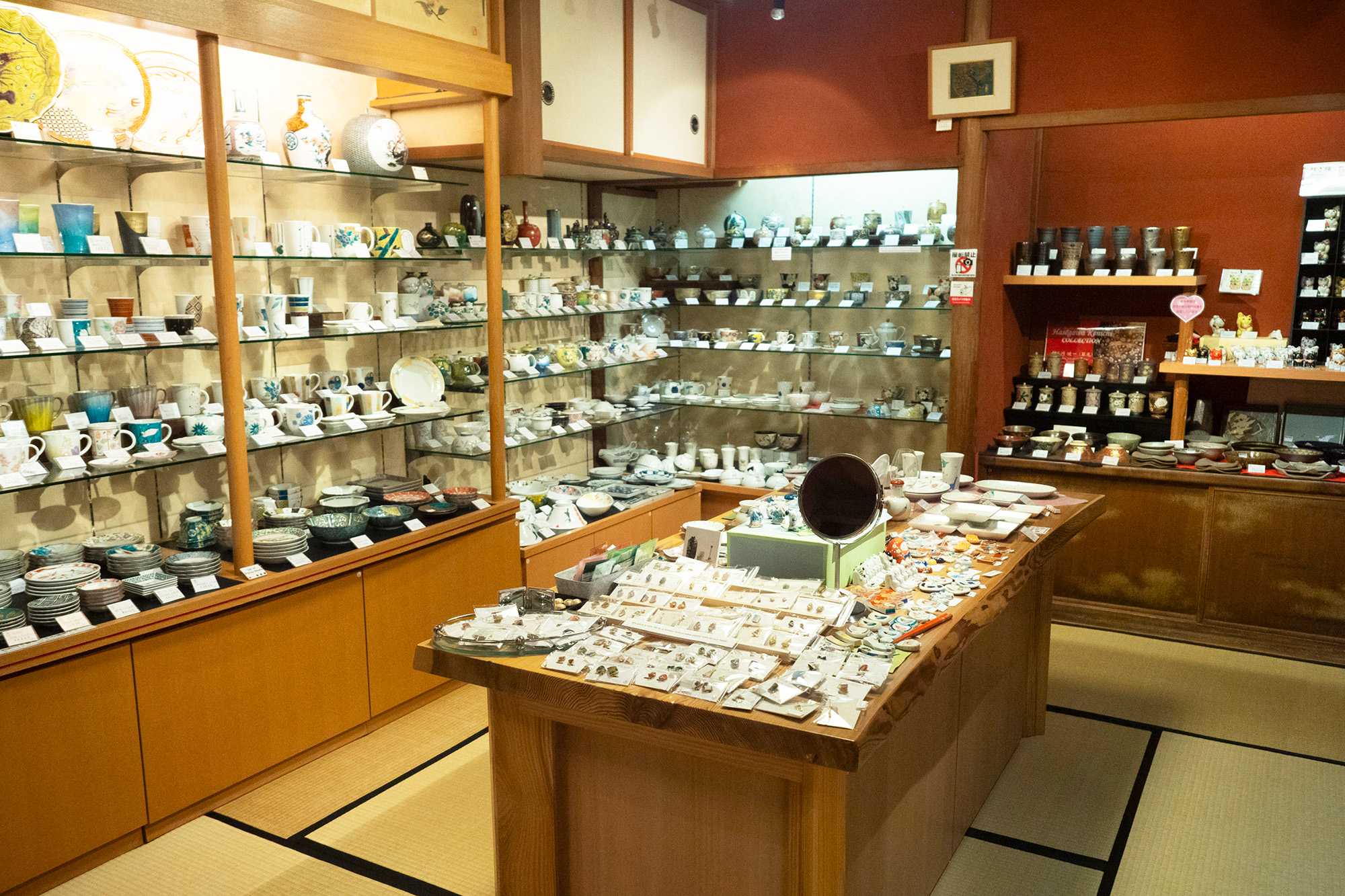
The Kutani chinaware potter who has history of foundation (in 1805) in 1805. When I pass through one corner in Nagamachi where a Samurai residence mark ranges and goodwill, take off the shoes and enter in the building, the capacity of the colorful Kutani chinaware is good-looking and in line. A medium also has one room Kutani chinaware in the Meiji-Taisho Era and living national treasure's work were displayed, and it's the aim like the museum. "Kasugayama kiln Kiyone hermitage" of atelier establishing as an annex (I put and am here, bean jam) is next to 3 houses, and the original item a young handicraftsman makes is famous.
The shape and the design which bring out gusto of liquor

Popular ones are the showy wine glass and liquor glass with which a European glass and pottery of Kutani chinaware were combined above all. When I wanted Yatsushiro aim host familiar with wine and sake to choose the glass which can drink alcohol better according to the kind and the taste, it was contrived. There are also a cafe full of feeling of opening which looks at a garden and Dining Area Kaga Vegetable Curry and Kanazawa Japanese hotchpotch can taste in the store. You also offer me sake of a superior brand from Hokuriku area, beer and wine, so it's also fun to try drinking feeling of a glass at here.
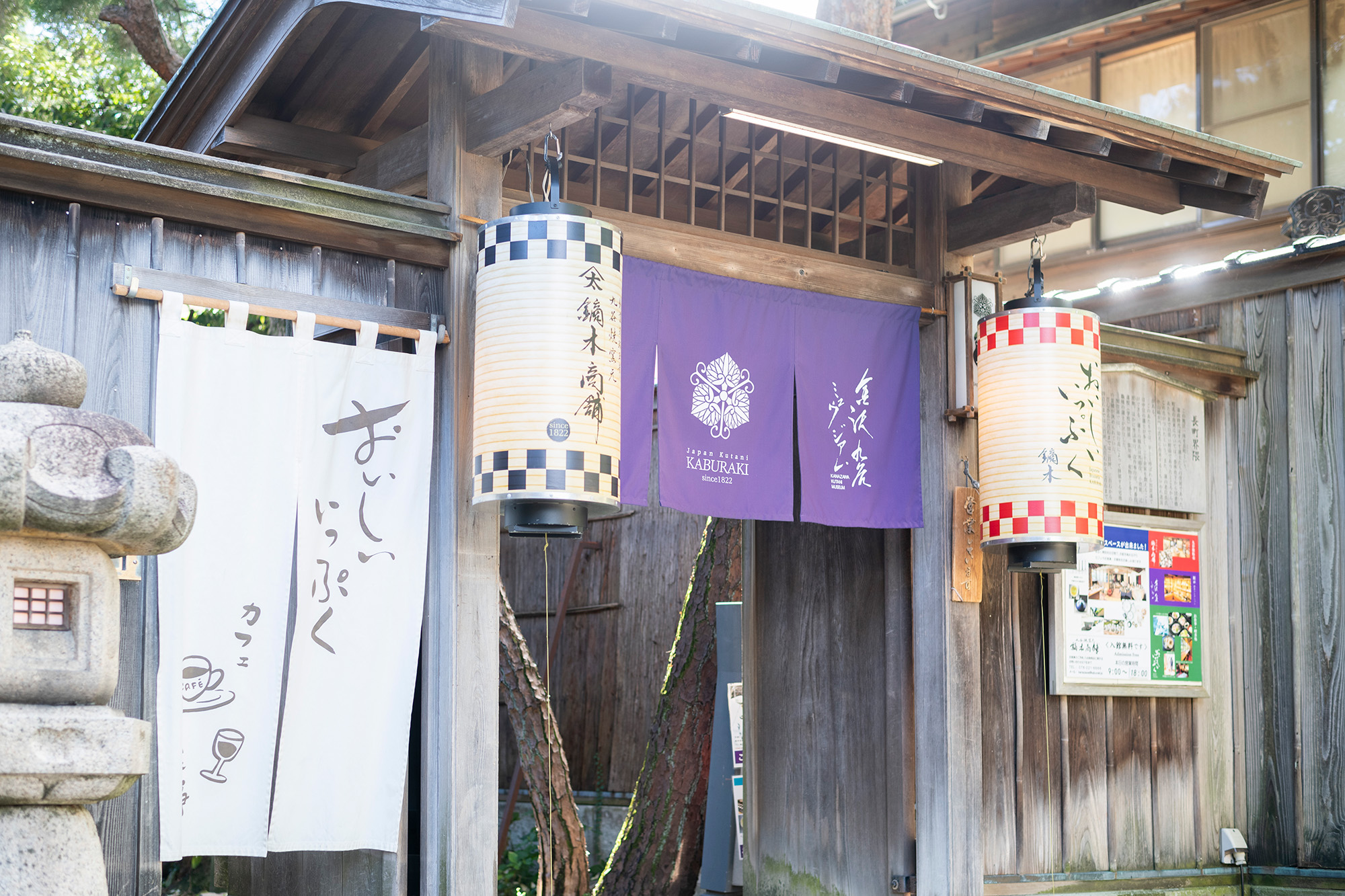
- Kaburagi shouho
-
- 1-3-16, Nagamachi, Kanazawa-shi, Ishikawa MAP
- From JR Kanazawa Station east exit, a northern iron bus castle downtown Kanazawa tour bus "clockwise route" ride for about 10 minutes and "Korinbo" getting off for about 5 minutes on foot
- 9:00-18:00
Meal 11:30-14:30 and tearoom 10:00-18:00 A meal at※ night, perfect reservation system (Please inquire for details.)
- Open everyday (I have that regular holiday-lessly several times a year.) I'm absent from a※ meal on Wednesday . Thursday, a tearoom is a holiday Wednesday.
- 076-221-6666
5Tasome picture arts and crafts every the Kaga Yuzen (you can't begin to dance, but, GEI which misses)
It's the world in colored Experience of Kaga Yuzen, the only accessary making
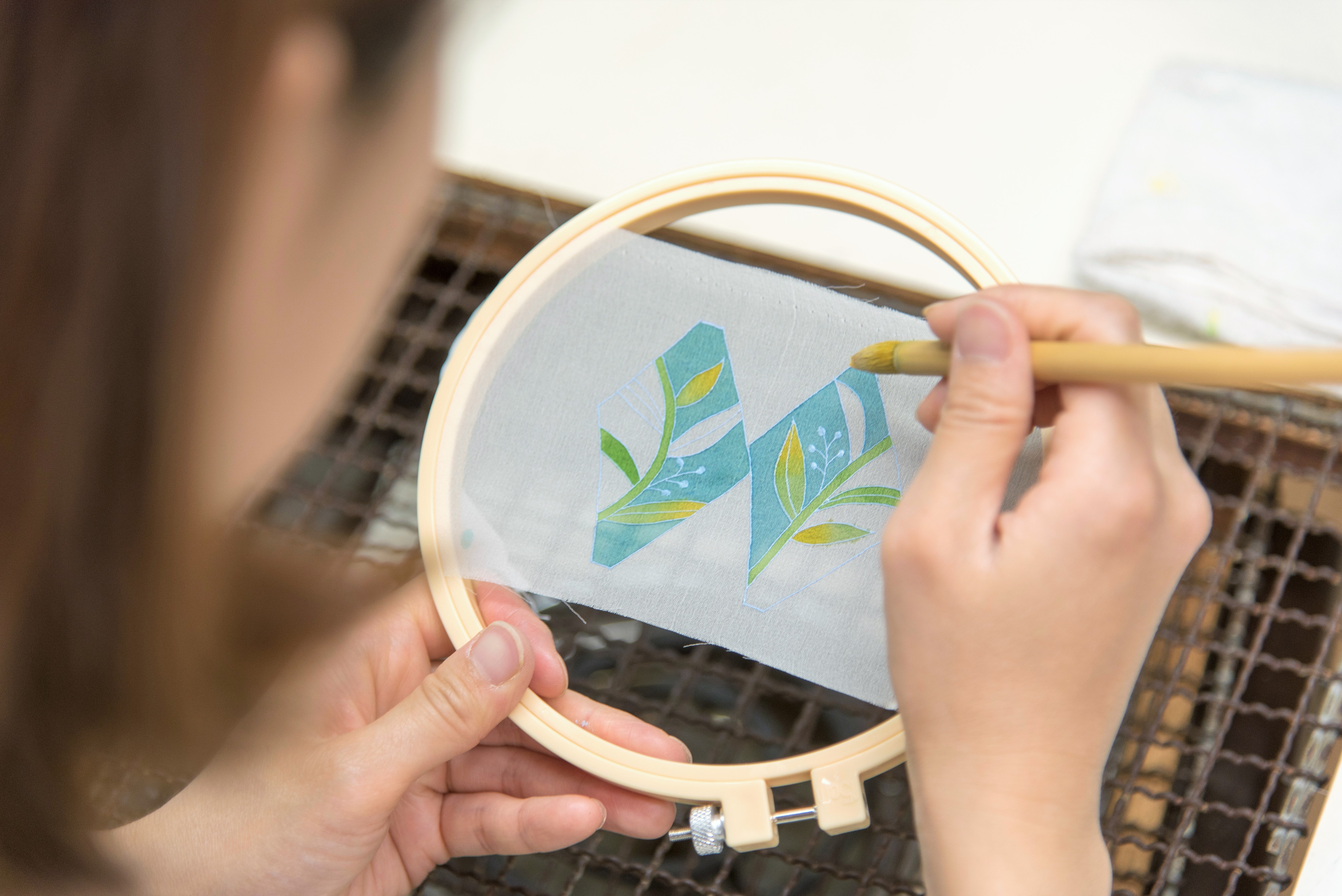
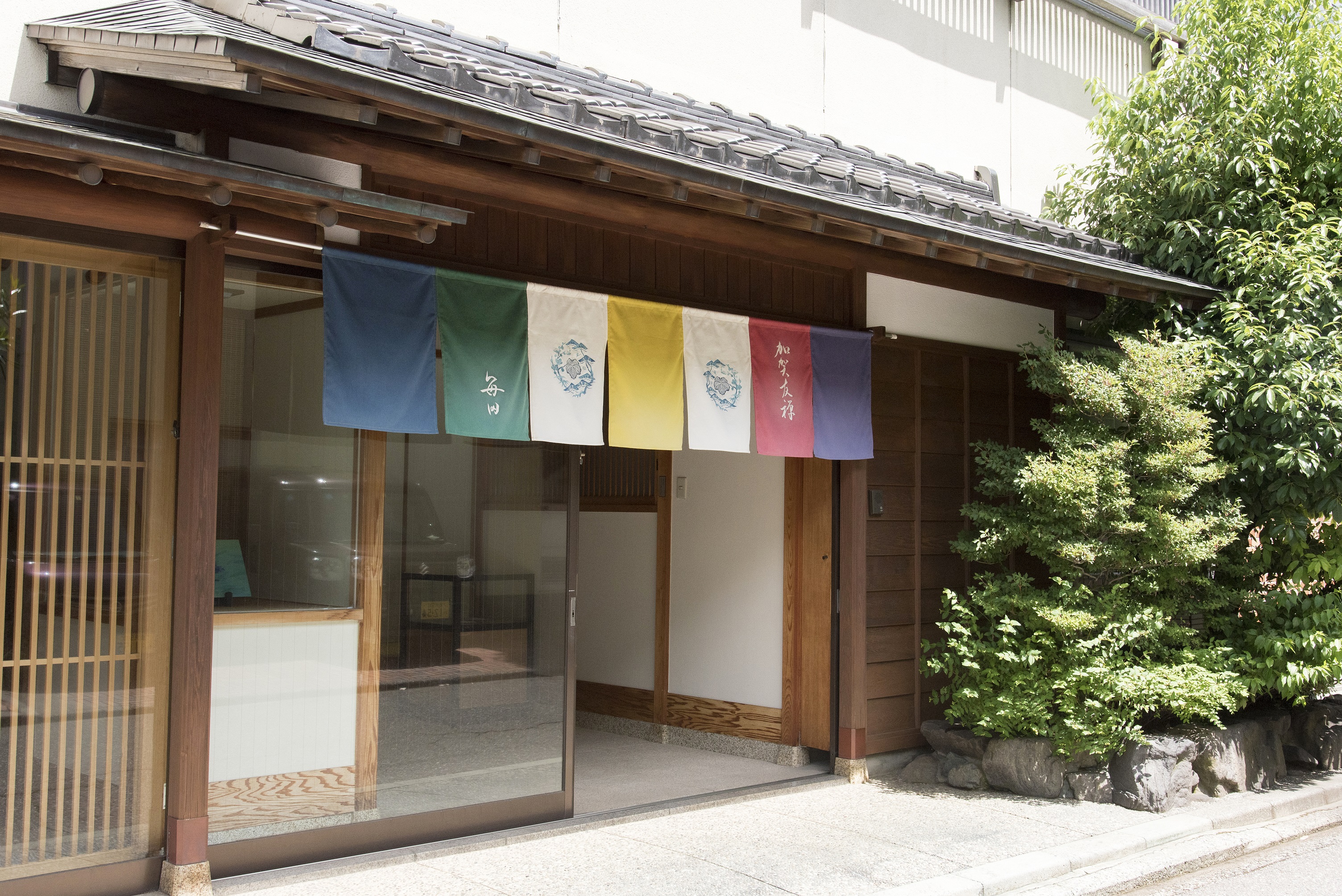
The atelier where a famous author of Kaga Yuzen is here. Kaga Yuzen is learned about with the elegant design which made the plants and the classic a motif, and colored Experience using the same dye as a tour and a kimono of the operational landscape is made here.
It's colored Experience of a pierced earring and an earring that it's popular in particular. One in the outline which can choose the favorite design from about 3 kinds, and is glue, it's colored. An example is prepared for coloring, colour blending is changed, and shading is put in, and the arrangement is also possible. It'll depend on a device and be only one work by the world.
Besides a small wrapping cloth and colored Experience only of a one stroke are also made.
Fashion miscellaneous goods which suit clothes are also lined up.
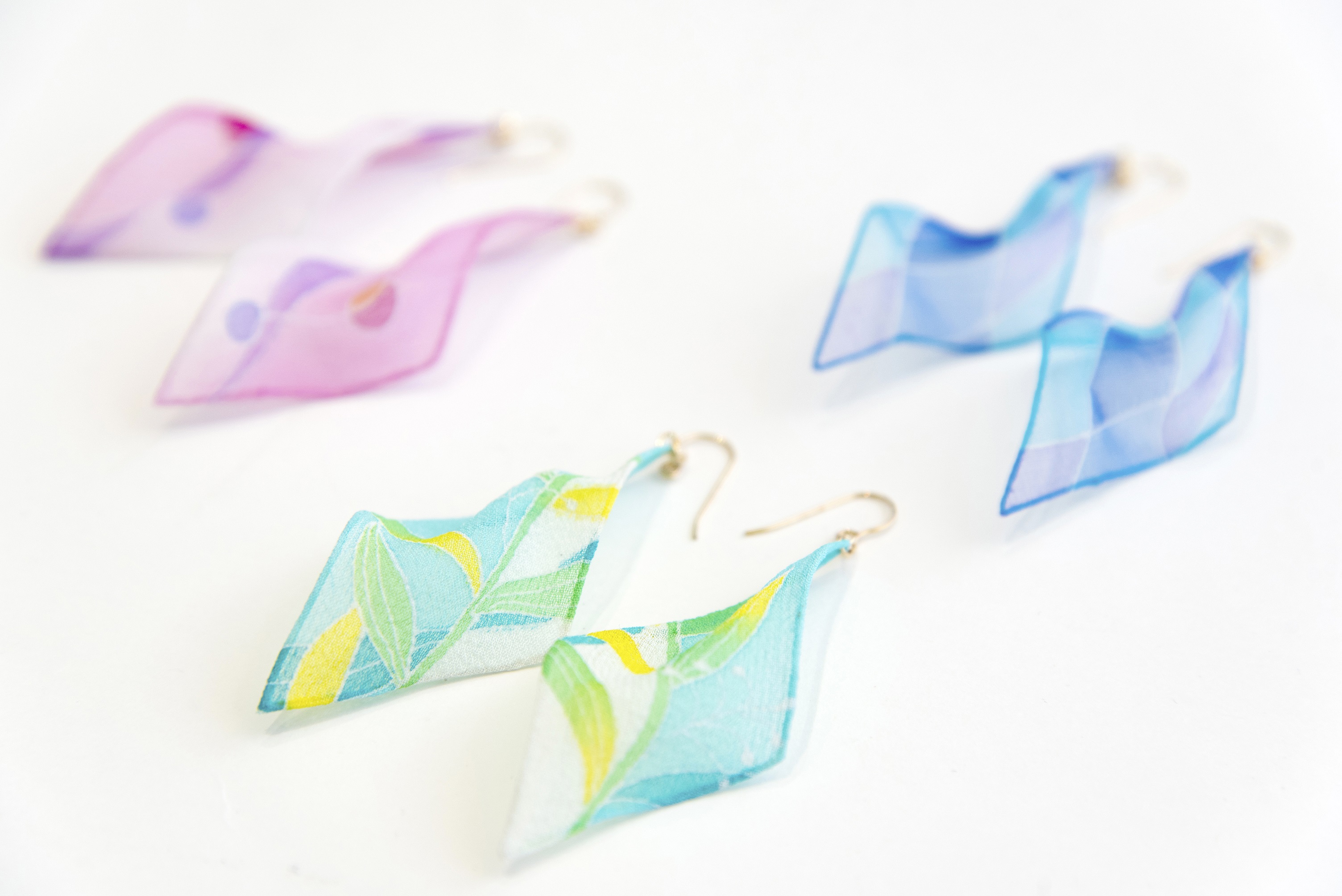
Then Tasome picture arts and crafts every" the Kaga Yuzen Mitsuyo follows are uncommon to Kaga Yuzen of a division system and are made in the atelier from design making. The, that, it's the merit to tend to reflect an idea in a work. It has complete set of the items which have added the modern sense to traditional beauty, and when it's easy to introduce to present-day living, is famous.
The part of the work is being exhibited and sold at a showroom of establishing as an annex. It's also possible to see the gallery of "GlassYuzen (GARASUYUUZEN)" where other Yuzen with a beautiful kimono just like 1 painting was inserted between glass. Dress and its ornaments miscellaneous goods such as stoles, accessaries and ties and an attachment of a card case are also obtainable.
- Tasome picture arts and crafts every the Kaga Yuzen (you can't begin to dance, but, GEI which misses)
-
- 3-9-19, Hondamachi, Kanazawa-shi, Ishikawa MAP
- A northern iron bus castle downtown Kanazawa tour bus "clockwise route" or "route around the east" takes it from JR Kanazawa Station east entrance, about 19 minutes and "Hondacho" getting off for about 4 minutes on foot
- 9:00-17:00 and colored Experience10:00-16:00 (the last reception)
- Saturday . Sunday and the holiday regular holiday-lessness
- Colored Experience A pierced earring of 8800 yen (according to shipping charge of 1000 yen), a small wrapping cloth of 15,000 yen, one stroke Experience and a tour of 15,000 yen-
- 076-221-3365
- Free
 Colored Experience and a tour need reservation to 2 front of business days, 2 people-a reception desk and below the elementary students are guardian required accompanying.
MAP
- < recommendation happy hunting ground tourist attraction in Kanazawa>
-
- 1Miyotachi temple (MYOURYUUJI)
- 2Oyama shrine_Kanazawa sightseeing (happy hunting ground)
- 3Tamaizumi inmaru garden (GYOKU, circle Tei who isn't here doesn't get it.)
- 4Kaburagi shouho (HO where I put on turnip and shoulder)
- 5Tasome picture arts and crafts every the Kaga Yuzen (you can't begin to dance, but, GEI which misses)
- Hoshino ResortsProperty around here

Local Guide which took charge of this article

- Miho Kataoka.The localness born as Kanazawa, fond, kid!
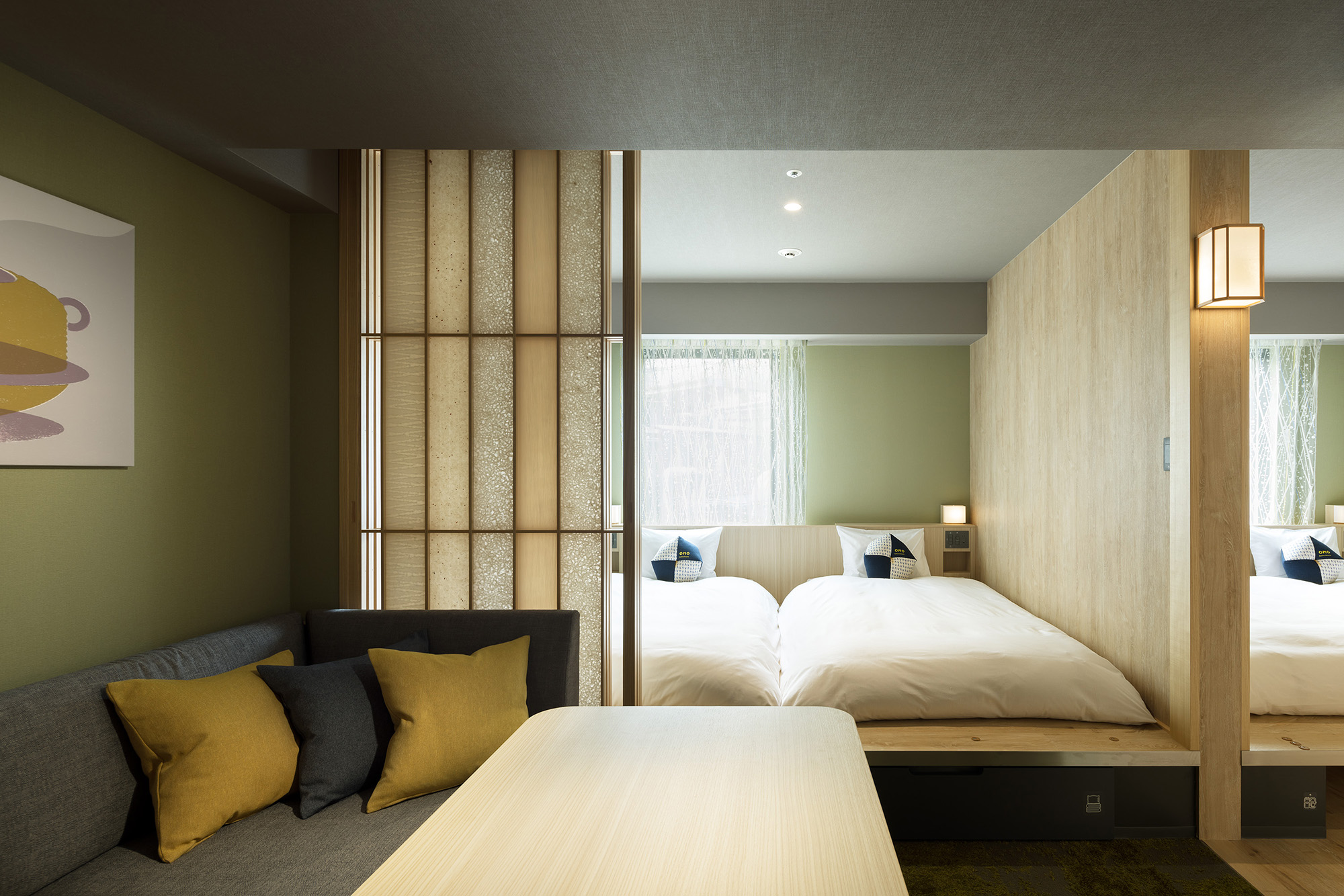
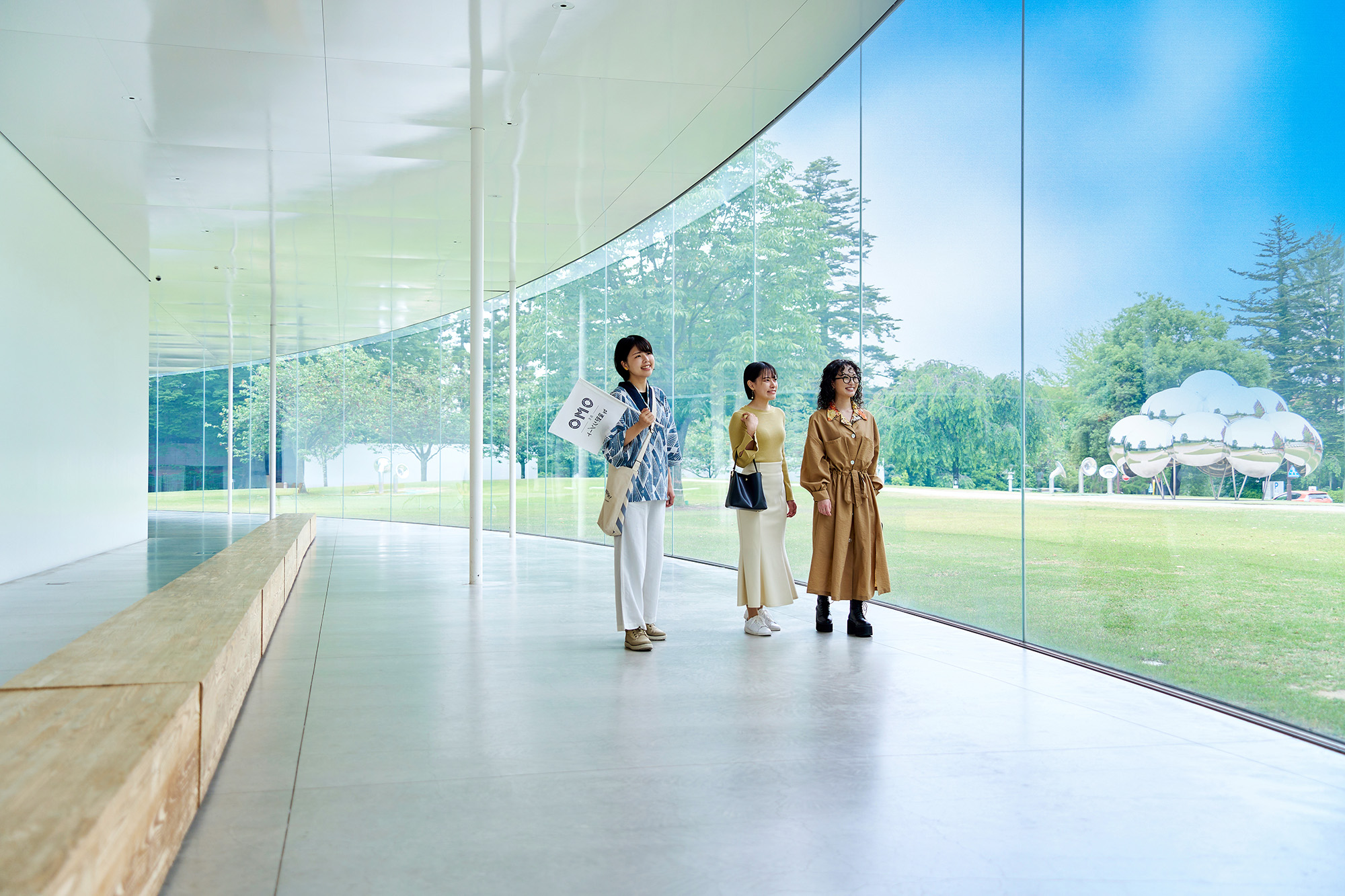
OMO5 Kanazawa Katamachi by Hoshino Resorts
Ishikawa Prefecture and Kanazawa-shi
Ichi Kanazawa's gourmet town and Katamachi. Location also convenient for Direction to the tourist spot which represents Kanazawa.
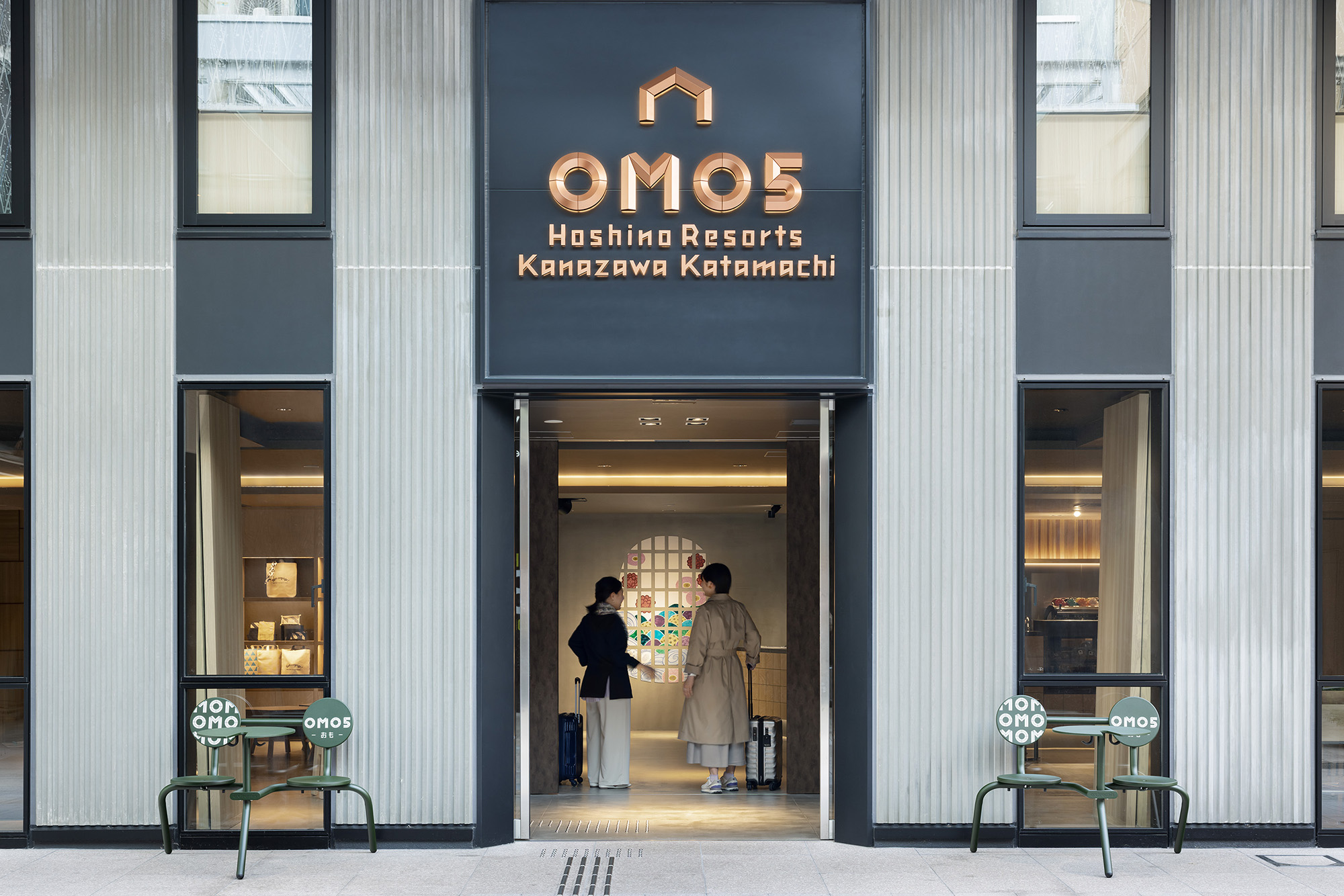
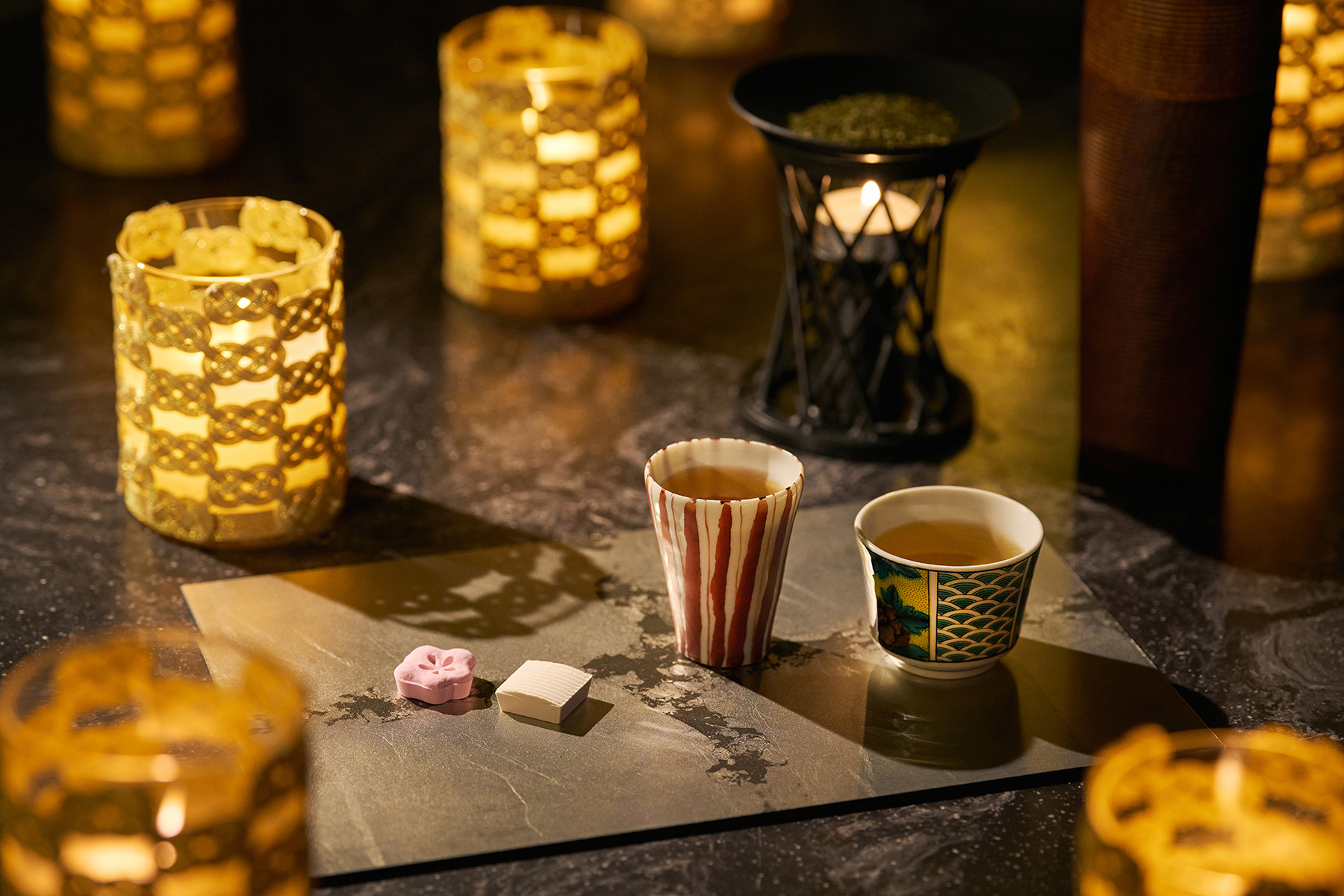
Direction local bus "Korinbo" getting off for about 4 minutes on foot
- A room charge example
- 1 night, 1 person \5,200-
Hoshino Resorts KAI Kaga
Ishikawa and Yamashiro hot spring
Hot spring inn of the Kaga tradition with which the new sensitivity gasps. The traditional construction ridge where a red shell grid is striking is national registered tangible cultural property.
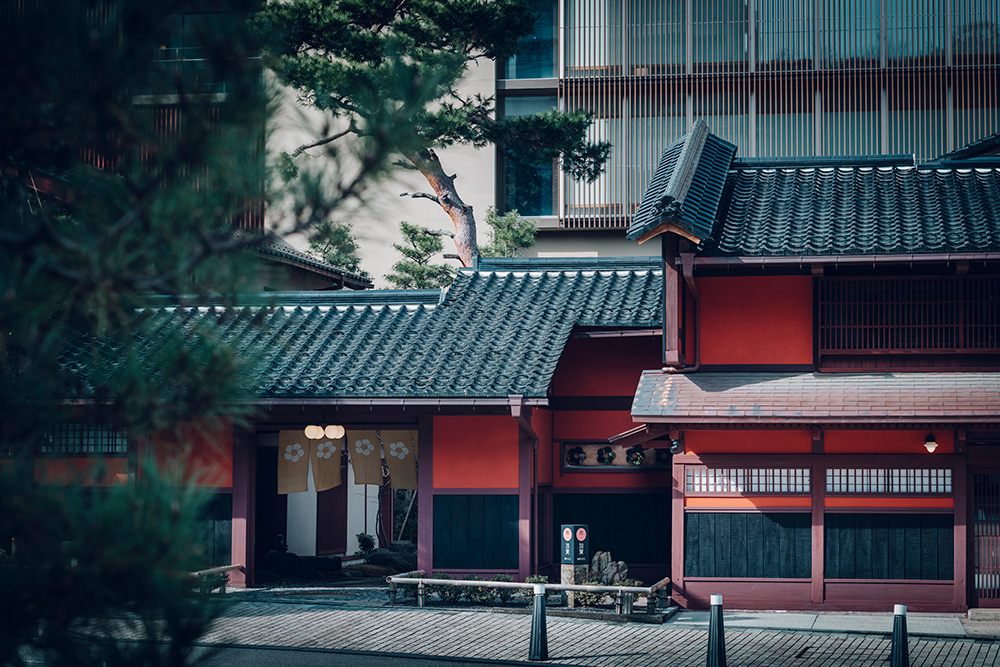
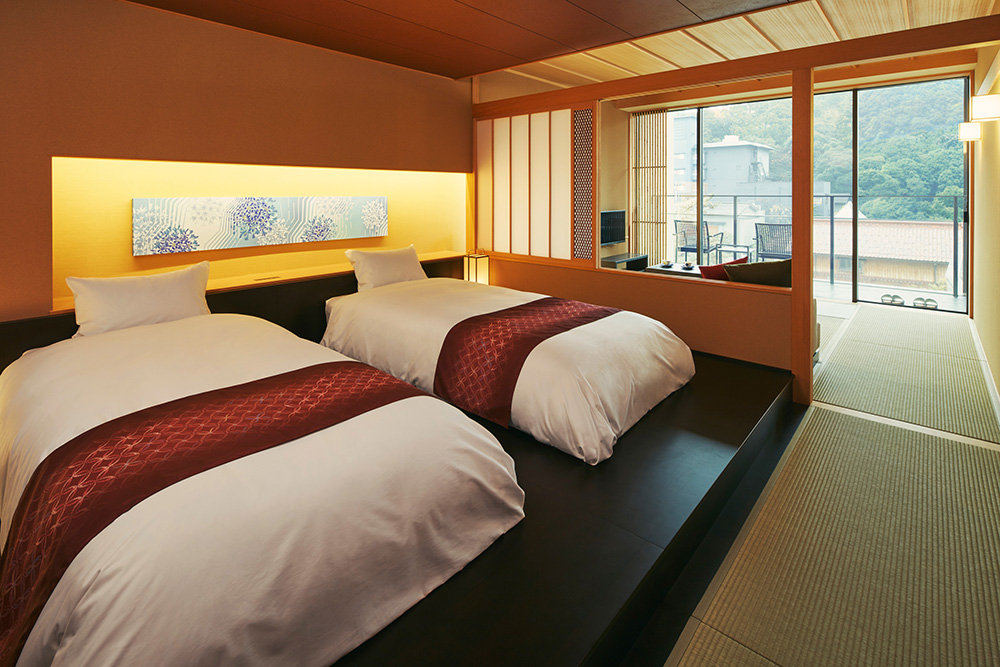
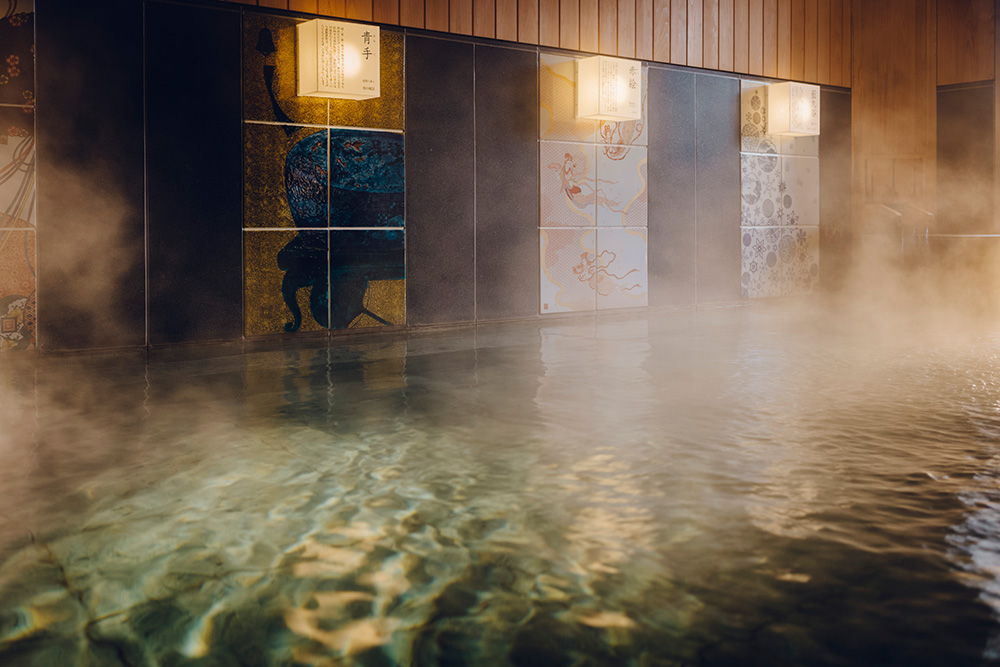
It's a taxi from the Direction IR ISHIKAWA railroad Kagahot spring station, about 10 minutes
- A room charge example
- 1 night, 1 person \19,000-