





I'll check Hamamatsu's four seasons, temperature and clothes.


The south is a Enshu open sea, and the north is Akaishi-sanmyaku which consists of the mountains of the altitude 3,000m order and the area where the naturalness which embraces Hamana-ko Lake is abundant in west in Hamamatsu in the way point of Tokyo and Osaka. When being out, it was gathered about helpful temperature and clothes.
Hamamatsu's four seasons, temperature and clothes
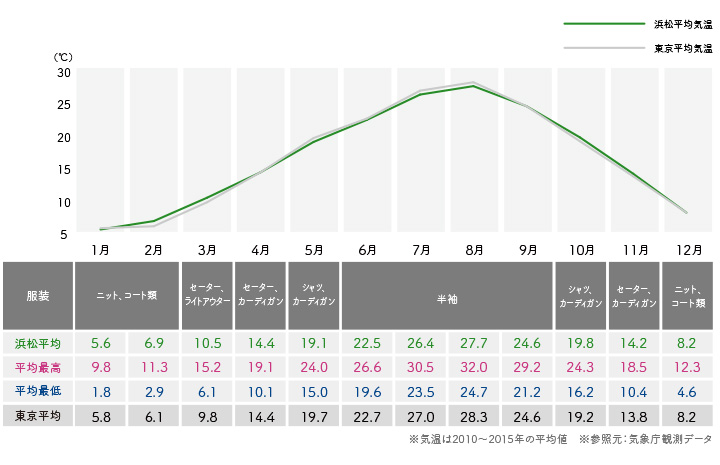
It's learned even the annual average temperature is higher about 1 ℃ than 16.6 ℃ and Tokyo, and that the hours of sunshine are long by the mild climate. It's warmer for the length of the hours of sunshine than Tokyo, and autumn is felt from spring, but the sensible temperature is lower than the actual temperature, and the winter the seasonal wind called "dry wind of Enshu" plays in the plains is felt.
About the temperature of the spring (3 Monday-May) and clothes.
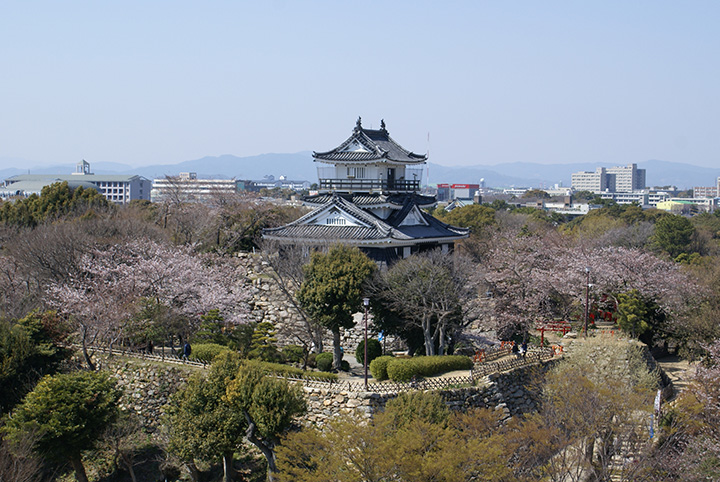
The coldness is still left in March, the lowest temperature is about 6 ℃, and the highest temperature is about 15 ℃, than Metropolitan area, 0.5-degree high 1 ℃. A cherry tree will bloom at each city place a Hamamatsu castle park at the end of March. Fuji and Azalea begin to bloom in sequence to 4 Monday-May, and you color around Hamana-ko Lake by flowers.
The average temperature will rise even 14.4 ℃ in April, and the highest temperature also becomes a lot on a day beyond 20 ℃. You can spend the daytime by a jacket and a thin cardigan, but April is about 15 ℃ about 10 ℃ in May for the lowest temperature, so when scheduling a stay and sightseeing in the morning and evening, I'd hope that you prepare the tops which can be layered under the jacket.
About the temperature of the summer (6 Monday-August) and clothes.
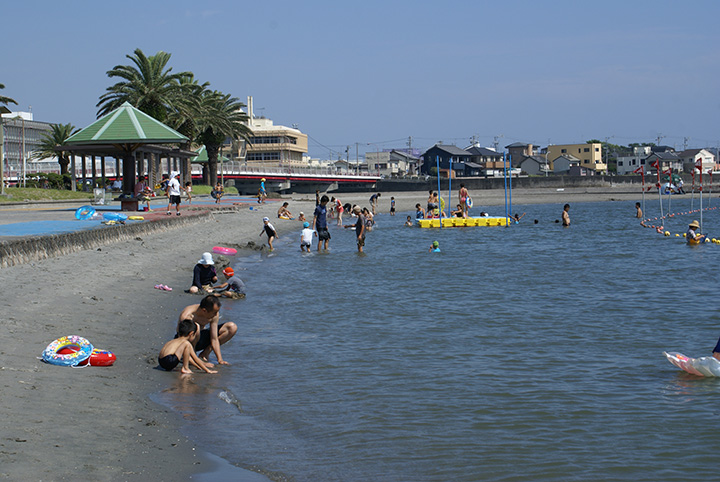
Hamamatsu in summer who can enjoy outdoor and colorful Activity such as sea bathing and trekking of a water sport at Hamana-ko Lake and a mountainous region.
The average temperature of June is 22.5 ℃. I come to have "summer days", and the daytime is enough by one of short sleeves, but a morning and evening falls below 20 ℃, so when there are thin long-sleeved shirt and jacket, I'm relieved. "Hot summer day" beyond 30 ℃ starts to continue like Metropolitan area in August in July, and even sleeveless clothes and short sleeves are in the climate which sweats. Japan records the eminent high temperature by a foehn phenomenon in a mountainous region in particular, so I'll bring extra clothes and a handkerchief towel. Without leaving a jacket when even summer passes in cool "dragon KE rocky cavern" etc.. I'll recommend you preparations of a thin jacket so that physical condition isn't destroyed by the temperature difference with the effective interior and outside of air-conditioning.
About the temperature of the autumn (9 Monday-November) and clothes.
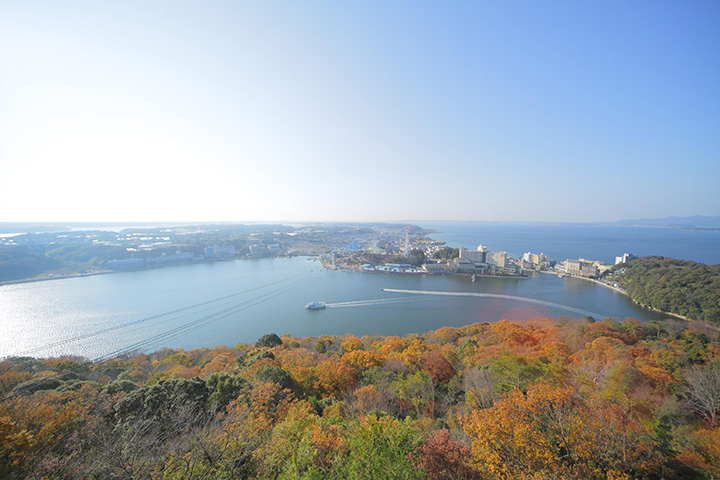
Hamamatsu the hours of sunshine are long and where the output of the vegetables and the fruit is the whole country dominance. Fruit picking is performed extensively and profit of apple, an akebi and an orange can be enjoyed.
The average temperature of September which becomes "hot summer day" is 24.6 ℃. It's with severe late summer heat and you can spend the daytime sufficiently by short sleeves or a thin long sleeve. The average temperature of October is 19.8 ℃. A morning and evening increases in the coolness and the difference in the temperature also becomes great during 1 day. The highest temperature won't exceed 20 ℃ in November, and there is also lowest temperature on less than 10 ℃ of day, and a chilly day continues.
Colored leaves start from a gorge in Tenryu area per the beginning of ordinary year November, and a landmark located in the south of the Hamamatsu castle park and Tate temple in mountain meets best time from the end of November. When gracious deity kyou goes to Tenryu area to see colored leaves, a day when the lowest temperature falls below 5 ℃ also becomes a lot, so I'll prepare a court. It would be better to bring knit kinds in order also to answer to sudden chill with a city in November.
About the temperature of the winter (12 Monday-February) and clothes.
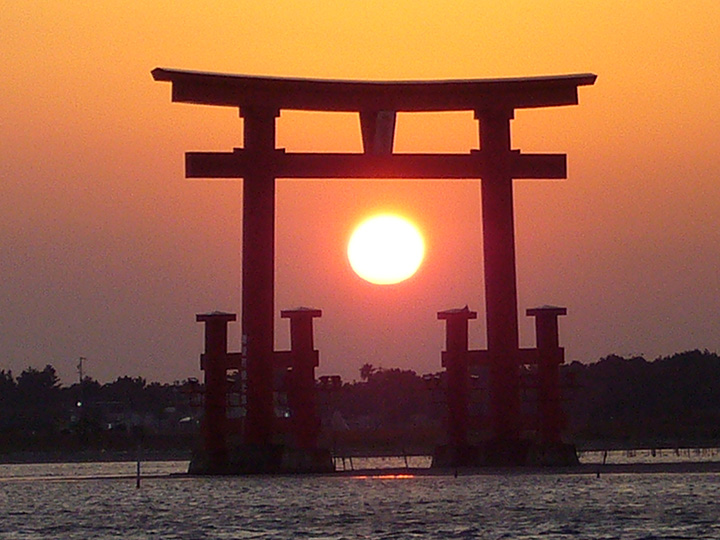
Hamamatsu in the winter an event of illuminations can still enjoy Fruit picking and when is also plenty such as strawberry and Orange picking.
There is almost no snow, but the northwestern strong seasonal wind called "dry wind of Enshu" blows and is felt more coldly more than the actual temperature at the plains. Oceanside with "Nakada island sand dune" etc. meets with strong wind in particular, so I'll prepare a knit cap child for the coat, the down jacket, the muffler and the gloves from which a wind can be insulated.
The average temperature is also in one digit at a city. There is also a day when the average lowest temperature will be lower than 3 ℃ and be the freezing point in January and February. This time, I'll go out by the clothes which took cold protection like Tokyo.

Local Guide which took charge of this article
Hoshino Resorts KAI Enshu
Shizuoka and Tate temple in mountain hot spring
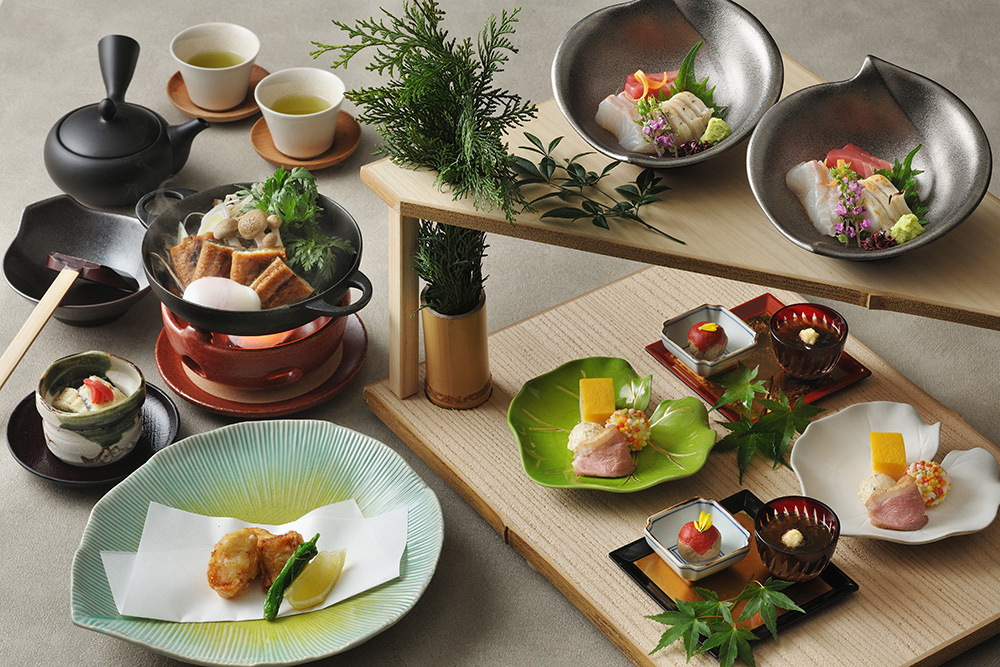
Hot spring ryokan which wishes for Hamana-ko Lake more than all the rooms. Hospitality tea place Shizuoka is filling.
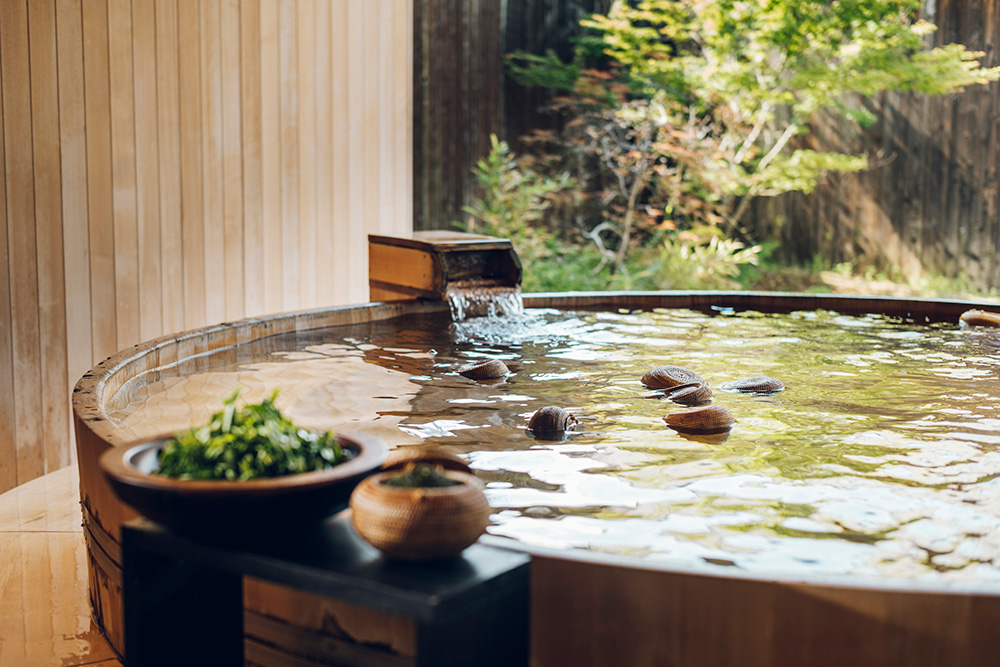
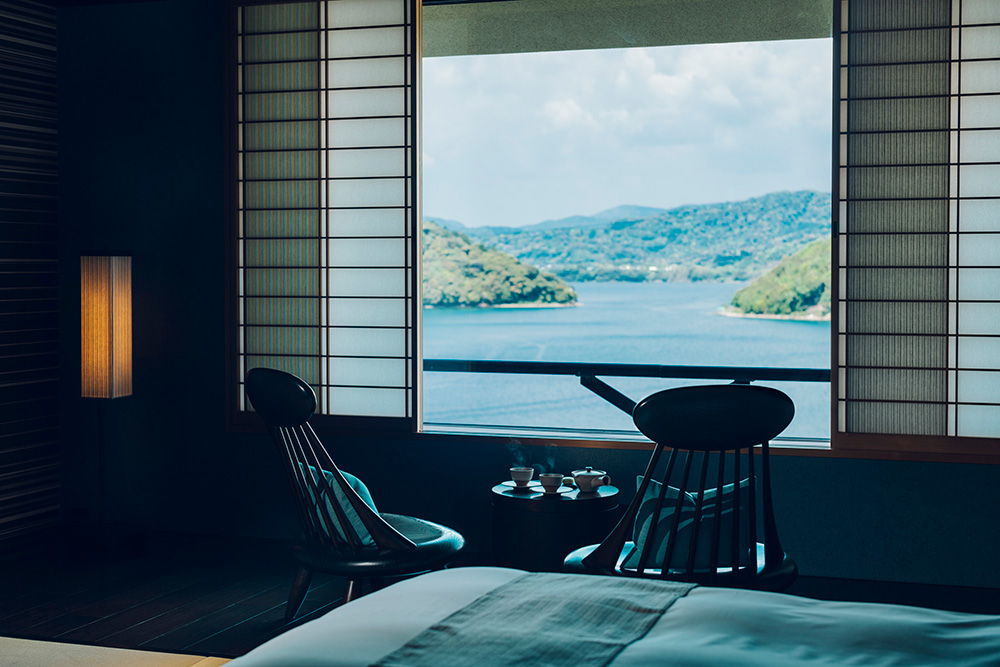
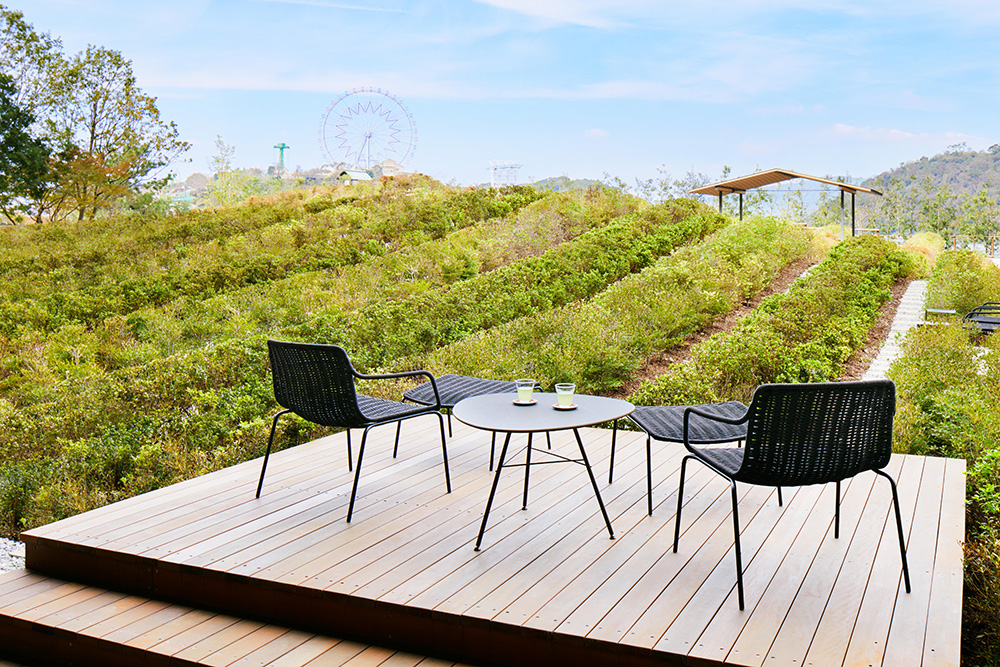
Embussment and "Hamana-ko Lake bay street" get off Direction JR Hamamatsu Station, about 1 minute on foot
- A room charge example
- 1 night, 1 person \26,000-