





Check the four seasons, temperatures, and clothing for Hamamatsu


Located halfway between Tokyo and Osaka, Hamamatsu is a nature-rich area featuring the Enshu Sea to the south, the Akaishi Mountains with peaks reaching 3,000 meters to the north, and Lake Hamana to the west. We have summarized the temperatures and clothing recommendations to help you plan your trip.
Hamamatsu's Four Seasons, Temperatures, and Clothing
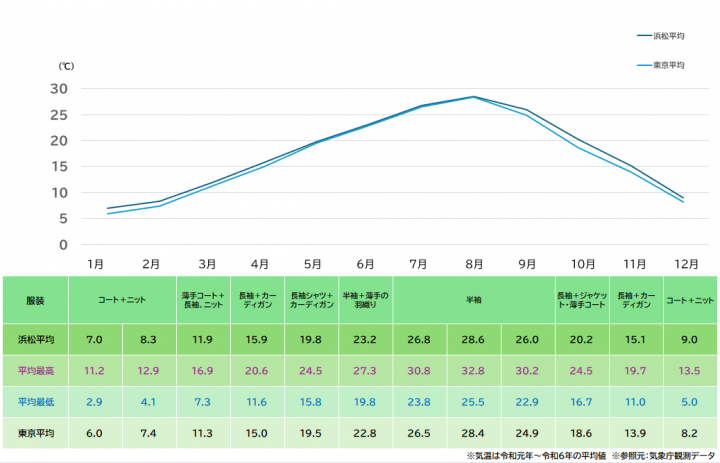
The annual average temperature is 17.6°C, about 1°C higher than in Tokyo, and the area is known for its mild climate and long sunshine hours. From spring to autumn, the long hours of sunshine make it feel warmer than in Tokyo, but in winter, when the seasonal wind known as the "Enshu Karakaze" blows across the plains, the perceived temperature feels lower than the actual temperature.
About temperature and clothing in spring (March to May)
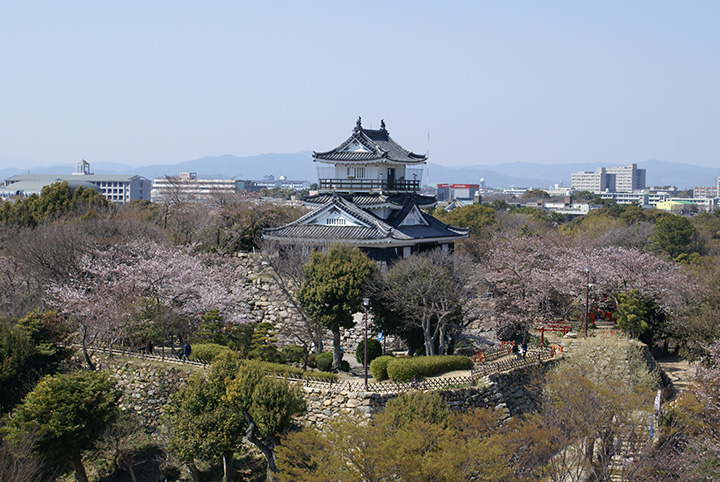
In March, the cold still lingers, with minimum temperatures around 7°C and maximums around 17°C. The average temperature is only about 0.5 to 1°C higher than in Tokyo. By late March, cherry blossoms begin to bloom in various parts of the city, including Hamamatsu Castle Park. From April to May, wisteria and azaleas bloom one after another, coloring the area around Lake Hamana.
By April, the average temperature rises to 15.9°C, and there are many days when the maximum temperature exceeds 20.6°C. During the day, you can get by with a jacket or a light cardigan, but since the minimum temperature is around 11°C in April and 15°C in May, it is a good idea to have tops that can be layered under a jacket if you are planning an overnight stay or sightseeing in the morning or evening.
About temperature and clothing in summer (June to August)
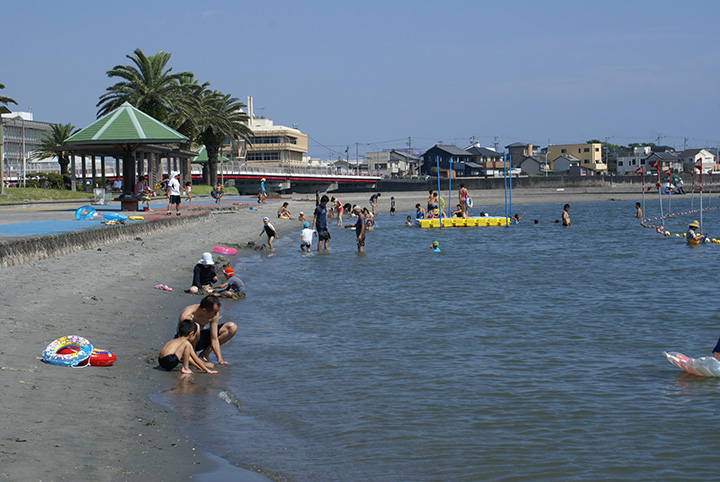
Summer in Hamamatsu offers a variety of outdoor activities, such as swimming in the sea, water sports on Lake Hamana, and trekking in the mountains.
The average temperature in June is 23.2°C. During the day, there are many "summer days" where a short-sleeved shirt is sufficient, but since temperatures can drop below 20°C in the morning and evening, it is safe to have a light long-sleeved shirt or jacket. In July and August, just like in Tokyo, there are consecutive "midsummer days" where temperatures exceed 30°C, making it a climate where you will sweat even in sleeveless or short-sleeved clothing. Especially in the mountainous areas, temperatures can reach some of the highest levels in Japan due to the foehn effect, so be sure to bring a change of clothes and a sweat towel. If you are going to places like Ryugashido Cave, which is cool even in summer, don't forget a jacket. Also, we recommend preparing a light jacket to avoid getting sick from the temperature difference between air-conditioned indoors and the outdoors.
About temperatures and clothing in autumn (September to November)
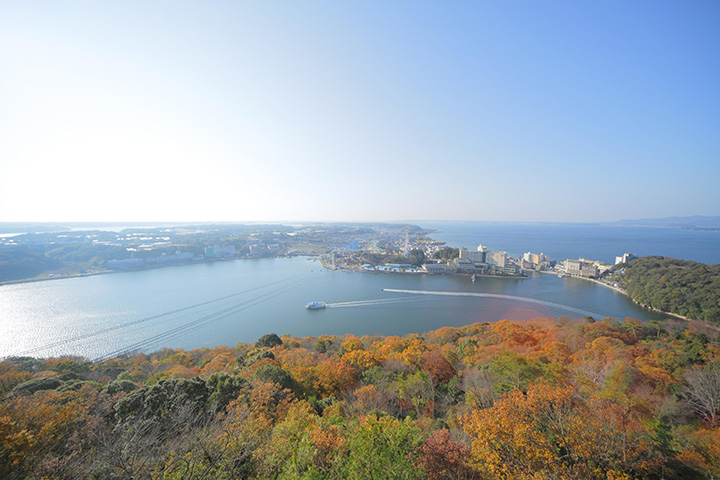
Hamamatsu enjoys long daylight hours and is one of the top producers of vegetables and fruits in Japan. Fruit picking is popular, and you can enjoy harvesting apples, chocolate vine (akebi), mandarin oranges, and more.
The average temperature in September, which can still see "midsummer days," is 26.0°C. The lingering summer heat is intense, and you can get by comfortably during the day in short sleeves or thin long sleeves. The average temperature in October is 20.2°C. Mornings and evenings become cooler, and the temperature difference throughout the day increases. By November, the maximum temperature no longer exceeds 20°C, and with some days seeing minimum temperatures below 10°C, chilly days continue.
Autumn leaves typically begin to change in early November in the mountains of the Tenryu area, while famous spots located further south, such as Hamamatsu Castle Park and Kanzanji, reach their peak from late November. If you are going to see the autumn leaves in the Tenryu area, such as at Myojinkyo Gorge, be sure to bring a coat as there are many days when the minimum temperature drops below 5°C. Even in the city, it is a good idea to bring knitwear in November to be prepared for sudden drops in temperature.
About temperatures and clothing in winter (December to February)
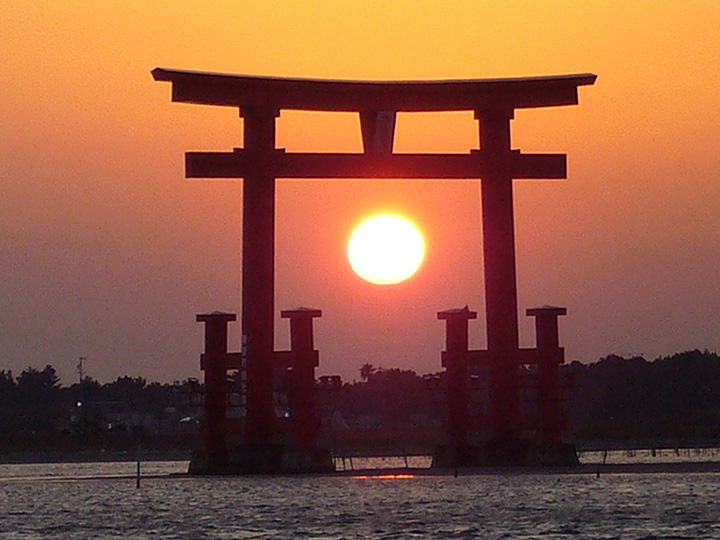
Winter in Hamamatsu offers not only fruit picking, such as strawberries and mandarin oranges, but also a wealth of events like illuminations.
While there is almost no snowfall, a strong northwesterly seasonal wind known as the "Enshu Karakkaze" blows across the plains, making it feel colder than the actual temperature. The coastal areas, including Nakatajima Sand Dunes, can be hit by strong winds, so be sure to prepare a windproof coat, down jacket, scarf, gloves, and a knit hat.
Even in the city, the average temperature drops into the single digits. In January and February, the average minimum temperature falls below 5°C, and there are days when it drops below freezing. During this time, dress with the same level of cold protection as you would in Tokyo.

Local supporter in charge of this article
KAI Enshu
Kanzanji Onsen, Shizuoka Prefecture
A hot spring inn where every room overlooks Lake Hamana. It is filled with hospitality unique to Shizuoka, a region known for its tea.
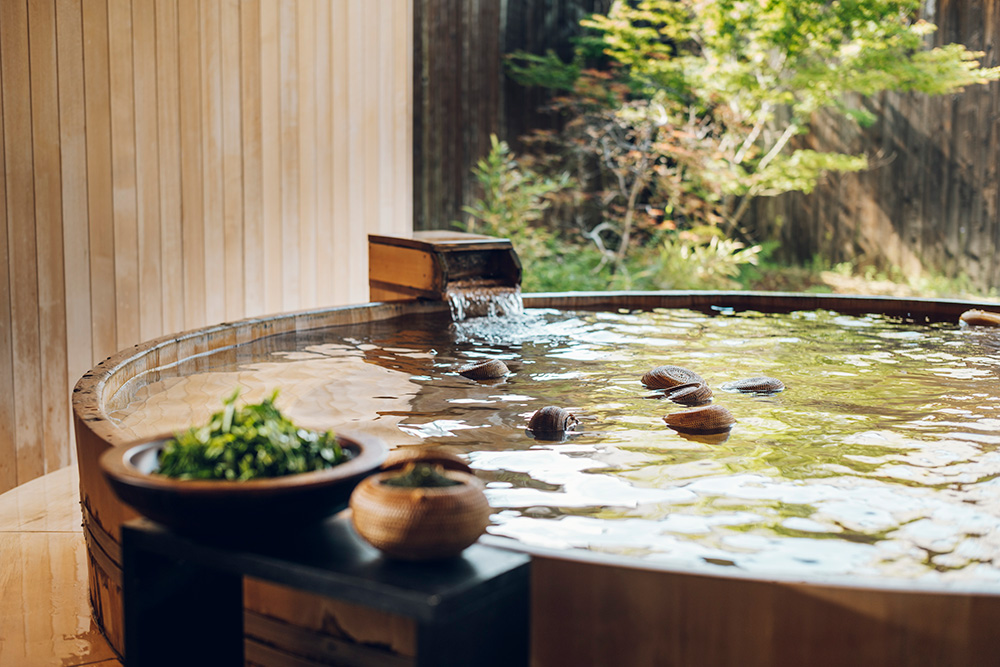
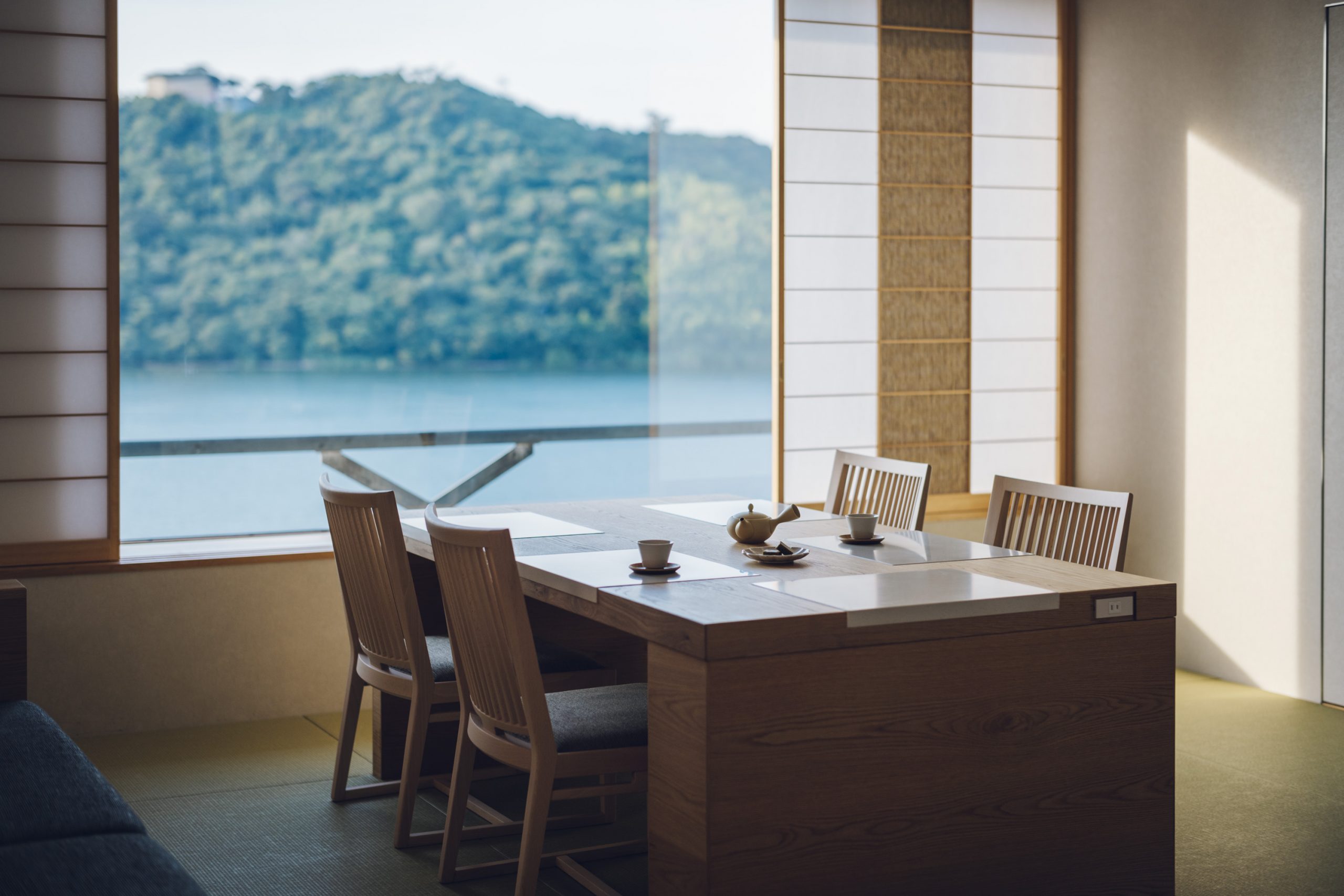
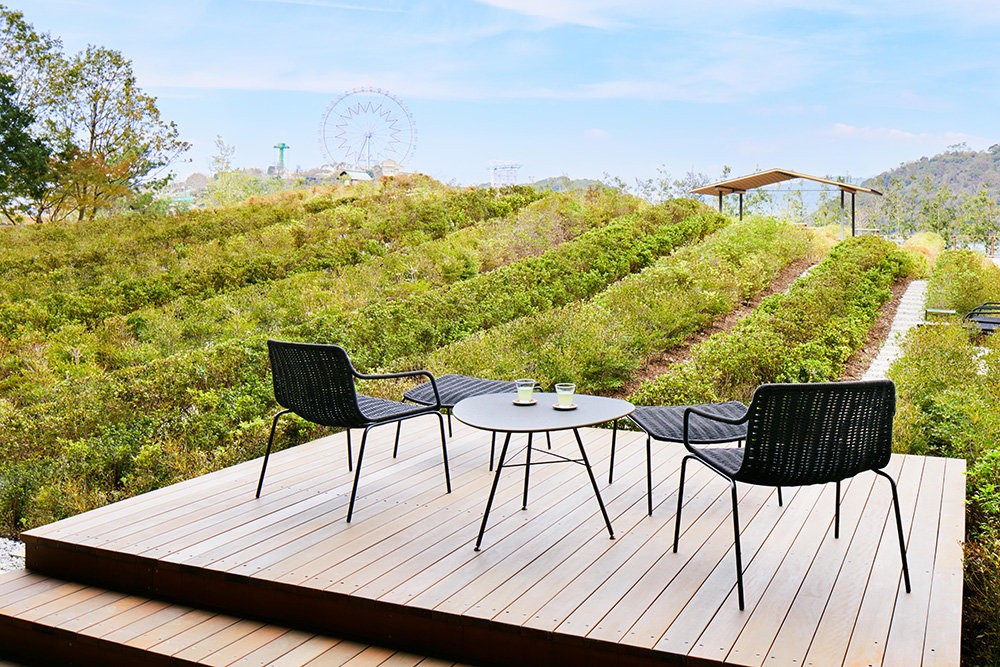
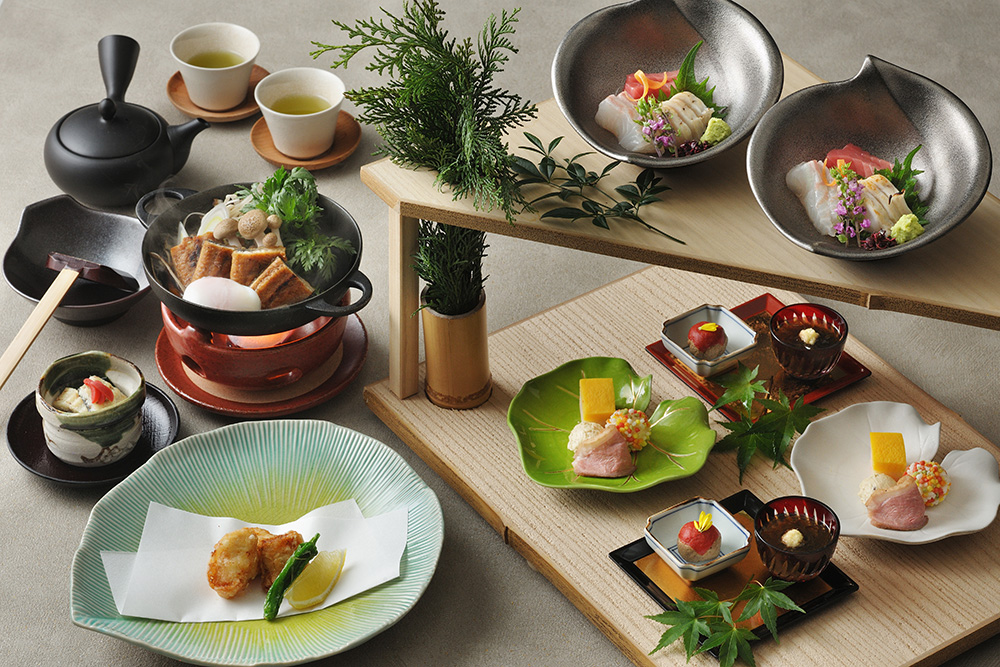
Access Take a bus from JR Hamamatsu Station, get off at "Hamanako Bay Street," and walk for about 1 minute.
- Accommodation rate example
- Per person per night From ¥26,000