





I'll check the temperature Izumo and Matsue and clothes.

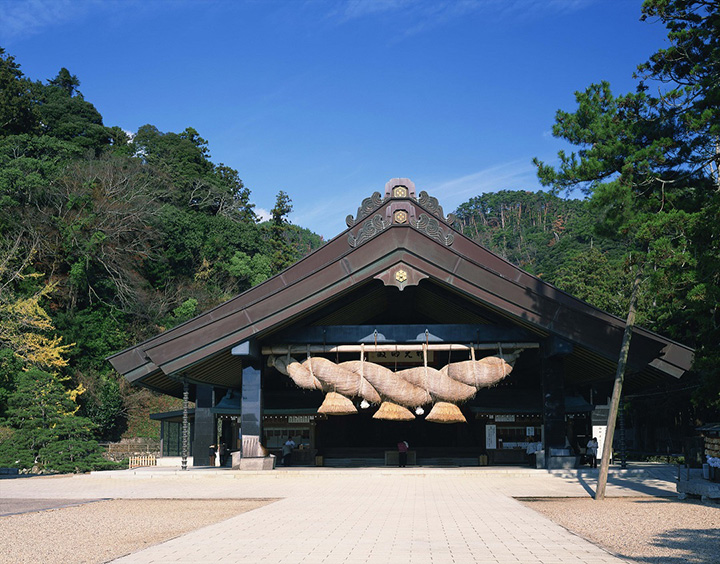
Shimane located in the Sea of Japan side in a Western part of Honshu. It's dotted with Furuyashiro including "Izumo Taisha", and are they Izumo city which is also called "country of a myth" and natural Yutaka such as Tamatsukuri (ball production) hot spring and Shinji-ko Lake (it's believed, KO), there is "of water, capital" Matsue city .
The whole prefecture has the feature of the rain and the snowy Sea of Japan side climate in winter. The annual average temperature is 12-15 ℃ and climate mild relatively, but when winter comes, it snows by influence of an air current from Sea of Japan, and Izumo city and Matsue-shi located in the prefecture east are in the severe coldness. It's sometimes different in the condition of the weather in the area at winter Izumo city and Matsue-shi, so I'll prepare so that I may go out by the clothes added to its location.
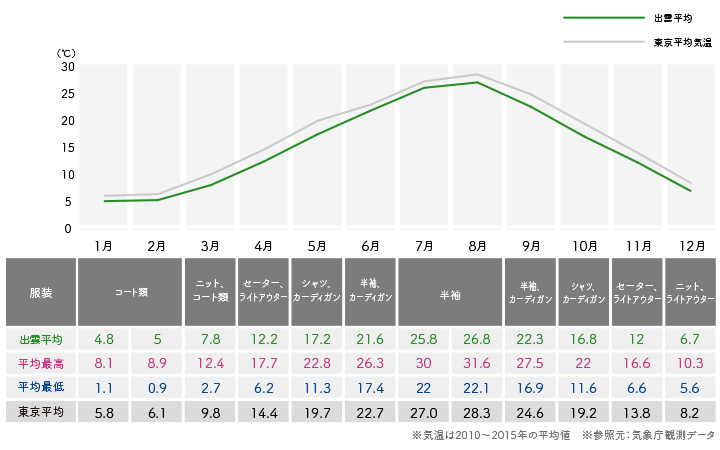
< the temperature of the four seasons of Izumo and recommended clothes>
< Hot spring ryokan which enjoys culture of Izumo fully>
< the temperature of the four seasons of Izumo and recommended clothes>
About the temperature of the spring (3-May) and clothes in Izumo city and Matsue-shi.
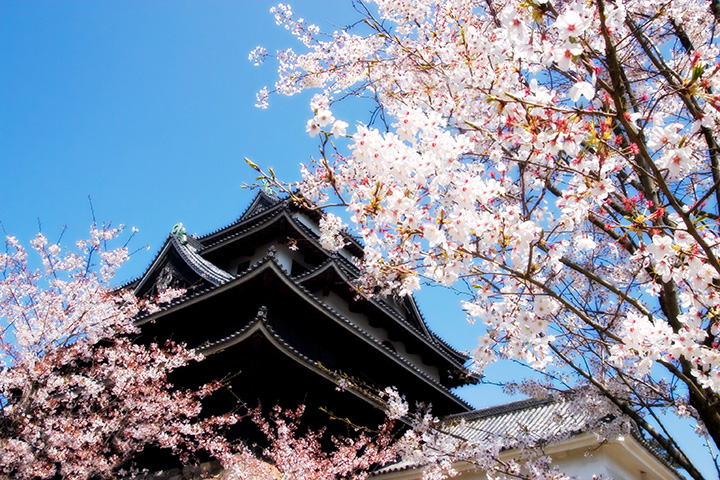
The average temperature of March is 7.8 ℃. Snow isn't to the extent I estimate, but there is also a snowfall at the beginning of March, and the coldness still continues. It's the camellia with vivid color that thick coat and gloves color the city at this necessary time. The "camellia festival" held around March 10 every year by national treasure and Matsuyama castle is charming sights.
200 Someiyoshino cherry trees in which the average temperature will dye "Izumo Taisha Garden of a shrine" beyond 10 ℃ at the end of March bloom. When going out after the sun sets, a court is necessary because the temperature difference of the daytime when I go up to nearly 20 ℃ and about 10 ℃ of night is big until the middle of April flower viewing can enjoy at each city. A button of the prefectural flower is in best time from the middle of April.
The average temperature of May is 17.6 ℃. When there are a lot of days when a clear sky continues, and I take off and put on my jacket in a thin shirt, and there is a Japanese half-coat thing I tend to do, you can have time comfortably.
About the temperature of the summer (6-August) and clothes in Izumo city and Matsue-shi.

Beginning of the rainy season in Izumo city and Matsue-shi, from the beginning of June, around the middle ten days. "gatsushoutera" of Matsue city , then 30,000 hydrangeas meet best time. The average temperature is 21.6 ℃. When going out, to be chillier than the actual temperature and be felt from coldness in rainy season, I'll carry a parka and a jacket around according to the rainwear.
A beach along Sea of Japan will bustle with many people at time at the middle of July when the rainy season ends. A summer festival is performed at the shrine where history is here and hot spring district, and the energy as well as the temperature also rise sharply. The number of tourists will be also a peak.
A hot summer day continues, so 7 and August can spend clothes comfortably by short sleeves. But, air-conditioning is effective, so an interior will try so that a thin cardigan may be carried.
About the temperature of the autumn (9-November) and clothes in Izumo city and Matsue-shi.
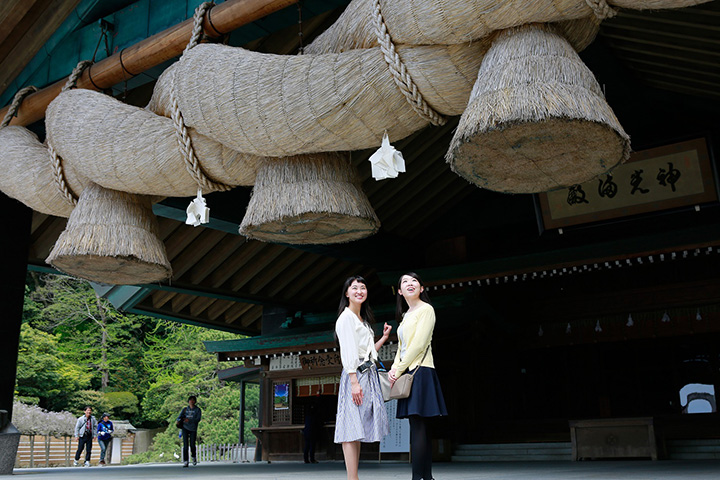
It's until the middle of September that heat of late summer continues. Even if the average temperature is taking a walk with about 20 ℃ from the last ten days to the middle of October, the temperature felt pleasantly continues. A place by the myth such as "handing over dominion" and "gamble Tano king snake" "Shirousagi in Inaba (I NA, when)", I go around, most suitable time frame.
The "Kamiari moon" where you say that God all Japan gathers in Izumo in the best season of sightseeing in Izumo city and Matsue-shi (it's involved and is here, attachment and November). Solemn Shinto Ceremony is performed by "kamigeimatsuri" "Shinji festival" at Izumo city and the shrine where I have a history of Matsue city including "Izumo Taisha" at the beginning of October 10 of the old Japanese calendar-November bruised on about the 17th. It's said that this period when God gathers round also has the effect of a luck rise.
Colored leaves are also in best time at all part around the middle of November. There are a lot of about 10 ℃ and chilly day, so the temperature will put a court on the sweater and prepare an attachment of stoles.
About the temperature of the winter (12-February) and clothes in Izumo city and Matsue-shi.

In December, the temperature, much, the first snow of the season falls and is observed at the ordinary year first ten days of a month. The average temperature is 6.7 ℃. The thick muffler in addition to a court, stole and gloves are also indispensable.
The average temperature of 1 and February is about 5 ℃. The coldness continues and Yuki also estimates at the city as well as a mountainous region. When going out, it's the inner with the high keeping warm effect and a sweater and a down jacket, such as putting on boots, a foot will do cold protection tightly.
There are also Road icing as well as snow in 12-March. When moving by car, when a chain is prepared for whether it's changed, I'm relieved at a snow tire.
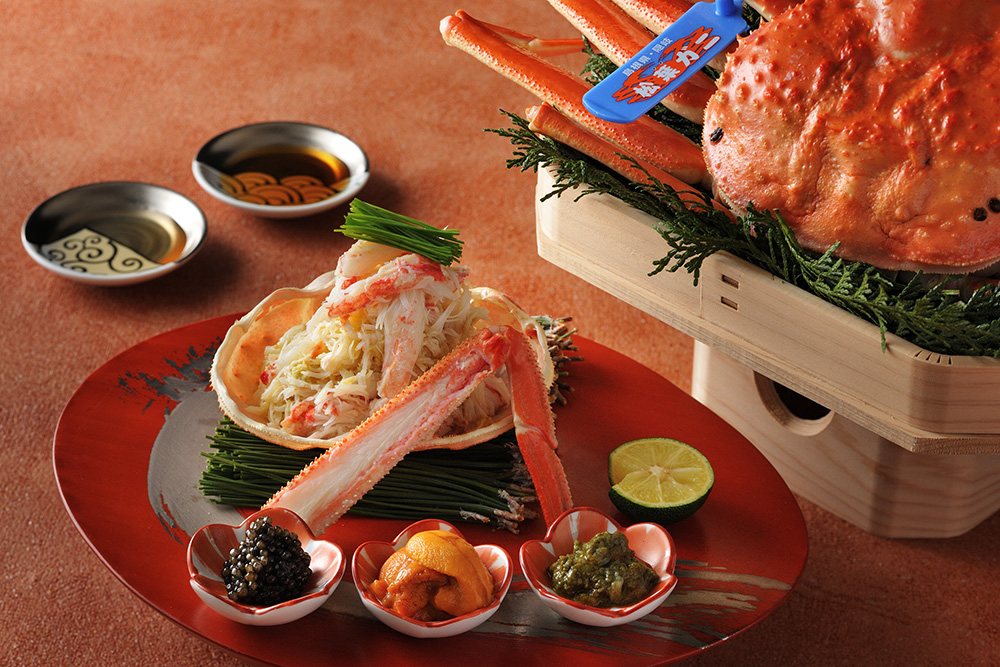
The season hot spring comes to long for winter when. It's also recommended to have time slowly by an efficacious hot spring of Tamatsukurihot spring. The feature the winter is also filling Helicolenus hilgendorfi, a snow crab and the cold season Basket Clams.
< Hot spring ryokan which enjoys culture of Izumo fully>
After enjoying sightseeing, how about history some time of the relaxation in famous Tamatsukurihot spring as hot water of some clear skins? A performance of traditional techniques , Guest room with the light new sensitivity and the Shinto music and dance numbers performed every night can be satisfied with culture of Izumo Izumo hammering, Sekishu Japanese paper and the set child workmanship.
Hoshino Resorts KAI Tamatsukuri
History is satisfied with some "Jin's hot water" in Guest room with Outdoor hot spring.
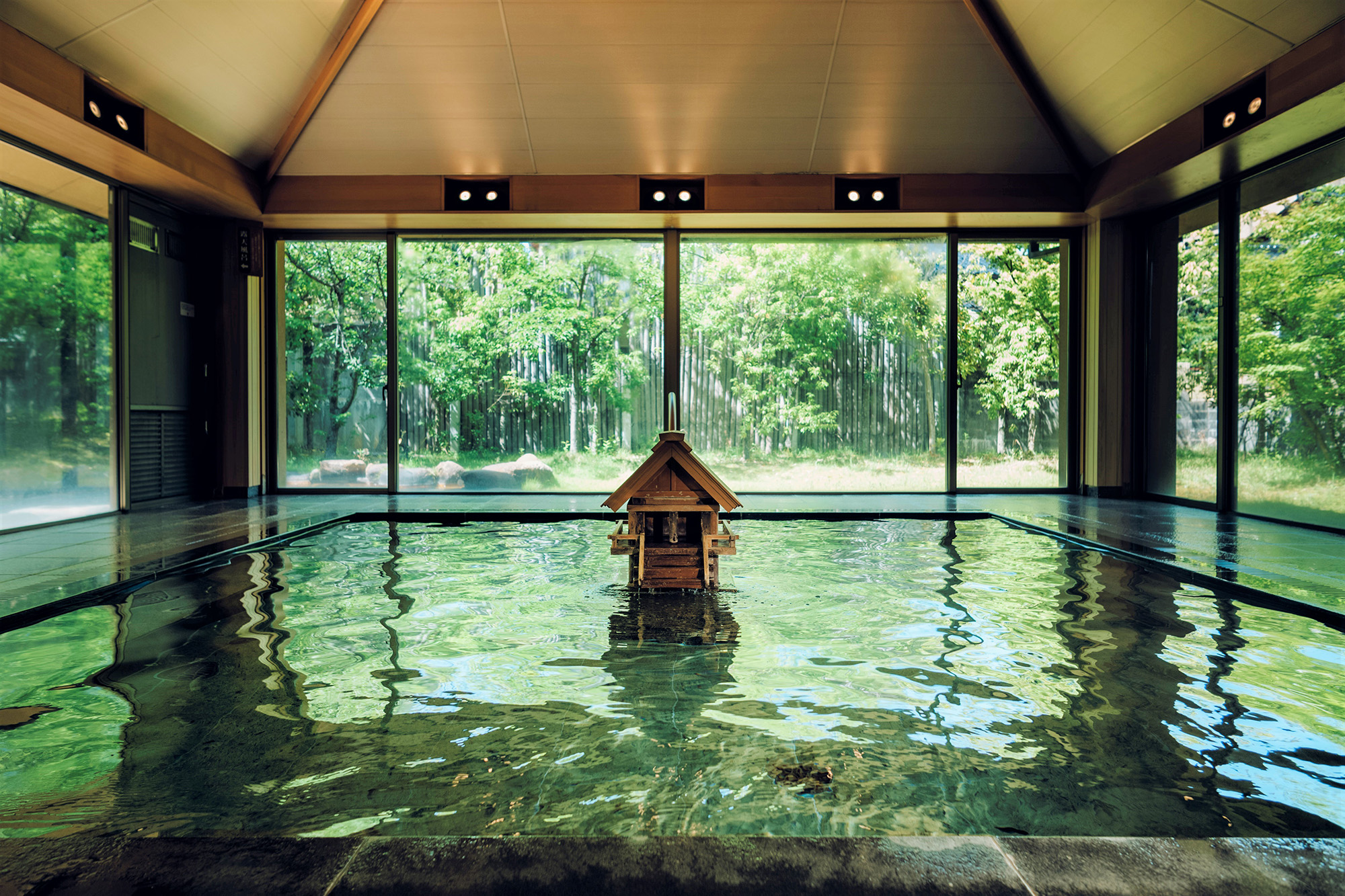
It's a car from Matsue, about 20 minutes. Hot spring ryokan with Outdoor hot spring of all the rooms which pauses in a country of gods and Tamatsukurihot spring in Izumo. Even Guest roomOutdoor hot spring as well as Public hot spring can enjoy hot spring where the history which was also recorded on "Izumo country regional chronicle" is renowned as hot water of some clear skins fully.
A meal is the KAI Local Flavors cooking which used the ingredients in season such as corbicula from Shinji-ko Lake and crab abundantly. It's also elegant to feel cha-no-yu culture in Matsue in the tea-ceremony room while looking at a Japanese garden. A dance of "Ishimi Shinto music and dance numbers" based on a myth is performed every night (no charge). Culture of Izumo can be felt close.
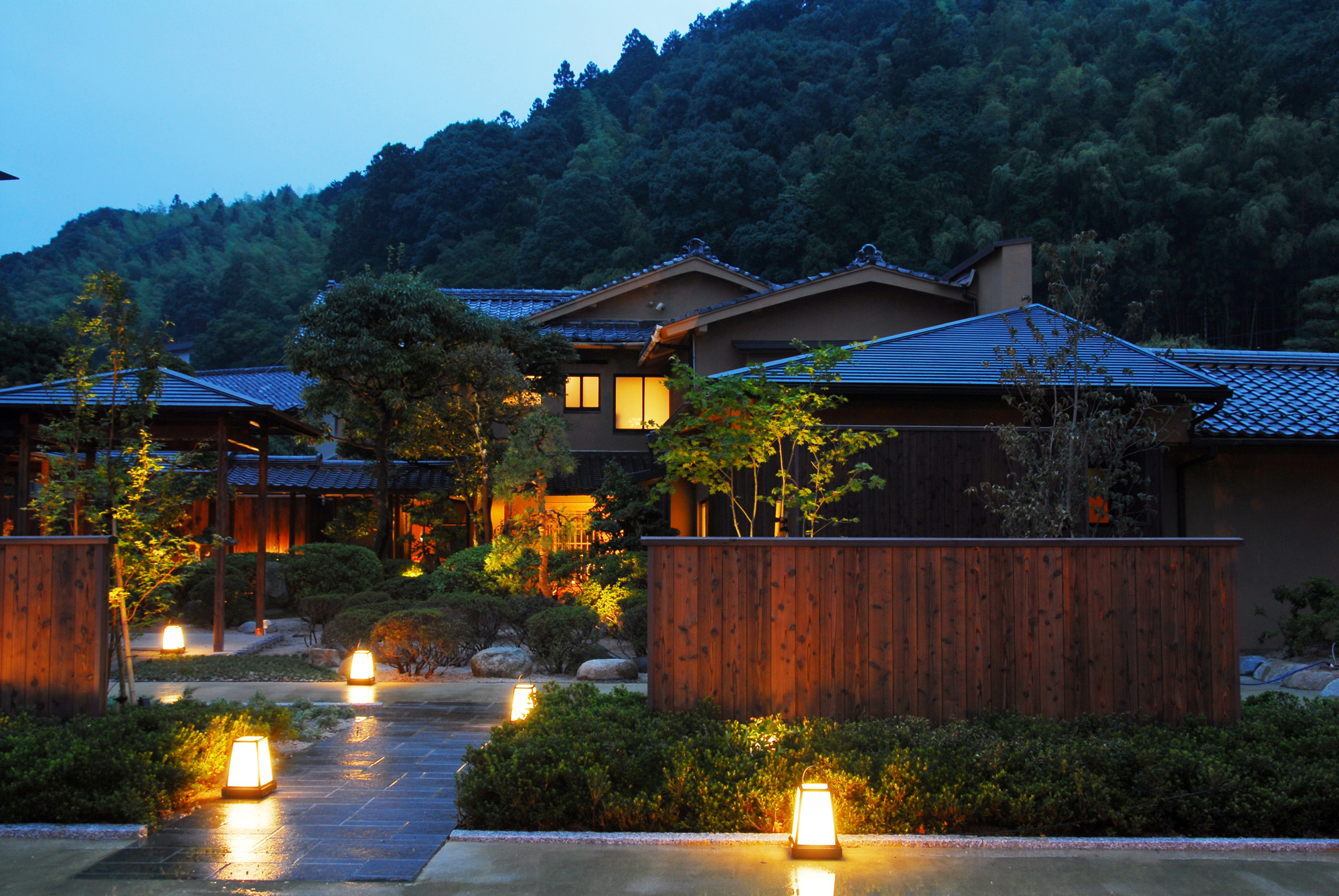
- Hoshino Resorts KAI Tamatsukuri
-
 Matsue-shi, Shimane Tamayu-cho Tamatsukuri1237 MAP
 It's a car from JRTamatsukurihot spring station, about 5 minutes
 I have that.
 Your reservation is this.
Hoshino Resorts KAI Tamatsukuri Reservation site.
Hoshino Resorts KAI Tamatsukuri Stay plan with an airline ticket.

Local Guide which took charge of this article
Hoshino Resorts KAI Tamatsukuri
Shimane and Tamatsukurihot spring
Inn with whole Guest roomOutdoor hot spring which can enjoy hot water of a clear skin. The sake called Shinto music and dance numbers and Shimane origination can be enjoyed.
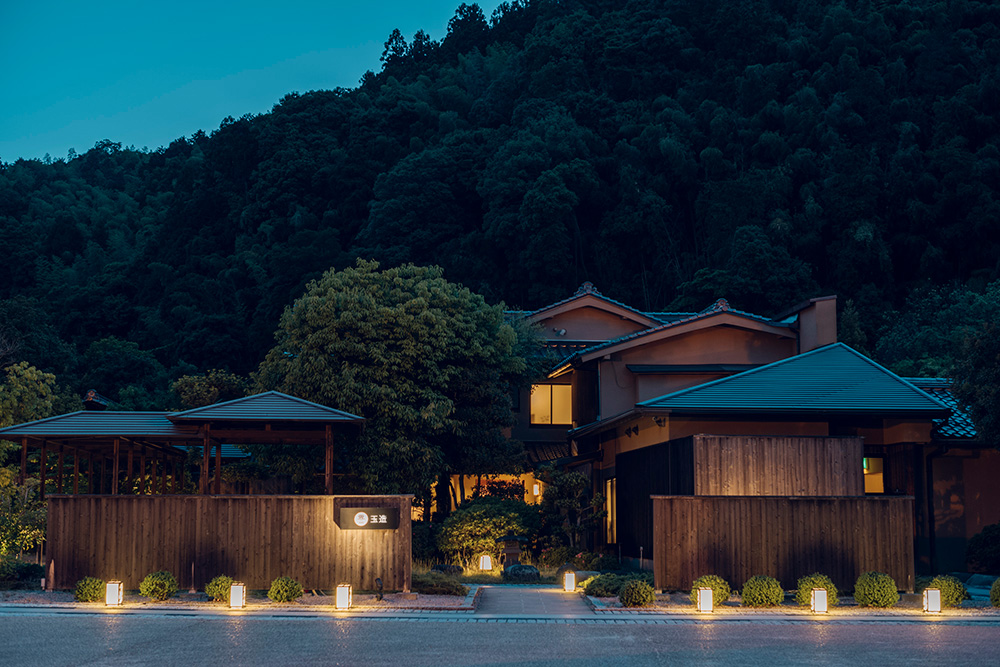
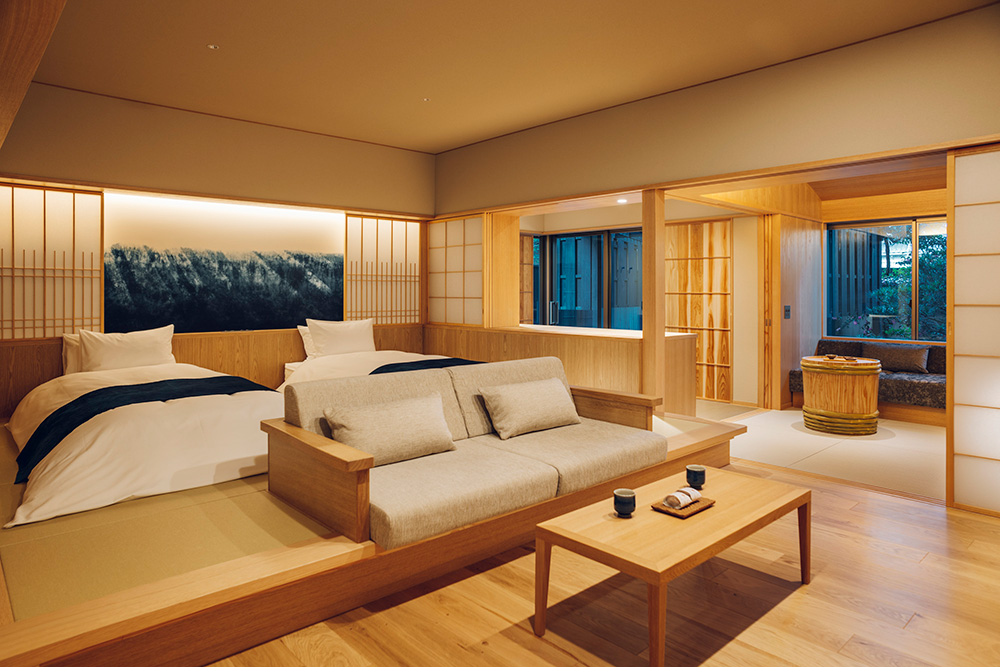
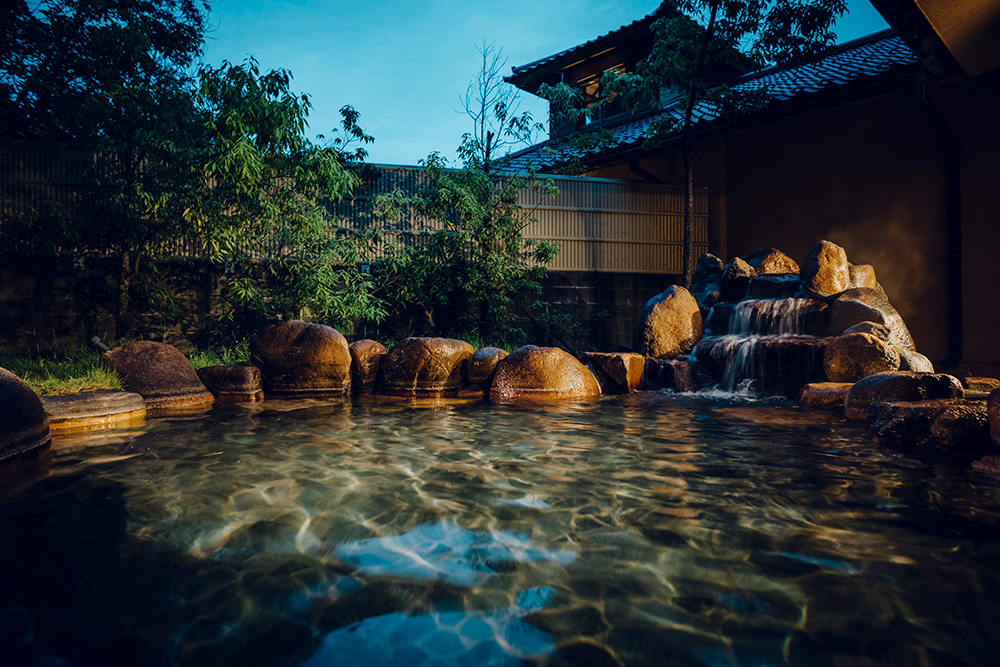
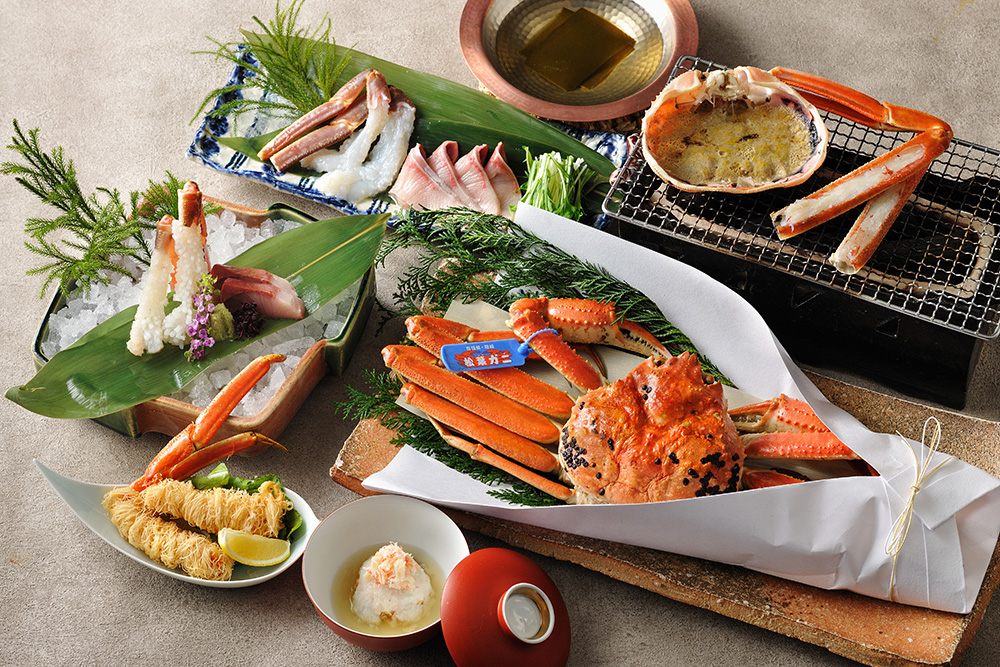
It's a taxi from Direction JRTamatsukuriHot spring station, about 5 minutes
- A room charge example
- 1 night, 1 person \31,000-
Hoshino Resorts KAI Izumo
Only Shimane and a Izumo day bloom, hot spring.
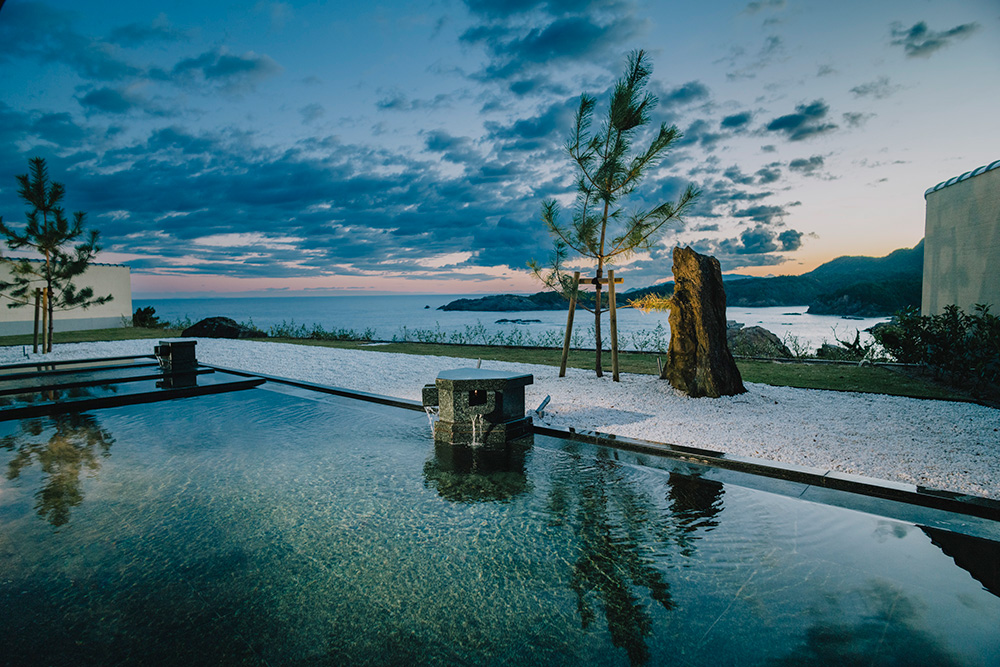
The hot spring inn where I pause in Hinomisaki where a Izumo myth roots (Only a day blooms.) Location also convenient for kei RI to Izumo Taisha.
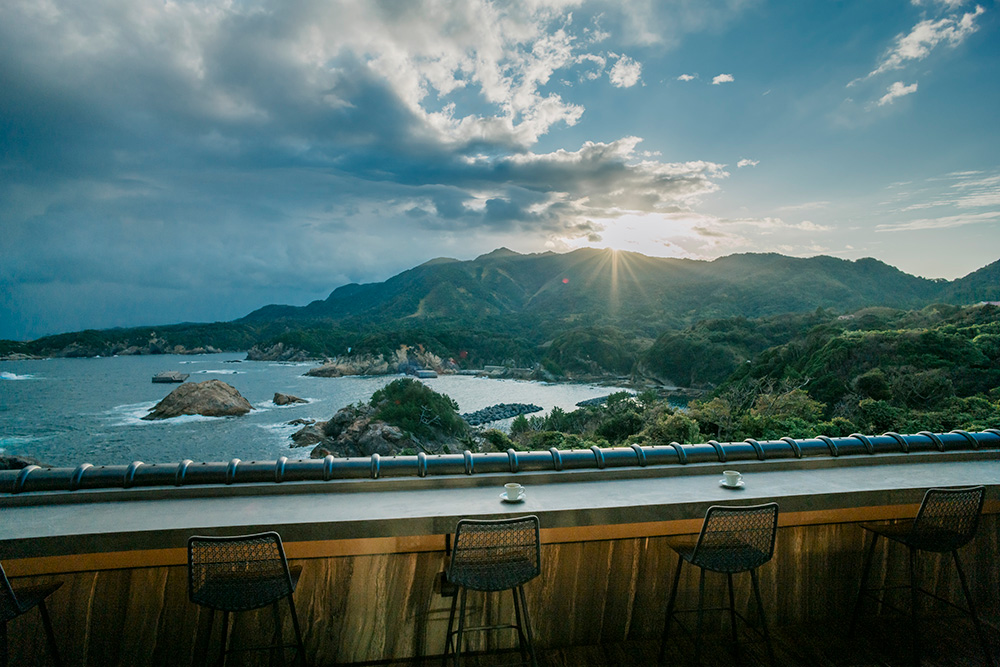
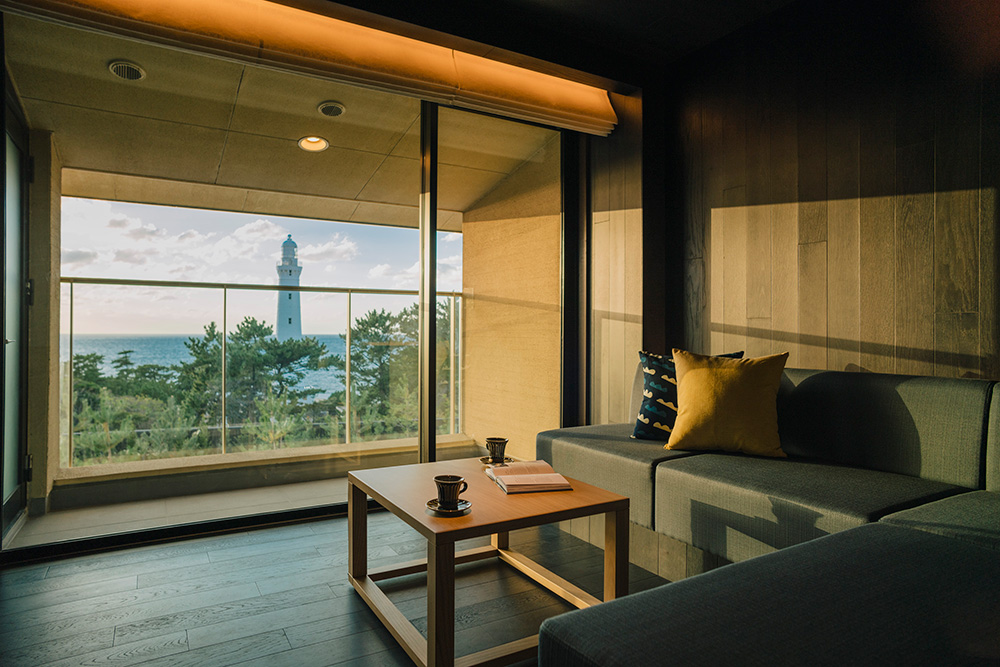
From Direction JRIzumo Ichi Station, a Ichibata Bus ride and "Hinomisaki, lighthouse" getting off for 1 minute on foot
- A room charge example
- 1 night, 1 person \19,000-