





[2025 year edition Aomori Hachinohe three company grand festival] the float matrix of the highlights and heat! The interesting place where the first time can be enjoyed fully and how to enjoy oneself
![[2025 year edition Aomori Hachinohe three company grand festival] the float matrix of the highlights and heat! The interesting place where the first time can be enjoyed fully and how to enjoy oneself](https://hoshinoresorts.com/guide/wp-content/uploads/2018/06/sanshataisai02.jpg)
A town in Hachinohe is wrapped in people's heat from July 31 to August 4.
Of the festival music by which the ancient rites which continue from the Edo Period are an admirable shrine line and the elegant sound and the gorgeous float for which I elaborated ideas, variously.
Hachinohe where a downtown rises hot will introduce three companies of how to enjoy oneself a grand festival.
Hachinohe three company grand festival, what kind of, is it deified?
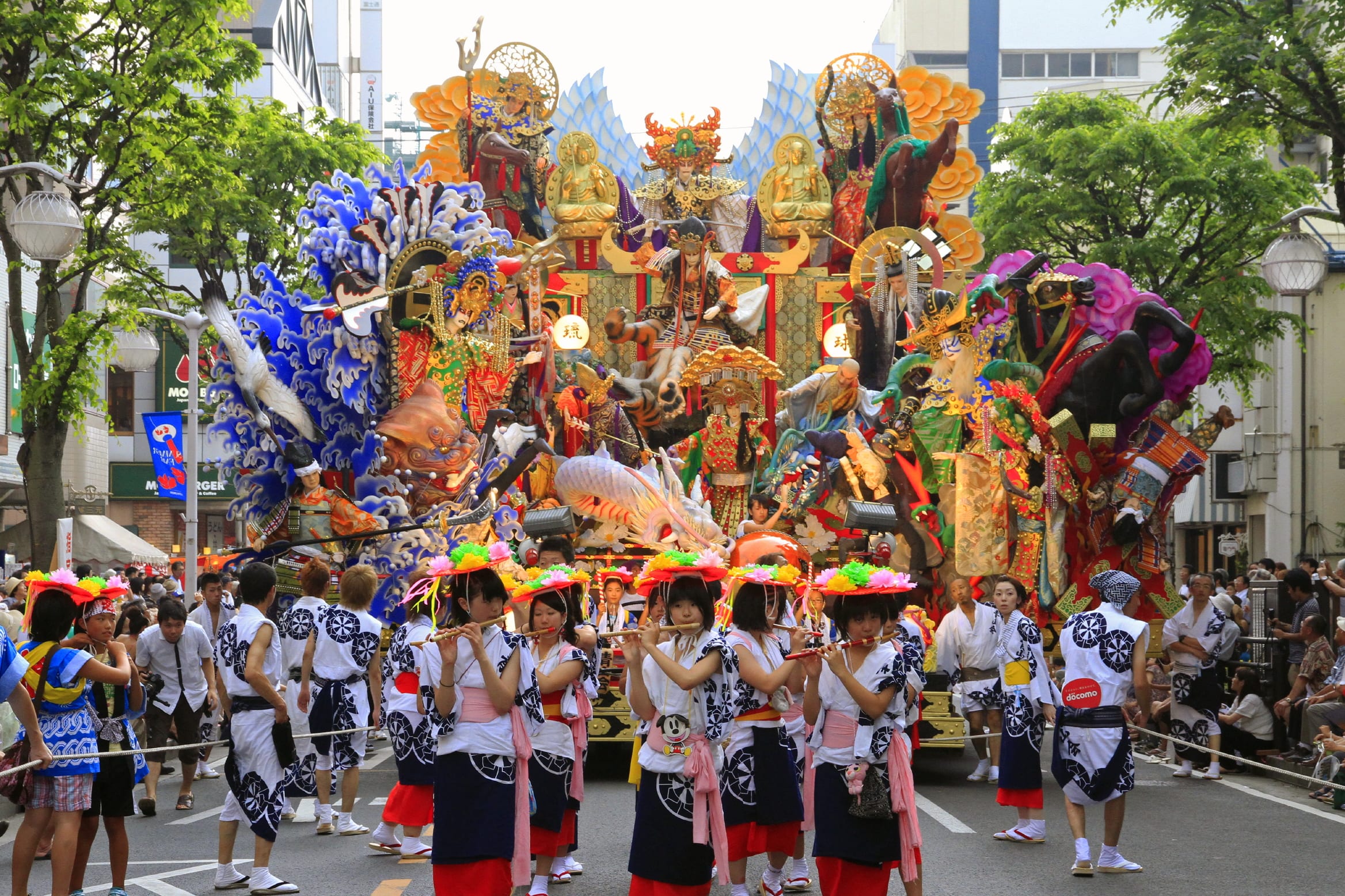
From the nou (O sees.) shrine where Hachinohe three company grand festival is present in the Edo Period, Mt. elder, it's said to be an origin that going out of Mikoshi Shrine (TOGYO) was performed in Shragi shrine. After that folk art of "street stall" and "tiger dance (tiger performance)" etc. with dolls is added to a line and develops into peace in the town and the service to which I pray for a good harvest. In Meiji Period, Mt. elder, Shragi shrine and Jin Akemiya were added, and three companies were the shape combination deified and that moves around the next and the float new every year.
Such history is estimated and Hachinohe three company grand festival is also registered with national important intangible folk cultural properties and UNESCO intangible cultural heritage.
● A "Hachinohe, three companies, grand festival" event schedule in 2025
| Date | Time | The event contents |
|---|---|---|
| July 31 (Thu) | 18:00-21:00 | Eve and float exhibition (citizen square in front of the city hall and the city center of town) |
| August 1 (Fri) | 13:30 | Departing ceremony (O sees, shrine) |
| Around 15:00-19:00 | Combined movement of Mikoshi Shrine and a float (the city center of town) | |
| August 2 (Sat) | 11:00- | Mt. elder, Shragi shrine annual festival |
| 13:00-14:00 | O sees, shrine annual festival | |
| 14:00-16:00 | Kaga beauty way promenade damari (Mt. elder, Shiragi shrine) | |
| Around 18:00-21:00 | Night float movement | |
| 11:00-21:00 | Festival square (citizen square in front of the city hall main building) | |
| August 3 (Sun) | Around 15:00-19:00 | Combined movement of Mikoshi Shrine and a float (the city center of town) |
| 11:00-21:00 | Festival square (citizen square in front of the city hall main building) | |
| August 4 (Mon) | 18:00-20:00 | Early morning service and float exhibition (citizen square in front of the city hall and the city center of town) |
| 11:00-21:00 | Festival square (citizen square in front of the city hall main building) |
The various folk art which colors a line
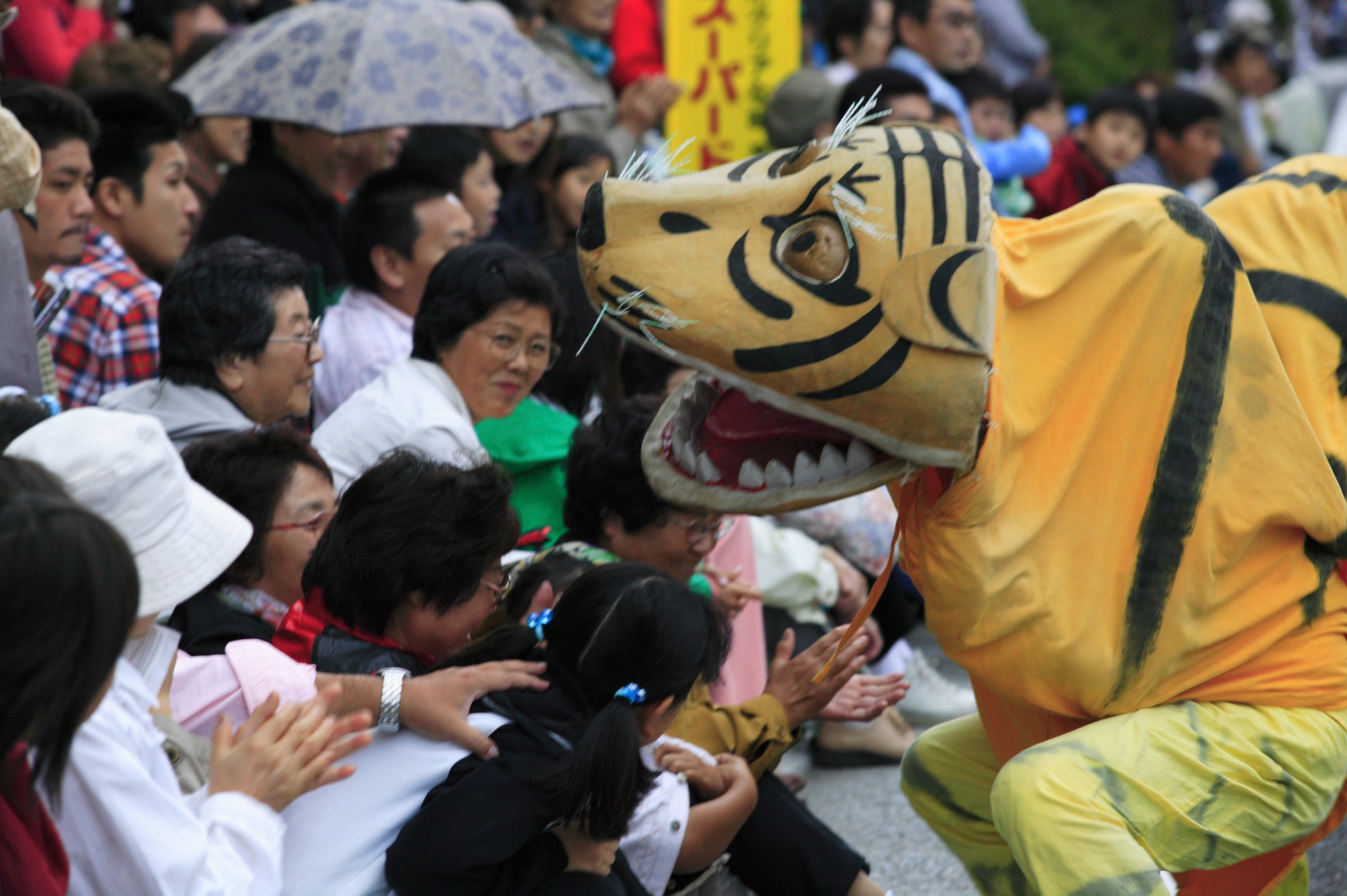


The feature of the Hachinohe three company grand festival is that various folk art is shown. For example the one by which "tiger dance (tiger performance)" has been handed down from generation to generation as fire avoidance and belief of sailing safety. A tiger lies on the ground simultaneously, and I stand up by a pickaback, and if, an audience can be pleased by an acrobatic movement. A lion dance of black attire is the traditional performing art called "modal deity easiness (one amount Kagura)", and the "simultaneous tooth strike" by which a dance hand beats at a head of a lion simultaneously is a highlight.
A lot of folk art such as "leaf dance of bamboo grass" and "komayou" with a model of a horse (chessman jump) which dances with a leaf of bamboo grass also appears on the other ones.
I pay attention to a powerful splendid float.

They're 27 huge floats to liven a festival greatly. Something new is produced by using a folk tale and kabuki as a base material every year, but it's surprised by its size and force. Moreover a doll moves to the top and the bottom, and smoke is taken out, and water, I well out, and various plans are concentrated. A front of a float and a central part develop in the side according to the margin on the street which moves, and the rear, Japanese parsley, it rises, there is a device and I'm seeing and don't get tired.
Production of a float starts after consecutive holidays in May every year. You may be able to call a lot of the device and showy decoration a crystal of the enthusiasm which can be written on people's local festival.

This place
Supporter
It's a float of a gorgeous Hachinohe three company grand festival, but when it's seen well actually, it's made with our close one. Styrene foam and a bamboo broom.... It's three points of a grand festival also to feel the craftsman work which manufactures an excellent float using such close material while seeing a float.
"Promenade damari" which would like to go to see in a festival period

To want to visit by all means middle day of a festival, Mt. elder, Kaga beauty way promenade damari" performed at Shragi shrine (bend Ryuu It's a lumberyard, suddenly).
I split up into the set of 2 of red and white, ride a horse, handle a ball cane (sudden quire/GI butterfly) and a called cane and pick a ball on the ground up, and it's said that horsemanship has started with a popular Hachinohe feudal clan for a military art promotion at a producing center of a horse for this play aiming at a ball gate (sudden gate). It's really akin to a British sport "polo", but an ancestor splits up into east and west from Persia in ancient Persia both plays actually, and it's said that it's developed.
This place
Supporter
Promenade damari where history in more than 180 is here. The horses which play an active part here are a Japanese traditional horse and a horse native to Hokkaido (Hokkaido total stallion). The south area including Hachinohe was learned about from ancient times as a horse producing center. Because it's such land, it may be the one for which a play of this man and horse unity can be left until today.
An eve and an early morning festival are also highlight filling.

An eve on July 31, 27 floats are exhibited simultaneously in the center in Hachinohe-shi by an early morning festival on August 4. All floats are lit up and a device is exhibited in the state everything opened, so the force is also perfect. A musical accompaniment of each group is also played again, but there is also an uplift sense with which a festival starts in an eve in particular, and the voltage reaches a climax.
▼ Hachinohe three company grand festival
URL:https://visithachinohe.com/stories/sannshataisai_schedule/
A meeting place: Hachinohe-shi center of town
Time frame: 2025 year July 31 (Thu)-August 4 (Mon)※ for 31 days, an eve and 4 days, in spite of an early morning festival※ day of the week, the yearly same day
Telephone: 0178-27-4243 (to the one of the bee, Tourist Information Center)

Local Guide which took charge of this article
- Fukuzawa rinoMy Tsugaru HATSURATSU daughter
Oirase Keiryu Hotel by Hoshino Resorts
Aomori-ken and Towada
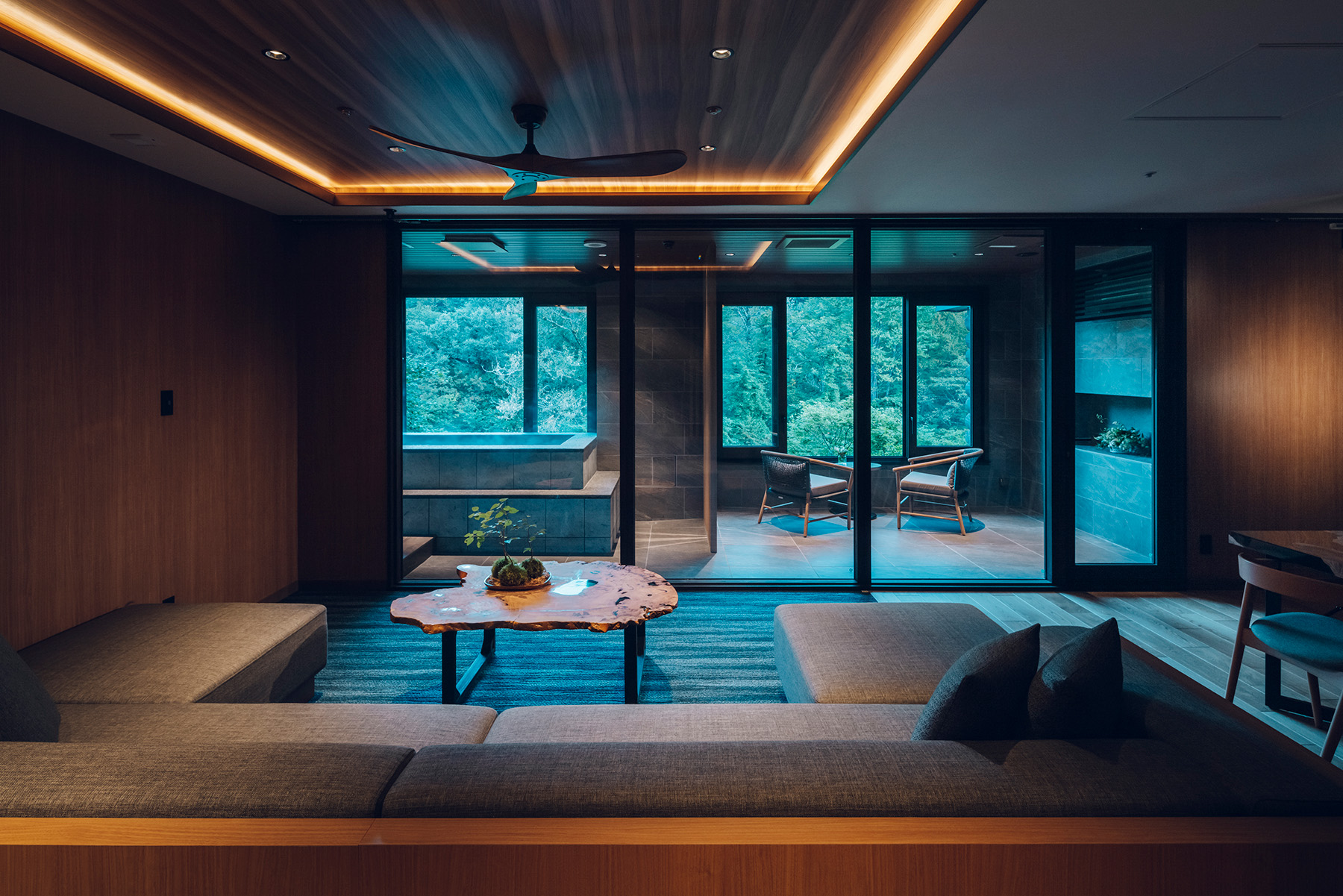
The only resort hotel built in a ridge of Oirase valley stream. Nature in a national park can be enjoyed fully through one year.

.jpg)
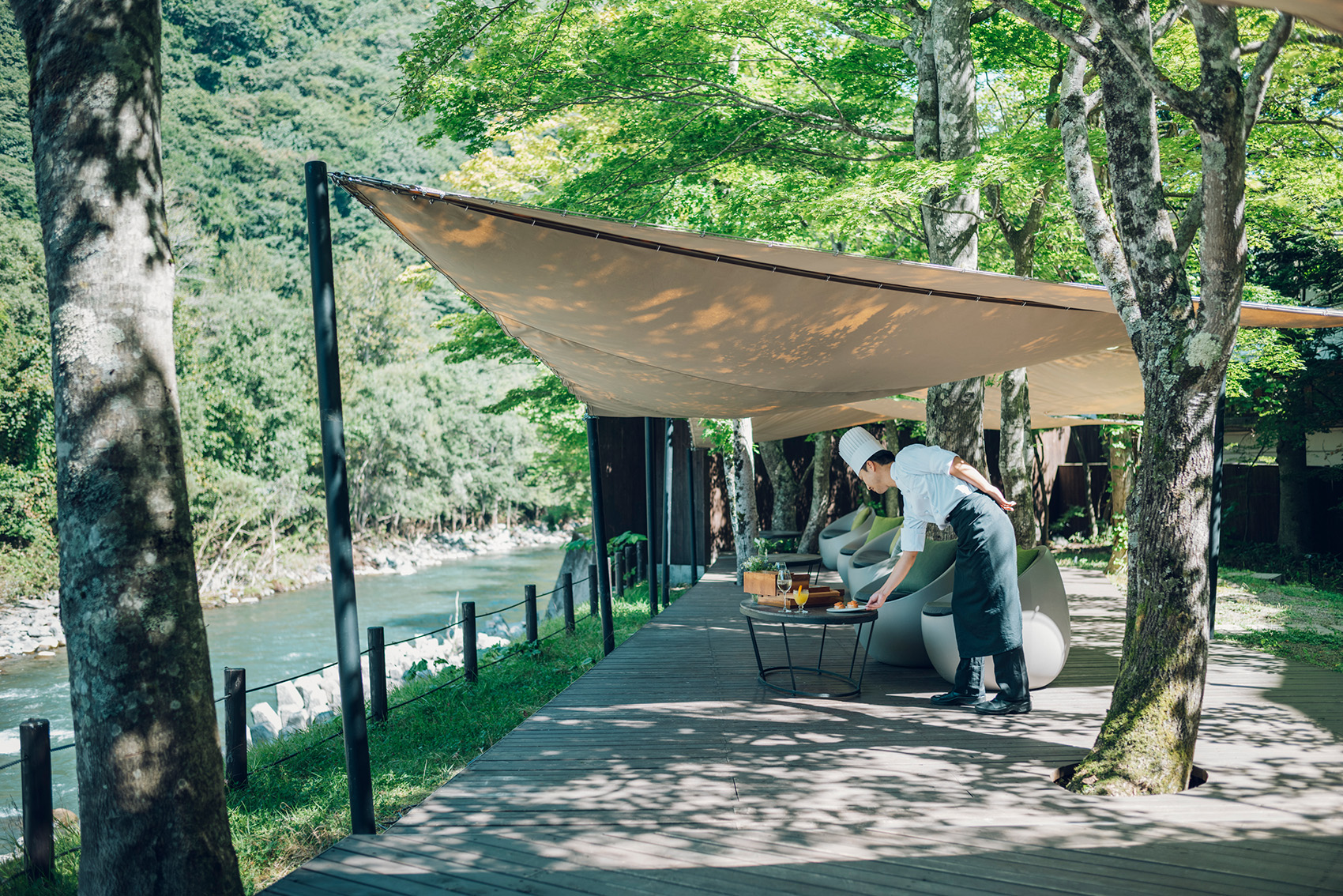
It's a shuttle bus from Direction JR Hachinohe Station, 70 minutes
- A room charge example
- 1 night, 1 person \20,080-
Aomoriya by Hoshino Resorts
Misawa of Aomori-ken
Festival, hot spring and Hot spring ryokan where folk art can sense Aomori culture fully.


Direction Aoimori Railway It's a shuttle bus from about 3 minutes/Misawa airport by shuttle bus from Misawa Station, about 20 minutes
- A room charge example
- 1 night, 1 person \14,000-