





I'll check the temperature of the four seasons and clothes of Towada-shi and Oirase valley stream.


Towada-shi and the Oirase valley stream area grand nature such as Towada lake and Oirase valley stream is located in a border between prefectures with Akita and where is left while being untouched. The art raw Chizu chestnut which spreads beginning at "Towada-shi Museum of Contemporary Art" is watched at a center of the city.
Towada-shi and the Oirase valley stream area where the cool temperature continues through 1 year. Autumn is early late and spring comes. The temperature also goes down more national park areas of Towada lake which is cold weather and located in altitude 400m about 5 ℃-7 ℃ and the Oirase valley stream over which a thick wildwood spreads compared with the average temperature every month of Tokyo.
The city where Hakkoda-san is east will be the Pacific Ocean side climate, and it's the feature that there is little snow compared with an other area in the Aomori. But for the Sea of Japan side climate, it's in a heavy snowfall area from the Towada lake neighborhood to Hakkoda-san. The snow which is to the extent the part of the national highway is closed for winter, is being observed every year, so clothes combined with anti-snow measures are needed.

< the temperature of the four seasons of Towada-shi and Oirase valley stream and recommended clothes>
< the temperature of the four seasons of Towada-shi and Oirase valley stream and recommended clothes>
About the temperature of the spring (3 Monday-May) and clothes.

The average temperature of March is 1.7 ℃. The severe coldness continues lower than the lowest average temperature of the midwinter of Tokyo. It's at the beginning of April "Hakkoda Towada lake gold line" and the called national highway closed for winter open to traffic, and that a corridor of about 7 m of snow appears.
156 cherry trees on the governmental offices' district street chosen as "100 elections of Japanese way" from the end of April to G.W. will be best time. There is also highest temperature on a day beyond 20 ℃, but about 1 ℃ of average lowest temperature and chill are severe, and thick coat and muffler are necessary in the evening.
The average highest temperature will go up to 13.1 ℃ in May. But snow is still left until the middle of May at a national park of Oirase valley stream, and it'll be the last ten days, and vegetation is budding finally. Such as putting a windbreaker on the thick inner if trekking is enjoyed, I'll prepare the jacket which interrupts a wind.
About the temperature of the summer (6 Monday-August) and clothes.

Summer in Towada-shi and the Oirase valley stream area where I bustle with the tourist who enjoys forest walk and Activity at a lake. The average temperature of the summer, June, 16.9 ℃ and July, 21.4 ℃ and August are 23.0 ℃. It'll be the low numerical value about 5 ℃ compared with the average temperature Tokyo.
It reaches from the Sea of Okhotsk air mass this time, when the northeasterly wind which became moist coldly "Make stop." blows, the temperature does a nose-dive. I'll suggest that Parker provides a thick jacket of cloth. "Make stop." but when it occurs, it's easy to become Dense fog, so attention is also necessary for driving of a car.
"Make stop." but the average highest temperature is exceeding 30 ℃ until pass in Lantern Festival of August from July in the year which doesn't occur. Even short sleeves will be the heat which sweats, but it becomes cool in the evening, so the daytime is preparation of a cardigan. I'll take notice of a bee and Madani and also put on a long sleeve and trousers by a sultry day by Oirase valley stream walk.
About the temperature of the autumn (9 Monday-November) and clothes.

In September, the average temperature, the next is showing signs of autumn quickly 19.0 ℃. It's until the beginning of November that the Towada lake and the Oirase valley stream which are also a place famous for beautiful colored autumnal leaves are colored in flamboyant autumn from the middle of October. Such as the tourist who also enjoys art in the city center of town visits much, I burst a season with the most tourists through the year.
12.3 ℃, the average temperature in October becomes low about 6 ℃ compared with 6.5 ℃ and Tokyo in November. The chill in the morning and evening is also severe and the temperature is big and rises and falls by the weather. It's cold, so when the weather goes out to variable Oirase valley stream, the day when it rains in particular is thoroughness of cold protection. A jacket will provide for a fleece, a down and wear of trousers.
A direct bus from Aomori Station and Hachinohe Station is suspended until spring at the beginning of November when it snows for the first time of the season by Towada lake and Oirase valley stream, and "Hakkoda Towada gold line" is in closing at the middle ten days. Long winter starts.
(A local bus plans to run between special service on a weekend in the winter.)
About the temperature of the winter (12 Monday-February) and clothes.

By the lowest average temperature by which the average temperature of December is January with by January- by 2.7 ℃ and February- the coldest 1.9 ℃ 0.5 ℃- 7.5 ℃ and the coldness increase severity.
A muffler, gloves and a body warmer can be spent by the clothes which took cold protection like winter of Tokyo in a thick court at a little city center of town of snow, the time which comes in around the Towada lake and Oirase snow becomes deep where, in snow boots, such as snow wears, that it's against the cold, I'll go out by clothes combined with anti-snow measures.
The tourist is little and in winter of the Towada lake and the Oirase valley stream wrapped silently, special again, too. Then one Towada lake winter clothes language" of the event which represents the Aomori held for about 3 weeks in February can enjoy a monument of winter fireworks, 6000 snow lamps and ice. The beautiful cityscape which can be judged from only frigid nature such as an icicle and an icefall spreads by Oirase valley stream.
Hoshino Resorts Aomoriya by Hoshino Resorts
Heat of Nebuta Festival is 365 days! Inn like a theme park in Aomori
-1.jpg)
It's curtesy transportation bus from Hachinohe Station, about 40 minutes. The hot spring inn where a festival in Aomori and culture of a dialect can be enjoyed fully. All places are colored by the decoration you're deifying in inside of the building, and a heart is just walking and is excited. A show of a musical accompaniment of Aomori four big festival is being also held every night. It's possible to enjoy culture Aomori such as Activity which goes around the park which spreads in the site in about 22 mantsubo by carriage and hot spring "fuyu" healed by the good hot-spring quality.

- Hoshino Resorts Aomoriya by Hoshino Resorts
-
 Misawa-shi, Aomori letter 56, Furumagiyama MAP
 From Aoimori Railway Misawa Station, about 10 minutes on foot
 0570-073-022 (hotel reservation)
 I have that.
 Your reservation is this.
Hoshino Resorts Aomoriya by Hoshino Resorts Reservation site.
Hoshino Resorts Aomoriya by Hoshino Resorts Stay plan reservation site with an airline ticket.
Hoshino Resorts Oirase Keiryu Hotel by Hoshino Resorts
Fresh green leaf, colored leaves, icefall and the inn where natural beauty can be enjoyed at any time of the year around

It flows in the Towada-Hachimantai National Park, resort hotel located along Oirase valley stream. You can arrange Restaurant which wishes for a valley stream, hot spring and Guest room and enjoy the stay which feels natural beauty fully. It's also one of the features that nature in a national park can be enjoyed fully through one year because Activity every four seasons such as "moss Sanpo" and "icefall light up tour" is also putting it into effect again. The nature tour guide who knew everything of the surrounding nature shows fresh green, the autumnal tints and a snow scene the most beautiful scenery the time.
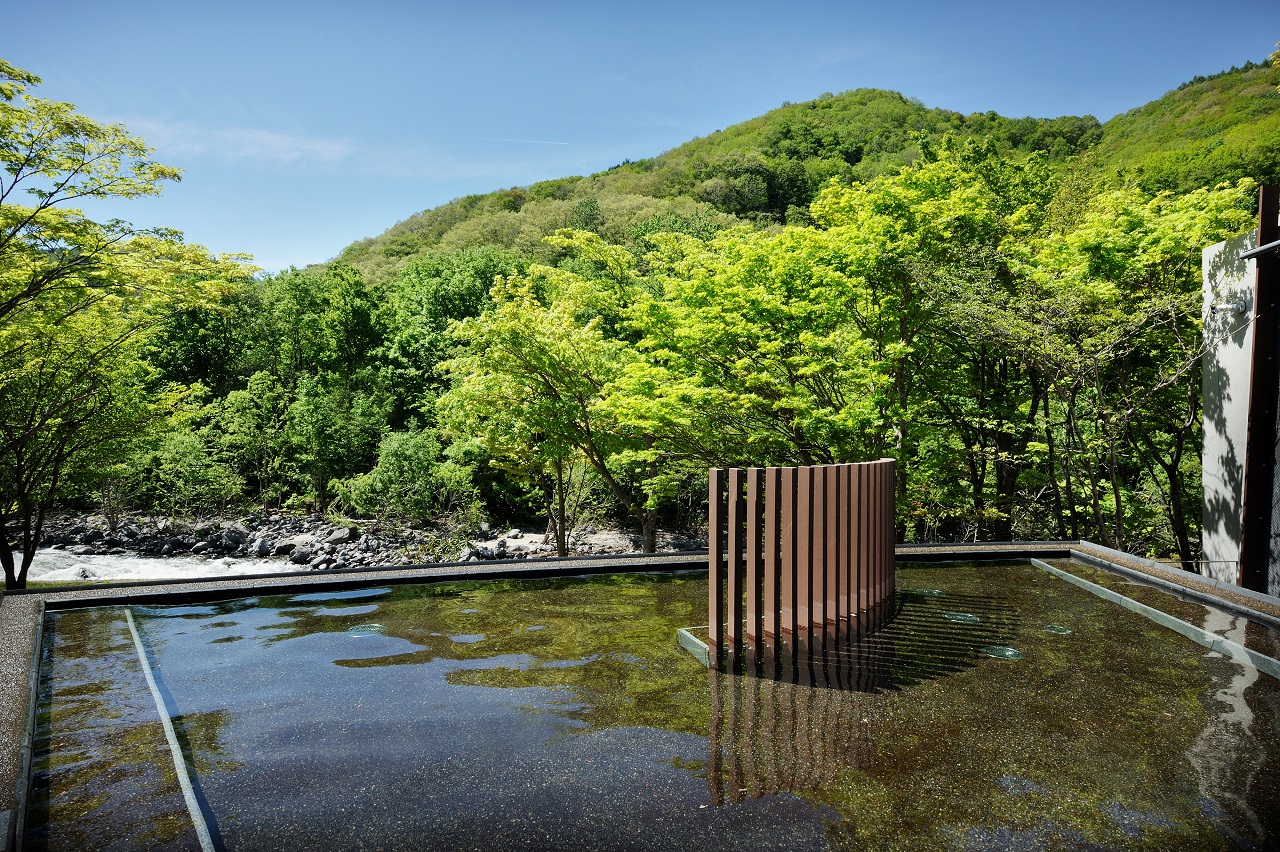
- Hoshino Resorts Oirase Keiryu Hotel by Hoshino Resorts
-
- Towada-shi, Aomori large section of a village Okuse letter Tochikubo 231 MAP
- It's curtesy transportation bus from JR Shin-Aomori Station, about 90 minutes
- 0570-073-022 (hotel reservation)
- I have that.
- Your reservation is this.
Hoshino Resorts Oirase Keiryu Hotel by Hoshino Resorts Reservation site.
Hoshino Resorts Oirase Keiryu Hotel by Hoshino Resorts Stay plan reservation site with an airline ticket.
Hoshino Resorts Hoshino Resorts KAI Tsugaru
I relax by a bathtub of Aomori HIBA and am overwhelmed by the sound of the Tsugaru shamisen.

A drawing room in the back in Tsugaru and Owani with history for about 800 years per about 10 minutes (alligator) are Hot spring ryokan which pauses in a hot spring village by train from Hirosaki. A body is left to soft hot water thickly at a bathroom in Aomori HIBA, and you can enjoy a view in a garden in each season from a big window. A meal prepares the KAI Local Flavors dish which tastes mountain seafoods abundant in Aomori. Since spring hangs flower viewing crab and summer in winter from ear shell and autumn, please eat tuna of Oma and the dish provided with every possible luxury. All the rooms took Traditional Pottery in in Guest room "of Tsugaru KOGIN, while". You can spend some time of the relaxation at space of a modern total.
Staff/staff member which received the rudiments with the whole country champion of a Tsugaru shamisen shows a live performance every night in front of the mural of a great master of a Japanese painting and Matazou Kayama "spring and autumn high wave". Please enjoy the sound of the force which shakes air.
- Hoshino Resorts Hoshino Resorts KAI Tsugaru
-
- Aomori south Tsugaru area Owani (alligator), (an involved button, leaking) 36-1, Botanmori on town Owani letter MAP
- It's a car from the JR Owani hot spring station, about 5 minutes
- 0570-073-011 (the world, reservation center)
- I have that.
- Your reservation is this.
Hoshino Resorts Hoshino Resorts Hoshino Resorts KAI Tsugaru Reservation site.
Hoshino Resorts Hoshino Resorts Hoshino Resorts KAI Tsugaru Stay plan reservation site with an airline ticket.

Local Guide which took charge of this article
Aomoriya by Hoshino Resorts
Misawa of Aomori-ken
Festival, hot spring and Hot spring ryokan where folk art can sense Aomori culture fully.


Direction Aoimori Railway It's a shuttle bus from about 3 minutes/Misawa airport by shuttle bus from Misawa Station, about 20 minutes
- A room charge example
- 1 night, 1 person \14,000-
Oirase Keiryu Hotel by Hoshino Resorts
Aomori-ken and Towada
The only resort hotel built in a ridge of Oirase valley stream. Nature in a national park can be enjoyed fully through one year.

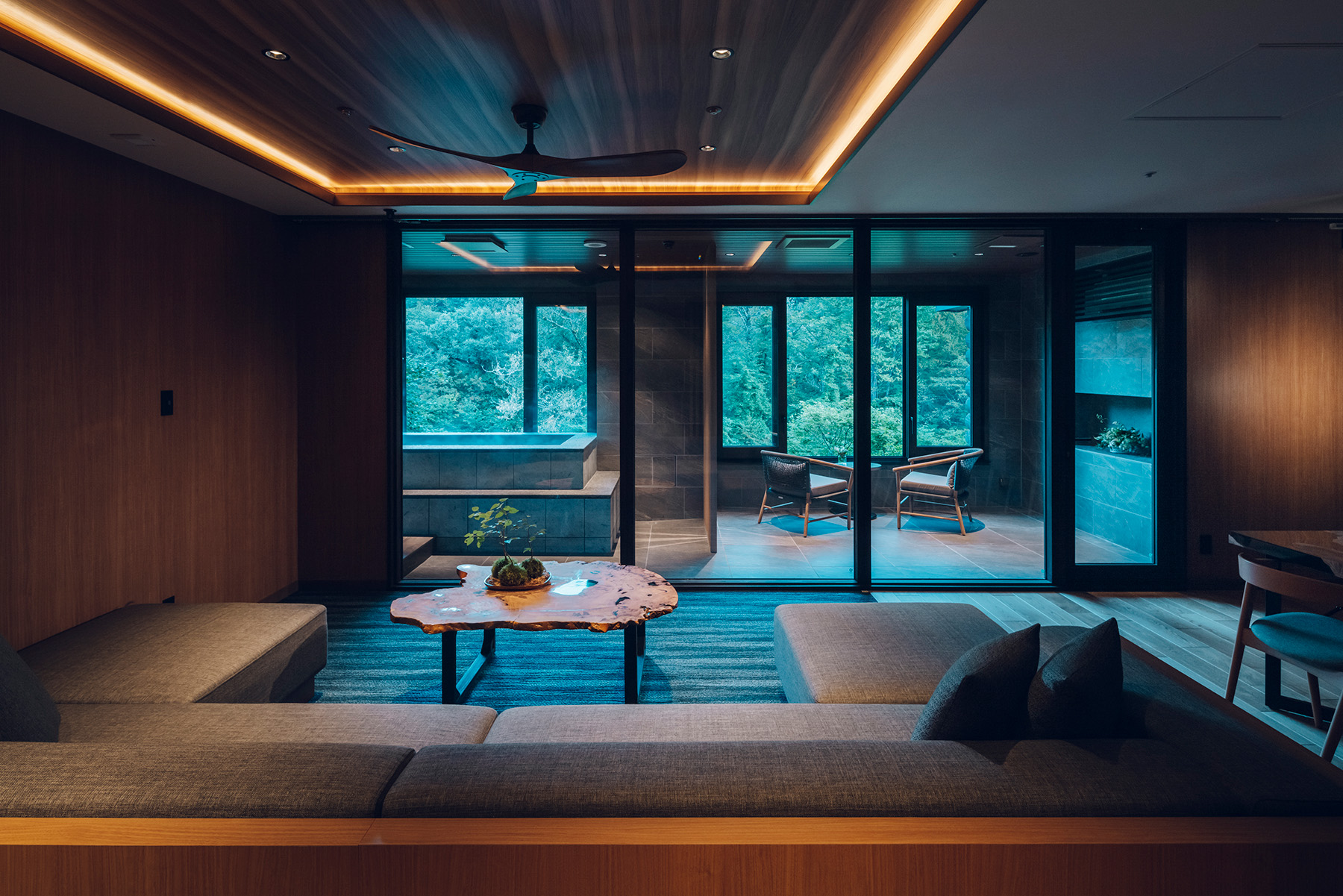
.jpg)
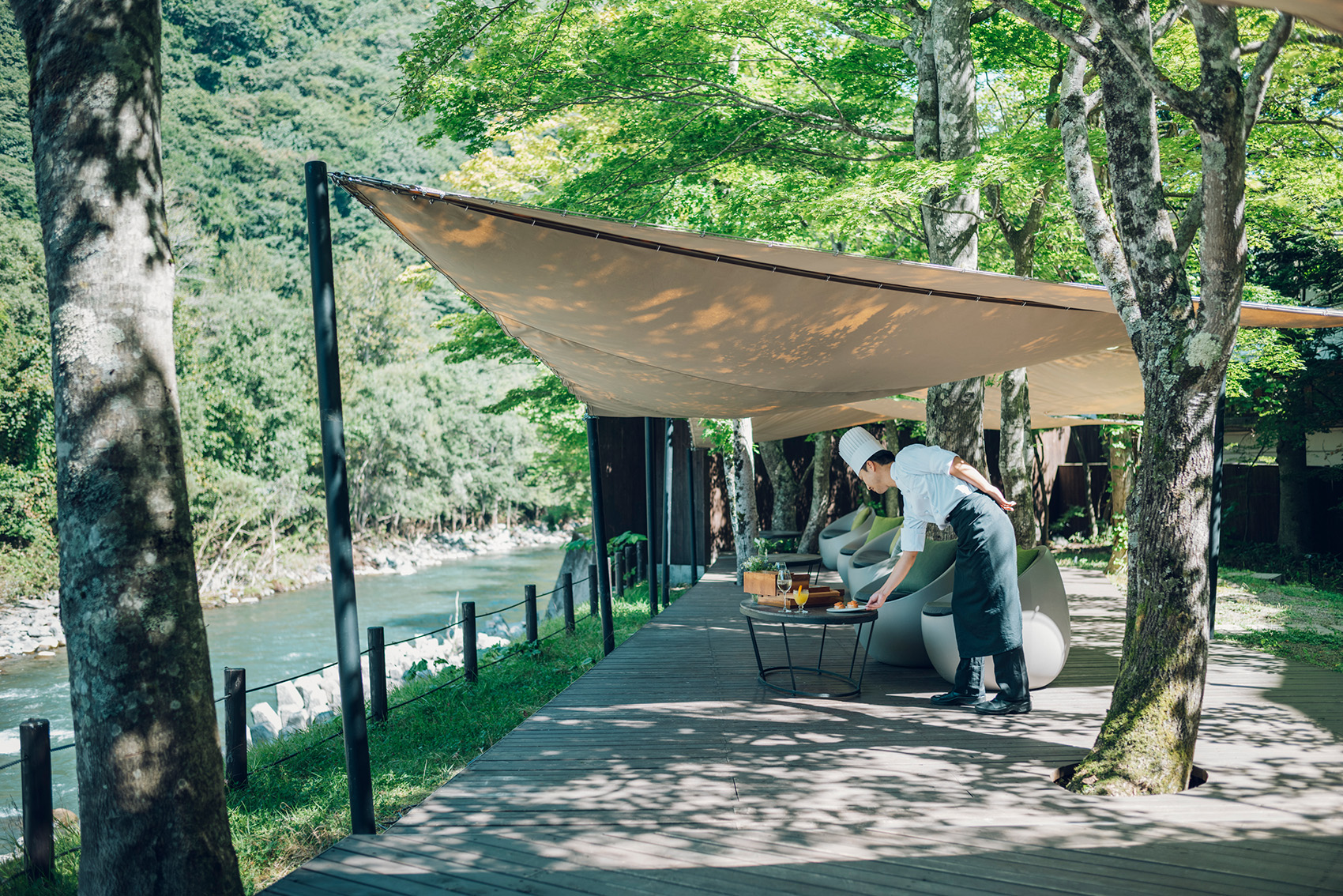
It's a shuttle bus from Direction JR Hachinohe Station, 70 minutes
- A room charge example
- 1 night, 1 person \20,080-