





Check out the seasonal temperatures and clothing for Towada and Oirase Keiryu!


Located on the border with Akita Prefecture, the Towada City/Oirase Keiryu area is home to magnificent and unspoiled nature, including Lake Towada and the Oirase Keiryu mountain stream. In the center of the city, the Towada City Museum of Contemporary Art is the center of attention for its artistic community development.
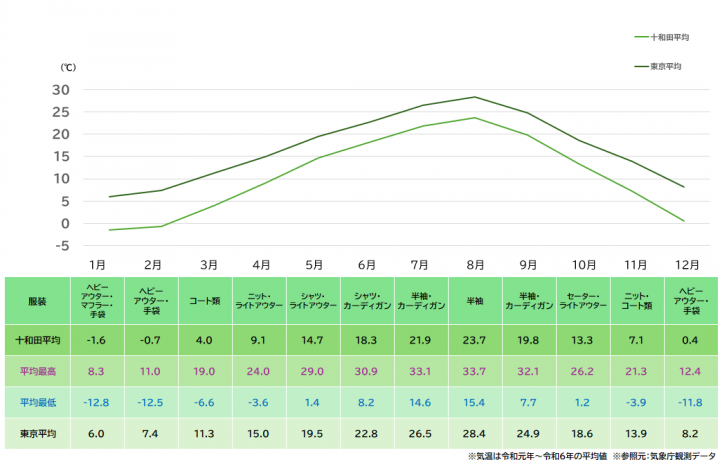
Cool temperatures prevail throughout the year in the Oirase Keiryu area of Towada City. Spring comes late and fall comes early. Compared to the average monthly temperature in Tokyo, the temperature is about 5°C to 7°C lower. The temperature is even lower in the national park area, including Lake Towada, which is located 400 m above sea level, and the Oirase Keiryu mountain stream, which is covered with dense virgin forest.
The urban area to the east of Mt. Hakkoda has a Pacific Ocean climate, with less snowfall than other areas in Aomori Prefecture. However, the area from around Lake Towada to Mt. Hakkoda has a Sea of Japan climate, which results in heavy snowfall. Every year, snow accumulates to the extent that some national highways are closed during the winter, so it is necessary to dress for the snow.
<Towada City, Oirase Keiryu Seasonal Temperatures and Recommended Clothing
Spring (March to May) Temperatures and Clothing

The average temperature in March is 4.0°C. This is lower than Tokyo’s average midwinter temperature, and the bitter cold continues. The national highway known as the “Hakkoda-Lake Towada Gold Line,” which was closed during the winter, reopens in early April, revealing a snow corridor approximately 7 meters high.
From late April through Golden Week, the 156 cherry trees lining Kancho-gai Street—selected as one of “Japan’s Top 100 Roads”—reach their peak bloom. While some days see maximum temperatures exceeding 20°C, the average minimum temperature is -0.36°C, making for bitterly cold conditions; a thick coat and scarf are necessary at night.
By May, the average high temperature rises to 14.7°C. However, in national parks such as Oirase Gorge, snow still lingers until mid-May, and plants don’t begin to bud until late May.If you plan to go hiking or enjoy other outdoor activities, be sure to bring a windproof jacket—such as a windbreaker worn over a thick base layer.
Summer (June-August) Temperatures and Clothing

Summer in the Towada City and Oirase Gorge area is bustling with tourists enjoying forest walks and lake activities. Average summer temperatures are 18.3°C in June, 21.9°C in July, and 23.7°C in August. These figures are about 5°C lower than the average temperatures in Tokyo.
During this season, when the “Yamase”—a cold, humid northeasterly wind originating from the Okhotsk High—blows, temperatures can drop sharply. We recommend always having a thick, fabric-based outer layer, such as a hoodie, on hand. When the “Yamase” occurs, dense fog is likely to form, so please exercise caution when driving.
In years when the “yamase” does not occur, average high temperatures exceed 30°C from July through August, until after the Obon holiday.During the day, it gets hot enough to make you sweat even in short sleeves, but it cools down at night, so be sure to bring a cardigan or similar garment. Also, when hiking along the Oirase Stream, be on the lookout for bees and ticks, and wear long sleeves and long pants even on muggy days.
Autumn (September to November) Temperatures and Clothing

Once September arrives, the average temperature drops to 19.8°C, and autumn sets in all at once. Lake Towada and the Oirase Stream—both famous for their fall foliage—are adorned with vibrant autumn colors from mid-October through early November. The city center also attracts many tourists seeking to enjoy the arts, marking the start of the peak tourist season that lasts throughout the year.
The average temperature in October is 13.3°C and 7.1°C in November, which is about 6°C lower than in Tokyo. Mornings and evenings can be quite chilly, and temperatures fluctuate significantly depending on the weather. It gets particularly cold on rainy days, so be sure to dress warmly when visiting the Oirase Stream, where the weather is unpredictable.Be sure to wear a fleece or down jacket and long pants.
In early November, when the first snow falls at Lake Towada and the Oirase Gorge, direct buses from Aomori Station and Hachinohe Station are suspended until spring, and by mid-November, the “Hakkoda-Towada Gold Line” closes. The long winter begins.
(During the winter, local buses may operate special weekend services.)
Winter (December to February) Temperatures and Clothing

The average temperature in December is 0.4°C, in January -1.6°C, and in February -0.7°C; the cold intensifies, with the average low in January—the coldest month—reaching -12.5°C.
In the city center, where there is little snow, you can get by wearing a thick coat, a scarf, gloves,hand warmers—just as you would for a Tokyo winter. However, when visiting the Lake Towada area or Oirase, where the snow is deeper, be sure to wear snow boots and snow gear that provide both warmth and protection against the snow.
With few tourists and enveloped in silence, winter at Lake Towada and the Oirase Stream is truly special. During the “Lake Towada Winter Story”—one of Aomori Prefecture’s premier events held for about three weeks in February—you can enjoy winter fireworks, 6,000 snow lanterns, and ice monuments.Furthermore, along the Oirase Stream, you’ll find beautiful scenery—such as icicles and frozen waterfalls—that can only be seen in the bitter cold of winter.

Local Guide who was in charge of this article
Aomoriya by Hoshino Resorts
Misawa, Aomori Prefecture
Hot spring ryokan where you can fully experience Aomori culture such as festivals, hot springs, and local performing arts.


Access by bus 3 minutes from Aoimori Railway Misawa Station by shuttle bus / 20 minutes from Misawa Airport by shuttle bus
- Example of Accommodation Rates
- 1 person per night From 14,000 yen
Oirase Keiryu Hotel by Hoshino Resorts
Towada, Aomori Prefecture
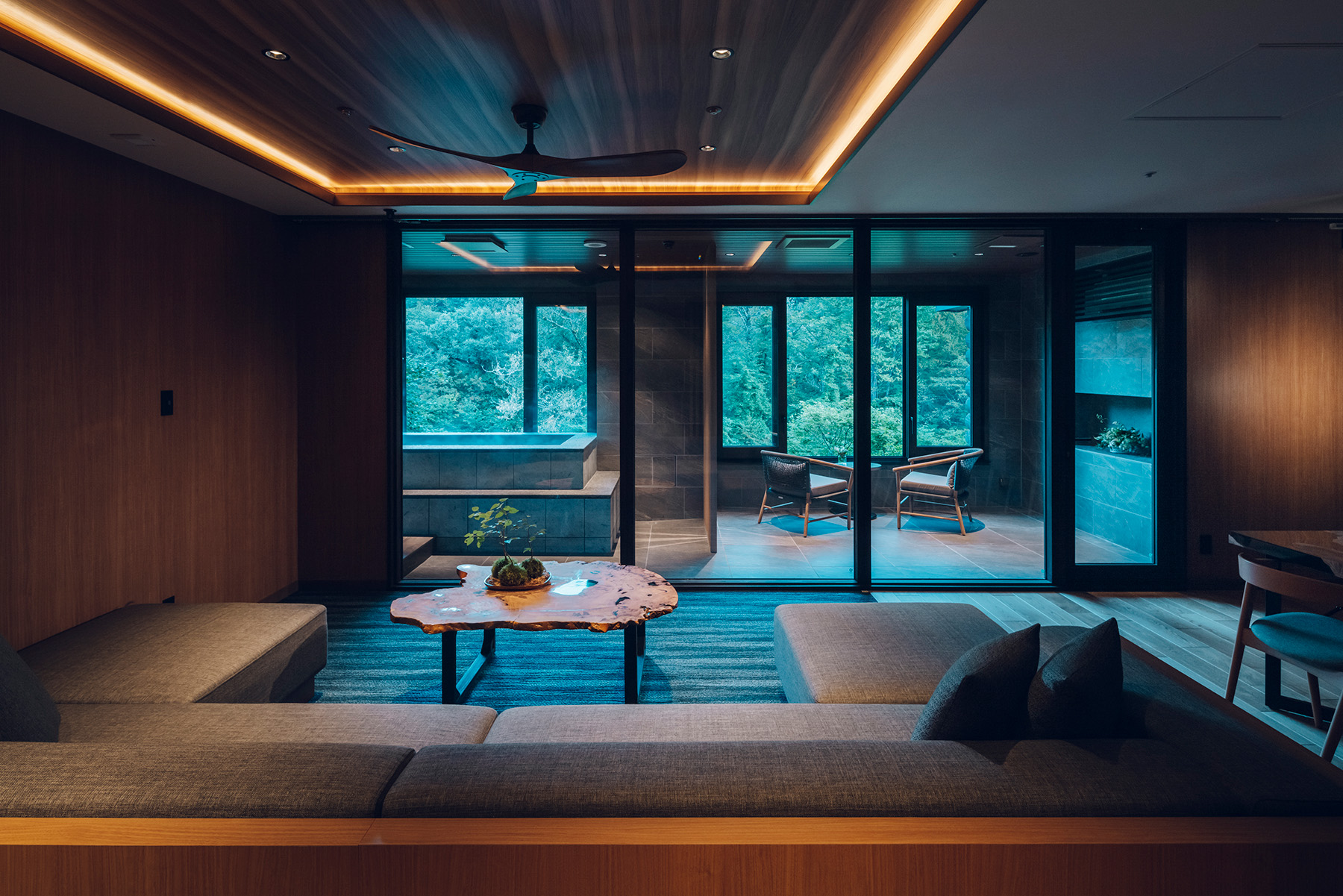
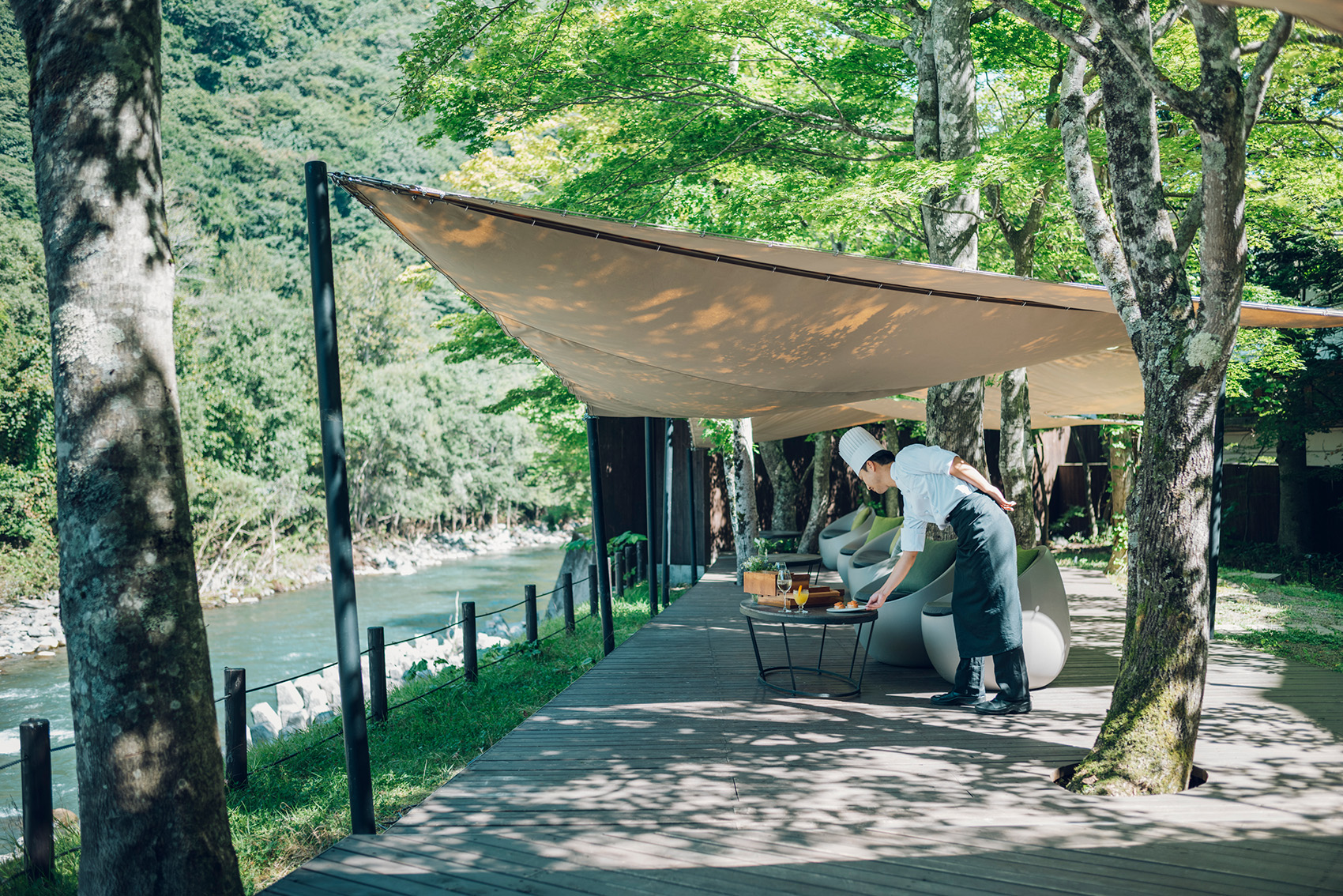
The only resort hotel built on the banks of the Oirase mountain stream. You can enjoy the nature of the national park throughout the year.

.jpg)
Access by bus 70 min. by shuttle bus from JR Hachinohe Station
- Example of Accommodation Rates
- 1 person per night From 20,080 yen