




[Staff-led facility guide] Feel like a traveler on the Tokaido. Immerse yourself in the charm of Hakone at "KAI Hakone"
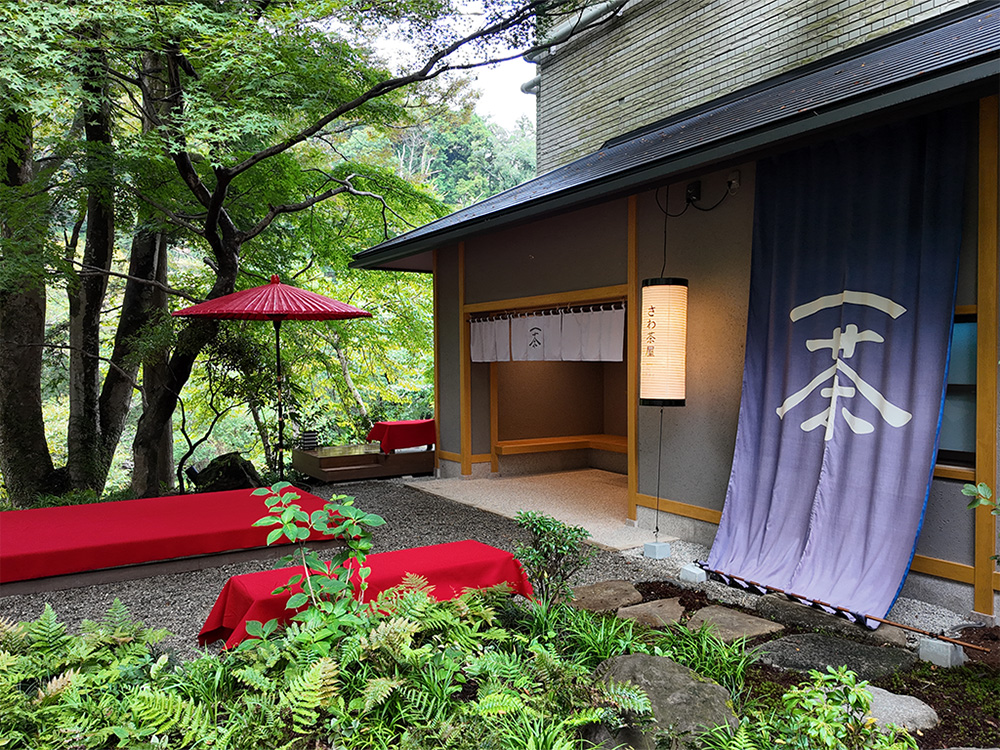
The old Tokaido road in Hakone Yumoto OnsenThe hot spring inn "KAI Hakone" stands along the road,and it will reopen after renovations in August 2025..It conveys the atmosphere of Hakone, which has welcomed travelers as a post town on the Tokaido, to the present day.
From river-view guest rooms overlooking the Sukumo River to open-air baths that look like landscape paintings with sunlight filtering through the trees,the facility is filled with charms that enrich your trip, such as "local experiences" where you can feel the history of Hakone.
So, this time, the Michikusa Guide editorial department actually stayed at the inn and toured the facility with a guide who knows everything about it. We will deliver tips to enjoy your Hakone trip even more, along with "hidden highlights" that only the staff can tell you about.
-
KAI Hakone
Yuriko Yamaguchi
Joined Hoshino Resorts in 2022. Works in front desk and service operations at KAI Hakone. Also gained experience working at KAI Okuhida during the KAI Hakone renovation period. Hobbies include visiting zoos and relaxing in nature.
 Staff
-
Michikusa Guide Editorial Department
We operate a site that makes you want to take a little "detour" (michikusa), sharing recommended information about the area that only locals would know.
 Participant
Guided tour of the facility by staff
1. Guest rooms
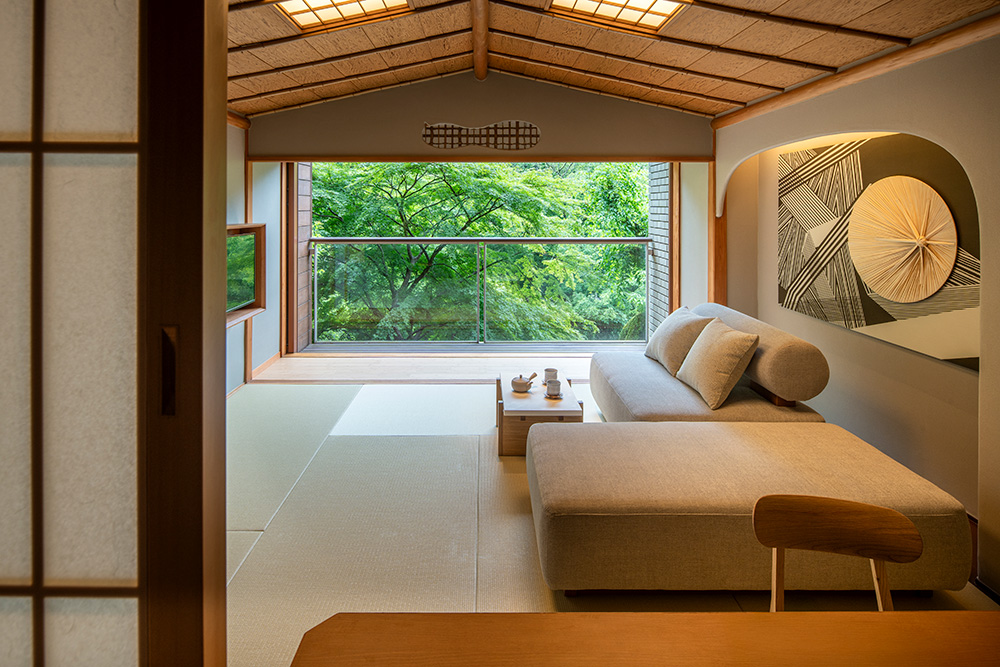
"Hakone-Gokochi Room": Local-style rooms that shine with tradition and playfulness
Relive the experience of a traveler on the Tokaido road in a space adorned with art and marquetry

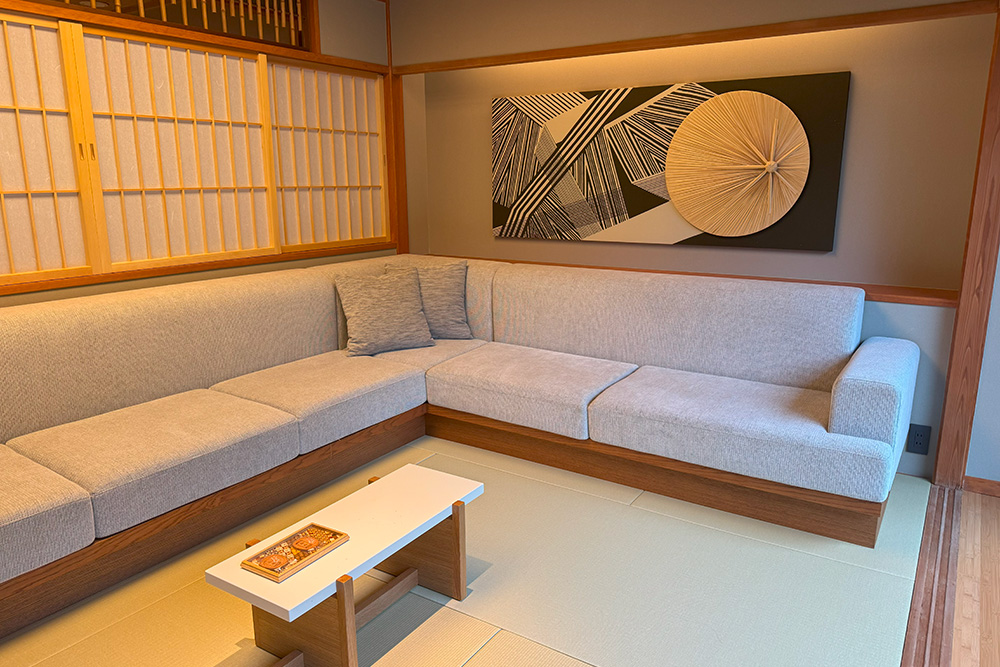
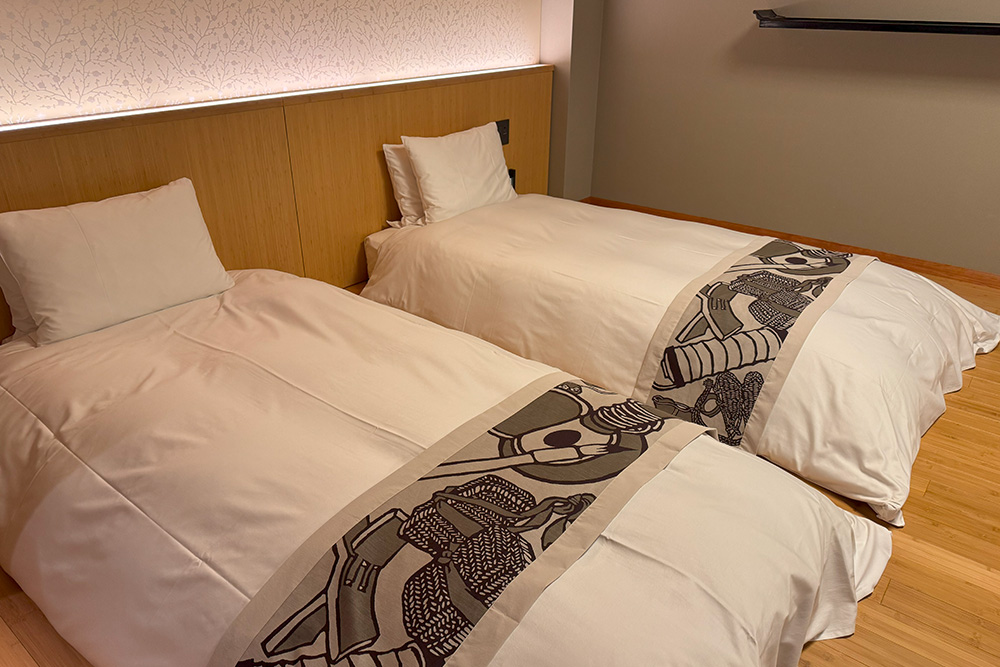
I stayed in a Japanese-style room facing the clear Sukumo River. The guest rooms are themed around the "Tokaido." As you sink into the sofa in the spacious living area, you are enveloped by the greenery that fills the windows. It is a space where you can fully enjoy a stylish "Hakone experience," healing your fatigue in a modern, comfortable inn while reflecting on the history of crossing difficult mountain passes.
Yamaguchi-san
The modern art adorning the walls represents the "sandogasa" (traveler's hat) and "hikimawashi-kappa" (traveler's cloak) once used by travelers to shelter themselves from rain and snow.
Marquetry room keys and furoshiki wrapping cloths. Amenities that delight your heart every time you pick them up
-
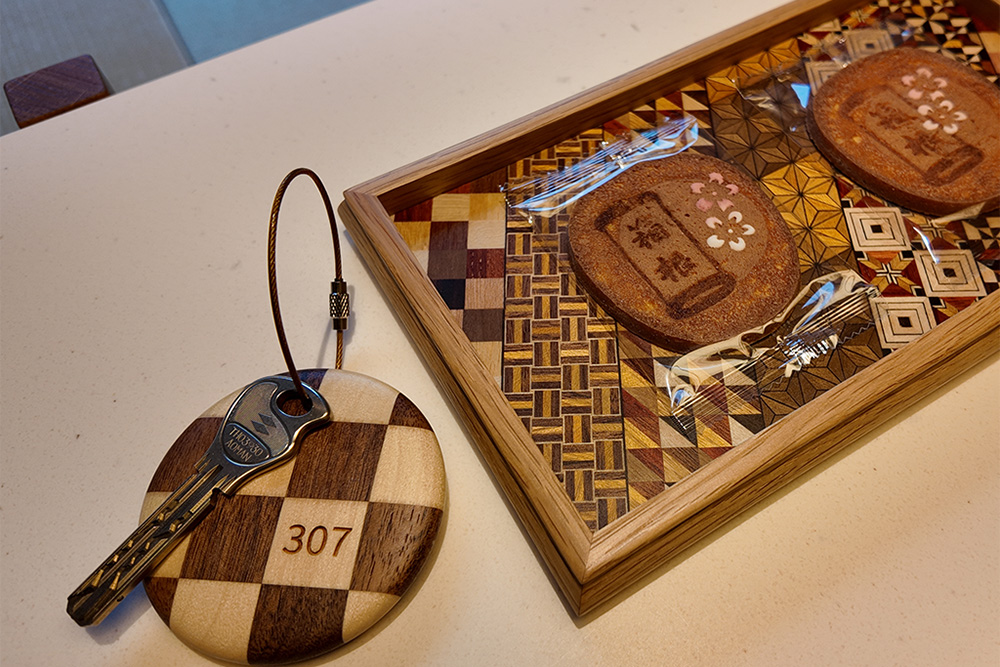
A marquetry room key with a warmth of wood that feels comfortable in your hand
-
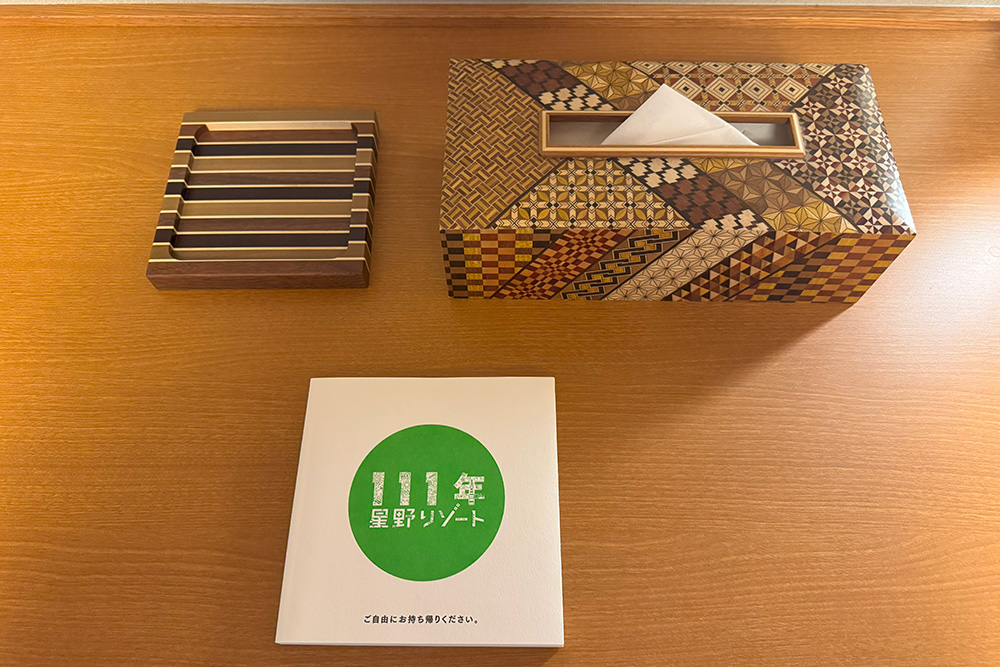
Beautiful yosegi-zaiku (parquetry) accessories for your hands, such as tissue cases and trays
-
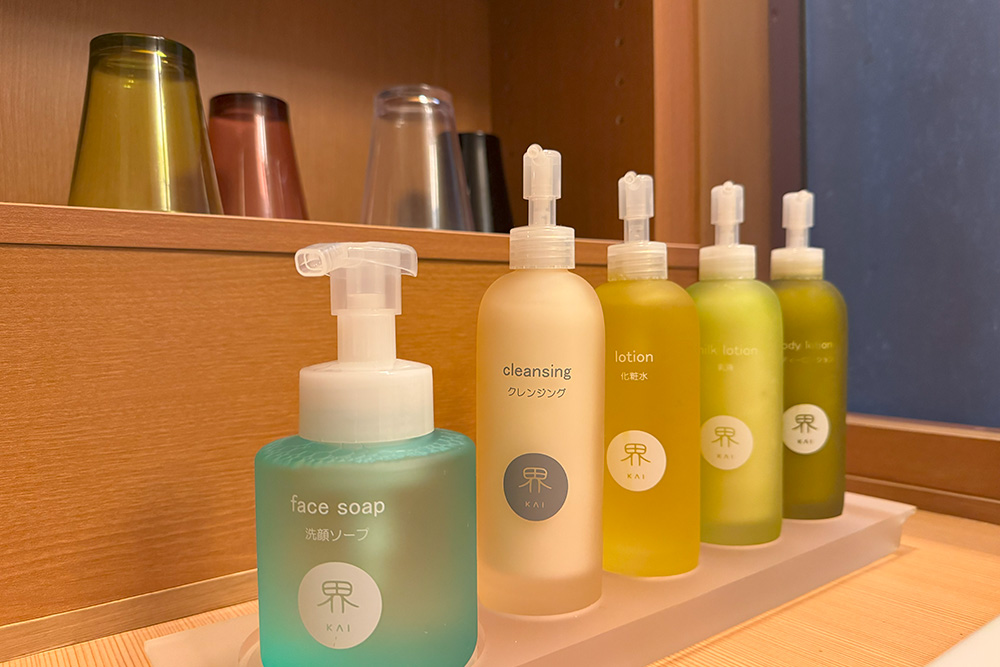
Basic skincare products using Japanese and Chinese herbal ingredients, recommended after bathing in the hot spring
-
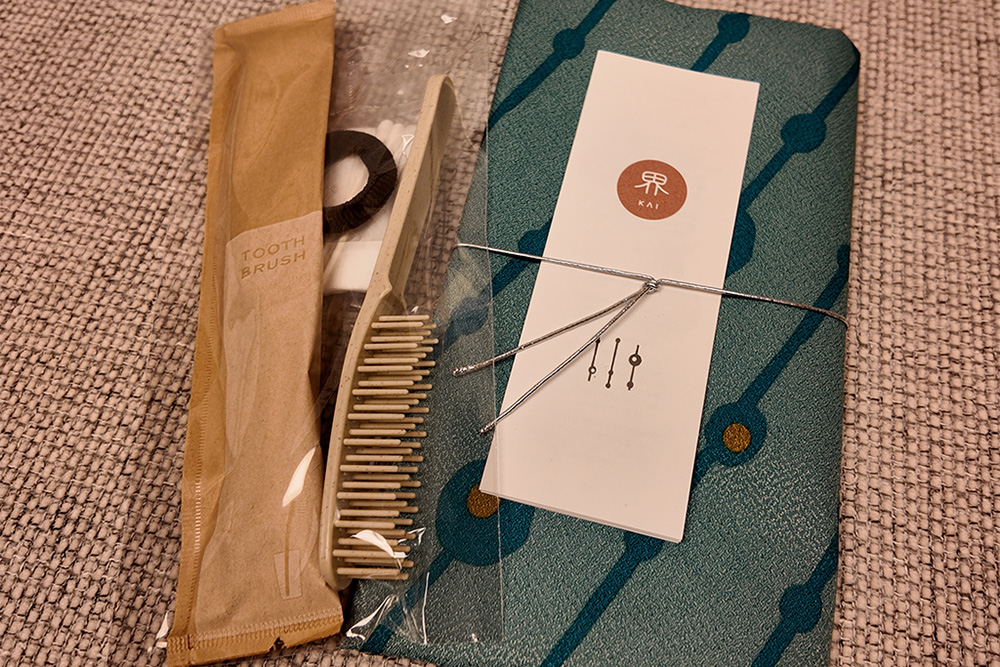
The furoshiki wrapping cloth for the amenities can be taken home as a souvenir of your trip
-
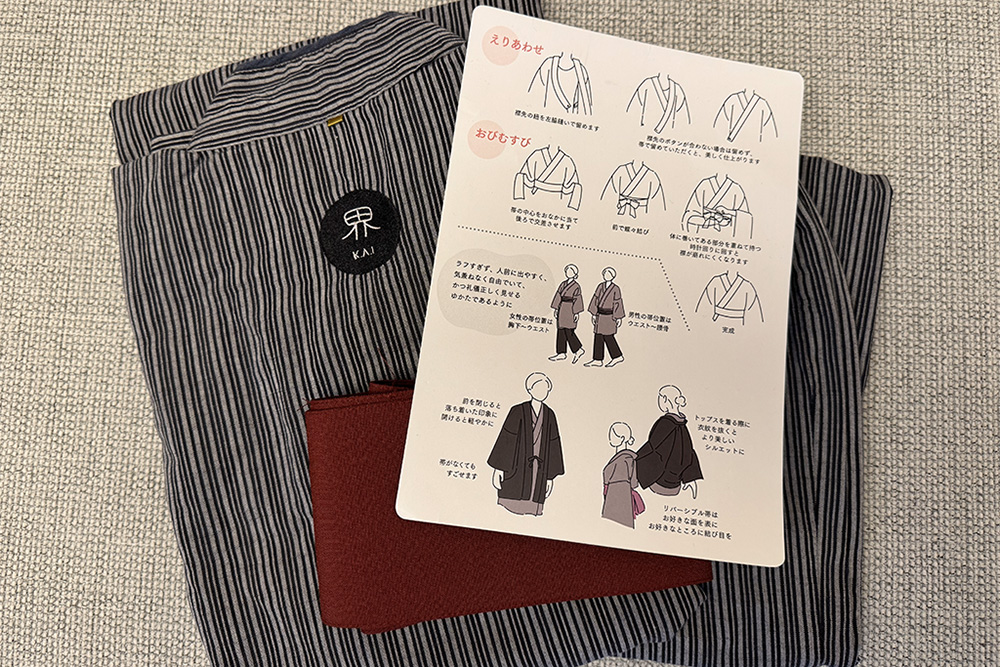
Comfortable separate-style loungewear. Perfect for those who are not comfortable in yukata
The guest rooms are filled with items that show great attention to detail. The room keys and trays, which offer the warmth of wood every time you touch them, are made of traditional Yosegi-zaiku (marquetry). The amenities are also extensive, including a complete set of Japanese and Chinese herbal skincare products, making it easy to stay light-handed.
Particularly impressive is the original KAI "furoshiki" (wrapping cloth) used to wrap items like toothbrushes. Changing into comfortable loungewear and heading to the hot spring carrying the furoshiki enhances the feeling of being a traveler on the Tokaido.
Yamaguchi-san
The "furoshiki" (wrapping cloth) comes in different colors for each Kai property; Kai Hakone features a color scheme inspired by "fresh greenery and autumn leaves." You can take it home with you as a memento of your trip.
"Hakone-Gokochi Suite": Limited to 2 rooms. Balancing privacy and togetherness
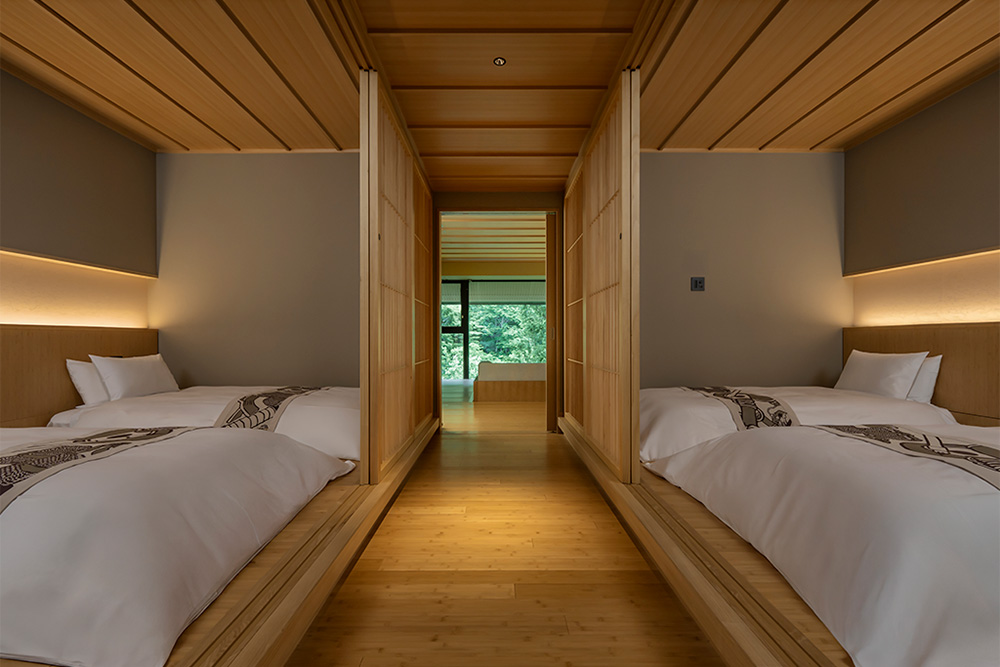
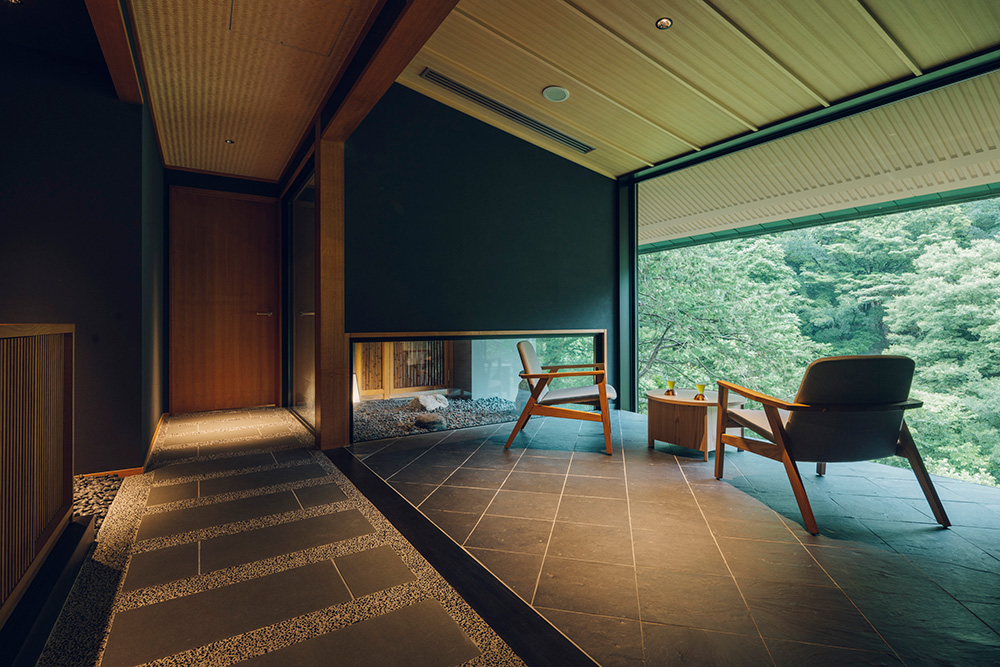
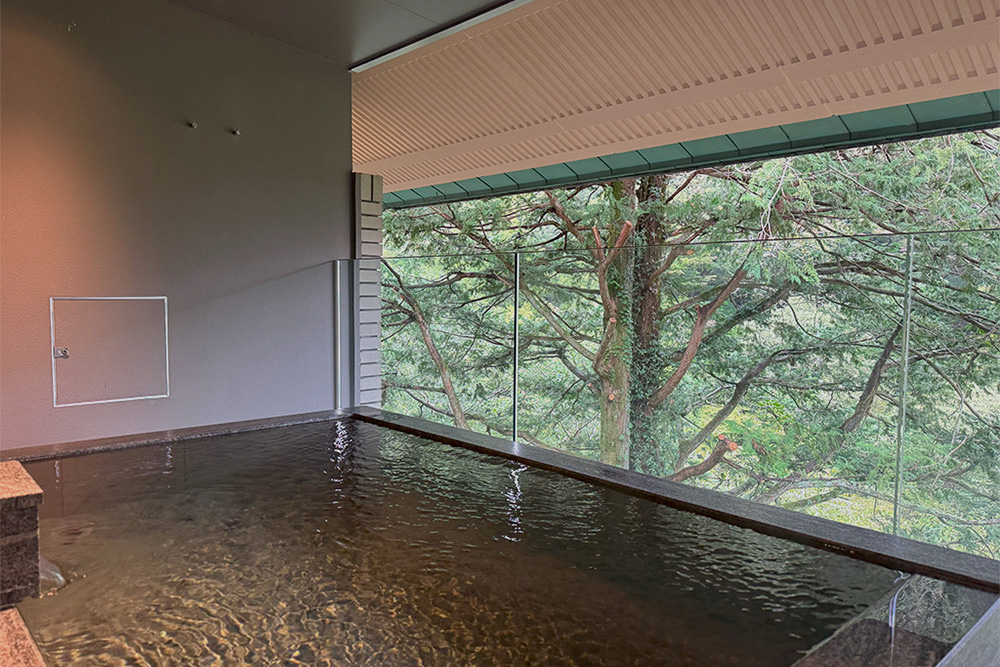
I was also shown the "Hakone-gokochi Suite," a guest room that just opened in August 2025. The theme of the room is "family travel for adults." To ensure that both the parent and child generations can spend time comfortably while maintaining a proper sense of distance without disrupting each other's daily rhythms, the suite features two independent bedrooms in addition to a large living room.
After enjoying a moment of family bonding in the living room, everyone can spend their own time in their respective bedrooms. Another highlight is the private open-air bath and dedicated post-bath relaxation area, allowing you to enjoy bathing at any time without hesitation.
Yamaguchi-san
This room is recommended for adult family trips, as it allows you to enjoy the fun of traveling together while still ensuring private time. Guests have also praised it, saying, "Everyone was able to relax without feeling self-conscious."
2. Hot springs
Enchanted by the view that looks just like a landscape painting. A large public bath that makes you feel one with nature
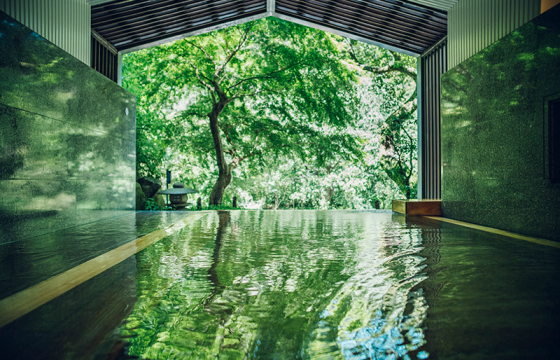
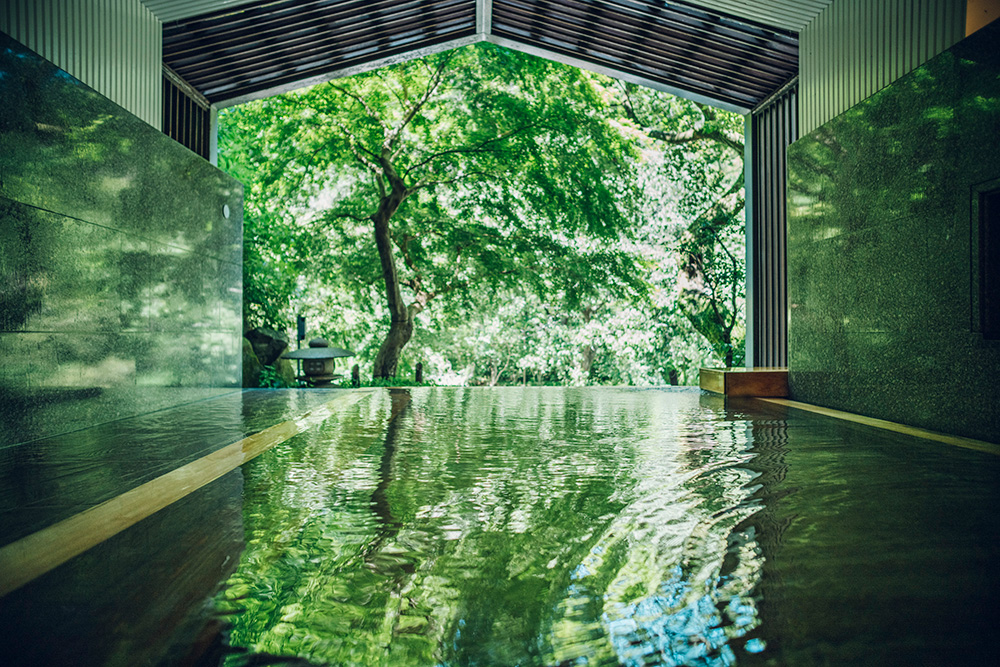
A semi-open-air bath surrounded by the sound of the river and fresh greenery
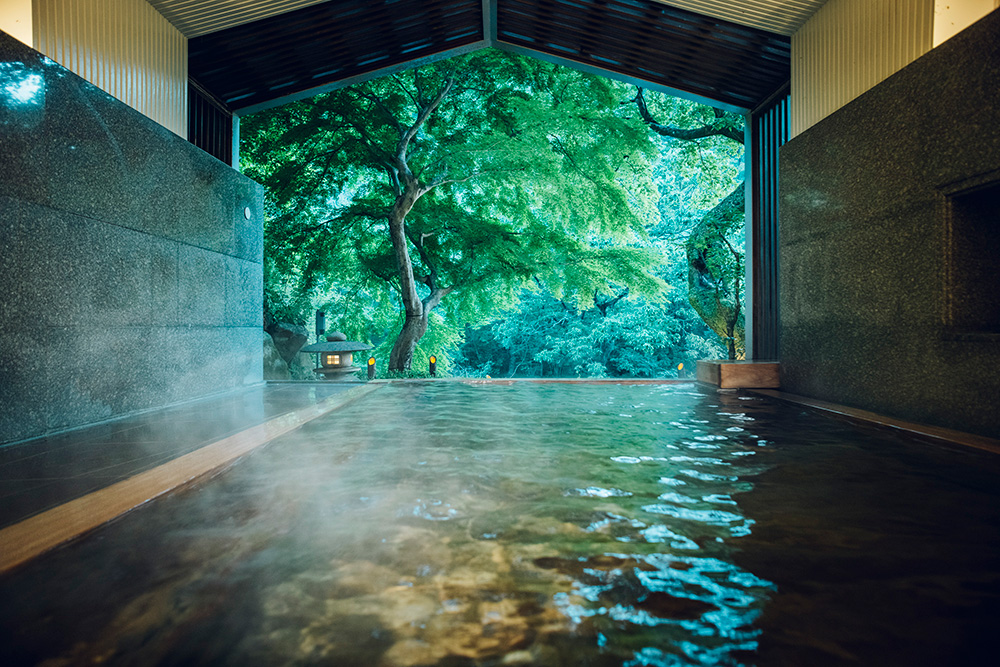

The large public bath is a semi-open-air bath with one wall completely opened up. A landscape-like view spreads out before you, and you can enjoy bathing while experiencing a sense of openness as if you were one with the greenery of Mt. Yusaka and the clear stream of the Sukumo River.
The water quality is a sodium-chloride spring, which is said to be good for conditions like poor circulation. Because the salt content coats the skin, it leaves your skin feeling moist and smooth after bathing, and the warmth lasts. A sauna and cold water bath are also provided, allowing you to refresh both your mind and body.
Yamaguchi-san
You can enjoy different scenery throughout the four seasons, from vibrant green in spring and summer to brilliant red autumn leaves and a snowy landscape in winter. The time of day we especially recommend throughout the year is around 7:00 AM, when the area is bathed in soft morning sunlight and the surface of the hot spring and the trees sparkle.
The ease of visiting empty-handed and a relaxing time after your bath
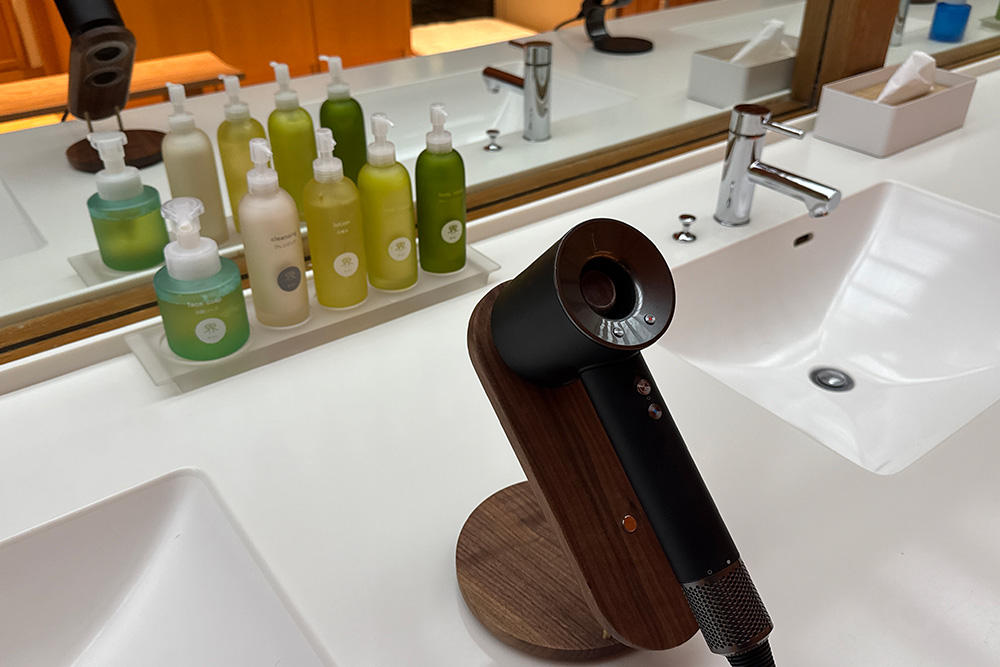
For hot spring lovers, a delightful feature is that the changing room is fully equipped with bath towels and face towels, as well as a full set of amenities such as lotion containing Japanese and Chinese herbal ingredients. There is no need to bring anything from your guest room, so you can head to the hot spring "empty-handed" as many times as you like whenever the mood strikes.
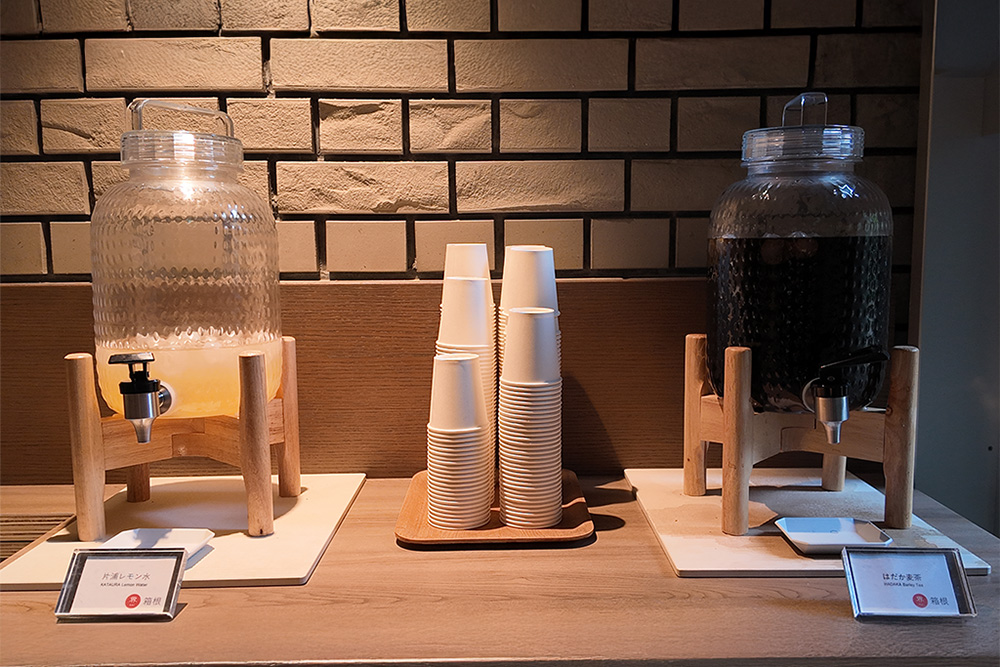
At the post-bath lounge in front of the large public bath, you can take a break with an ice pop or a drink in hand. The "Kataura Lemon Water" is particularly refreshing, with a flavor unique to Odawara's specialty. The sweet and sour coldness gently soothed my flushed body, and before I knew it, I had stayed longer than intended.
"Uruhashi Modern Toji": Deepen your knowledge of hot springs and enhance their effects
-
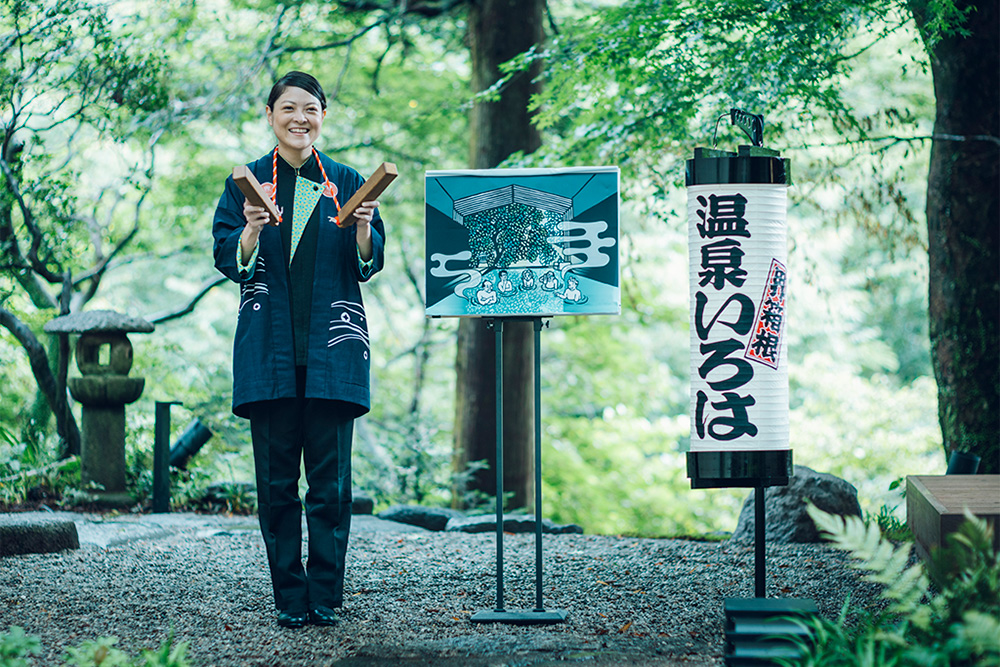
Kai's hot spring guardian provides a fun explanation of the history of Hakone Onsen
-
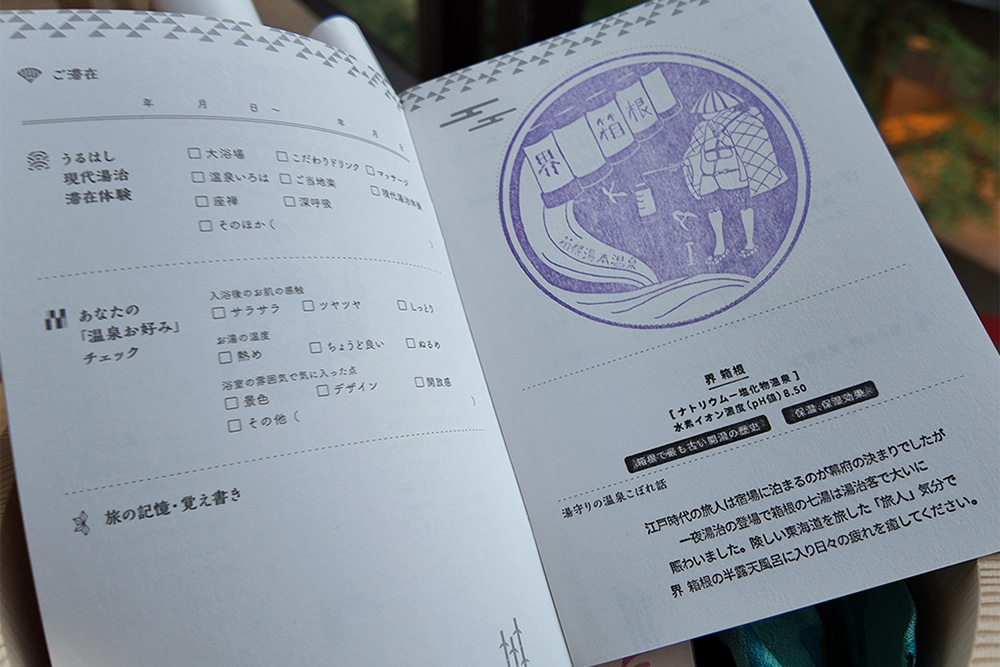
The "Oyu-incho" (hot spring stamp book) given as a benefit for participating in the Hot Spring Iroha
-
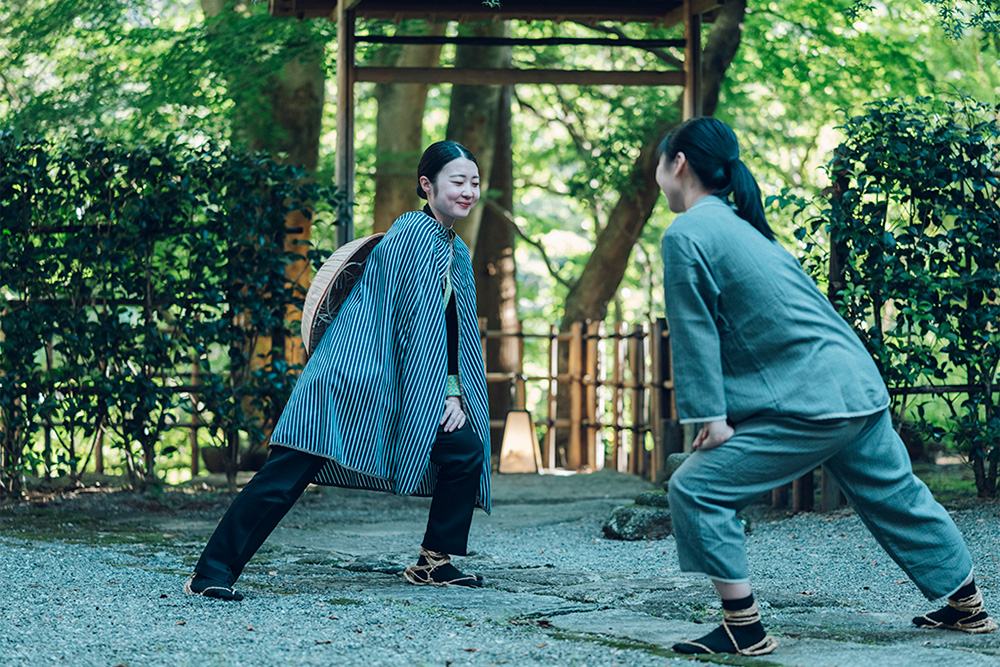
Modern hot spring therapy exercises held in the courtyard the following morning
-
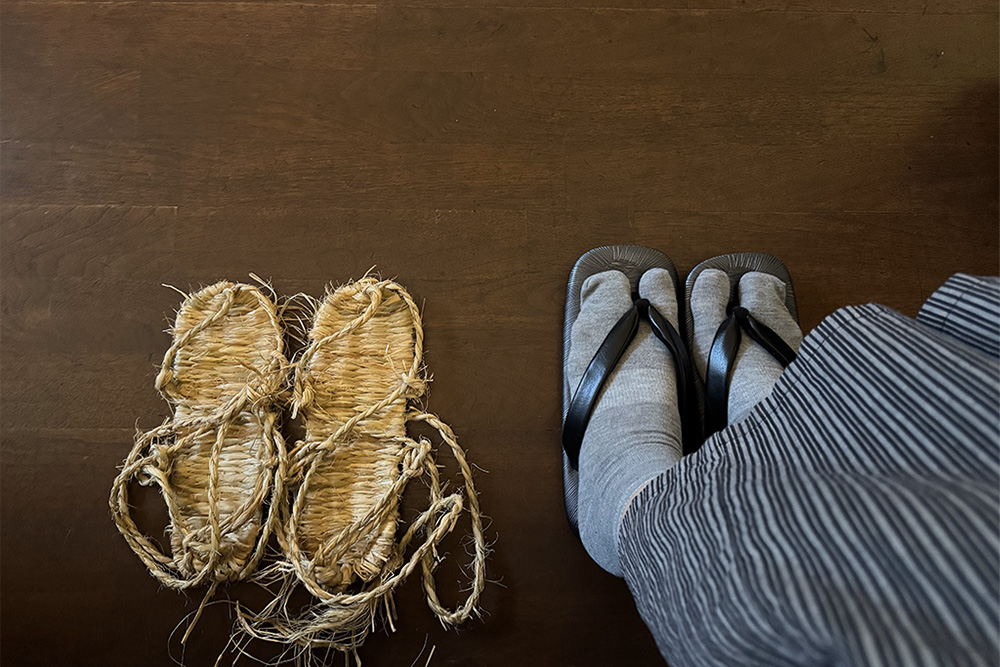
A rare experience of actually wearing waraji straw sandals
At KAI, there is a wide range of programs under the "Uruwashi Gendai Toji" (Modern Hot Spring Cure) concept that apply the wisdom of traditional hot spring cures to the present day. Before dinner, I participated in "Hot Spring Iroha," where I learned about history and bathing methods through illustrations drawn on cloth. As proof of participation, I received an "Oyu-in-cho" (hot spring stamp book) stamped with a local stamp.
The next morning, I participated in the "Modern Hot Spring Cure Exercises" held in the courtyard. The sensation of actually wearing straw sandals and gripping with my toes was fresh, and the fact that it was a little difficult was all part of the charm. It was a precious time to pleasantly awaken my body while thinking of the travelers who once traversed the Tokaido.
Yamaguchi-san
The "Oyu-in" (hot spring stamp) features the name of the hot spring area along with motifs unique to that land, and the design varies by facility. Collecting these stamps in an Oyu-in book as you visit "Kai" properties across the country is another way to expand the joy of your travels.
3. Meals
Cuisine packed with the history of Hakone in every dish
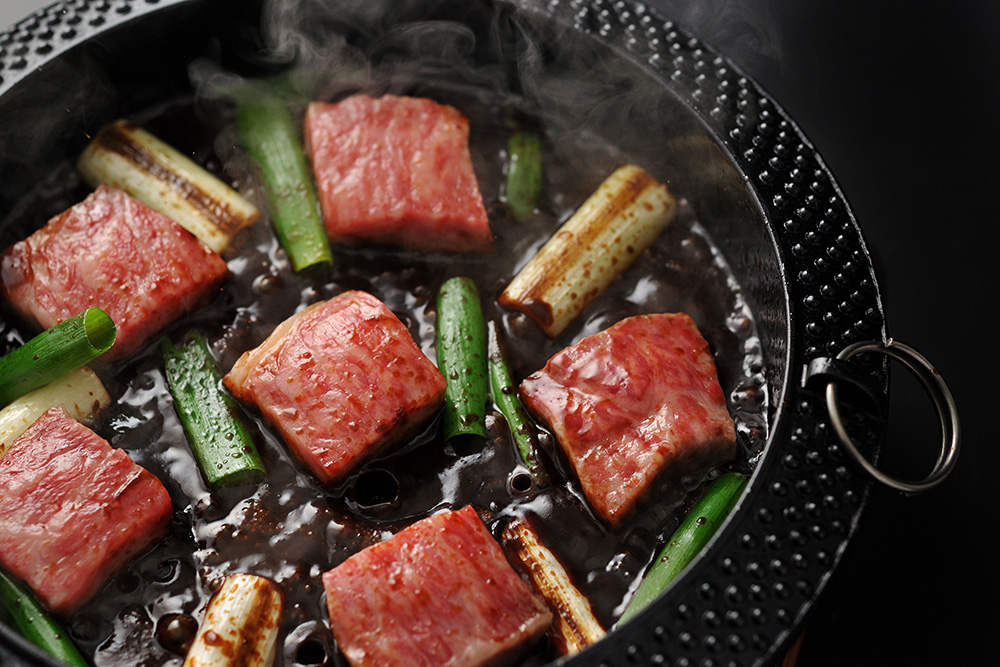
Kaiseki cuisine featuring "Meiji-style Beef Hot Pot" as the main dish
-
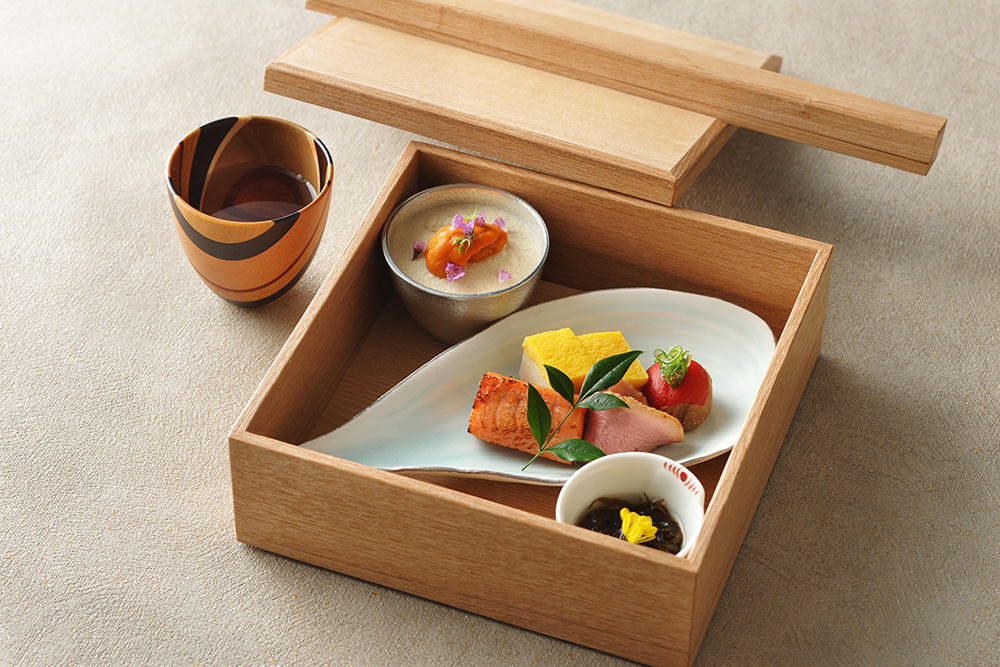
Colorful saki-hassun (seasonal appetizer platter)
-
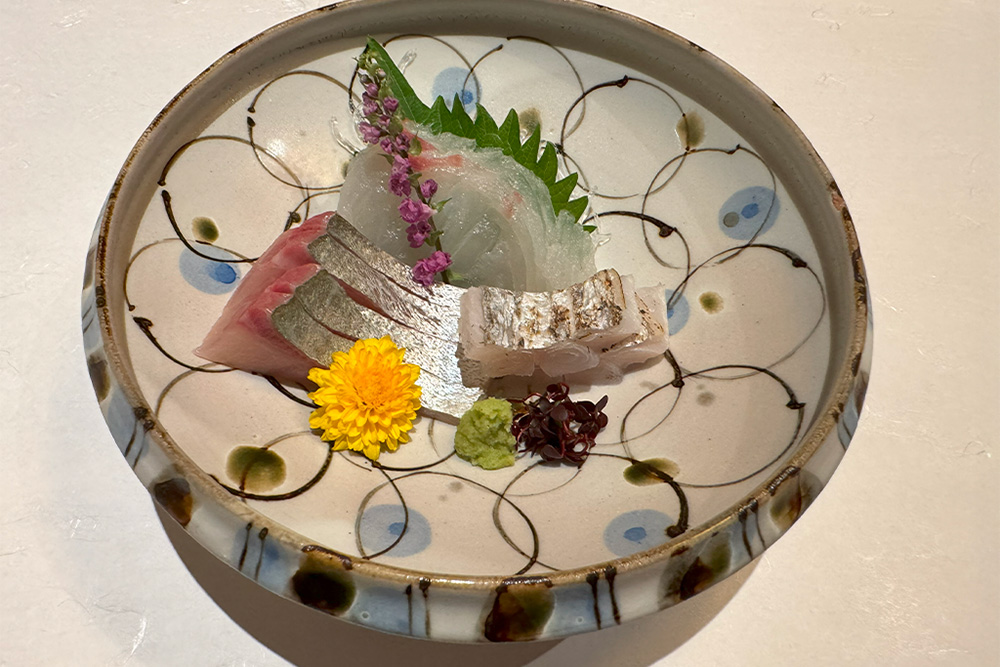
Assorted sashimi
-
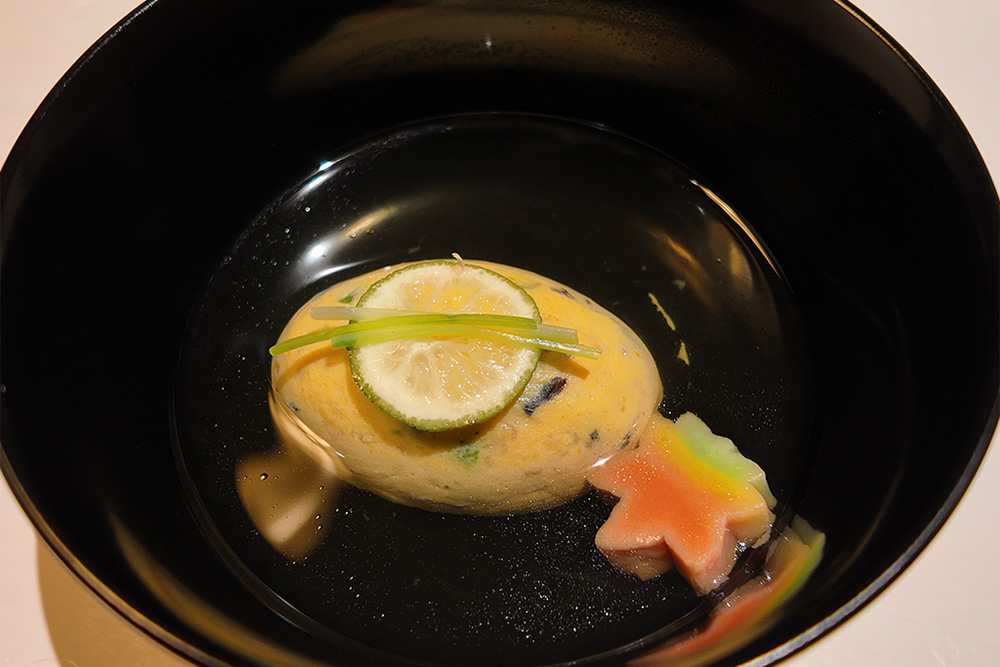
Simmered dish bowl that captures the season
-
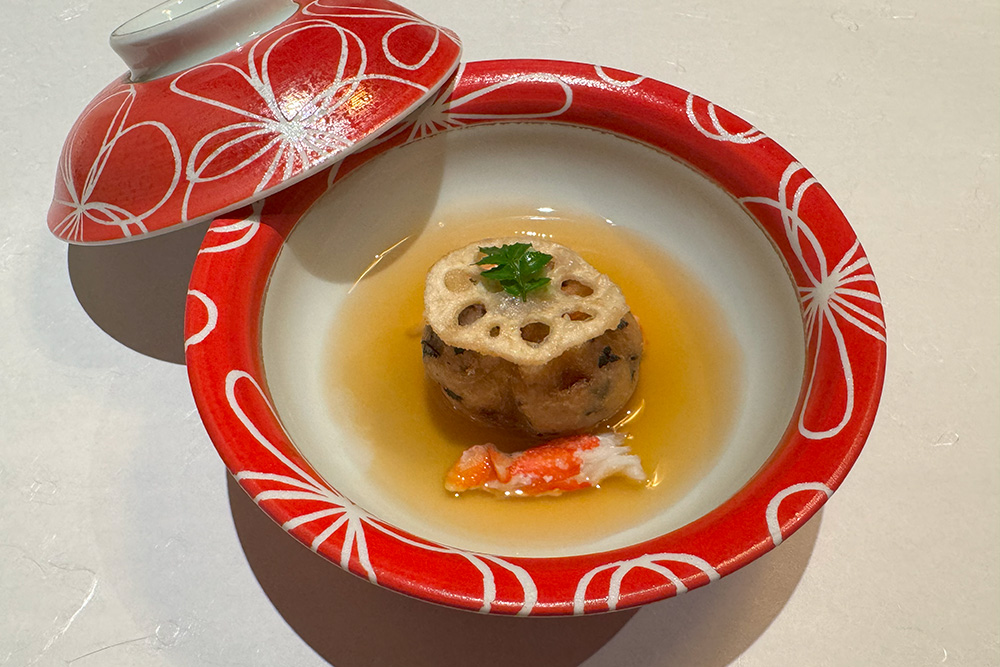
"Treasure Lotus Root Dumpling" served in a beautiful lidded bowl
-
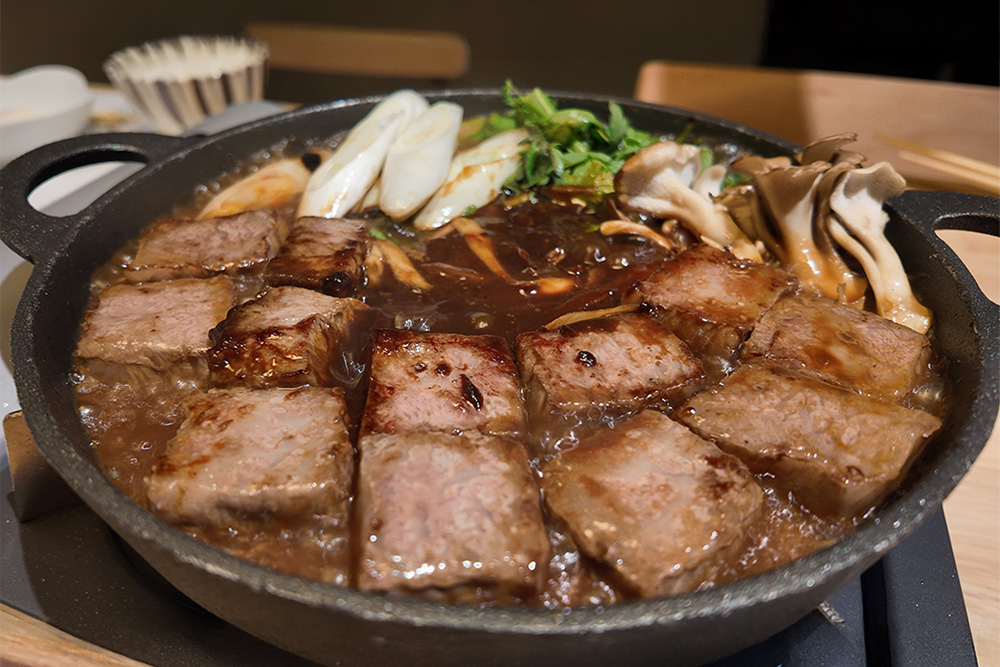
"Gyube" (beef hot pot), born in the Meiji era and said to be the origin of sukiyaki
-
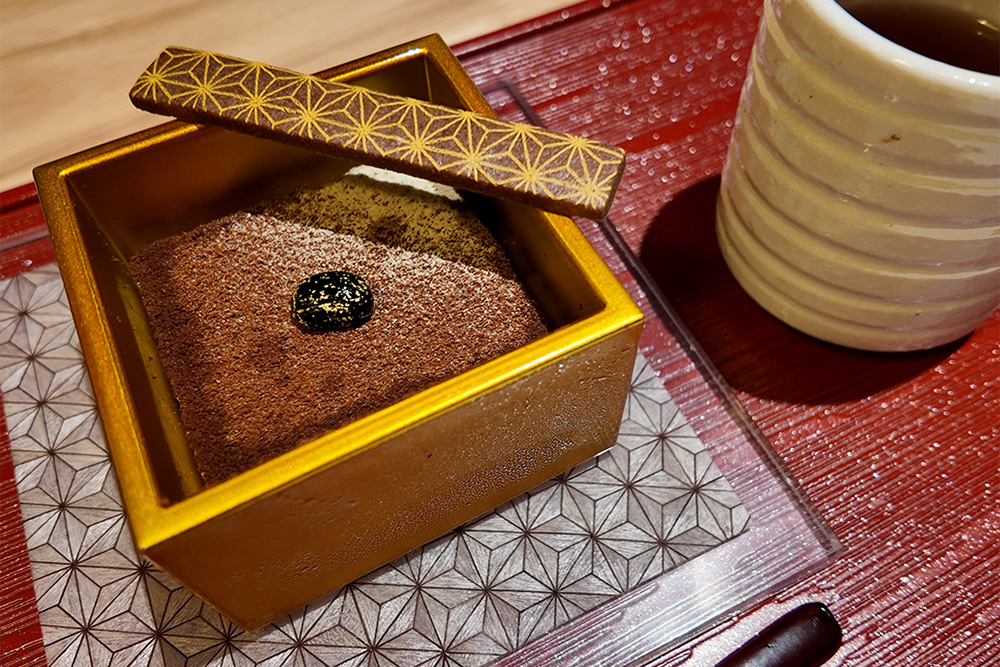
KAI Hakone special black bean tiramisu
Dinner is a kaiseki meal that makes abundant use of ingredients with historical connections. The main dish, "Meiji Beef Hot Pot," is a dish finished with a miso-based seasoning, whereas usually a soy sauce-based broth (warishita) would be used. It is a flavor unique to Hakone, where Western culture was adopted early on as Westerners and members of the upper class visited the area.
By listening to the historical background behind the dishes while tasting them, the dining experience gained more depth. It was an impressive dinner that allowed me to touch upon the culture and history of Hakone.
Yamaguchi-san
In keeping with the history of the Tokaido, the "saki-hassun" (first course) is served in a container modeled after the "hasami-bako" (carrying box) once used by express messengers. In fact, there is a little trick to this container. Please come and stay with us to experience it for yourself.
A local Hakone breakfast that gently colors the start of your day
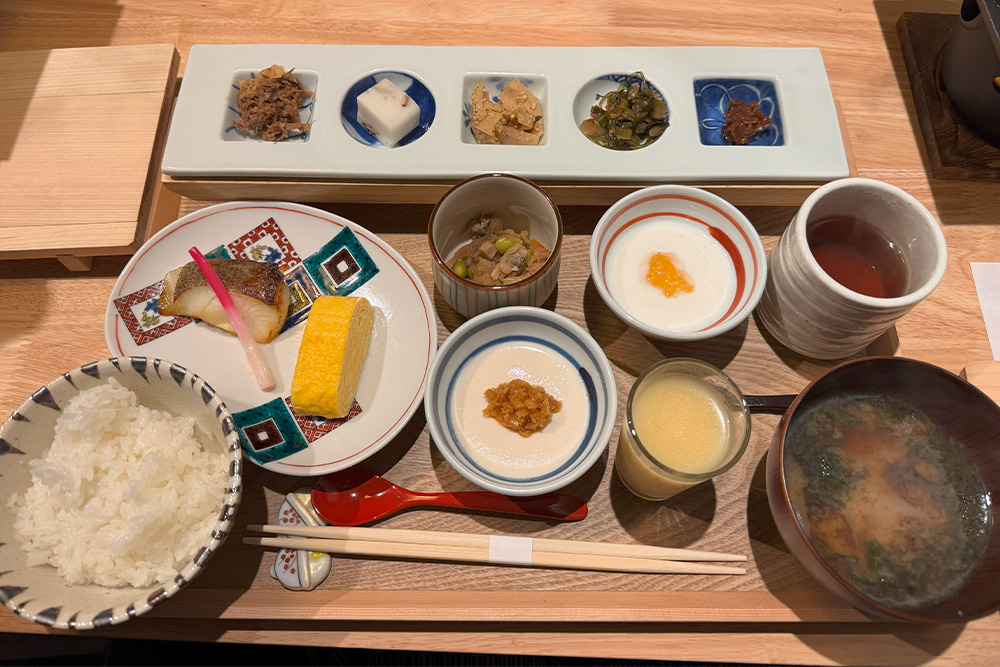
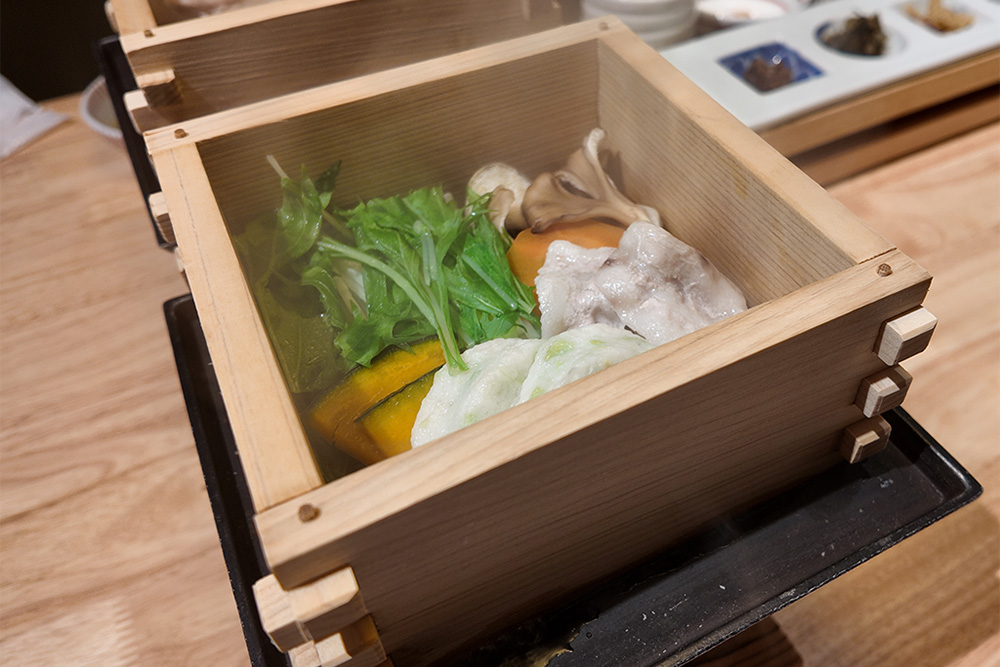
KAI's "Local Breakfast" is a Japanese-style meal that incorporates regional ingredients and cooking methods. It begins with a morning cup of "amazake," a Hakone specialty, followed by steamed dishes using fish paste products associated with Odawara.
I could feel the essence of Hakone even from the breakfast table. It was a breakfast that was gentle in flavor yet satisfying, giving me a solid boost of energy to start the day.
Yamaguchi-san
The steamed dish in a bamboo steamer is inspired by the "steam" of the hot springs that once soothed the fatigue of travelers on the Tokaido. Please enjoy the scenery unique to Hakone through your meal, along with the steam that spreads the moment you open the lid.
4. Local experiences
Take a relaxing break at "Sawa Chaya," which offers a different atmosphere between day and night
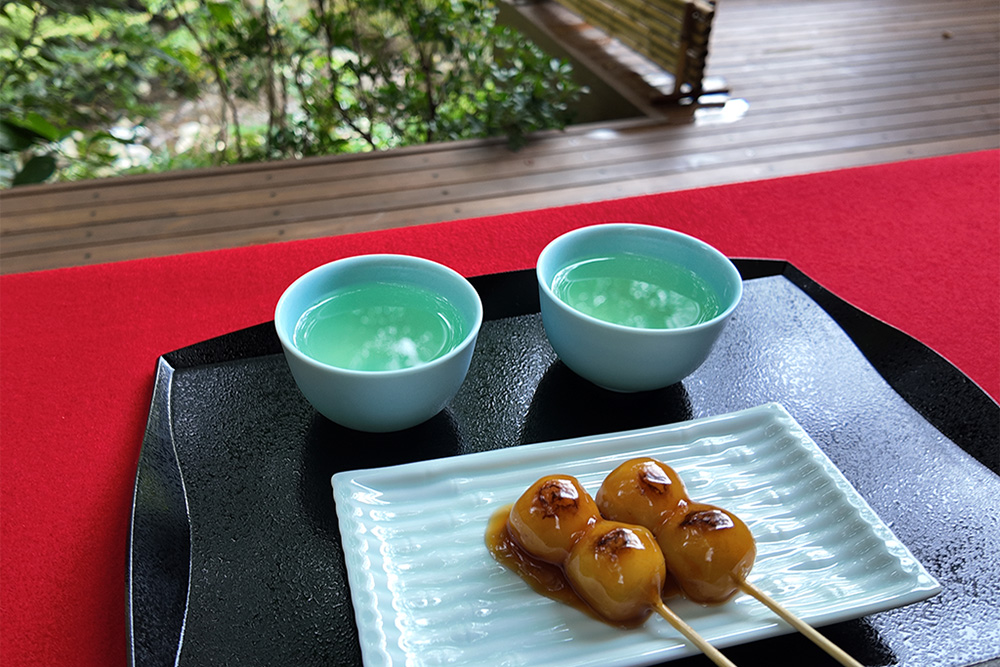
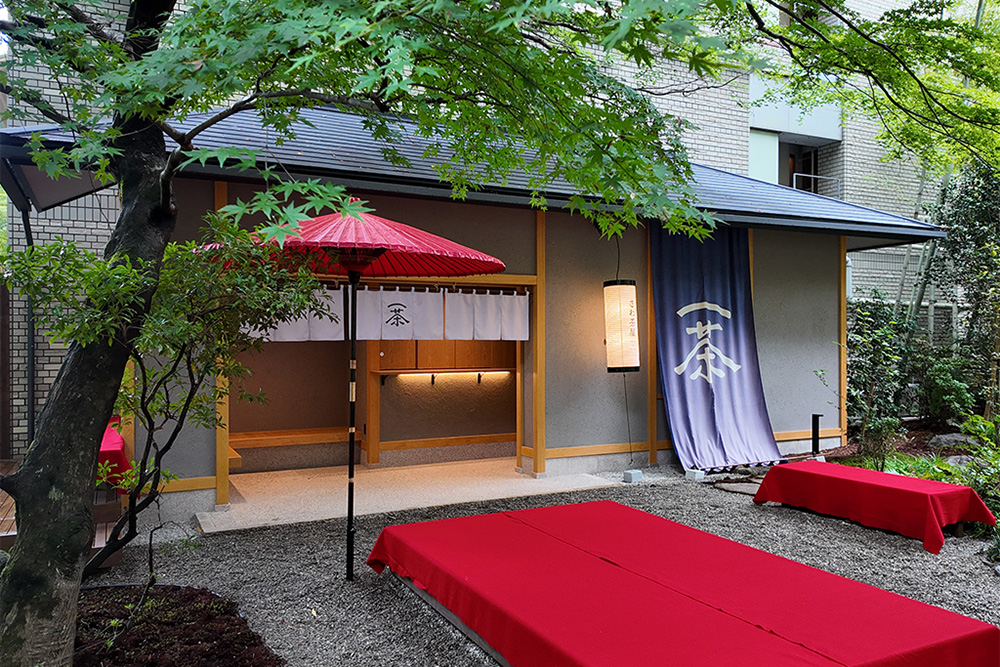
"Sawa Chaya" in the courtyard is a space where you can relax freely at any time and as often as you like, whether upon arrival, after dinner, after a bath, or before departure. One of the charms of Sawa Chaya is that you can enjoy its different expressions during the day and at night.
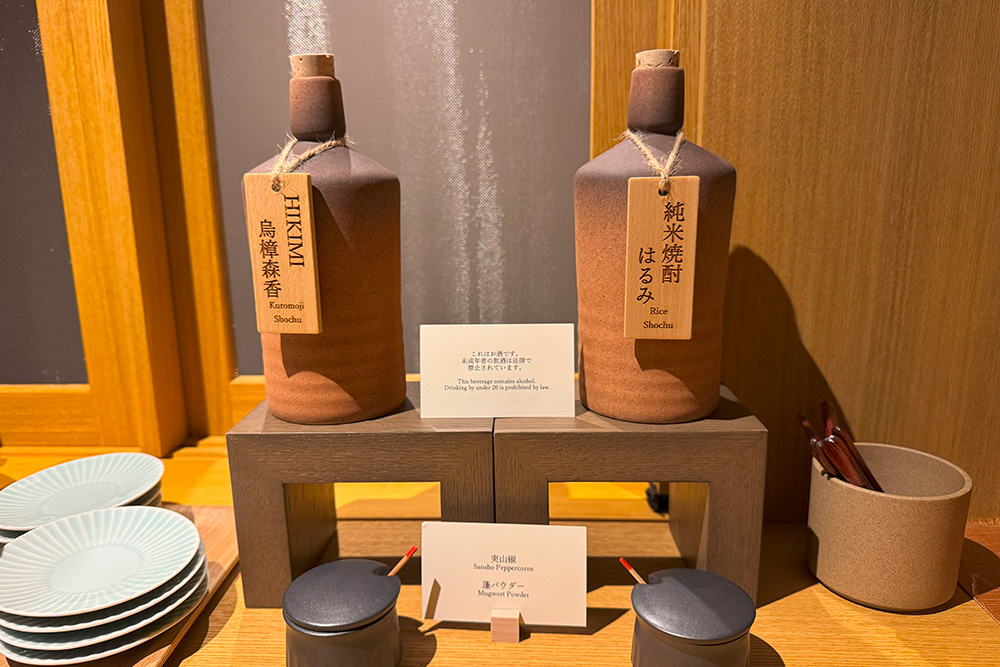
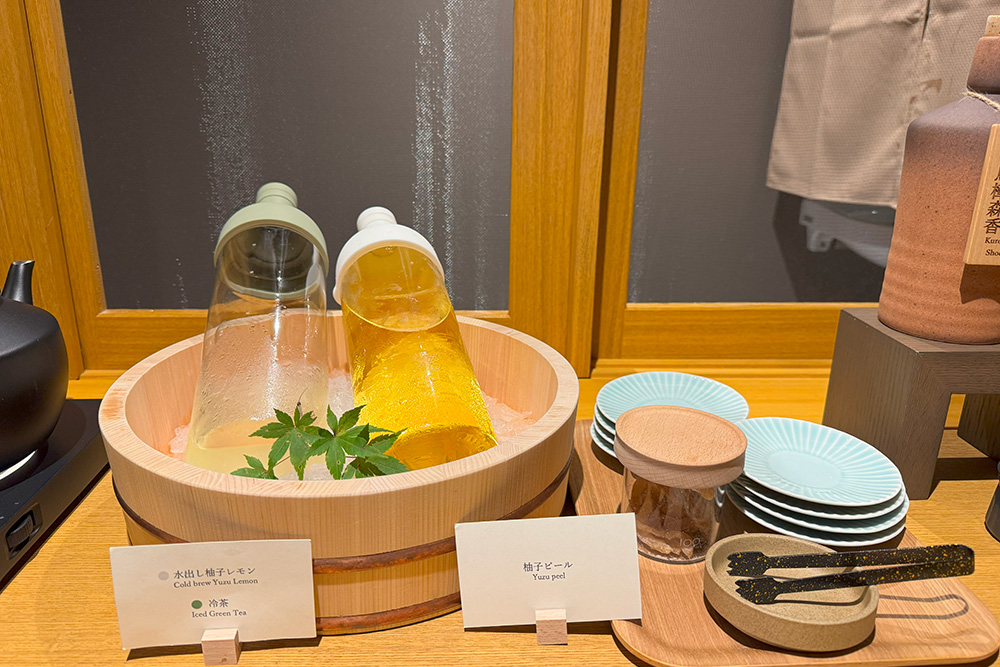
During the day, I spent a peaceful time having seasonal tea and dumplings at a seat overlooking the Sukumo River, wrapped in the murmuring of the river and the sunlight. At night, the lighting changes to a calm atmosphere, and I relaxed while enjoying herbal tea or shochu related to Hakone's medicinal herb culture after my bath. It was a moment wrapped in silence, where I could savor the lingering memories of my trip.
Yamaguchi-san
The Hakone road, known as the most difficult section of the Tokaido, was once lined with teahouses where travelers would rest. "Sawa-chaya" is inspired by these teahouses that welcomed such travelers.
Experience "Zukubiki" (wood shaving) of "Yosegi-zaiku" (marquetry)
-
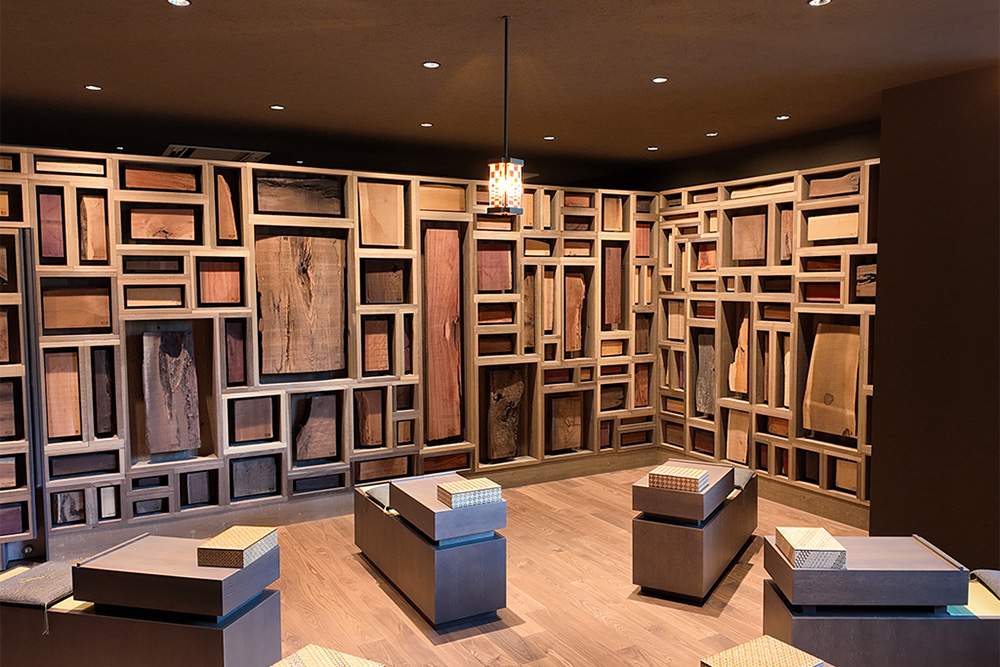
"Local Experience Room" where you can try part of the Yosegi-zaiku (marquetry) production process
-
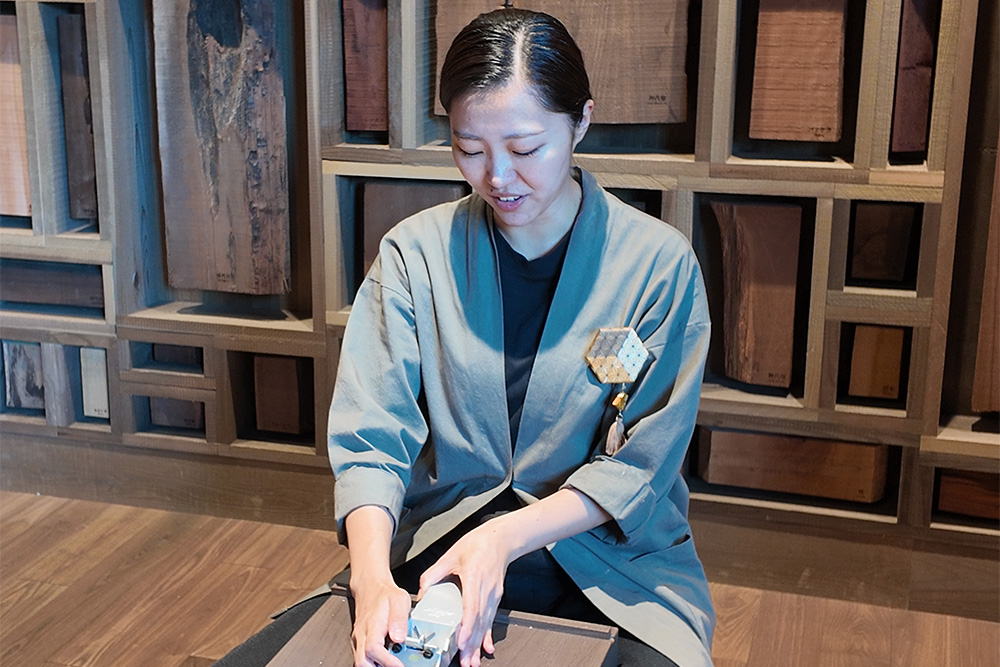
Staff members carefully explain the experience
-
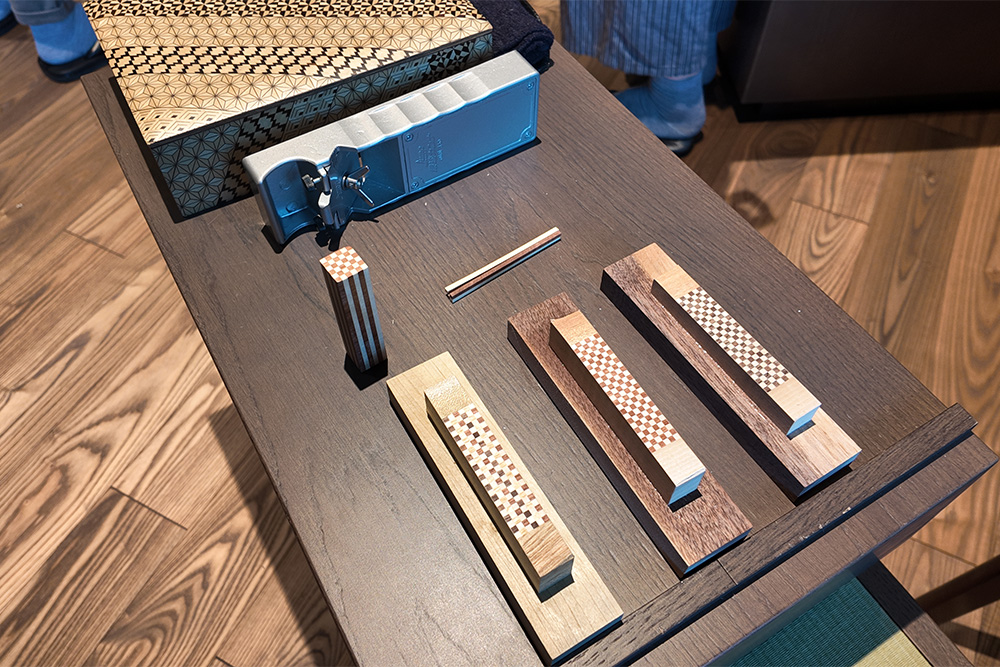
Experience goods placed at your seat
-
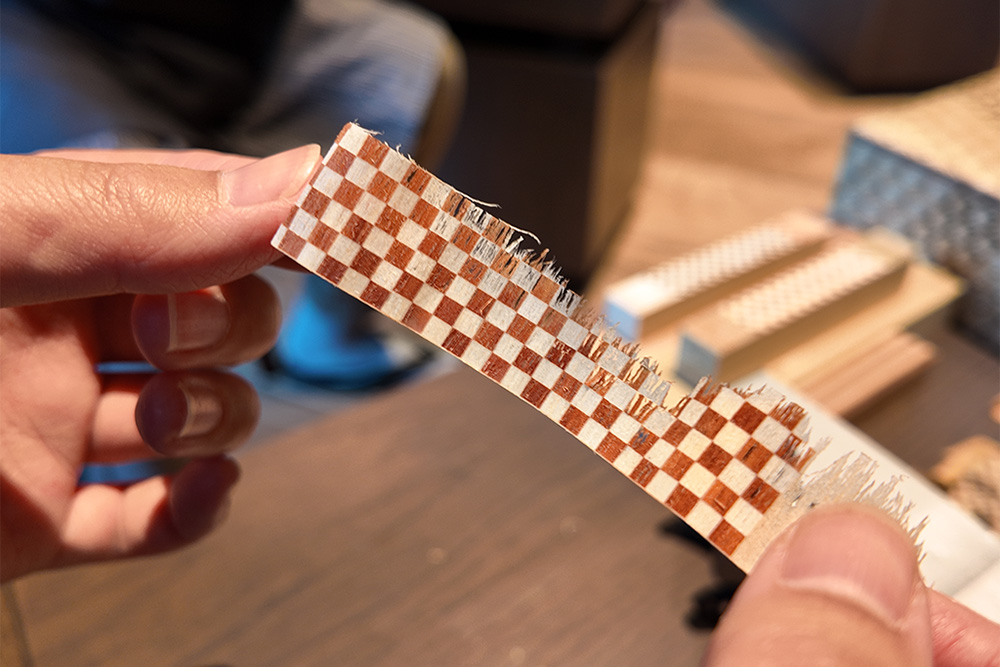
Actually trying out "Zuku-biki" (wood shaving)
-
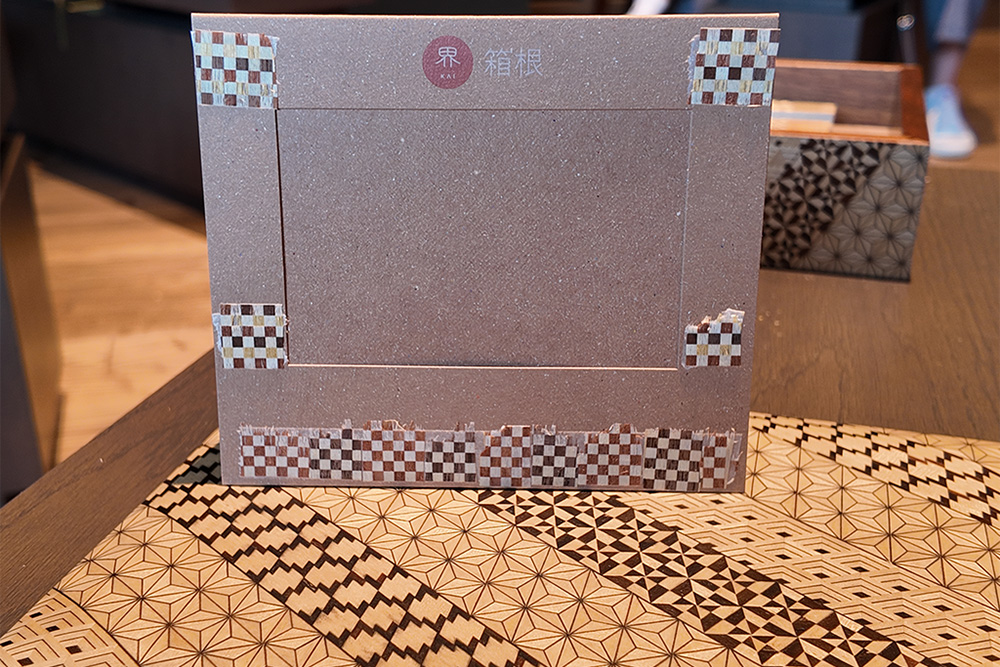
Original photo frame made with shaved zuku wood
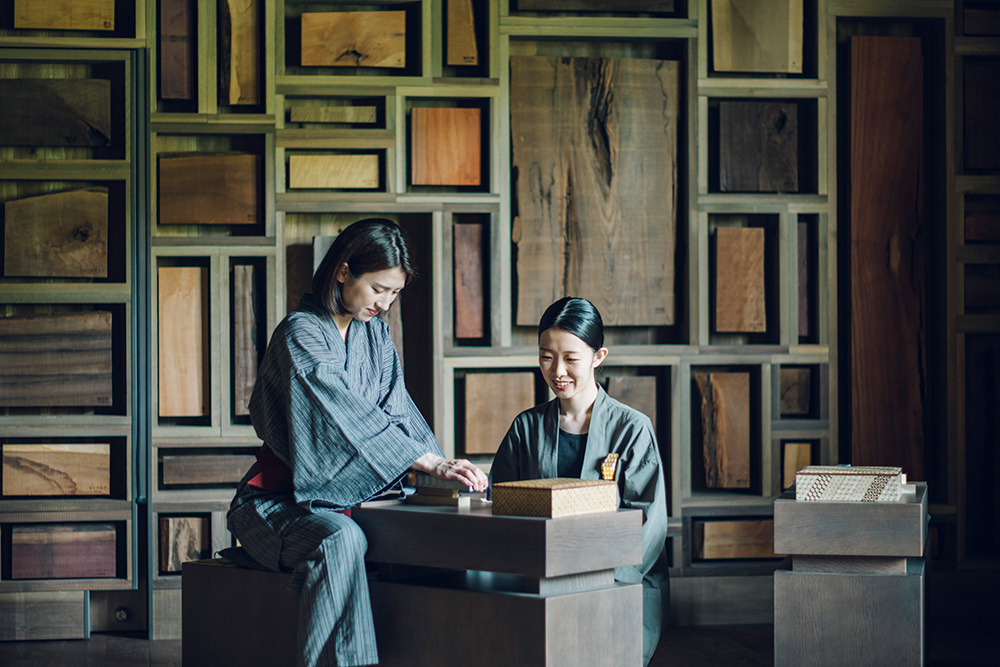
At Kai Hakone, you can experience "Yosegi-zaiku Zukubiki" (woodworking). The "Gotochi-gaku Room," where raw wood before processing is displayed all over, is designed to resemble a craftsman's workshop. Here, I tried part of the Yosegi-zaiku production process.
When I actually tried "Zukubiki," which involves shaving the Yosegi with a plane, I was surprised at how difficult it was to shave it thinly and evenly. Experiencing this delicate work, where the finish changes with the slightest adjustment of force, made me appreciate the precise skills of the craftsmen once again.
You can also make an original photo frame using the shaved wood. You can take home a memory of the experience by inserting a photo taken by the staff.
Yamaguchi-san
The colors and patterns change depending on the type and combination of wood, which forms the design of the marquetry. I think you will feel even more attached to the room decorations and room keys when you look at them again after the experience.
Look for souvenirs at the shop, which also stocks Yosegi-zaiku (marquetry) goods
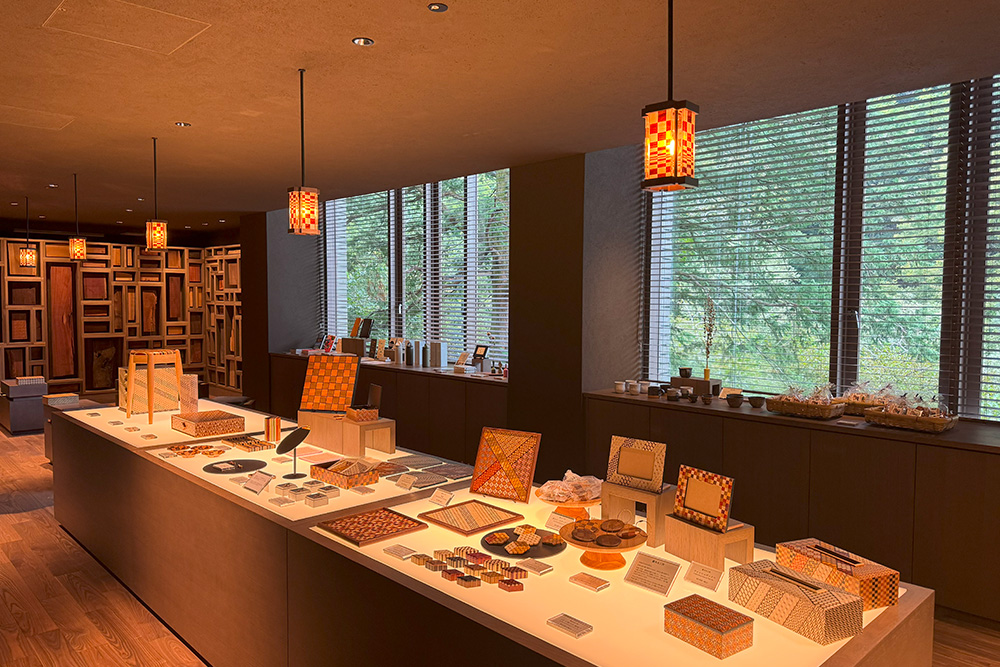
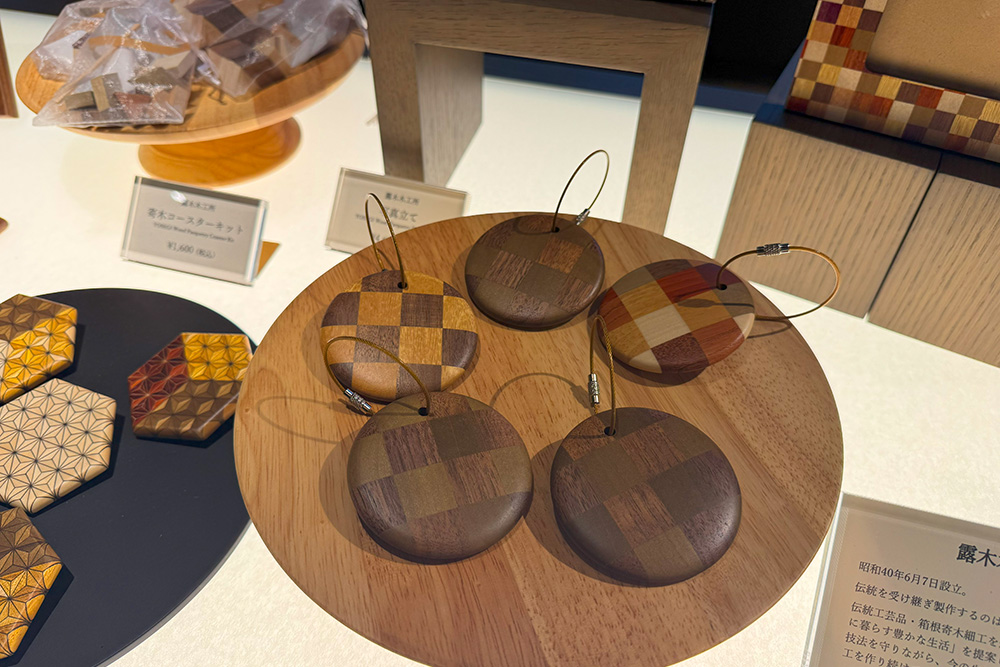
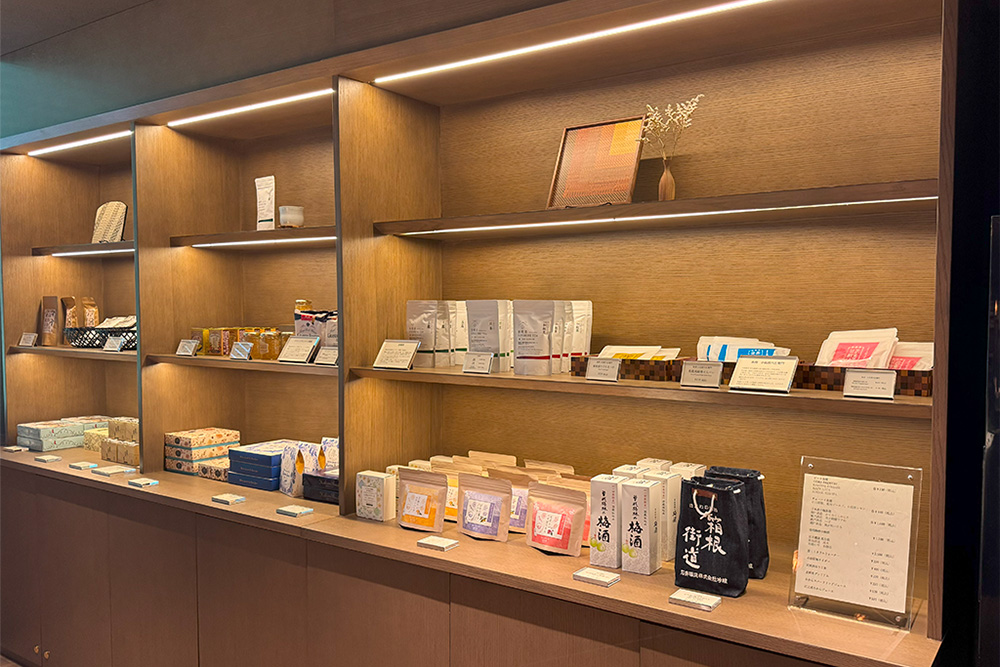
After experiencing the Gotochi-gaku, head to the adjacent shop. It is stocked with a wide variety of Yosegi-zaiku goods, and perhaps because of the experience, I found myself picking them up. It is a nice point that you can buy your favorite items as souvenirs, as products used in the guest rooms during your stay, such as room keys and tissue cases, are also on sale.
There are also snacks and alcoholic beverages in Kai Hakone original packaging.
A luxurious time to relax in the travel library
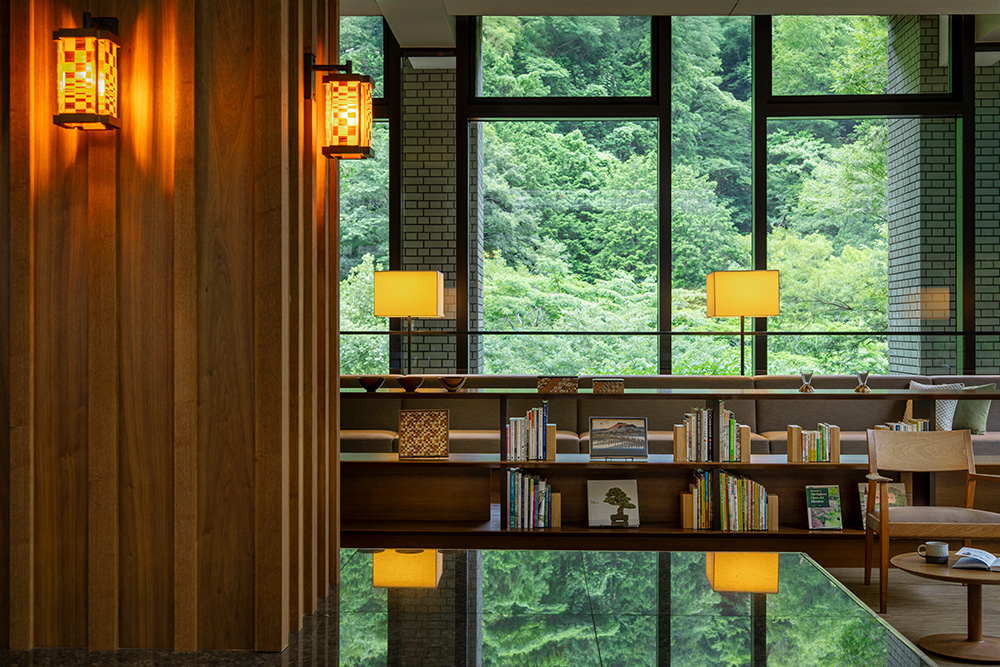
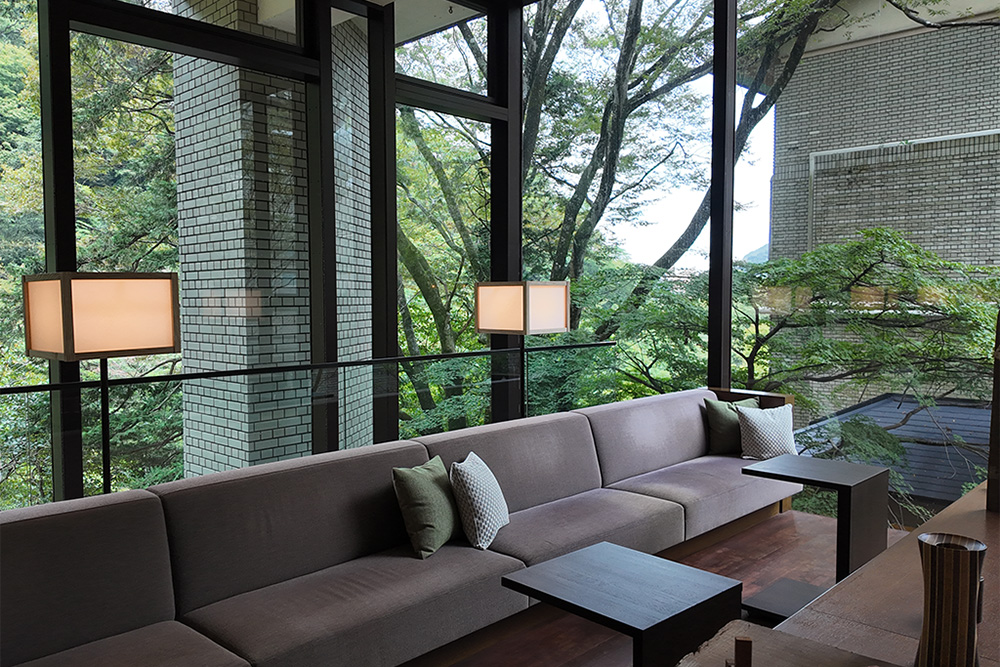
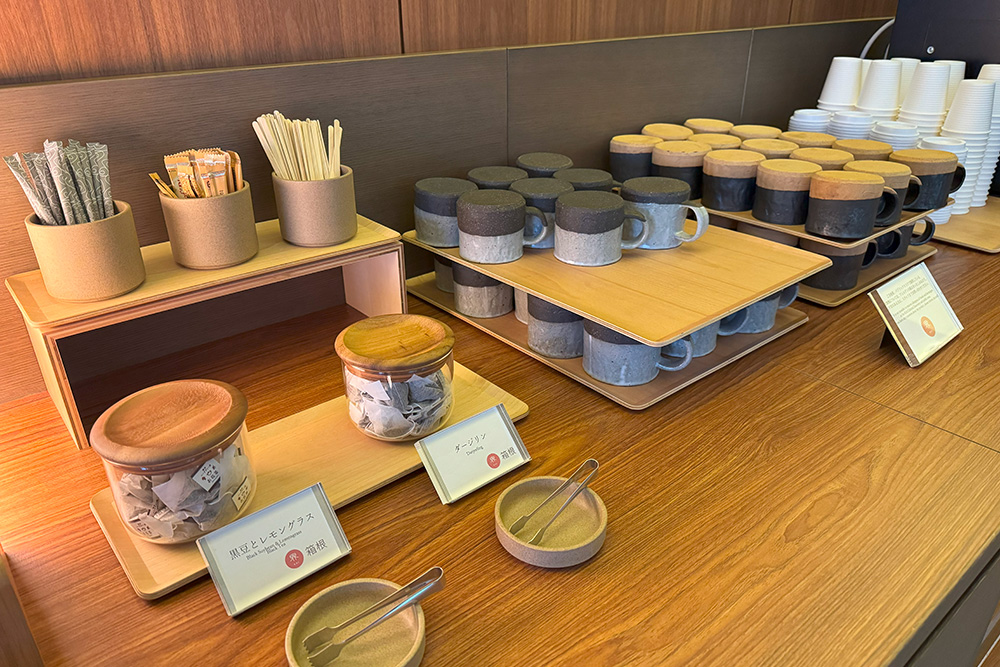
The Travel Library, attached to the lobby, is a public space stocked with books related to the history of Hakone and the traditional craft of Yosegi-zaiku. You can relax slowly with a cup of coffee or herbal tea, which you can enjoy freely, while being surrounded by the deep green of Mt. Yusaka and the murmuring of the Sukumo River spreading out before you.
It is also recommended for planning how to spend your time in the hotel or for making plans for tomorrow.
*The information provided is current as of the date of the article's update. Please check in advance as it may be subject to change.
Interview with the staff!
- Yamaguchi-san, what is your number one recommendation for KAI Hakone?
-
-
Yamaguchi-san
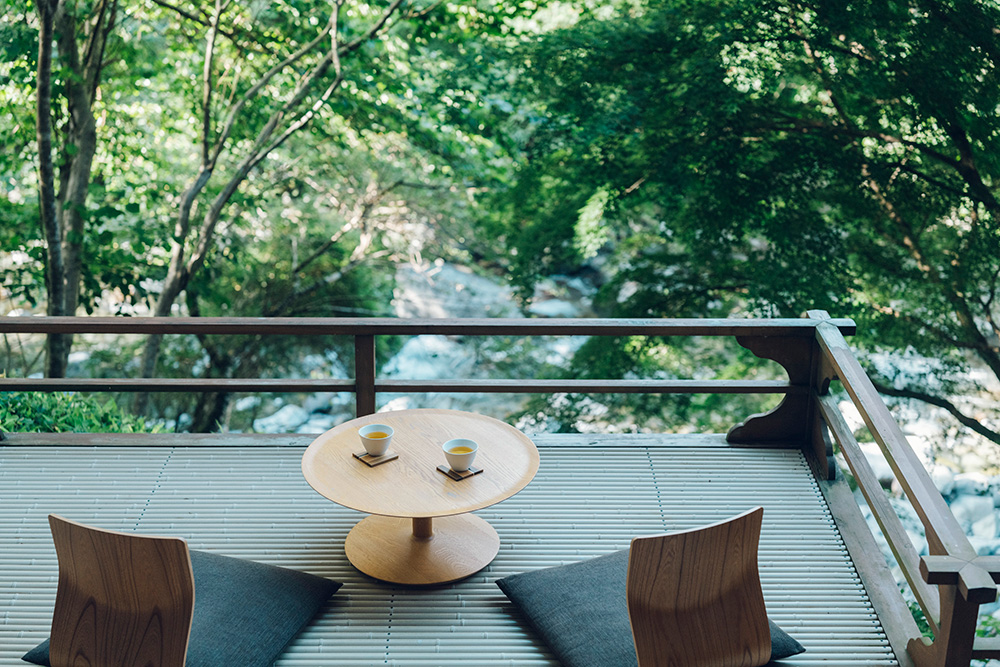
It is the magnificent view of Mt. Yusaka and the clear flow of the Sukumo River, which can be seen from all over the building. This nature, which changes its expression with the seasons, is a source of healing for us staff and gives us vitality every day.
- Are there any recommended ways to spend time each season, or a recommended season to visit?
-
-
Yamaguchi-san
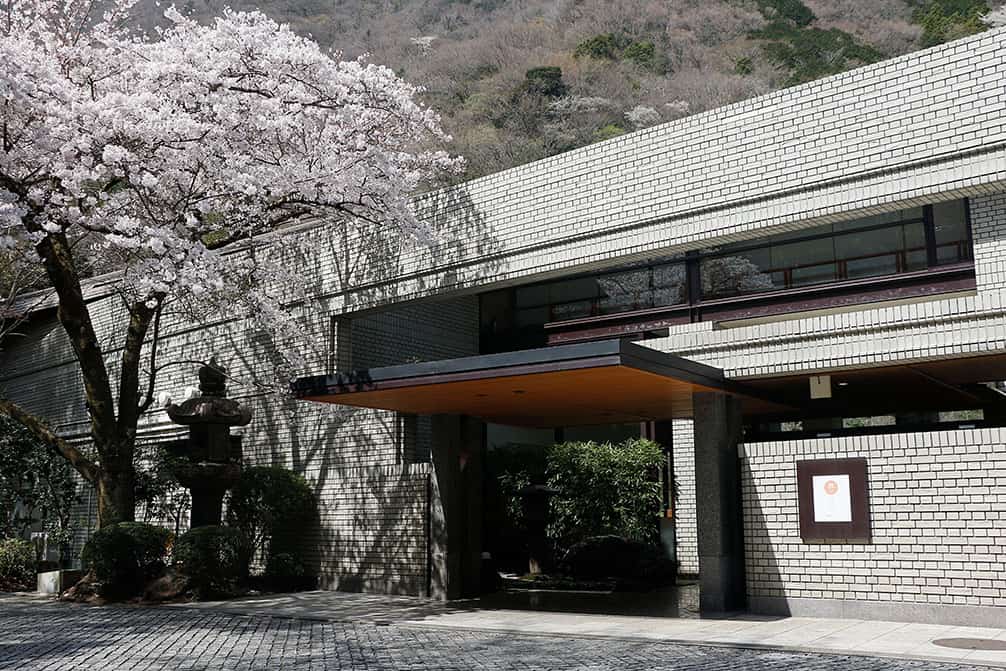
Surrounded by rich nature, the seasonal changes of Mt. Yusaka are beautiful, and there is a different charm every time you visit. Personally, I recommend spring; the cherry blossoms in front of the entrance are in full bloom around the end of March, and they are so beautiful that I look forward to them every year.
- As someone who knows Hakone inside and out, what are your recommended spots, Yamaguchi-san?
-
-
Yamaguchi-san
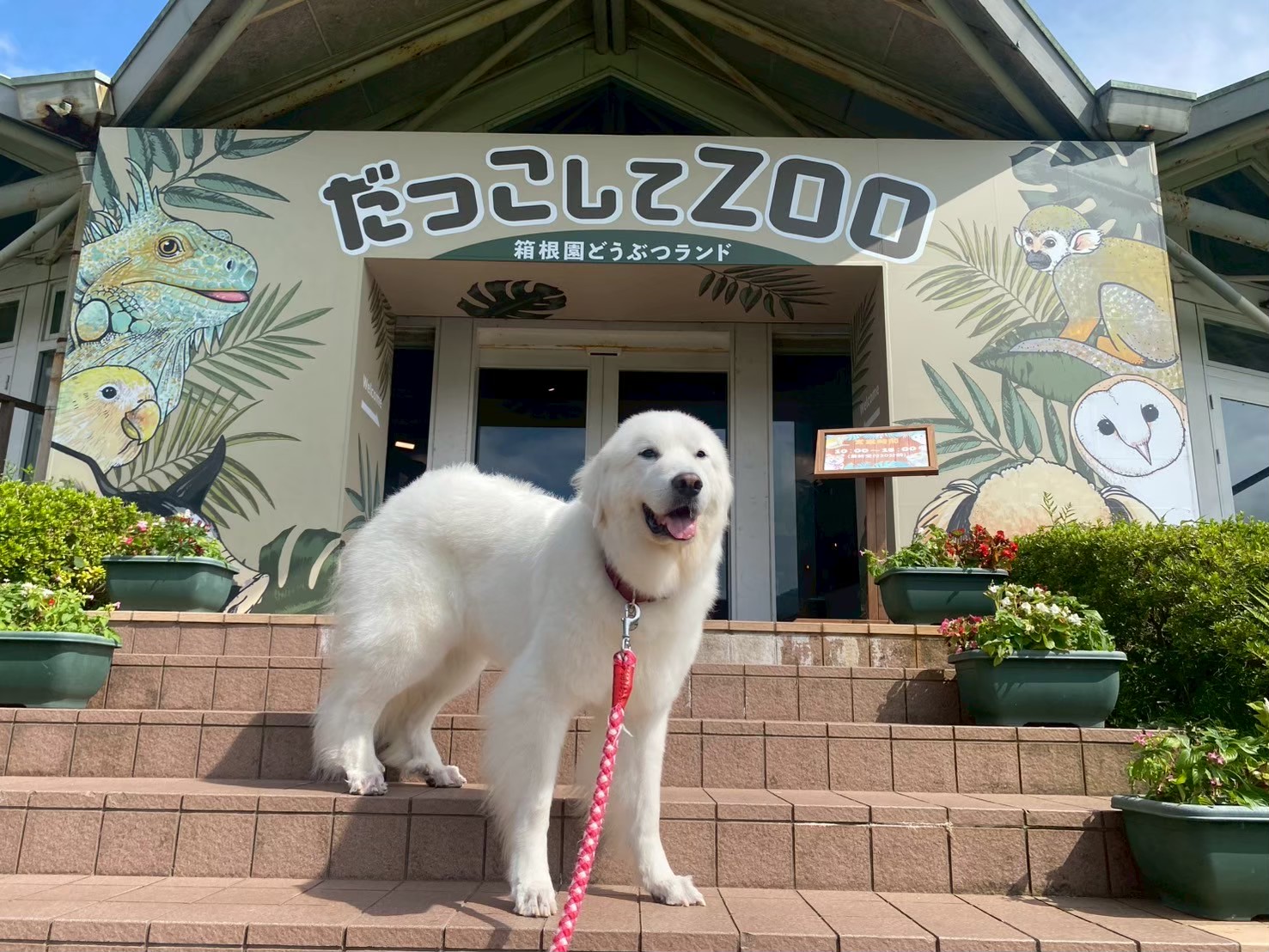
I recommend "Dakko shite ZOO" at Hakone-en on the shores of Lake Ashi. It is an interactive zoo where you can have direct contact with the animals. I visit regularly, about once every two months. Please stop by when you are sightseeing in Hakone.
- Finally, is there any "insider story" about KAI Hakone—a small detail or touch that guests might not easily notice?
-
-
Yamaguchi-san
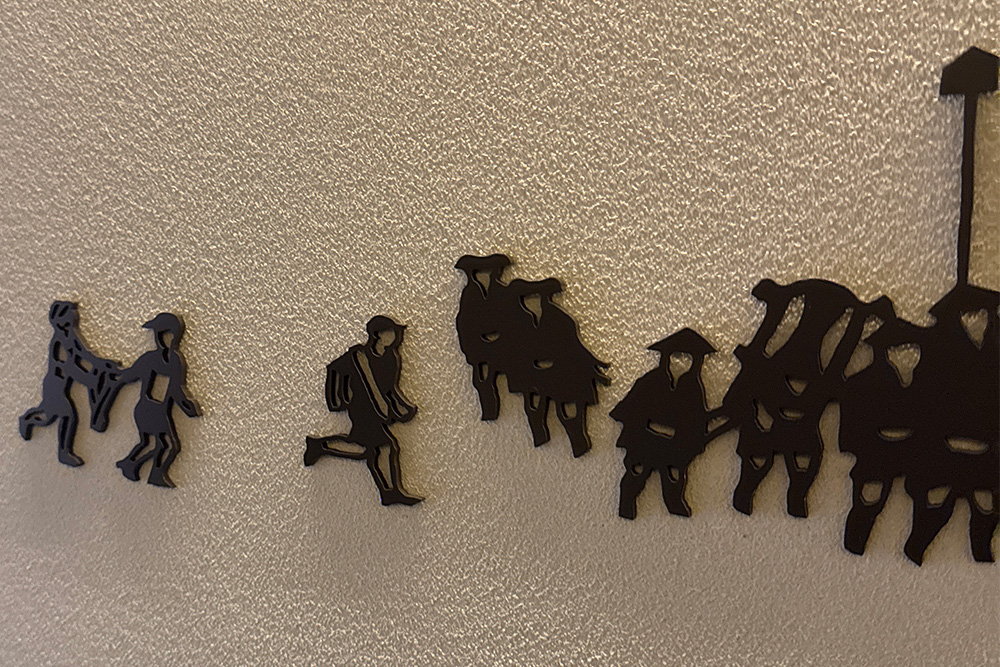
The corridor leading to the large public bath features a design themed around the "Past and Present Sankin-kotai" (daimyo procession). It is a playful design that incorporates modern elements, such as Hakone Ekiden runners. Please try to find your favorite design during your stay.
Impressions after the stay
I was able to thoroughly enjoy the unique charms of Hakone, from the crafts like "Yosegi-zaiku" (marquetry) scattered throughout the building to the hot springs surrounded by nature. There were also presentations that allowed me to feel the history and culture of the Tokaido, making me feel like a traveler on the old Tokaido road.
Editorial Department's Favorite Points
-
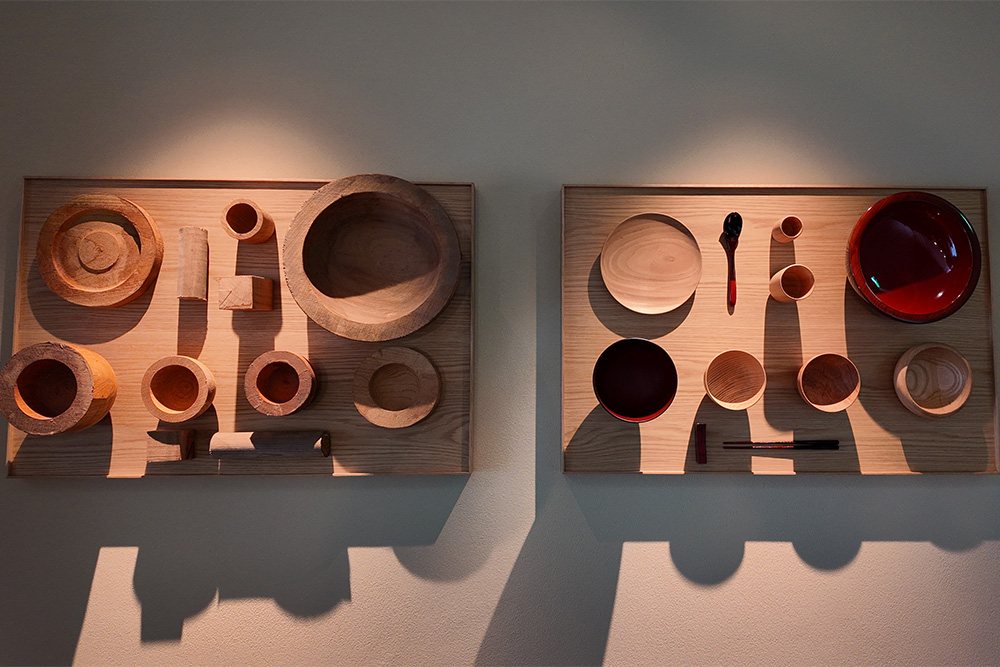
Urushi lacquer art decorating the dining area. On the left is before processing, and on the right is after, allowing you to feel the delicate craftsmanship of the artisans
-
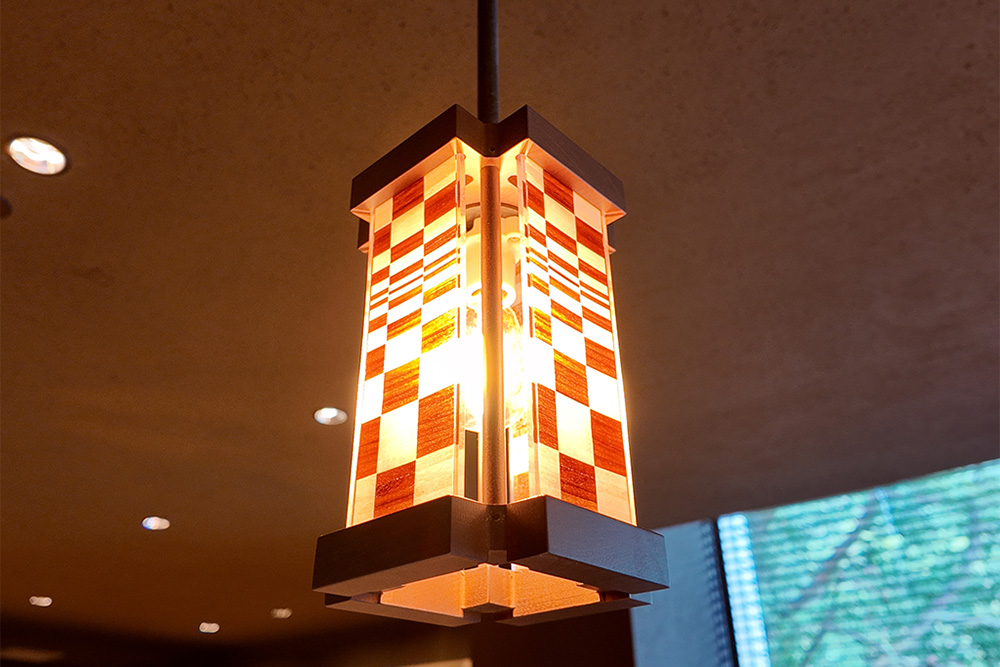
A light made of Yosegi-zaiku (marquetry). Its warm glow gently illuminates the space.
-
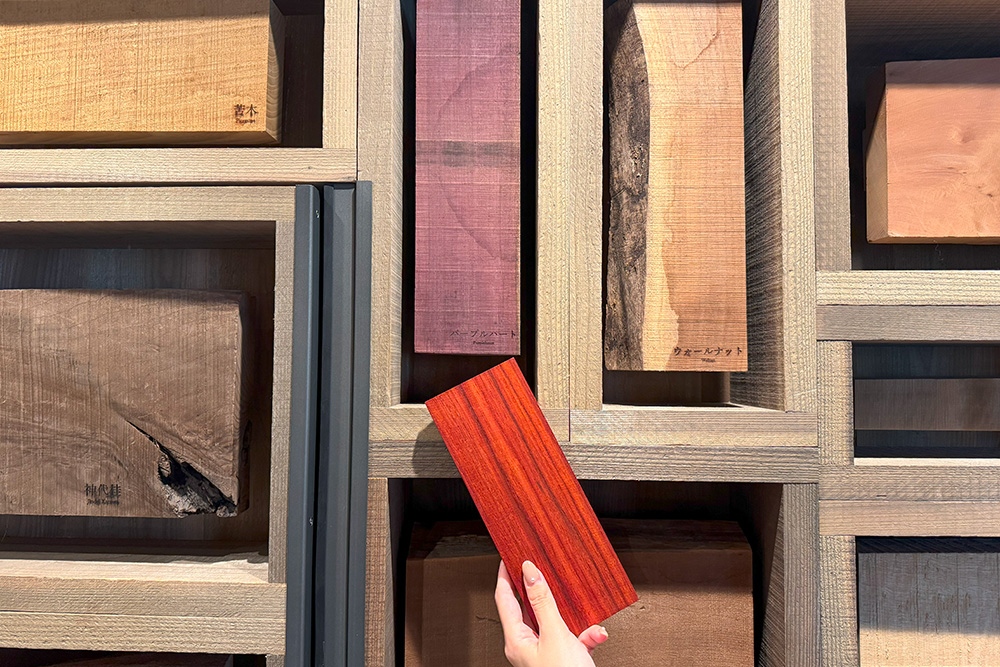
A "Local Specialty Room" where you can feel the unique character of each type of wood.
-
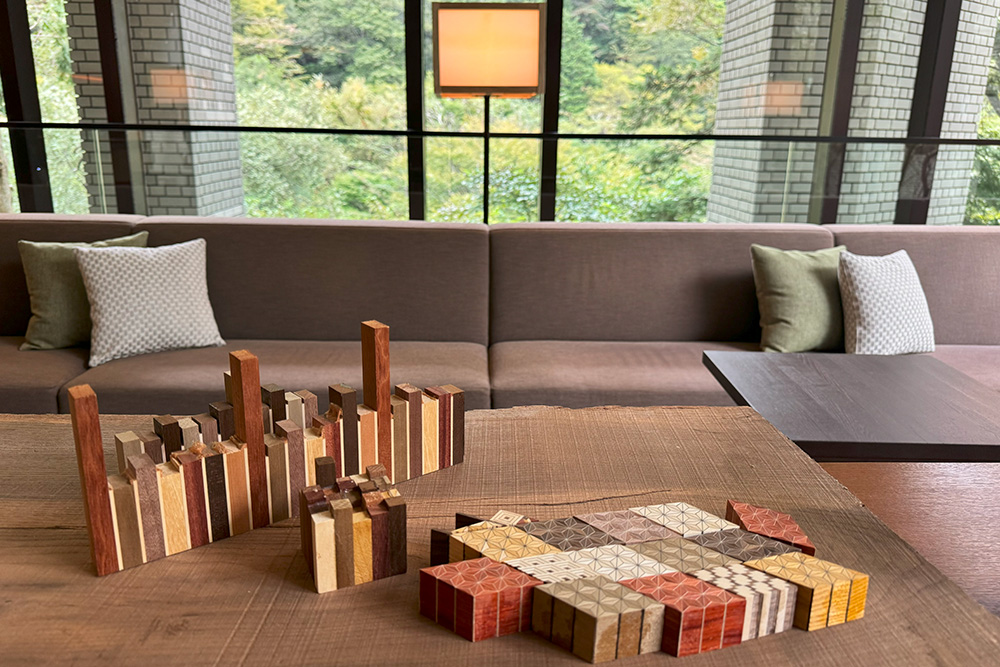
Adorable Yosegi-zaiku objects that decorate the lobby.

KAI Hakone
Hakone Yumoto Onsen, Kanagawa Prefecture
A hot spring inn where you can experience "Hakone-gokochi," allowing you to fully enjoy the charm of Hakone.


Access Approx. 7 minutes by taxi from Hakone-Yumoto Station on the Hakone Tozan Railway
- Accommodation rate example
- Per person per night From ¥38,000