





[2026 Edition] Spectacular Autumn Foliage Views from the Train Window! Enjoy Kyoto's Autumn with the Eiden and Sagano Scenic Railway

The ancient capital of Kyoto attracts many tourists from both Japan and abroad throughout the year. The autumn season, when temples, shrines, and charming streets are enveloped in fall colors, is particularly popular. Why not try something a little different in 2026 and enjoy leaf-peeping while riding the train? The two lines that run through the mountainous areas, the "Eizan Electric Railway" and the "Sagano Scenic Railway," are especially recommended. In addition to the spectacular autumn foliage views that can only be seen from the train window, we will also introduce how to book and ride these sightseeing trains, as well as the best foliage spots along the lines.
Eizan Electric Railway (Kurama Line)
The "Kirara" observation train is popular! Eizan Electric Railway in autumn is a hot topic on social media

The Eizan Electric Railway, affectionately known by locals as "Eiden," is a railway line that connects Demachiyanagi Station in Sakyo Ward, Kyoto City, to the deep mountain areas of Yase and Kurama. To get to Demachiyanagi Station, it is convenient to take the Keihan Railway from "Gion-Shijo Station," which is close to Kawaramachi where department stores and other shops are located. If you take a train bound for Demachiyanagi Station and go to the final stop, you can transfer to the Eiden Demachiyanagi Station.
All outbound trains stop at Takaragaike Station, which is the fifth station from Demachiyanagi Station. From Takaragaike Station, the line splits into the Kurama Line heading toward Kurama and the Eizan Main Line heading toward Yase-Hieizanguchi. This time, we will focus on the Kurama Line, which has many famous autumn foliage spots scattered along its route.

While it is nice to set off for leaf-peeping on a regular train, if you are riding the Eiden during the autumn foliage season, we recommend taking the "Kirara" observation train.
The Kirara features large glass windows so that passengers can fully enjoy the changing scenery along the line. It has a total of 29 seats, 8 of which are located in the center and face outward, allowing you to relax and enjoy the passing scenery from the window. Another point is that you can ride it for just the regular fare. There is no need to reserve a seat.
While the 8 seats in the center are popular on the Kirara, even more highly regarded is the front view position, where you can fully enjoy the approaching autumn foliage. If you want to secure a popular seat, it is best to line up as early as possible at the starting station, Demachiyanagi Station.
A bewitching look at night! The "Maple Tunnel" that can only be enjoyed from the train window

A particularly famous autumn foliage spot on the Kurama Line is the "Maple Tunnel" located between Ichihara Station, the 11th stop from Demachiyanagi Station, and the next stop, Ninose Station. Approximately 280 trees, including Japanese maples, mountain maples, and other maple varieties, are planted along a 250-meter stretch, creating a tunnel-like effect as the foliage covers the tracks. Trains run through a space enveloped in autumn colors that truly deserve the description of "brocade autumn."

If you want to capture the beautiful scenery while passing through the Maple Tunnel, we recommend riding in the front observation area right behind the driver's seat. You can capture the approaching autumn leaves with your camera. Also, if you film in video mode from near the connecting section inside the train looking forward, you can capture a panoramic view of the train interior and the autumn leaves, recording the flow of warm colors like red, orange, and yellow.

Riding the Kirara is also recommended at night, when the Maple Tunnel shows a different side of itself. Every year in November, the area is illuminated from sunset until around 9:00 PM. During this period, trains passing through the Maple Tunnel turn off their interior lights and slow down, allowing passengers to enjoy the autumn leaves floating in the darkness of the night, highlighted by the lights.
▼ Momiji Tunnel Illumination
Dates: November 7 (Sat) – December 6 (Sun), 2026, from sunset to around 21:00
URL: https://eizandensha.co.jp/sightseeing/momiji/

There are more autumn foliage spots to enjoy after the Maple Tunnel. At Ninose Station, there is a large maple tree that seems to watch over the station building, and it is illuminated with special lighting effects to make it even more beautiful during the Maple Tunnel illumination period.

In addition, illumination is also planned for the next station, Kibuneguchi Station, where you can enjoy the autumn leaves floating in the night darkness from the train window, and the collaboration between the train and the autumn leaves from the platform.
- Observation train "Kirara"
-
 Standard fare (Adults: 220 yen - 470 yen, Children: 110 yen - 240 yen)
 ・Operating section: Demachiyanagi - Kurama
・Travel time: Approx. 30 minutes
・Operating days: Daily
・How to purchase tickets: Regular tickets can be used
Eizan Electric Railway (Kurama Line) Autumn Foliage Spot 1: Kifune Shrine
"Kifune Shrine Autumn Foliage Illumination" where the stone step lanterns of the approach are lit

Kifune Shrine has stood for over 1,300 years in Kifune, a place often called the "inner parlor of Kyoto." It is one of the most popular spots along the Kurama Line. The shrine grounds, which spread out into the mountains, consist of the Hongu (Main Shrine), Yui-no-yashiro (Shrine of Connections), and Okumiya (Inner Shrine) in order from the foot of the mountain. In autumn, when the mountain trees change color, you can see the interplay between the autumn leaves and the shrine buildings. The sight of the autumn leaves covering the stone steps of the Hongu approach is particularly famous and has been featured in numerous media outlets.
Every year during the autumn foliage season, the "Kifune Shrine Autumn Foliage Illumination" is held from dusk until 8:30 PM. The lanterns on the stone steps of the approach are lit, and the autumn leaves emerge from the darkness of the night. In addition, the grounds of the Hongu are wrapped in a gentle light, allowing you to see an even more fantastical scene.
▼ Kifune Shrine Autumn Foliage Illumination
Dates: November 7 (Sat) – November 24 (Tue), 2026, from dusk to 20:30

- Kifune Shrine
-
 180 Kurama Kibune-cho, Sakyo-ku, Kyoto-shi, KyotoMAP
 Take the bus from Kibuneguchi Station on the Eizan Electric Railway Kurama Line and get off at the "Kibune Bus Stop," then walk for about 4 minutes.
 Free admission
 None
 075-741-2016
 8 units at the Main Shrine, 10 units at the Inner Shrine / 1,000 yen for 2 hours (extensions not permitted)
Eizan Electric Railway (Kurama Line) Autumn Foliage Spot ② Kurama-dera Temple
The grounds of Kurama-dera Temple, nestled in Mount Kurama, are a treasure trove of autumn foliage spots

Kurama-dera Temple, said to have been founded in 770, is a temple with deep history where Minamoto no Yoshitsune (Ushiwakamaru) is said to have trained during his youth. The vast grounds, embraced by Mount Kurama, are known for being a place where you can enjoy autumn foliage in various locations. The vermilion Nio-mon Gate, located right after getting off at Kurama Station, stands against a backdrop of autumn leaves and is one of the must-see spots to capture with your camera. The view to the south from near the main hall is also reputed to be beautiful. You can get a panoramic view of Mount Hiei, which sits opposite Mount Kurama, dressed in red and yellow.
The path from the Nio-mon Gate to the main hall is the very route that Sei Shonagon described in "The Pillow Book" as "near yet far, the road called the Kurama zigzag" (approx. 30 minutes). While a cable car is in operation for easy travel, the approach itself is also a famous spot where you can fully enjoy the autumn leaves, so if you have the time and energy, please try walking and savoring the beauty of the autumn season.

- Kurama-dera Temple
-
- 1074 Kurama-honmachi, Sakyo-ku, Kyoto-shi, Kyoto MAP
- About a 3-minute walk from Kurama Station on the Eizan Electric Railway Kurama Line (Nio-mon Gate)
- Free admission
- None
- Mountain entry fee: 500 yen
- 075-741-2003
- None
Information on Eiden's Discount Tickets
Enjoy your tour with discount tickets

If you are planning to visit autumn foliage spots along the Eiden line, such as Kurama-dera Temple, we recommend purchasing the Eizan Electric Railway 1-Day Pass "Ee-Kippu" (1,200 yen for adults, 600 yen for children). It is very convenient as it allows you to get on and off local trains, including the Kirara, as many times as you like. Incidentally, at Ninose Station, fares are settled on board, and you are required to pay a fare even just to step onto the platform from the train, but you won't have to worry about that if you have an Ee-Kippu.

For those who also want to see the autumn leaves at Kifune-jinja Shrine, we recommend the "Kyoto Rakuhoku, Forest and Water Ticket" (1,800 yen for adults; only adult tickets are sold). In addition to unlimited rides on all Eizan Electric Railway lines, it also allows unlimited rides on Kyoto Bus routes north of Imadegawa-dori Street*. The road from Kibuneguchi Station to Kifune-jinja Shrine is an uphill climb of about 2 km, which takes over 20 minutes on foot. We recommend taking the bus to save time on your tour and conserve your energy.
*Excluding areas north of Kurama Onsen and Odeishi, and the section between Ginkakuji-michi and Hieizan-cho.

Local
Supporter
According to Eiden staff, the area around Yase-Hieizanguchi Station on the Eizan Main Line is also a recommended spot for autumn leaves. Please make use of tickets like the "Ee Kippu" and pay a visit to Yase-Hieizanguchi Station as well.
- Eizan Electric Railway (Kurama Line/Hiei Line)
-
- Kurama Line: Adults 220 yen to 470 yen, Children 110 yen to 240 yen
Eizan Main Line: Adults 220 yen to 280 yen, Children 110 yen to 220 yen - ・Operating sections: Kurama Line: Demachiyanagi to Kurama (Kirara operates only within the Kurama Line), Eizan Main Line: Demachiyanagi to Yase-Hieizanguchi
・Travel time: Kurama Line: Demachiyanagi to Kurama approx. 30 minutes, Eizan Main Line: Demachiyanagi to Yase-Hieizanguchi approx. 15 minutes
・Operating days: Every day
・Eizan Electric Railway 1-Day Pass "E-Kippu" *Sold at ticket machines at each station
・Kyoto Rakuhoku Forest and Water Ticket *Sold only at the Demachiyanagi Station ticket window
Sagano Romantic Train
Ride the trolley train and view the autumn leaves coloring the valley.

The "Sagano Romantic Train" (hereinafter referred to as the "Romantic Train"), operated by Sagano Scenic Railway, is a sightseeing train that runs along the Hozugawa River valley in the mountainous area of western Kyoto City. It travels slowly over the approximately 7 km one-way journey from Torokko Saga Station, the starting station on the Kyoto City side, to Torokko Kameoka Station in Kameoka City in about 25 minutes. You can enjoy the beauty of the valley in every season, such as full-blooming cherry blossoms in spring, fresh greenery in summer, and snow-covered Arashiyama in winter. Torokko Saga Station is adjacent to JR Saga-Arashiyama Station, making it easily accessible from Kyoto Station.

Another attraction is that about 1,000 autumn foliage trees, including Japanese maples, mountain maples, and other maple varieties, are planted along the line. As autumn deepens, the trees dyed in red and yellow vividly color the train windows.

There are truly plenty of highlights throughout the entire line, such as the area near the Kameyama Tunnel just outside Torokko Arashiyama Station and the area just before the Hozugawa Bridge, where about 70 autumn trees are densely packed. It is also a nice touch that the train slows down when it approaches scenic spots. In addition, at the intermediate Torokko Hozukyo Station, you can take pictures of the colorful autumn foliage of the Hozukyo Gorge from the stopped train.

The trolley train consists of five cars, and since all seats are reserved box-style seats, you will want to be selective about which one you choose. Trains bound for Torokko Kameoka Station are popular because the right side in the direction of travel offers a longer view of the valley. However, regardless of which side you sit on, you will be facing the autumn foliage for either the first or second half of the trip, so you can enjoy the scenery either way if your goal is to see the autumn leaves. Also, since these are box seats, some face the opposite direction of travel. You can leisurely watch the scenery pass by from these rear-facing seats, so if you are not prone to motion sickness, this is also recommended.

Car No. 5 is the open-air "The Rich" car, which has no windows, allowing you to enjoy the burning beauty of the autumn valley with all five senses. The roof is also made of glass, so if you take a picture of the autumn leaves that have fallen onto the roof along with the blue sky, you can capture a very atmospheric photo.
Please note that "The Rich" car has open sides and floors, so you may get wet if it rains. You cannot use umbrellas inside the car, so it is a good idea to prepare a raincoat in advance. Also, during the autumn foliage season, there are days when the temperature is low even if it is sunny, so please dress warmly when boarding.
The "Illusion of Light Train" that illuminates the valley.

From autumn to winter, the "Illusionary Light Train" operates from 4:30 PM until the last train. Lighting equipment installed along the tracks illuminates the autumn trees and the mountains on the opposite bank in a magical way, and illuminations are also set up at Torokko Hozukyo Station and several other locations along the line.

Reserved seat tickets for the trolley train, including the "Illusionary Light Train," are sold on a first-come, first-served basis for the day of travel at ticket counters at each station, excluding Torokko Hozukyo Station. However, tickets during the autumn foliage season are very popular, so it is recommended to purchase them in advance via online reservation and payment. Advance tickets go on sale at 0:00 one month before the boarding date (the same day of the previous month) on the Sagano Scenic Railway website. Please check the official website for details, as it contains information on how to purchase tickets, how to display QR code tickets, and other important notes.
Please note that if the reserved-seat tickets (all seats are reserved) for the day of operation, including for the "Illuminated Fantasy Train," are sold out, a limited number of standing-room tickets will be sold, allowing passengers to stand near the entrance. Standing-room tickets are sold only at station ticket counters and will be sold out once the limit is reached.
The current vehicle'sThe trolley train will have its final run on December 29, 2026, and a new trolley train is scheduled to begin operation on March 1, 2027.
▼Illusion Train of Light
Date and Time: October 24 (Sat) – December 29 (Tue), 2026, 16:30 – last train
Note: All seats are reserved; service is suspended on December 16 (Wed)
URL: https://www.sagano-kanko.co.jp/season/
- Sagano Romantic Train
-
- 880 yen for adults (12 and older) and 440 yen for children (under 12) for the entire section
- ・Operating Section: Torokko Saga - Torokko Kameoka
・Travel Time: Approx. 25 minutes between Torokko Saga and Torokko Kameoka
・Operating Days: March 1 - December 29 (Wednesdays may be closed for all services; however, services may run on Wednesdays during peak seasons, etc.)
・How to Purchase Tickets: Tickets for the day are sold on a first-come, first-served basis at ticket counters at each station, excluding Torokko Hozukyo Station. Alternatively, advance reservations can be made via the website.
・Notes: If you reserve tickets via the website, you must present the QR code containing your reservation information to station staff when boarding. Please check the website for details on how to display the QR code.
Sagano Scenic Railway Line Autumn Foliage Information / Hozugawa River Boat Ride
A boat trip while viewing the autumn leaves is also recommended.

After riding the scenic railway to the final stop, Torokko Kameoka Station, we recommend taking the "Hozugawa River Boat Ride," which flows down the valley from the upper reaches of the Hozugawa River to the landing area just before the Togetsukyo Bridge in Arashiyama. You can enjoy the beautiful autumn foliage of the valley you viewed from the train from a perspective closer to the water on your way back. During the ride, the boatman will explain the highlights, such as autumn foliage spots and unique rock formations, so no prior knowledge is needed. The Onnabuchi pool, located about one-third of the way down the river, is a spectacular spot highly recommended by many boatmen. If you look back at the boatman's signal, you can admire the beautiful valley maples spreading across the gorge.
Tickets for the Hozugawa River Boat Ride can be purchased on the day of the ride on a first-come, first-served basis, or in advance via the Hozugawa Yusen Association website. To get from Torokko Kameoka Station to the boat landing, it is convenient to use the connecting bus (350 yen for adults, 180 yen for children / travel time approx. 12 minutes), which departs in connection with the arrival and departure of the scenic railway. When booking your boat ticket, it is recommended to book a boat departing one hour after your train's departure time from Torokko Saga Station (e.g., if you are taking the 9:02 Sagano No. 1, book a 10:00 boat ticket) for a smooth trip.
Local
Supporter
As the river boat ride nears its end, boats from local tea shops will pull alongside to sell items like grilled squid, oden, and mitarashi dango. During the autumn foliage season, you can also purchase items like yudofu (boiled tofu).

- Hozugawa Yusen Kigyō Kumiai (Hozugawa River Boat Ride)
-
- 2 Shimonakajima, Hozu-cho, Kameoka City, Kyoto Prefecture MAP
- Boarding Area: Approx. 15 minutes by connecting bus from Torokko Kameoka Station / Approx. 8 minutes on foot from JR Kameoka Station
- March 10 (Tue) – December 13 (Sun), 2026, 9:00–15:00
*Regular service every hour on the hour on weekdays (7 trips total); on Saturdays, Sundays, and holidays, boats depart as soon as capacity is reached
January 5 (Tue) – March 9 (Tue), 2027, 10:00–14:30
*4 regular trips on weekdays; additional temporary boats may depart on Saturdays, Sundays, and holidays - 6,000 yen for junior high school students and older, 4,500 yen for infants to elementary school students
- 0771-22-5846
- In a typical year, autumn leaves can be seen in the second week of December

Local supporter in charge of this article
OMO3 Kyoto Toji
Kyoto Prefecture, Kyoto City
A hotel located in the Toji area, recommended for repeat visitors familiar with Kyoto travel, with direct bus access to popular tourist spots in Kyoto and within an hour by train to Osaka and Nara.


Access Approx. 13-minute walk from JR Kyoto Station Hachijo Exit
- Accommodation rate example
- Per person per night From ¥4,500
OMO5 Kyoto Sanjo
Kyoto Prefecture, Kyoto City
Within walking distance of Kyoto-esque townscapes such as Pontocho and Sanjo Ohashi Bridge. It is an area where the past and present intersect, from the latest shops to long-established specialty stores.


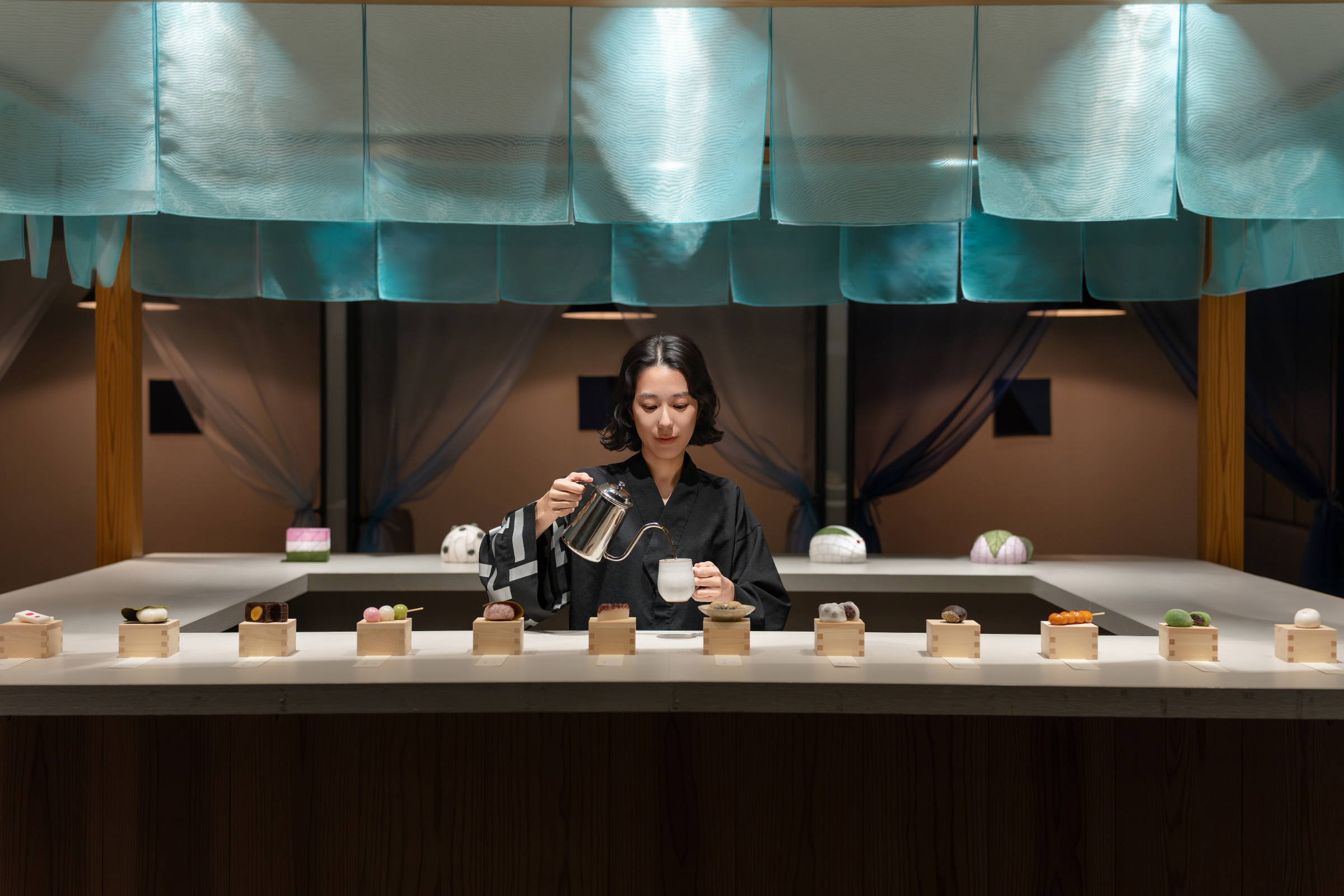
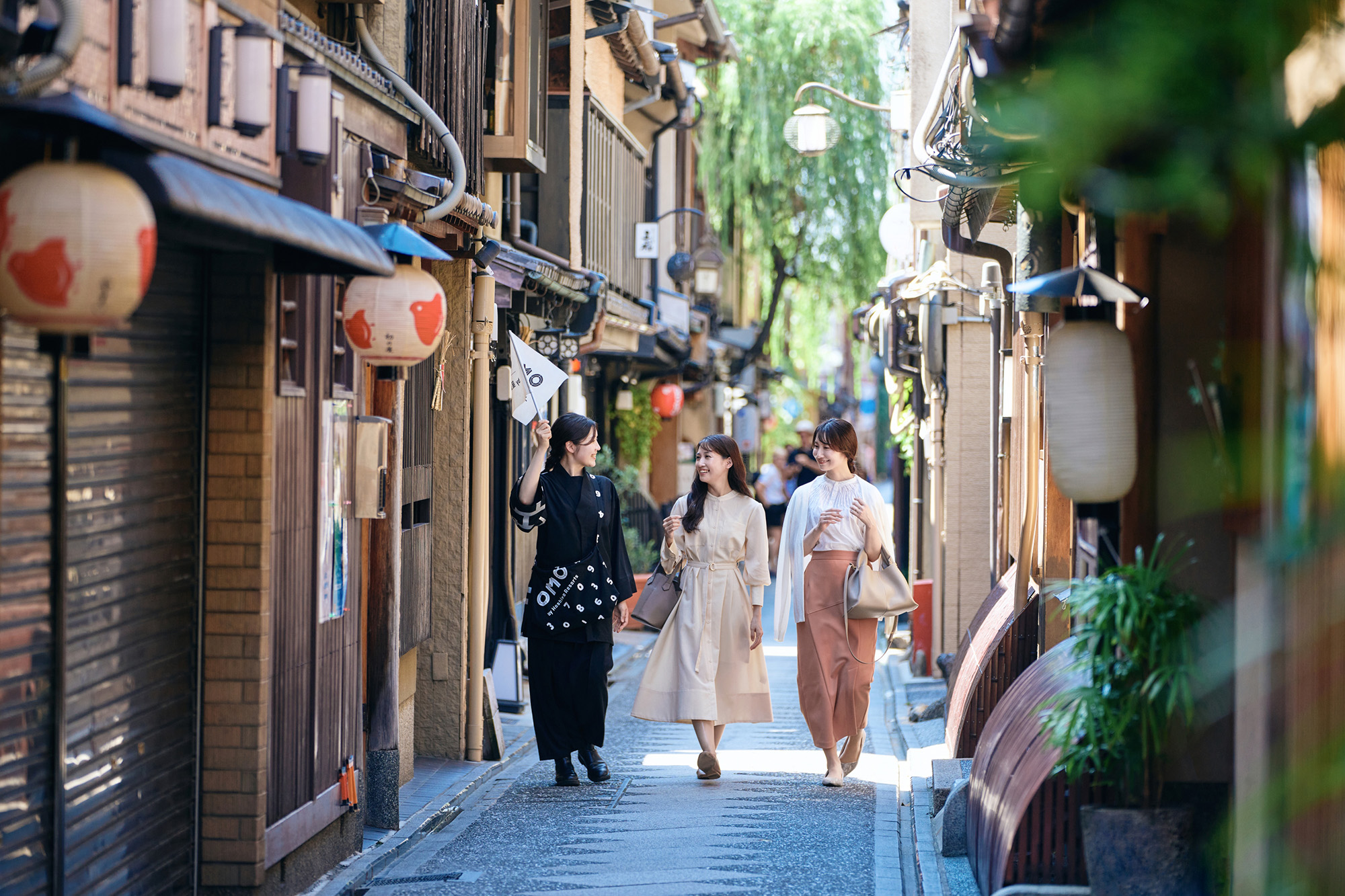
Access Approx. 2-minute walk from Exit 3 of Kyoto City Subway Kyoto Shiyakusho-mae Station
- Accommodation rate example
- Per person per night From 4,000 yen
OMO5 Kyoto Gion
Kyoto Prefecture, Kyoto City
Located along Shijo-dori, one of Kyoto's representative downtown streets, with Yasaka Shrine, famous for the Gion Festival, right in front. It is convenient for sightseeing in the Yasaka and Kiyomizu areas, which everyone visits at least once.

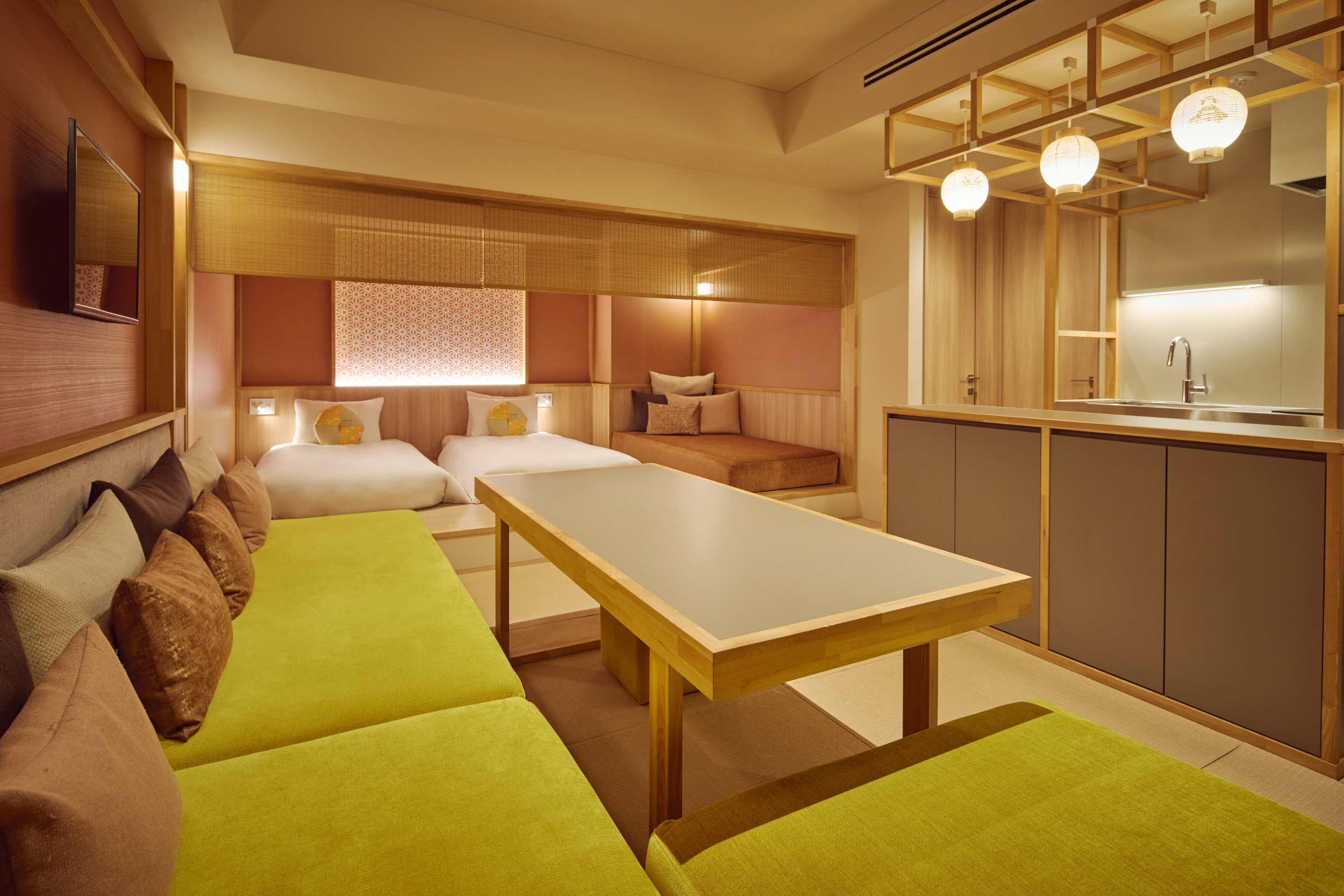
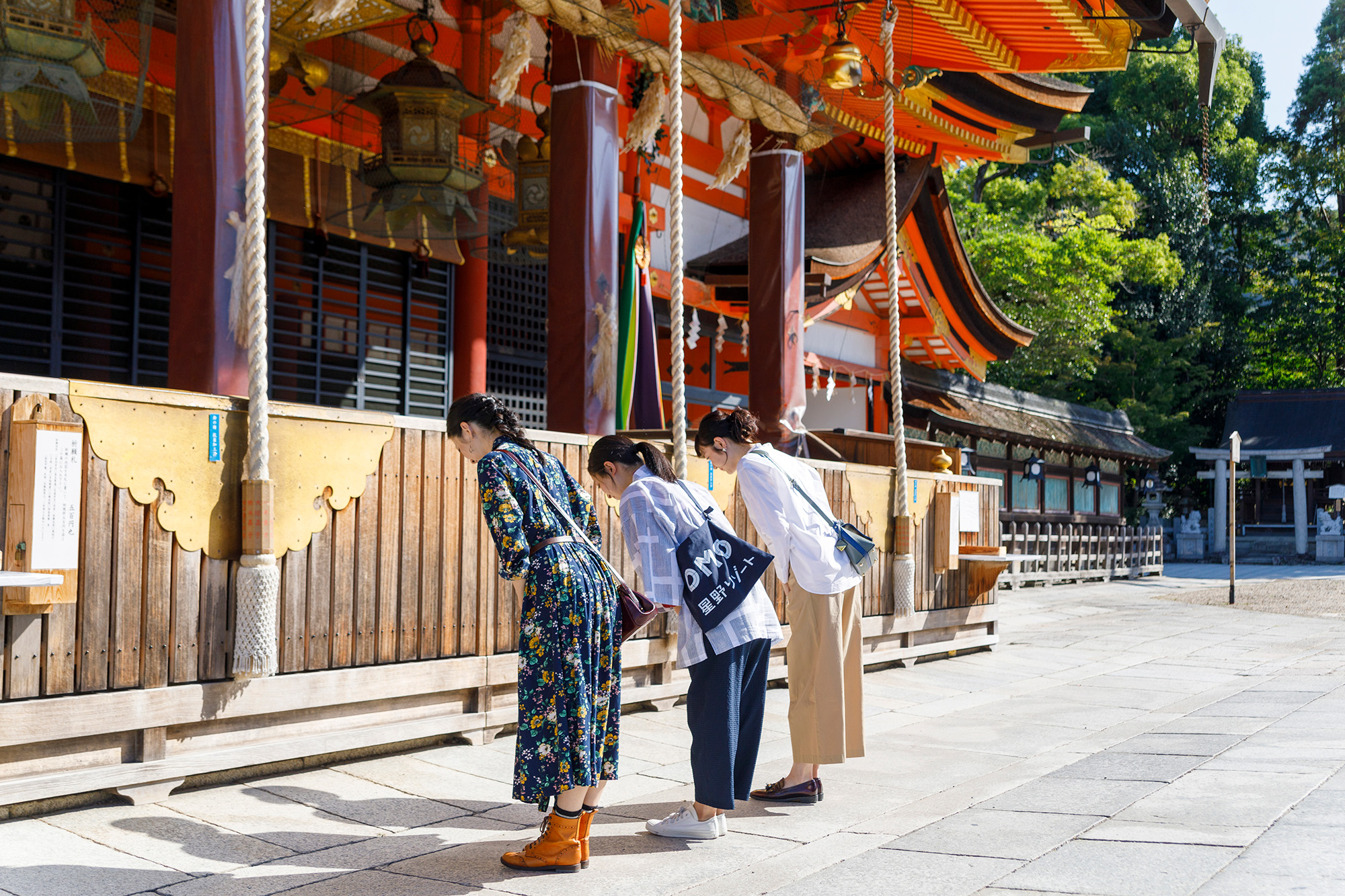

Access Approx. 5-minute walk from Exit 7 of Keihan Main Line Gion-Shijo Station
- Accommodation rate example
- Per person per night From ¥9,500
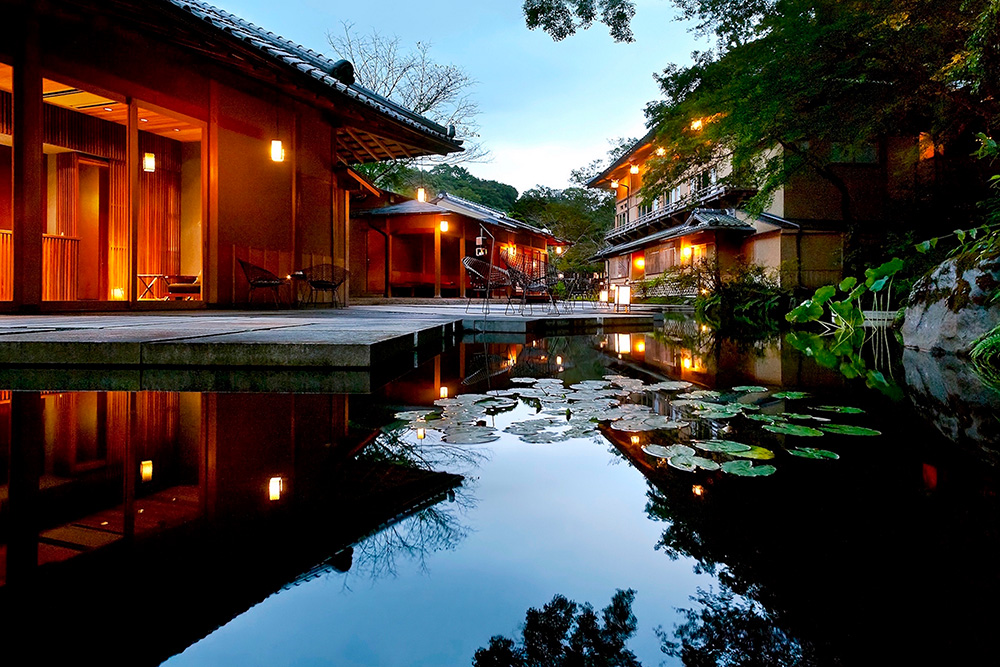
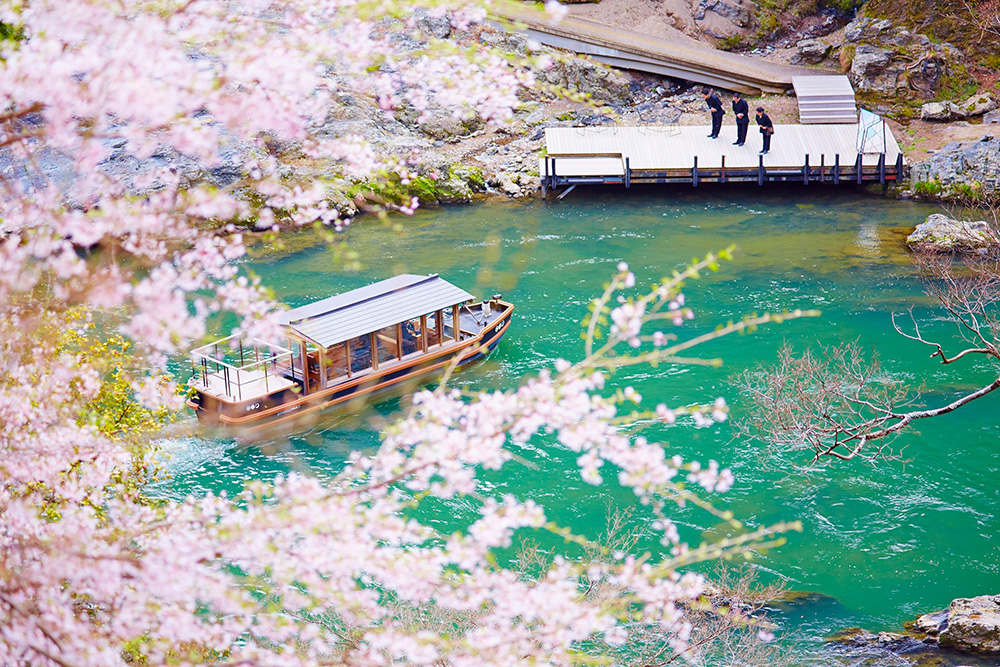
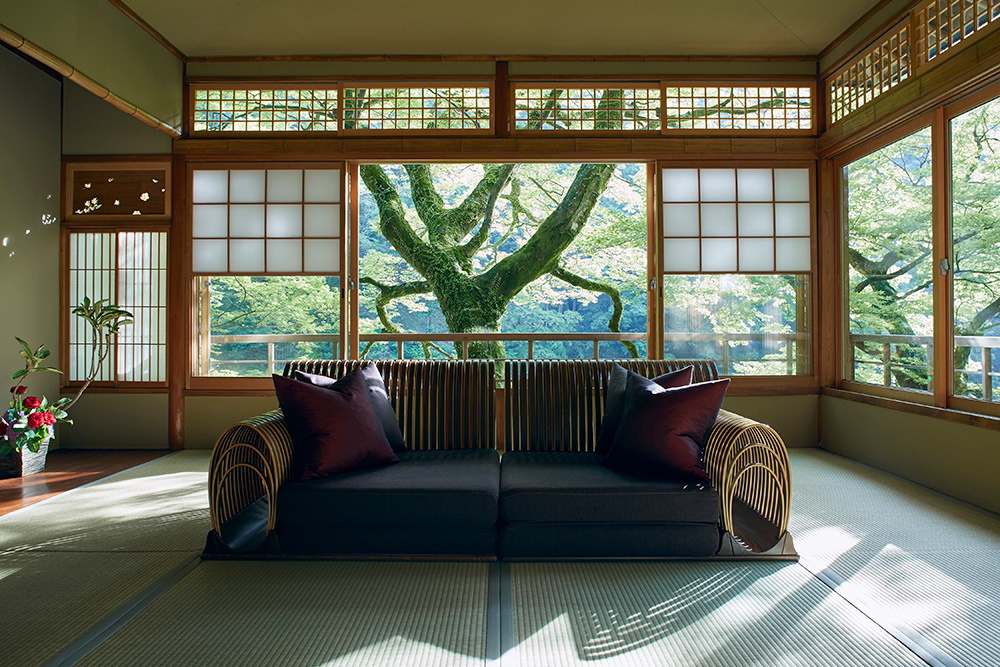
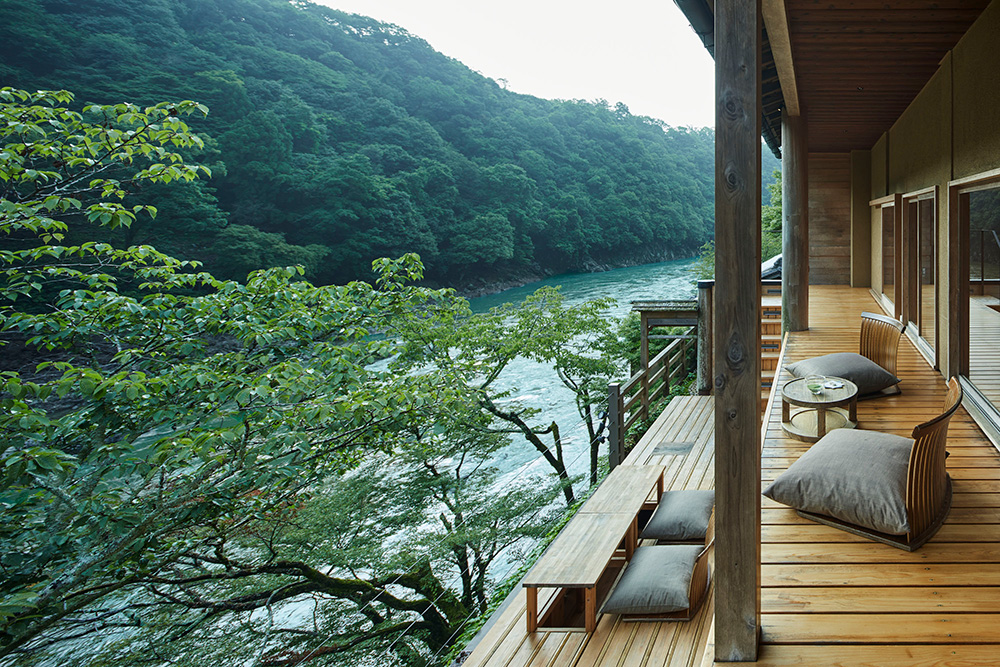
HOSHINOYA Kyoto
Arashiyama, Kyoto Prefecture
A ryokan located in Arashiyama where all rooms have a river view. You can enjoy an extraordinary world of beautiful seasonal scenery and tranquility.
Access Approximately 30 minutes by taxi from JR Kyoto Station
- Accommodation rate example
- Per person per night From ¥33,330