





Learn about the four seasons, climate, and clothing for Yatsugatake, Kiyosato, and Kobuchisawa


The southern foothills of the Yatsugatake Mountains (Hokuto City) are surrounded by mountains on all four sides: the Yatsugatake Mountains to the north, the Chichibu Mountains to the northeast, Kayagatake to the south, and Kaikoma-gatake to the southwest. It is the largest area in Yamanashi Prefecture and is home to many national and quasi-national parks.
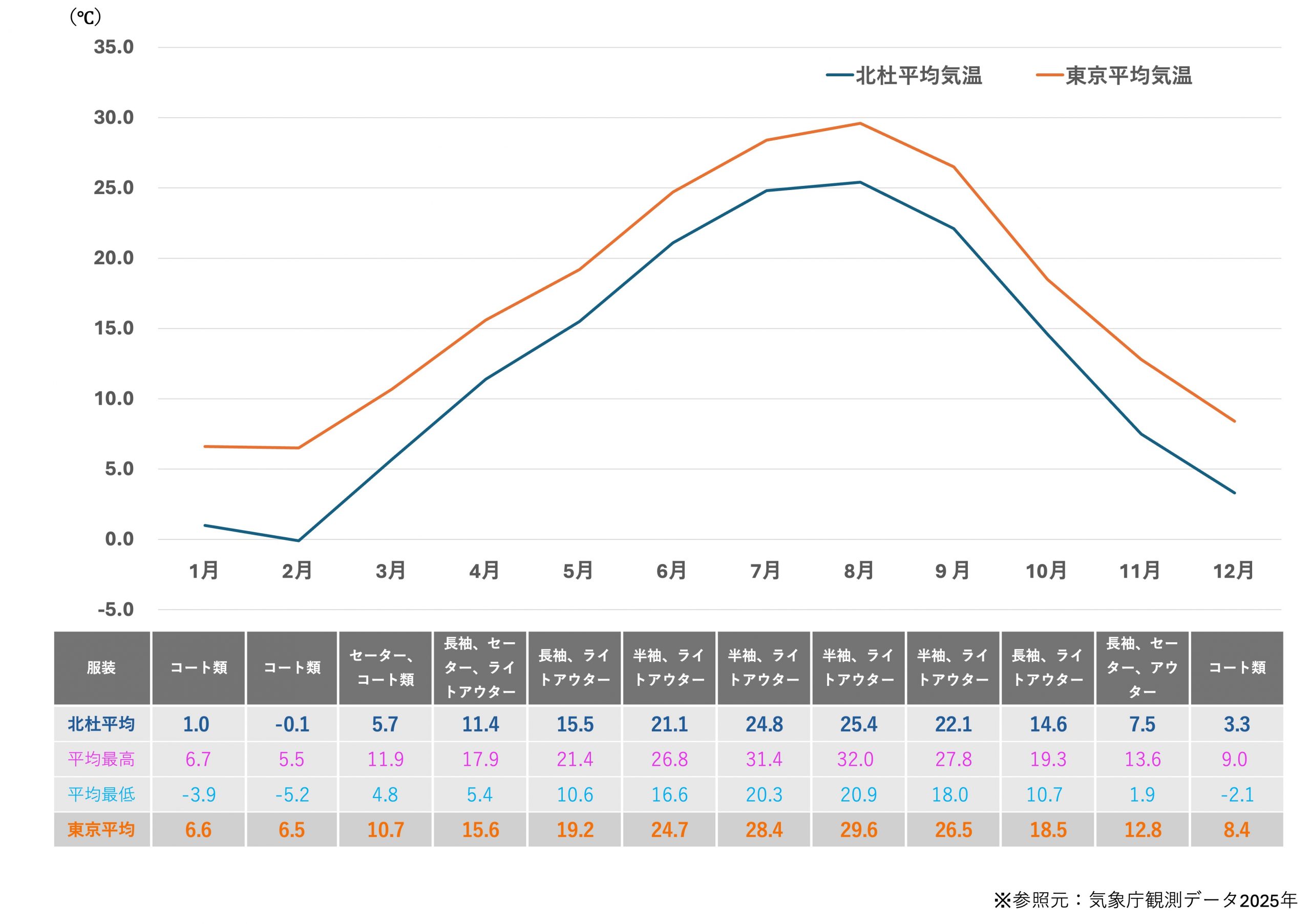
The temperature is 4 to 5°C lower than in Tokyo throughout the year,and the climate is characterized by being "cool, low-humidity, and having a large temperature difference." In summer, the average temperature in August is 25.4°C,so you can spend time as a summer resort without feeling the sweltering heat of the city.On the other hand, in winter,days below freezing are not rare, and the cold is severe.
It is also characterized by having the longest sunshine duration in the Kanto-Koshin region and many sunny days.The city has a large difference in elevation, with the center of Hokuto City located at an altitude of around 500m, Kobuchisawa at about 900m, and the Kiyosato Highlands at about 1,300m. Since the temperature drops by 0.6°C for every 100m increase in altitude, clothing preparations vary for each area.
About the temperature and clothing for spring (March–May) in the Yatsugatake, Kiyosato, and Kobuchisawa area
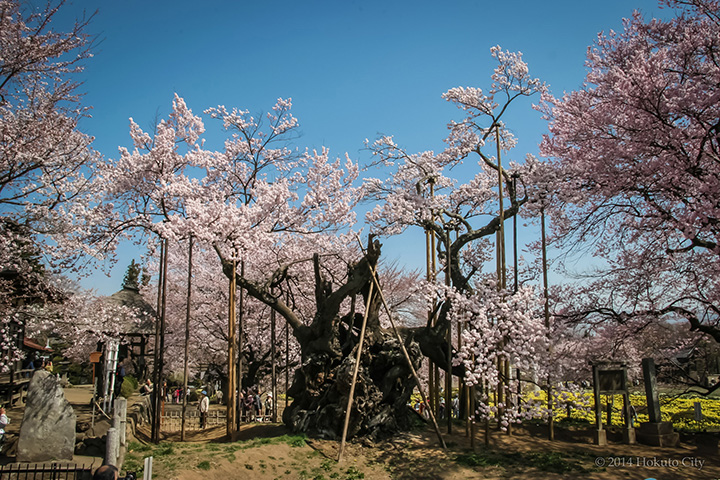
The average temperature in March is 4.8°C, which is still cold compared to Tokyo's average temperature of 10.7°C for the same month, so cold-weather protection is necessary in the Yatsugatake area. The average maximum temperature is 11.9°C, so you can feel a little warmth during the day, but the north wind is cold, and down coats or thick coats are essential.In late March, flowers and plants begin to bud, and cherry blossoms bloom in early to mid-April. The average temperature also rises to 11.4°C.
May marks the start of the season for active fun in the great outdoors, such as trekking and farm experiences. The average maximum temperature exceeds 21°C, so you can spend time comfortably during the day with just a long-sleeved shirt or a light jacket, but since the average minimum temperature is 10.6°C and there is a large temperature difference, we recommend preparing a thick jacket or a light sweater.
About the temperature and clothing for summer (June–August) in the Yatsugatake, Kiyosato, and Kobuchisawa area
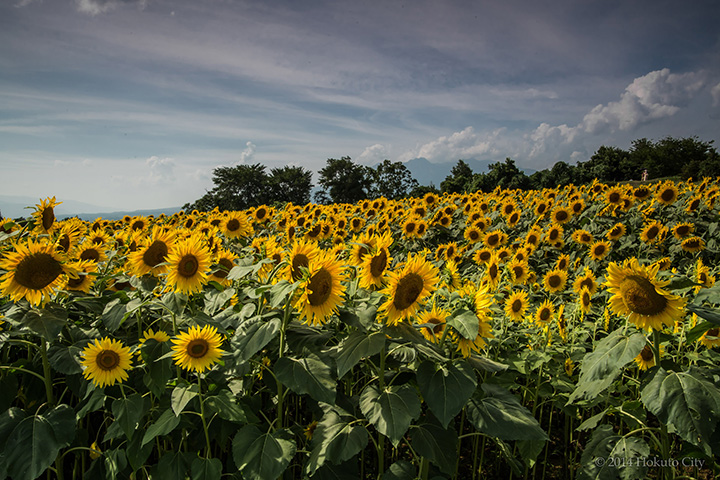
The Yatsugatake area, where you can spend a cool summer in a dry climate, is also popular as a summer retreat. The average temperature in June is 21.1°C. However, the temperature difference between the minimum and maximum can exceed 10°C, so you cannot go without a jacket. Even in July and August, the average temperature does not exceed 30°C, allowing for a comfortable stay, but lower-altitude regions are an exception. The central part of Hokuto City, which is close to the Kofu Basin, has the muggy heat typical of a basin. While T-shirts or sleeveless tops are sufficient, you will need a shirt or hoodie to layer over them in higher-altitude areas.
In summer, the highland areas of Yatsugatake, such as Kobuchisawa and Kiyosato, are bustling. Music festivals and art festivals are held, and in Akeno-cho, 400,000 sunflowers, a seasonal tradition, bloom in all their glory.
About the temperature and clothing for autumn (September–November) in the Yatsugatake, Kiyosato, and Kobuchisawa area
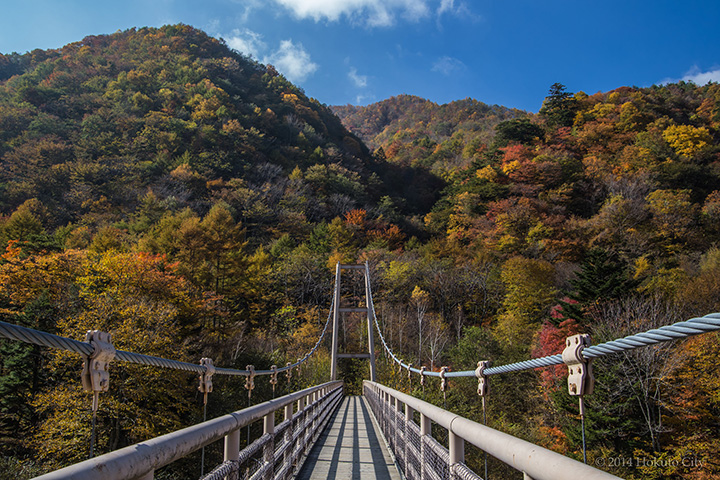
The average temperature in Tokyo is 26.5°C in September and 18.5°C in October. In comparison, autumn arrives a little earlier in the Yatsugatake area, with an average temperature of 22.1°C in September and 14.6°C in October. The mornings and evenings are also cool, with an average minimum temperature of 18°C in September. You can stay comfortable with a long-sleeved shirt and a light jacket like a cardigan, but once October arrives, the mornings and evenings get much colder, with the average minimum temperature dropping to 10.7°C, so be sure to bring a sweater or coat.
The best time to see the autumn leaves at famous spots like Kannon-daira and Fujimi-daira is from mid-October to mid-November. Entering November, the average temperature drops to 7.5°C, and the cold intensifies. During this period, winter cold protection is necessary. Prepare for your trip by packing down coats, scarves, hats, and boots so you can stay warm from head to toe.
About the temperature and clothing for winter (December–February) in the Yatsugatake, Kiyosato, and Kobuchisawa area
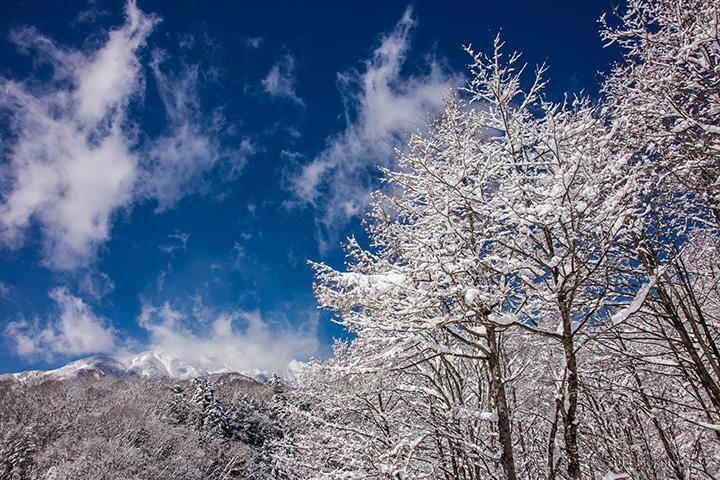
The winter in the Yatsugatake area, characterized by the strong, cold northwesterly wind known as the Yatsugatake-oroshi, remains severely cold. While the average temperature in Tokyo is 6–8°C, in the Yatsugatake area, it is 3.3°C in December, 1.0°C in January, and 2.0°C in February.−0.1°C. When going out, be sure to take thorough measures against the cold.
We recommend wearing thick inner layers, a sweater, a down coat, and snow boots. Accessories such as a scarf, earmuffs, gloves, a hat, and pocket warmers are also necessary.
In addition, the high-altitude plateau region has heavy snowfall, allowing you to enjoy winter-exclusive activities such as skiing at resorts around Kiyosato and viewing frost-covered trees near the Kita-Yatsugatake Ropeway.
After enjoying your sightseeing, spend a relaxing moment at a wine resort in the Yatsugatake Highlands. With a prime location overlooking the Southern Alps and Mt. Fuji, we offer a blissful holiday where you can forget the daily grind and refresh your mind and body in a space reminiscent of an Italian mountain town, designed by a world-renowned architect.
Hoshino Resorts RISONARE Yatsugatake
A wine resort with a European-style townscape spreading across the Yatsugatake Highlands

Located about 90 minutes by car from Tokyo, this highland resort is situated at the foot of a mountain at an altitude of 960 meters, offering 360-degree views of magnificent nature, including the Yatsugatake Mountains, the Southern Alps, and Mount Fuji. You can spend time here as a summer retreat or enjoy winter sports in the colder months. Designed by a world-renowned architect, the facility evokes the feel of an Italian mountain town and features guest rooms where you can relax as if you were living there. You can refresh your mind and body with an indoor pool with simulated waves, a books & cafe, the YATSUGATAKE Wine House featuring 24 types of wine from Yamanashi and Nagano prefectures, activities set in the magnificent nature, and meals paired with local wines.

Local supporter in charge of this article
Risonare Yatsugatake
Hokuto City, Yamanashi Prefecture
A resort where you can enjoy the magnificent nature of the Yatsugatake Mountains and local wines


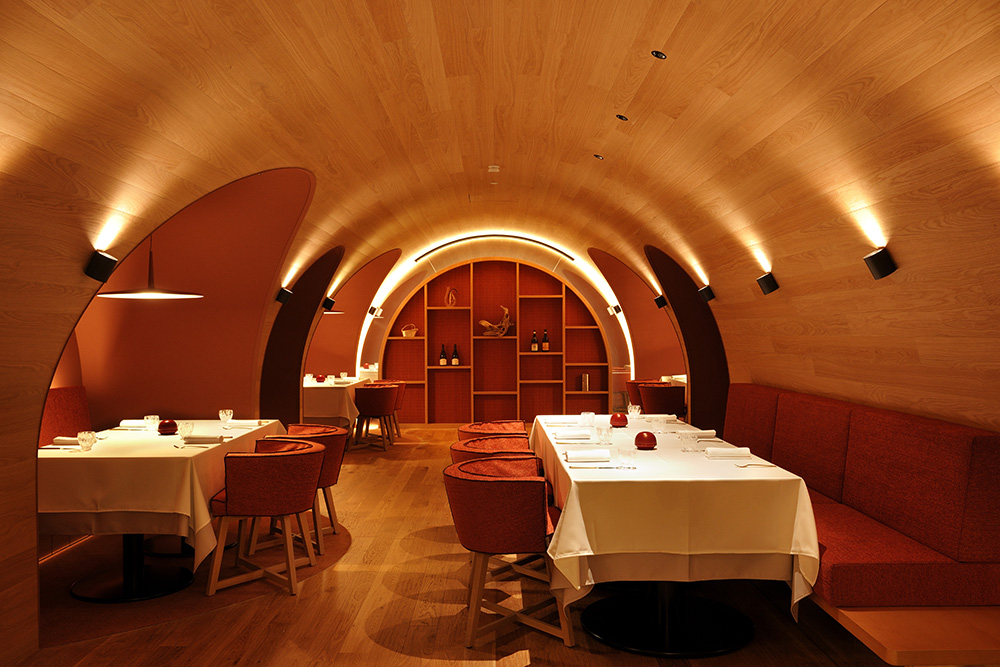

Access About 5 minutes by shuttle bus from JR Kobuchisawa Station
- Accommodation rate example
- Per person per night From ¥9,091