





[2026 Edition Aomori/Hachinohe Sansha Taisai] A Spectacular Float Parade and Electric Atmosphere! Highlights & Tips for First-Timers

From July 31st to August 4th, the streets of Hachinohe are filled with the excitement of the people.
From the ancient shrine procession dating back to the Edo period and the elegant sounds of festival music to the numerous elaborate and magnificent floats.
Here is how to enjoy the Hachinohe Sansha Taisai, where the whole city comes alive with heat and excitement.
What is the Hachinohe Sansha Taisai?
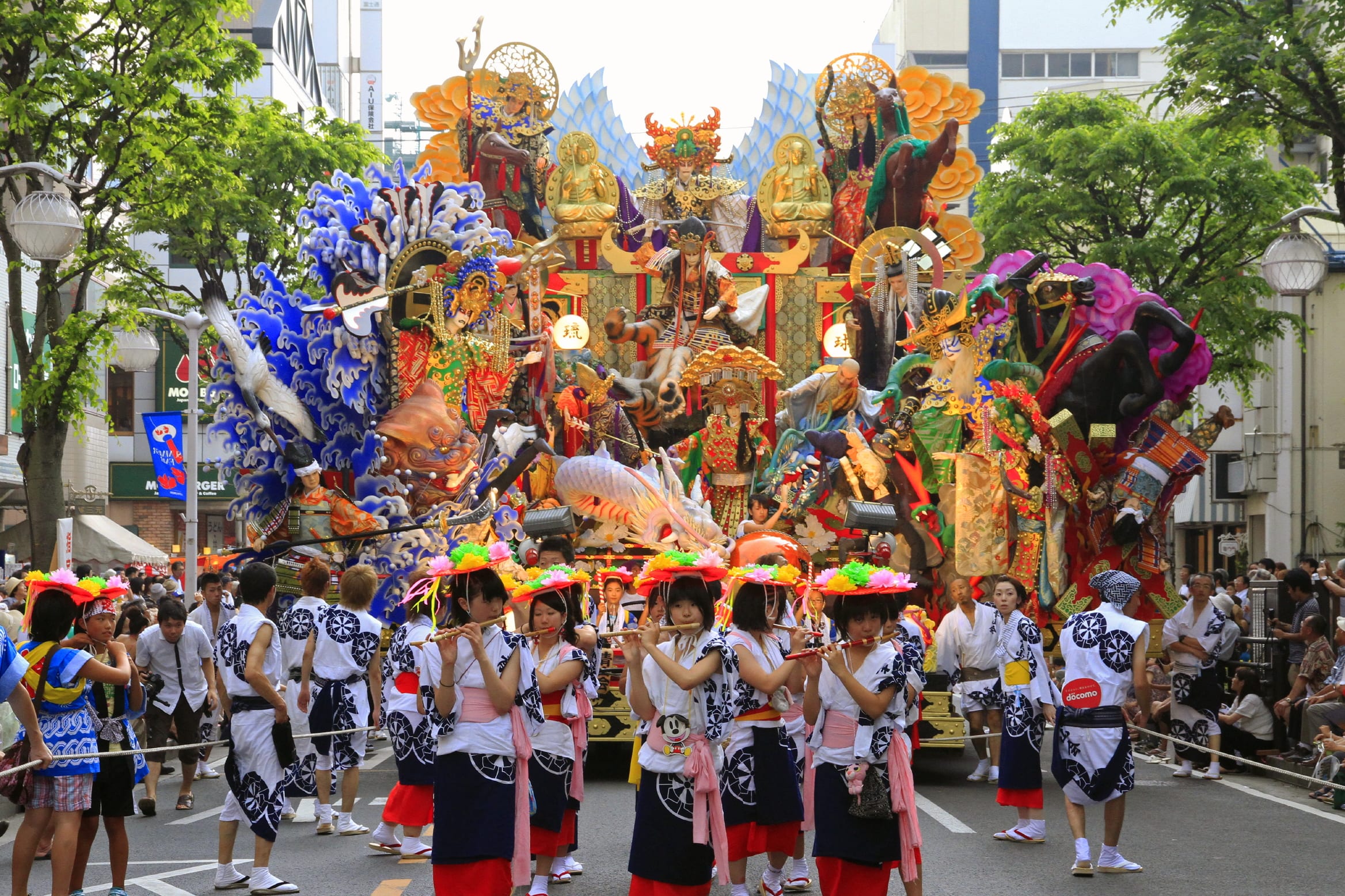
The Hachinohe Sansha Taisai is said to have originated in the Edo period when a portable shrine (mikoshi) was carried from the current Ogami Shrine to the Chojasan Shinra Shrine. Later, folk performing arts such as "yatai" (floats) carrying dolls and "Toramai" (tiger dance) were added to the procession, evolving into a festival to pray for the peace and prosperity of the town. In the Meiji era, the Chojasan Shinra Shrine and Shinmeigu Shrine joined to form a three-shrine joint festival, with new floats being operated every year.
In recognition of this history, the Hachinohe Sansha Taisai has been designated as a National Important Intangible Folk Cultural Property and is also registered as a UNESCO Intangible Cultural Heritage.
● 2026 "Hachinohe Sansha Taisai" Event Schedule
| Date | Time | Event Details |
|---|---|---|
| Friday, July 31 | 18:00–21:00 | Eve Festival / Float Exhibition (City Hall Citizen's Plaza and city center) |
| Saturday, August 1 | 13:30 | Departure Ceremony (Ogami Shrine) |
| 15:00 - approx. 19:00 | Joint Procession of Portable Shrines and Floats (city center) | |
| Sunday, August 2 | From 11:00 | Chojayama Shinra Shrine Annual Festival |
| 13:00 - 14:00 | Ogami Shrine Annual Festival | |
| 14:00–16:00 | Kagami-ryu Mounted Archery (Chojayama Shinra Shrine) | |
| 18:00–around 21:00 | Nighttime Float Parade | |
| 11:00–21:00 | Festival Plaza (Civic Plaza in front of City Hall Main Building) | |
| August 3 (Mon) | 15:00 - approx. 19:00 | Joint Procession of Portable Shrines and Floats (city center) |
| 11:00–21:00 | Festival Plaza (Civic Plaza in front of City Hall Main Building) | |
| August 4 (Tue) | 18:00–20:00 | Post-Festival Night / Float Exhibition (City Hall Plaza and City Center) |
| 11:00–21:00 | Festival Plaza (Civic Plaza in front of City Hall Main Building) |
Various Folk Performing Arts That Color the Procession
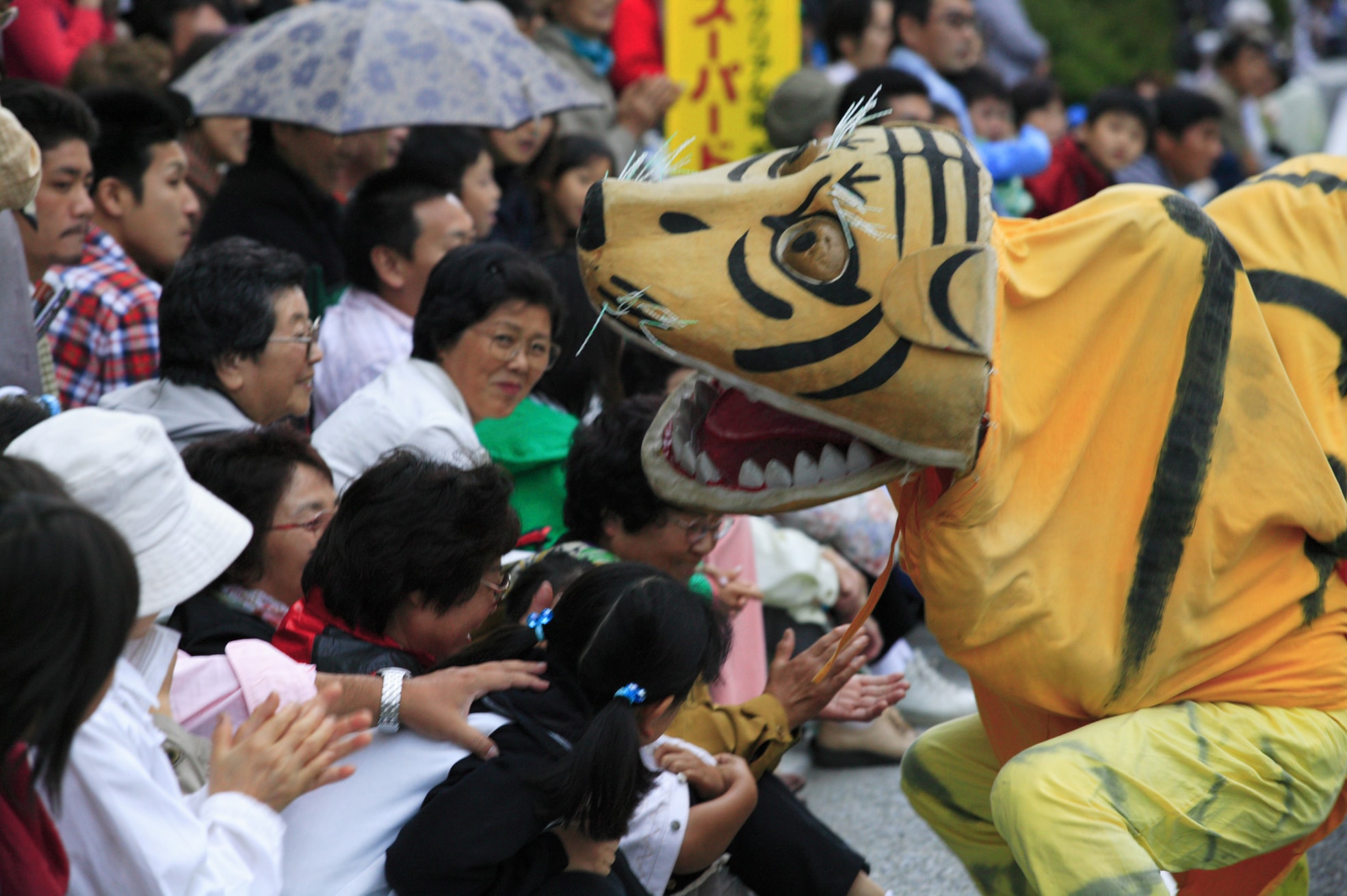


A feature of the Hachinohe Sansha Taisai is the performance of various folk arts. For example, the "Toramai" (tiger dance) has been passed down as a belief for fire prevention and maritime safety. The tigers delight the audience with acrobatic movements, such as rolling on the ground all at once or standing up on each other's shoulders. Also, the lion dance performed by people in black costumes is a traditional art called "Horyo Kagura," and a highlight is the "Issei Ha-uchi," where the dancers clatter the lion heads in unison.
In addition, many other folk arts appear, such as the "Sasa no Ha Odori" (bamboo leaf dance) where dancers hold bamboo leaves, and the "Koma Odori" (horse dance) which features horse models.
Focus on the Powerful and Magnificent Floats

The 27 giant floats are what really bring the festival to life. New ones are created every year based on folklore and Kabuki, and their size and impact are truly astonishing. Furthermore, they are packed with various gimmicks, such as dolls that move up and down, smoke effects, and water sprays. There are mechanisms that allow the front and center sections of the floats to expand sideways to fit the width of the streets they travel on, or the rear section to rise up, so you never get tired of watching them.
The construction of the floats begins every year after the Golden Week holidays in May. The abundance of gimmicks and the gorgeous decorations can be said to be the crystallization of the local people's passion for the festival.

Local
Supporter
The magnificent floats of the Hachinohe Sansha Taisai Festival are actually made from everyday items if you look closely. Things like styrofoam and bamboo brooms... A key point of the Sansha Taisai is to appreciate the craftsmanship of the artisans who create these stunning floats using such familiar materials while you view them.
Kiba Dakyu (Horseback Polo) to see during the festival

A must-see event on the middle day of the festival is the "Kagami-ryu Kiba Dakyu" (Kagami-style Horseback Polo) held at Chojasan Shinra Shrine.
In this competition, riders are divided into two teams, red and white, and use sticks called "kyujo" (or "gitcho") to pick up balls from the ground and aim for the goal, known as a "kyumon." It is said that this sport began in the Hachinohe Domain, where horse breeding and horsemanship were popular, as a way to encourage martial arts. It is very similar to the British sport of "polo," and in fact, it is said that both sports have their roots in ancient Persia, having developed separately as they spread east and west from there.
Local
Supporter
Kiba Dakyu (horseback ball game) has a history of over 180 years. The horses that perform here are the Japanese native breed, Dosanko (Hokkaido horse). The Nanbu region, including Hachinohe, has been known as a horse-breeding area since ancient times. Perhaps it is because of this land that this sport, where horse and rider become one, has been preserved to the present day.
The Eve and Post-Festival celebrations are also full of highlights

On the eve of the festival on July 31st and the post-festival celebration on August 4th, all 27 floats are displayed at once in the center of Hachinohe City. All the floats are lit up and displayed with their gimmicks fully extended, making for an impressive sight. The musical accompaniment of each group is also played, and the excitement reaches its peak, especially during the eve of the festival, with the anticipation of the festival about to begin.
▼Hachinohe Sansha Taisai
URL: https://visithachinohe.com/stories/sannshataisai_schedule/
Venue: Hachinohe City Center
Dates: July 31 (Fri) - August 4 (Tue), 2026 *July 31 is the eve, August 4 is the post-festival *Held on the same dates every year regardless of the day of the week
TEL: 0178-27-4243 (Hachinohe Tourist Information Center)

Local supporter in charge of this article
- Rino FukuzawaTsugaru Hatsuratsu Musume
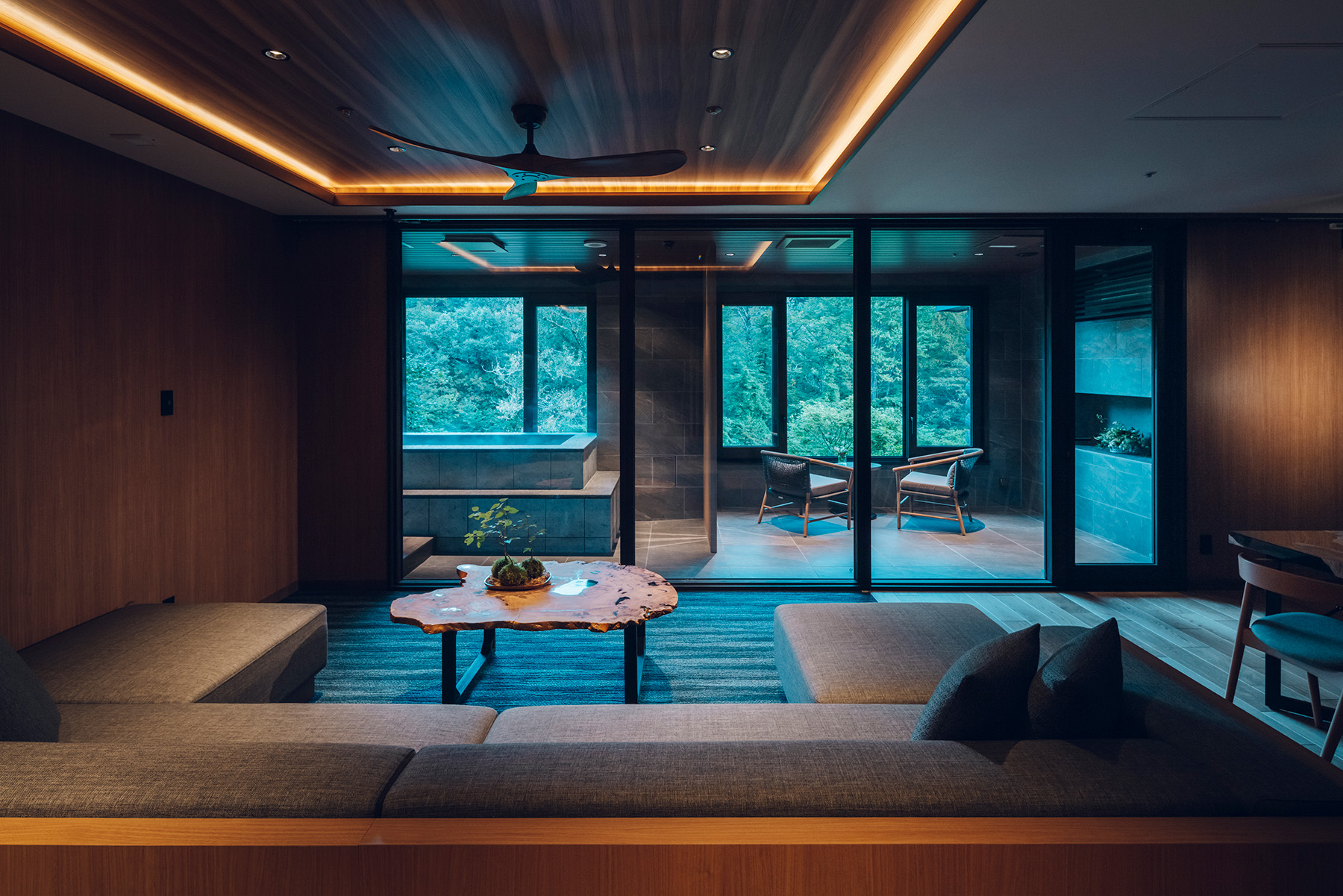
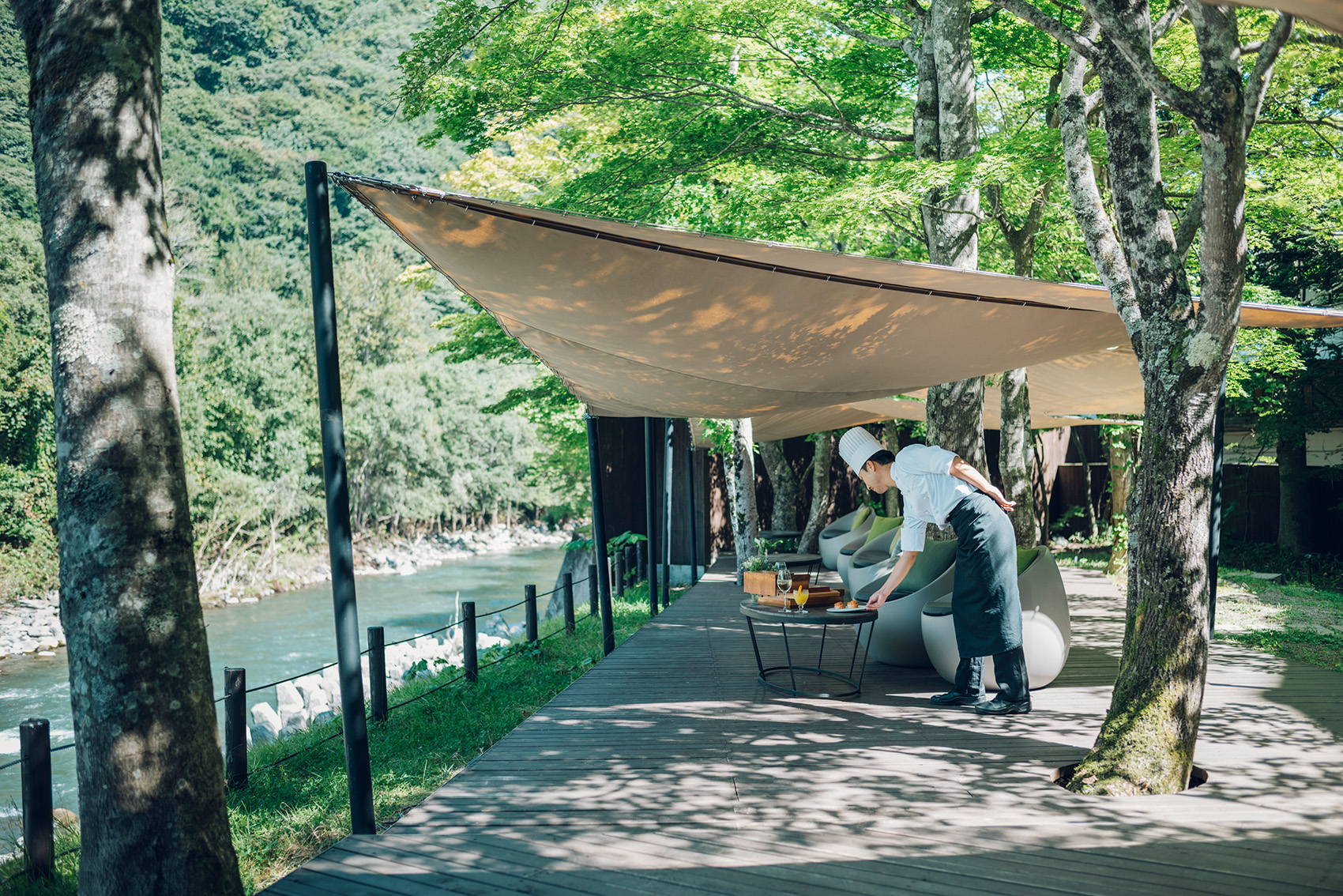
Oirase Keiryu Hotel
Towada, Aomori Prefecture
The only resort hotel located on the banks of the Oirase Mountain Stream. You can enjoy the nature of the national park throughout the year.


Access 70 minutes by shuttle bus from JR Hachinohe Station
- Accommodation rate example
- Per person per night From ¥20,080
Aomoriya
Misawa, Aomori Prefecture
A hot spring inn where you can fully experience Aomori culture, including festivals, hot springs, and local performing arts.


Access Approx. 3 minutes by shuttle bus from Misawa Station on the Aoimori Railway / Approx. 20 minutes by shuttle bus from Misawa Airport
- Accommodation rate example
- Per person per night From ¥14,000