





6 Recommended Sightseeing Spots You Must Visit in Otaru
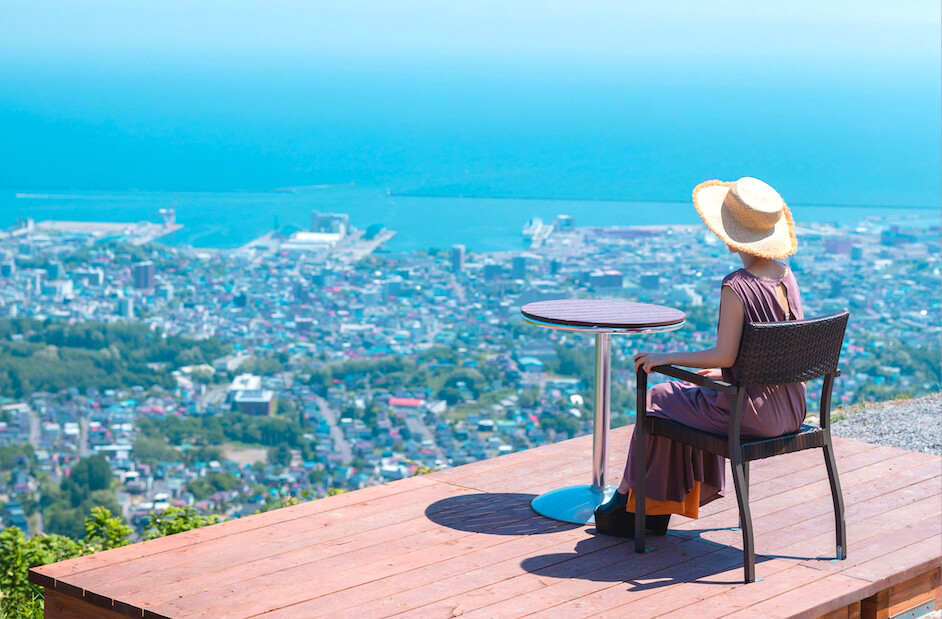
Otaru played a vital role as the gateway to Hokkaido during the pioneering era. Its numerous historical buildings that evoke a nostalgic atmosphere and its expressive townscape, embraced by both the sea and mountains, never fail to captivate many tourists. Here are some recommended spots you absolutely cannot miss when visiting Otaru.
1Otaru Canal
A premier Otaru sightseeing spot that conveys the history of the port town to the present day
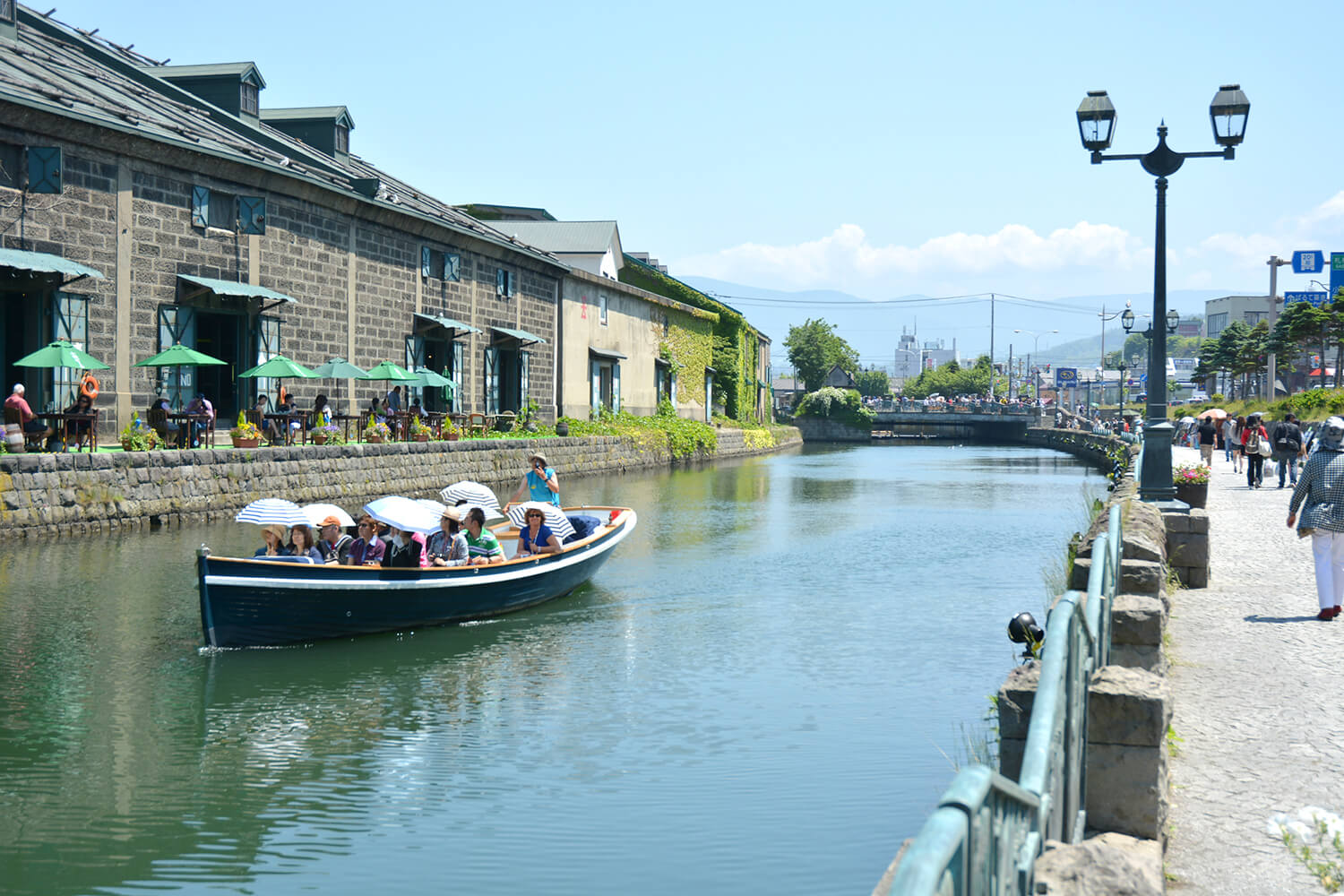
Otaru developed as the gateway to Hokkaido during the pioneering era. The Otaru Canal was built in 1923 (Taisho 12) to support its maritime transport. After the war, its role ended as piers were developed at Otaru Port, but it has since grown into one of Otaru's most popular tourist attractions. The stone warehouses that remain along the 1,140-meter-long canal have been repurposed into tourist information centers, restaurants, and more. You can take a leisurely stroll along the stone-paved path or enjoy a small boat trip on an Otaru Canal Cruise. Every corner is filled with photogenic scenes.
The beauty is especially striking at night, wrapped in the warmth of gas lamps
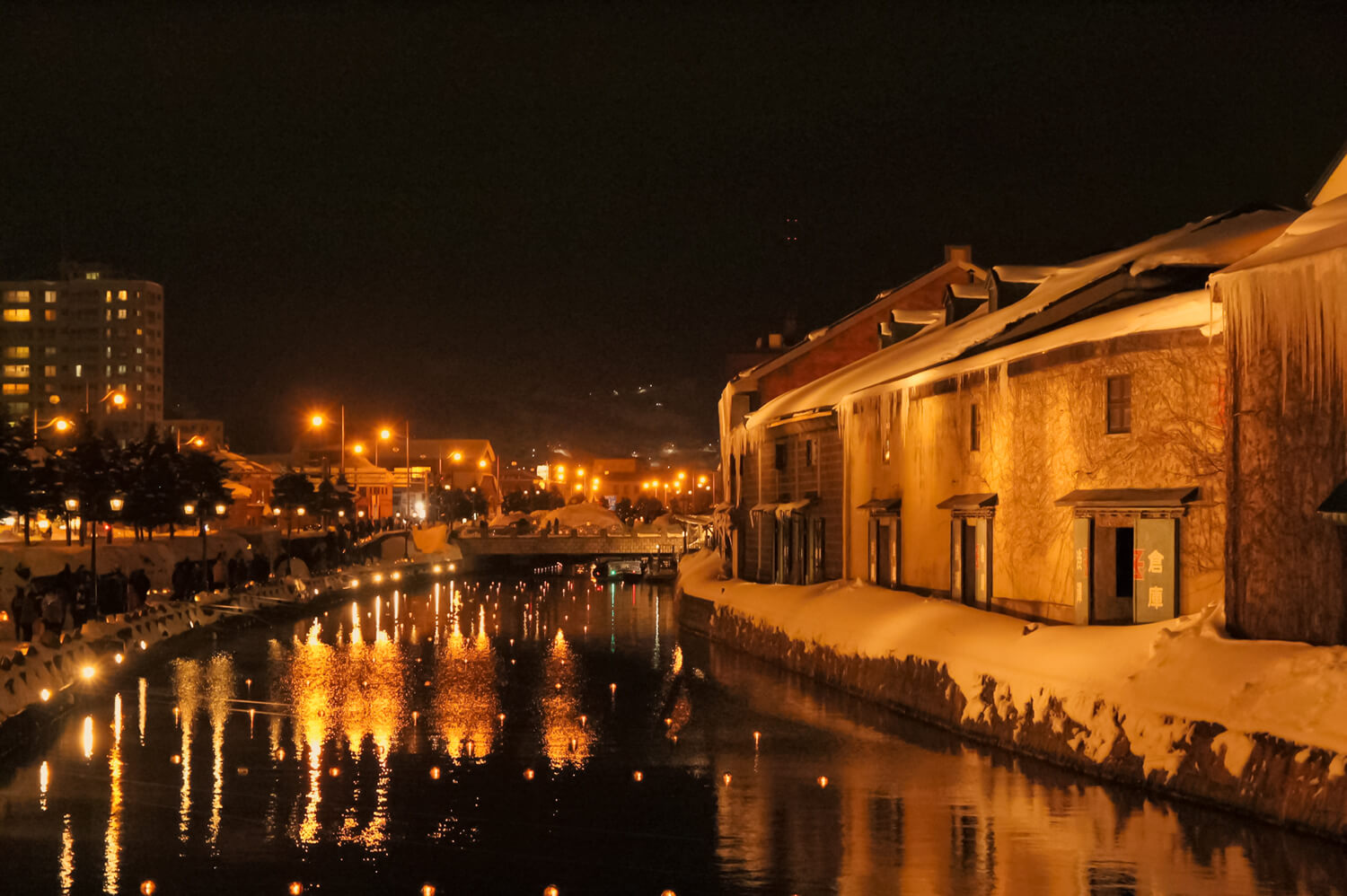
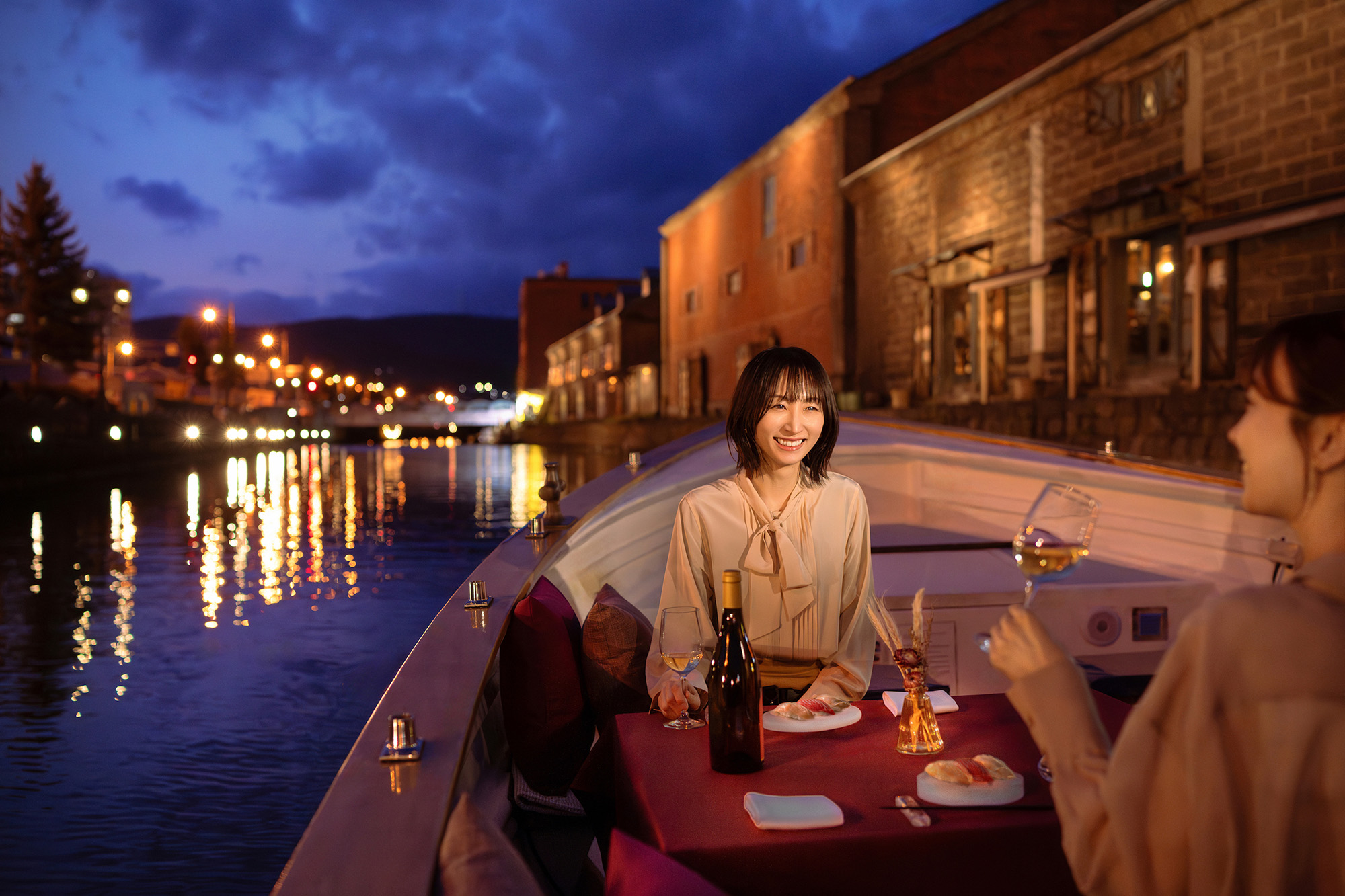
The Otaru Canal shows different expressions depending on the time of day and the season. At dusk, the gas lamps along the promenade are lit, and the stone warehouses are illuminated, creating an exceptionally nostalgic atmosphere. During the annual "Otaru Snow Light Path" event held in February, hundreds of floating candle-lit glass buoys drift on the canal, creating a magical scene.
The unique scenery of each area, such as the Asakusa-bashi Bridge, a classic photo spot, and the North Canal, which retains the traces of the past and the atmosphere of a port town, is also part of its charm. Be sure to bring your camera and find your favorite view.

Local
Supporter
At the "Canal Plaza" near the Chuo-bashi Gaien, you can get tourist maps and also use free rental services for umbrellas, wheelchairs, and strollers. Please use it as a starting point for your Otaru sightseeing.

- Otaru Canal
-
 Minatomachi, Otaru City, Hokkaido MAP
 Approx. 10-minute walk from JR Otaru Station
 None (Please use nearby paid parking)
2Otaru Tenguyama Ropeway
Be moved by the grand panorama woven by human activity and nature

Mt. Tengu is beloved by citizens as a symbol of Otaru. In addition to hiking trails and tourist roads, a ropeway runs from the foot of the mountain to the summit, where the Mt. Tengu Observatory is located. It is a short, five-minute aerial walk, but it is delightful to watch the Otaru city area shrink as you ascend and see the sea and sky meet at the horizon. After sunset, a night view that looks like scattered jewels spreads out, stirring the heart. From summer to late autumn, you may even see fishing lights toward the Shakotan Peninsula. In early summer, if the weather conditions are right, you might even see a sea of clouds.
Full of fun, from superb views and power spots to activities
There are five observation decks at the summit, among which the "TENGUU Terrace" at the Tengu-zakura Observation Deck is a superb spot offering an unobstructed panoramic view. Spending a relaxing moment there with takeout from the cafe is truly exceptional. There are plenty of other attractions, including power spots like the "Tenguyama Shrine," which enshrines Sarutahiko-no-Okami, and the "Nose-stroking Tengu," said to grant wishes if you stroke its nose, as well as the "Chipmunk Park" where you can experience feeding the animals. Activities such as ziplining and hot air balloon rides are also available, making it enjoyable for everyone from children to adults.
Local
Supporter
The solitary cherry tree near the "TENGUU Terrace" is at a high altitude, so it is the last one in Otaru to reach full bloom. It is lit up at night, allowing you to enjoy a magical scene against the backdrop of the night view.
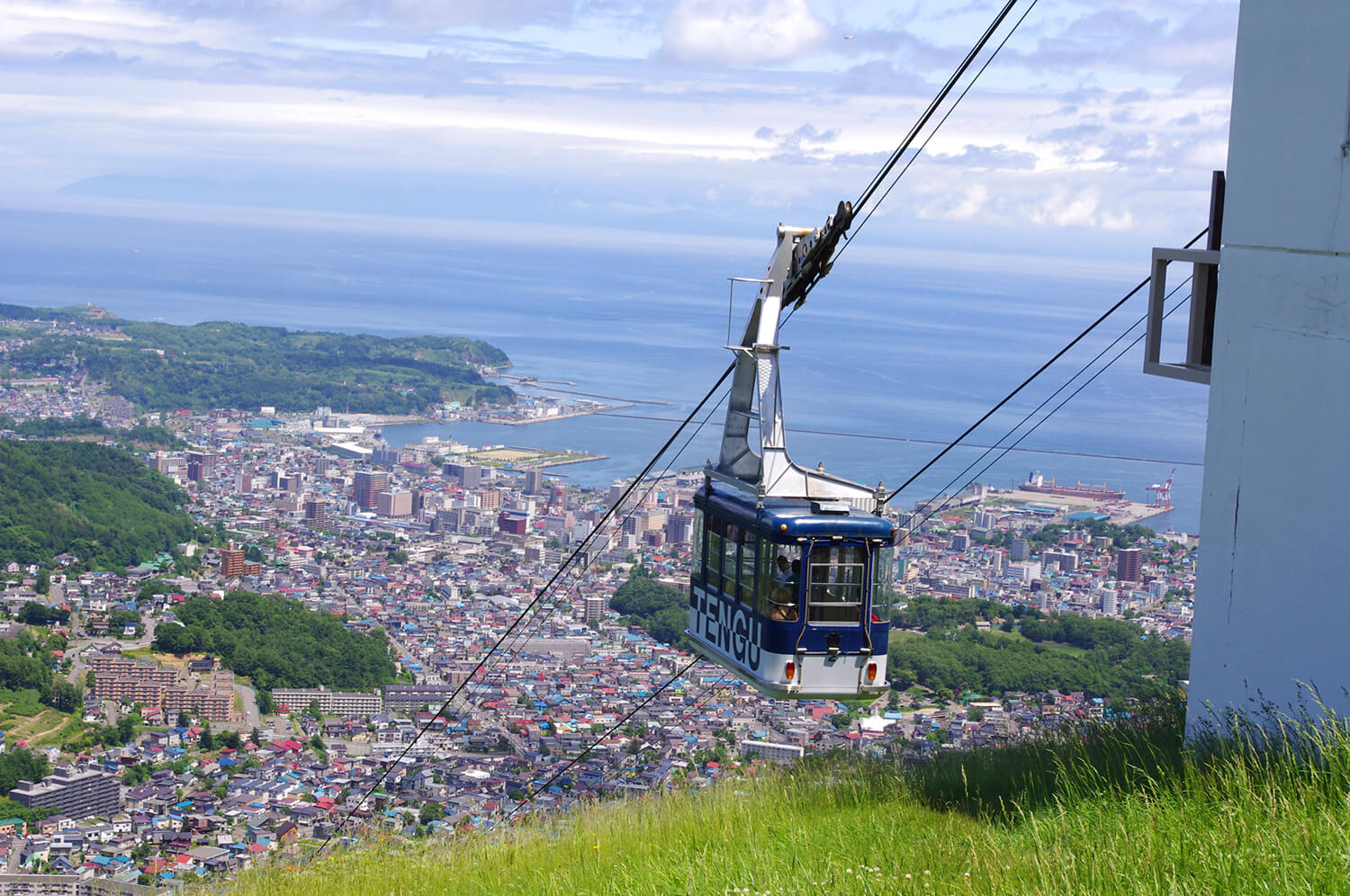
- Otaru Tenguyama Ropeway
-
- 2-16-15 Mogami, Otaru City, Hokkaido (Sanroku Station) MAP
- Take a bus from Otaru Station Terminal and get off at "Tenguyama Ropeway"
 9:00–21:00 (Last ropeway ascent at 20:48) *Operating periods and hours are subject to change
 Ropeway: Open every day *Closed for maintenance in April and November
 Ropeway (round trip): Summer season (junior high students and older 1,800 yen, elementary students 900 yen), Winter season (junior high students and older 2,000 yen, elementary students 1,000 yen) *One preschooler is free per adult
TENGUU Zipline: 1,200 yen per ride
TENGUU Hot Air Balloon: Junior high students and older 3,800 yen, 4 years old to elementary students 2,800 yen, 3 years old and under free 0134-33-7381
- Free
 TENGUU Zipline: Elementary students and older (cannot be used by those under 120 cm tall or 120 kg or more in weight)
TENGUU Hot Air Balloon: Junior high students and younger must be accompanied by a guardian TENGUU Zipline operates during the summer season (may be closed on weekdays), TENGUU Hot Air Balloon operates from mid-May to mid-October (hot air balloon may be canceled due to wind)
*Please check the website for details.
3Herring Palace Otaru Kihinkan (Former Aoyama Villa)
An artistic mansion of the north that conveys the splendor of the herring boom

The "Former Aoyama Villa" allows visitors to reflect on the prosperity of the Aoyama family, who built a massive fortune through herring fishing from the Meiji to Taisho periods. It is one of Hokkaido's leading artistic mansions, with a total construction cost said to be equivalent to approximately 3 billion yen in today's currency. The lavish designs are too numerous to list, including the tiled roof, which is rare in Hokkaido, Shunkei-lacquered floors and pillars, hand-carved sculptures on the transoms and under the eaves, alcoves in the shoin-zukuri style using rosewood and ebony, and karesansui (dry landscape) and chisen (pond) gardens. It is the pinnacle of the herring mansions that tell the story of the era when Otaru thrived on herring fishing, and it is designated as a Registered Tangible Cultural Property of Japan.
Reflect on the prosperity of the great fishing magnates and enjoy the famous herring cuisine

The Former Aoyama Villa has 18 rooms, each with a different atmosphere, and features sliding door paintings and calligraphy created by artists from the Kano school. Among them, the "Hachisennin-no-ma" (Room of the Eight Immortals), which features Japanese paintings by Ryuu Shimazaki elegantly depicting the eight Chinese immortals across 13 sliding doors, is a masterpiece. After fully enjoying the splendor of the past, head to the adjacent "Otaru Kihinkan." In early summer, over 650 peony and herbaceous peony plants color the garden, and at the restaurant overlooking the Sea of Japan, you can enjoy dishes such as tiered lunch boxes and soba noodles topped with the local specialty, "simmered herring in sweet soy sauce."
Local
Supporter
It is packed with attention to detail, such as a single sheet of glass fitted perfectly into a wooden frame that is said to be impossible to restore with modern technology, Arita ware toilets, and cloisonne door pulls. Please take your time to look at them carefully.

- Nishin Goten Otaru Kihinkan (Former Aoyama Villa)
-
- 3-63 Shukutsu, Otaru City, Hokkaido MAP
- Approx. 13 minutes by car from JR Otaru Station
- Former Aoyama Villa: April–December 9:00–17:00 (Restaurant 11:00–17:00 / Food L.O. 14:30, Cafe L.O. 16:00), November–March 9:00–16:00 (Restaurant 11:00–16:00 / Food L.O. 14:30, Cafe L.O. 15:00)
- January 1–January 7
- Former Aoyama Villa: Junior high school students and older 1,300 yen, elementary school students 650 yen
- 0134-24-0024
- Free
4Kitaichi Glass Sangokan
Enjoy the charm of Otaru glass in a historic space

Kitaichi Glass is a glass brand with over 100 years of history in Otaru. At the Sangokan (Building No. 3) on Sakaimachi Street, you can enjoy shopping while leisurely admiring Kitaichi Glass products. The building repurposes a mid-Meiji era wooden-framed stone warehouse, and the central corridor connecting the two warehouses still features the trolley tracks once used to transport cargo from the port. The interior is divided into themed sections: the "Japanese Floor" featuring Japanese patterns and cut glass, the "Country Floor" focusing on kerosene lamps and everyday tableware, and the "Western Floor" featuring motifs of Western culture, each offering a distinct atmosphere and design.
A wide array of works, from everyday tableware to one-of-a-kind pieces

The lineup is diverse, including glasses and tableware for everyday use, as well as accessories that shine with unique personality. The moment spent deciding on souvenirs is also part of the fun of traveling. One-of-a-kind stained glass works are another highlight. You will find yourself drawn to the delicate craftsmanship that showcases the artisans' skills at every turn. After shopping, take a break at the "Kitaichi Hall" cafe located inside the building. In this magical space illuminated by 167 oil lamps, you can enjoy homemade sweets, drinks, meal menus, and local Otaru beer.
Local
Supporter
Since all Kitaichi Glass products are handmade, each one has a slightly different expression. Please take your time to browse the store and find your favorite.

- Kitaichi Glass Sangokan
-
- 7-26 Sakaimachi, Otaru City, Hokkaido MAP
- Approx. 10-minute walk from JR Minami-Otaru Station
- 9:00–18:00
- Open every day
- 0134-33-1993
- Contracted parking available
5Otaru Sakaimachi Street Shopping District
One of Otaru's most popular streets, where history and vibrancy intersect

This shopping street stretches for about 900 meters from the "Fairytale Crossing" (Marchen Kosaten) near JR Minami-Otaru Station toward the Otaru Canal. It is a popular street you cannot miss when walking around Otaru, lined with souvenir shops selling sweets, seafood, glass products, and music boxes, as well as restaurants serving sushi, ramen, and cafes. Many shops are renovated from historical buildings such as Meiji-era stone warehouses and merchant houses, creating a nostalgic atmosphere. As you stroll along, you will reach the Okobachi River, with the Otaru Art Village just beyond it. Turning left along the riverside street leads to Sushi-ya Dori (Sushi Restaurant Street), while turning right leads to the Otaru Canal.
Featuring tourist-first services and seasonal events

Sakaimachi Street, a must-visit for tourists, is always bustling with people. You can enjoy takeout food while walking, or simply stroll along and take in the townscape, but using the tourist information center will make your walk even more enjoyable. In addition to providing tourist information for the shopping street, Otaru city, and the surrounding areas, they also offer services such as free rentals of umbrellas, wheelchairs, and strollers, as well as temporary luggage storage (for a fee). Seasonal events like the "Otaru Sakaimachi Tanabata Festival" are also held, so there is always something to enjoy whenever you visit.
Local
Supporter
Information on a variety of shops and facilities is conveniently summarized, and just looking through it will get you in the mood for travel. Checking it before you stroll around will surely broaden the ways you can enjoy Sakaimachi Street.

- Otaru Sakaimachi Street Shopping District
-
- 6 Sakaimachi, Otaru City, Hokkaido (Märchen Intersection) MAP
- Approx. 6-minute walk from JR Minami-Otaru Station
- Varies by store
- Varies by store
- 0134-27-1133
- Paid
6Former Japanese National Railways Temiya Line Site
The "walkable tracks" where you can take photos that look like scenes from a movie

The Temiya Line was Hokkaido's first railway, laid during the pioneering era to transport coal. Although it was discontinued in 1985, it is now popular as the "Temiya Line Site," a photogenic spot for tourists from both Japan and abroad.
You can actually walk on the 1.6-kilometer stretch of tracks that continues from Sushi-ya-dori Street to the Otaru City Museum, and it serves as a seasonal attraction, hosting the "Otaru Glass Art Fair" in the summer and the "Otaru Snow Light Path" in the winter. Along the tracks, you can also find remnants such as railroad crossing signals and a rest facility modeled after the former Ironai Station.
It has also become one of the constituent cultural properties of Otaru, the city once called the "heart" of Hokkaido, which was designated as a Japan Heritage site in February 2025, drawing renewed attention.
Admire railway heritage at the birthplace of Hokkaido's railways

Along the tracks, there are art museums, literature museums, cafes, and restaurants, making it fun to take a leisurely walk while stopping by along the way. The Otaru City Museum Main Building is now located where the terminal Temiya Station once stood. The "Former Temiya Railway Facilities," a nationally designated important cultural property preserved on the museum grounds and surrounding area, is a must-see, even for those who are not railway fans. You can see valuable railway heritage sites such as the No. 3 locomotive shed, the oldest existing one in Japan, the turntable used to turn locomotives around, and the "Iron Horse," a steam locomotive that still operates on the premises. The Iron Horse operates only during the summer season (from late April to mid-October), and you can even experience riding it.
Local
Supporter
Built on the site where Hokkaido's railway originated, this museum features numerous historic steam locomotives and railway cars on display. Riding the "Iron Horse" steam locomotive, available on operating days, is a thrilling experience. With a planetarium and science exhibits as well, it is a popular spot that can be enjoyed by both adults and children.

- Former Japanese National Railways Temiya Line Site
-
- 1-13 Ironai, Otaru City, Hokkaido (South end of the promenade) MAP
- Approx. 11-minute walk from JR Otaru Station
- Otaru Museum Main Building
Closed: Tuesdays (open if a public holiday, closed the following weekday), Year-end and New Year holidays (December 29 to January 3)
Admission: Adults 400 yen (300 yen in winter), High school students 200 yen (150 yen in winter), Free for junior high school students and younger

Local supporter in charge of this article
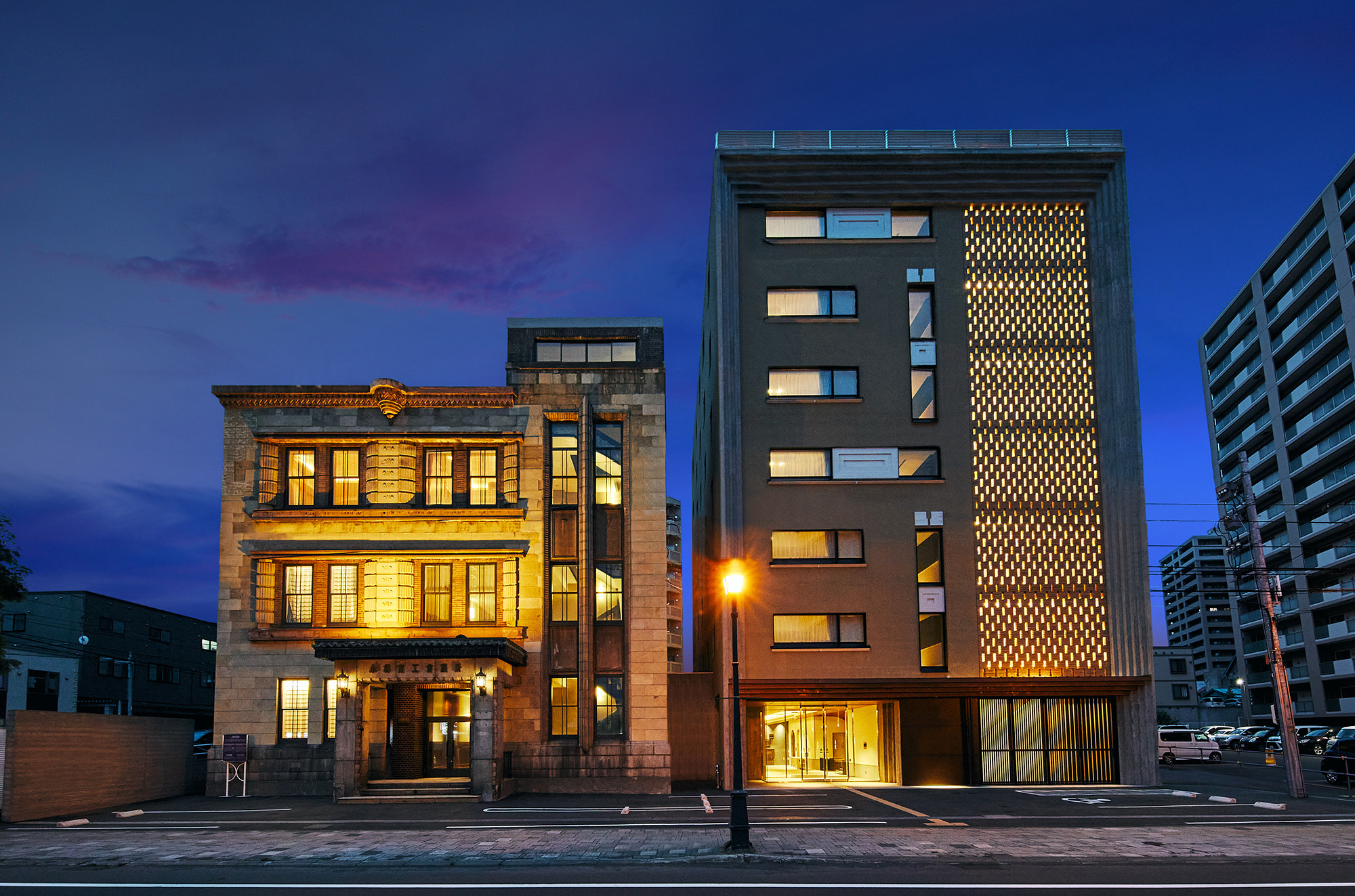
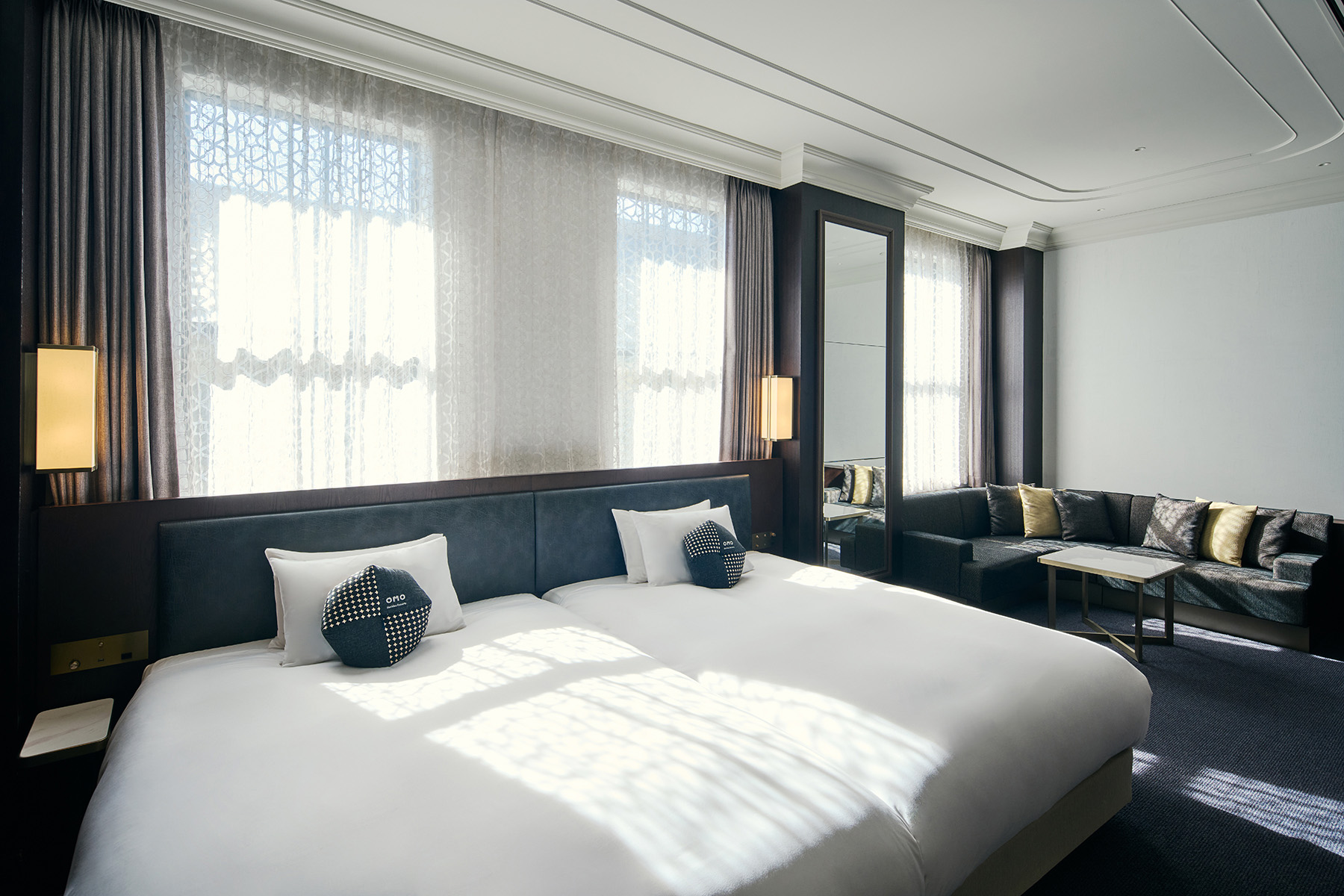
OMO5 Otaru
Otaru City, Hokkaido
A boutique hotel renovated from a historical building. You can enjoy a retro trip in Otaru.

Access Approx. 9-minute walk from JR Otaru Station
- Accommodation rate example
- Per person per night From ¥6,000