





6 recommended sightseeing spots to keep in mind if you go to Otaru
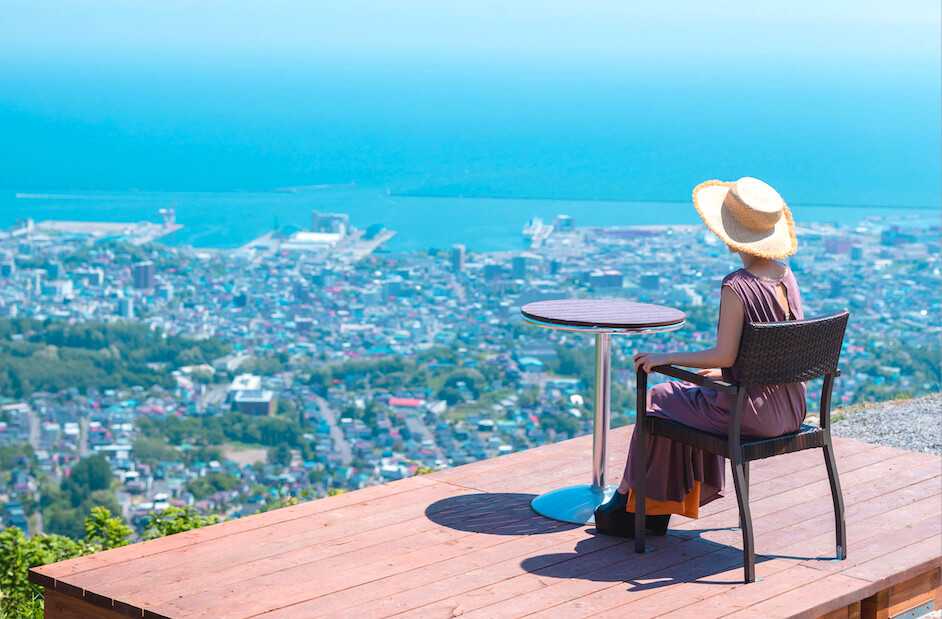
Otaru played an important role in the pioneer days as the gateway to Hokkaido. Otaru attracts many tourists with its many historical buildings that create a nostalgic atmosphere, and its expressive townscape embraced by the sea and mountains. Here are some recommended spots that you must not miss when visiting Otaru.
1Otaru Canal
A representative sightseeing spot in Otaru that conveys the history of the port town to the present day
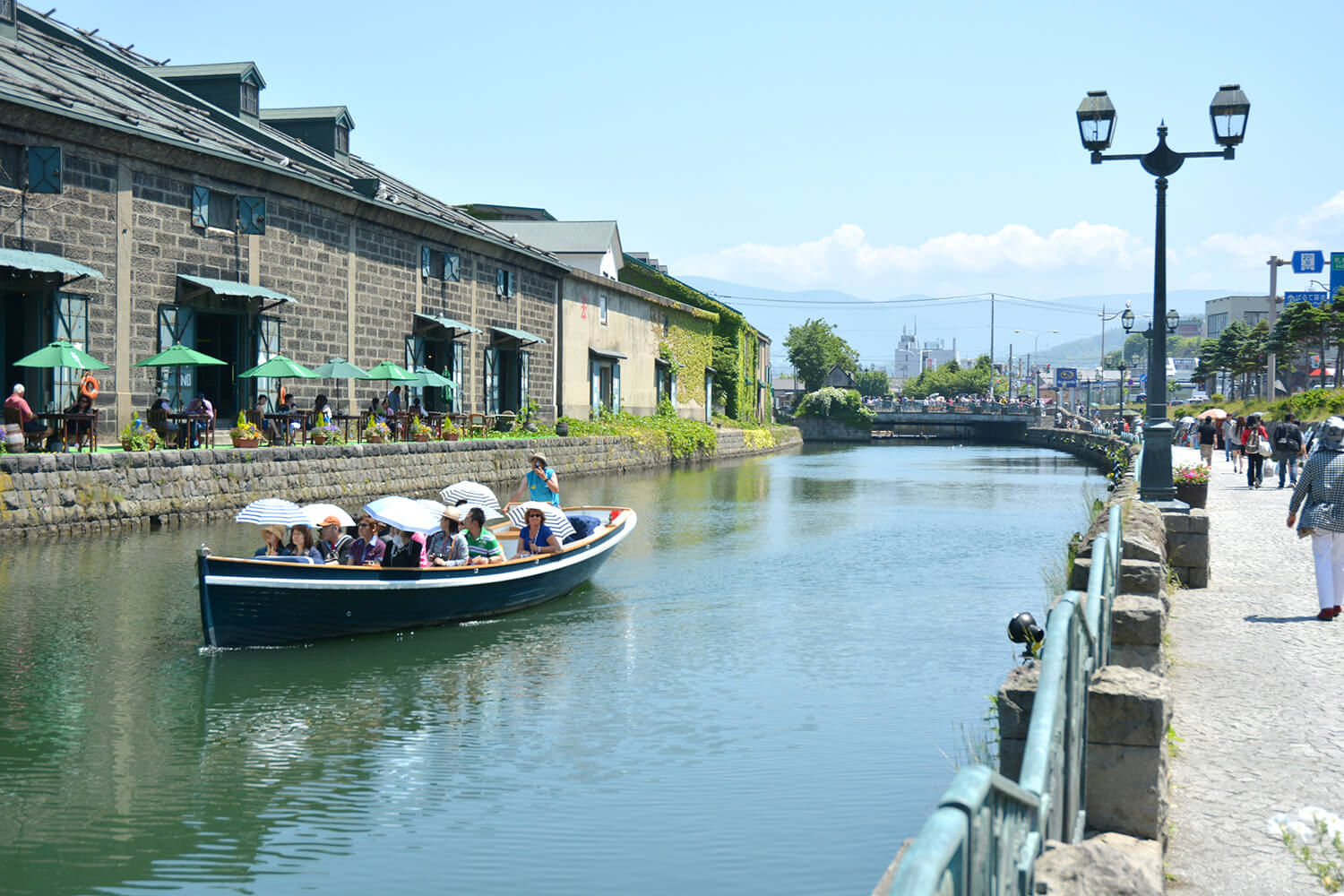
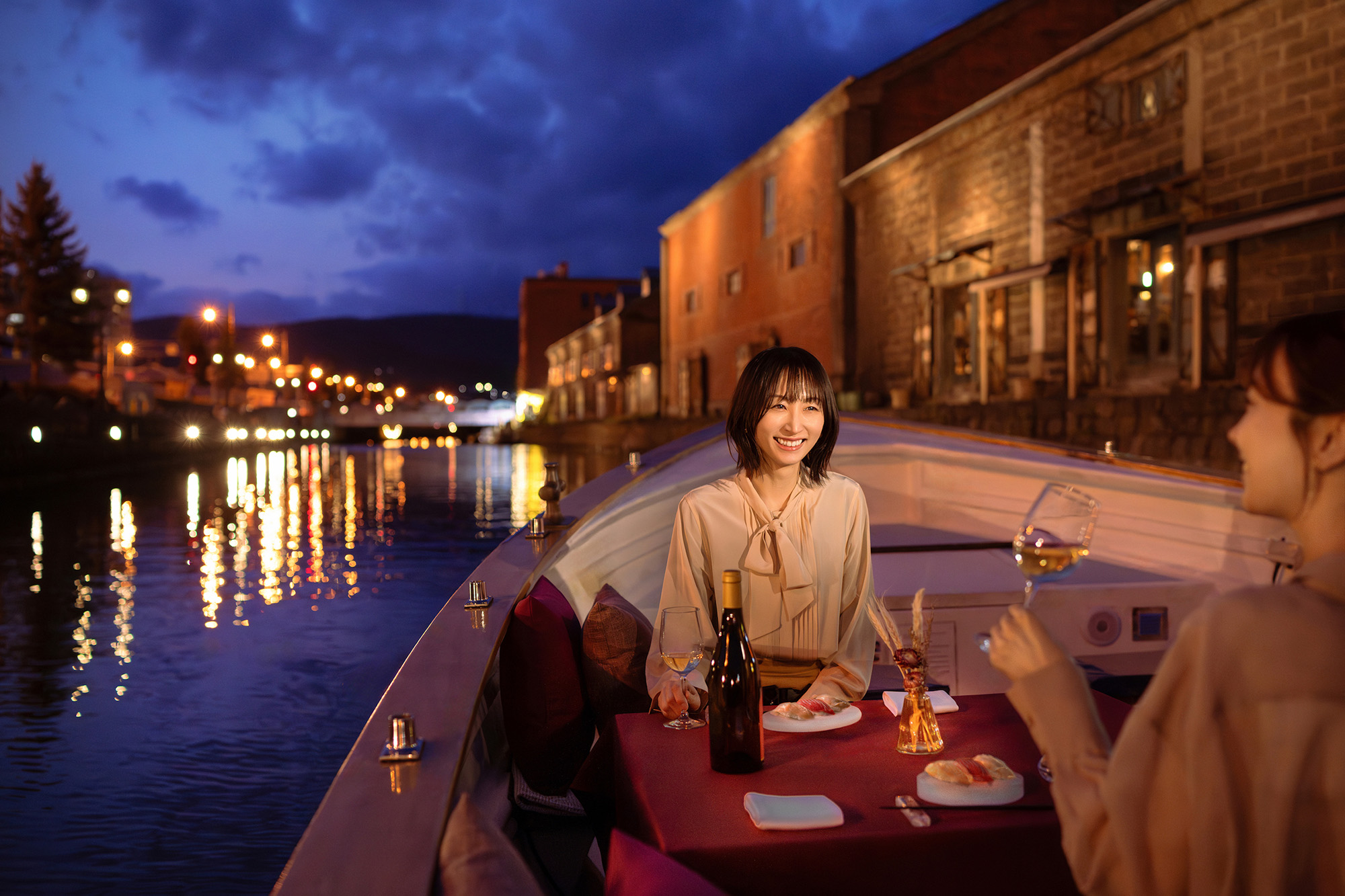
Otaru developed as the gateway to Hokkaido during the pioneering period. To support its shipping industry, the Otaru Canal was built in 1923. After the war, its role ended with the construction of a wharf at Otaru Port, but today it has grown to become a popular tourist attraction representing Otaru. The stone warehouses that remain along the 1,140-meter-long canal have been repurposed as tourist information centers and restaurants. Visitors can take a leisurely stroll along the cobblestone walkway or enjoy a small boat trip on the Otaru Canal Cruise. Everywhere you turn, you will find plenty of photo-worthy scenes.
The warmth of the gas lamps at night adds to the beauty of the area.
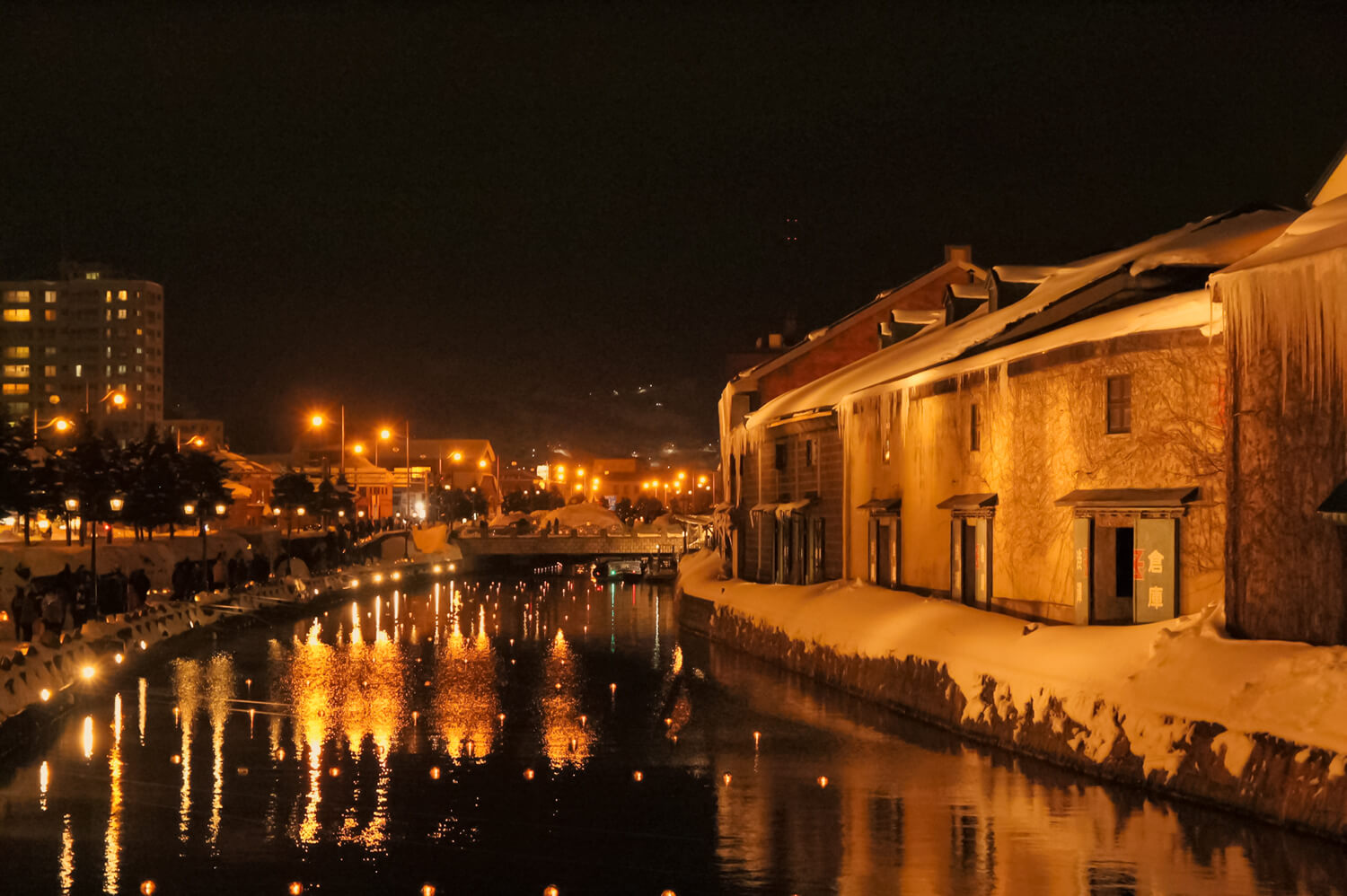
The Otaru Canal takes on different atmospheres depending on the time of day and season.At dusk, the gas lamps along the walking path are lit, and the stone warehouses are illuminated, creating a particularly nostalgic atmosphere. During the “Otaru Snow Light Path” event held every February, hundreds of floating candles drift on the canal, creating a magical scene.
Another attraction is the unique scenery found in each area, such as Asakusabashi Street Park—a classic photo spot—and the North Canal, which exudes the charm of a port town and echoes the atmosphere of days gone by. Be sure to bring your camera and discover your favorite views.

Local Guide
Supporters
At "Canal Plaza" near Chuo Bridge Street Park, you can get a sightseeing map, and free rental service for umbrellas, wheelchairs, and baby carriages is also available. Please use this service to start your Otaru sightseeing tour.

- Otaru Canal
-
 Minato-cho, Otaru-shi, Hokkaido MAP
 10 min. walk from JR Otaru Station
 No parking (use nearby toll parking)
2Otaru Tenguyama Ropeway
Impressive panorama of human life and nature

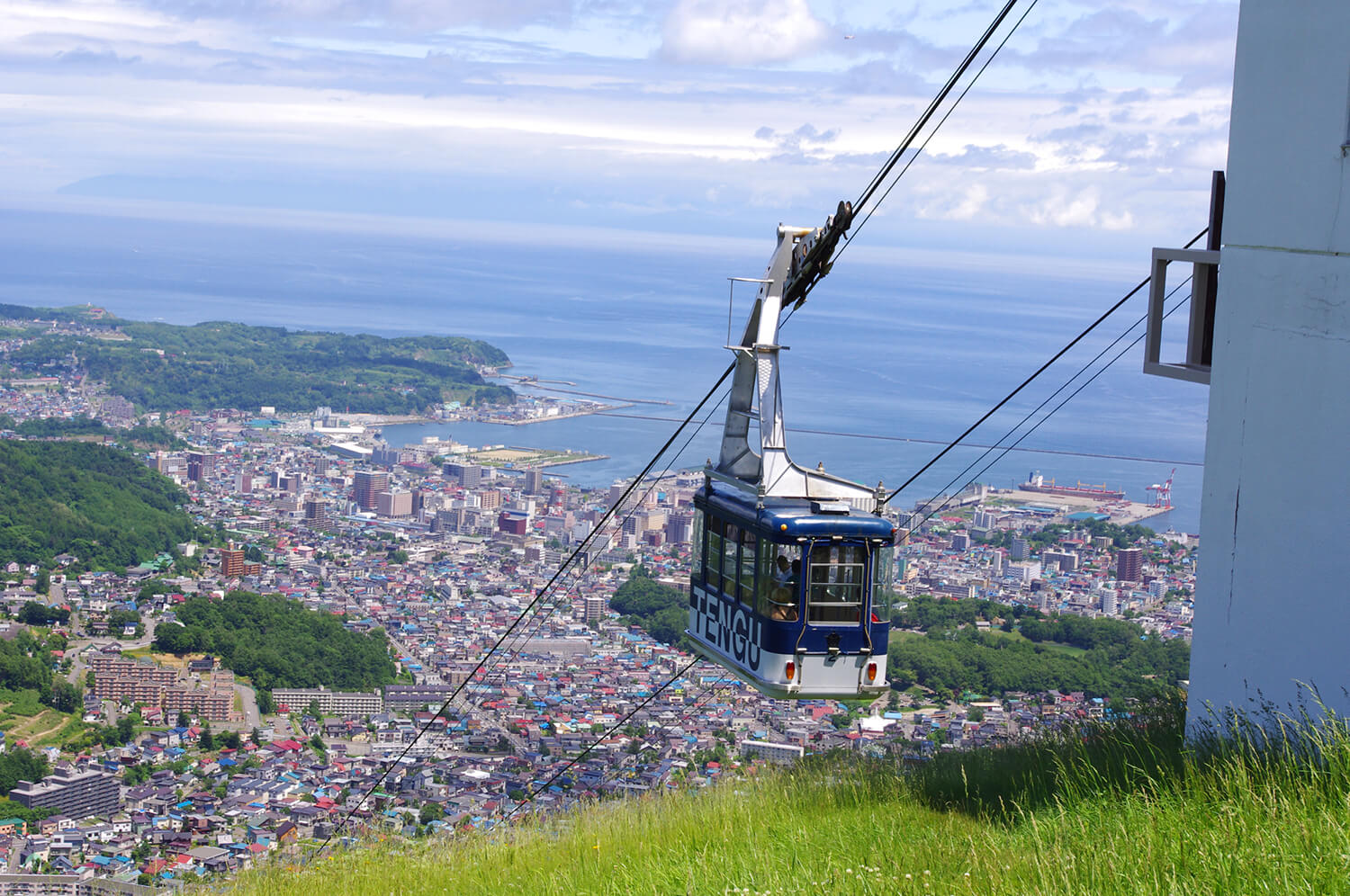
Mt. Tengu is beloved by Otaru residents as a symbol of the city. In addition to hiking trails and scenic roads, a ropeway operates from the base to the summit of Mt. Tengu.Although it’s just a short, approximately 5-minute ride, it’s a delight to watch the cityscape of Otaru grow smaller and smaller as the sea and sky stretch out to meet the horizon. After sunset, a night view that looks like a scattering of jewels unfolds, stirring the soul. From summer through late fall, you might even catch a glimpse of fishing boats’ lights out toward the Shakotan Peninsula.In early summer, if weather conditions are right, you might even catch a glimpse of a sea of clouds.
From Spectacular Views to Power Spots and Activities
There are five observation decks at the top of the mountain, and the Tengu Terrace at the Tengu Cherry Blossom Observatory is a spectacular spot with an unobstructed panoramic view. The view from the TENGUUU Terrace is a spectacular spot with an unobstructed panoramic view, and is a great place to relax with a take-out menu from the café. There are also many other attractions such as "Tenguyama Shrine," which enshrines Sarutahiko, "Nana Nade Tengu-san," which is a power spot that is said to make wishes come true if you stroke its nose, and "Chipmunk Park," where you can experience feeding the chipmunks. Activities such as ziplining and hot-air ballooning are available for both children and adults.
Local Guide
Supporters
The lone cherry tree near "Tenguu Terrace" is the last one to be in full bloom in Otaru because of its high elevation. It is lit up at night and you can enjoy the fantastic scenery with the night view in the background.
- Otaru Tengu Ropeway
-
- 2-16-15 Mogami, Otaru City, Hokkaido (Sanroku Station) MAP
- Take the bus from the Otaru Station Terminal and get off at “Tenguyama Ropeway”; the location is right there
 9:00 a.m.–9:00 p.m. (Last uphill ropeway at 8:48 p.m.) *Operating periods and times are subject to change
 Ropeway: Open daily *May be suspended for maintenance in April and November
 Ropeway (Round-trip): Summer (Junior high school students and older: 1,800 yen; Elementary school students: 900 yen), Winter (Junior high school students and older: 2,000 yen; Elementary school students: 1,000 yen) *One preschooler rides free with each paying adult
TENGUU Zip Line: 1,200 yen per ride
TENGUU Hot Air Balloon: Junior high school students and older 3,800 yen; ages 4–elementary school students 2,800 yen; ages 3 and under free 0134-33-7381
- Free of charge
 TENGUU Zip Line: Elementary school students and older (not available for those under 120 cm in height or weighing 120 kg or more)
TENGUU Hot Air Balloon: Junior high school students and younger must be accompanied by a parent or guardian The TENGUU Zip Line operates during the summer season (may be closed on weekdays), and the TENGUU Hot Air Balloon operates from mid-May to mid-October (hot air balloon rides may be canceled due to wind conditions).
*Please check the website for details.
3Nishin Goten Otaru Kihin Kan (Former Aoyama Villa)
An art mansion in the north that tells the story of the prosperity of the herring industry

The "Former Aoyama Villa" is a reminder of the prosperity of the Aoyama family, which amassed a huge fortune from herring fishing during the Meiji and Taisho periods. It is said to have cost approximately 3 billion yen in today's terms, and is one of Hokkaido's most famous art mansions. The roof has a tiled roof, which is rare in Hokkaido, Shunkei lacquer on the floor and pillars, hand-carved carvings in the transoms and under the eaves, a shoin-style alcove using ebony and ebony, a dry landscape garden, and a pond garden, to name a few. It is the pinnacle of the herring palace that tells of the era when Otaru was booming with herring fishing, and is designated as a Tangible Cultural Property of Japan.
Enjoy herring dishes, a specialty of Otaru, in memory of the prosperity of the large nether mill.

The former Aoyama Villa has 18 rooms, each with its own unique atmosphere, and the fusuma sliding door paintings and calligraphy by painters of the Kano school have been preserved. The most impressive of these is the "Eight Immortals Room," with 13 sliding doors elegantly decorated with Japanese paintings by Ryukoh Shimazaki depicting the Eight Immortals of China. After enjoying the splendor of the past, visit the adjacent Otaru Kihin Kan (Otaru State Guest House). In early summer, the garden is decorated with more than 650 button and peony plants, and the restaurant overlooking the Sea of Japan offers the famous "Nishin no Naniwani" (Nishin with sweetened herring) and soba noodles.
Local Guide
Supporters
The house is filled with details such as a single piece of glass perfectly fitted into a wooden frame, which is said to be impossible to restore with modern technology, an Arita-yaki porcelain toilet, and shippo-yaki fusuma (sliding door) pulls. Please take your time and take a look.

- Nishin Goten Otaru Kihin Kan (Former Aoyama Villa)
-
- 3-63 Shukuzu, Otaru City, Hokkaido MAP
- 13 min. drive from JR Otaru Stn.
- Former Aoyama Villa: April–December, 9:00 a.m.–5:00 p.m. (Restaurant: 11:00 a.m.–5:00 p.m.; Last order for meals at 2:30 p.m., last order for coffee at 4:00 p.m.),November–March: 9:00 a.m.–4:00 p.m. (Restaurant: 11:00 a.m.–4:00 p.m. / Last order for meals at 2:30 p.m., last order for coffee at 3:00 p.m.)
- January 1 - January 7
- Former Aoyama Villa: 1,300 yen for junior high school students and older, 650 yen for elementary school students
- 0134-24-0024
- Free of charge
4Kitaichi Glass, Building No. 3
Enjoy the charm of Otaru glass in a historic space

Kitaichi Glass, a glass brand with over 100 years of history in Otaru. At Building No. 3 on Sakaicho Street, visitors can enjoy shopping while taking their time to appreciate Kitaichi Glass's glass products. The building is a reused wooden frame stone warehouse from the mid-Meiji period, and the central corridor connecting the two warehouses still retains the trolley rails used to transport cargo from the port. The museum is divided into three themed areas: the Japanese floor, with Japanese patterns and faceted products; the country floor, which mainly features kerosene lamps and daily-use vessels; and the Western floor, which is inspired by Western culture, each with a different atmosphere and design.
A wide variety of works, from tableware for daily use to one-of-a-kind pieces

There is a wide variety of glassware and tableware for everyday use, as well as accessories with a sparkling individuality. Visitors can also enjoy the time when they are lost in the selection of souvenirs. One-of-a-kind stained glass works are also a highlight. The delicate craftsmanship that shines through here and there is sure to catch your eye. After shopping, take a break at the Kitaichi Hall, a café inside the museum, where you can enjoy homemade sweets, drinks, meals, and Otaru's local beer in a fantastic space lit by 167 oil lamps.
Local Guide
Supporters
Kitaichi Glass products are all handmade, so each one has a slightly different appearance. Please take your time to browse around the store and find your favorite.

- Hokui Glass Building No. 3
-
- 7-26 Sakai-cho, Otaru-shi, Hokkaido MAP
- 10 min. walk from JR Minami-Otaru Stn.
- 9:00-18:00
- No holidays
- 0134-33-1993
- Special Parking available
5Otaru Sakai-cho Street Shopping Street
One of Otaru's most popular streets where history and vitality intersect

The shopping street stretches about 900 meters from the "fairy tale intersection" near JR Minami-Otaru Station toward Otaru Canal. Lined with souvenir stores selling sweets, marine products, glassware, music boxes, and other items, as well as sushi, ramen, cafes, and other restaurants, it is a popular street that cannot be missed when walking around Otaru. Many stores are renovated from historical buildings such as stone warehouses and stores from the Meiji period, creating a nostalgic atmosphere. Walking leisurely, you will hit the Okobachi River and Otaru Art Village is on the other side of the river. Turn left along the riverside street and you will come to Sushi-ya Street, turn right and the Otaru Canal awaits you.
Tourist first service and seasonal events

Sakaimachi Street, a must-visit spot for tourists, is always bustling with people. You can enjoy eating takeout while walking or simply stroll around taking in the scenery, but using the tourist information center will make your walk even more enjoyable.In addition to providing tourist information on the shopping district, Otaru City, and the surrounding areas, the center offers services such as free rentals of umbrellas, wheelchairs, and strollers, as well as temporary luggage storage (for a fee). Seasonal events like the “Otaru Sakaimachi Tanabata Festival” are also held here, ensuring there’s plenty to enjoy no matter when you visit.
Local Guide
Supporters
Information on a wide variety of shops and properties is clearly organized, and simply browsing through it will get you in the mood for travel. Checking it out before your stroll will greatly enhance your experience on Sakai-machi Street.

- Otaru Sakai-cho Street Shopping Street
-
- 6 Sakaimachi, Otaru City, Hokkaido (Merhen Intersection) MAP
- 6 min. walk from JR Minami-Otaru Stn.
- Varies depending on the store.
- Varies depending on the store
- 0134-27-1133
- Charged
6Former site of the former Japan National Railways Temiya Line
Walkable railway tracks" where you can take photos like a scene from a movie

The Temiya Line was Hokkaido’s first railway, laid during the pioneer era to transport coal. Although it was decommissioned in 1985 (Showa 60), it is now popular as the “Temiya Line Ruins,” a photo-worthy spot for tourists from both Japan and abroad.
The approximately 1.6-kilometer stretch of track running from Sushiya-dori to the “Otaru City General Museum” allows visitors to actually walk along the tracks. It serves as the venue for the “Otaru Glass Market” in summer and the “Otaru Snow Light Path” in winter, making it a charming seasonal tradition.Additionally, along the tracks, you’ll find a rest property featuring a model railroad crossing signal and a structure modeled after the former Iro-nai Station.
Designated as a Japan Heritage site in February Reiwa 7, it has also become one of the cultural assets comprising Otaru—a city once called the “heart” of Hokkaido—and is attracting renewed attention.
Appreciate the railroad heritage at the birthplace of the Hokkaido Railway

Along the rail line, there are also museums, a literature museum, cafes, and restaurants, so it is fun to take a leisurely stroll while stopping by. The Otaru City Museum is now located where the last station, Temiya Station, used to be. The "Former Temiya Railway Property," a National Important Cultural Property preserved in and around the museum, is a must-see even for railroad fans. Visitors can see the oldest existing locomotive depot No. 3 in Japan, a turntable used to change locomotive direction, and the steam locomotive "Iron Horse," which is still in operation on the premises. The Iron Horse is in operation only during the summer season (from the end of April to mid-October), and visitors can experience its operation.
Local Guide
Supporters
Located in the birthplace of Hokkaido’s railways, this museum displays numerous historic steam locomotives and railcars. You can experience riding the “Iron Horse,” a steam locomotive that operates on certain days. With a planetarium and science exhibits, it’s a popular spot enjoyed by adults and children alike.

- Former site of the former Japan National Railways Temiya Line
-
- 1-13 Shikinai, Otaru-shi, Hokkaido (Start point on the south side of the promenade) MAP
- 11 min. walk from JR Otaru Stn.
- Otaru City Museum Main Building
Closed: Tuesdays (if Tuesday is a national holiday, the museum is open on Tuesday and closed the following weekday), Year-end and New Year holidays (December 29 - January 3)
Admission: Adults 400 yen (300 yen in winter), High school students 200 yen (150 yen in winter), Free for junior high school students and younger

Local Guide who was in charge of this article
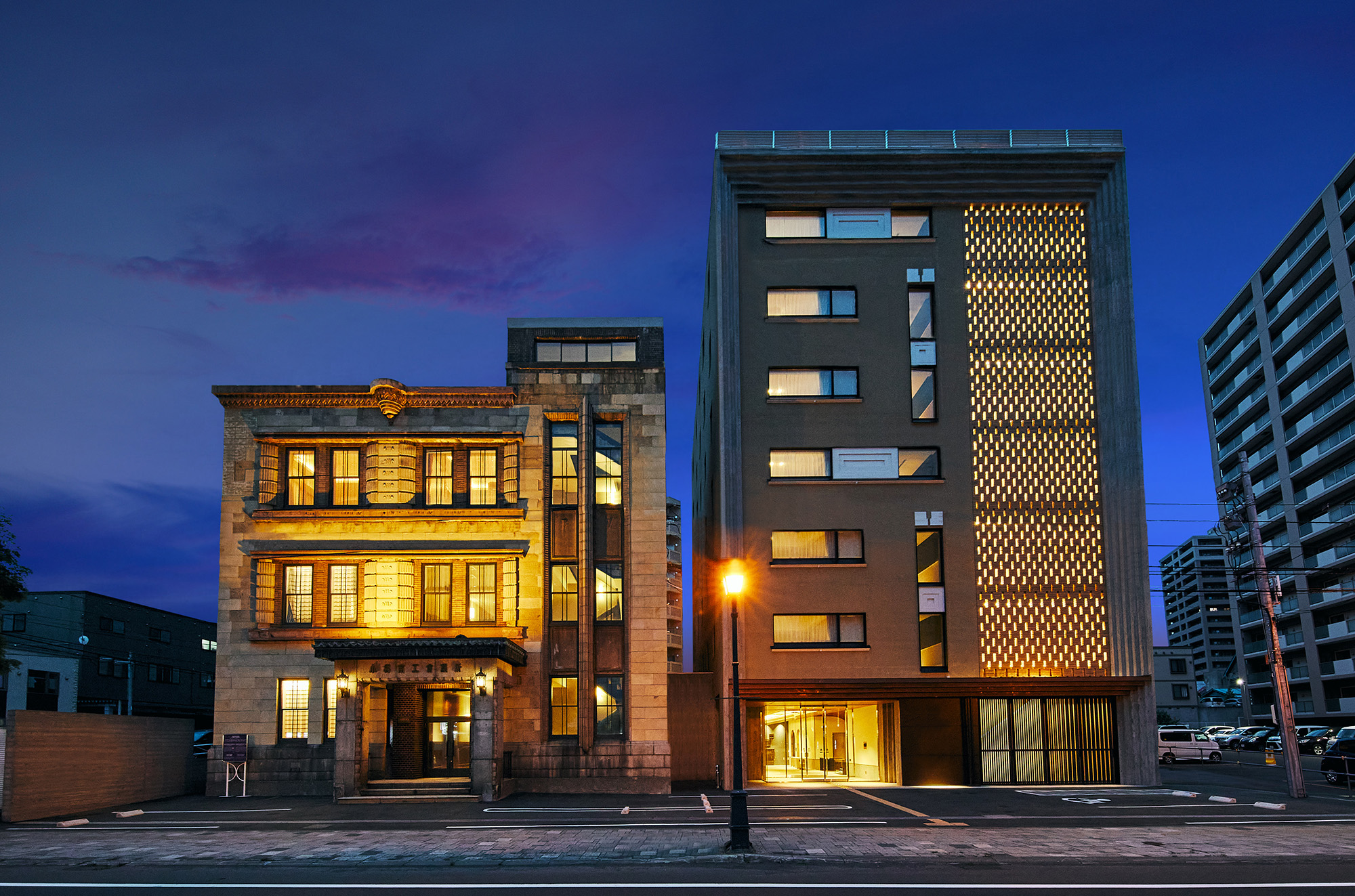
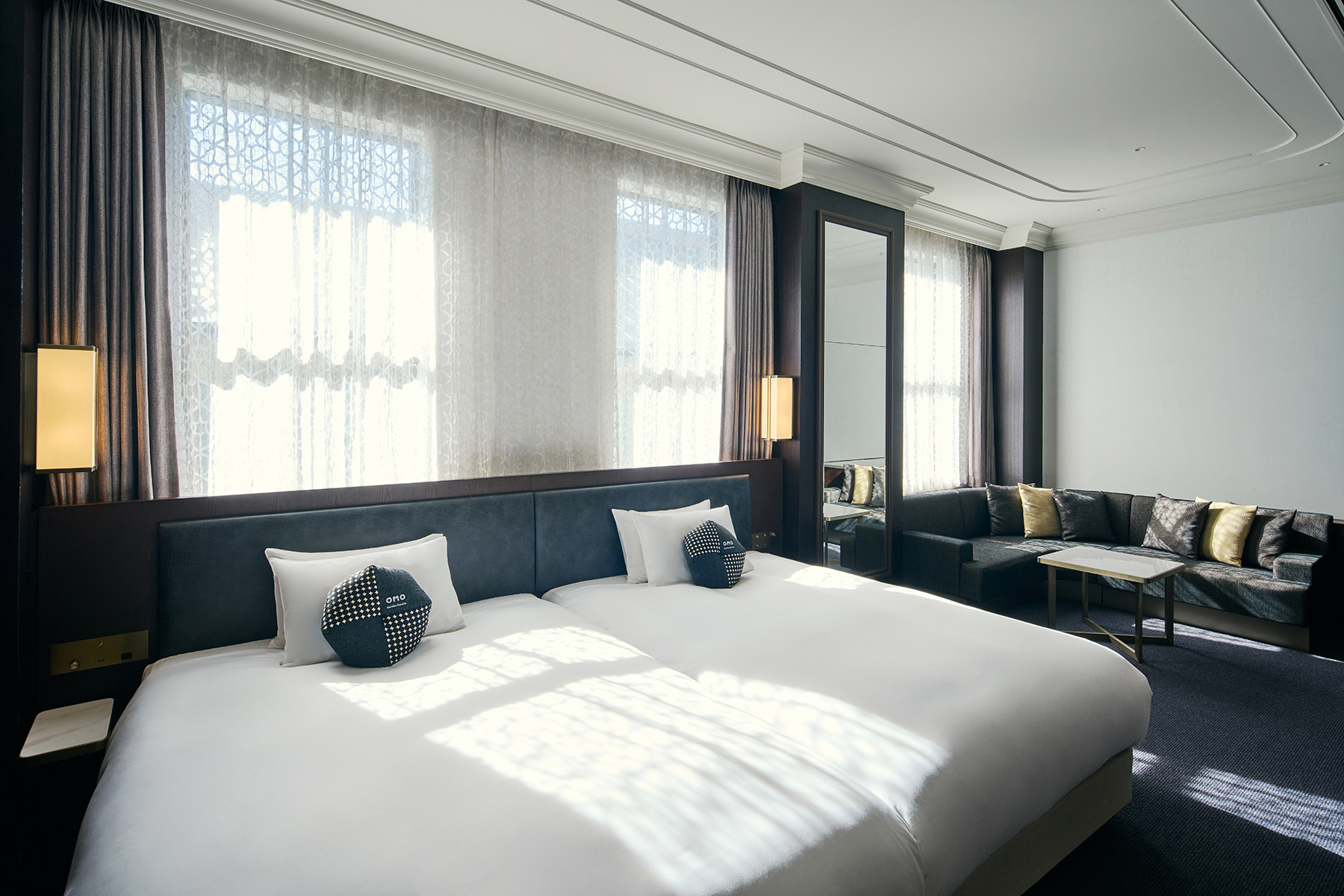
OMO5 Otaru
Otaru, Hokkaido
A boutique hotel in a renovated historical building. You can enjoy a retro trip to Otaru.

Access by bus Approx. 9 min. walk from JR Otaru Sta.
- Example of Accommodation Rates
- 1 person per night From 6,000 yen