





Learn about the temperature and clothing for Tsuchiura City, Ibaraki Prefecture, the "City of Bicycles"

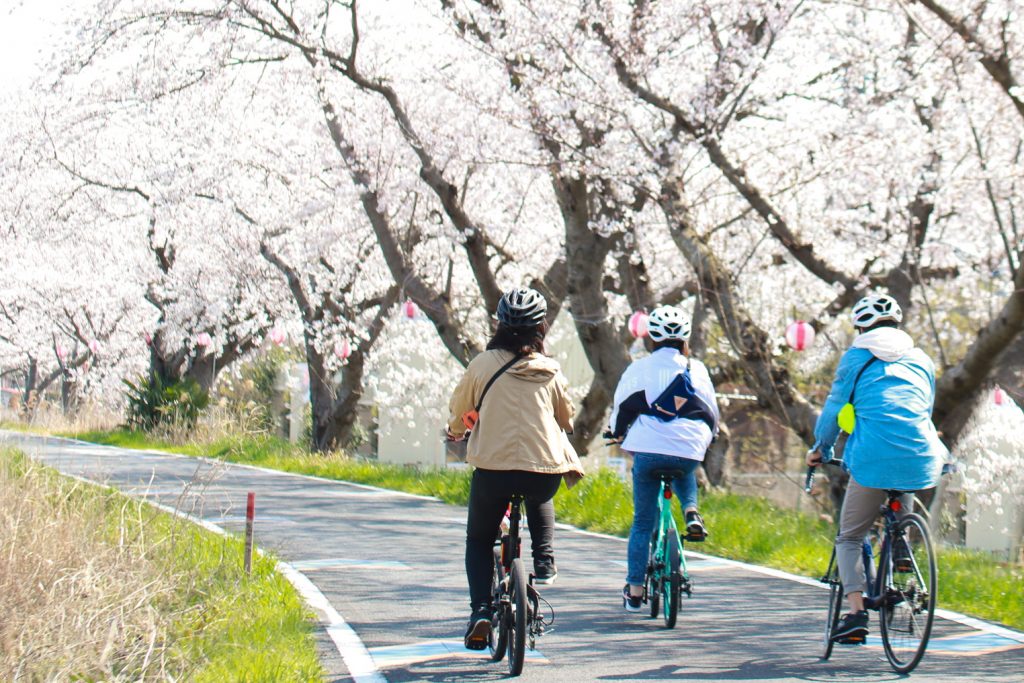
Tsuchiura City, Ibaraki Prefecture, is located on the western shore of Lake Kasumigaura, the second-largest lake in Japan. The city center is filled with Edo-period atmosphere, featuring the "Tsuchiura Castle Ruins Park," where the original turrets from the Edo period still stand, and the merchant storehouses of Tsuchiura-juku. The western part of the city boasts rich nature at the foot of Mount Tsukuba. It is easily accessible from Tokyo in about an hour by limited express train, making it a popular destination for short trips. In recent years, a 180km cycling road has been developed from Tsuchiura Station to the foot of Mount Tsukuba, attracting attention as the "City of Bicycles."
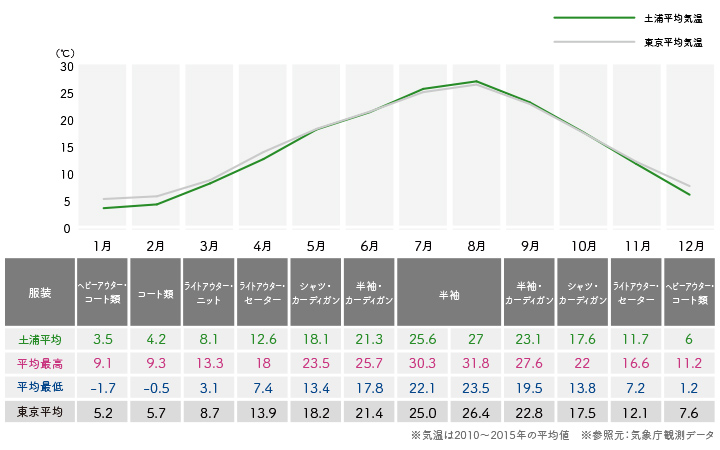
Located in a part of the Kanto Plain, Tsuchiura City enjoys a mild climate throughout the year. It is characterized by almost no snowfall in winter and many sunny days. Summers are hot and humid, with the water temperature of Lake Kasumigaura exceeding 30°C. Since the average temperature for both cold and hot seasons differs from Tokyo by only about 1–2°C, you can dress the same way as you would in Tokyo.
Temperature and clothing for spring in Tsuchiura City (March–May)

The average temperature in March is 8.1°C. It is still cold in the first part of the month due to the "Tsukuba Oroshi" (northwesterly wind), so a coat is necessary, but temperatures rise after the middle of the month. In late March, when the city's flower, the cherry blossom, begins to bloom, there are days when the maximum temperature exceeds 20°C.
The cherry blossom spots along the "Tsukuba Kasumigaura Ring Ring Road" that stretches from Tsuchiura Station to the foot of Mount Tsukuba, such as the Shinkawa and Sakuragawa embankments and "Kijo Park," reach full bloom in early April. The 30,000 tulips at Kasumigaura Comprehensive Park also bloom, and the whole town becomes vibrant all at once. During the day, the average temperature is over 15°C, so you can enjoy cherry blossom viewing in the warm weather. However, it gets cold at night, so be prepared with a coat or shawl.
The average temperature in May is about 18°C. The weather is good, making it perfect for outings. At this time of year, the azaleas at "Asahi-toge Observation Park" are at their best. The maximum temperature rises to around 25°C, and you can spend the day in short sleeves.
Temperature and clothing for summer in Tsuchiura City (June–August)

In early June, when the rainy season begins, Lake Kasumigaura, a mecca for bass fishing, bustles with anglers targeting bass that have finished spawning. Since rainy days in June with an average temperature below 20°C can feel chilly, be sure to bring a jacket to protect yourself from rain and wind when heading out to the lake area. In Tsuchiura, which boasts the highest lotus root production in Japan, lotus flowers begin to bloom from late June. By the time they reach their peak in late July, the average high temperature exceeds 30°C. This heat continues until the end of August. As the strong sun reflects off the urban areas and the lake, sun protection is essential. Be sure to take thorough precautions against heatstroke.
From late July to early October, the "Hobikisen" (sail-rigged boats), a summer tradition, operate on Lake Kasumigaura on weekends. These are revivals of the boats that were used for fishing in the Meiji era, and you can enjoy the refreshing scenery of them moving across the lake with their large sails fluttering.
About temperatures and clothing in Tsuchiura City in autumn (September to November)

September sees lingering summer heat. Until the middle of the month, the high temperature exceeds 30°C every day, so you can still get by in short sleeves. After the equinox, the average temperature drops to around 20°C, and it starts to feel cool. Long sleeves become the standard attire.
The average temperature in October, when the "Tsuchiura All Japan Fireworks Competition," the largest event in Tsuchiura City and one of the three major fireworks festivals in Japan, is held, is 17.6°C. If you are going to watch the fireworks, we recommend wearing a long-sleeved shirt with a thick hoodie or similar clothing. A lap blanket is also useful. By late October, the average low temperature drops below 10°C, making a coat necessary.
The best time to see the autumn leaves of the great ginkgo tree at "Sairenji Temple," said to be 1,000 years old, and the "Maple Forest" at Asahi Pass is from mid-November to early December. The temperature difference between day and night increases, with more days seeing a difference of over 10°C, and there are even days when the minimum temperature drops below freezing. Be sure to dress warmly when going out for autumn leaf viewing.
About temperatures and clothing in Tsuchiura City in winter (December to February)
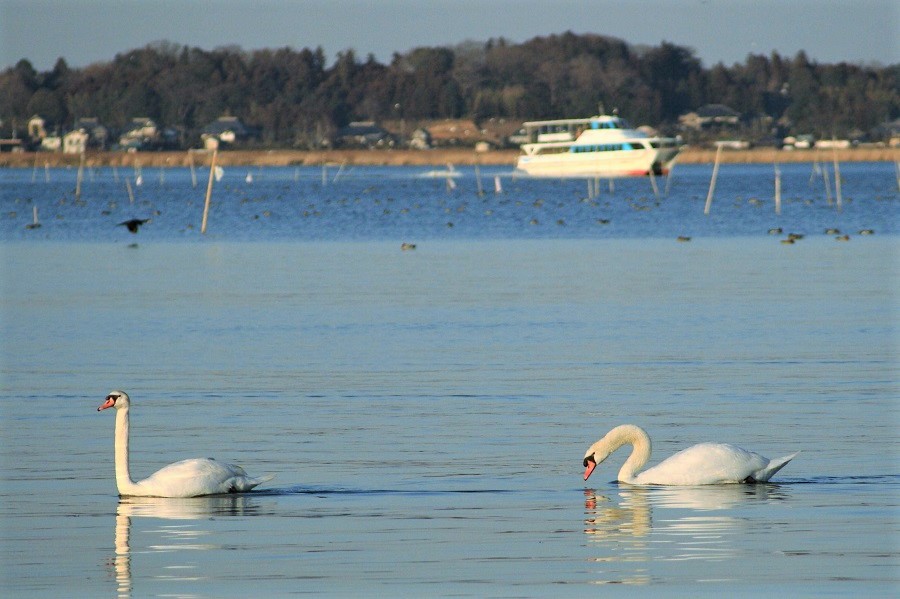
In Tsuchiura City, winter is a time when migratory birds and rare wild birds, such as swans, herons, kingfishers, and northern goshawks, gather around Lake Kasumigaura. During this season, when many people visit for birdwatching, the average temperatures are 6°C in December, 3.5°C in January, and 4.2°C in February. On days when the "Tsukuba-oroshi" northwesterly wind blows down, the cold can chill you to the bone. When heading out, wear heavy outerwear such as a down coat and take measures to keep your feet warm.
In early February, the beginning of early spring, vibrant "tsurushi-bina" (hanging dolls), a tradition dating back to the Edo period, are displayed in old houses and shops throughout the city, and early-blooming plum trees are in full bloom in gardens and parks. You can start to feel the arrival of spring, making your steps lighter as you enjoy walking around the city. Even so, the average minimum temperature remains at -0.5°C, so winter clothing is still essential. We also recommend warming your body with winter delicacies like Tsuchiura's famous lotus root dishes or anglerfish hot pot during your stroll.

Local supporter in charge of this article
BEB5 Tsuchiura
Ibaraki Prefecture, Tsuchiura
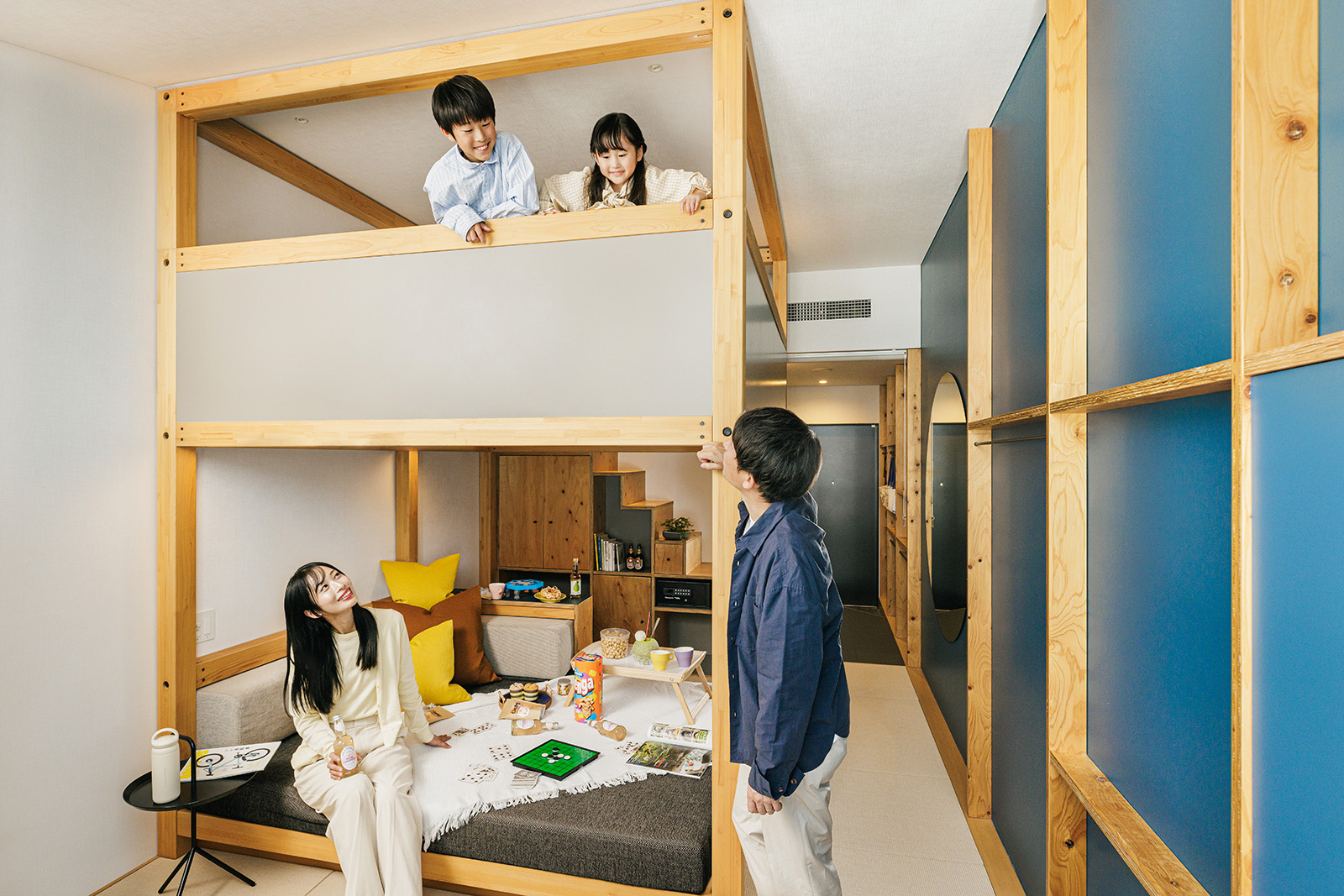
Conveniently located directly connected to JR Tsuchiura Station. A cycling hotel where you can stay with your bicycle.
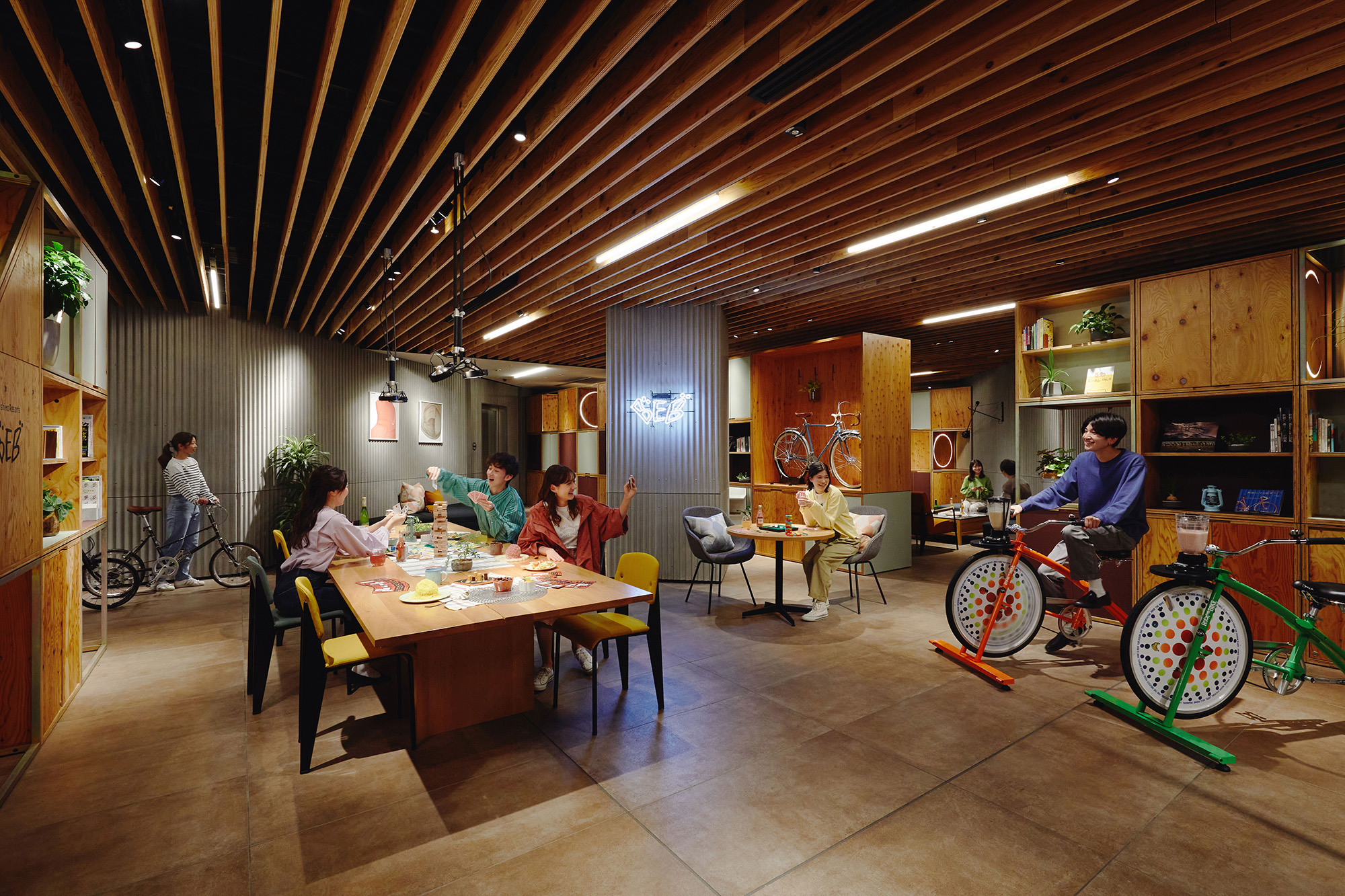

Access Directly connected to JR Tsuchiura Station
- Accommodation rate example
- Per person per night From ¥4,757