





Know the temperature and clothing in Nikko and Kinugawa hot springs, which are famous tourist destinations.


Nikko, a city rich in nature and close to the Tokyo metropolitan area, is a popular and famous tourist destination in all seasons, with its Kinugawa hot springs, famous autumn foliage, and World Heritage-listed temples and shrines. Often referred to as "Kanto's refrigerator," Nikko's cool climate is attractive, but it is also characterized by large differences in temperatures due to differences in elevation. The Kinugawa hot spring village along the valley is about 400 m above sea level, while the Nikko city area, where the World Heritage Sites "Nikko Toshogu Shrine" and "Futaarasan Shrine" are located, is 500 to 600 m above sea level. The temperature varies greatly depending on the season and destination. The temperature varies greatly from morning to evening, so be sure to bring a scarf or some other warm-weather gear.
<Climate and recommended clothing for Nikko and Kinugawa hot springs
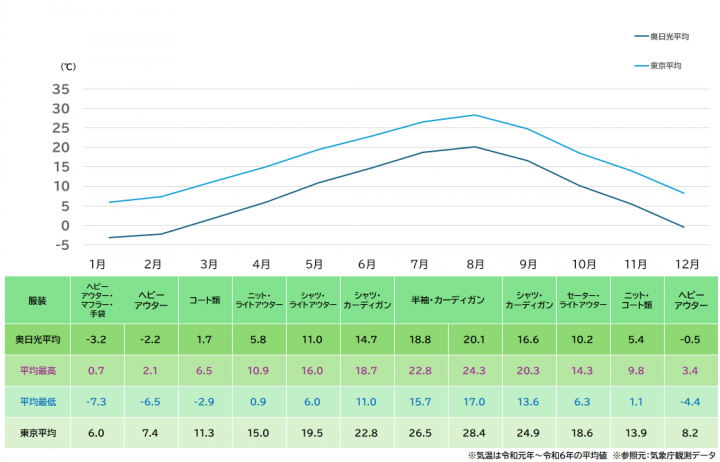
Climate and clothing for spring (March-May) in Nikko and Kinugawa hot springs

In March, both downtown Nikko and Oku-Nikko are still in the grip of winter. With an average low temperature of -2.9°C in Oku-Nikko, snowy landscapes remain. Since snowfall can occur until around mid-April, be sure to wear warm boots and, if traveling by car, equip your vehicle with winter tires.
Cherry blossoms begin to bloom in early April at Kinugawa Hot Spring and around late April in the Nikko area, heralding the arrival of spring.The cherry blossoms at “Kinugawa Gokoku Shrine” are illuminated at night, making it a hidden gem where you can enjoy nighttime cherry blossom viewing. The cherry blossom-lined path along Lake Chūzenji begins to bloom in early May, but with an average temperature of 11°C, be sure to bring a warm jacket if you’re going for hanami.
Additionally, Mount Nantai (elevation 2,486 m), home to the Okumiya (inner shrine) of Nikko Futarasan Shrine and a site of religious veneration, opens for climbing annually on April 25, and many people aim to reach the summit. The breathtaking view overlooking Lake Chūzenji is truly awe-inspiring.
Summer (June-August) Climate and Clothing in Nikko and Kinugawa Hot Springs

The Nikko area, where the rainy season typically begins in early June, experiences heavy rainfall and high humidity. The average temperature is 14.7°C—about 8°C lower than in Tokyo—and since temperatures drop in the mornings and evenings, it’s a good idea to bring a water-repellent jacket that can also serve as rain gear.On the “Kinugawa River Boat Ride,” which takes you down a gorge carved by nature, you can enjoy dynamic scenery while being splashed by the water.
Also, when visiting “Nikko Tōshō-gū,” walk along the cobblestone path behind the main hall and climb the 207 stone steps surrounded by a dense cedar grove to reach the Okumiya, where Tokugawa Ieyasu’s tomb is located.This sacred area, where only successive shoguns were once permitted to ascend, has been open to the public since 1965 and is also a popular “power spot.”
In July and August, the cool climate of Oku-Nikko is highly recommended. With average high temperatures ranging from 18.8 to 20.1°C, the weather is pleasant, making it the perfect season for walks where you can fully enjoy the great outdoors—such as viewing the “Nikko buttercups” that begin blooming in early July or strolling along the wooden boardwalk through the wetlands at “Senjogahara.”Since the average low temperature ranges from 15.7 to 17.0°C, be sure to bring a slightly thicker jacket.
Autumn (September-November) Climate and Clothing in Nikko and Kinugawa Hot Springs

Nikkō is renowned Thanks to the significant elevation differences, the best time to view the fall foliage lasts from late September through late November. At “Lake Yuno” (elevation 1,475 m) in Oku-Nikko, the leaves turn a variety of colors—red, yellow, and brown—starting in late September, creating a mystical scene as they are reflected on the lake’s surface.There’s a walking path along the lakeshore that takes about an hour to walk around, making it a recommended spot to enjoy the fall foliage a little early.
The famous “Iroha-zaka” typically reaches its peak in mid-October, , so if you’re driving from the Tokyo metropolitan area, it’s best to leave very early in the morning. Nikko is known as the “Land of 48 Waterfalls,” so it’s also fun to tour the waterfalls while taking in the fall foliage.
“Ryūō Gorge” is located between Kinugawa Hot Spring and Kawaji Hot Spring. With well-maintained walking trails, you can take a stroll while admiring the gorge’s rocky scenery and the autumn foliage. Since Oku-Nikko is about 8°C cooler than Tokyo, we recommend lightweight, warm clothing such as fleece, a wool scarf, and warm socks.
▶For more information on autumn temperatures Click here
Winter (December to February) Climate and Clothing in Nikko and Kinugawa Hot Springs
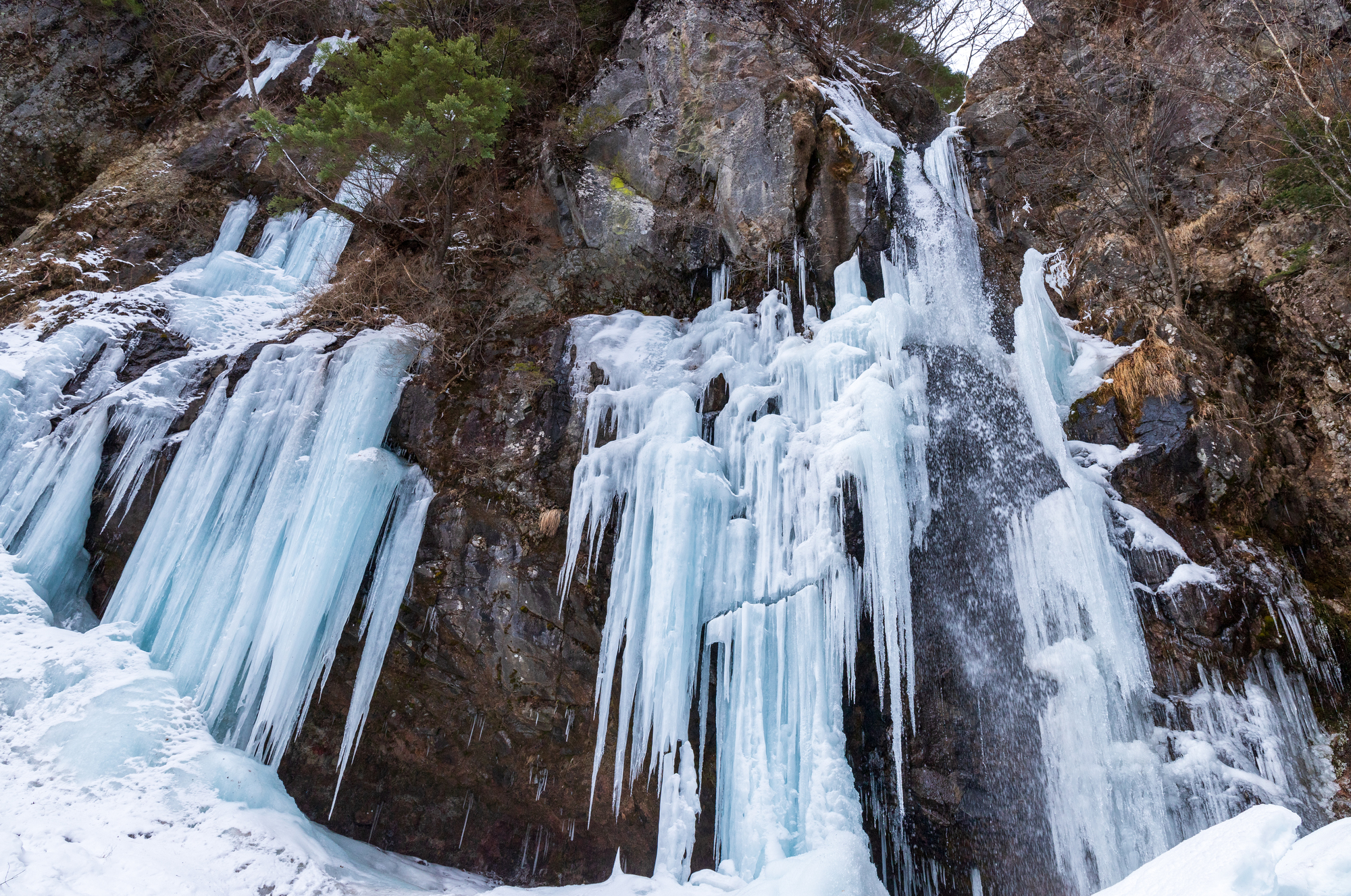
Since Nikko remains cool year-round, winters can be harsh, with temperatures in Oku-Nikko dropping below freezing.With more days of snowfall, the sight of shrines and temples—such as Nikko Toshogu and Futarasan Shrine—set against a snowy backdrop is truly exceptional. You can enjoy taking your time to visit these sites in the crisp, clear air or strolling through the shops in the town near the shrines. However, since the roads may be snowy or icy, insulated boots are essential.
In Oku-Nikko, the frozen waterfalls—known as “blue ice”—are a breathtaking sight. Since temperatures can drop to -6 to -7°C in January and February, be sure to bring a down coat, a knit hat, and portable hand warmers. Activities unique to the harsh winter, such as snowshoeing across snowfields, are also popular.Even beginners can feel at ease joining a guided tour.
“Iroha-zaka” is not closed to traffic, but if you’re not used to icy roads, we recommend taking the public bus. If you’re driving your own car, studless tires are essential.

Local Guide who was in charge of this article
Hoshino Resorts KAI Kinugawa
Kinugawa hot spring, Tochigi
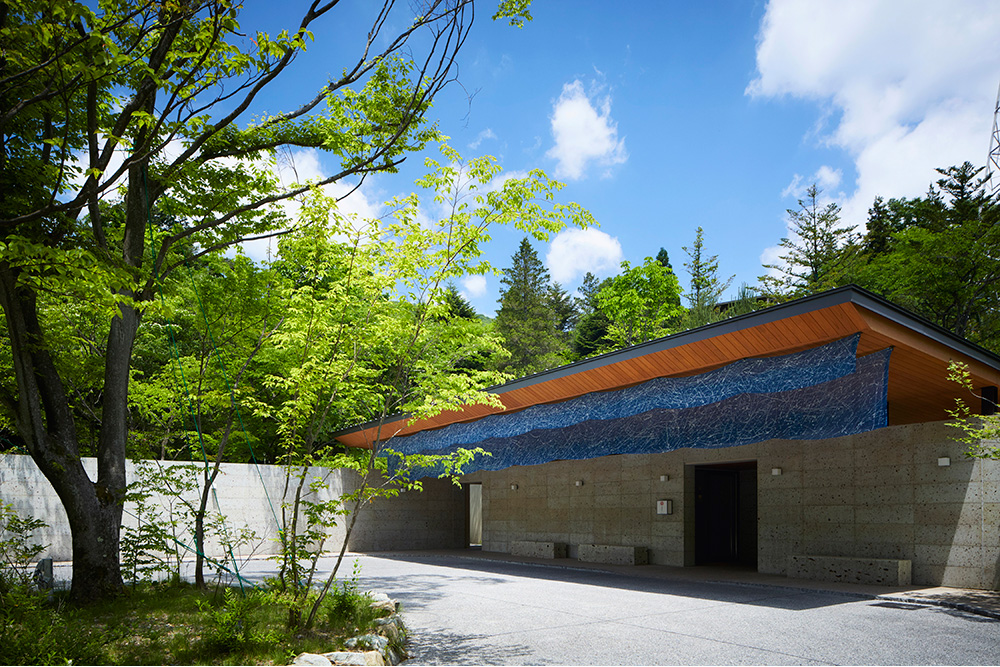
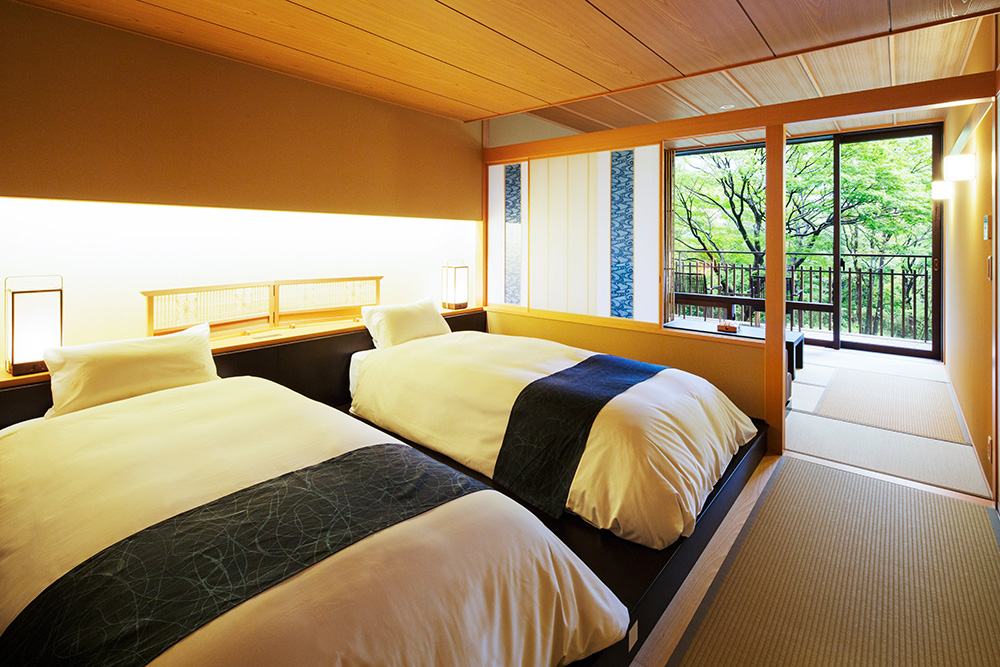
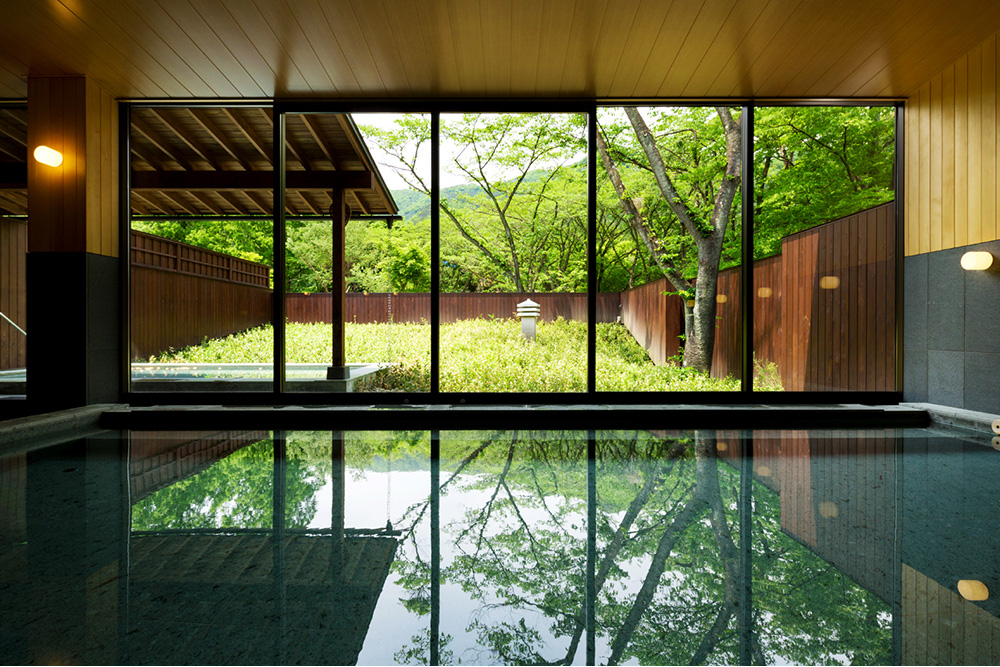
A hot-spring hotel in the forest along the Kinugawa River, where Tochigi folk art shines through the trees
Access by bus 5 minutes by cab from Kinugawa Onsen Station on the Tobu Railway
- Example of Accommodation Rates
- 1 person per night From 30,000 yen