





6 elections of wine cellar where you can meet the delicious sake of Tochigi
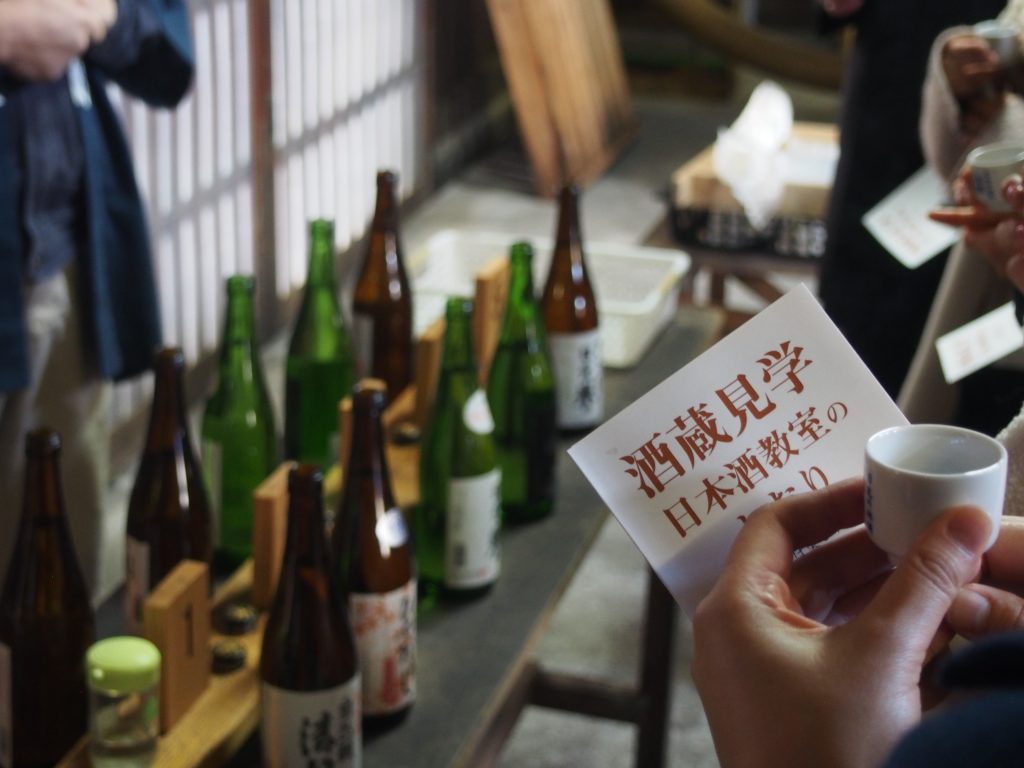
The sweetness of the rice and the flavor spread lightly, dark, pure sake from Tochigi called one full of liquor. Clear water suitable for acquirement was spring in various parts of the prefecture, and good Local Sakes was being also made from the past for more than 300 years. The brewery where about 30 is here causes the respective tradition and the liquor to which I stick and is enjoying by the name for the history climate of the localness at present.
6 breweries the one I'll introduce this time can visit the state of the Sakagura (sake brewery), and which hold a sake classroom, and feel like going sightseeing and can be visited and enjoyed. Different interest is artistic every wine cellar such as the building where I'm with a remarkable character and the well where stone warehouse and brand-name spring water can be drawn. The one tasting after a tour is also enjoying of course. Won't you go out to the tour of breweries to look for Local Sakes appropriate for Tochigi which suits taste from raw unblended malt whisky to maturity liquor?
1Toike (Go.), sake brewing store
Sightseeing Sakagura (sake brewery) of Masuko who can enjoy the liquor and the Shiryokan Museum in which old and new work was concentrated
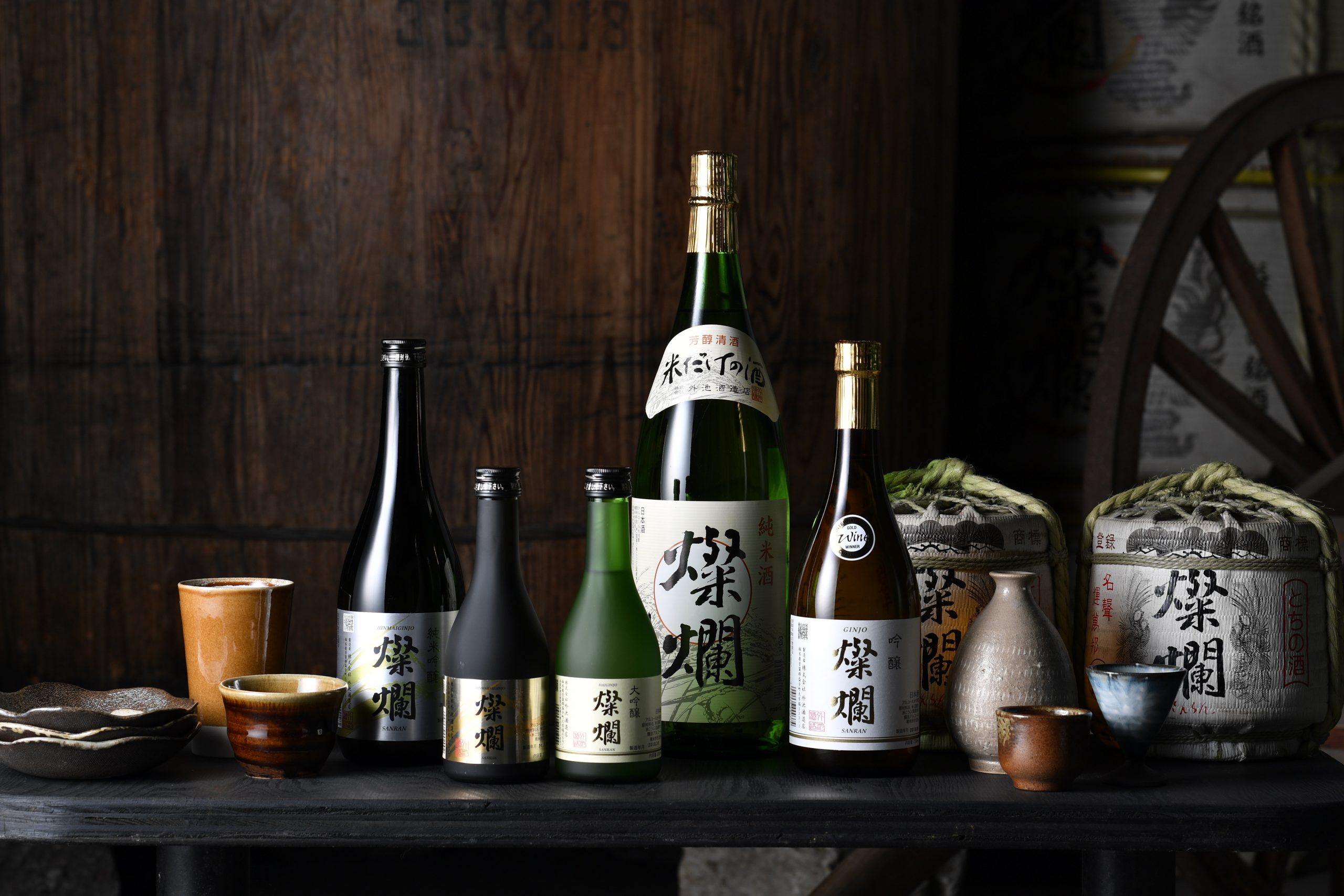
I establish a blanch family from the sake brewer who continues from the Edo Period and start the business in 1937 (1937) by a place by Mashiko. Traditional sake brewing is won, but also the head of a family who becomes Mijiro eye at present is also dealing with development of Shochu, liqueur and cosmetics and is sending the new charm by which sake keeps. The Daiginjo "Toike AUTHENTIC" etc. taste which collected only the liquor which used Yamada Nishiki rice made in Hyogo-ken in addition to a representative brand "fulgently, (make, orchid)" and dripped from bag hanging and a concept, various liquor is in a row. There is also a seasonal limited article and every time it's visited, you can meet 1 with the freshness. The raw sake and the liquor of a flavor of fruits of strawberry and citron are also famous. An overseas fan in an export destination has a lot of winning a prize experience in the domestic and abroad contest, and it are also a lot of popular warehouses.
Photograph and a tool of a making alcoholic beverages process are visited at the reference library where a warehouse for storage was remodeled.

About 70,000 people a year visit in the "Sakagura (sake brewery) reference library" where they made use of a traditional warehouse. You can see display of history of a warehouse, photograph of the foundation at that time and the Sakagura (sake brewery) process, a picture and the tool used from the past and go around (reservation before an important matter and payment required) while asking comment of Staff/staff member. At a cafe of establishing as an annex, "fulgently, (make, orchid)", the point about which I'm also glad can test 3 kinds by tasting (with appetizer). It's also fun to receive the well water in site you also use in acquirement water as the eased water when tasting it. Even including gift purchase at Shop, a tour, required, about 50 minutes.
The coffee made for acquirement water and a Sweet Sake soft ice cream are recommended at a cafe.
2Shimasaki making alcoholic beverages
The cave stockroom where mellow vintage liquor is also unusual in the country where I sleep

A red sign of "Higashi sumo wrestler" seen as the middle to the Karasuyama ruin of a castle from JR Karasuyama Station is a mark. Foundation is 1849 (1849), and because I was the sumo wrestling lover with a big Nidai eye, a called liquor signature is also the representative brand which continues now. They're also suitability and reputation in food table wine by the effect mouth type full of fruit fragrance.
The stockroom where the cave where special mention means putting is in the base in Satoyama away from the store a little was used. It's designated as a modernization legacy in the Nasu Karasuyama city at the cave dug up for tank production around the end of Second World War. It's a "jukutsuyuko (scale)" series to mature via time quietly during darkness in a cave. I have 20 year old one in 10 in 3 in a fashionable vintage bottle, and it can be satisfied with the mellow maturity sense which feels the sweetness by beautiful amber.
I feel like exploring with the guide's Tablet in one hand, and it's to the inside in a cave.
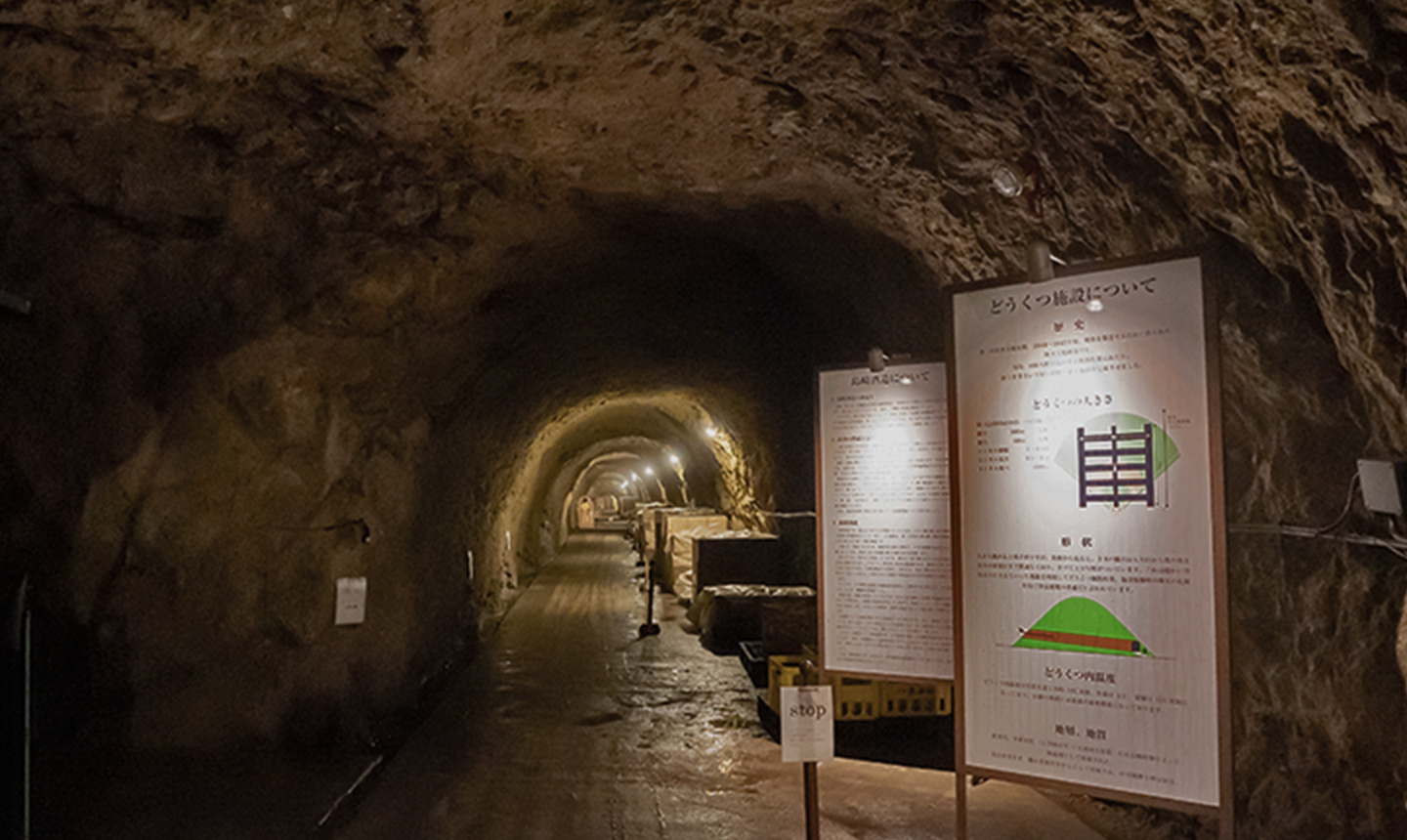
Cave Sakagura (sake brewery) (stockroom) can follow a course and visit inside while being generally opened and asking automated voice of Tablet for information in Saturday . Sunday and a holiday. It's interesting Experience where other ones can't go out that 100m can build and see the state by which about 100,000 of liquor sleeps in the cave where total length 600m also has 5 of YOKO kou where 3 of kou is 60m. The required time is about 15 minutes. It's Bali AFURI in the course. A stand in the cave is also open, and an opening day of cave Sakagura (sake brewery) can buy long maturity liquor.
Free rent of a bicycle is also for round trips in an emporium and between the cave Sakagura (sake brewery) (about 2.4 km) (required about 15-20 minutes. In case of a car, about 10 minutes).
3The first making alcoholic beverages
Rice is made and liquor is created, and, 350 years. It's loved locally, liquor which is showy and smells delicately

The long-established store I keep brewing sake which matches in about 350th vintage time and the time at a place by the brand-name spring water and Sano-shi "kaihana" where. A staff is consistent from the foundation time, and also does rice making, and also goes to from rice-planting of brewer's rice "day and GOKOCHI" and rice for private consumption "dream of the morning sun" etc. profit completely under Mizuta of our company now. Whichever I drink, "kaihana" brews a specific name liquor (Ginjo sake, pure rice wine and Honjozo) chisel after 1998 from the strong thought that I want you to feel good. The lip of the cup which has no showy fragrance and rough taste polished through superficially, a cup of sake, also, a cup of sake and a cup are developed and it's invited to happy feeling. The gem which is appreciated by a present such as a wooden box arrive and the set which collected winning a prize liquor is also even.
The "gallery hole Sakagura (sake brewery) easiness" by which a storehouse for rice is reused and photograph display is performed
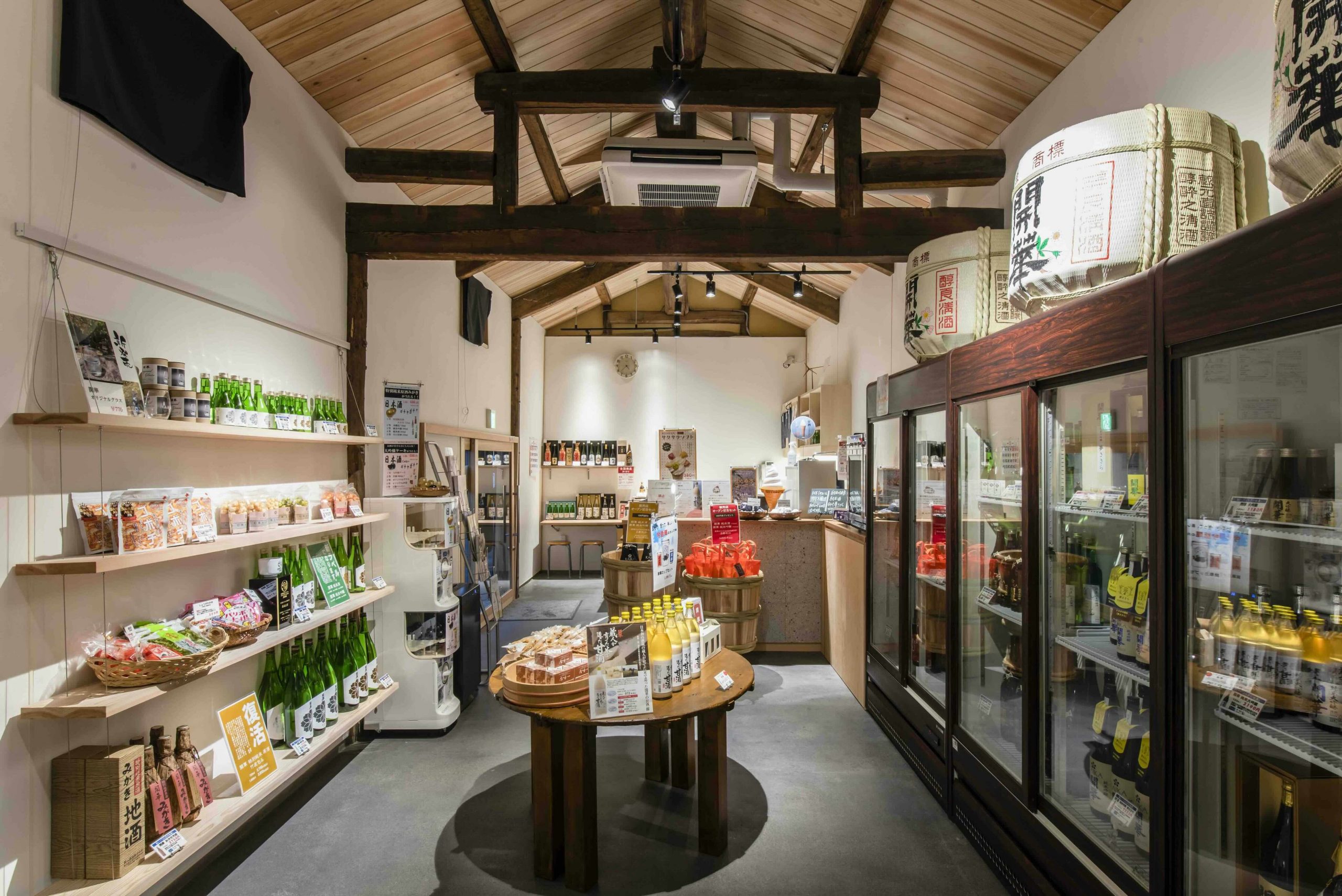
By the one by which Sakagura (sake brewery) and a main building were built in the Edo Period for the second half, chiku more than 160 years. The "gallery hole Sakagura (sake brewery) easiness" established in one corner in a wine cellar is the space where a renovation made the storehouse for rice of tangible cultural property designation modern equipment, and the photograph panel which introduced the state of the sake brewing has exhibited establishing. "Sakagura (sake brewery) exhibit" of holding is recommended to the person who would like to see inside the Sakagura (sake brewery) conversantly in ordinary year February. It's the popular plan which can do the tasting of freshly-squeezed New Sake concerning the warehouse interior by steward's information. Kurami Manabu from whom kan also omitted a route in some other day is being accepted by a preliminary reservation system.
The "nitrogen gas inculcation system automatic sake server" which stops oxidation of liquor is installed in Shop, and 8 kinds of sake can always compete drinking.
4Katayama making alcoholic beverages
The raw Undiluted Sake which didn't regret time and time and stuffed one drop of squeezed jewelry
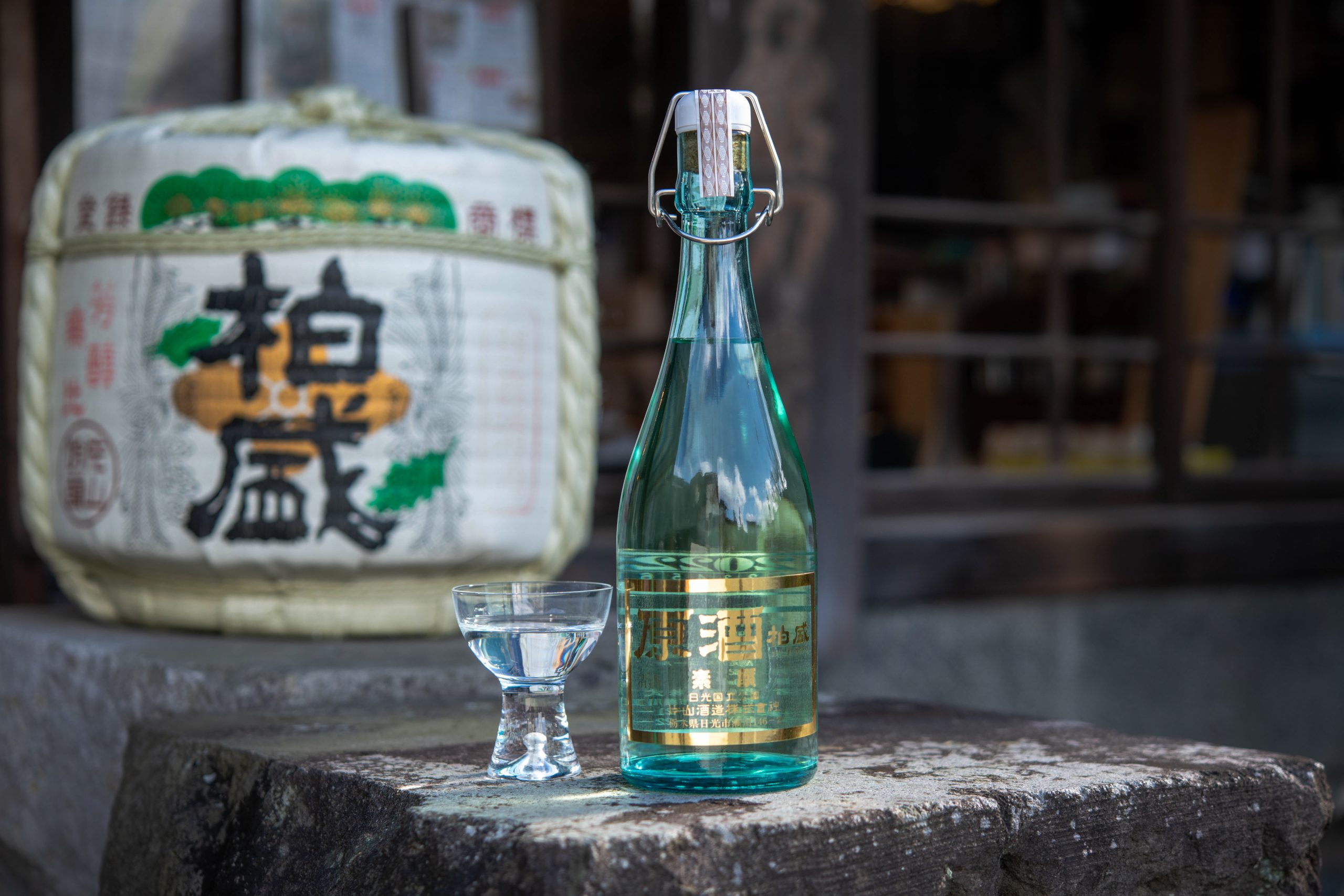
The particular sake brewing which keeps obeying the squeeze technic called "Sase system" in 1880 (in 1880) since foundation for rawness to go out hard. The way to stuff unrefined sake into each bag by the skillful brewer of sake (To-ji) and steward (with KURABI) with "Sase system", pile up, apply the pressure damply and squeeze. Anyway to take time and effort, now, by a prefecture, only several houses, it's said that they don't go. When it can be so satisfied with the taste which is tasteless and draws near in the quintessence of sake roughly that the liquor squeezed politely is surprised to pile effort up, it's famous. "Daiginjo natural face" of tanrei dry can meet 1 a liquor expert takes prisoner, too by fruity easy special brew perfume including "raw Undiluted Sake natural face" of popular number one. The liquor I get only by a brewery direct sale fits a gift of Tochigi travel.
In the storehouse where you can peep at small fuss and handwork feeling small-scale sake brewing
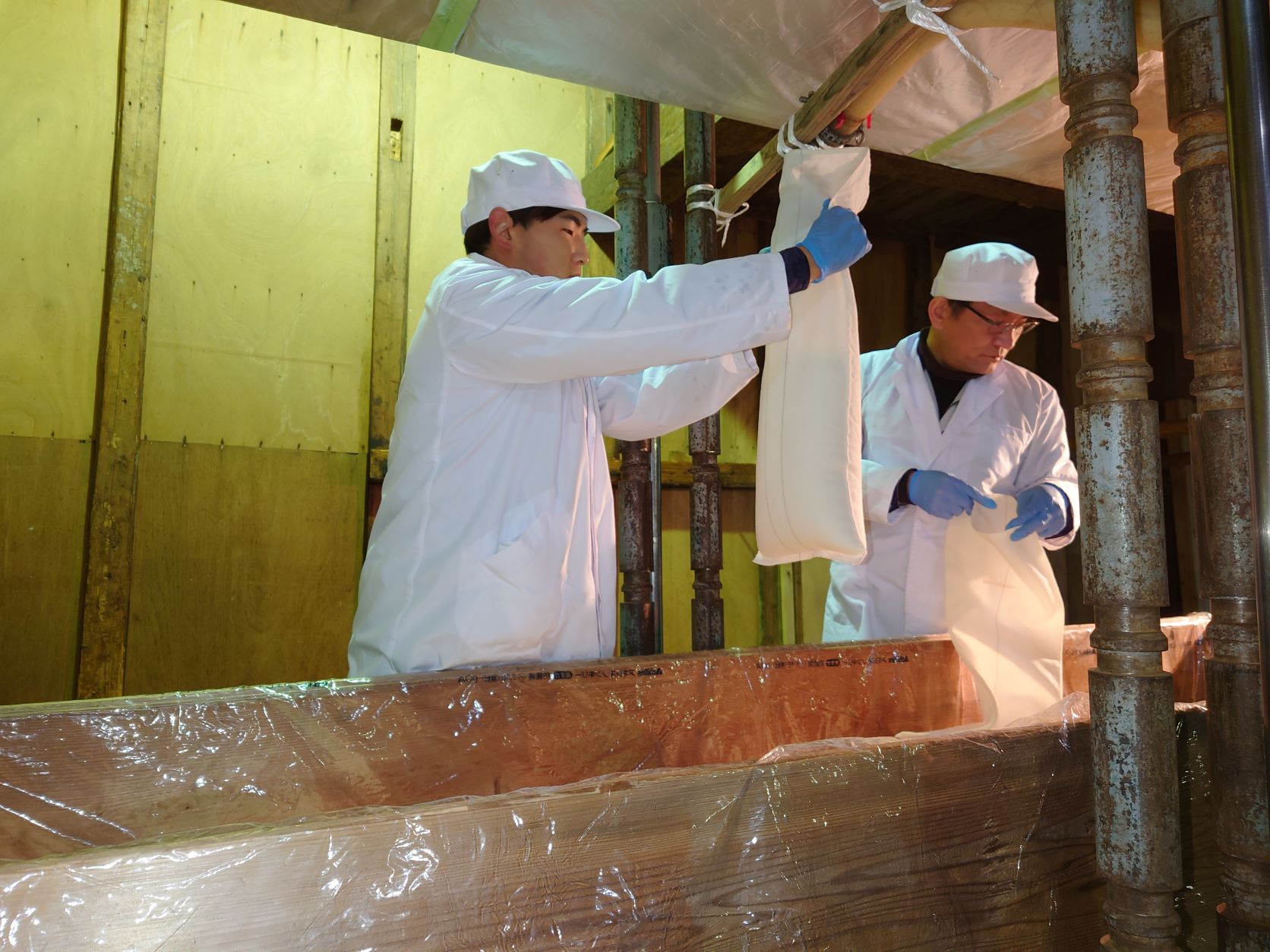
sou used by "Sase system" and the liquor which has come out arrange the underground tank poured and a storage tank together efficiently in the wine cellar where Shop is in the inside right now. A sake brewing process is understood so that I may take in my hand. To be able to taste freshly-squeezed liquor since holding a Sakagura (sake brewery) tour 4 times a day and coming near in time.
The acquirement water which becomes conclusive evidence of liquor is subsoil water in the Nikko mountain range drawn from underground 16m. I overflow all the time from a well in the site, and it's clear and it's possible to bring mellow water home for free of charge per the mouth.
In addition to the liquor and the "liquor cake" I soaked in "Undiluted Sake Kashiwa Mori" are also sold. It's possible to be the graceful food texture and preserve it for 2 months by room temperature.
5Watanabe Sahira store
The pure rice storehouse now tells prosperity on the old Nikko highway, and where also bustles with a tourist
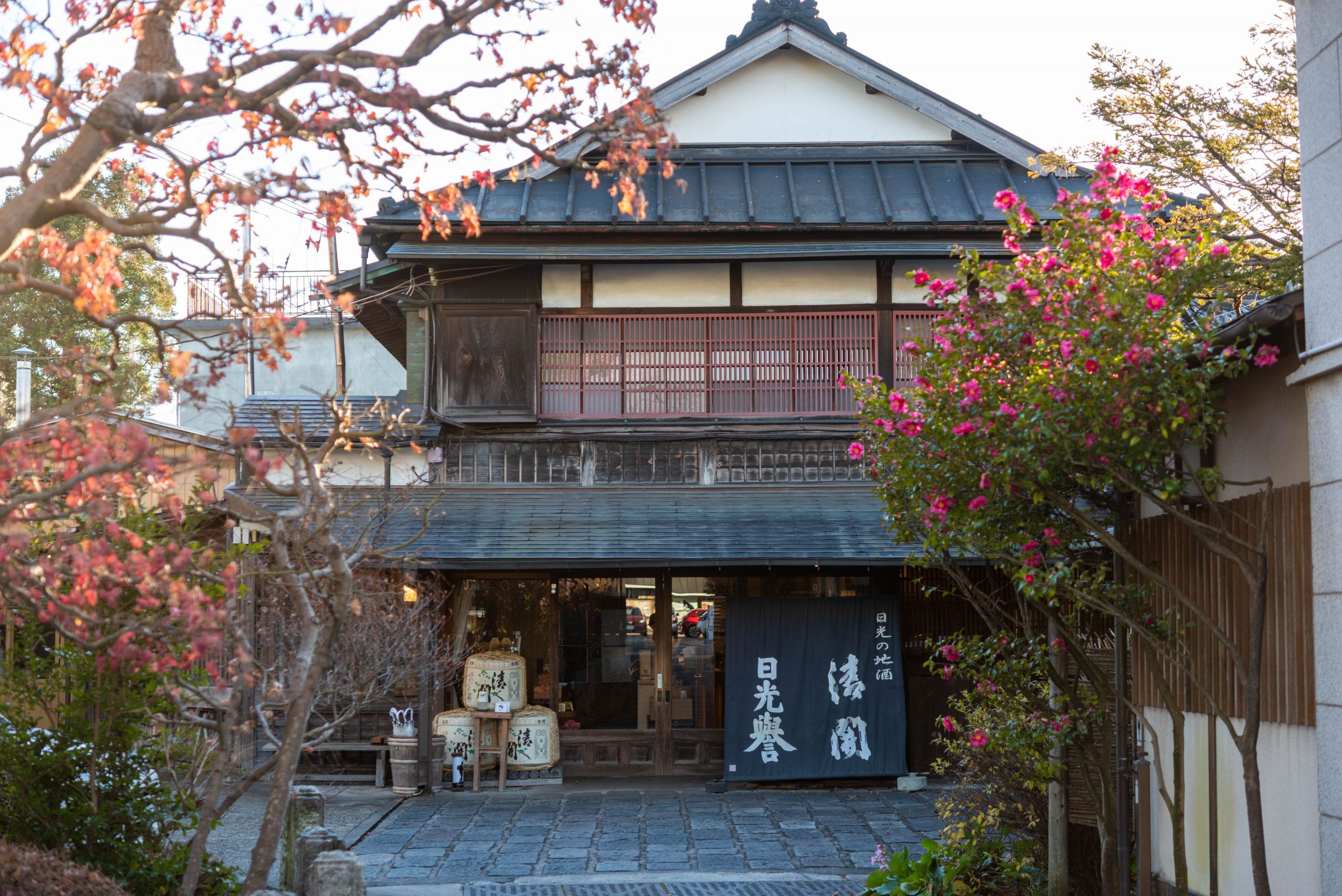
The location it's easy to drop in at which in Imaichi area where road station and a gift shop equal along an old Nikko highway. A solid building in chiku more than 100 ranges in the site, and a tour inside the Sakagura (sake brewery) and "sake class" can be enjoyed. The contents which are fascinating to knowledge on a wide variety of subjects of sake, a point of how to choose and an account of Local Sakes bibulously and profitable. A steward (with KURABI) can see the state which teaches liquor imminently in 11 Monday-March, so the person who takes an interest recommends to visit this time. After visiting, you can do the tasting of several kinds of representative brand.
The supreme liquor winter teaches in the intense cold which also becomes the minus 10 ℃
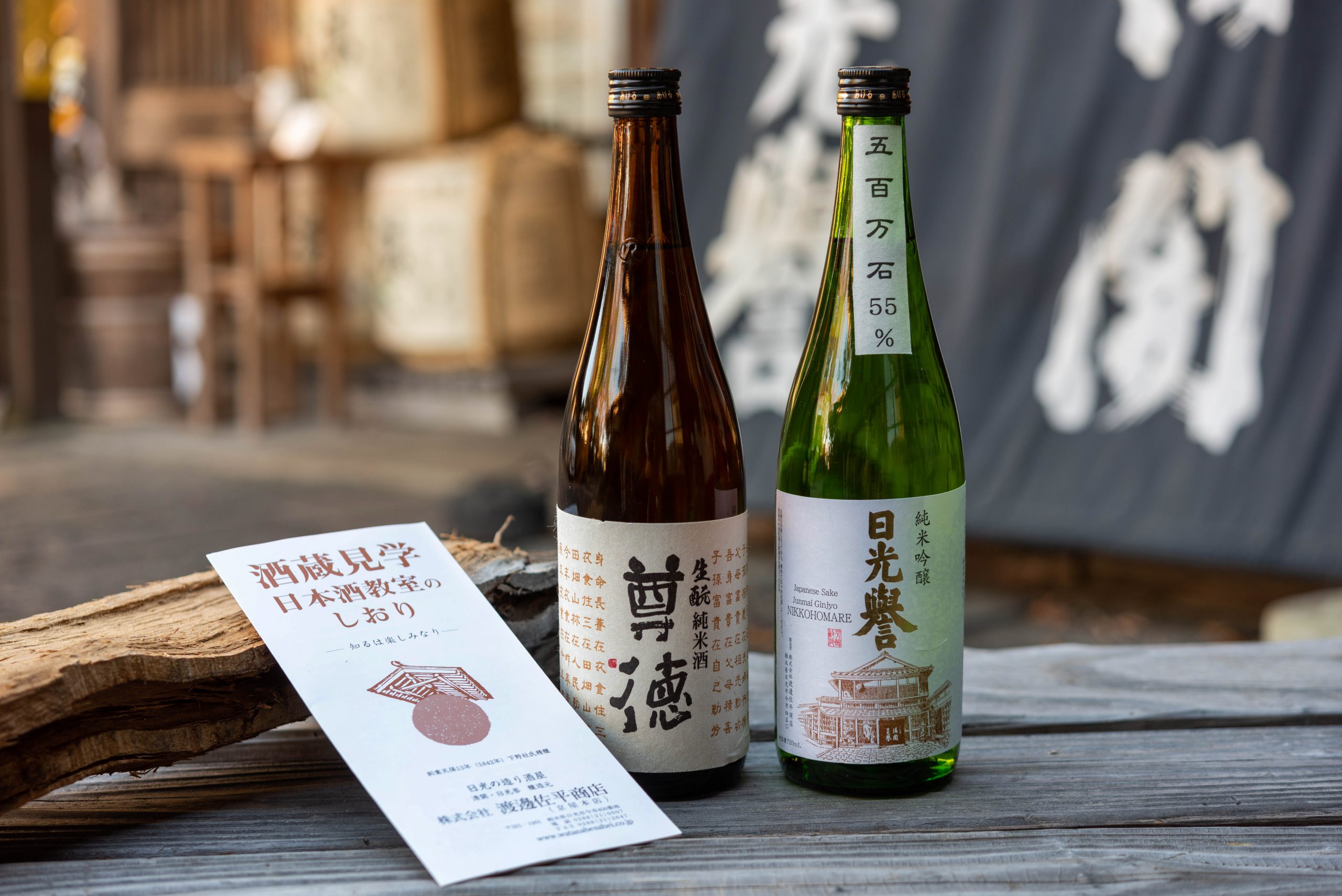
Foundation, 1842 (1842). 90 percent of the liquor which is made with the idea that Junmai Sake is original Local Sakes are Junmai Sake. The brewer's rice which becomes a basis of proud liquor is particular made in a prefecture as much as possible, and "pure rice special brew Nikko reputation" is using five million "stones" a farmer in localness and Imaichi makes in particular. Liquor of the whole body "draft beer,moto Junmai Sake Takanori" taught by the brewer's rice "TOCHIGI liquor 14" and the leaven Tochigi-ken has developed. To need quite much effort such as making leaven by hand, it's the one which made the traditional process which wasn't performed any more so much "built with raw moto (with putting)" restore in about 100 after after the modern times, and the simple flavor and sour taste fit food table wine. Telling of Ninomiya Sontoku old man "gratitude instruction" is recorded on a label.
The Soda Pop with moderate sweetness of the Shochu in addition to sake and the natural water 100% of Nikko is being also sold.
6Nishibori sake brewing
Work for the southern brewer of sake and modern technology, in the new sake which fused, domestic and abroad, attention
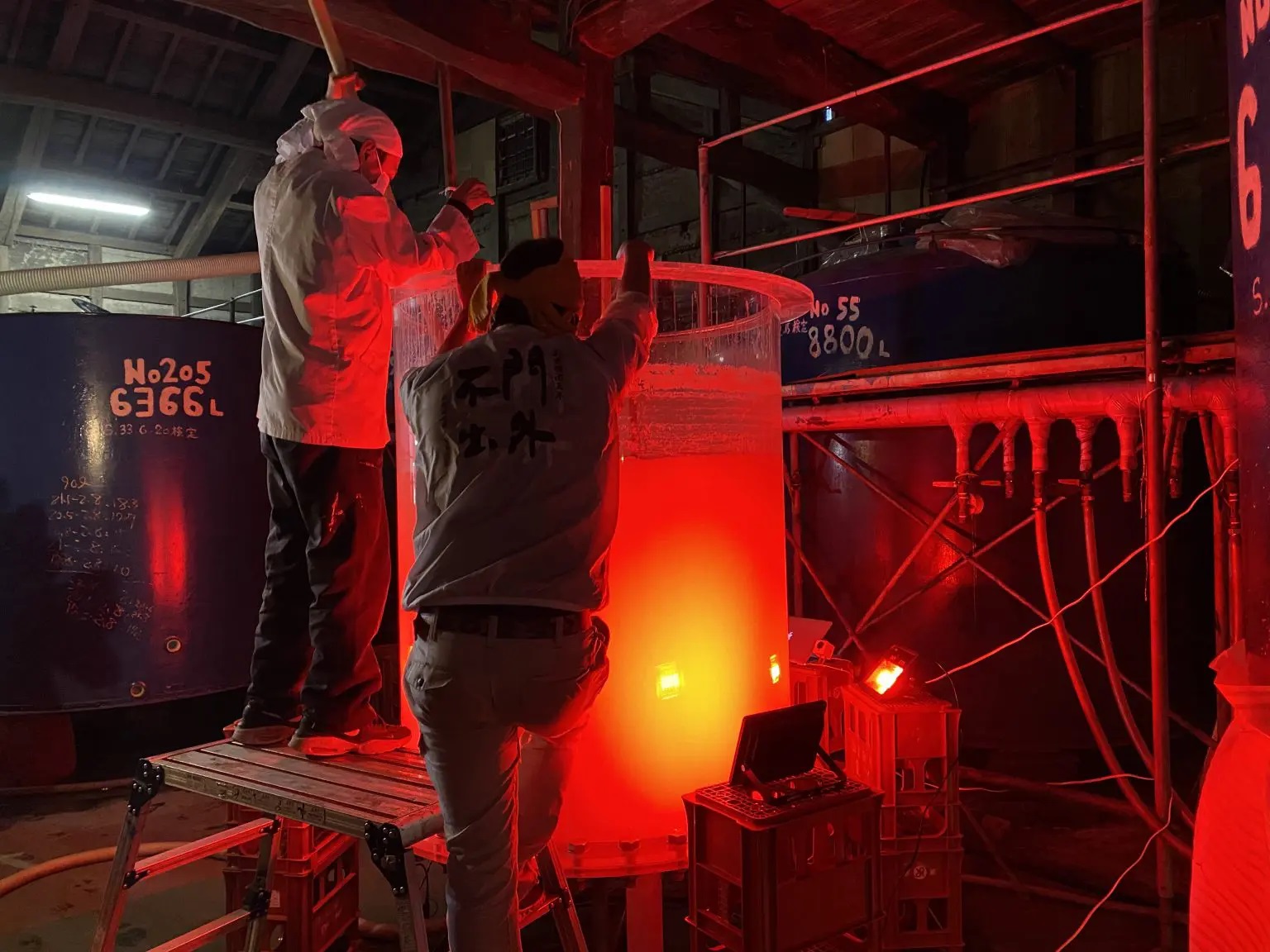
When I pass through the row house gate with a cedar ball in an eaves, the building cluster history is is spread in immediateness. The building where a chimney in addition to a gate is 4 is national registered tangible cultural property. I "would like three sides" for a founder with roots for an Omi merchant, they're the wine cellar walked for 150 years as well as a local community, defending spirit. The reason to which a basis of sake brewing was called with a master craftsman of a southern brewer of sake (To-ji) and technology of Mr. Tsugieda. It was compatible with a food of Tochigi with a lot of steady seasoning, and the Local Sakes with deep body which has the dark pure effect mouth with an axis was being supported lengthily from a local drinker. Brewer's rice is mixed, and a traditional technique with the real ability isn't used for the root, and challenges the pure rice wine created in 100 % of ancient America, brewage of the clear tank which visualized natural convection of leaven and the LED halo irradiation fermented beverage which does fermented management by light. Avant-garde new technology and goods, domestic and abroad, surprise, a new possibility of the sake is being dug up.
I see, taste and make. Experience type Sakagura (sake brewery) tour
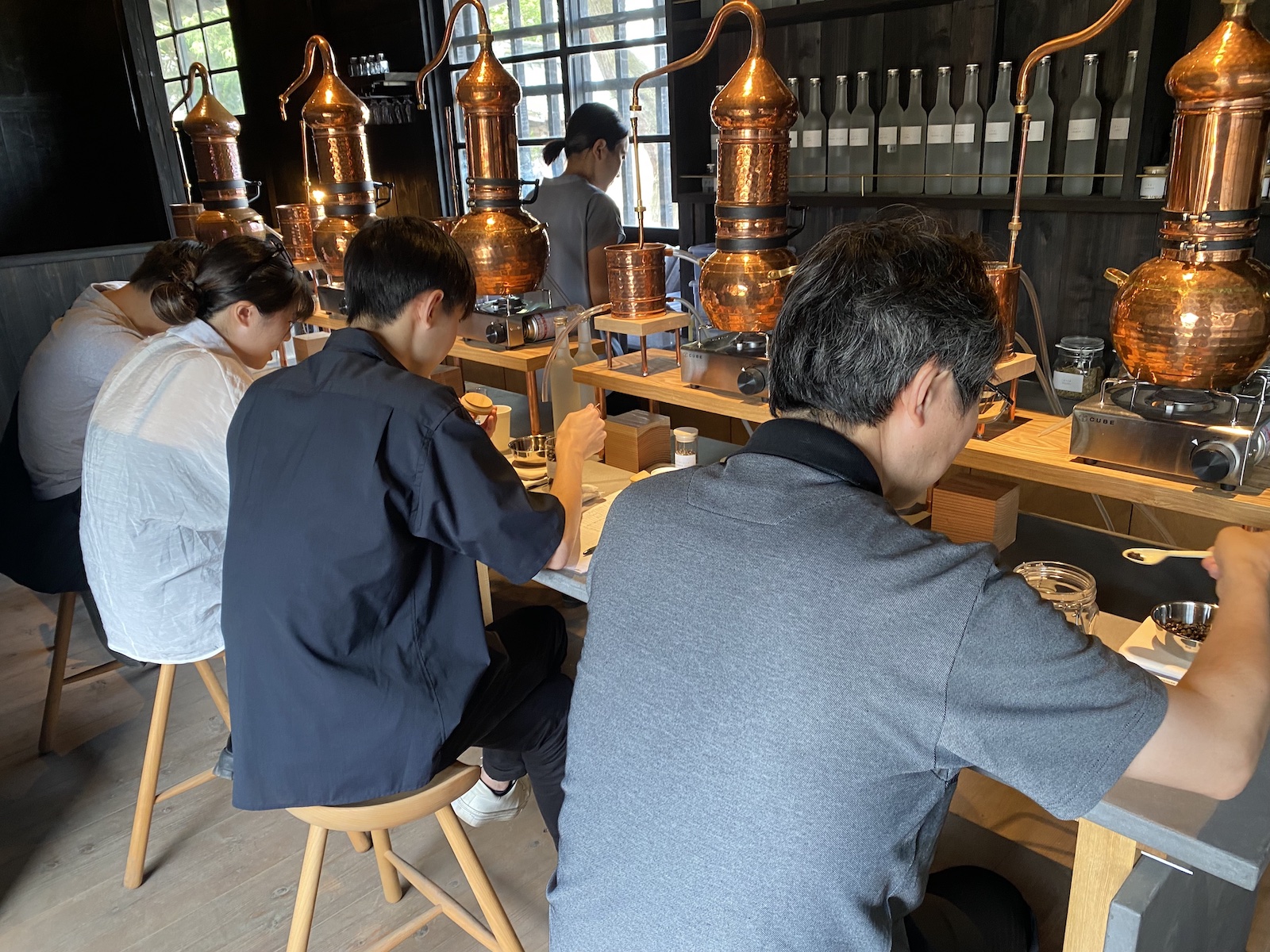
The laying in a stock storehouse which spreads ahead of the row house gate, an iron pot place and a malted rice storage room go around the space where I get to the core built with sake by taking place in a wine cellar of national registered tangible cultural property by a tour.
It's also charm that the difference in the fermentation, the maturity and the taste can be even learned deeply through information by a steward. It's possible to visit the actual acquirement landscape nearby in the winter.
"Regular course", the Daiginjo and the limitation liquor which can be enjoyed casually prepare "special course" etc. including at most 6 kinds of special tasting for a tour. A tour at sake Kurami Manabu and the distillation and a tasting shopping make one set both, Japanese making alcoholic beverages culture, in three dimensions, Experience, can.
A whiskey distillation place by first Tochigi-ken which remodeled a rice polishing storehouse in the site "Nikko highway Hill distillation place" is established in spring in 2022. I'm producing "dream Nikko Vodka (NIKKO DREAM VODKA)" and Japanese whiskey "Satoshi /TETSU" in the industrial space and am challenging the new sake brewing to which technology of Japanese Sakagura (sake brewery) was applied.
Craft gin distillation Experience and whiskey blend Experience also develop the Experience program which can even sense "It's made." in recent years. It doesn't stop at a just Sakagura (sake brewery) tour, "present progressive form of Japanese making alcoholic beverages culture", Experience, can, as a place, domestic and abroad, attention is attracted.

The master of MICHIKU SA who took charge of this article
-
Takako Kawaguchi.
Edit and lighter. After experiencing edit for 10 years by a female magazine of a major publishing company, it's free. Every day when an article is written by a magazine and a web focusing on travel, interior design and a theme of miscellaneous goods. From what is it pleasant to go out to sports watch with my husband and hot spring travel?
 Of MICHIKU SA.
Master
Hoshino Resorts KAI Kinugawa
Tochigi and Kinugawahot spring
Yunoshuku of sunlight through the leaves of trees where TOCHIGI mingei which pauses in the forest along a Kinugawa valley stream flashes
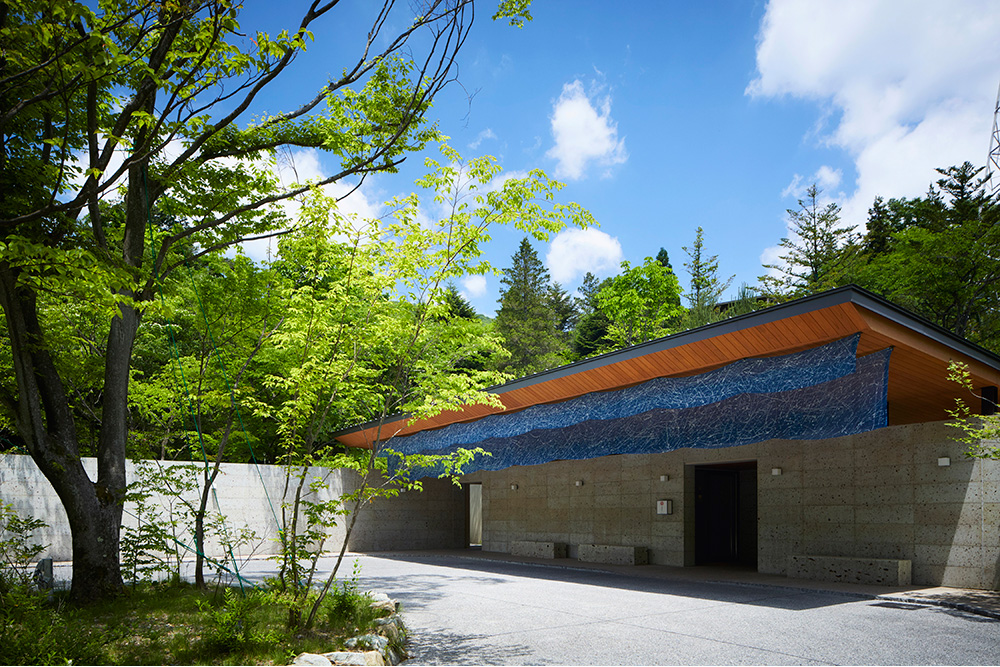
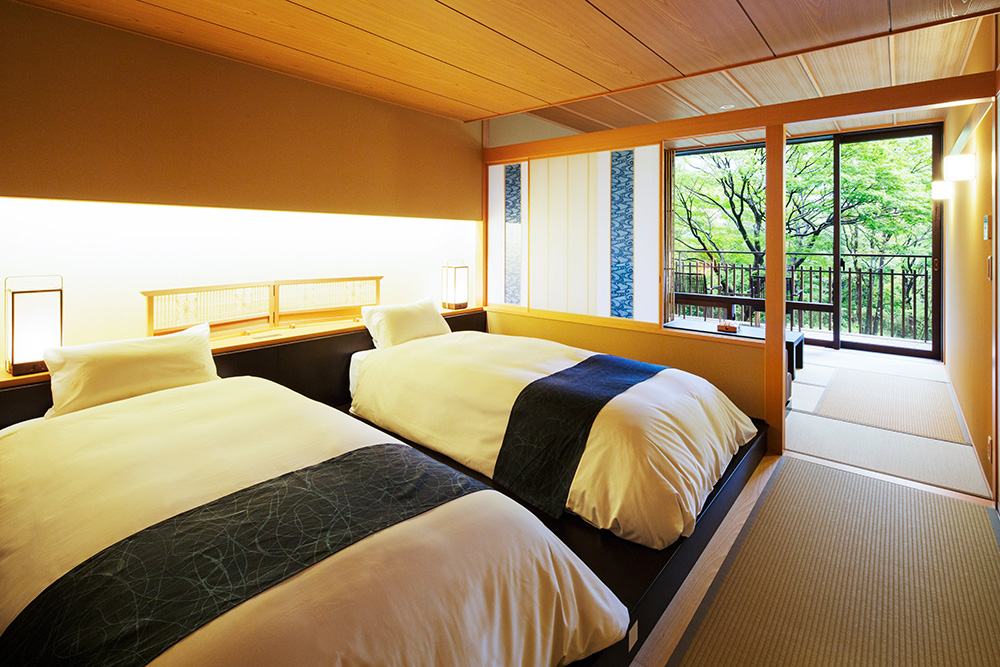
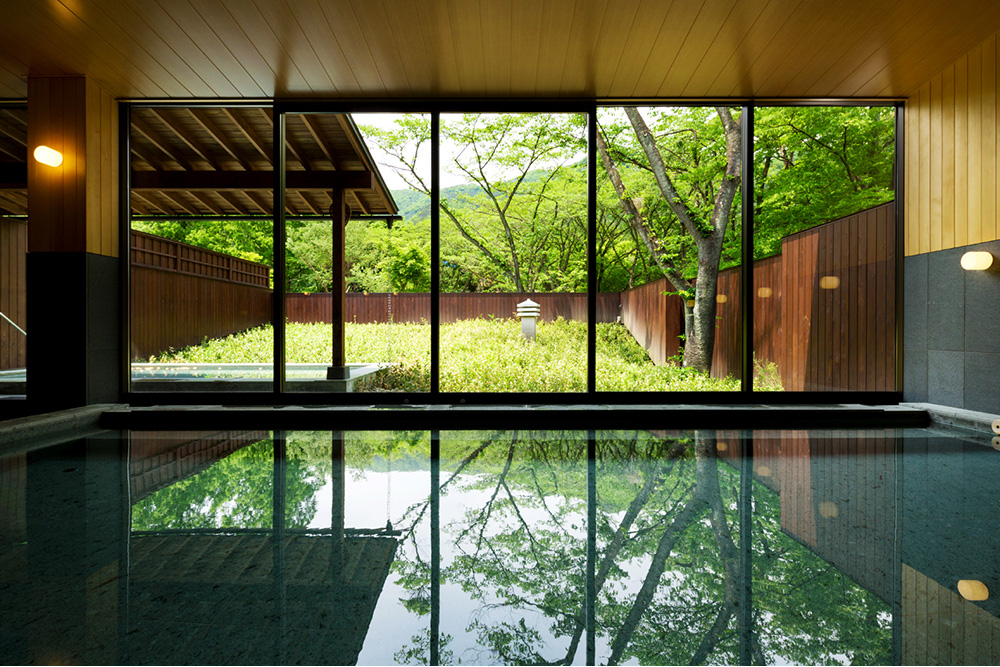
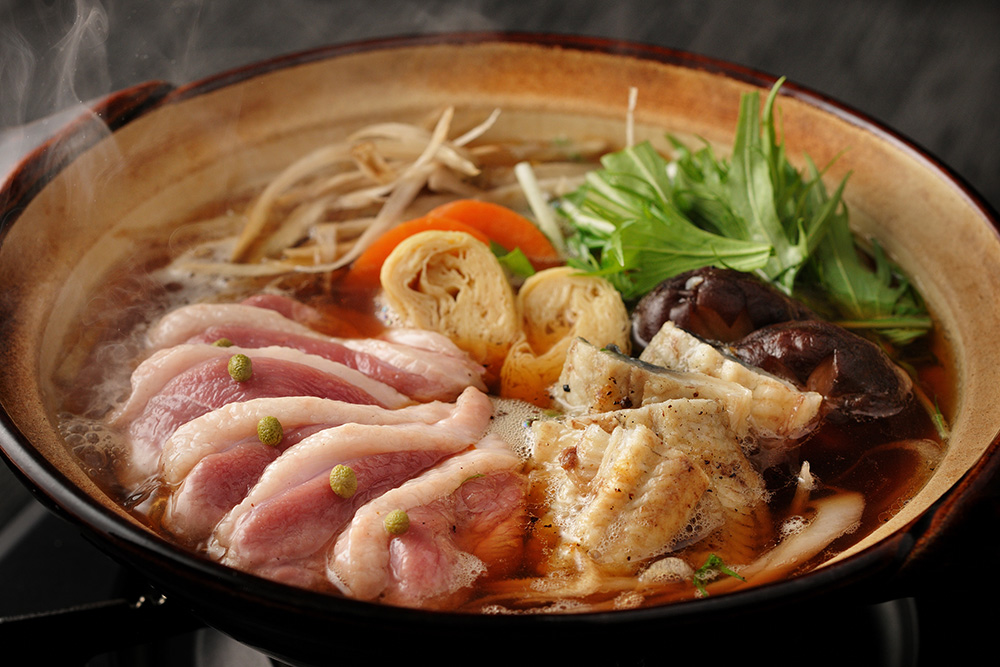
It's a taxi from the Direction Tobu Railway Kinugawahot spring station, about 5 minutes
- A room charge example
- 1 night, 1 person \30,000-