





When I say liquor from Nikko, Katayama sake brewing! With a secret of the Sakagura (sake brewery) which continues from Meiji Period

There is local local specialty in one necessary to travel. An encounter with something to be eaten only at the place and something you can't touch is also the delicious taste of the travel.
It'll be a famous brewery in Nikko and a Kinugawa area, and I introduce the "Katayama sake brewing" which won a gold prize in the whole country New Sake appreciating and evaluating meeting.
< recommendation wine cellar in Nikko Kinugawa "Katayama making alcoholic beverages">
With Katayama sake brewing

Katayama sake brewing located at about 15 minutes on foot from Imaichi Station at a little less than 10 minutes on foot from Shimoimaichi Station is a brewery of 1880 year (in 1880) foundation. The gem a major sake brewing manufacturer can't copy is gathered at the copy and a process by sake brewing through original commitment.
It's also fully equipped with Parking, but the person who would like to do tasting will visit by a bus and walking.

6 generation aim host with qualification and Mr. Takayuki Katayama of "Shitano brewer of sake (frost bill To-ji)" inherit a technique of sake brewing and are protecting this brewery at present.
With Shimotsuke brewer of sake (frost bill To-ji)
We're calling the leader who creates sake by a technique built with traditional hand "brewer of sake" by sake brewing industry more than ancient times.
A brewer of sake group of "southern brewer of sake" etc. of "Echigo brewer of sake" and Iwate of Niigata is famous, but it's traditional craftsman technology traditionally, but lack of a successor by aging of a brewer of sake is uneasy in the industry by fate of the reason.
Without using tap water by Katayama making alcoholic beverages, sake brewing is being done. I approach the secret of how to make.
Secret of Sakagura (sake brewery)

The well in the entrance of the wine cellar. One of the secret which will be good liquor to use this well water which keeps springing without withering up from Meiji Period.
It's special water so that there is a person who purchases this well water and comes from Kanto of one yen to draw.
It's being sold by plastic bottles in order to bring well water back to a storefront of Katayama sake brewing, so how about trying it with liquor?

And the one necessary to sake is rice.
Liquor is being made with a major maker at any time of the year around, but I'm a newcomer in autumn here by Katayama sake brewing, and to do cold season trained, a season of production is limited. The brewer's rice which is being used for Daiginjo (making alcoholic beverages suitable rice) uses one made in Tochigi-ken for "Yamada Nishiki rice" and leaven of a Hyogo prefecture santoku A rank.
Time to cool rice every day by its temperature of the water on a day and dry condition of the air is being changed while getting data of the water content rate of the brewer's rice. It's being managed tightly by person's eye so that a core of rice doesn't break. I miss, I'm taking elaborate pains and am being made importantly, so it's being the gem it isn't possible to taste easily.
About 800 kilogram of rice is steamed by the unglazed earthenware in which I made a hole through steam "steam cooker (hub)".

Persimmon tannin doesn't use chemical paint for the ceiling, and is applied.

Craftsman work in at that time and wisdom are still Sakagura (sake brewery) of the living make without electricity in the Meiji Period when a building was made.
When I enter Sakagura (sake brewery), about 10 green big tanks equal and are very chilly. The temperature is controlled by making more roofs on the roof and installing an aerial loophole. A big oak tree is devised outside the Sakagura (sake brewery) as the toothpick in which a warehouse is hidden is increased, and not to get Nikko of direct rays and the morning sun. The style of building for which at that time uses no nails. Even if there is a big earthquake, a tank is never overthrown, and safe valuable Sakagura (sake brewery) is filled with Mr. Craftsman's wisdom in at that time.

It's fermented including humid rice 1.5t, yeast fungus and water in the tank. It's made with craftsman's handwork carefully. If rice is fermented, I call for about 4 days and squeeze by the way to wait to be being liquor naturally.
The video which is also in website of Katayama sake brewing which introduced its state.
Liquor is finished in about 40 days via the process above-mentioned.
It's cold season trained, so it'll be around February to squeeze liquor.
The liquor by which one of the sake with which work for the brewer of sake sparkles is filtration-lessness "natural face".
Before applying the pressure, it's −preserved at 5 ℃ of refrigerator and lines up a storefront with liquor from cream part which has fallen first from early spring.
It's preserved in order to show in and sell the year but it's said that it's a sellout.
To line up a storefront with autumn limitation after I make them mature one summer season, "cold sake and the lowering".
It'll be filtered through 9 μm of filter after this liquor can be put to sleep by a tank in summer.
I also have about 20 kinds of liquor of Katayama sake brewing in others.
The Daiginjo which won a gold prize by the whole country New Sake appreciating and evaluating meeting
Daiginjo is purchased, and it's said that many ones also come from the whole country as well as localness. It's said that all except for sale at a brewery is doing principle declining present so that Tokyo could buy it before, but to maintain the quality, to concentrate on sake brewing.
While there is also a lot of voice I want to sell wholesale by all means, the taste goes through the craftsman's posture as taking.
Purchase on the Internet is being accepted, so how about trying?
The liquor cake even a TV program was disqualified for

There are 2 kinds, Regular (230g) and the long size (350g), and I have it for 2 months in room temperature, so it's also most suitable for a gift. The flavor of the liquor and the sweetness of the cake are moderate and are the popular cake everyone can enjoy.
Katayama sake brewing sake of a superior brand and a cake equal.
When coming to Nikko Kinugawa, how about dropping in by all means?

- Katayama making alcoholic beverages
-
 Tochigi prefecture Nikko Ichise river 146-2 MAP
 From Tobu Railway Kami-imaichi Station, about 9 minutes on foot
From JR Shimoimaichi Station, about 15 minutes on foot
 8:00-18:00
 Free
Free 0288-21-0039
 Free
Free

Local Guide which took charge of this article
- Isobe Dragon.A craftsman likes very much.
Hoshino Resorts KAI Kinugawa
Tochigi and Kinugawahot spring
Yunoshuku of sunlight through the leaves of trees where TOCHIGI mingei which pauses in the forest along a Kinugawa valley stream flashes
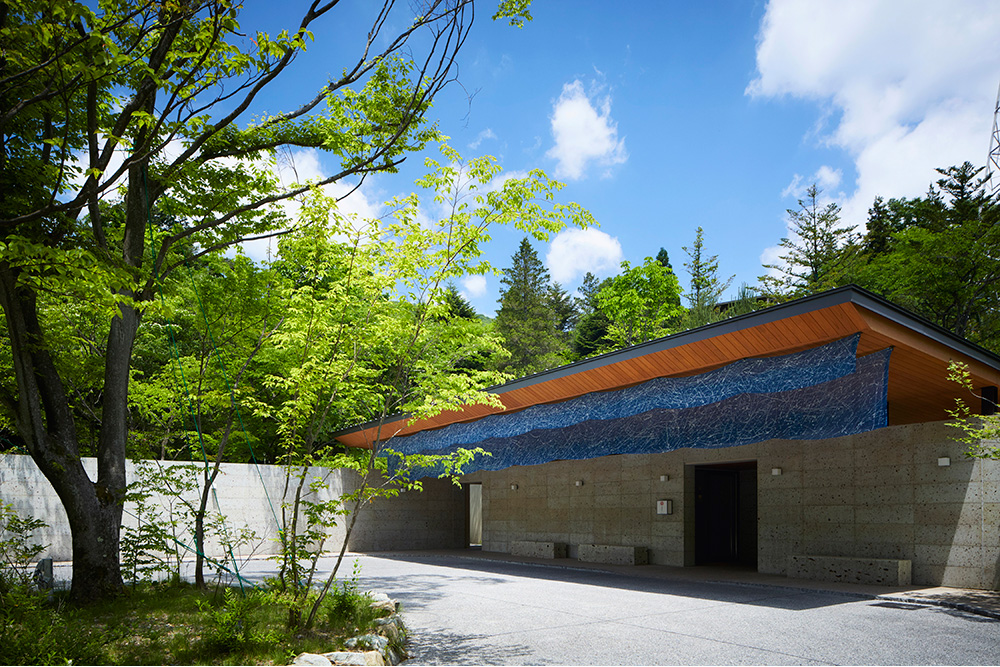
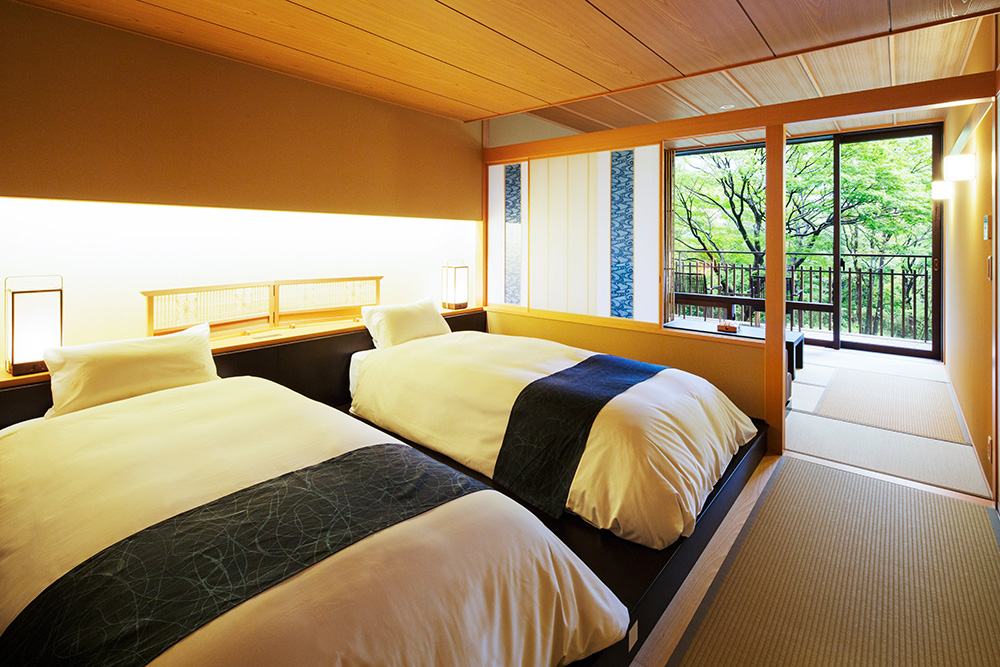
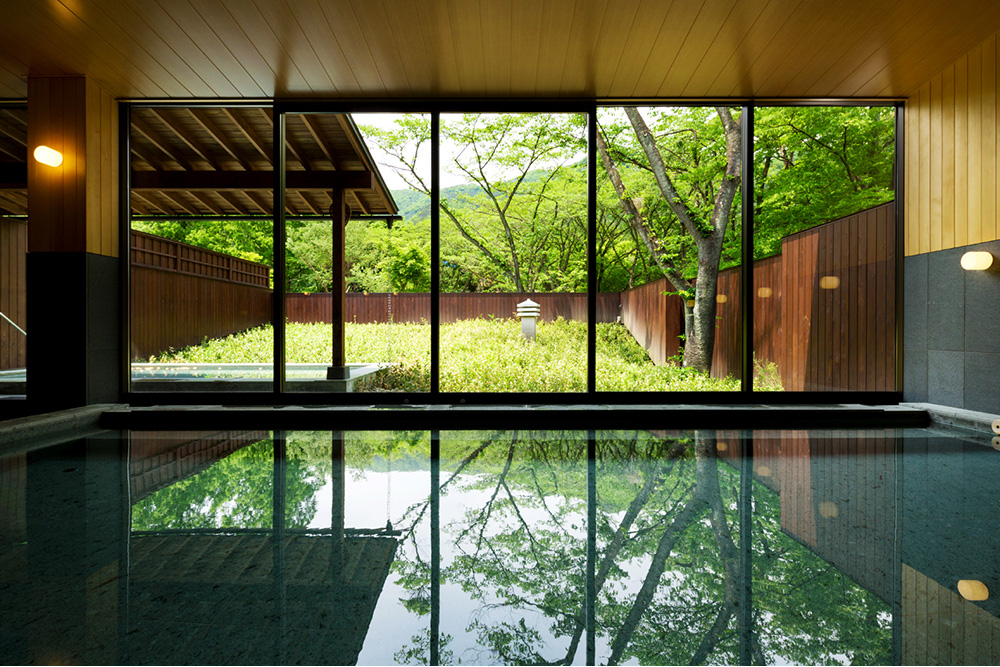
It's a taxi from the Direction Tobu Railway Kinugawahot spring station, about 5 minutes
- A room charge example
- 1 night, 1 person \30,000-