





[2026 Edition] Recommended Cherry Blossom Spots in the Kyoto Arashiyama Area and along the Randen Line
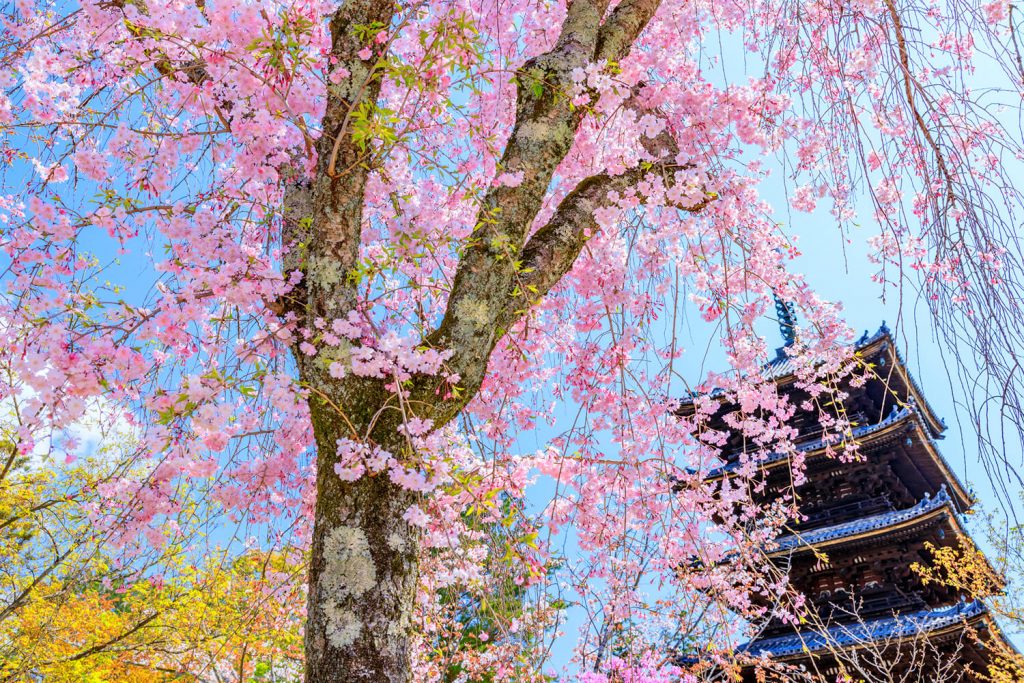
Kyoto, with its beautiful scenery woven from seasonal nature and historic architecture, is a tourist destination full of charm that never ceases to attract people. Among these, cherry blossom viewing is a classic activity that cannot be missed when visiting Kyoto. In this article, we focus on the Arashiyama area, which was loved by Heian aristocrats and the Imperial family, and introduce recommended cherry blossom spots.
Along the Randen Line
- 1Randen Cherry Blossom Tunnel
- 2Arashiyama Park, Kameyama Area Observatory (Kameyama Park)
- 3Ninnaji Temple
Arashiyama
Along the Randen Line
1Randen Cherry Blossom Tunnel
A dreamlike time driving through a tunnel of cherry blossoms
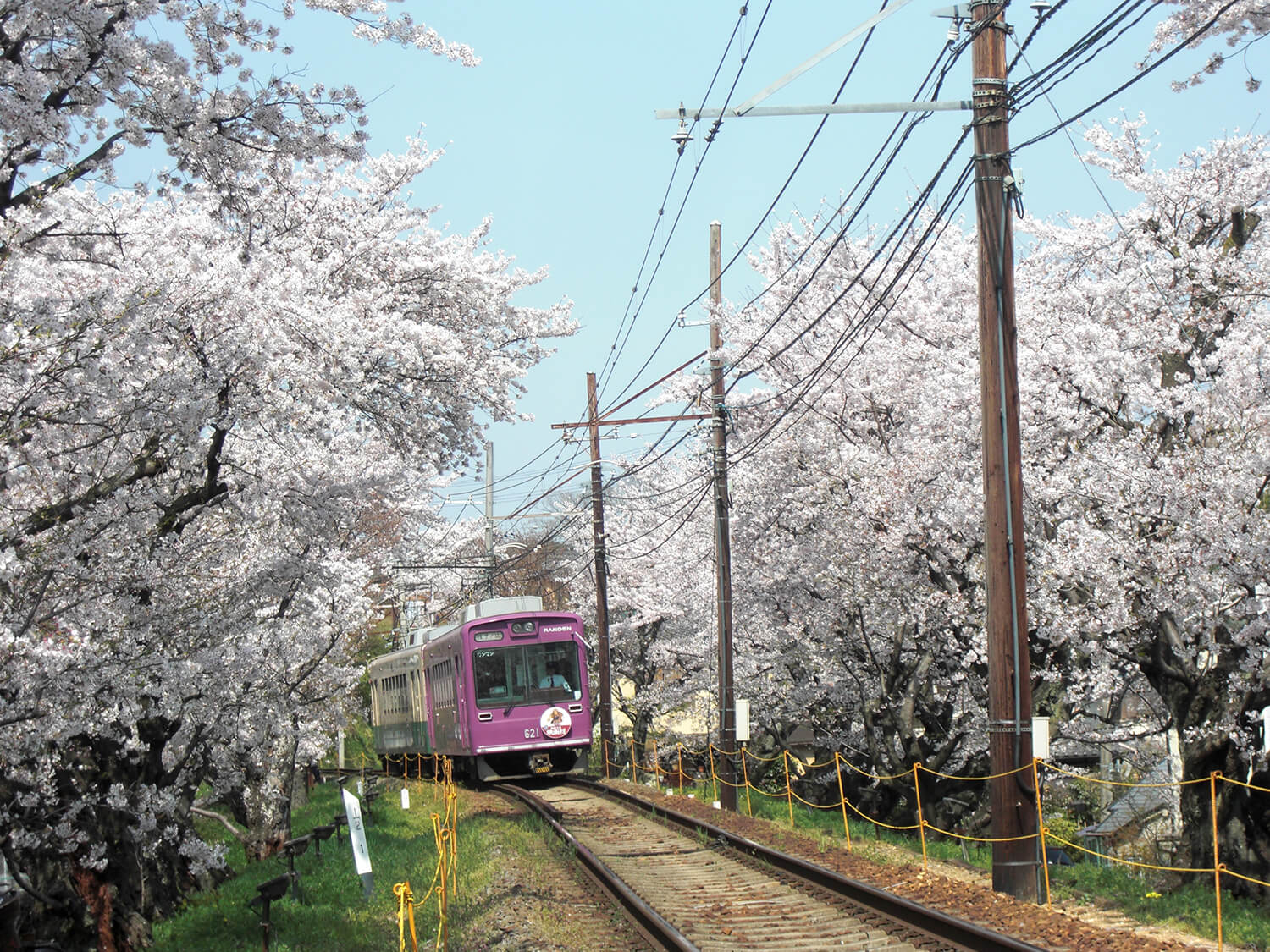
The Keifuku Electric Railroad (commonly known as Randen) is a streetcar line that connects Arashiyama Station to Kitano-Hakubaicho Station in the Kitano area, where Kitano Tenmangu Shrine is located. Tourists ride the line to catch a glimpse of the atmosphere of the ancient capital along the tracks, where World Heritage sites like Ninna-ji Temple and Ryoan-ji Temple are scattered.
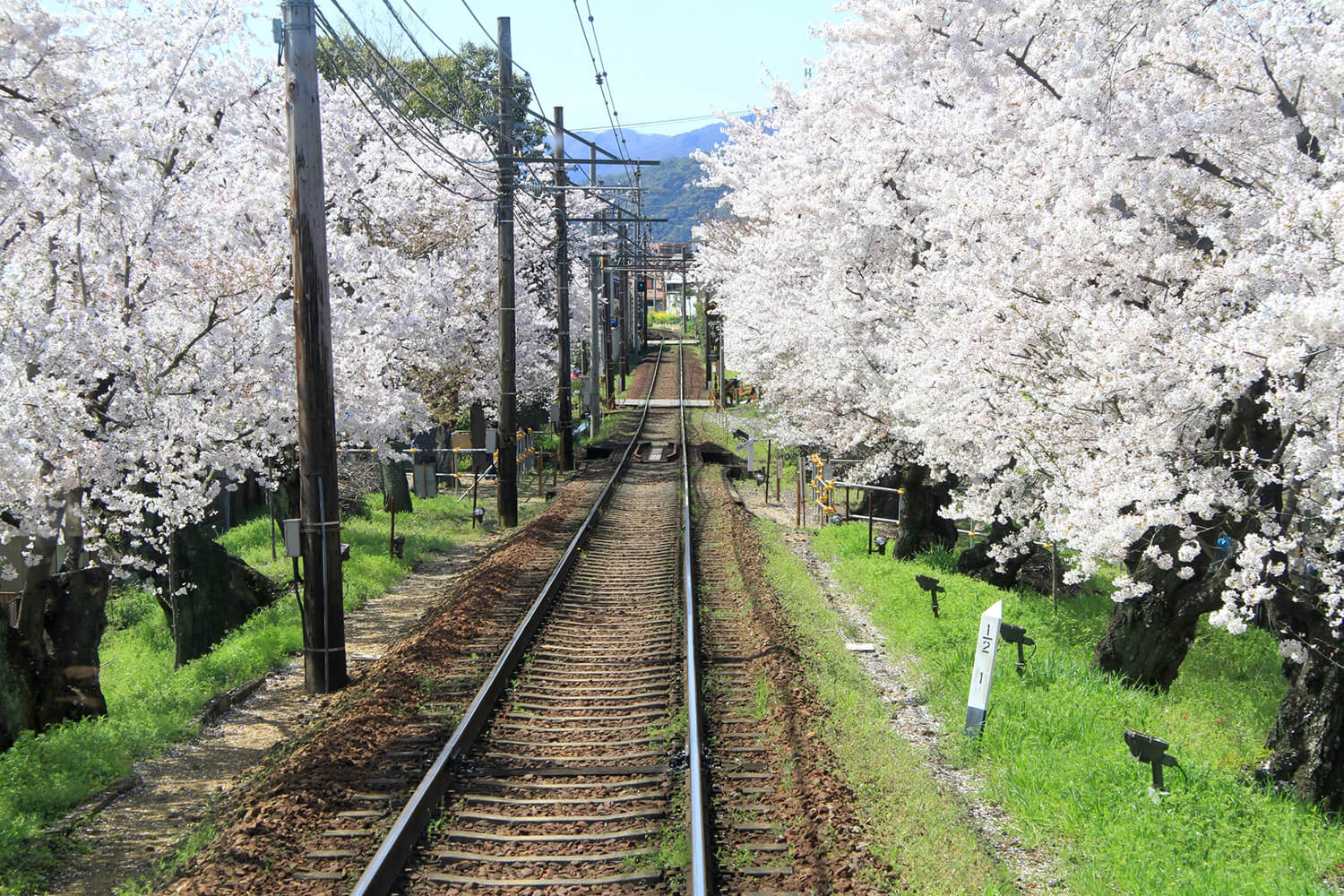
Spring is the time when the Randen, which usually serves as a means of transport for the locals, receives special attention. About 70 cherry trees planted along a 200-meter stretch of track between Utano Station and Narutaki Station on the Kitano Line form a tunnel. You can experience a dreamlike moment as if you were enveloped in a world of pale pink.
[Best time to view] Late March to early April
[Tree species] Somei Yoshino, etc.

Local
Supporter
This is a hidden gem for cherry blossom viewing, a sight that can only be seen from the train. Please check the official Randen website for detailed information.
- Randen Cherry Blossom Tunnel
-
 [Keifuku Electric Railroad Narutaki Station] Narutaki Sagaen-cho, Ukyo-ku, Kyoto City, Kyoto Prefecture
[Keifuku Electric Railroad Utano Station] Utano Nagao-cho, Ukyo-ku, Kyoto City, Kyoto Prefecture MAP One-way: Adults 250 yen, Elementary school students 120 yen
 075-801-2511 (Keifuku Electric Railroad, Transport Department, Transportation Division)
 None
2Arashiyama Park, Kameyama Area Observatory (Kameyama Park)
Viewing the cherry blossoms of Arashiyama from a scenic observatory
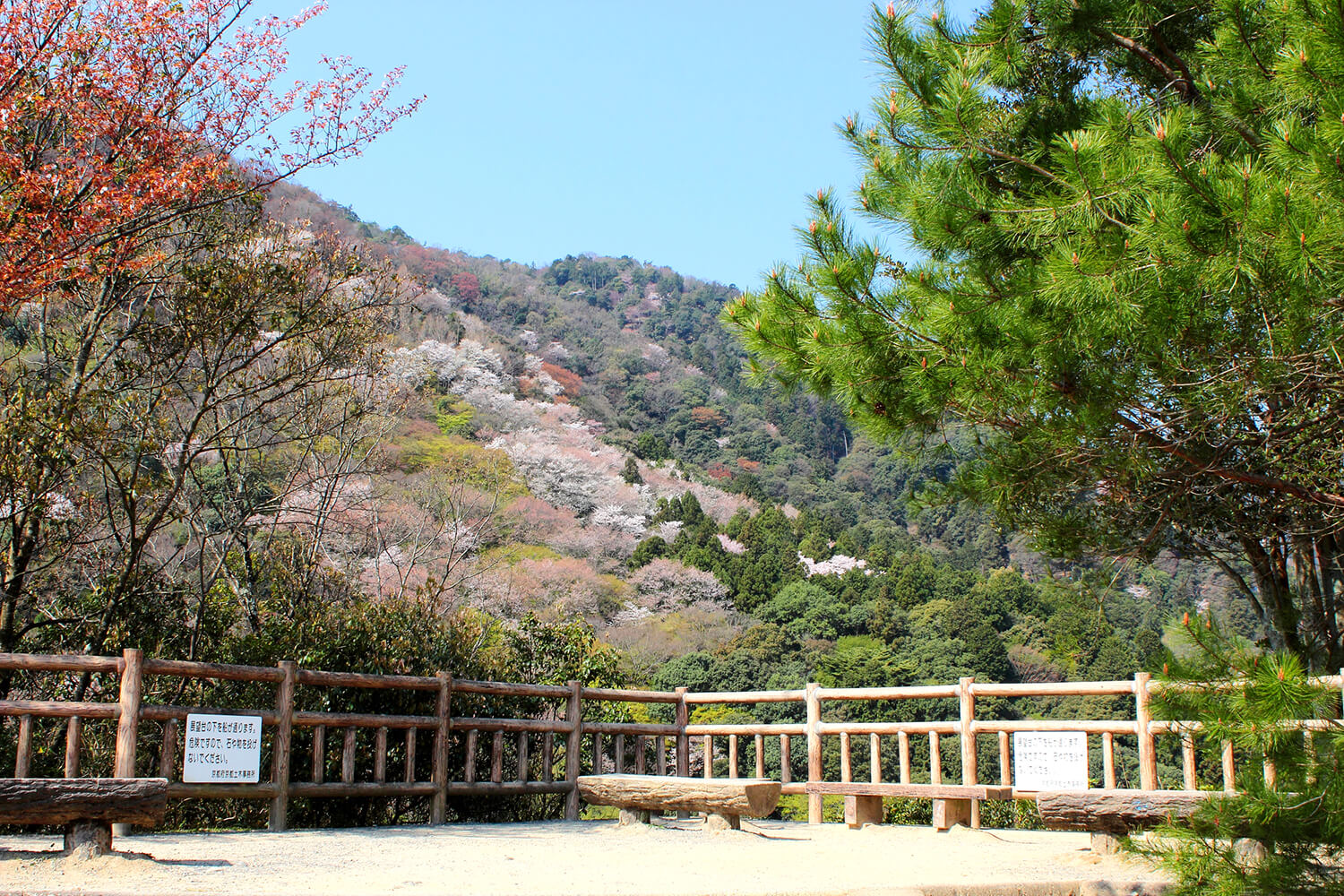
The Arashiyama area has been known since the Heian period as a villa resort for royalty and nobility, as well as one of Kyoto's premier scenic spots. Arashiyama Park is a park composed of the Nakanoshima, Rinsen-ji, and Kameyama districts along the Katsura River that flows through this area.
The Kameyama district, located in the southeastern part of Mt. Ogura—a famous spot for autumn leaves that also appears in waka poetry—is a nature-rich place where cherry trees and maple trees are planted, and wild azaleas grow in clusters. From the observatory in the district, which is part of a hiking course, you can overlook the magnificent sight of about 1,500 cherry trees blooming on the 382-meter-high Mt. Arashiyama.
[Best time to see cherry blossoms] Mid-March to late April
[Tree types] Somei Yoshino, Yamazakura, Shidarezakura, etc.
Local
Supporter
A superb view of Arashiyama's cherry blossoms that can be seen from the observation deck of Arashiyama Park (Kameyama area). The beauty of the Okurashiyama valley is also a must-see. You can enjoy both the cherry blossoms and the magnificent scenery at once.
- Arashiyama Park, Kameyama Area Observatory (Kameyama Park)
-
- Saga, Ukyo-ku, Kyoto City, Kyoto Prefecture MAP
 Approx. 10-minute walk from Arashiyama Station on the Keifuku Electric Railroad (to the park entrance along the Hozugawa River on the Arashiyama side)
 Only the 1st observation deck is available. *The 2nd and 3rd observation decks are currently closed.
3Ninnaji Temple
A famous temple in Saga-Arashiyama where the five-story pagoda shines against the Omuro cherry blossoms

Founded in 888 (Ninwa 4), this is a world-heritage temple of great renown. Since Emperor Uda served as its first head priest, it has been considered a prestigious monzeki temple, with members of the Imperial family serving as head priests up until the 30th, Prince Junnin.
Known as a famous spot for cherry blossoms, Somei Yoshino and Shidarezakura bloom within the temple grounds. Among them, the grove of late-blooming "Omurozakura" is a scene unique to Ninna-ji Temple. For a beautiful shot, capture the 2-3 meter tall Omurozakura in the foreground with the five-story pagoda in the background.
[Best time to see cherry blossoms] Mid-April to late April
[Tree types] Omurozakura (Omuro-ariake), Somei Yoshino, etc.
Local
Supporter
The collaboration between the five-story pagoda, which is an Important Cultural Property, and the Omuro cherry trees is stunning. Since you can see the cherry blossoms at eye level, you can enjoy a different kind of cherry blossom viewing than usual.
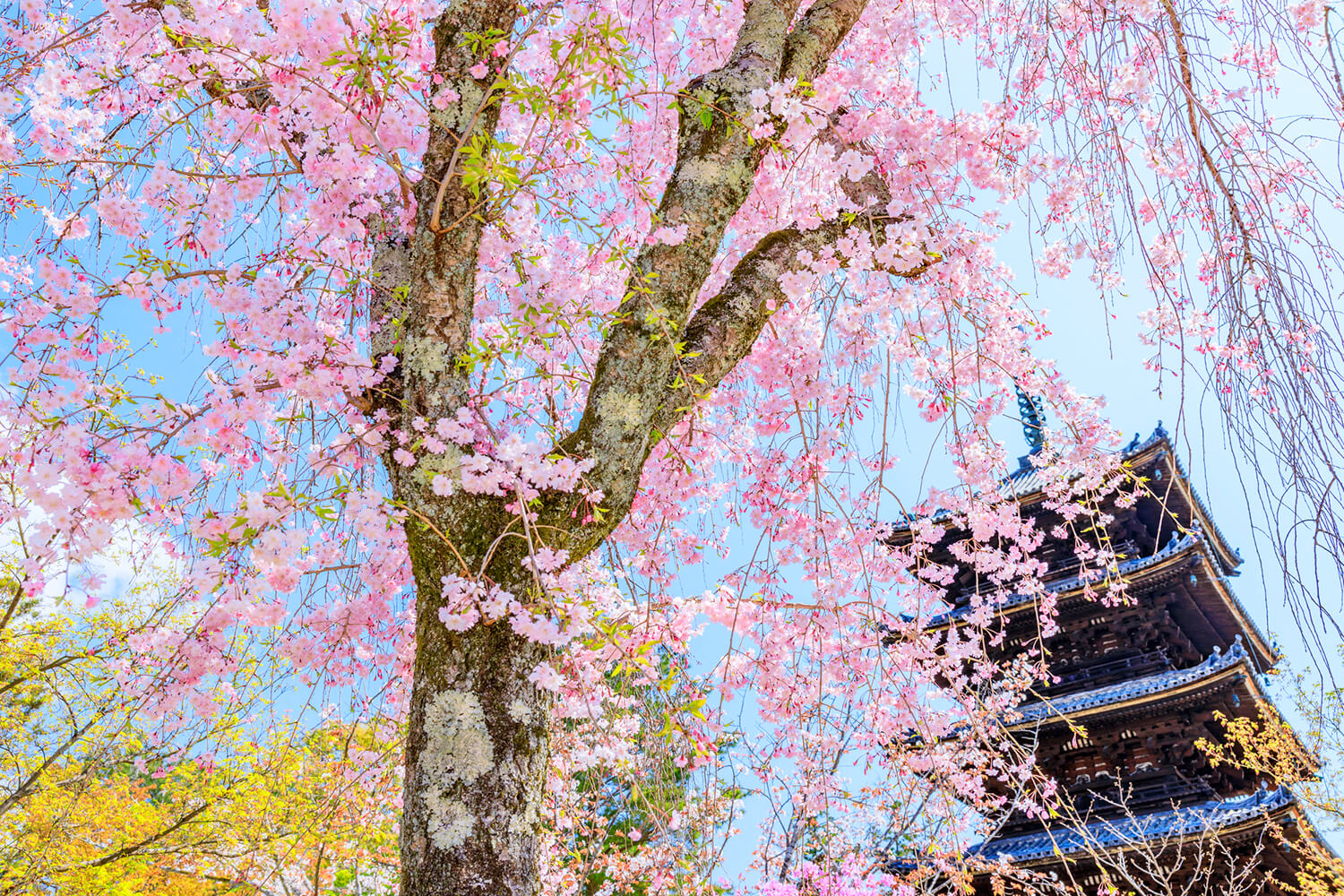
- Ninnaji Temple
-
- 33 Omuro Ouchi, Ukyo-ku, Kyoto-shi, Kyoto Prefecture MAP
- Approx. 3-minute walk from Omuro-Ninnaji Station on the Keifuku Electric Railroad
 From JR Kyoto Station, take Kyoto City Bus No. 26 and get off at "Omuro-Ninnaji," right there.
 March–November: 9:00–17:00 (last admission 16:30)
December–February: 9:00–16:30 (last admission 16:00)
- Gosho Garden: Adults 800 yen
Omuro Flower Festival Special Admission Fee: Adults 800 yen
*Free for high school students and younger. - 075-461-1155
- Paid
- As there are almost no parking lots in the vicinity, we recommend using public transportation.
Arashiyama
4Seiryoji Temple
Encountering dignified cherry blossoms at a temple associated with The Tale of Genji
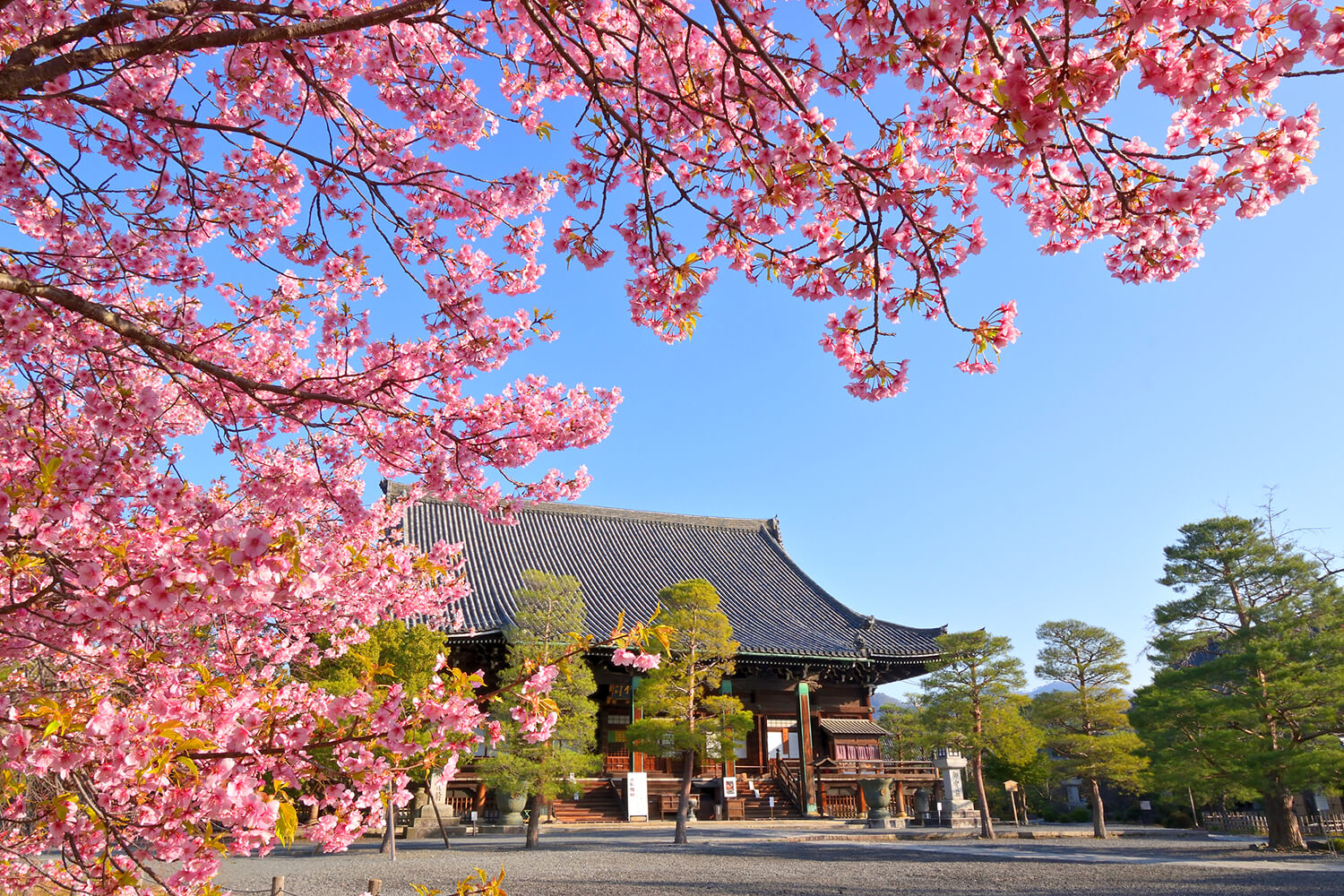
This is the "Saga no Mido," built by Minamoto no Toru, a Heian aristocrat who served as the model for Hikaru Genji, the protagonist of "The Tale of Genji." It houses the National Treasure "Red Sandalwood Shakyamuni Buddha," said to be a likeness of the Buddha at age 37, and the "Seika-ji Amida Triad" (National Treasure), three Buddha statues modeled after the face of Minamoto no Toru.
From mid-March each year, Shidarezakura and Somei Yoshino bloom on the grounds. Please enjoy the elegant cherry blossoms that bloom as if gently nestling against this deeply historic temple.
[Best time to see cherry blossoms] Mid-March to late April
[Tree types] Shidarezakura, Somei Yoshino, etc.
Local
Supporter
In front of the Issaikyo-zo (Sutra Repository) to the right after entering the Nio-mon Gate, a weeping cherry tree spreads its crimson branches. With the Somei Yoshino cherry trees at the Tahoto Pagoda and the weeping cherry trees in front of the Emperor Saga memorial tower, the historic buildings and vibrant cherry blossoms are in perfect harmony.
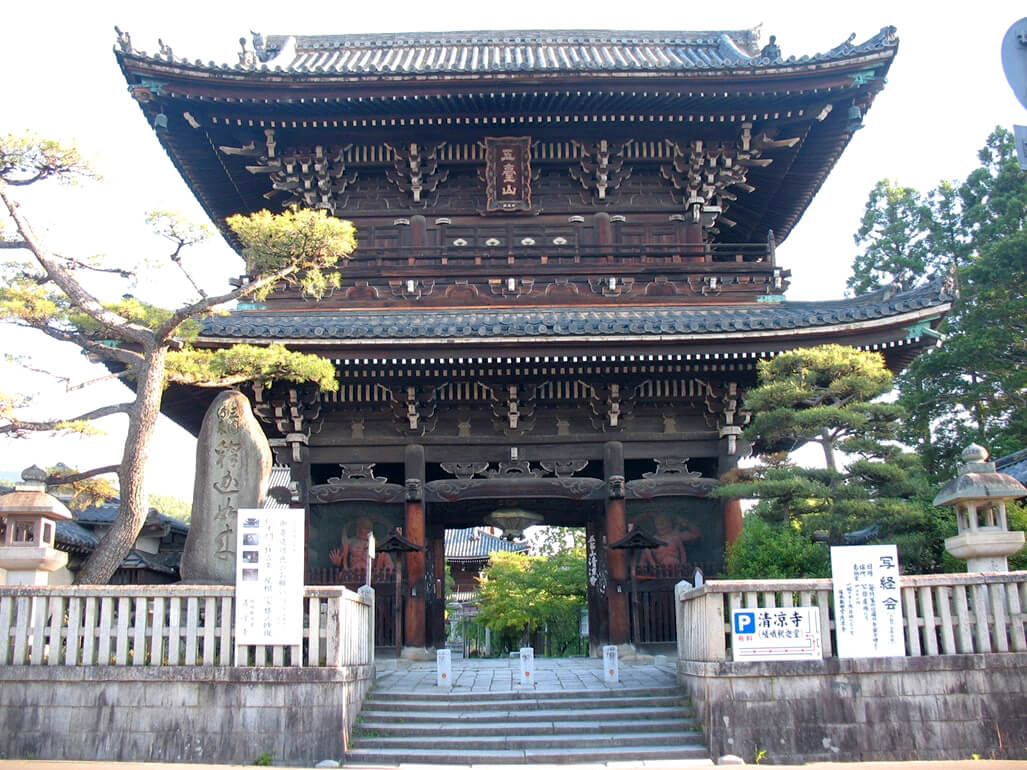
- Seiryo-ji Temple
-
- 46 Saga Shakado Fujinoki-cho, Ukyo-ku, Kyoto-shi MAP
- Approx. 12-minute walk from JR Saga-Arashiyama Station
From JR Kyoto Station, take the Kyoto Bus or City Bus and get off at the "Saga Shakado-mae" bus stop, then walk for about 1 minute. - 9:00–16:00 (until 16:30 in April, May, October, and November)
 None (Visits may not be possible during events such as memorial services)
- Adults 500 yen, Junior/Senior high school students 400 yen, Elementary school students 300 yen
- 075-861-0343
- Available (Standard vehicle 800 yen/day)
5Jojakkoji Temple
Famous for the elegant weeping cherry tree at the Nio-mon Gate. A scenic spot on Mt. Ogura known for the Hyakunin Isshu

A beautiful mountain temple, as if painted in purple and clear water, with the main hall, Tahoto pagoda, kuri (monks' living quarters), and Nio-mon gate scattered across the scenic hillside of Mt. Ogura. When spring arrives, Yamazakura, Higan-shidarezakura, Mitsuba-tsutsuji (rhododendron), and wildflowers bloom in abundance, and small birds chirp. The scene that spreads out before you is reminiscent of a paradise on earth. The Shidarezakura near the Nio-mon gate is particularly well-regarded.
In one corner of the grounds, there remain parts of the site of the Ogura Sanso villa, where it is said that the Kamakura-period waka master Fujiwara no Teika compiled the Ogura Hyakunin Isshu.
[Best time to see cherry blossoms] Mid-March to late April
[Tree types] Yamazakura, Higan-shidarezakura, etc.
Local
Supporter
From the top of the stairs, you can overlook the entire city of Kyoto. On clear days, you can even see Mt. Hiei over the cherry blossoms. The fresh greenery of early summer and the autumn leaves are also wonderful.
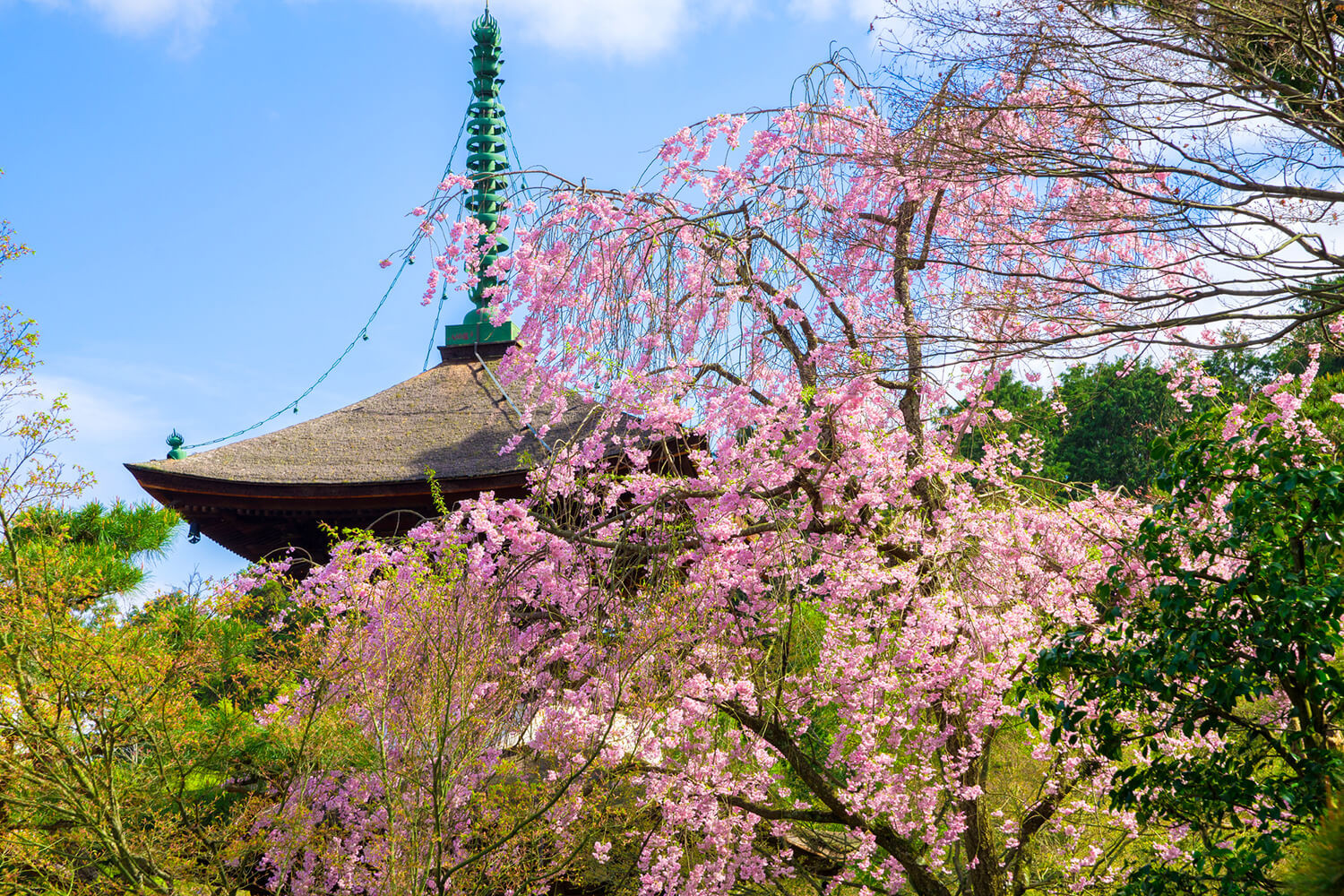
- Jojakkoji Temple
-
- 3 Oguracho, Saga Ogurayama, Ukyo-ku, Kyoto-shi MAP
- Approx. 15-minute walk from JR Saga-Arashiyama Station
- 9:00–17:00 (Last admission 16:30)
- 500 yen
- 075-861-0435
- Paid
6Nison-in Temple
The path of cherry blossoms leading from the main gate to the main hall is breathtakingly beautiful.
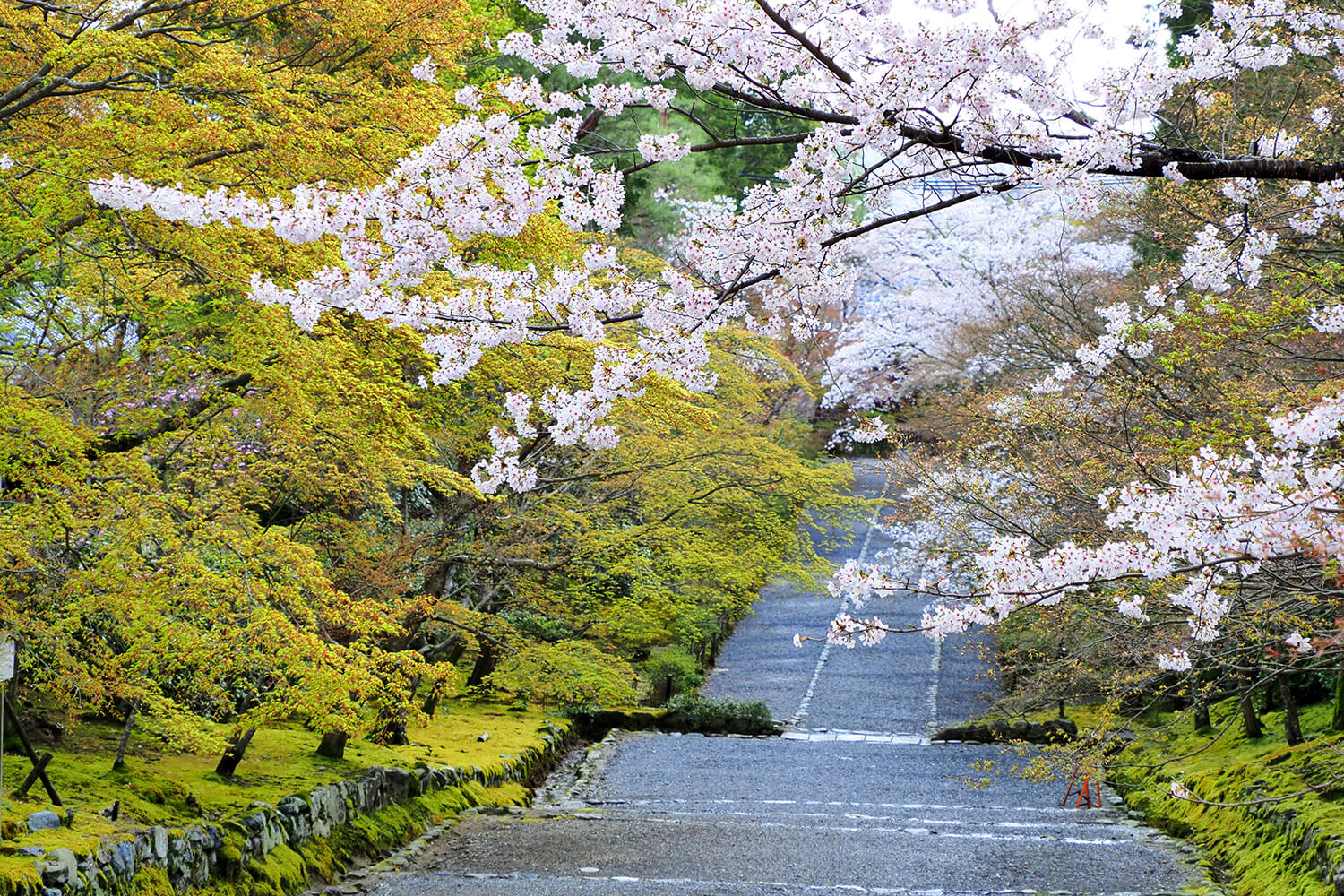
A Tendai sect temple founded between 834 and 848 (the Jowa era). Located at the foot of Mt. Ogura, known as a famous spot for autumn leaves, the temple's name is derived from the fact that its principal images, the "Shaka Nyorai" and "Amida Nyorai," are enshrined there.
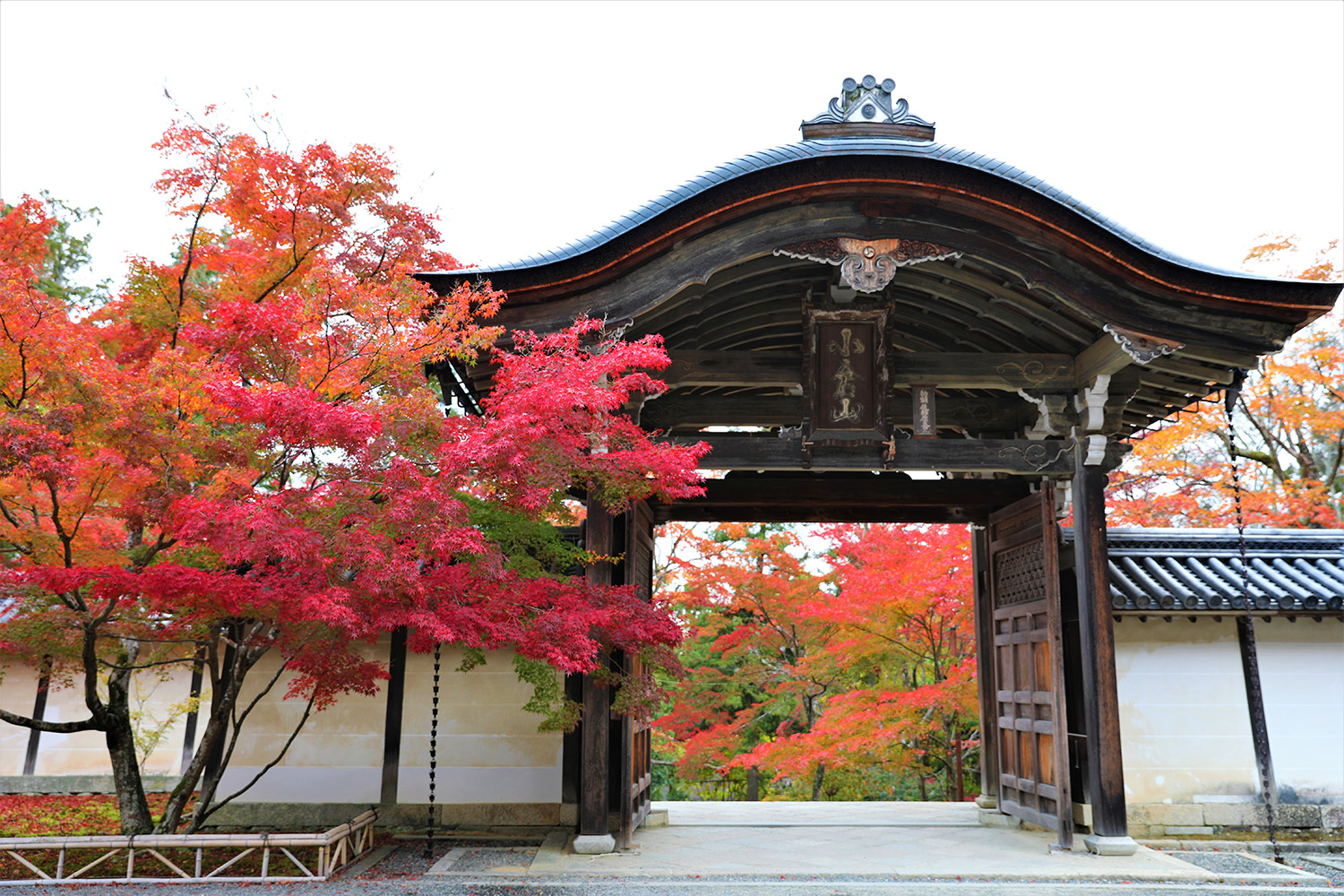
Beyond the main gate, a path stretches straight ahead. Thanks to the cherry and maple trees planted on both sides, it becomes a path of pale pink cherry blossoms in spring, and a path of vibrant red and yellow autumn leaves in the fall. The late-blooming Nison-in Fugen-zo cherry tree that blooms beside the main hall and the photogenic "hanachozu" (flower-filled water basin) decorated with seasonal flowers are also must-sees.
[Best time to see cherry blossoms] Mid-March to early May
[Types of trees] Weeping cherry, Nison-in Fugen-zo cherry, etc.
Local
Supporter
You can enjoy the weeping cherry trees that color the main hall, which is designated as a Kyoto City Cultural Property, as well as the Nison-in Fugen-zo cherry, a rare type of double-flowered cherry blossom.
- Nison-in Temple
-
- 27 Saga Nison-in Monzen Chojin-cho, Ukyo-ku, Kyoto-shi, Kyoto MAP
- Approx. 15-minute walk from Arashiyama Station on the Keifuku Electric Railroad
Take a Kyoto Bus or City Bus from JR Kyoto Station, get off at the "Saga Shakado-mae" bus stop, and walk for about 10 minutes. - 9:00–16:30 (last admission)
- Adults (junior high school students and older): 600 yen, elementary school students and younger: free
- 075-861-0687
MAP
- Along the Randen Line
- Arashiyama
- Nearby Hoshino Resorts facilities

Local supporter in charge of this article
HOSHINOYA Kyoto
Arashiyama, Kyoto Prefecture
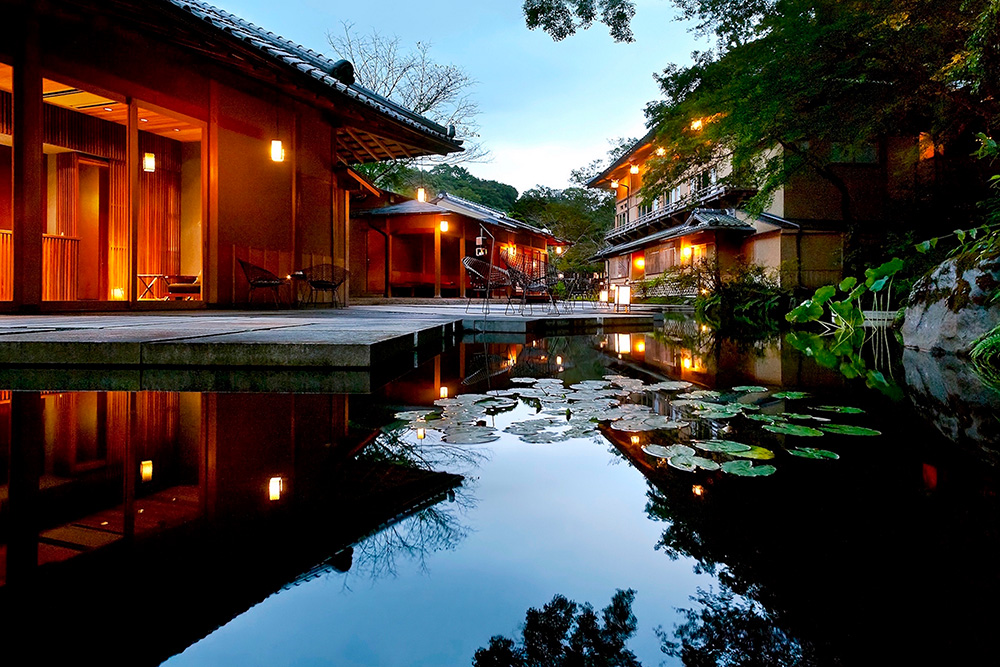
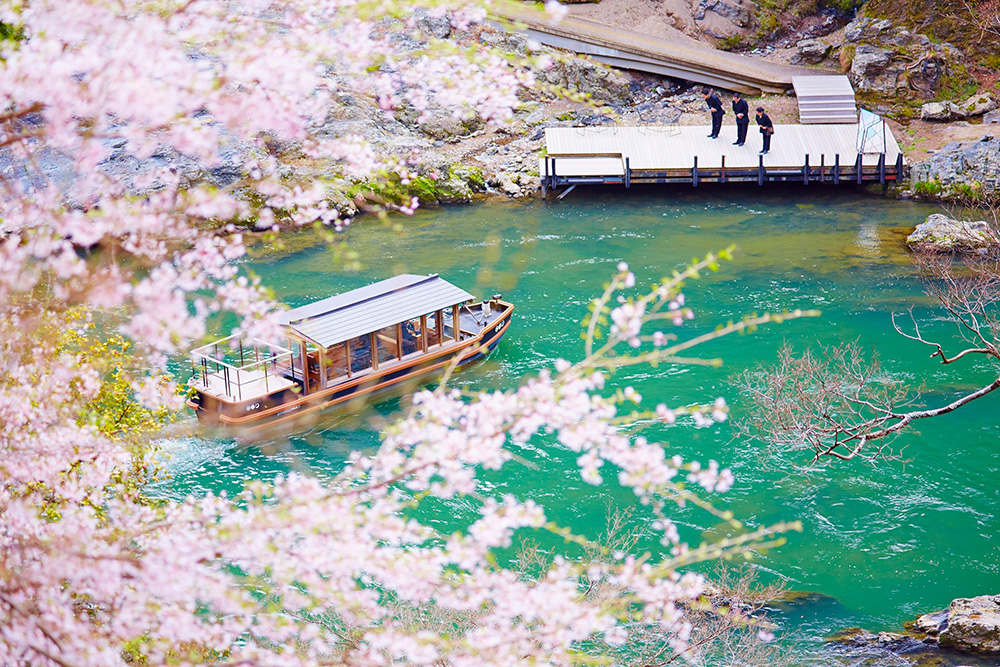
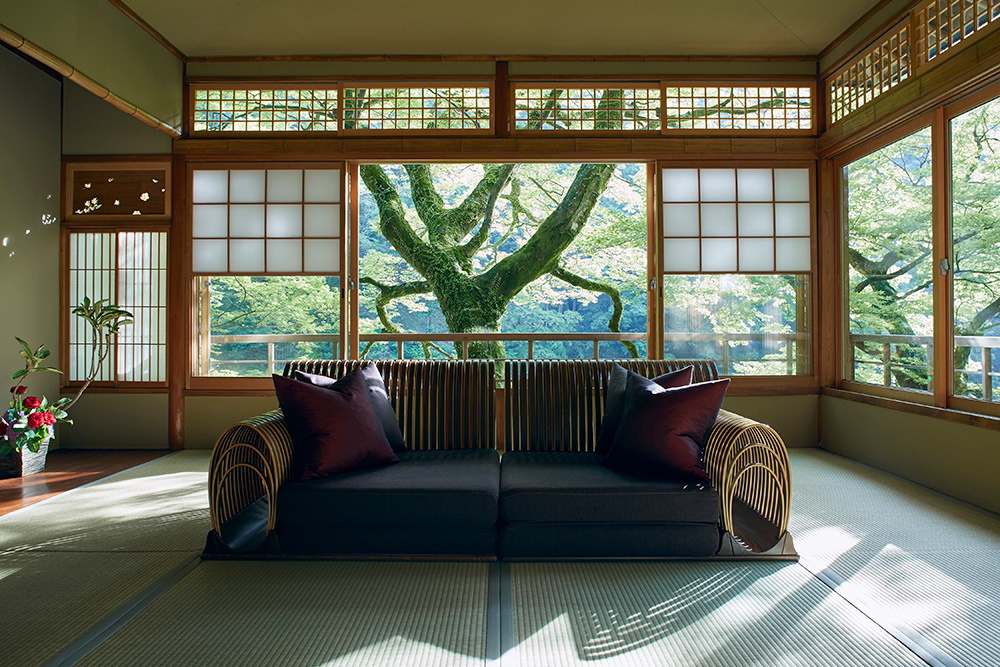
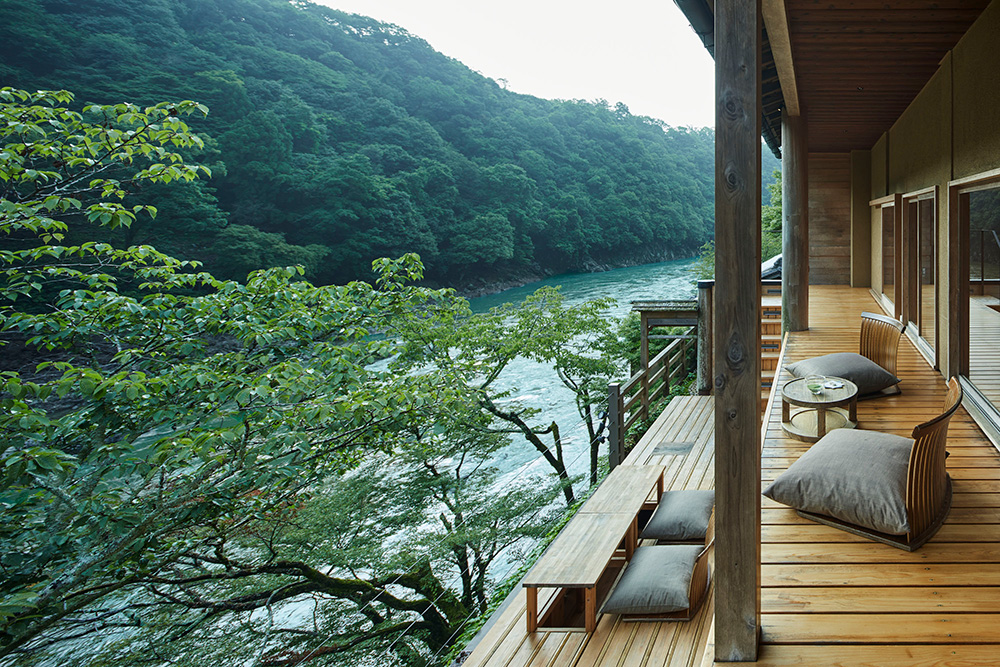
A ryokan located in Arashiyama where all rooms have a river view. You can enjoy an extraordinary world of beautiful seasonal scenery and tranquility.
Access Approximately 30 minutes by taxi from JR Kyoto Station
- Accommodation rate example
- Per person per night From ¥33,330