





"Kyo-tsukemono" nurtured by Kyoto's climate: 5 famous shops loved by locals

Pickles are a staple Kyoto souvenir. In Kyoto, the high-quality water and the unique basin climate have long nurtured delicious vegetables, coloring the seasonal dining table. This time, we will introduce famous pickle shops that craft items that vividly reflect the history and seasons of Kyoto, starting with the three major Kyoto pickles: Shibazuke, Senmaizuke, and Sugukizuke.
1Shibakyu
With 800 years of history, this is the "Shibazuke" preserved by the people of Ohara.
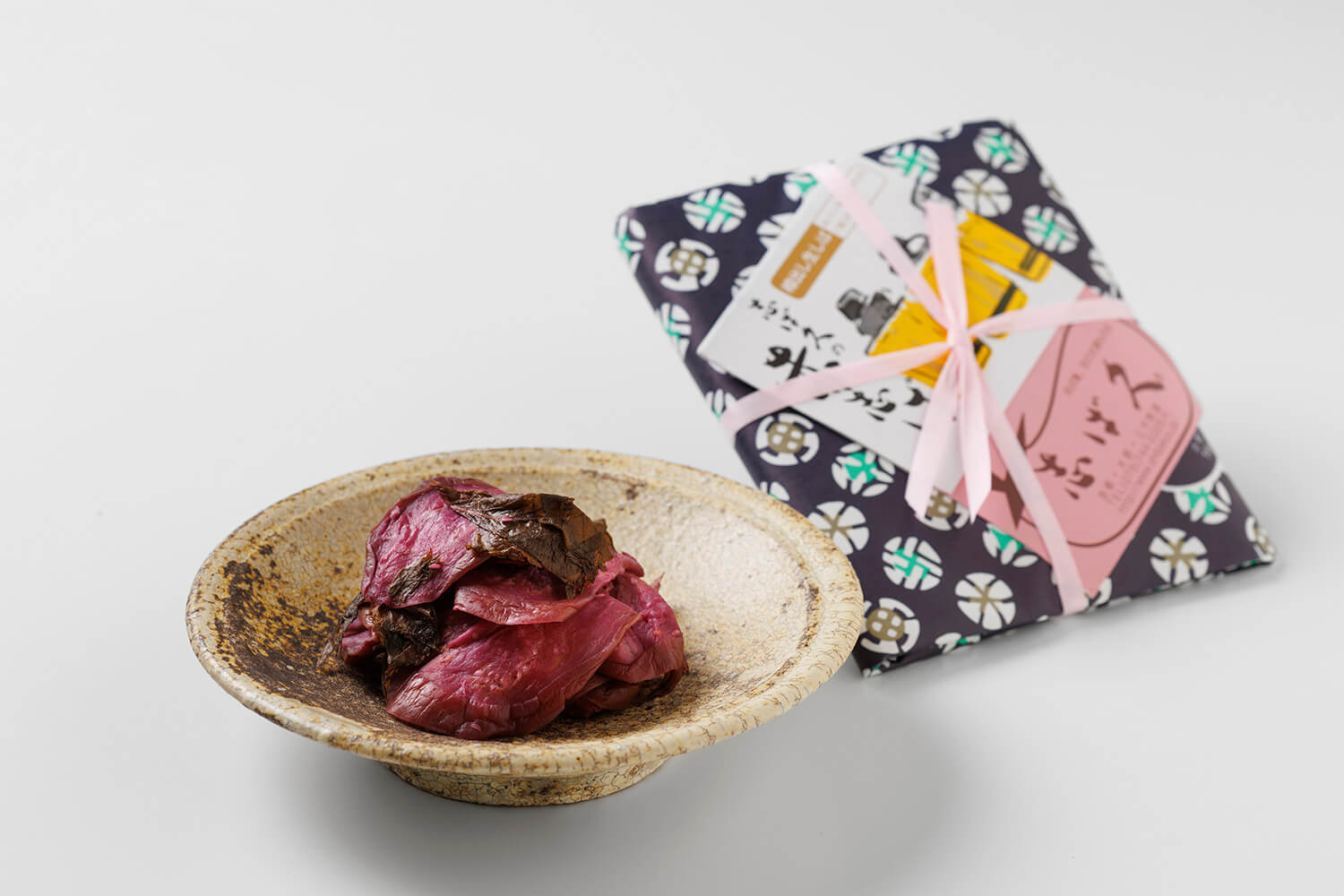
Shibazuke has the oldest history among the three major Kyoto pickles. It began in the late Heian period in the mountain village of Ohara, spreading at the northwestern foot of Mt. Hiei, where summer vegetables were salted and preserved using the early summer specialty, red shiso. Its elegant reddish-purple color is beautiful, and there is even a legend that it was presented to Kenreimon-in, the tragic heroine of the Heike clan. While cucumber-added and lightly pickled versions are popular today, the most traditional method is "Nama-shibazuke," where eggplants are lactic-acid fermented with red shiso and salt. "Shibakyu," located on the approach to Sanzen-in Temple, features this as its signature product. Their commitment is to use highly aromatic, home-grown shiso, preserving seeds passed down through generations locally, based on the belief that "making shibazuke starts with making red shiso." The crisp texture of the eggplant, the refreshing acidity, and the aroma of the red shiso spread throughout your mouth. It is also recommended to chop it up and serve it with bonito flakes and soy sauce.
[Product Name] Aka-Shiba
[Shelf Life] 30 days
[Retailers] Shibakyu, D&DEPARTMENT Kyoto, Sato no Eki Ohara, KOHYO Kitaoji Store (inside Aeon Mall Kitaoji), etc.

2Suguki Specialty Store Kyoto Narita
A fermented pickle born in Kamigamo, the birthplace of Suguki.
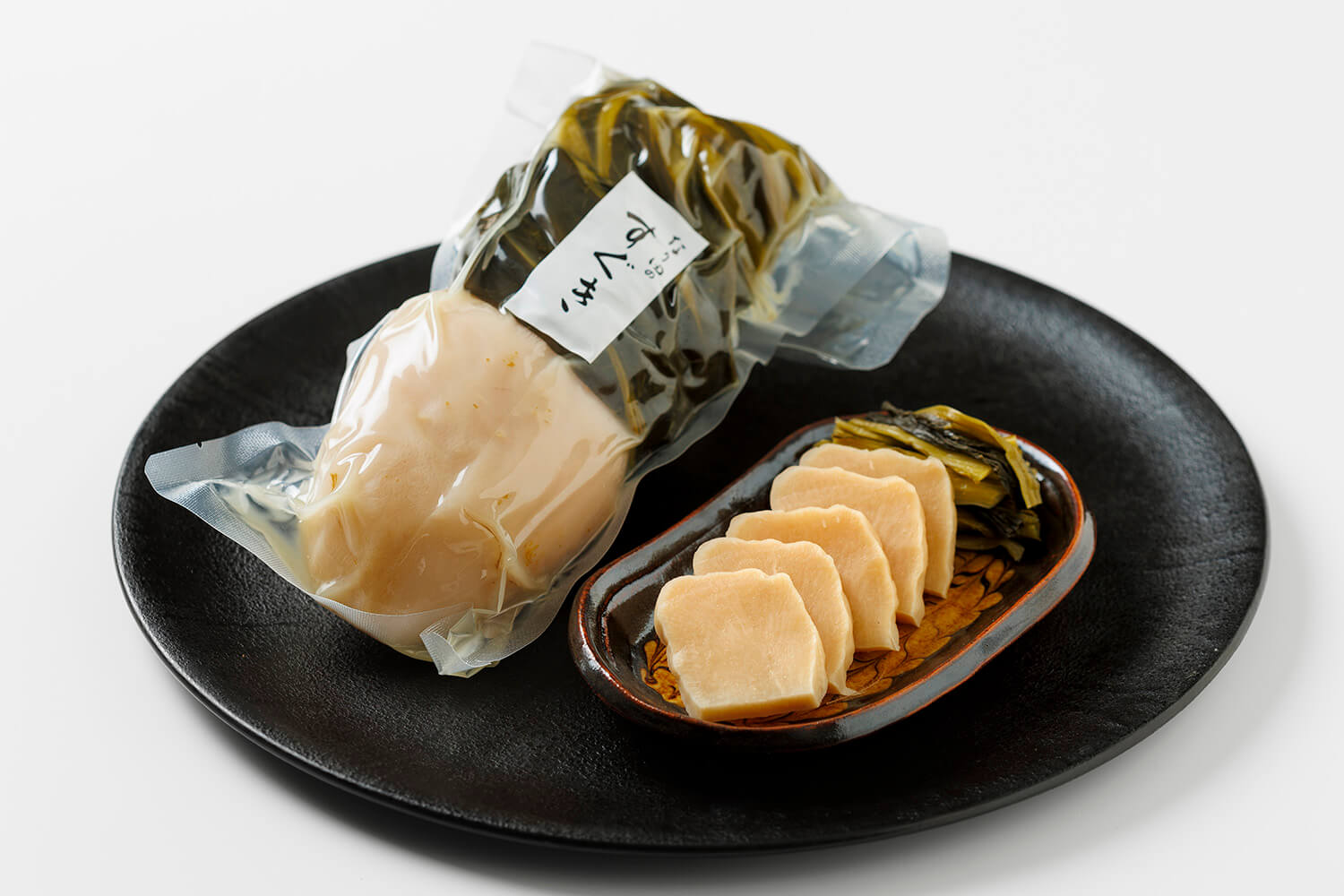
Suguki-zuke, made using suguki-na—a type of native turnip passed down only in the Kamigamo region of Kyoto—is one of Kyoto's three great pickles. Its origins date back to the early Edo period, and it is said that it was initially made only by the shake (priestly families) of Kamigamo Shrine. Narita, founded in 1804 (the first year of the Bunka era), is a long-established shop located in the shake-machi district that retains much of that history. "The method of pickling only with salt and allowing it to undergo lactic acid fermentation has remained unchanged since our founding," says the eleventh-generation proprietor. Harvesting and pickling begin every November, and in early December, the new pickles, which offer a fresh, fruity flavor, make their debut. Furthermore, those that have been fully fermented and aged through the summer are called "jikounare," and many locals eagerly await them. The flavor, with its deepened acidity and umami, is exceptional and beloved even by those who prefer savory snacks over sweets.
[Product Name] Suguki
[Shelf Life] 8 days
[Retailers] Main store, Kyoto Takashimaya store, Daimaru Kyoto store B1F Grocery section, etc.

- Osuguki-dokoro Kyoto Narita
-
 35 Kamigamo Yamamoto-cho, Kita-ku, Kyoto-shi, KyotoMAP
 Approx. 2-minute walk from Kyoto City Bus "Kamigamo-jinja-mae" stop
 10:00–18:00
 January 1st
 075-721-1567
 Available (4 spaces)
3Senmaizuke Honke Daito
A winter delicacy. The taste of Senmaizuke, protected through secret family traditions.
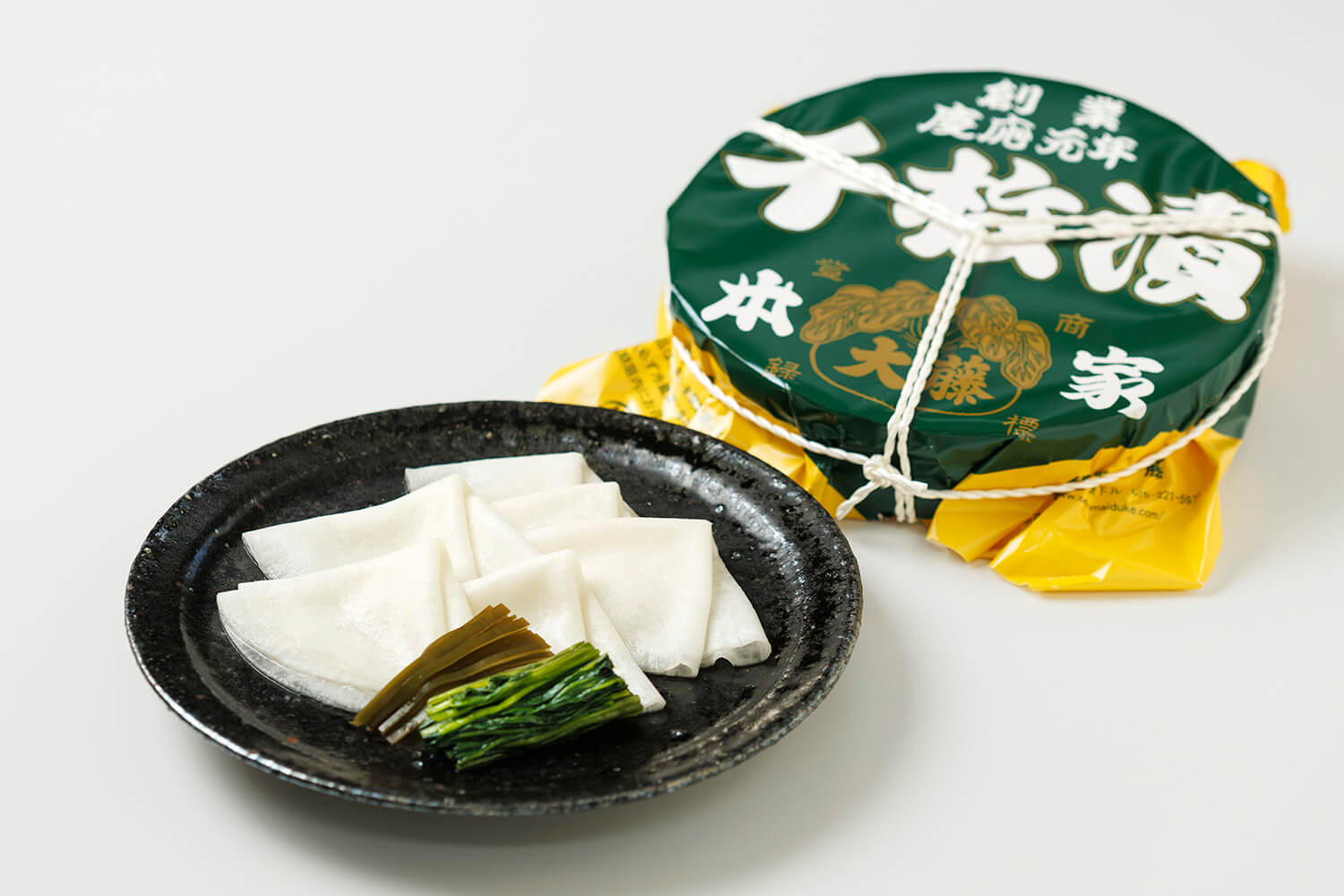
Senmai-zuke is named for the fact that a single barrel can hold a thousand (senmai) slices of Shogoin turnip, sliced so thin they are translucent. The originator of this dish is Daito, founded in 1865 (the first year of the Keio era). Its elegant appearance and light, refined taste—achieved by pickling only with salt, sugar, and vinegar—were devised by the first-generation owner, who served as a chef for the Kyoto Imperial Palace. This gained a reputation and eventually spread to the public, becoming a famous Kyoto specialty. The fifth-generation owner, who inherits this taste through a single-lineage tradition, says, "Because the seasoning is simple, the deliciousness of the turnip is everything. I carefully select them by eye." The main pickling process and the daily morning removal from the barrels are delicate tasks that only the proprietor can perform. Their creed is to always deliver the finest product by personally overseeing it every day. The presentation, which likens the turnips to the white sand of the Imperial Palace and the mibuna greens to auspicious pine trees, is also considered lucky, making it a popular pickle for welcoming the New Year.
[Product Name] Senmai-zuke
[Shelf Life] 3-5 days for bagged, 5-7 days for container (varies by season)
[Retailers] Senmai-zuke Honke Daito, JR Kyoto Isetan B1F (Taste of Long-established Famous Shops), JR Kyoto Station Shinkansen Concourse (Kyo Shinise no Aji Maiko), in front of the Shinkansen Hachijo Gate (Gift Kiosk Kyoto), Daimaru Kyoto store B1F Grocery section, etc.

- Senmai-zuke Honke Daito
-
- 510 Masuya-cho, Fuyacho-dori Nishikikoji-sagaru, Nakagyo-ku, Kyoto-shi, KyotoMAP
- Approx. 5-minute walk from Hankyu Kyoto Line "Kyoto-Kawaramachi Station"
- 9:00–17:00
- April–September: Thursdays and July 31st
October–Senmaizuke season: Open every day
(Excluding January 1st and 2nd) - 075-221-5975
- None
4Kirarazuke Shinise Honode
Exquisite flavor. The "taste of hospitality" that has comforted monks and travelers alike.
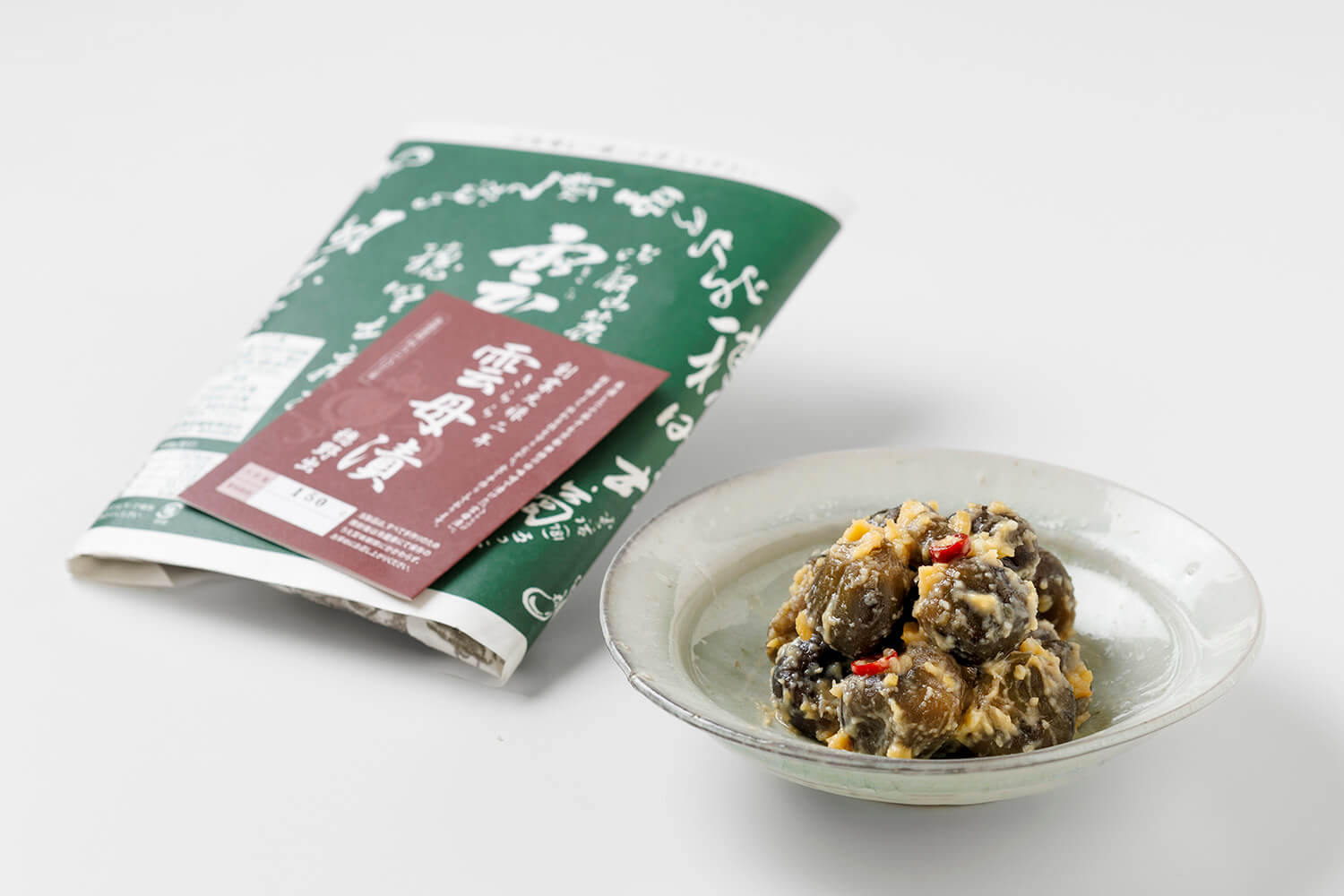
While there are many types of Kyoto pickles, "Kirara-zuke" is a specialty passed down exclusively through the Tanabe family in Ichijoji. It is a flavorful dish made by pickling small eggplants in Kyoto's famous white miso. As the elegant gate suggests, the shop was founded in 1689 (the second year of the Genroku era) during the early Edo period. Originally, the family served the nobility and managed their lands, but because their residence was located near "Kirara-zaka," a major route from the capital to Mount Hiei, the Tanabe family also served as a checkpoint. They set up a teahouse there and served Kirara-zuke to travelers on the steep mountain path. The bite-sized eggplants, grown by contracted farmers, are tender and pair perfectly with the mildly sweet miso. It must have been the ultimate hospitality for the monks heading to Enryaku-ji Temple on the mountain and for imperial envoys from the court. The white miso itself, infused with the umami of the ingredients, is also delicious. Please be sure to enjoy every last bit.
[Product Name] Kirara-zuke
[Shelf Life] 45 days
[Retailers] Kirara-zuke Honpo Honode, Kyoto Takashimaya B1F Aji-Hyakusen, etc.
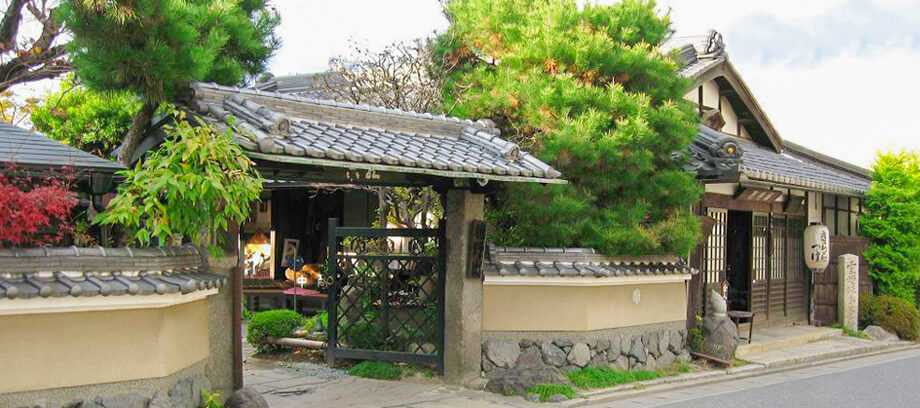
- Kirara-zuke Shinise Honode
-
- 43 Ichijoji Tanida-cho, Sakyo-ku, Kyoto-shi, KyotoMAP
- Approx. 5-minute walk from the "Ichijoji Sagarimatsu-cho" Kyoto City Bus stop
- 8:30–16:30
- Irregular holidays
- 075-781-5023
- Available (8 spaces)
5Murakamiju Honten
A taste recognized by feudal lords. Traditional vegetables and seasonal ingredients prepared with masterful skill.
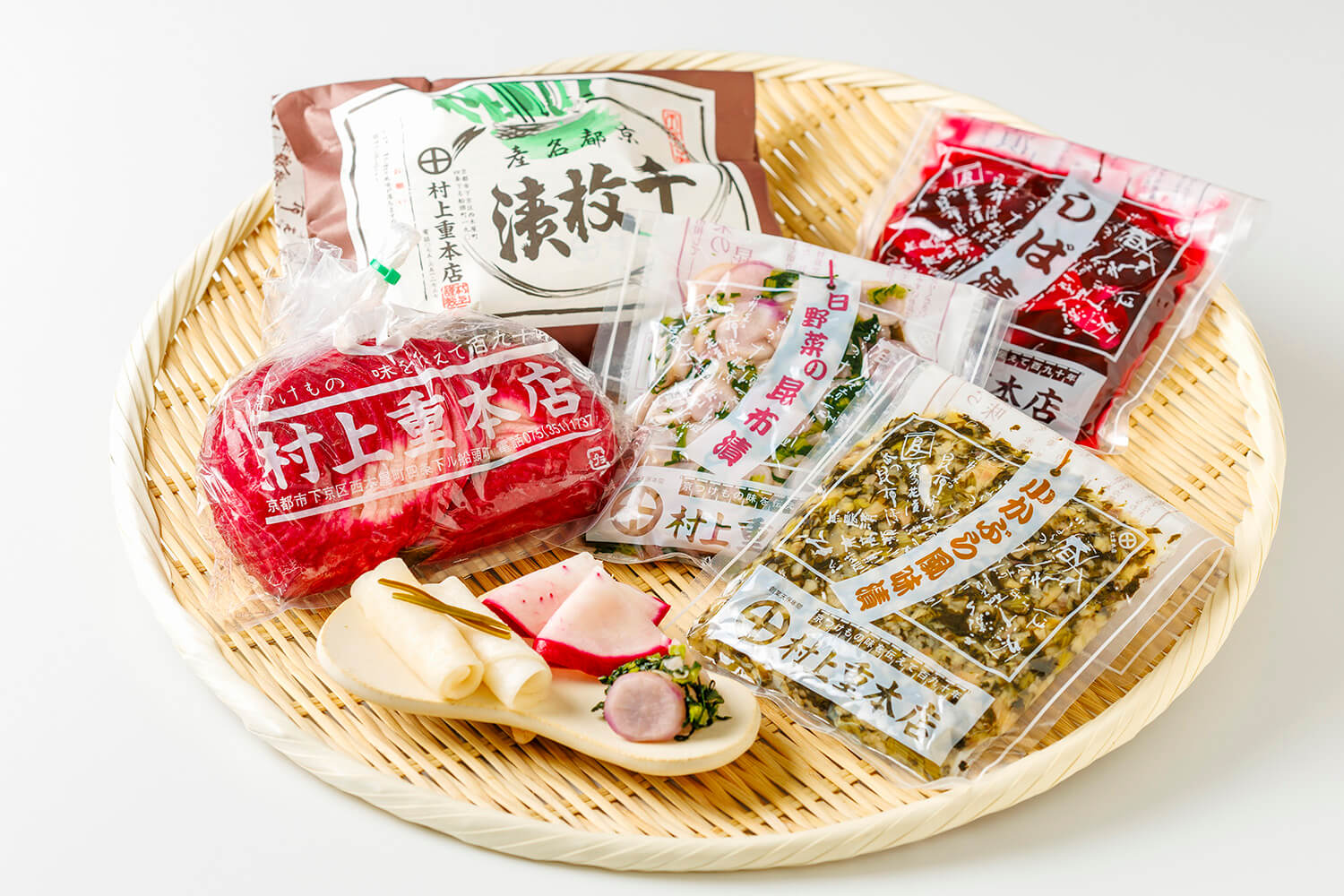
If you are looking for seasonal pickles, we recommend "Murakami Ju Honten" in Nishikiya-cho, known for its noren curtain dyed with the "Maru-ni-Ju" crest. Founded in 1832 (the third year of the Tenpo era) and endorsed by the lords of Satsuma, this renowned shop spent many years honing its craft by specializing in summer Nara-zuke and winter Senmai-zuke. Eventually, they expanded their skills to seasonal pickles, becoming an essential part of the Kyoto dining table. Senmai-zuke, which originated in Kyoto during the end of the Edo period, is one of their signature products, and the secret to its popularity is a unique recipe that fully draws out the umami of Shogoin turnips using only "salt and kelp." In winter, other specialties include the visually vibrant "Red Turnip Kelp Pickles" and the traditional Shiga vegetable "Hino-na Kelp Pickles." Their "Shiba-zuke," which has a mild acidity with a hint of ginger and myoga, and "Small Turnip Flavored Pickles," which combine small turnips with green shiso and sansho pepper, are popular items sold year-round. They offer a collection of exquisite items that will make you crave a bowl of white rice.
[Product Name] Senmai-zuke*, Red Turnip Kelp Pickles*, Hino-na Kelp Pickles*, Small Turnip Flavored Pickles, Shiba-zuke
[Shelf Life] Approx. 5 days*, approx. 1 month
[Retailers] Murakami Ju Honten, Kyoto Takashimaya B1F Aji-Hyakusen, etc.
*Winter seasonal items. Sales of "Red Turnip Kelp Pickles" and "Hino-na Kelp Pickles" for the 2023-24 winter season have ended.

- Murakamiju Honten
-
- 190 Sendo-cho, Nishikiyamachi-dori Shijo-sagaru, Shimogyo-ku, Kyoto-shi, KyotoMAP
- Approx. 1-minute walk from Kyoto-Kawaramachi Station on the Hankyu Kyoto Line, or approx. 3-minute walk from Gion-Shijo Station on the Keihan Main Line
- 9:00-19:00
- January 1st–3rd
- 075-351-1737
- None: 1 hour of free parking at MID Parking (contracted parking lot) with product purchase
MAP
- Nearby Hoshino Resorts facilities

The Michikusa Expert in charge of this article
-
Noriko Yamaguchi
Editor and writer. Based in Kyoto, writes articles for magazines and the web on travel, history, traditional culture, and crafts. Also handles book editing. Loves festivals, sake, and ceramics. National Government Licensed Guide Interpreter (English), International Kikisake-shi (Sake Sommelier). Holds a Kyoto Tourism Culture Certification Grade 2.
 Michikusa
Expert
HOSHINOYA Kyoto
Arashiyama, Kyoto Prefecture
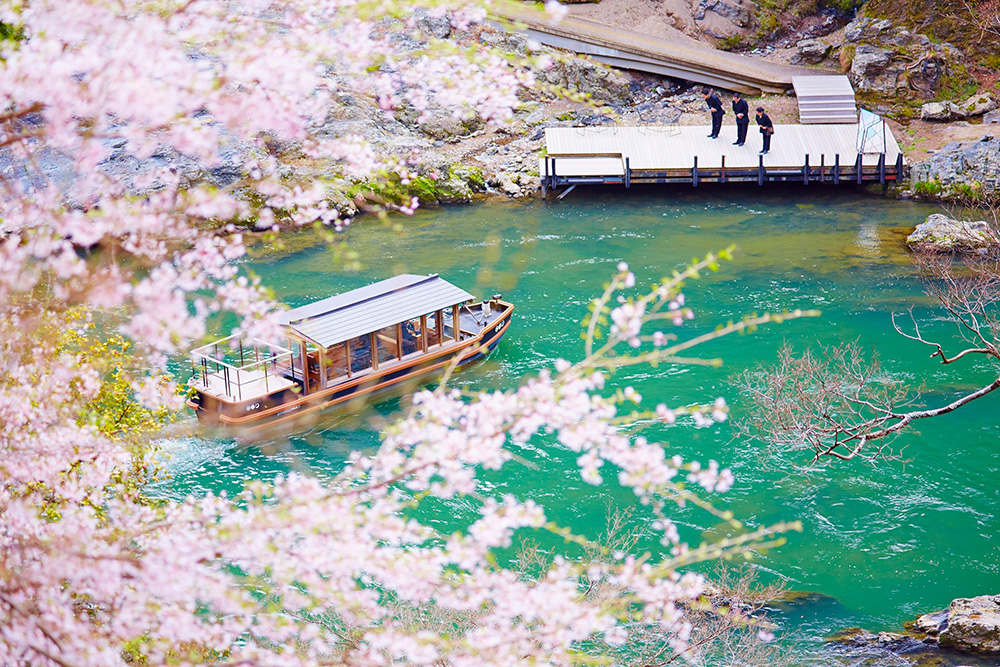
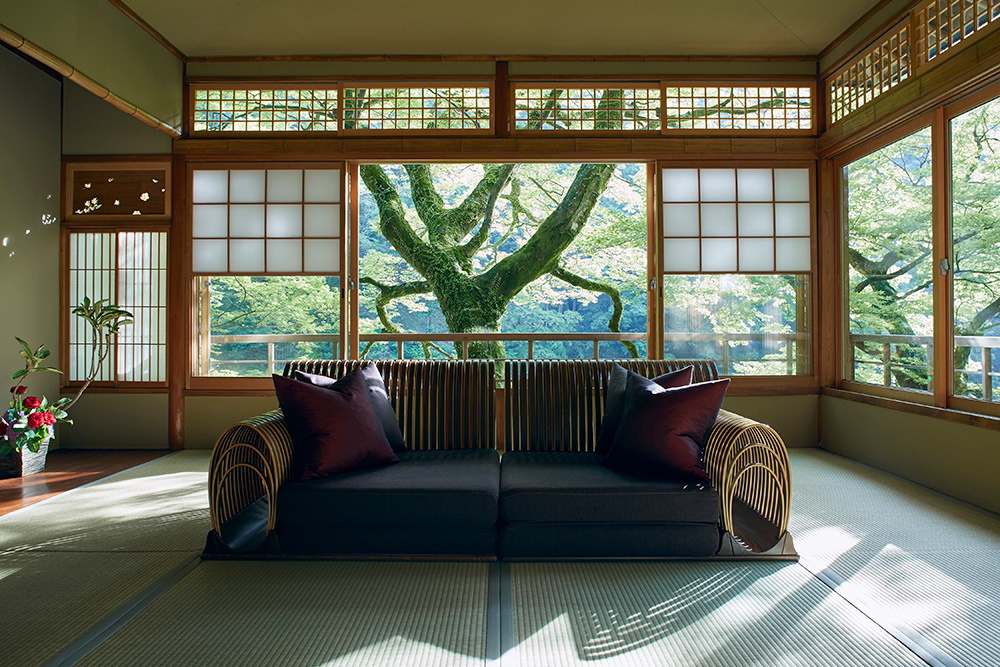
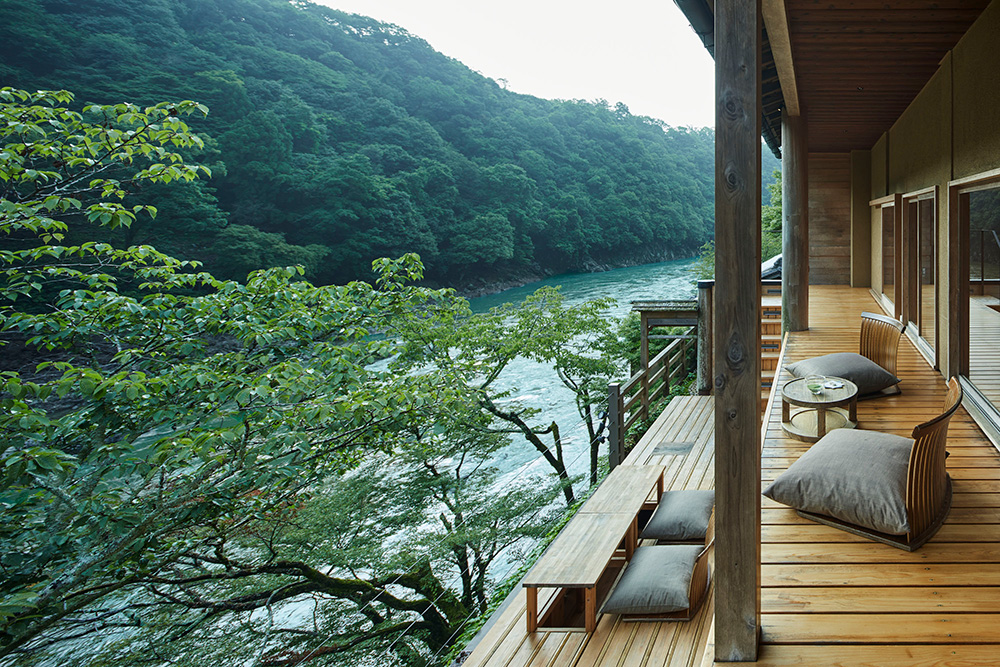
A ryokan located in Arashiyama where all rooms have a river view. You can enjoy an extraordinary world of beautiful seasonal scenery and tranquility.
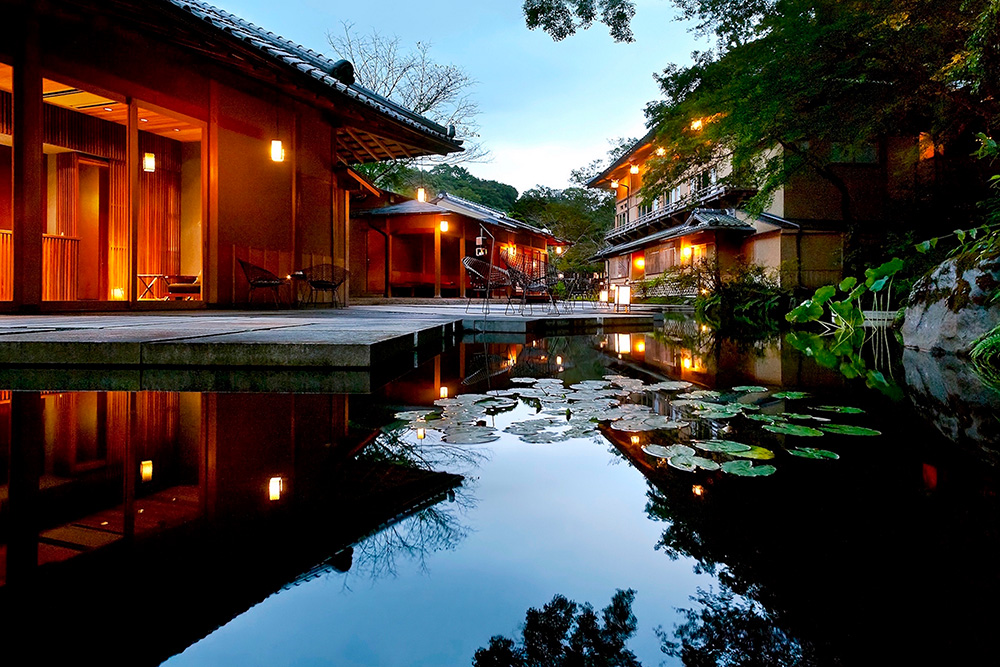
Access Approximately 30 minutes by taxi from JR Kyoto Station
- Accommodation rate example
- Per person per night From ¥33,330
OMO5 Kyoto Sanjo
Kyoto Prefecture, Kyoto City
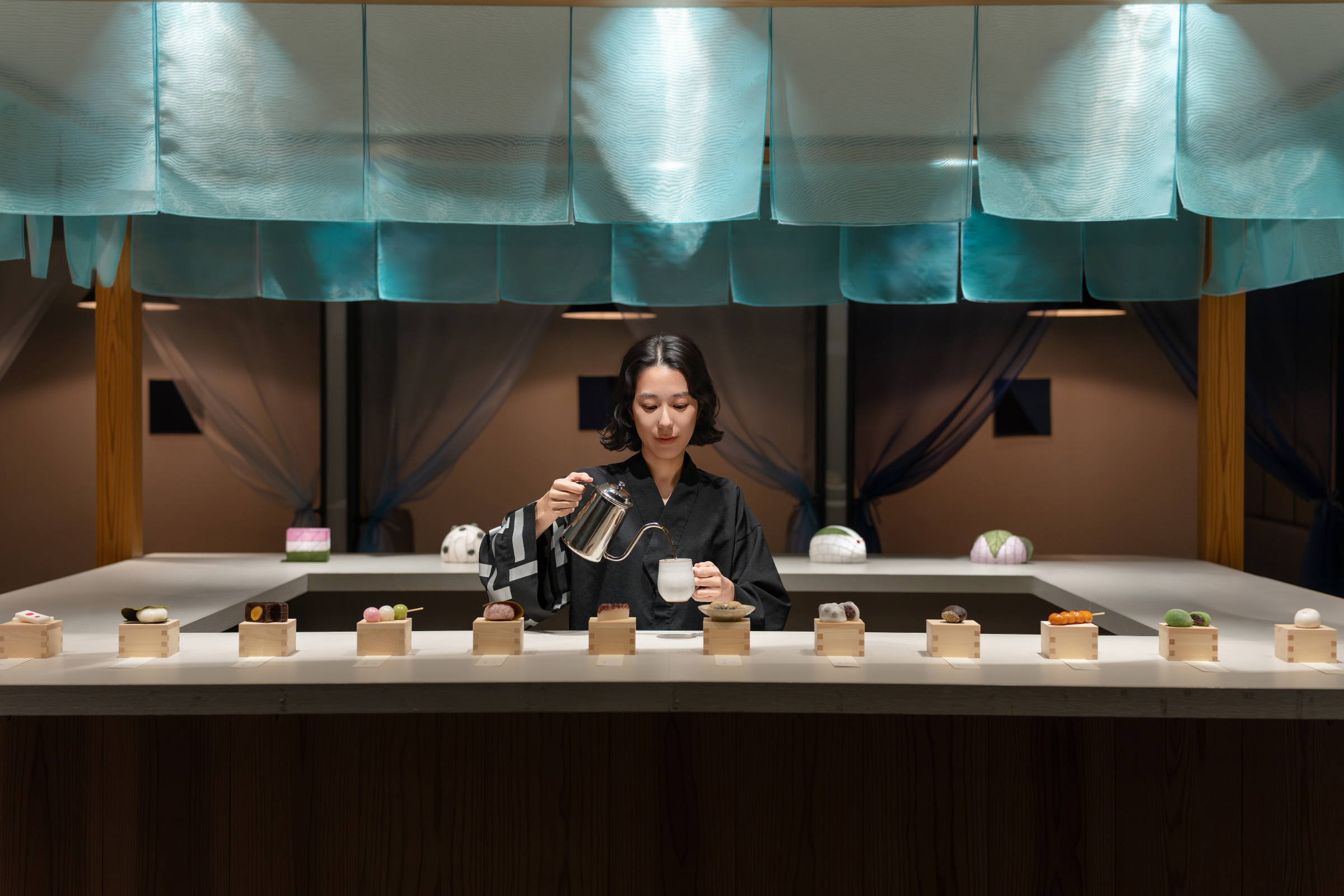
Within walking distance of Kyoto-esque townscapes such as Pontocho and Sanjo Ohashi Bridge. It is an area where the past and present intersect, from the latest shops to long-established specialty stores.


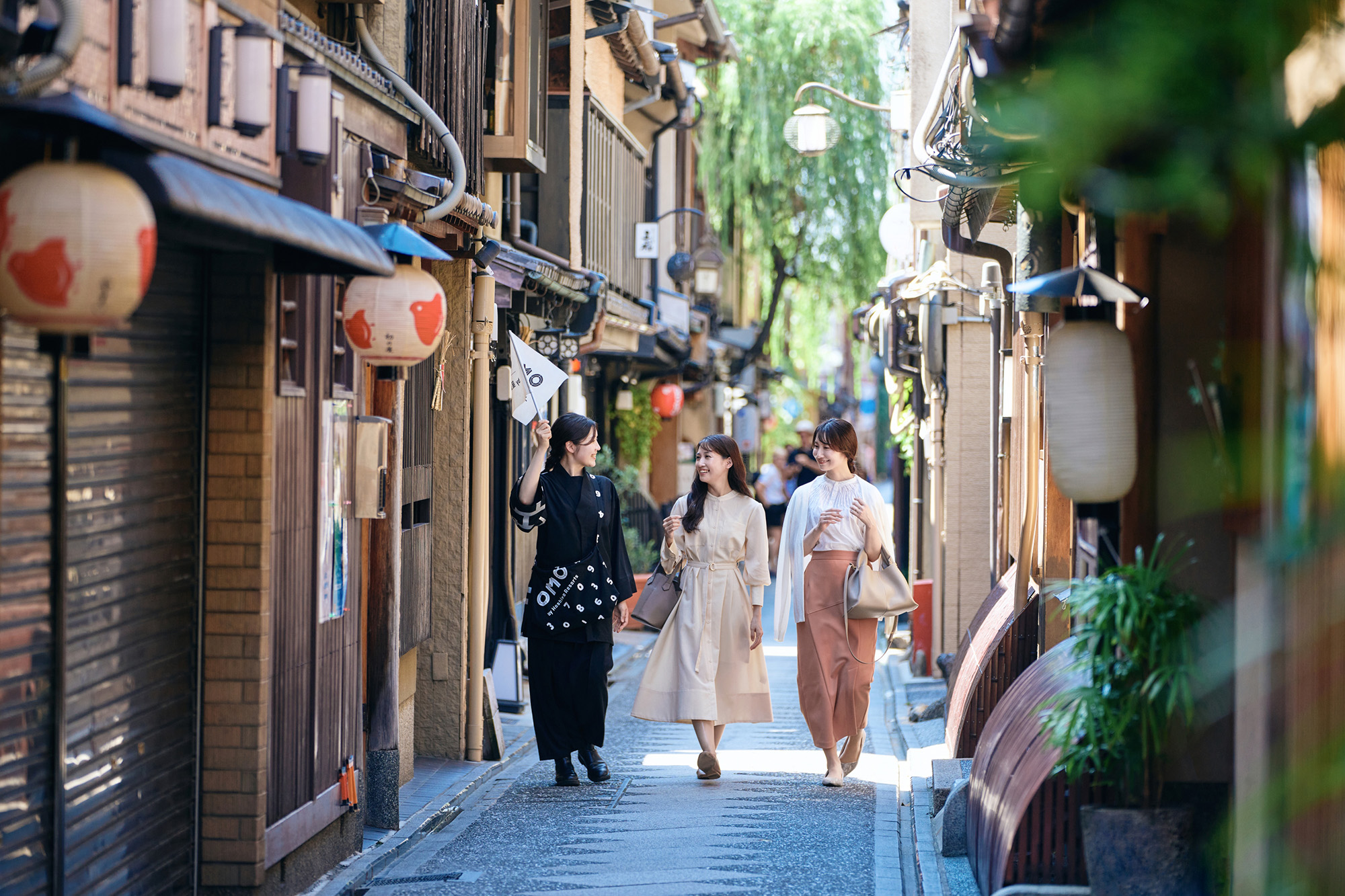
Access Approx. 2-minute walk from Exit 3 of Kyoto City Subway Kyoto Shiyakusho-mae Station
- Accommodation rate example
- Per person per night From 4,000 yen
OMO5 Kyoto Gion
Kyoto Prefecture, Kyoto City
Located along Shijo-dori, one of Kyoto's representative downtown streets, with Yasaka Shrine, famous for the Gion Festival, right in front. It is convenient for sightseeing in the Yasaka and Kiyomizu areas, which everyone visits at least once.

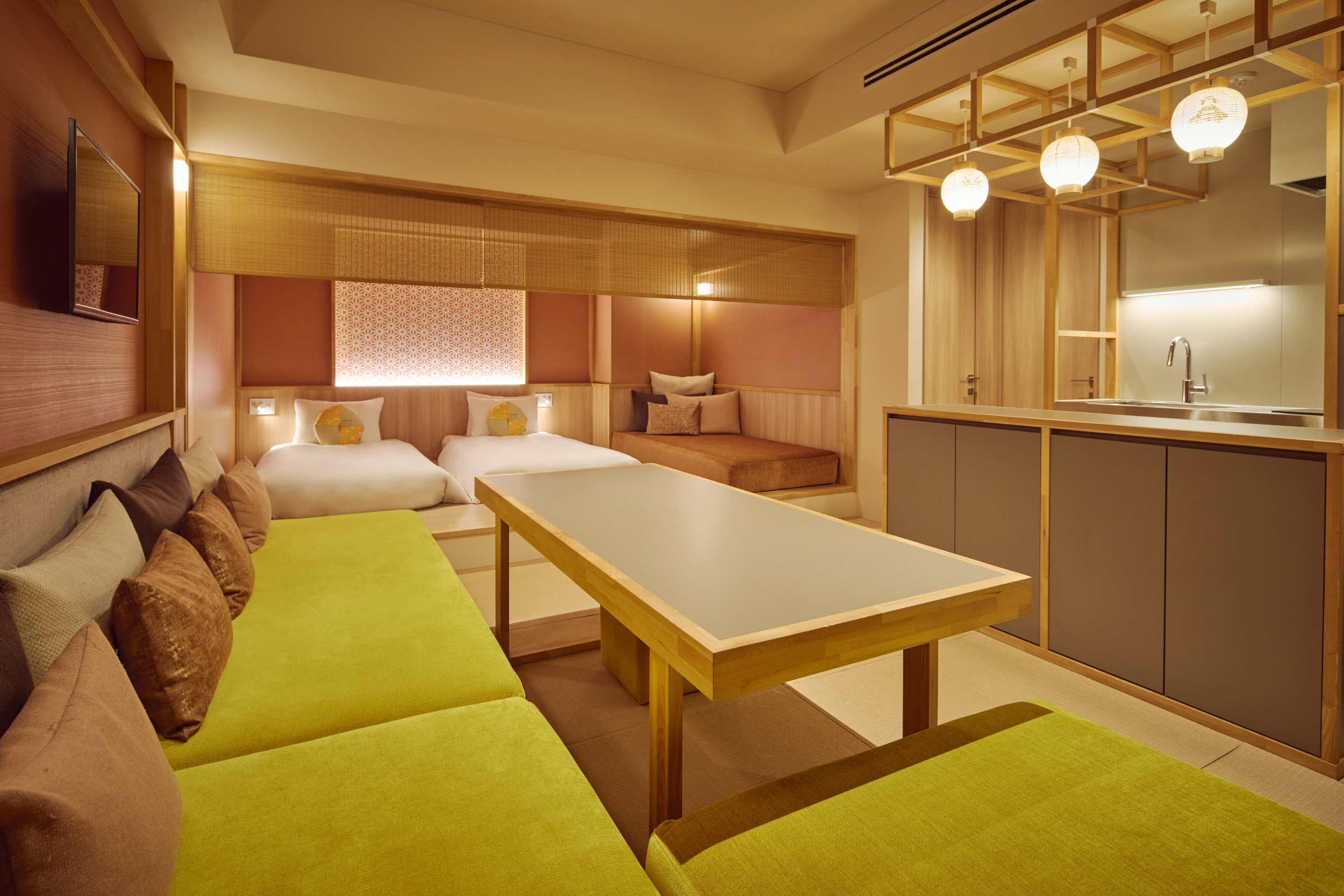
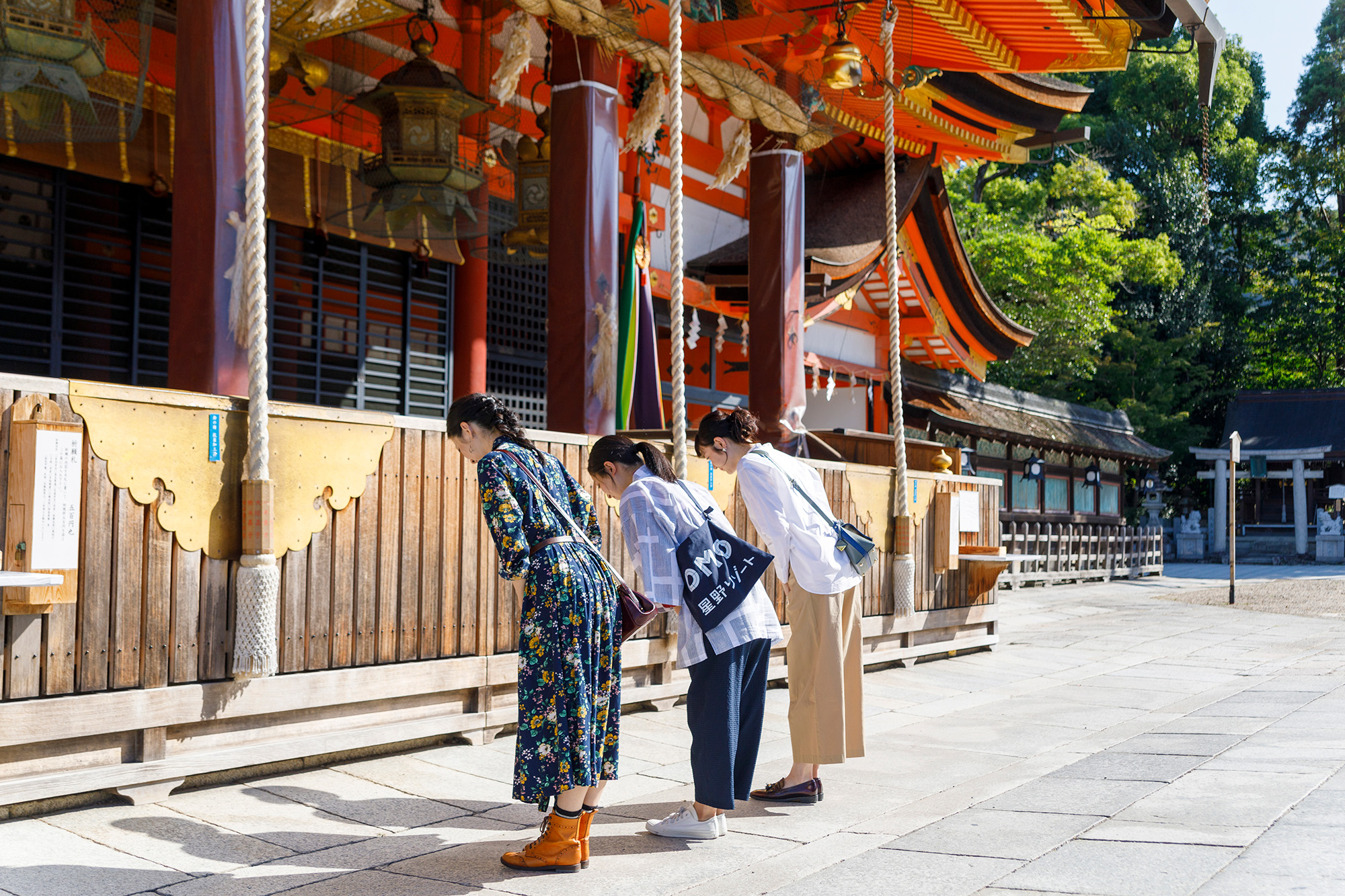

Access Approx. 5-minute walk from Exit 7 of Keihan Main Line Gion-Shijo Station
- Accommodation rate example
- Per person per night From ¥9,500