





Clothes in autumn (9-November) and temperature information of Nikko Kinugawahot spring

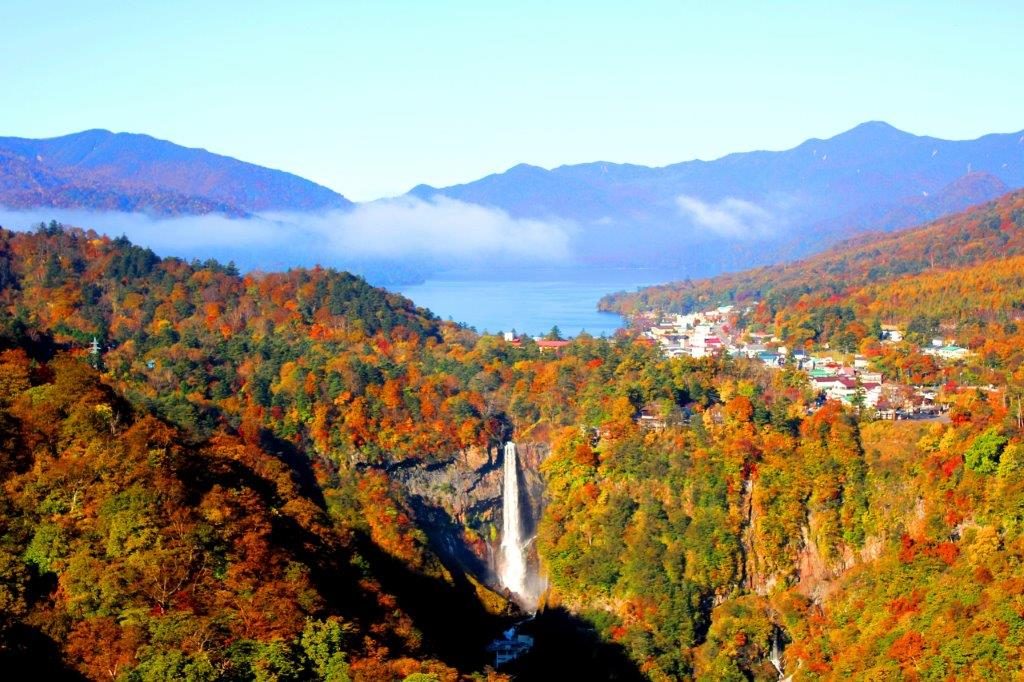
Famous Nikko Kinugawa was an attractive area in each four seasons as a tourist spot, but the difference in the temperature was great in famous "autumn" as a place famous for beautiful colored autumnal leaves, so it was gathered about helpful temperature and clothes.
< clothes in autumn and the temperature>
That Nikko is called "refrigerator in Kanto".
Nikko is about 150 km of distance from Tokyo, but when autumn comes, the temperature difference becomes big.
It's the coolness which is to the extent there is no midsummer beyond 25 ℃ of highest temperature in the inside Nikko with Lake Chuzen-ji and Kegon Fall, especially, so the coldness is proportional to that, and becomes severe in winter. This temperature gap makes the colored leaves more beautiful.
1-March isn't also uncommon to the average temperature's becoming the freezing point.
Therefore it's to the extent it's called "refrigerator in Kanto".
▼ The annual temperature Nikko city and clothes

▼ The annual temperature inside Nikko and clothes

The autumn of Nikko is low about an average of 7 ℃ compared with Tokyo.
The average temperature Nikko is a Nikko town (around Nikko Tosho-gu Shrine) and the inside Nikko (around Lake Chuzen-ji), and different. The average temperature of September in the Nikko town exceeds 20 ℃, but the inside Nikko goes down 10 and November of the next and a Japanese Maple time at the stand 1 digit about 15 ℃.
The inside Nikko will be low about 7 ℃ compared with the average temperature Tokyo.
That a stole, a muffler and gloves have the item I tend to take off, put on and do increases something to put on, and to enjoy special autumnal tints and sightseeing is important.
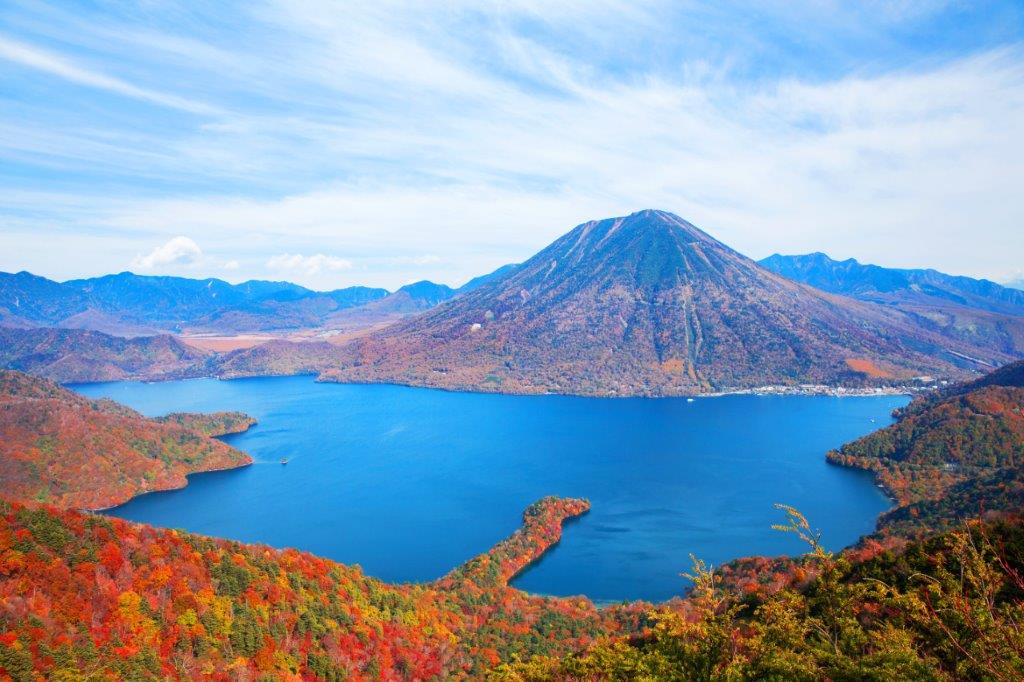
The difference in the temperature by the vertical drop
There is a vertical drop as another feature of the climate of Nikko.
The temperature difference also becomes big because 1,479m and a vertical drop are big for 1,269m and Yumoto hot spring for 530m and Lake Chuzen-ji in a Nikko city. When extending the journey to the inside Nikko and Yumoto hot spring, I'll do a temperature check.
Time of colored leaves is long by the temperature difference, so I pay attention to clothes.
I say that a vertical drop also becomes long time of the best time of colored leaves as the big merit.
It'll be best time around the Lake Chuzen-ji at the beginning of ordinary year October, and the middle of November is best time in a city of altitude 530m.
A vertical drop is regarded as the time to go and the clothes taking arrive tends to have are recommended, but when stoles of a large sheet is also added, various how to use will be done, so it comes in handy.
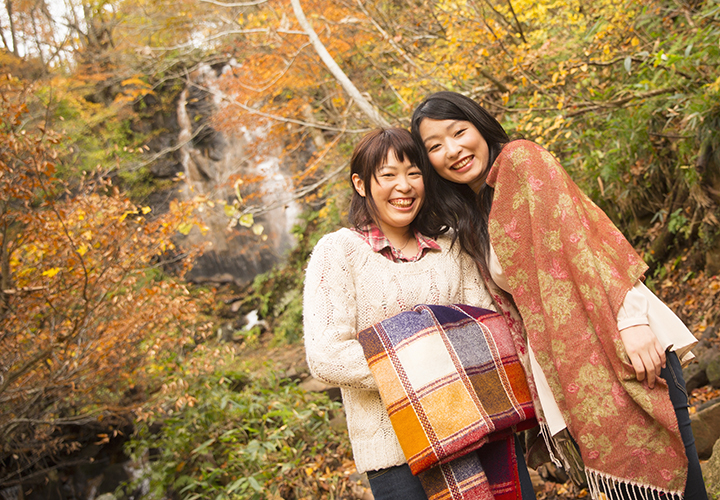
The temperature difference of the Kinugawa area and Tokyo?
KinugawaHot spring Go who has a mountain along a ravine becomes short about an average of 4 ℃ compared with the temperature Tokyo.
Ultraviolet rays are strong from good of the natural environment the daytime in early autumn (September), so a blind is to the extent I want, but as autumn deepens, the temperature difference in the day and night becomes great.
Therefore I'll recommend to put on and take 1 of thing and stoles.
.jpg)

Local Guide which took charge of this article
Hoshino Resorts KAI Kinugawa
Tochigi and Kinugawahot spring
Yunoshuku of sunlight through the leaves of trees where TOCHIGI mingei which pauses in the forest along a Kinugawa valley stream flashes
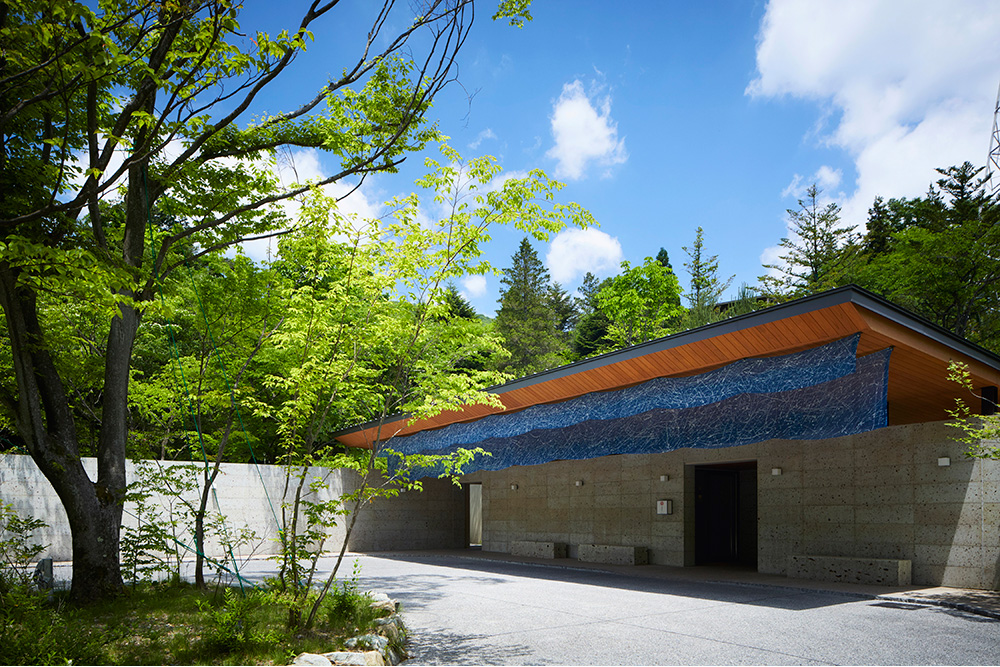
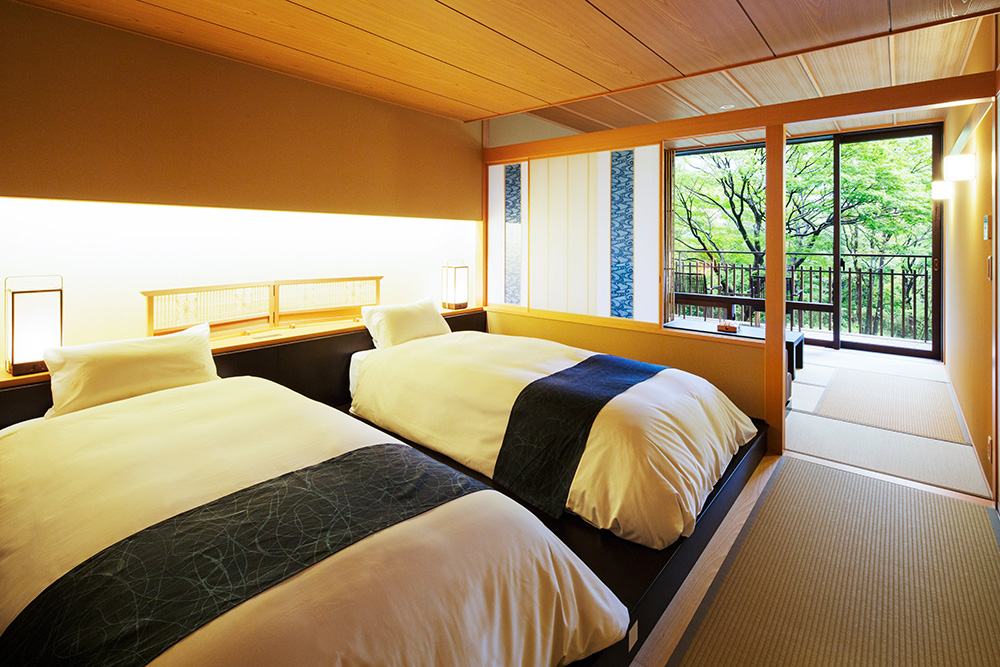
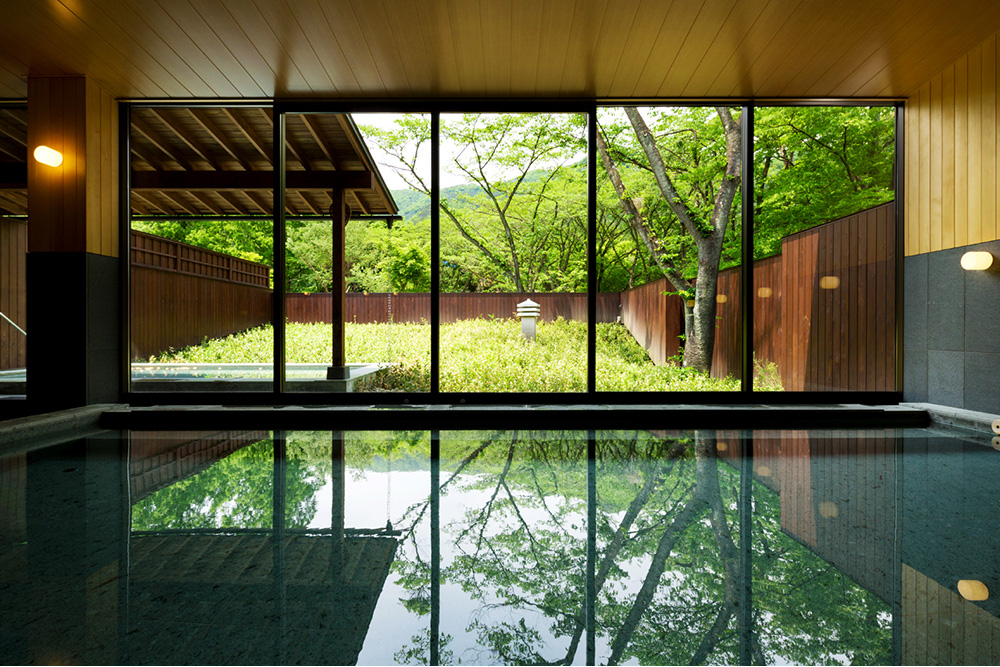
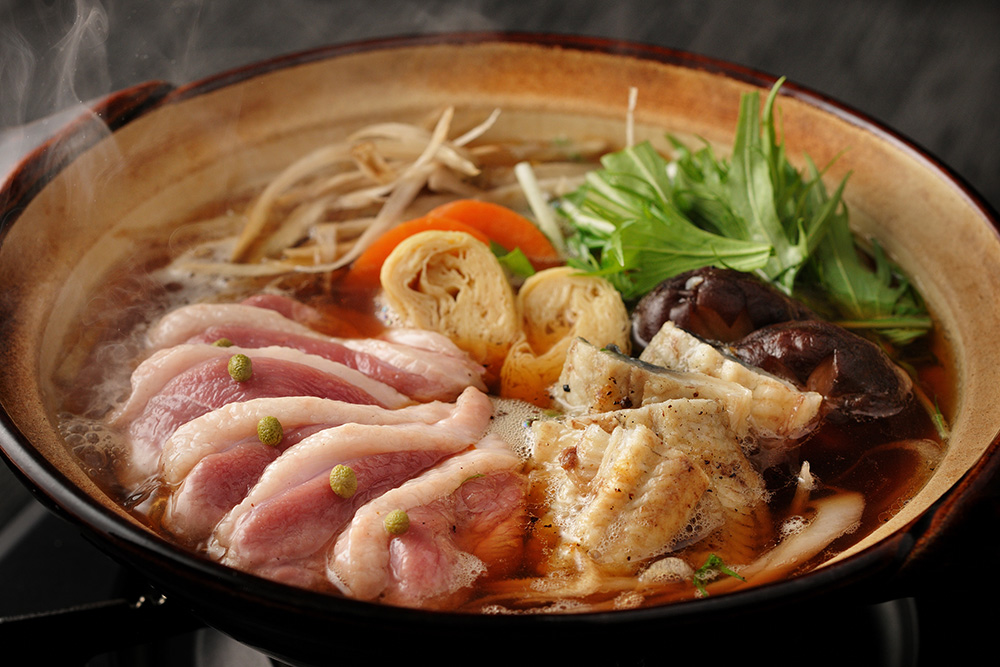
It's a taxi from the Direction Tobu Railway Kinugawahot spring station, about 5 minutes
- A room charge example
- 1 night, 1 person \30,000-