





Autumn (September-November) Clothing and Temperature Information for Nikko and Kinugawa Hot Springs

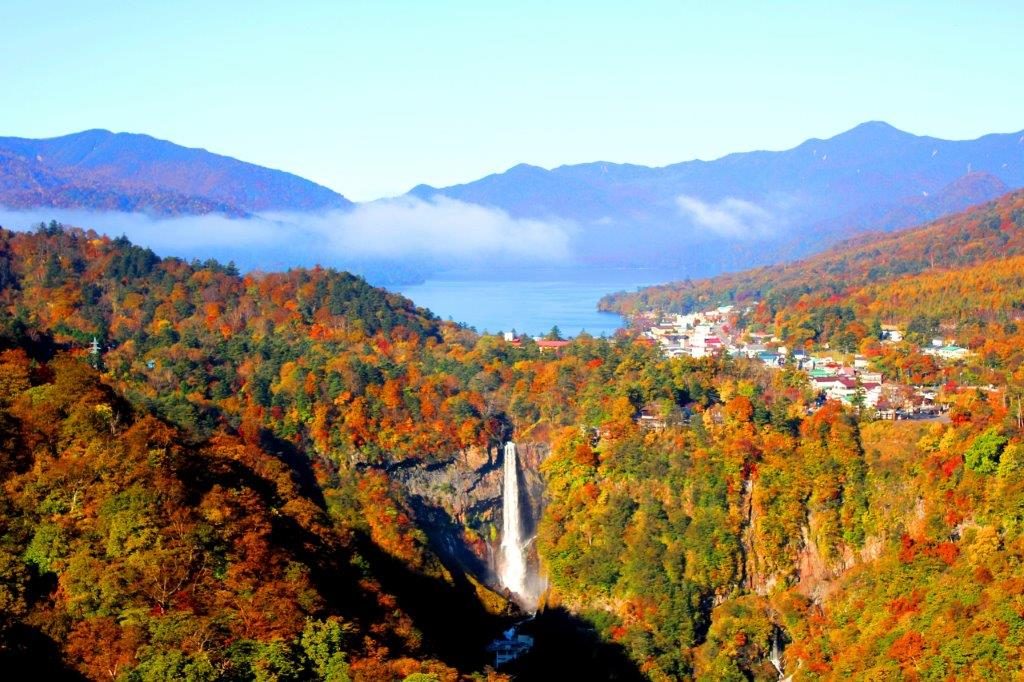
Nikko and Kinugawa, famous as sightseeing spots, are attractive areas in each of the four seasons, but the temperatures and clothing for autumn, which is famous for its autumn foliage, vary greatly, so we have compiled information on temperature and clothing for your reference.
<Autumn clothing and temperature information
Nikko is sometimes referred to as the "refrigerator of the Kanto region
Nikko is about 150 km from Tokyo, but the temperature difference between Nikko and Tokyo is significant in autumn.
In particular, in Oku-Nikko, where Lake Chuzenji and Kegon Falls are located, it is cool enough that the maximum temperature does not exceed 25°C even in mid-summer, and the winter is correspondingly cold. This difference in temperature makes the autumn leaves more beautiful.
It is not unusual for the average temperature to fall below freezing from January to March.
For this reason, Nikko is sometimes referred to as the "refrigerator of the Kanto region.
Annual temperature and clothing in Oku-Nikko
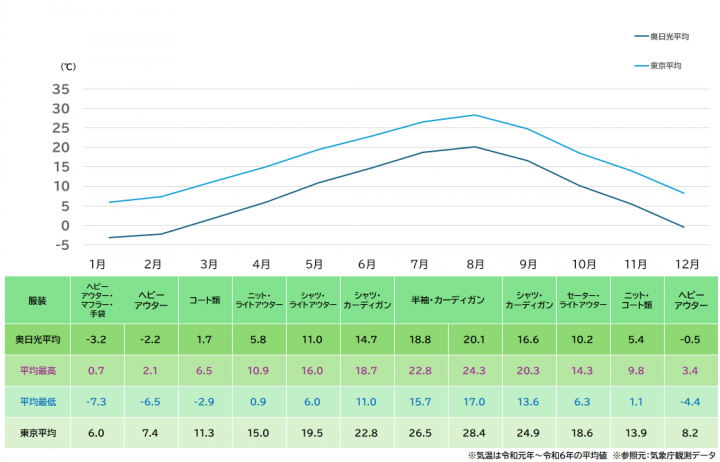
Autumn temperatures in Nikko are about 8°C lower on average than in Tokyo
The average temperature in Oku-Nikko differs from that of Tokyo. While Tokyo’s average temperature in September exceeds 24°C, Oku-Nikko’s is around 16°C, and during the fall foliage season in October and November, it drops to around 5–10°C.
Compared to Tokyo’s average temperature, Oku-Nikko is about 8°C cooler.
To fully enjoy the fall foliage and sightseeing, it’s important to bring extra layers or items that are easy to put on and take off, such as shawls, scarves, and gloves.
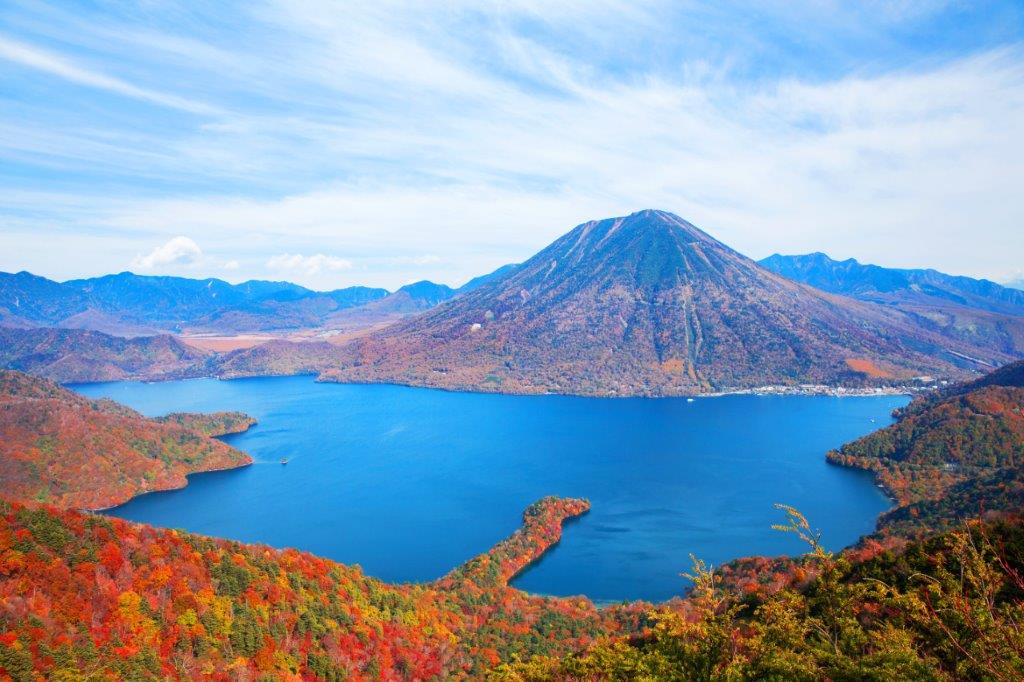
Differences in Temperature Due to Differences in Elevation
Another characteristic of Nikko's climate is the difference in elevation.
The city center of Nikko is 530 meters above sea level, Lake Chuzenji is 1,269 meters above sea level, and Yumoto Hot Spring is 1,479 meters above sea level, resulting in a large difference in temperature. If you plan to visit Oku-Nikko or Yumoto hot springs, be sure to check the temperatures.
Be careful with your clothing as the temperature difference makes for a longer fall foliage season.
One advantage of the large difference in elevation is that the season for viewing autumn foliage is also longer.
Usually, the area around Lake Chuzenji is at its best in early October, while the urban area at 530m elevation is at its best in mid-November.
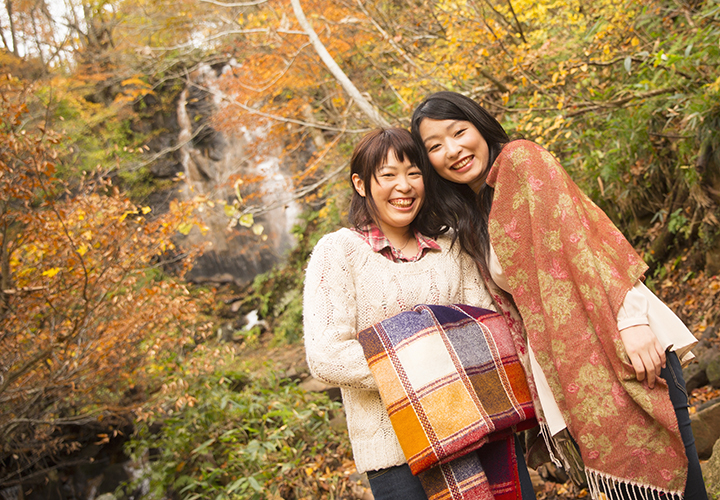
Considering the time of year and the difference in elevation, we recommend wearing clothes that are easy to take off and put on, but adding a large stole is also useful as it can be used in a variety of ways.
What is the temperature difference between the Kinugawa area and Tokyo?
Kinugawa hot spring area, located along a mountain valley, is on average 4°C cooler than Tokyo.
During the daytime in early autumn (September), the natural environment is so good that ultraviolet rays are so strong that you will want a sunshade, but as autumn deepens, the temperature difference between day and night becomes greater.
Therefore, it is recommended to bring a piece of clothing such as a cloak or stole.
.jpg)

Local Guide who was in charge of this article
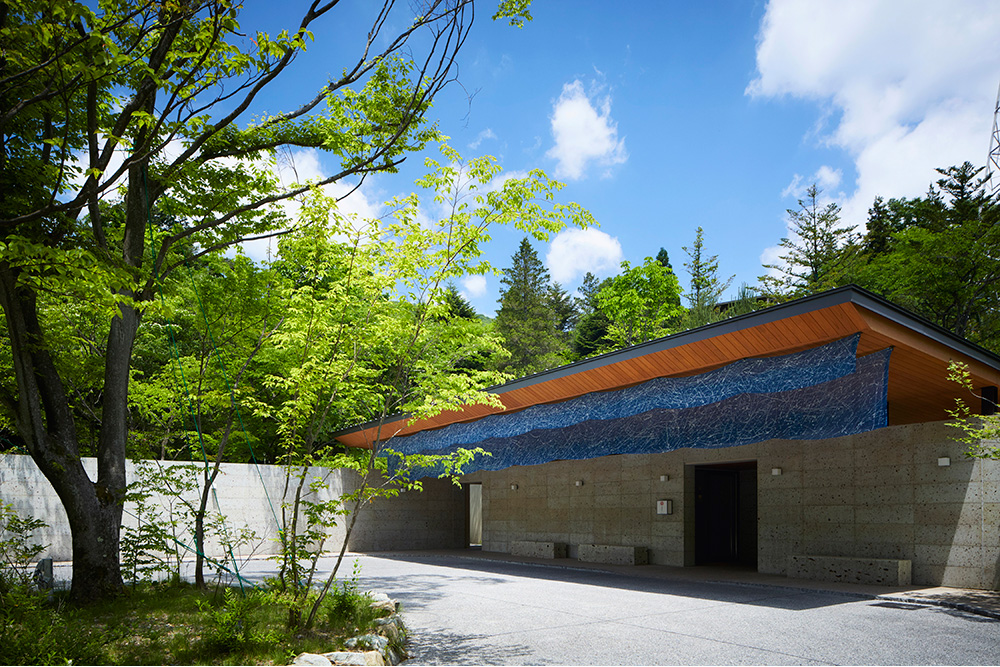
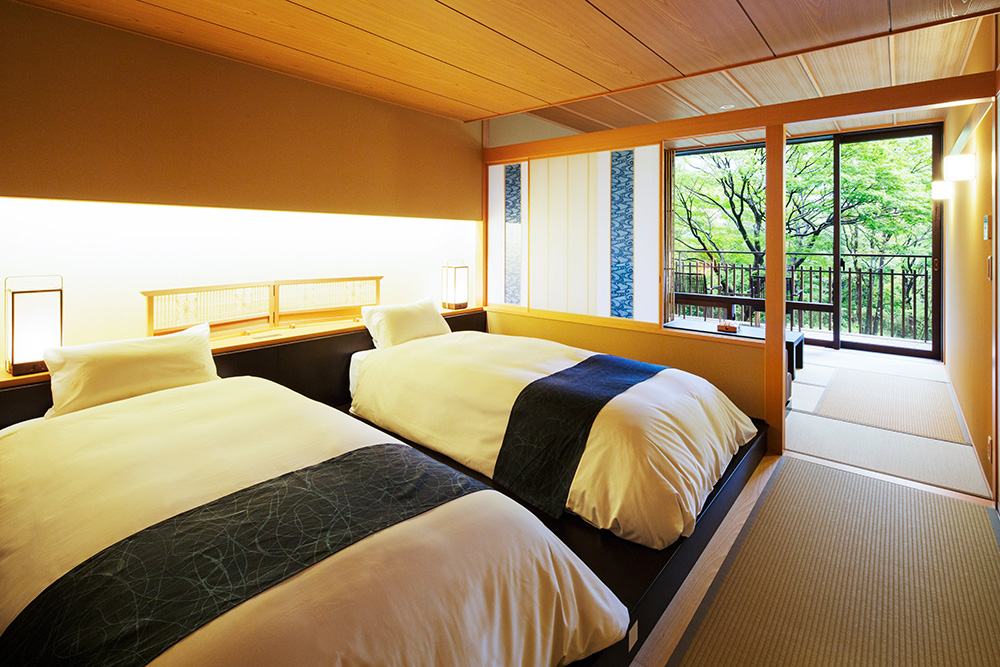
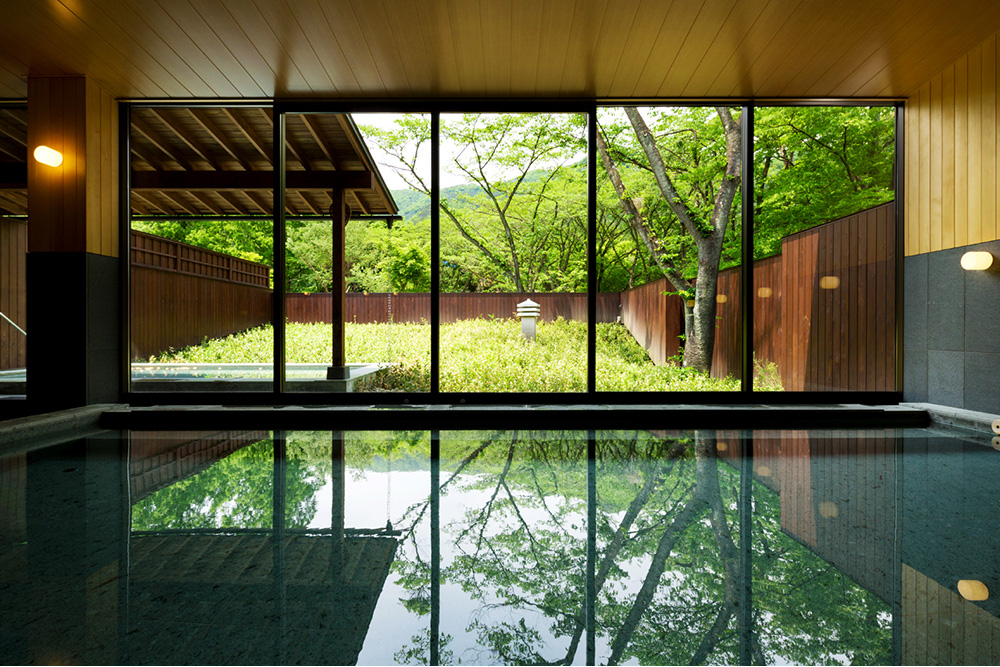
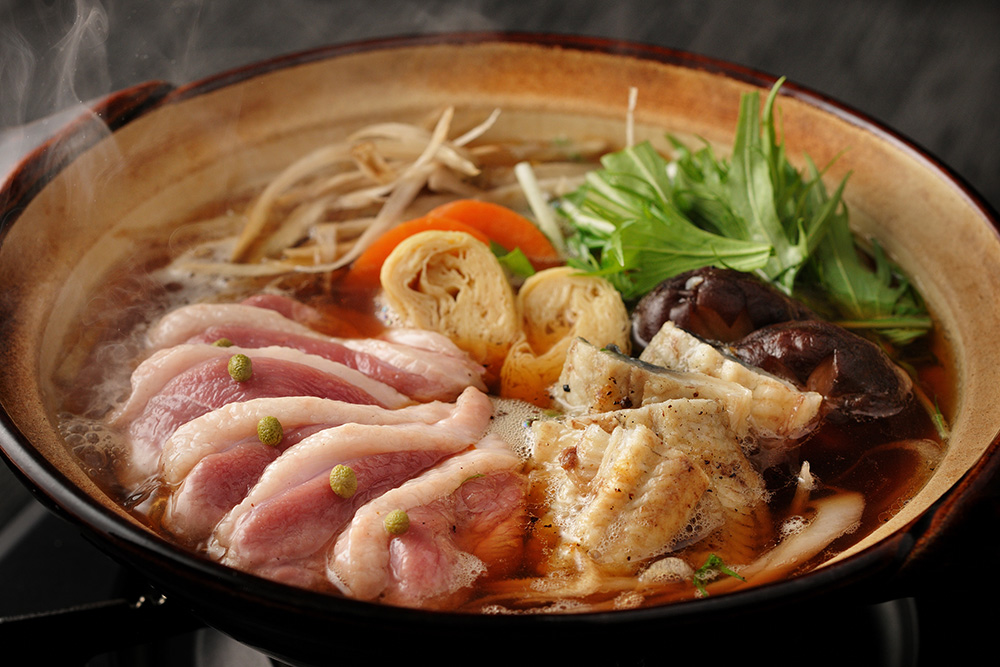
Hoshino Resorts KAI Kinugawa
Kinugawa hot spring, Tochigi
A hot-spring hotel in the forest along the Kinugawa River, where Tochigi folk art shines through the trees
Access by bus 5 minutes by cab from Kinugawa Onsen Station on the Tobu Railway
- Example of Accommodation Rates
- 1 person per night From 30,000 yen