





8 Spots to Experience Kanazawa's Traditional Culture: Wagashi, Gold Leaf, Kaga Yuzen, and More
In the ancient city of Kanazawa, various cultures have been nurtured throughout its long history. From crafts like Kutani ware, Kaga Yuzen, and gold leaf, to traditional gourmet foods like wagashi, and even Noh theater, we introduce experience spots where you can enjoy the castle town of the Kaga Hyakumangoku.
- 1Kanazawa Saryo "Kanazawa-nuri Lacquerware"
- 2Saiji Wagashi Koshiyama Kanseido "Kanazawa Wagashi Handmade Experience"
- 3Kaga Yuzen Maida Sen-ga Kogei "Coloring Experience"
- 4Nakashima Menya "Hachiman Okiagari Painting Experience"
- 5Kutani Kosen Kiln "Painting Experience"
- 6Gold Leaf Sakuda Main Store "Gold Leaf Application Experience"
- 7Kanazawa Noh Museum "Costume Fitting Experience"
- 8Ame no Tawaraya "Candy Packing Experience"
1Kanazawa Saryo "Kanazawa Lacquerware Experience"
Create your own original tableware decorated with Kutani ware and Kanazawa lacquerware
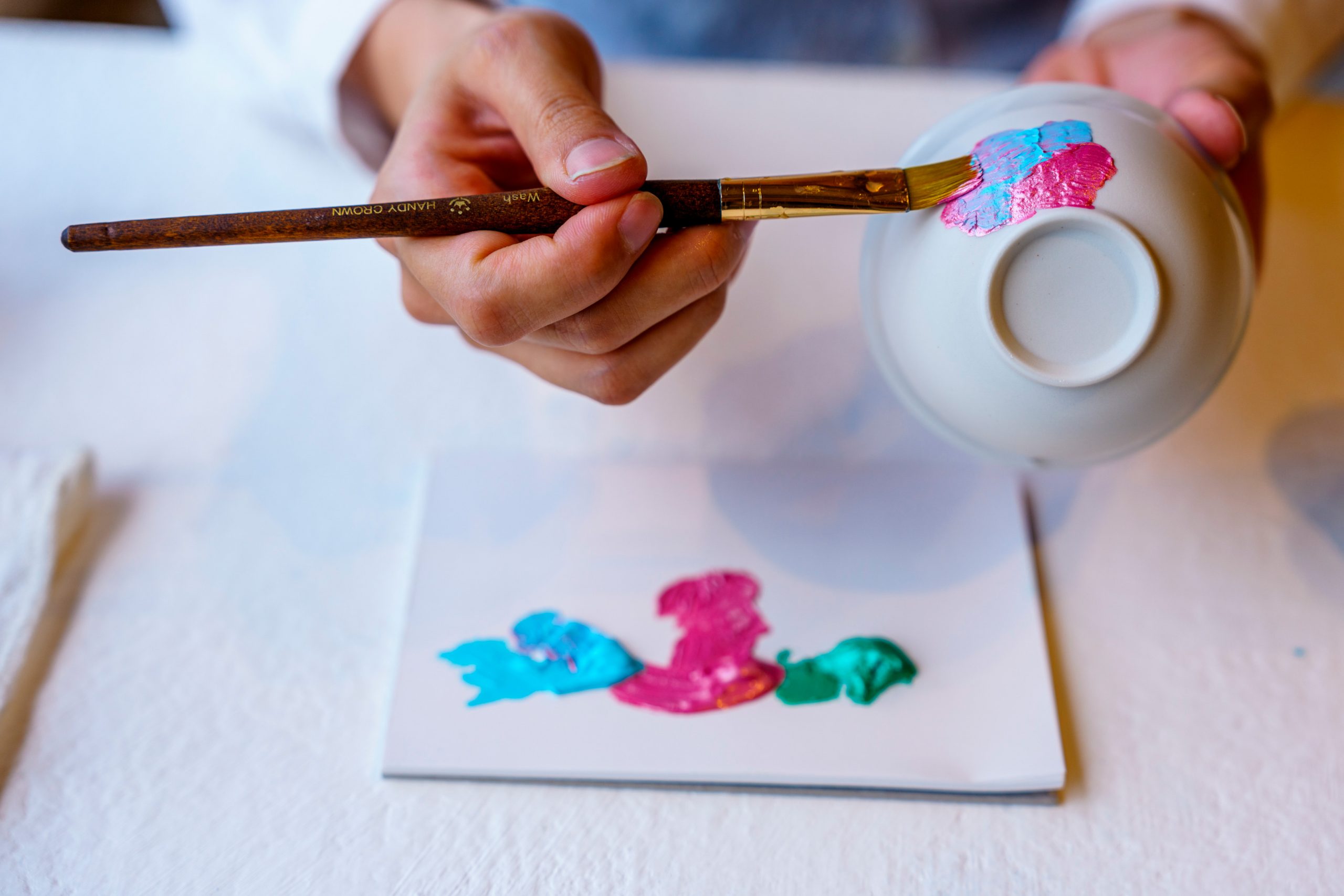
An art cafe where you can experience Kutani ware, a traditional craft representing Ishikawa Prefecture, and "Kanazawa-nuri," which is inspired by lacquerware techniques. Choose your favorite vessel, such as a teacup or sake cup, and create your own unique design by layering three colors chosen from about 20 options. The process of choosing colors while imagining the finished product is fun, and it is interesting how your personality shines through depending on the color combination. A characteristic of Kanazawa-nuri is that after repeating the painting and drying process several times, you sand it down with sandpaper, revealing unexpected expressions of color.
A hands-on cafe in Kanazawa where you can enjoy making pottery and drinking Japanese tea
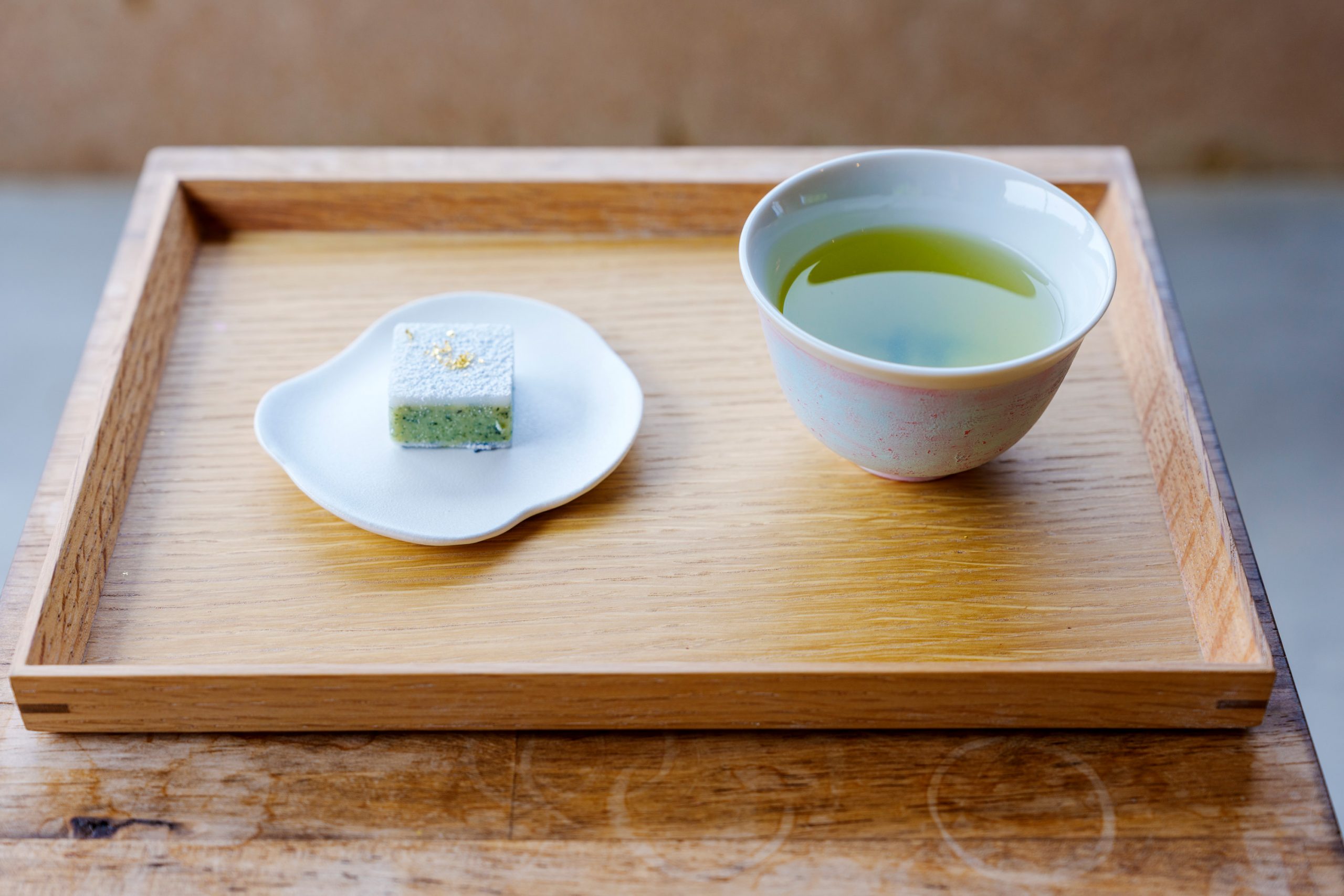
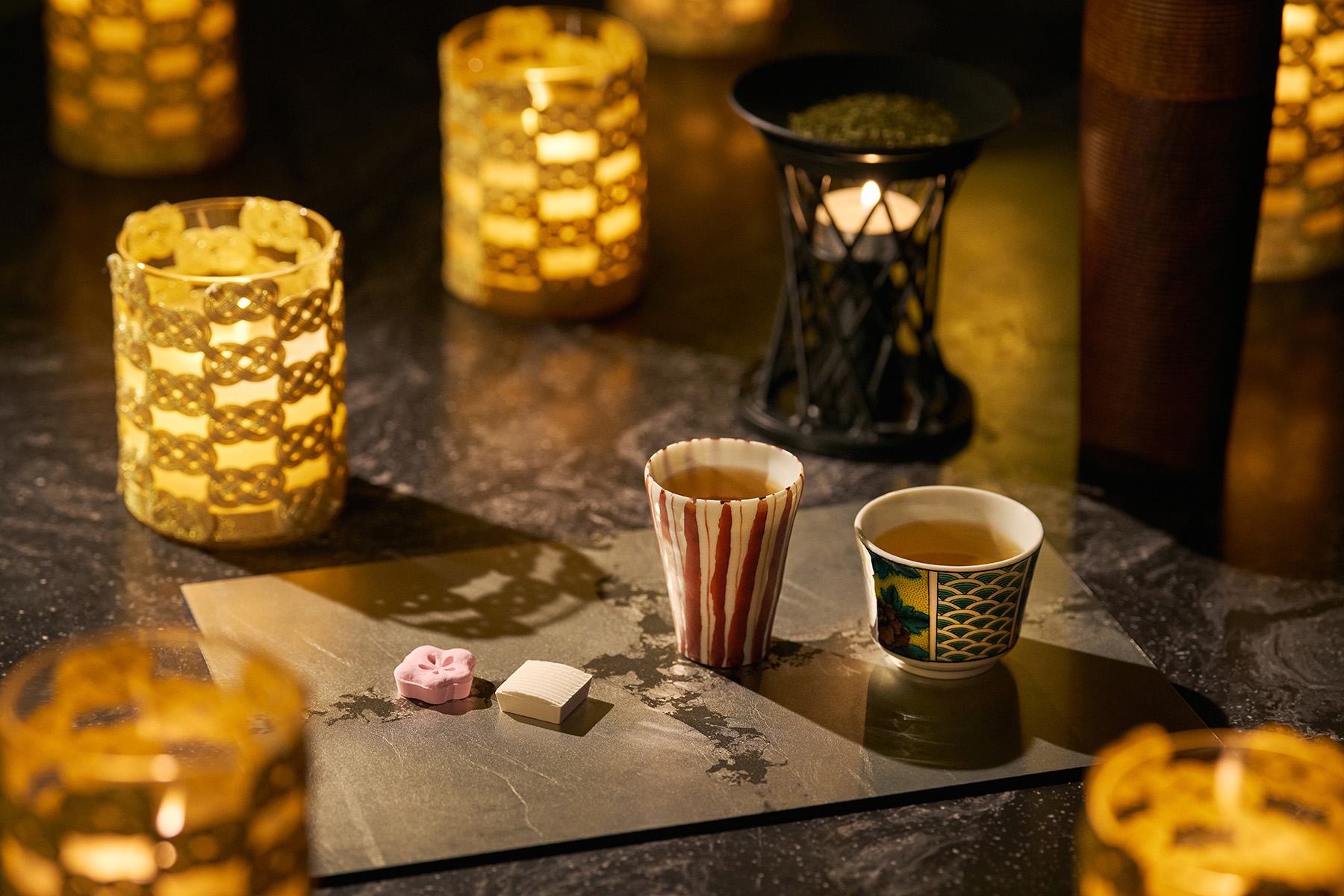
The experience is a 2-hour session, and you can take home the vessel you finished on the day of the experience. After making your vessel, enjoy a blended tea from the Japanese tea brand "shu ha ri" in the attached cafe using the vessel you just finished. The cafe also offers Japanese tea, lattes, and sweets made with tea leaves, allowing you to spend a relaxing time while experiencing traditional culture.

Local
Supporter
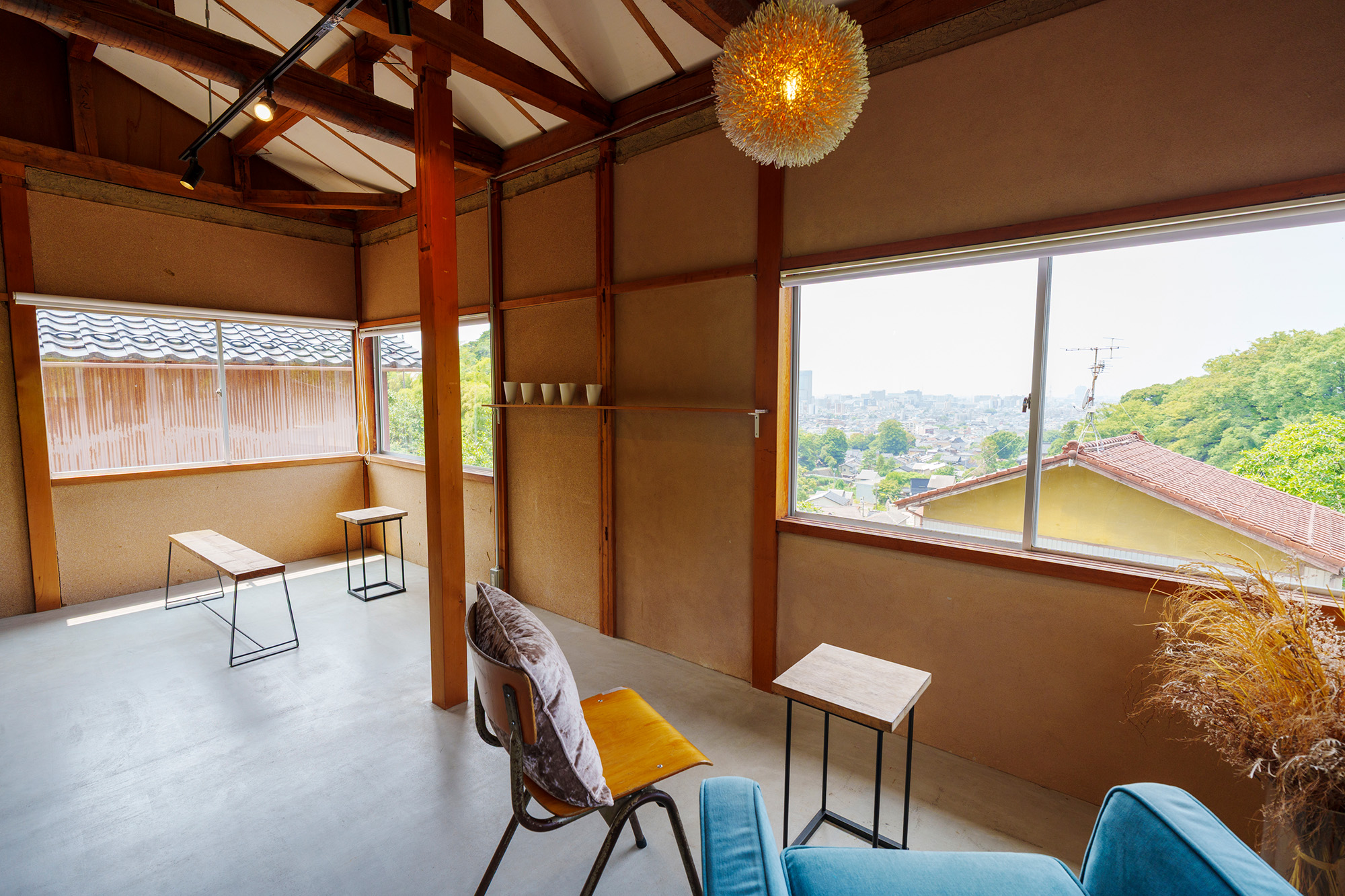
It is also perfect for those who want to enjoy a quintessential Kanazawa experience during their travels. Located on the hillside of Mt. Utatsu, it offers the charm of enjoying tea in a quiet environment overlooking the city of Kanazawa.
- Kanazawa Saryo
-
 16-17 Utatsu-machi, Kanazawa City, Ishikawa Prefecture MAP
 Approx. 15 minutes by taxi from Kanazawa Station
 Take a bus from JR Kanazawa Station, get off at "Hashiba-cho," and walk for about 15 minutes
 10:00–18:00 (L.O. 17:00), Jan–Feb 11:00–16:00 (L.O. 15:00)
Experience times: 3 times a day, 2 hours each starting at 10:00, 13:00, and 16:00 (2 times a day in Jan–Feb, starting at 11:00 and 14:00) Year-end and New Year holidays. Irregular holidays.
 Experience fee 7,700 yen (includes cost of vessel, paint, and tea)
 076-254-6647
 Free (6 spaces)
 Experience is by reservation only
2Saiji Wagashi Koshiyama Kanseido "Kanazawa Wagashi Hand-making Experience"
Authentic Japanese confectionery making taught directly by artisans

A Japanese confectionery shop established in 1888 (Meiji 21) with multiple locations in Kanazawa City.
It offers a "Kanazawa Japanese Confectionery Making Experience" three days a week, taught directly by professional confectioners. It is popular with tourists as they can learn to make authentic Japanese sweets at a long-established shop in the ancient capital of Kanazawa. You can make two types of seasonal jo-namagashi (high-quality fresh sweets), two of each, and enjoy a professional-like experience by learning how to wrap bean paste in nerikiri dough, how to create piped patterns, and how to use specialized tools to shape flower petals. The motifs for the sweets change with the seasons, such as cherry blossoms in spring, hydrangeas in summer, and maple leaves in autumn. The beauty of their colors is also highly acclaimed.
Enjoy shopping and Japanese sweets after your experience
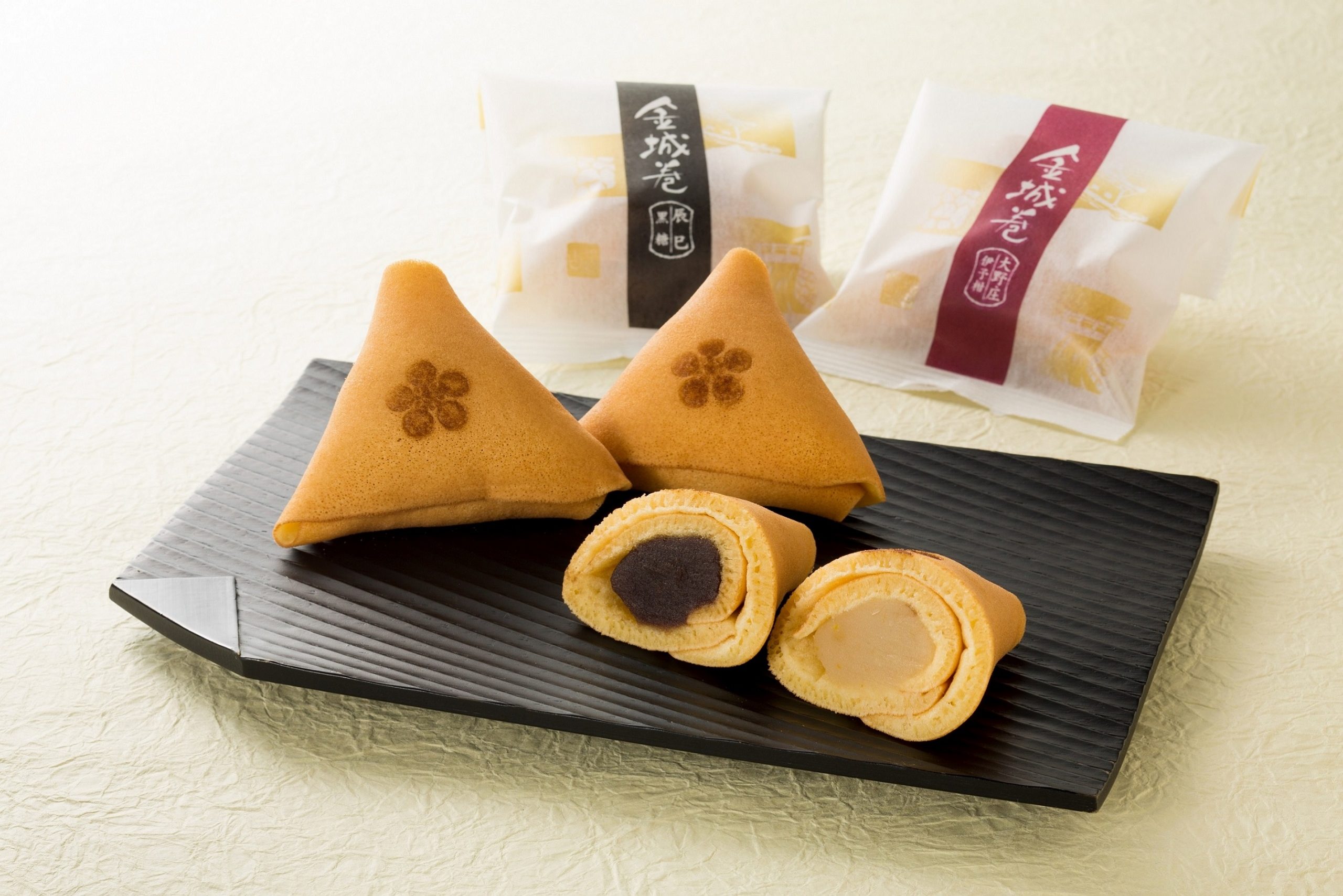
The shop offers Japanese sweets based on Kanazawa's culture and customs. A specialty is the "Kinjo-maki," inspired by the castle tower of Kanazawa Castle and a samurai helmet. It consists of bean paste wrapped in a fluffy dough, and comes in flavors such as "brown sugar bean paste" and "Iyokan citrus bean paste." Creative sweets using local ingredients and Western materials are also recommended, including Habutae mochi kneaded with "Kaga lotus root" and bell-shaped monaka that are cute to look at.
Local
Supporter
At the adjacent cafe, "CAFE Kan," you can enjoy creative Japanese sweets, making it a recommended spot for a break after your experience.
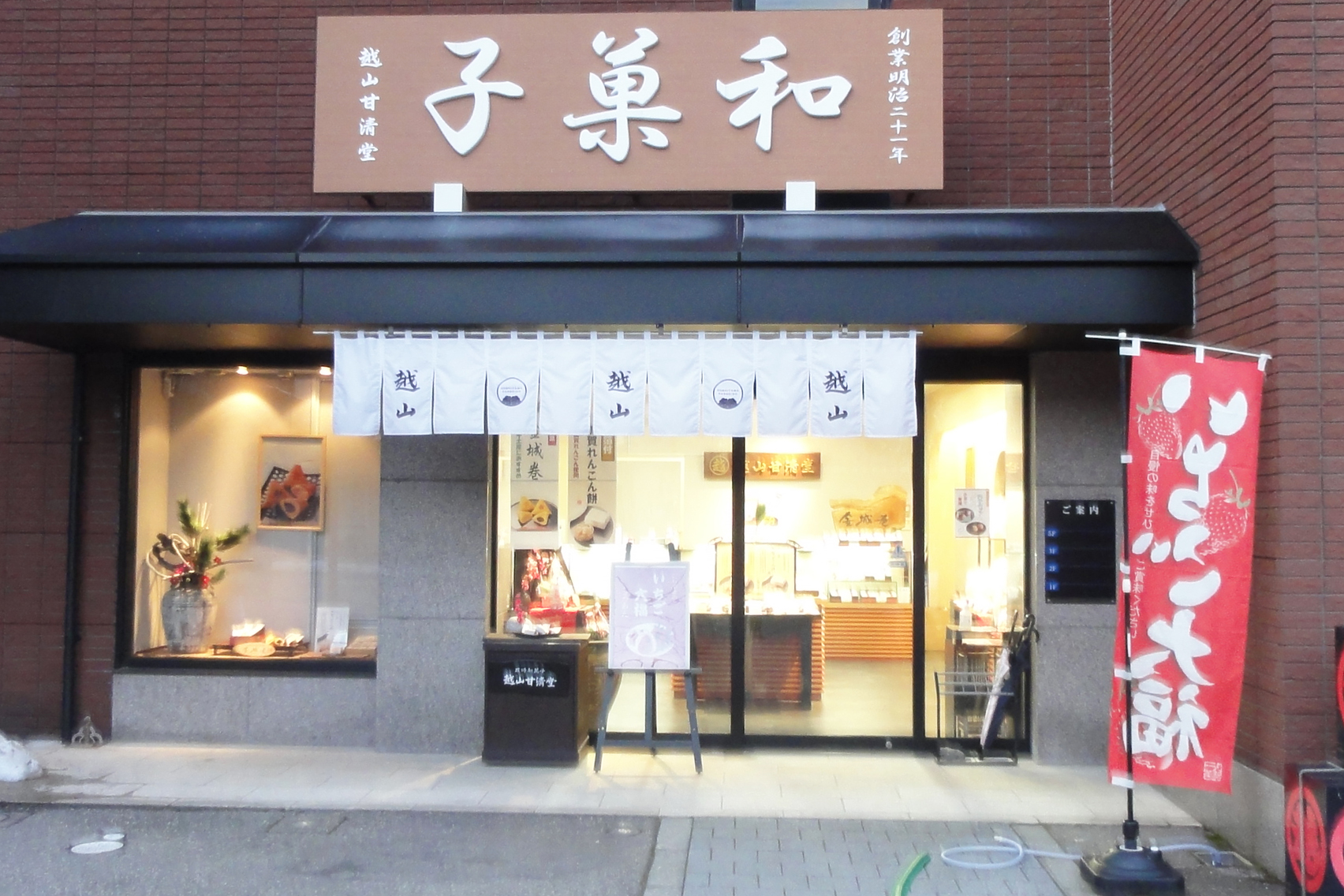
- Saiji Wagashi Koshiyama Kanseido
-
- 2-11-28 Owari-cho, Kanazawa City, Ishikawa Prefecture MAP
- Approx. 5 minutes by Hokutetsu Bus "Kanazawa Loop Bus" (Left Loop) from JR Kanazawa Station East Exit, get off at "Owari-cho" and walk approx. 1 minute
- 9:00–17:30, Handmade Wagashi Experience Mon, Thu, Sat 13:30–, 15:00–
- Wednesdays (open if it is a public holiday)
- Handmade Wagashi Experience: 1,800 yen for junior high school students and older, 1,700 yen for ages 10–12
- 076-221-0336
- Free
- Reservations for the handmade Japanese sweets experience are required at least 2 days in advance. For groups of 5 or more, sessions can be held on days other than the scheduled days.
3Kaga Yuzen Maida Senga Kogei "Coloring Experience"
Japanese-modern accessories made with Kaga Yuzen silk
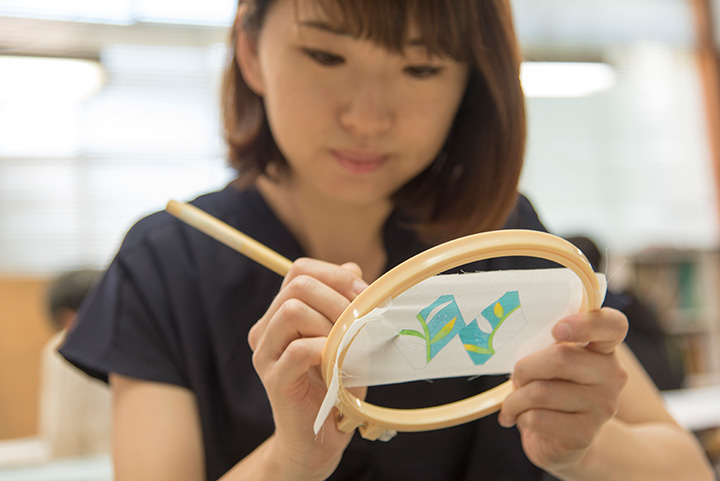
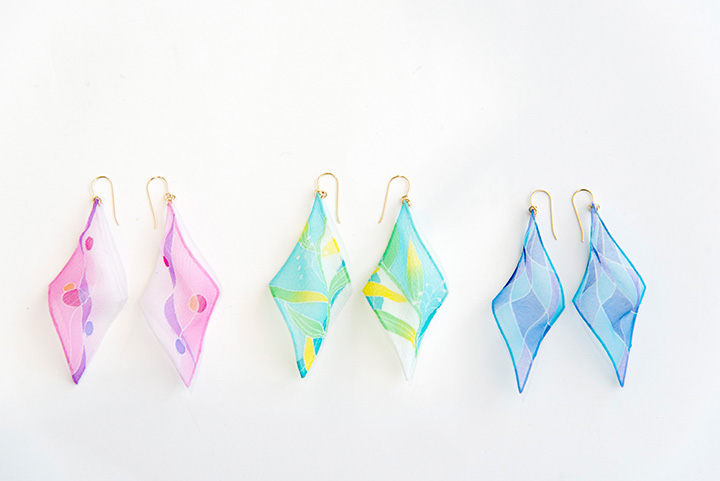
Kaga Yuzen has a 400-year tradition and is characterized by elegant patterns featuring motifs from nature and the classics. At this studio, which has been in business for three generations, you can observe the production process and try your hand at "coloring." The experience options include coloring a small wrapping cloth (furoshiki) or a simple brush-painting experience for those who just want to get a feel for it. Earrings and pierced earrings are popular among women; you can choose from three designs and color within the outlines of the paste. The trick to a good finish is to layer the colors little by little, starting with the lighter ones. Adding shading makes it look even more like authentic Kaga Yuzen. About four weeks after coloring, the finished product will be sent to your home.
A precious workshop where you can see the artisan's skills up close
The master of the studio is a famous Kaga Yuzen artist and a leading figure who also serves as the representative director of the Kaga Yuzen Cultural Association. Everything from the design to the final finish is done in-house, and the studio is well-regarded for works that blend traditional beauty with modern sensibilities. The experience takes place in the workshop where artisans color fabrics right next to you. You can see up close how white fabric is vividly dyed through their expert techniques.
Local
Supporter
The attached showroom displays some of the works and also sells small items that are easy to incorporate into daily life, such as stoles, accessories, and card cases, as well as "Somegaku" (dyed art in frames) and "GlassYuzen," which fuses Yuzen with glass.
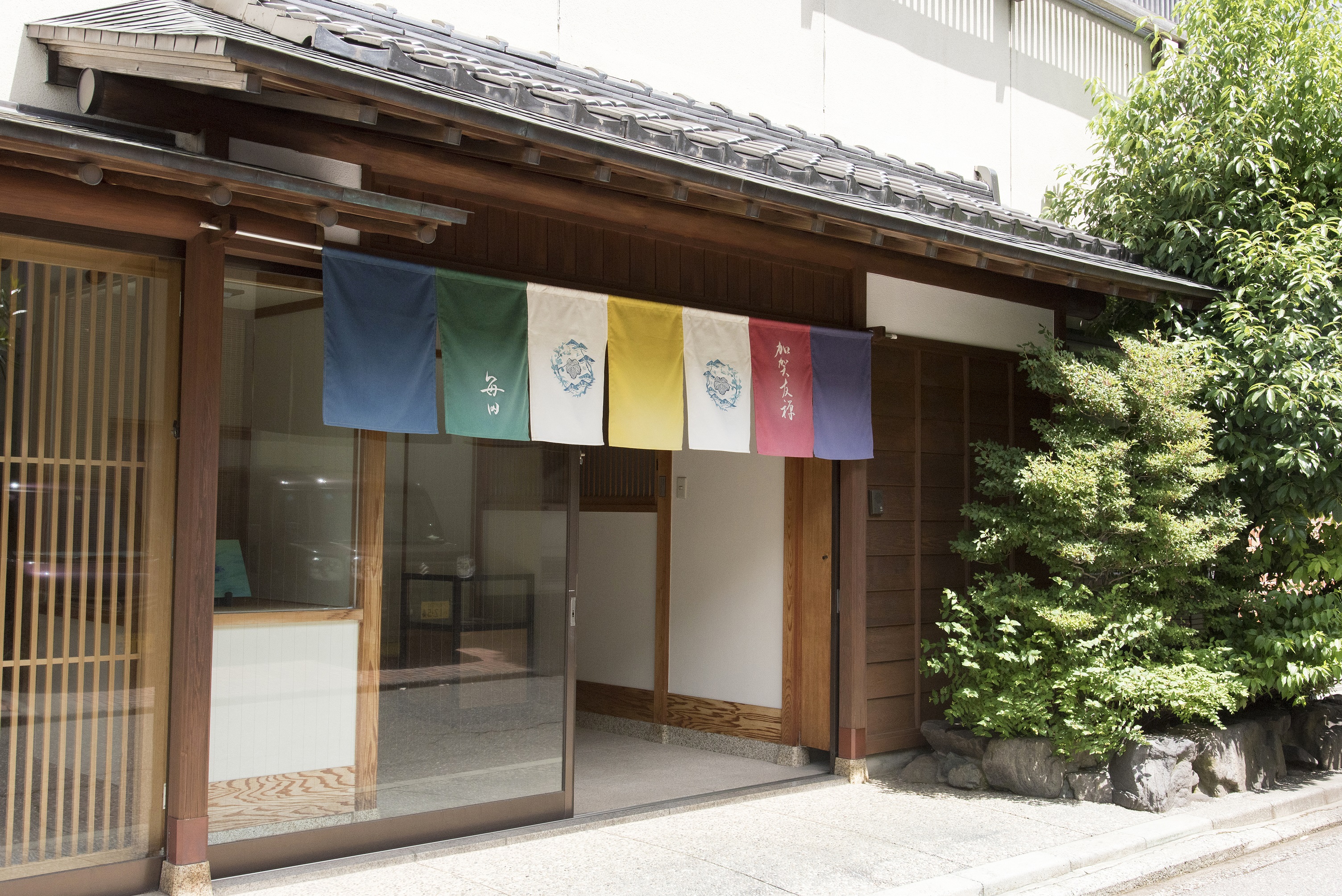
- Kaga Yuzen Maida Senga Kogei
-
- 3-9-19 Hondamachi, Kanazawa City, Ishikawa Prefecture MAP
- From JR Kanazawa Station East Exit, take the Hokutetsu Bus "Kanazawa Loop Bus" (Right Loop or East Loop) for about 19 minutes, and get off at "Hondamachi," then walk for about 4 minutes.
- 9:00–17:00; Coloring experience 10:00–16:00 (last entry)
- Irregular holidays on Saturdays, Sundays, and national holidays
- Coloring experience: Earrings 8,800 yen (shipping 1,000 yen extra), small furoshiki 15,000 yen, brush painting experience & tour from 15,000 yen
- 076-221-3365
- Free
- Reservations for coloring experiences and tours are required at least 2 business days in advance; accepted for 2 or more people; elementary school students and younger must be accompanied by a guardian.
4Nakashima Menya "Yawata Okiagari Painting Experience"
Design your own traditional Kaga dolls
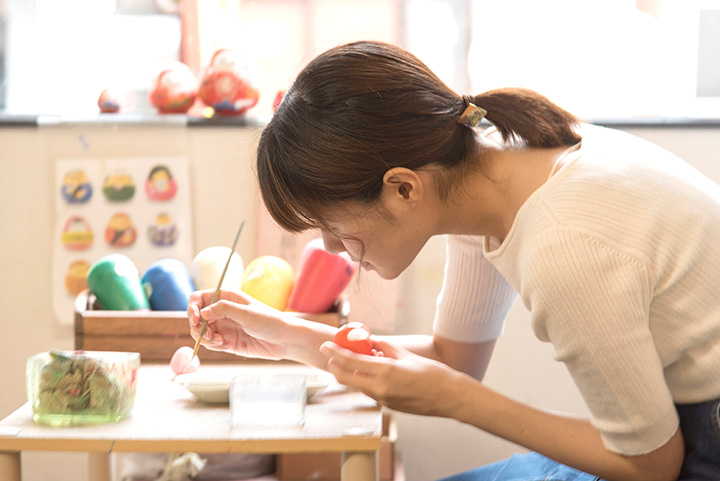
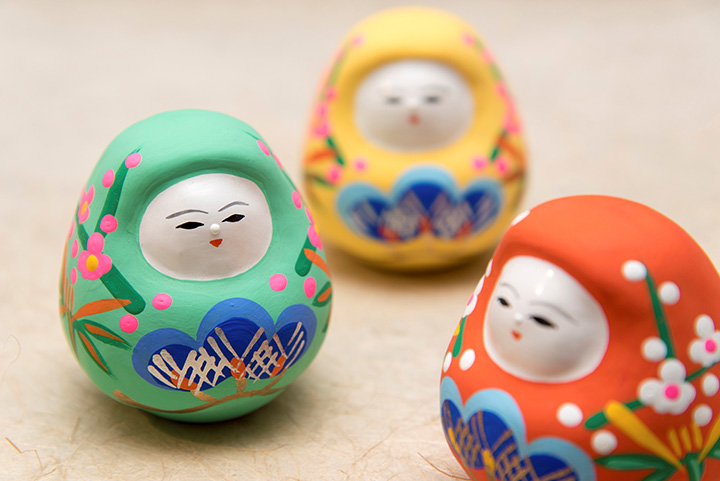
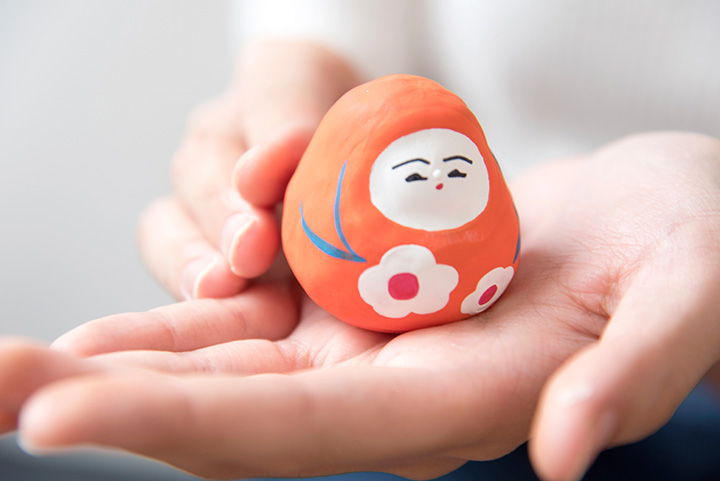
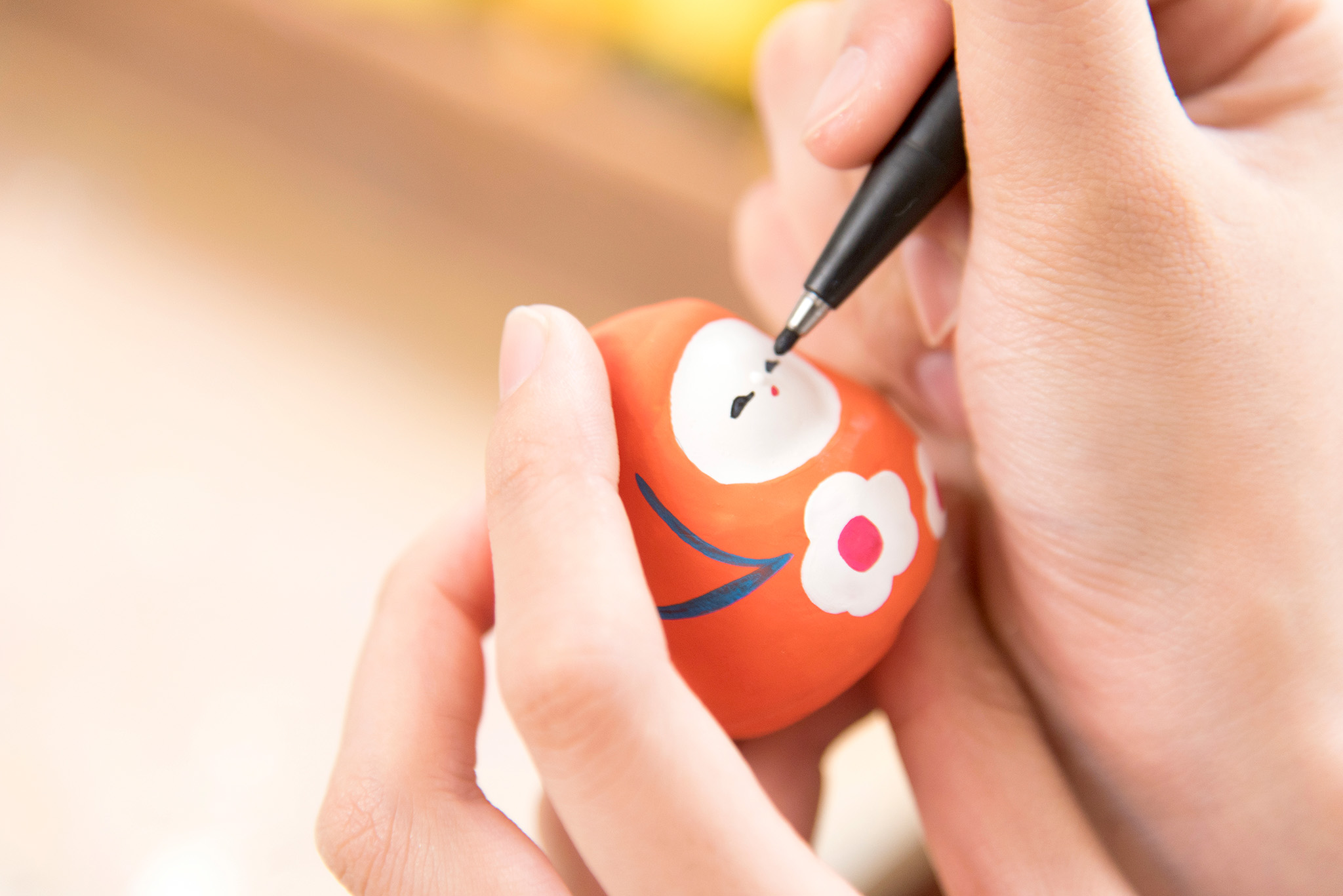
A long-established Kaga doll shop founded in 1862 (Bunkyu 2). Its signature product, the "Kaga Yawata Okiagari," is a roly-poly doll featuring pine, bamboo, and plum patterns on a vermilion background, and is popular for its adorable appearance. In addition to buying them as souvenirs, you can also try painting them. The palm-sized No. 3 doll is an easy version that comes with the vermilion base already painted. The slightly larger No. 4 size is unpainted, allowing you to freely color it from the base, including colors like pink, yellow, or striped patterns. For both, the faces and patterns depend on the creator's sense of style. You can enjoy making it your own, such as by making it resemble your own face or styling it like a popular character.
Figurines to celebrate milestones in a woman's life, such as births and seasonal festivals
"Nakashima Menya" is a shop that originally made theatrical props, focusing on dance masks. As a result, the store is lined with items that utilize mask-making techniques, such as papier-mâché.
One of these, the "Kaga Yawata Okiagari," is said to have originated from a model of the red swaddling clothes worn by Emperor Ojin, the deity of Yawata Shrine, at his birth. Today, it has become a classic Kanazawa gift given to celebrate the birth of a girl or for her first seasonal festival. Because it stands back up when tipped over, it is also given as a get-well gift for illness or misfortune.
Local
Supporter
There is a story that if you keep a "Kaga Hachiman Okiagari" in your chest of drawers, your clothes for women and children will increase, so it is also popular as a wedding gift or as part of a bridal trousseau.
- Nakashima Menya
-
- Omicho Ichibakan Basement, 88 Aokusamachi, Kanazawa City, Ishikawa Prefecture MAP
- From JR Kanazawa Station East Exit, take the Hokutetsu Bus "Kanazawa Loop Bus" (Left Loop) for about 5 minutes, and get off at "Musashigatsuji/Omicho Market (in front of Ichibakan)."
- 9:00–17:30, painting experience 10:00–16:00 (last admission)
- Tuesdays (open if a public holiday)
- Painting experience 1,100 yen
- 076-232-1818
- None
- Please check the official website for details on the painting experience
5Kutani Kosen Kiln "Painting Experience"
Experience painting Kutani ware, a representative Kaga traditional craft
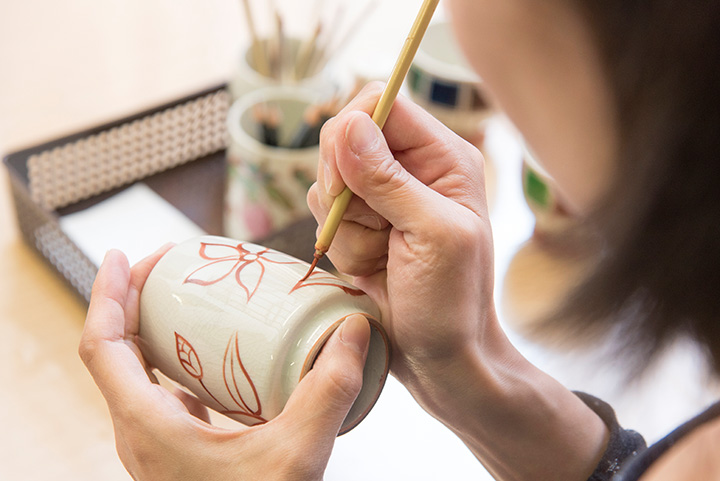
Founded in 1870 (Meiji 3), this is the only Kutani ware kiln in Kanazawa City.
In the "painting experience," you can try "line drawing," which is the final step in making Kutani ware. You draw outlines of patterns on a white ceramic base using Japanese paints. You can choose from 10 to 15 types of bases at any time, such as teacups, mugs, rice bowls, and flat plates. You can use samples as a guide or design your own patterns freely. Since you can make a draft with a pencil, even beginners can feel at ease.
The coloring is left to the craftsmen, as it requires skill to apply the paint and achieve the desired colors. Once you have chosen your colors, the experience is complete. The finished product will be delivered to your home in about two months.
Take home your original Kutani ware as a souvenir
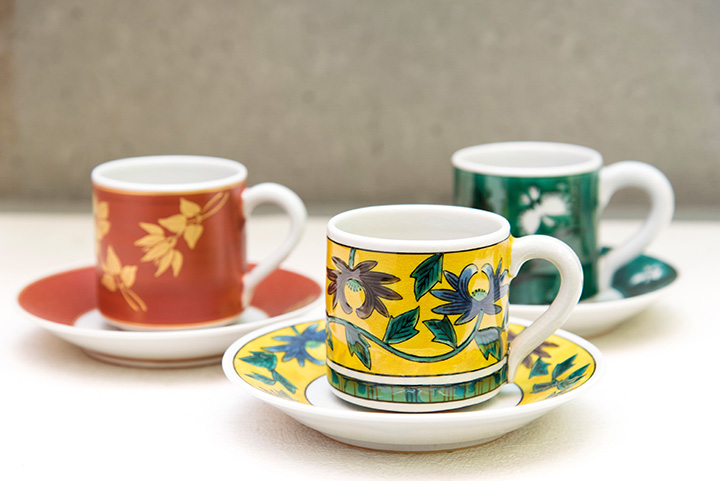
This studio is rare for Kutani ware in that it performs all operations in-house, from forming on the potter's wheel to overglaze painting. Before the experience, you can tour the studio and receive a guided introduction to the characteristics of various traditional Kutani ware pieces while admiring them.
Local
Supporter
The attached shop features a lineup of the company's own products. The gorgeous items decorated with the five Kutani colors are perfect as souvenirs from Kanazawa. You can purchase sets of ochoko (sake cups) or coffee cups featuring five traditional Kutani patterns for around 20,000 yen each.
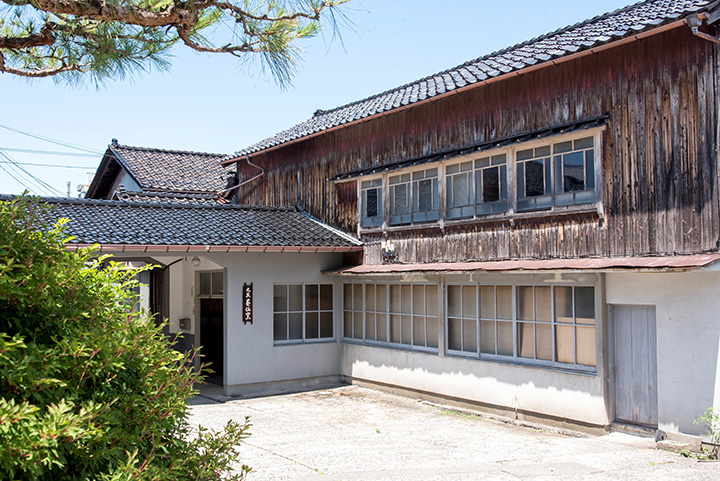
- Kutani Kosen Gama
-
- 5-3-3 Nomachi, Kanazawa City, Ishikawa Prefecture MAP
- Approx. 2-minute walk from Nomachi Station on the Hokuriku Railroad Ishikawa Line
- 9:00–17:00, painting experience until 15:30 (last admission)
- January 1st
- Painting experience 2,200–7,700 yen (shipping not included)
- 076-241-0902
- Free
- Reservations are required for the painting experience; workshop tours may not be available depending on the artisan's work schedule.
6Gold Leaf Sakuda Main Store "Gold Leaf Application Experience"
Create a gorgeous memento with gold leaf craft

A long-established gold leaf shop with multiple locations in Kanazawa. At the main store, you can enjoy a "gold leaf application experience." First, select an item such as chopsticks, a compact mirror, or a small box. Then, apply masking tape with a pattern cut out using a template, and gently cover it with gold leaf. The gold leaf is 1/10,000th of a millimeter thick, so thin that light can pass through it. When you slowly peel off the masking tape, the pattern appears beautifully. There is a wide variety of patterns, including rabbits, cherry blossoms, and Kenrokuen-style stone lanterns. You can arrange them in various ways depending on your ideas, such as by combining two or more types or by being creative with the placement.
Items made with high-quality gold leaf, with cosmetics being popular among women
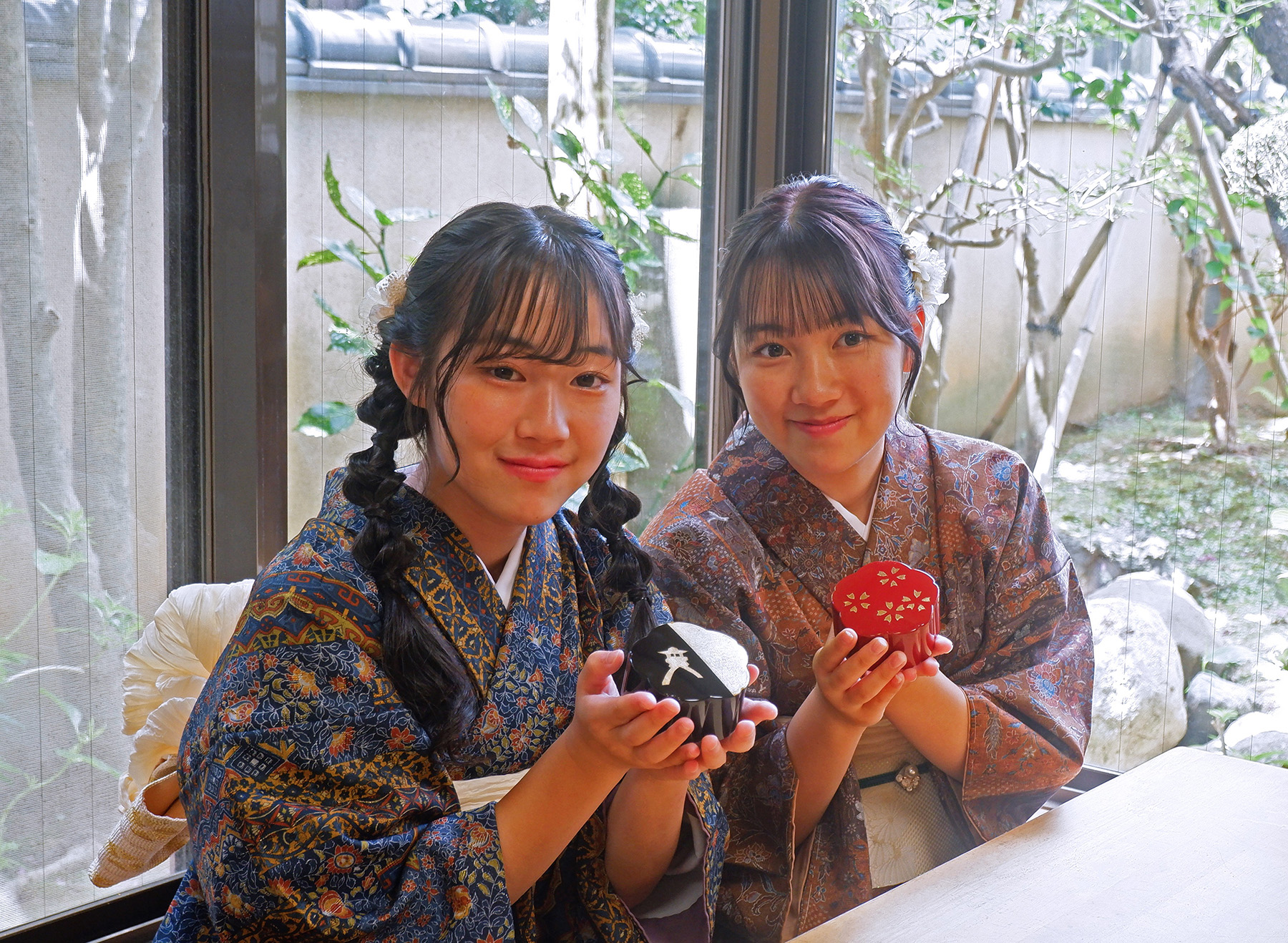
Kanazawa is known as the city of gold leaf. Among the shops there, this one, founded in 1919 (Taisho 8), has a reputation for its fine and beautiful gold leaf. The shop is lined with various gold leaf products, including crafts combined with Wajima lacquerware and Kutani ware. For women, the "oil-blotting paper made with the gold leaf beating method," which was born from the technique of beating and stretching gold leaf, is popular.
Local
Supporter
There is also a wide variety of original gold leaf cosmetic series called "Bireihi," which includes lotions, top coats for nails, bath salts, and even facial masks using 24k gold leaf.
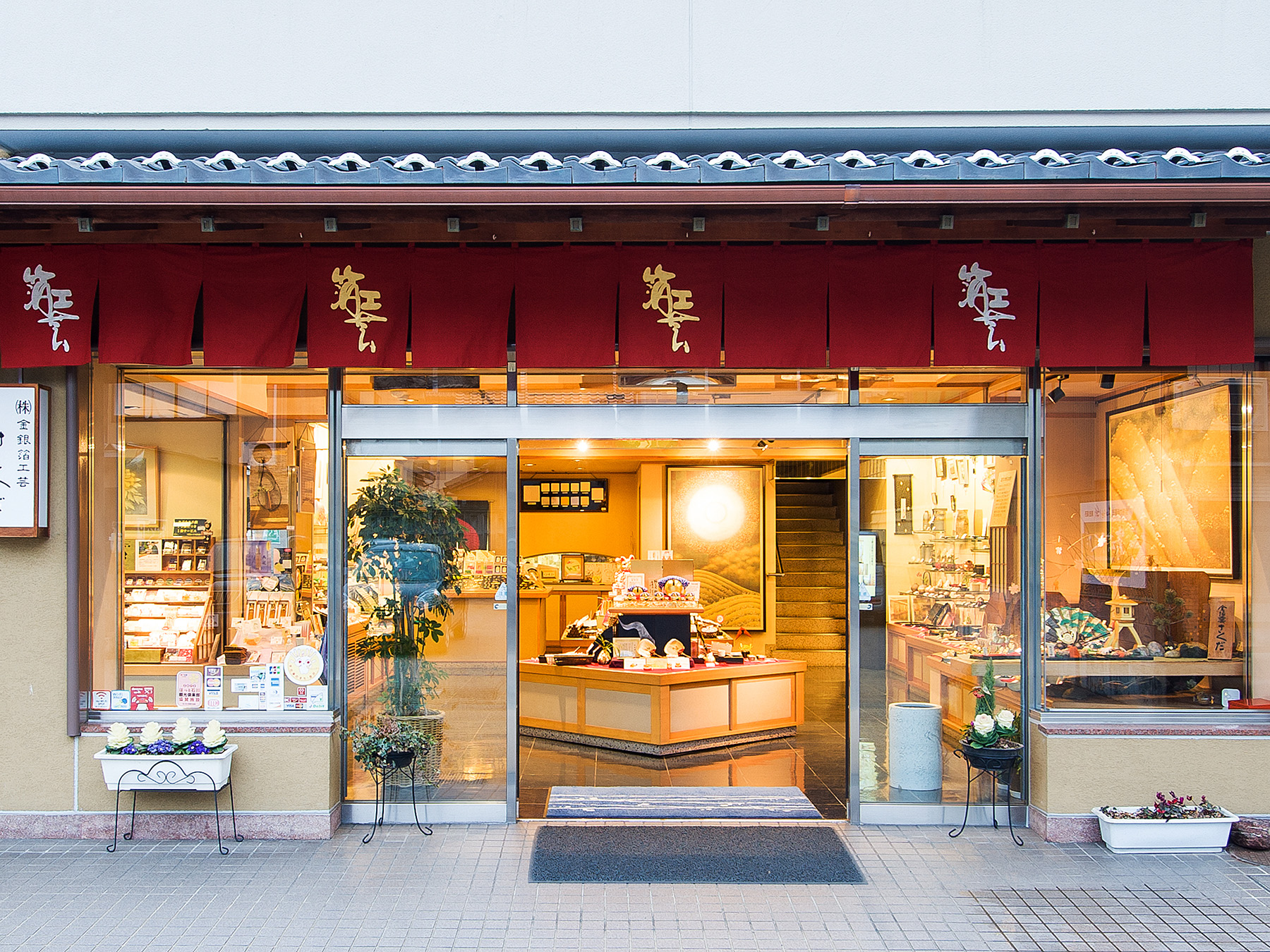
- Kinpakuya Sakuda Main Store
-
- 1-3-27 Higashiyama, Kanazawa City, Ishikawa Prefecture MAP
- From JR Kanazawa Station East Exit, take the Hokutetsu Bus "Kanazawa Loop Bus" (Right Loop) for about 10 minutes, get off at "Hashibacho (Higashi/Kazue-machi Chaya District)," and walk for about 3 minutes.
- 9:00–17:00 *Subject to seasonal changes
- Open every day
- Gold leaf application experience from 1,430 yen
- 076-251-6777 (Reception 9:00–17:00)
- Free (5 spaces)
- Reservations are required for the gold leaf application experience; please check the official website for details on reservations and the experience.
7Kanazawa Noh Museum "Costume Experience"
Feel like a Noh performer by wearing authentic Nishijin-ori costumes

This museum specializes in Noh theater and exhibits masks and costumes from "Kaga Hosho," a style of Noh passed down in Kanazawa. In the costume experience corner, you can wear authentic Noh masks and Nishijin-ori Noh costumes. The Noh costume is a top-grade outer garment for female roles, weighing about 5 kg. There are red-toned "Iro-iri" costumes worn by young female characters, and "Iro-nashi" costumes worn by mothers or elderly women. You can choose from 20 types of masks, including the "Ko-omote" representing a young woman, the Okina, and the Hannya.
You can also learn how the expression of the mask changes depending on the angle—looking happy when tilted up or sad when tilted down—as well as the basic dance forms that express crying or joy.
Exhibition of the traditional performing art "Kaga Hosho" collection
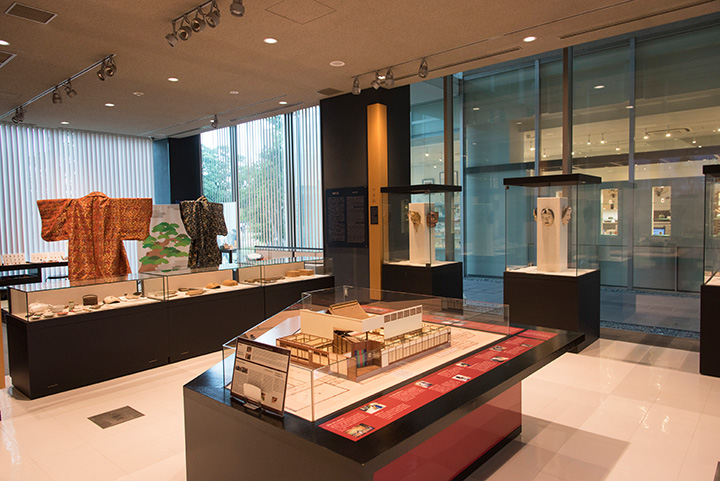
The highlight of this museum is its extensive collection related to "Kaga Hosho." "Kaga Hosho" originated from the Hosho school of Noh, which took root after being developed by the Maeda clan of the Kaga Domain as a ceremonial art for the samurai class, and it is designated as an intangible cultural property of Kanazawa City.
Local
Supporter
The exhibition space on the first floor is the same size as a Noh stage. It allows visitors to experience the positions and roles of the performers, and also displays models of Noh theaters and tools for making Noh masks. The second floor is the main exhibition room, where glittering costumes and other items are lined up, along with a video gallery.
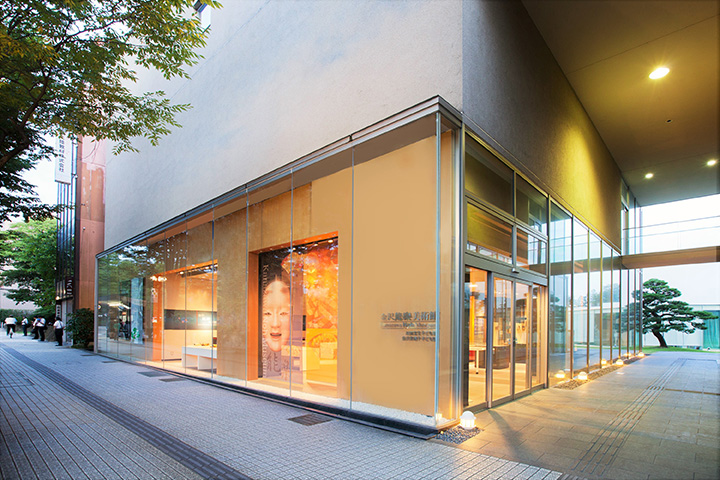
- Kanazawa Noh Museum
-
- 1-2-25 Hirosaka, Kanazawa City, Ishikawa Prefecture MAP
- From JR Kanazawa Station East Exit, take the Hokutetsu Bus "Kanazawa Loop Bus" (Right Loop) for about 18 minutes, get off at "Hirosaka/21st Century Museum (Ishiura Shrine)," and walk for about 2 minutes.
- 10:00–18:00 (last admission 17:30), Costume experience (Fridays, Saturdays, Sundays, and national holidays only) until 15:30 (last reception)
- Mondays (open if a national holiday, closed the following weekday), year-end and New Year holidays *Temporary closures may occur (please inquire)
- Adults 310 yen, high school students and younger free, 65 and older 210 yen
Experience fees: Noh mask 100 yen, Noh costume 200 yen - 076-220-2790
- Paid (use Kanazawa City Hall or 21st Century Museum of Contemporary Art, Kanazawa parking lots. Free for up to 30 minutes, discounts available)
- Costume experience is for heights of approx. 140cm or taller; please check the official website for details on Japanese musical instrument experiences
8Ame no Tawaraya "Candy Packing Experience"
"Candy packing experience" where you pack stretchy candy into small containers
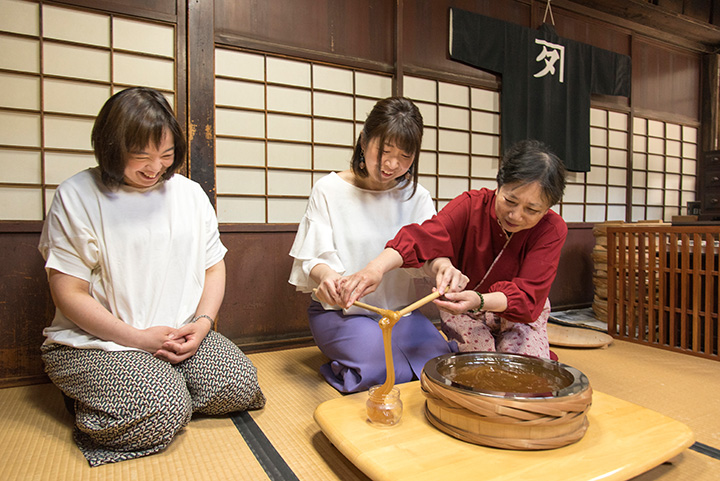
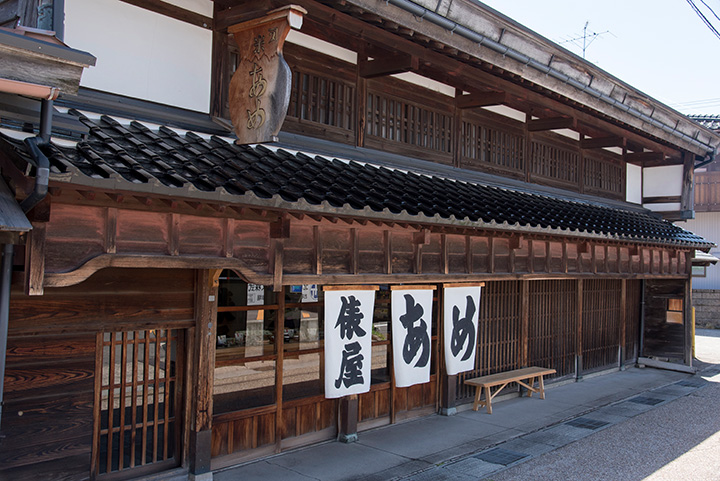
A specialty candy shop founded in the first year of the Tenpo era (1830). Their signature product is "Jiro-ame," a starch syrup made from domestic non-glutinous rice and barley, and you can try the "candy packing experience" here. First, a staff member will demonstrate, giving a lecture on how to hold and handle the special chopsticks. Following this, you will wind the syrup from a bucket onto bamboo chopsticks, wrapping it around them and stretching it thin to make it easier to pack as you transfer it into a container about 10 cm in diameter. It looks easy at first glance, but you might find yourself panicking as the syrup stretches more than you imagined, or having mishaps where you miss the target and it almost spills out of the container. If you pack it well, you'll get a round of applause, and it's especially exciting when participating as a group.
Great for snacks or cooking. A nutritious, versatile food
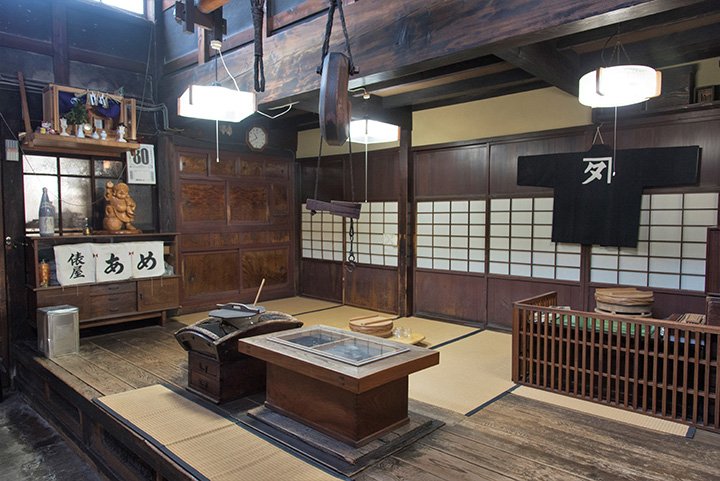
"Jiro-ame" means "soft candy" in the old Kanazawa dialect. It is said that it began when the first generation owner made nutrient-rich starch syrup for mothers raising children. Even today, it is considered good for nutritional replenishment when you have a cold or are suffering from summer fatigue, and it is also popular as a snack where you can enjoy the natural sweetness of grains. In addition, when used as a secret ingredient in simmered dishes, it adds richness and gives the food a glossy finish.
Local
Supporter
In addition to the standard flavors, the shop also offers plum and ginger flavors, as well as candies and rice crackers made with "Jiro-ame" syrup.
- Ameno Tawaraya
-
- 2-4 Kobashimachi, Kanazawa City, Ishikawa Prefecture MAP
- Approx. 17-minute walk from JR Kanazawa Station
- From JR Kanazawa Station East Exit, take the Hokutetsu Bus "Kanazawa Loop Bus" (Right Loop) for approx. 5 minutes, get off at "Kobashimachi," and walk approx. 2 minutes
- 9:00–17:30 (until 17:00 on Sundays), Candy packing experience: Mon–Fri (excluding national holidays) 10:00, 10:30, 11:00, 11:30 / 14:00, 14:30, 15:00, 15:30
- Candy packing experience: Dec 31–Jan 3, Saturdays, Sundays, and holidays
- Candy packing experience: 2,200 yen
- 076-252-2079
- Free
- Candy packing experience requires reservation by the previous day; children in lower elementary grades must be accompanied by a guardian.
MAP
-
- 1Kanazawa Saryo "Kanazawa Lacquerware Experience"
- 2Saiji Wagashi Koshiyama Kanseido "Kanazawa Wagashi Handmade Experience"
- 3Kaga Yuzen Maida Somega Kogei "Painting Experience"
- 4Nakajima Menya "Yawata Okiagari Painting Experience"
- 5Kutani Kosen Gama "Painting Experience"
- 6Kinpakuya Sakuda Main Store "Gold Leaf Application Experience"
- 7Kanazawa Noh Museum "Costume Wearing Experience"
- 8Ame no Tawaraya "Candy Packing Experience"
- Nearby Hoshino Resorts facilities

Local supporter in charge of this article
- Ayumi HoriyasuA curious city explorer!
OMO5 Kanazawa Katamachi
Kanazawa City, Ishikawa Prefecture
Katamachi, Kanazawa's number one gourmet town. It is conveniently located for accessing Kanazawa's representative tourist attractions.
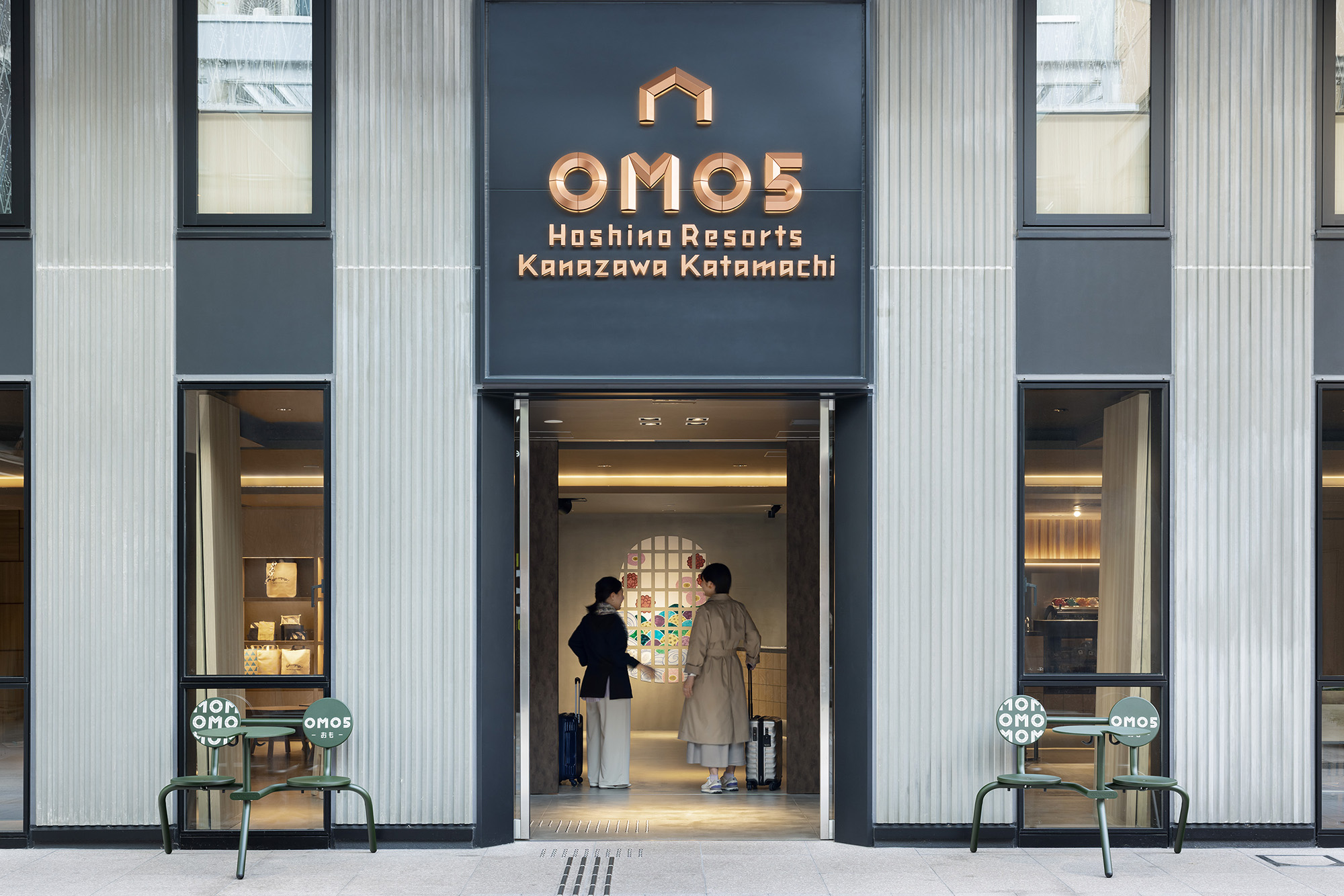
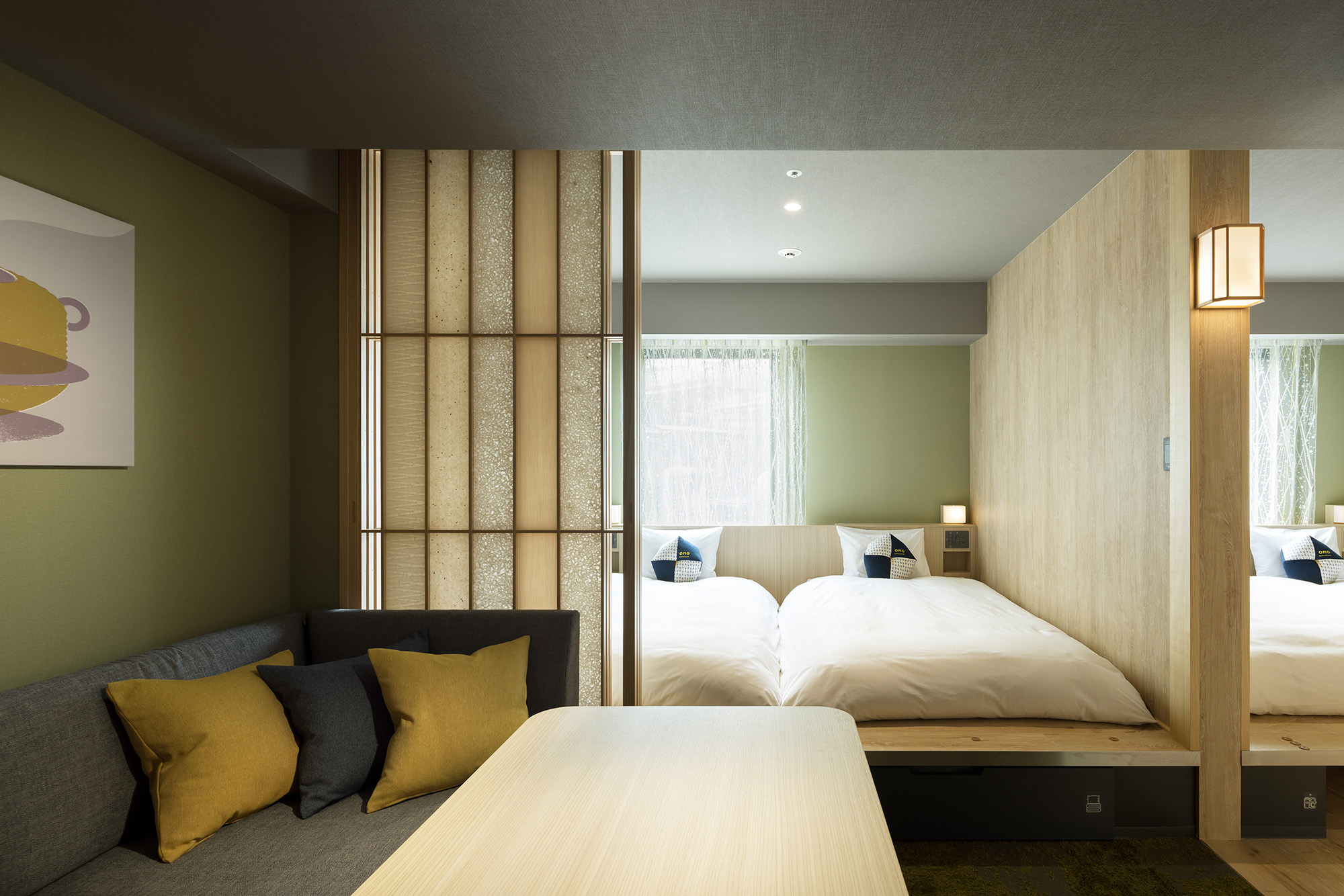
Access About a 4-minute walk from the "Korinbo" bus stop
- Accommodation rate example
- Per person per night From ¥5,200