





Japanese Sweets, gold foil, Kaga Yuzen and others and Kanazawa's traditional culture, Experience, can, 7 elections of spot
Various Bunka was being brought up in the long history at an ancient capital and Kanazawa. I'll introduce the Experience spot to enjoy a castle town in Kaga Hyakumangoku from arts and crafts such as Kutani chinaware, Kaga Yuzen and gold foil to a traditional gourmet of Japanese Sweets and Noh.
< Kanazawa's recommendation traditional culture Experience spot>
- 1Nine Kousen Tani kiln (in KUTA, luminous moss druse) "Pottery painting Experience"
- 2A gold foil shop, a pipe Main store "gold foil sticking Experience".
- 3Tasome picture arts and crafts every the Kaga Yuzen (you can't begin to dance, but, GEI which misses) "colored Experience"
- 4Nakashima noodles and "Hachiman ki ascent (I get up.) china-painting Experience"
- 5Kanazawa Noh Museum "wear Experience"
- 6Tawaraya of AME "you can knit and be checkmated, Experience"
- 7The time of the year Japanese Sweets Koshiyama kan, Seidou (How about filter and the cause which isn't sown?) "Kanazawa Japanese Sweets homemade Experience".
< Kanazawa's recommendation traditional culture Experience spot>
1Nine Kousen Tani kiln (in KUTA, luminous moss druse) "Pottery painting Experience"
Representative of Kaga Traditional Pottery and china-painting Experience of Kutani chinaware
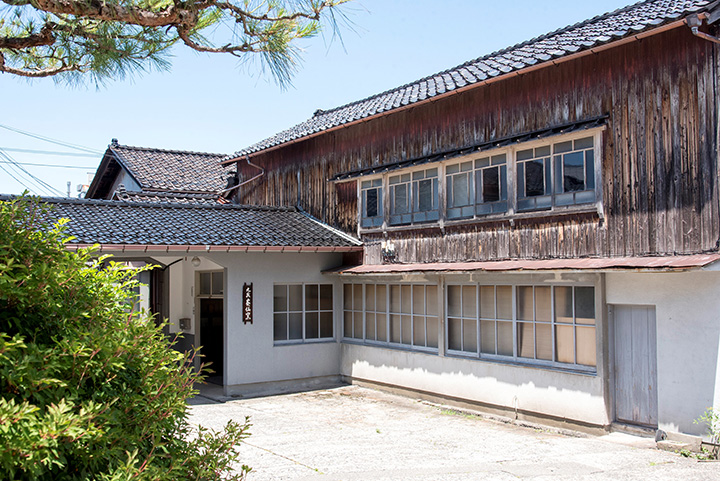
The pottery which is the only Kutani chinaware in Kanazawa-shi started in 1870 (1870).
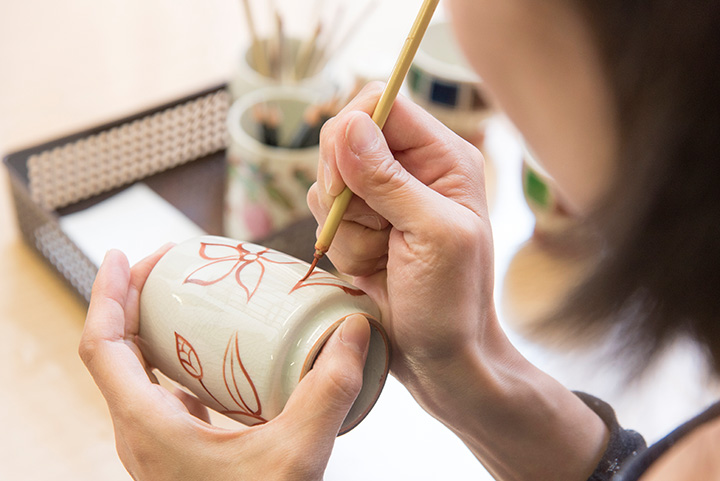
"Pottery painting Experience" then, "line drawing wearing" performed by a final process of Kutani chinaware making "pottery painting bill" can be done. A foundation draws an outline of a stem by a total paint in the white capacity as the foundation, and can always choose a teacup, a mug, a bowl and a flat dish from 10-15 kinds. Even if a sample is taken as a model, even if I design freely, the pattern is possible. You can make a draft by a pencil, so even a beginner is relieved.
Colored is to a craftsman because technology is necessary to take out how to take on paint and the color of the request. If the color is chosen, Experience ends. Finished goods will reach a home about 2 months later.
Original Kutani chinaware, for a gift.
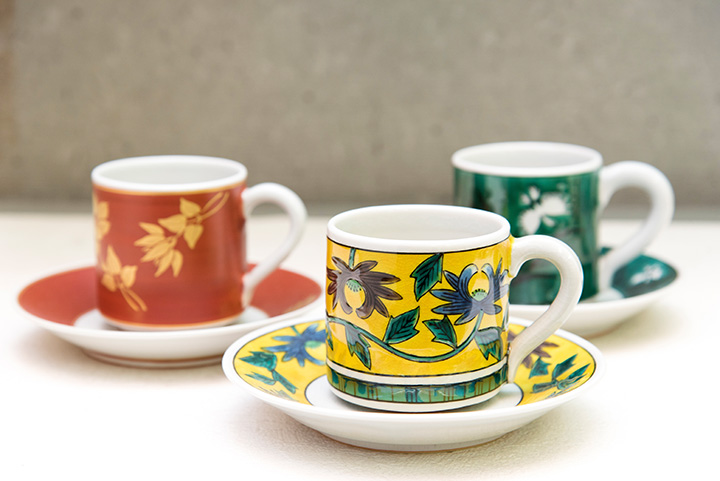
Rare, this atelier is doing all work by our company from formation by a potter's wheel to a pottery painting bill by Kutani chinaware. An atelier can be visited in front of Experience, and you can guide about the respective features while appreciating more works of traditional Kutani chinaware.
An in-house product is lined up at a shop of establishing as an annex. The showy one which did Kudani five color scheme fits a gift for Kanazawa. A small sake cup set and a coffee cup with 5 kinds of traditional pattern of the Kutani chinaware can be bought at about 20,000 yen respectively.
- Nine Kousen Tani kiln (in KUTA, luminous moss druse)
-
 5-3-3, Nomachi, Kanazawa-shi, Ishikawa MAP
 From Hokuriku Railroad Ishikawa Line Nomachi Station, about 2 minutes on foot
 9:00-17:00 and Pottery painting Experience-15:30 (the last reception)
 January 1
 Pottery painting Experience2,200-7700 yen (according to shipping charge)
 076-241-0902
 Free
Free When craftsman's work can't make the convenience top Reservation required and an atelier tour, Pottery painting Experience is here.
2A gold foil shop, a pipe Main store "gold foil sticking Experience".
A work of a gorgeous memory is produced by gold foil arts and crafts.

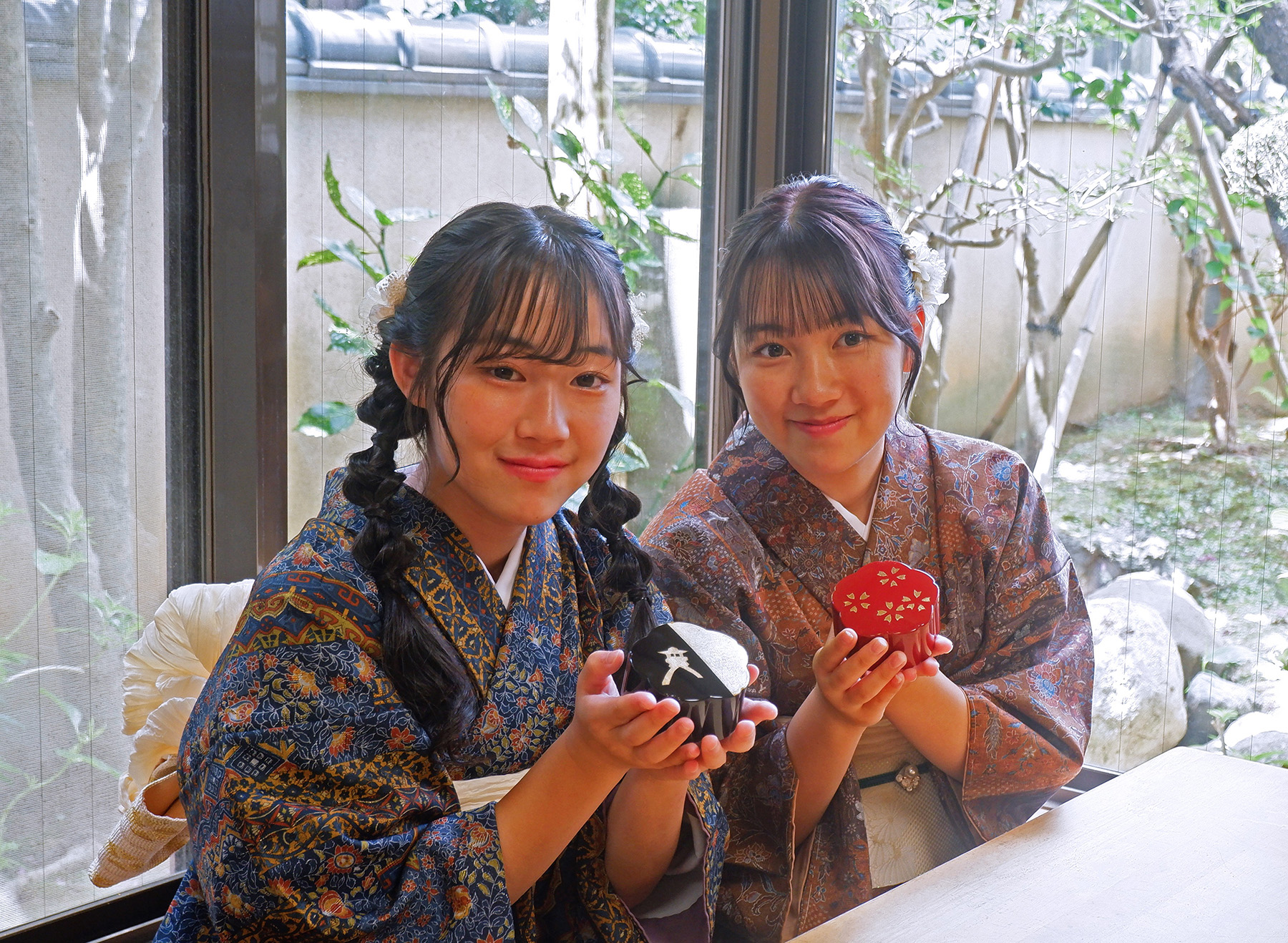
The long-established store of gold foil where I have more than one shops in Kanazawa. "Gold foil sticking Experience" can be enjoyed at a main store. First an item is selected from chopsticks, a compact mirror and ditty box. And the masking tape which clipped the shape of the stem by a template is stuck and gold foil is covered quietly from the top. Thinness by which gold foil is to the extent 1/10,000 mm of thickness and light are transparent. When a masking tape is peeled off slowly, the pattern appears beautifully. Rabbit, a salted cherry leave and a garden lantern of Kenroku-en wind are colorful for the pattern. More than 2 kinds are combined and arrangement is devised, and if, it depends on an idea and you can adapt variously.
Cosmetics are popular in various articles using gold foil and a lady excellent in quality.
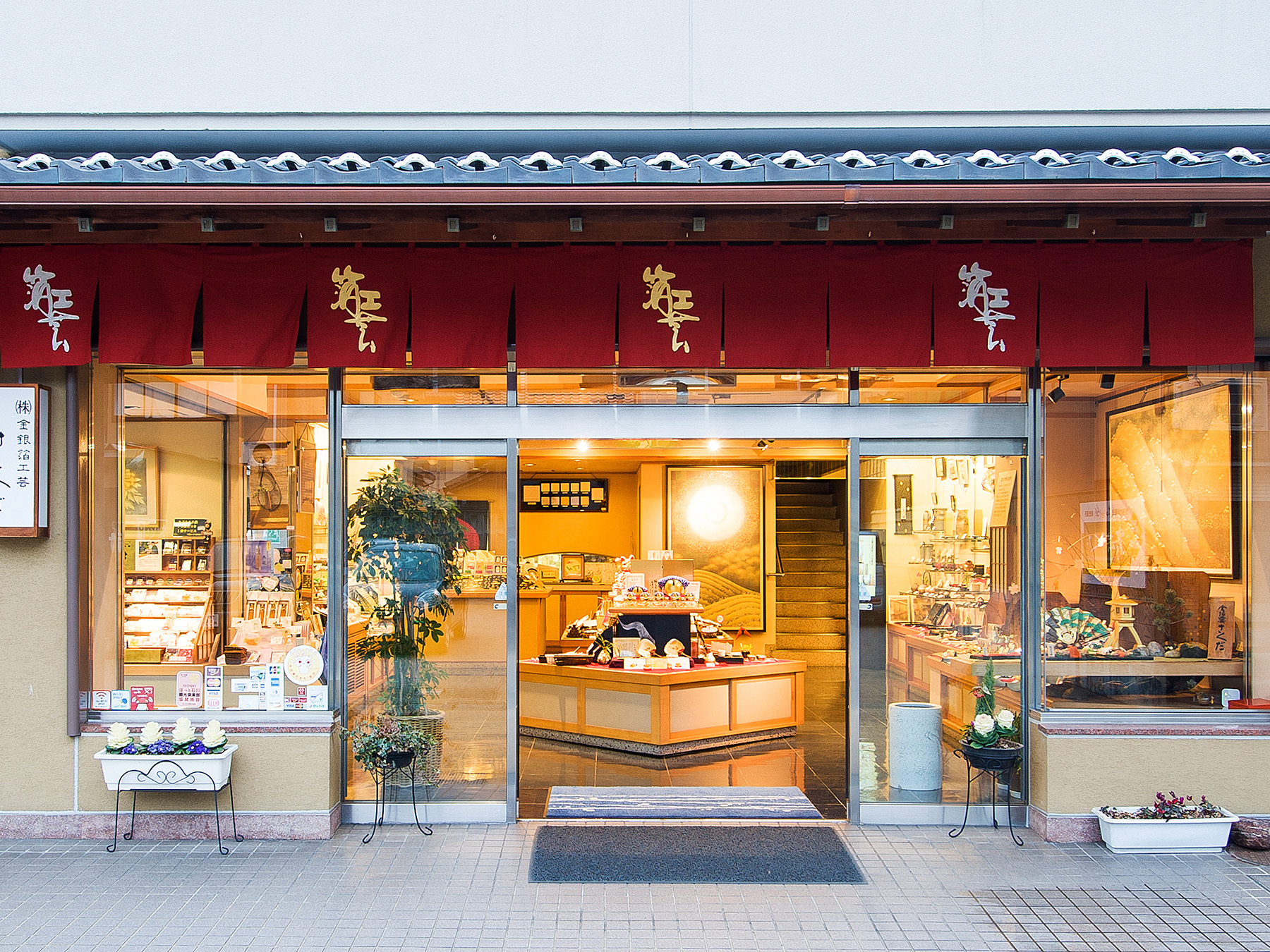
Kanazawa who knows as a town of gold foil. The gold foil with the small and beautiful texture is also standard in this store of foundation in 1919 (1919) at the inside. Various gold foil products equal the handicraft combined with Wajima Lacquerware and Kutani chinaware at a store.
The gold foil cosmetic series by which the "modal oil-blotting paper paper gold foil da made of paper" which hit gold foil in a lady and was born from an increased technique is the popular other originals "beautiful princess-Bireihi-" is also popular. There is also a facial mask using a topcoat for lotion and nail and gold foil of 24k as well as bath salt.
- A gold foil shop is a pipe main store.
-
- 1-3-27, Higashiyama, Kanazawa-shi, Ishikawa MAP
 I get off a northern iron bus castle downtown Kanazawa tour bus "clockwise route" ride for about 10 minutes "Hashibamachi (by a day, with the selling point of,* accountant restaurant district)" from JR Kanazawa Station east entrance, about 3 minutes on foot
- 9:00-17:00 There is a fluctuation by a※ season.
- Open everyday
- Gold foil sticking Experience of 1430 yen-
- 076-251-6777 (reception 9:00-17:00)
- Free (5).
- Gold foil sticking Experience needs reservation, and the details of reservation and the details of Experience are subject to confirmation in formal HP.
3Tasome picture arts and crafts every the Kaga Yuzen (you can't begin to dance, but, GEI which misses) "colored Experience"
The accessary by which the total made with Kaga Yuzen is modernized
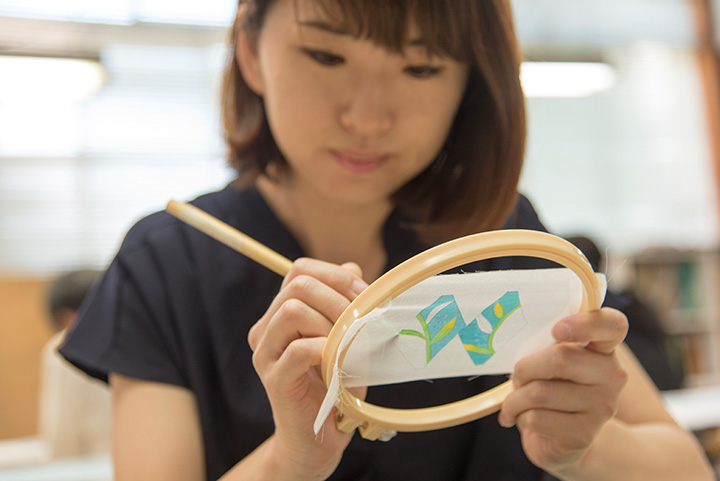
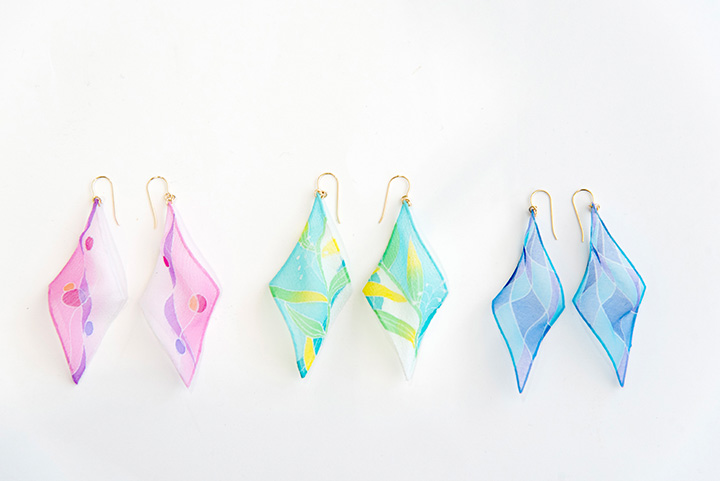
The elegant pattern by which Kaga Yuzen made the nature and the classic a motif with tradition in 400 is the feature. Mitsuyo can do a tour of the production landscape and "colored Experience" at this atelier which continues. Experience prepares one stroke Experience for colored of a small wrapping cloth and the person who would like to taste only feeling. One in the outline a pierced earring and an earring are popular with ladies, and which can choose the design from 3 kinds, and is glue, it's colored. Repeat the trick to complete it well a little from the light color. When shading is put in, it comes to seem to be Kaga Yuzen more. It's built into a product in about 4 weeks after colored, and you can send to the home.
The valuable atelier where craftsman's work can be seen imminently
Your husband is the leading figure who is a famous author of Kaga Yuzen and serves as representative Executive Director of a Kaga Yuzen cultural society, too. The work which made the sensitivity of the time agree with traditional beauty is consistent, and goes to from a design to completion in the atelier, and is standard. A Experience place is the workshop where a craftsman is colored next right now. The state by which the color is being dyed vivid can also judge white cloth from work of skillfulness imminently.
The small fry who tend to introduce the part of the work to daily living such as exhibited other stoles, accessary and card case and "GlassYuzen (GARASUYUUZEN" which made fused "the dying frame (dyeing calyx)" and the glass which put Yuzen in a frame are being sold at a showroom of establishing as an annex.
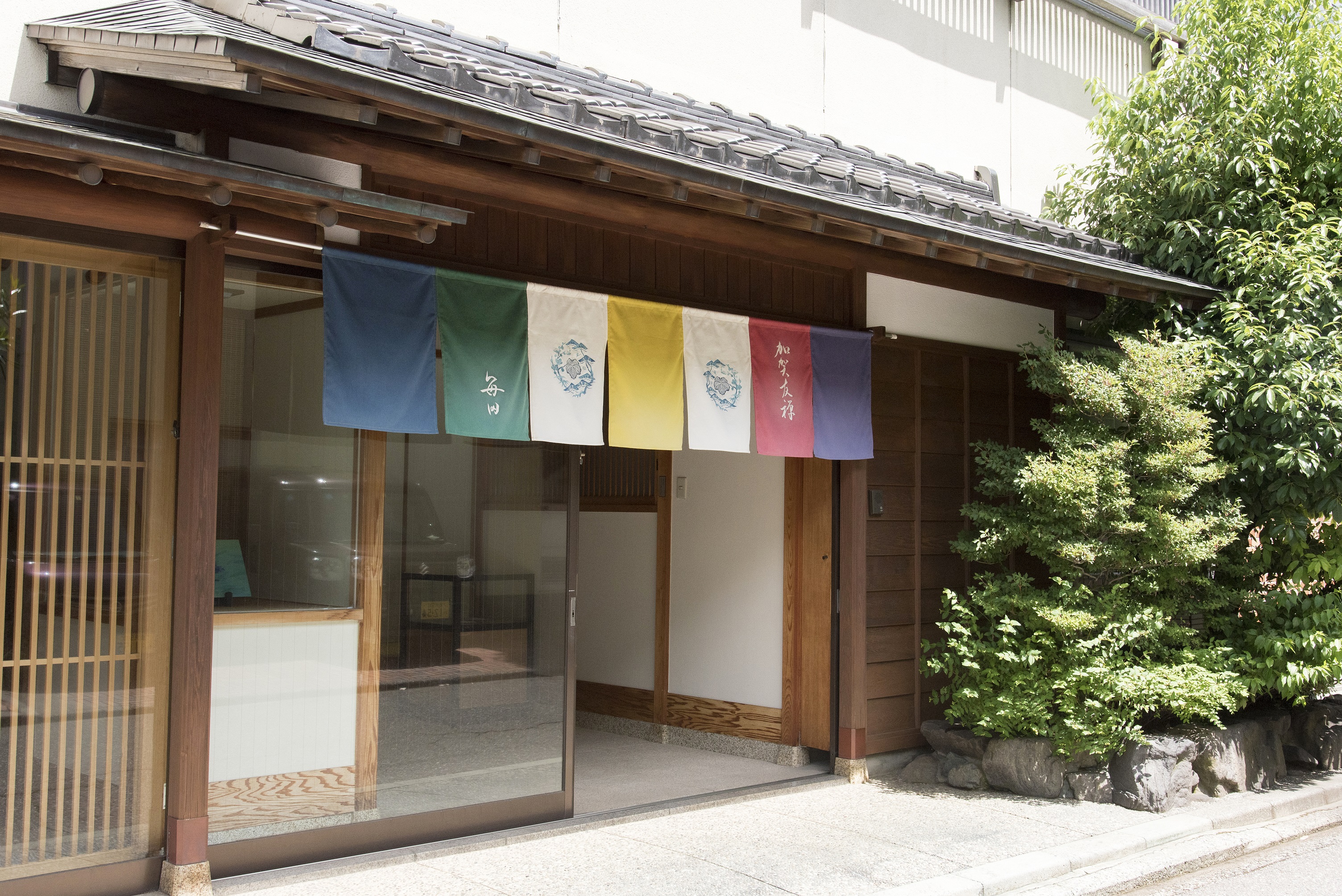
- Tasome picture arts and crafts every the Kaga Yuzen (you can't begin to dance, but, GEI which misses)
-
- 3-9-19, Hondamachi, Kanazawa-shi, Ishikawa MAP
- A northern iron bus castle downtown Kanazawa tour bus "clockwise route" or "route around the east" takes it from JR Kanazawa Station east entrance, about 19 minutes and "Hondacho" getting off for about 4 minutes on foot
- 9:00-17:00 and colored Experience10:00-16:00 (the last reception)
- Saturday . Sunday and the holiday regular holiday-lessness
- Colored Experience A pierced earring of 8800 yen (according to shipping charge of 1000 yen), a small wrapping cloth of 15,000 yen, one stroke Experience and a tour of 15,000 yen-
- 076-221-3365
- Free
- Colored Experience and a tour need reservation to 2 front of business days, 2 people-a reception desk and below the elementary students are guardian required accompanying.
4Nakashima noodles and "Hachiman ki ascent (I get up.) china-painting Experience"
A doll of Kaga tradition is designed in itself way.
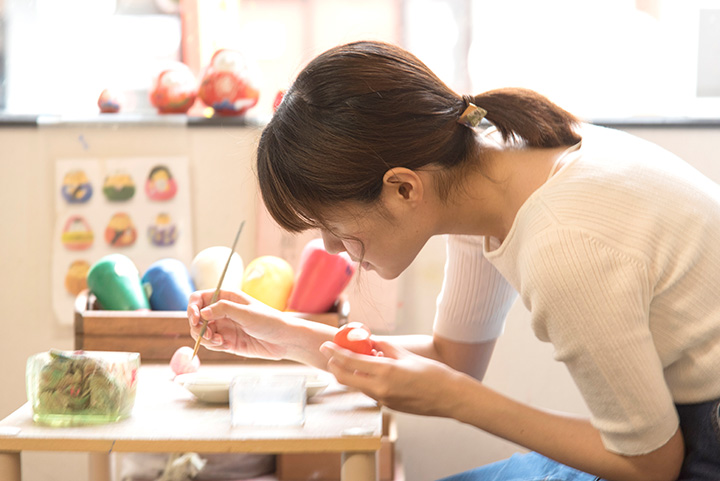
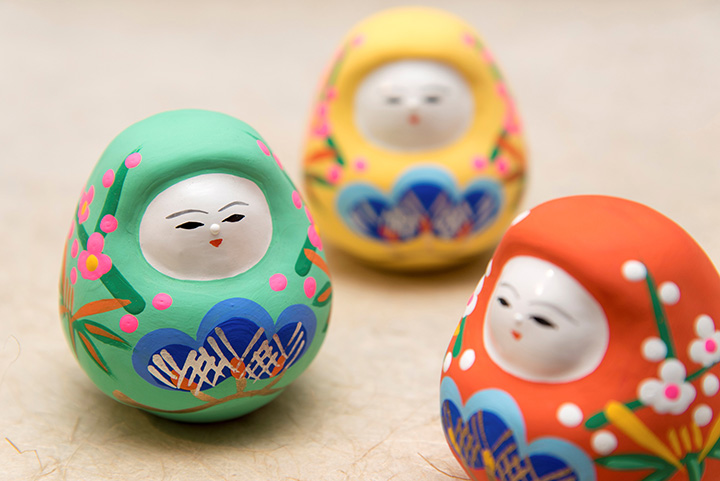
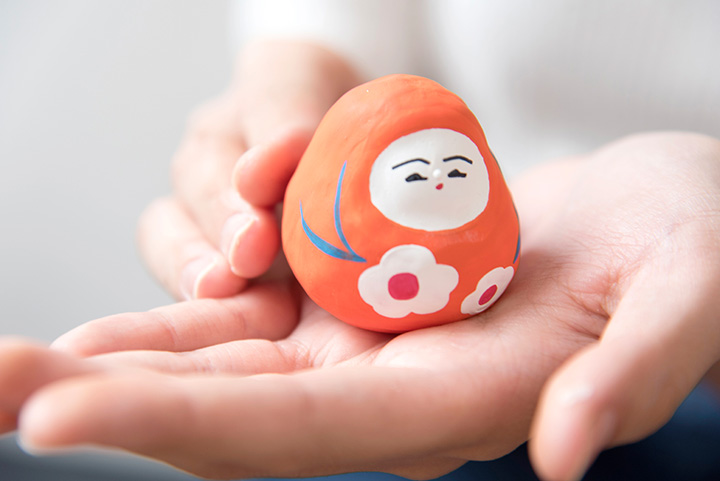
Long-established store of the Kaga doll started in 1862 (1862). "Kaga Yahata ki ascent" of sign goods (I get up.) is the putting doll which drew the design of the pine tree, bamboo and Japanese apricot tree at the vermilion place, and the lovely form is popular. Easy edition using the doll china-painting Experience can buy it as a gift and is also made, and on which number 3 with the palm size has spread a vermilion place beforehand. The size is plain color and slightly bigger number 4 can color pink, yellow and stripes freely from a ground color. Where do a countenance and the design also depend on the sense of Experience person? It's imitated in its face, and it's made the popular character wind, and if, you can enjoy yourself in his own way.
The putting doll which celebrates a female end such as birth and a seasonal festival
"Nakashima noodles and" for, the store where I was dancing and was making tools of a play centering on a face. Therefore various articles using technology of face making equal papier-mache in the store.
The one "Kaga Yahata ki ascent" is a basic gift for Kanazawa who presents in case of girl's birthday celebration and first Doll's Festival to have copied and have made a deity in Yawatamiya and the red clothes for newborn baby form when Emperor Oujin was born, by a first, a historical origin and now. In the greeting which are sickness and trouble because I get up even if I fall down. When it's put in a chest, you also have the something to discuss that clothes of a lady and a child increase and are also enjoying as a bridal tool and a marriage celebration.
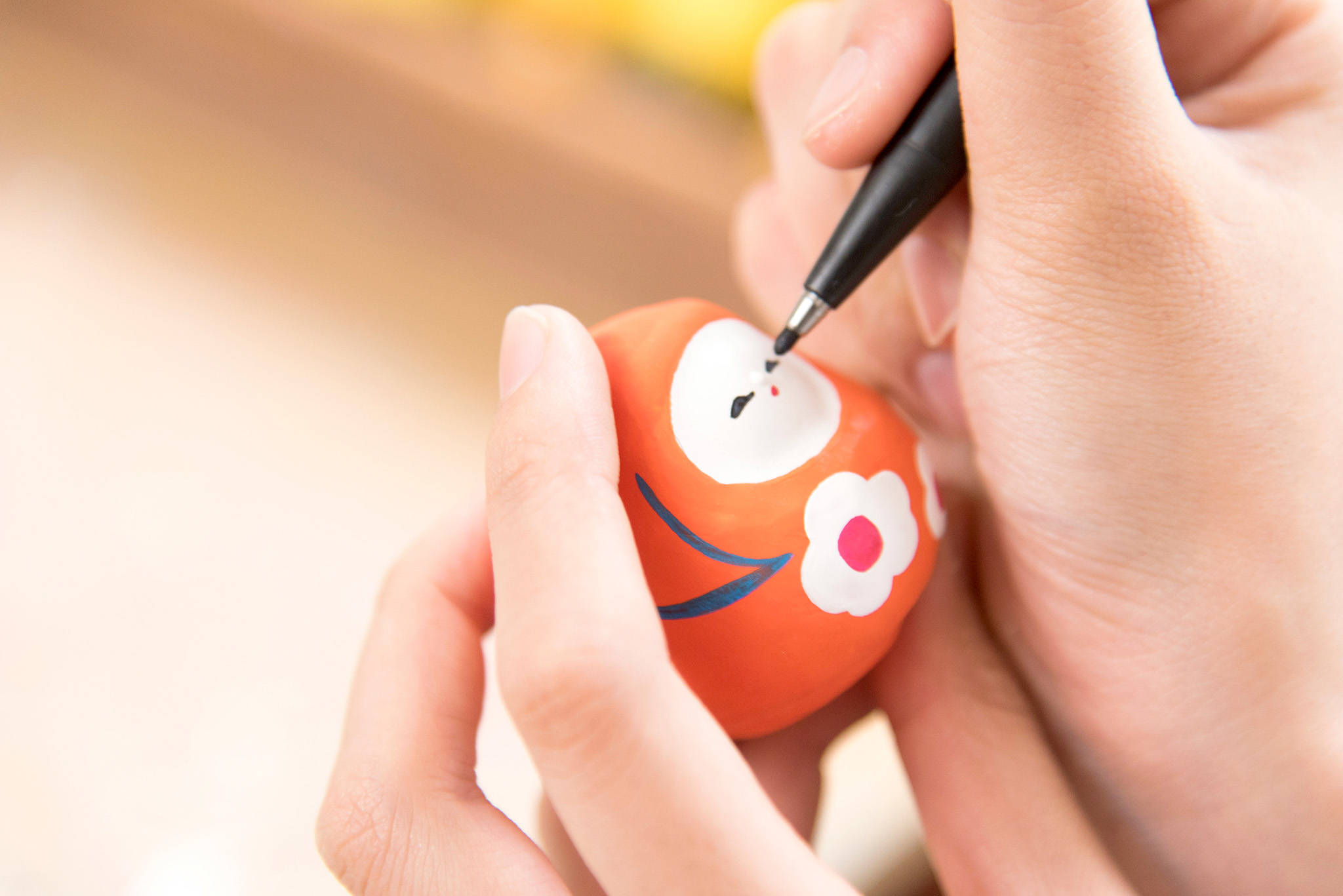
- Nakashima noodles and.
-
- 88, Aokusamachi, Kanazawa-shi, Ishikawa Omi-cho ICHI, when, house underground MAP
- I get off a northern iron bus castle downtown Kanazawa tour bus "counterclockwise route" ride for about 5 minutes "Musashigatsuji and Omicho Market (ICHI, when, in front of house)" from JR Kanazawa Station east entrance, immediately.
- 9:00-17:30 and china-painting Experience10:00-16:00 (the last reception)
- Tuesday (It's run in case of a holiday.)
- China-painting of Experience 1100 yen
- 076-232-1818
- I don't have that.
- The details of Hachiman ki ascent china-painting Experience are subject to confirmation in formal HP.
The details of china-painting Experience are subject to confirmation in formal HP.
5Kanazawa Noh Museum "wear Experience"
I put on a costume of real Nishijin brocade and taste Noh actor's feeling.

A Noh costume of real Noh mask and Nishijin Chinese fabrics can be put on at a wear Experience corner at museum of art of the side of the Noh transmitted to Kanazawa "Kaga Mibai (The one is shouldered.)" and the Noh major which exhibits attire. A bill arrive for female roles who say that the Noh costume is first-class and the weight are about 5 kilogram. There are "kurenainyuu" where the young female role is the red system put on (Stay here, I need that.) and "red nothingness" the lady and the old woman who became my mother fit on a body (stay here, nothing). "Facet (KO bill)", the old man and the female demon who express a young lady (HAN NYA) can choose a face from 20 kinds.
When it faces to the top, they seem happy, and that I look down, cheerless etc., a basic model of the dance by which an expression by the angle of the face is different and shows a cry and delight can also be learned.
A collection of traditional performing art "Kaga Mibai" is exhibited.
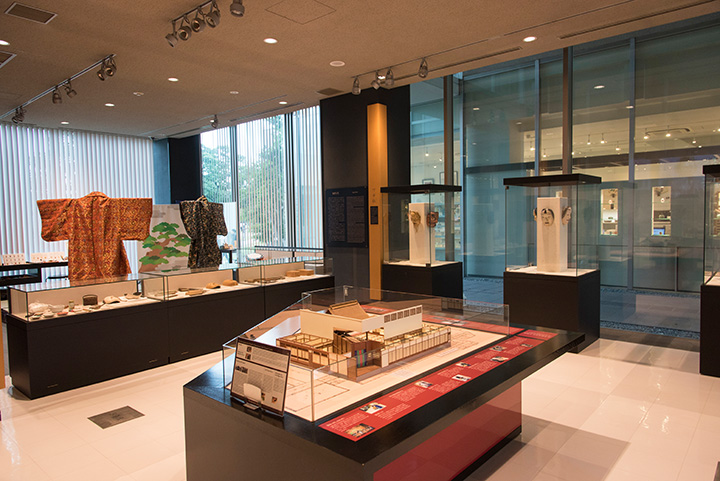
An eye in this museum of art is a collection of the substantiality which concerns "Kaga Mibai". It's origin that Noh of Mibai way a Kaga feudal clan Maeda family made developed as system easiness of the samurai family rooted, and "Kaga Mibai" is designated as intangible cultural property in Kanazawa-shi.
Display space on the 1st floor is the same size as a noh stage. A model and a tool of Noh mask making in the other Noh stages where the leaving point of view of the performer and the role can be sensed are exhibited. The 2nd floors are a main exhibition hall and a picture gallery gorgeous attire equals.
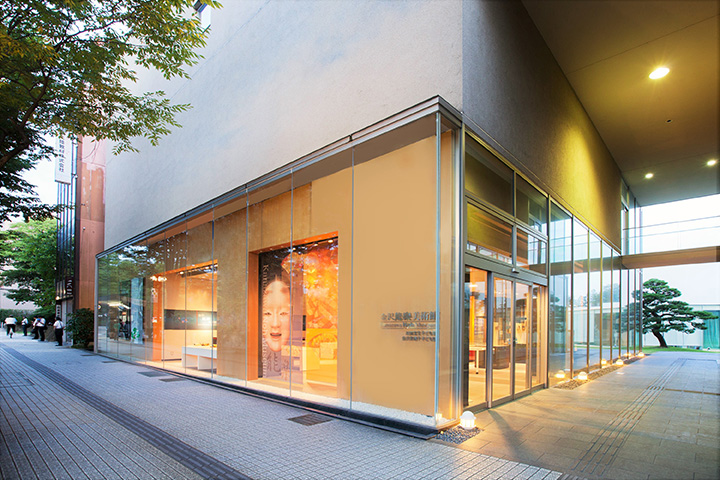
- Kanazawa Noh Museum
-
- 1-2-25, Hirosaka, Kanazawa-shi, Ishikawa MAP
- I get off a northern iron bus castle downtown Kanazawa tour bus "clockwise route" ride for about 18 minutes "Hirosaka and museum of art in the 21st century (in front of Ishiura shrine)" from JR Kanazawa Station east entrance, about 2 minutes on foot
- 10:00-18:00 (17:30 last entry) and wear Experience (only Friday . Saturday . Sunday and holiday)-15: 30 (the last reception)
- Monday (It'll be opened in case of a holiday and it closes next weekday.) and New Year's There is※ temporary closing (linchpin inquiry).
- Beyond in case of 310 yen for an adult, no charge below the high school student and 65, 210 yen
Experience charge: A Noh mask of 100 yen and a Noh costume of 200 yen - 076-220-2790
- Payment required (Kanazawa city office and Parking of 21st Century Museum of Contemporary Art are used. It's free within 30 minutes and I have a discount.)
- Wear Experience is more than about 140 cm of height, and details are formal HP, and it's subject to confirmation.
Wear Experience is more than about 140 cm of height, and details of traditional Japanese music container Experience are formal HP, and it's subject to confirmation.
6Tawaraya of AME "you can knit and be checkmated, Experience"
AME which develops is stuffed into a small container, "you can knit and be checkmated, Experience"
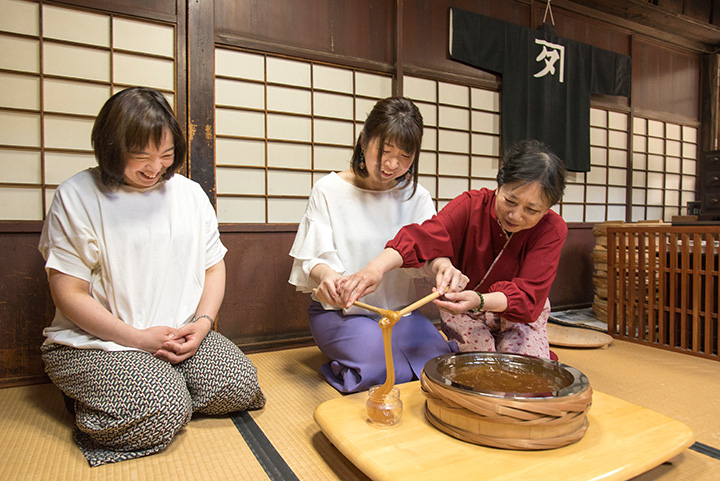
Specialty store of a candy in the foundation Tenpo first year (Knit.) With the starch syrup for which local specialty was made with domestic nonglutinous rice and barley "JIROAME", the, "you can knit and be checkmated, Experience" will be done. How to have it and how to handle it by which Staff/staff member is the chopsticks which are an example and are for exclusive use first, lecture. A candy is wound around capture of tying and chopsticks in bamboo chopsticks from a tub with that, and it's moved to the container of about 10 cm of diameter while increasing thinly so that it may be easy to stuff. It seems easy seemingly, the accident which is more excited for a candy to develop than imagination, and is beside the mark and nearly spills from a container. When I participate by a group by applause when being stuffed well, it rises in particular.
A snack and a dish. The all-around food by which nutrition is much
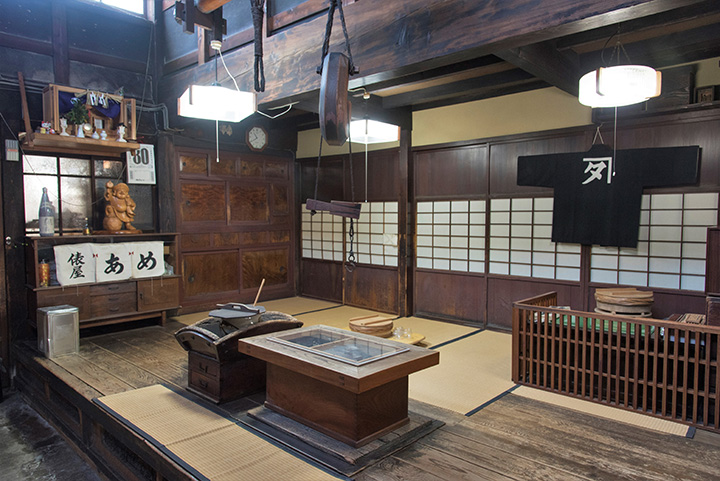
"JIROAME" which means "soft candy" by Kanazawa's old word. It's said to be a first that a founder made nutritious starch syrup for the mother who brings up a child. You assume that it's also good for the nutritional supplement when being a cold and suffering from the summer heat, at localness now, and it's also popular as the snack which can enjoy the natural sweetness of the cereal. When it's used for cooked vegetables as secret ingredient, the body goes out, and gloss is good and a dish completes.
A store also has complete set of the plum taste and the ginger taste as well as the standard, and I have the candy and the rice crackers for which "JIROAME" was arranged.
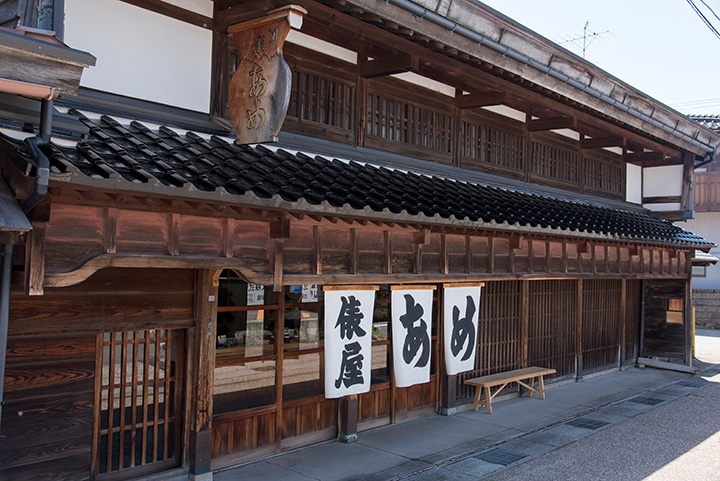
- Tawaraya of AME
-
- 2-4, Kobashimachi, Kanazawa-shi, Ishikawa MAP
- From JR Kanazawa Station, about 17 minutes on foot
- From JR Kanazawa Station east entrance, a northern iron bus castle downtown Kanazawa tour bus "clockwise route" ride for about 5 minutes and "Obasecho" getting off for about 2 minutes on foot
- 9:00-17:30 (Sunday-17:00) can be knitted, and be checkmated, Experience Monday-Friday (except holidays) 10 a.m. :00-, 10:30-, 11:00-and 11:30-14 p.m. :00-, 14:30-, 15:00-and 15:30-.
- You can knit on December 31-on January 3, and be checkmated, Experience Saturday . Sunday and holiday.
- You can knit and be checkmated, Experience of 2200 yen
- 076-252-2079
- Free
- Experience can knit and can be checkmated and needs reservation by the previous day, even lower grades are guardian required accompanying.
7The time of the year Japanese Sweets Koshiyama kan, Seidou (How about filter and the cause which isn't sown?) "Kanazawa Japanese Sweets homemade Experience".
Craftsman direct transmission. Real Japanese Sweets making

Japanese Sweets ho which starts the business and has more than one shops in Kanazawa-shi (in 1888) in 1888.
A Japanese Sweets craftsman goes on "Kanazawa Japanese Sweets homemade Experience" which tells directly by limitation for 3 days a week. When central Japanese Sweets can be learned at a long-established store in an ancient capital and Kanazawa, it's here and is popular with tourists. A petal is made using the tool 2 kinds, 2 can make Japanese Tea Ceremony Sweets on the season, and which learns how to put it in the way to build up and wrap bean paste in the bounds and the iris design, and is for exclusive use, and if, a professional feels like being just like and can enjoy himself. A motif of Japanese Sweets is spring, a cherry tree and summer, a hydrangea and autumn, a maple. Beauty of the color scheme is also popular.
It's satisfied with a shopping and total sweets behind Experience.
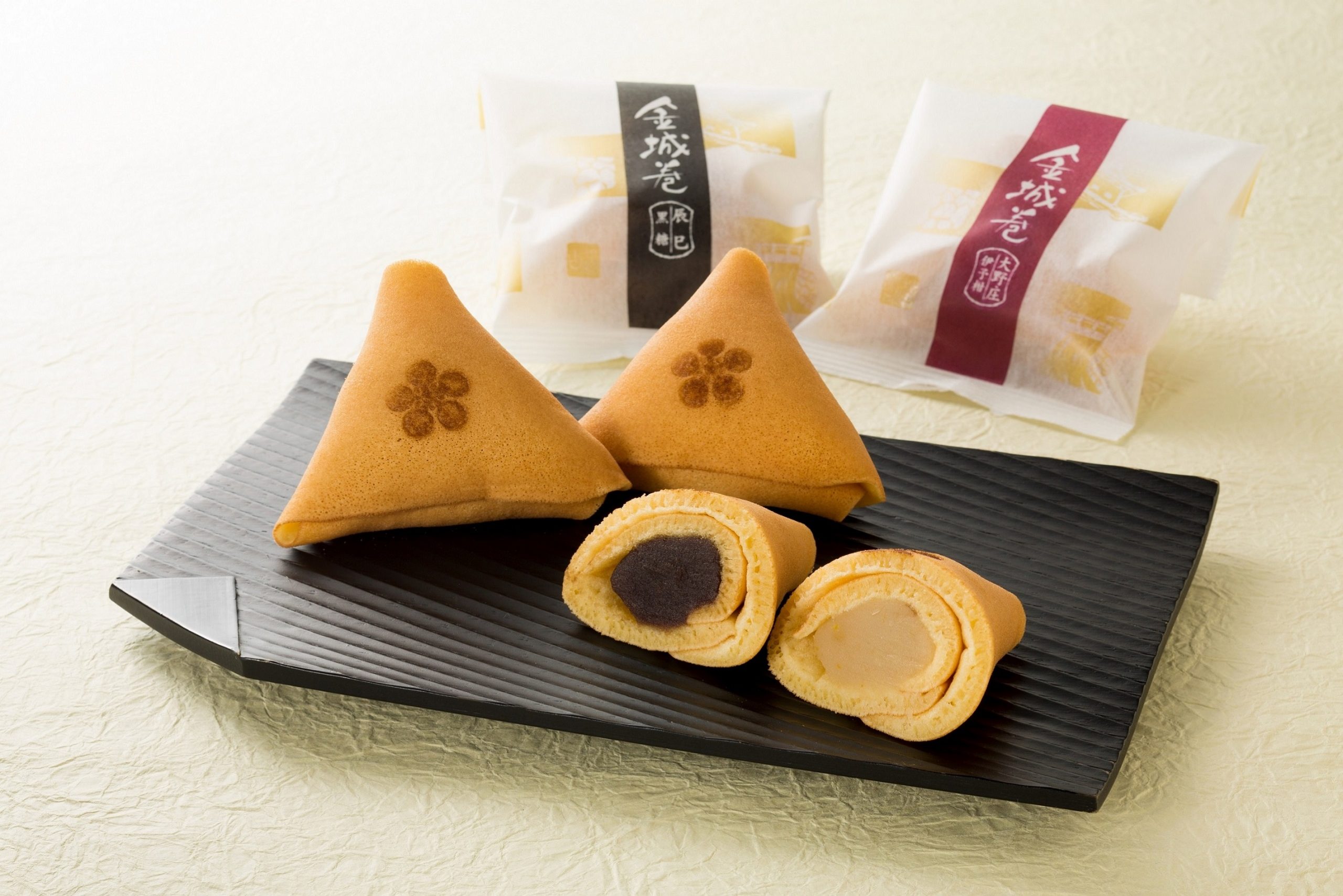
A store has complete set of the Japanese Sweets learned from culture in Kanazawa and a custom. The "Kinjo (the quire which isn't put on) book" by which local specialty imagined a donjon of Kanazawa castle and a casque (beetle). Bean paste has been wrapped in the fabric made the muck percentage, and there is taste of "brown sugar bean paste" and the "citrus fruit bean paste" etc.. The time (wafer cake containing bean jam) etc. which also recommends the local ingredients and creation snack using the material of the Western countries, and builds "Kaga lotus root" up, and is also pretty in the appearance of the crowded habutae silk (For, a pig, oh.) rice cake and the bell type.
Then a cafe of establishing as an annex "CAFE kan (can)" can taste creation total sweets, and it's recommended the break behind Experience.
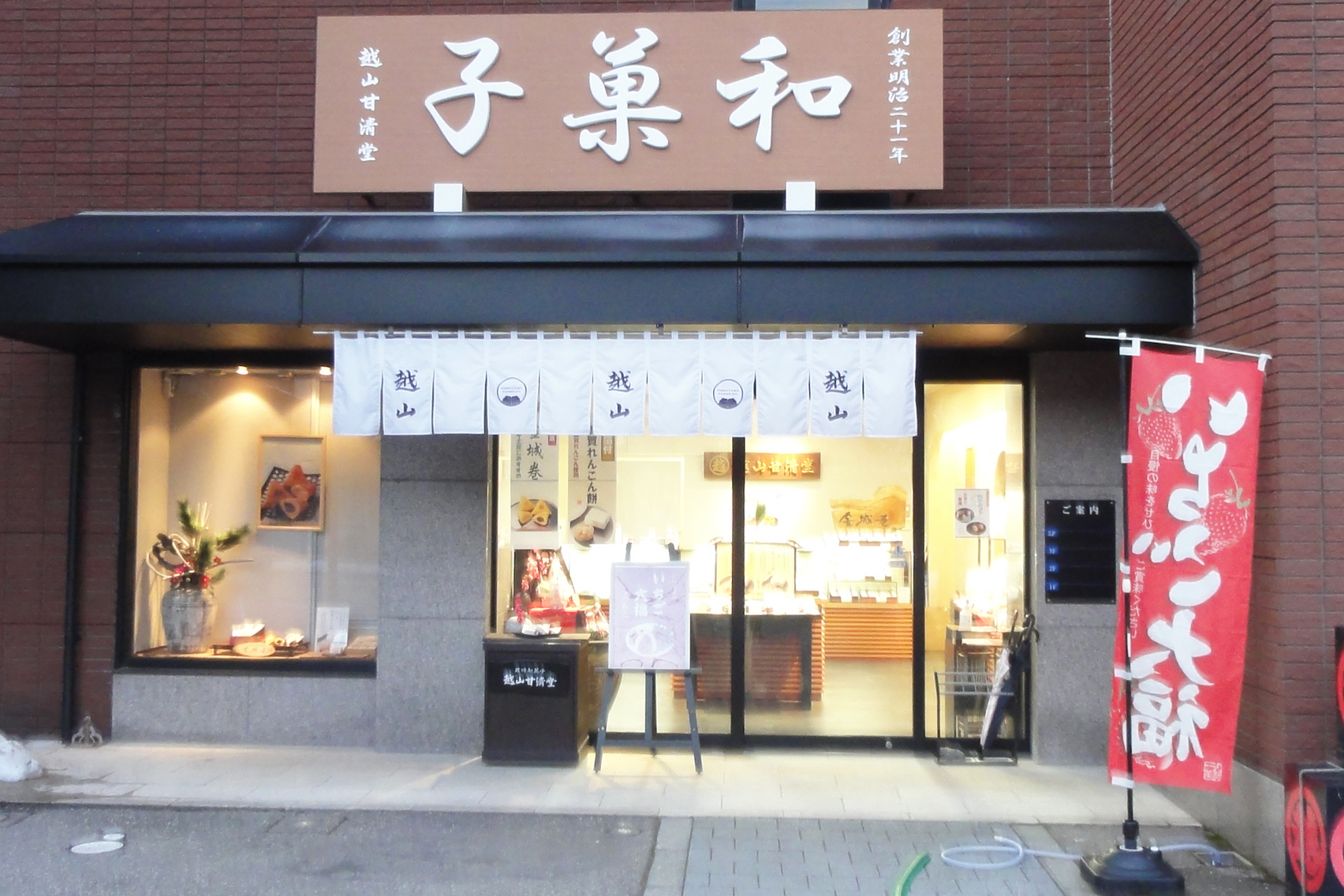
- The time of the year Japanese Sweets Koshiyama kan, Seidou (How about filter and the cause which isn't sown?)
-
- 2-11-28, Owaricho, Kanazawa-shi, Ishikawa MAP
- From JR Kanazawa Station east exit, a northern iron bus castle downtown Kanazawa tour bus "counterclockwise route" ride for about 5 minutes and "Owaricho" getting off for about 1 minute on foot
- 9:00-17:30 and homemade Japanese Sweets Experience Monday . Thursday . Saturday 13:30-and 15:00-
- Wednesday (It's run in case of a holiday.)
- Homemade Japanese Sweets Experience Students over junior high school of 1800 yen and 10-1700 yen for 12 years old
- 076-221-0336
- Free
- Homemade Japanese Sweets Experience needs reservation by 2 days before. When I'm more than 5, it's also put into effect besides the holding day of the week.
MAP
- < Kanazawa's recommendation traditional culture Experience spot>
-
- 1Nine Kousen Tani kiln (in KUTA, luminous moss druse) "Pottery painting Experience"
- 2A gold foil shop, a pipe Main store "gold foil sticking Experience".
- 3Tasome picture arts and crafts every the Kaga Yuzen (you can't begin to dance, but, GEI which misses) "colored Experience"
- 4Nakashima noodles and "Hachiman ki ascent (I get up.) china-painting Experience"
- 5Kanazawa Noh Museum "wear Experience"
- 6Tawaraya of AME "you can knit and be checkmated, Experience"
- 7The time of the year Japanese Sweets Koshiyama kan, Seidou (How about filter and the cause which isn't sown?) "Kanazawa Japanese Sweets homemade Experience".
- Hoshino ResortsProperty around here

Local Guide which took charge of this article

- Horiyasu YumiThe town walk kid full of curiosity!
OMO5 Kanazawa Katamachi by Hoshino Resorts
Ishikawa Prefecture and Kanazawa-shi
Ichi Kanazawa's gourmet town and Katamachi. Location also convenient for Direction to the tourist spot which represents Kanazawa.
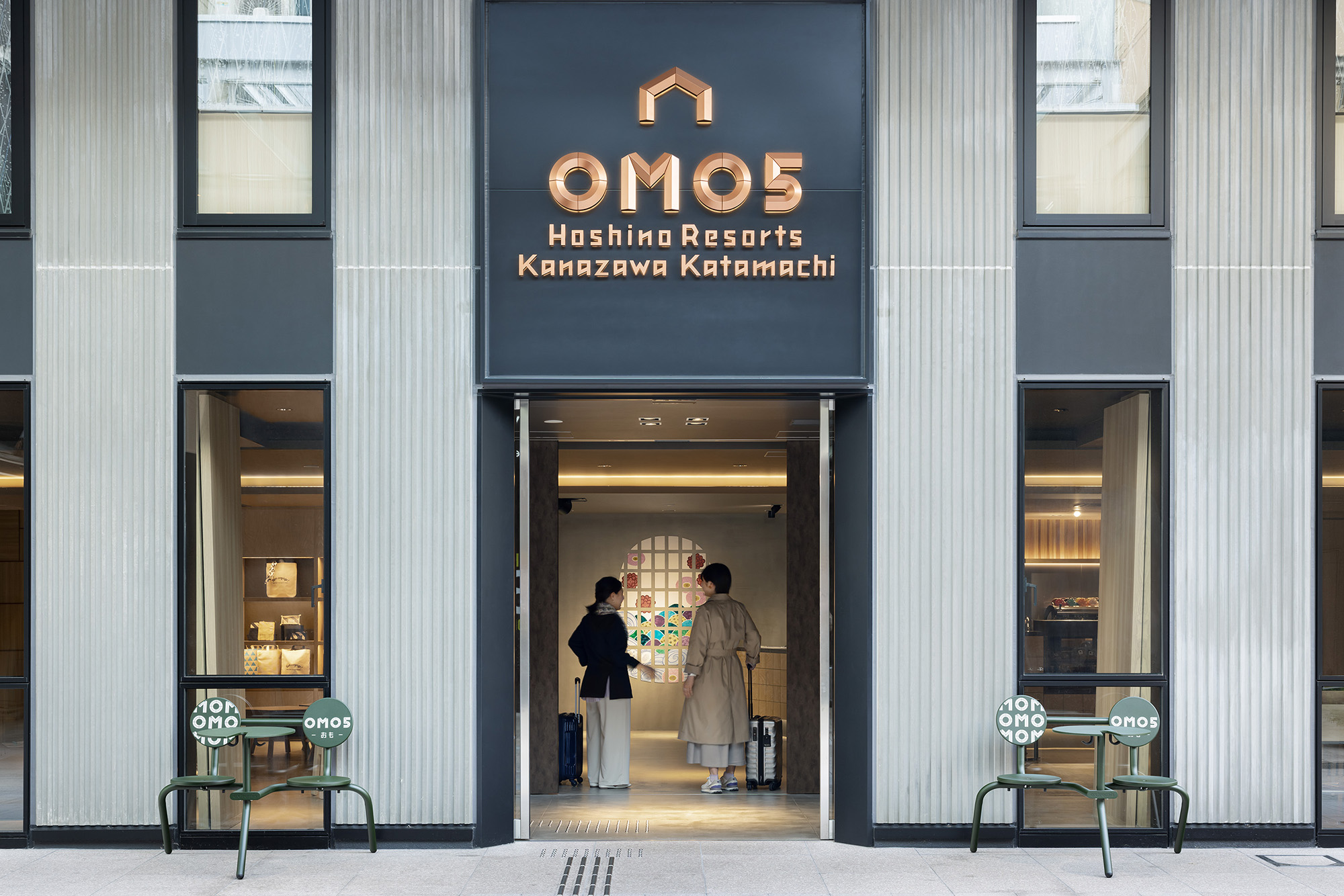
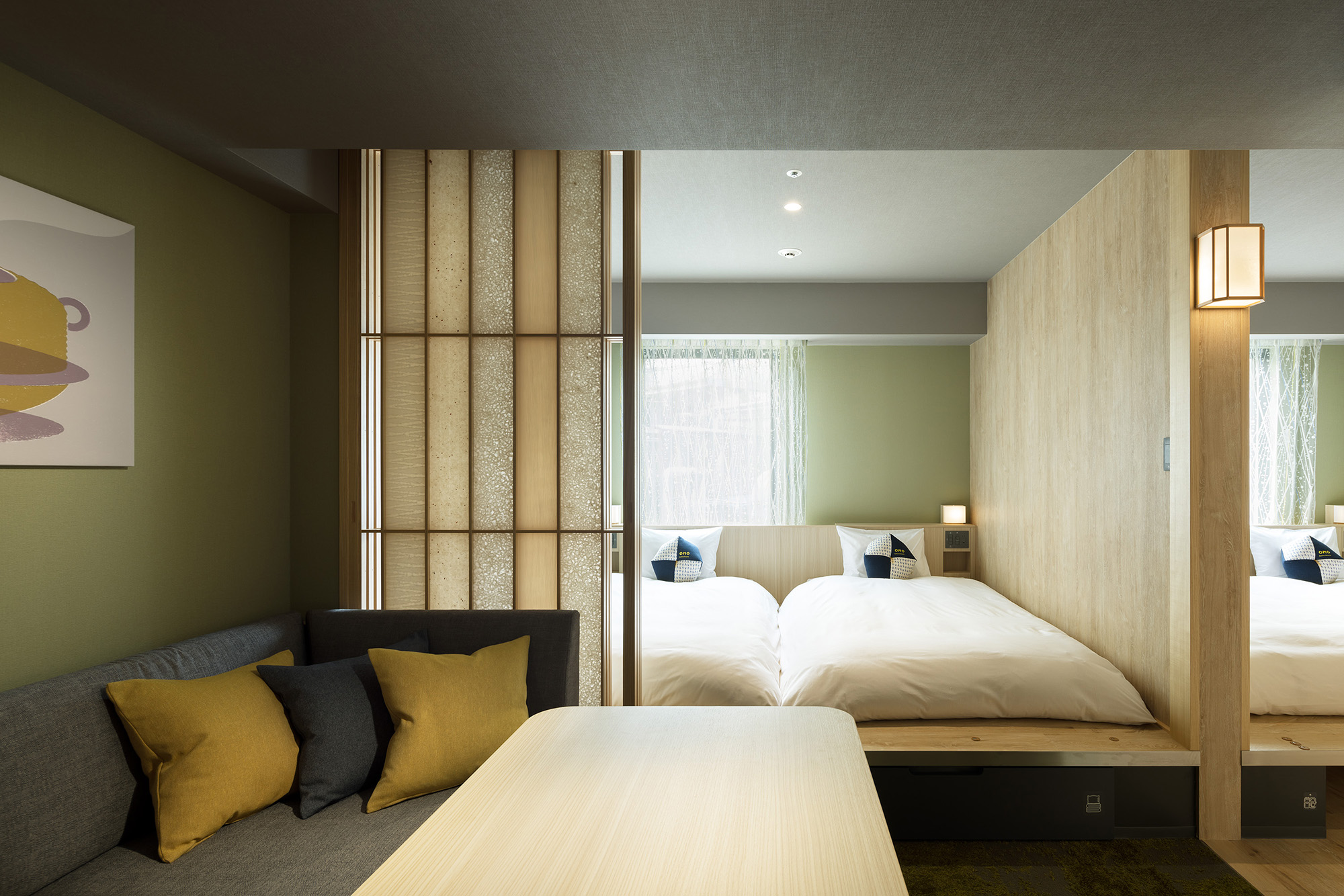
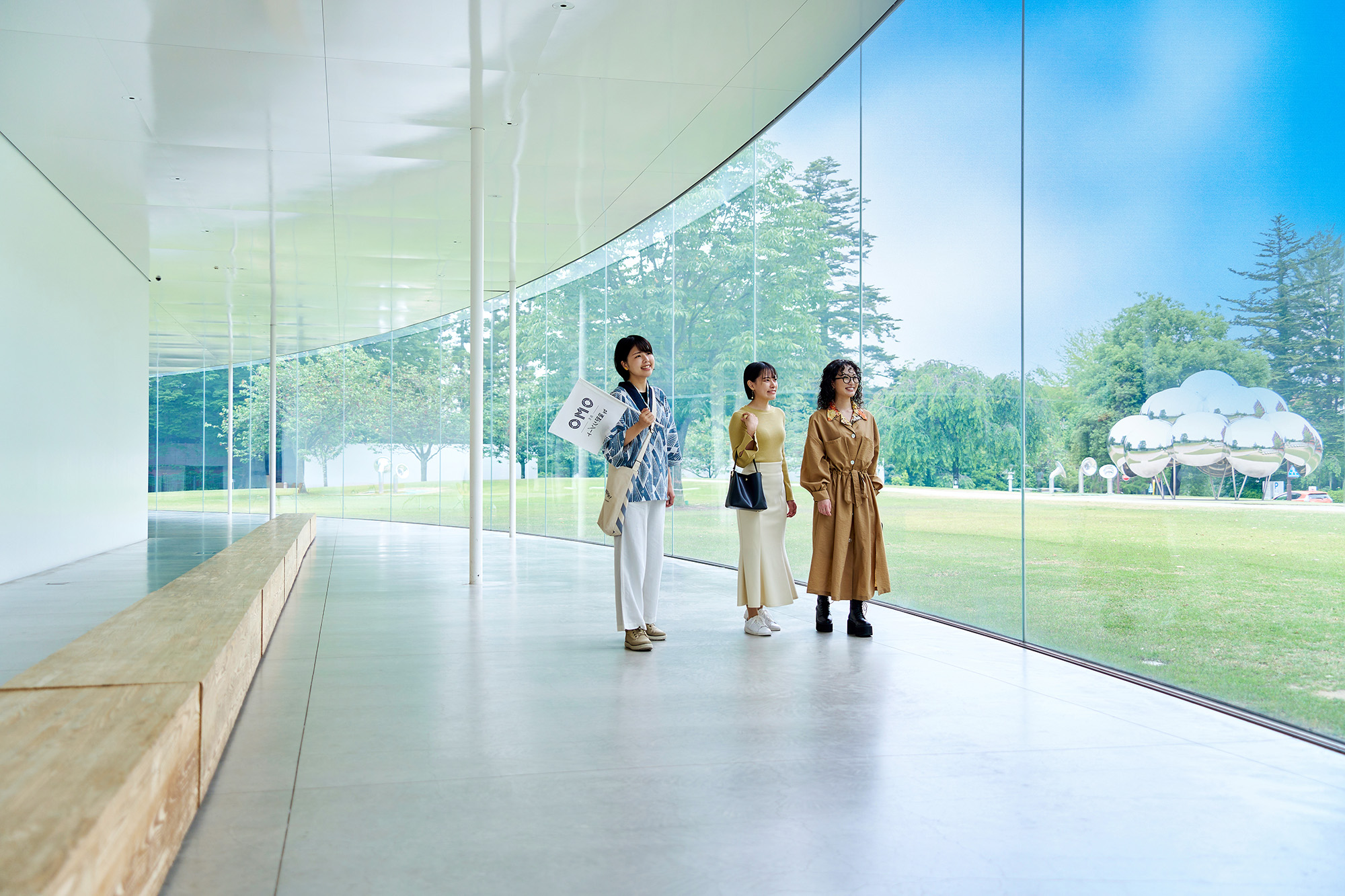
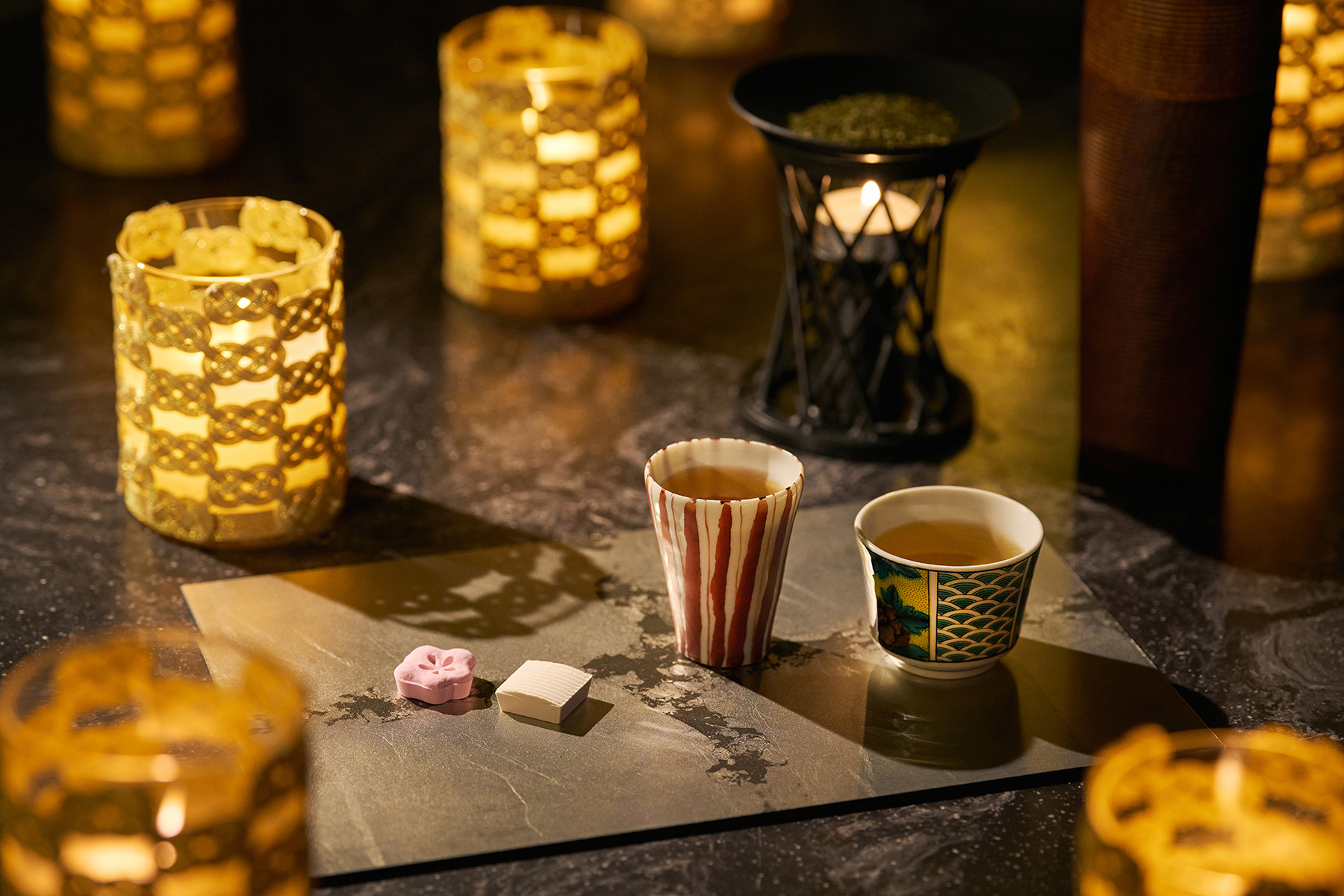
Direction local bus "Korinbo" getting off for about 4 minutes on foot
- A room charge example
- 1 night, 1 person \5,200-
Hoshino Resorts KAI Kaga
Ishikawa and Yamashiro hot spring
Hot spring inn of the Kaga tradition with which the new sensitivity gasps. The traditional construction ridge where a red shell grid is striking is national registered tangible cultural property.
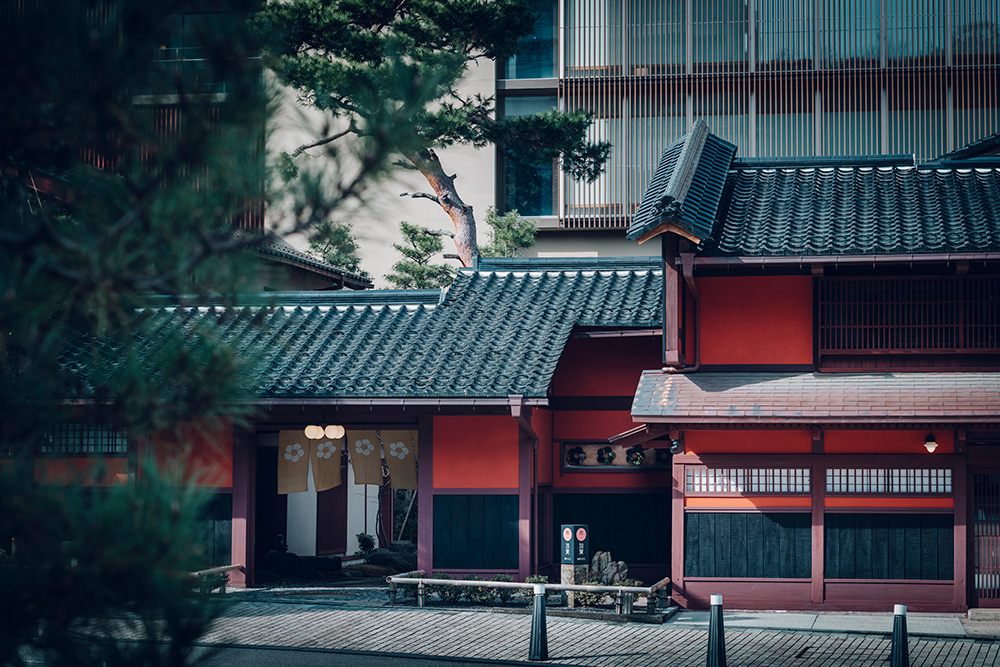
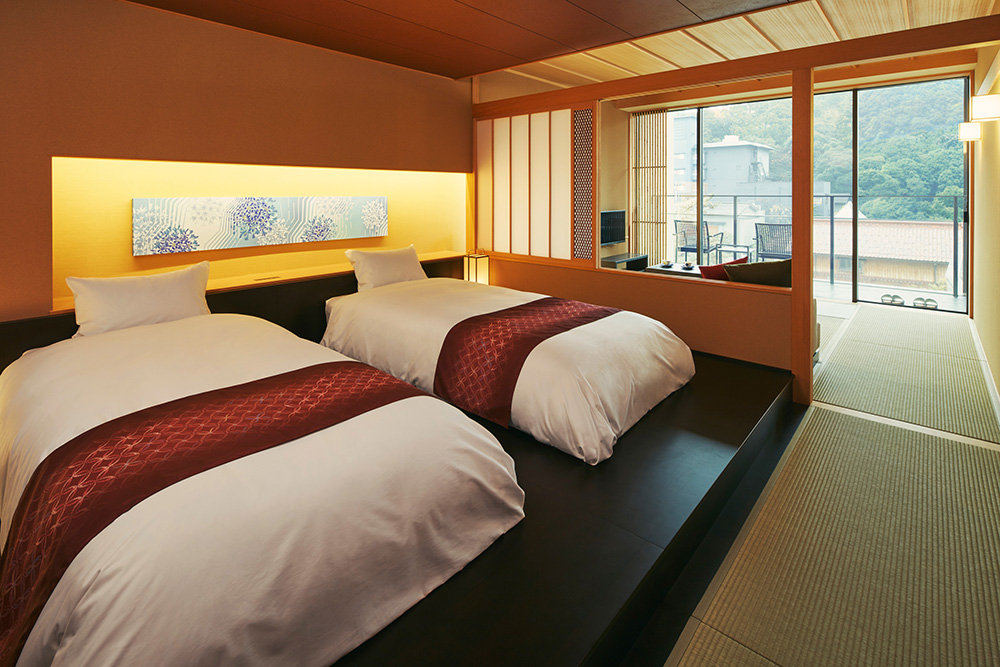
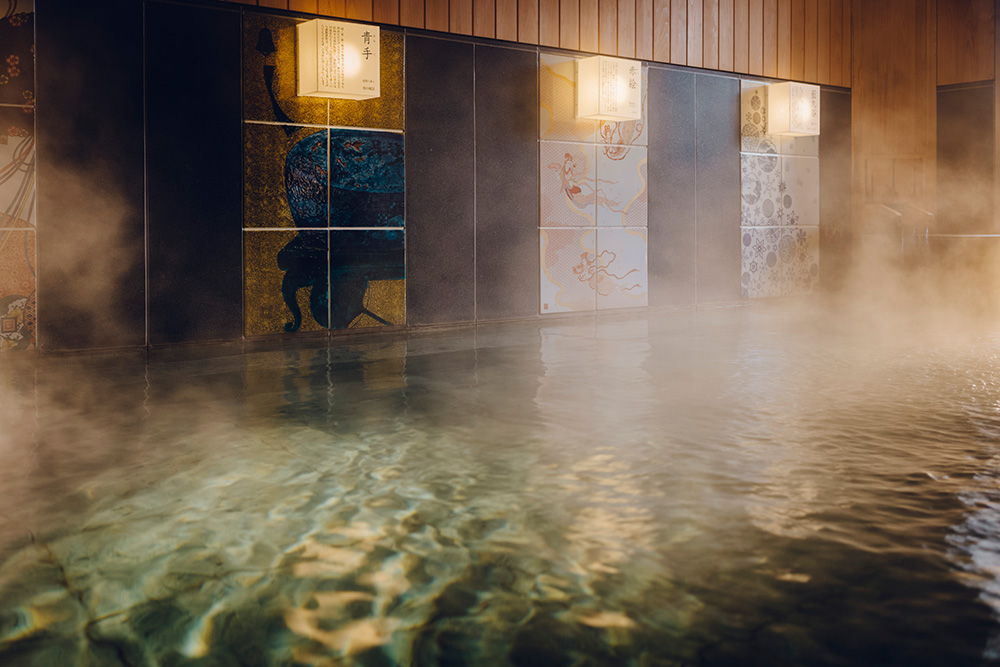
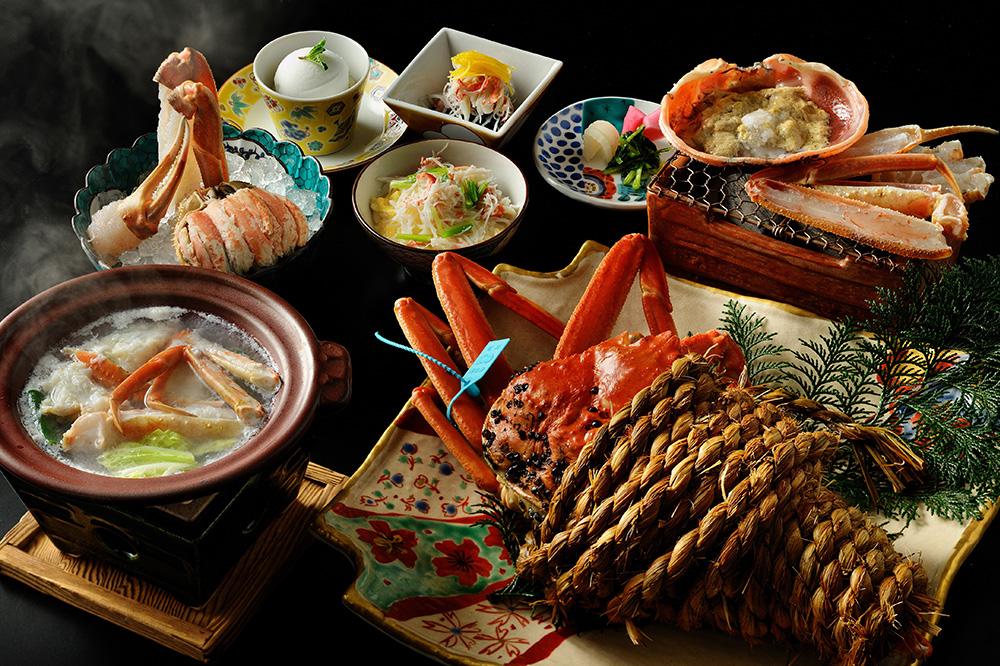
It's a taxi from the Direction IR ISHIKAWA railroad Kagahot spring station, about 10 minutes
- A room charge example
- 1 night, 1 person \19,000-