





6 sake breweries where you can find beautiful sake in Tochigi
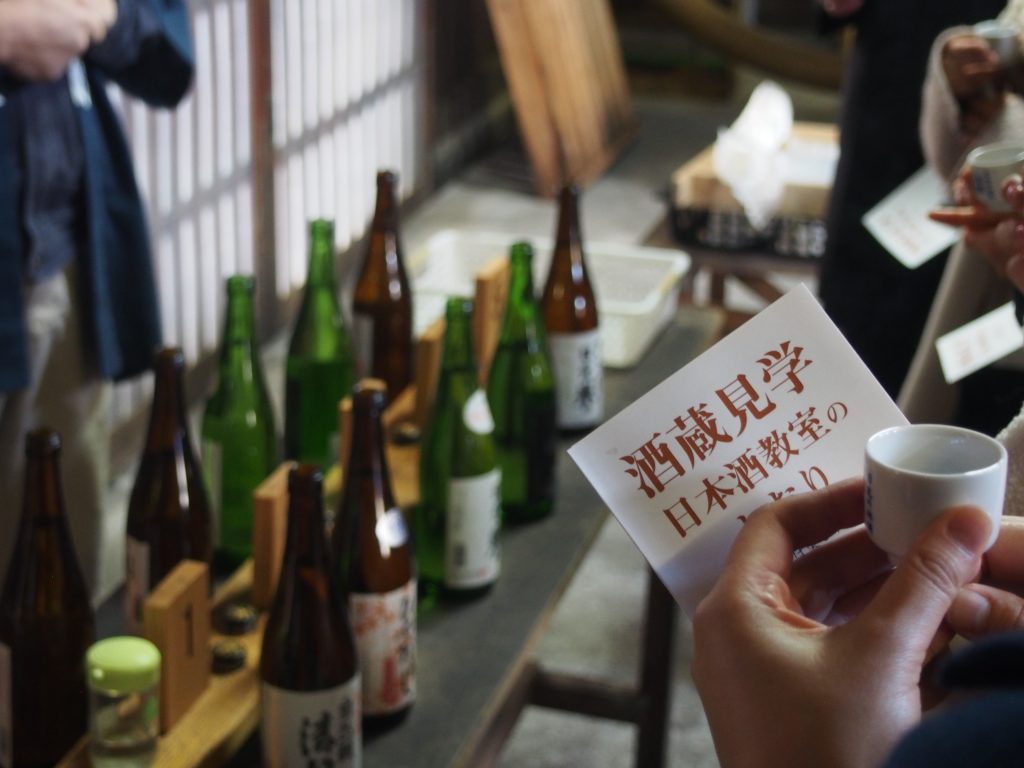
Tochigi's sake is said to be a rich, mellow brew with the sweetness and flavor of rice spreading softly. With clear water suitable for brewing springing up all over the prefecture, delicious local sake has been produced for more than 300 years. Currently, there are about 30 sake breweries in Tochigi, each brewing sake with their own traditions and specialties, and each brewery's brand name is associated with the local history and climate.
The six breweries introduced here offer tours of their breweries, sake classes, and other activities that can be enjoyed by visitors in the mood for sightseeing. Each brewery has its own unique atmosphere, including elegant buildings, stone warehouses, and wells from which famous water can be drawn. Of course, tasting sake after the tour is also an enjoyable part of the tour. From undiluted sake to matured sake, why not go on a sake brewery tour to find the sake that best suits your tastes?
1Tonoike Brewery
A tourist sake brewery in Mashiko where you can enjoy sake that combines old and new techniques and a museum.
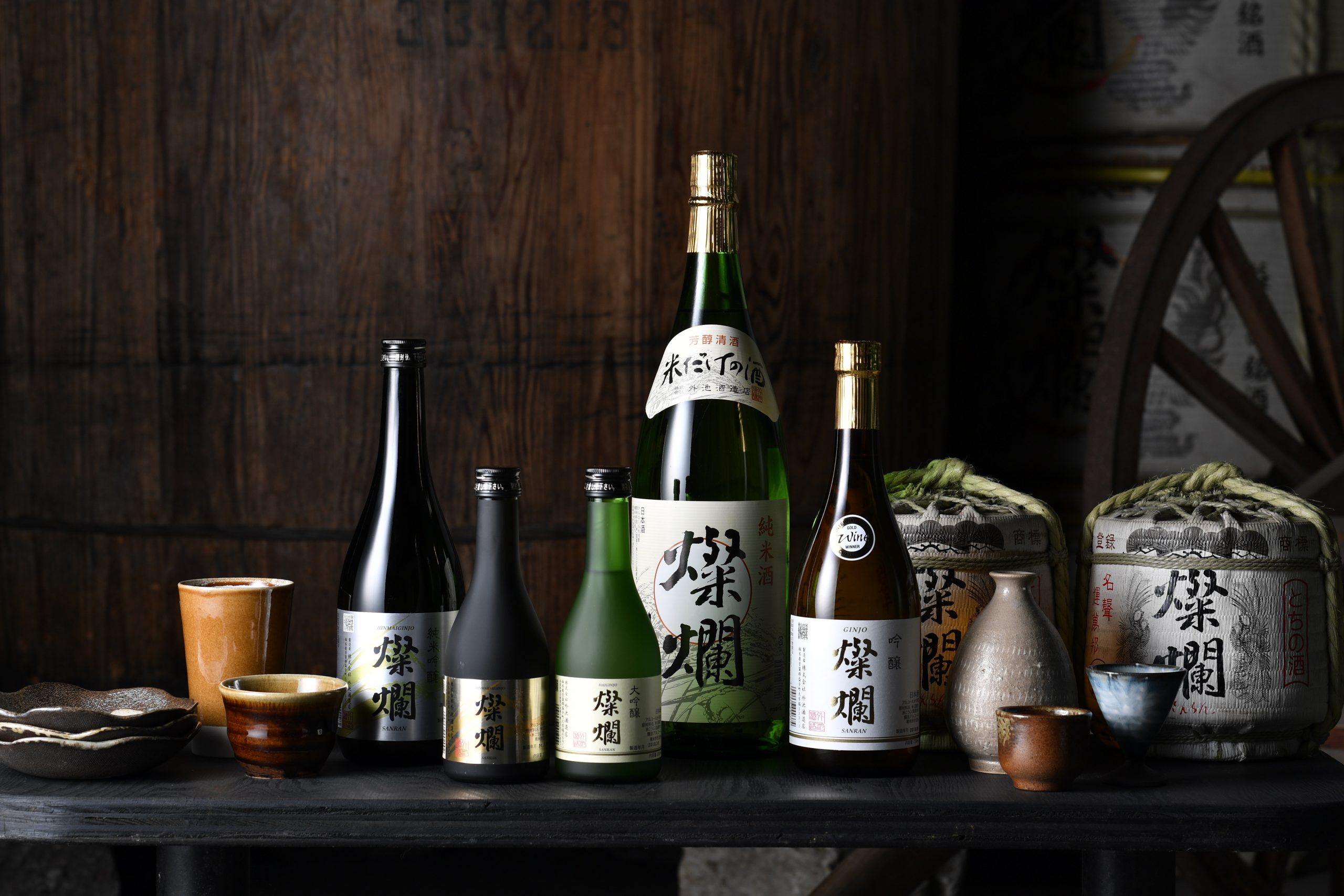
The brewery was established in Mashiko in 1937 as a branch of a sake brewery that had been in existence since the Edo period (1603-1868). The third generation of the brewery's owners have mastered traditional sake brewing while also developing shochu, liqueurs, and cosmetics to convey the new appeal of sake. In addition to its flagship brand "Sanran," the store offers a wide variety of sake with different tastes and concepts, such as "Sotobake AUTHENTIC," a daiginjo made from Hyogo Prefecture-produced Yamada-Nishiki and containing only the sake that has been dried in a kuro-hozuri (hanging in a bag). There are also seasonal products, so you can find a fresh bottle of sake each time you visit. Doburoku, strawberry, yuzu, and other fruit-flavored sakes are also popular. The brewery has won numerous awards at domestic and international contests, and is a popular brewery with many overseas fans to whom it exports.
Visit the museum in a renovated storage warehouse to view photos and tools used in the sake brewing process.

The Sake Brewery Museum, which utilizes an old-fashioned brewery, attracts about 70,000 visitors a year. While listening to explanations by Staff/staff members, visitors can look around at the history of the brewery, photos and illustrations of the brewery's founding and brewing processes, and displays of tools used in the past. You can also enjoy tasting three types of "Sanran" sake (with snacks) at the café attached to the brewery. It is also fun to drink water from the well on the premises, which is also used as brewing water, to soften the taste of the sake. The tour, including the purchase of souvenirs at the store, takes about 50 minutes. After the tour, it is recommended to enjoy coffee brewed with well water and amazake soft-serve ice cream (extra charge).
2Shimazaki Brewery
A rare cave cellar in Japan where mellow vintage sake is stored.

You can see it on the way from JR Karasuyama Station to the ruins of Karasuyama Castle, marked by the red signboard of "Higashi Rikishi". Founded in 1849, the second generation of the family was a big fan of sumo, and the name of the sake, which was named after him, has remained the representative brand. It is a deliciously fruity sake that is well known as a perfect food sake.
It should be noted that the store is located a short distance away from the store, at the foot of a mountain, in a cellar that was built in a cave. The cave was dug at the end of World War II for tank manufacturing and is designated as a Heritage of Modernization by Nasu Karasuyama City. The "Mature Uroko" series is aged quietly over time in the darkness of the cave. Available in stylish vintage bottles of 3-, 10-, and 20-years old, it is a beautiful amber color and offers a mellow, sweet taste of maturity.
With a tablet in hand to guide you through the process, you will feel like an explorer as you enter the cave.
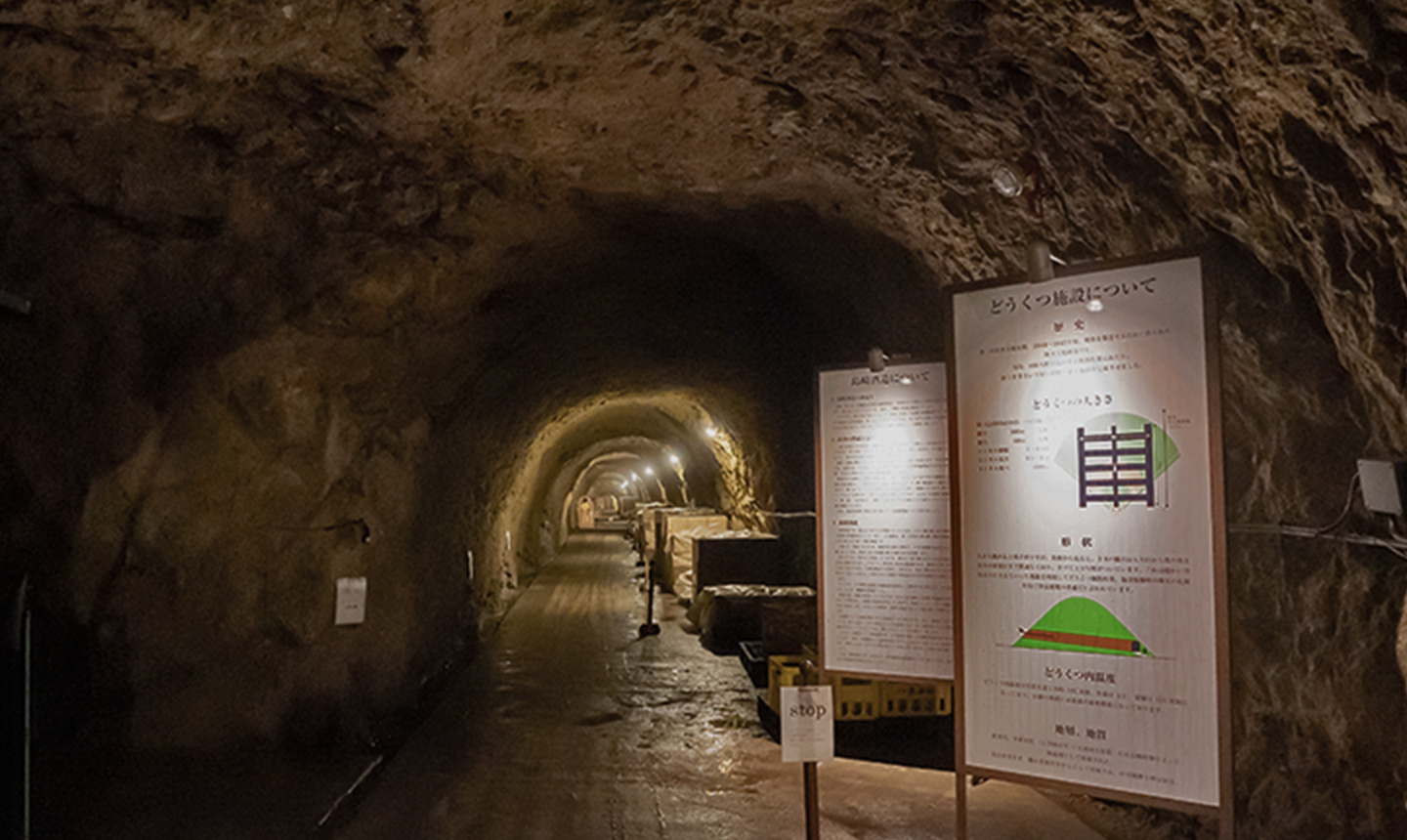
The cave is open to the public on Saturdays, Sundays, and holidays, and visitors can take a tour of the interior by listening to an automated voice on a tablet and following a course. It is a unique and interesting Experience. The tour takes about 15 minutes. The course is barrier-free. On the days when the cave brewery is open, the store inside the cave is also open and long-aged sake can be purchased.
Free bicycle rentals are available for the round trip between the store and the cave brewery (approx. 2.4 km) (15-20 min., approx. 10 min. by car). (15-20 minutes; 10 minutes by car).
3Daiichi Shuzo Brewery
For 350 years, rice has been grown and sake has been brewed. Locally loved sake with a gorgeous and delicate aroma.

Kaika is a long-established sake brewery that has been making Kaika, a sake that fits the times, for about 350 years in Sano City, a place of famous water. Since its establishment, the company has also consistently produced rice, and even today, employees do everything from planting to harvesting "Hitogokochi" sake rice and "Asahi no Yume" rice in the company's own rice paddies. Since 1998, Kaika has brewed only sake with a specific name (ginjo-shu, junmai-shu, honjo-shu, etc.) because of the company's strong desire for its sake to be delicious no matter which type of sake it is. The sweet and gorgeous aroma and the polished, clean taste make for a pleasant drinking experience that will make you want to drink more and more. The sake is available in wooden boxes and in sets that include award-winning sake, making it a perfect gift.
Gallery Hall Sake Brewery Raku, a repurposed rice warehouse that features photo exhibits and other exhibits

The sake cellar and main building were built in the latter half of the Edo period and are more than 160 years old. The "Gallery Hall Sake Brewery Raku," located in a corner of the brewery, is a renovated space in a tangible cultural asset-designated rice warehouse with a modern design, and has a permanent display of photo panels showing the sake brewing process. The "Sake Brewery Tour," held every February, is recommended for those who want to see the inside of the brewery in detail. This popular event allows visitors to tour the brewery with a brewer and taste freshly pressed sake. On other days, a simplified tour of the brewery is available by advance reservation.
The kiosk is equipped with a "nitrogen gas-infused automatic sake server" that prevents oxidation of sake, and there are always eight different kinds of sake available for comparison.
4Katayama Sake Brewery
Nama-nazake (unpasteurized sake), a gem of a drop of sake that is squeezed without sparing any time or effort.
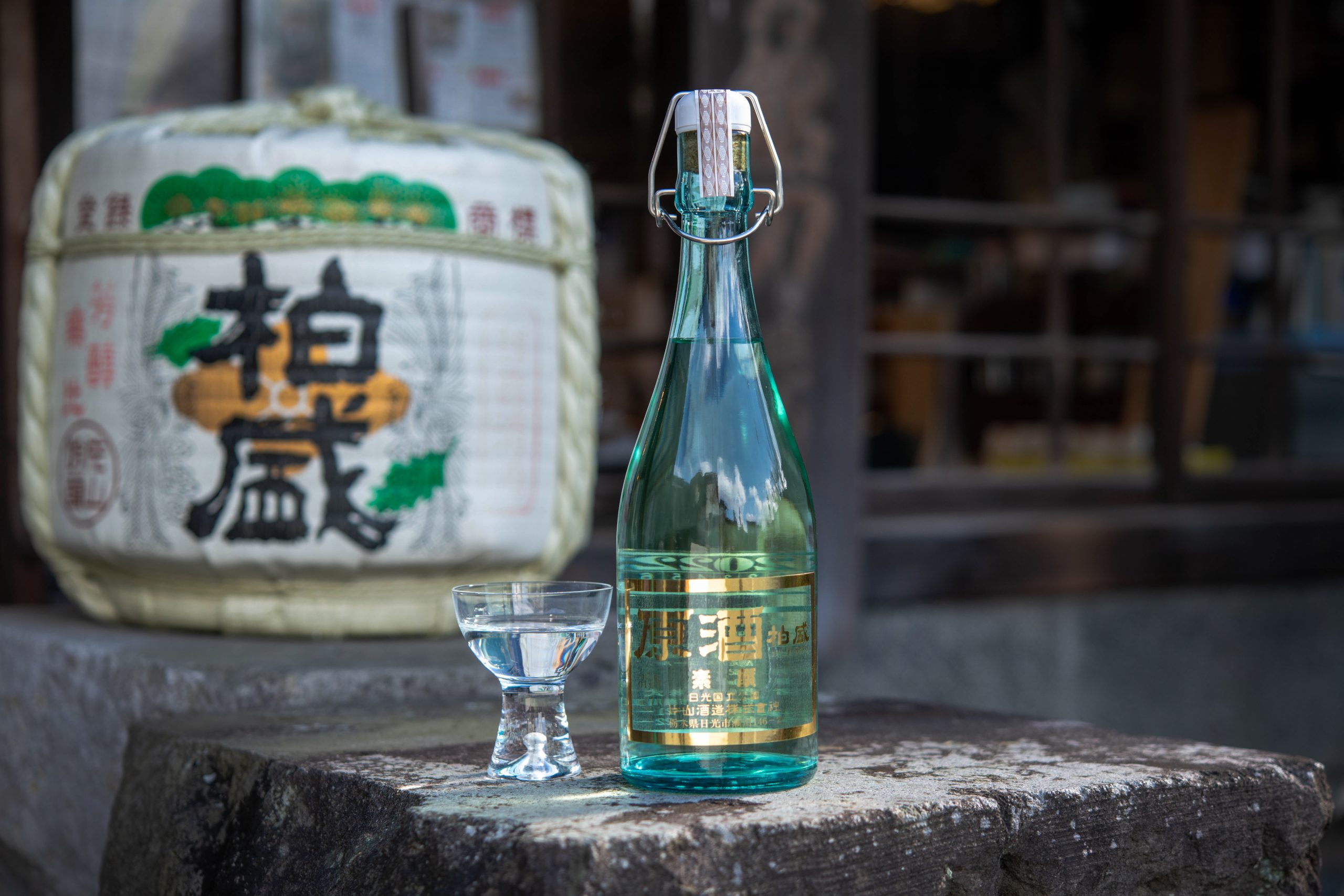
Since its establishment in 1880, the sake brewery has stubbornly maintained the "Sase method" of pressing sake. The "Sase method" refers to a method in which the mash is packed one by one into bags and piled up by the hands of skilled toji (master brewers) and kurabito (brewers), and the mash is pressed by applying gentle pressure. Because of the time and effort required, only a few breweries in the prefecture are engaged in this process today. The sake that is pressed with great care and labor is surprisingly tasteless and has a reputation for being the quintessential taste of sake. You can find a bottle that will captivate even the most discerning of sake connoisseurs, such as the most popular "Nama-nihonshu Moto-face" and the "Daiginjo Moto-face," a light, dry sake with a fruity, gentle ginjo aroma. Sake that can only be purchased directly from the brewery makes a perfect souvenir of your trip to Tochigi.
Inside the brewery, you can catch a glimpse of the meticulous attention to detail and handiwork that only a small-scale brewery can provide.
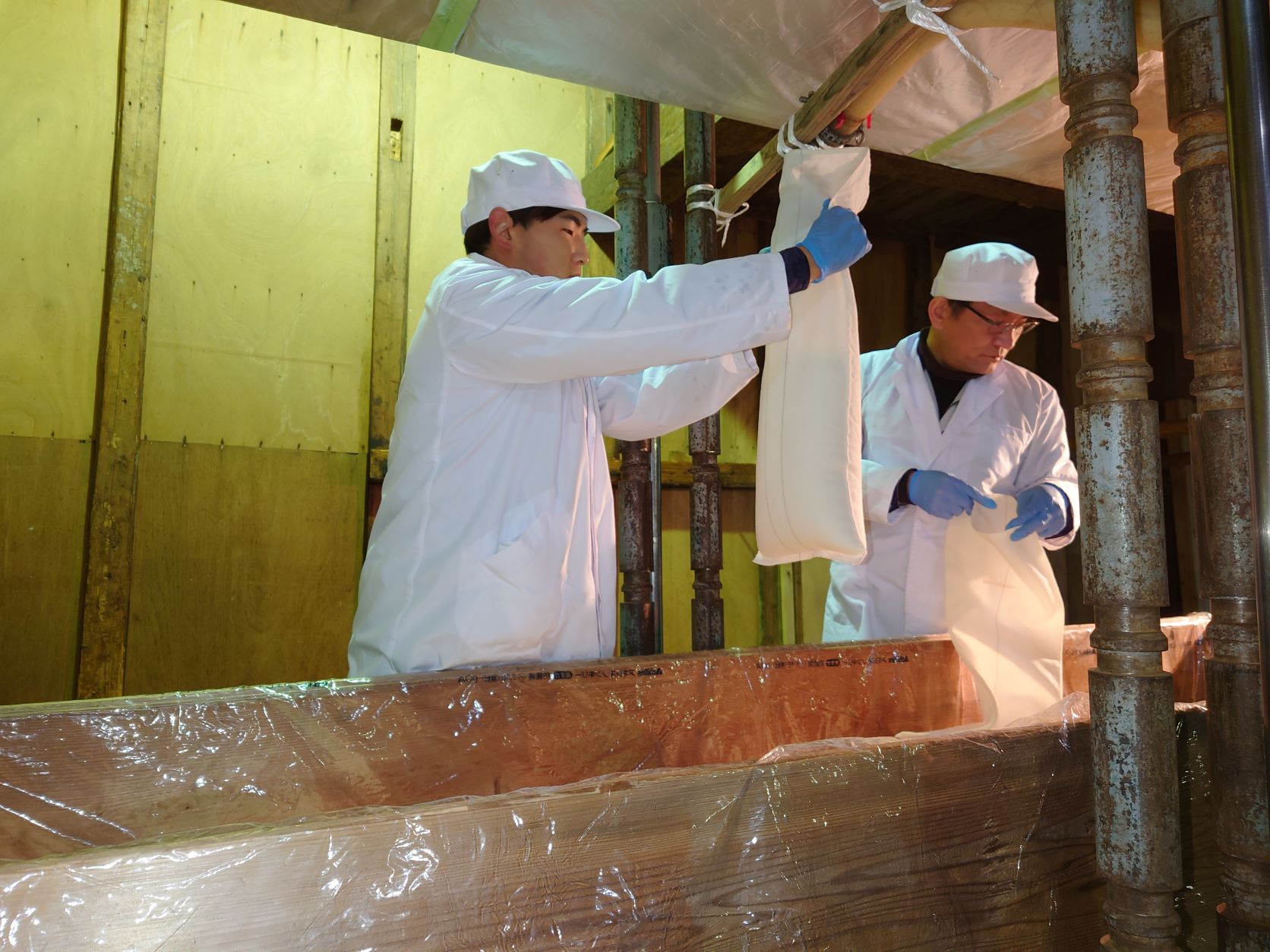
In the sake brewery located just behind the store, the tanks used in the "Sase method," the underground tanks into which the oozing sake flows, and the storage tanks are efficiently arranged together. The sake brewing process is clearly visible. Sake brewery tours are held four times a day, and depending on the time of year, visitors may be able to sample freshly pressed sake.
The brewing water, which is the key to sake, is drawn from 16 meters underground in the Nikko mountain range. The water is constantly overflowing from a well on the premises, and visitors can take it home free of charge, as it is limpid and mild to the palate.
In addition to sake, the restaurant also sells sake cakes containing Kashiwamori sake. The cake is moist and can be stored at room temperature for up to two months.
5Watanabe Sahei Shoten
A pure rice brewery that tells of the prosperity of the Nikko Highway in the old days and is still crowded with tourists.
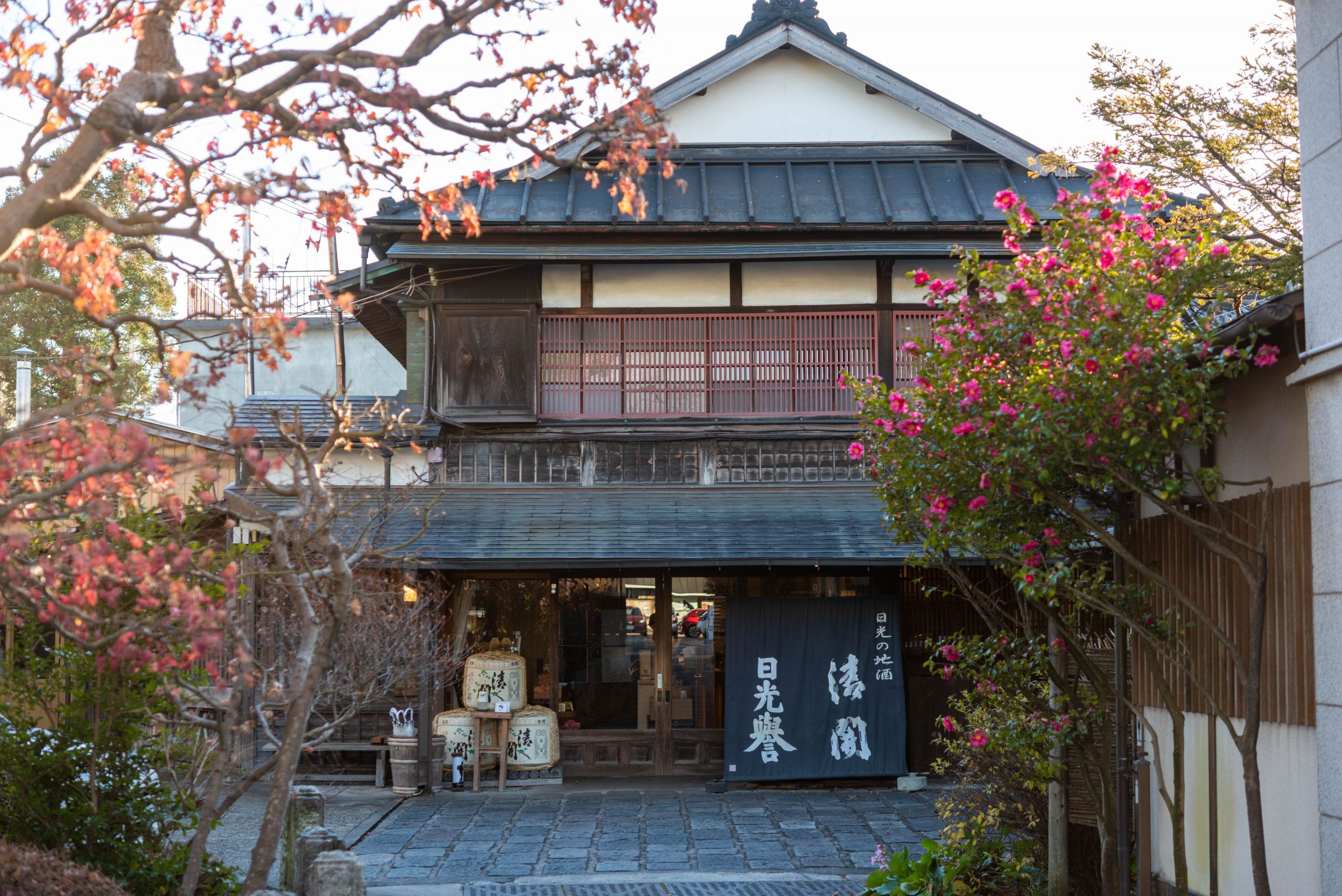
Located in the Imaichi area along the old Nikko Highway, where roadside stations and souvenir stores line the street, it is an easy stop. The site is lined with stately buildings more than 100 years old, and visitors can tour the inside of the brewery and enjoy a "Sake Classroom. Sake trivia, how to choose the right sake, and stories about local sake are all interesting and informative for sake lovers, and those interested should visit during the months of November through March, when you can watch the brewers (kurabito) at close quarters as they prepare the sake. After the tour, visitors can taste several representative brands.
Sake brewed in the bitter cold of minus 10 degrees Celsius in winter.
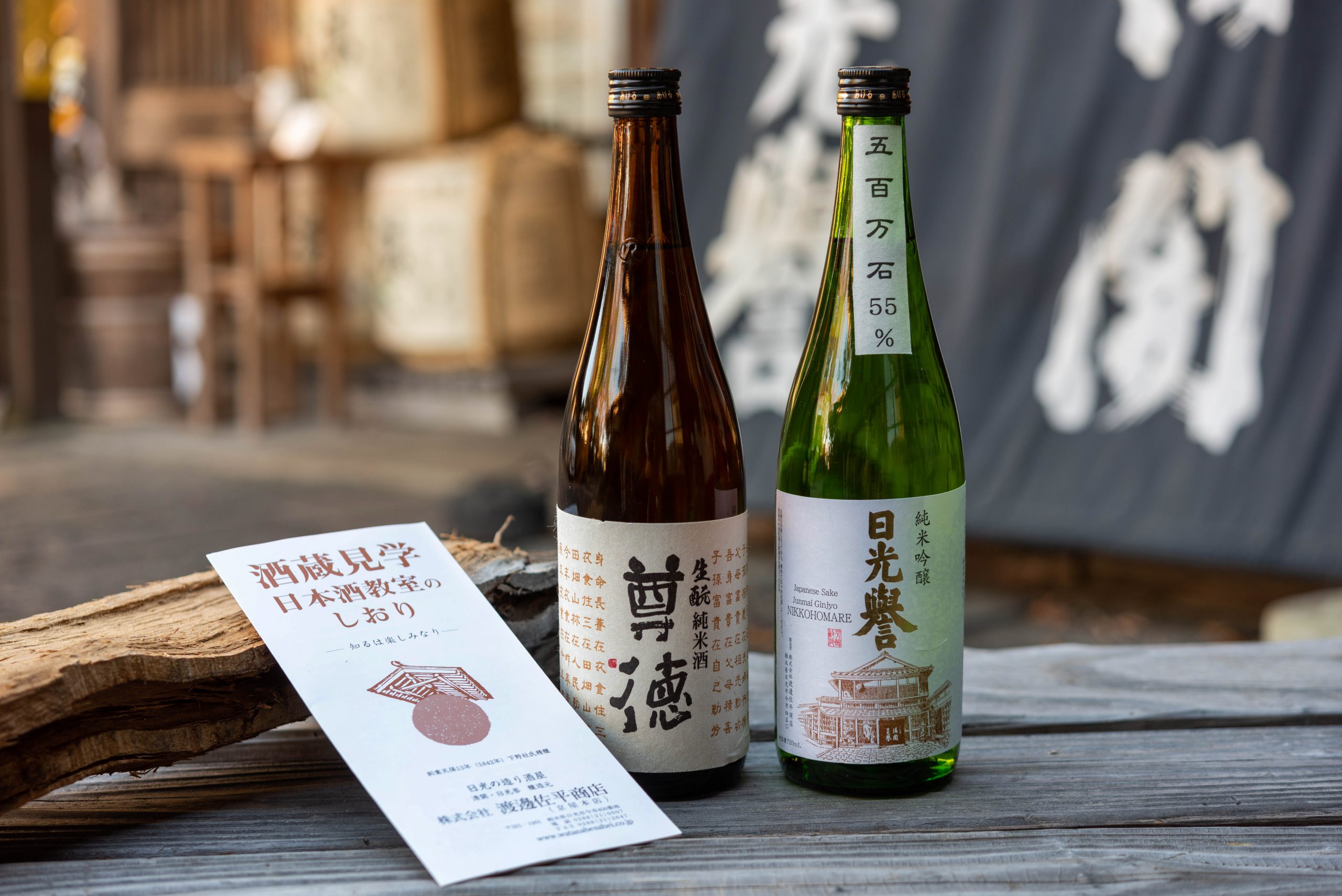
The brewery was founded in 1842. The company believes that junmai sake is the true local sake, and 90% of the sake it makes is junmai sake. The sake rice that forms the basis of their sake is grown in the prefecture as much as possible, and in particular, "Junmai Ginjo Nikko Homare" is made from "Gohyakumangoku" rice grown by local farmers in Imaichi. The "Namaishige Junmai Sake Toutoku" is a full-bodied sake brewed with "Tochigi Sake 14," a sake rice developed by Tochigi Prefecture, and yeast. It is the first time in about 100 years that the traditional "kimoto" method of sake making, which requires a lot of labor to make yeast by hand, has been revived. The label features "Houtoku-kun," the teachings of Sotoku Ninomiya.
In addition to sake, the brewery also sells shochu (Japanese liquor) and a mildly sweet cider made from 100% natural water from Nikko.
6Nishibori Brewery
A new type of sake that combines the skills of the Nanbu Touji with the latest technology is attracting attention from Japan and abroad.
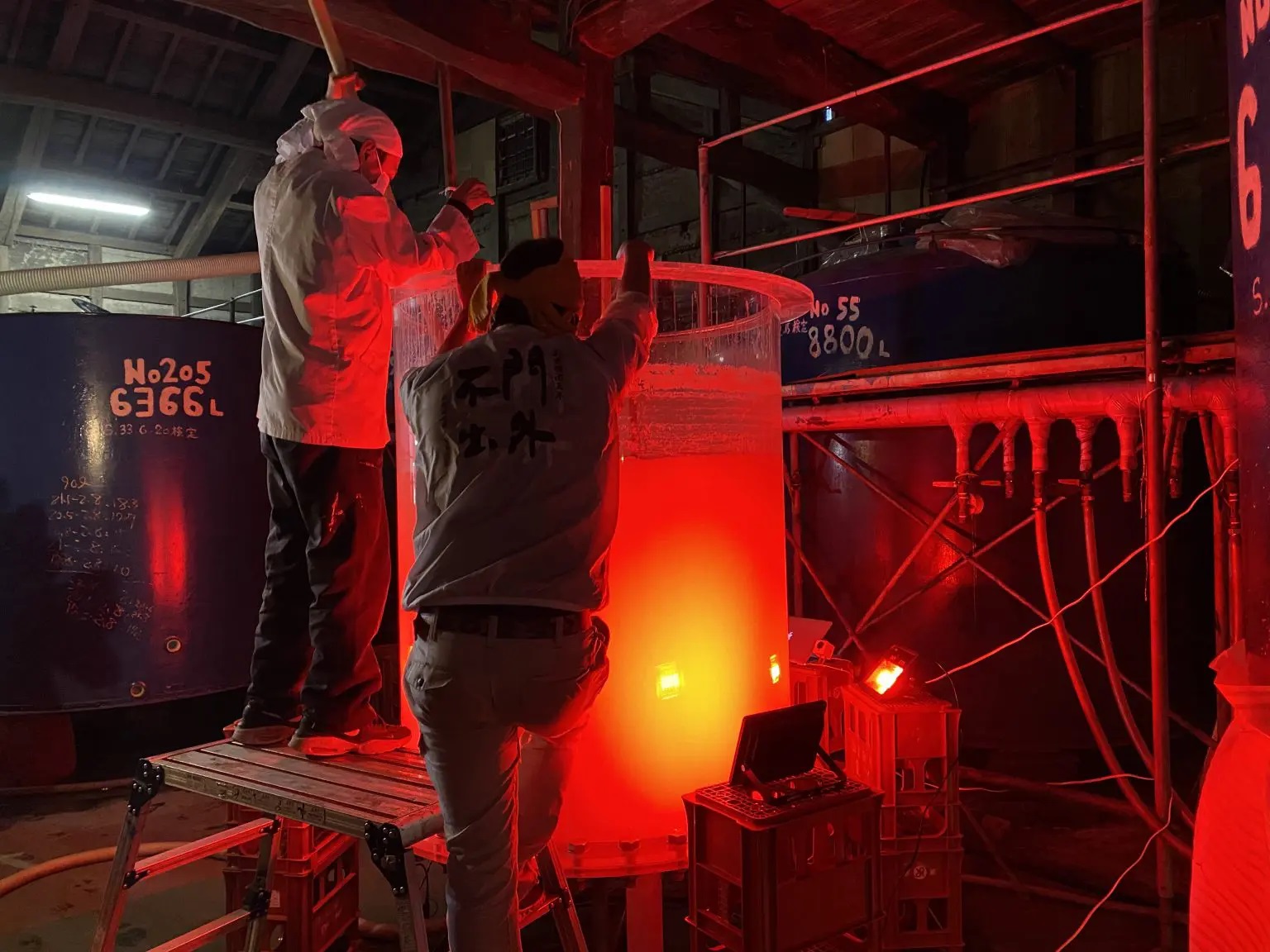
Passing through the tenement gate with cedar beads on the eaves, you will see a group of historic buildings spread out before you. The gate and four other buildings, including the chimney, are registered tangible cultural properties of Japan. The founder of the brewery was an Omi merchant, and the brewery has been working together with the local community for 150 years while upholding the spirit of "sampo yoshioshi. The basis of sake brewing is the technique of the late Mr. Tsugieda, who was called the master of the Nanbu Toji (Southern Toji). The rich, full-bodied local sake based on a mellow, umami taste goes well with the food of Tochigi Prefecture, where many dishes are well seasoned, and has long been favored by local drinkers. Based on the traditional technology with local strength, the company has taken on the challenge of brewing junmai sake brewed with 100% ancient rice without using sake rice, clear tank brewed sake that visualizes the natural convection of yeast, and LED color light irradiated fermented sake that uses light to control fermentation. These avant-garde new technologies and products have surprised both domestic and international audiences, and have unearthed new possibilities for sake.
Three types of tours are available, depending on the number of visitors and the contents of the tasting.
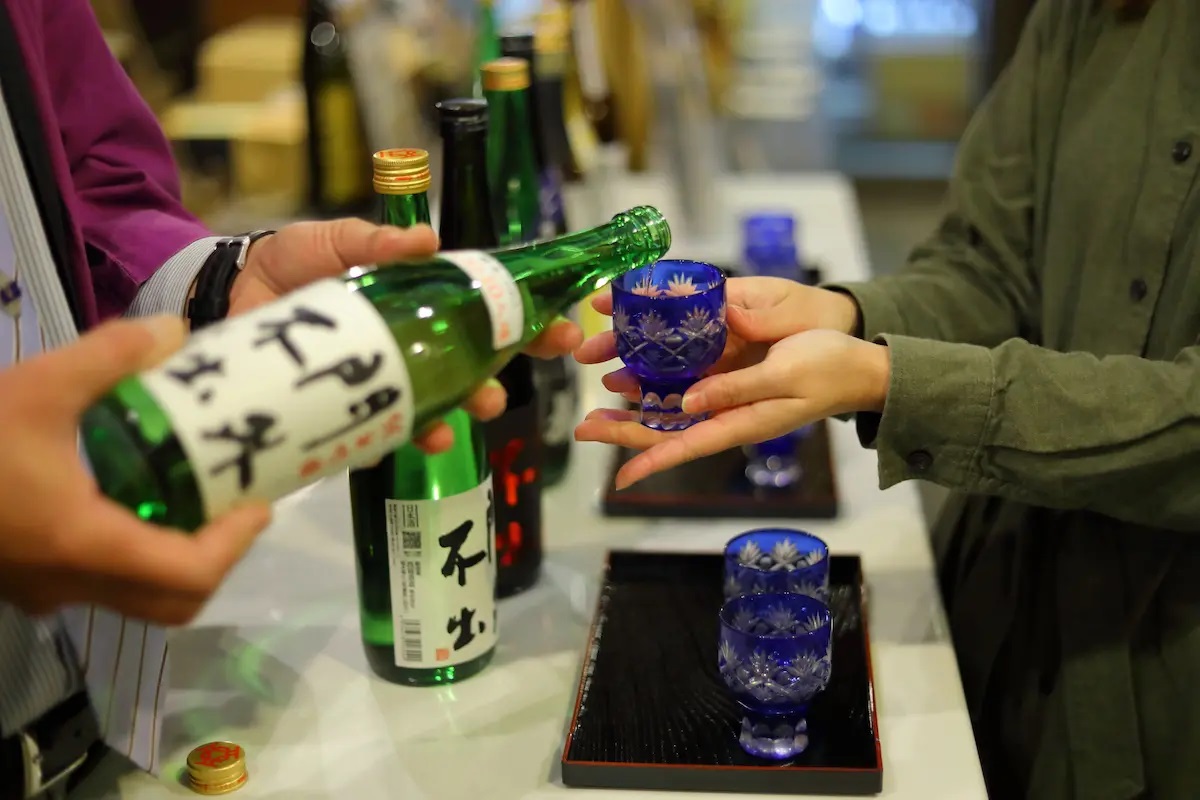
Sake brewery tours are welcome as a way of contributing to the local community. You can tour the brewery beyond the Nagayamon gate, the kettle house, and the koji room. There are three courses: Regular, Special, and Sake Brewery Experience, which include a guided tour of the brewery, tasting, and shopping. The special course includes tastings of daiginjo and limited-edition sake (up to six different brands, depending on the season), and the sake brewing experience is a fulfilling one in which visitors can experience the brewing process with a kurabito (brewery worker).
In the spring of 2022, the Nikko Kaido Oyama Distillery, a renovated rice-polishing warehouse, will be completed on the premises. It will produce "Yume Nikko Vodka NIKKO DREAM VODKA" and domestically produced whiskey in an industrial worldview that blends tradition and the future. In the future, they plan to develop gin as well.

Michikusa experts who wrote this article
-
Takako Kawaguchi
Editor and writer. After working as an editor for a major publishing company's women's magazine for 10 years, she became a freelance writer. Writes articles for magazines and websites, focusing on travel, interior design, and miscellaneous goods. She enjoys watching sports with her husband and going on hot spring trips.
 Michikusa's
guru
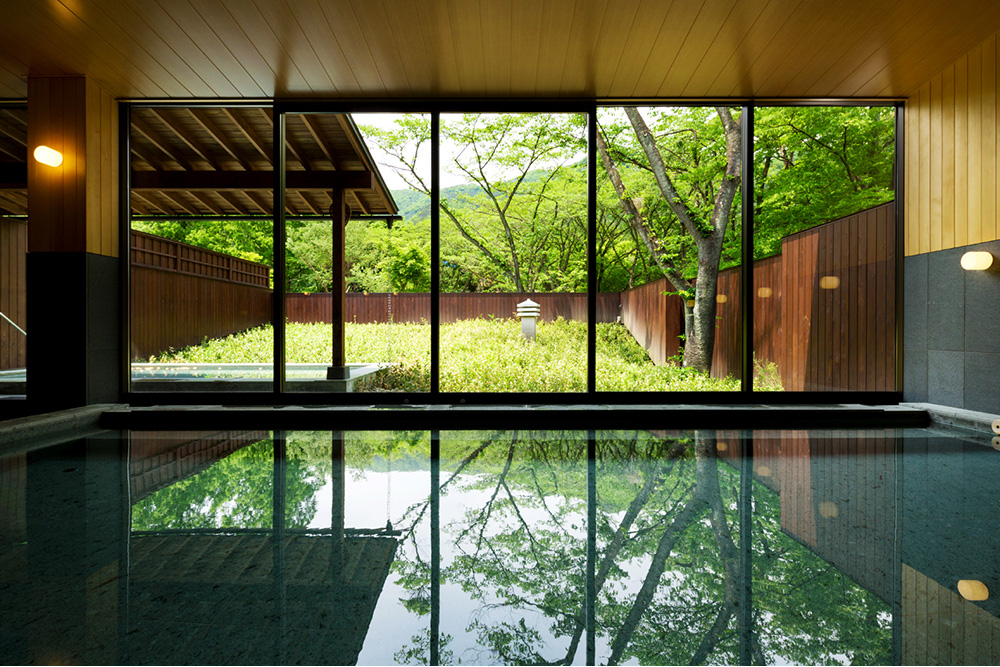
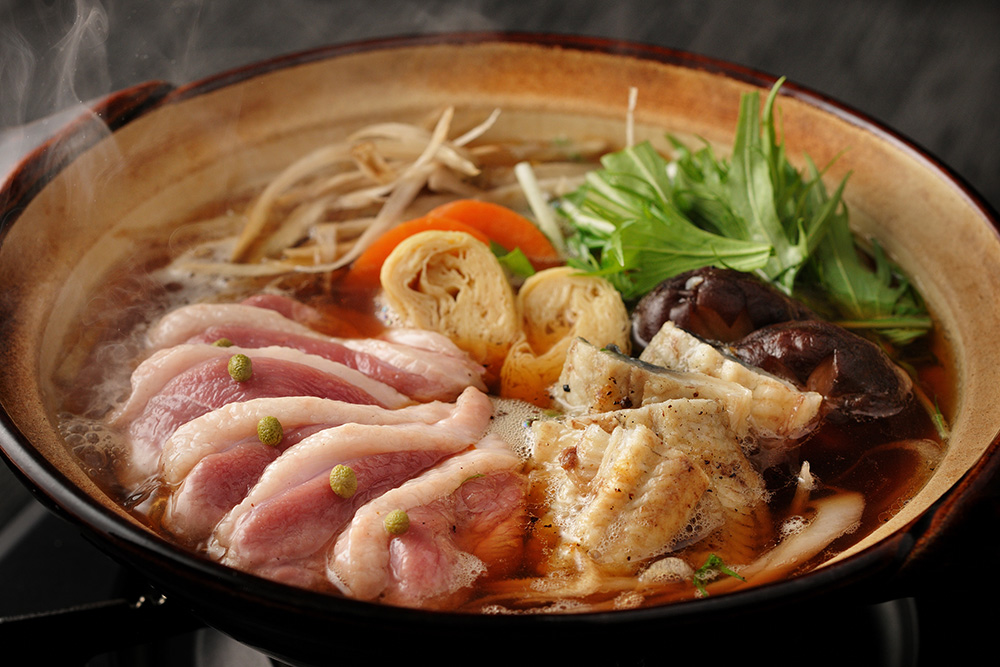
Hoshino Resorts KAI Kinugawa
Kinugawa hot spring, Tochigi
A hot-spring hotel in the forest along the Kinugawa River, where Tochigi folk art shines through the trees
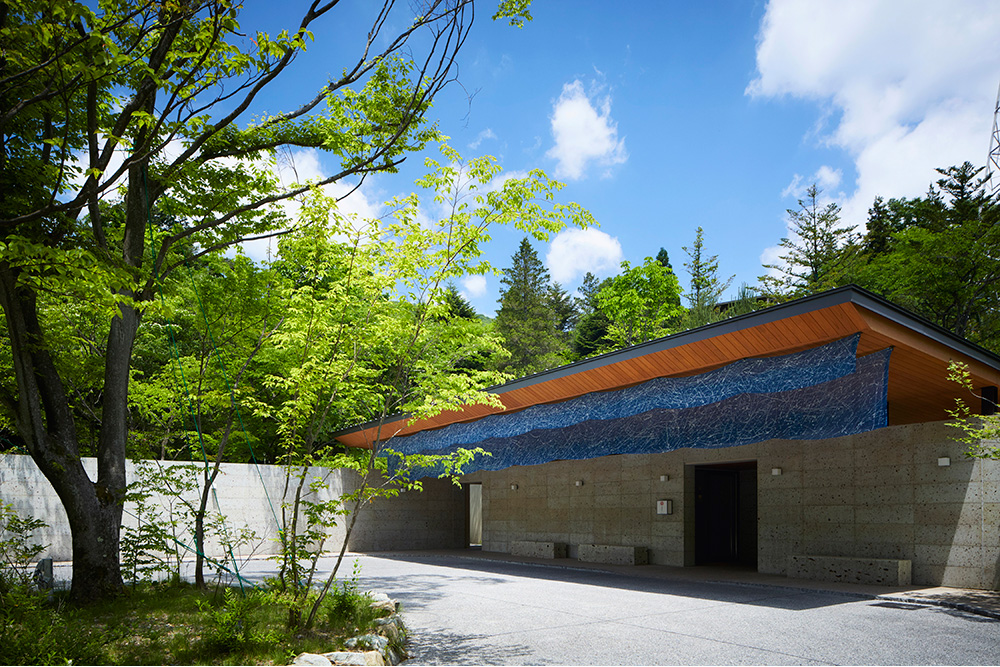
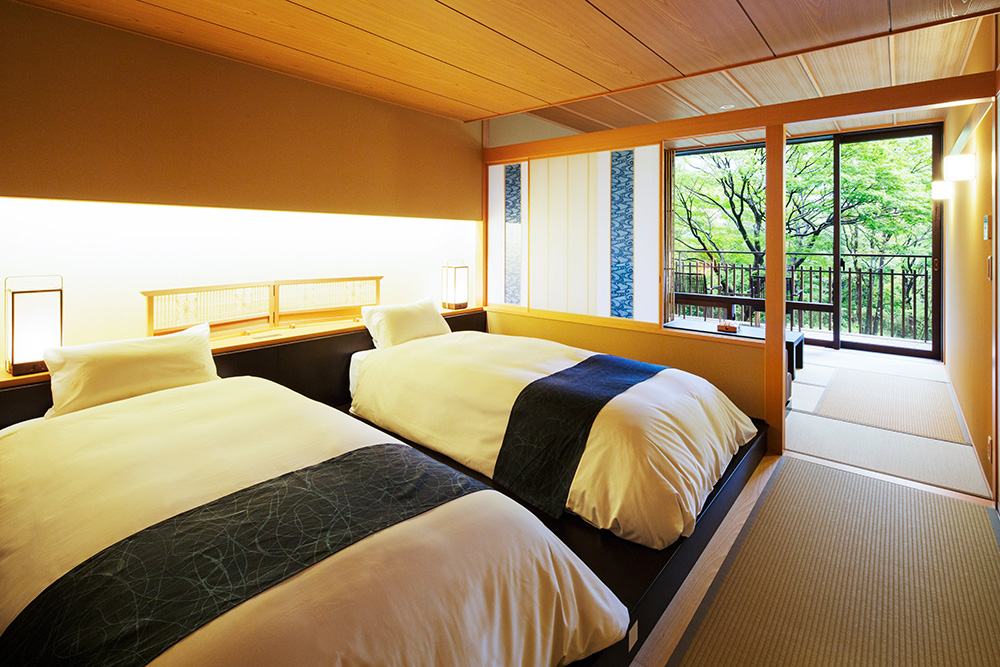
Access by bus 5 minutes by cab from Kinugawa Onsen Station on the Tobu Railway
- Example of Accommodation Rates
- 1 person per night From 30,000 yen